

Bridging Advanced Science and Medicine
Emory University, Health Sciences Research Building
Laboratories and Research
Emory University partnered with Children’s Healthcare of Atlanta to build the Health Sciences Research Building (HSRB). The facility is the initial phase of a 450,000 SF precinct for pediatric, cancer, immunology and drug discovery research located immediately north of Emory’s medical campus. The design responds to the client’s need for heavy chemistry, wet bench biochemistry, and computational research, as well as its goal of supporting the flow of information and ideas between research groups.
With HSRB, Emory sought a fresh interpretation of its revered architectural traditions and envisioned the project as a significant public face for its expanding research. The facility is located acros a busy arterial street from Emory’s core campus, and it represents a northward expansion into new terrain. The final design creates a powerful sense of entry to the campus. Its dramatic enclosed bridge provides a safe and commodious link between the new research precinct and the core campus.
Location
Atlanta, GA
Square Feet
212,000
Completion date
2013
Project Component
Architectural design
Interior design and space planning
Certifications
LEED Silver

HSRB has significant solar exposure to the intense Atlanta sun upon its long facades, and the design employs well-shaded glass in moderate quantities to optimize the balance between daylight penetration and solar heat gain reduction.
The building's exterior expression offers a modern update on the Italian Neo-Renaissance style typical across Emory's campus. Six colors of Portuguese marble contribute to a lively skin that is animated as daylight travels across each facade. Pink marble tile punctuates the building's primary entrances, while red clay tiles enclose and shield HSRB's penthouse. Crisp, finely detailed window surrounds, metal trim, exterior sunshades, and eave profiles provide a light and contemporary counterpoint to the building’s solid masonry massing.
HSRB is organized into three distinct functional components: a wet laboratory building, a tower containing public functions, and an enclosed dry research bridge that connects the facility to clinical and research operations on Emory’s core campus. Within the wet laboratory building, distinct research neighborhoods promote scientific interaction and the formation of group identity within different sectors.
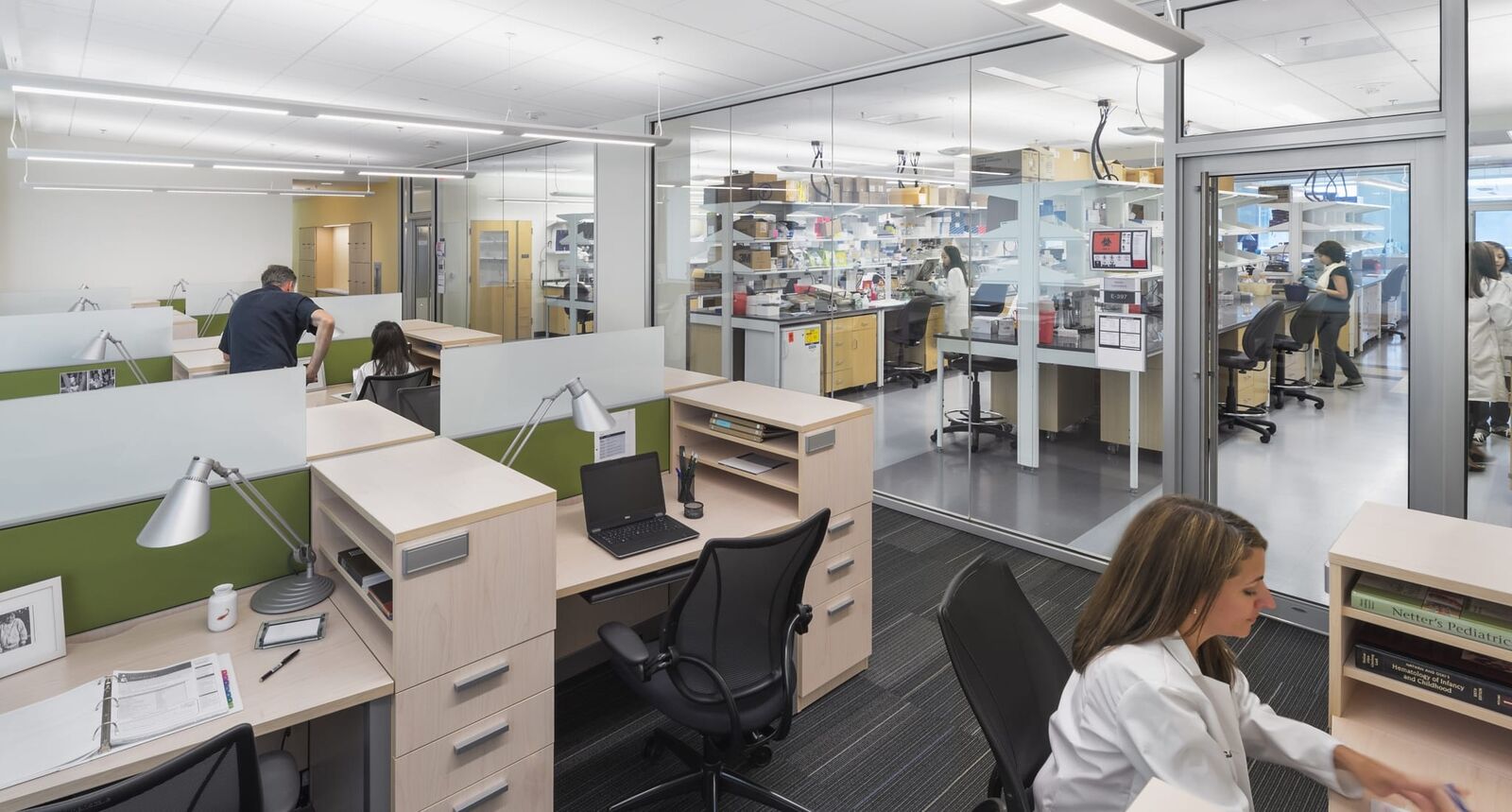
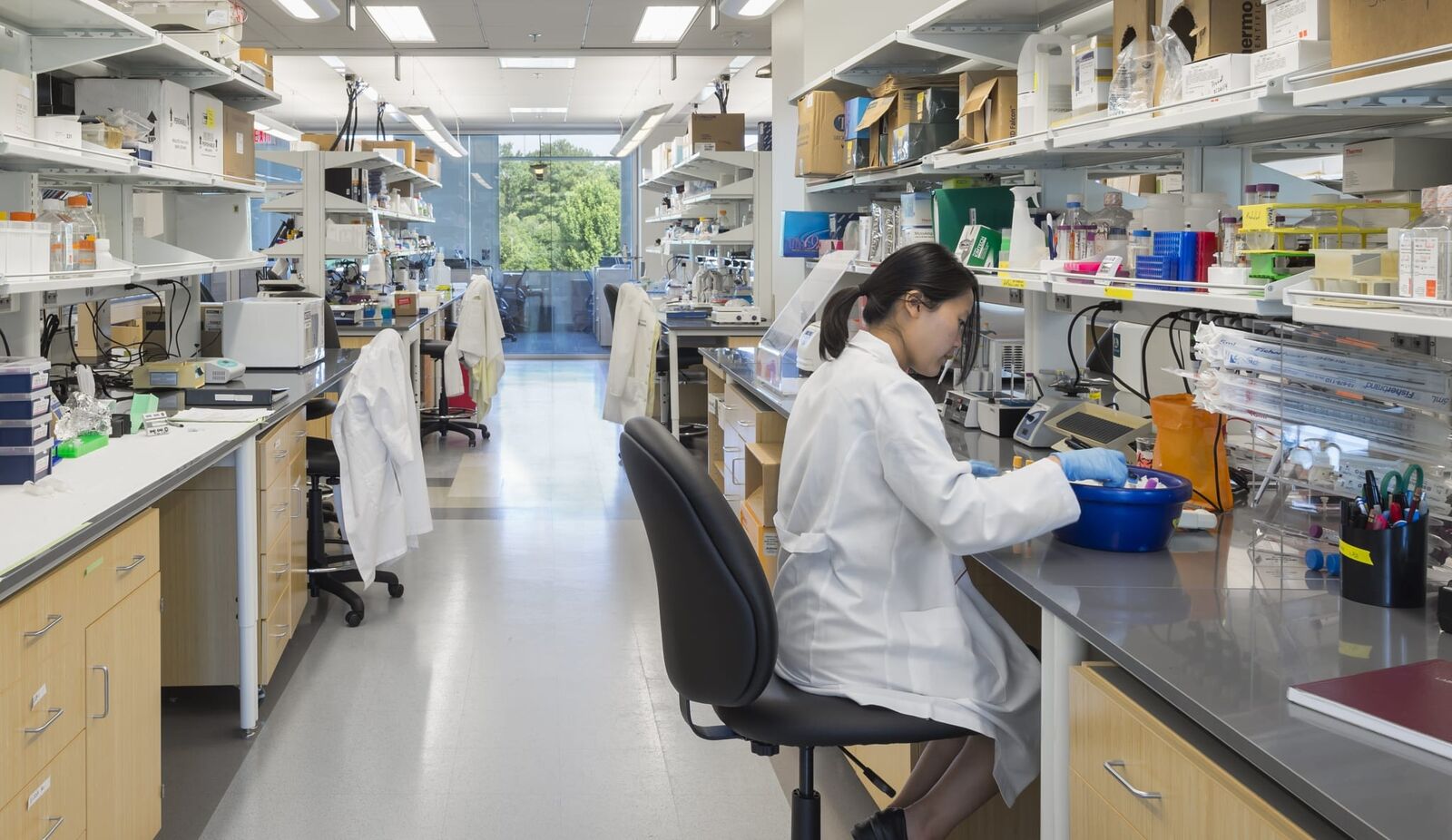
The neighborhood plan turned lab support 90 degrees and moved the write-up stations out of the labs, reducing the volume of bench space that must be served with once-through air and placing lab workers in a safer and pleasant environment where they can more easily collaborate.

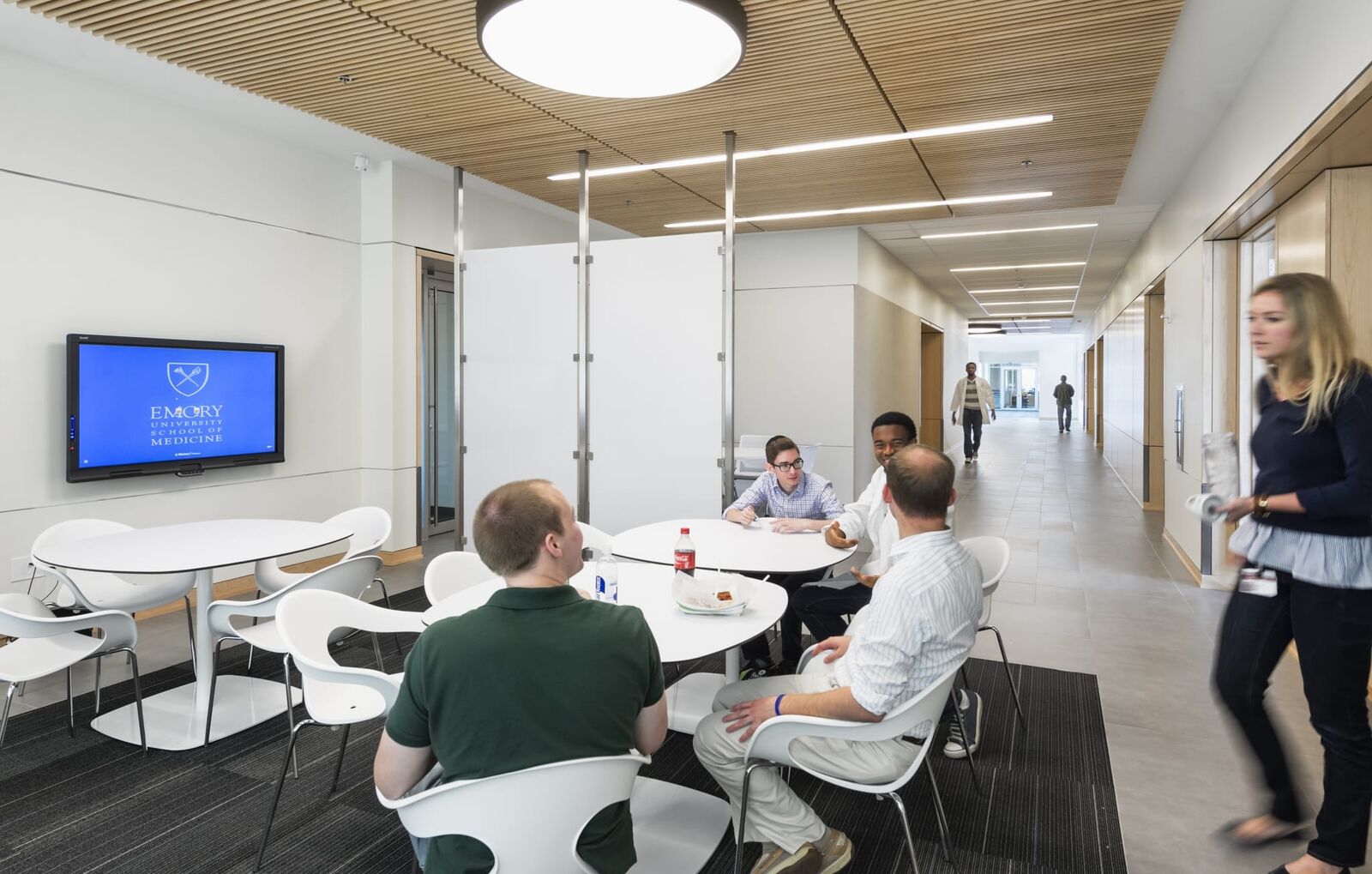
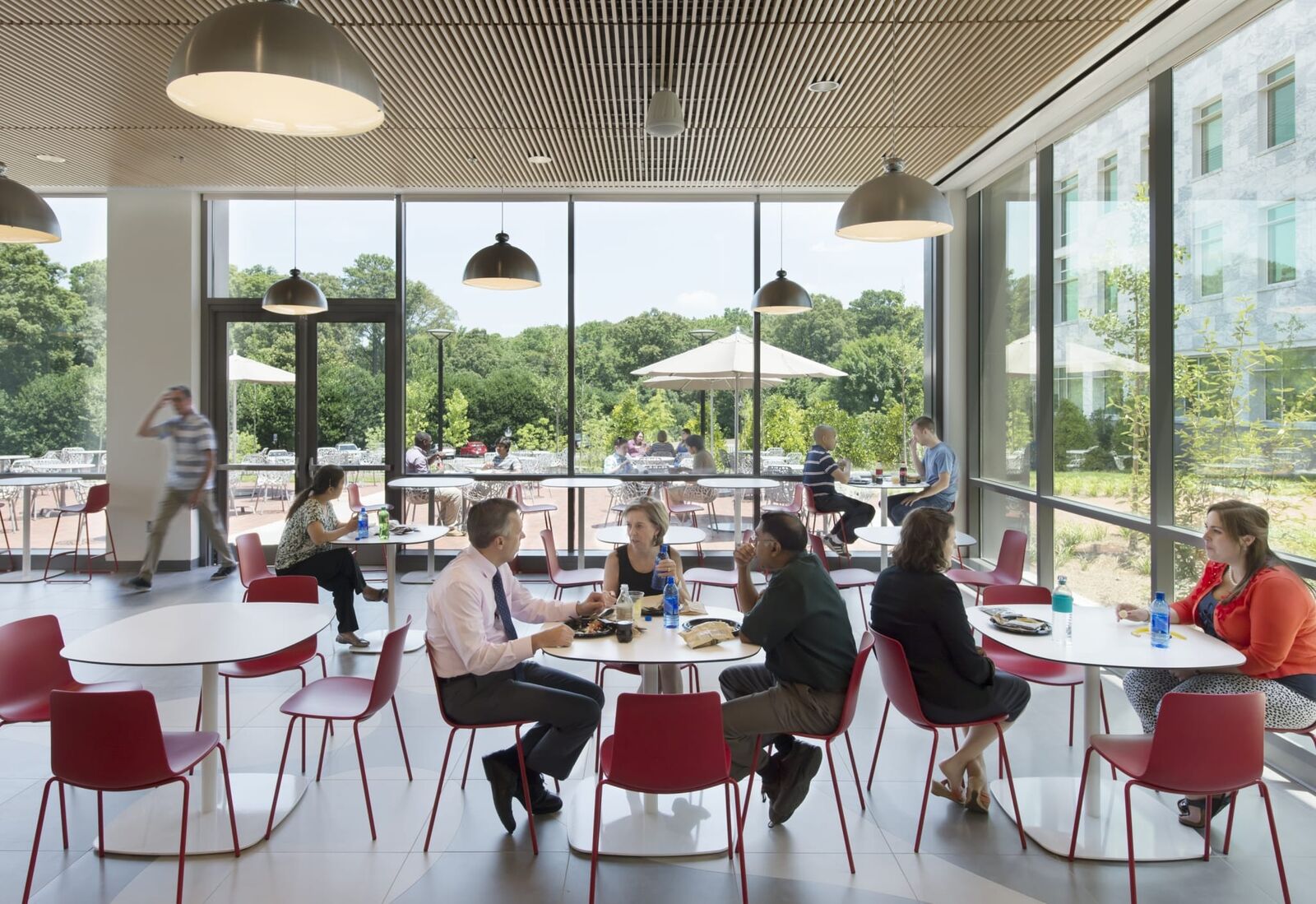
In addition to dry research space and circulation, the connector bridge contains dedicated work areas and flexible huddle rooms that provide researchers from various disciplines space to gather and tackle shared challenges. The two-story structure creates a much-needed physical connection between Emory's disparate research precincts. Spaces within HSRB's tower serve a more public function. A fully-equipped 200-seat auditorium and associated break-out spaces support major scientific gatherings. An adjacent grab and go cafe serves building users and offers a vital amenity within the expanding campus district.
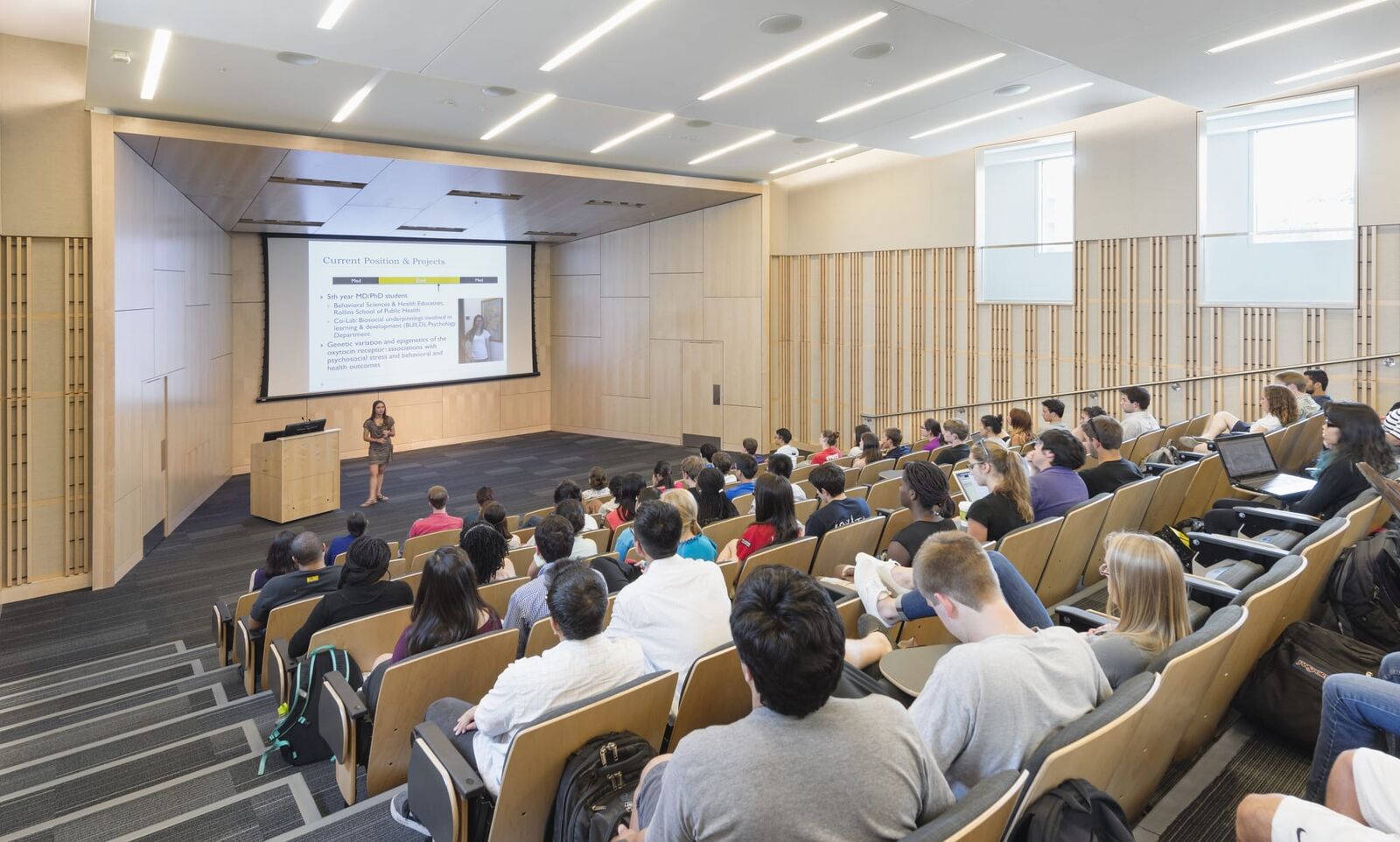
A variety of teaching and meeting spaces include flexible classrooms, conferencing facilities, and a fully-equipped auditorium.

University of Colorado, Anschutz Health Sciences Building

The University of Texas at Arlington, Science and Engineering Innovation and Research Building
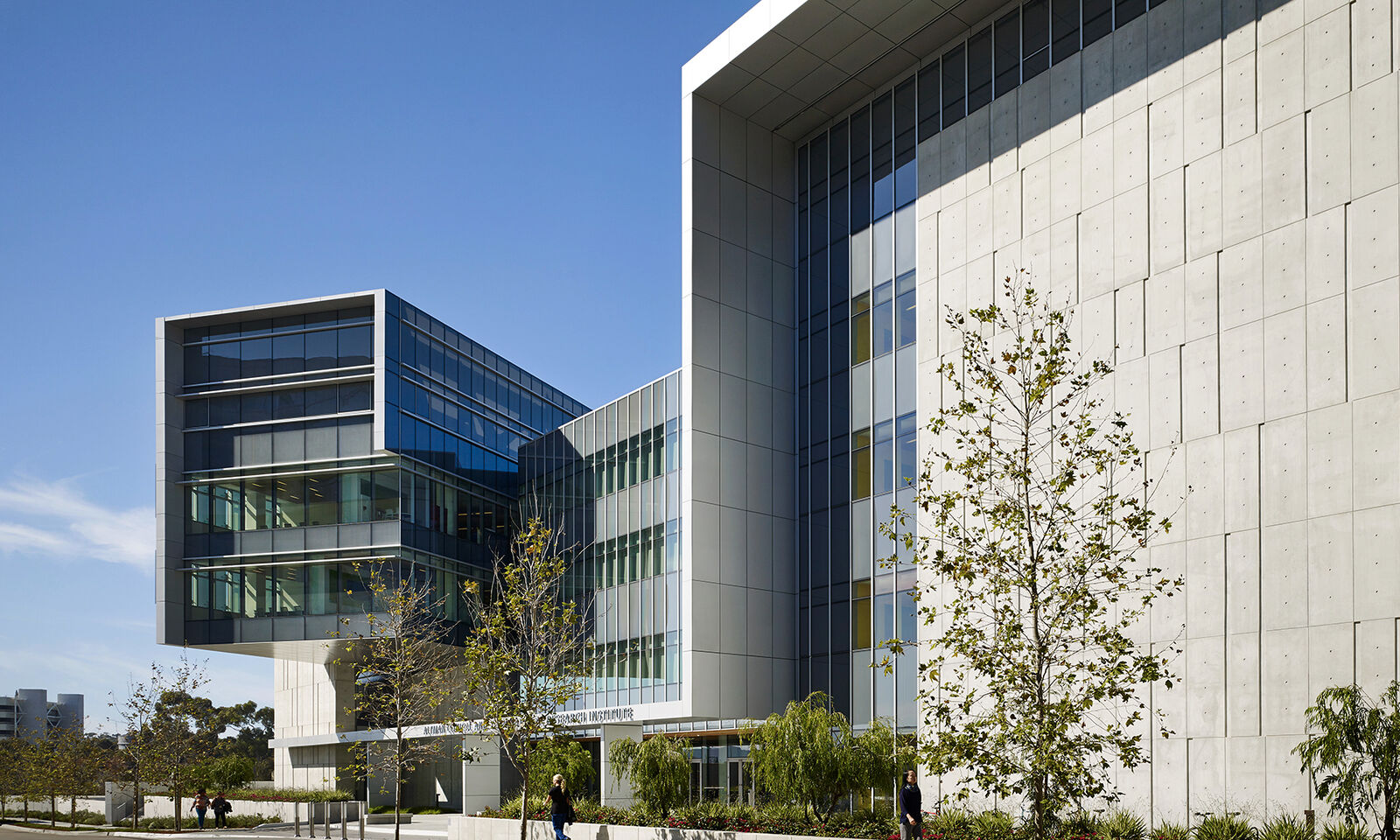
UC San Diego, Altman Clinical and Translational Research Institute
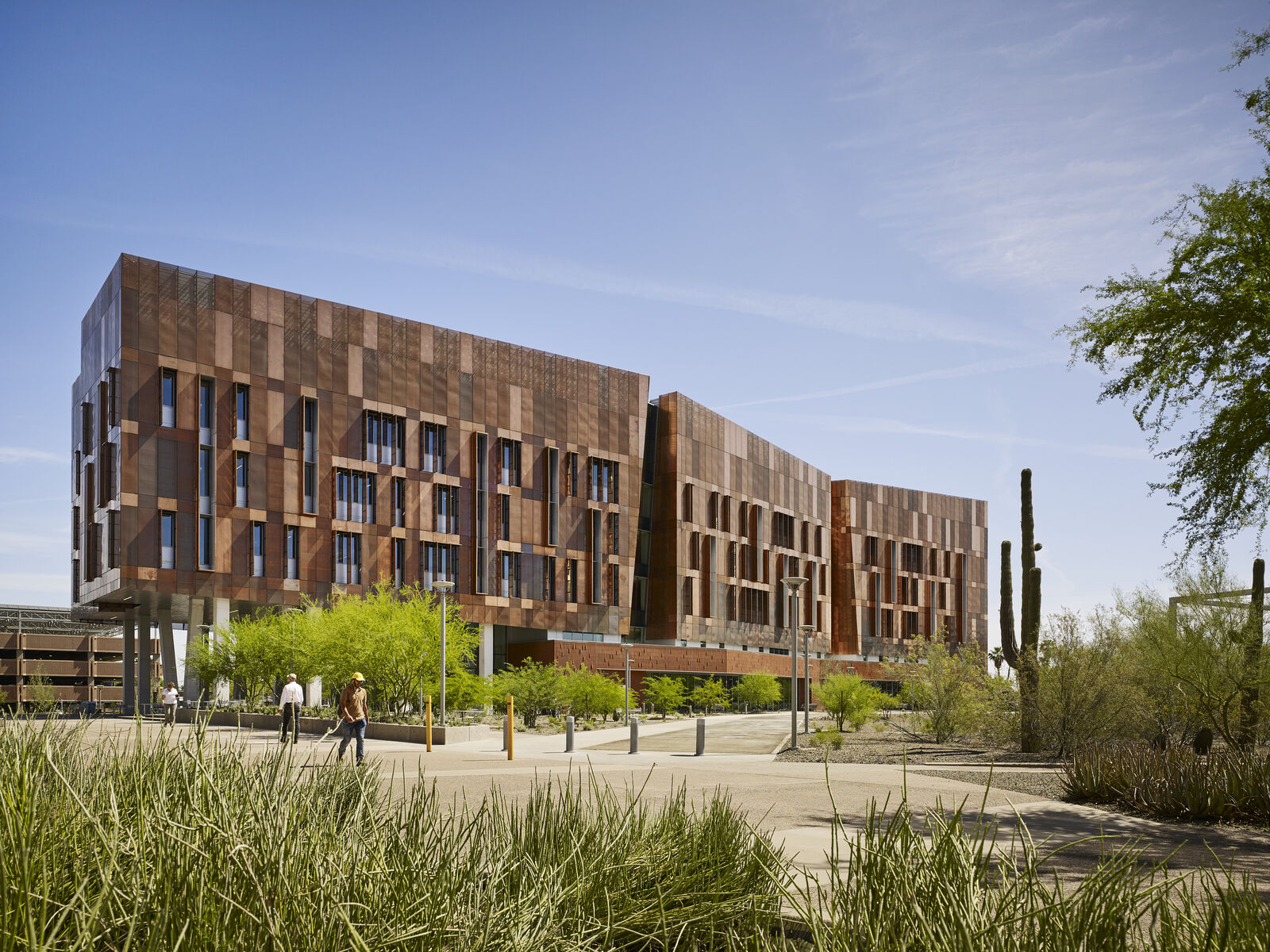
Arizona State University, Biodesign Institute C
