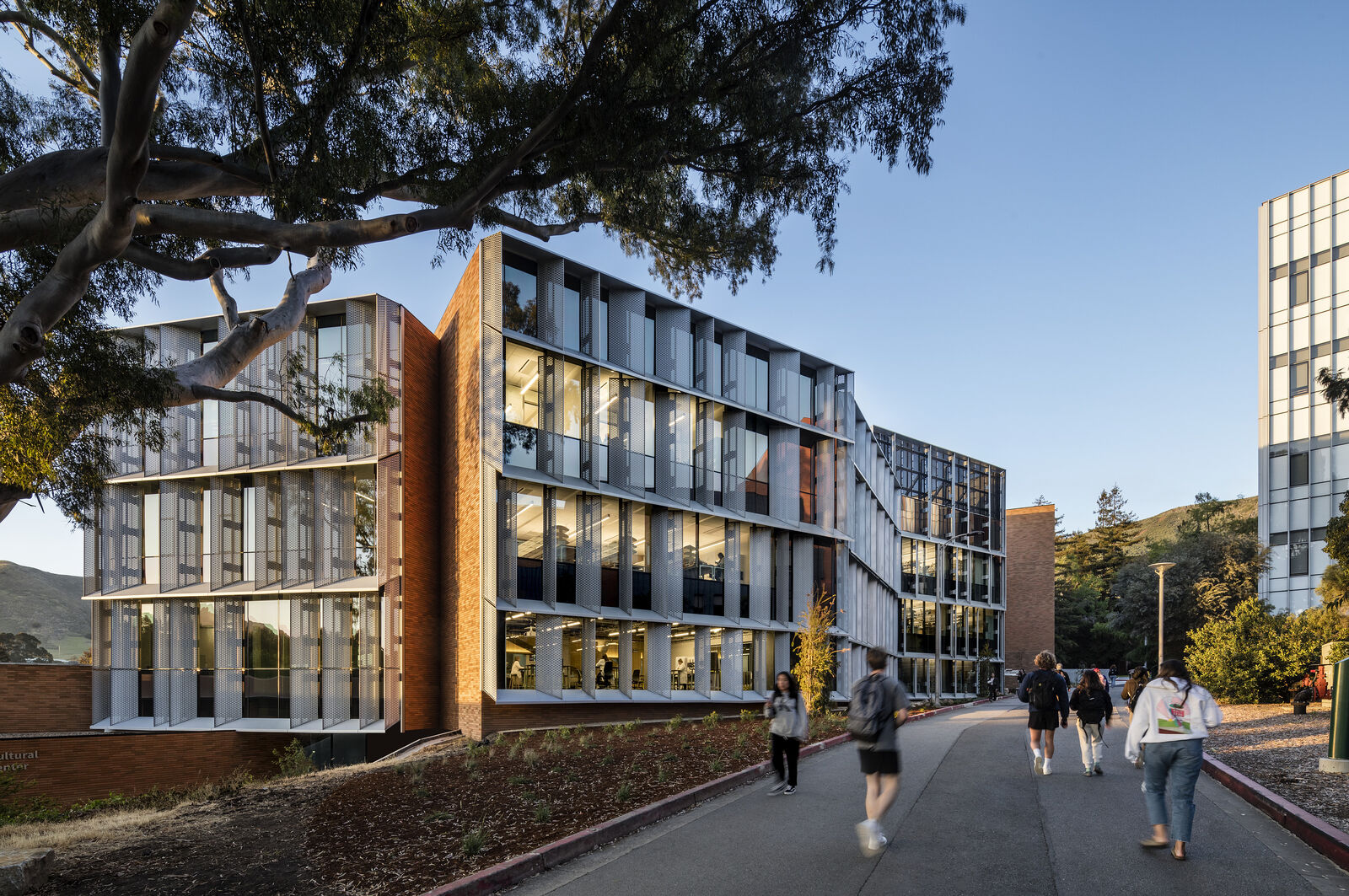
About
Our designs reflect a holistic understanding of the relationship between buildings, people, and the environment.
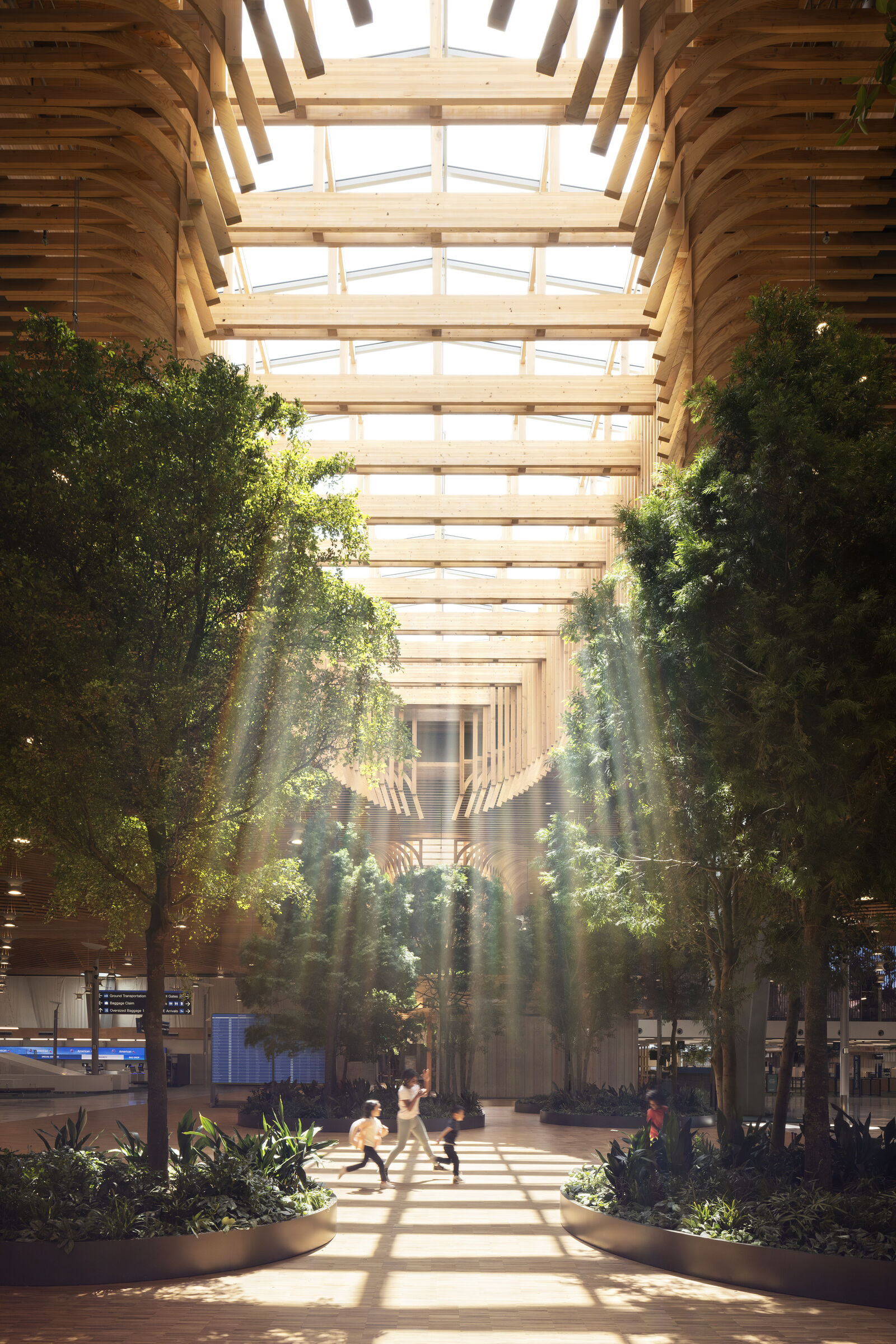
The main terminal expansion at Portland International Airport doubles the capacity of the airport. Designed to evoke the feeling that one gets while walking through the woods, the overall experience of the new main terminal—from the moment passengers walk through the doors up to their departure gate—transcends functionality and creates a sense of wonder that is inherent to the natural beauty of the state of Oregon.
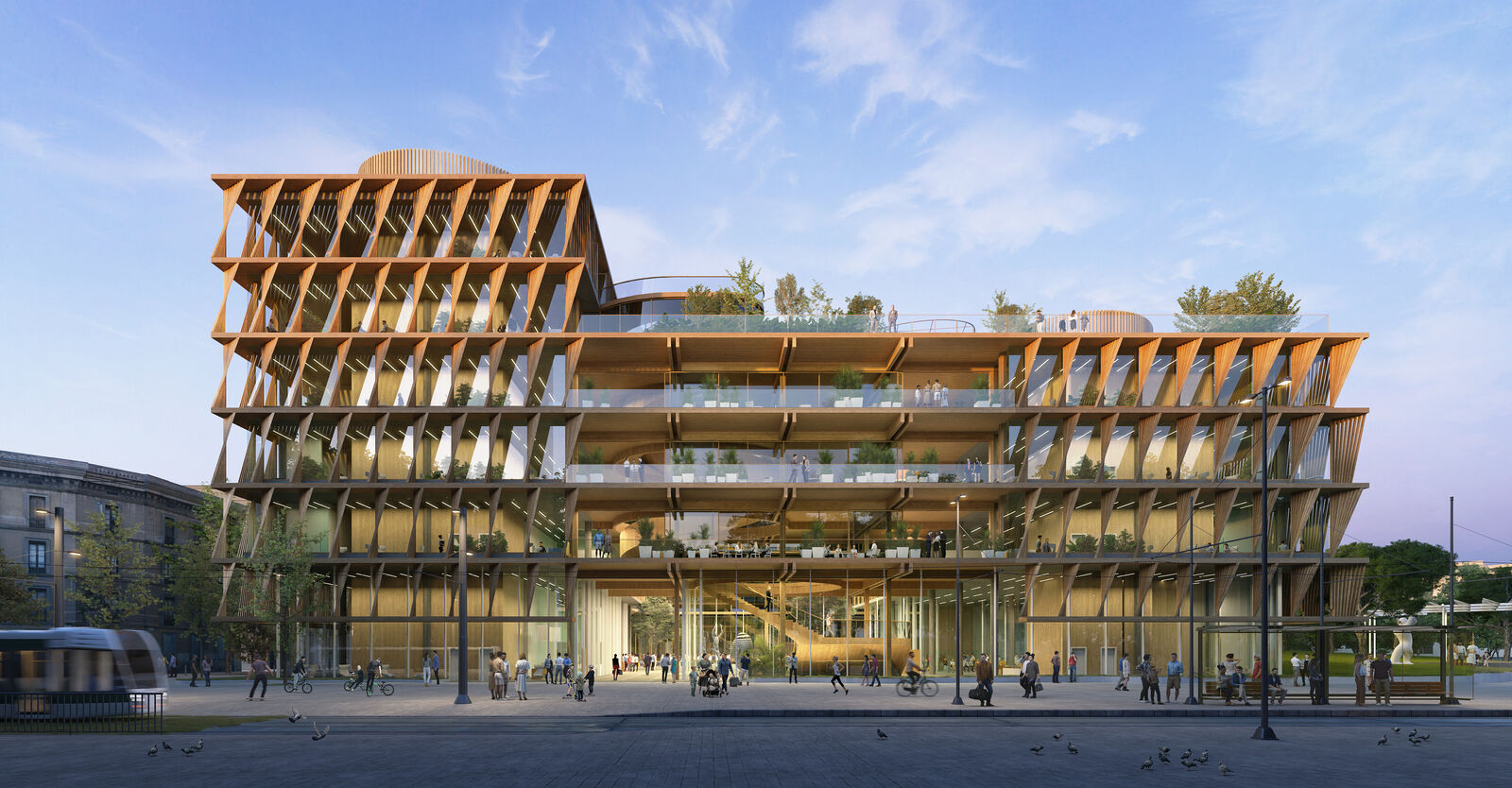
The civic setting of the Mercat del Peix Research Center, coupled with its focus on planetary welfare, demands public awareness and radical scientific collaborations. The net-positive research center’s high-performance mass timber building envelope and mechanical systems will significantly reduce both embodied and operational carbon.
Our Story
With our origins in Oregon, attention to craft and beauty is elemental to the ZGF culture. Evolving from a single office with strong regional roots to a firm with seven offices across North America, our deep respect for the built environment grew out of our reverence for the surrounding natural beauty of the Pacific Northwest and a commitment to stewardship of the natural environment. Our work is contextual and responds to the unique attributes of climate, place, and people. The instinct to build community, making places where people come together for a common purpose, is central to our work. The American Institute of Architects honored ZGF with their prestigious Architecture Firm Award, recognizing our high standards of excellence and ability to “Creatively transform client needs and aspirations into elegant, inventive architectural form.”
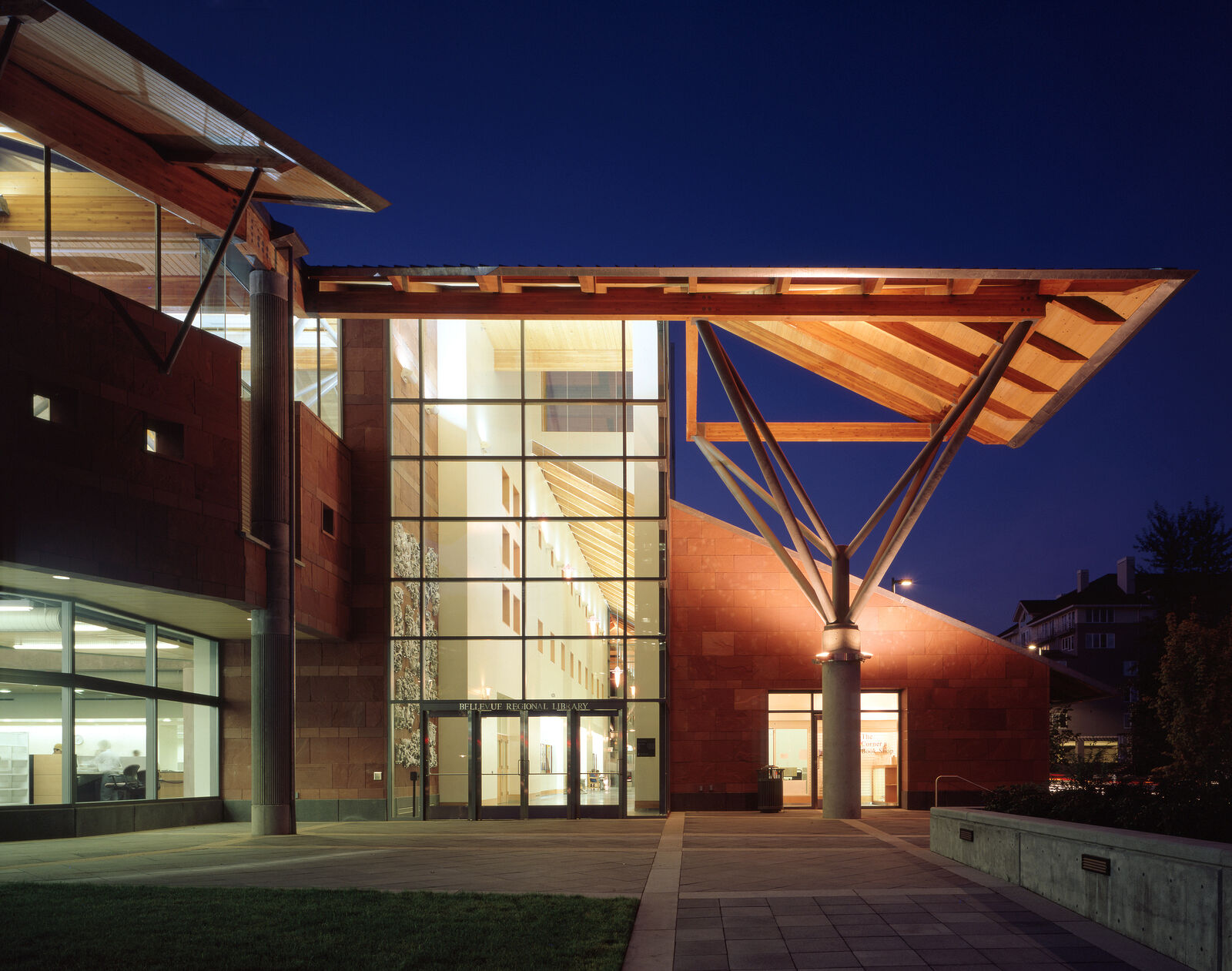
In 1991, The Bellevue Library in Seattle, Washington took the traditional concept of a library and transformed it into a community-centered, multi-functional venue.
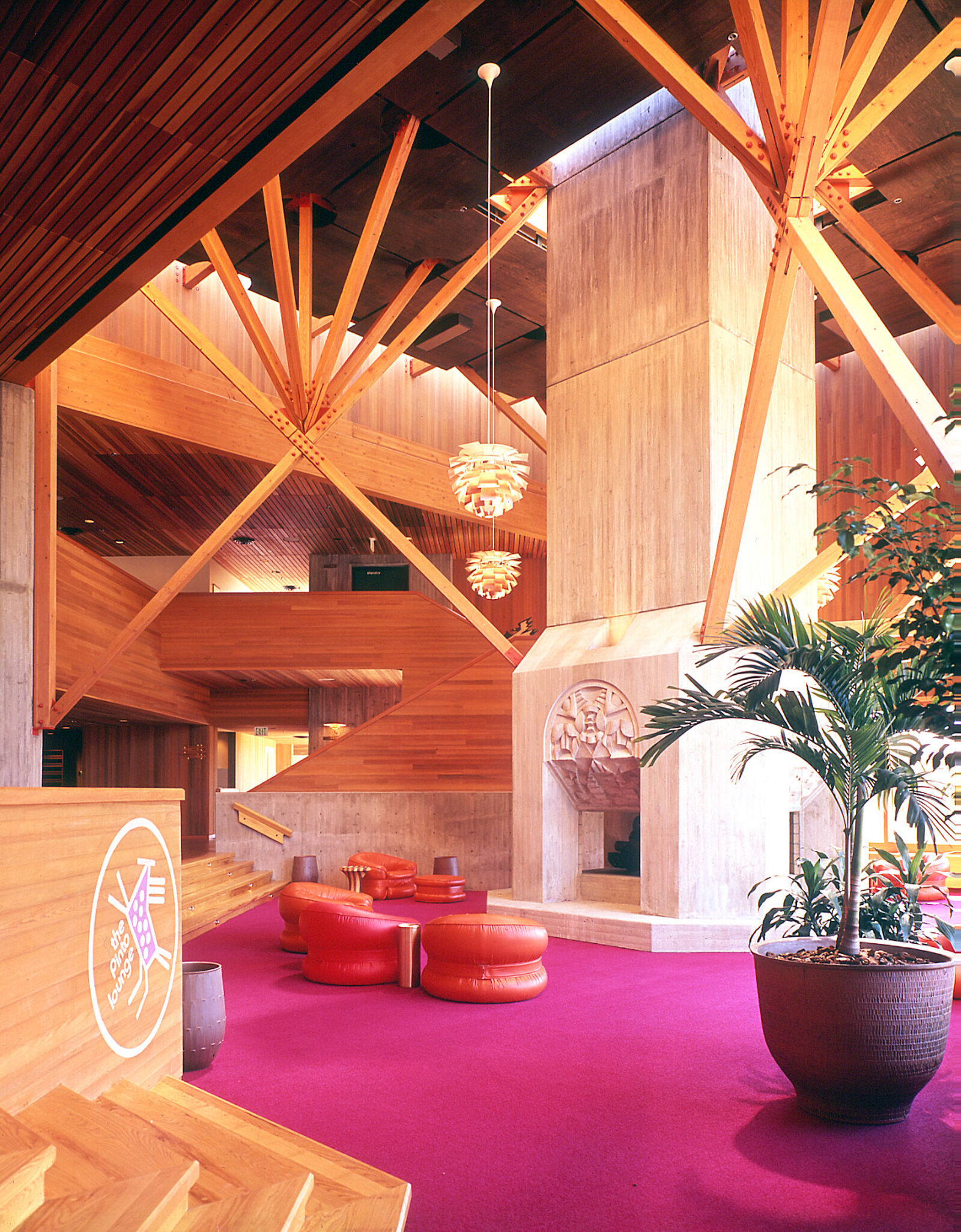
The Native American-owned Kah-Nee-Ta Resort on the Warm Springs Reservation has been an Oregon landmark for over 50 years. Completed in 1972, the resort lodge featured strong North American indigenous and Scandinavian influences.
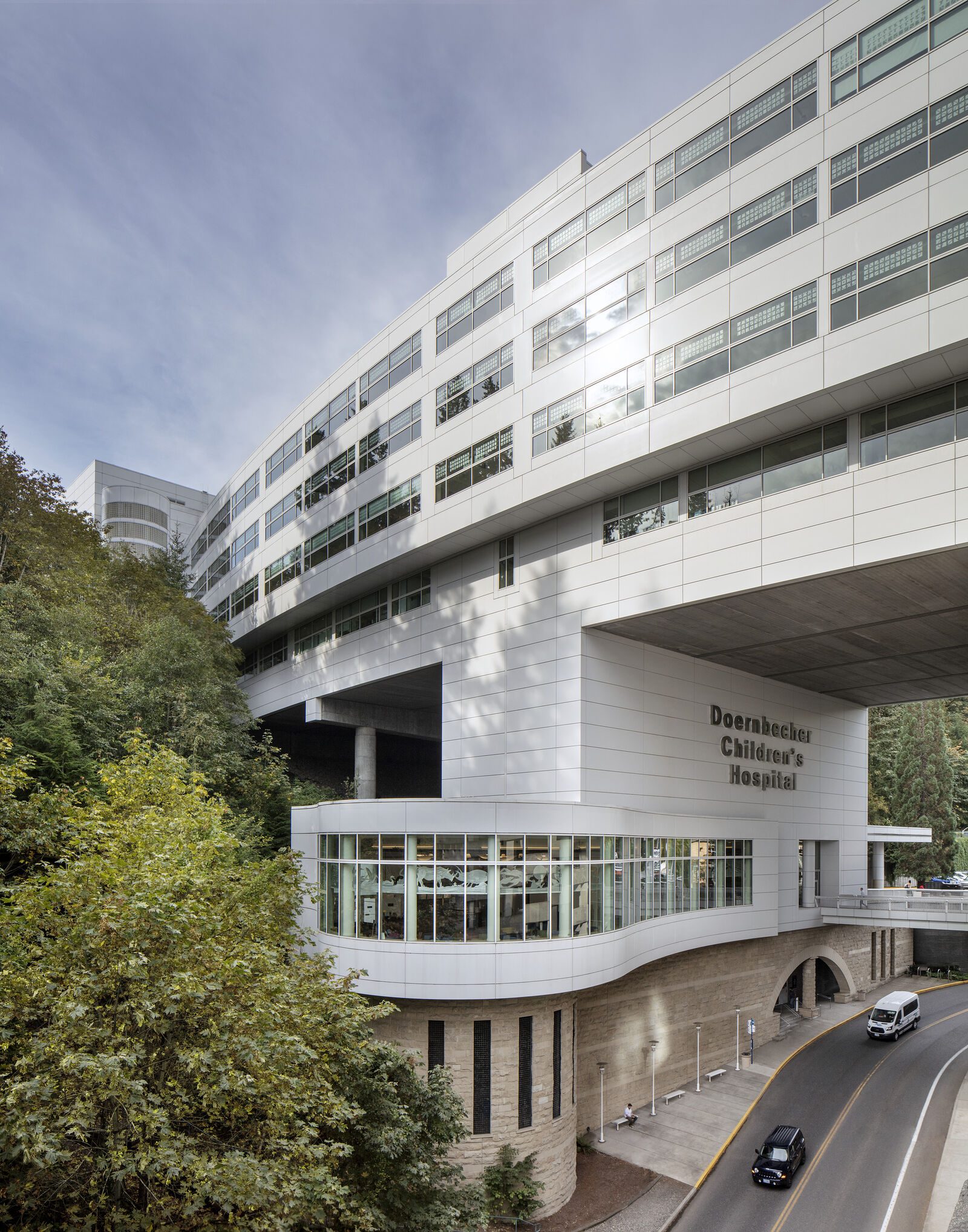
OHSU Doernbecher Children's Hospital enlisted ZGF over 20 years ago to consolidate and expand previously dispersed services on their campus in Portland, Oregon. Located on a steep and heavily forested site, the new hospital was designed to bridge a wide canyon and connect via skybridge to the existing hospital. The building continues to be home to one of the most comprehensive medical centers for children in the United States.
Our Approach
As industry leaders in sustainable and regenerative design, ZGF has embraced sustainable design as a core value since our inception. As stewards of the built environment, our applied research and learnings allow us to invent new approaches that address urgent climate challenges in complex building types including laboratories, hospitals, learning spaces at colleges and universities, and corporate headquarters. Urban planning has always had a strong influence on our work—we design buildings and cities that harness the opportunities of a carbon neutral future. We strengthen our clients’ ESG (Environmental, Social, and Governance) goals with design solutions that embody their mission, vision, and values.
At ZGF, we ask this simple question of everything we design: “Will this leave the world and the communities in which we live and work not only better than we found them but prepared for whatever the future may bring?"
ZGF is committed to the 2030 Challenge; the first architecture firm member of the First Movers Coalition; a founding member of U.S. Green Building Council LEED v1.0 with critical participation in the development of the LEED rating system; and an International Living Futures Institute Just 2.0 Label participant. We are signatories of Architects Declare, the AIA Materials Pledge, and the COP26 Communiqué; and the first architecture firm signatory on the U.S. Department of Health and Human Services Sector Climate Pledge.
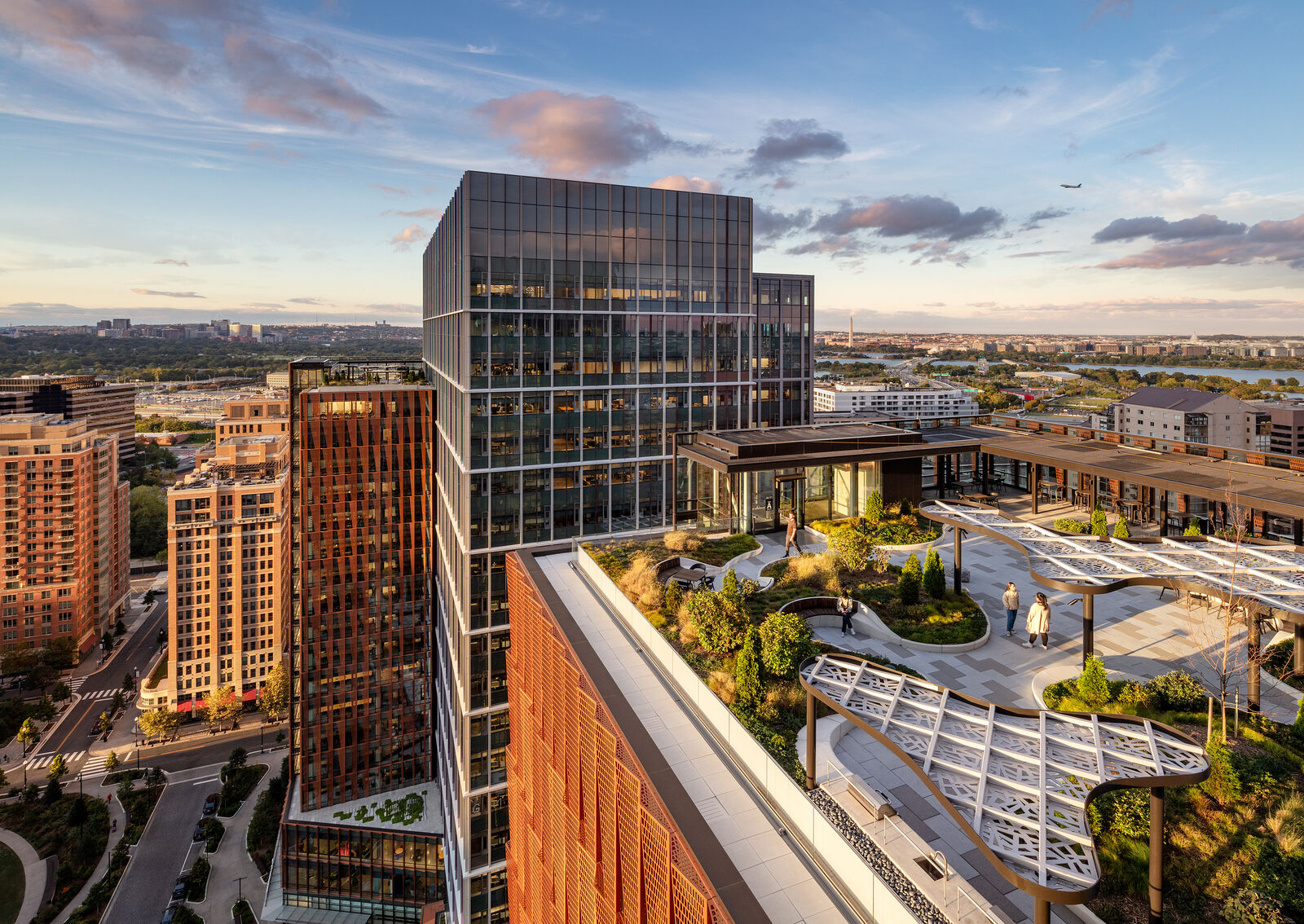
Using our proprietary Carbon LCA tool, ZGF has reduced by 20% the embodied carbon of the concrete mix on Amazon's new headquarters at Metropolitan Park in Arlington, Virginia.
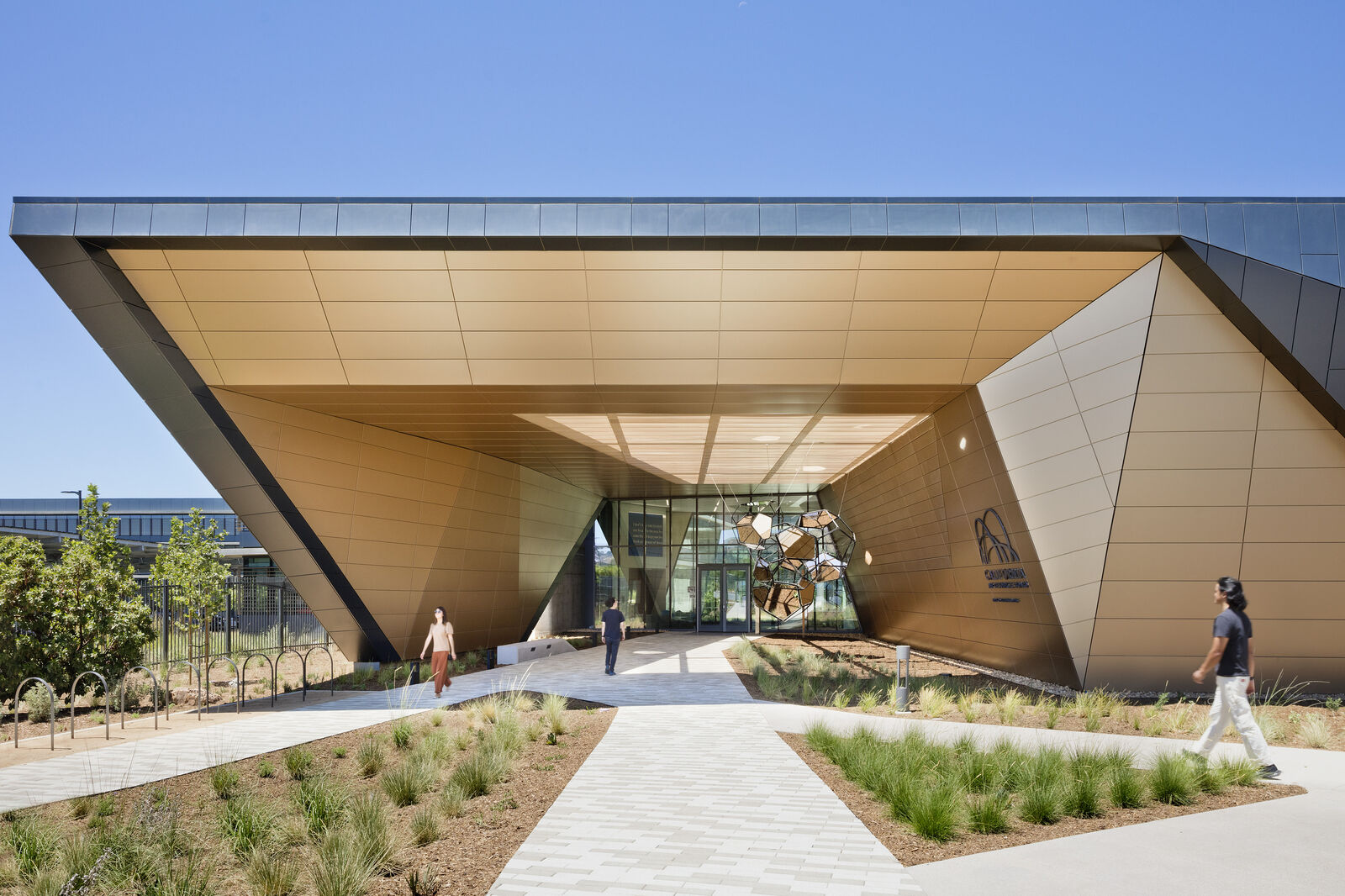
The Department of General Services' new CARB headquarters and vehicle emissions testing facility is the largest and most advanced vehicle emissions testing and research facility in the world. It is designed and built to be the largest true net-zero energy facility of its type—producing more energy than it uses. The project is LEED Platinum® and meets all CalGreen Tier 2 building standards.
Towards a New Climate Architecture
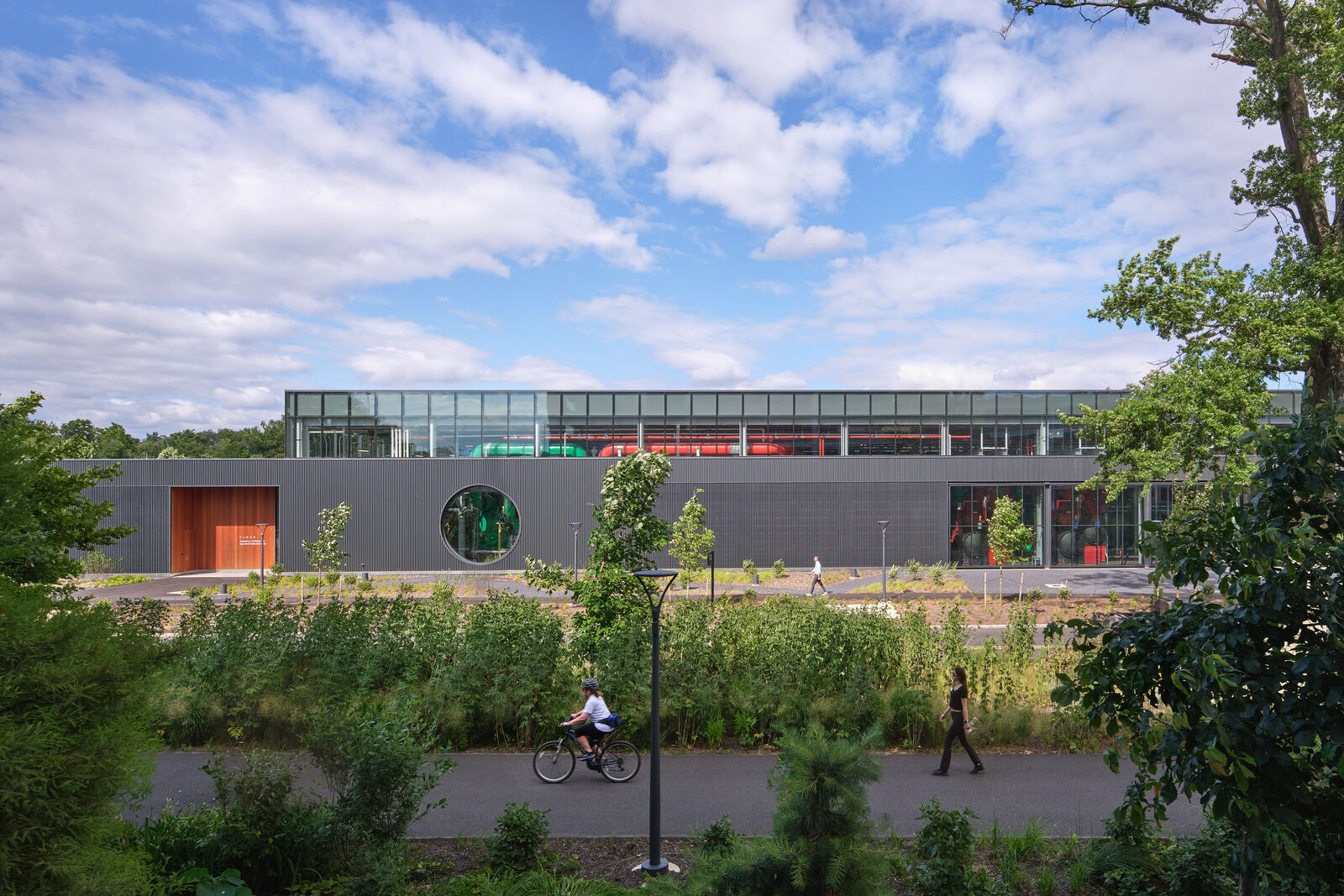
With the goal of achieving net-zero carbon emissions by its 300th anniversary in 2046, Princeton University is overhauling how energy is supplied to every building on its campus, while mobilizing to meet ambitious targets around alternative commuting, water use reduction, and responsible design and development. ZGF is working with the university to help meet these commitments with a series of infrastructure projects, including the design of a new thermally integrated geo-exchange resource building (TIGER).
Equity in Design
Part of what draws us to design is our deep desire to effect positive change. Through design, we engage diverse voices and partnerships and create places that enable diverse and equitable communities. We support a world that is just, guided by open and intelligent discourse, mutual understanding, and respect for all people. Now more than ever, we are committed to upholding our values as we face a new generation of challenges.
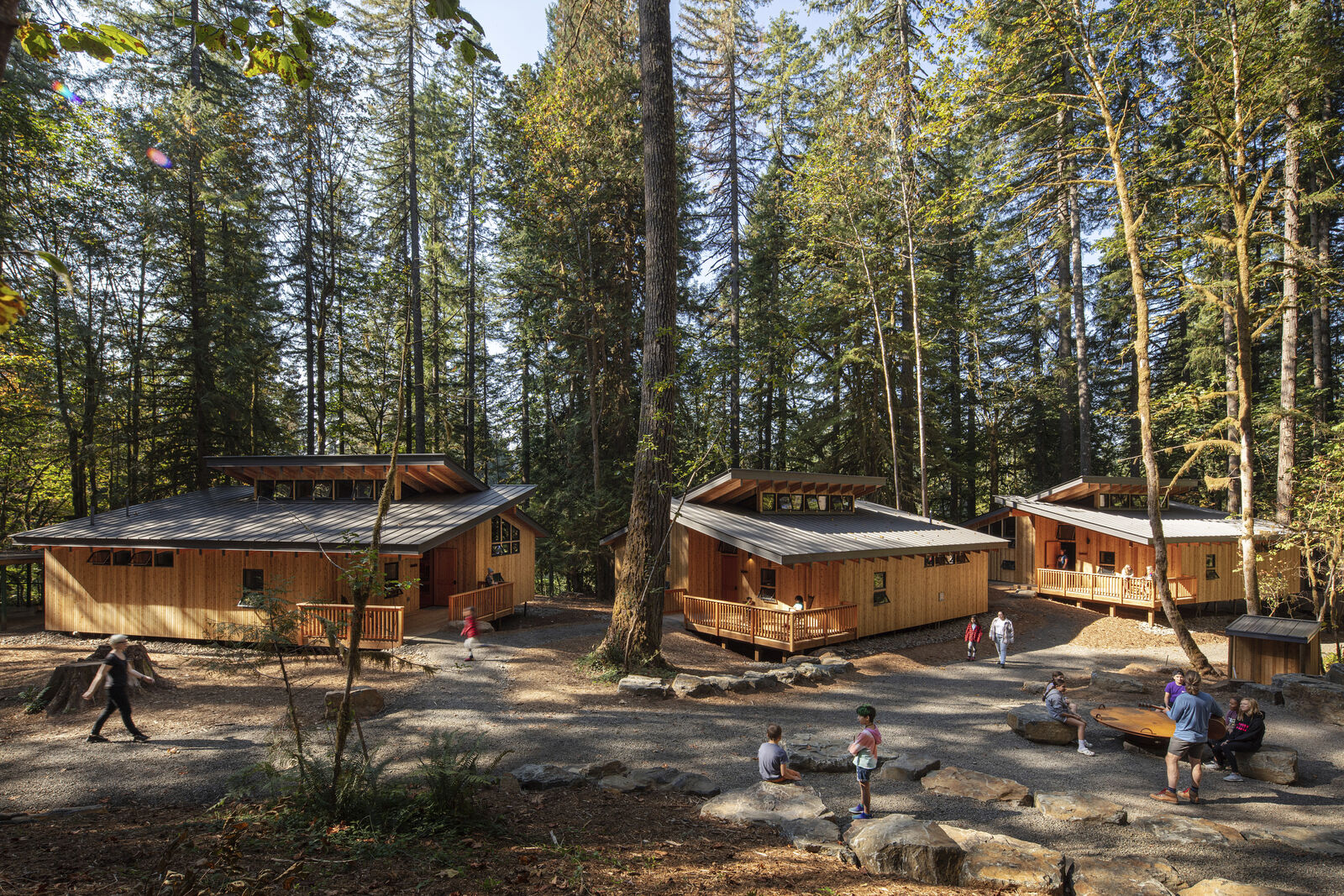
Camp Namanu is one of the largest and oldest youth camps in the Pacific Northwest. It is also the flagship program of Camp Fire Columbia, founded over a century ago to empower female youth by providing leadership opportunities and outdoor experiences at a time in U.S. history when these prospects were not readily available.