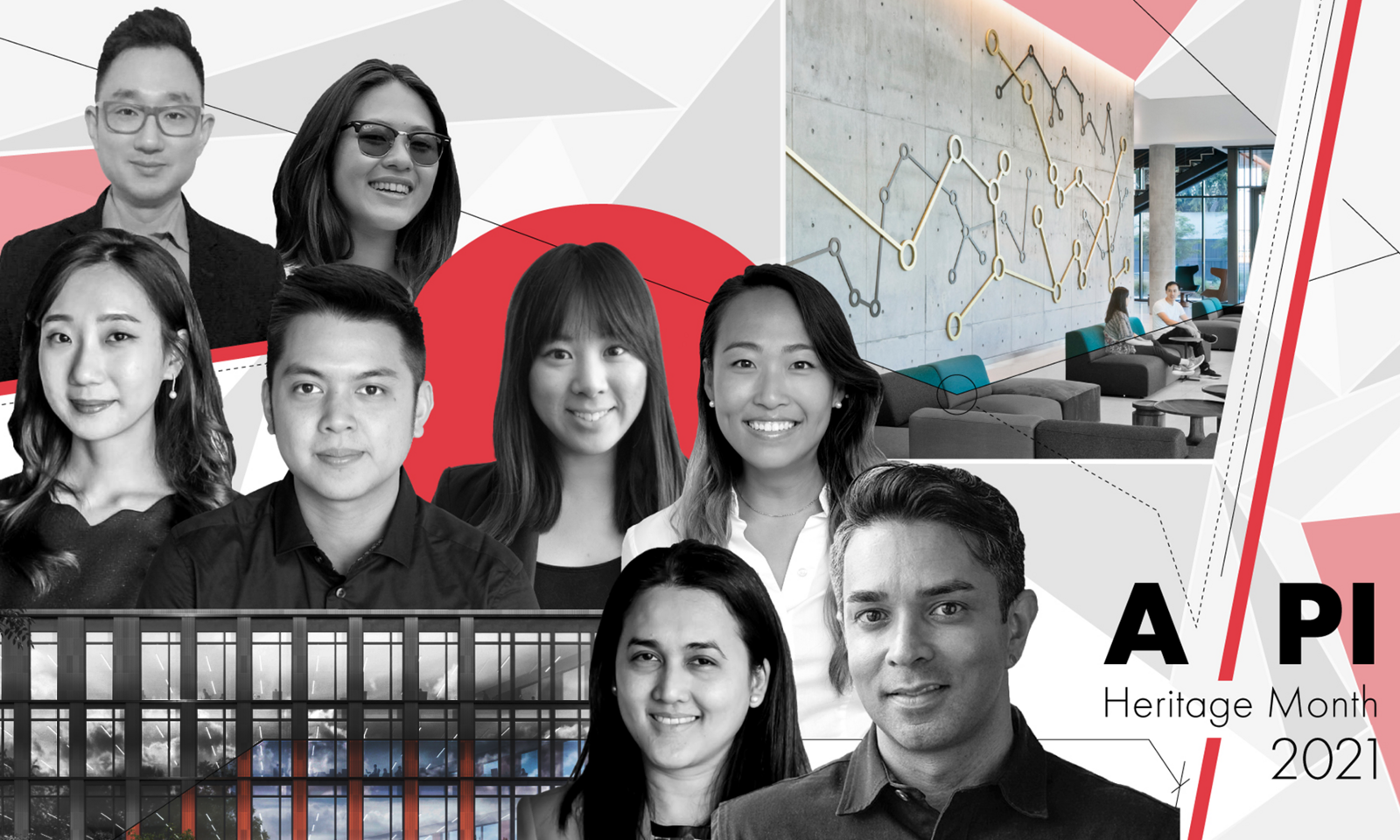
8 Designers Discuss the Meaning of Community
In acknowledgment and celebration of Asian & Pacific Islander (A/PI) Heritage Month, we are spotlighting ZGFers of A/PI heritage from around the firm who have shared their insights, vision, hopes, and advice for others as it relates to their experience as members of many communities—cultural, local, and of course our professional communities within architecture and design.
A strong sense of community is fundamental to many cultures across the A/PI diaspora. In addition to providing safety and support through triumphs and tragedies alike, those communities are an essential part of the fabric of the cities and countries they call home, contributing at every level to growth, success, and enriching culture at large. Similarly, in the world of architecture and design, so much of our work centers around preserving and creating communities through place-making and place-keeping at all scales. With that, we asked our A/PI colleagues to share what community means to them—to be a part of them and to create them.
Gabee Cho
Being born and raised in South Korea, a strong sense of community and how people come together have been an important element throughout my life. I still fondly remember a Pyeong-Sang, a low, wooden platform, where anyone and everyone from the neighborhood would gather around at any time of the day to spend time with whomever happened to be there. Older ladies would often bring dishes they cooked to share, and kids would hang around hoping their friends would come out to play with them. It was a place everyone understood as ‘our’ shared space.
When I began my education to become an architect, this naturally influenced the way I design shared spaces and I was drawn to exploring the ways spaces can bring people together. Regardless of where you are from, as humans, we all are born with a desire and need for belonging. And we, as architects and interior designers, are given an opportunity to provide that to our clients, users, communities, and cities through design. I hope for every project to have a Pyeong-Sang space and for that to become an ingrained design element that people naturally expect to see everywhere they go.
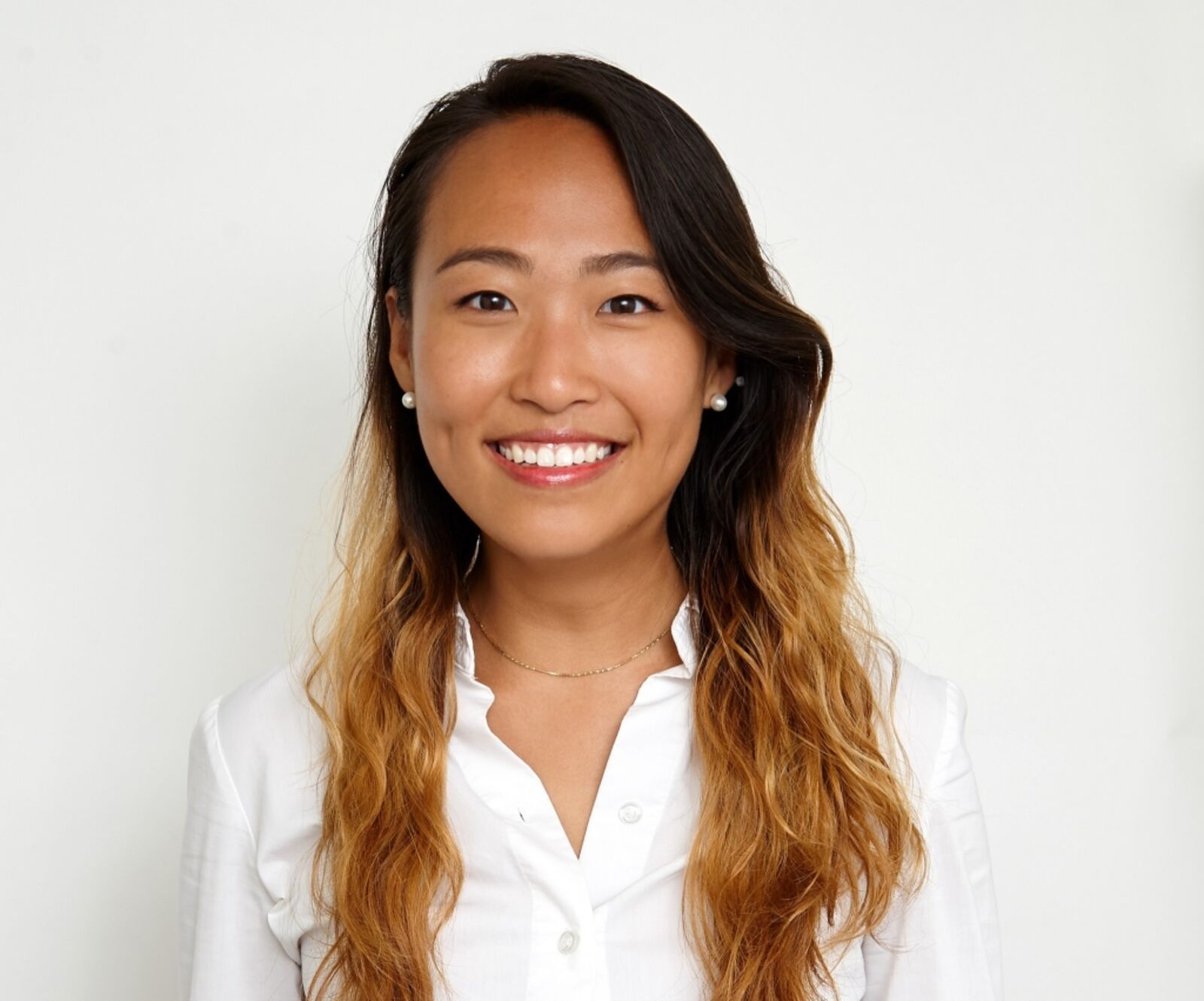
Gabee Cho, associate and architectural designer in New York, is inspired by her native South Korean influences to design spaces that bring people together.
Suraj Bhatia
Belonging to a community is important, especially for individuals who feel like they don’t fit in. Being a gay man of South Asian heritage, I’ve often struggled to find my place. Although design industries typically celebrate uniqueness, early on in my career I saw almost no representation of people from South Asia. Rather than feeling discouraged, I took this as a challenge. I chose to celebrate the things that make me unique, and in the process discovered how much my heritage is a part of me. I discovered what makes me special. I’m now optimistic about our future with efforts towards true diversity in the A&D community. Even more, I can now provide a platform for people like me to thrive and succeed.
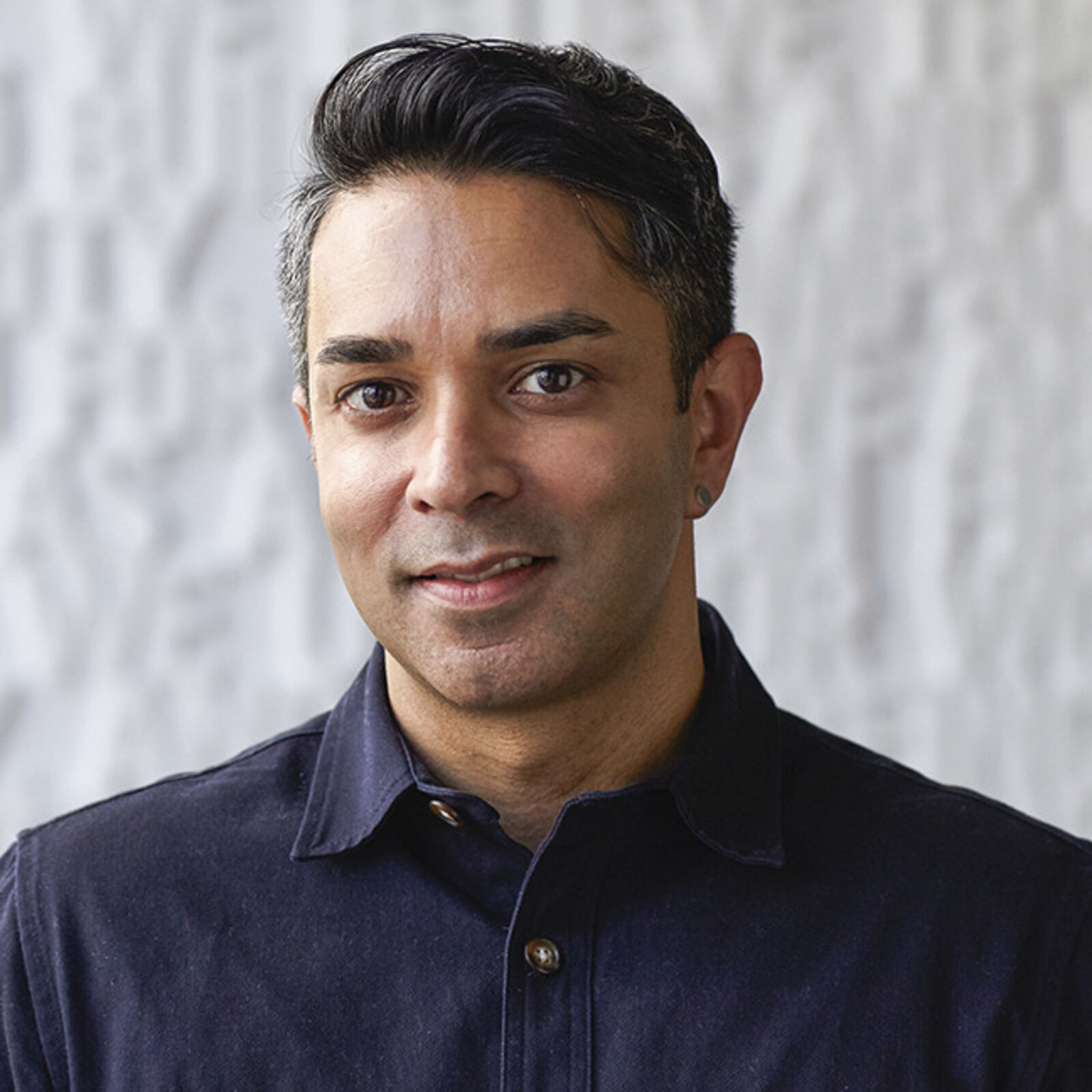
Suraj Bhatia, associate principal and architectural designer in Los Angeles, believes in embracing the things that make him unique and increasing diversity in the A&D community.
Suejin Park
Community to me is when people come together with a shared story to connect, to love, and to support. When people come together, the culture of each individual enriches the lives of one another in unexpected, positive ways. As someone who brought their culture overseas into this melting pot, it’s important for me to hold my cultural heritage close to me in order to be able to share with others, and to also continue to pass down to my child certain family values and traditions that were impacted from my culture.
As designers, culture and history is a wonderful resource for our creativity and imagination. The discovery of beauty across cultures—not just aesthetically but in the stories, traditions, and unique personalities within those communities—expands our perspectives and challenges our way of thinking. The creative possibilities become not just endless but infinitely more dynamic. When we explore other cultures and truly connect with different communities with respect and curiosity, we can create stronger stories and craft richer experiences for those who will use the spaces we design. In the end, everything is connected—we are all connected.
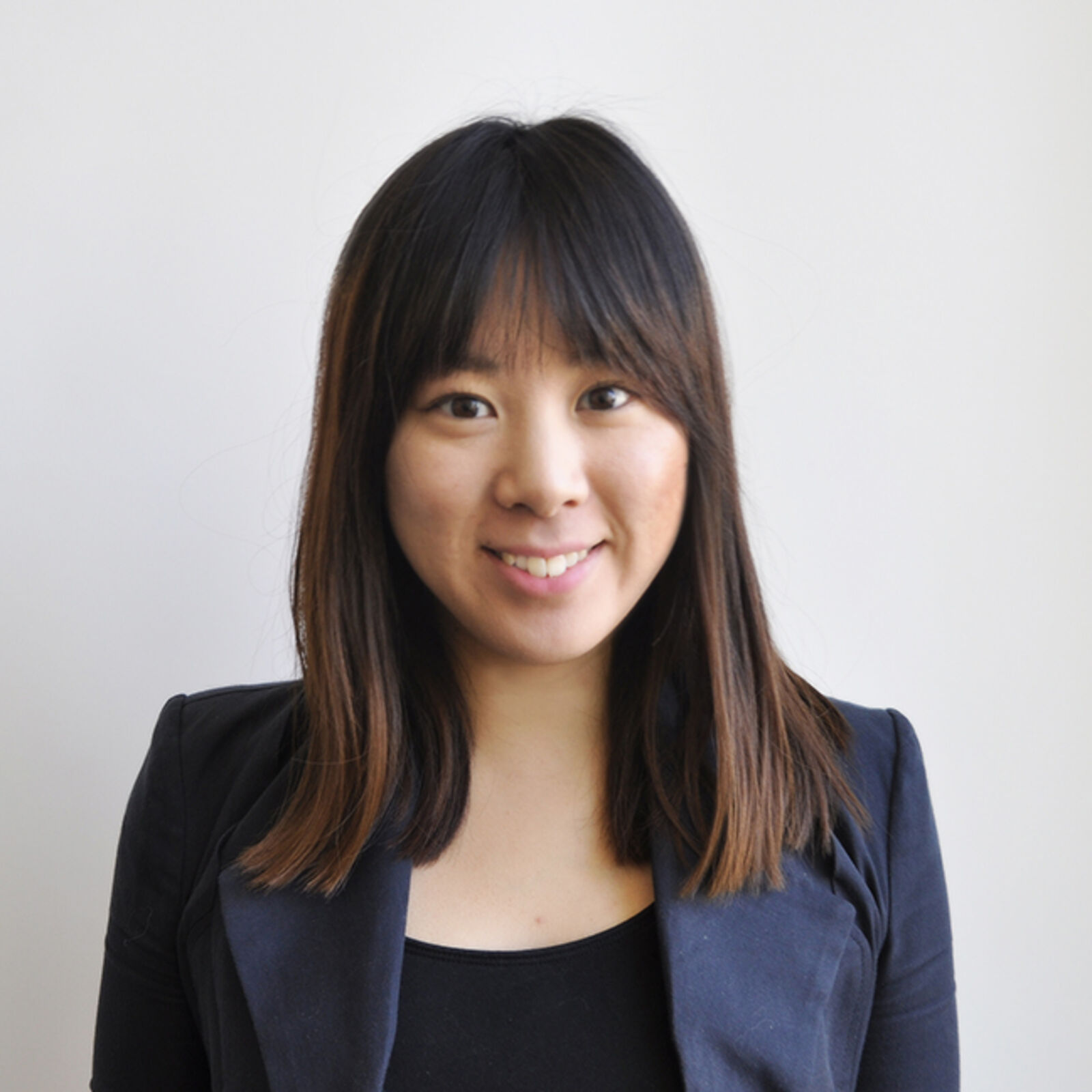
Suejin Park, associate principal and senior environmental graphic designer based in Los Angeles, believes communities are defined by individuals’ shared connections.
Victor Dionisio
Considering recent events and how we have all been affected by such a tumultuous year, I, like many others, have turned introspective. I’m more mindful of how I can most effectively influence my community to allow appreciation and respect to flourish, rather than hate and disconnect. I constantly find myself drawing inspiration from the word “barangay,” which directly translates to “community” in Tagalog or Filipino. The word actually stems from “balangay,” or native boat, which used to be the central mode of transport and home to a group of semi-nomadic people wherein each member of the “balangay” helped construct, operate, and sustain the vessel and its inhabitants.
While the word “barangay” has taken on many meanings throughout its evolution in Filipino culture, it truly imparts only one concept in my mind: that we all play a part in creating the world around us and we depend on each other to do so. In turn, this allows us to progress further than ever before. As a designer, this is part of my thought process as it relates to space and its users. As a member of society, I try my best to embody that sense of community and togetherness because, after all, we are all in the same “balangay”!
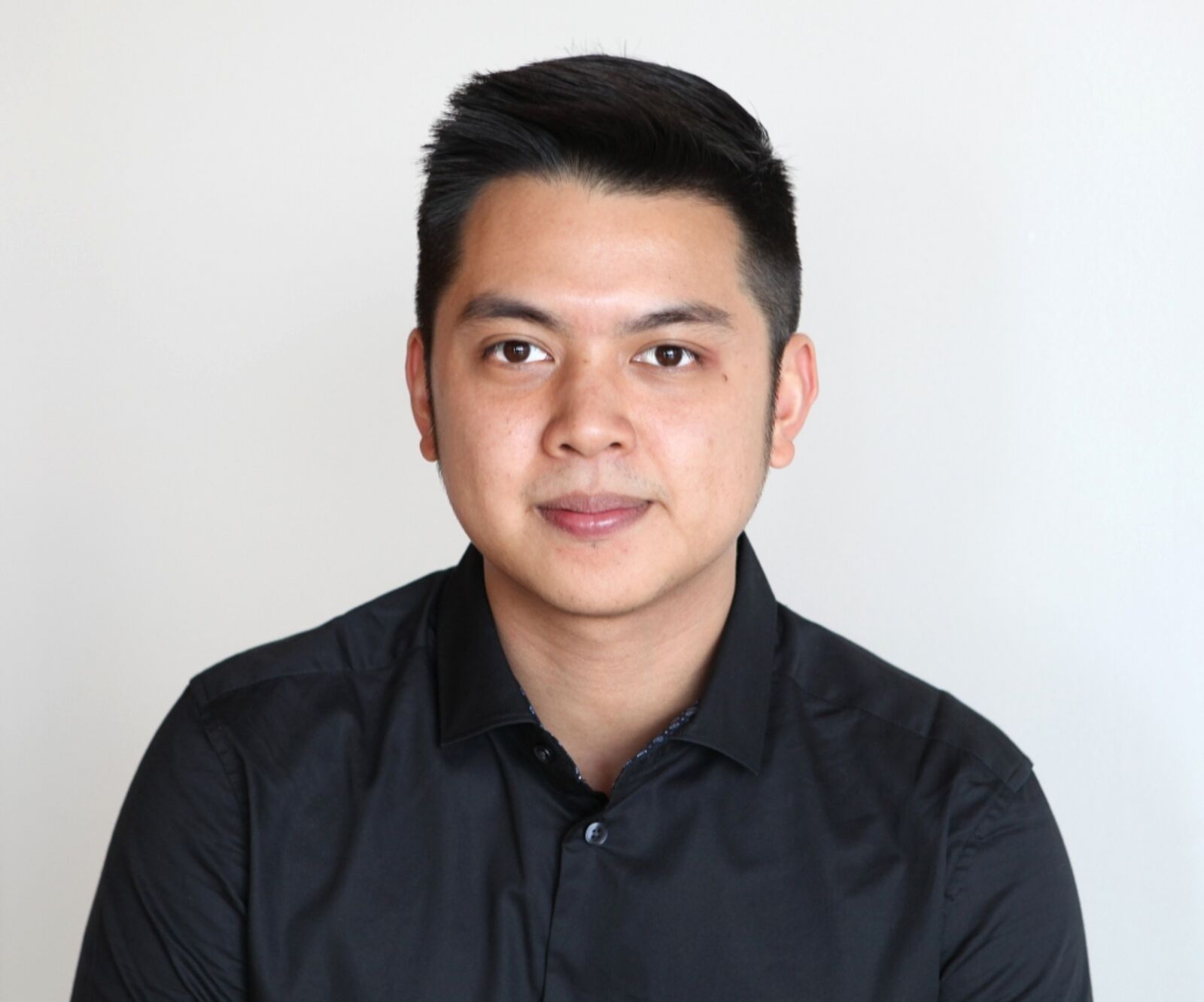
Victor Dionisio is an associate and architectural designer in Seattle who reminds us that we all play a part in shaping the world around us.
Jin Park
Before moving to DC, I practiced architecture in Denver where I rarely had an opportunity to work with another A/PI design professional. At the time, I could count the number of A/PI architects I had met on one hand. During project kick-off meetings, a lot of consultants were surprised when they realized I was fluent in English. Simply put: I felt like an outsider. This experience left me with a “me versus the world” mentality. My mindset started to change when I moved to the DC region and got to work with a diverse group of people. Little by little, my “me” mentality began to weaken and I started to feel more like I was part of the “melting pot” community.
From personal experience, I think it’s great that the ZGF office in DC is so diverse. The more diverse the office is, the more people start feeling like they belong. That sense of belonging ultimately makes people believe that they can play an integral part of making the community better. I think our industry is going in the right direction, but we still have a long way to go, especially when you consider the lack of A/PI people in leadership positions. With that said, I am excited to see the ever-increasing number of A/PI people joining the design profession. I hope they will develop the inner confidence to believe that they can be successful being themselves and without forcing themselves to act in an unnatural way.
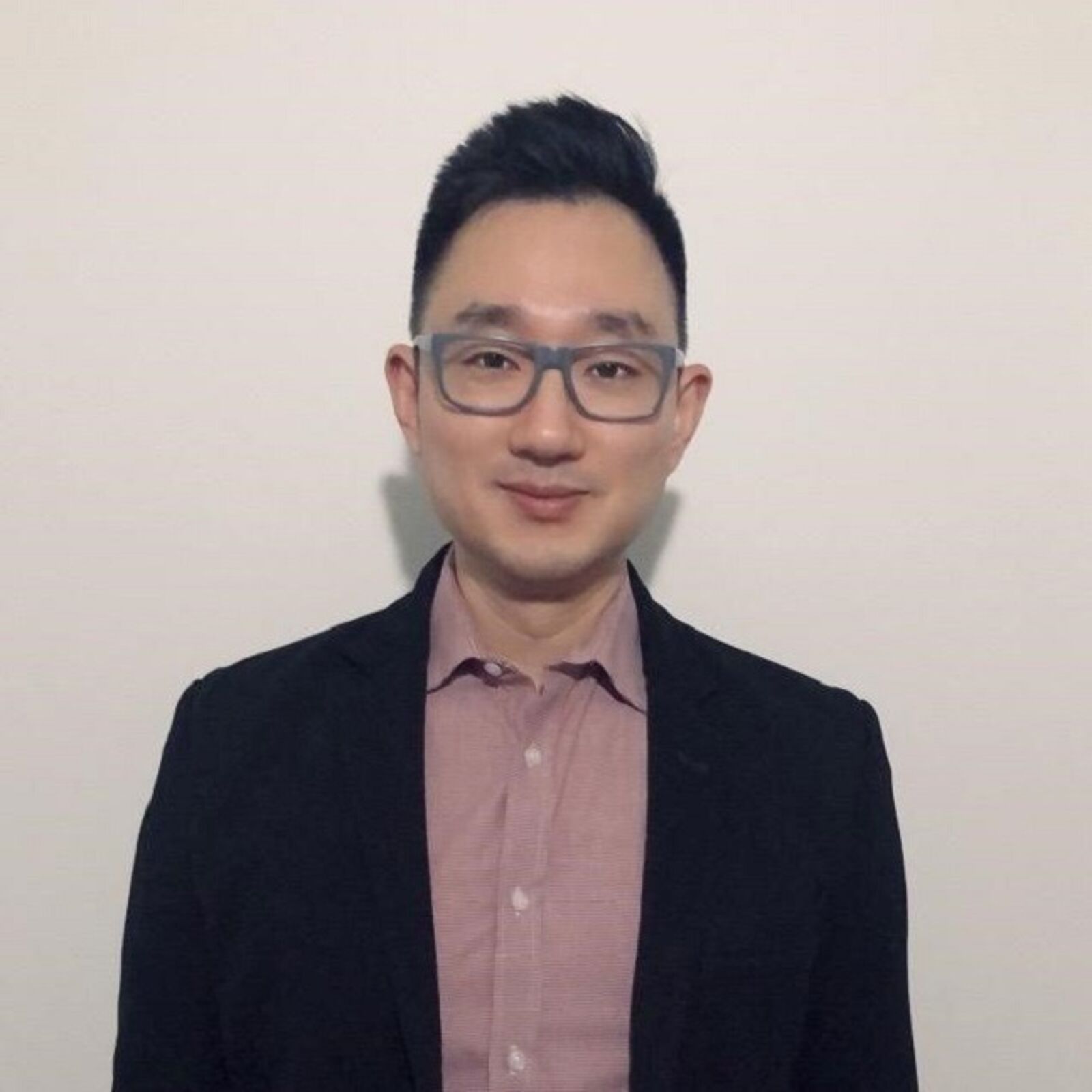
Jin Park, associate principal and architect from Washington D.C., believes diversity is a powerful driver in fostering a sense of belonging within a community.
Tiffany Tan
When I graduated college and got a job at a firm here in the US, I was elated and full of nervous excitement. Prior to working at ZGF, I had only worked at smaller studios in Hong Kong and in the Philippines. I knew that this time around, I would face a different set of expectations and assumptions and that I wouldn’t necessarily “fit in” right away. Over a year later, I’m coming to realize that our distinctness as individuals is what makes our workplace special and whole.
In our profession, our unique perspectives allow us to collaborate and to design spaces that are more equitable for all. My hope for our community is that we continue to embrace those differences and use them to advance our design practice. And for my A/PI colleagues, I hope that we won’t be afraid to use our voices to speak up even if we may not know all the right words all the time.
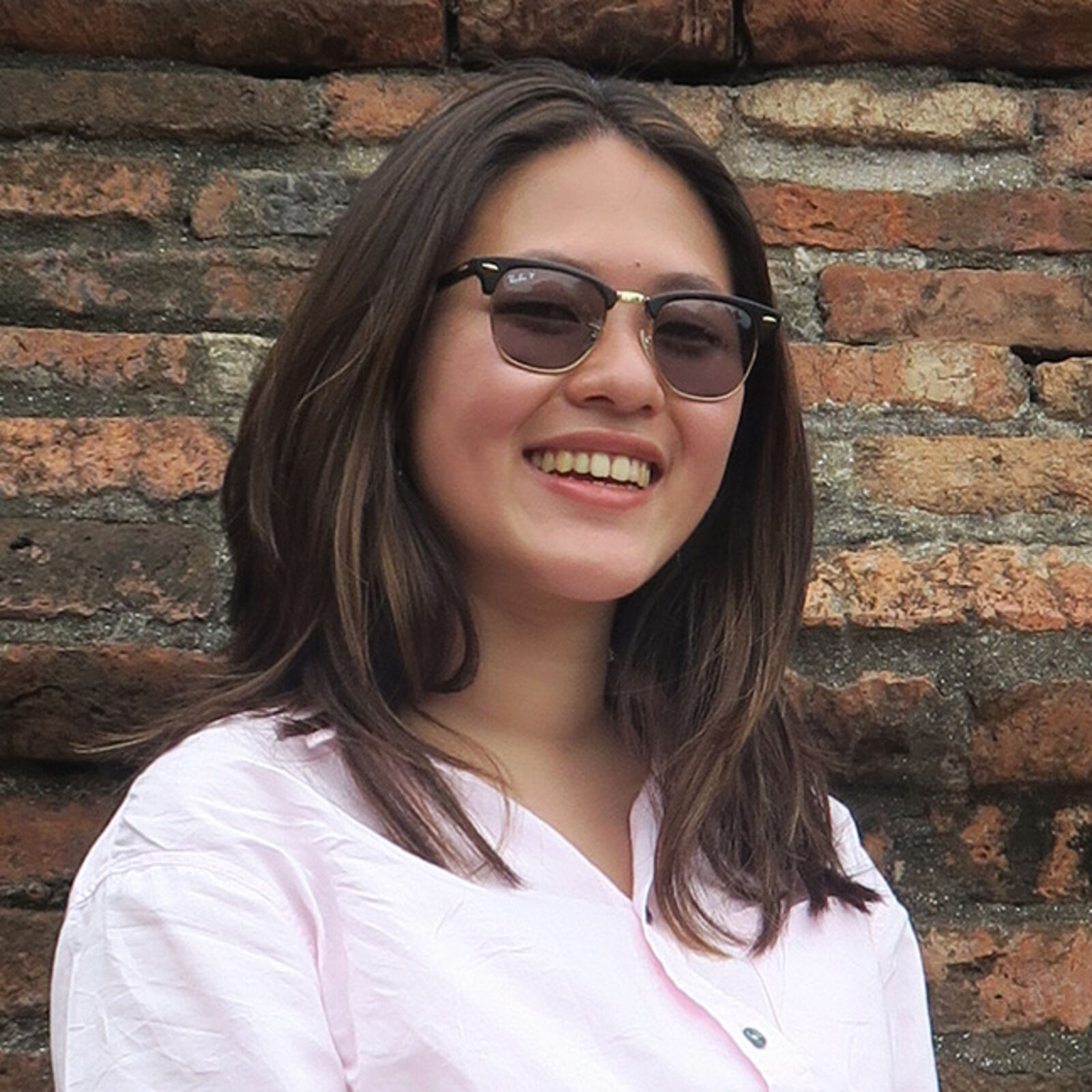
Tiffany Tan, interior designer based in the D.C. office, believes our differences are the key to driving the design industry forward.
Irene Song
I moved to the United States from South Korea alone when I was 16 to pursue my dream. I was an introverted, awkward kid who liked art and spoke broken English. On the first day of high school, my biggest fear was to eat lunch alone in a large cafeteria, so I ate lunch in the bathroom. I was sure most Asian immigrants or people from minority groups faced alienation and hardship as cultural outsiders. So, I didn’t speak up about my challenges and hardships for a very long time because I thought this was something you had to accept and let be part of your journey to fit into American culture. My perspective changed when I went to art school. I finally met other people who are like me: shy, awkward, but have a great passion for art and design. Building connections and with encouragement from my peers, I realized that sharing our stories, and the stories that are important to our cultures, shapes who we are as individuals and as communities, no matter where we are from.
Architecture and design are a shared language that any person can appreciate and benefit from without cultural barriers. Designers have a responsibility to keep creating places for this kind of connection and shared conversation, especially for excluded communities to bring them together. Broadening our perspectives and approaches to problem solving with these groups in mind will create more inclusive communities for all to live in.
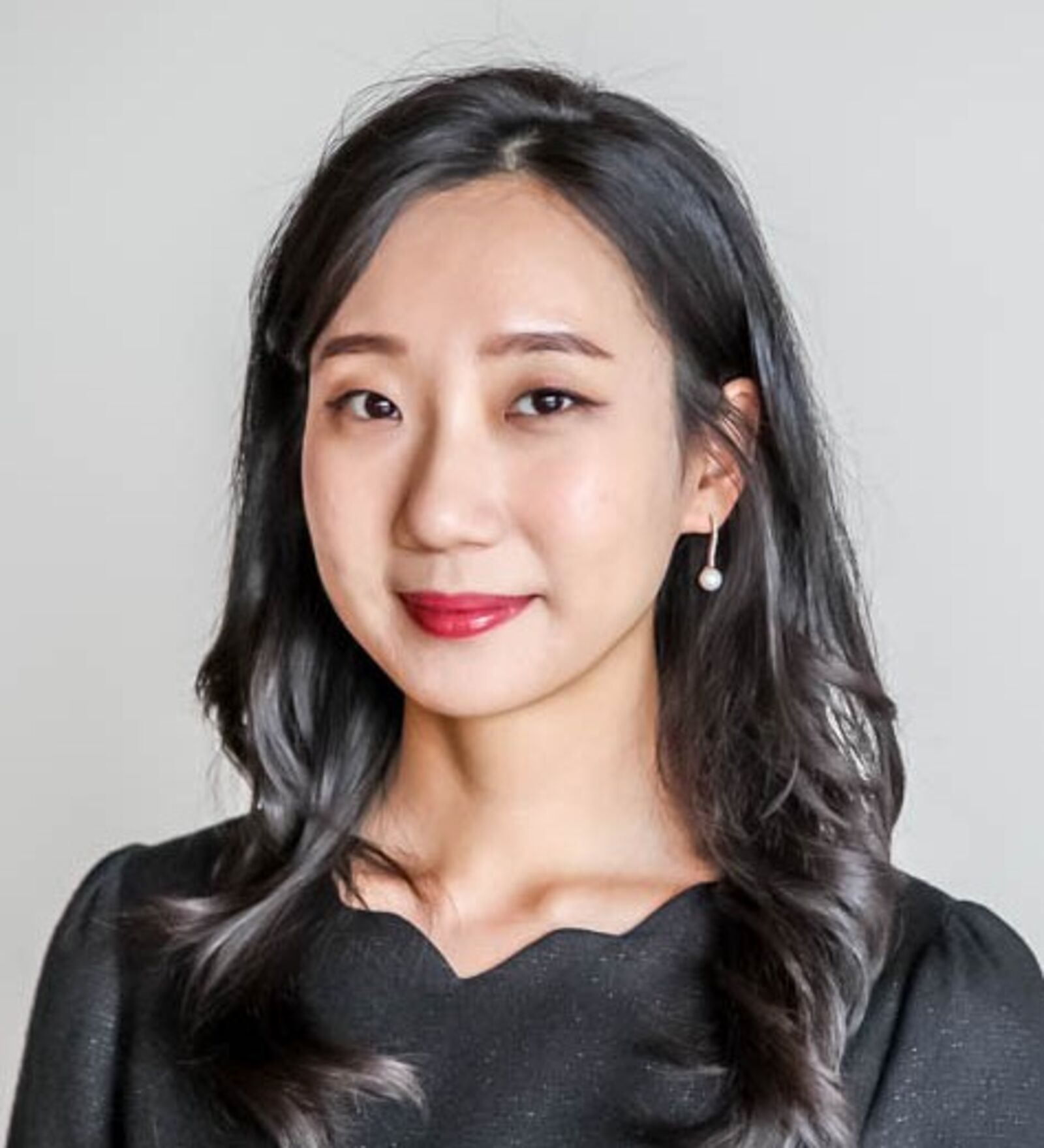
Irene Song, associate and senior graphic designer from Seattle, encourages designers to create spaces that facilitate connection among diverse populations.
Michelle Mills
It’s so important to maintain a connection with the culture you grew up with—in my case, Filipino. As a designer, it can be an advantage to have more than one cultural identity. It gives you multiple perspectives that can improve creative problem solving. Your history and background informs and enriches the work you do. While I live in a region with a large Fil-Am community, I still try to keep that community connection strong for me and my family.
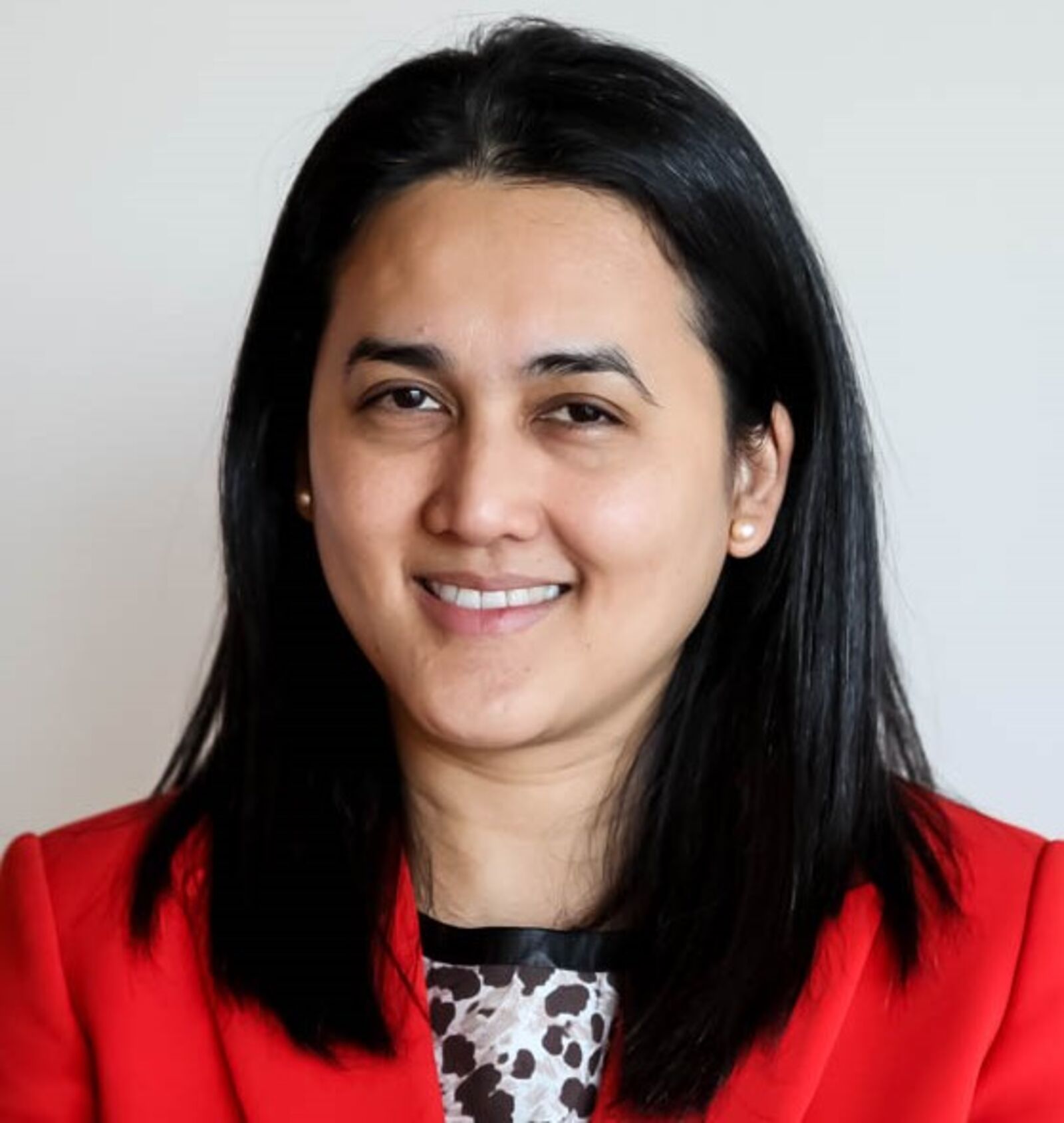
Michelle Mills, associate principal and senior graphic designer in Seattle, believes in staying connected to her heritage to enrich her creativity.