9 Women Challenging Perceptions & Expectations in Design
Dream big and be disruptive. Lift up underrepresented voices. Claim your space with confidence. These are just a few things we’re challenging ourselves to do on International Women’s Day (IWD) and beyond.
At the same time, this celebration of women, past and present, acknowledges the context of our current climate: The pandemic has revealed the true extent of responsibilities and expectations carried by women in architecture and society at large. By some estimates, four times more women than men are leaving the workforce. As the quest for equity, support and share of voice continues, we were moved by the timely theme of this year’s IWD:
“Choose to Challenge. A challenged world is an alert world. Individually, we’re all responsible for our own thoughts and actions. We can all choose to challenge and call out gender bias and inequality. We can all choose to seek out and celebrate women’s achievements. Collectively, we can all help create an inclusive world. From challenge comes change, so let’s all choose to challenge.”
With this in mind, we asked women across ZGF, “What do you choose to challenge?” Here’s what they had to say.
Mitra Memari
“I challenge conformity. Why is it that I leave my whole self at the threshold to fulfill the role society expects of me—as a woman, as a person of color, as an immigrant? Each part of my unique self has a shield to adapt to what is acceptable in a dominant culture, be it at the grocery store, at the mall, or at work. Most of my life, I was prompted by society to be similar instead of different, to posture like a man when in a male dominant setting, to work on my accent and hopefully diminish it, to color my hair blonde to blend in, to not talk about being a Muslim, to not get a tan to make my olive skin darker. All these acts to ‘fit in’ and slowly bury all the different aspects of my identity for the sake of conformity. Over the course of my career, I’ve challenged these with different degrees of success. How do you cherish all parts of you when there is blatant adversity to those expressions? How do you fit in when you are denying your core?
There is a societal obligation to preach diversity, inclusion and equity and to talk about accepting diversity of thought, of ideas and of expression, yet at the first glimpse of a difference in tone, in ideas, or in approach, I see retreat. For us all to live authentically together does not come with ease. I fully acknowledge that I too have asked for conformity of others. At times, I have bought so much into the necessity of conformity that I have encouraged and persuaded those around me to conform for the fear of being an outcast and losing connections. I didn’t realize then the price I would pay for that pseudo comfort as I chipped away at my own core. To live authentically, I challenge myself to wear all my colors and embrace the differences that make me unique. And most importantly, I commit to hearing diverse viewpoints, ideas and approaches with an open mind and heart and to truly embrace with humility the uncomfortableness and awkwardness that may arise.”
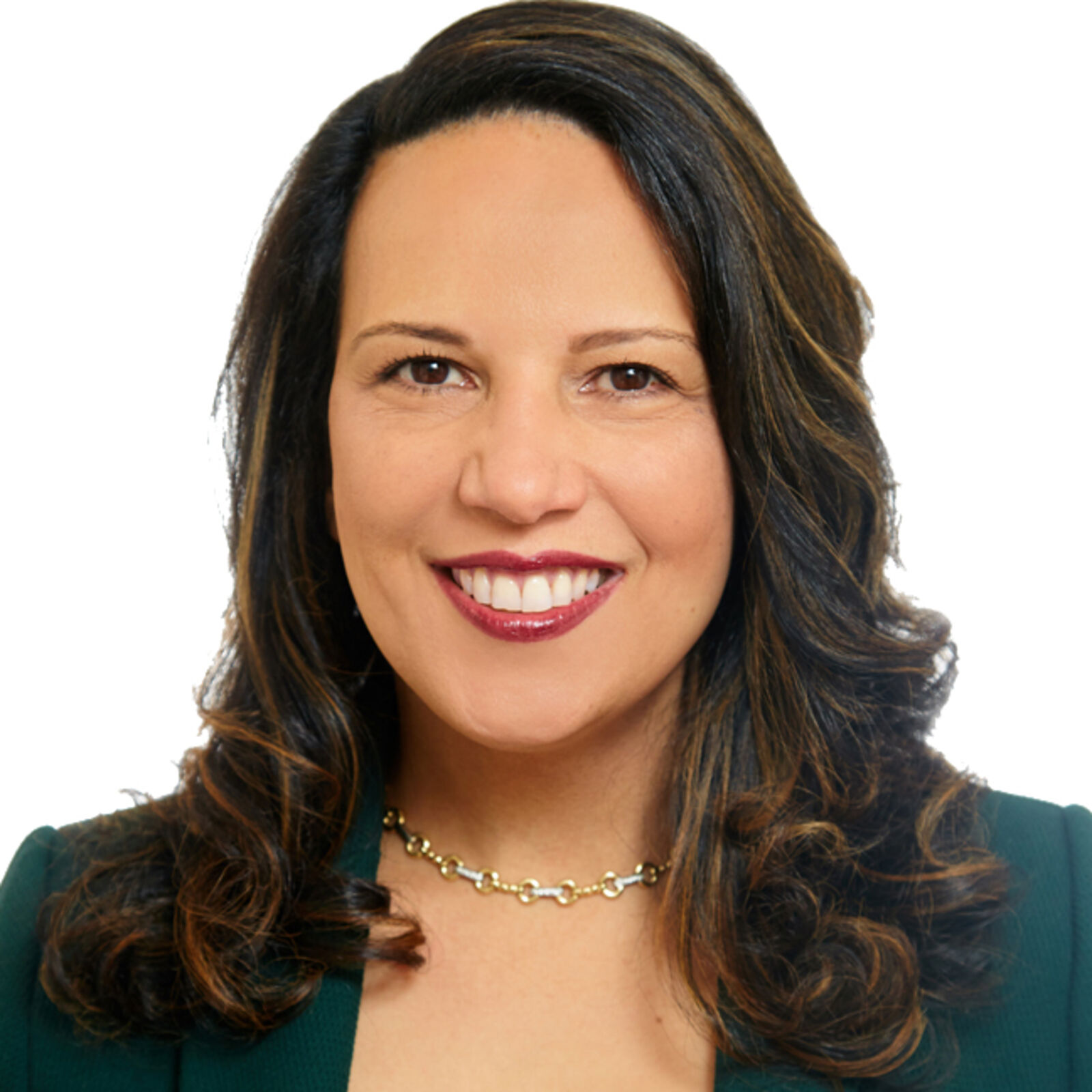
Mitra Memari, partner in Los Angeles, challenges us to wear all our colors and embrace the differences that make us unique.
Florence Langenegger
“As a woman raised in Latin America, I was told not to become an architect because it was a career dominated by men. I decided to challenge the system and enrolled with two of my closest friends. There were only 15 female architects who graduated from my class, and from those, I’m the only one still practicing architecture. I believe that rules are meant to be broken and that every ‘no’ you hear is an opportunity to challenge yourself to do everything you can to make it happen. Don’t be satisfied with the status quo. Always ask the ‘What if?’ and ‘Why not?’ Be disruptive, dream big, choose to challenge yourself to do things that people think you cannot achieve.”
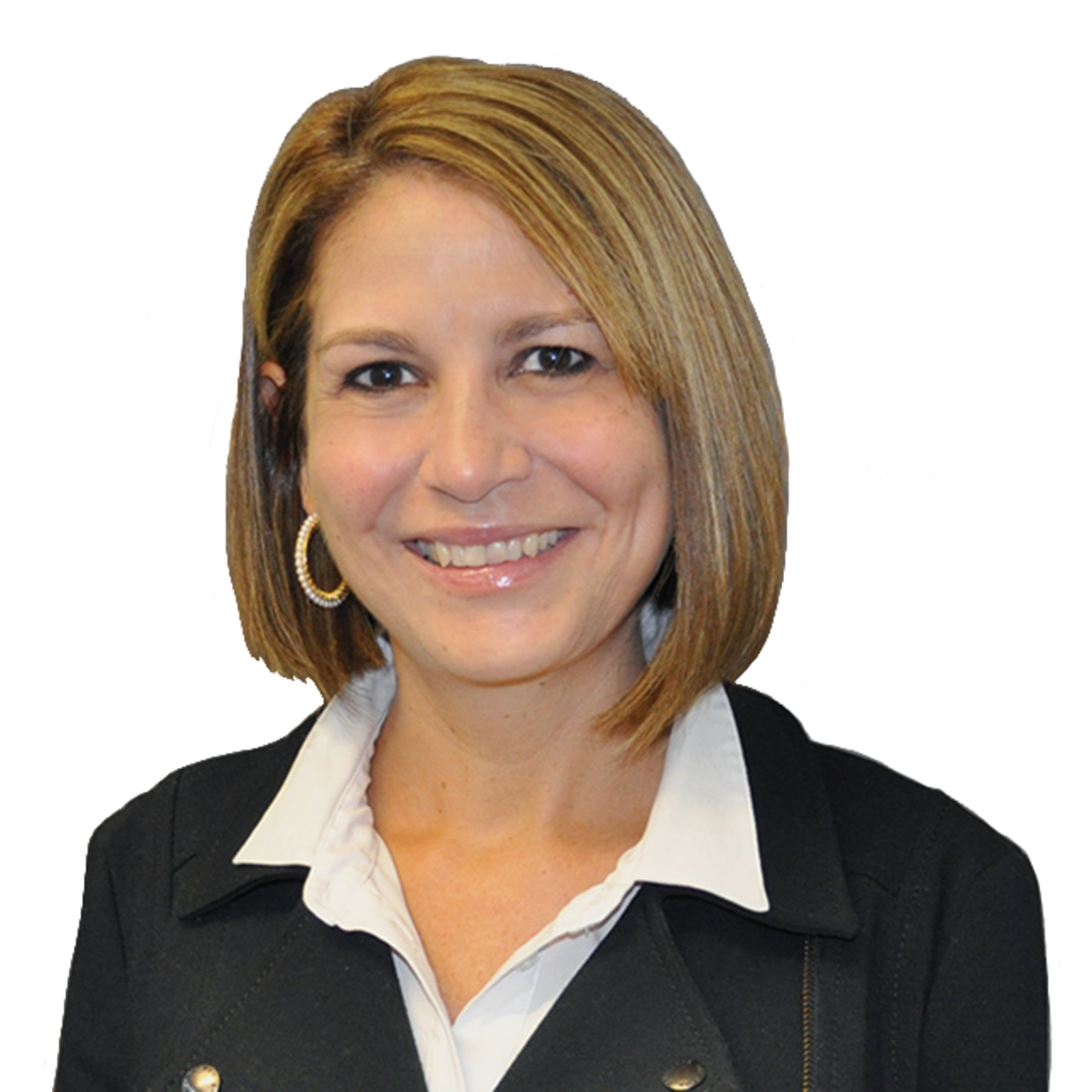
Florence Langenegger, senior interior designer in Vancouver, BC, challenges us to dream big and be disruptive.
Amanda Snelson
“For International Women’s Day, I’m choosing to challenge the negative associations that come with embracing one’s femininity. We’ve come a long way—my daughter can wear any hero costume she wants, no problem. But for my son to wear flowery, sparkly hand-me-downs? That’s still taboo. Similarly, our social construct pushes professionals to channel masculine aspects of our personalities and character as a positive, to ‘be successful’ in the workplace. Instead of subtly grooming women to fit into this work culture, we could all use a gentle nudge to tap into the full spectrum of how we best communicate, focus on tasks and perform bottom-line results—which aren’t always masculine.”

Amanda Snelson, architect and sustainability expert in Portland, challenges us to tap into our femininity.
Maryam Katouzian
“As designers and creative thinkers, we are conditioned to challenge norms, to better the situations we confront and to push boundaries. I regularly encourage my various teams to think about the ways in which we can use design to exceed every project’s most basic requirements. We are compelled to make our designs more adaptable, flexible and resilient to meet the inevitable challenges of the future—climate change, advances in technology and unforeseen pandemics. Simply put, I constantly choose to challenge current design solutions and project delivery processes with the ultimate goal of ‘future-proofing’ our environment.
We have the tools and knowledge to meet these challenges. Much of the solution comes down to encouraging our broader industry to embrace sustainable design, healthier materials, technological advancements and scientific research.”
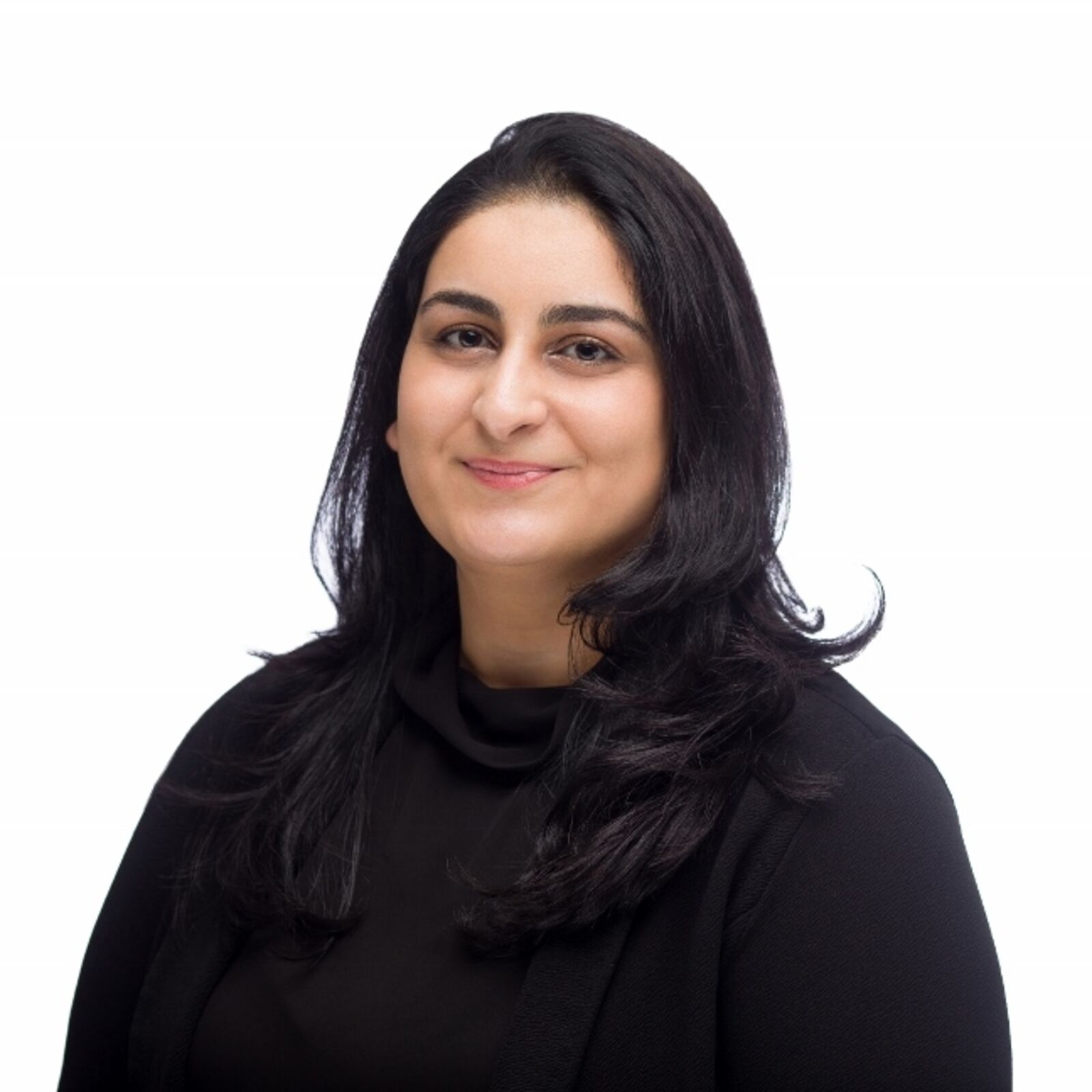
Maryam Katouzian, architect in Washington, DC, challenges us to design a more resilient future.
Kate Mann
“I choose to challenge the lack of female designers in architecture. While half of all architectural graduates are women, it is still rare to see a woman as design lead. If we want our buildings and our cities to reflect who we are, women and other underrepresented voices must be heard.”
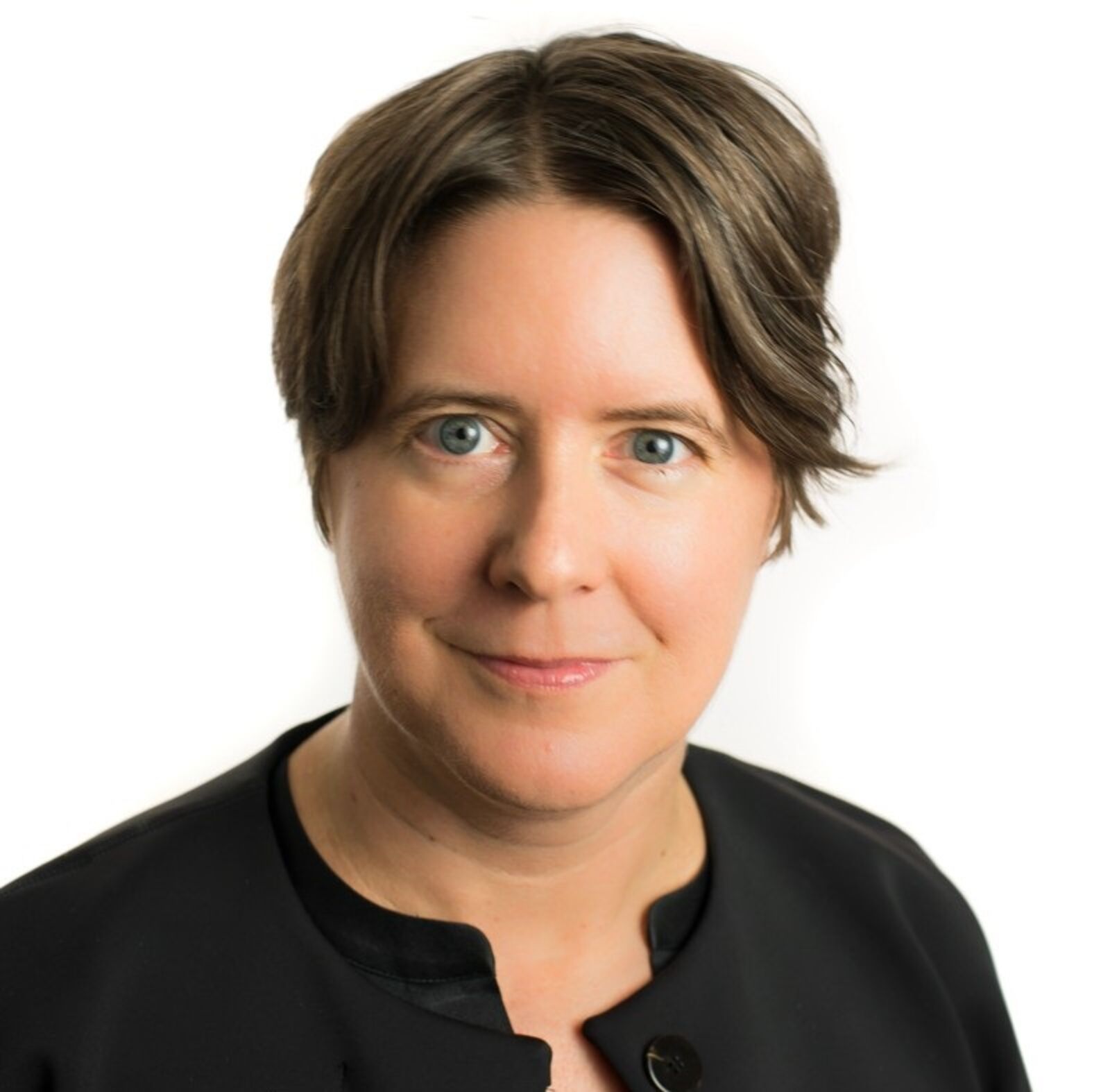
Kate Mann, an architect in New York, challenges us to lift up underrepresented voices.
Megan Chalmers
“I’ve met a lot of architects who spent their childhood dreaming of designing buildings—playing with Lego, making blueprints and wearing hard hats. Although I loved all these things, architecture as a profession wasn’t on my radar until after I finished my undergraduate degree and learned that a bachelor’s in history wasn’t great preparation for the kind of job that I could really put my heart into. But I love art, drawings, public speaking and making stuff, so architecture felt like an exciting combination of my passions.
When I started architecture school, my class was a 50/50 split of men and women. As the semesters passed, more women dropped out, until my graduating class was about 25% women. That was the same year I started telling people I was an architect—and the first time somebody told me that I didn’t look ‘like an architect’. I’ve invested in a lot of black turtlenecks (and even one or two navy checked shirts!) since then, but it’s still easy to feel self-conscious when you are the only woman in a meeting. It’s a good reminder that it takes more than a great pair of glasses to make an architect. I decided to challenge public perception of what an architect looks like, and I challenge myself today to look past my own preconceptions.”
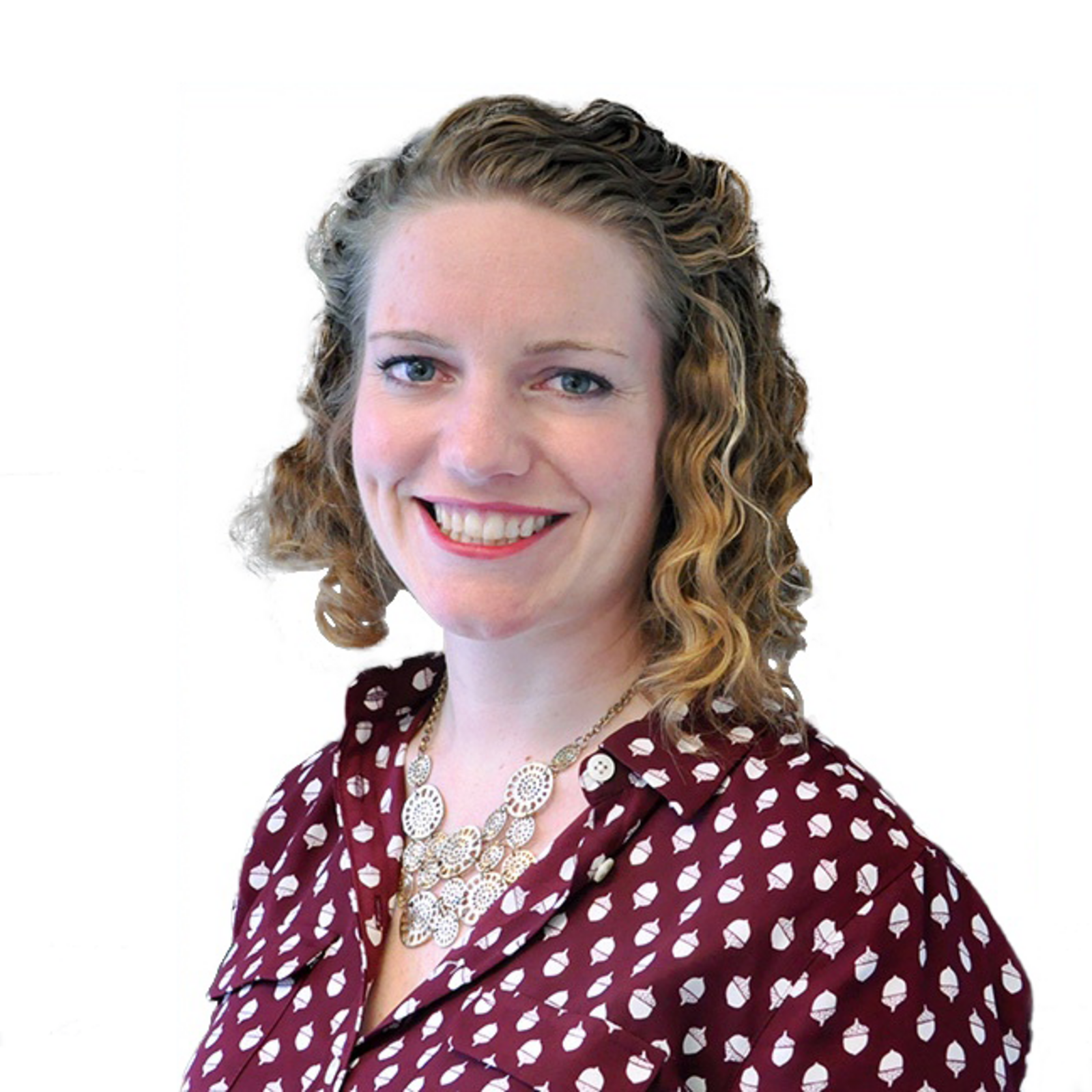
Megan Chalmers, architect and certified Passive House designer in Vancouver, BC, challenges us to expand our notions of what an architect or designer looks like.
Avideh Haghighi
“I choose to challenge my own imposter syndrome and I encourage all woman working in the architecture and design industry to do the same. In a discipline that historically has more male subject matter experts than female, oftentimes women feel they shouldn’t speak up because their opinion will not carry as much weight. It is a societal expectation that is placed on us, but as women we must challenge the construct. One of the best words of advice I have ever received was that women think they must excel at something multiple times to prove their worth in order to call themselves an expert, but the truth is if you’ve done it right once, you have the expertise. You get to own it. Never wait for someone else to validate what you know you know. Claim your own space with confidence.”
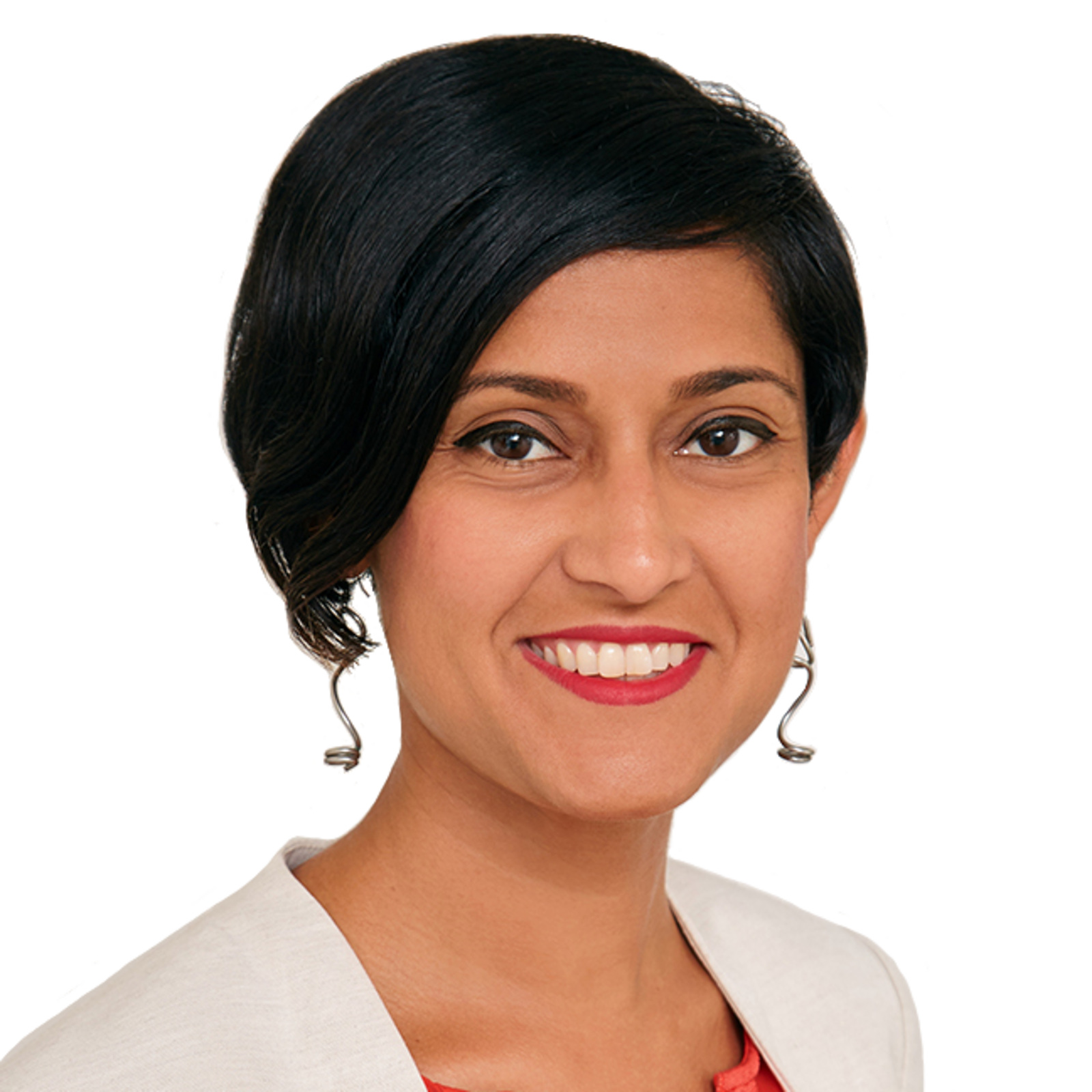
Avideh Haghighi, architect and green building guru in Los Angeles, challenges us to own our expertise.
Dana Forfylow
“I choose to challenge inequality by lifting others up, supporting and empowering the next generations. When I started my career, my graduating architecture class was an even split of women and men but the first office I worked for definitely was not. There was a complete lack of female architects in leadership or lead designer roles in the firms where I worked for the first 10 years in my career. In consultant coordination meetings and on the jobsite, I was the only female in the room. But these statistics have both slowly changed over the course of my career. On my last project, both the superintendent and the PM from the GC were women. It was the first time I was on a jobsite where the top leadership roles were all held by women.
We are moving in the right direction, but we have a long way to go. I challenge myself to mentor and empower young female architects to believe in their talents and skills and to take their place at the table in leadership and design. I also challenge myself to work to make our profession more accessible for all underrepresented groups. Great design comes from many different perspectives and backgrounds and I want to be a part of building the future of our profession.”

Dana Forfylow, technical designer and lab planner in Seattle and one of our Diversity and Inclusion Advocacy Group (DIAG) leaders, challenges us to empower the next generation.
Blaire Zierke
“I choose to challenge women, specifically my fellow white women, to recognize and work to improve the inequities within our own demographic. To me, International Women’s Day/Month has too often focused solely on trailblazing white females, who have not been without struggle but are certainly one of the most privileged groups, and I would challenge us (and the world at large) to look at the disparities among women and play a role in elevating women of color and other female minorities. In fact, I believe it is our responsibility to do so.”
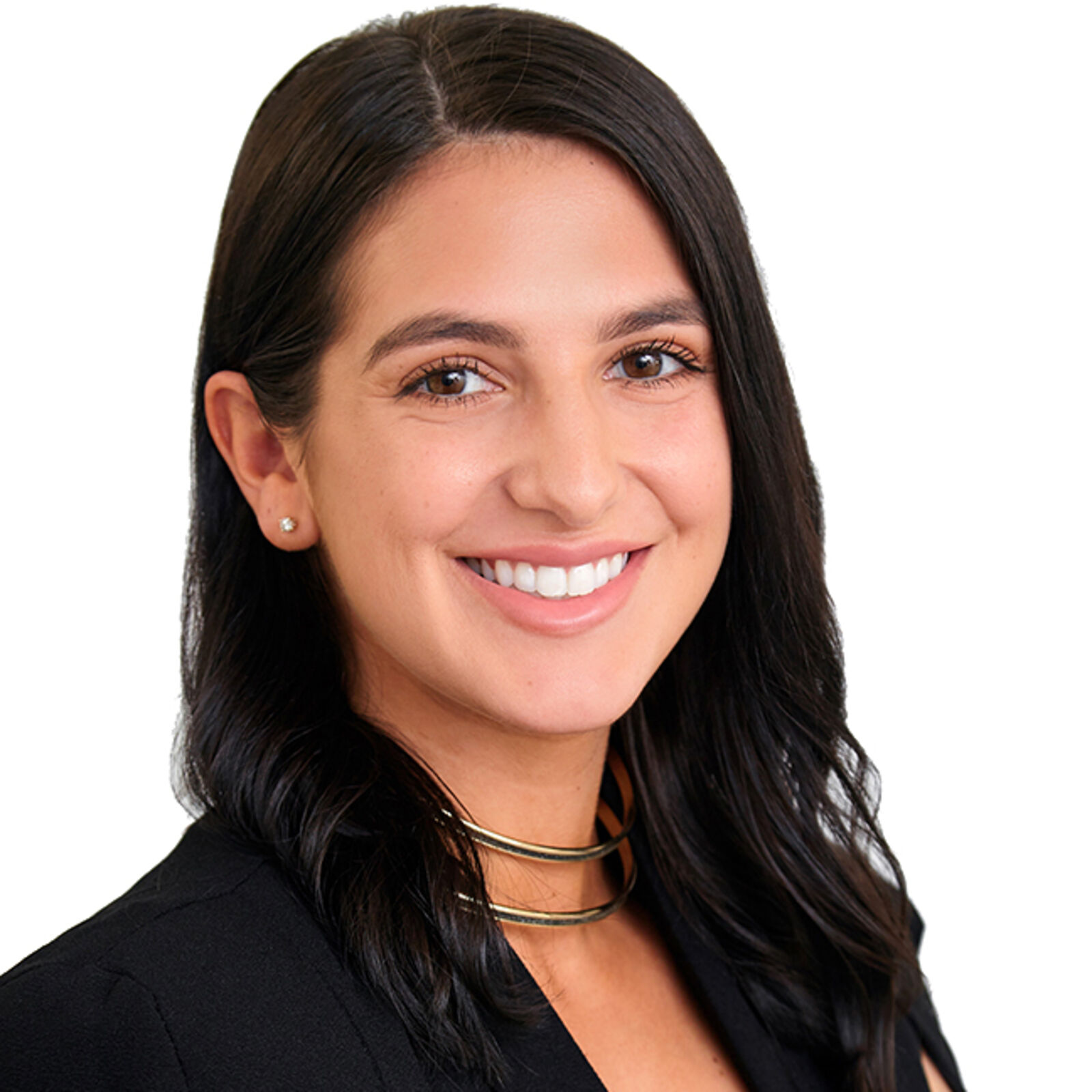
Blaire Zierke, People + Culture representative leading the firm’s JEDI initiatives, challenges us to take responsibility.
Amy Perenchio
“I choose to challenge the ‘imposter syndrome’ that many women, including myself, feel as they grow in their careers. So often, we can be quick to tell ourselves that we aren’t good enough when we actually are. Challenges show us our strength, and the limiting stories we tell ourselves don’t have to become our truth.”
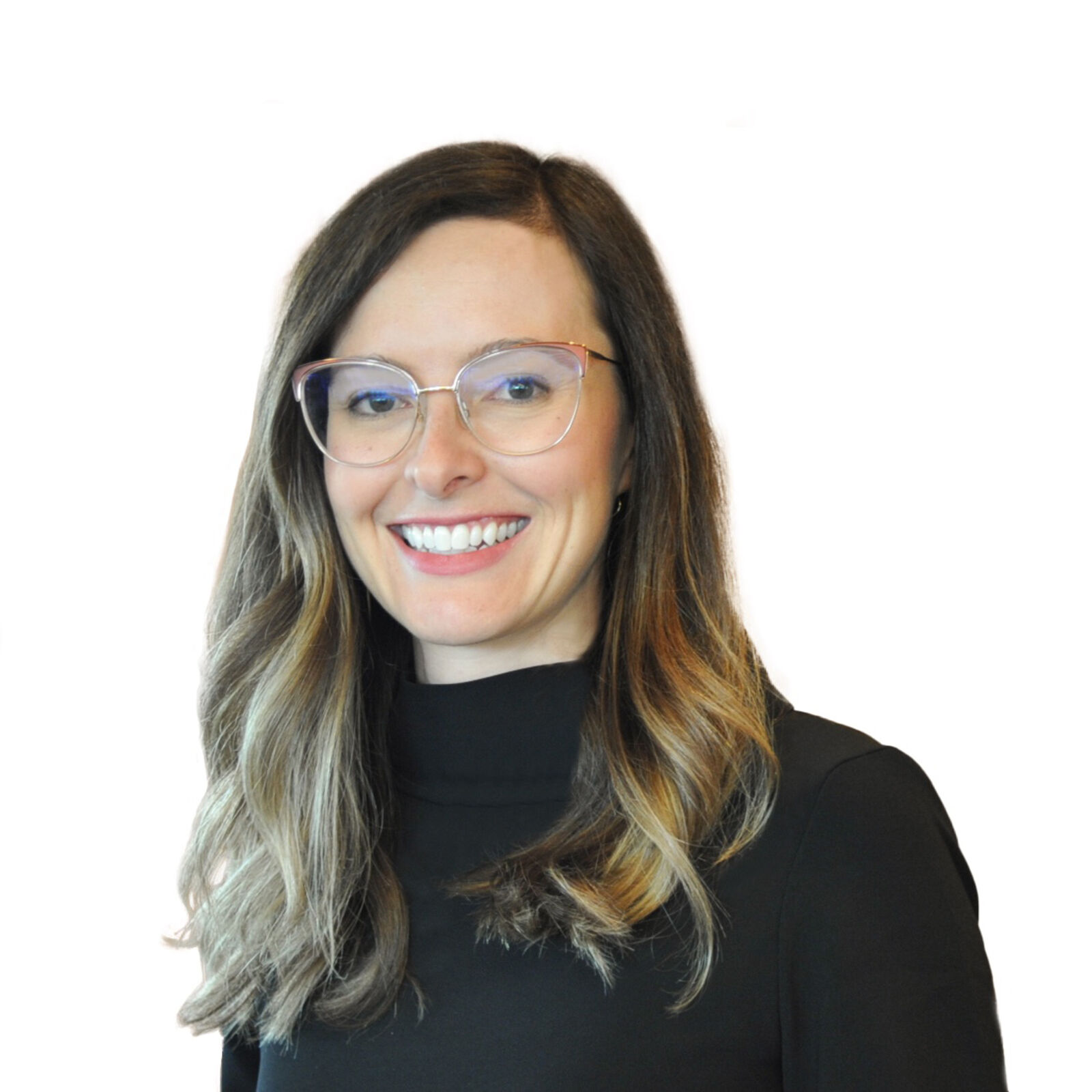
Amy Perenchio, an architect who also manages staffing, licensure and professional development for our Portland office, challenges us to acknowledge our strength.