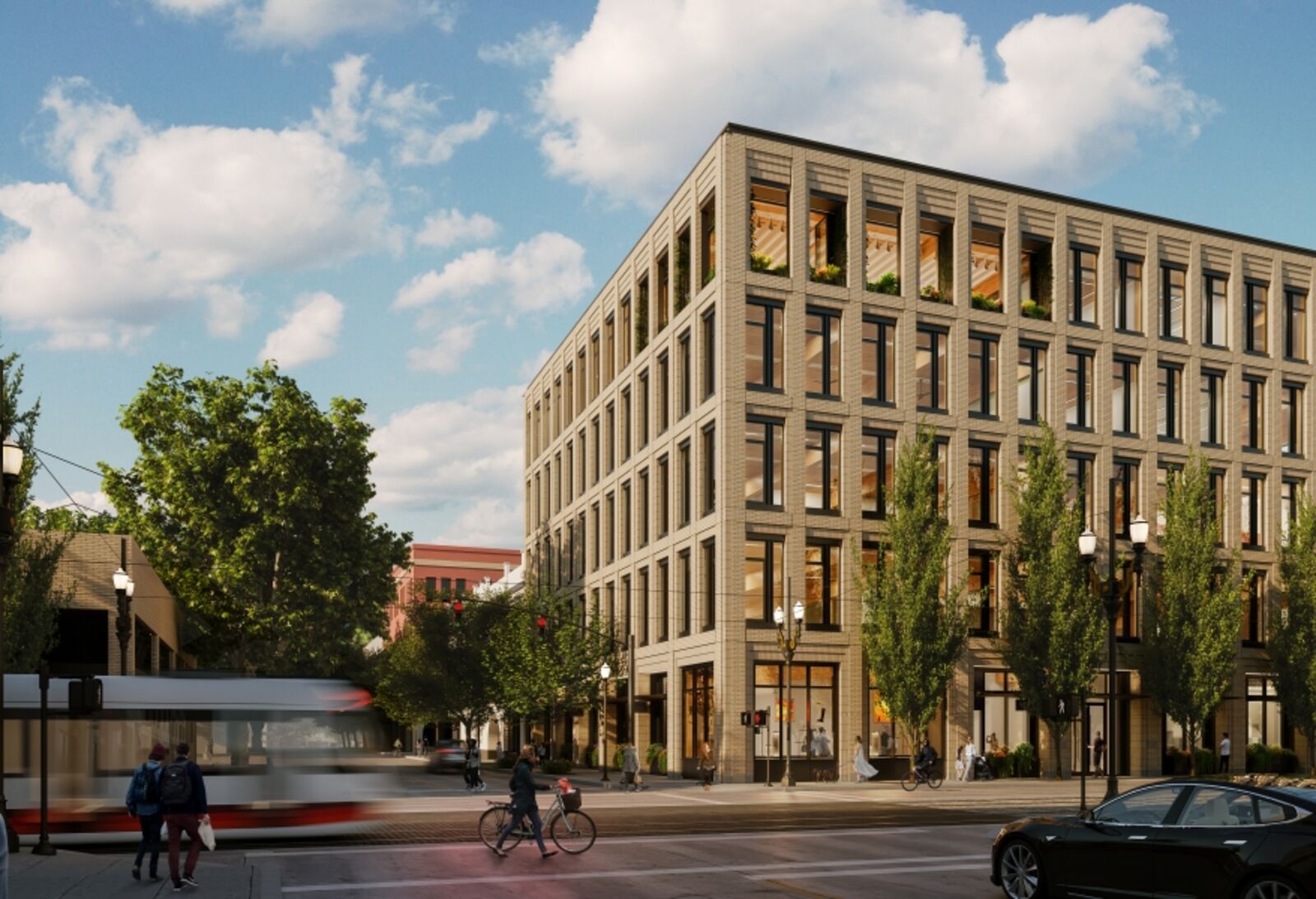
2021: A Year for Carbon Reduction
We will remember 2020 for many reasons: a pandemic that abruptly altered our lives in countless ways; social unrest and protests around systematic racism; and increasing environmental disruption. But 2020 was also the year that we got serious about taking climate action. And today, with the US’s renewed commitment to the Paris Agreement and President Biden’s proposed infrastructure packages, 2021 holds the promise of even greater strides forward, especially around the reduction of carbon emissions.
With increasingly more data available about greenhouse gas emissions in our industry, carbon is now the “lingua franca” of a building’s environmental impact, tying together energy use, transportation, construction, and ongoing operational issues. As architects, carbon is the single most important issue we must address to avoid the worst impacts of climate change. Signatories to the 2030 Commitment, including ZGF, have been making steady progress on carbon emissions, and still, we need to do more—and faster—if we are going to meet the goal of net zero buildings by 2030.
Our Carbon Priorities
There are several areas we can prioritize right now. Throughout the year on ZGF.com I’ll be joined by my colleagues from across the firm to present ideas for how we can reduce carbon now and to investigate the significant future opportunities that we are working toward.
Making the Business Case
We must help our clients understand the business case and the steps to develop a zero-carbon, sustainable future. Thankfully, more and more clients across industries including higher education, technology and healthcare, as well as building developers, are asking for just that. The interest, the need, and the opportunity are here. Clients who once dismissed net zero design as a premium price tag are realizing that markets have rapidly changed, especially for energy. They are also seeing the multitude of benefits firsthand from high performance buildings: energy paybacks, greater demand evidenced by higher rents and sale prices, increased structural resilience to withstand the impacts of adverse advents, and the health and wellbeing of their tenants.
All Electric Buildings
All-electric buildings are one of the easiest ways to enable a zero-carbon future. Carbon from natural gas, coal, and other fossil fuel inputs currently powers 62% of the U.S. electric grid, but many states and utilities are targeting decarbonization in the coming decades and there’s optimism zero carbon targets will be established at a federal level. Electrification powered by solar, wind and other sources of zero-carbon electricity, is increasingly cost competitive and in many cases cheaper—easily so when the costs associated with climate change are factored in. Many projects are not waiting for codes to catch up, opting to include onsite renewable energy, typically photovoltaic panels, to provide some or all the building’s annual energy demand.
Lowering Embodied Carbon
Given the need for rapid worldwide decarbonization in the next decade, we need to make real progress in reducing or reversing the carbon emissions associated with building materials. Operational energy emissions are important for any building we construct today, but they accumulate over time. For most new buildings, the lion’s share of carbon emissions over the next decade will come from the manufacturing and transportation of its materials, particularly the most intensive like concrete, steel, aluminum, wood, and insulation. Concrete alone accounts for nearly 8% of global emissions, but we can reduce impact quickly and simply just by specifying mixes with lower cement content. Newer formulations of concrete that sequester rather than emit carbon are an exciting technology beginning to make an impact in the industry as well.
Annually, the embodied carbon of building structure, substructure and enclosures are responsible for 11% of global GHG emissions. Building re-use, a growing portion of ZGF’s design portfolio, is a significant opportunity, upgrading the energy performance of existing buildings while taking advantage of the “sunk” carbon emissions already embodied in the building structure and other components.
As designers of the built environment, we also need to account for the transportation impact of building users traveling to and from their workplace every day – in fact, it can be one of the largest GHG emissions associated with any project.
We look forward to sharing more about the paths to holistically address carbon emissions across the built environment. I hope you will join us in this journey—because we all have a role to play—and I welcome your questions and feedback. You can reach me at chris.chatto@zgf.com.
Chris Flint Chatto is a Principal and high performance building specialist at ZGF.