Sharing My Journey
Last week I attended the 2019 EMBRACE Diversity and Inclusion Conference at my alma mater, the Savannah College of Art and Design (SCAD). It was a great opportunity to reflect on my journey from design school to ZGF. The event, organized by students from SCAD’s Black Student Association, focuses on the impact and importance of diversity and inclusion (D&I)—in academia, the workplace, and beyond.
I was asked why D&I is an important topic for me on a panel where I shared my personal and professional journey. It’s simple: Our differences make our environment better. My own experiences as a Black woman navigating many different environments, from growing up in Chicago to settling down in Seattle, have shaped my journey and informed my work. These experiences tell the full story of who I am as a designer.
Here are a few takeaways from the inspiring conversation I had with my peers.
When I joined ZGF in 2014, I was experiencing several new things all at once. New job. New city. New active lifestyle (that didn’t last long). Something that I wasn’t prepared for was working in an environment where I didn’t see many people who looked like me. Being the introverted, over-achiever that I am, I internalized this new reality. I kept my head down and focused on the work. After all, I came here because I was inspired by the work we do and wanted to be a part of a team working on such incredible projects.
After a few years, I realized I wasn’t being my true self. I was repressing things that made me unique for fear of not finding acceptance. As a result, I was also missing something in my project work—authenticity. It took a while to find the courage to show more of who I am. Groups like the Diversity & Inclusion Advocacy Group (DIAG) at ZGF helped raise my voice on issues that shape our culture and instill a sense of belonging.
Today, I am a member of DIAG. The initiative was created by the firm partners, but employees from all offices and levels are driving conversations that weren’t happening before in the workplace. Our point of view is that D&I is everyone’s responsibility. These are conversations we all need to be having.
I’ve found it particularly rewarding over the past four years helping our firm foster relationships with historically black colleges and universities (HBCUs) in order to increase our reach to untapped talent and promote volunteering through National Organization of Minority Architects (NOMA) events.
While we’re making great strides on the diversity portion of D&I, what I find most exciting is the work we’re starting in the areas of inclusion and belonging. This quote sums up our goal: “Diversity is having a seat at the table; inclusion is having a voice; and belonging is having that voice be heard.”
Mentorship is another important element of my journey. I’ve been fortunate to have some very impactful mentors in my career who have helped me maintain perspective on work-life balance and career ambition while trying to reach my goals. These relationships grew organically out of existing connections because I wasn’t looking for a mentor; I was building relationships.
The most fruitful mentorships are rooted in reciprocity where there is an exchange of knowledge and support. That’s why I believe it is our job as a design community to make ourselves open and available to others. Regardless of experience level, we all have something to learn from each other.
One of the closing questions during the panel was, what are some good ways students can market their diversity as a skillset or asset? Earlier that day, product designer and keynote speaker Paola Mariselli advised students to see their diversity as a superpower. I completely agree. We all bring unique perspective to our work, shaped by the things that make us special—our education, place of birth, and cultural heritage, just to start.
When marketing yourself, do not be afraid to show your true self—in the way that you dress, the design of your portfolio, and how you speak about your work. Share what informs who you are because we all put a little piece of ourselves into the work that we do.
I truly believe that I started moving closer to the designer I want to become when I started bringing my whole self to work. My hope for others is that they find the courage to do the same.
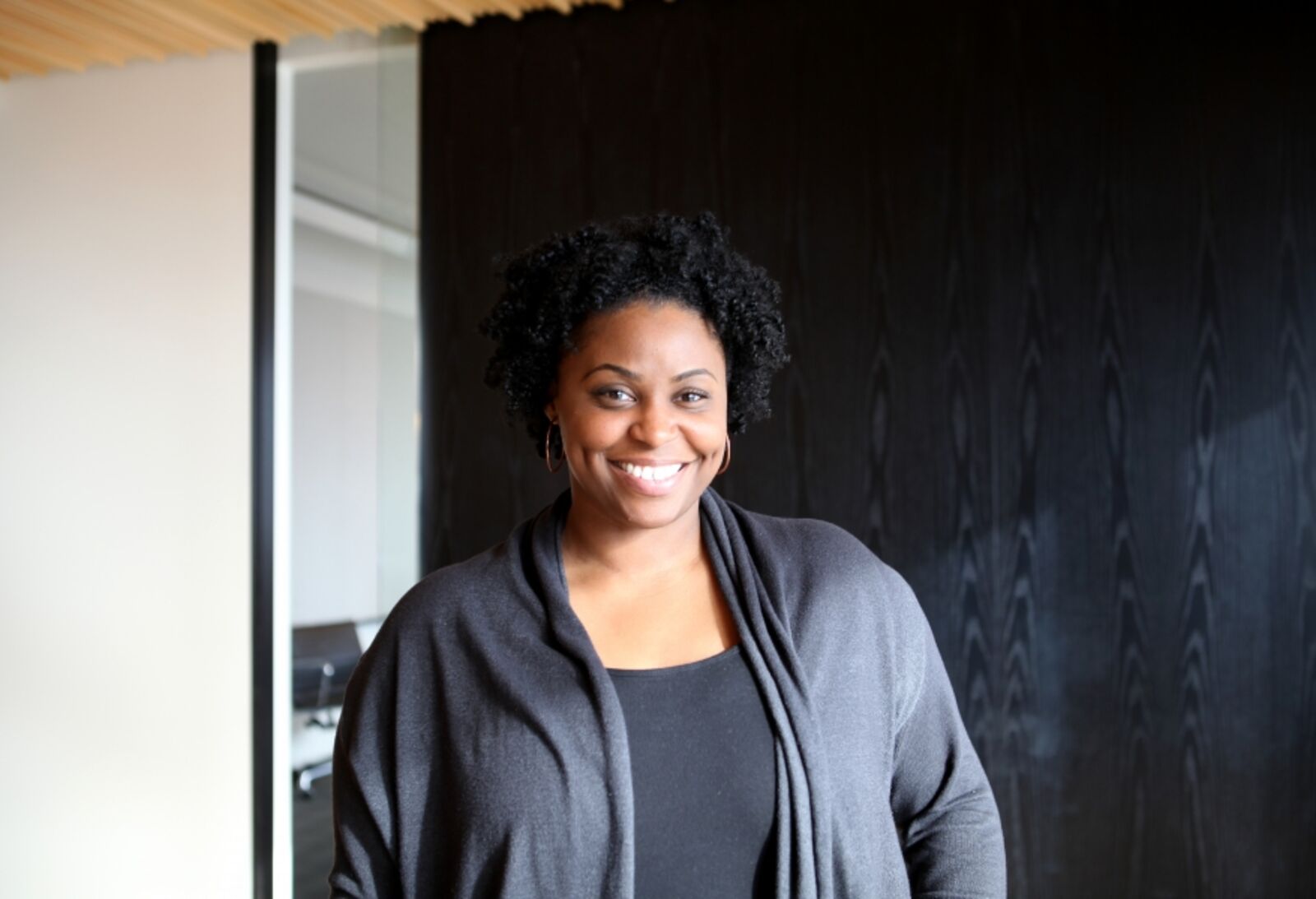
Camilla Watson is an interior designer in our Seattle office.