The Sanctuary: An Urban Bee-con of Light
What began as a humble preservation story now serves as a showcase example of how sustainable design comes full circle when you connect the past to the future in a meaningful way.
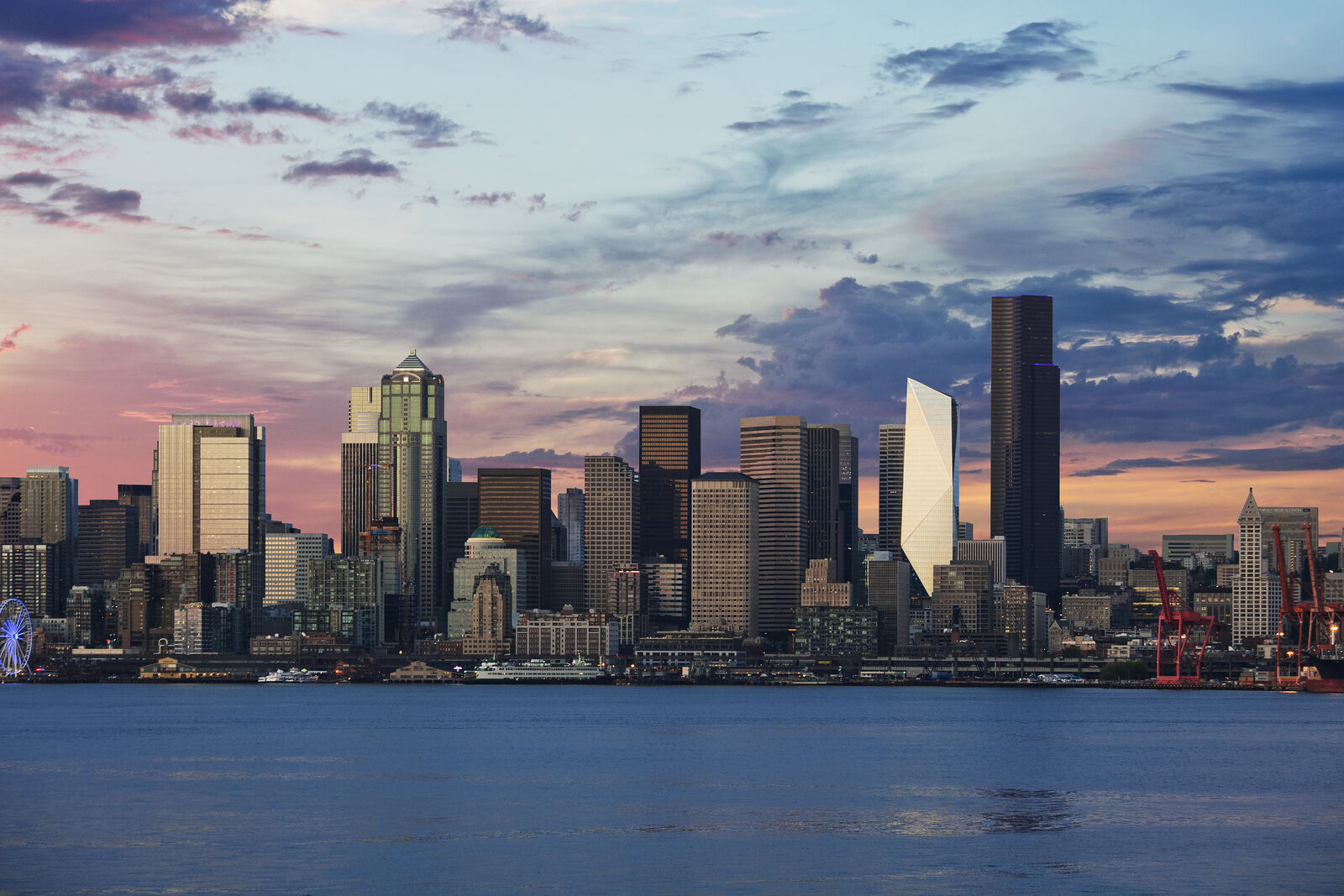
In the design of F5 Tower, an iconic office and hotel high-rise in downtown Seattle, developer Daniels Real Estate held the rights to demolish a historically-significant church on the site, but the emotional, cultural and historic significance of the structure – originally commissioned by Arthur Denny, founding father of the city of Seattle – motivated the client and local parishioners to seek alternatives. To preserve the downtown sanctuary, ZGF designed a tower that cantilevers over it instead of taking its place. Now fully restored and repurposed into a premier event space aptly named The Sanctuary, the former church building is home to a new congregation: honey bees.
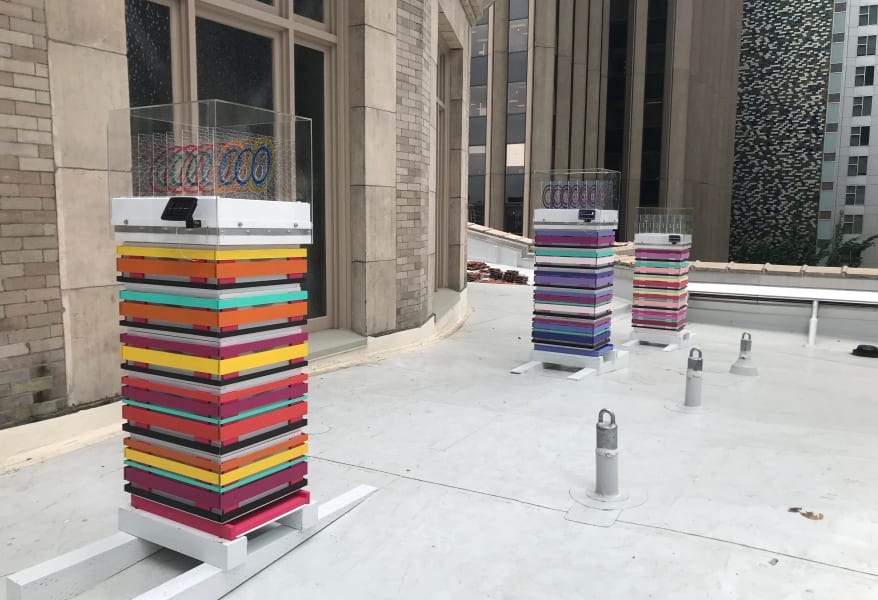
Building on the unique partnership between ZGF, Daniels Real Estate and The Sanctuary, ZGF was enlisted to design four urban bee hives for thousands of bees that would live atop the historic building and provide a sustainable source of honey to infuse in The Sanctuary’s buzzworthy menu. Our new video captures how ZGF worked with Gavin Stephenson – longtime beekeeper, executive chef and food and beverage director at The Sanctuary – to create an architectural representation inspired by both the inner workings of the hive and the outer world where bees forage for pollen.
Given that the hives would be visible from Fifth Avenue and neighboring offices, ZGF’s design team wanted to surprise and delight those looking down at the Sanctuary roof while raising awareness about the diversity of bees and the many ways our urban environment can support the survival of these important pollinators. As designers, it was also important to step back from architecture and prompt ourselves to re-examine our connection to nature.
For others like Gavin Stephenson who are drawn to urban beekeeping, here are a few things to keep in mind that we learned in the design process:
- Size and dimension: The Sanctuary hives are wooden structures comprised of stackable boxes, standing over five feet tall. Size and dimension are important in order to accommodate a growing hive and its honey production. When occupied, the hives can weigh up to 300 pounds each, so the team also designed platforms to stabilize and support them.
- Ventilation and air flow: Surface treatments on the outside are light and colorful so as not to overheat the hives and provide adequate ventilation, as moisture makes bees susceptible to illness.
- Color: Any surfaces that bees come into contact with need to be left untreated, so the team funneled their creative energies toward the design of the painted exteriors. The final colors were sampled from regional pollinator-preferred flower species, like bright orange nasturtiums, yellow black-eyed susans, purple borage and pink marguerite daisies.
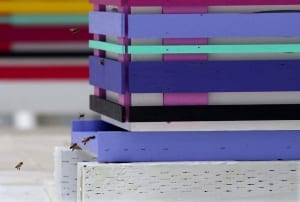
Cornoila bees prefer to gather nectar during cooler and overcast days, making them well-adapted for Seattle’s climate.
True to ZGF’s sustainability ethos, the designers were especially interested in learning about how the bees would fare in the downtown environment. Little did we know, bees can roam as far as six miles from their hives, collecting an array of nectars from maple trees and other plants that make complex and delicious urban honey. But their habitat is more than just a place to feed – it is a place to live and reproduce.
For us, the dialogue sparked by The Sanctuary bee hive project certainly renewed our perspectives on architecture’s role in sustainable design. It also serves as a great example of how, through creative inquiry, we’re finding new ways of thinking about our projects here at ZGF and how they provide value to our clients.