The Power of Collaboration in the Hybrid World
By Kate Mann, AIA LEED AP
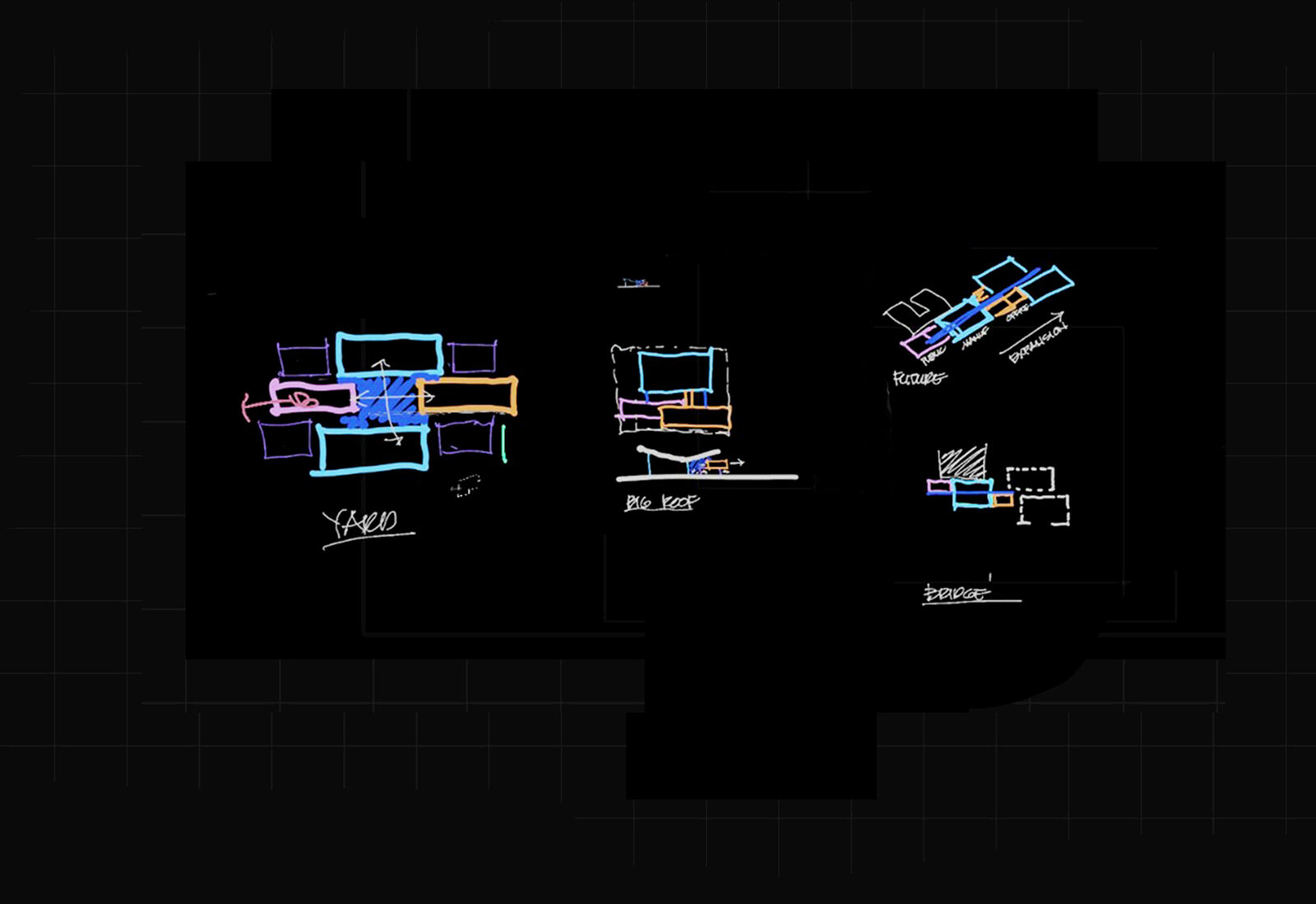
Architecture is a lot messier than people think. Creativity is not linear or prescriptive; crumbled up trace paper and napkin sketches are all part of the design process. What clients often see are presentations and plans at their most pristine. Now, through tools we have integrated into our workflow during the pandemic, we are able to bring clients “behind the scenes" for a more iterative and collaborative process while simultaneously improving cross-office collaboration to make the best of ZGF expertise available to our clients, regardless of location.
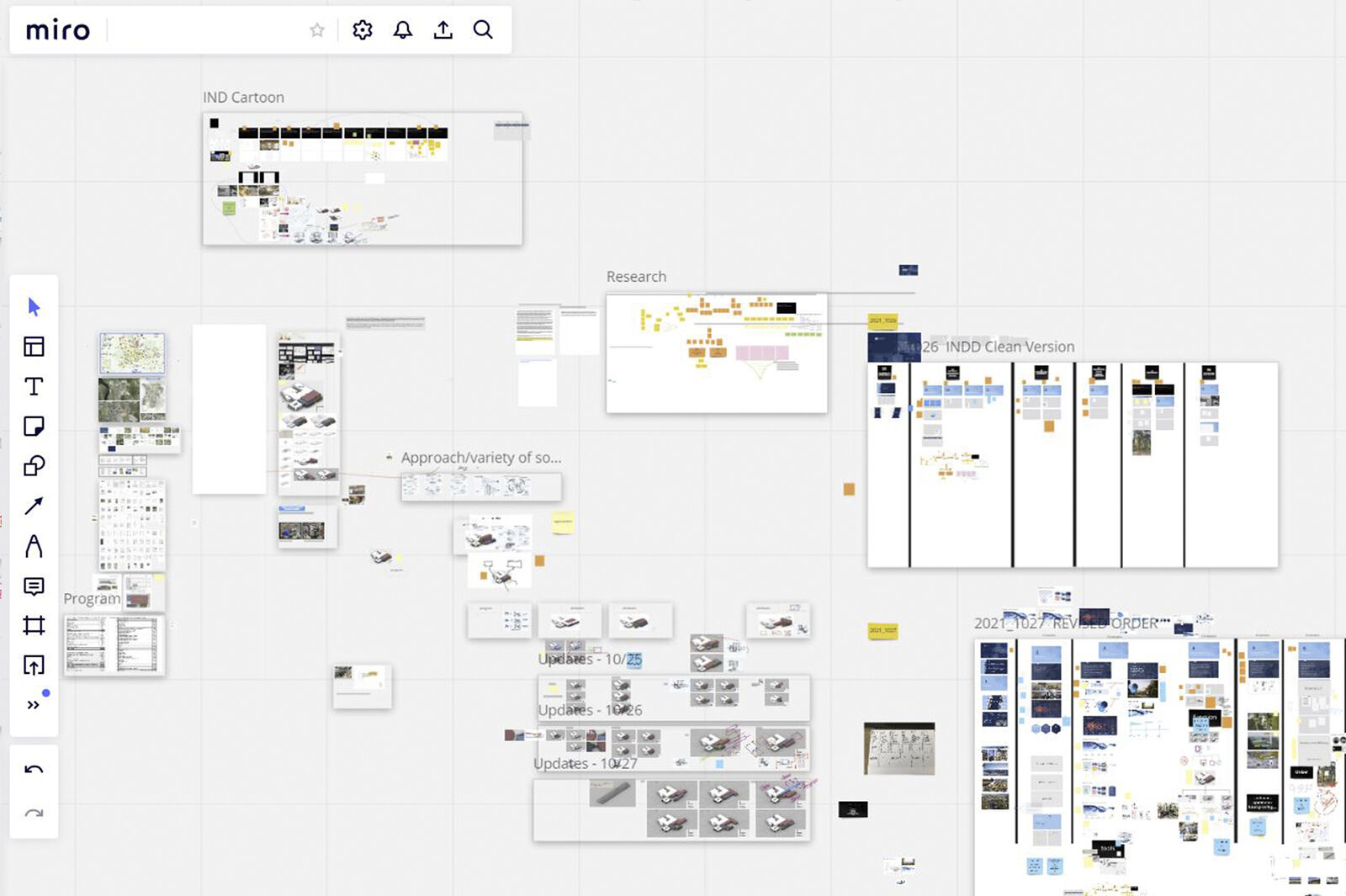
Full view of a Miro board.
The need for virtual tools actually created a more open environment for team members to share ideas and make decisions with clients. And one tool that continues to help us stay connected is Miro. The visual collaboration platform is primarily known as a digital whiteboard for Silicon Valley-style brainstorming. However, Miro can be applied to architectural design with its robust sketching tools and a flexible, intuitive interface.
There is an informality with the software that lends itself to capturing all the meetings and iterations of a design. While final presentations and drawings are still critical, a client or a team member can access earlier references or studies to keep up with all the various stages of a project. The design process becomes more open for everyone to contribute, regardless of hierarchy or what phase they join in.

Design studies alongside references and inspiration in a board after a meeting.
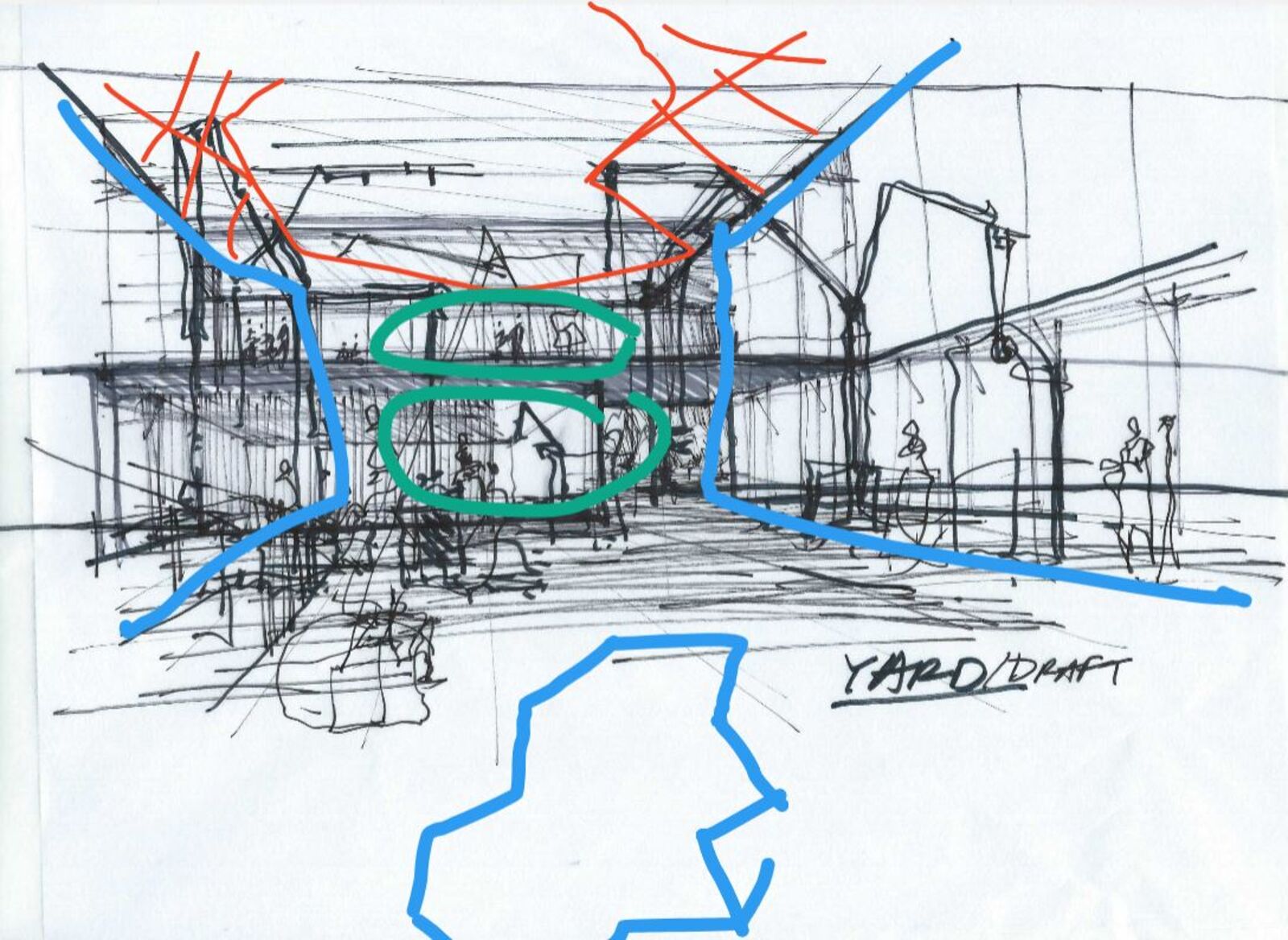
Across digital platforms, locations, and time zones, the software helps everyone stay connected throughout a project. A team can also follow a designer’s process if the individual brainstormed something on their own. Clients and partners can work alongside our teams to run though ideas quickly, collaborate in real time, and have a clear direction.
Before the pandemic, we might have not thought to show clients the entire workflow or be as casual with them. Revealing the messiness behind a project is not for every client, but we learned that a project doesn’t always have to be presented formally to reach a decision. In fact, a more open collaborative process can lead to great design.
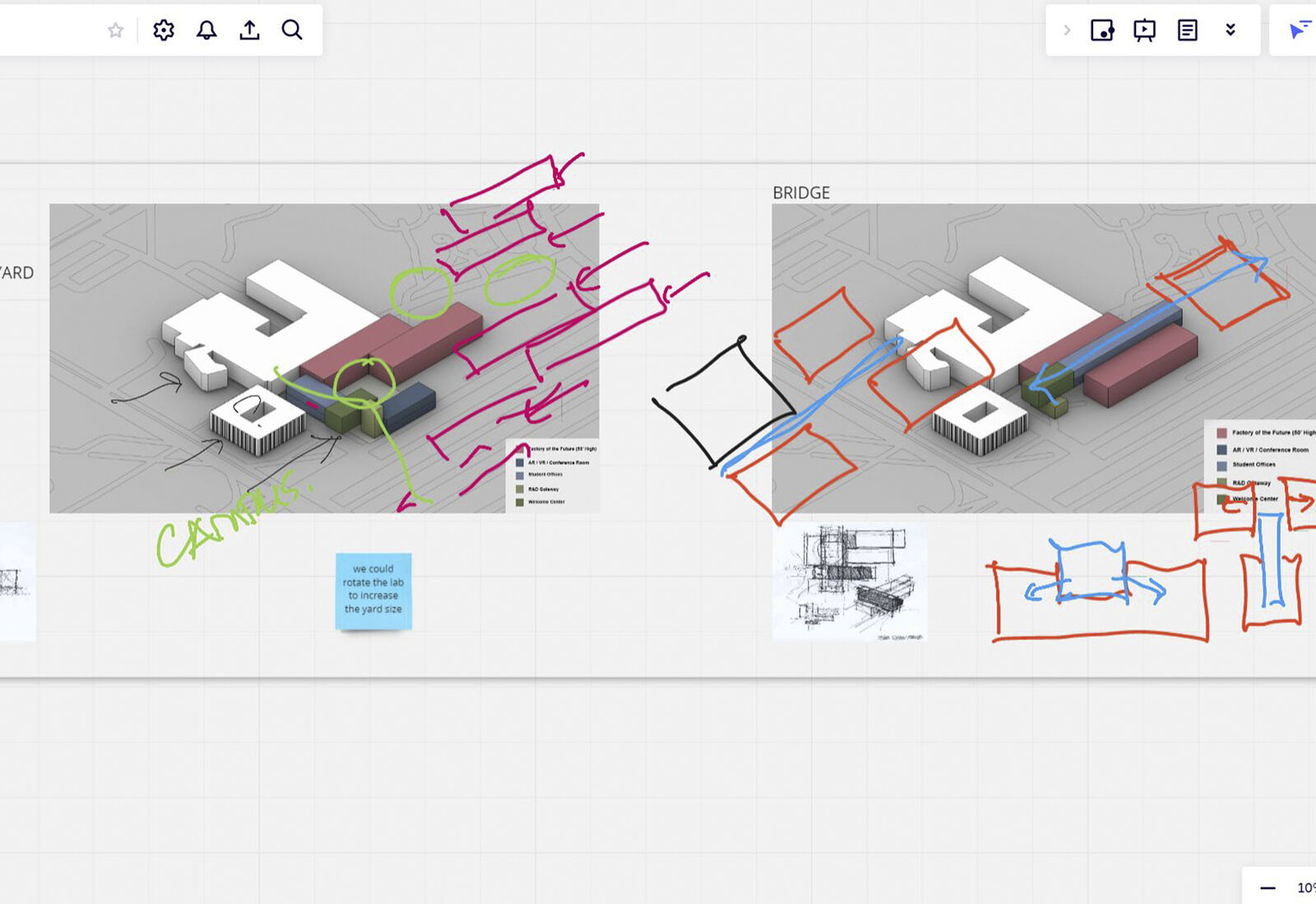
Annotated notes addressing several different options for a program.
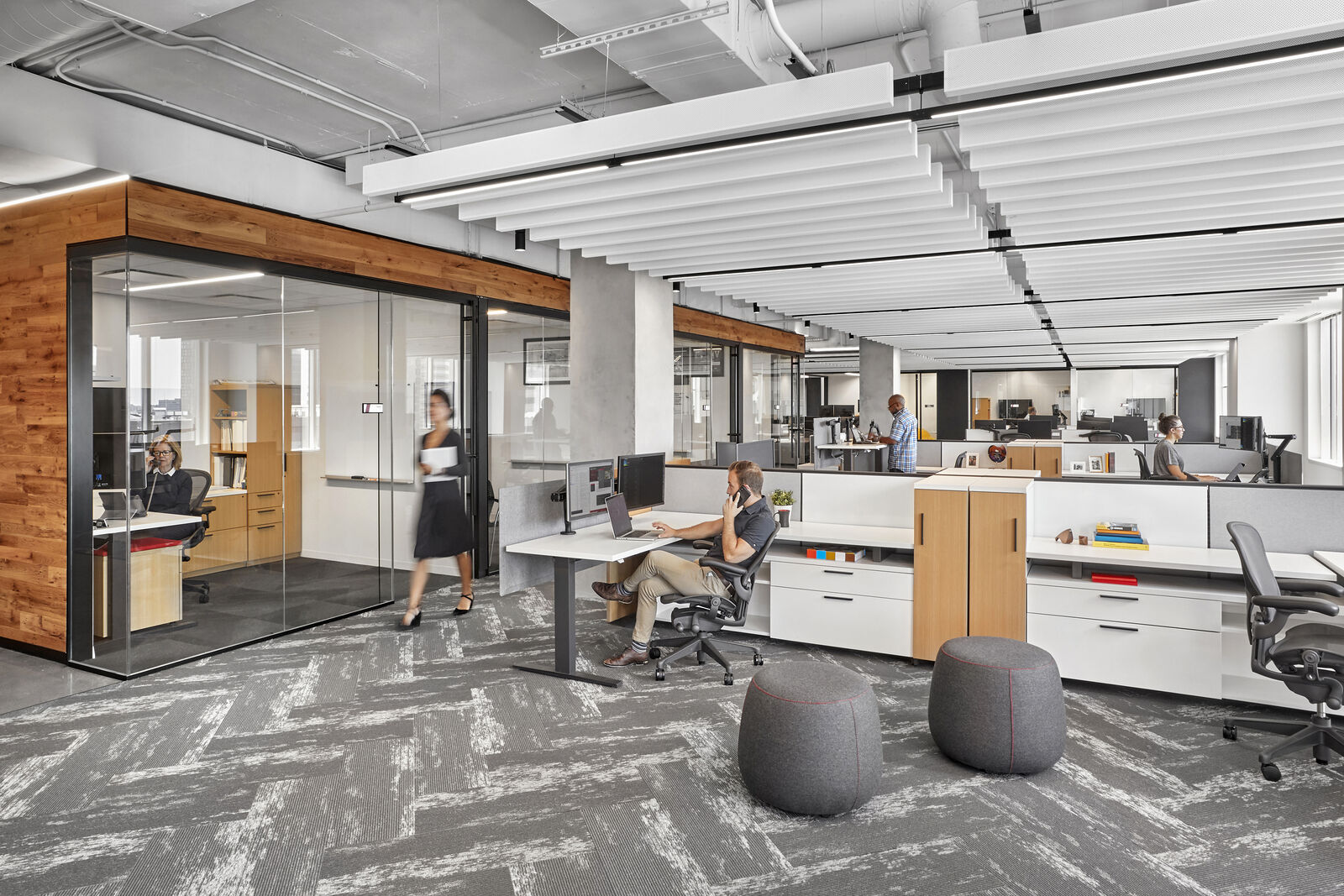
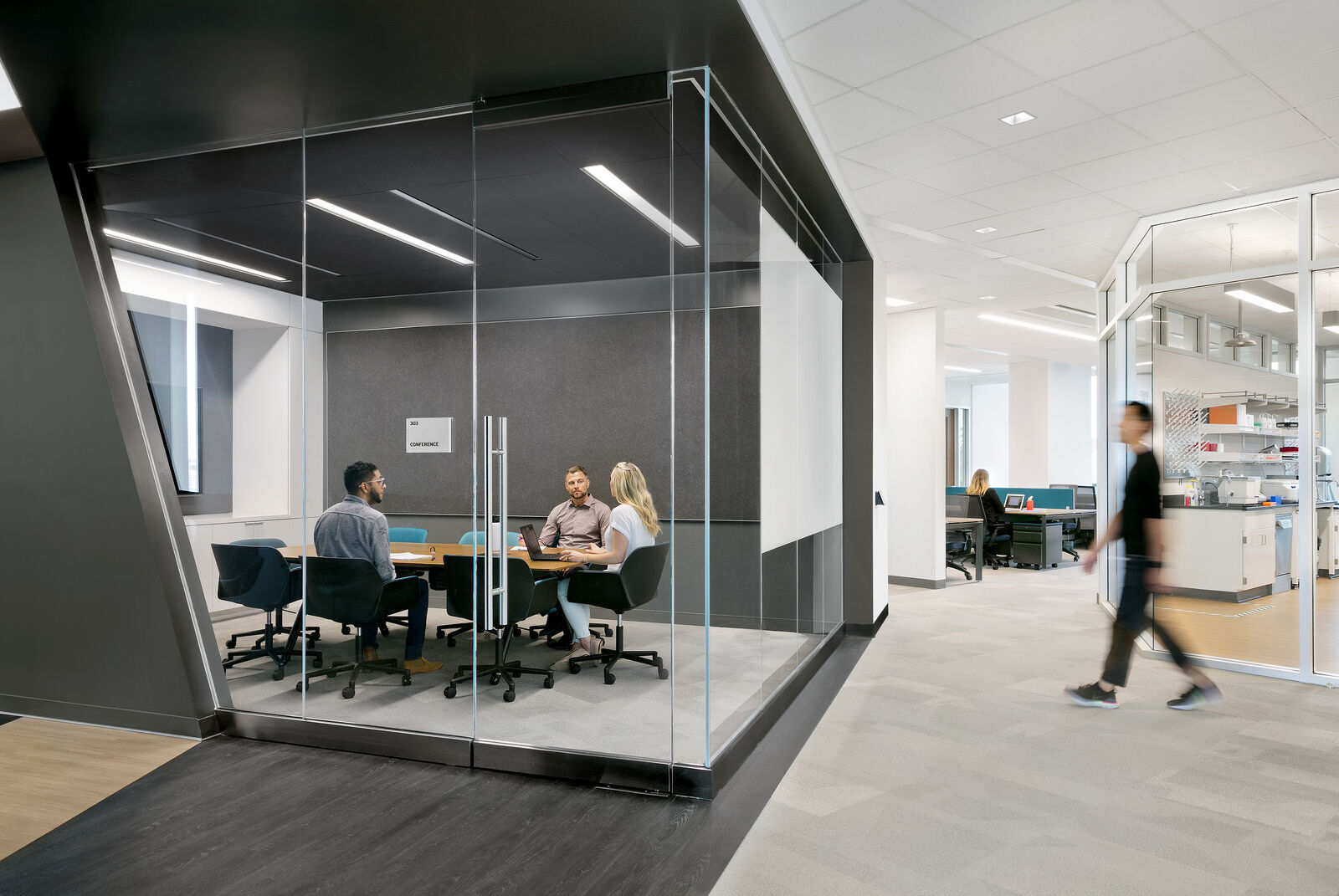
The pandemic proved that the field of architecture could be remote. It’s been a huge transformation from the 9-to-5 mindset to truly create schedules that work for each individual. As we return to working in the office again with our hybrid model, we want to maintain that flexibility. So the question for us when we are together is, why? The value in the office might be as simple as being together in the same space to create community and improve communication across our offices.
The expectation now is that people will bring a little bit of home with them as they return to the office, just as they brought a little of the office home during lockdown. The digital space allowed us to be more flexible in our process and that is reflecting in the culture at the office. The hybrid model offers employees ways to better organize their workload around their personal lives. The office is now an exciting opportunity to embrace different work schedules and socialize together.
Although this transition is in the early stages, being tethered to working in one location is no longer the only option firms have. Tools like Miro support virtual collaboration and unlock the power of remote work in between face-to-face interactions. Architects and interior designers will still need a variety of formal and informal spaces to work in, but the most important thing they should get from the office is the comradery of their peers. The amenities and incentives to be in the office become less about the free snacks or recreational spaces. Instead, the future of the office might just be the space to foster strong relationships between colleagues or visiting clients.
Ultimately, the value of an office is the community it creates. Design excellence emerges from a strong design culture, nurtured by colleagues who inspire each other to take risks and achieve great things.
A Design Guide to Maintaining Connection in the Time of COVID-19