Driving Discovery
By Ted Hyman, FAIA, LEED AP BD+C
In 2011, ZGF designed the first net-zero energy laboratory in the world, the J. Craig Venter Institute in La Jolla, California, transforming the way we think about and the way we design research environments. The Venter Institute was envisioned as a “place” for collaboration and breakthrough research at a time when the need to push the boundaries of science demanded a new approach to creating space for discovery.
Venter brought together researchers from world-class institutions, such as the Salk Institute, Scripps Institute for Oceanography, and UC San Diego’s School of Medicine among others, under one roof to solve the world’s most pressing challenges, exploring alternative sources of energy to fight climate change, identifying cancer causing genes in an effort to combat cancer, and identifying and developing cures for viral killers.
Designing for Innovation from the Inside Out
Designing environments that effectively support world changing discovery require the weaving together of many disparate ideas, functions, and needs—much like scientific discovery itself.
We begin by understanding what truly drives innovation and enhances collaboration, whether it’s between two Nobel Prize winning Principal Investigators from across the globe or graduate and undergraduate students working day-to-day in their laboratories. From there, we design places that support the science technically while also designing for “intellectual collisions” that will ensure points of contact among researchers who may otherwise never meet. Crucial to all of this is our commitment to designing the healthiest buildings possible, ones that are environmentally responsible and that make occupants and building systems more productive.
One trend that has developed over the last 20 years is the transformation from individual “departmental” buildings—such as a chemistry, biology, or physical science buildings, toward interdisciplinary buildings that are developed with the organization and focus on solving problems rather than a specific science. More recently we have seen the transformation of research parks, which have traditionally been constructed by developers near major academic research institutions, into Innovation Districts, which provide a more complete integration of academic research and industry. The line between academic and industry has nearly dissolved resulting in integrated, vibrant knowledge communities where the barriers between academia and industry have dissolved.
Today's researchers no longer want to be sequestered in lifeless laboratories. To attract the best and brightest talent, vibrant communities with a broad spectrum of amenities, including restaurants, communal event spaces, and incubator laboratories must have a level of human accommodation to which people are attracted. They are machines for driving economic growth that are moving beyond just being good neighbors to serving as an integral part of their communities in which they are built. Programs encouraging engagement amongst a broader group, including community colleges and high schools, builds support from local leaders and helps develop a pipeline for future staff for the industry partners who are tenants.
Positioning these developments as Innovation Districts gives us the opportunity to also think about them much like universities have been doing for years; especially in projects where there is housing, hospitality, and retail that will need heating and to service 24/7 laboratory loads which can be recovered and reused for everything from heating and humidification to domestic hot water. In addition to benefiting people functionally and economically, innovation districts present the opportunity to build sustainably on a grand scale. Below are three projects that are examples of the effective results of this approach to research and development:
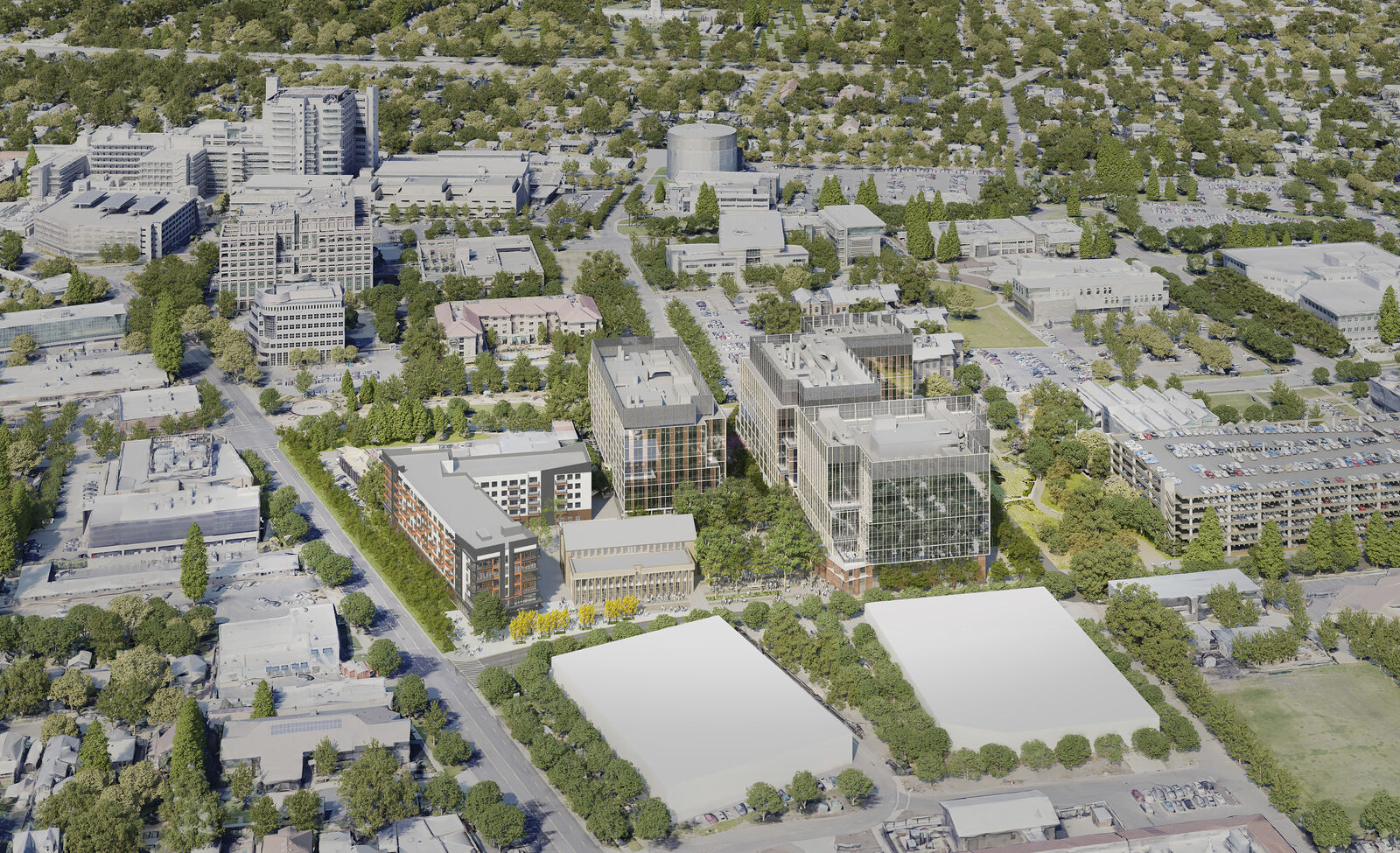
University of California, Davis, Aggie Square / Sacramento, California
UNIVERSITY OF CALIFORNIA, DAVIS / Aggie Square, Phase 1
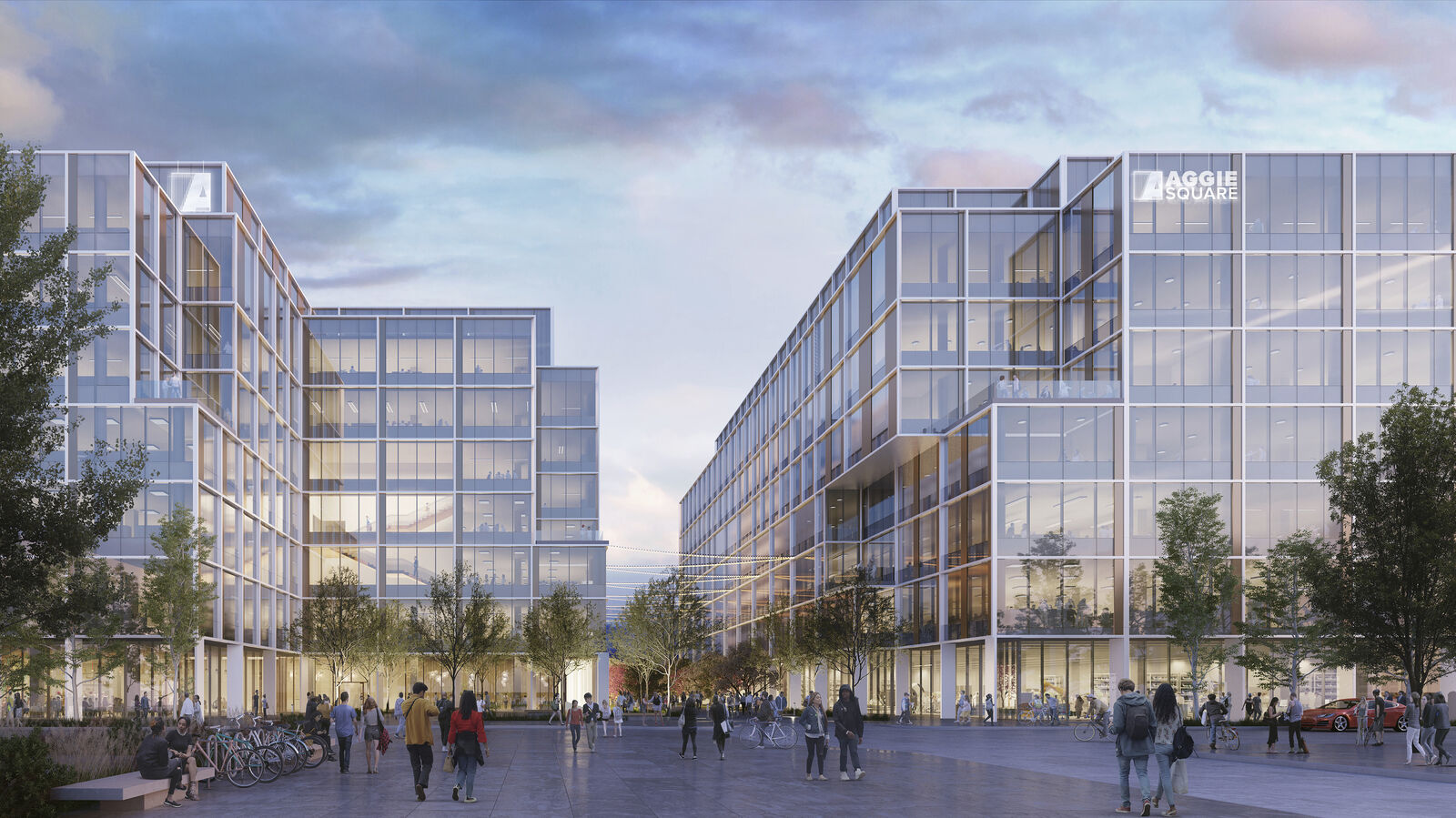
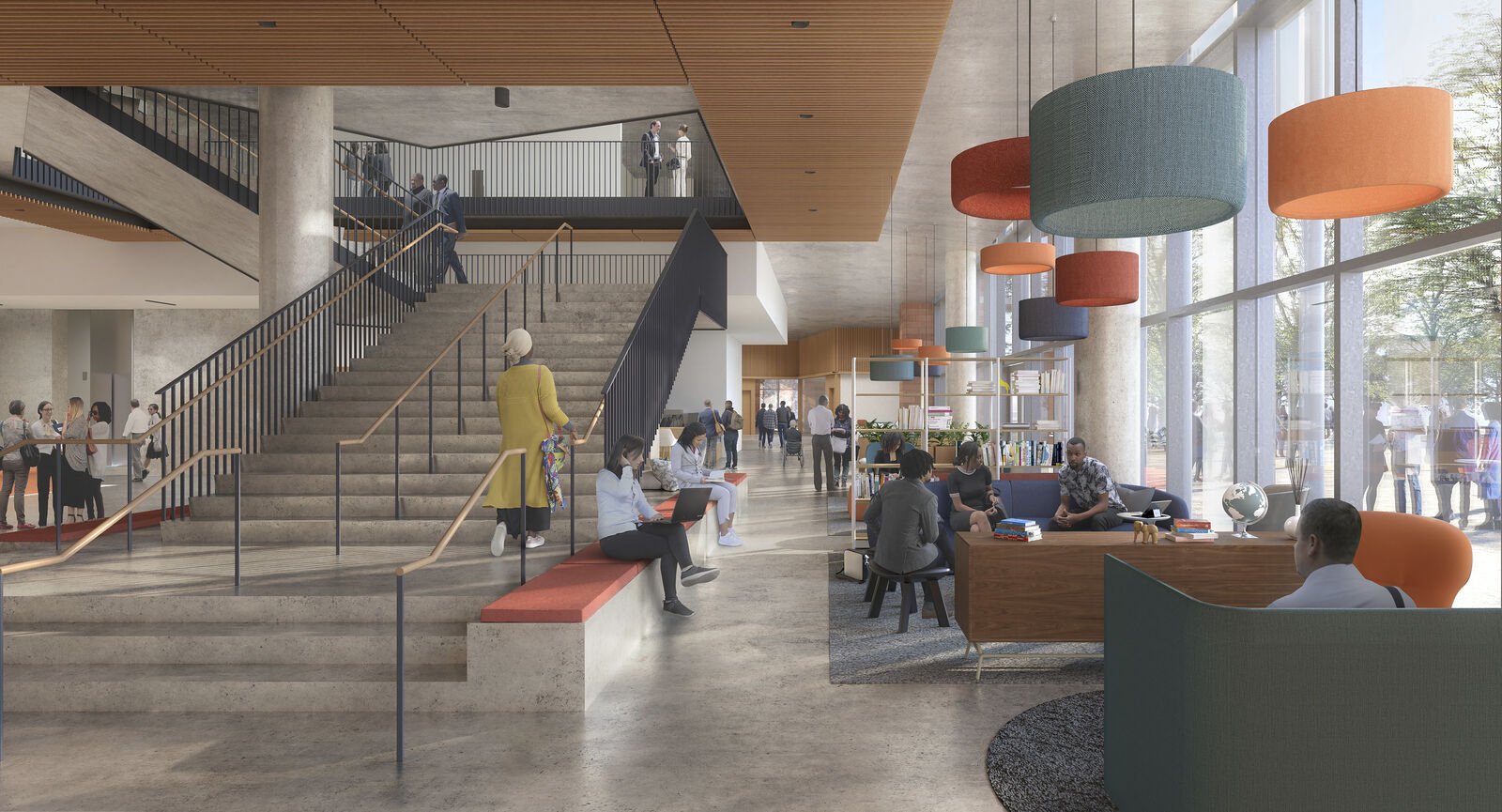
Our work with UC Davis to transform what was their medical school campus into a vibrant innovation hub is a case in point. In partnership with Wexford Science & Technology, the 8.25-acre site that was previously a surface parking lot owned by the University will integrate the schools of Education, Agriculture, and Medicine; the City of Sacramento; and the immediate neighborhoods. What is most unique is that academic research and industry partners are not only co-locating in the development, but they are occupying the same floors, sharing collaboration space on every floor.
Aggie Square is the anchor on the south end of a new “paseo” that links the innovation district to the UC Davis Hospital and Medical Center Campus to the north. Between the two anchors, a new multimodal hub will be completed as a link to the City of Sacramento and to the UC Davis campus located 30 minutes to the west via new all-electric busses. A new open space conceived as an “outdoor room” framed by the new research and academic buildings—named “Aggie Square”—will serve as the front porch for science and innovation. Retail, restaurants, and market rate housing will be built to provide an around-the-clock neighborhood environment that will make this development both vibrant and unique.
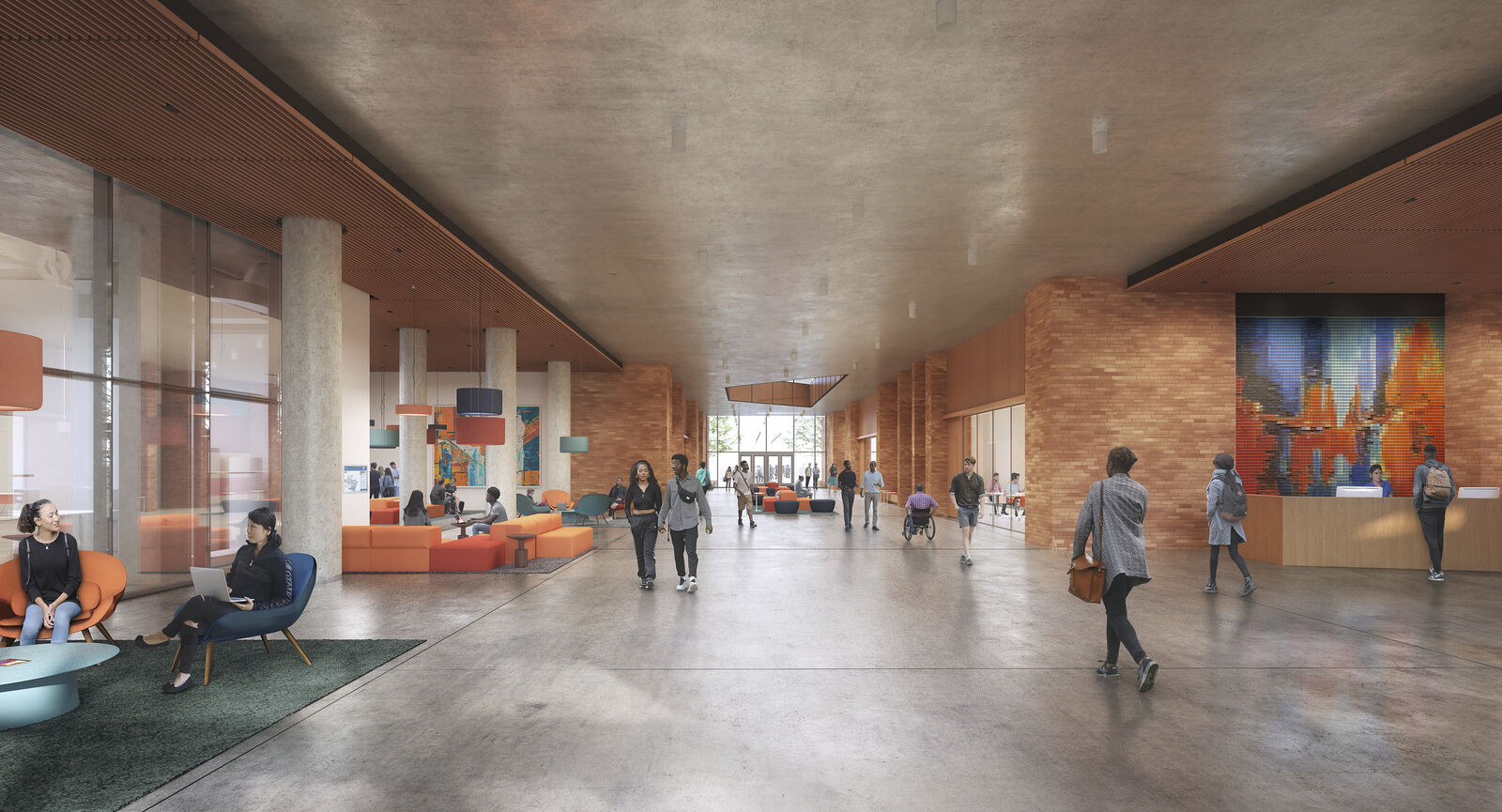
The concept for Aggie Square was born from the desire to make communities healthier biologically and economically. Imagined as a life sciences campus that could reshape Sacramento’s reputation as a government town into an innovation hub, the project aims to create 25,000 long-term jobs and is estimated to generate billions annually.
The Assembly / Pittsburgh, Pennsylvania
WEXFORD SCIENCE & TECHNOLOGY, LLC / UNIVERSITY OF PITTSBURGH, THE ASSEMBLY
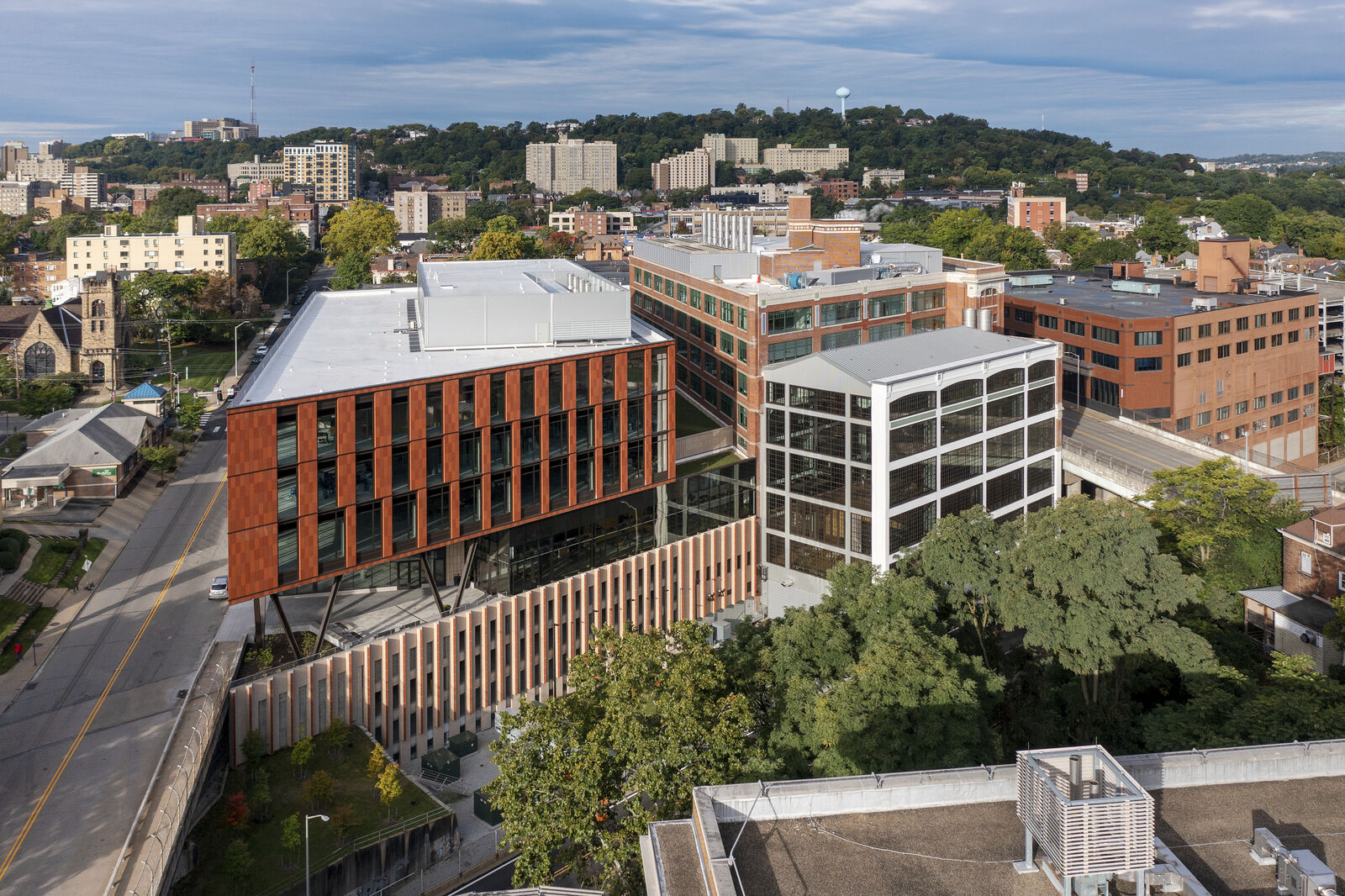
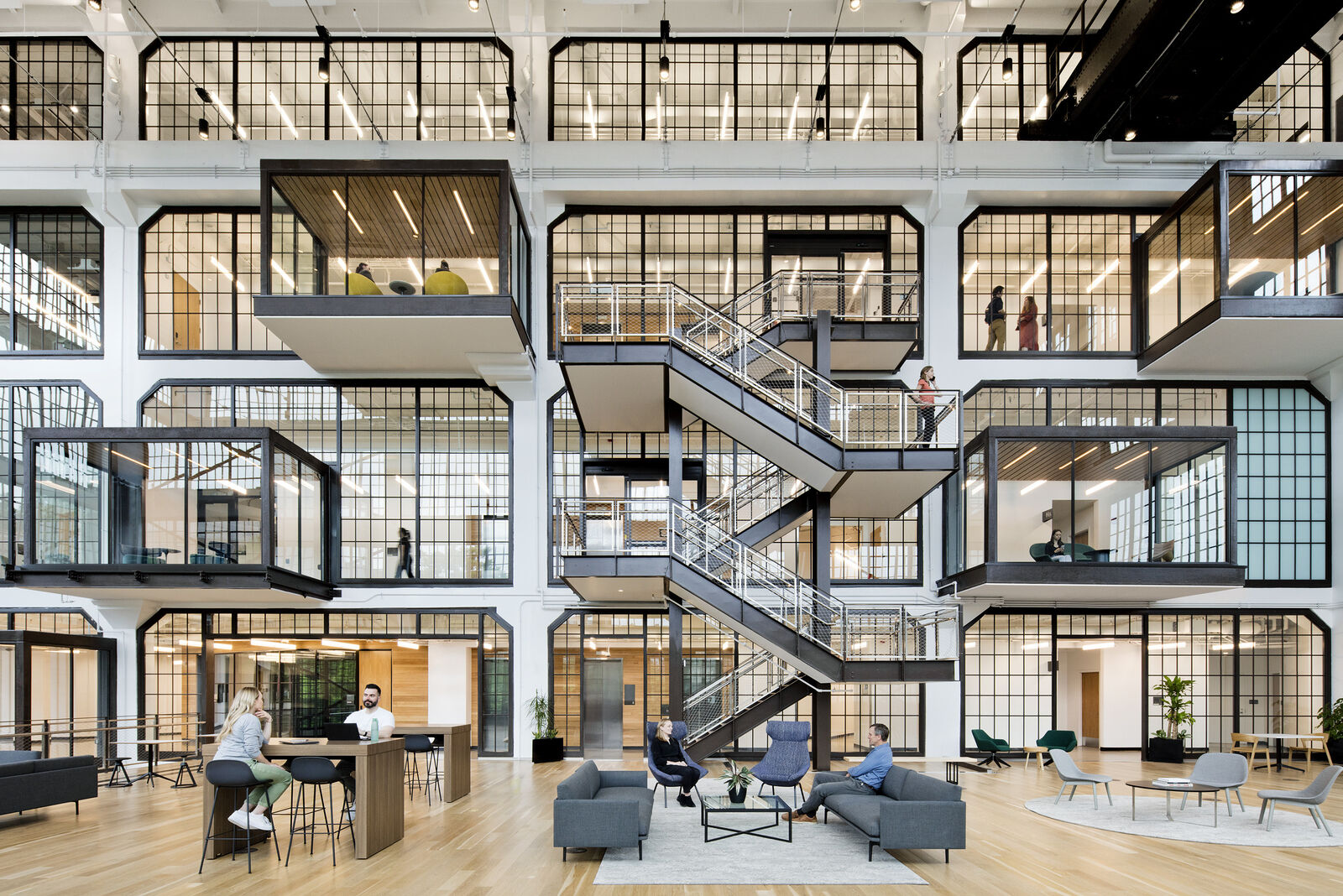
When Henry Ford introduced the Model T in 1908, it changed the world—transforming manufacturing, revolutionizing mobility, and accelerating the United States into modernity. Today, we are again on the cusp of a revolution of similar scale and impact, this time fueled by biomedical research and breakthroughs in personalized medicine. The accomplishments of the last century and the opportunities of the future are colliding at The Assembly, where the transformation of Pittsburgh’s historic Ford Motor Plant into a center for scientific research is indicative of a new era of innovation in the Steel City.
Once a bustling center of activity, the Ford Motor Plant was one of 31 across the country where Model Ts were mass assembled, sold out of a showroom, and subsequently serviced all in one building. As with much of America’s stock of industrial architecture however, the plant stopped producing cars by midcentury. Meanwhile, the surrounding Bloomfield neighborhood has continued to evolve as the University of Pittsburgh Medical Center (UPMC) and the Hillman Cancer Center moved in.
These unique conditions attracted the attention of Wexford Science & Technology, a developer exclusively focused on partnering with universities and academic medical centers to create mixed-use, amenity-rich knowledge communities. In collaboration with the University of Pittsburgh and ZGF, Wexford seized the opportunity to transform the underutilized industrial remnant into a hub for discovery and entrepreneurial activity. The Assembly combines laboratory research and commercial office uses with a rich program of retail and conferencing and event facilities. Private tenant spaces for the university and future commercial occupants are complemented with shared facilities serving building tenants as well as their institutional and industry collaborators, and community-serving restaurants and retail. These varied uses, which span a gradient of private to public spaces, are key to achieving the building’s mission of positioning the University as a more extroverted and connected institution. The project is also rigorous in its approach to sustainability, drastically reducing embodied carbon through the reuse of an existing structure.
MERCAT DEL PEIX RESEARCH CENTER
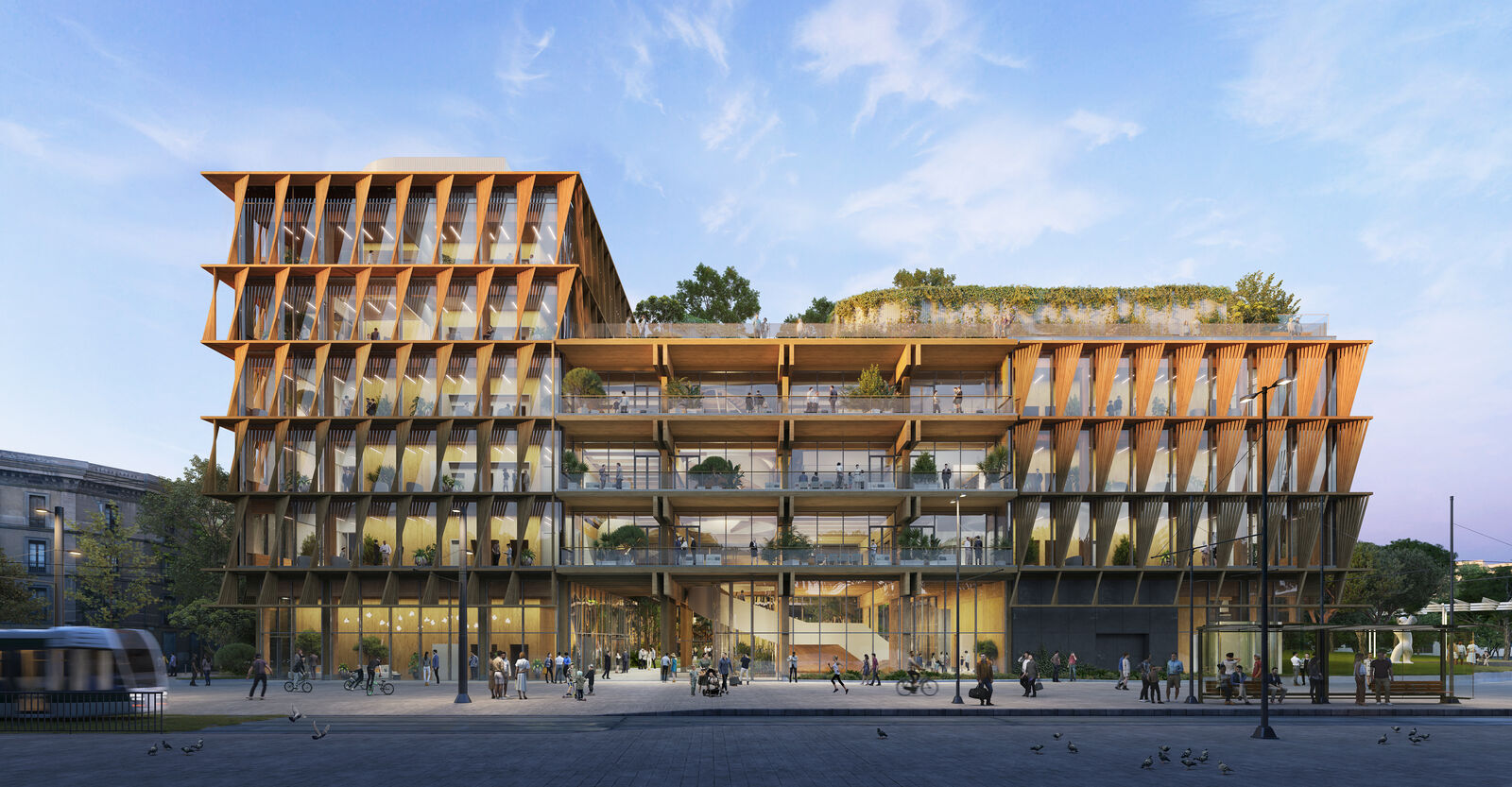
Mercat del Peix Research Center is envisioned as an innovation district that connects a variety of independent research institutions with the University Pompeu Fabra (UPF), the highest ranked university in Spain. The project is sited in a park adjacent to a city zoo with both trolly and subway stops next to the site, placing it at an important intersection of public and academic institutions and the larger community.
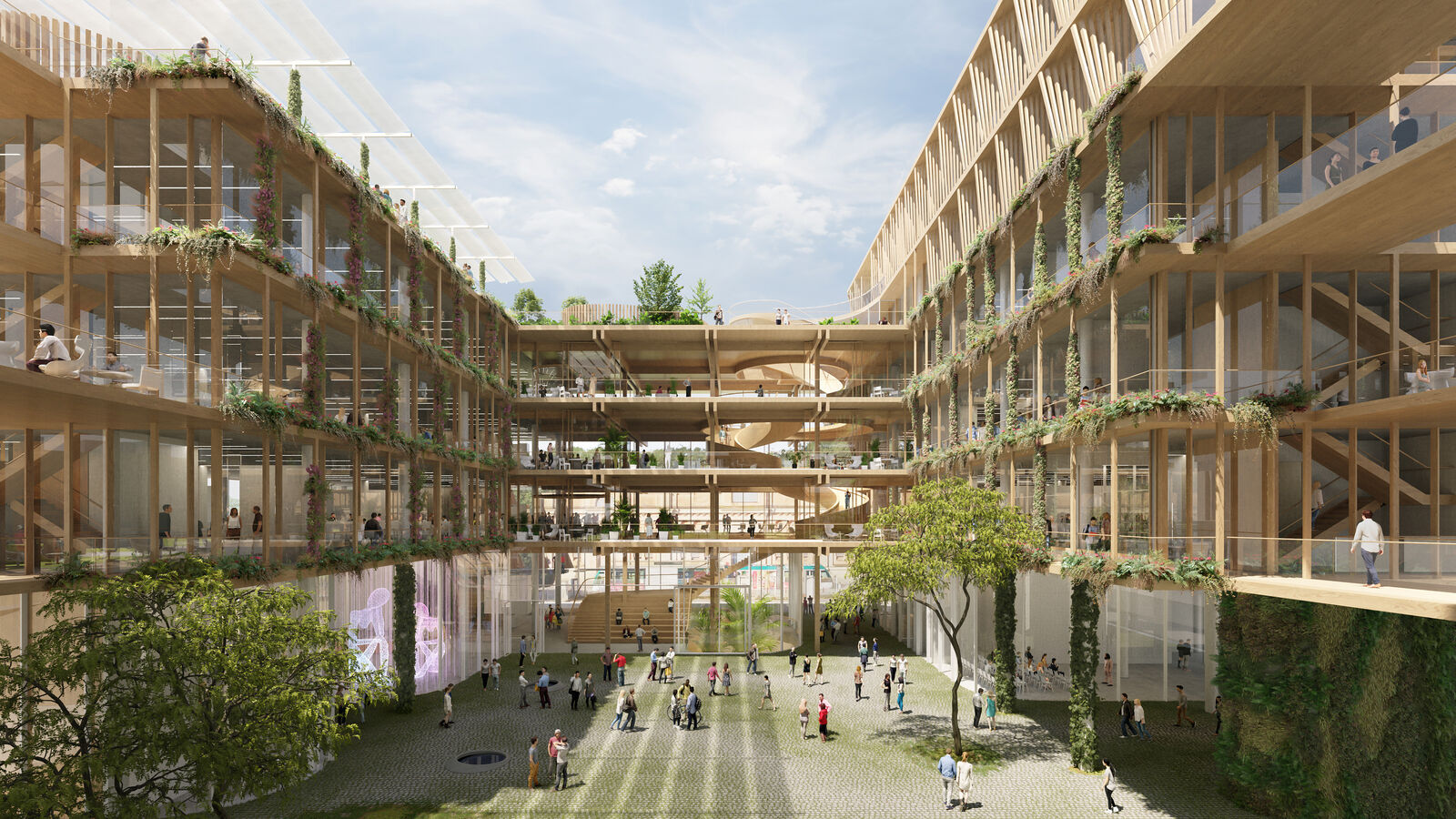
Two of the first buildings to be constructed will host faculty from UPF along with a diverse group of collaborators from around the world. The buildings will have a mission to advance “Planetary Well-Being”, which is focused on developing solutions to challenges from hunger in third-world countries to global climate change. The project sits atop a below-grade conference center that can be used for both University symposiums and for public programs. It will feature a destination restaurant, gallery space, and maker space for high school students. The two opposing research wings, one four levels above grade and the other six, are connected by a “collaboration bridge” which is linked vertically with a signature stair to a rooftop park. The net-positive, mass timber buildings with an “agora” between them will be an outdoor space that can be used for casual meetings or large events.
Mercat del Peix Research Center / Barcelona, Spain
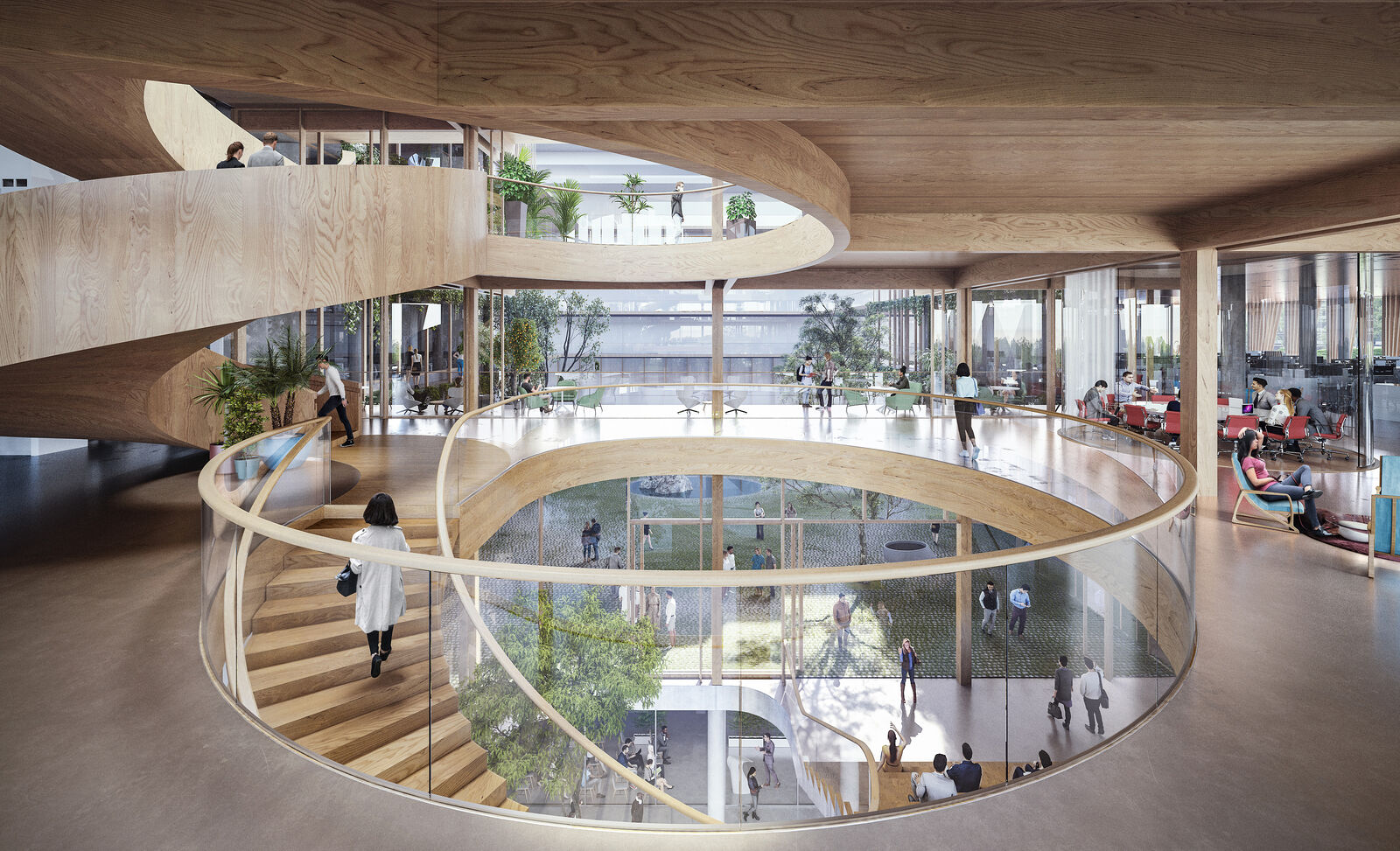
The intention of the project is to create a center of scientific discovery open to the researchers of the city. To do so, Barcelona’s patterns of circulation continue through the Center’s ground plane, whose agora, or courtyard, extends an invitation to enter and then ascend upward, through a wide, spiral staircase that leads to a large roof deck. There, all researchers can enjoy views of the Mediterranean.
With any ZGF project, sustainability is more than simply a moral imperative. As signatories of the 2030 Challenge, we are committed to designing to meet the goal of carbon neutral projects by the year 2030. Because research buildings tend to be the most energy intensive facilities on any campus due to the mechanical systems required to power the equipment and respond to health and safety issues, innovation districts give us the opportunity to design more holistically in terms of energy demand and consumption.
Ted Hyman is a cyclist in every sense of the word. From measuring a project’s performance over its lifecycle to commuting from Long Beach to Los Angeles via bicycle, Ted continually strives to reduce carbon emissions in the atmosphere. As Managing Partner, he leads with this essential question: How can we accelerate the evolution of the sustainably built environment? Ted’s passion for architecture is met with an acute awareness that it is also one of the largest sources of operational and embodied carbon. A fierce advocate for halting climate change in its tracks, Ted works across all project typologies to ensure that architects heal rather than damage our earth.
