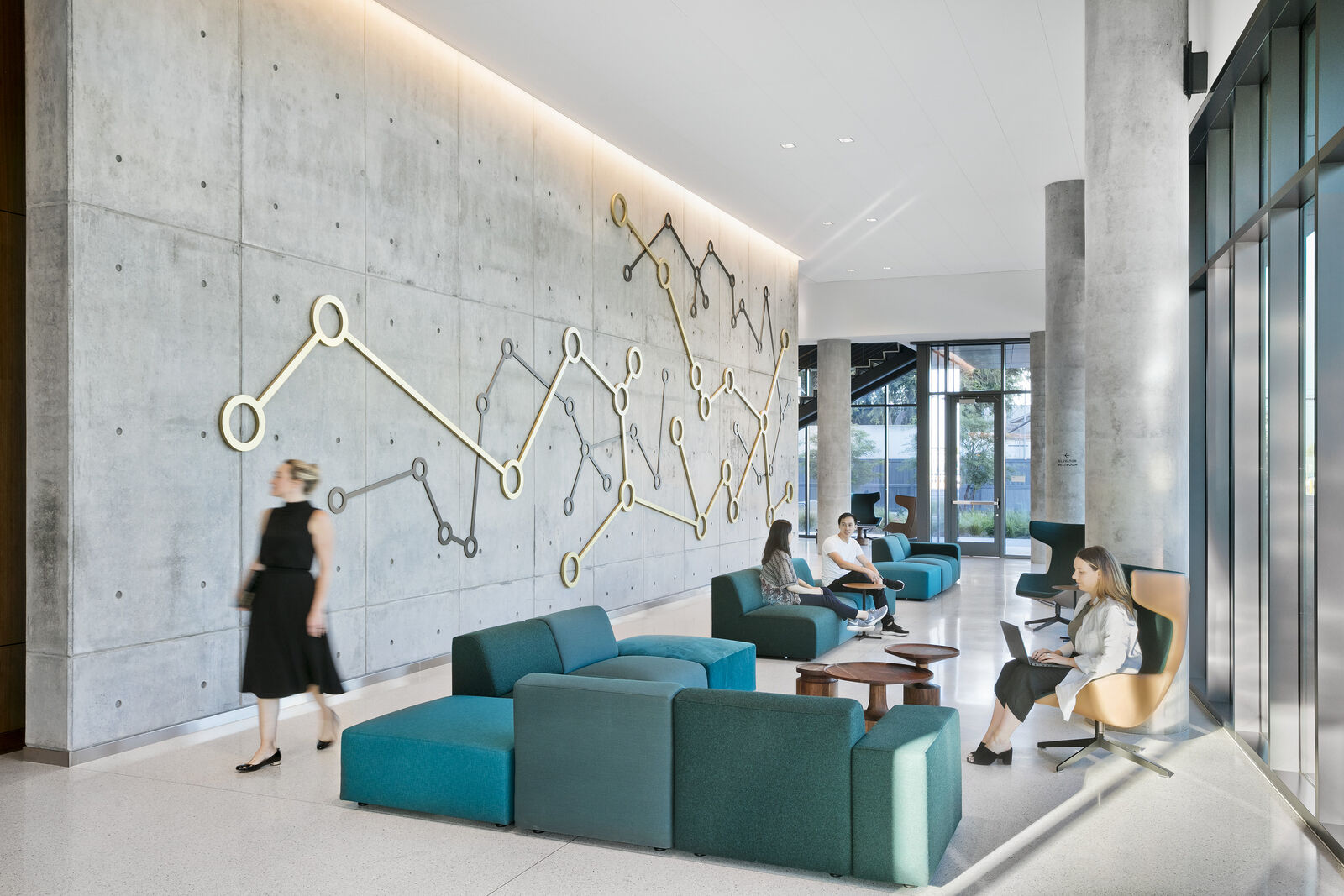
World-Class Research and Real-World Results
The Lundquist Institute for Biomedical Innovation, Medical Research Laboratory 1
Laboratories and Research
The new Lundquist Institute for Biomedical Innovation in Los Angeles, CA is one of the most advanced research buildings in the United States. Designed to meet a variety of competing yet interconnected needs, the new building marries architecture and interiors to create a stunning home for the Institute and its 100+ distinguished research groups.
The building is the centerpiece of the organization’s 10.25-acre campus which itself is located within the 72-acre Harbor-UCLA Medical Center campus. In addition to designing the Institute’s new home, which was formerly housed in WWII barracks built in the 1940s, ZGF developed a master plan vision for the reorganization and redevelopment of this campus-within-a-campus.
Highly flexible laboratory spaces within the new building integrate with adjacent workspace to enhance the spontaneous interchange of ideas and scientific exploration, reflecting the growing trend of ‘co-working laboratories’ expected by top-level scientists and research groups. Conference and multi-purpose spaces designed specifically for fundraising, presentations, and entertaining allow the Institute to host distinguished guests in elegant fashion.
Location
Torrance, CA
Square Feet
79,750
Completion date
2019
Project Component
Architecture Services and Portfolio
Interior Design & Space Planning
Master Planning
Graphic Design


Amid a sea of one- and two-story structures, the four-story Lundquist Institute imparts a monumental presence on par with the organization’s global stature in the field of medical research and discovery.

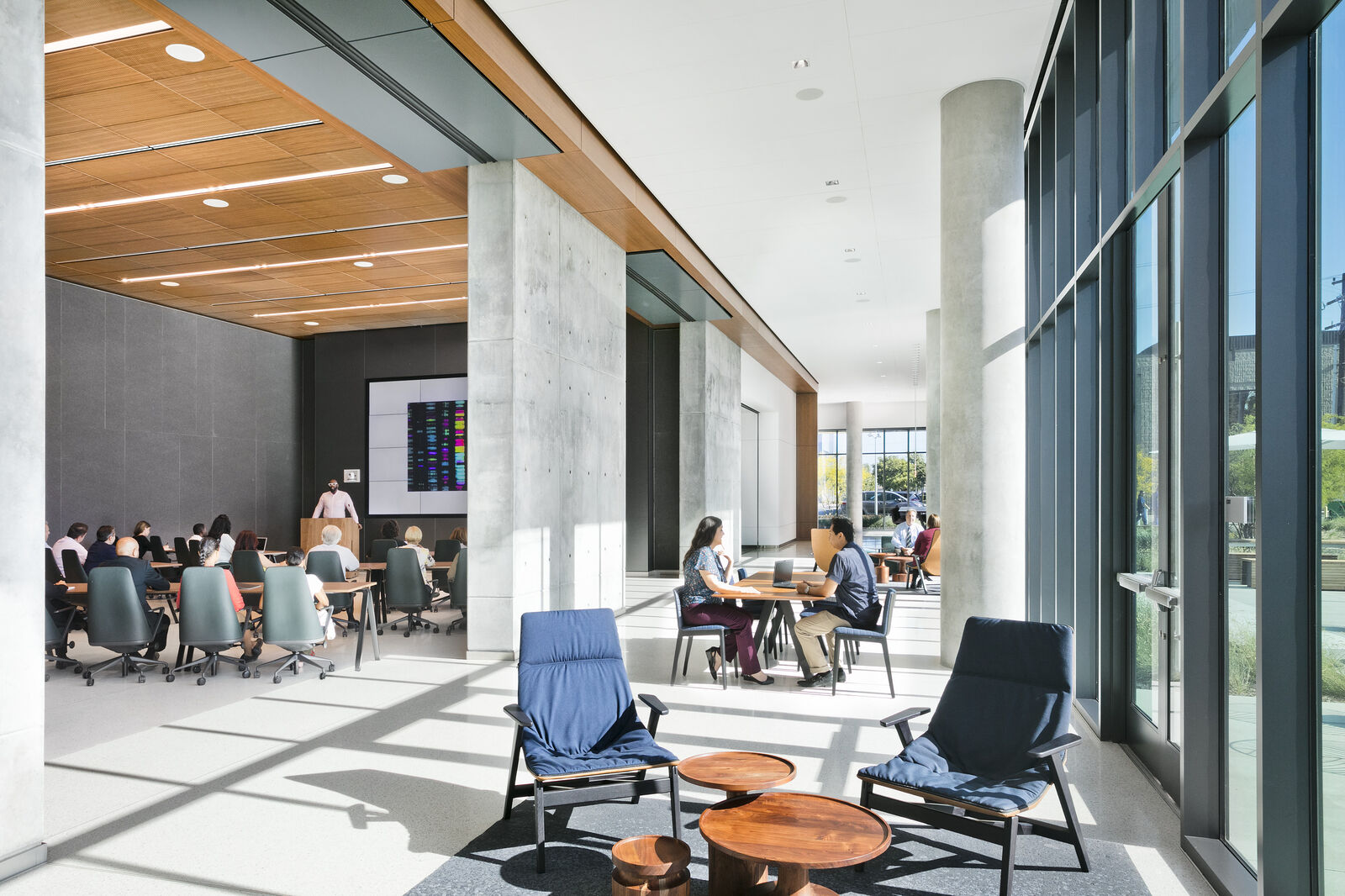
Transparency and access to natural light are foundational to the interior design and programming of the Institute. The transparent façade at ground level creates a welcoming sense of arrival as well as easy access to amenity spaces including a multipurpose room, boardroom, and event space.
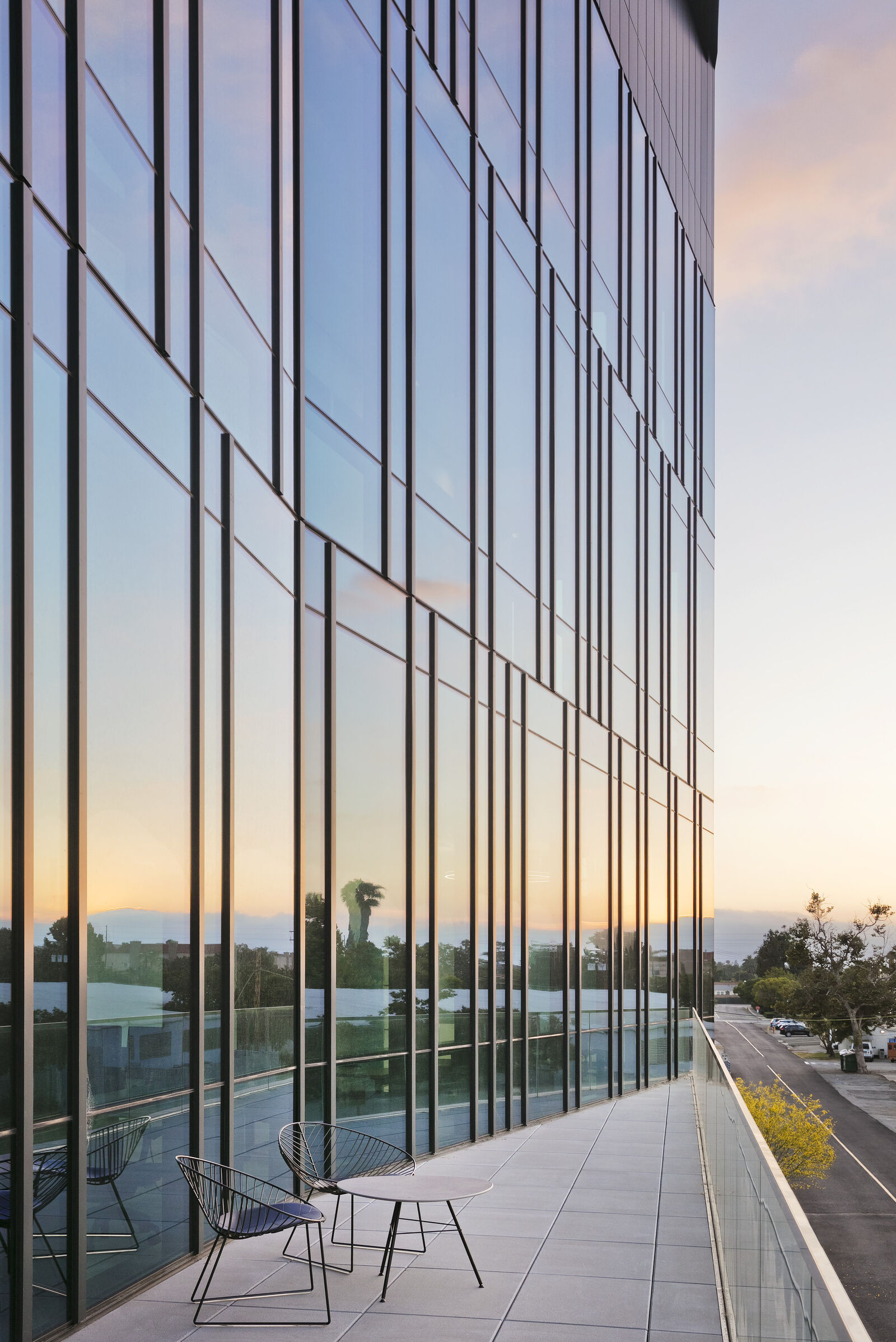
A large terrace at the south end of the second floor and a more intimately scaled space at the building’s north end serve as breakout spaces for the research laboratories.
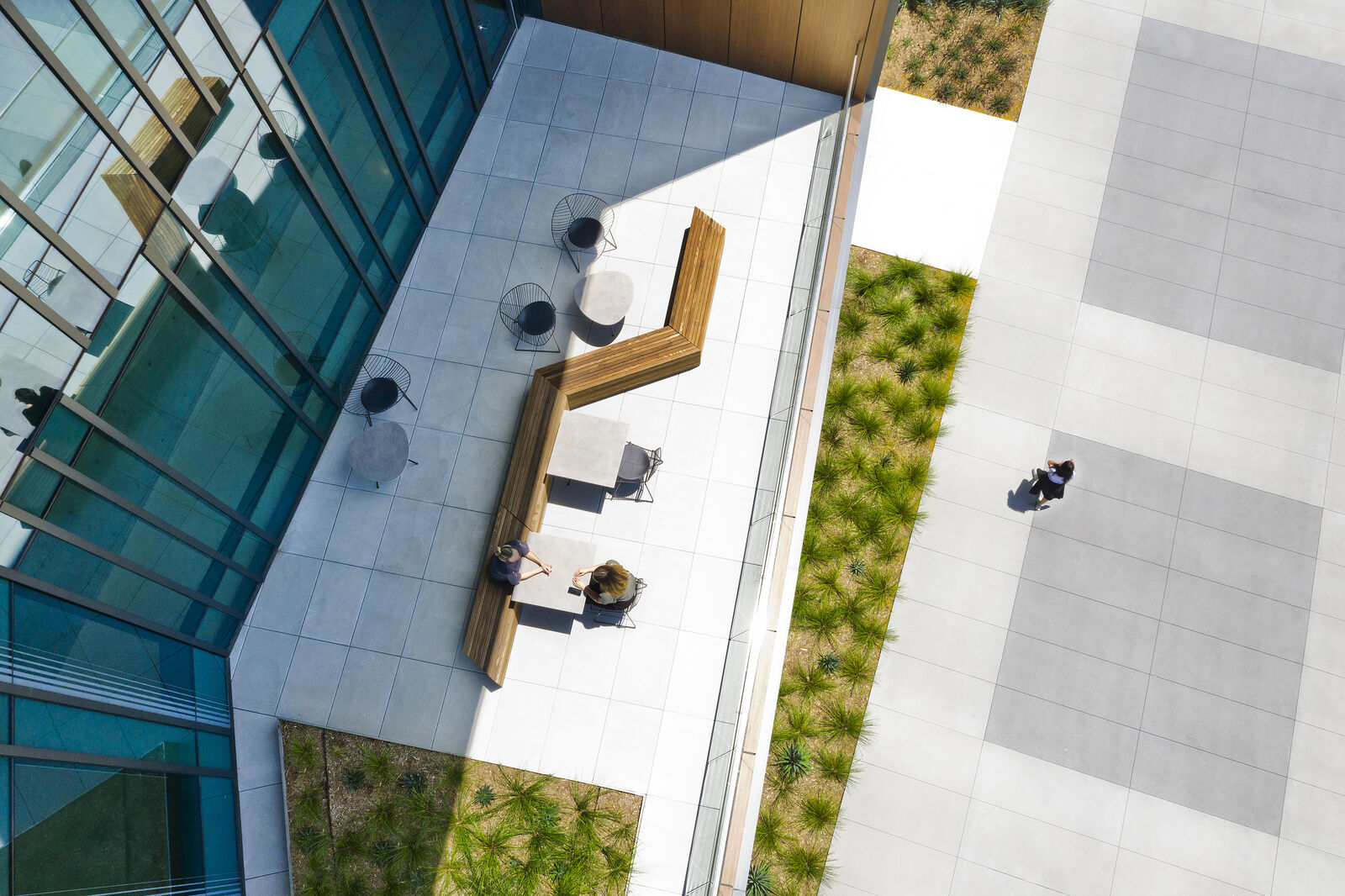
Readily accessible open-air spaces enhance occupant well-being and enjoyment of the southern California weather, including a landscaped, furnished slot garden at ground level and accessible from the informal work/café settings running the length of the sun-drenched western corridor and event spaces.
Collaboration is at the core of the Institute’s interior design and its ethos in creating the research culture of the future. The Institute firmly believes in breaking down the paradigms of traditional research environments by bringing multidisciplinary groups together, which is thoughtfully supported by providing myriad spaces that encourage both interaction and collaboration. While the majority of the third floor is composed of wet labs, incubator, and computational space, ample conference rooms, informal meeting spaces, and casual seating arrangements allow this floor to be a magnet for intellectual collision.
Interior finishes echo the architecture—exposing cast-in-place concrete shear walls in lobby spaces and bringing a hint of metal cladding from the building’s exterior inside the glazed curtain wall. The laboratories themselves are surprisingly residential in feel, with wood-look flooring and painted metal casework creating a warm environment in a normally sterile space.
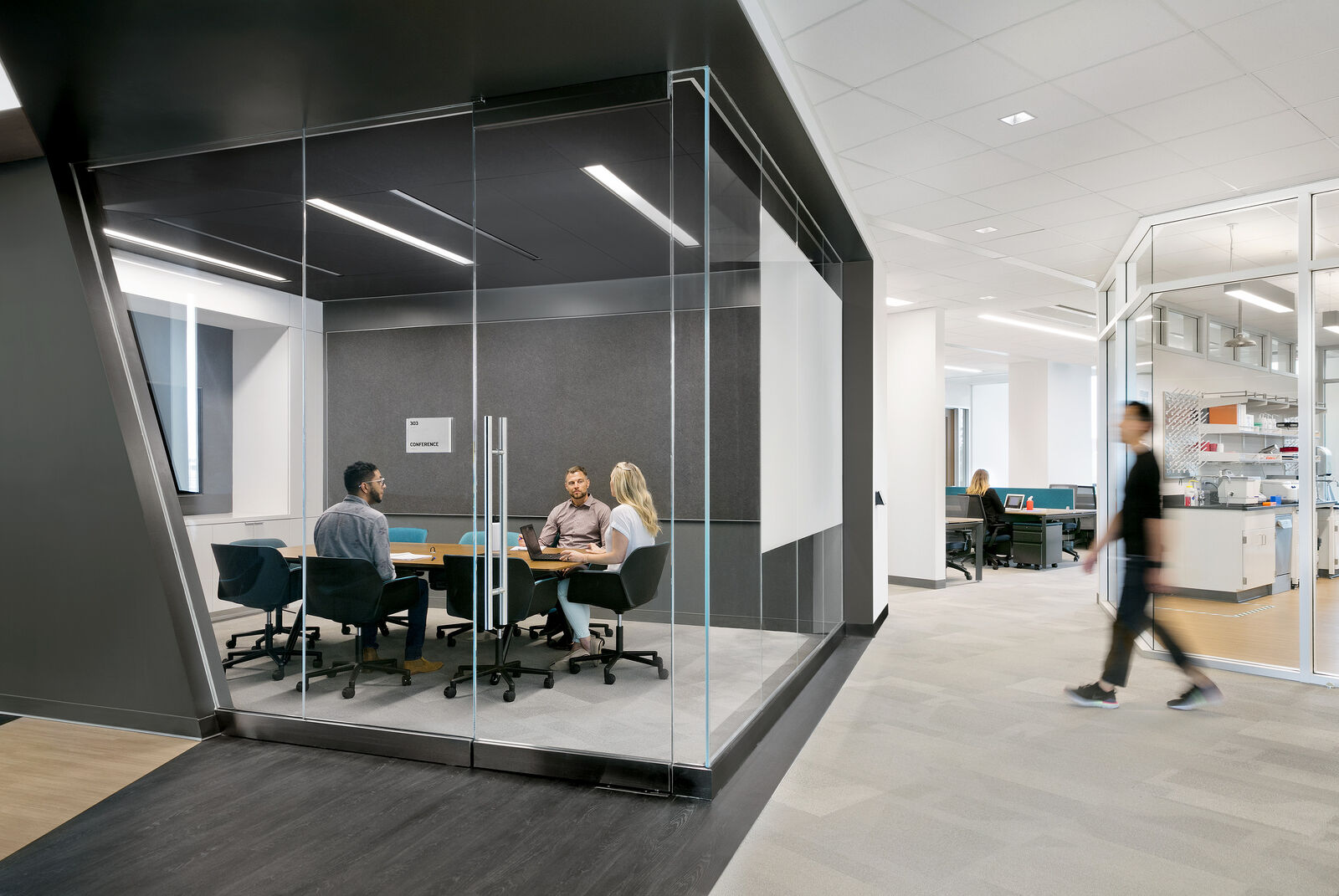
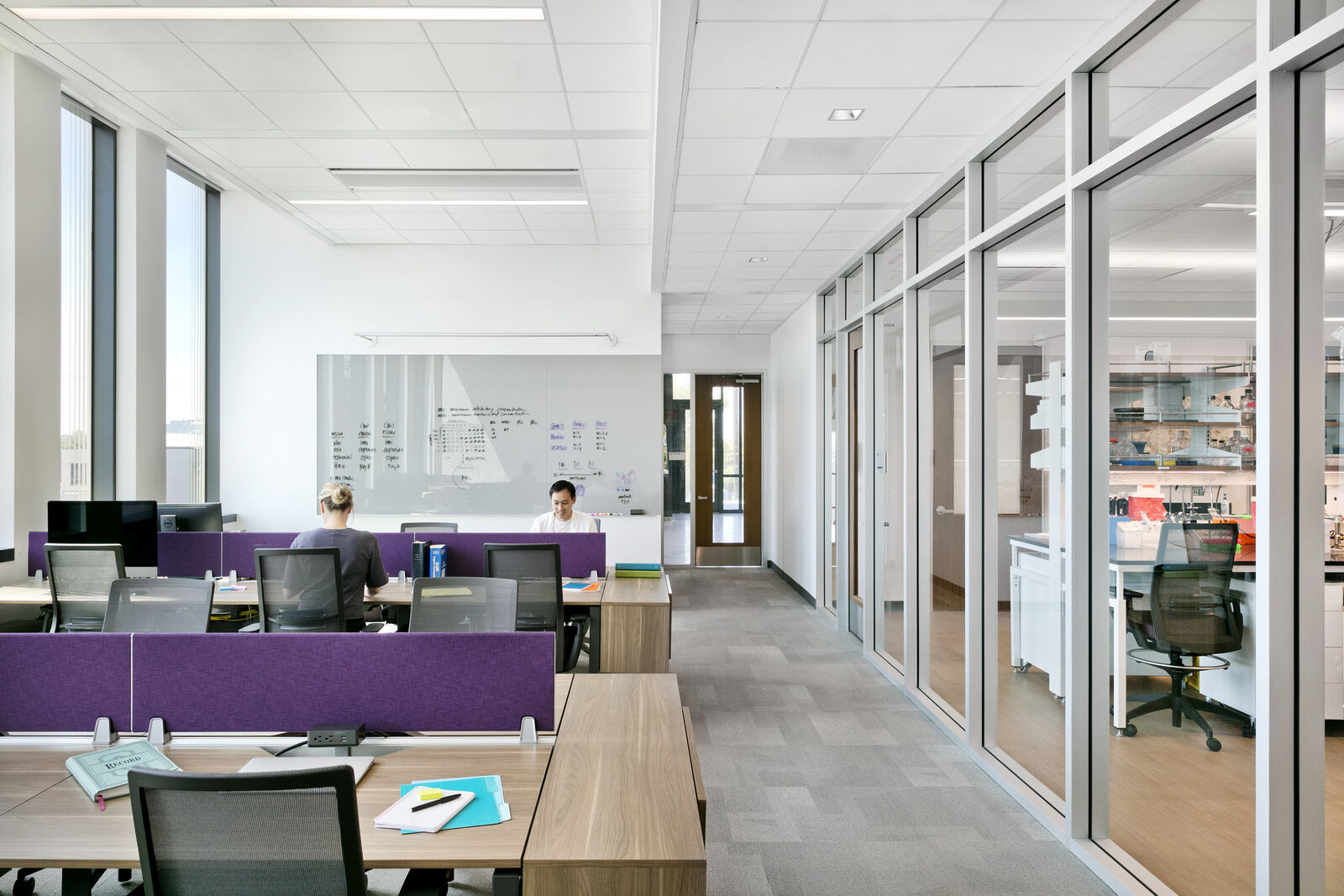
The allocation of a specific color family to each floor provides building occupants with subtle yet specific wayfinding touchpoints.
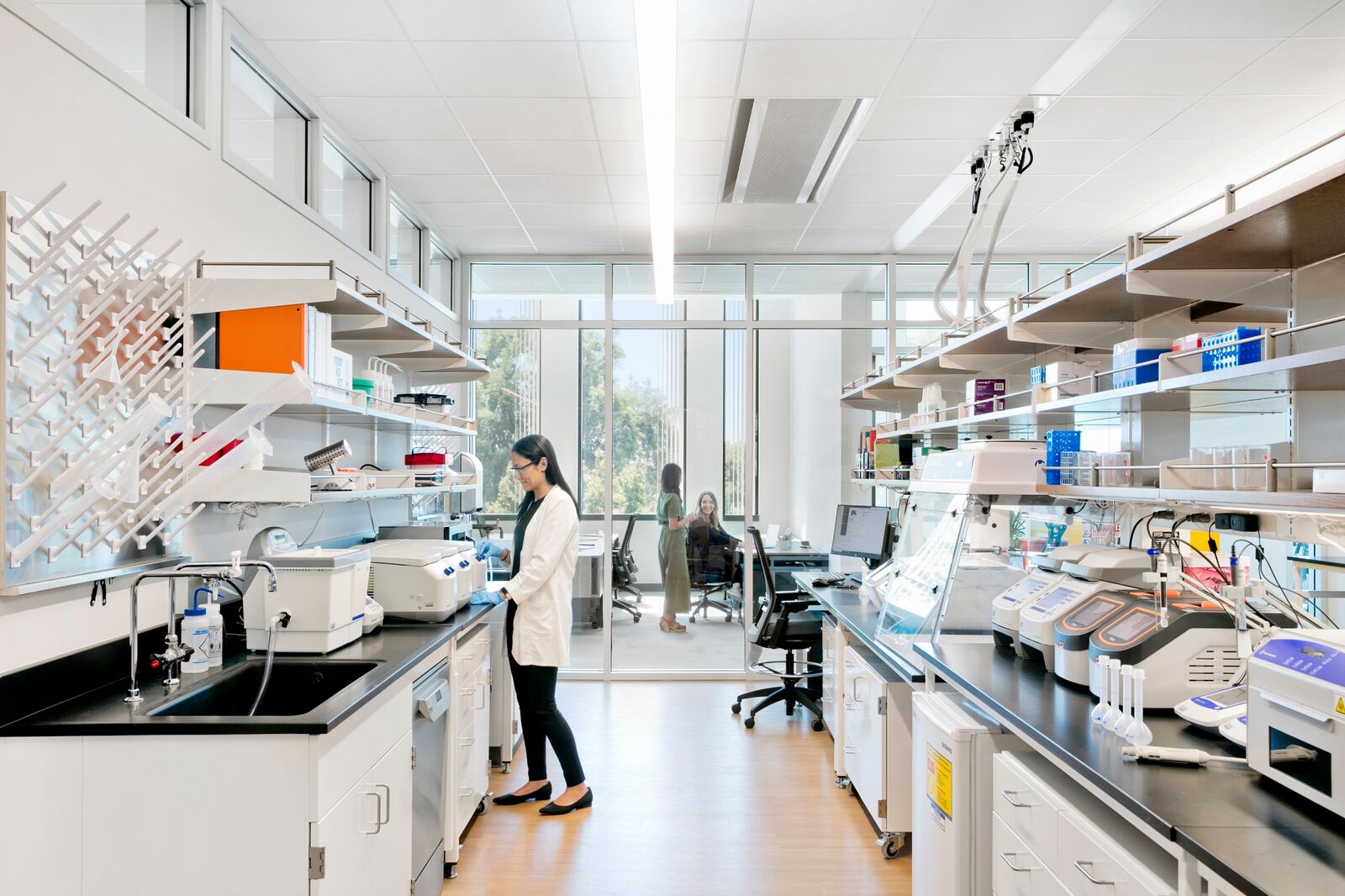
The laboratories themselves are surprisingly residential in feel, with wood-look flooring and painted metal casework creating a warm environment in a normally sterile space.