Designing Next Generation Laboratories from Existing Building Stock
University of California, Los Angeles, Center for Health Sciences, South Tower Seismic Renovation
Adaptive Reuse, Higher Education
The needs and priorities of those involved in lab sciences are constantly evolving – often faster than the research buildings can keep up. To support this level of change, and keep researchers productive, design solutions should maximize flexibility. This allows us to do more with less and contributes to a building’s sustainability potential, including accommodating shared facilities, which lowers equipment costs and fosters a collaborative spirit in the lab. It also primes a building to pivot when research priorities change.
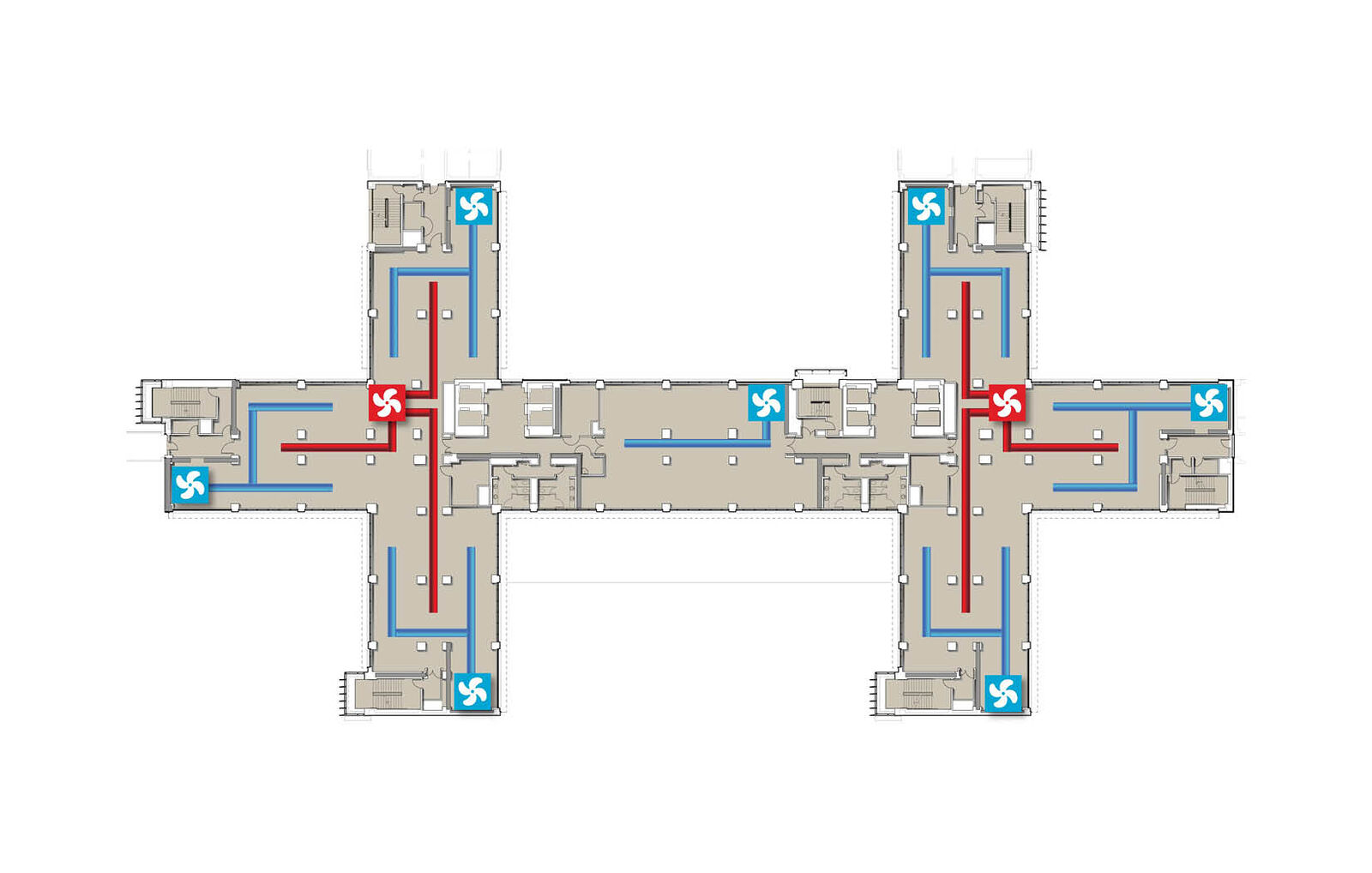
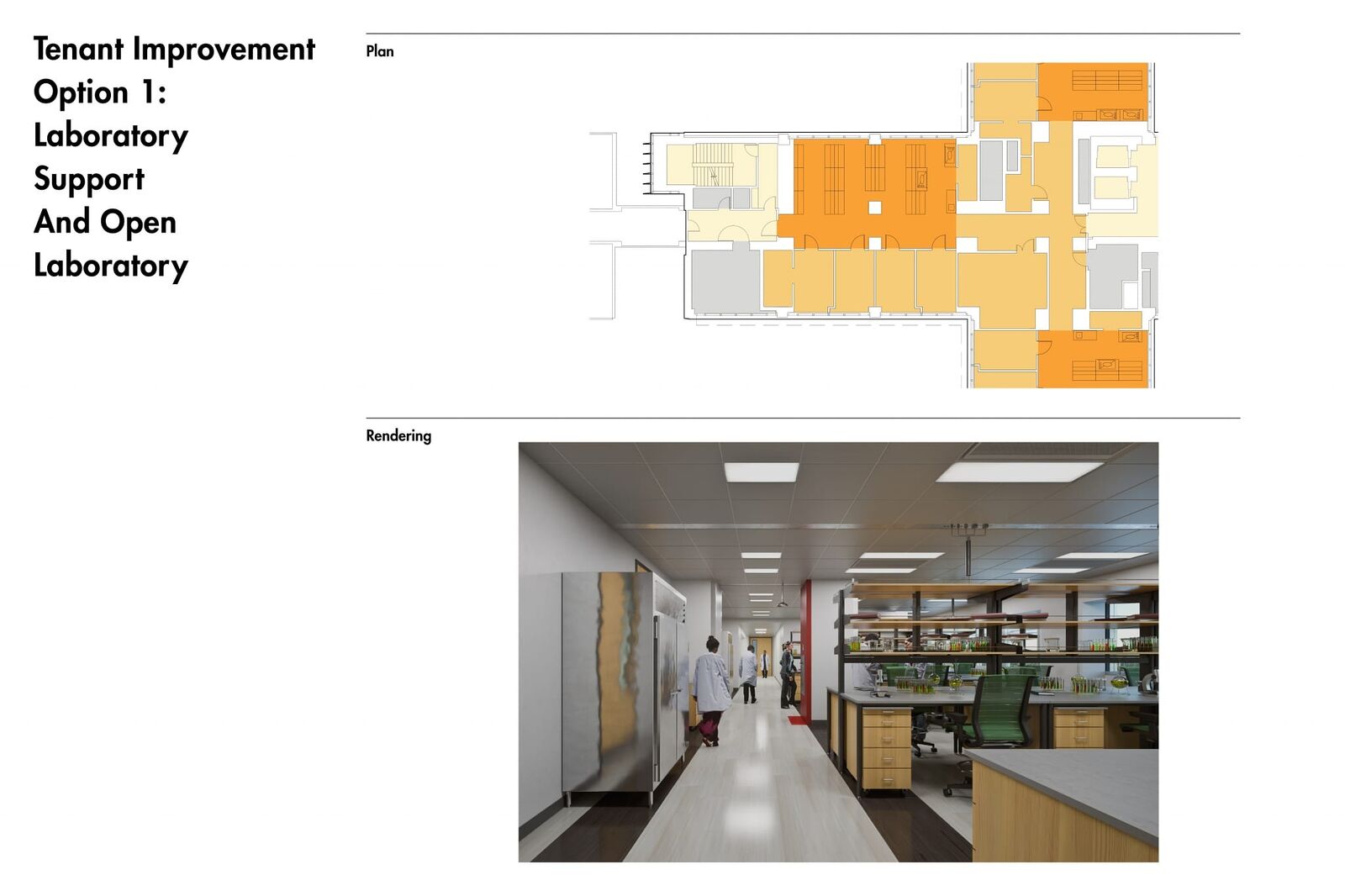
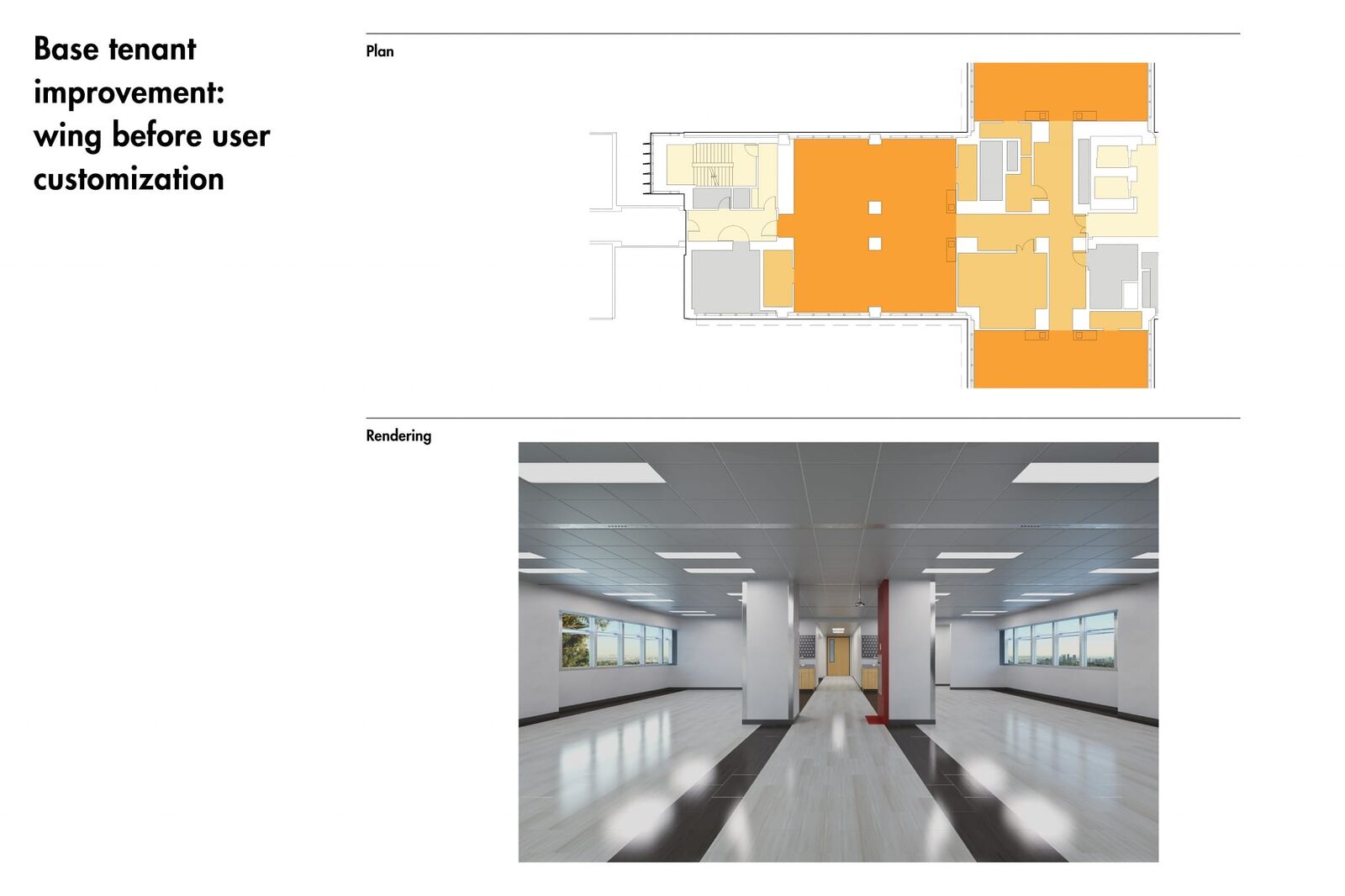
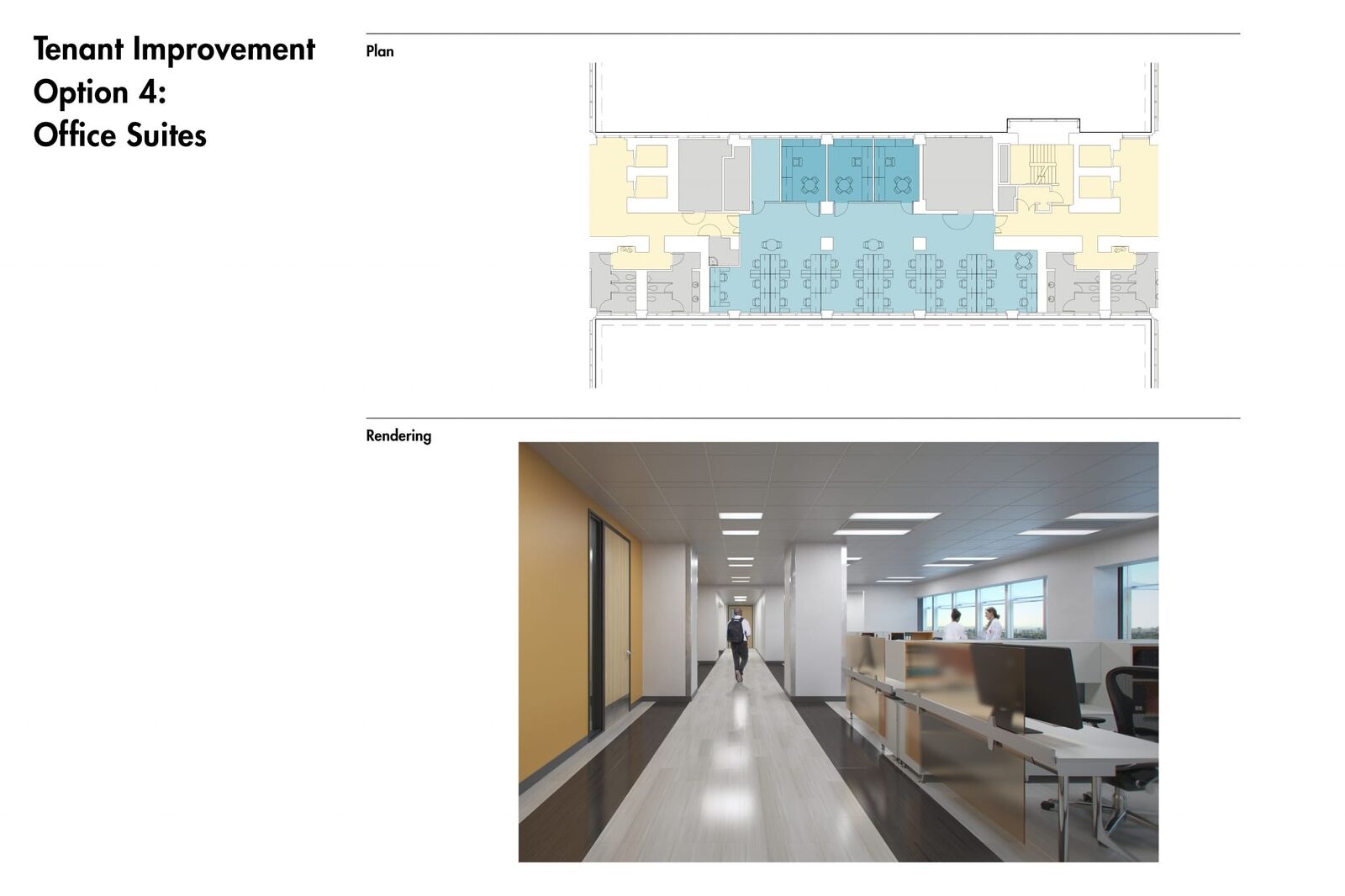
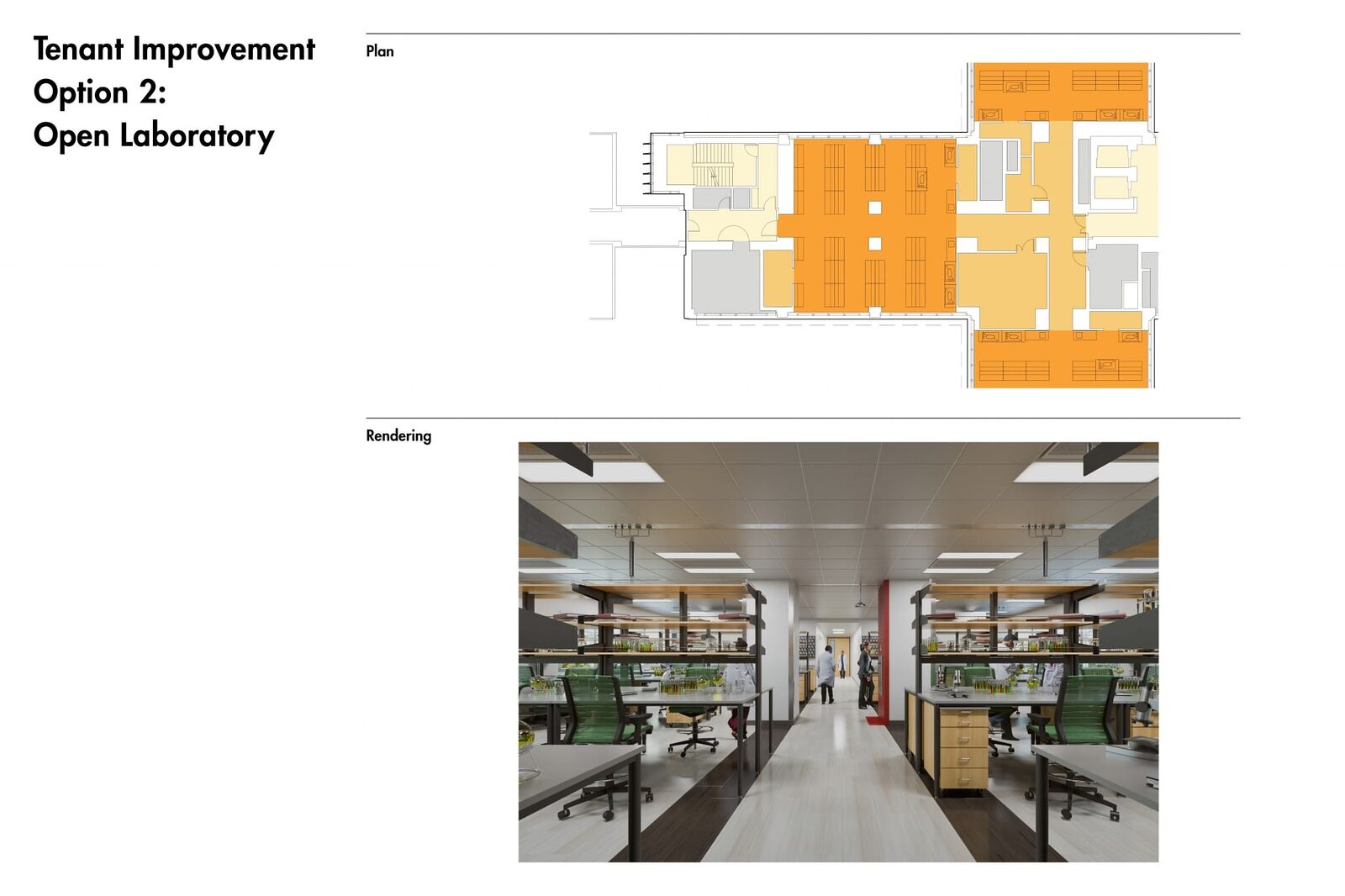
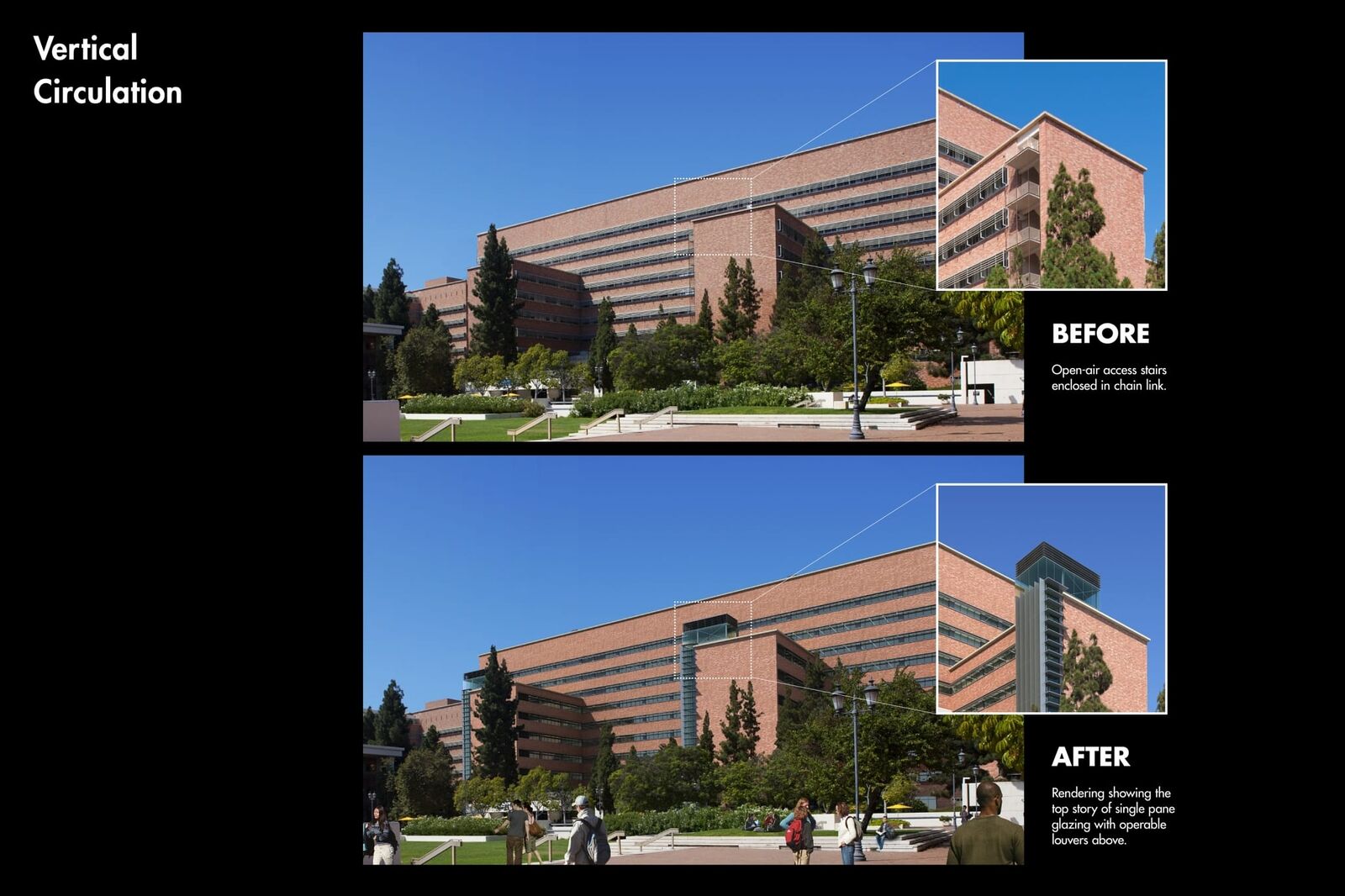
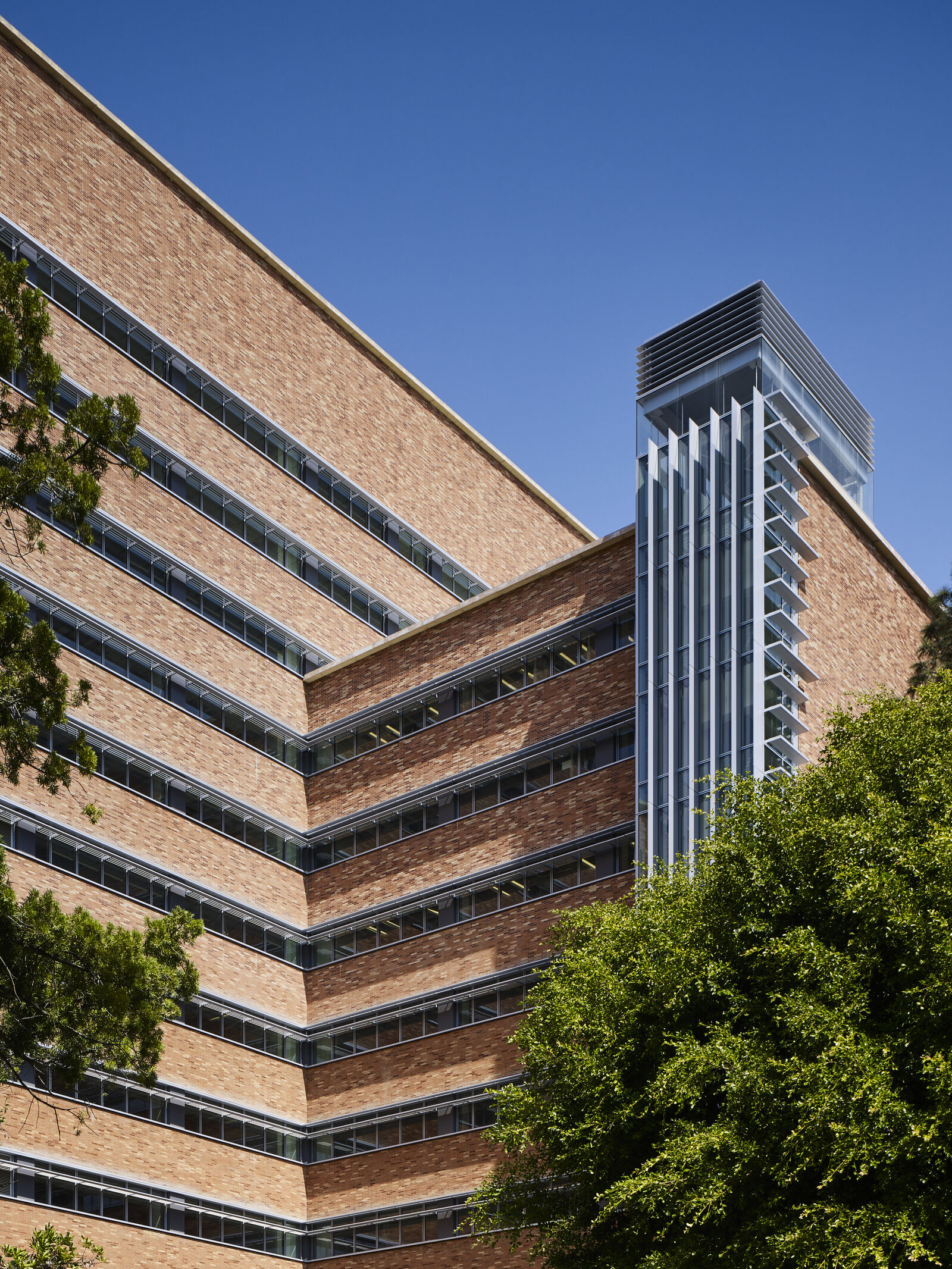
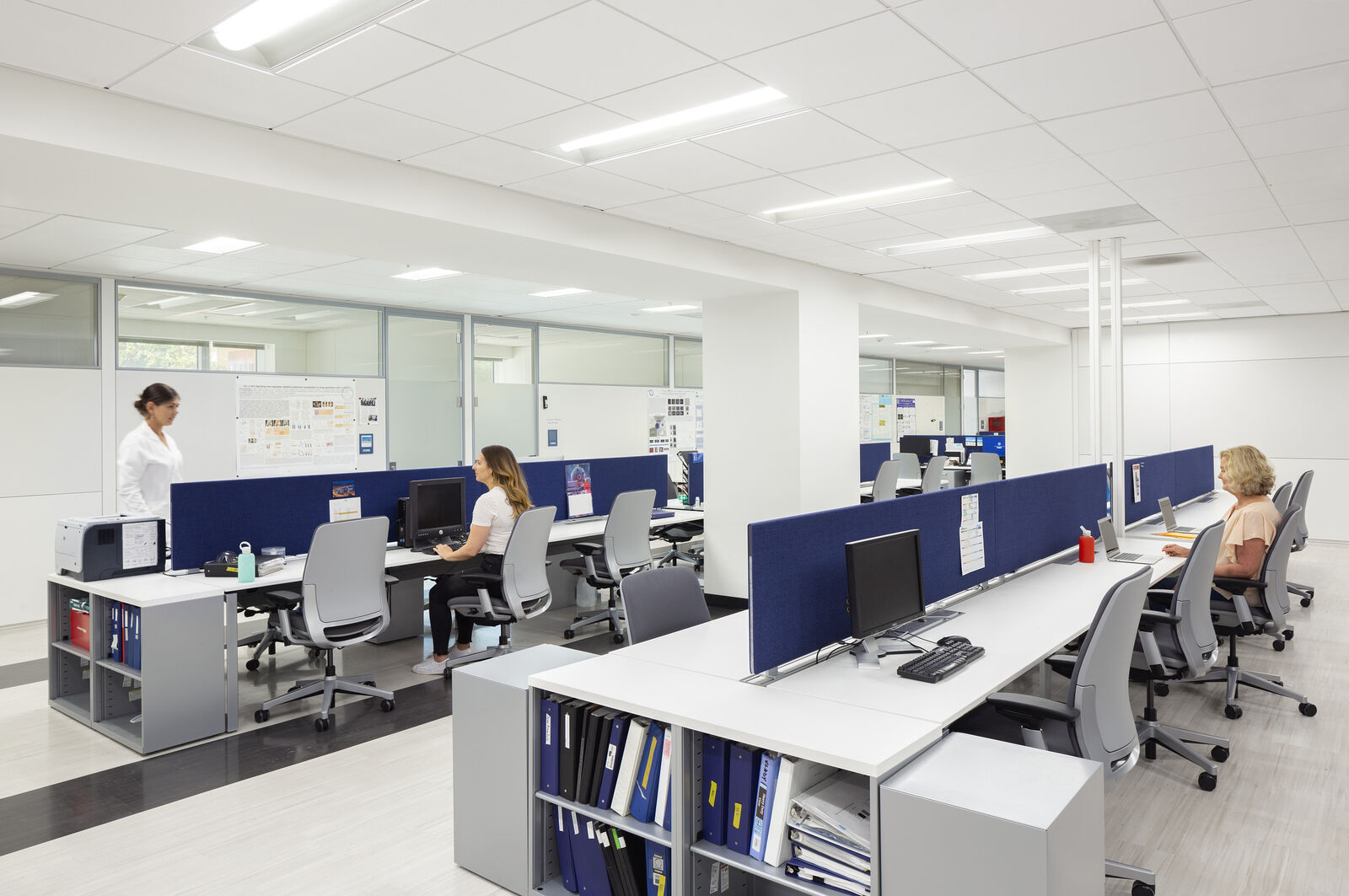
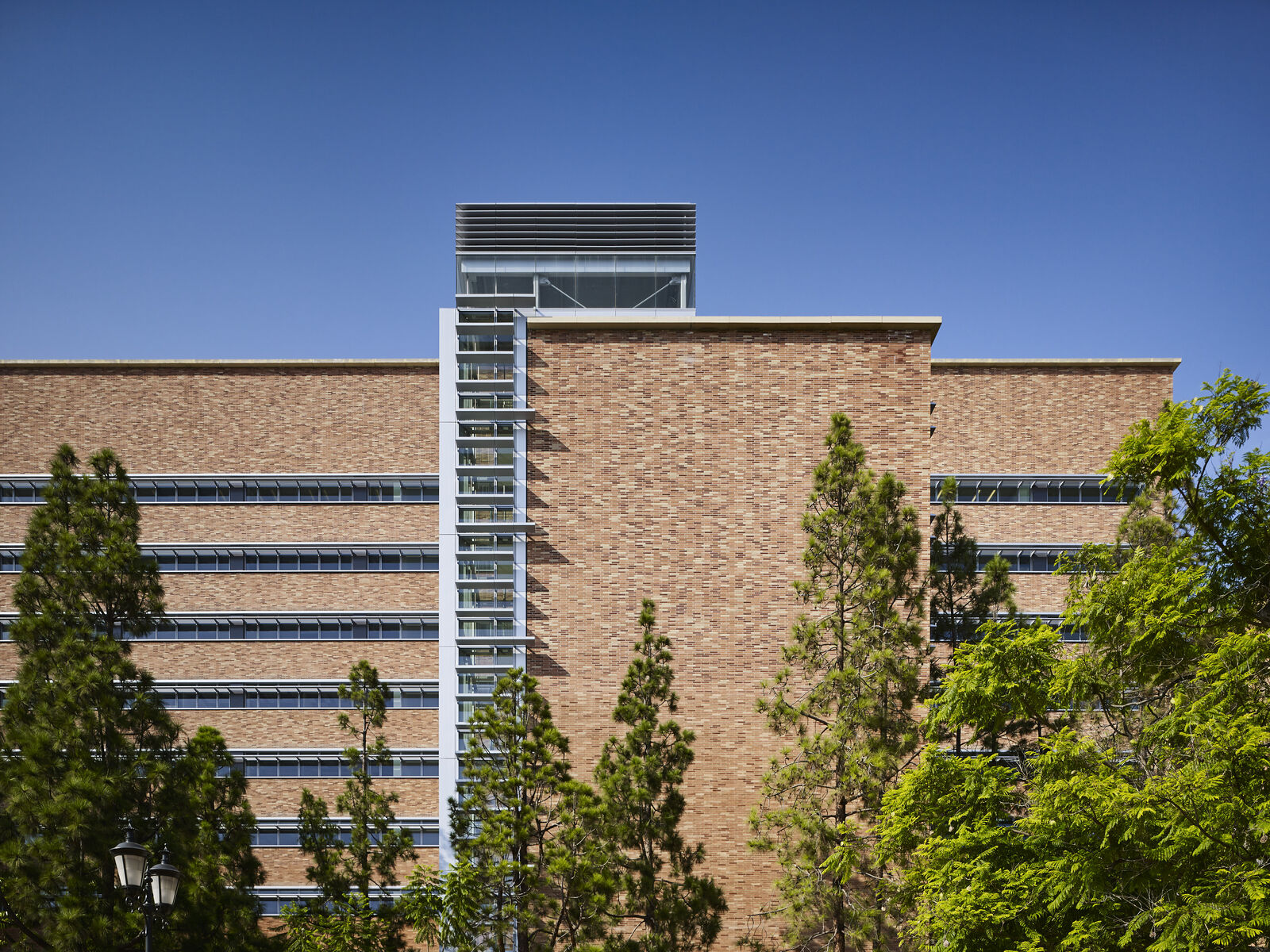
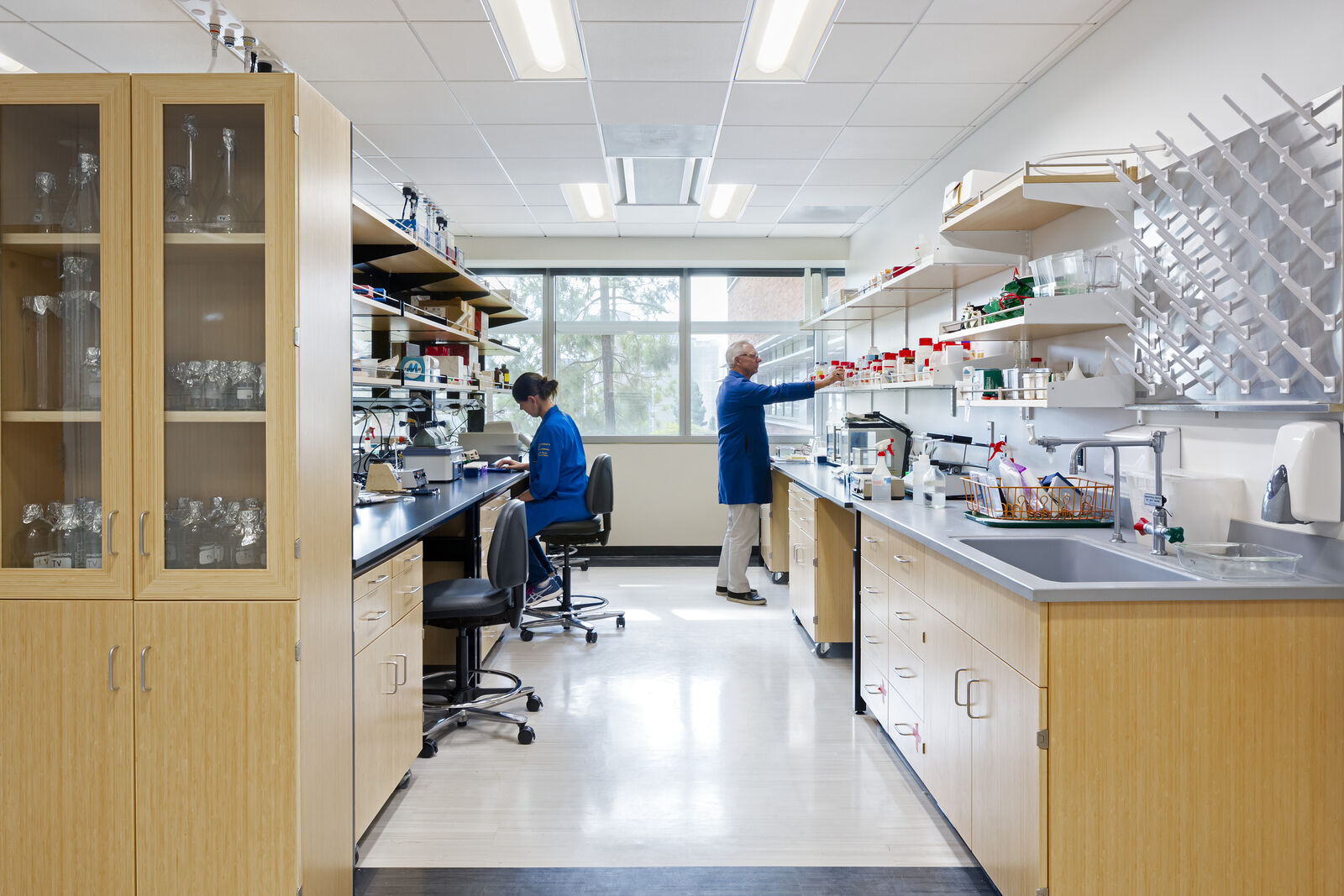
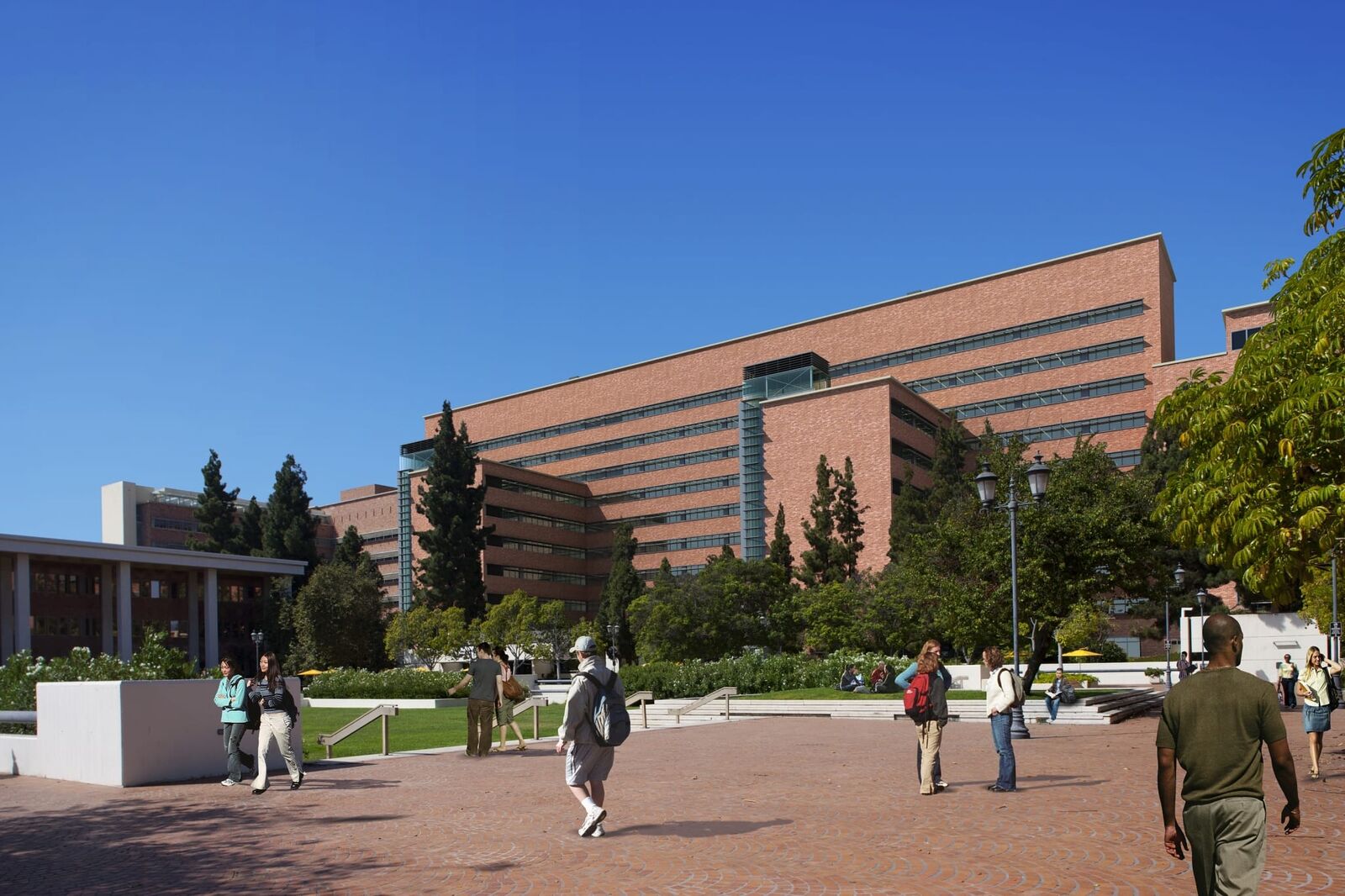
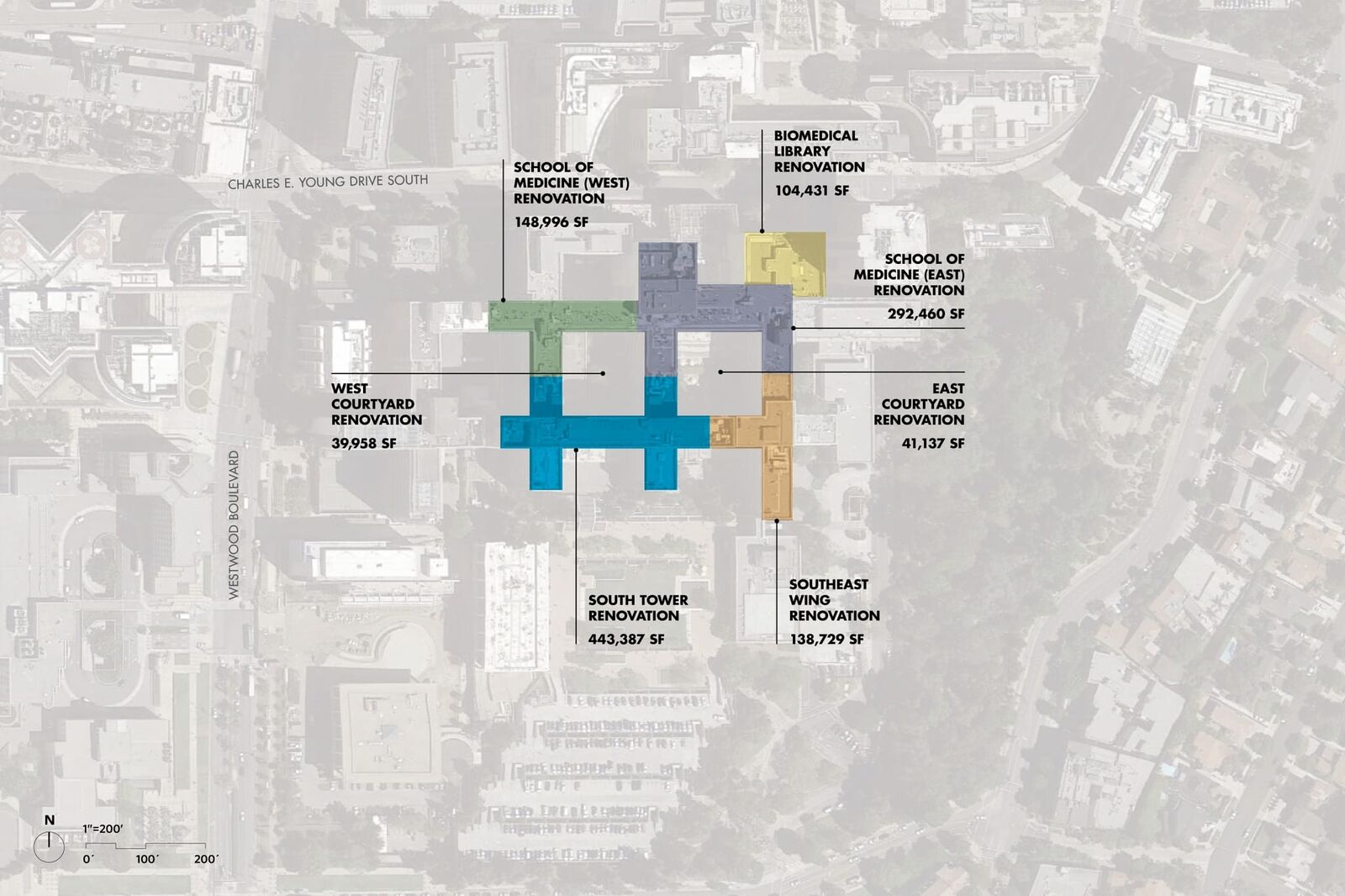
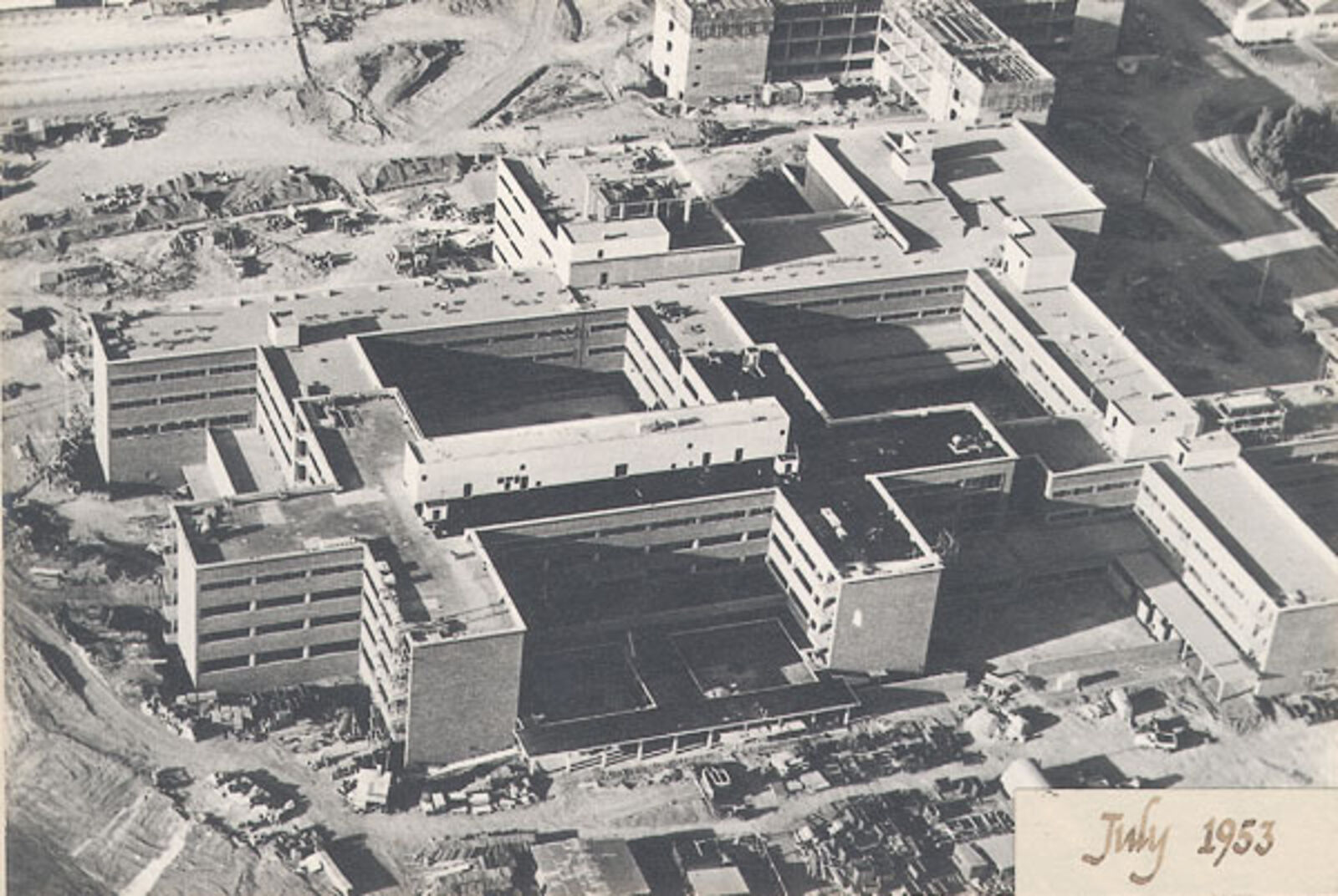
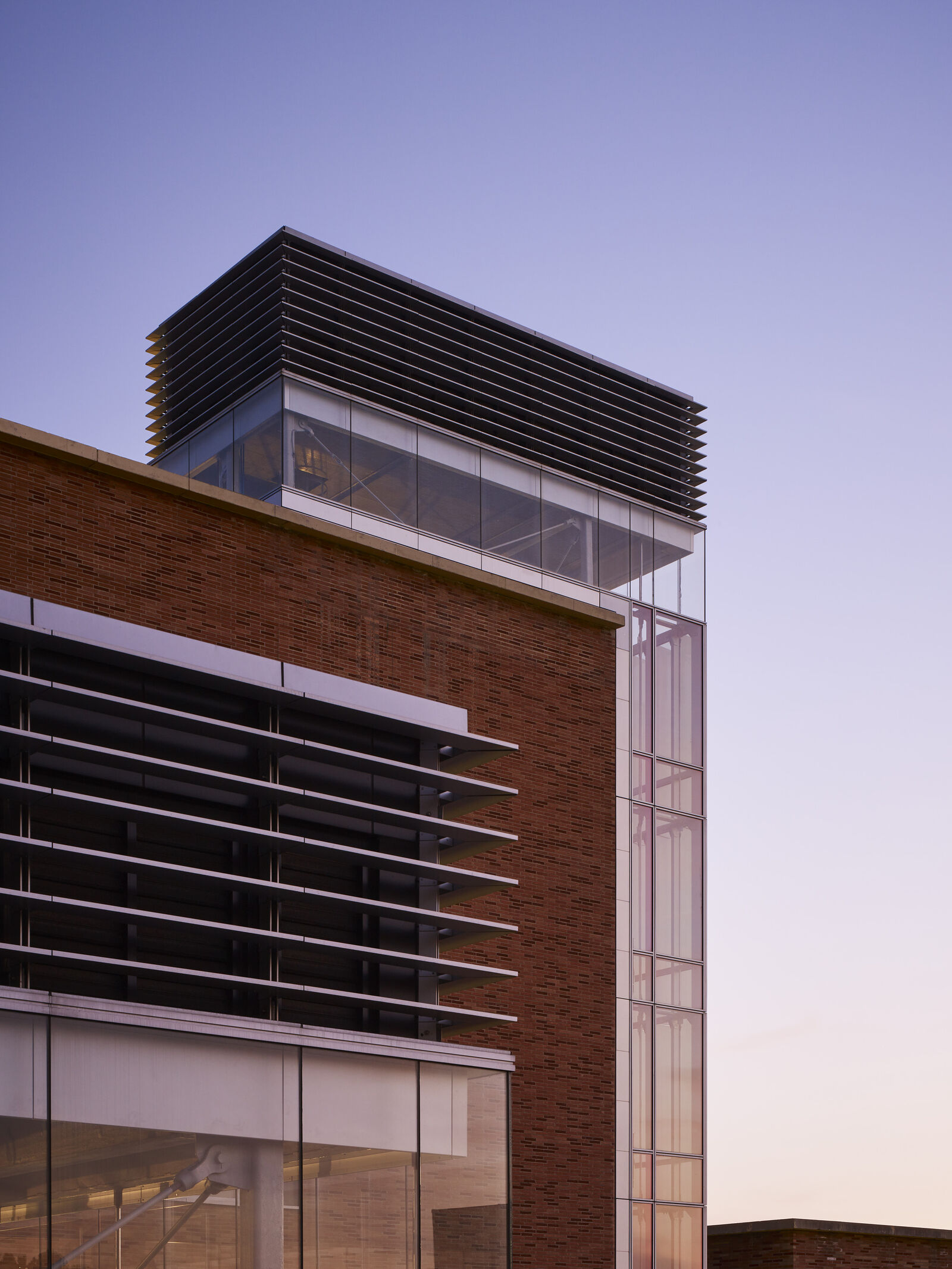
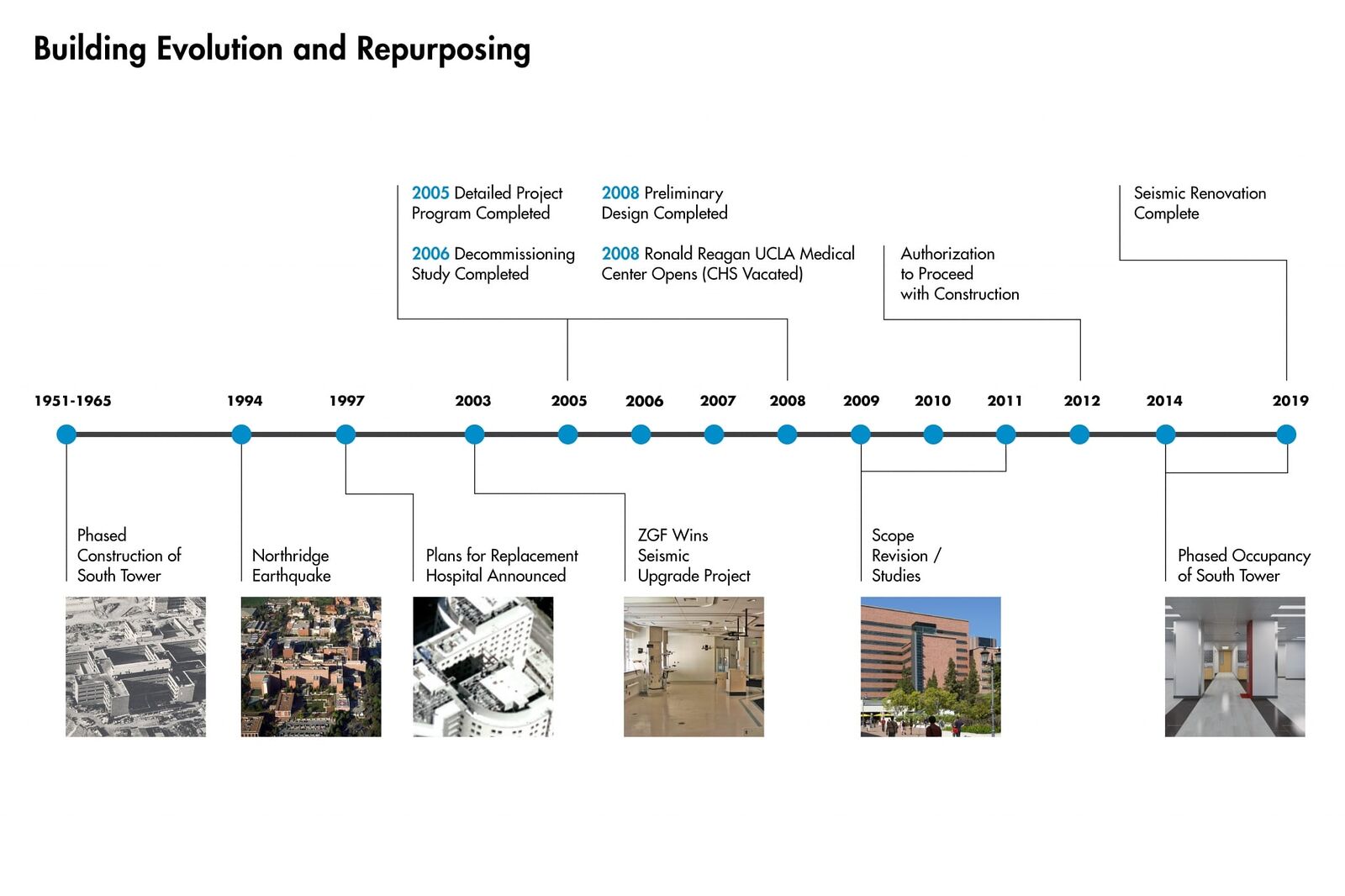
UCLA’s Center for Health Sciences, South Tower was primed for demolition as an outdated hospital tower when we reimagined it as a lab building. By programming the open lab spaces as generic, highly flexible environments they could be converted to wet bench, lab support, or dry lab space with agile, minimal buildouts depending on the eventual occupants who were not identified at the time of design. inventive solutions for the mechanical systems that did not take away from the buildings useable square footage, increasing building efficiency and priming the infrastructure for future needs were strategies that made this transformation possible.
Location
Los Angeles, CA
The needs and priorities of those involved in lab sciences are constantly evolving – often faster than the research buildings can keep up. To support this level of change, and keep researchers productive, design solutions should maximize flexibility. This allows us to do more with less and contributes to a building’s sustainability potential, including accommodating shared facilities, which lowers equipment costs and fosters a collaborative spirit in the lab. It also primes a building to pivot when research priorities change.
UCLA’s Center for Health Sciences, South Tower was primed for demolition as an outdated hospital tower when we reimagined it as a lab building. By programming the open lab spaces as generic, highly flexible environments they could be converted to wet bench, lab support, or dry lab space with agile, minimal buildouts depending on the eventual occupants who were not identified at the time of design. inventive solutions for the mechanical systems that did not take away from the buildings useable square footage, increasing building efficiency and priming the infrastructure for future needs were strategies that made this transformation possible.
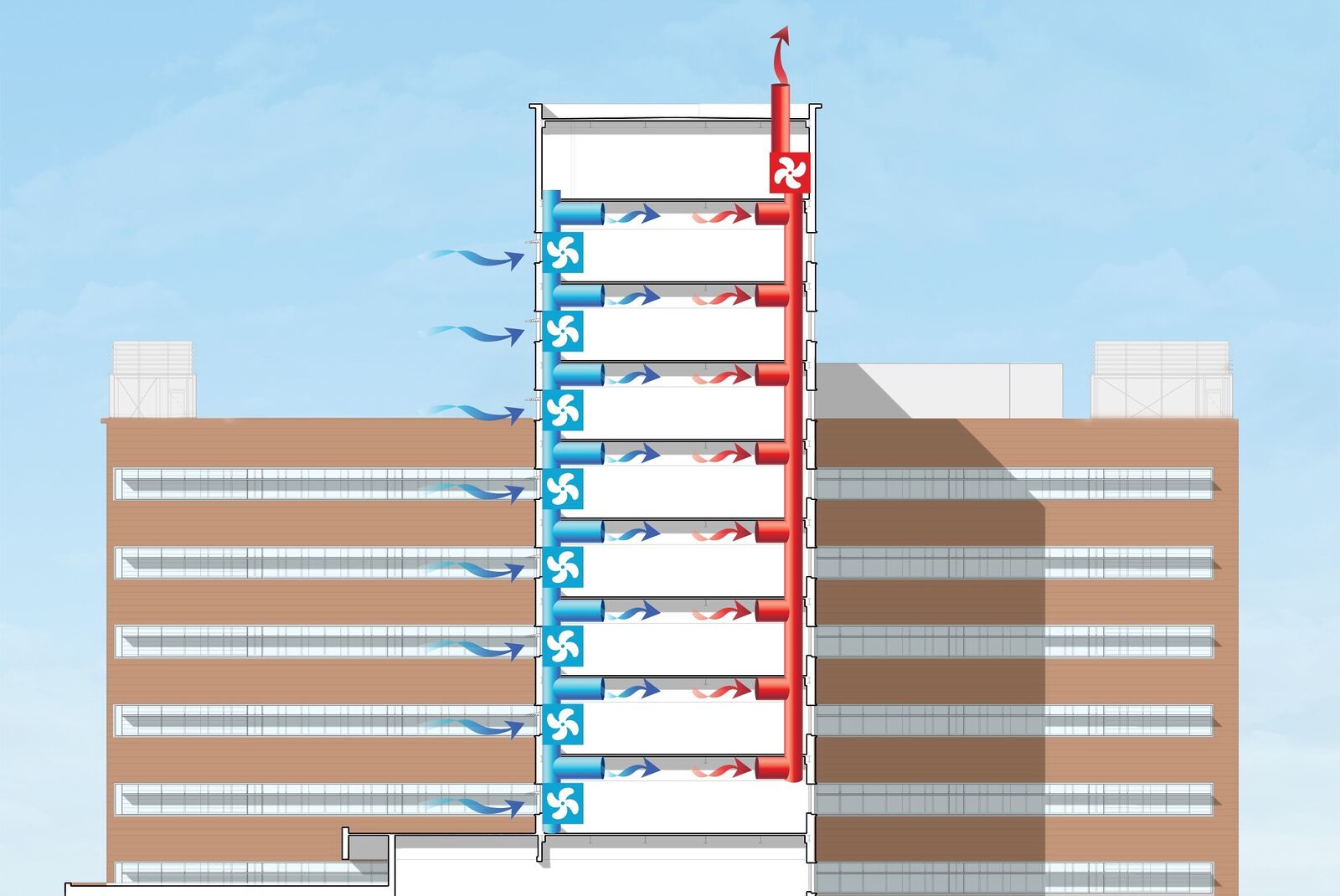
UCLA Center for Health Sciences South Tower, Mechanical Systems Integration