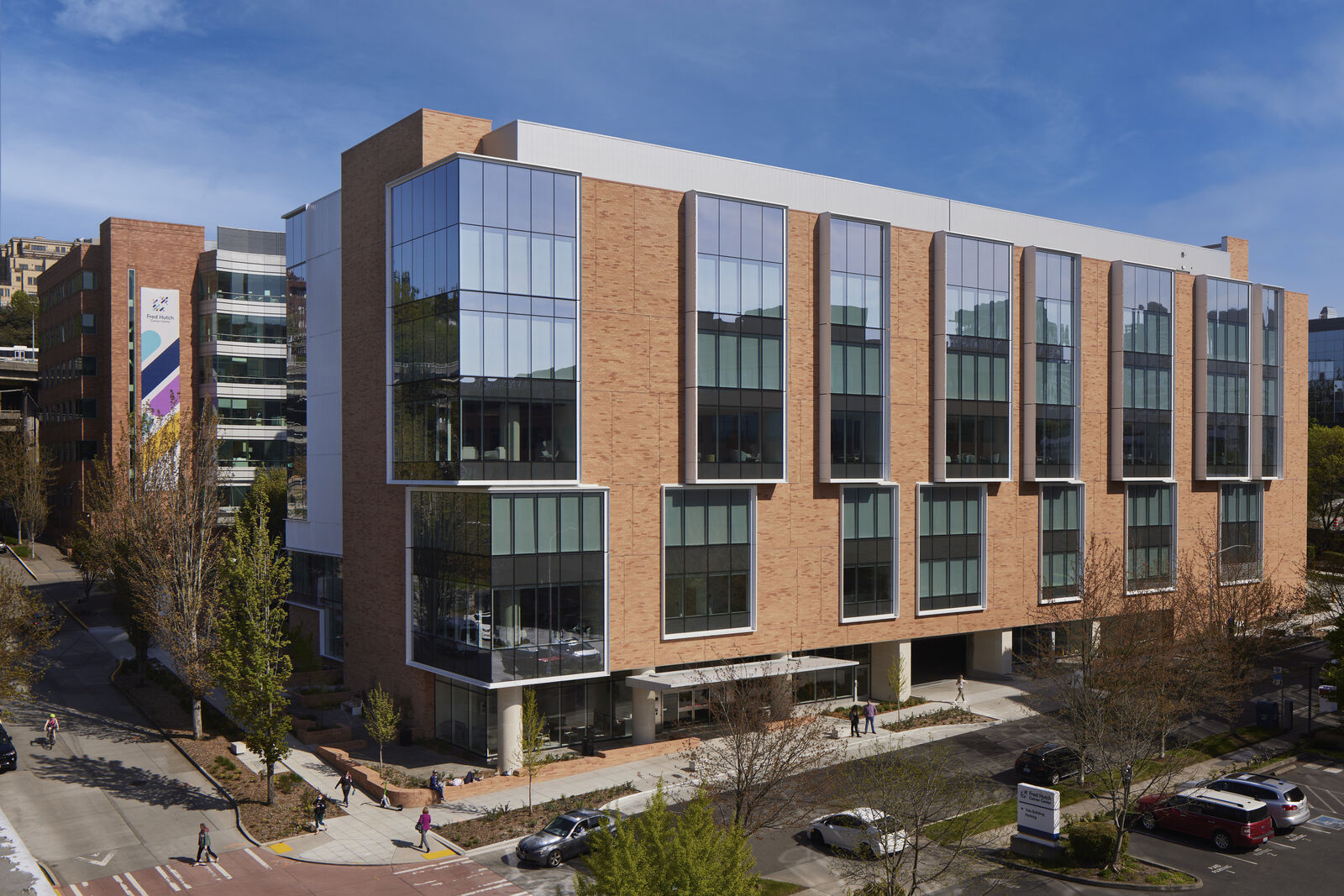
Seattle Children's New Front Door to Care
Seattle Children's, Building Care: Diagnostic and Treatment Facility
Healthcare
What does transformative care look and feel like? For children and families, it means starting and ending their journey with ease so they can focus on the care, not the process; providing time and space to take a breath and decompress when they walk through the front door; and having access to the right amenities, in the right locations, without being overwhelmed with information. For care teams and staff, it means optimizing the work environment so they can focus on what’s important—patient care—while having dedicated amenities and respite spaces nearby.
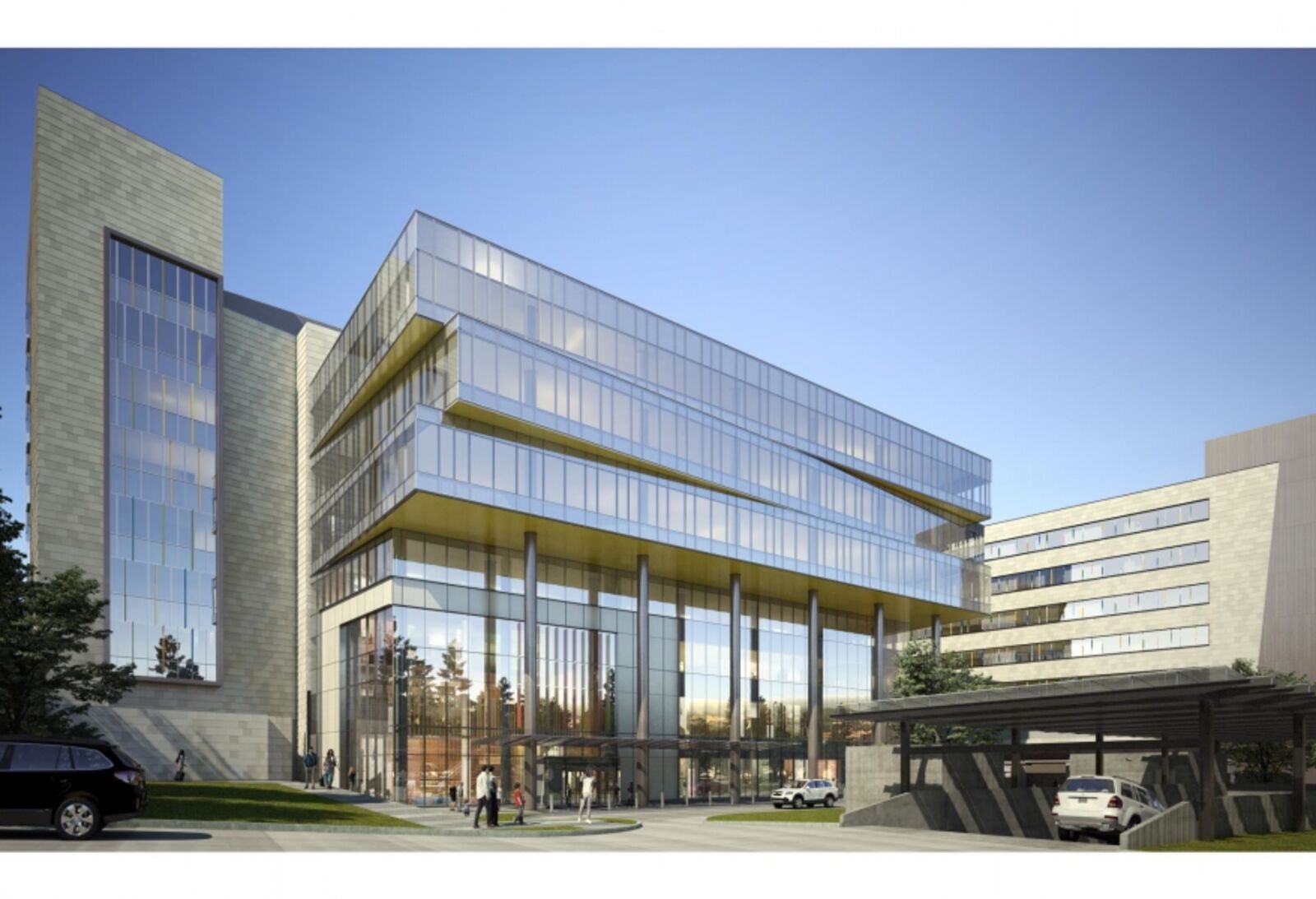
As the new front door to Seattle Children’s, that’s exactly what Building Care is designed for. The eight-story diagnostic and treatment facility is the second phase of a 1 million square-foot campus expansion. It connects physically and programmatically to phase one, The Friends of Costco Building, an inpatient bed tower. A future third phase will bookend Building Care with another bed tower.
The project earned a 2023 AIA/AAH Healthcare Design Award and 2023 AIA Seattle Honor Award for its memorable and cutting-edge design, which will serve Seattle Children's patients far into the future.
Location
Seattle, WA
Square Feet
485,500
Completion date
June 2022
Project Component
Master Planning
Architecture Services & Portfolio
Interior Design & Space Planning
Landscape Design
Certifications
LEED BD+C Healthcare v4 Gold
Salmon Safe
EUI
117 kBtu/sf/year*
*For comparison, a typical U.S. hospital EUI is around 234 kBtu/sf/year
“The exterior of the building is memorable, and you will certainly not forget what you see. The interiors are playful but not childish, which is difficult to pull off in such an emotionally demanding environment.”
- 2023 AIA/AAH Healthcare Design Awards Jury

A playful façade of shifting volumes creates a distinct front door for the public. Floor to ceiling glazing creates transparency from the outside in, illuminating the innerworkings of the hospital and the care being provided within.
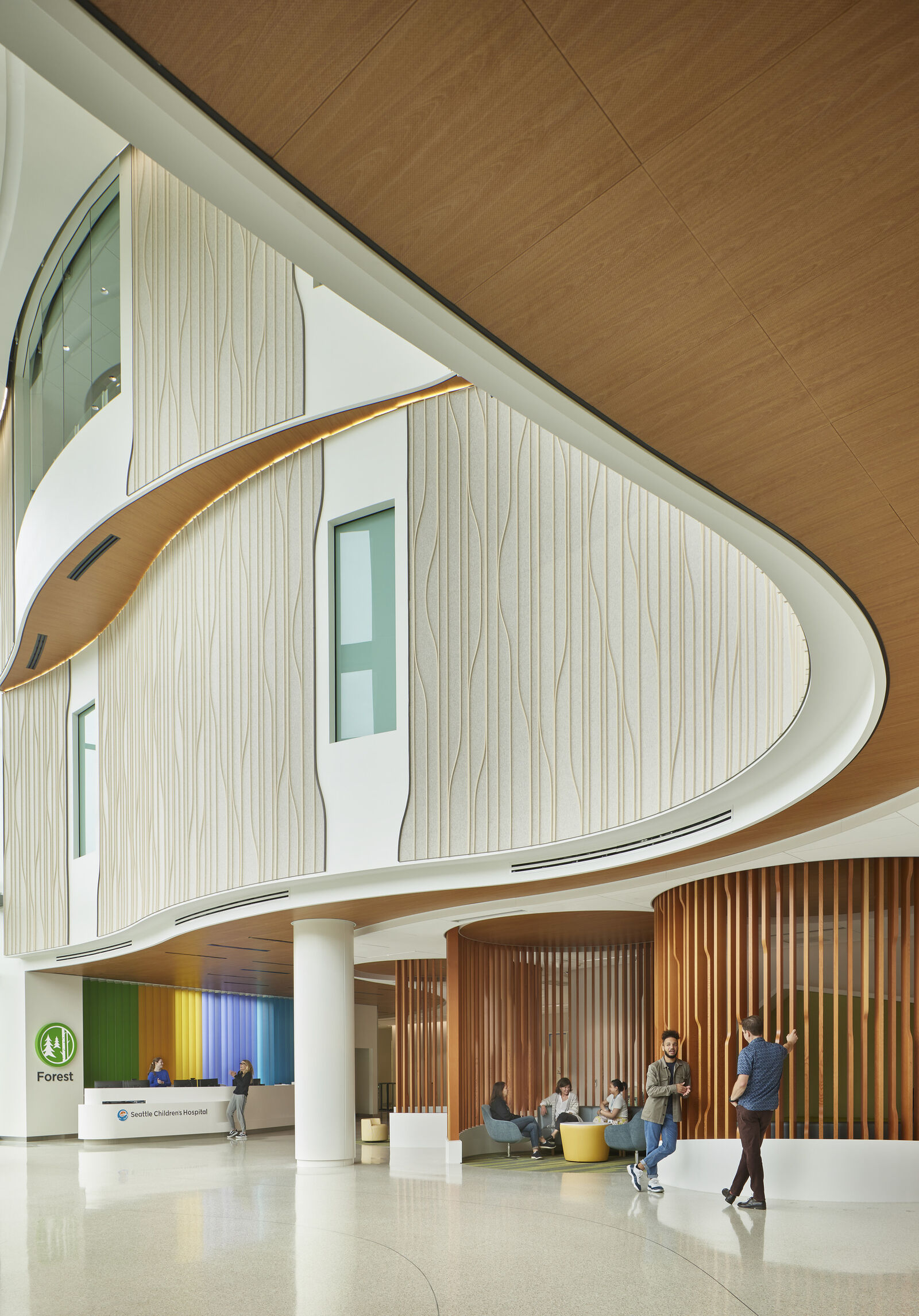
Inside, a three-level atrium draws families and visitors in through the main lobby and up to Level 3, the major connection to the rest of lower campus.
Putting Patients & Families at the Center
Immersive programming and design workshops with patients and families helped us understand what they need before, during, and after care. Building Care is designed to ensure families have the right information, resources, and amenities to support their journey at every step in the process—from scheduling and preparing for an appointment, to arriving at the building and site of care, to getting discharged and returning home.
“Because this is the new front door, we spent a lot of time thinking about what users would need before and after their care. We knew that if we didn’t get everyone’s most basic needs met, we couldn’t improve their experience.”
- Kari Thorsen, Interior Designer

The Story Pole, created by artist Shaun Peterson, is not only a gathering point at the new front door but the beginning of a comprehensive campus wayfinding story.

Navigating a large, complex hospital campus can be overwhelming. Building Care eases the burden of figuring out where to go and how to get there. The Discovery Trail map, designed by Studio SC, connects all four zones within the hospital—from Forest to Ocean—and identifies the easiest path for patients and families to take.
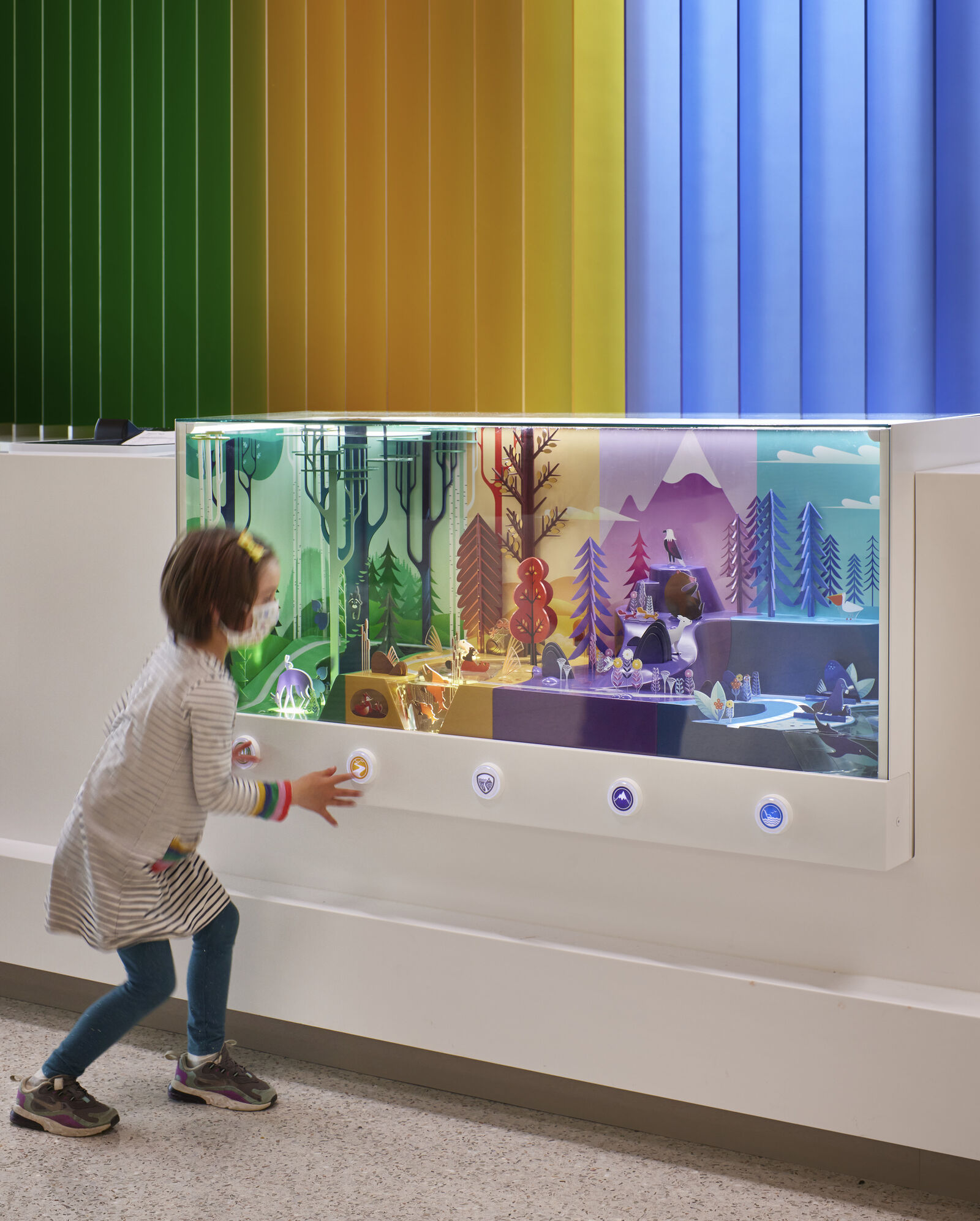
An interactive diorama at the reception desk is a playful way to help little ones understand the basic zoning of the campus.

A new outpatient retail pharmacy in the main lobby makes picking up medications more convenient for families on the go.
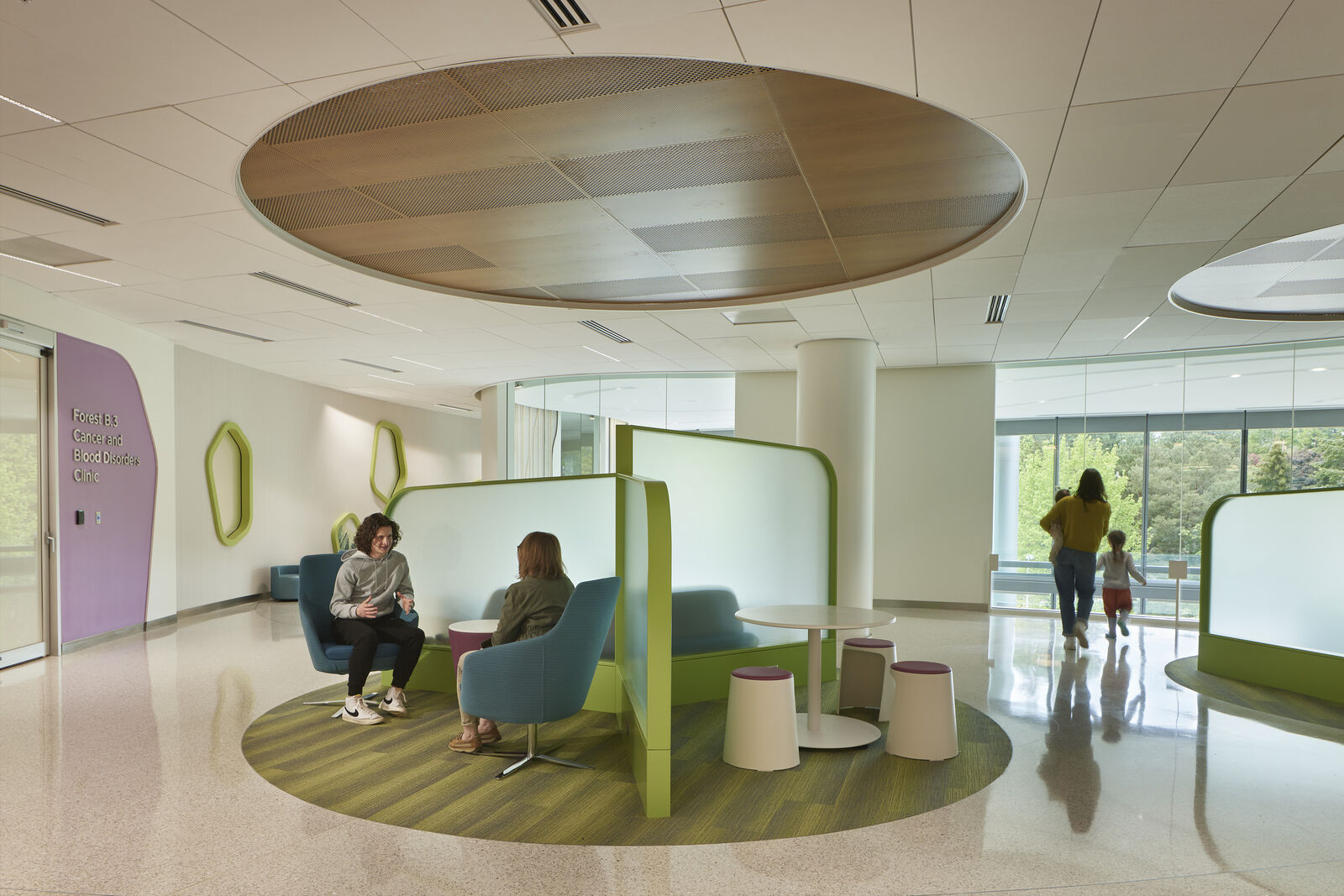
Level 3 creates a gateway from Forest to River and the rest of lower campus. A large public waiting area with views down to the main lobby, a variety of seating nooks and niches, a flexible event space, and newly renovated Starbucks, foster a sense of community in this highly activated space.

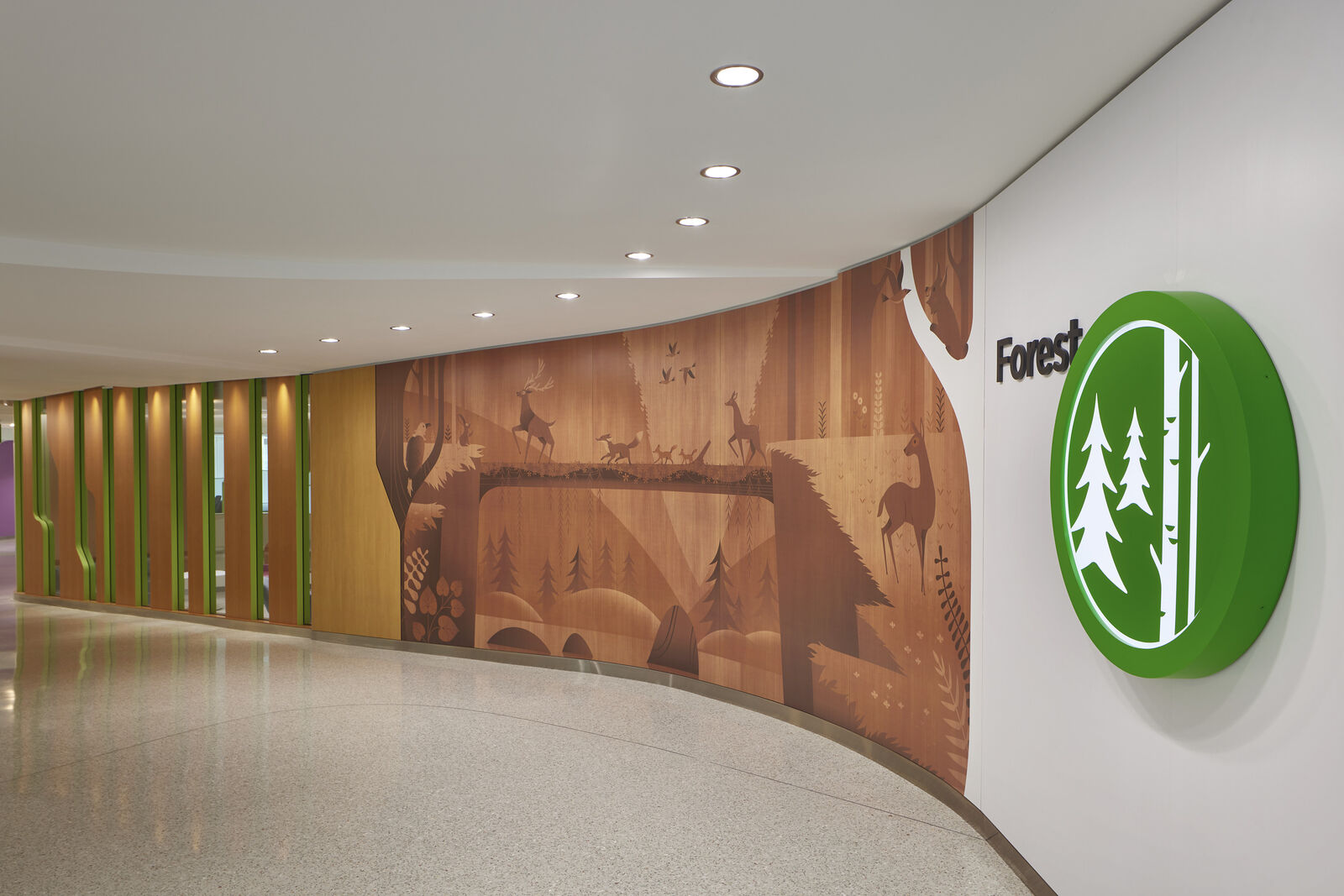
"Absolutely seamless—there is a ramp that you wouldn’t even notice that connects the two buildings."
-2023 AIA Seattle Honor Awards Jury
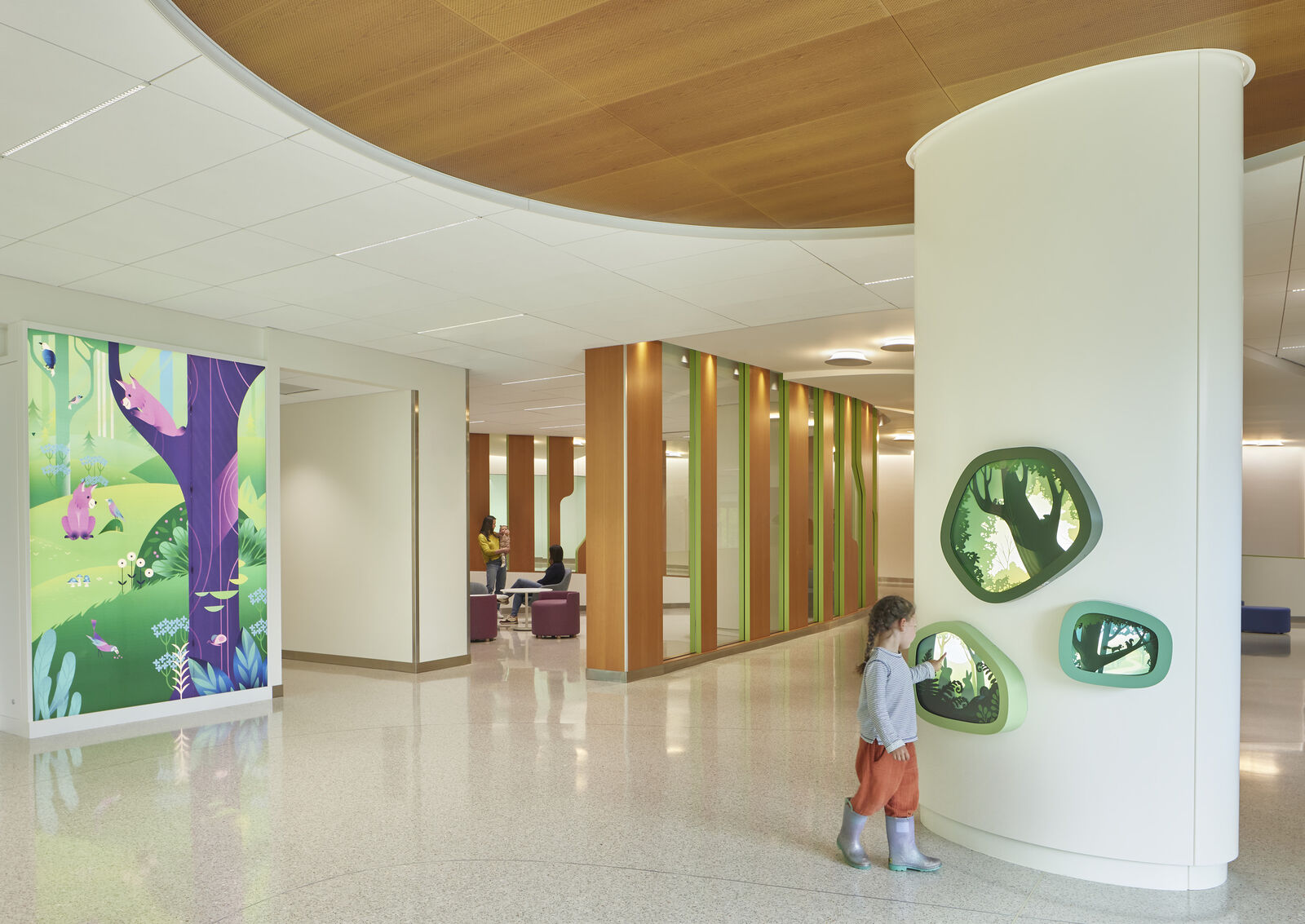
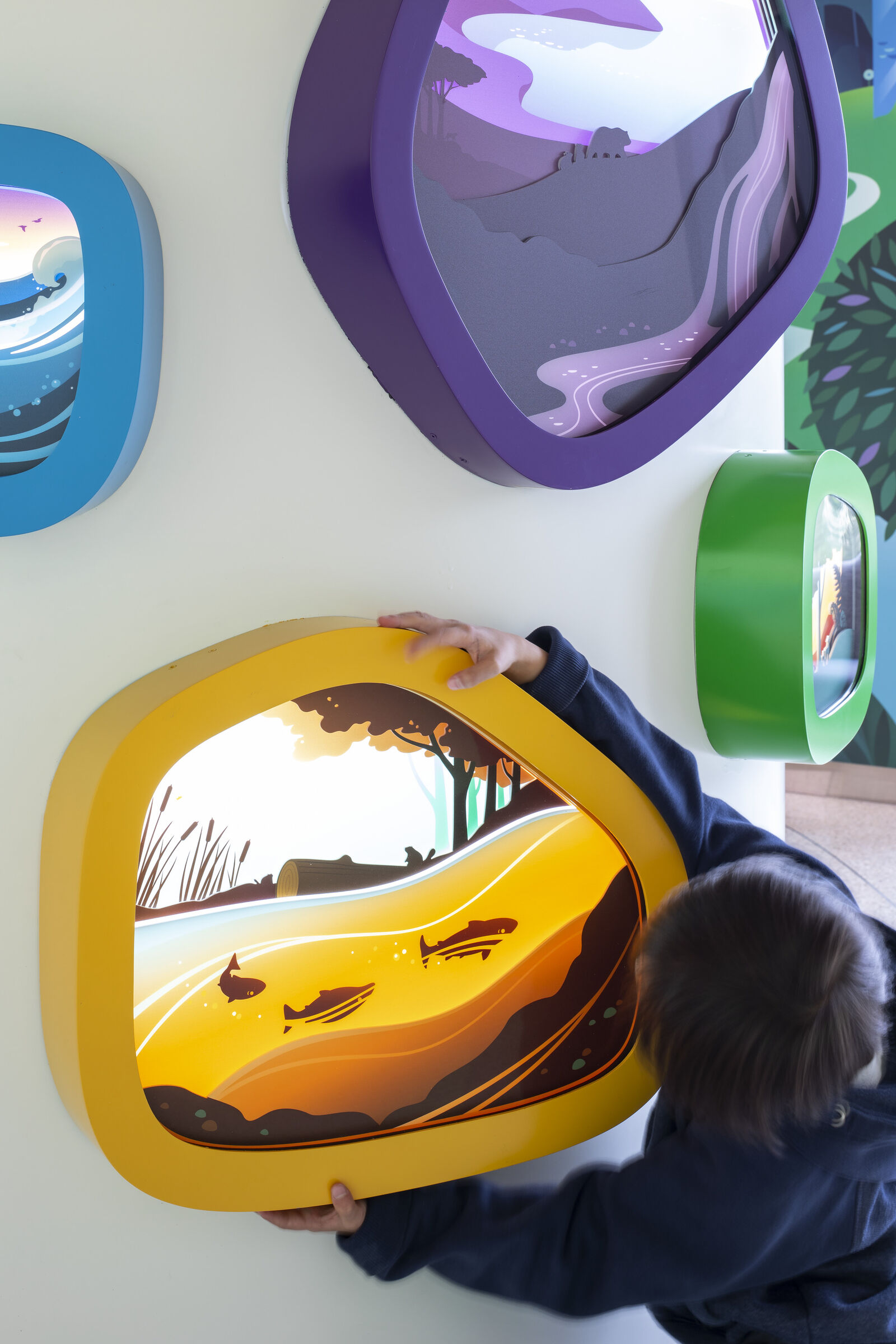
Illuminated graphic portals along the Discovery Trail feature 3D-layered illustrations of animals from their respective zone environment, serving as landmarks and discoverable moments along the path.
Streamlined Surgical Care
Given Building Care’s purpose as a diagnostic and treatment facility, optimal placement of the surgical care floors on Levels 5 and 6, which have the largest footprints, dictated the program stack of the entire building. Sterile Processing needed to be immediately below to support Surgery, thus leaving Levels 3 and 7 for the Cancer and Blood Disorder Clinic (CBDC). Remaining levels house labs, support space, outpatient pharmacy, and imaging, plus a flexible inpatient bed unit on Level 8 that connects horizontally to the Friends of Costco Building.
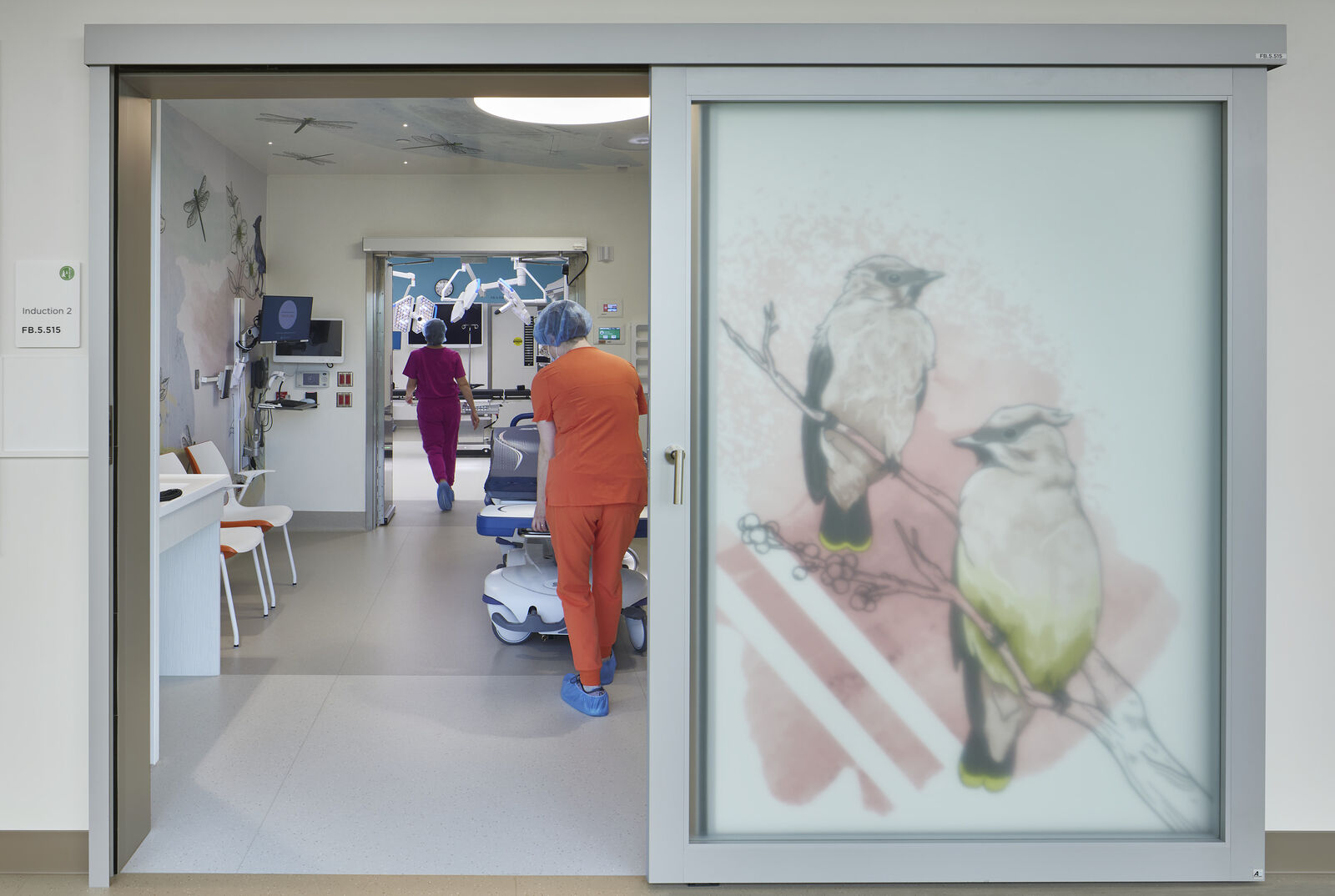
The new operating suites and catheterization labs are designed with induction rooms, allowing family members to stay with their child as long as possible before a surgery or procedure.
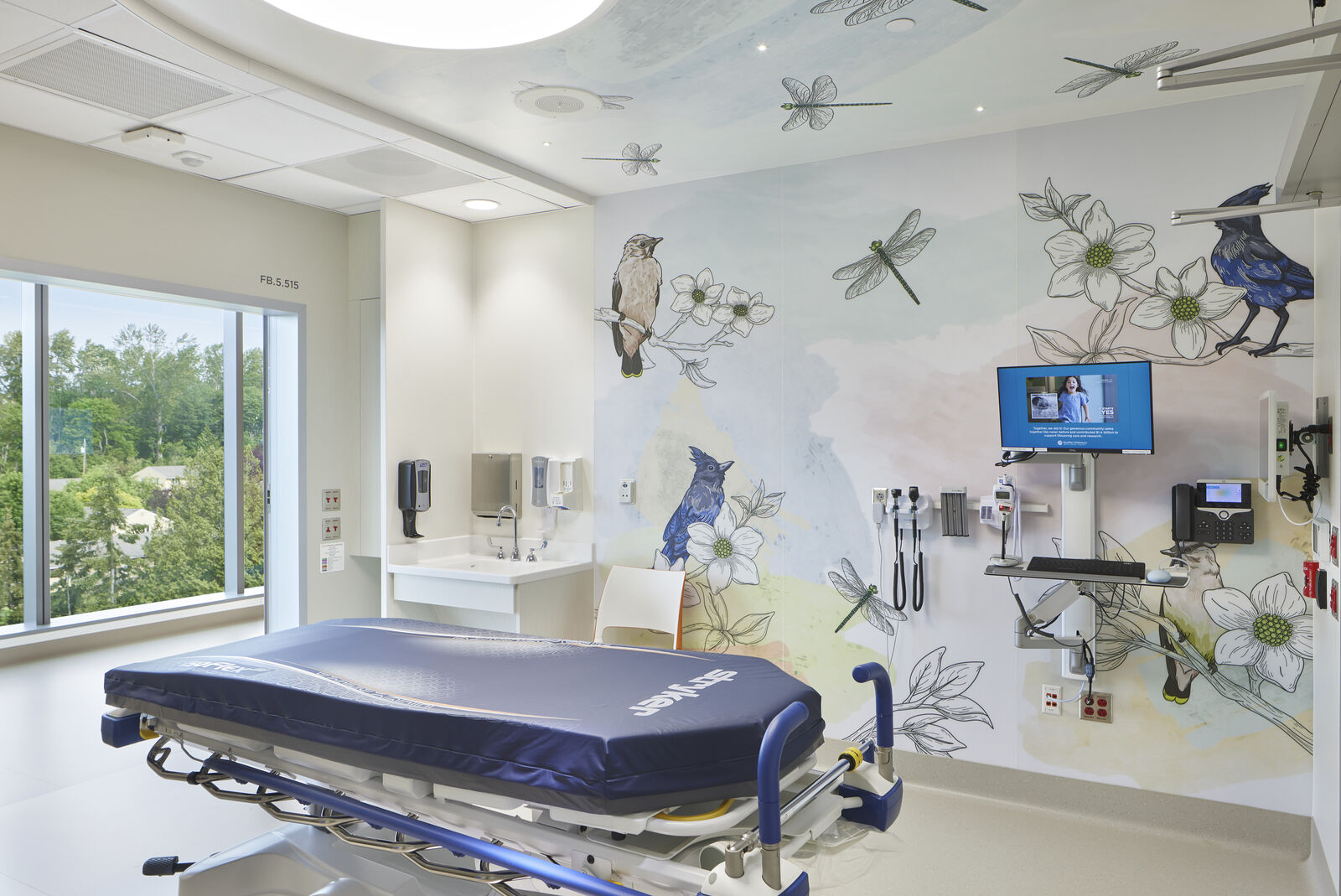
Having access to daylight, views, and positive distractions before patients are sedated has been shown to reduce stress and improve outcomes. Children also don’t have to experience the inside of the OR.
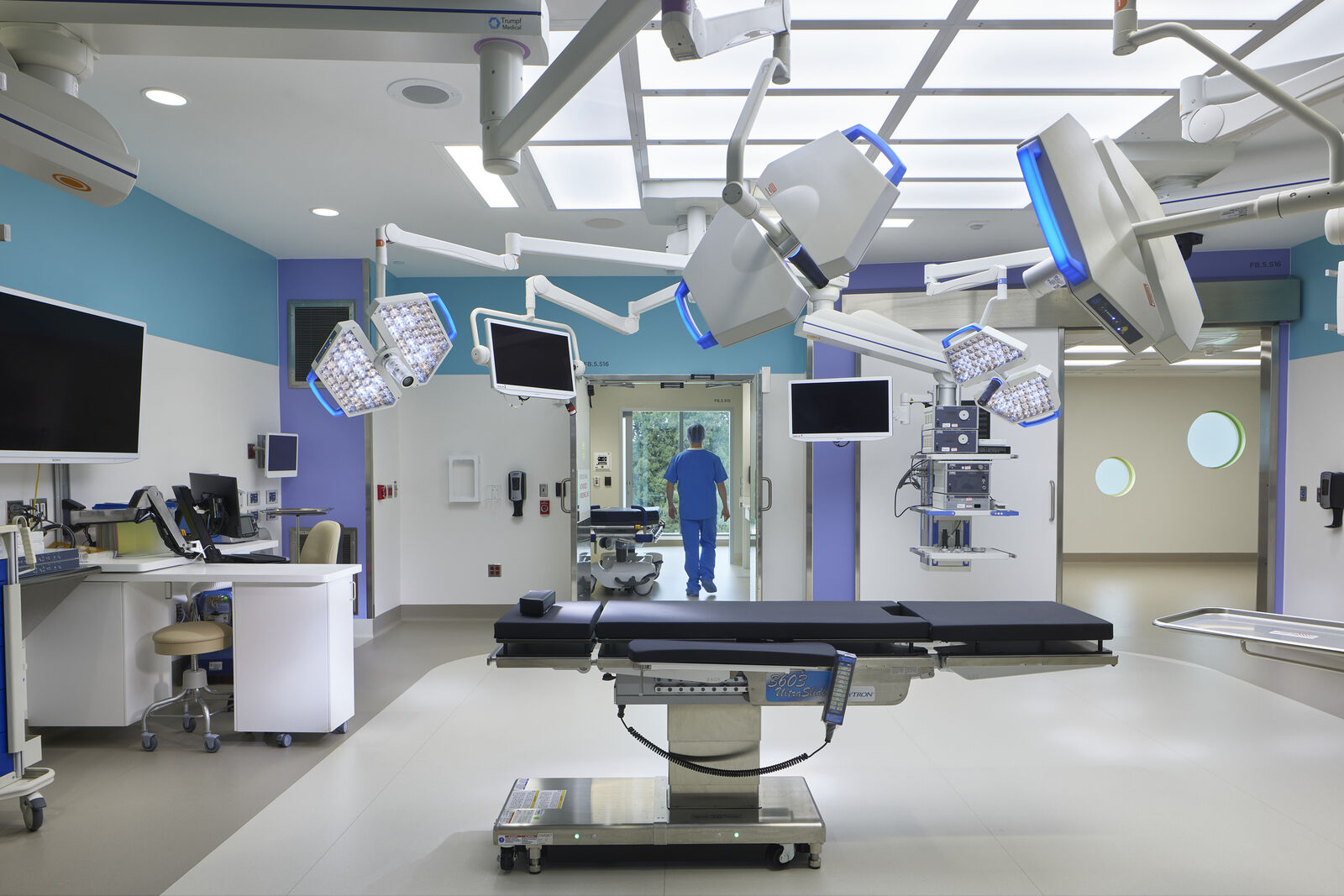
Universally designed ORs allow any surgeon to operate, regardless of surgical specialty or case type.
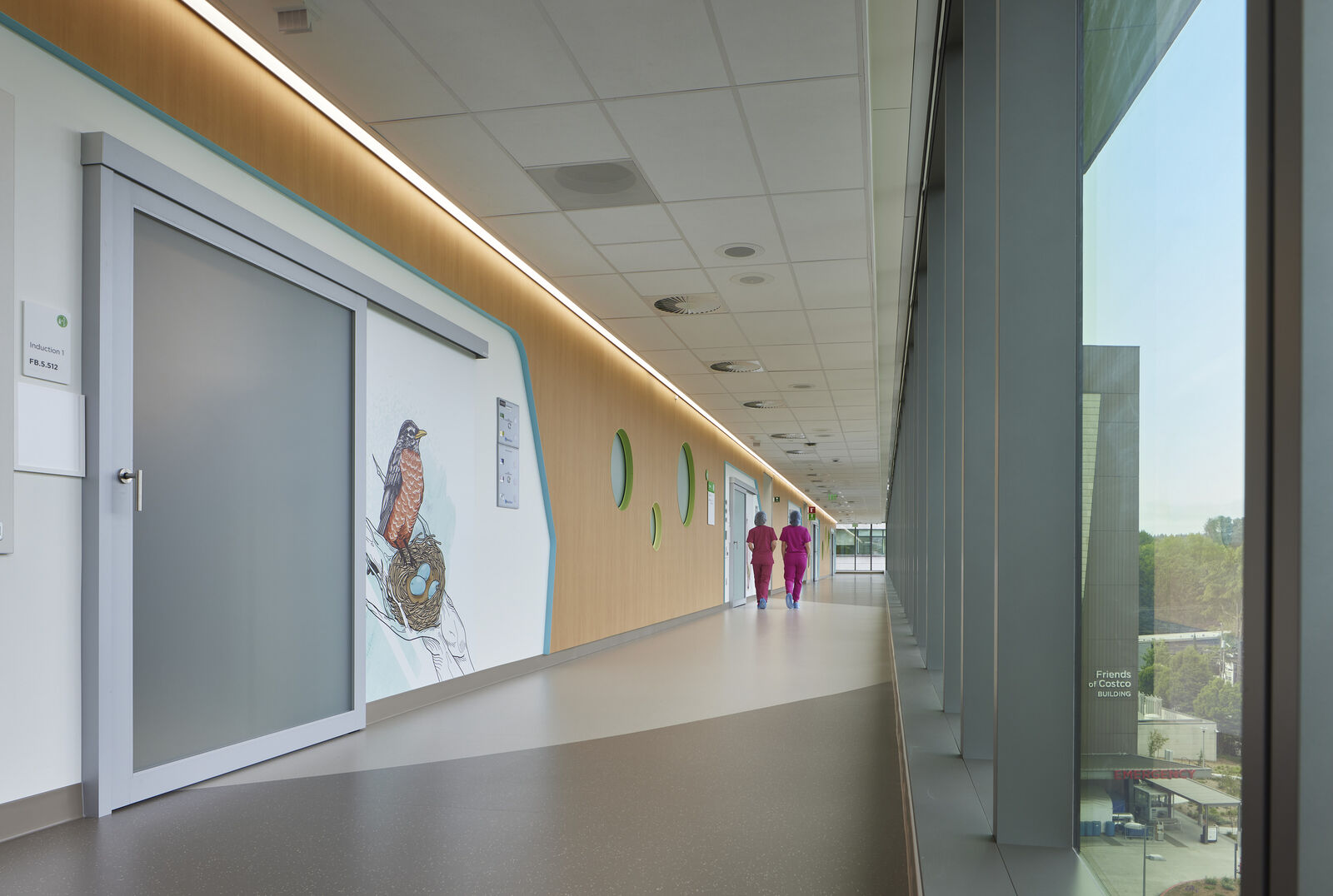
Porthole windows in the surgery corridor allow daylight to filter into the induction rooms.
New histology and pathology labs are located near the ORs to support Seattle Children’s most complicated surgical cases. The design facilitates conversation between the surgeon and pathologist in real time, allowing faster processing of specimens and reducing the time a patient is sedated in the OR.
On the tail end of a surgery or procedure, redesigning the way sterile instrumentation is managed has reduced the processing time from 24 hours to less than 10—saving staff time, improving quality, and making surgery scheduling more efficient.
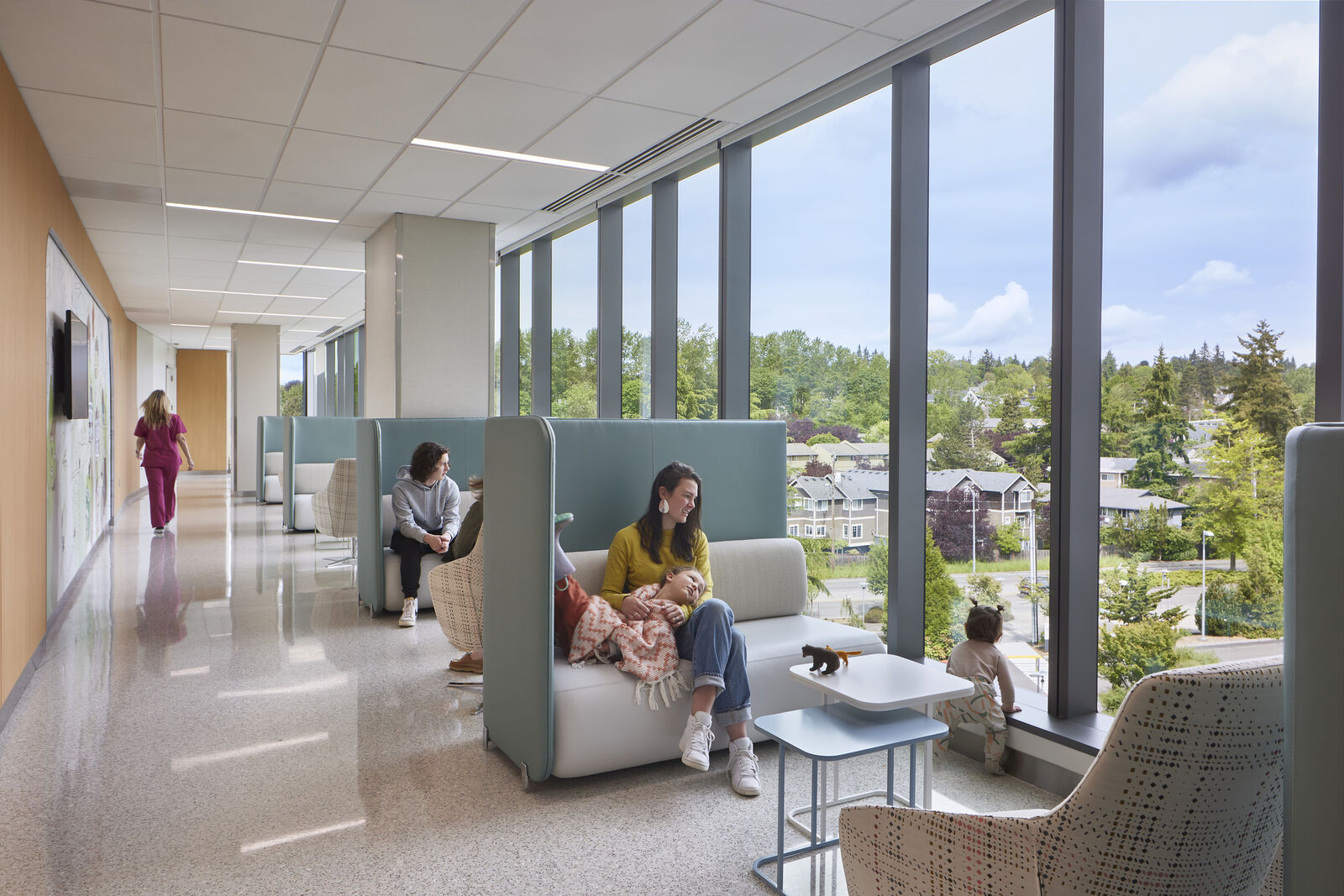
Families have a variety of waiting and respite spaces with daylight and views.
"It was really a delight for us, what architecture can do, when you need it the most."
-2023 AIA Seattle Honor Awards Jury
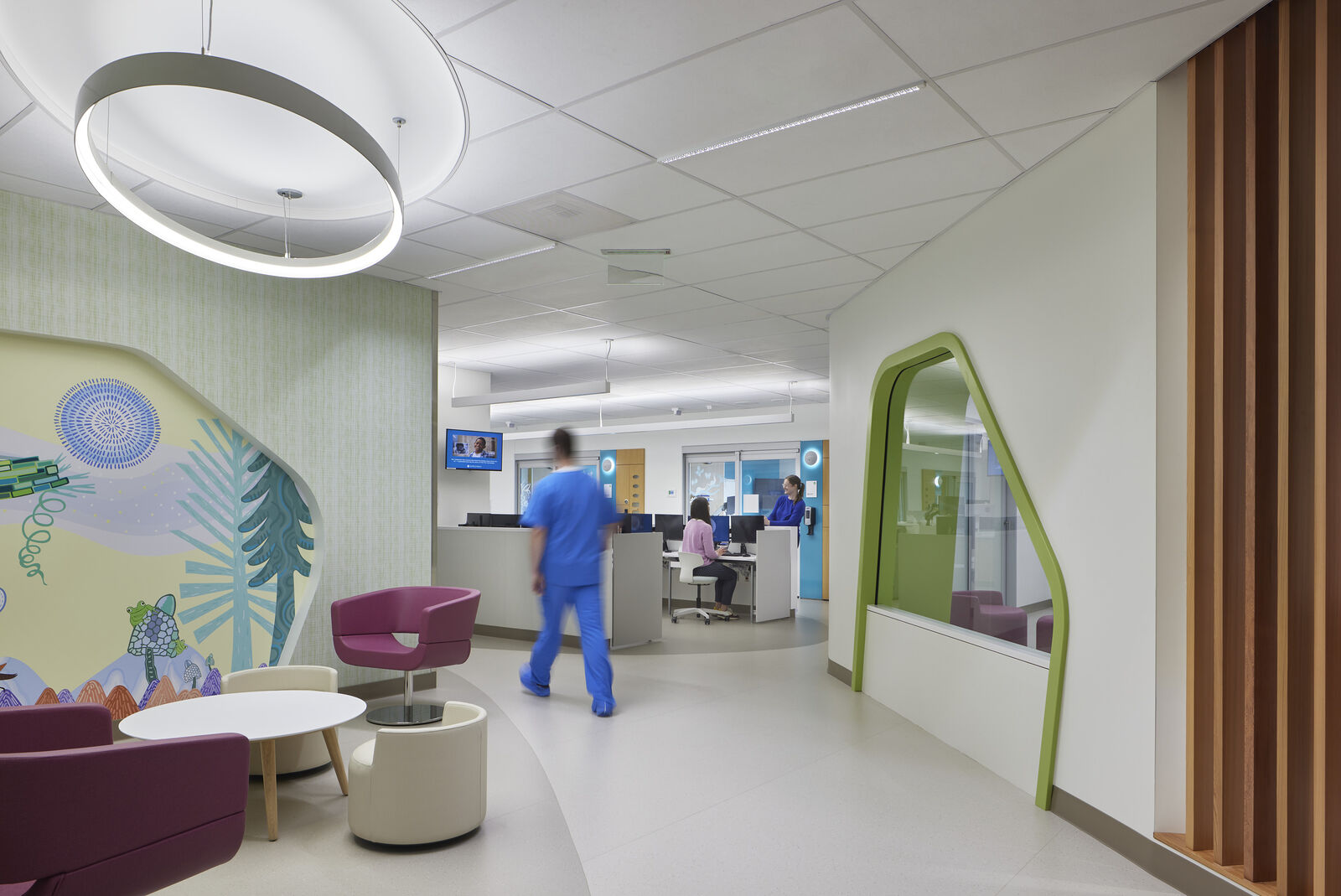

The new Cancer and Blood Disorder Clinic (CBDC) establishes an on-campus partnership with Fred Hutch Cancer Center. Previously, oncology patients had to travel between campuses for different types of care. Now care comes directly to the patient from start to finish. Universal rooms allow a multidisciplinary team of providers and staff to work side by side during consult visits, blood draws, infusions, and follow-up tests, all in one space. Scheduling is more efficient, so patients can spend less time at the hospital.
A Story of Giving
The interior design of Building Care brings the forest floor to the heart of the city. Inspired by its location in the Forest zone—one of four wayfinding zones within the hospital—the use of wood and other forest-friendly elements instills a sense of warmth and wonder. These details reveal themselves as families move through the building, from tiny paw prints embedded in the terrazzo floors to large-scale wall murals in waiting areas and corridors. Integrated wayfinding elements break down the scale of the building to make it easier to navigate.
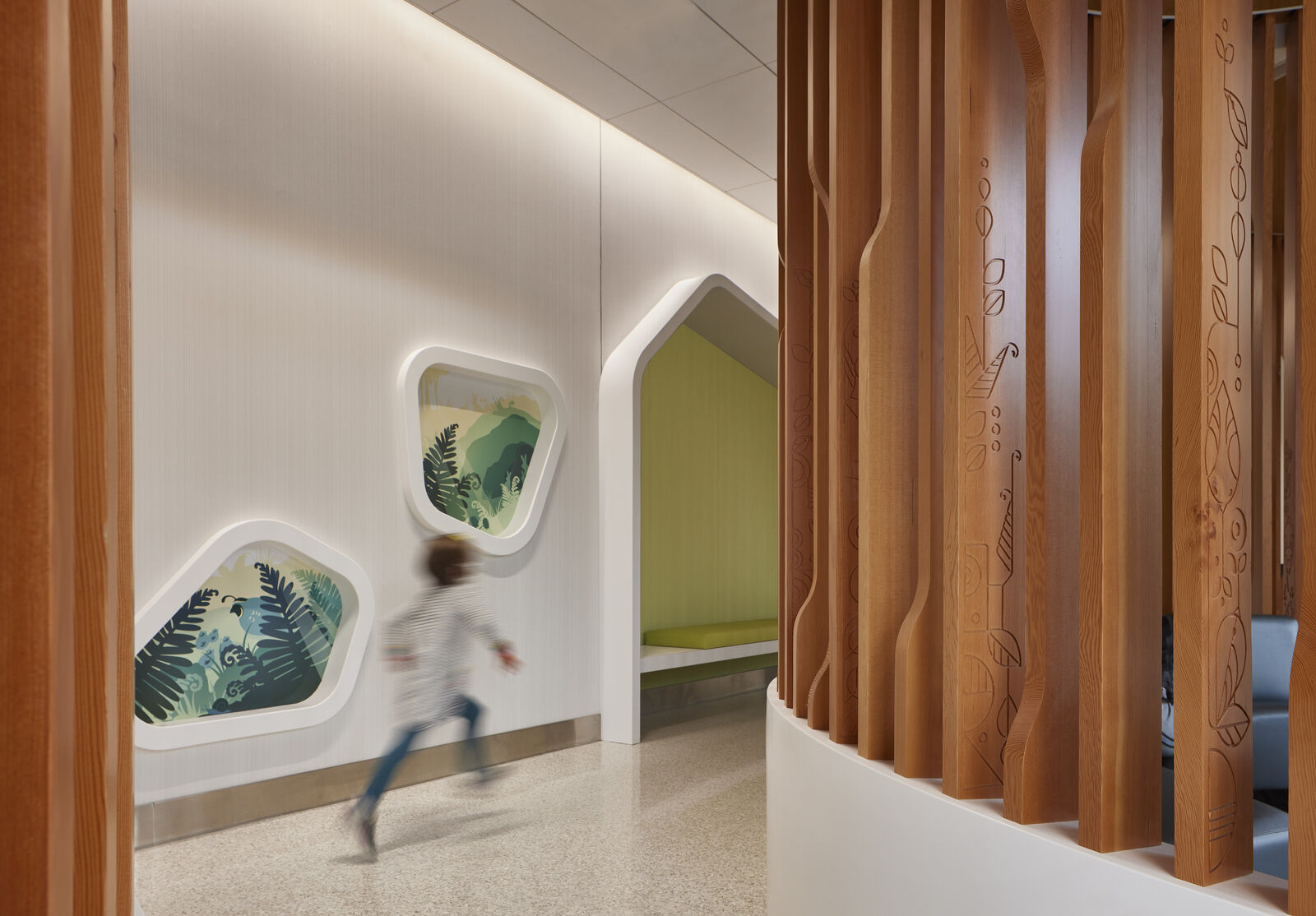
Seattle Children’s story of giving unfolds like rings of a tree, representing the strong foundation that supports patients and families. Wood slat carvings in the main lobby tell stories of how supporting one another leads to hope, care, and cures.
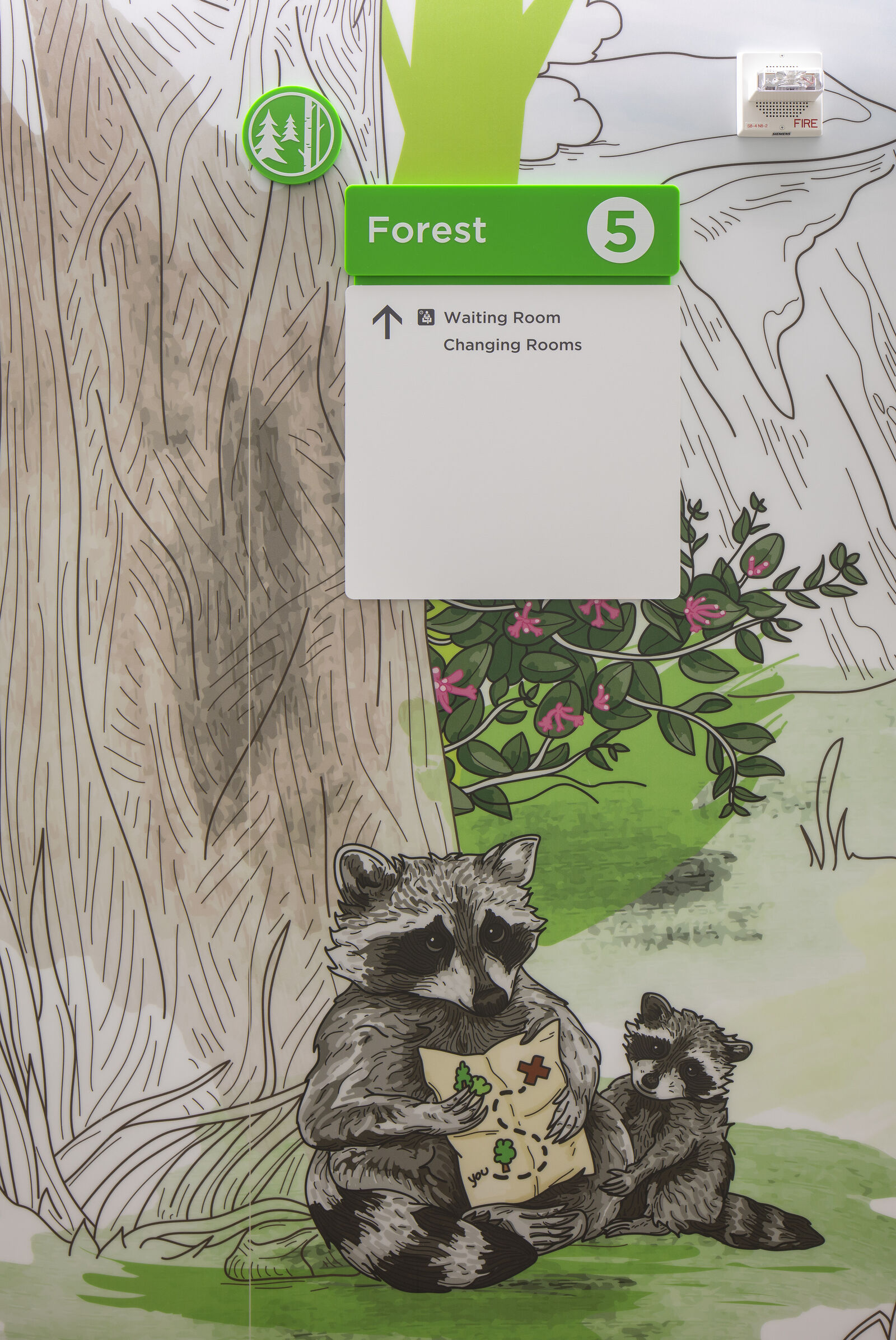
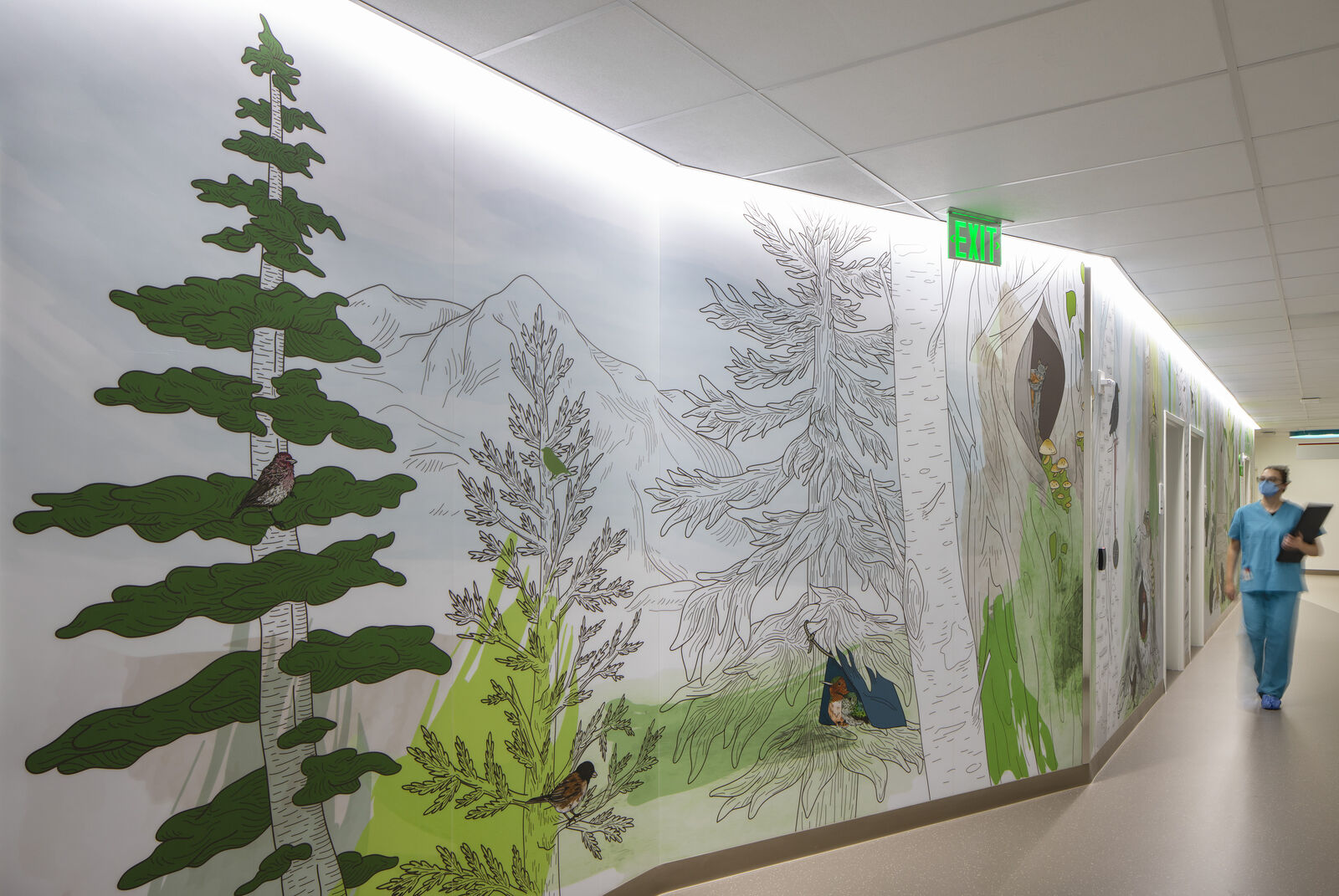
Dozens of local artists contributed their work to bring the Forest concept to life, depicting animals participating in acts of care and comfort.
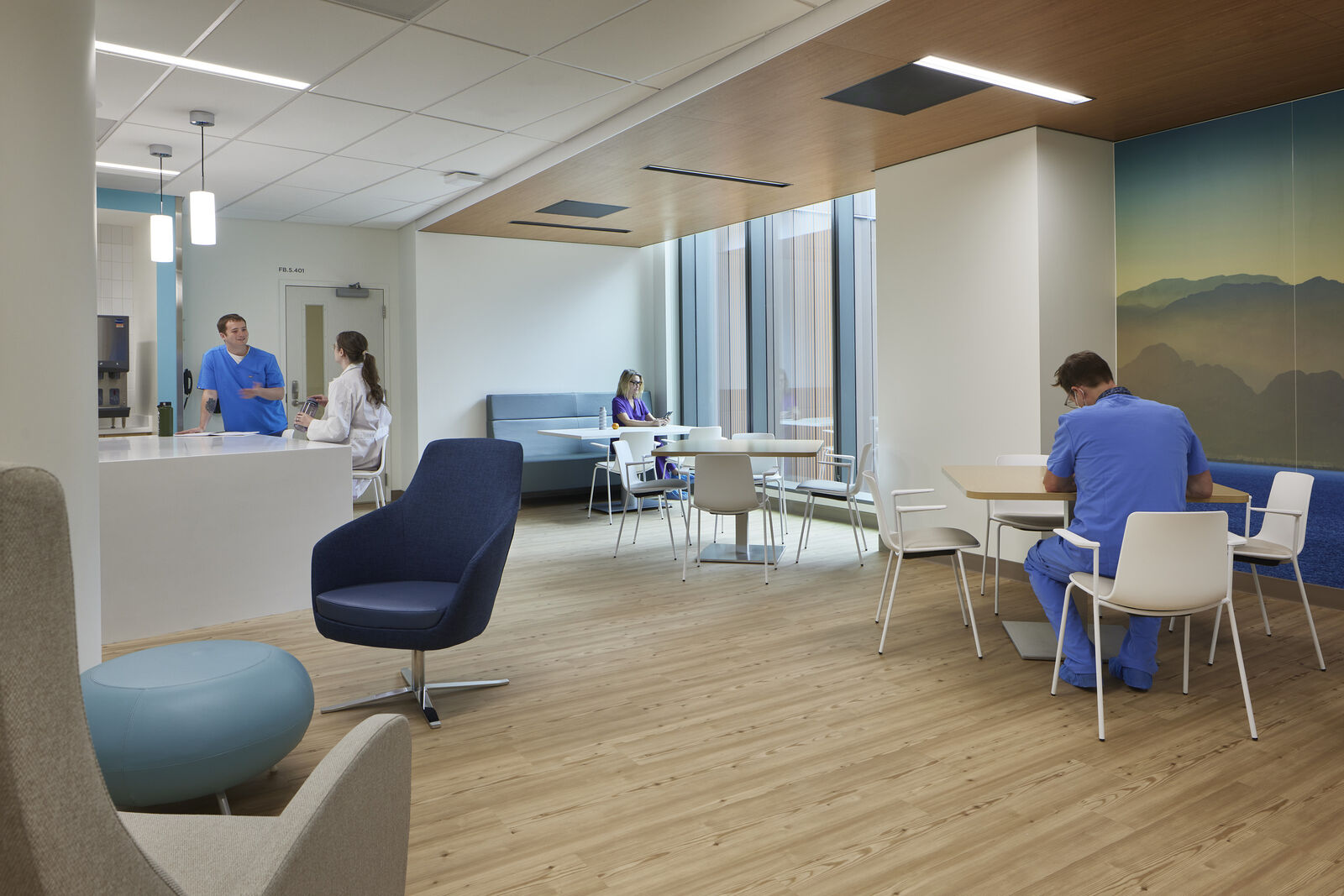
Staff respite spaces are designed with the same attention to detail as patient and family spaces, to support care teams in an emotionally demanding environment.
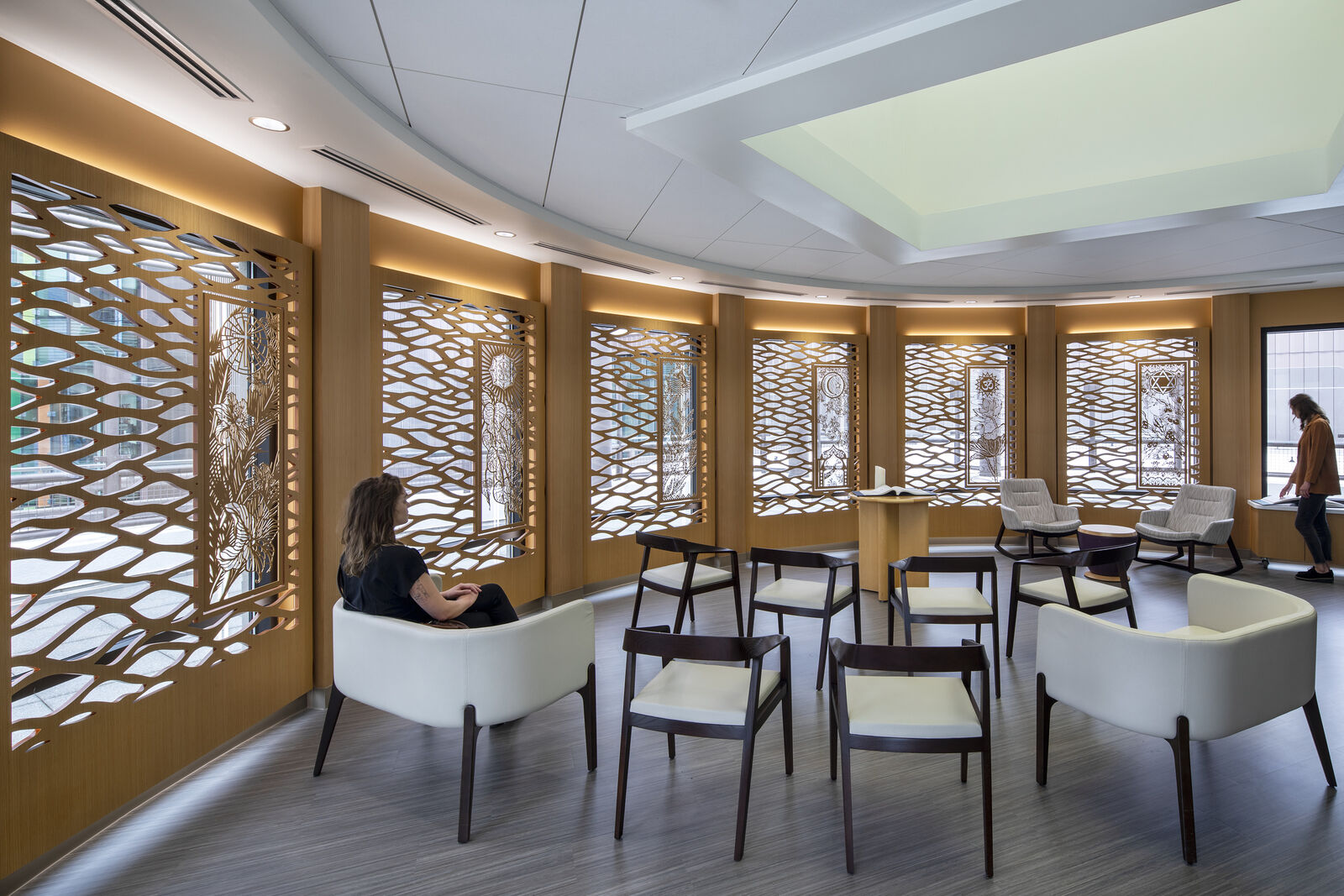
A non-denominational chapel provides quiet space for spiritual reflection and respite.
From Cardboard to Completion
Over the course of 18 months and 55 immersive programming and design workshops with Seattle Children’s leadership, care teams, staff, and family representatives, ZGF developed the ideal model of care for this transformative new building. Before Building Care was ever built, it was mocked up floor by floor using acres of cardboard.
Full-size mock-ups are an important design tool to allow the project team and end-users to physically see and feel a new space. During design workshops, user groups walk through each space and run simulations to see how they will be operationalized once built. Realtime feedback and design changes can be implemented practically overnight.
Learn More: Shaping Seattle Children's Building Care Expansion Project
– Watch on YouTube
All-In Approach to Energy Reduction
ZGF and AEI employed an all-in approach to sustainability and energy reduction in Building Care, resulting in a target Energy Use Intensity (EUI) of just 117 kBtu/sf/year. For comparison, a typical U.S. hospital EUI is around 234 kBtu/sf/year. The high-performance design reflects Seattle Children’s aggressive sustainability goals, commitments, and regulatory requirements.
State of the art mechanical systems provide the highest level of health and safety, with built-in resiliency for the future. A “backpack approach” to the MEP design, where all systems run vertically up the back of the building, accommodates floor-to-floor department adjacencies—so, if one floor fails, the next floor up or down can support it.
Other strategies include:
- Heat Recovery Chiller: Able to satisfy more than 90% of the building’s annual heating load and more than 50% of annual cooling load with high efficiency heat recovery. This saves over 800 tons of CO2 from reduced boiler natural gas usage alone. Additionally, the heat recovery chiller in combination with the air-cooled chillers saves over 1.8 million gallons of cooling tower water usage.
- HEPA Recirculation Units: Save energy by reducing the amount of conditioned air supplied to a room while maintaining required filtered room air changes.
- OR Setbacks: Operating room airflows are setback during unoccupied hours to reduce energy use while still maintaining sterile environment requirements.
- Outpatient Clinic & General Admin Setbacks: Utilizing occupancy sensors, air conditioning system requirements are reduced during unoccupied hours to save energy.
- SPD Wastewater Energy Recovery: Waste heat from Sterile Processing Department equipment is captured indirectly via the building hydronic systems to provide energy-efficient hot water heating.
- Fan Power Reduction: Air systems are sized to allow for reduced fan energy usage.
- Thermal Comfort: High-performance glazing works in tandem with the building’s heating and cooling systems to optimize thermal comfort and daylight for occupants.
- Seismic Resiliency: Complex, largescale structural systems, engineered to exceed the most stringent building codes, ensure that Building Care remains safe and operational in case of a seismic event.

Seattle Children’s Hospital, North Clinic
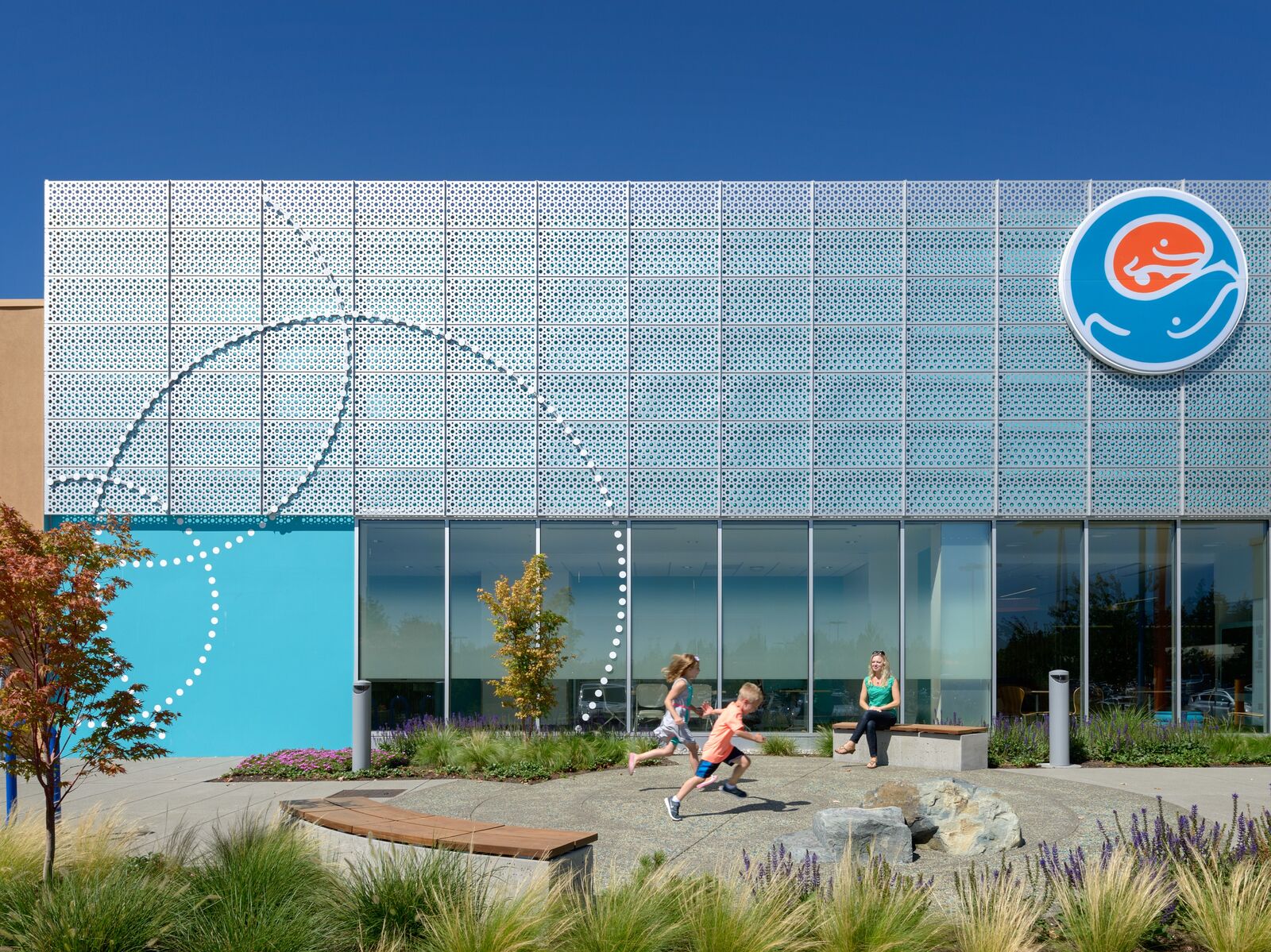
Seattle Children’s Hospital, South Clinic
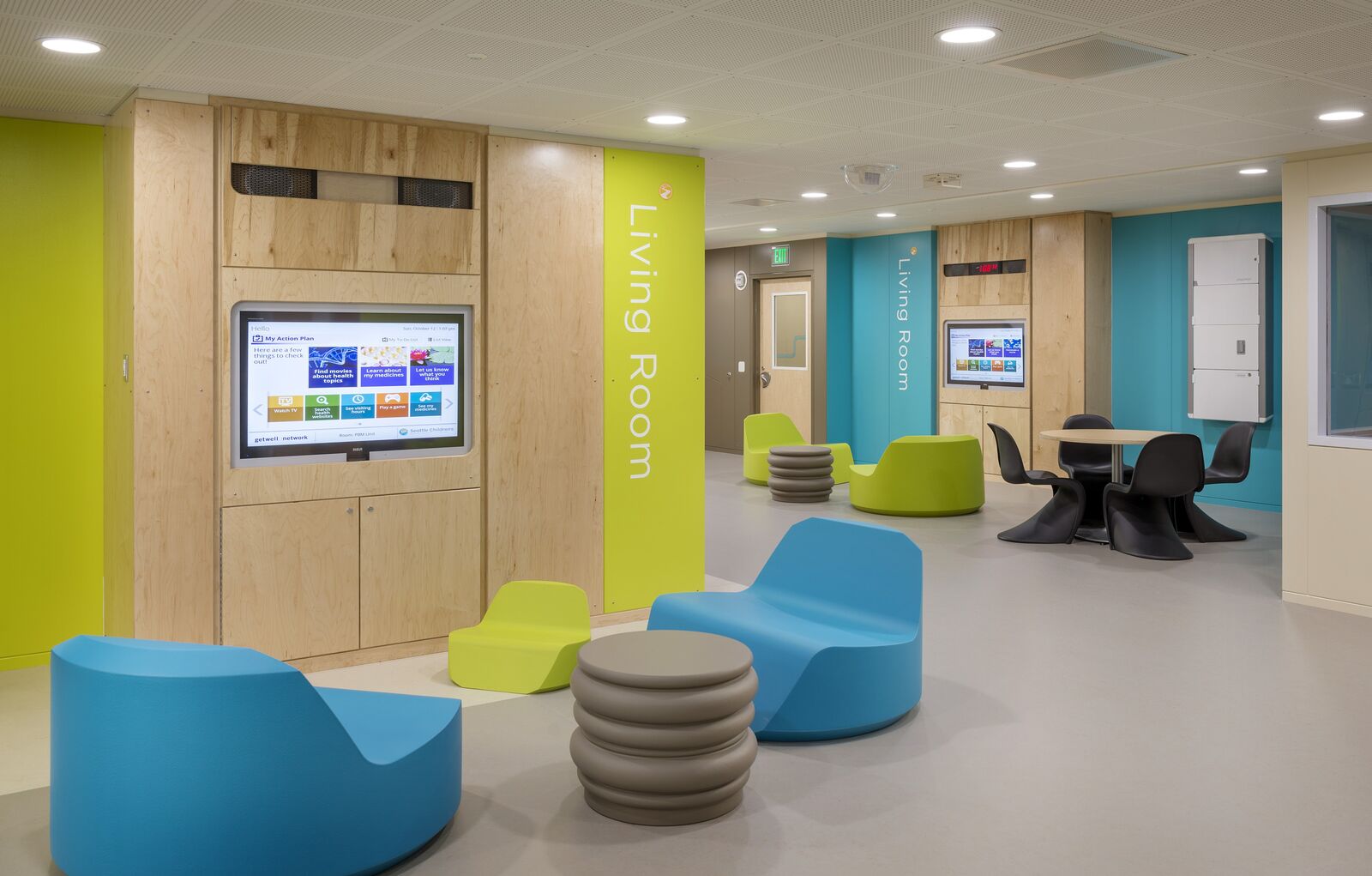
Seattle Children’s, Psychiatry and Behavioral Medicine Unit
VIDEO: Shaping the Seattle Children’s Building Care Expansion Project