A Campus Hub for Connection
Washington State University Tri-Cities, Collaboration Hall
Higher Education
Washington State University Tri-Cities is the most diverse campus in the WSU system: 44% of students come from diverse backgrounds, and 43% are the first in their families to attend college. Since most students commute rather than live on campus, the goal for Collaboration Hall was to create a new campus hub for connection and community.
Location
Richland, Washington
Square Feet
40,000 SF
Completion date
August 2021
Project Component
Architectural services
Interior design and space planning
Environmental graphics
Landscape design
Certifications
LEED Silver
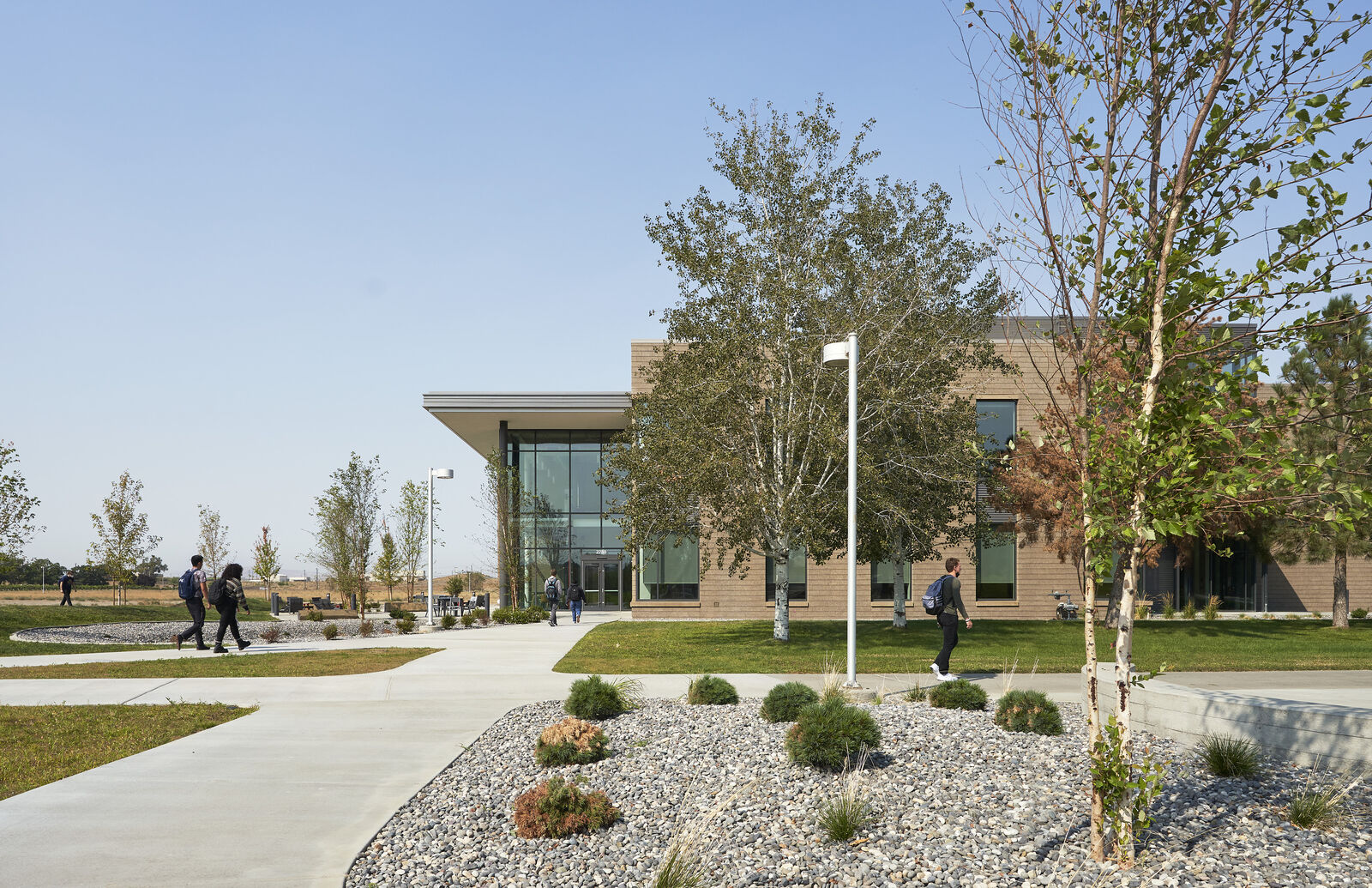
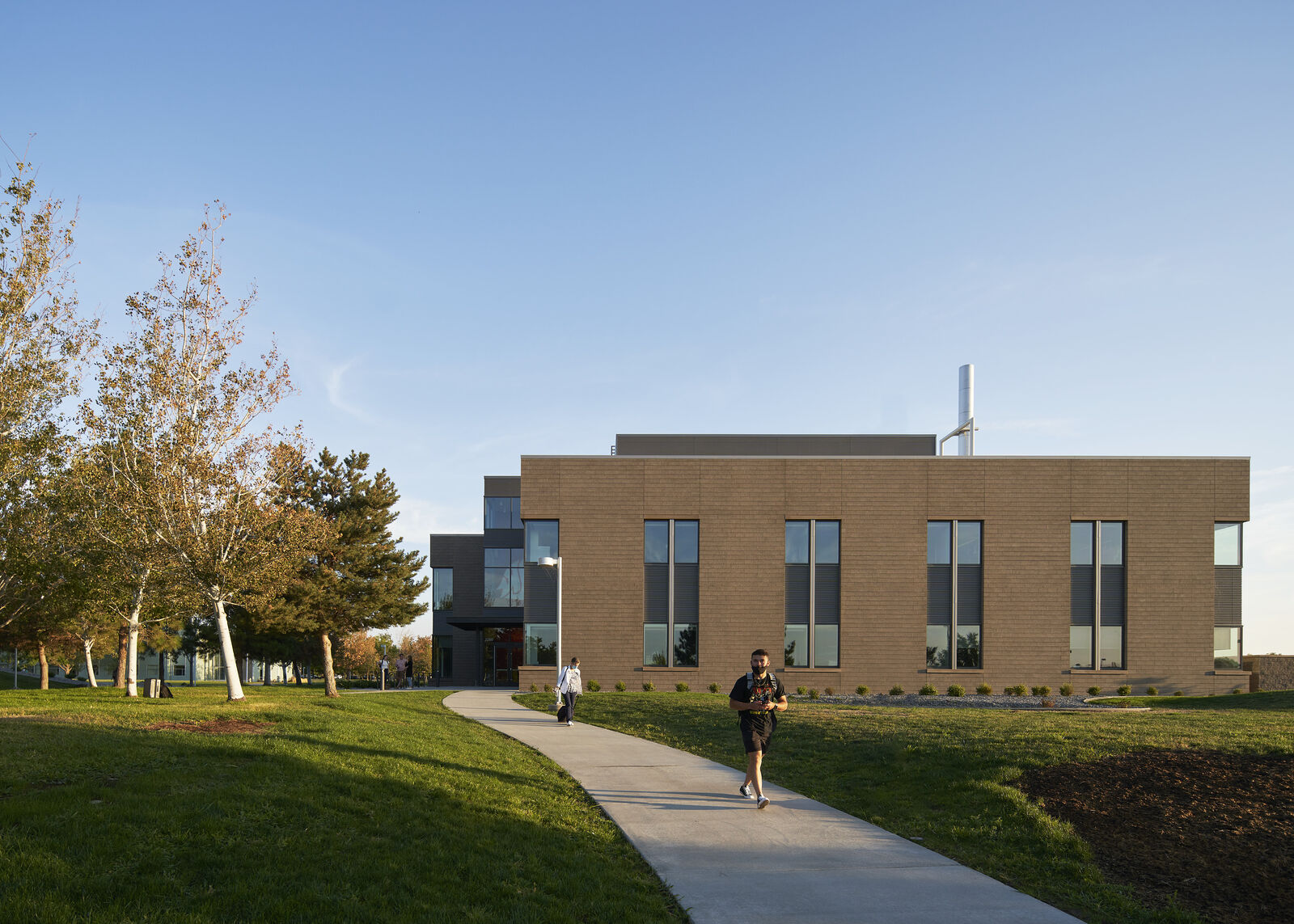
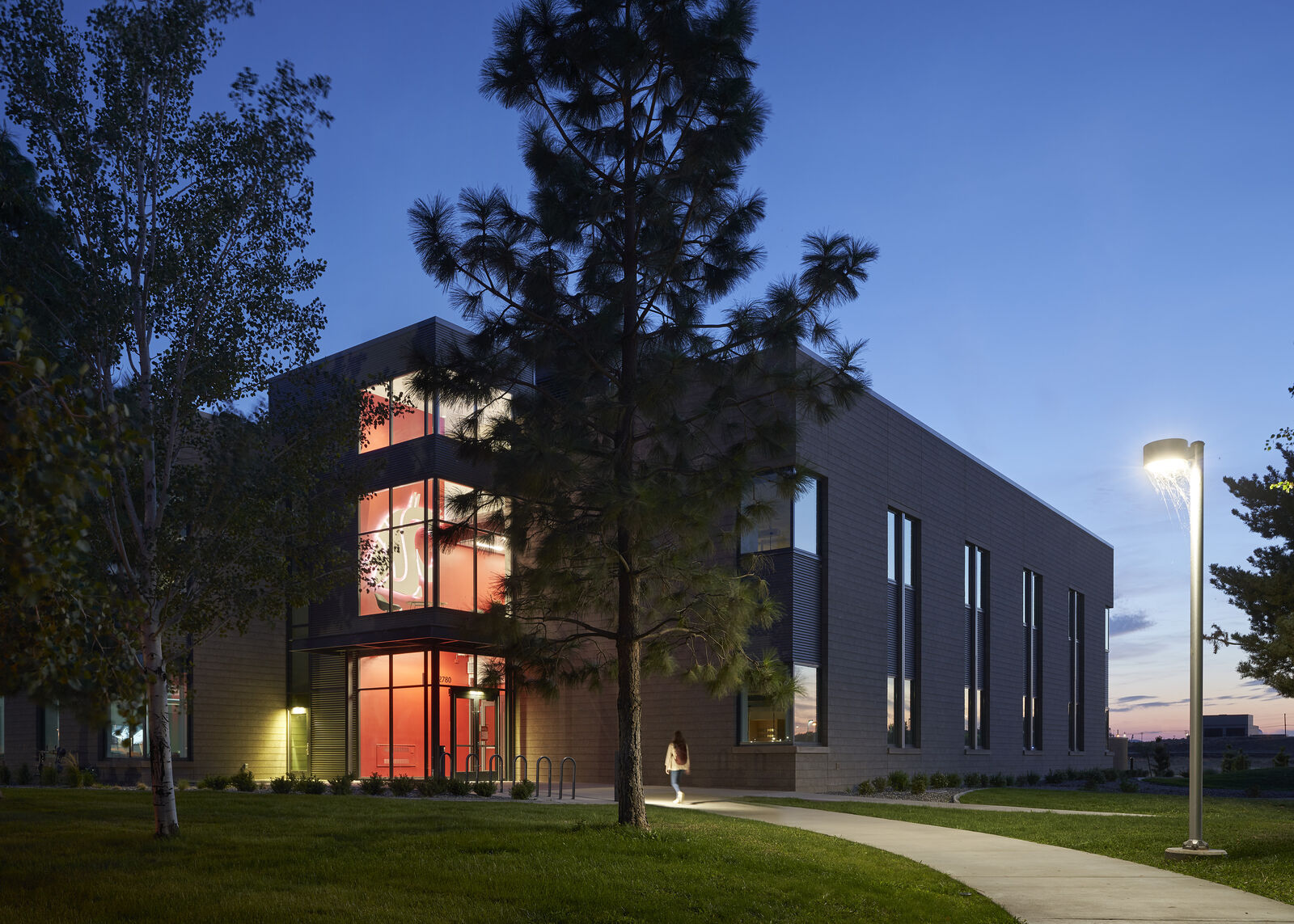
As one of the first buildings people see when they arrive on campus, the project creates a true campus entry point that was missing before. The site design preserves existing trees and incorporates native plantings reflective of the regional landscape.
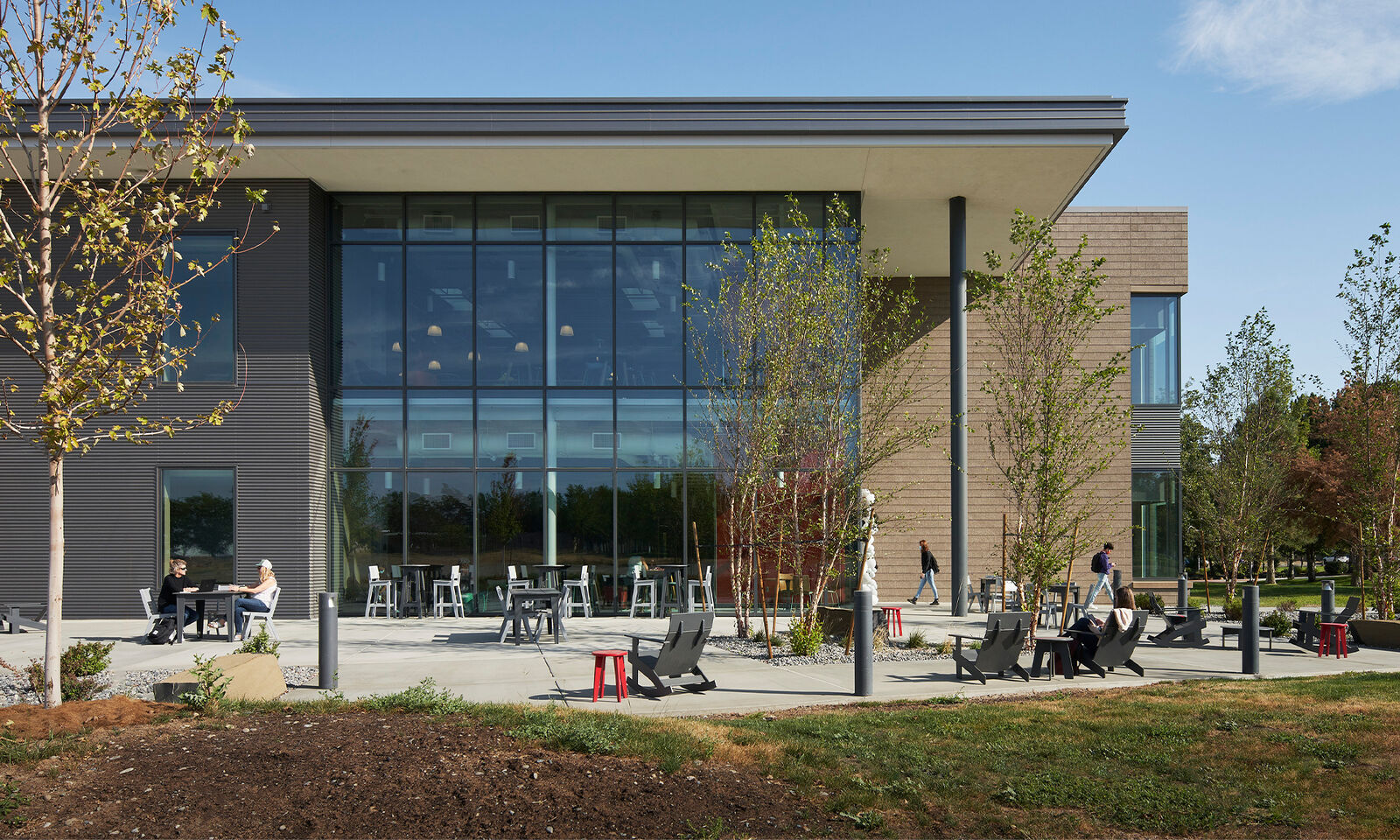
Collaboration Hall bridges both sides of the Tri-Cities campus—physically with its scale, visibility, and walkability, and from a placemaking perspective by creating a new campus heart that draws in students, faculty, and visitors. The exterior architecture and materiality reflect the project’s relationship to the regional landscape, the Columbia River, and existing campus architecture.
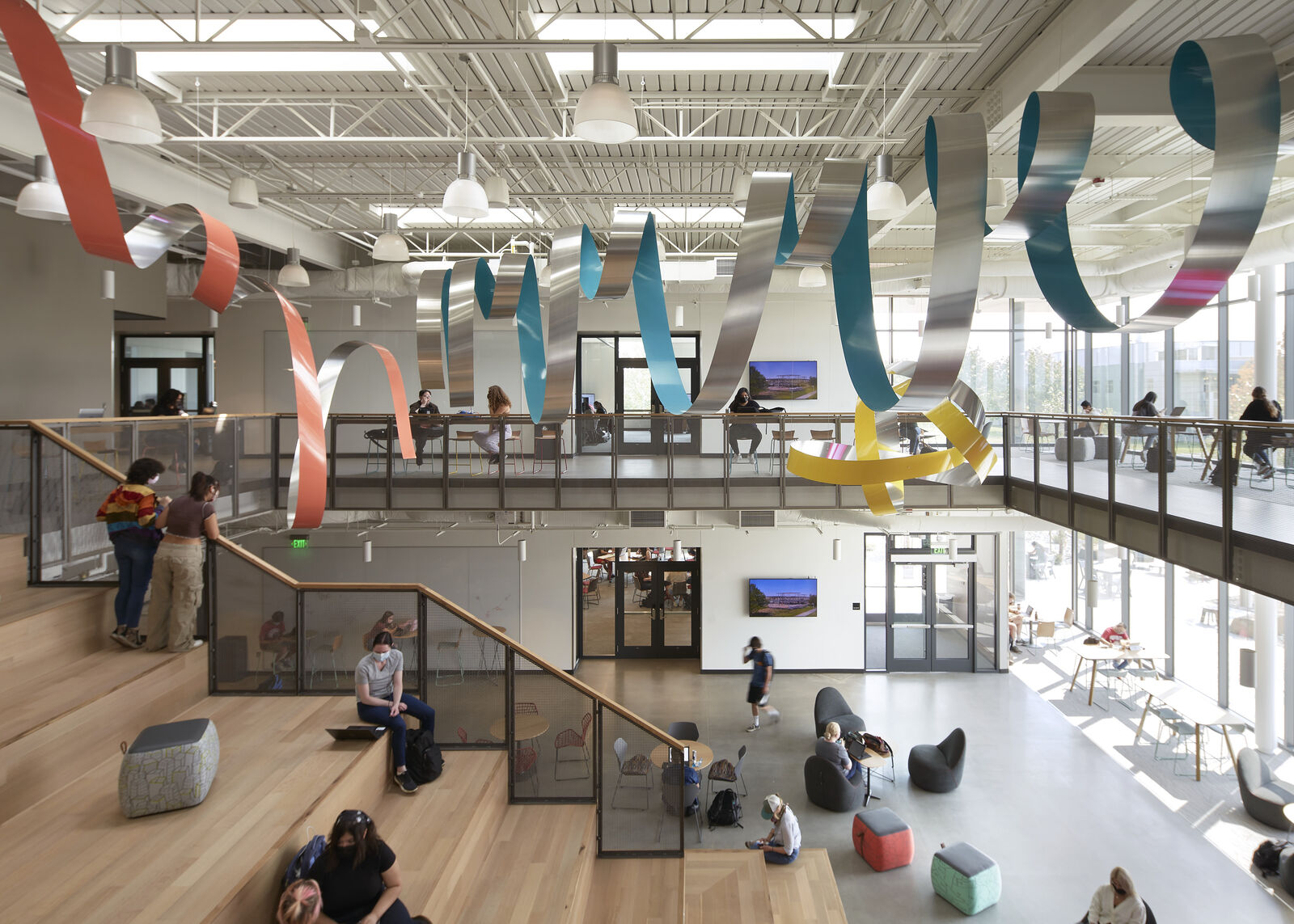
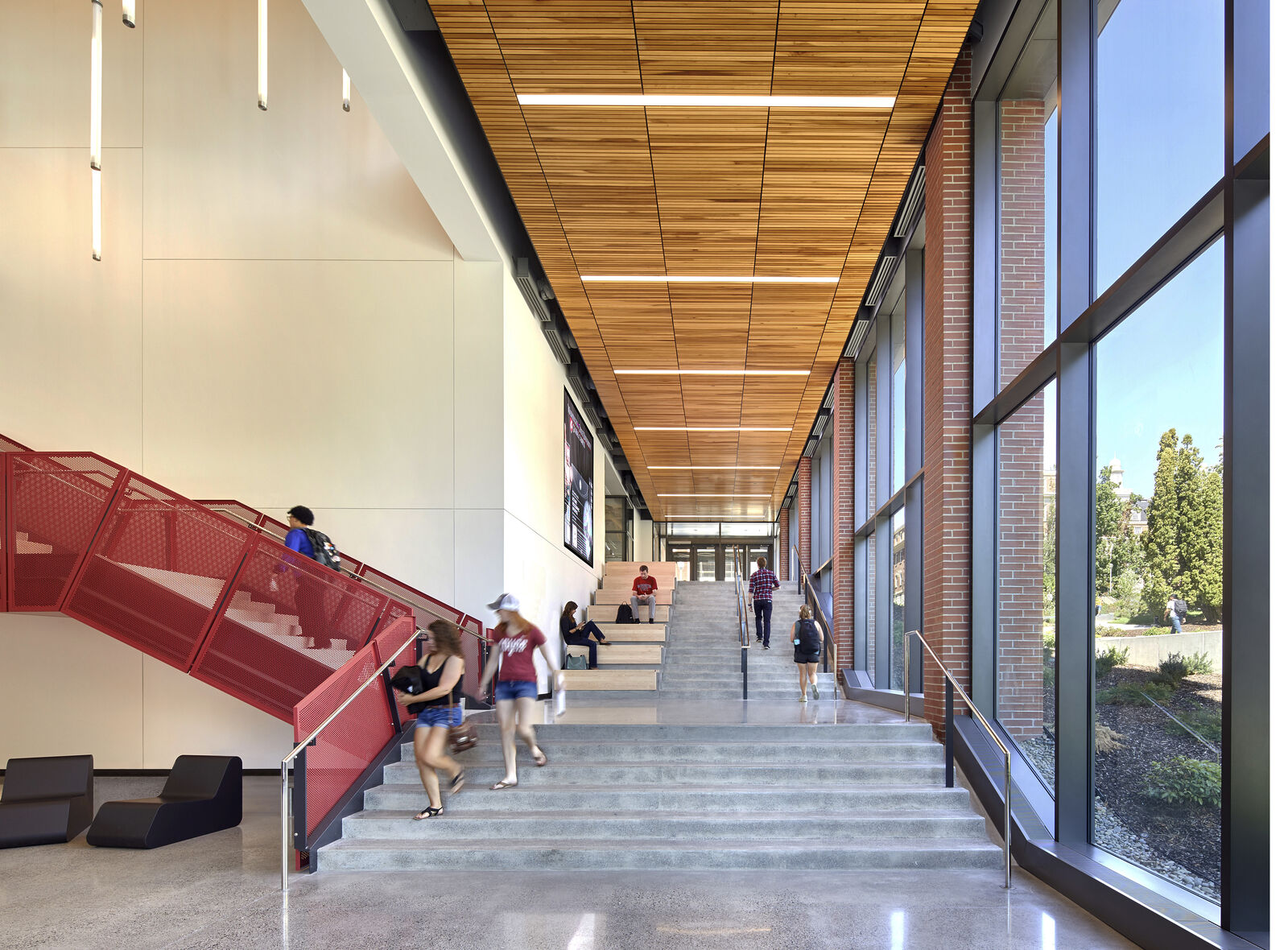
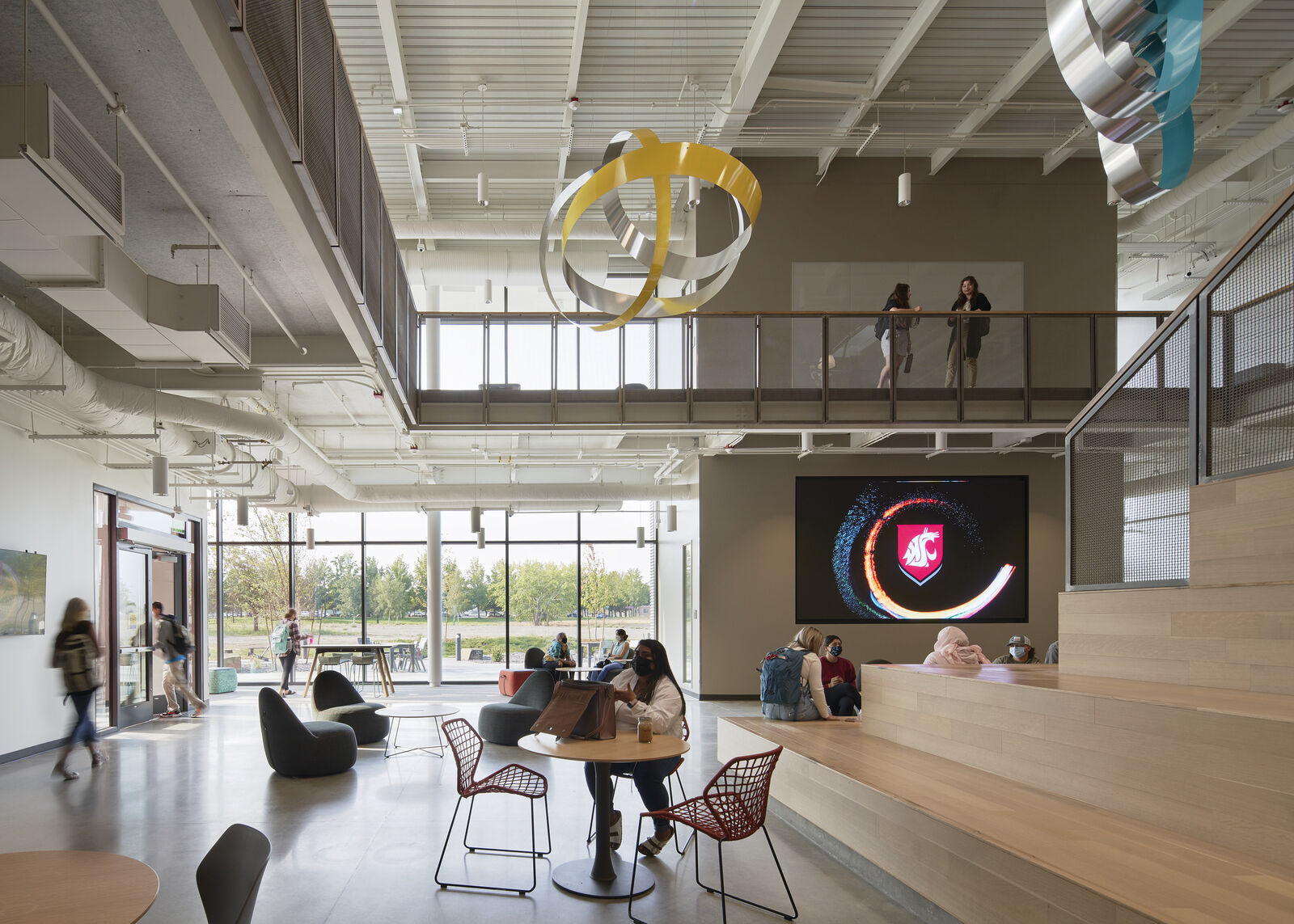
Inside, the building is programmed around a light filled double-height atrium with a central grandstand stair that evokes a living room atmosphere. Whether it’s utilized for lectures, presentations, special events, or studying and socializing between classes, the heart of the building creates a university home for all users. The grandstand stair is surrounded by a variety of study spaces that cater to different learning styles and maximize the ability to collaborate anywhere in the building. Laboratories, classrooms, and solution rooms are visible from the atrium to connect the student experience to the building program.
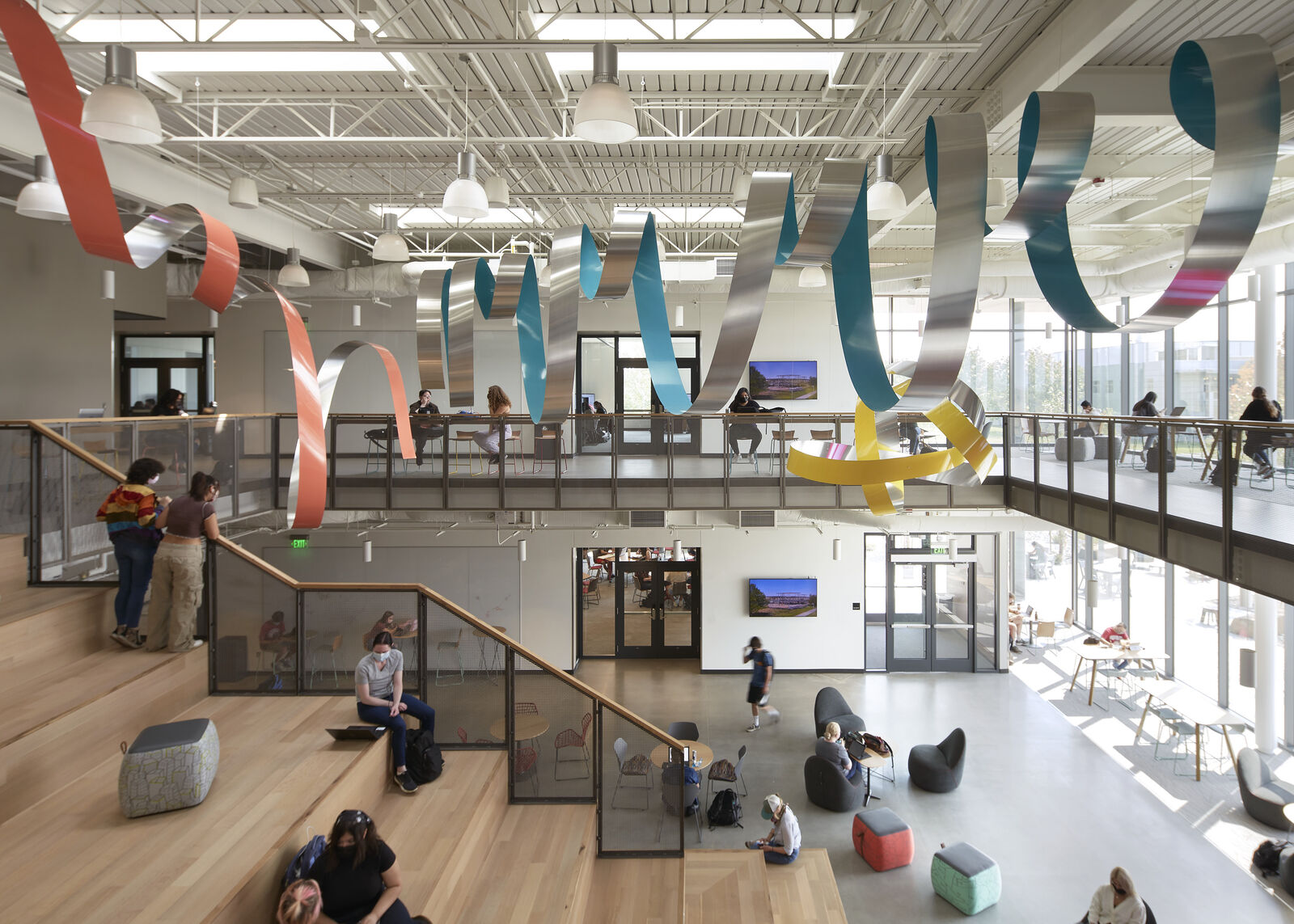
ZGF worked with ArtsWA, the Washington State Arts Commission, to bring a statement sculpture by artist Paul Vexler to hang in the atrium.
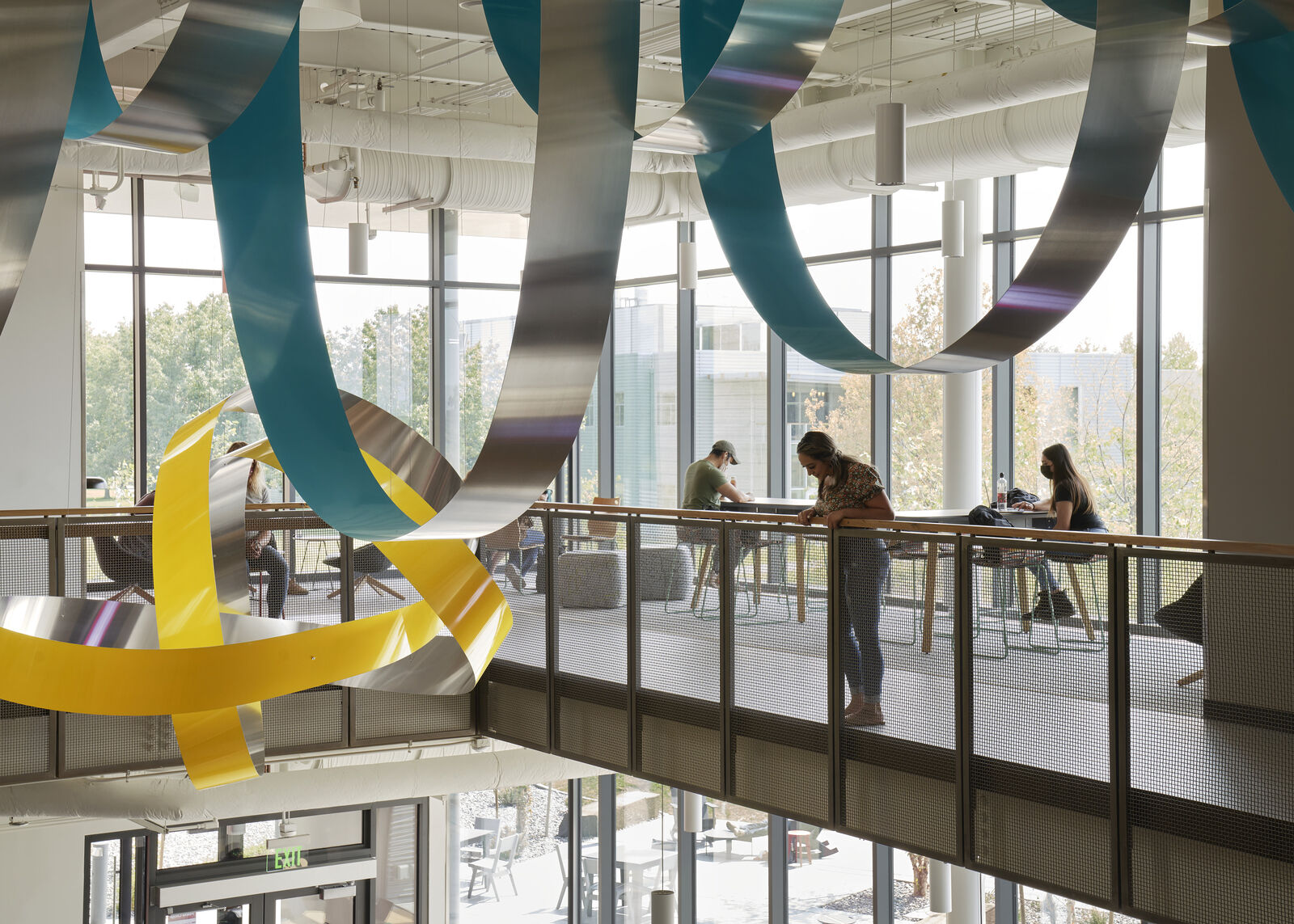
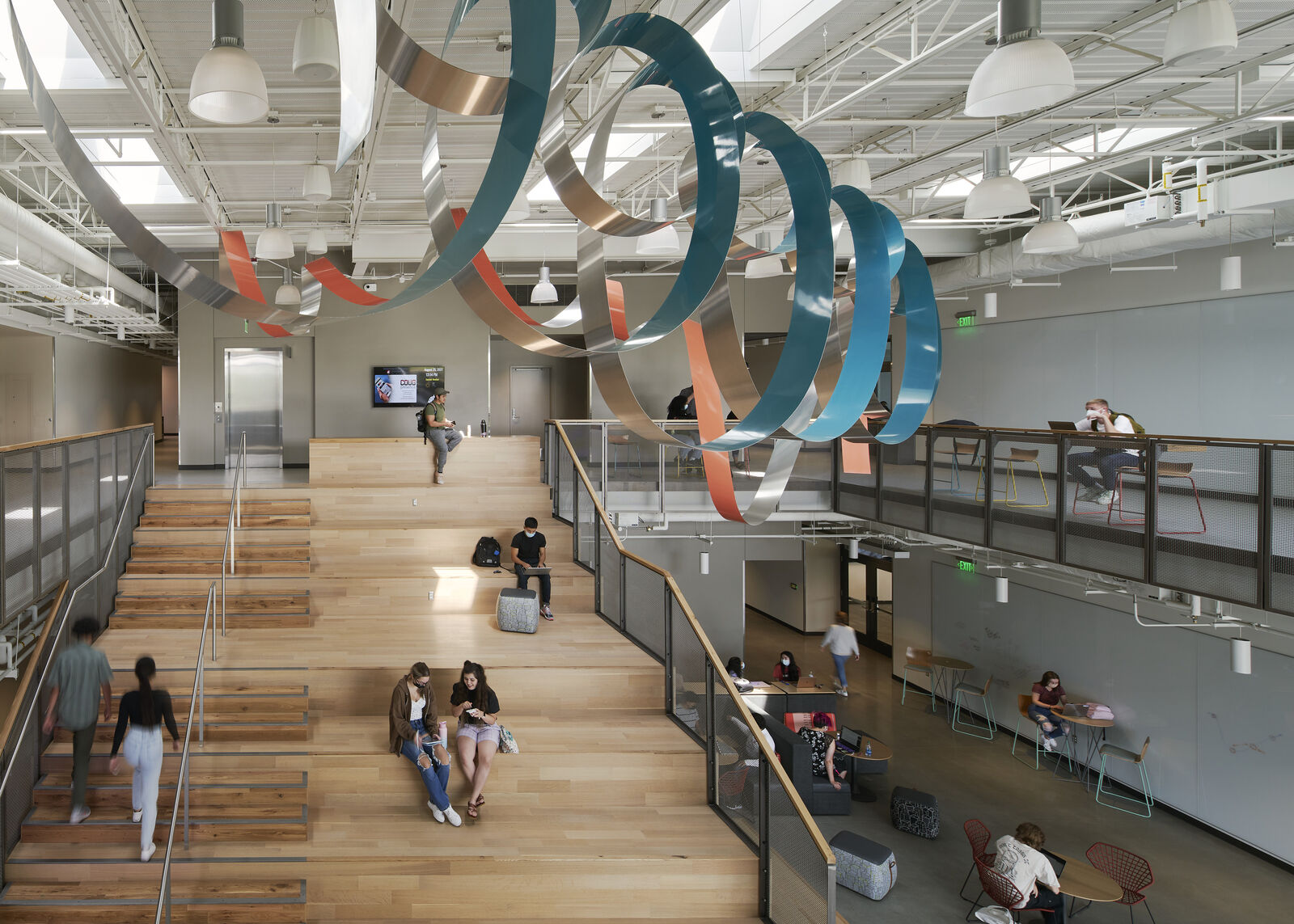
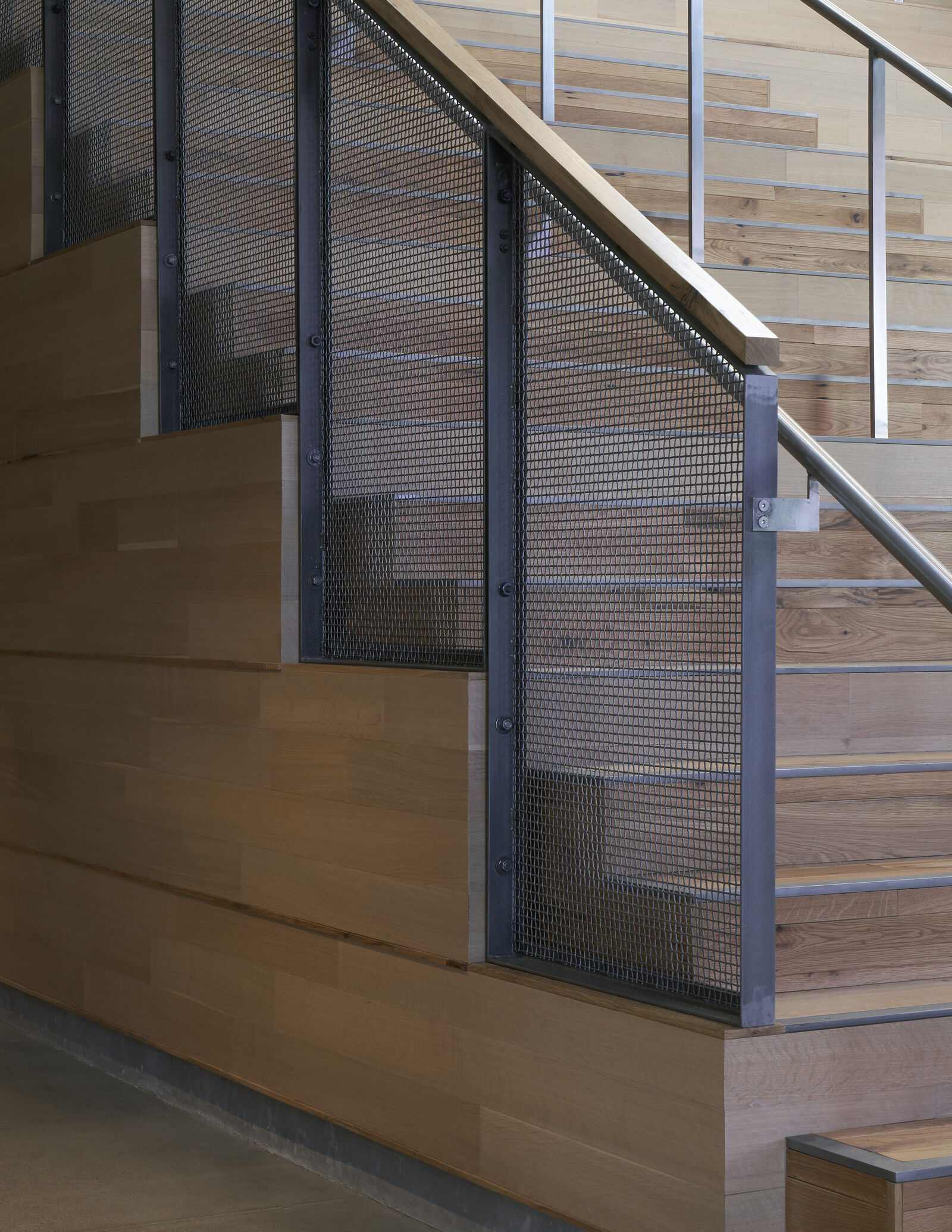
Simple, durable, and environmentally friendly finishes hold up under high traffic and aesthetically connect to the palette of the local desert ecosystem. Reclaimed wood flooring clads the grandstand stair, whose form takes cues from local basalt geological formations and stacks of apple-crates found throughout the agriculturally productive region. Elevating these simple materials with fun tones and textures that evoke the WSU brand all help to make Collaboration Hall a welcoming and highly functional space unique to the Tri-Cities campus.
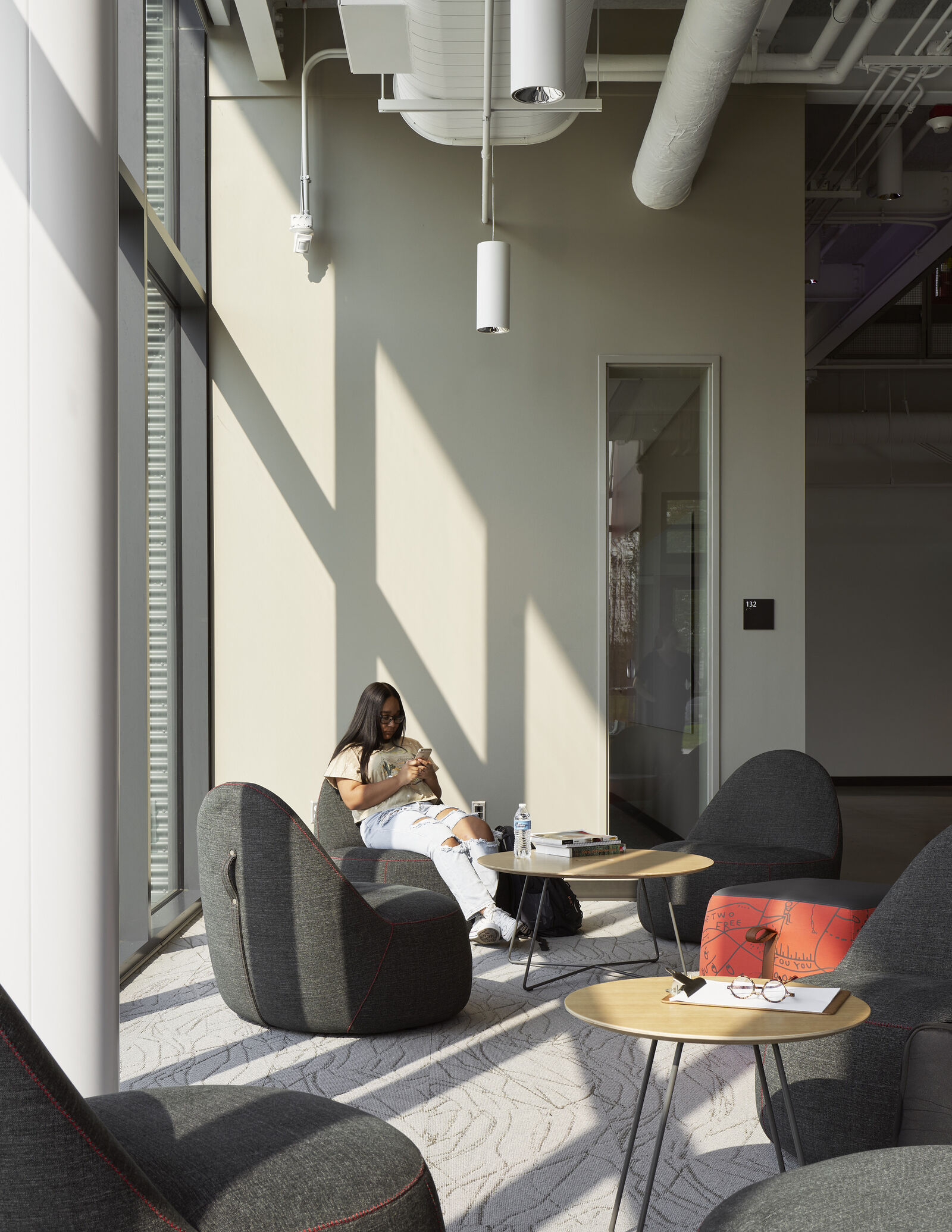
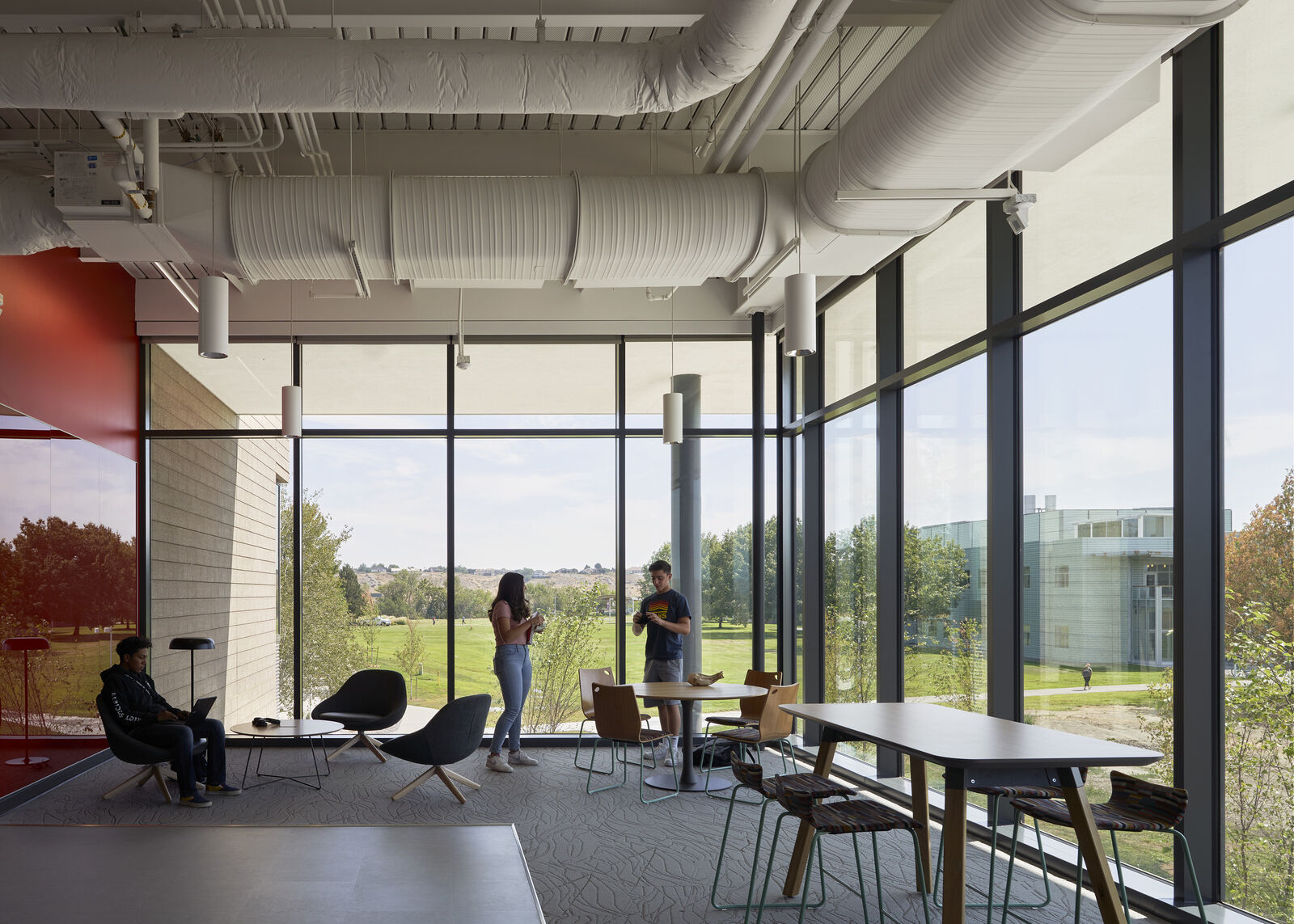
A sunny corner of the atrium creates the perfect hangout space between classes, while a private solution room sits tucked away on the other side.
Celebrating student voices
In the spirit of WSU’s land grant mission, Collaboration Hall is designed to engage students in science and research earlier in their education and help all students graduate with “STEM habits of mind.” Given most students stay in the Tri-Cities and Columbia Basin area after graduation, and many high-paying jobs are in STEM-related fields, this new academic building is fueling local workforce development and career readiness.
Engaging students in the design process ensured the project not only meets the university’s goals but also students’ needs and expectations. ZGF facilitated interactive workshops to understand how students wanted the building to look, feel, and function. In one exercise, students were given building blocks labeled with various program elements, such as labs, classrooms, and breakout spaces, and they were asked to assemble the pieces how they thought the building should be organized. Other exercises utilized flashcards to present “this or that” design options and pin-up sessions to narrow in on their preferences.
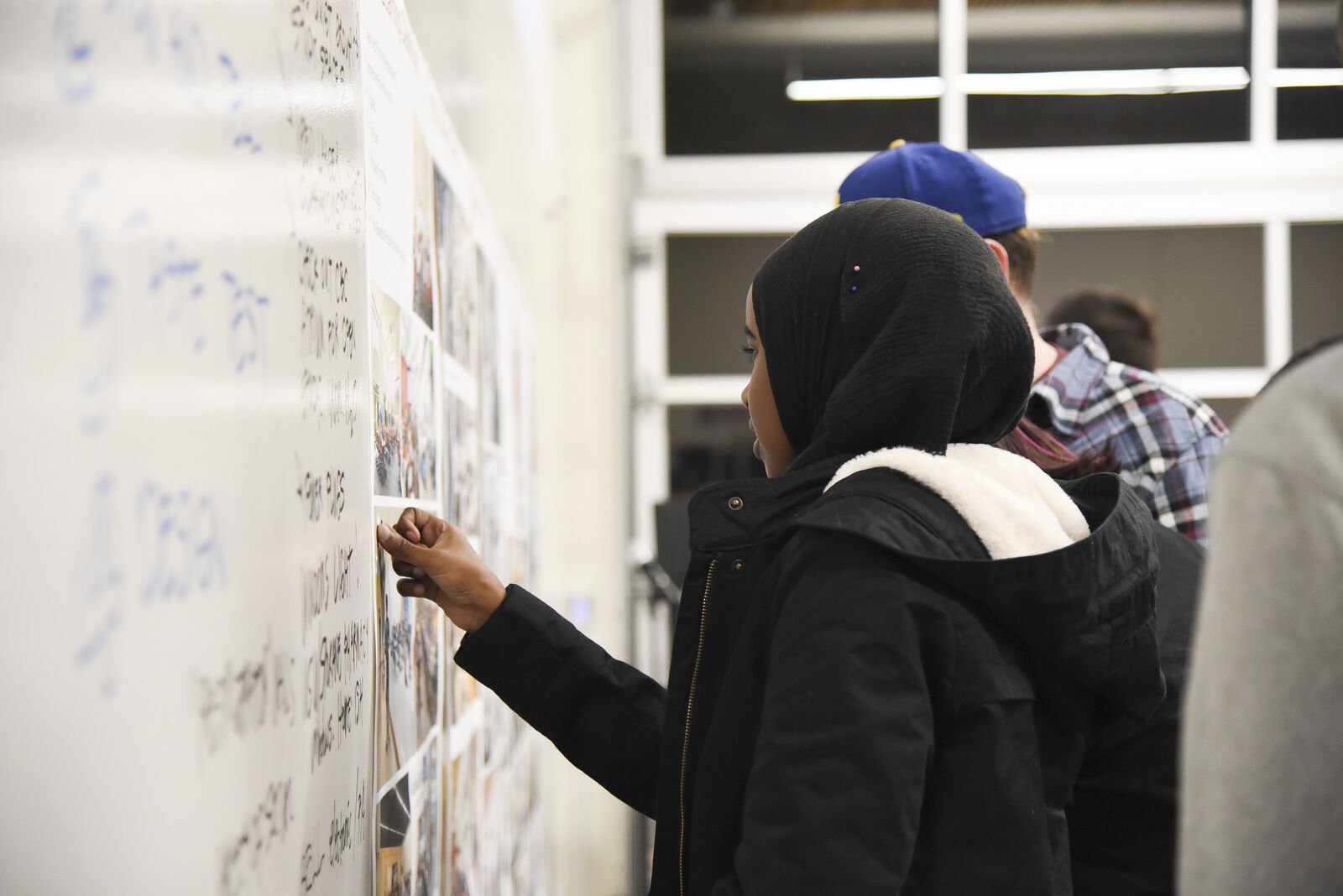
Students requested a variety of collaboration and study spaces, larger classrooms, writeable surfaces, and abundant natural light—and the design team delivered.
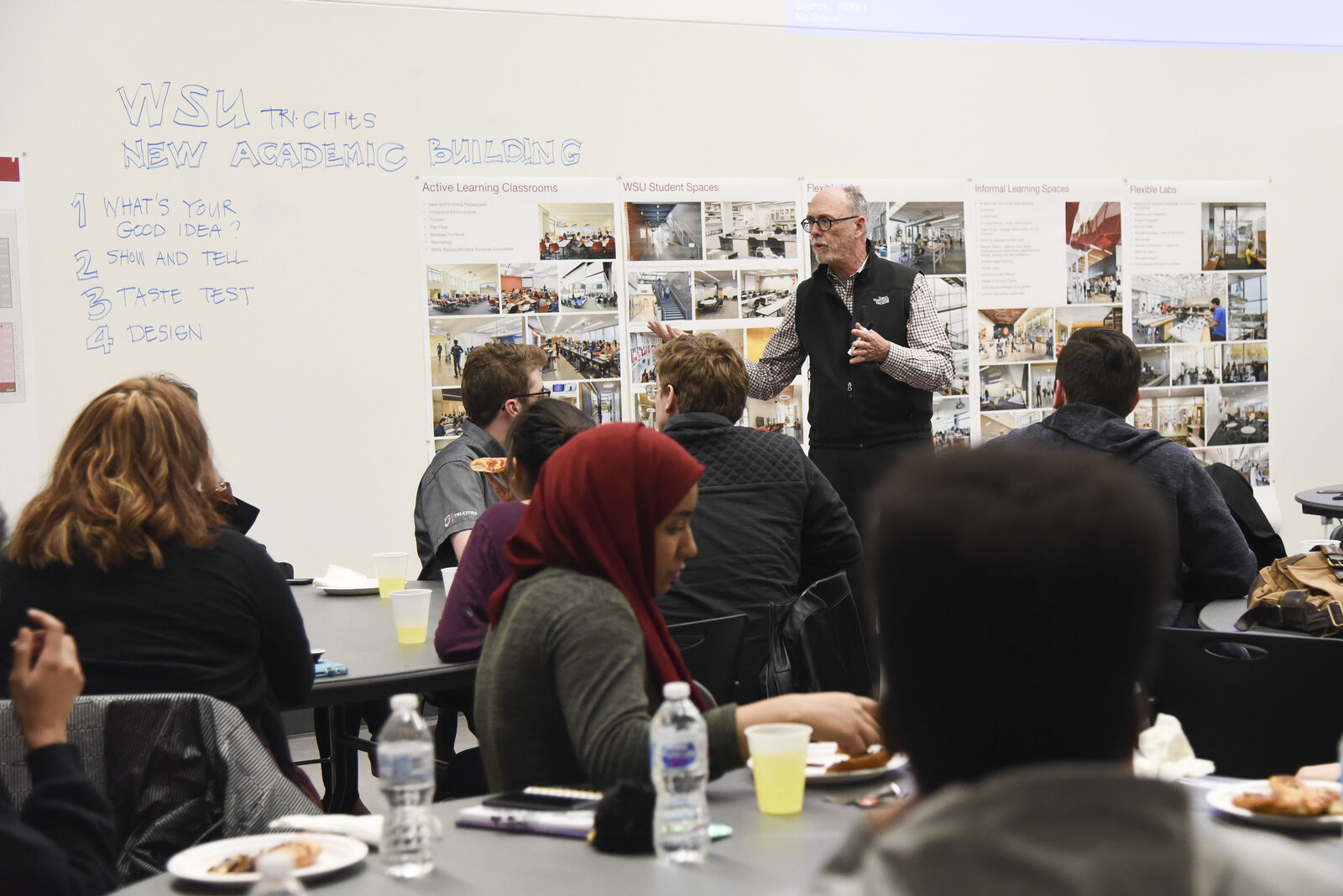
Leveraging student input resulted in a highly efficient building that not only performs as intended but fosters a sense of inclusion and belonging. In the post occupancy evaluation, 93% of students said the building design feels welcoming and 76% said they feel a sense of belonging in the building. The results were consistent across minority and non-minority respondents, STEM majors and non-STEM majors, and first generation and non-first-generation students.
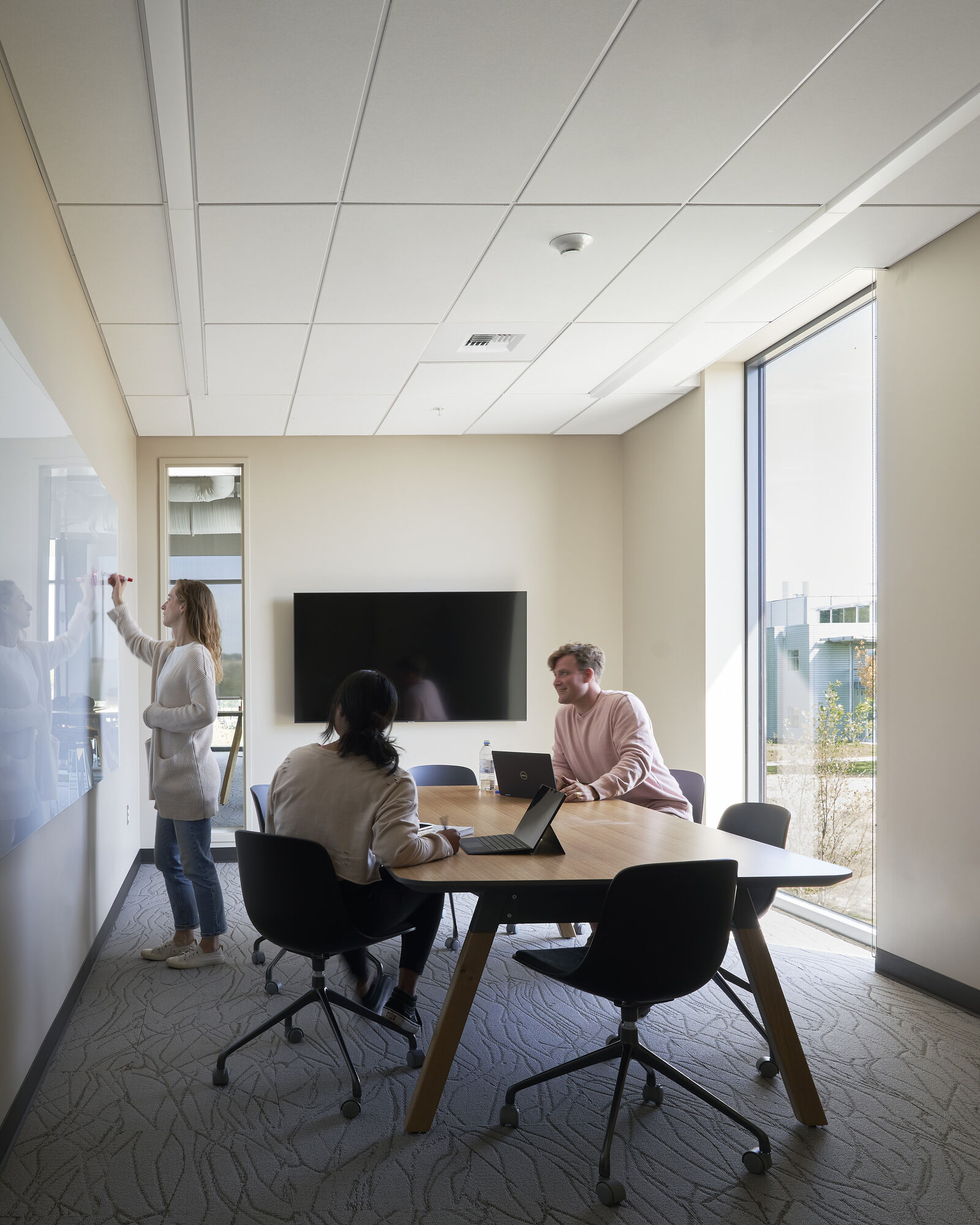
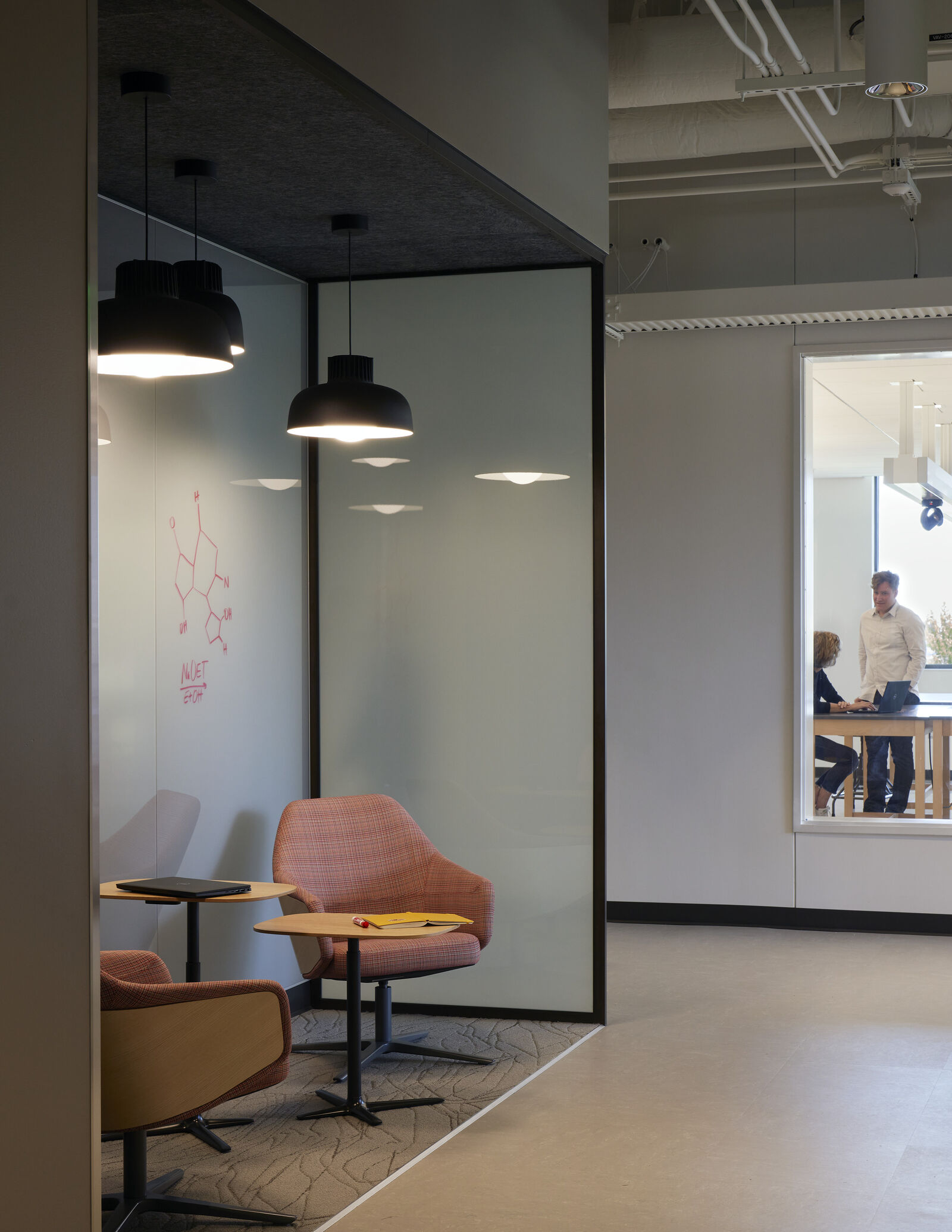
Specific design elements such as skylights in the atrium, abundant daylight throughout the building, views outside, display screens, whiteboards, artwork, comfortable furniture, transparency into classrooms and labs, and the grandstand stair, all contribute positively to creating a sense of belonging.
“The academic building is truly going to be transformational for this campus and this community.”
- Kirk Schulz, President, Washington State University
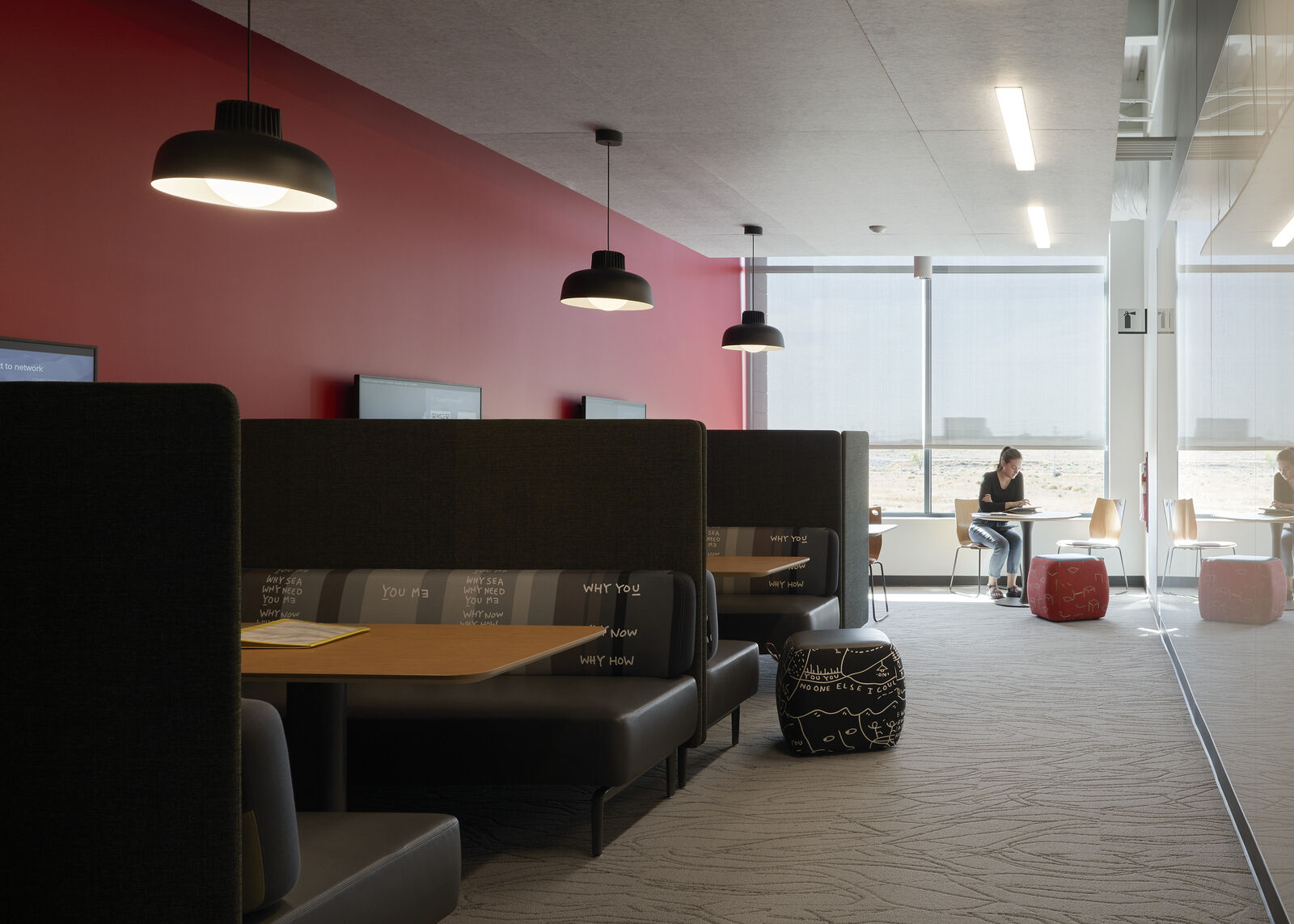
Extra wide corridors lined with study nooks and niches encourage spillover and collaboration outside of classrooms. They also create a home-away-from-home atmosphere for students who are on campus long hours and need a comfortable place to touchdown.
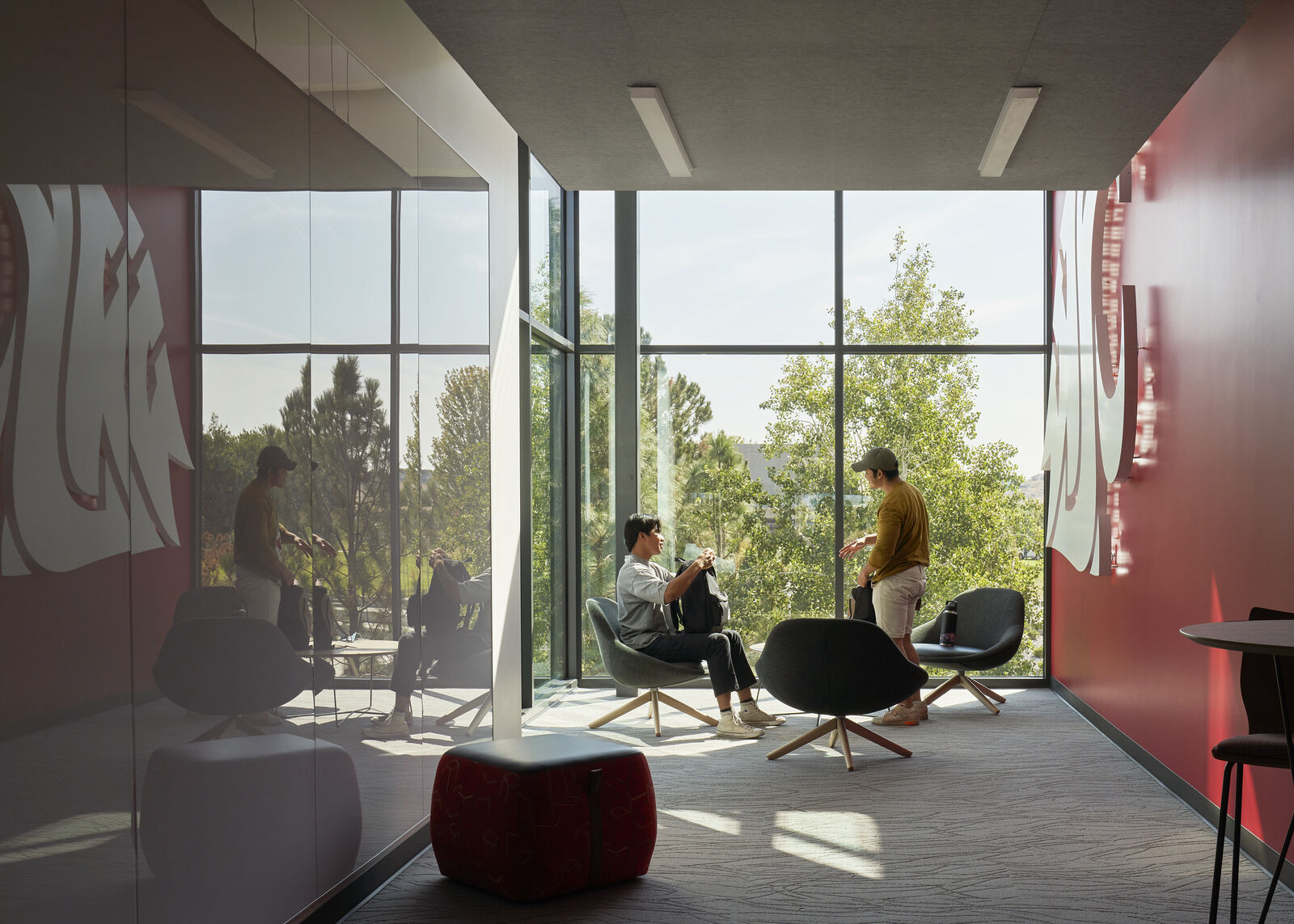
The backlit Cougar emblem creates a moment of school pride and expression that can be seen from outside the building and acts as a beacon.

State-of-the-art teaching labs are flexible and modular to accommodate different programs in physics, biology, chemistry, geology, engineering, and anatomy and physiology.
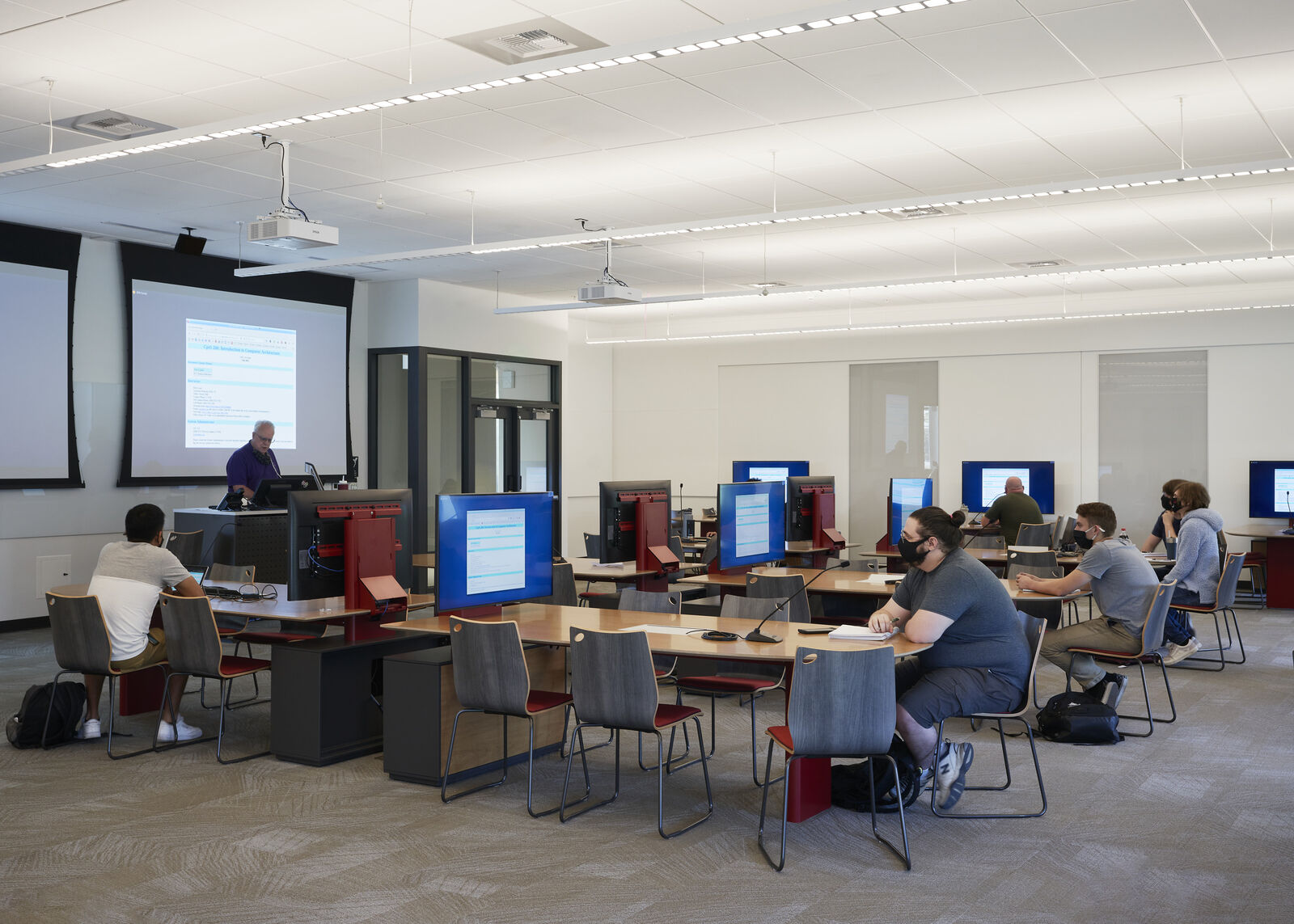
Team-based classrooms accommodate multidisciplinary teaching and learning styles, from lectures to breakout activities.
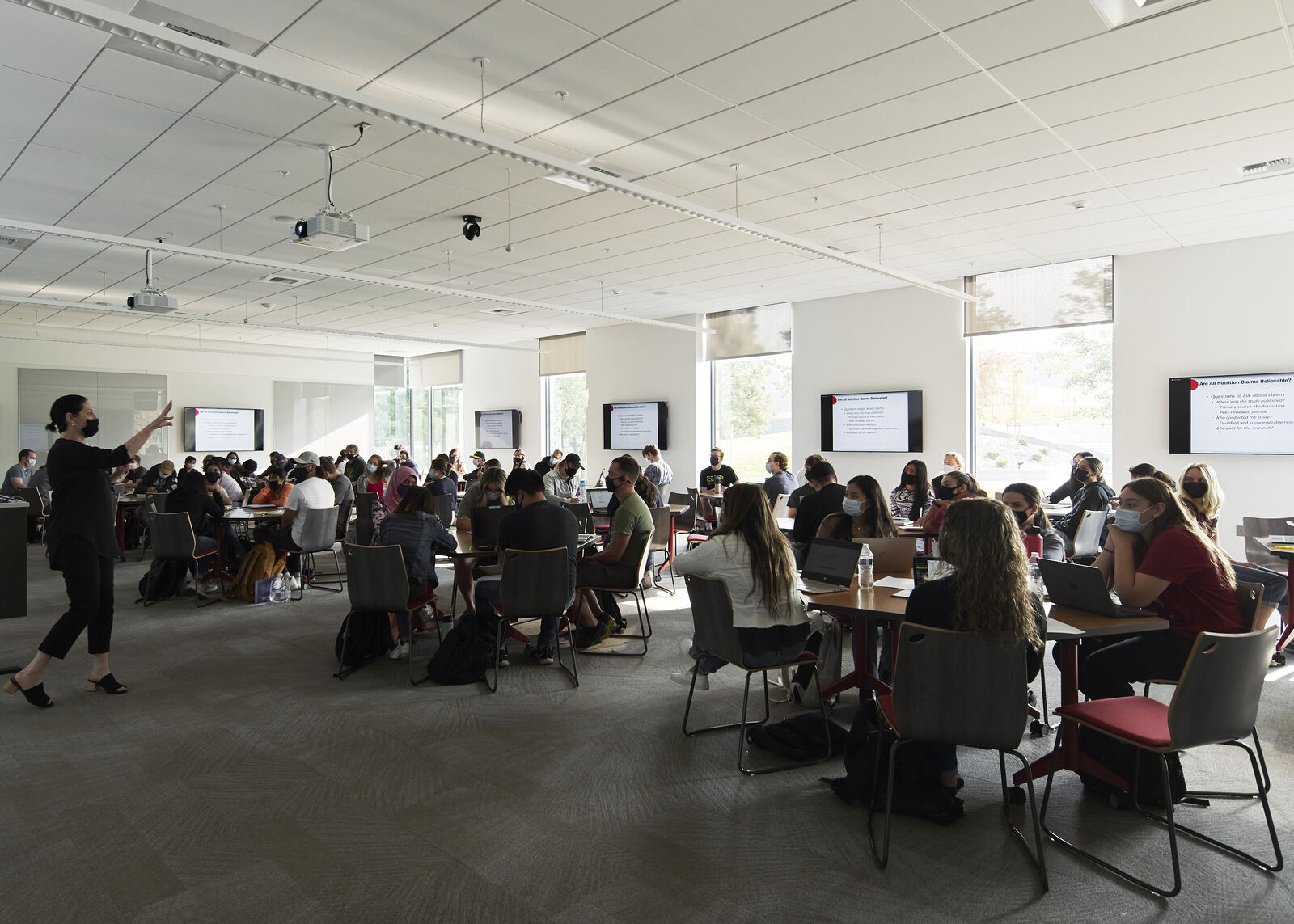
All learning spaces have access to daylight and views.
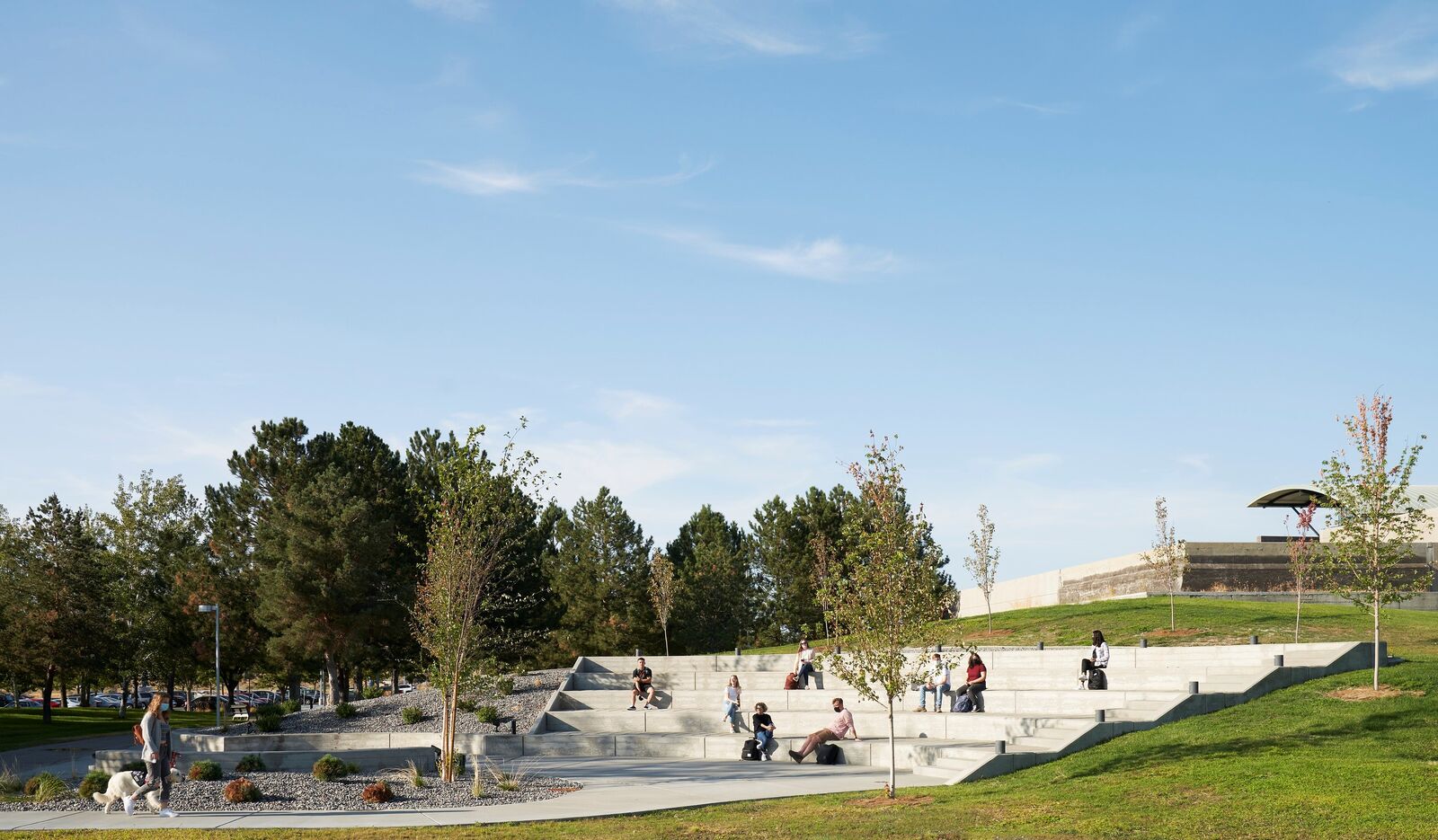
A new amphitheater provides outdoor space for events and gatherings.
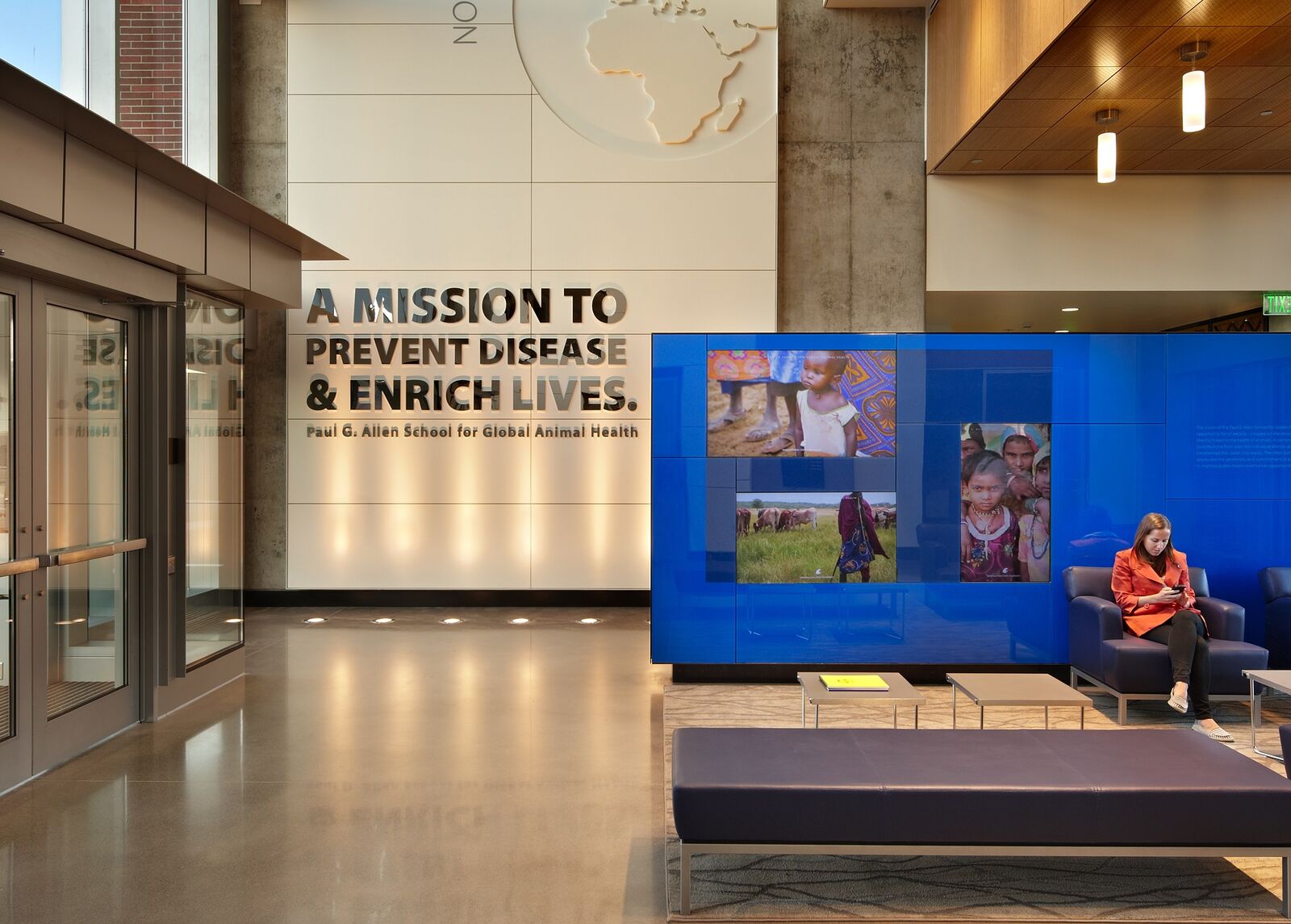
Washington State University, Paul G. Allen Center for Global Animal Health