Designing a Center for Community Belonging
Latino Network, La Plaza Esperanza Community Center
Civic and Public, Workplace
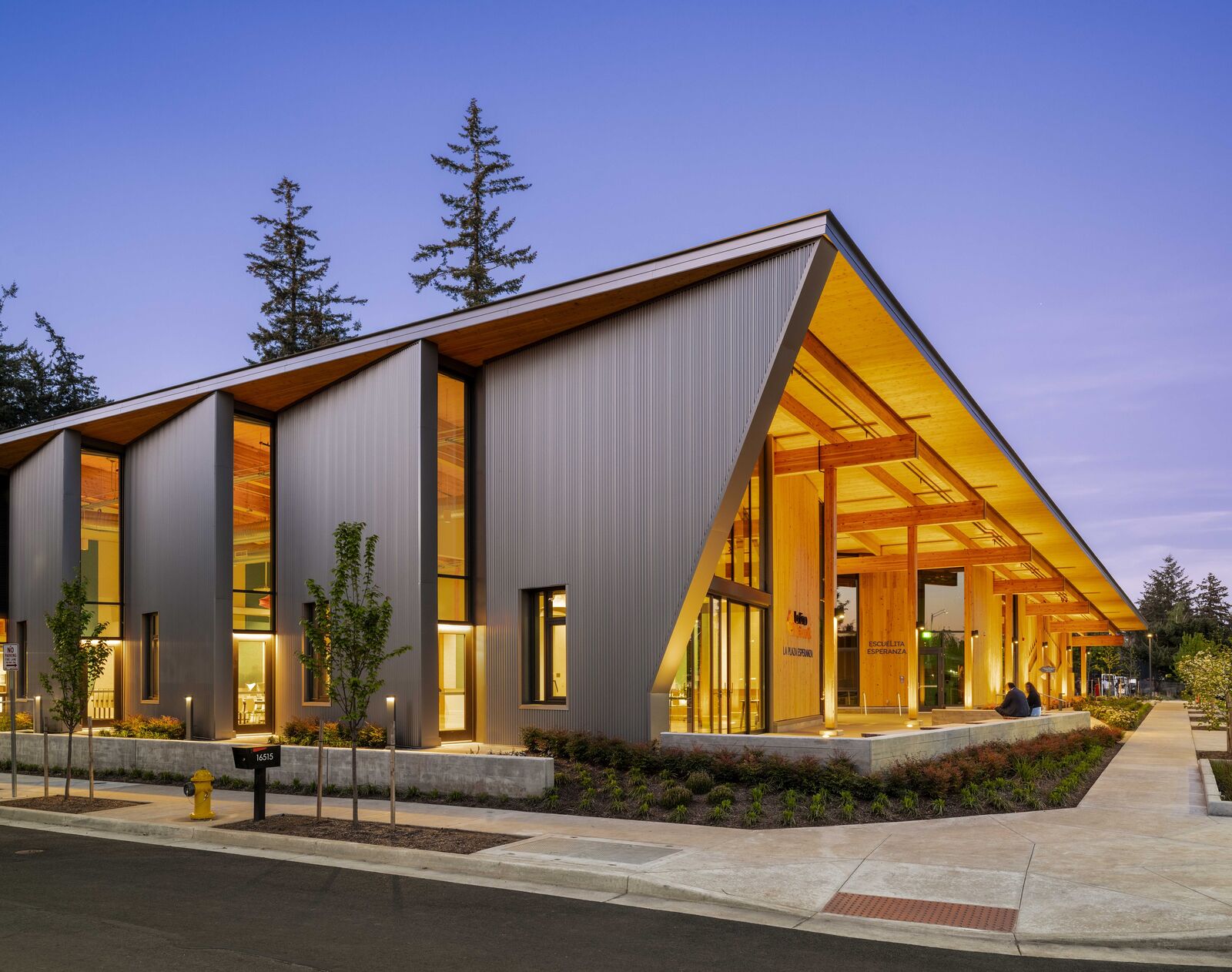
Meaning “a place of hope,” La Plaza Esperanza, is the physical realization of a longstanding dream for Latino Network. Situated in the Rockwood neighborhood, the non-profit organization’s flagship mass timber community center was designed to be a safe, welcoming, and accessible space dedicated to Latine culture and heritage to support the rapidly growing Latine population in East Multnomah County. Through La Plaza Esperanza, Latino Network brings their wide variety of programming under one roof – including office space, an on-site culturally-specific bilingual preschool, youth programs, and a multipurpose room for community celebrations, events, meetings, and festivals.
In 2019, Latino Network began collaborating with ZGF and Salazar Architect to design a new community center that would serve as a hub for the community to access the organization’s services. Concept programming and design for the mass timber building was led by ZGF Architects. Salazar Architect led interior design and community engagement.
Location
Gresham, OR
Square Feet
18,000
Completion date
2025
Project Component
Architecture services

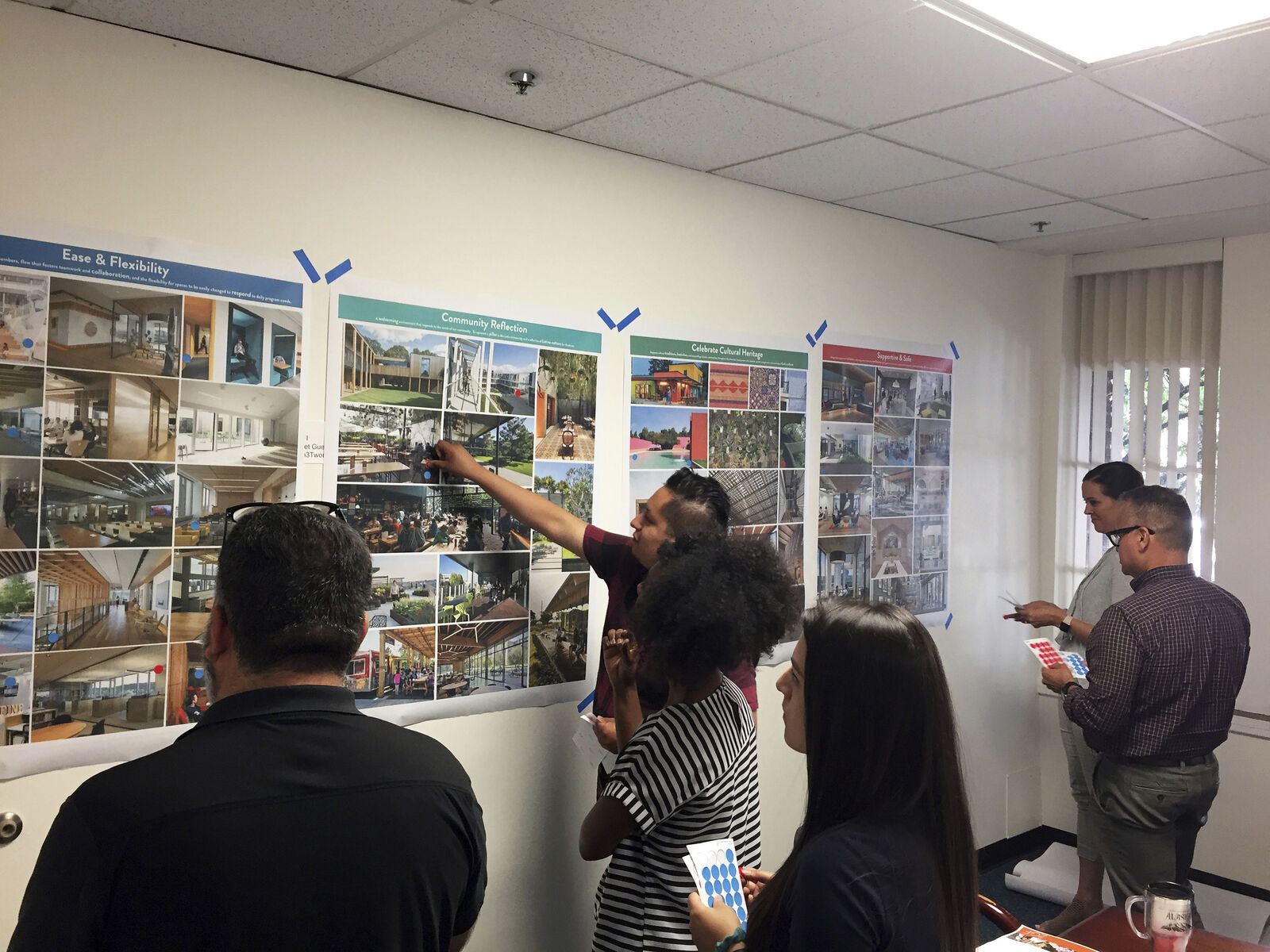
Creating a space that instilled a sense of pride within the Latine community was central to Latino Network’s goals for the building. Latino Network provides programs and services related to education, rent and utility assistance, access to housing, and workforce development – all in the name of creating a thriving, engaged, and influential Latine community in the Pacific Northwest. ZGF partnered with Lara Media to conduct extensive community outreach efforts that engaged Latino Network’s key stakeholders to inform the project’s culturally responsive design approach. Overall, parents, children, staff, and donors advocated for a design that supported a diverse population of intergenerational Latine residents.
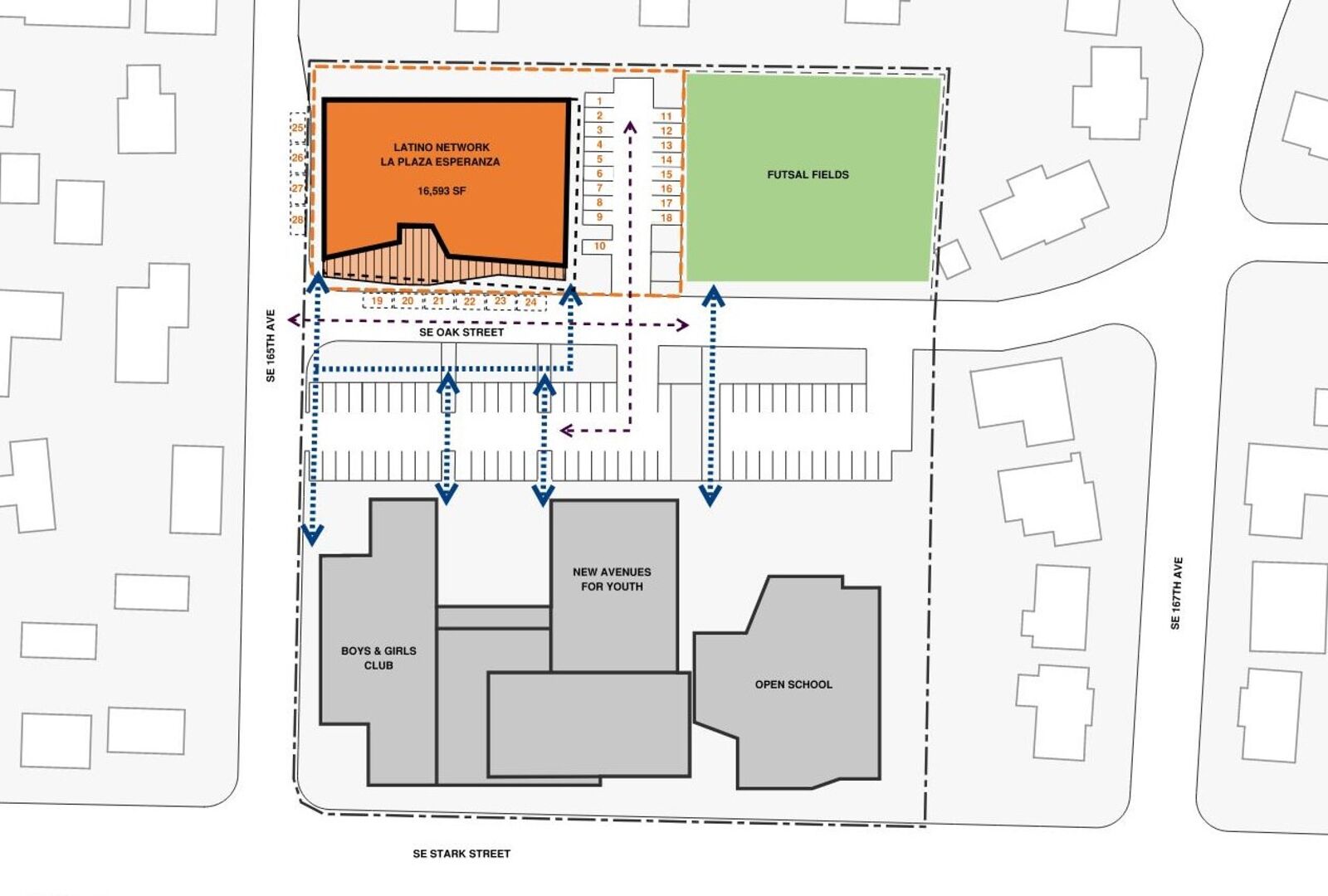
The building is adjacent to two other influential community organizations, the Boys and Girls Club and New Avenues for Youth, who will partner with Latino Network to further support the organization’s youth programming.
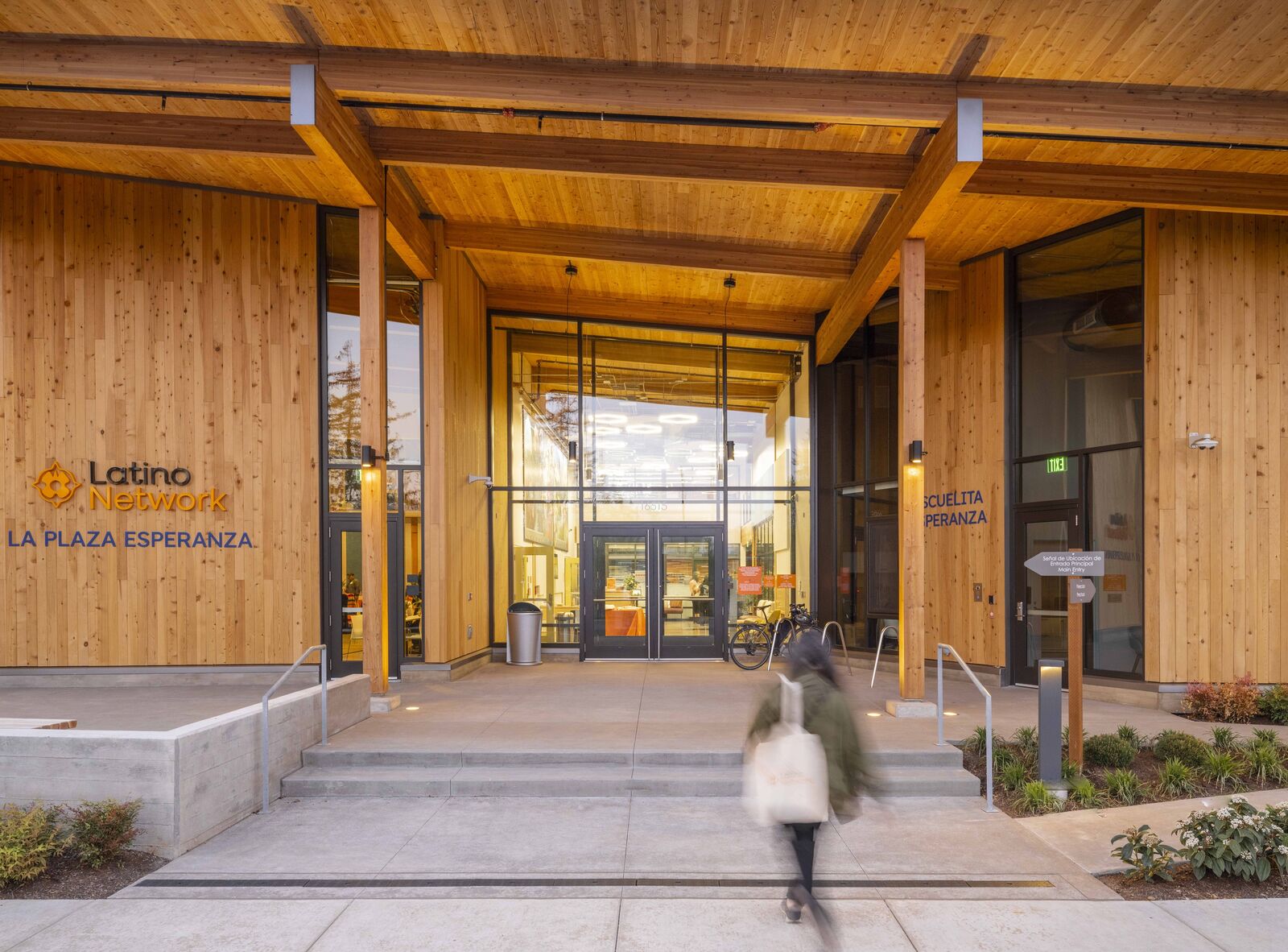
The sloped mass timber roof and exposed wood structure showcases the natural materials and references the surrounding Pacific Northwest forest. Mass timber was selected for the structure as a carbon-friendly construction alternative that was also a more cost-effective option in comparison to a steel or dimensional lumber structure. The mass timber structure is comprised of regionally sourced Douglas Fir, Cross Laminated Timber (CLT) panels for the roof, floors, exterior walls and shear walls and Glulam beams and columns. The CLT was left exposed throughout the interior as a biophilic strategy that taps into the healing qualities of wood—and an intentional aesthetic choice.
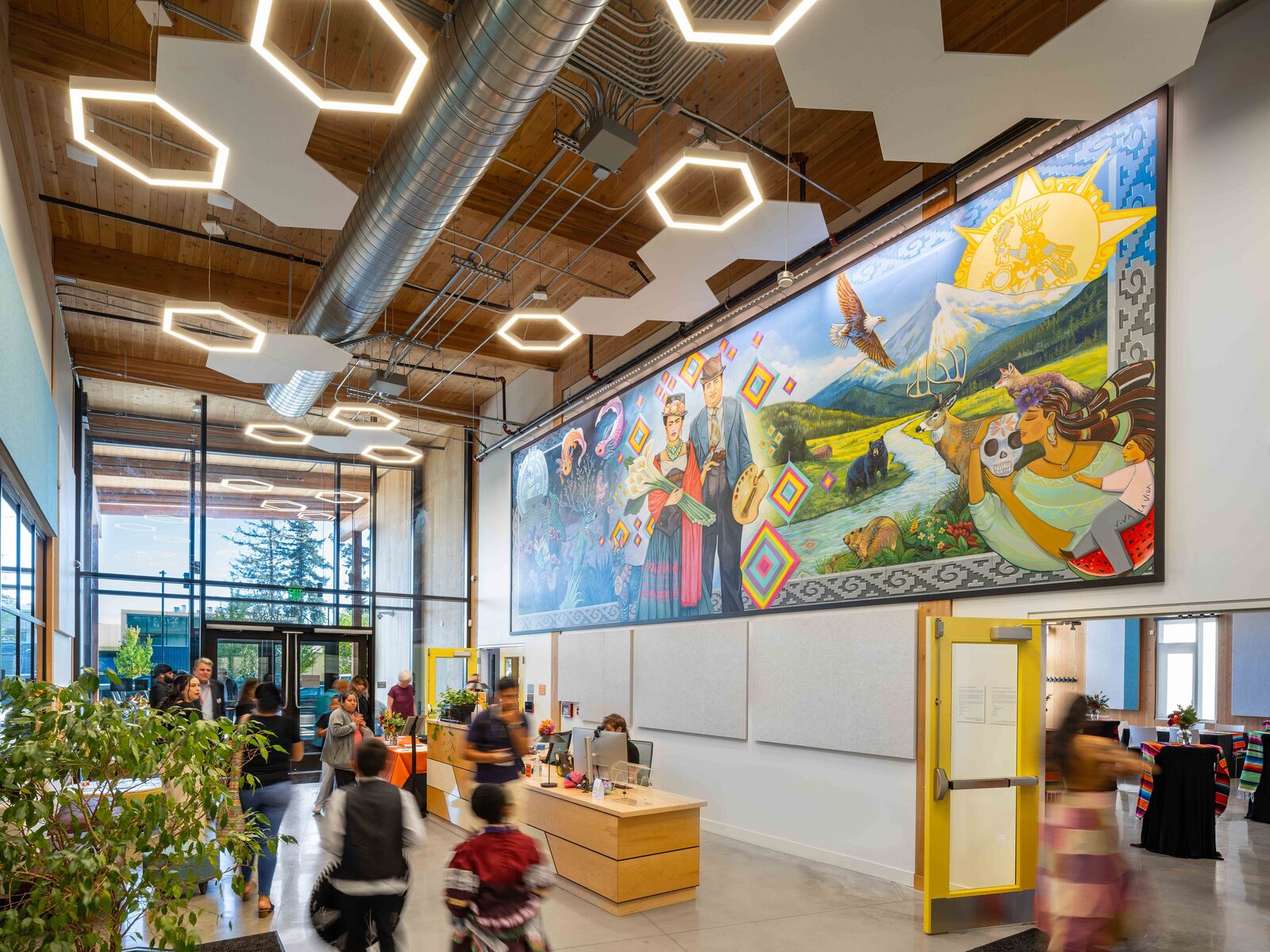
ZGF designed the flexible interior programming to support the changing needs of a growing Latine community as it evolves over time. The entryway doors open to a main hall where the non-profit’s primary services are connected by a mixed-use lounge. The lounge features room for students, parents and grandparents to wait for a program to start or a mentor to arrive, encouraging people from all generations to spend more time together—and reinforcing the importance of multigenerational living within the Latine community.
“It’s not just a space, but a heart, and a place of hope. It’s where the special chemistry and magic of community connection has a place to thrive”
Tony DeFalco, Executive Director, Latino Network
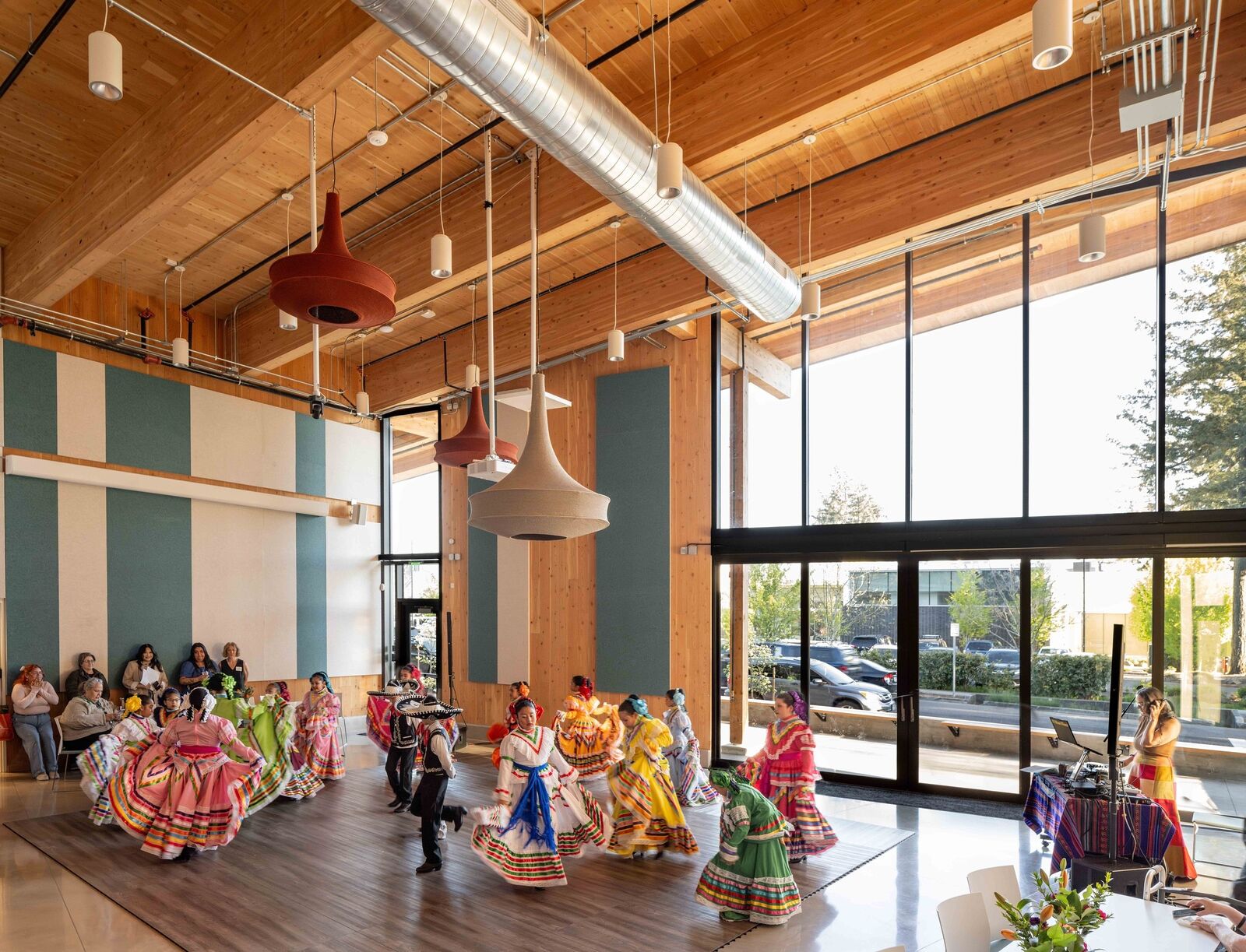
The multipurpose rooms were designed with flat, open floorplates, mobile furniture and retractable room dividers – equally perfect for a job training seminar, community forum, or small group study session. Visitors seeking services for sensitive matters can find private meeting rooms on the first floor for confidential staff support. Upstairs, a 5,300 square foot mezzanine effectively doubles the office footprint for Latino Network’s 160 staff members.
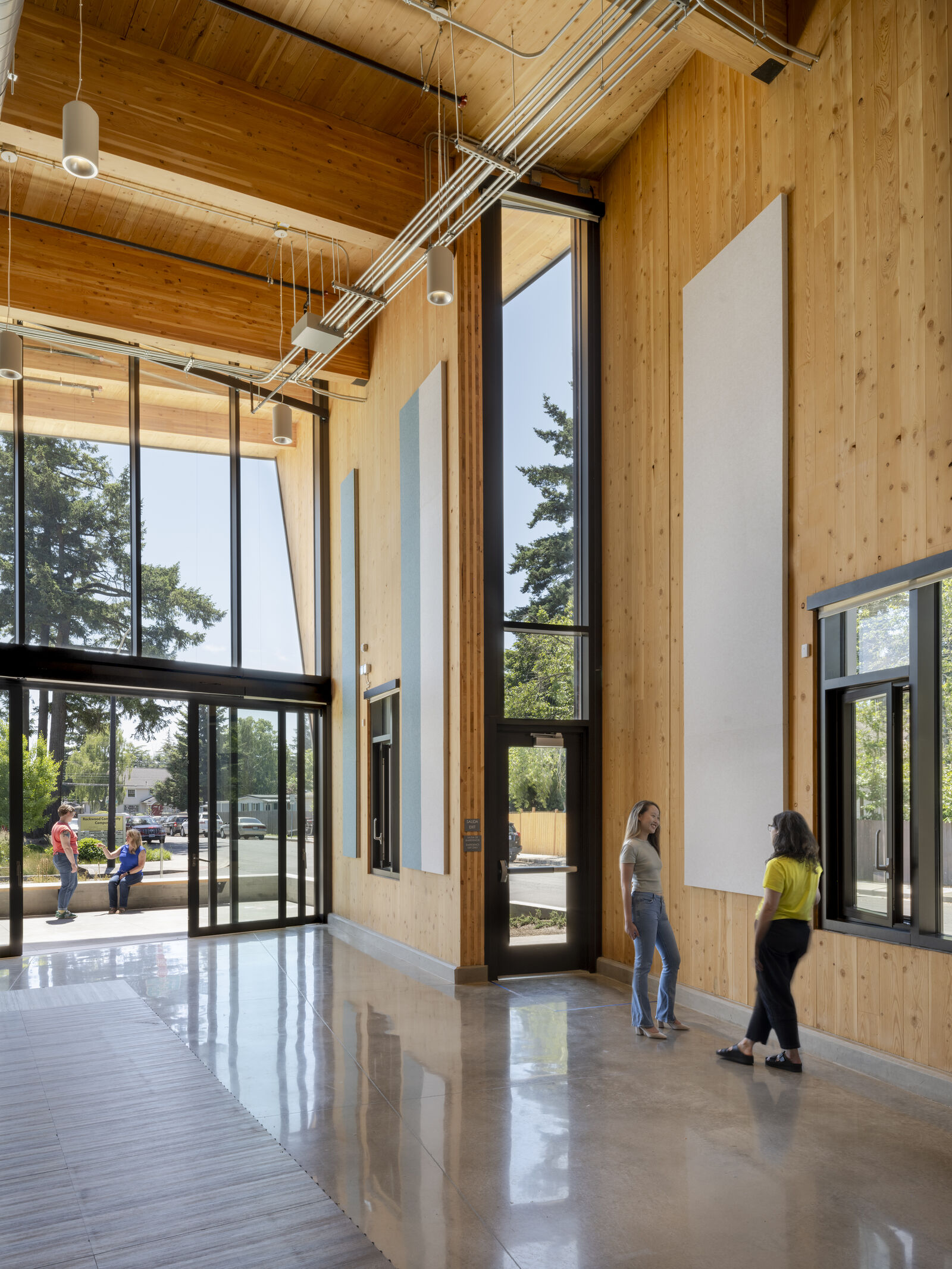
Full height windows provide views of the trees and surrounding landscape, while also showcasing the programs and vibrancy of the culture inside.
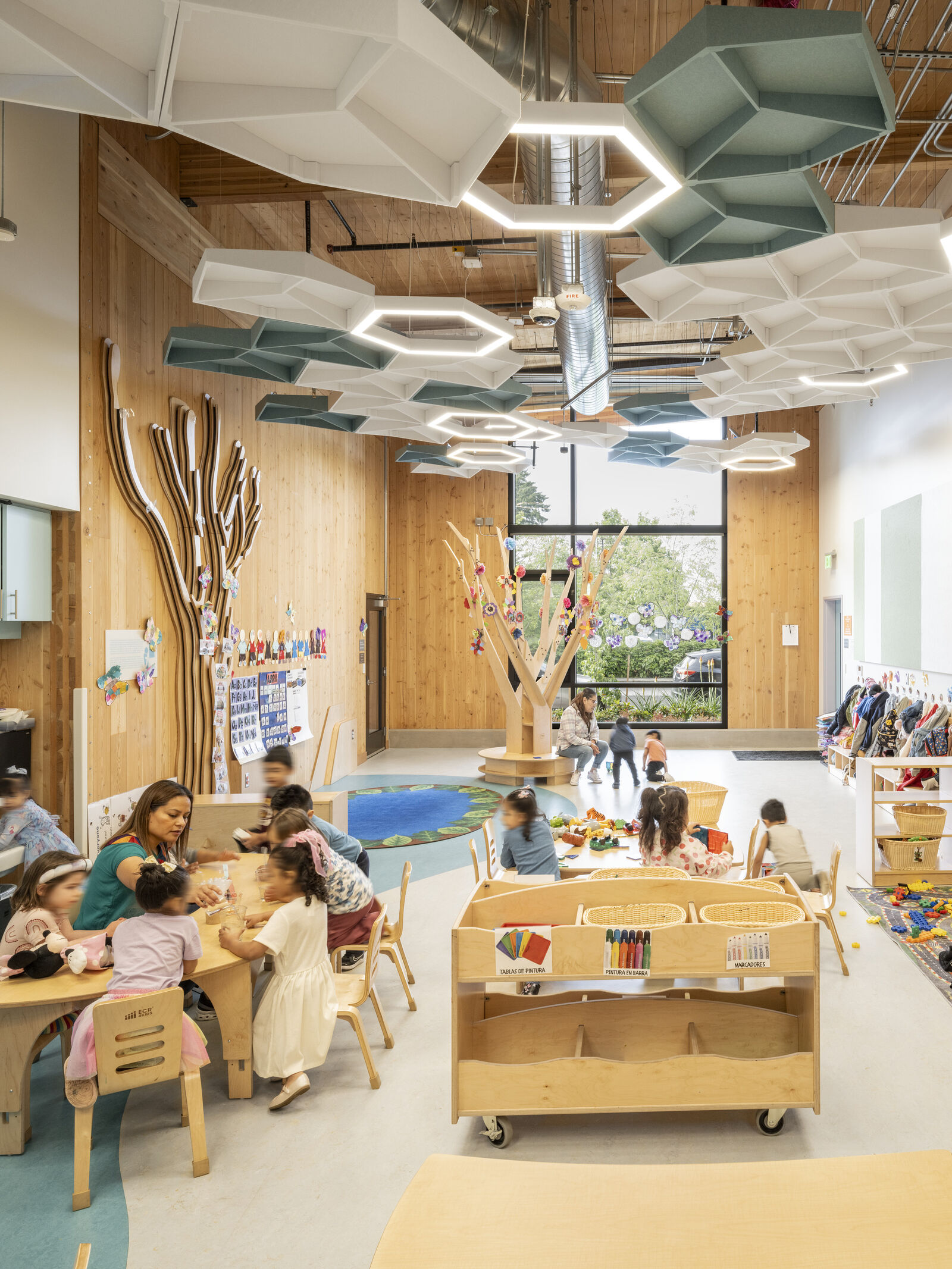
Just off the public lounge is the organization’s first-ever onsite preschool program. The school will serve approximately 20 families with culturally specific, bilingual preschool programming. Teachers and leaders that were previously traveling to numerous schools across the Portland metro area now have a permanent home for their cultural education practice, complete with classrooms and designated indoor-outdoor play areas.
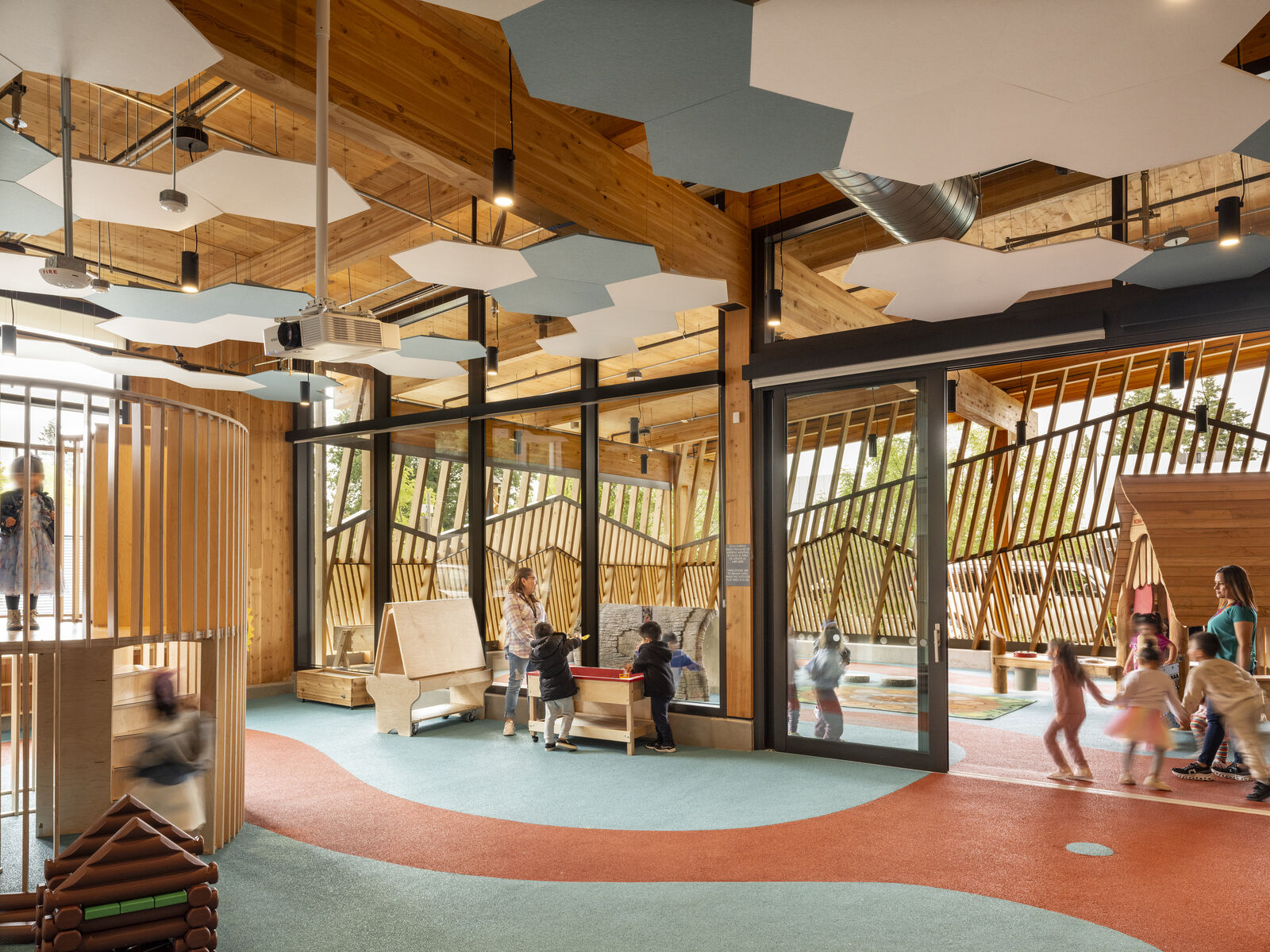
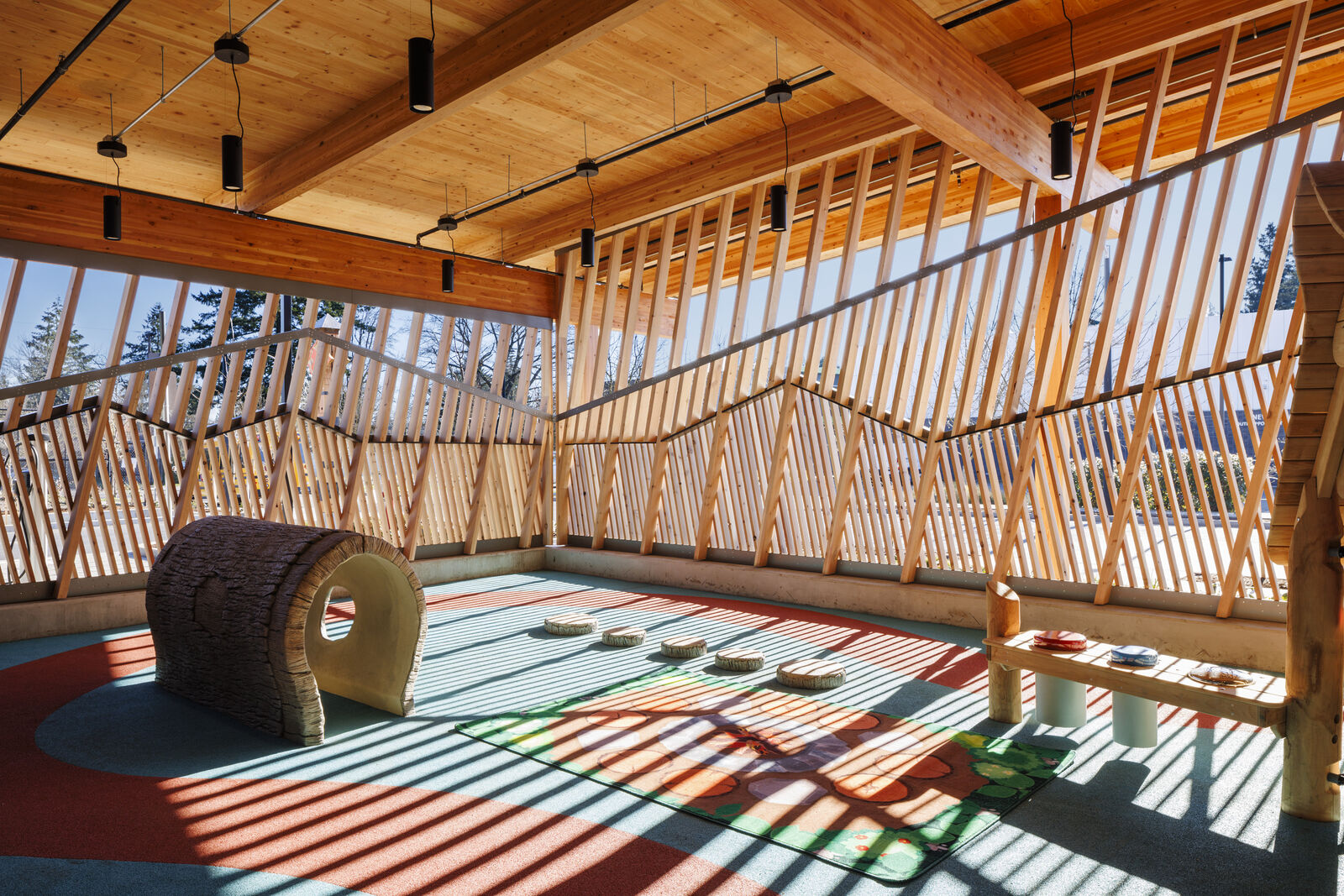
The design of the indoor-outdoor preschool play area screen is inspired by the mountainous landscape to the east of Portland. The artistic approach to the screen design uses dynamic diagonal lines to create an uplifting and aspirational feeling as the wood trellis rises towards the sky. The design meets the requirement to enclose the play area while also being aesthetically pleasing and inspirational. The scent of the tribal sourced incense cedar screen material also provides a delightful sensory experience for the users.
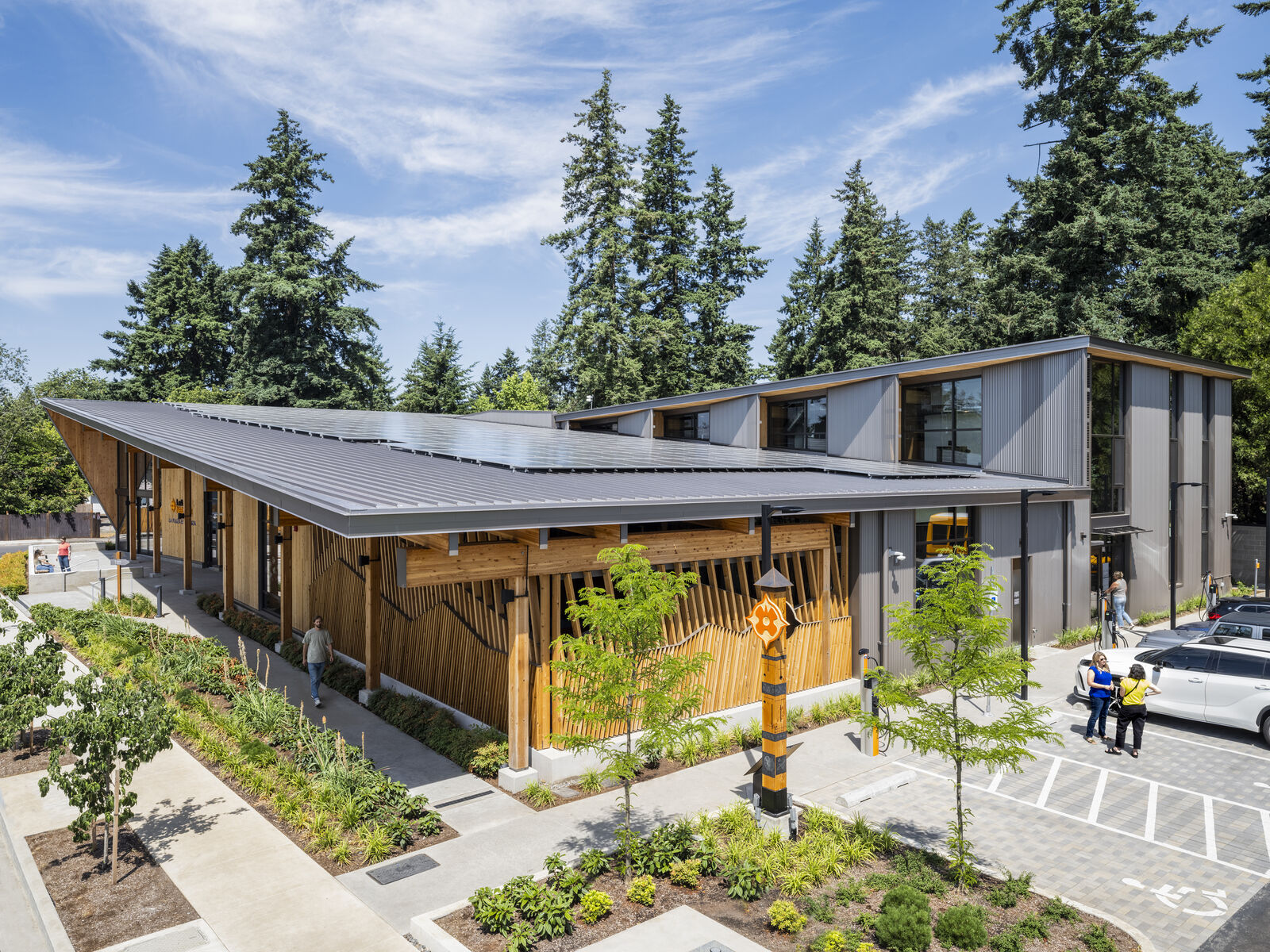
The community center was designed as an energy efficient, all-electric building to minimize its carbon footprint. Latino Network obtained a grant to fund the installation of a PV solar array intended to offset the center’s annual energy use by 80%. Battery backup capabilities support the essential power functions for the building, enabling it to function as a resilient operations center for the local community in the event of a power outage. Additional sustainability features include an energy-efficient HVAC system to reduce energy load, operable windows that improve air circulation, and a deep southern canopy that provides shading to reduce solar heat gain.
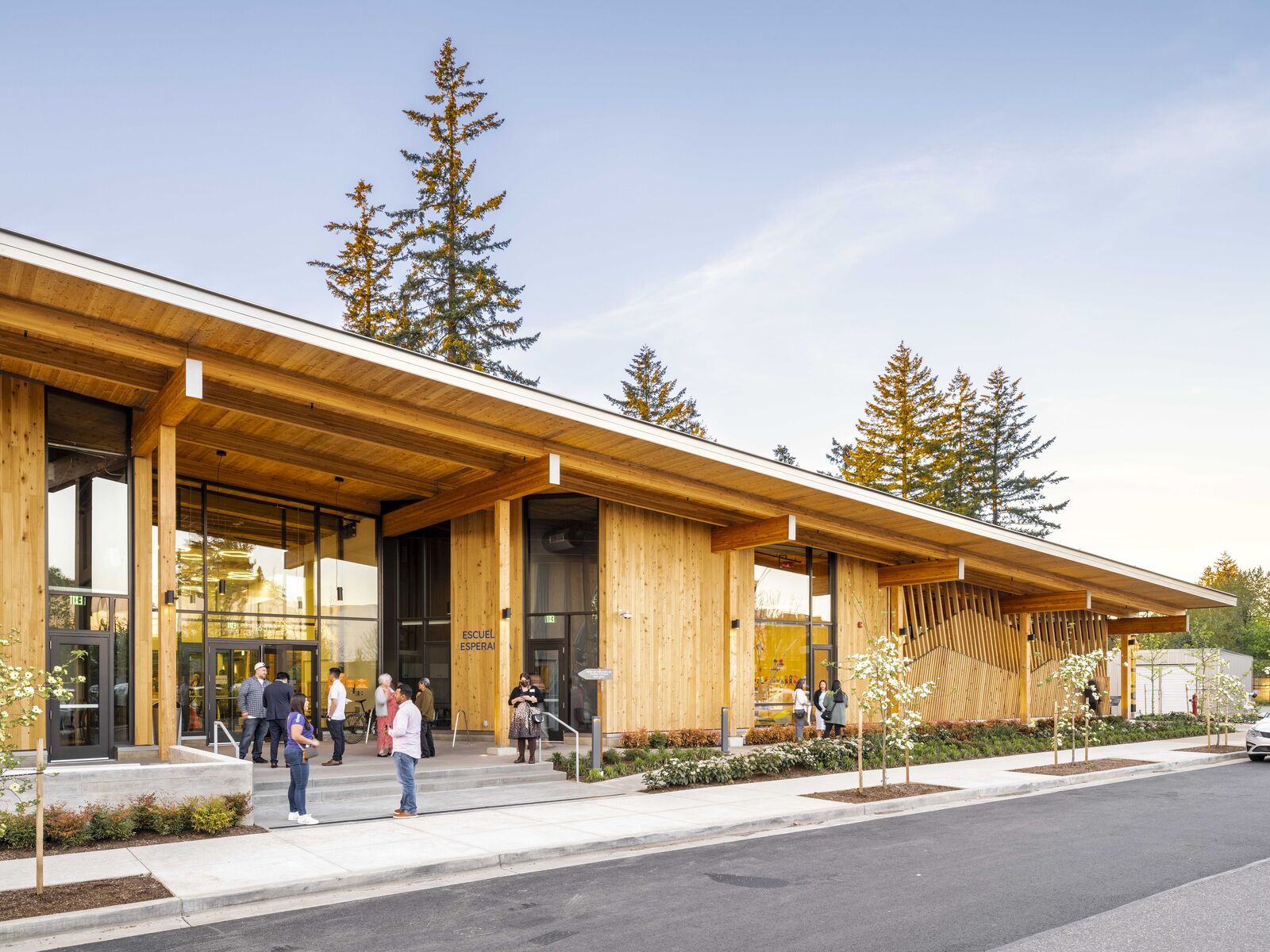
A generous front porch spans the length of the building providing an interstitial space for all-season community gatherings.
Latino Network’s dream of establishing a community center has been decades in the making. With a facility designed to fulfill their mission to positively transform the lives of the Latine community, the organization now has a home that amplifies their impact. As the Latine community continues to grow and evolve in the Pacific Northwest, La Plaza Esperanza will serve as a versatile cultural hub for generations to come.
Concept programming and design for the mass timber building was led by ZGF Architects, Architect of Record. Salazar Architect led interior design and community engagement.
Camp Fire Columbia, Camp Namanu Accessibility & Inclusion Redesign