How to Drive Rapid Decarbonization With a Few Easy Tools
More than 70% of a project’s embodied carbon impacts occur upfront in the product procurement and construction stages, yet nearly 100% of the inputs are within our control. Using a few easy tools, along with a growing body of product-specific data, architects and designers can drive immediate decarbonization on projects large and small.
For example, TallyCAT—short for Climate Action Tool—is a free, open-access Revit plugin available from Building Transparency, created with the help of many AEC industry partners including ZGF. Tally, in its original form, was developed by Kieran Timberlake as a paid Revit plugin for architects doing life cycle assessments. The firm donated the intellectual property to Building Transparency to expand and make accessible to a wider audience. TallyCAT is the next generation, which ZGF is currently sponsoring and piloting.
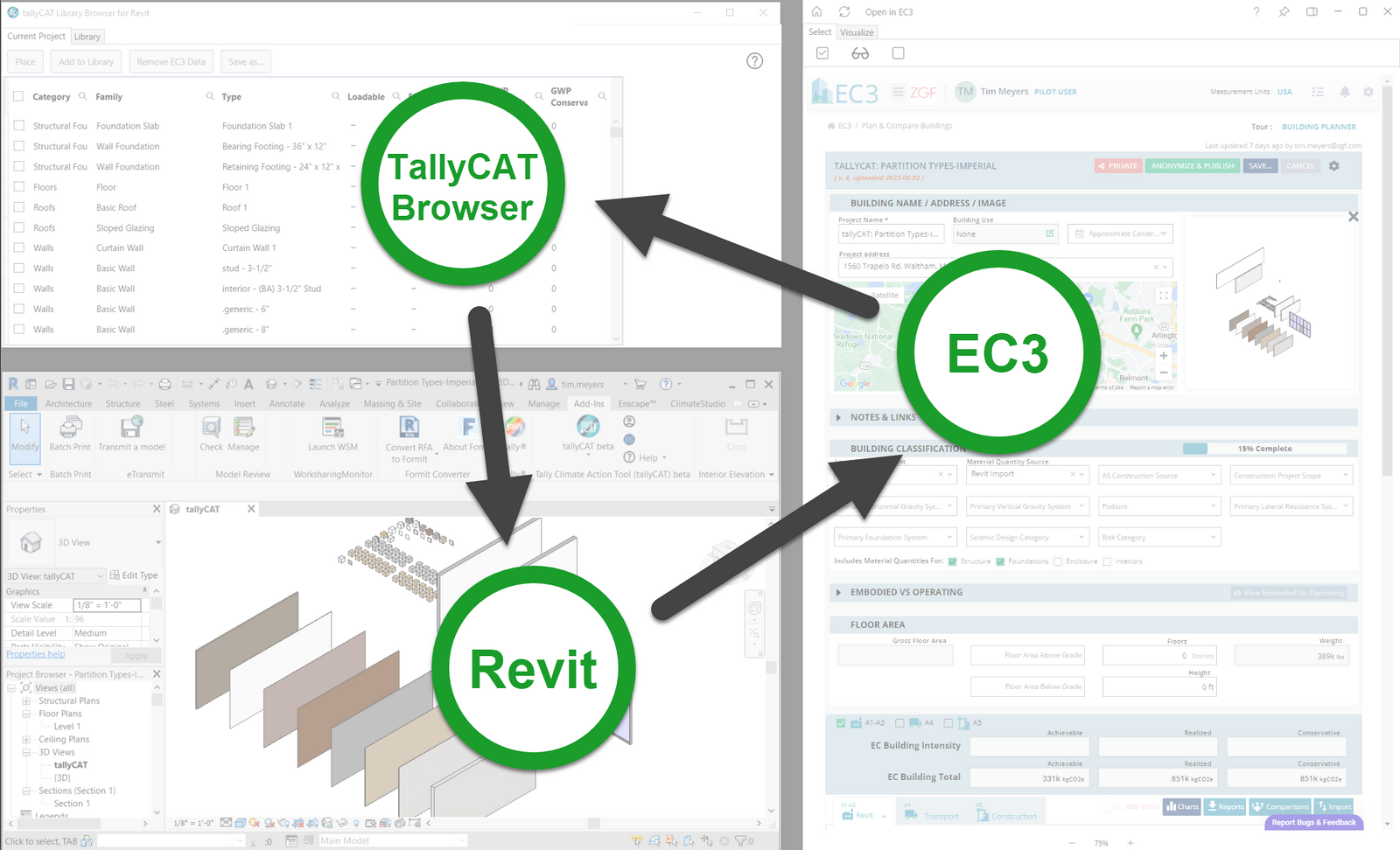
The tool helps architects and designers estimate the carbon intensity of a building modeled in Revit. Users can identify carbon hot spots and savings, compare designs and assemblies, and then save and share their work in a searchable library of components for use on future projects.
A streamlined, carbon-friendly Revit workflow
The public version of TallyCAT, launching this summer, provides easy access to the Embodied Carbon in Construction Calculator (EC3) within Revit for a streamlined, carbon-friendly workflow. Simply export a Revit project and specs into EC3 to evaluate their climate impact based on a growing database of third-party verified environmental product declarations (EPDs). Users can sync the EC3 annotations with their Revit model in real time.

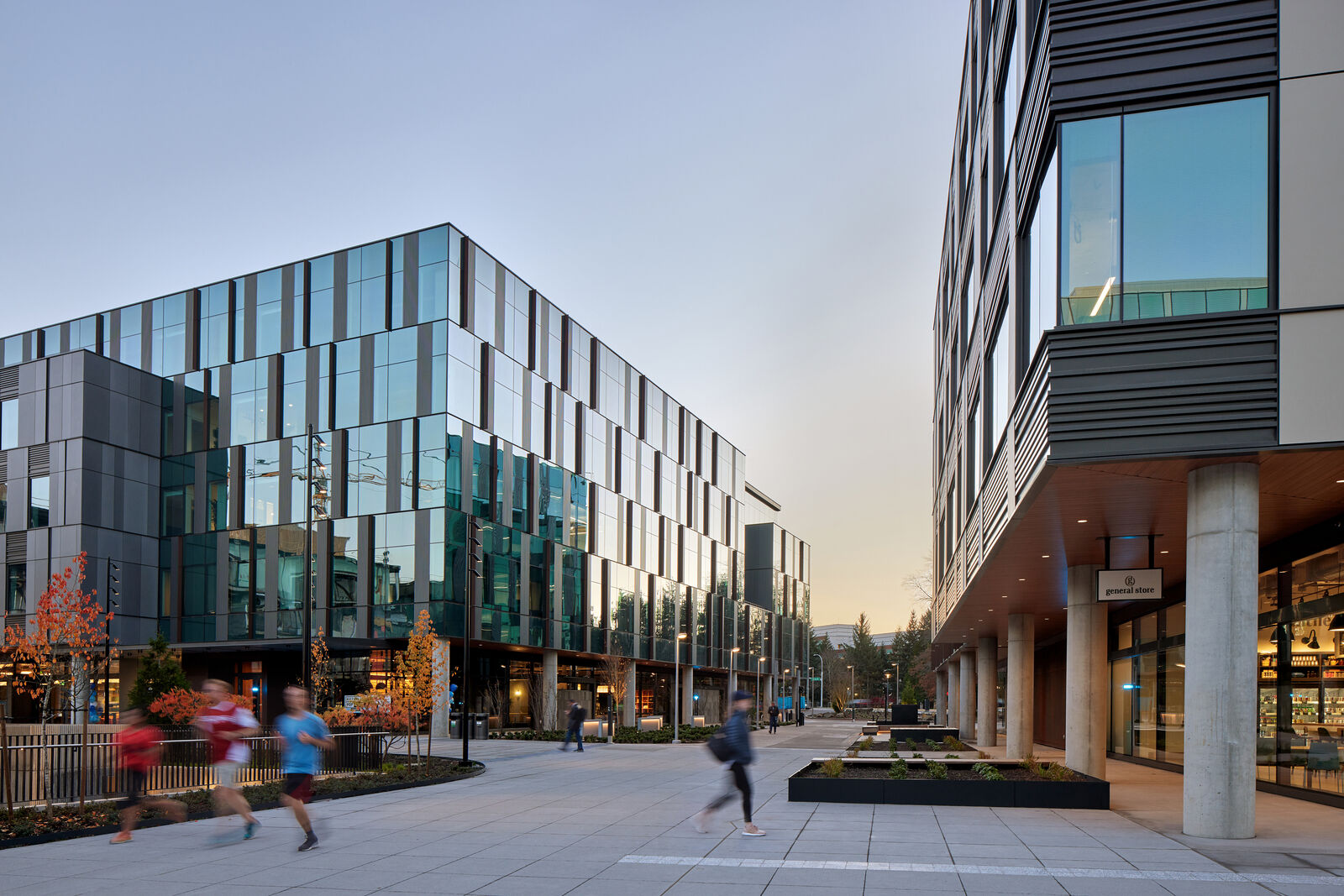
ZGF designed Microsoft’s Lake Washington Village, one of four villages comprising the new 17-building, three million-square-foot, LEED Platinum, Net Zero Carbon campus in Redmond, Washington.
ZGF was among the first EC3 pilot users in 2019, starting with the Microsoft Campus Modernization Project, which is targeting more than 50% reduction in embodied carbon from low-carbon concrete mixes and nearly 25% reduction in the overall project including the building envelope. Our team used Tally and EC3 for carbon modeling and led a low-carbon concrete integrative process with KPFF (structural engineer), Sellen (general contractor), and the concrete supplier.
“EC3 is a gamechanger in collaborative carbon accounting,” says Marty Brennan, ZGF principal and sustainability leader. “What started out with a structural focus has grown to interiors, site, and even MEP systems. TallyCAT is opening new opportunities for scaling this into every day architectural practice.”
In Washington, D.C., Redbrick LMD is developing a large multifamily building with big goals for operational and embodied carbon reductions. ZGF used Tally during early design to run a hot spot analysis on a typical residential unit, including exterior envelope, structure, and interior partitions. This allowed the team to focus on major carbon contributors and estimate potential reduction targets. They also used EC3 to conduct market research when specifications were being developed in DD and CD phases.

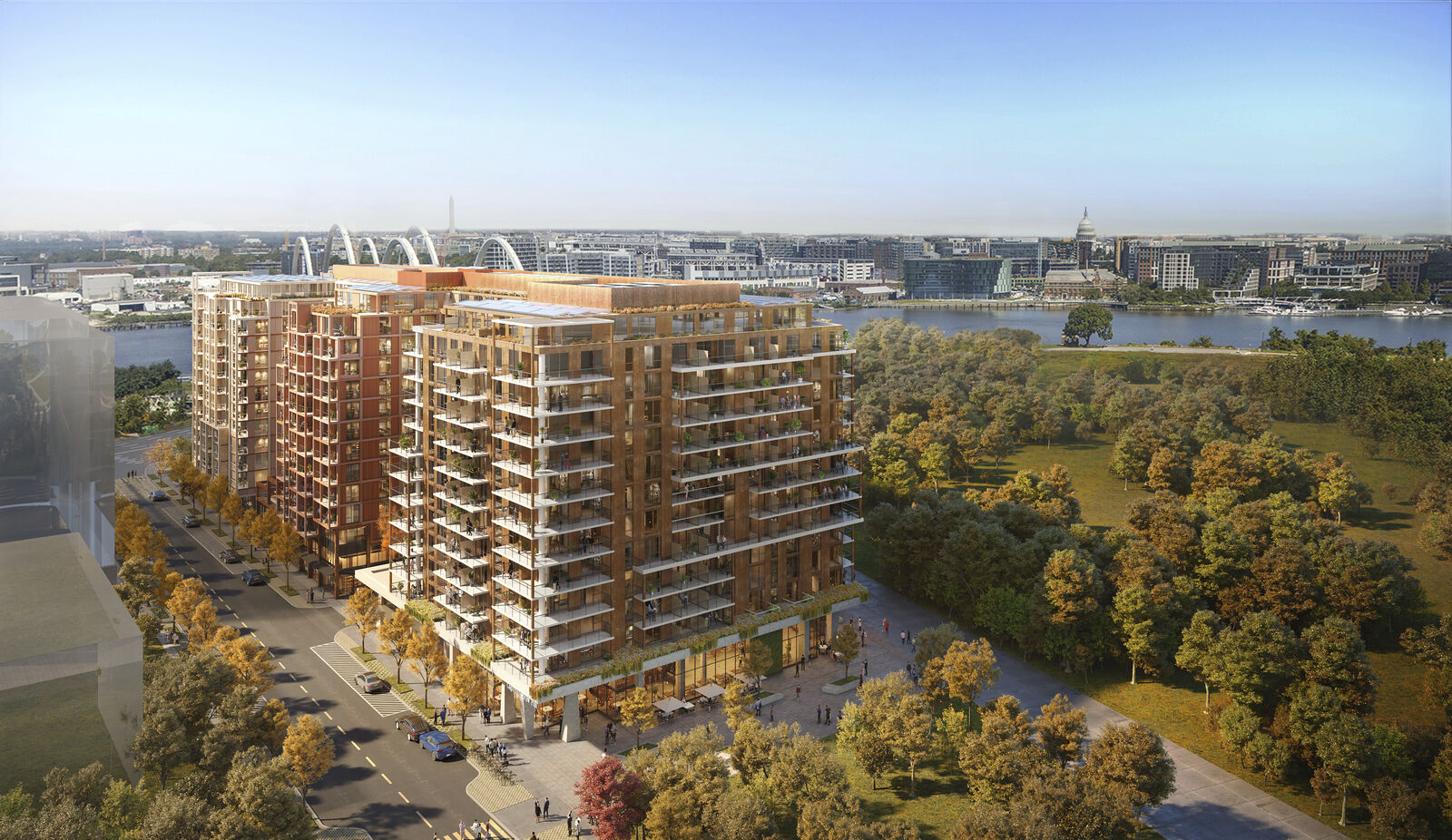
The Douglass at the Bridge District aims to be the first ILFI Zero Carbon multifamily residential building in Washington, DC, where sustainable lifestyle is underpinned by high-performance and low-carbon design.
“We gathered data on what was already possible in the D.C. area, specifically for concrete mix design, and started a preliminary embodied carbon model,” says Rachel Williams, architect and project performance specialist. “This data was translated into reduction requirements in the project specifications and allowed the team to target the greatest possible reduction without incurring added cost.”
Once construction started, the EC3 model was passed to the general contractor for continuous procurement updating, which will effectively create an as-built EC model. As a result of the focus on embodied carbon throughout design and construction, The Douglass is tracking a 33% reduction in concrete mixes against NRMCA 2019 Eastern benchmarks, significant reductions in steel reinforcement and insulation, and a 26% reduction in overall global warming potential (GWP) against Tally benchmarks.
Coming full circle with ZGF Revit Family Finder
In 2021, ZGF committed to sponsoring Building Transparency as it continued expanding EC3 and other offerings to address embodied carbon's role in climate change. All ZGF staff have pilot access to the platform, equipping them to drive immediate carbon impact on any project. Our relationship continues to grow through monthly engagement with the EC3 developers where ZGF can propose and test new features and improvements. It has also given staff access to the development and beta testing of TallyCAT.
The TallyCAT Library Browser further streamlines the Revit workflow by categorizing project assets such as floors, structural columns, walls, and roofs assemblies into families that are easily searched, sorted, and filtered. The browser is based on source code from ZGF’s Revit Family Finder tool, originally developed in 2010 by Trevor Taylor, principal and design technology leader.
“The problem is that Revit makes us choose assets one at a time from a list of thousands,” Trevor explains. “Scrolling through an impossibly long list each time you want a chair or a door is like making twelve trips to the grocery store to buy a dozen eggs.”
No third-party developer at the time—and still none to this day—had created such a simple and useful tool for browsing and selecting assets from existing Revit models, where they are most used.
“Long were the days in Revit when we had to dig into folders, search drop-down menus one by one, or worse, open an old project for asset families,” recalls ZGF principal and technical designer Eric Ritchey. “We thought ourselves smart when we figured out how to copy all our families into one view so we could copy and paste from that view. However, these container files only worked for one model at a time and were challenging to maintain and search.”
Family Finder streamlined this process with its intuitive, multifunction search capabilities. After years of finetuning, ZGF recently open-sourced the code to Github, where it has played a critical role in the release of TallyCAT.
Addressing embodied carbon faster, together
The proliferation of free tools such as EC3 and TallyCAT have supercharged architects’ and designers’ ability to address embodied carbon. At ZGF, our Project Performance Team and Design Technology Team are working together to test new workflows and integrate these tools into everyday practice. On a larger scale, AEC stakeholders must continue collaborating with organizations like Building Transparency and with each other to solve the most pressing environmental and social issues of our time.

Mass Timber’s Transformation
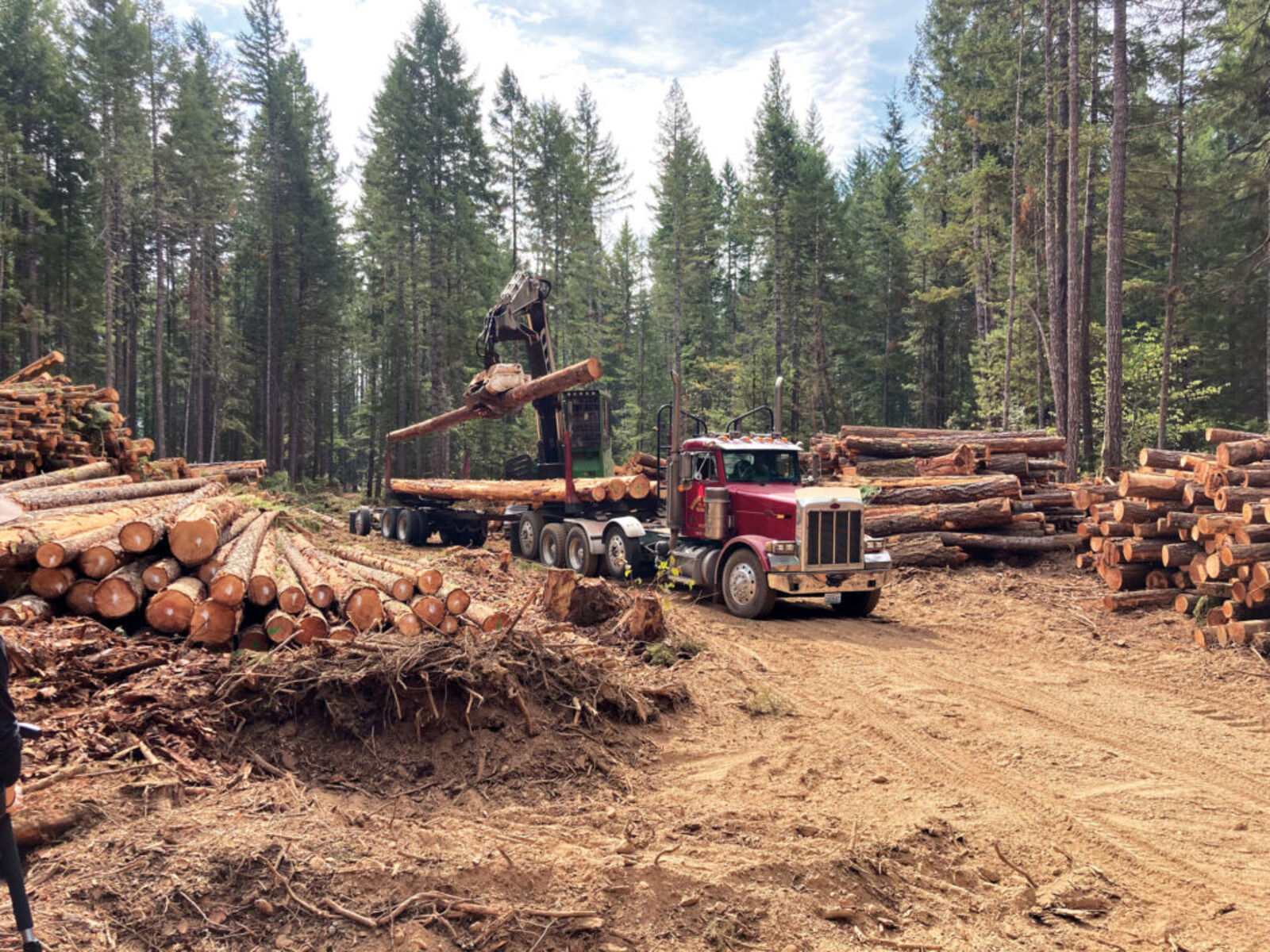
UpStream Forestry Carbon and LCA Tool in Metropolis
New Tool Helps Designers Measure Lifecycle Impacts of Wood