Designing for Resilience Puts Clients Ahead of the Curve
By Isabelle Arnold and Sarah Wright Crochet
Rising sea levels, wildfires, social disruption—our communities increasingly face vulnerabilities from natural and man-made hazards, creating threats to both public health and our built environment. As architects and designers, we have a responsibility to address these threats, leveraging resilient design principles to support healthy and sustainable communities and our clients for the long-term.
Resilient design can be generally defined as strategies that enable buildings and communities to withstand stresses and disturbances and adapt to changing circumstances while protecting occupants. Building owners have long prioritized mitigating the impacts of certain hazards on their buildings based on known and often location-specific risks like seismic events or flooding. But as the climate changes, so too does the nature and frequency of these risks and the appropriate design responses.
Deploying resilient design strategies now helps position clients ahead of the curve of evolving code and policy changes, and a rapidly changing climate.
Designing for Future Risks
The need for comprehensive resiliency planning at the start of a project has never been greater. Deploying resilient strategies now helps position clients ahead of the curve of evolving code and policy changes, and a rapidly changing climate.
One of the most impactful and underestimated consequences of climate change is insurance. According to the NOAA National Centers for Environmental Information, in 2023 the U.S. experienced 28 separate weather and climate disasters, totaling a loss of $94.9 billion. Those numbers are projected to increase and building owners are already seeing consequences. Insurers in states like Florida and California are exiting the market due to increasing risks like hurricanes, floods, and wildfires, while other locations are facing significant rate increases.
At the same time, insurers such as FM Global are offering a growing number of tools and resources to help building owners and the public understand and minimize risks from natural disasters, recognizing the economic benefits in doing so.
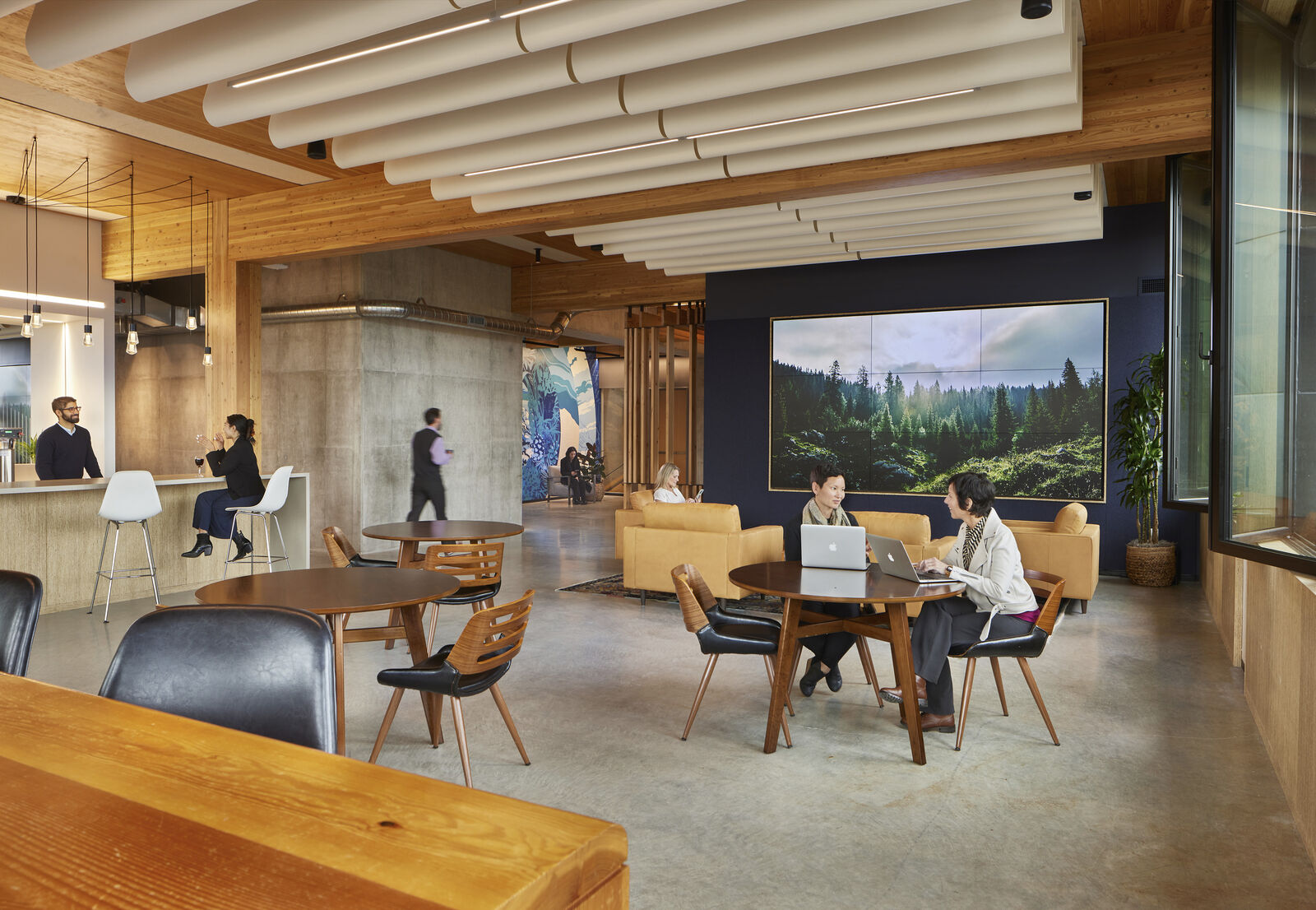
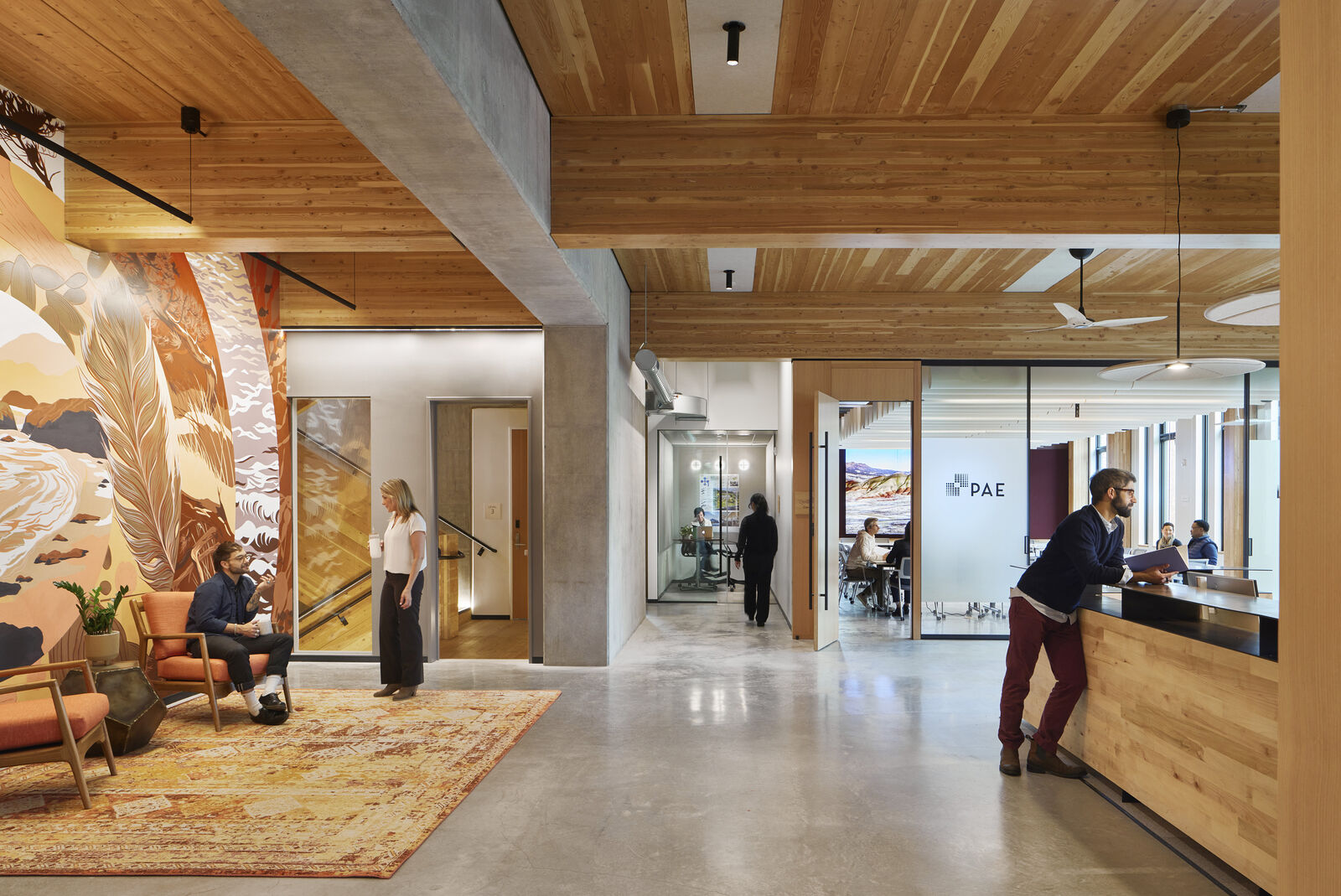
The PAE Living Building in Portland, Oregon can operate in a low energy mode completely disconnected from the grid for at least a week, and up to 100 days during summer months.
Resilience at all Stages and Scales
Resilient design strategies can look very different based on a project’s location, building type, users, and the client’s future needs and capacity. The key to uncovering the best and most impactful solutions is incorporating resilient design discussions from the start of the project with the client and full project team on board.
Ensuring that resiliency is both an integrated and iterative process enables teams to strengthen sustainable and regenerative design strategies as well. For instance, low-carbon design and passive systems support efficient building operations and healthy occupants while also reducing the building’s embodied and operational carbon footprints. Here are just a few examples of ZGF projects that emphasize both resilient and sustainable design strategies to support positive outcomes:
A 500-Year Building: Located in Portland, Oregon, the PAE Living Building is designed to last 500 years and follows the prescriptive code for seismic Risk Category (RC) IV rather than RC II, the minimum required for office buildings. The 5-ply cross-laminated timber floor slabs feature a 3.5-in thick topping slab which transfers lateral loads to the concrete shear core and doubles as a radiant floor for heating and cooling. In the summer months, the building can function for 100 days without using any city utilities, thanks to rainwater reclamation, a large rooftop solar array, and an on-site waste recovery system that turns liquid waste into fertilizer. The building can also act as an emergency operations center in case of a major event.
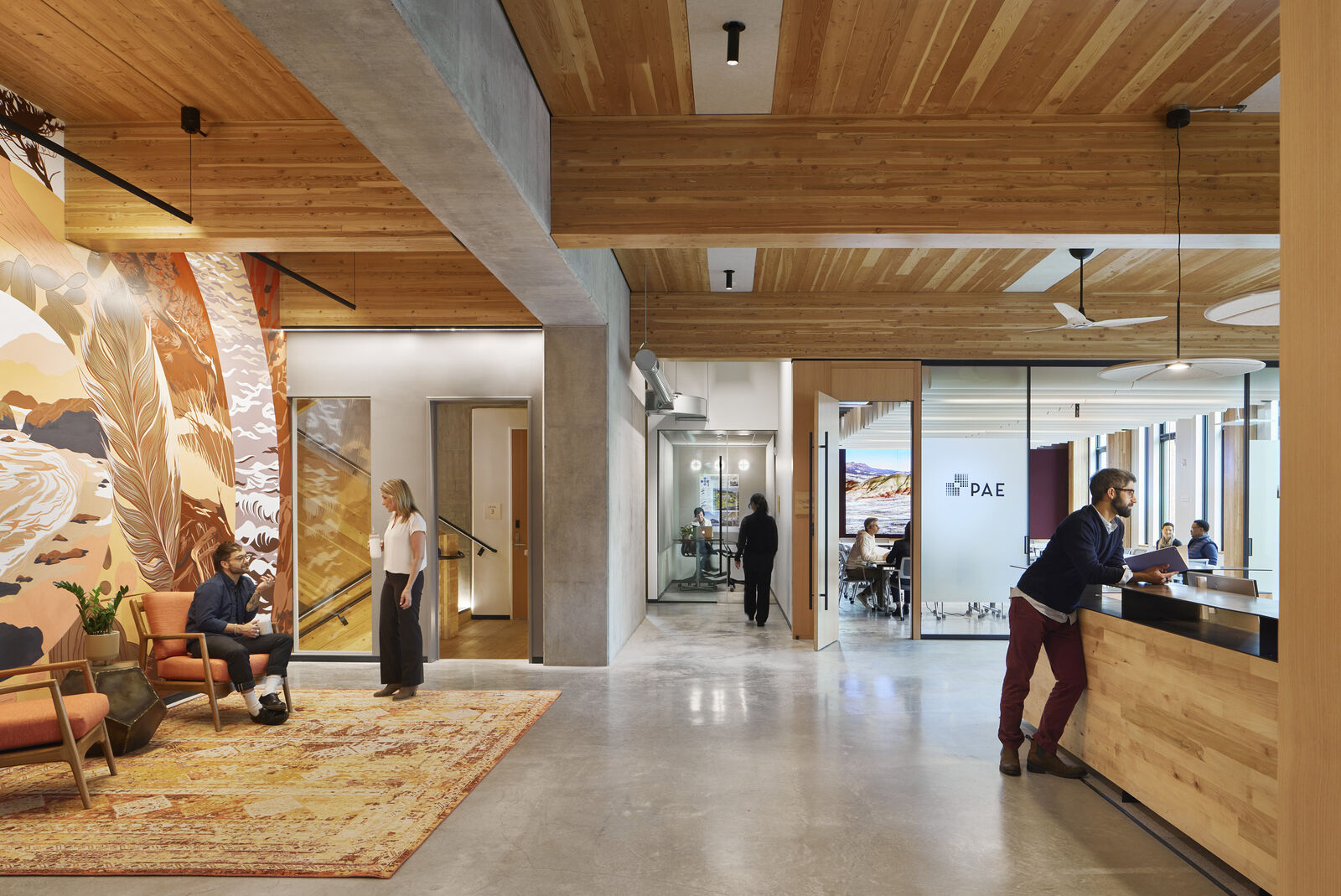
PAE Living Building’s durable and beautiful timber structure reduce embodied emissions by 40% and contributes meaningfully to the strategy of 500-year building design. The modular timber system is easy to maintain, and the column-free floor areas offer significant flexibility for multiple use types and tenants in the future.
Master Planning for Passive Design: The masterplan for a private university in California’s Bay Area emphasizes passive design strategies to both support the university’s carbon reduction goals and occupant well-being. The design team incorporated strategies to ensure all future buildings have a high degree of passive conditioning, daylight access, natural ventilation, and limited direct solar exposure. This is reflected in representations of building massing, building orientation, and floor-plate depths/building widths. Goals for embodied carbon are currently being developed, and those for resilience are implicit in energy and water goals.
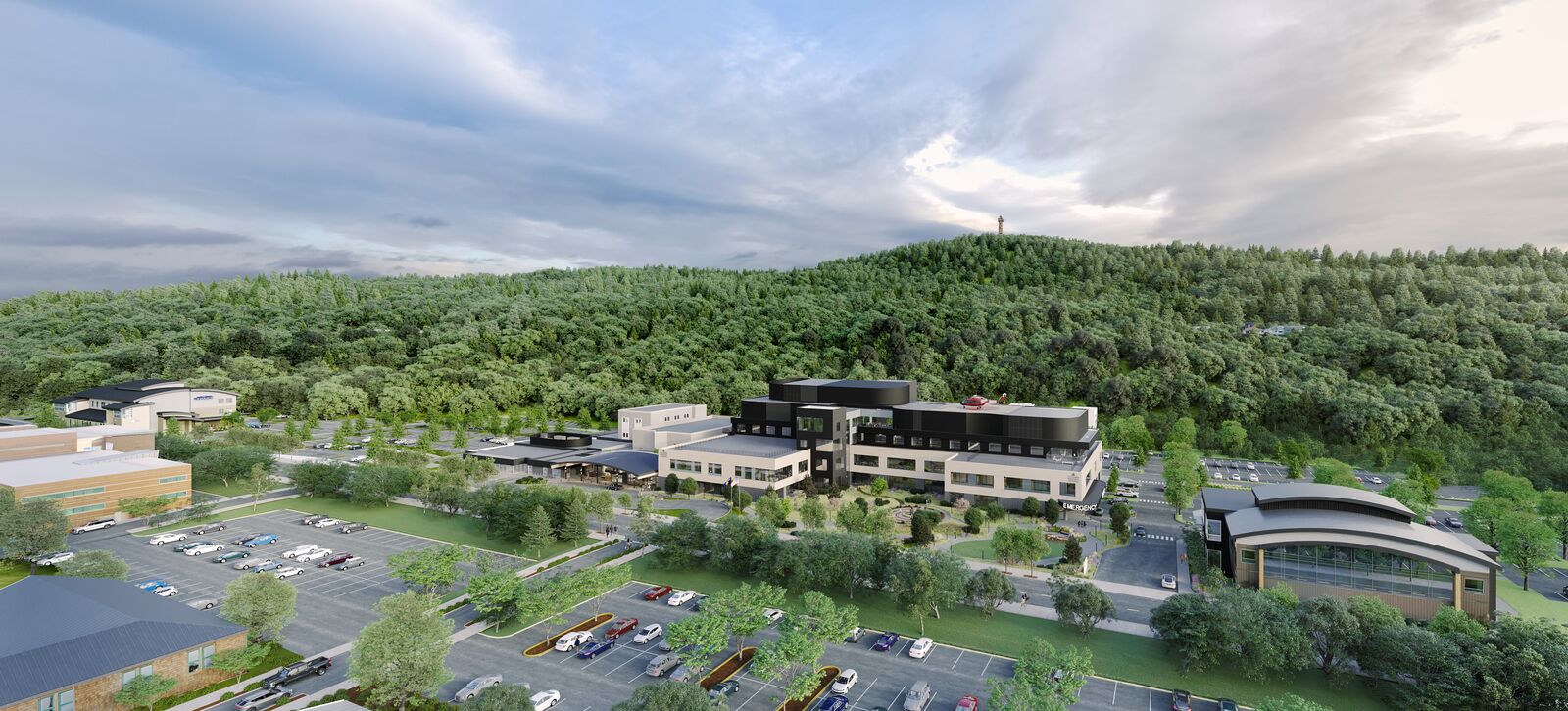
Designed for Coastal Resilience: On the Oregon Coast, a first-of-its-kind critical access hospital for Columbia Memorial Hospital provides a model of resiliency other coastal hospitals can follow. Located within the Cascadia Subduction Zone XL Tsunami Inundation Area, the new 25-bed hospital will be a center for health and wellness, while also providing a resilient structure that can serve as a safe harbor for the community in case of a natural disaster like an earthquake or tsunami. Close collaboration between the project team and emergency management entities ensured the design approach provides synergies between the building’s dual purposes, resulting in the hospital being identified for over $13M in funding from the Building Resilient Infrastructure and Communities fund established by FEMA.
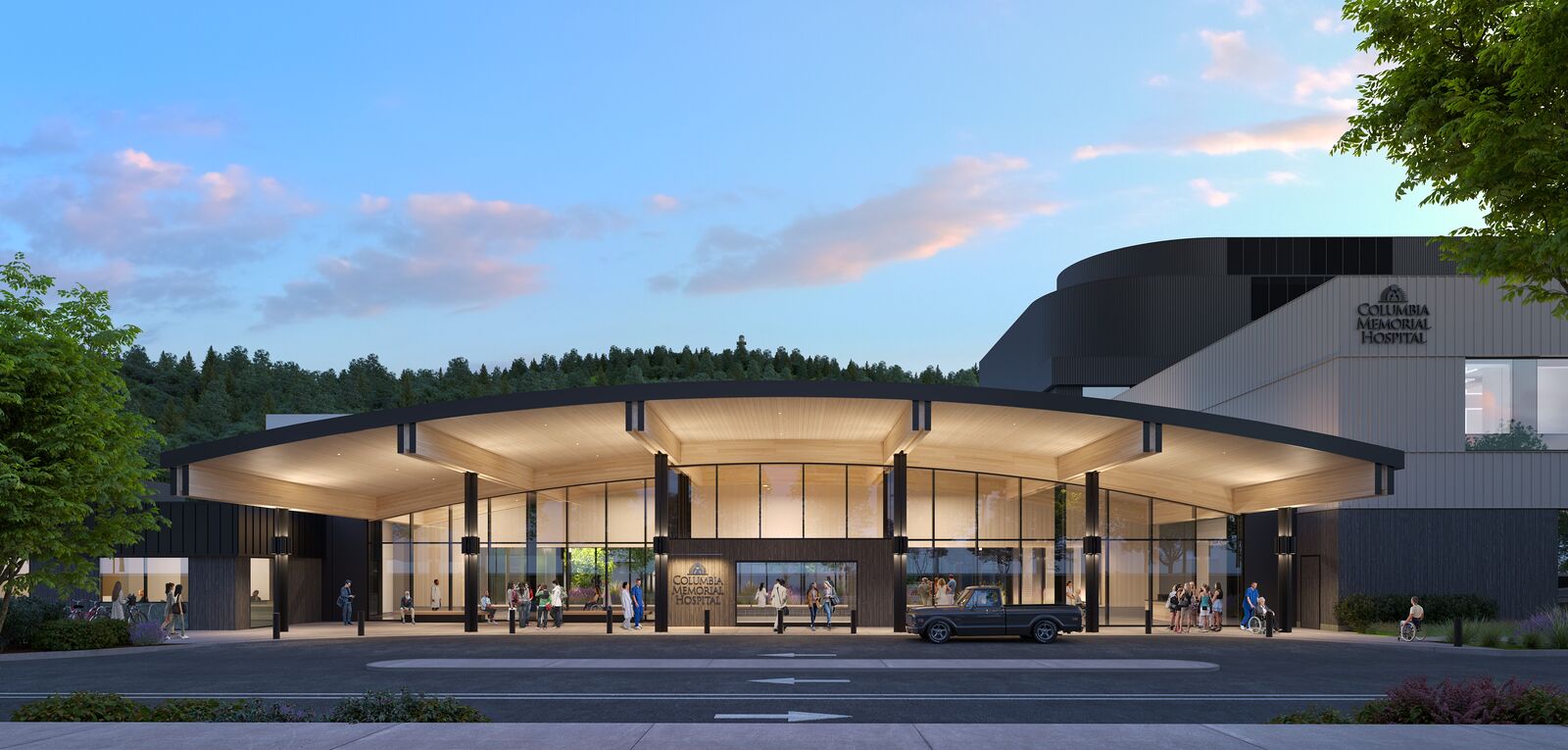
Columbia Memorial Hospital in Astoria, Oregon is establishing a first-of-its-kind tsunami vertical evacuation shelter and critical access hospital all in one structure.
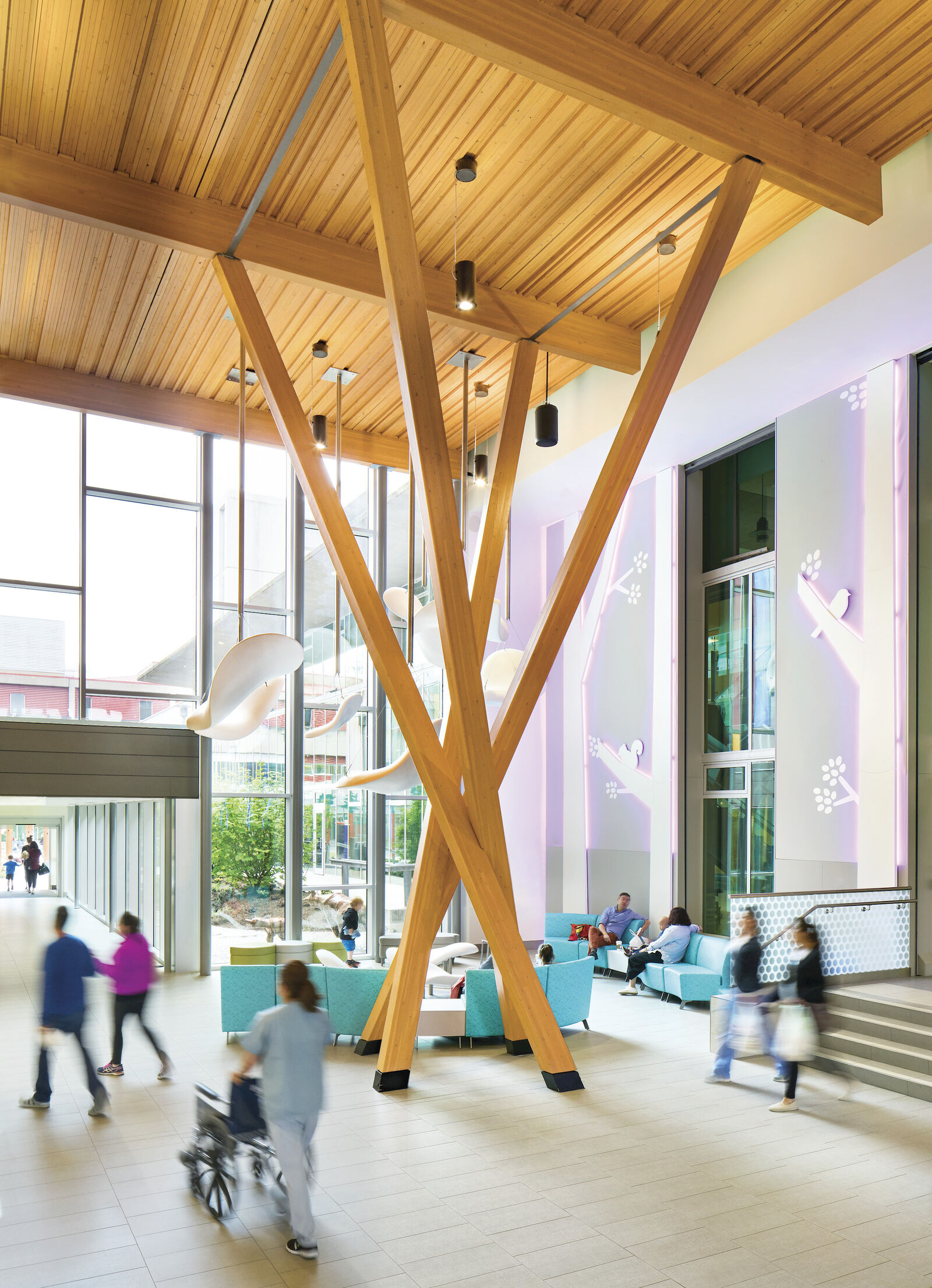
Left: The design for Teck Acute Care Centre in Vancouver, B.C. provides N+1 level redundancy, ensuring any individual piece of mechanical equipment can be out of service without compromising peak system capacity. The facility can operate at post-disaster capacity for three full days by using emergency generators, while underground systems for potable water and sewage collection enable its continuous operations.
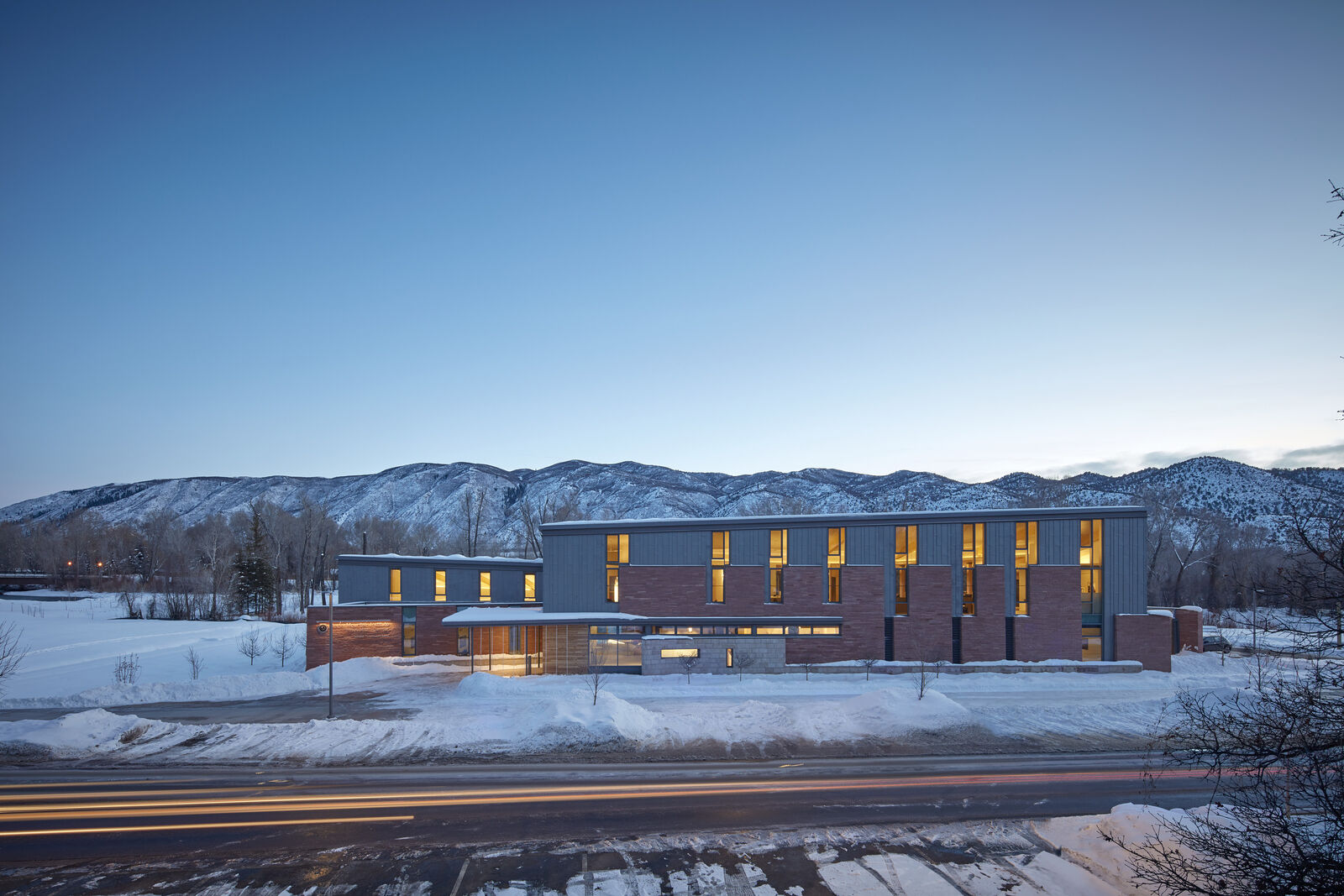
Right: The Rocky Mountain Institute’s Innovation Center in Basalt, CO, was completed in 2015, exceeding the requirements for the LEED’s pilot credit for passive survivability and functionality during emergencies, which assesses whether a building can maintain safe thermal conditions for four consecutive days in the event of an extended power outage or loss of heating fuel.
Tools for Impact Reporting
To prepare for a changing world, ZGF uses a suite of future climate analysis tools, along with close coordination with our engineering consultants, to understand where to focus design efforts that achieve the highest and best impact mitigation strategies. Used early in the design process, these tools serve as a foundation to support sustainability and project goal discussions.
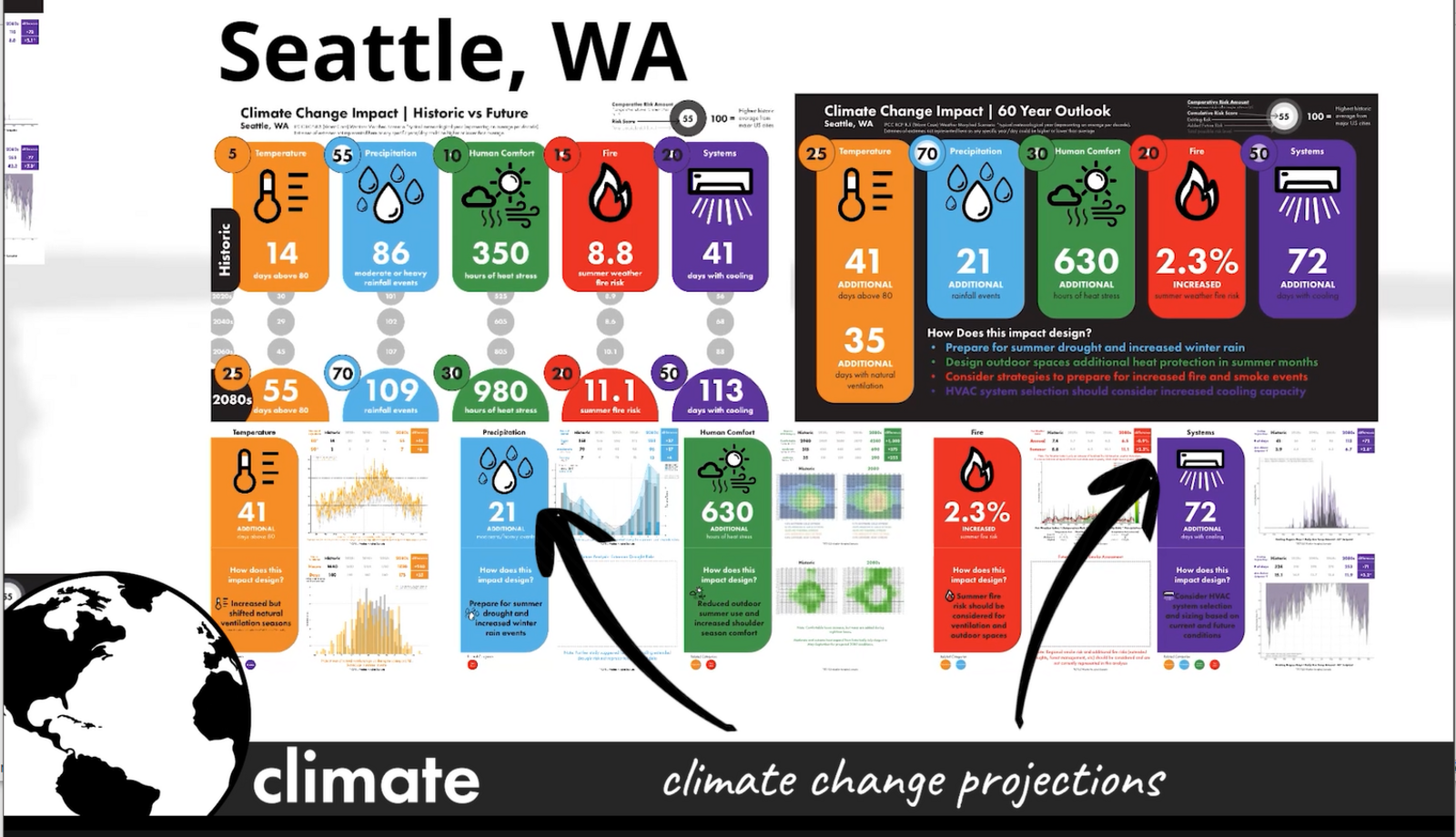
We often start with a climate change impact report to identify areas of opportunity and adjustment. For example, with an anticipated increase in temperatures and therefore cooling demand, we can predict future system loads impact on HVAC systems and, along with our engineering partners, right-size capacity.
We also analyze predicted future temperatures to understand how ventilation strategies might shift from warmer to cooler seasons. With consideration to occupant comfort both indoors and outside, we analyze expected seasonal temperature changes to optimize the number of comfortable hours relative to a building's occupancy schedule.
As wildfire risk and associated air quality concerns grow, we evaluate localized fire risk in terms of temperature, wind, humidity, and precipitation, and can review weekly differences in future fire risk (distinct from regional fire risk or smoke exposure, which should also be considered) and indicate which parts of the year may be more affected.
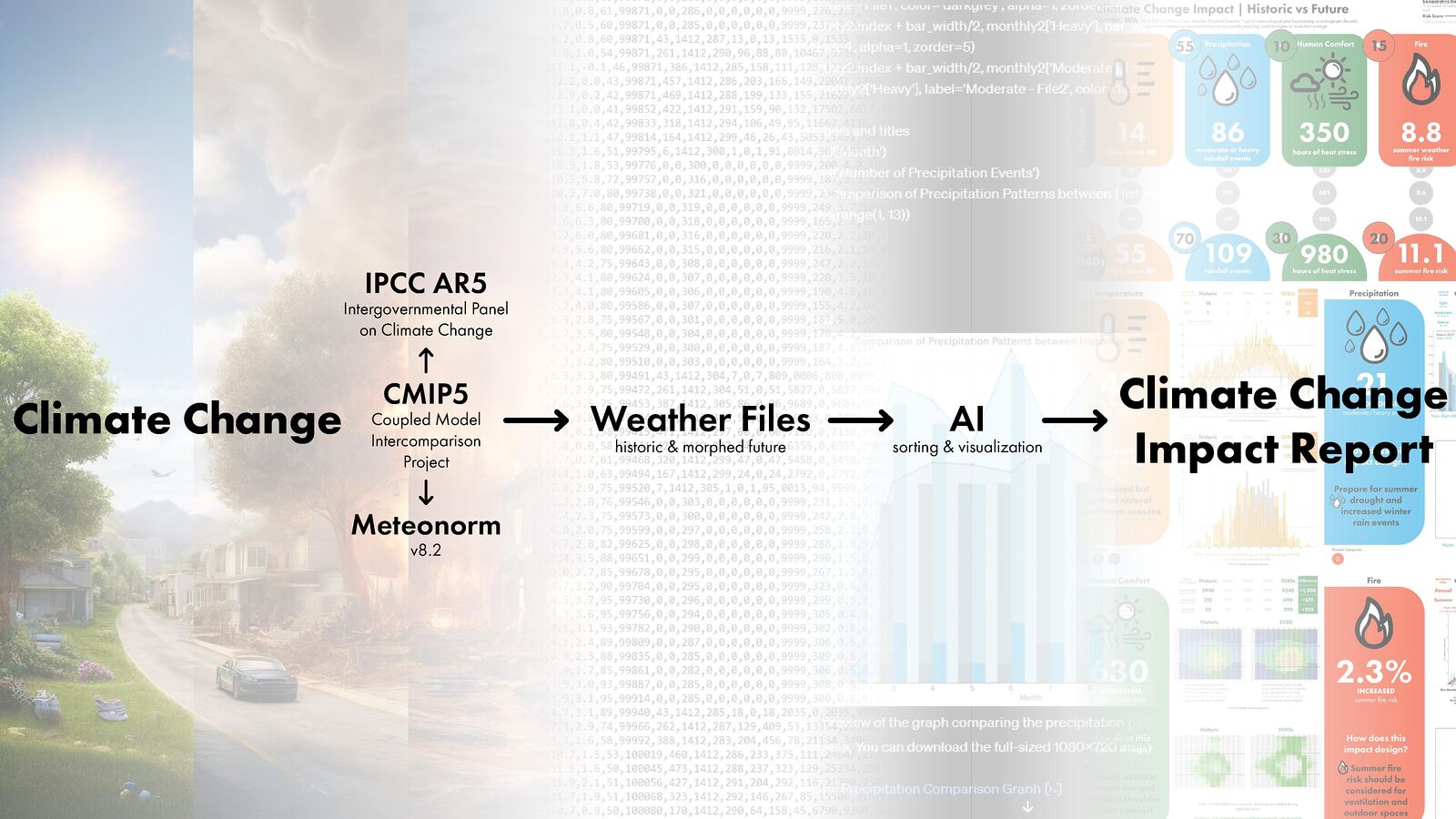
To prepare for a changing world, ZGF uses a suite of future climate analysis tools. Meteonrom software in conjunction with AI processing visualizes historic and future weather conditions for a specific project location, helping drive decisions for heating and cooling strategies.
Internal Resilience Initiatives
To best serve our clients, ZGF is also examining resilience strategies within our own firm operations. While we are not a 24/7 organization like a hospital for example, it is important for us to understand how our services may be impacted by hazards and develop response plans for those scenarios. And much like our clients, we must be flexible and adapt to a changing climate, as well as shock or stressor events. By using these climate analysis tools on ourselves we gain deeper insight on how they work and where there are potential pain points, allowing us to more quickly adapt and implement the best tools on our projects.
In tandem, ZGF is developing a Resilience Playbook, gathering our decades of experience in resilient and regenerative design strategies and making this knowledge base accessible to staff to better serve our clients. The Playbook provides a framework to determine hazards, risk, and vulnerability for their unique project requirements, and prioritizes which areas of concern to address in planning and design.
Planning Ahead
Even with the most careful planning, disasters will happen. What we can control is how our communities, buildings, and people, can withstand and continue to flourish despite these uncertainties. The good news is that the industry is in a better position now more than ever– with more tools, knowledge, and experience to plan for a resilient future.

BC Children’s Hospital & BC Women’s Hospital + Health Centre, Teck Acute Care Centre