
Spotlight: Joseph Appiah Reflects on His Summer Internship at ZGF
This summer, Joseph Appiah, a Master of Architecture in Urban Design student at Harvard University, joined ZGF’s D.C. office as an intern. He was also one of three 2025 recipients of ZGF’s Emerging Black Architects Scholarship, awarded annually to individuals who demonstrate both strong professional potential and a deep commitment to community impact. We sat down with Joseph to hear more about his path into architecture and experience at ZGF.
Can you tell us a little about yourself and what shaped your interest in architecture?
Although I was born in the U.S., my family is from Ghana and that’s where I grew up until we moved back to Massachusetts when I was nine.
My interest in architecture started somewhat unexpectedly during my time as a Nelson Fellow at The John Joseph Moakley U.S. Courthouse in Boston—which was designed by Pei Cobb Freed & Partners, the firm co-founded by I.M. Pei. I’ve always been interested in art, science, and history and knew I wanted to pursue something creative. During the fellowship, I had a conversation with a judge who had been involved in the courthouse’s design. That moment really shifted my perspective and opened the door to architecture as a possible career path. Today, my passion continues to grow as I pursue a Master of Architecture in Urban Design at Harvard University.

What makes you especially passionate about urban design?
Part of what drew me to urban design was realizing how powerful architecture can be when it serves the broader community—whether that’s through improving conditions for people, animals, or the environment. Urban design, in particular, brings together many of those interconnected elements and offers a way to think about architecture that’s responsive to both its users and surrounding environment.
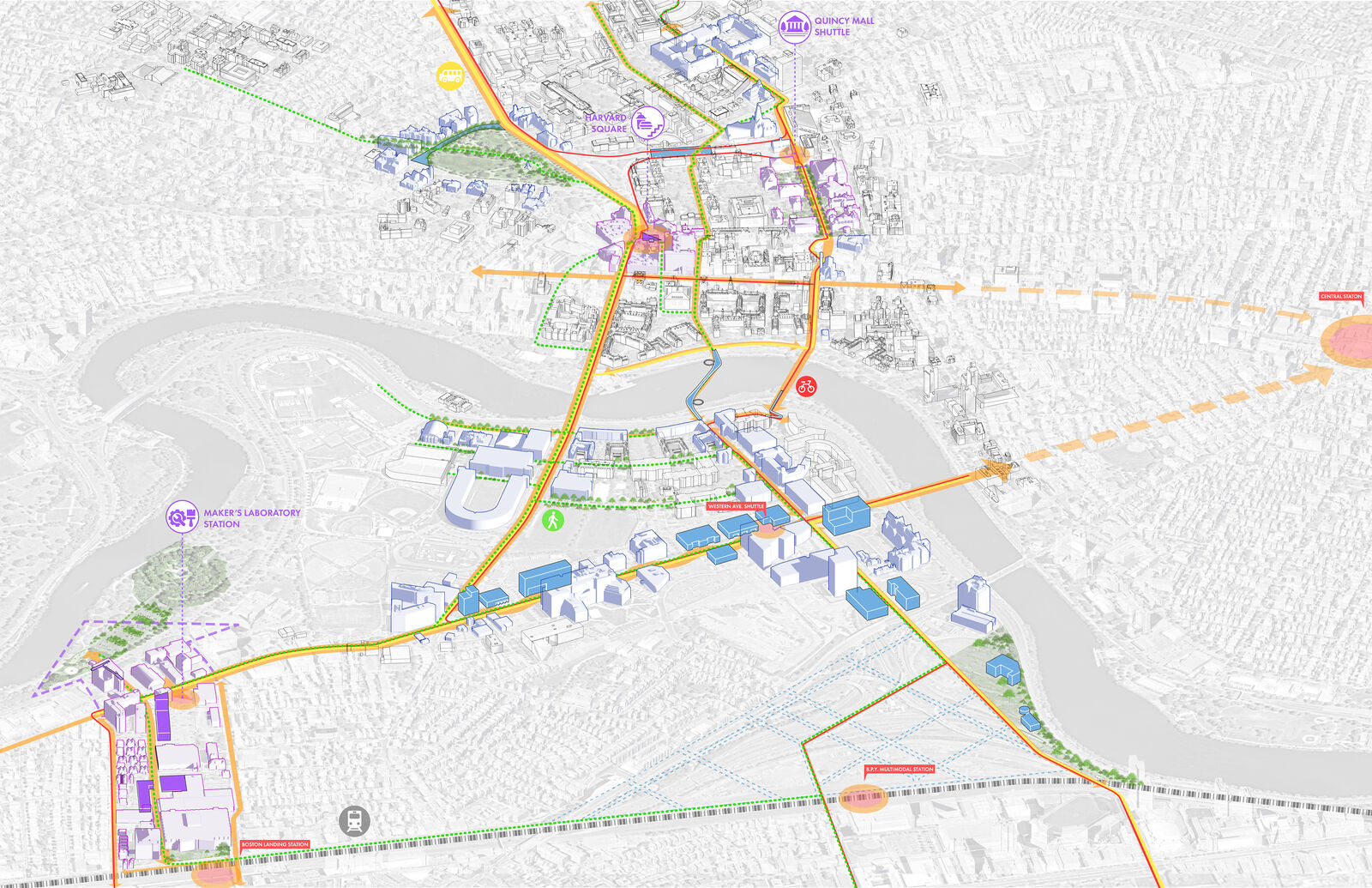
Joseph's "Delaminating the North-South Corridor" portfolio project focuses on strengthening the streetscapes of Harvard University between the historical and rapidly developing Allston campus. It identifies opportunities and transit applications that can be made throughout the three corridors defined by their programmatic character.
What was your experience like interning with ZGF in D.C. this summer?
At first, joining a large firm was a little intimidating, but I adjusted quickly thanks to the welcoming and supportive environment at ZGF. I met new people almost every week, and everyone was so generous with their time and eager to share their work.
This internship has exposed me to a wide variety of project types and has given me the chance to collaborate across disciplines—including with interior design and marketing. One thing that stood out to me is that even at a firm of this size, there’s real space for interns to express their ideas and creativity. That kind of openness is rare and incredibly valuable.
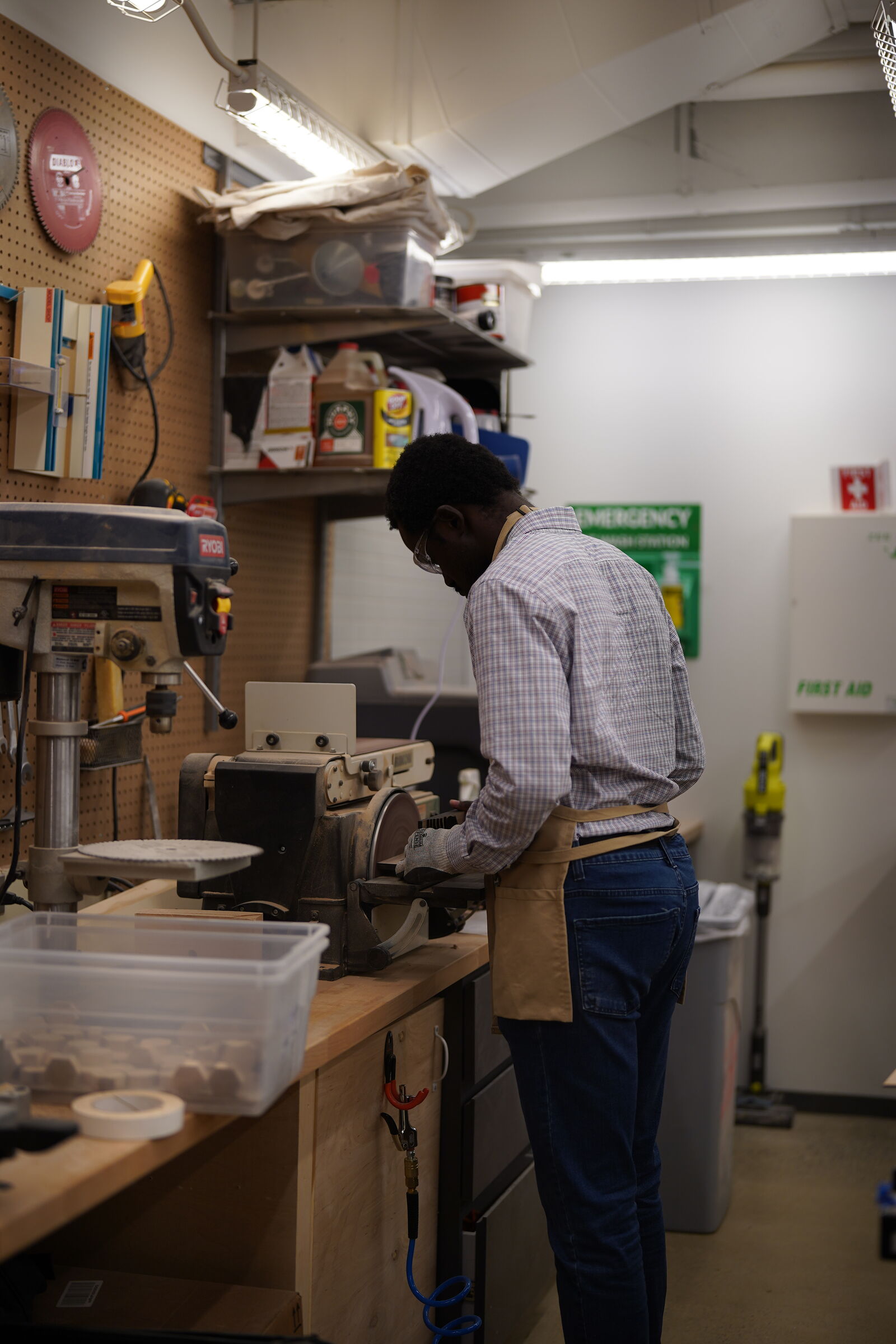
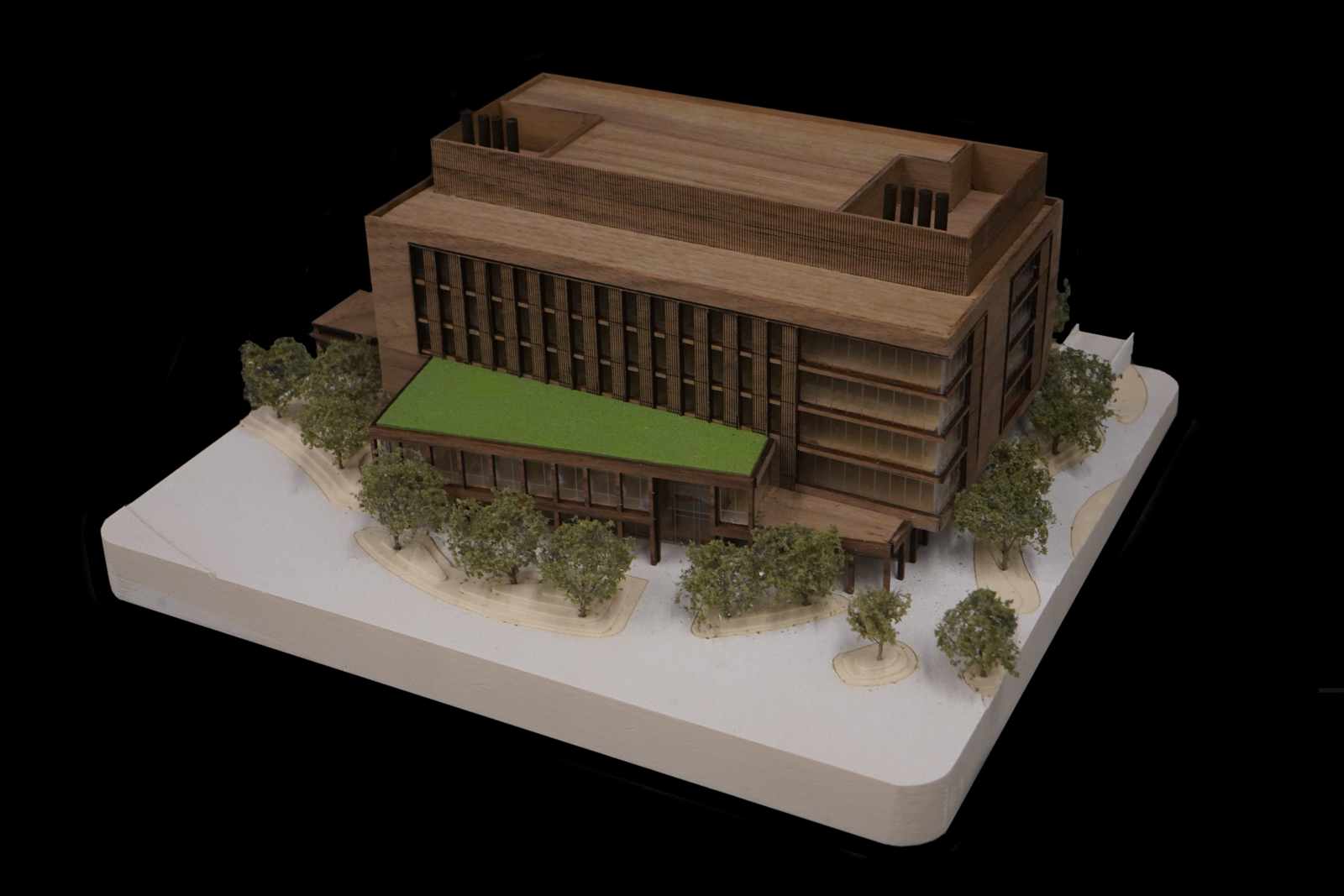
Joseph spent time this summer in ZGF D.C.'s model shop, building detailed small-scale models.
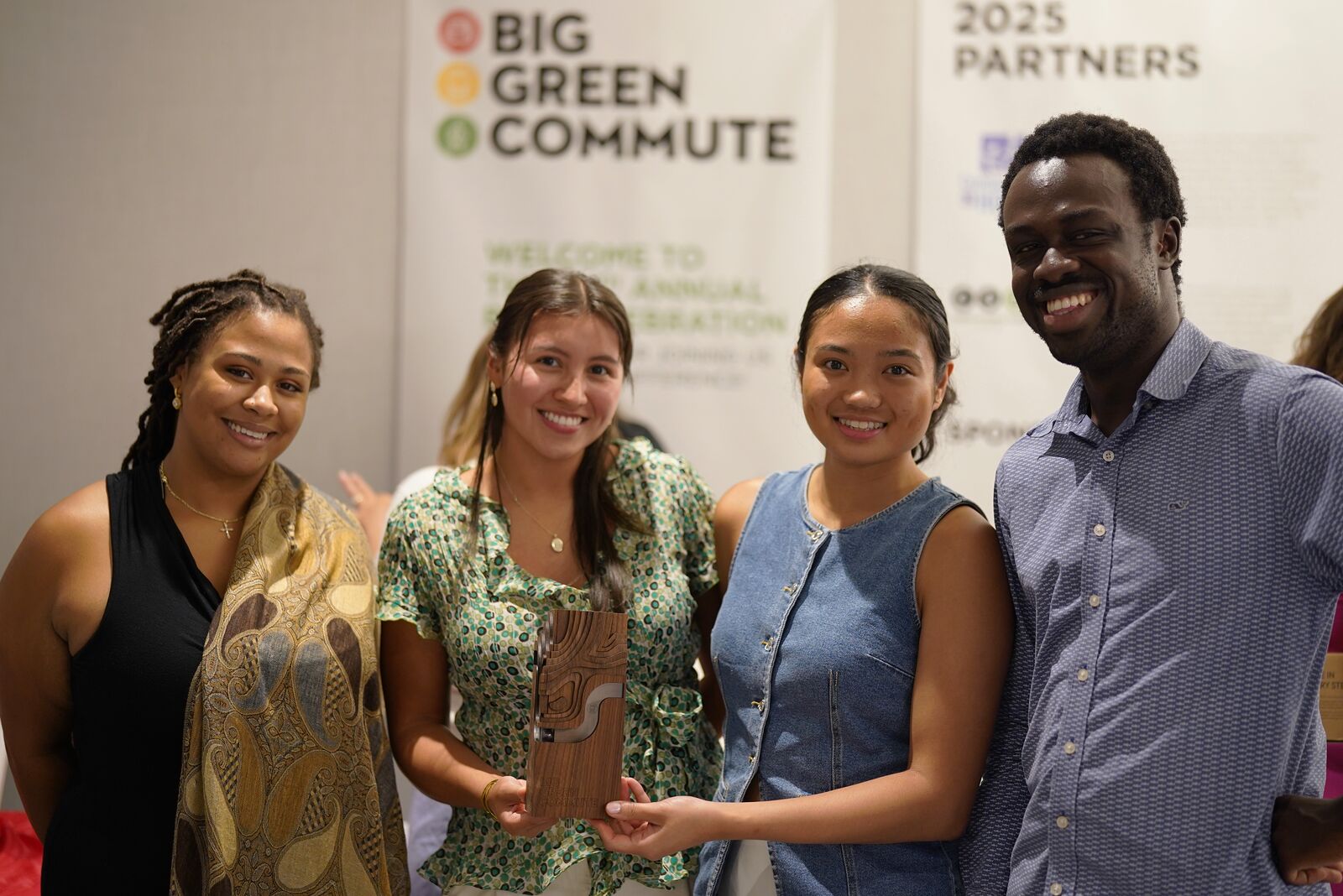
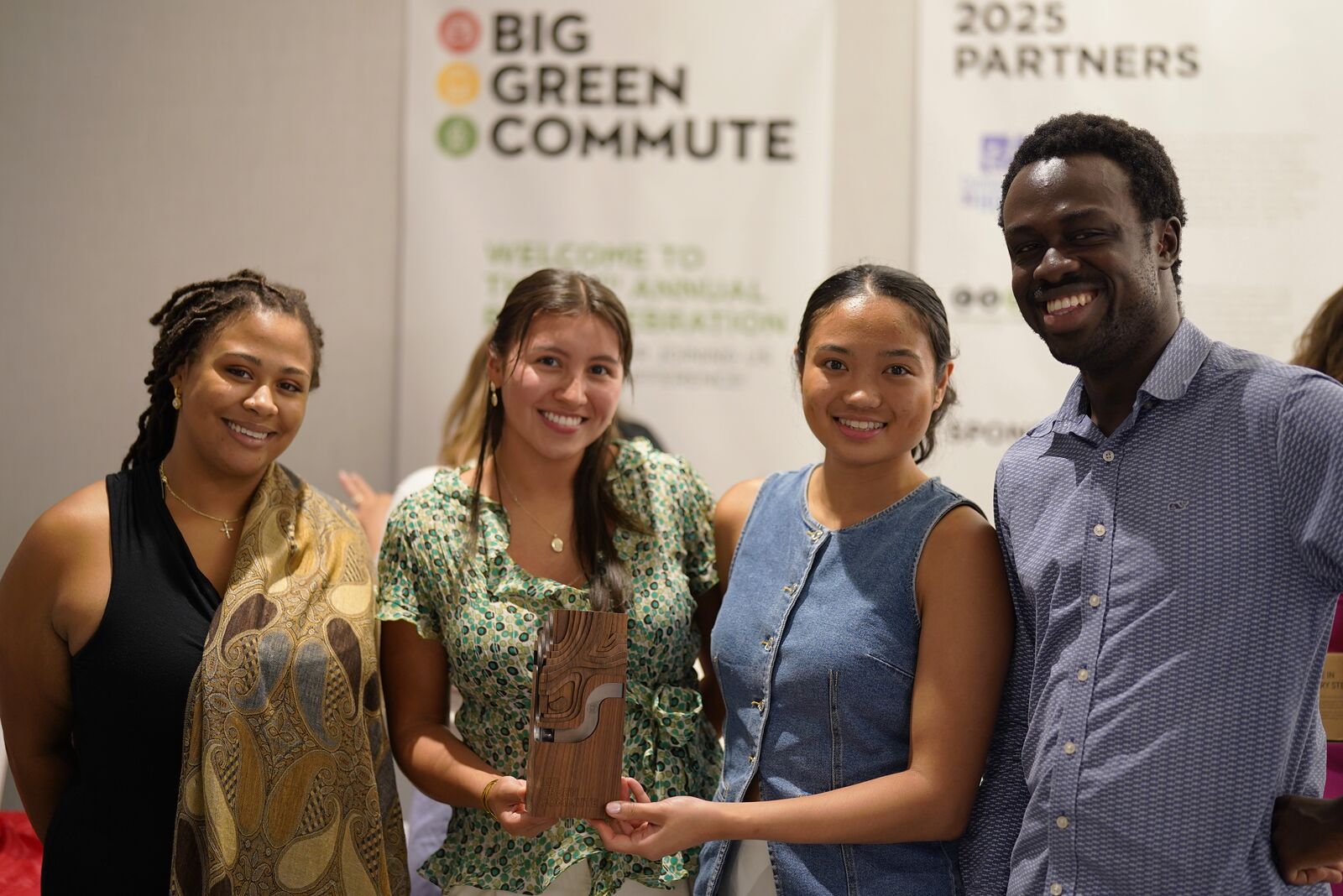
ZGF D.C.'s summer interns at this year's Big Green Commute celebration.
What’s next for you after this internship? How do you hope to make an impact in the field of architecture?
As I head into my final year at Harvard, I’m especially grateful to have had this internship opportunity to bridge the academic and professional sides of architecture. I’ve learned so much this summer—both technically and creatively.
In school, we explore a lot of important community and environmental ideals, but putting those into practice can be difficult with all the red tape and real-world constraints. What I’ve appreciated about ZGF is how seriously the firm works to bring those values into the built environment. That kind of thoughtful, mission-driven approach is something I hope to carry with me as I grow in this field, working to improve the environments we all share—even in small ways.
Building a Career in ZGF’s Model Shop Community