Built to Evolve: How Developer-Driven Labs Are Reshaping Academic Research Spaces
Amid increased market uncertainty and growing competition for research talent, some higher education institutions are rethinking their approach to real estate. Declining federal research funding, shifting enrollment patterns, and tighter capital budgets are prompting universities to do more with fewer resources—while still advancing their research missions. One compelling response: the developer-driven lab model.
This approach, already adopted by leading institutions across the country, offers a flexible, cost-conscious alternative to traditional, institution-owned lab facilities. It directly addresses space limitations, budget constraints, research capacity needs, and the challenge of attracting and retaining top talent.
Instead of developing, owning, and operating lab space, universities partner with private developers to deliver core-and-shell buildings that can be tailored by tenants. These spaces are often located within or near innovation districts, giving institutions access to vibrant research ecosystems without taking on the full burden of land acquisition or long-term capital commitments. Many of these projects are delivered through public-private partnerships, which allow institutions to guide planning while leveraging private investment and expertise.
ZGF-designed projects like The Assembly in Pittsburgh, One uCity Square in Philadelphia, 4MLK in Baltimore, and Aggie Square in Sacramento demonstrate how the developer-driven lab model provides institutions with adaptability and long-term value.
Maximizing Flexibility and Research Capacity
A major advantage of the developer-driven lab model is its inherent flexibility. These spaces start with an efficient building shell and core that can be customized to meet the evolving needs of individual research teams. As new technologies emerge and research priorities shift, universities can adapt these spaces without major structural changes.
At The Assembly, for example, the infrastructure was originally designed for a 60:40 split of wet-to-dry lab space but was ultimately delivered with more than 50% dry or computational research space. This shift reflects broader trends in scientific research, particularly the growing demand for AI-driven and data-centric workspaces.
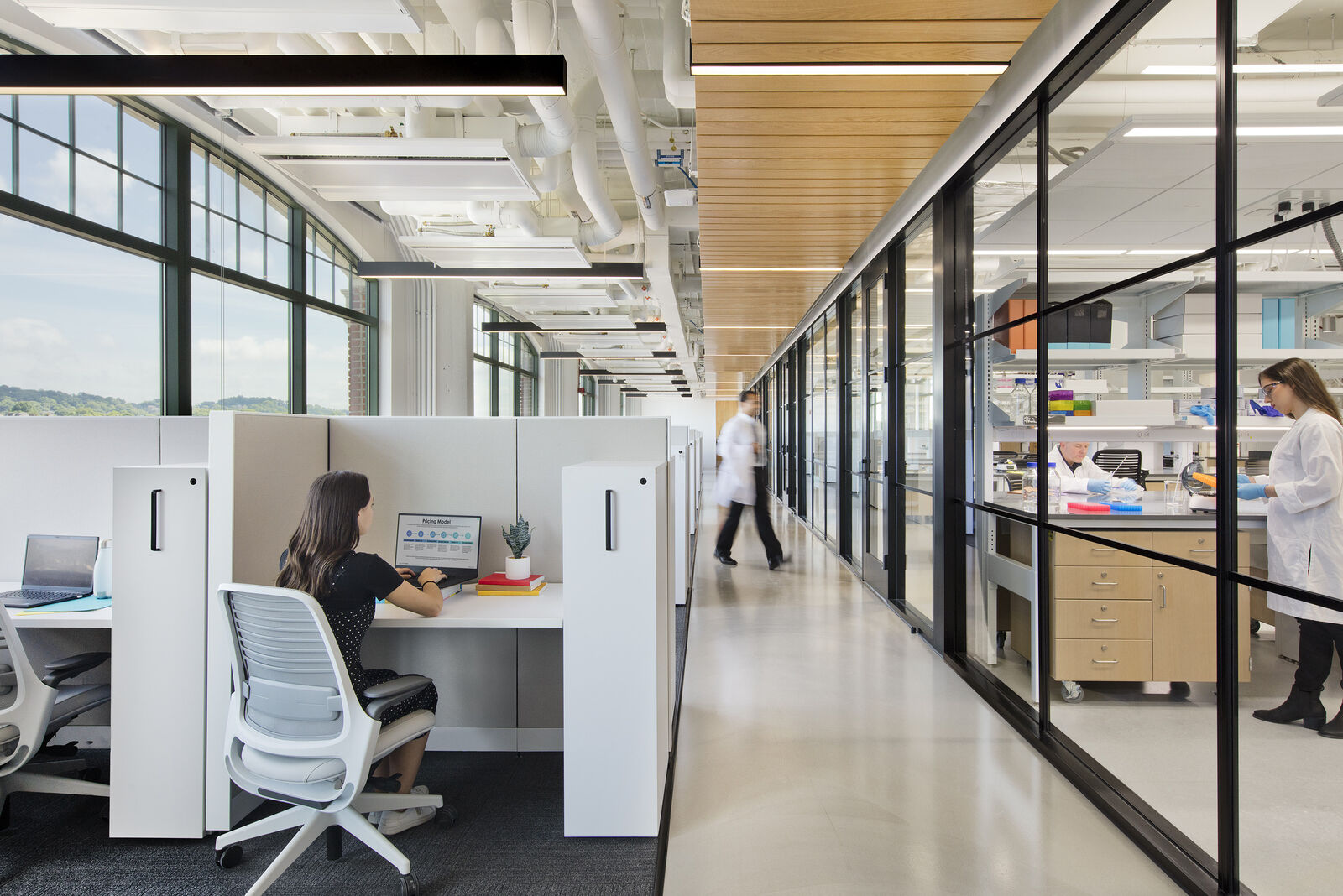
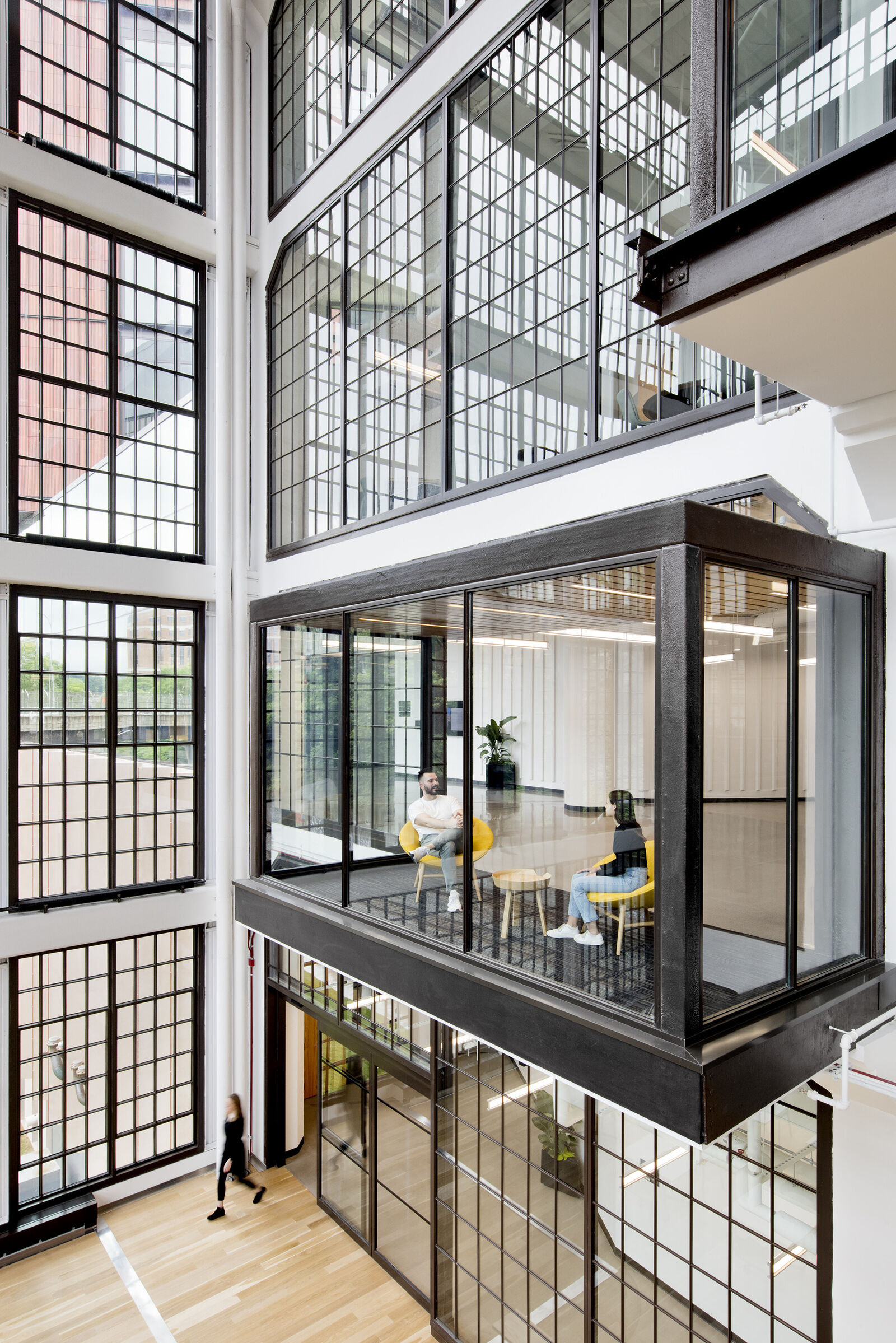
At One uCity Square, developed by Wexford Science + Technology, wide floor plates and robust infrastructure allow tenants to install specialized equipment or upgrade building systems such as HVAC and power without requiring significant institutional investment. This tenant-led customization ensures spaces remain functional and future-ready as research needs change.
Strengthening Institutional Connections and Community Stewardship
Developer-led lab spaces are frequently located within emerging innovation districts—urban environments intentionally designed to foster cross-sector collaboration. This proximity accelerates translational research, strengthens partnerships with industry, and deepens ties with local communities.
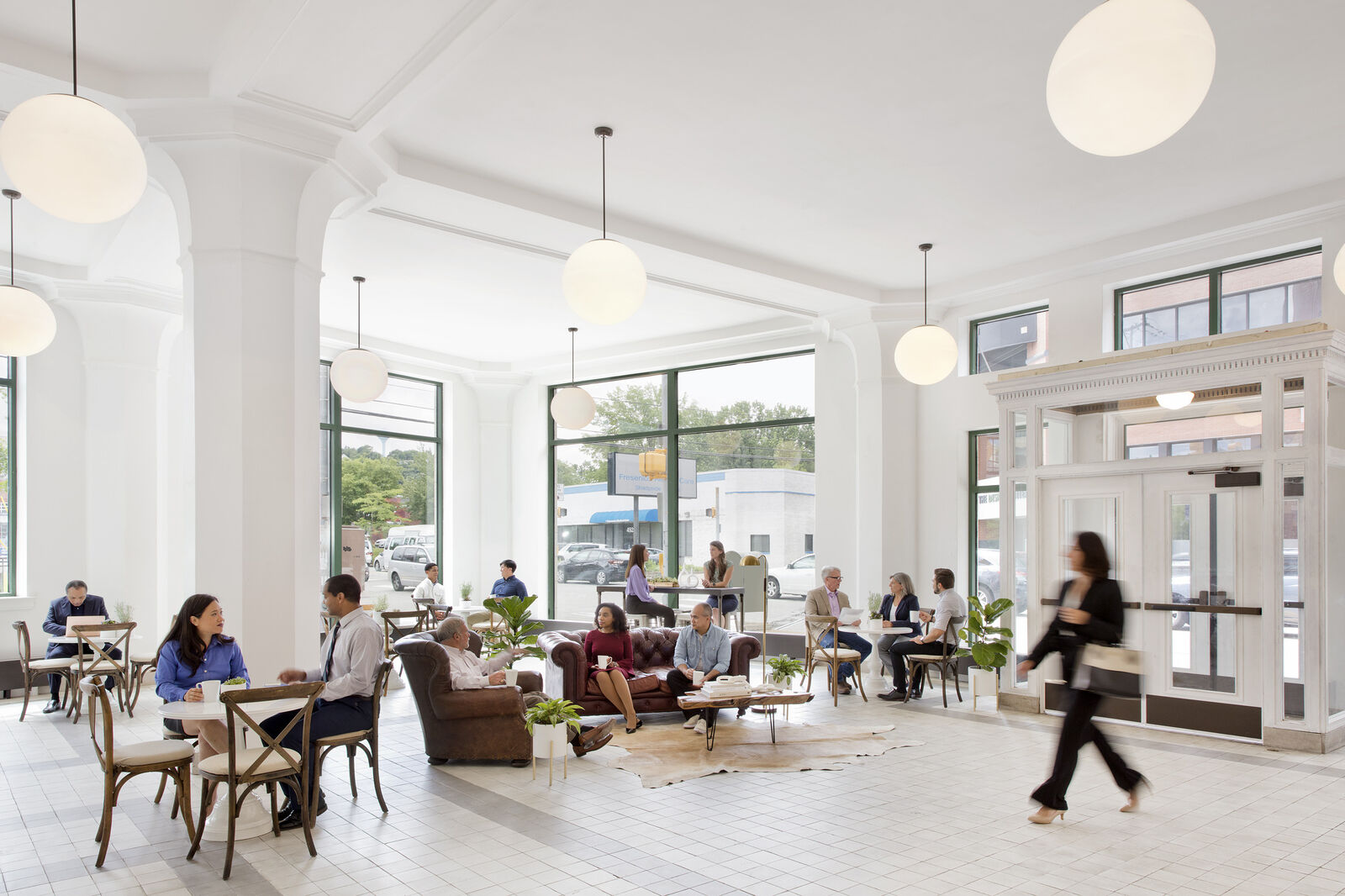
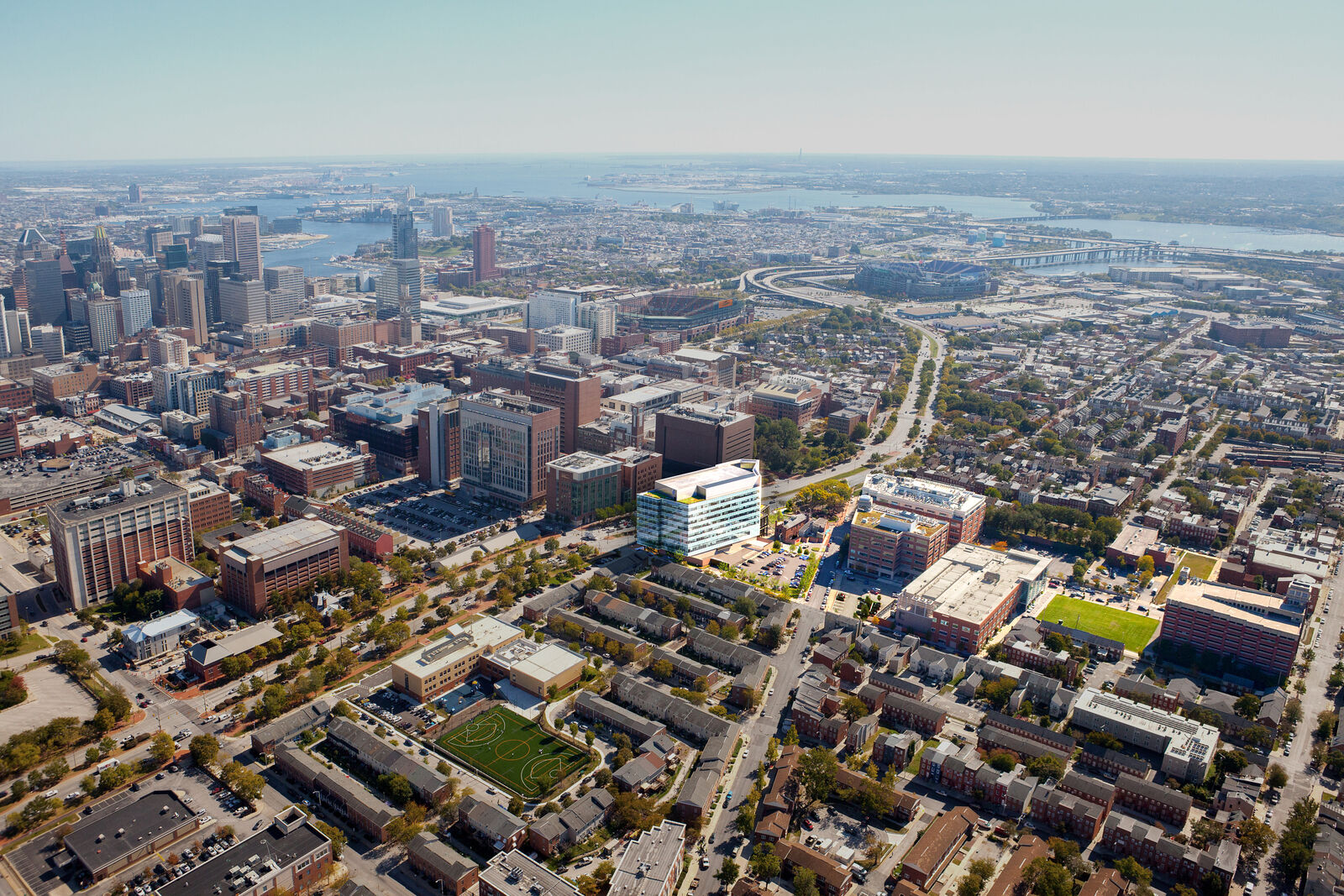
For instance, 4MLK sits at the entrance to the University of Maryland Baltimore (UMB) BioPark, reinforcing the connection between UMB’s School of Medicine and the University of Maryland Medical Center. Beyond its lab spaces, the project incorporates community-focused amenities such as a café, open public seating, and a landscaped plaza with wide sidewalks—an intentional gesture to return space to the community and create a welcoming environment for the public and researchers alike.
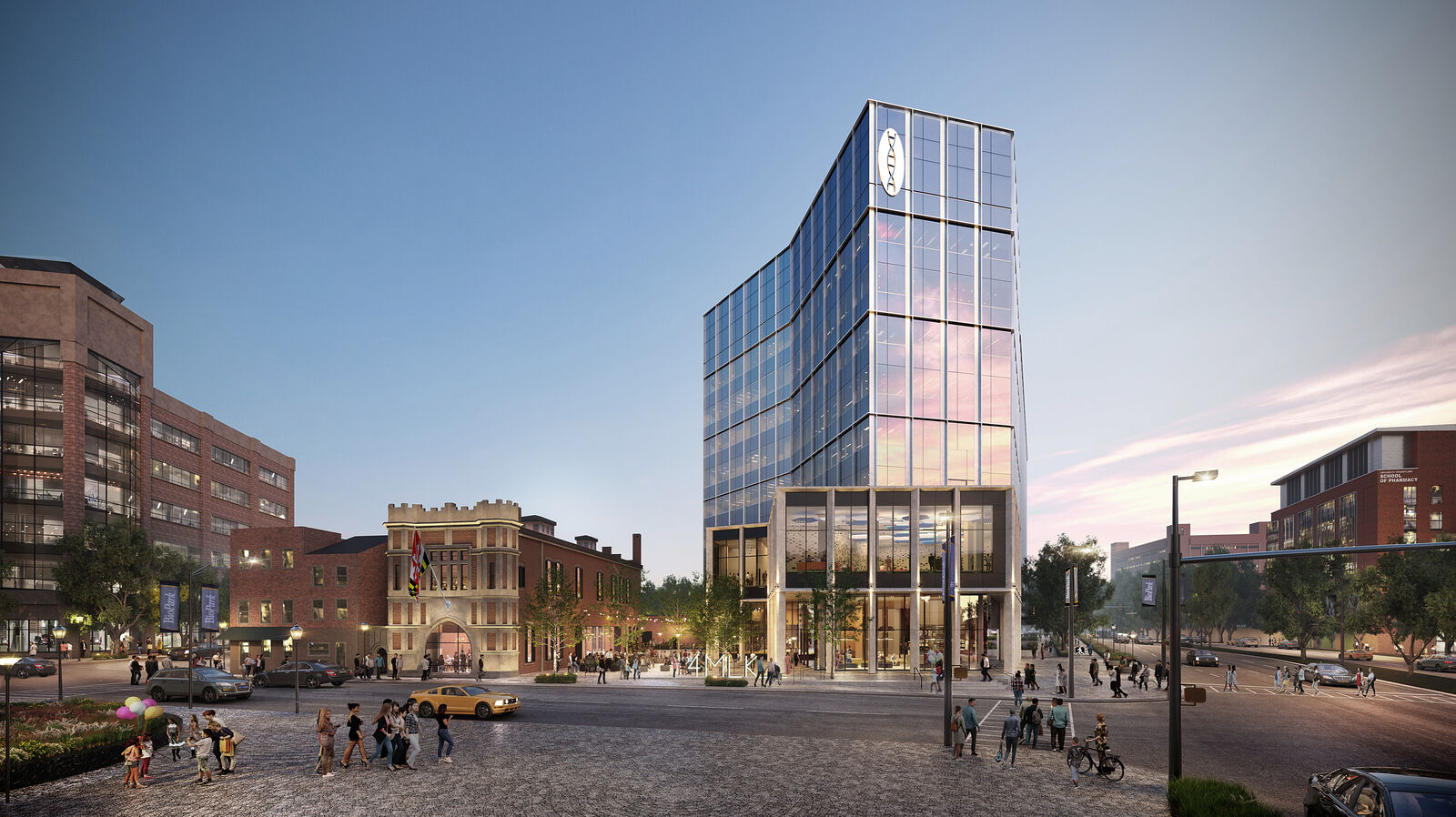
The building aims to spur activity along MLK Boulevard—a street often neglected by adjacent buildings—by introducing several new storefronts, bike lanes, and outdoor seating in the plaza.
Similarly, The Assembly transformed a historic Ford Motor Plant into a vibrant, one-block innovation hub housing the University of Pittsburgh Medical Center and Hillman Cancer Center alongside leasable space for industry partners and entrepreneurs. On-site retail, conferencing space, and shared amenities enhance the tenant experience while helping institutions compete for top talent.
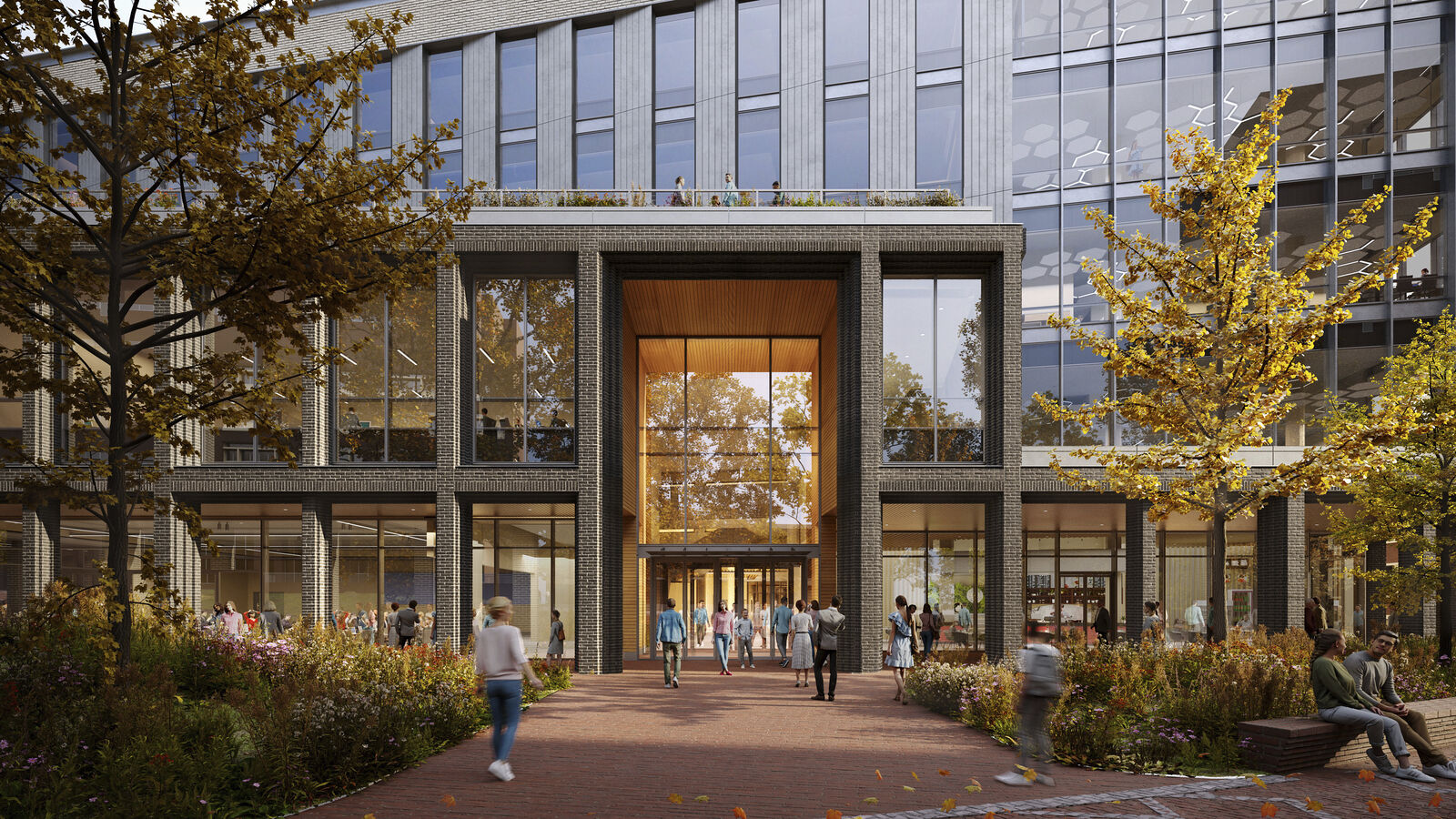
On the West Coast, Wexford Science + Technology’s Aggie Square follows the public-private partnership model. Situated on the University of California, Davis’s Sacramento medical campus, the development is an innovation district where companies, researchers, students, and faculty work side-by-side with the common goal of accelerating discovery.
More than a good neighbor, Aggie Square creates a heart for the surrounding neighborhood that invites the community to be part of the innovation happening inside. Maker and incubator spaces are intentionally placed to put science on display, engaging not only researchers and students but also the broader University and adjacent neighborhoods. On the upper floors, the School of Medicine students, academic medical researchers, and emerging companies share collaboration spaces—presenting a new paradigm for fostering meaningful intellectual exchange in a research environment.
Imagined as a life sciences campus that will help reshape Sacramento’s reputation from a government town into an innovation hub, the all-electric project is connected to one of the cleanest power grids in the country, positioning it for net-zero carbon operations. When all phases are complete, Aggie Square is expected to stimulate economic development with a $1.9 billion impact to the region and support 3,200 jobs annually.
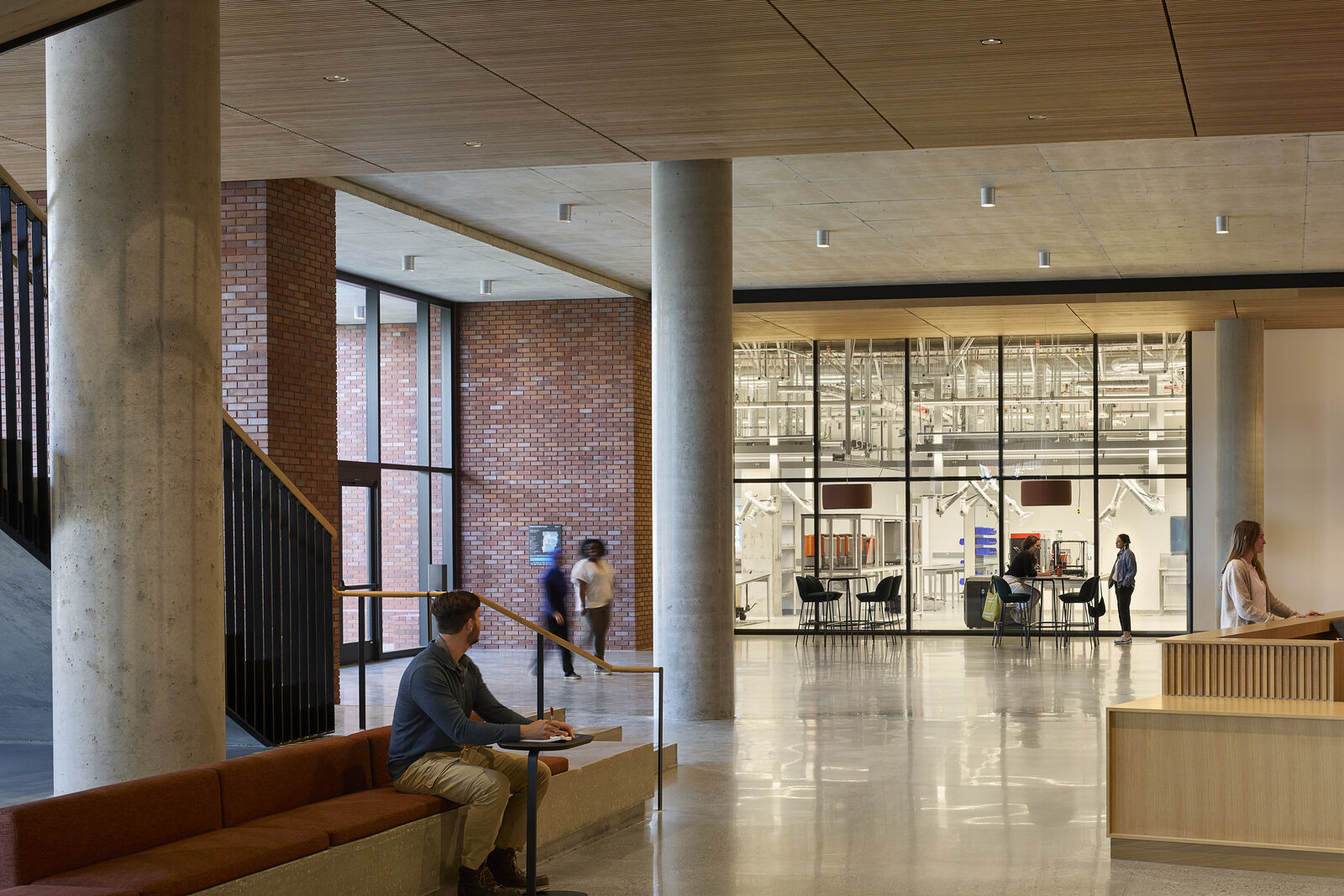
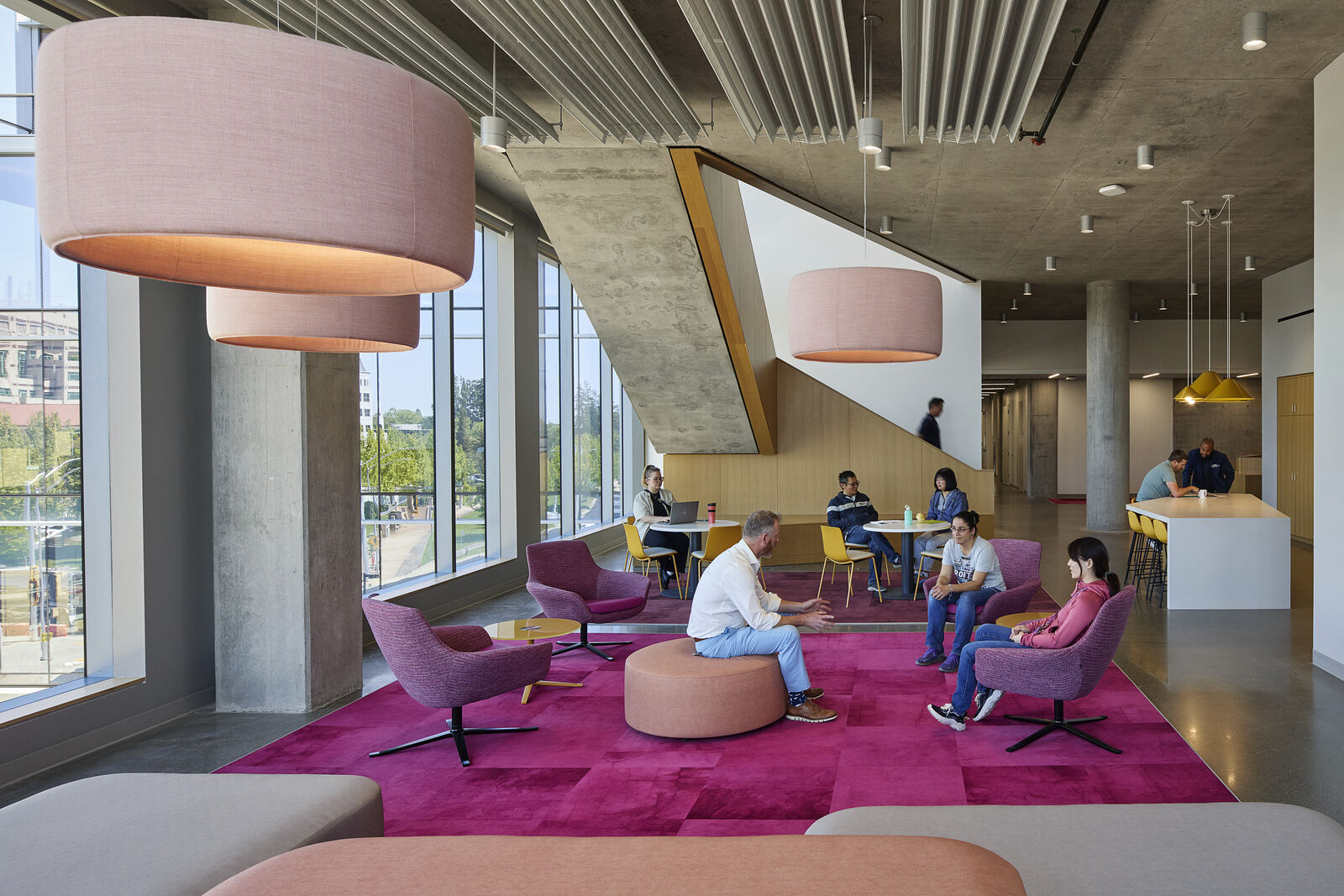
By placing academic researchers and private industry on the same floor with shared amenity and collaboration spaces, the design at Aggie Square breaks down traditional silos to drive real-world impact.
Designing for Longevity and Sustainability
Developer-driven labs also provide a sustainable, future-focused alternative to traditional institutional facilities. Because these buildings are designed to serve multiple tenants over time, they incorporate modular systems that reduce waste, simplify upgrades, and minimize lifecycle costs.
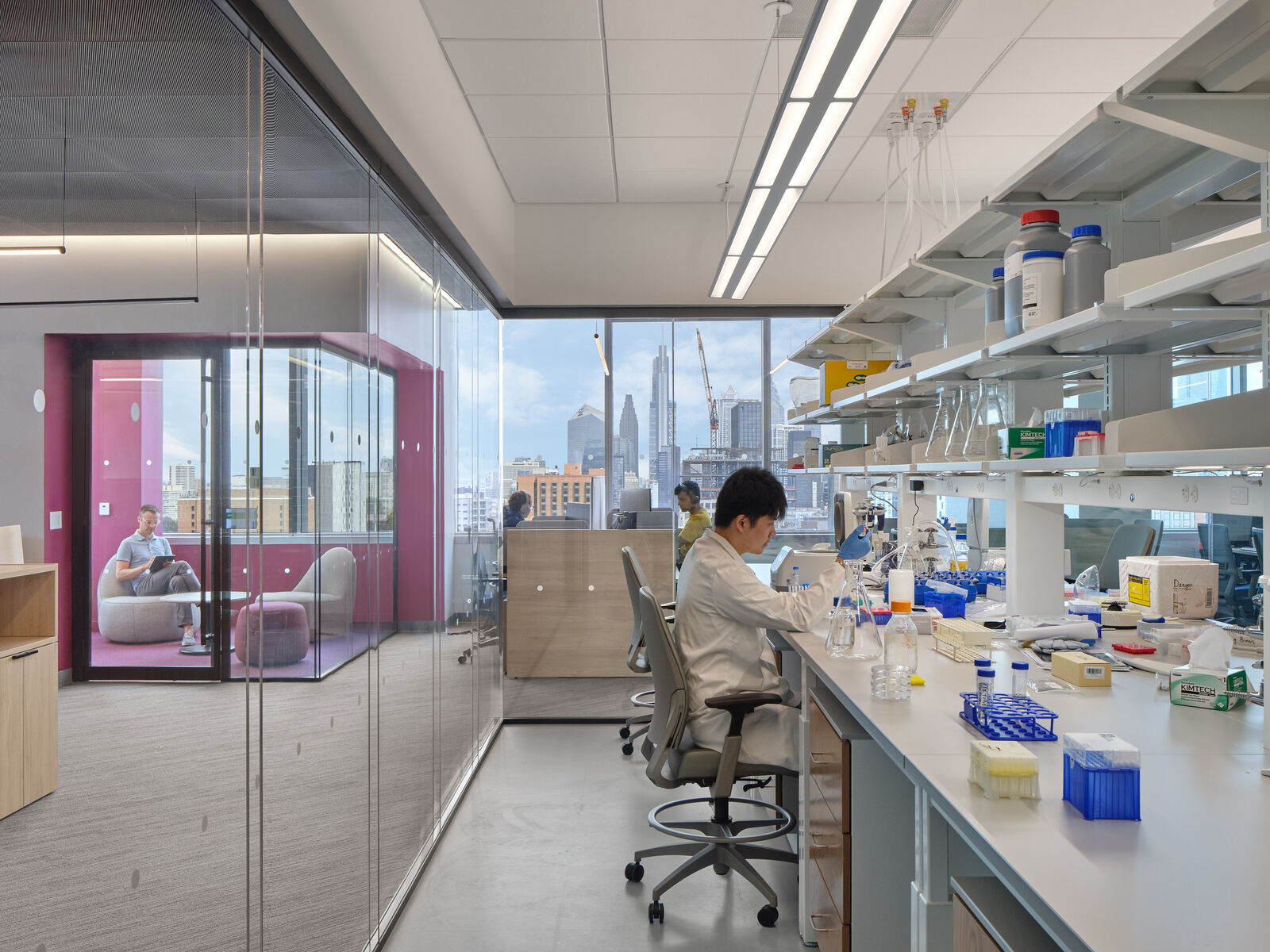
At 4MLK, energy-efficient variable refrigerant flow (VRF) systems allows each tenant to control their own zones and reduce unnecessary energy consumption in unoccupied areas. By understanding the infrastructure capacity of each space—such as utilities and HVAC systems—institutions can make targeted and cost-effective upgrades, as needed. This not only minimizes environmental impact but also ensures that lab spaces can evolve alongside changing research needs.
The developer-driven lab model is more than a real estate solution—it represents a strategic shift in how universities can approach space and stewardship. By leveraging private-sector expertise through developer partnerships, institutions can expand their research capacity, create more dynamic environments for faculty and students, and respond more nimbly to changing research needs.
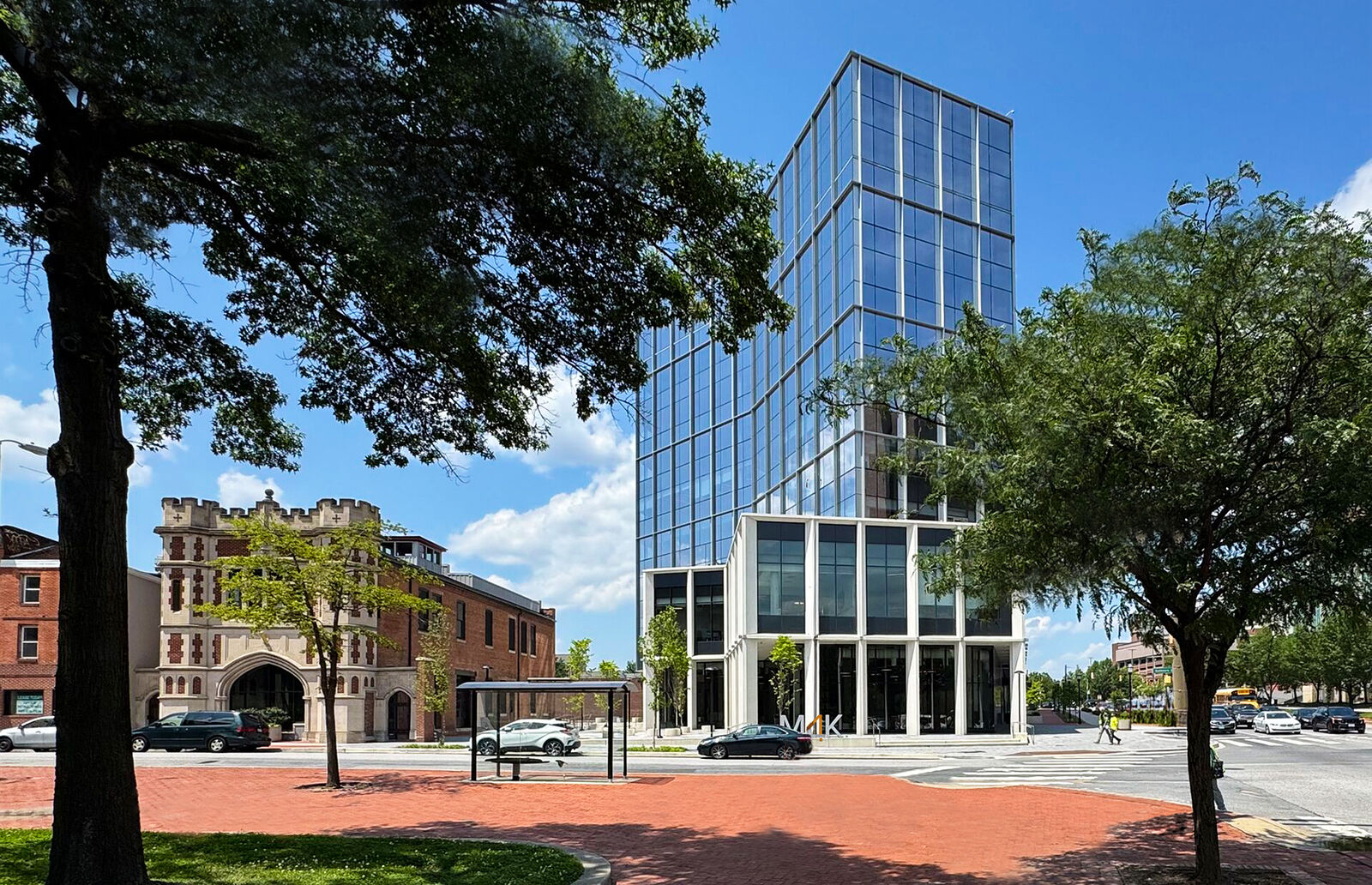
Wexford Science + Technology, 4MLK

Wexford Science + Technology / University of California, Davis, Aggie Square
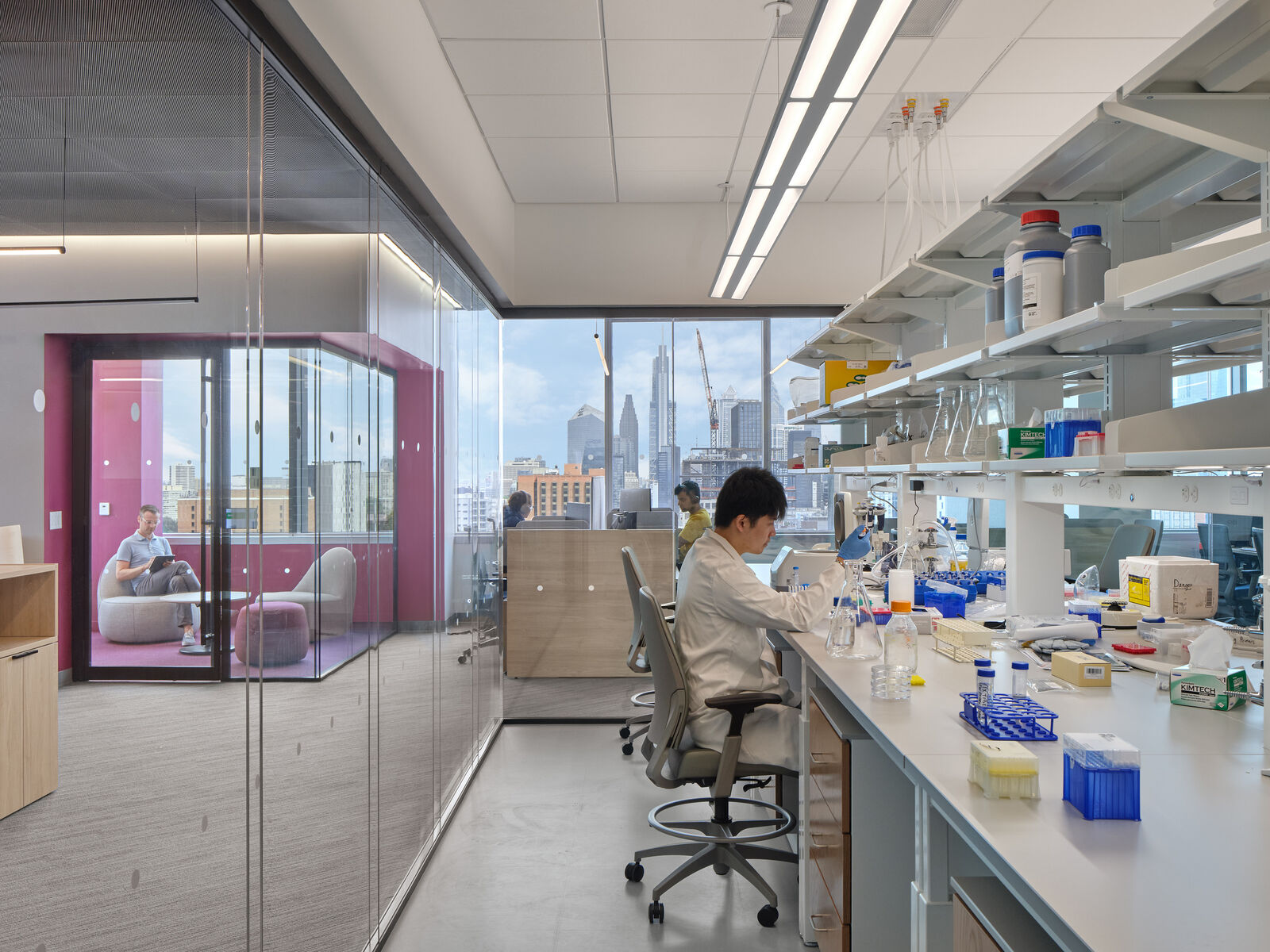
Wexford Science + Technology, One uCity Square
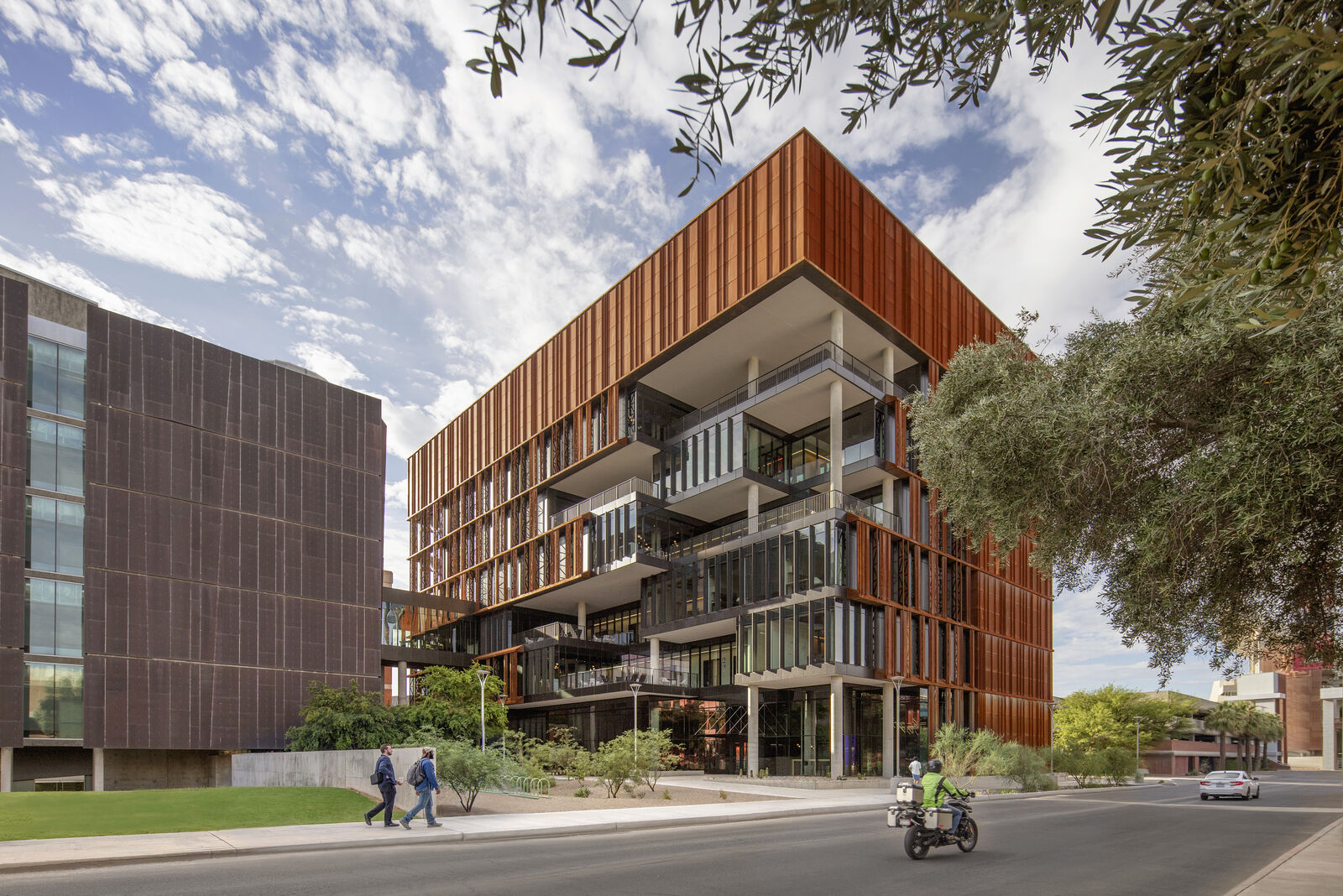
The University of Arizona, Grand Challenges Research Building