Expanding Access to Compassionate Care
Seattle Children’s, Psychiatry and Behavioral Medicine Unit
Healthcare
Seattle Children’s Psychiatry and Behavioral Medicine Unit (PBMU) provides short-term inpatient care for children ages 3 to 17 with complex mental health issues. ZGF and a+ worked with Seattle Children’s to reimagine the PBMU into a nurturing and supportive environment using both natural and playful design elements, while simultaneously ensuring security and safety. For patients experiencing a mental health crisis, the goal of the PBMU is to stabilize the behaviors that led to hospitalization and teach the patient and family coping skills that can help after they leave the hospital.
Location
Seattle, WA
Square Feet
34,000
Completion date
2015
Project Component
Interior design and space planning
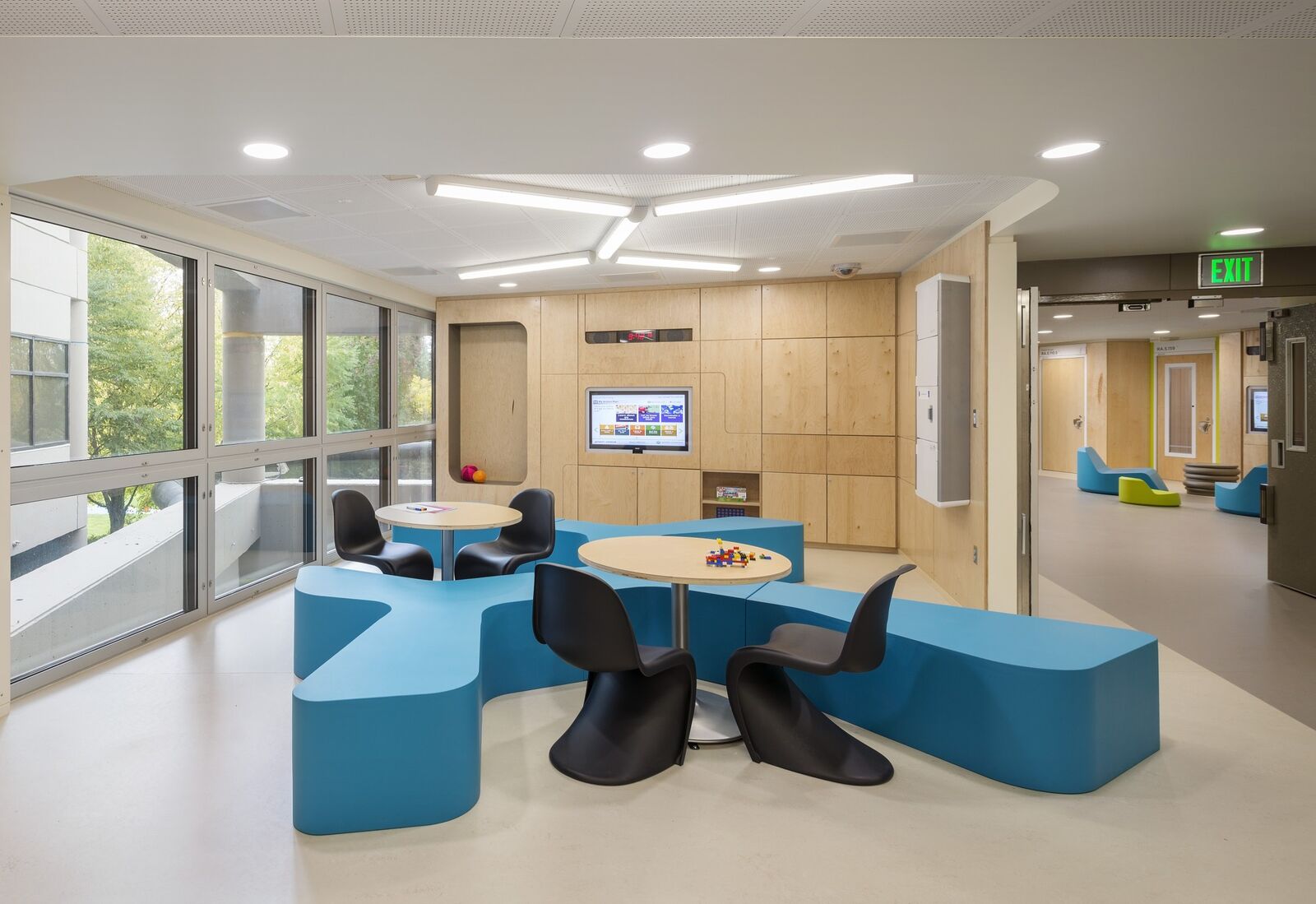
Community plays an important role in the healing process.
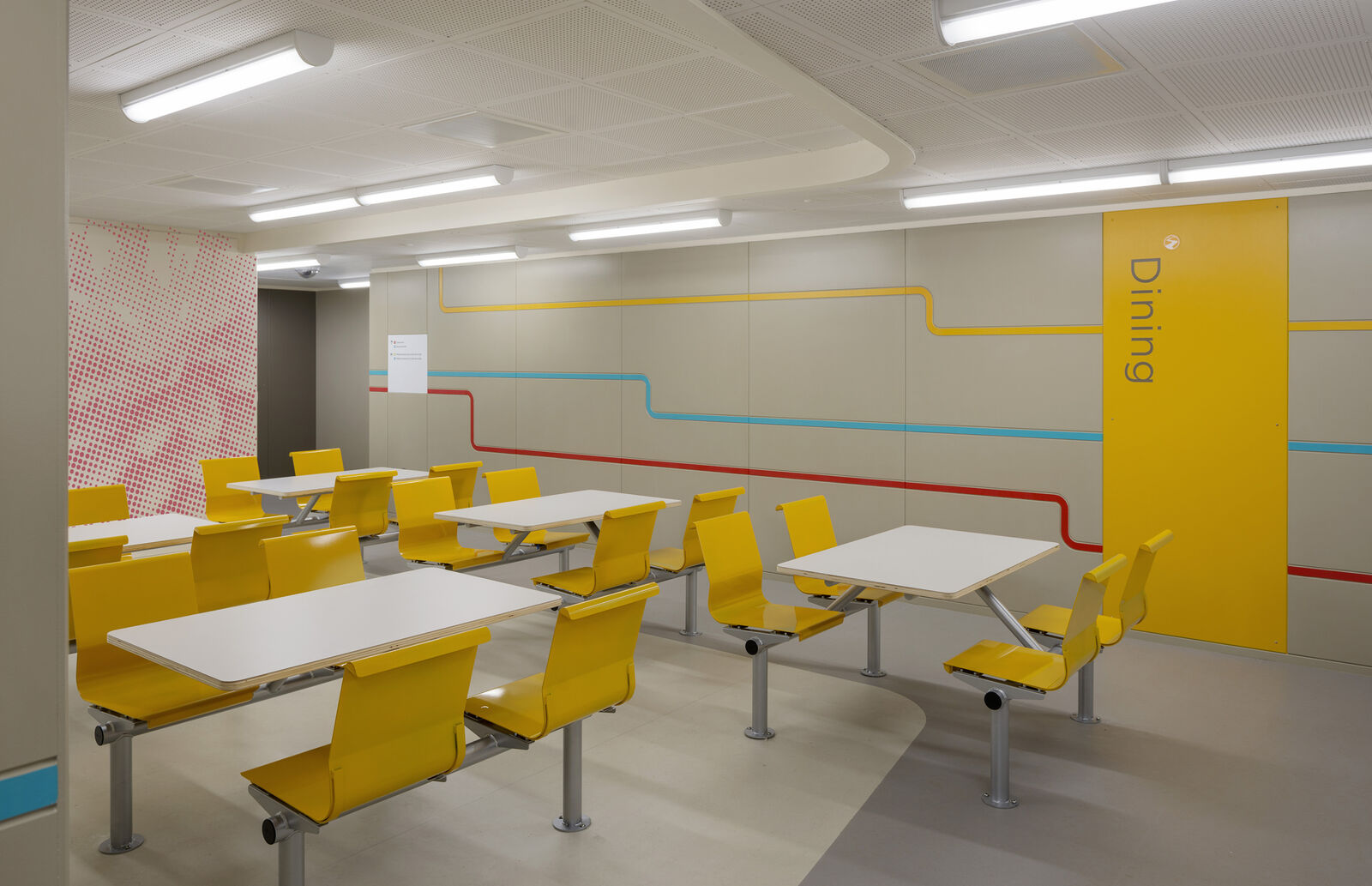
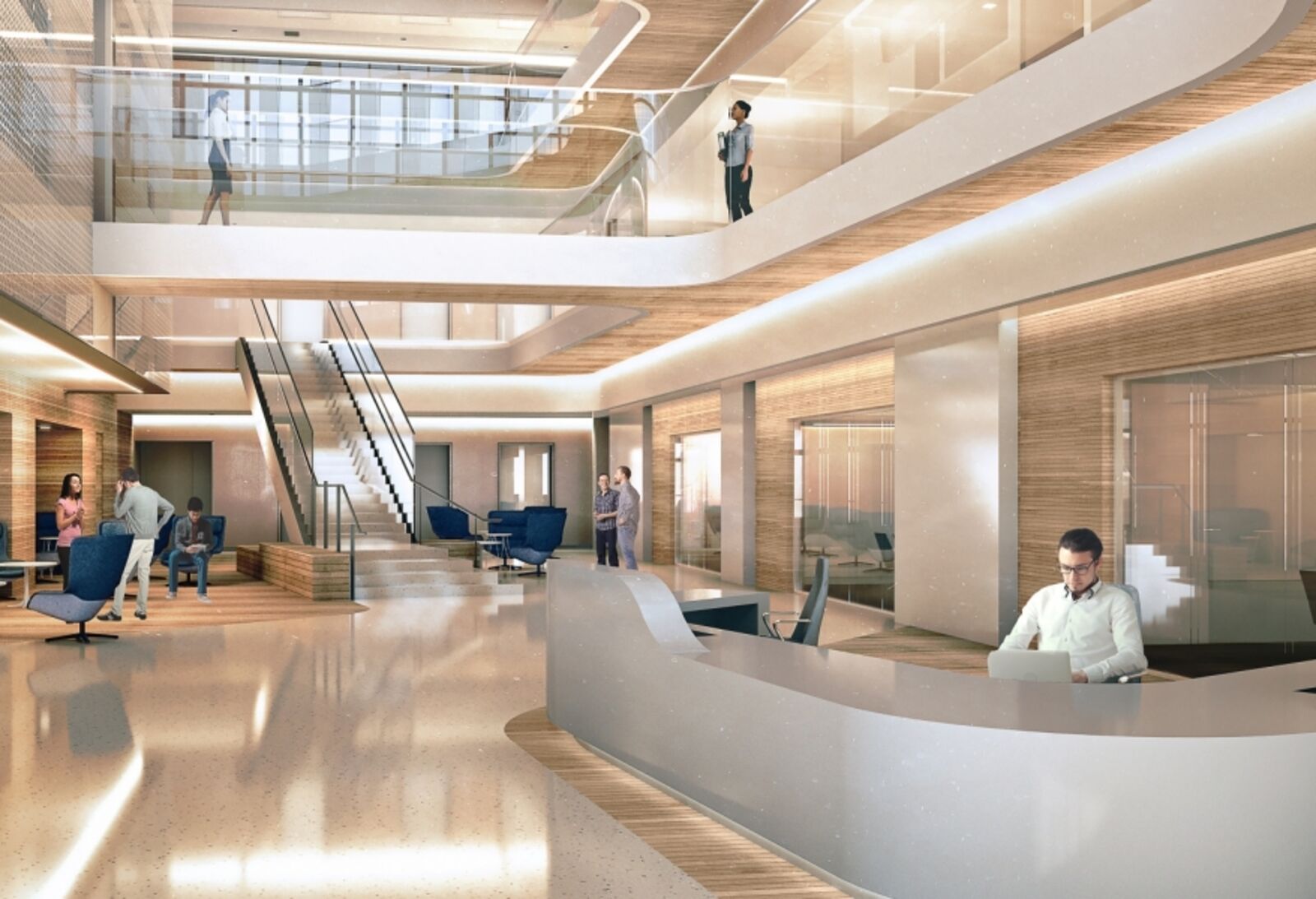
The program provides a variety of spaces that patients can access outside of their rooms, including recreational facilities, a dining room, classroom, comfort rooms, group rooms, and a designated area for the Autism Spectrum Disorders Program. Phase one (completed 2014) added 25 beds in private rooms with space for parents to stay overnight. Phase two (completed 2015) added 16 more beds, bringing the total to 41 beds across levels four and five. A communicating central stair connecting the two floors gives patients freedom to move up and down throughout the unit.
Following the hospital’s guiding principles of respect for self, others, and the environment, the design team created a healthy, supportive care environment that maximizes healing and creates a sense of community.
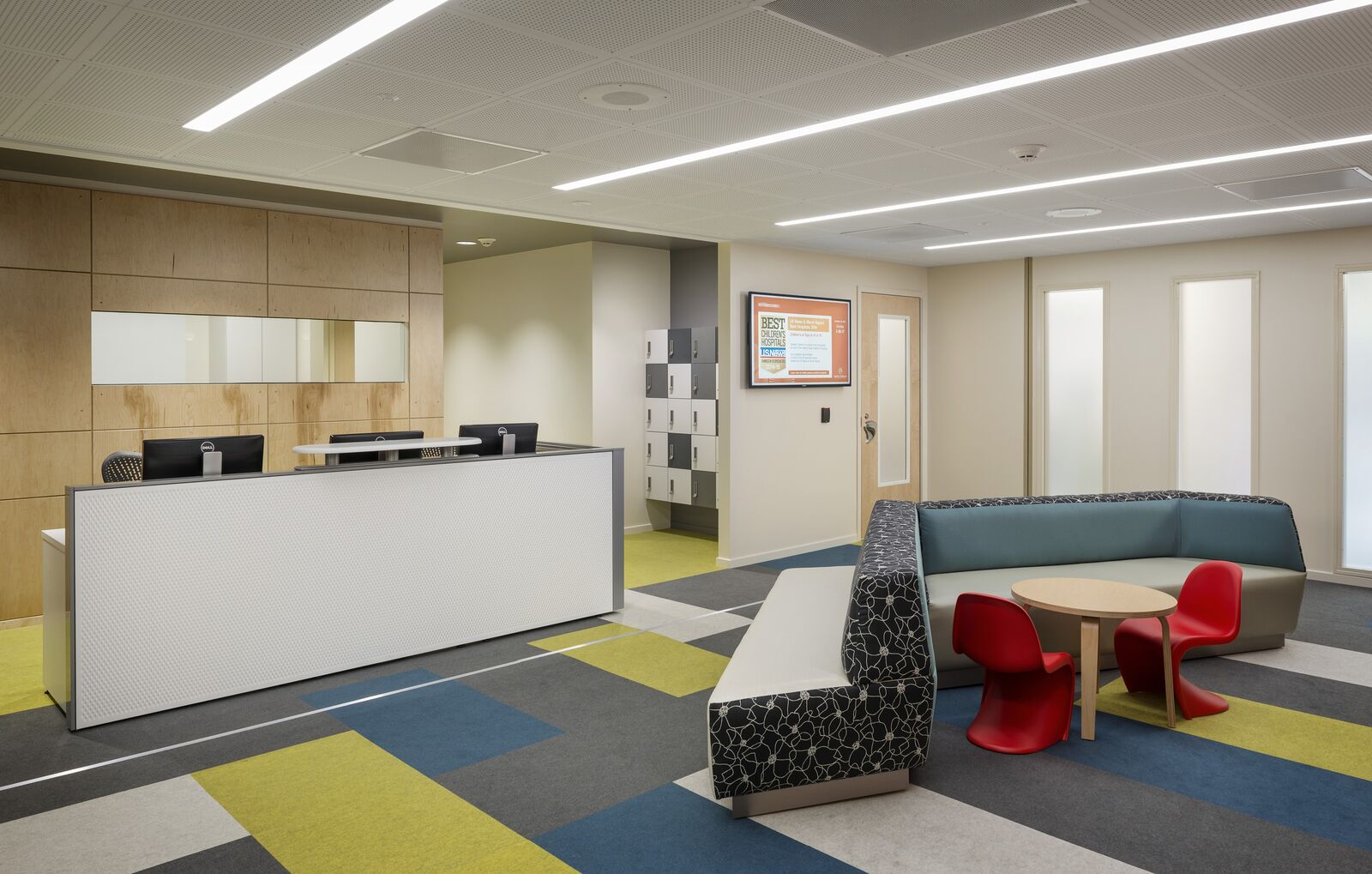
A welcoming reception area provides space for parents and caregivers to check in, greet visitors, or take a break. Secure storage is provided for items not allowed in the unit.
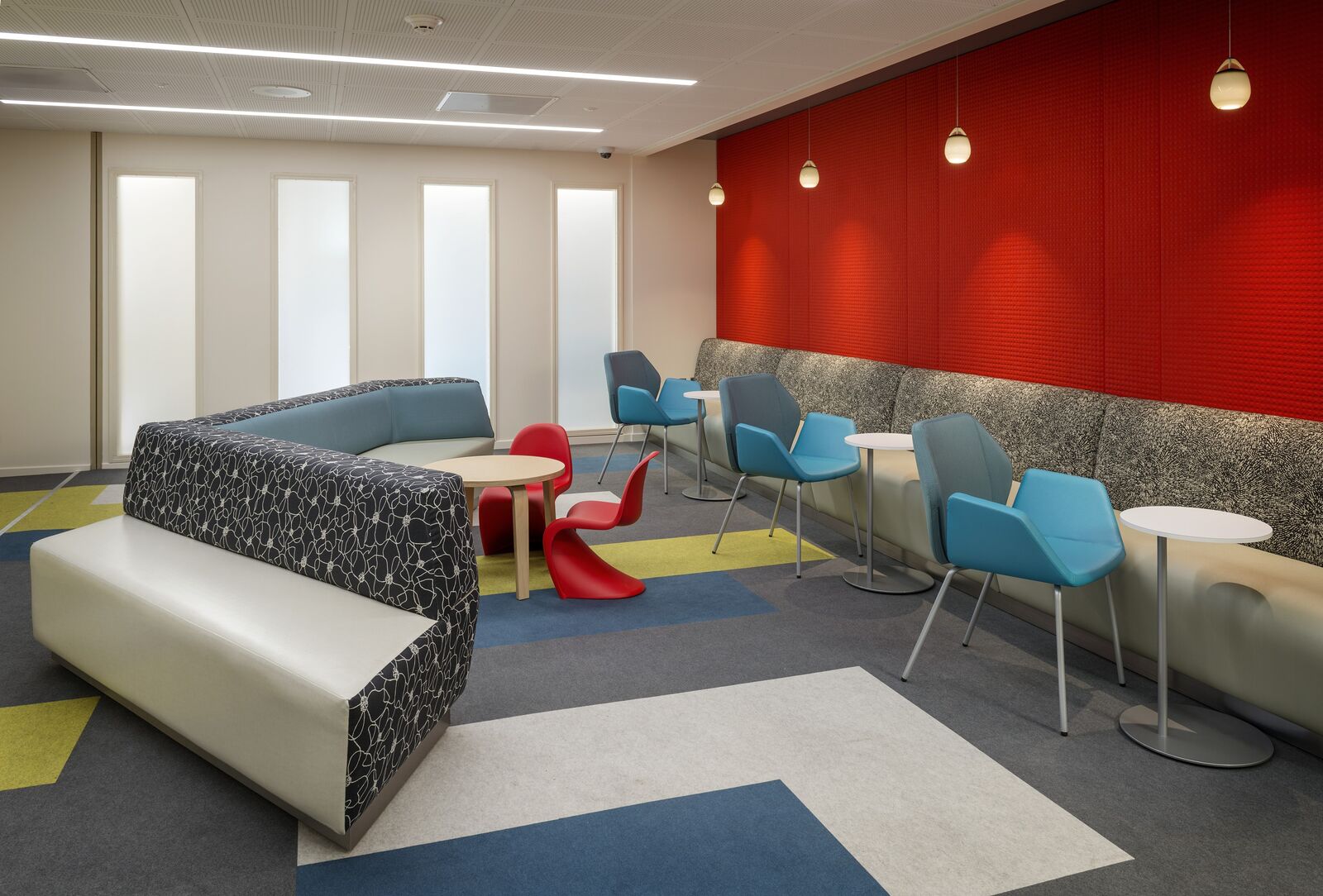
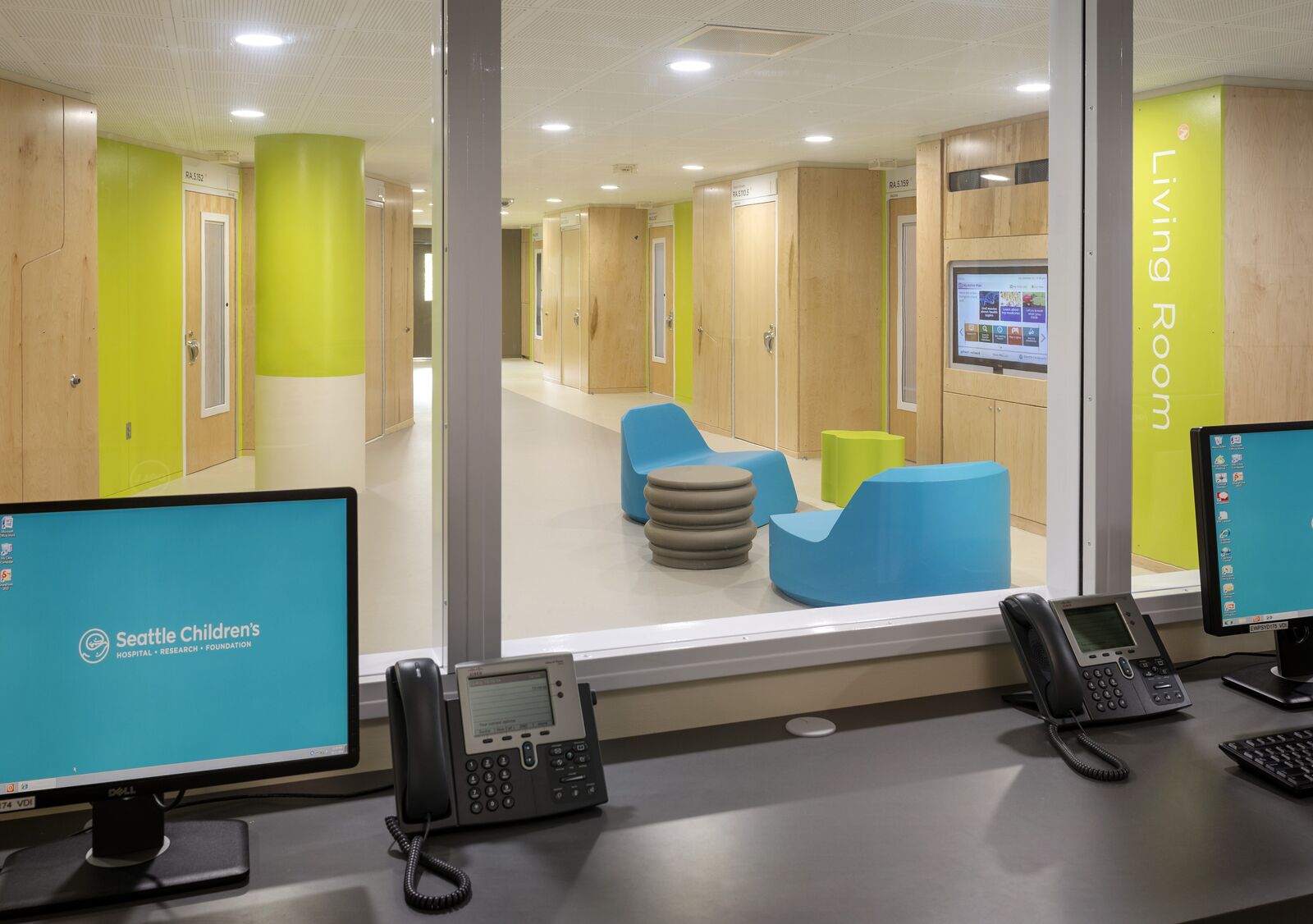
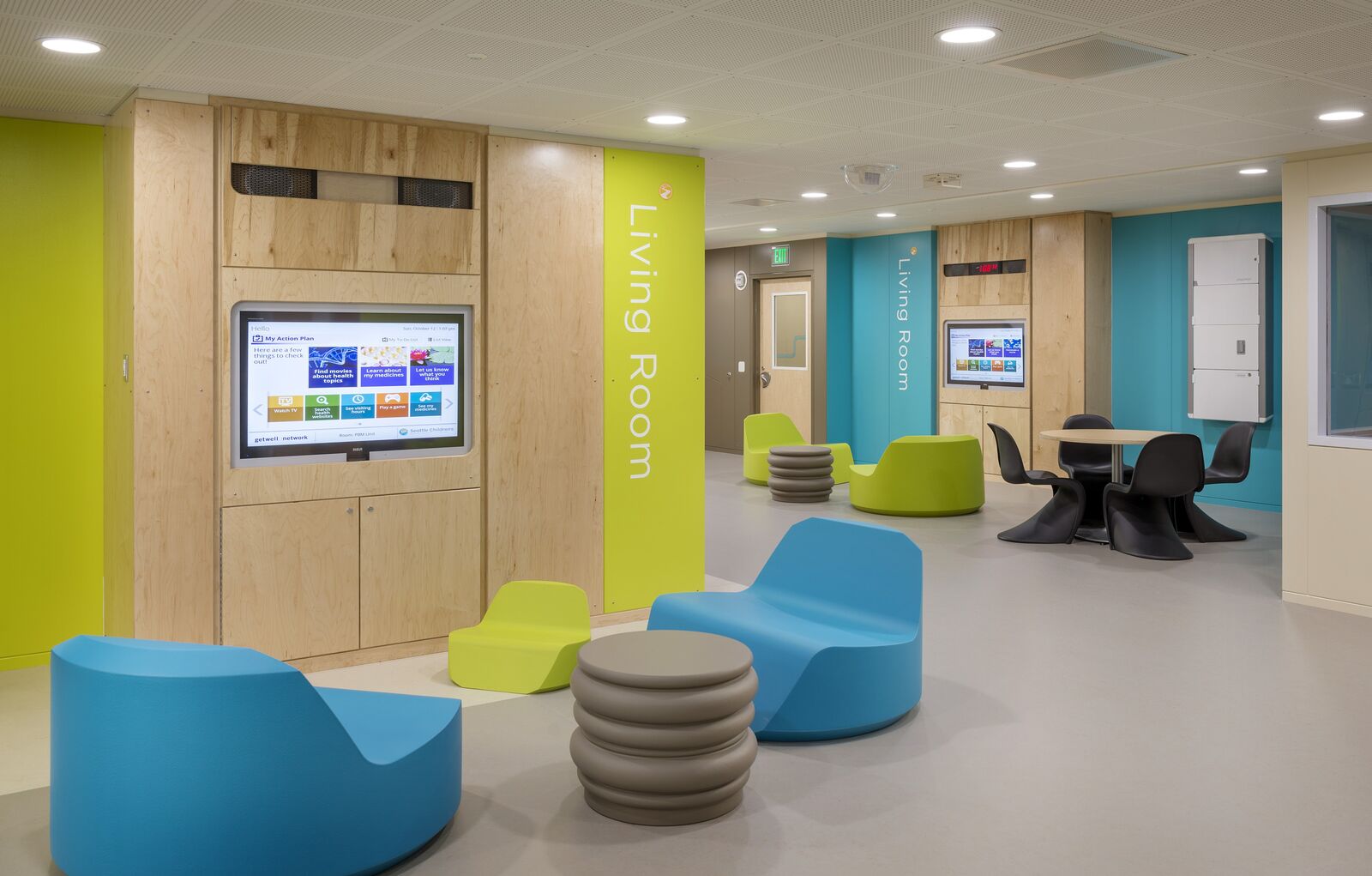
Children can hang out with family and friends in the living room area. Observation windows from the nurse station enhance safety and visibility.
An integrated design approach
Prior to the design of the new unit, the PBMU was operating at 98% capacity in 2013 and 102% capacity in 2014, with 180 patient diversions that year alone. The existing facility, prior to the renovation, did not adequately support Seattle Children’s model of care, resulting in patients using hallways for seclusion spaces and limited transition between private and public spaces.
ZGF led the hospital through four Integrated Design Events (IDEs) over five months, bringing together a diverse team of hospital staff, board members, and patient and family advocates to design a space that better serves their needs. The new facility creates a welcoming, comforting community that supports the health and wellbeing of patients, families, and staff while increasing capacity and operational efficiencies. The design also reduced patient and staff injuries by 40% and reduced restrain use by 50%. This contributed to a 50% increase in family satisfaction and a 10% increase in staff engagement, as measured by post occupancy surveys.
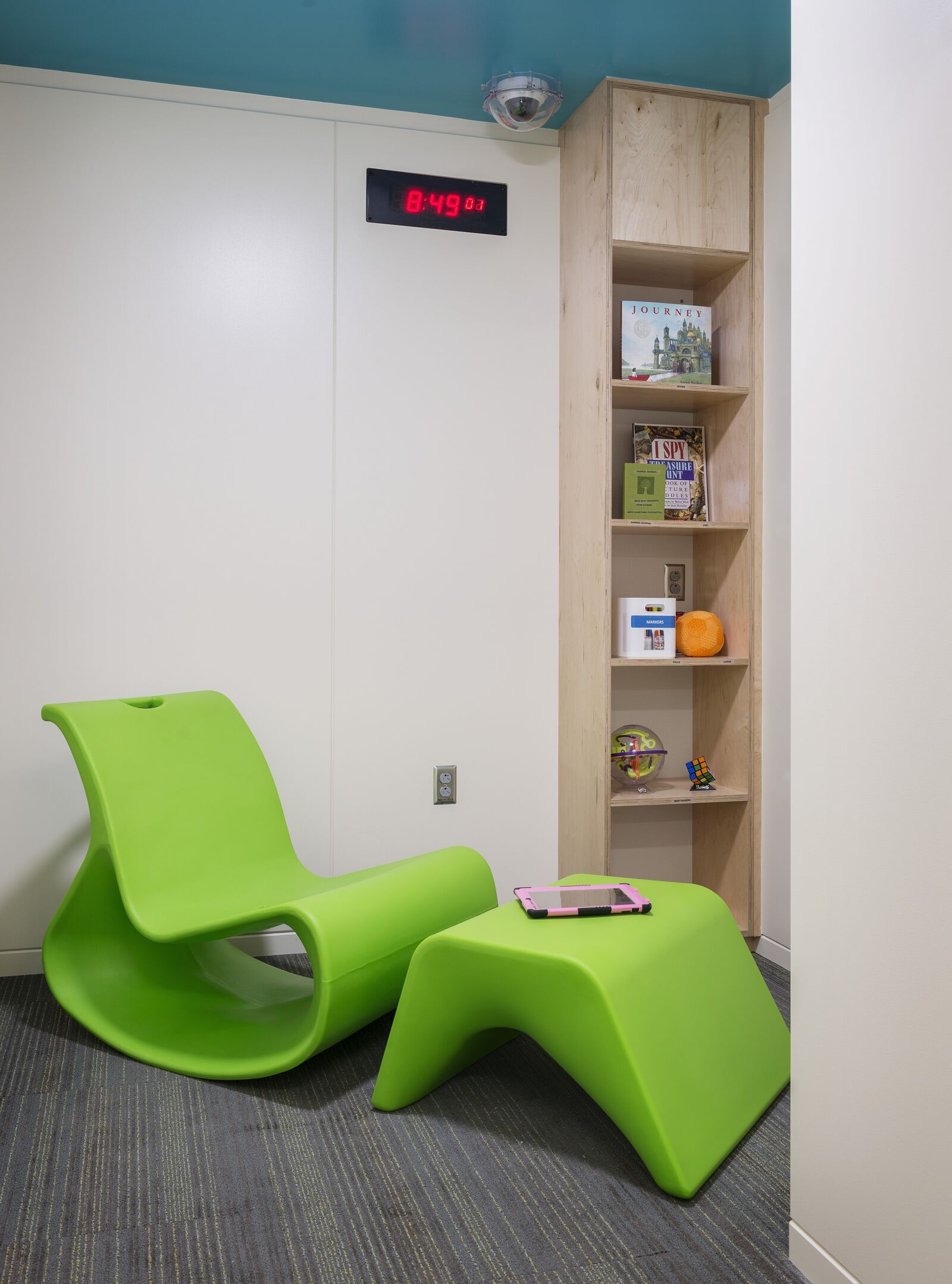
Comfort room
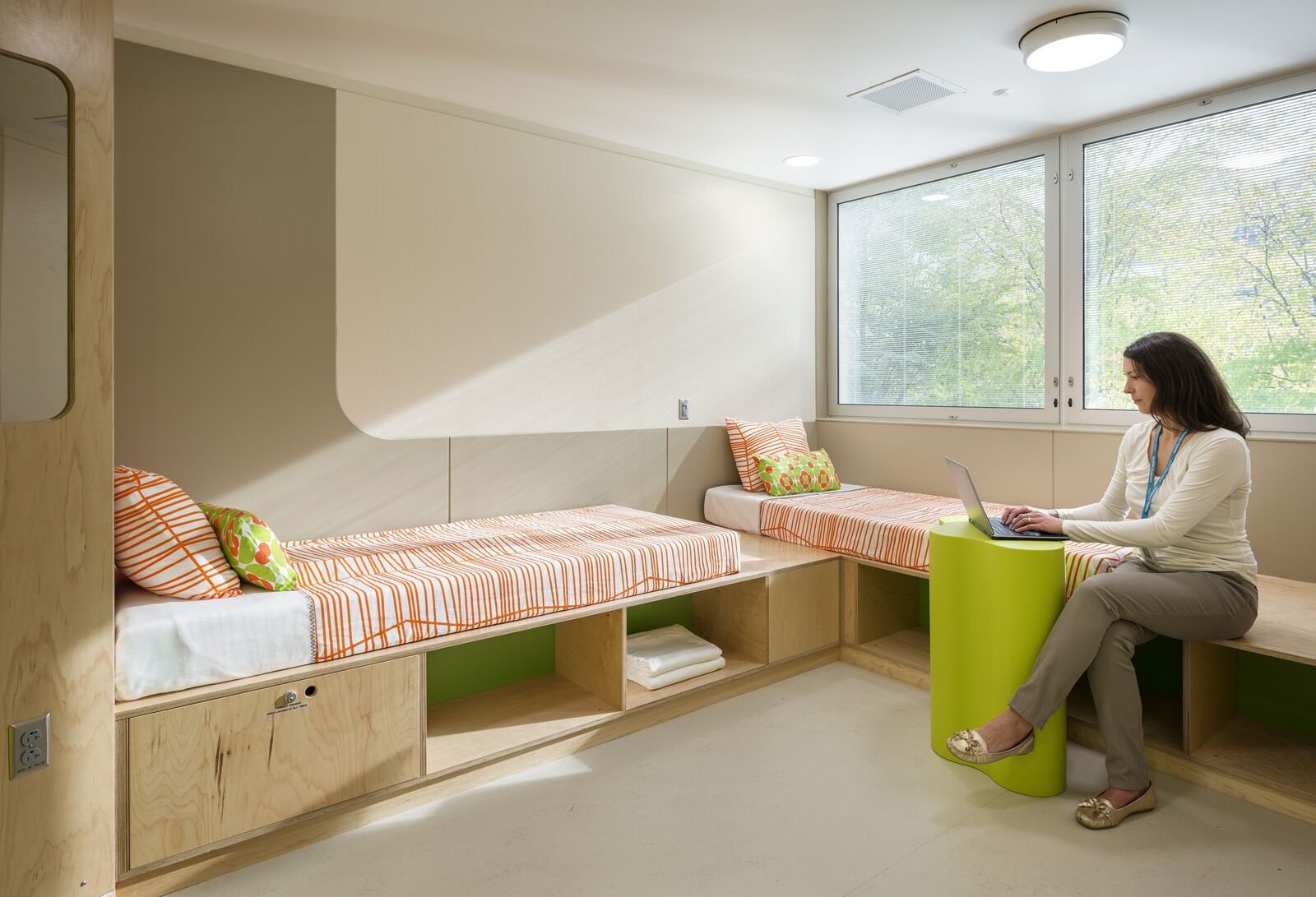
Patient rooms include flexible, damage resistant furniture, including two beds—one for the patient and one for the parent/caregiver—a mirror and outlet for grooming, a communication board, and locked storage drawer. Large windows maximize daylight and connections to the outdoors.
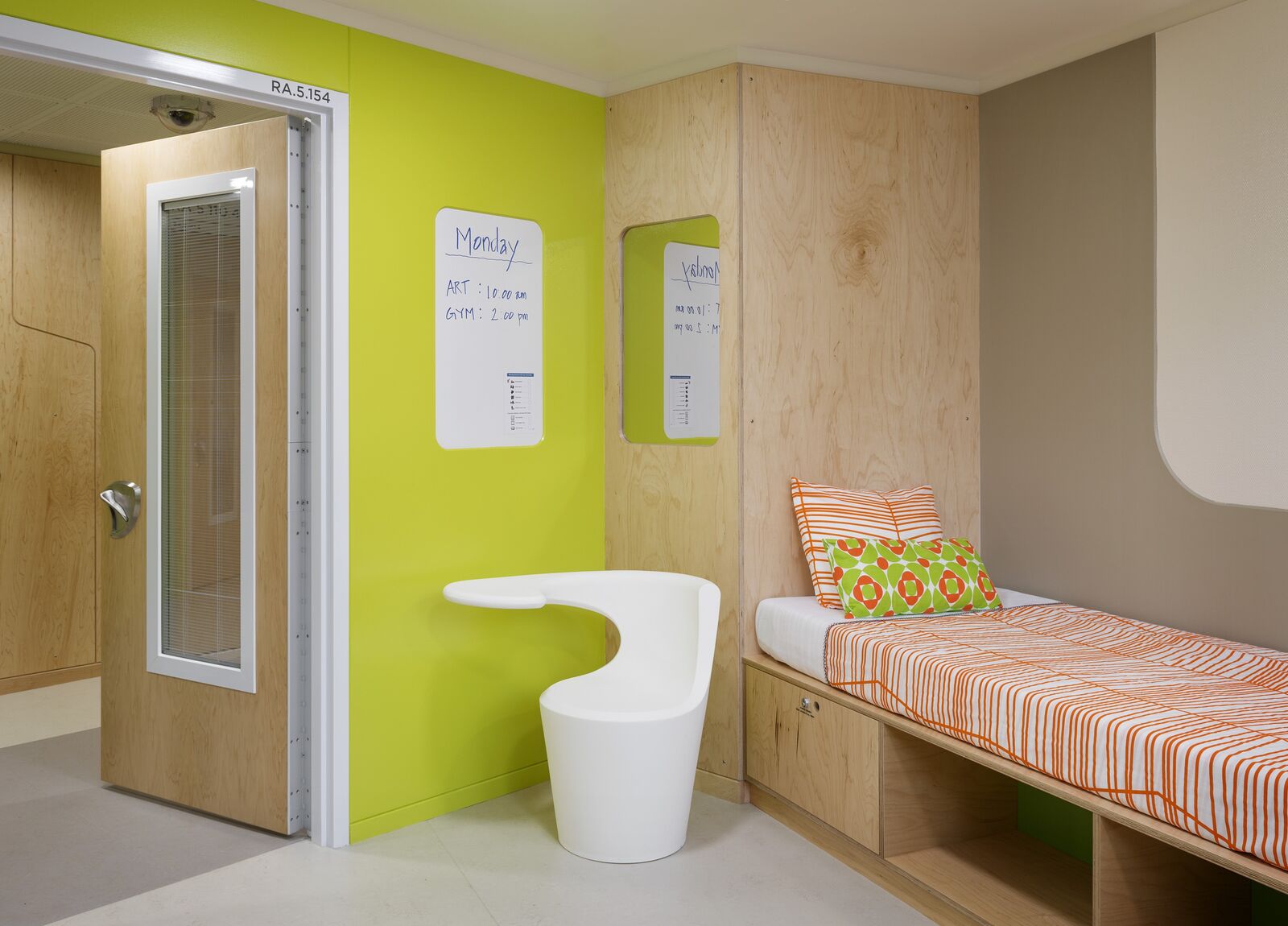
The use of wood creates a sense of warmth and comfort of home.
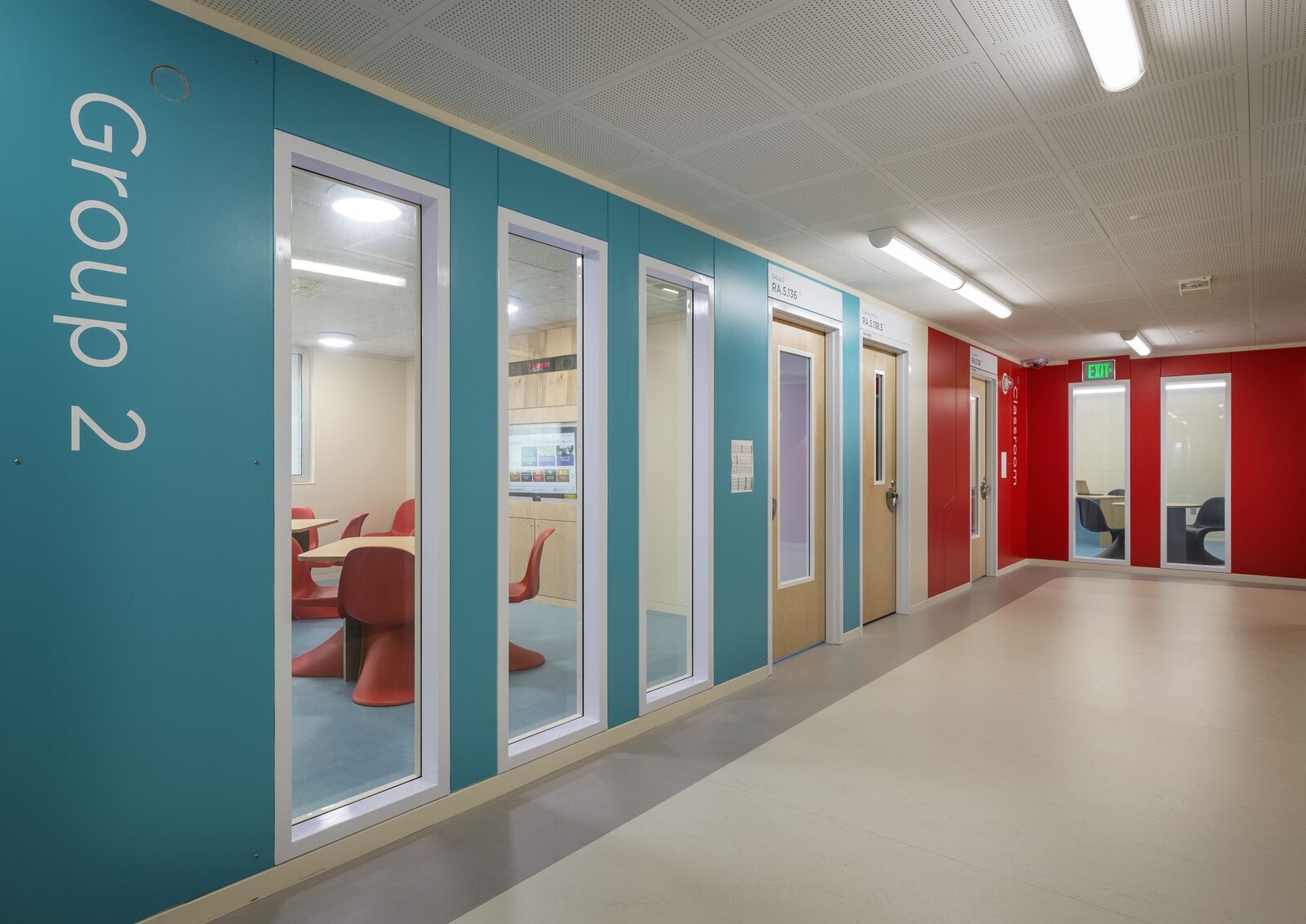
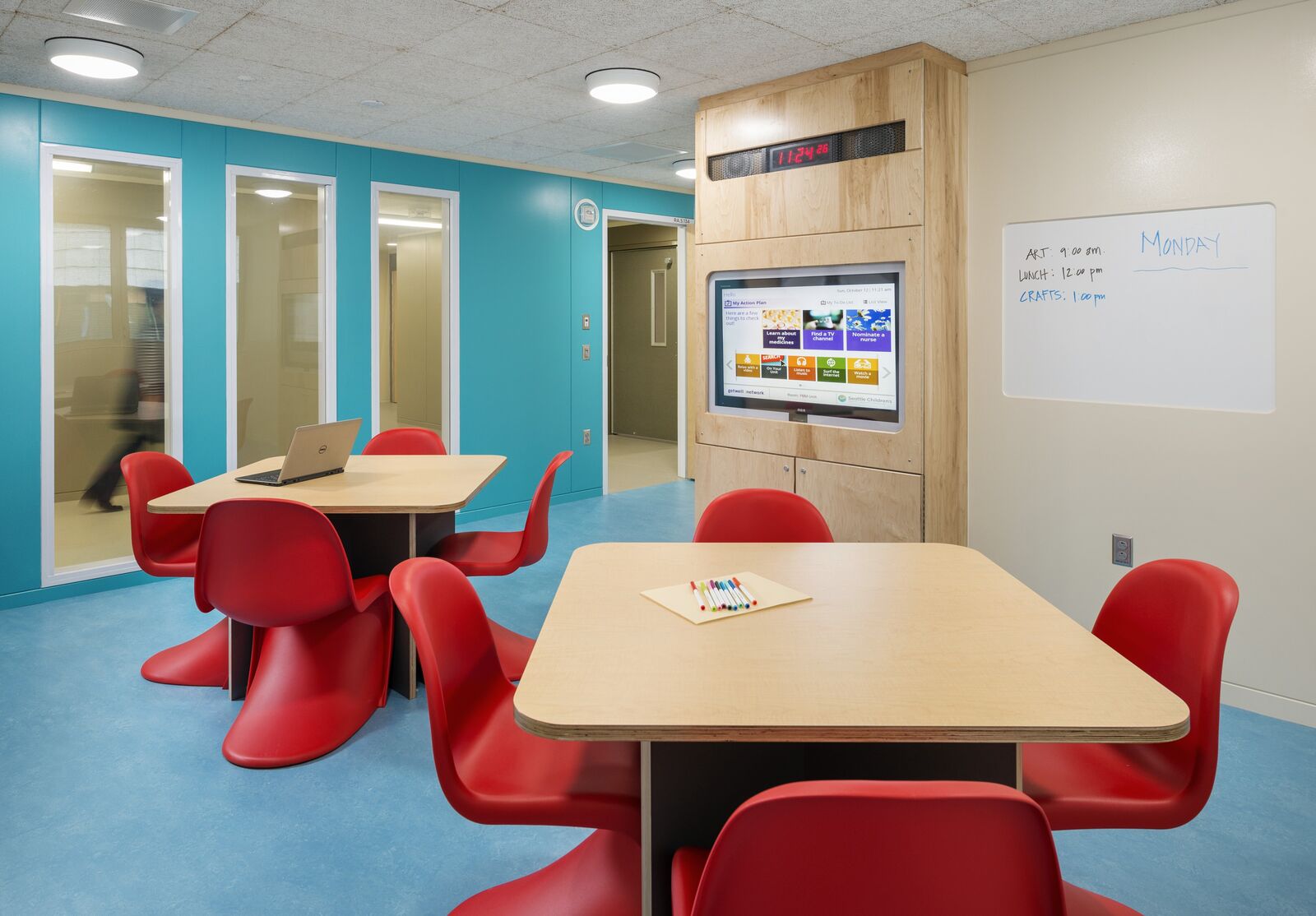
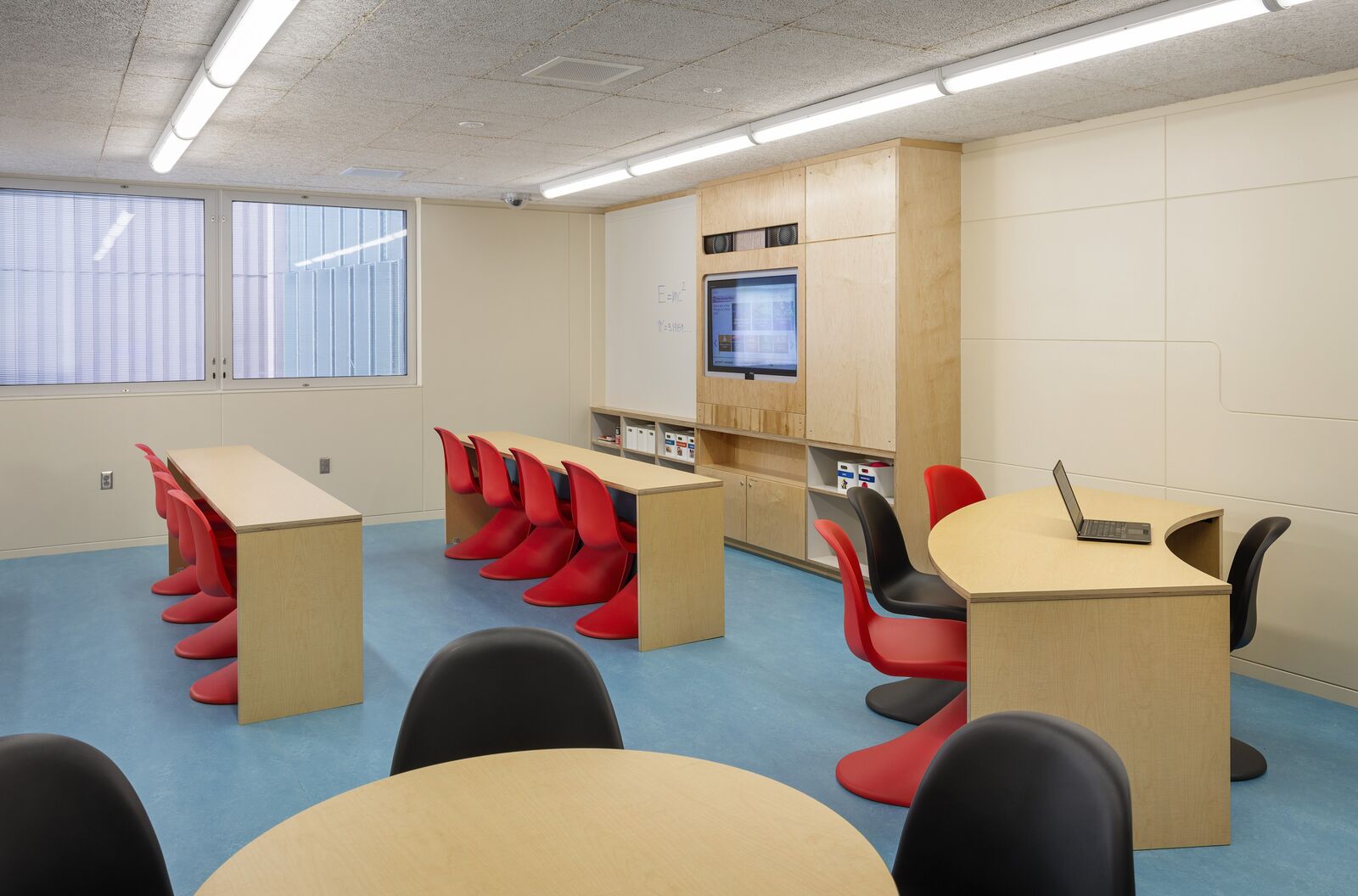
The group rooms and classroom provide space for kids to imagine, create, and work on coping skills in a safe setting.
The unit also provides a variety of outdoor spaces accessible from the common areas that encourage play and time outside while ensuring security and safety.
Children’s Hospital of Philadelphia, Medical Behavioral Unit
Seattle Children's Autism & Behavioral Health Clinic
New Book Highlights Seattle Children’s Behavioral-Health Project
Designing Spaces that Destigmatize Behavioral Health