Comprehensive Care for Youth with Autism
Seattle Children's Autism & Behavioral Health Clinic
Healthcare
For children and teens with autism spectrum disorders and other behavioral health challenges, typical healthcare environments can often feel overwhelming, overstimulating, or just not designed for them. On top of that, regional patient demand far exceeds facility and operational capabilities—with wait times for autism diagnosis sometimes taking 18 to 24 months. When patients finally see a specialist, the facilities may lack the proper accommodations, processes, or support teams for families during their visit.
Seattle Children’s new Autism & Behavioral Health Clinic is working to change that. The 45,000 SF site gives providers and staff the space they need to deliver family focused, state-of-the-art care. It also gives families more opportunity to participate in research and education, get access to cutting-edge treatments, and create a community of support.
The project brings together Seattle Children’s Autism Center, previously located in a commercial building whose lease ended, and outpatient behavioral health services that were provided on the main campus. Merging the two programs under one roof creates Seattle Children’s first “Center of Excellence” focused on these two areas to better serve patients and families at a more easily accessible site.
Adaptive reuse, done virtually
ZGF was tasked with transforming one level of an existing administrative building into an outpatient facility designed meet the unique needs of the patient population. The goal was to increase access by 20%, as measured by unique patients, and achieve 25% growth in volume of visits.
The project kicked off in early 2020, however—right as the world shut down due to Covid-19.
Location
Seattle, WA
Square Feet
45,000
Completion date
October 2022
Project Component
Interior Planning & Design
Landscape Design
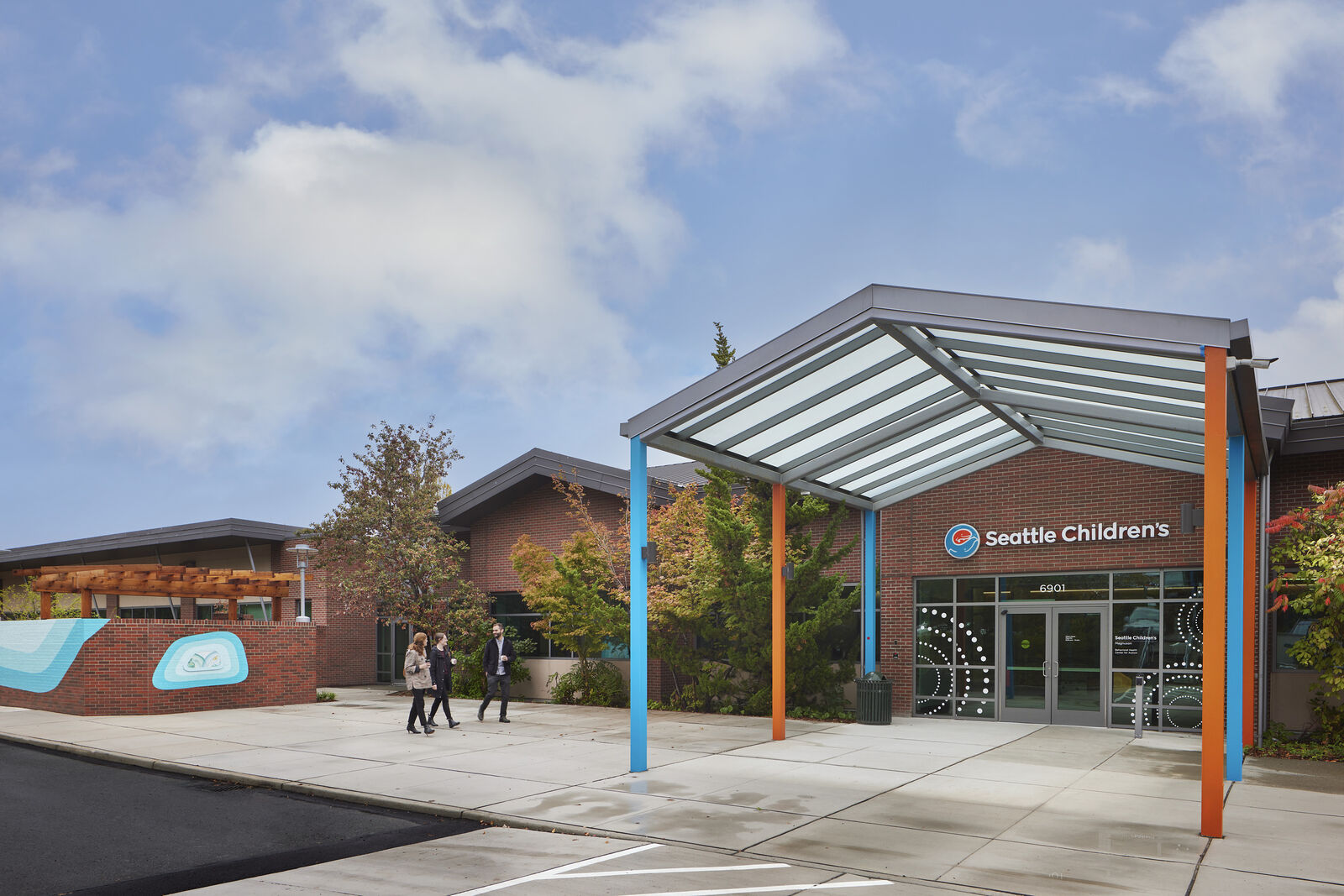
Paint, signage, and graphics were efficient ways to infuse Seattle Children’s brand into the early-2000’s era building.
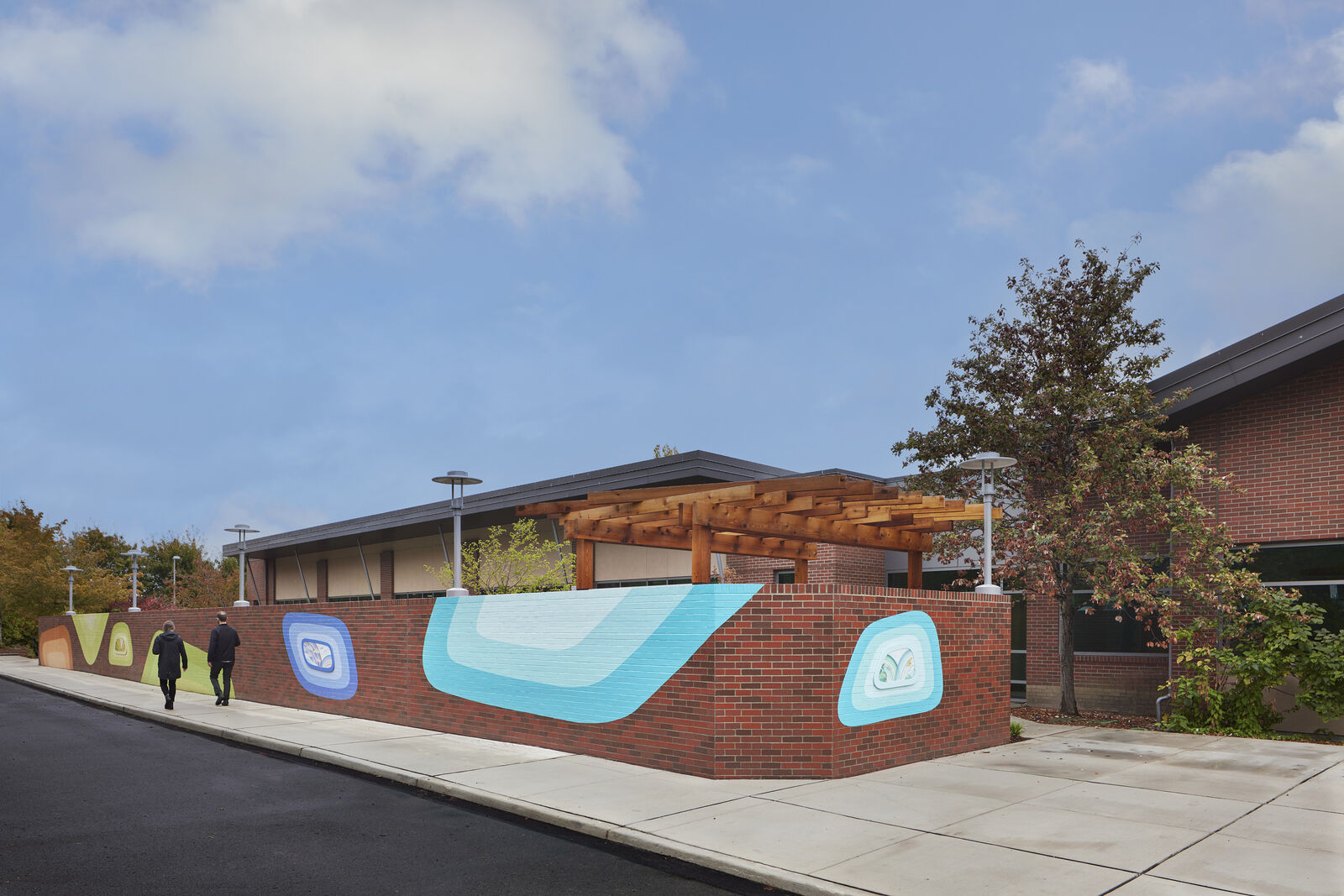
A new perimeter wall incorporates playful graphics by Studio SC, serving double duty as a design element that shields patients from noise and traffic.
It was temporarily put on hold, but the need was too great to wait, so the design team quickly pivoted to a virtual environment. Using online meetings, live sketching sessions, image sharing, rendered video flythroughs, and 3D axons, ZGF designed the clinic without meeting in person and rarely seeing the space firsthand. It changed the nature of the project, but it also forced the team to innovate. Instead of the planned full-scale mockup, they experimented with digital media and new ways of presenting information and testing concepts. This was critical to verify and validate the program, which combined previously siloed functions and needed to anticipate future growth, accommodate the rise in telehealth, and operationalize a new model of care.
The adaptive reuse celebrates the building’s existing architectural features, including a central stair, high ceilings, skylights, and views to the surrounding trees and Burke-Gilman trail.
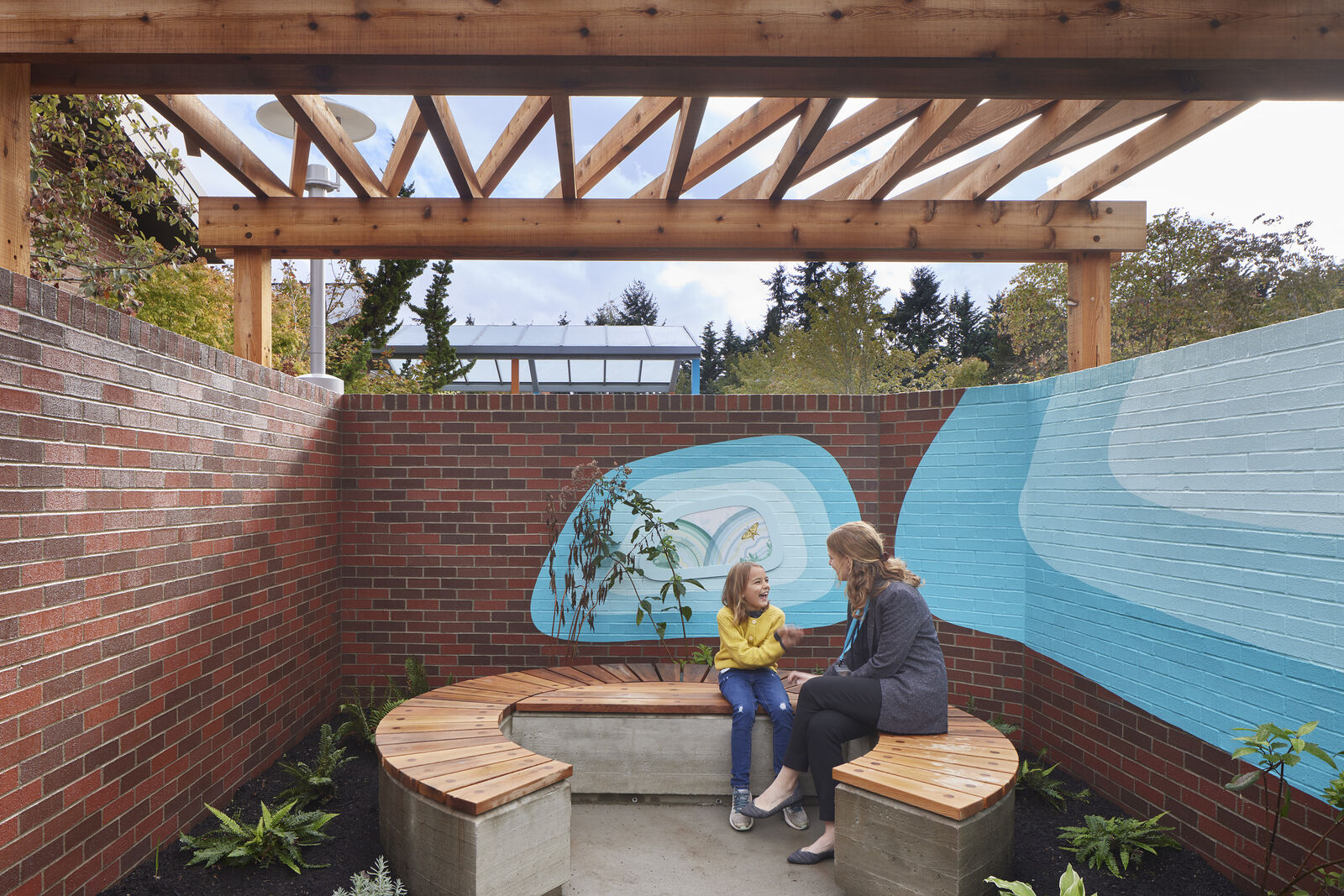
An outdoor space was reimagined into a vibrant play garden for the senses.
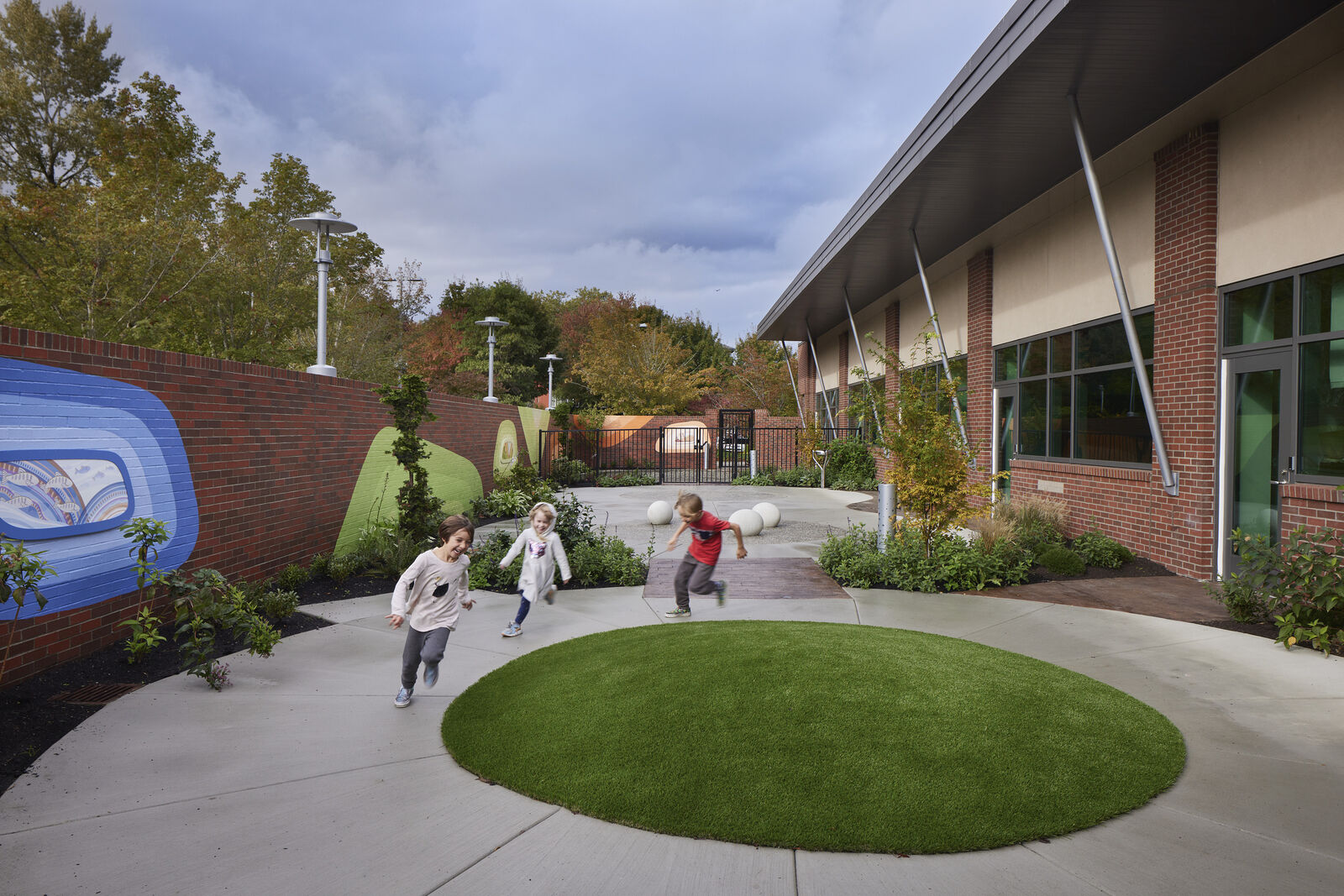
A domed turf mound provides a soft texture underfoot.
A place of belonging
Family voices were highly influential in the planning and design process. During virtual workshops with Seattle Children’s family advisory group, we heard that many children with autism feel they “don’t belong” or that “the world isn’t made for them.” The biggest takeaway was the need for a safe, welcoming, and supportive care environment where everyone can be themselves.
Other key themes centered on helping families navigate the care process, access resources and education, remove barriers to care, normalize the experience, and support everyday life.
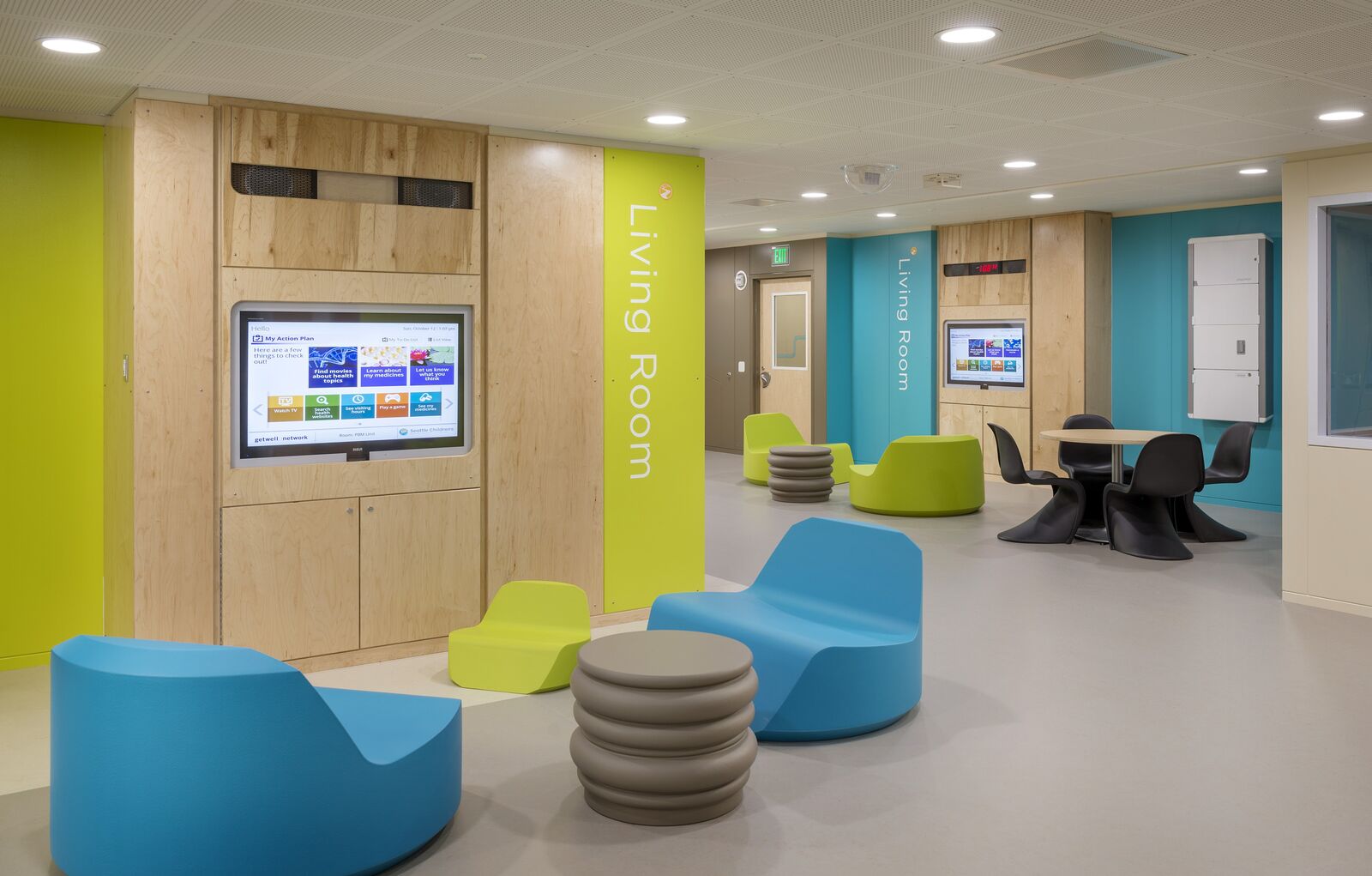
The final design balances care, safety, and sense of control with playfulness and stimulation. It also reflects the real world—where patients may be exposed to fears and anxieties, but they are taught to work through them and self-regulate. Here they have opportunities to see other kids with similar experiences and support each other.
“It was the most powerful family event I have taken part in—and I’ve taken part in a lot of events.”
- Kari Thorsen, Principal, ZGF
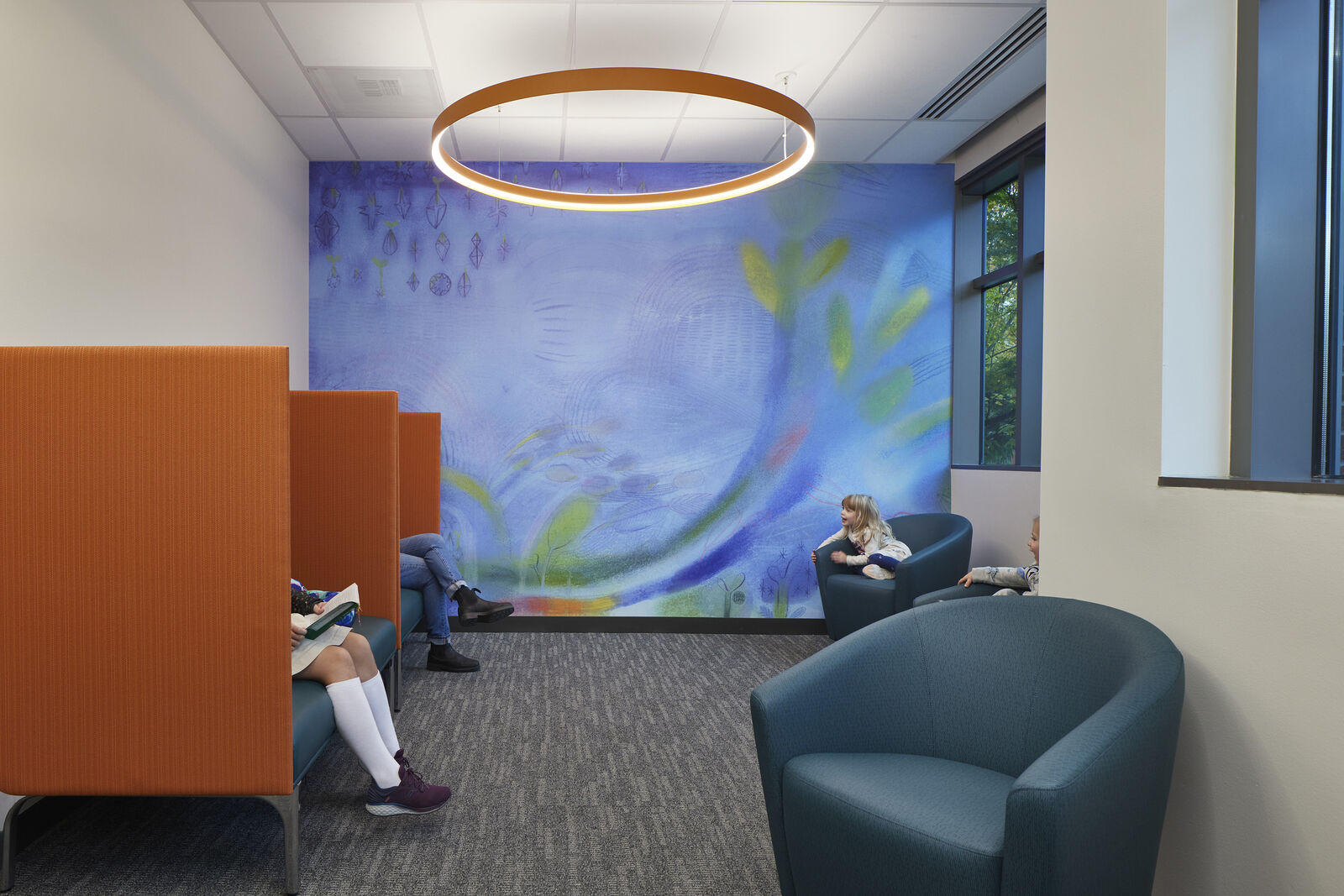
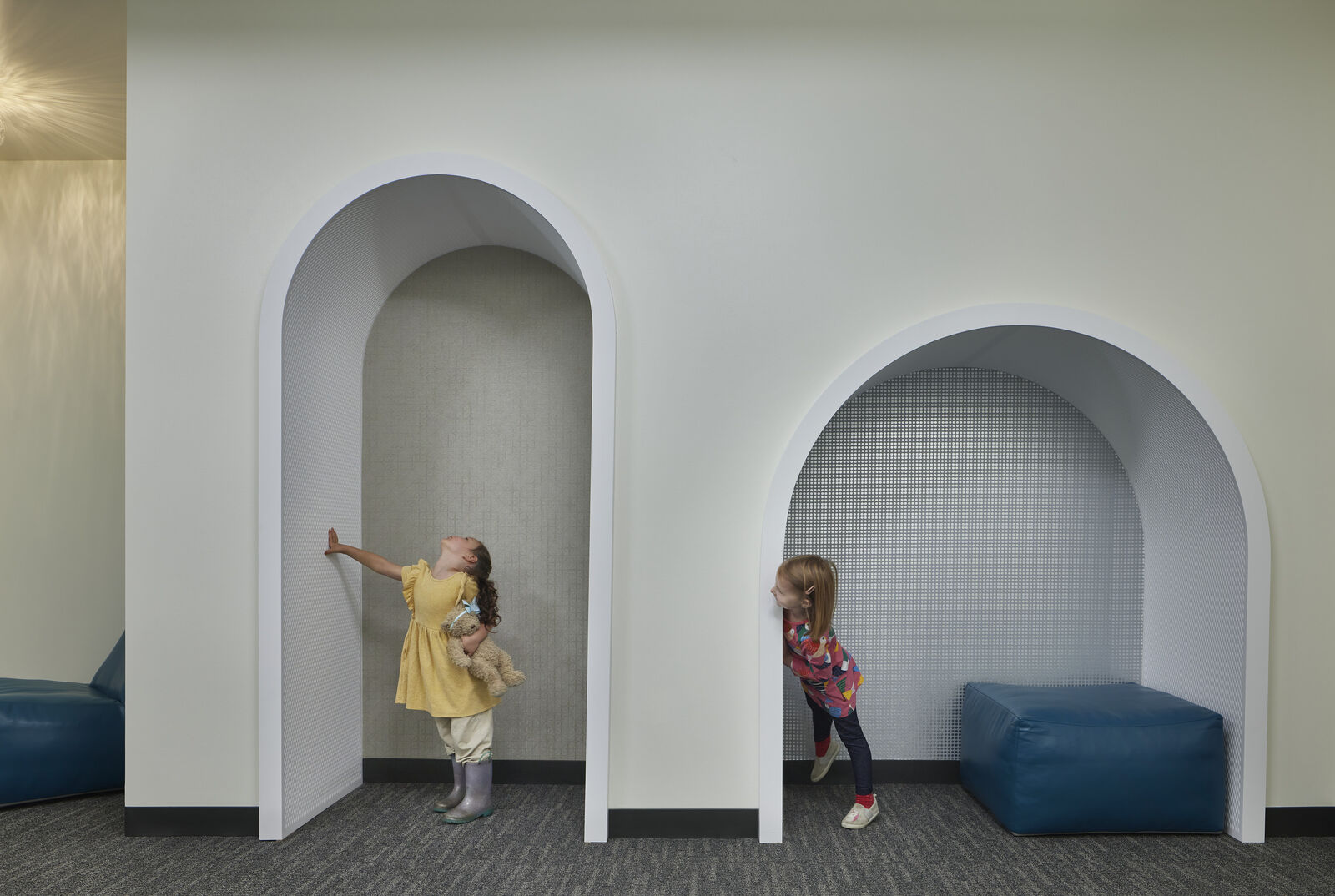
A quiet waiting room features semi-private seating and calming artwork, while a sensory waiting room offers tactile elements and opportunities for play.
Taking steps to receieve care
Three clinic entrances serve a range of patients, allowing families to self-select the environment that meets their unique needs. Many families use the main entrance for arrival and check in, but a discreet entrance near the quiet waiting room provides another option for patients who need more time to transition. A separate staff entrance also serves specific patient and family groups. The outdoor play garden offers an alternative space for therapy and trust-building, for patients struggling to enter the building altogether.
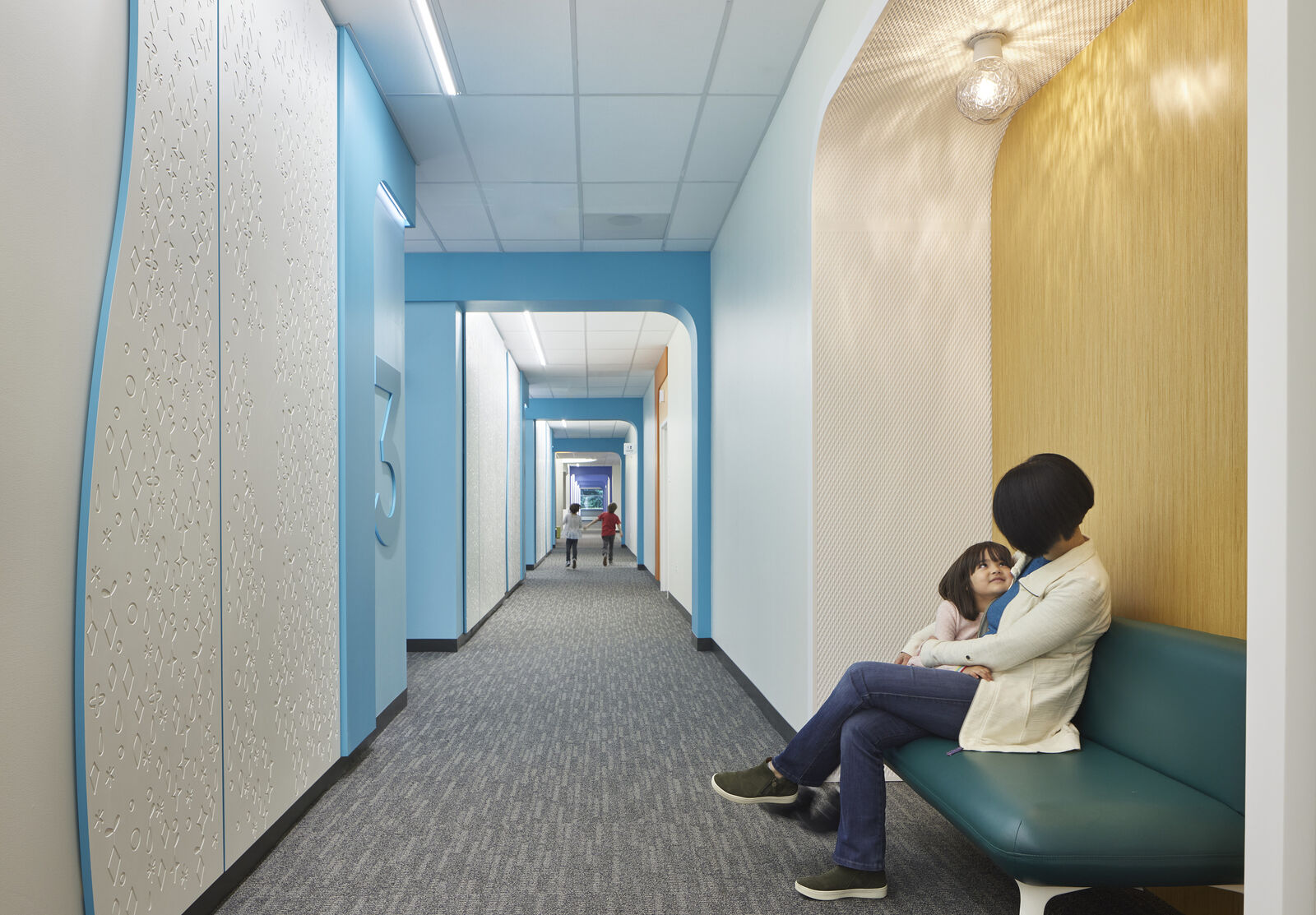
One main corridor runs the entire length of the building to provide clear sightlines for kids who like to wander and run. Pause areas with dappled lighting offer moments of sensory grounding to help families transition into care rooms.
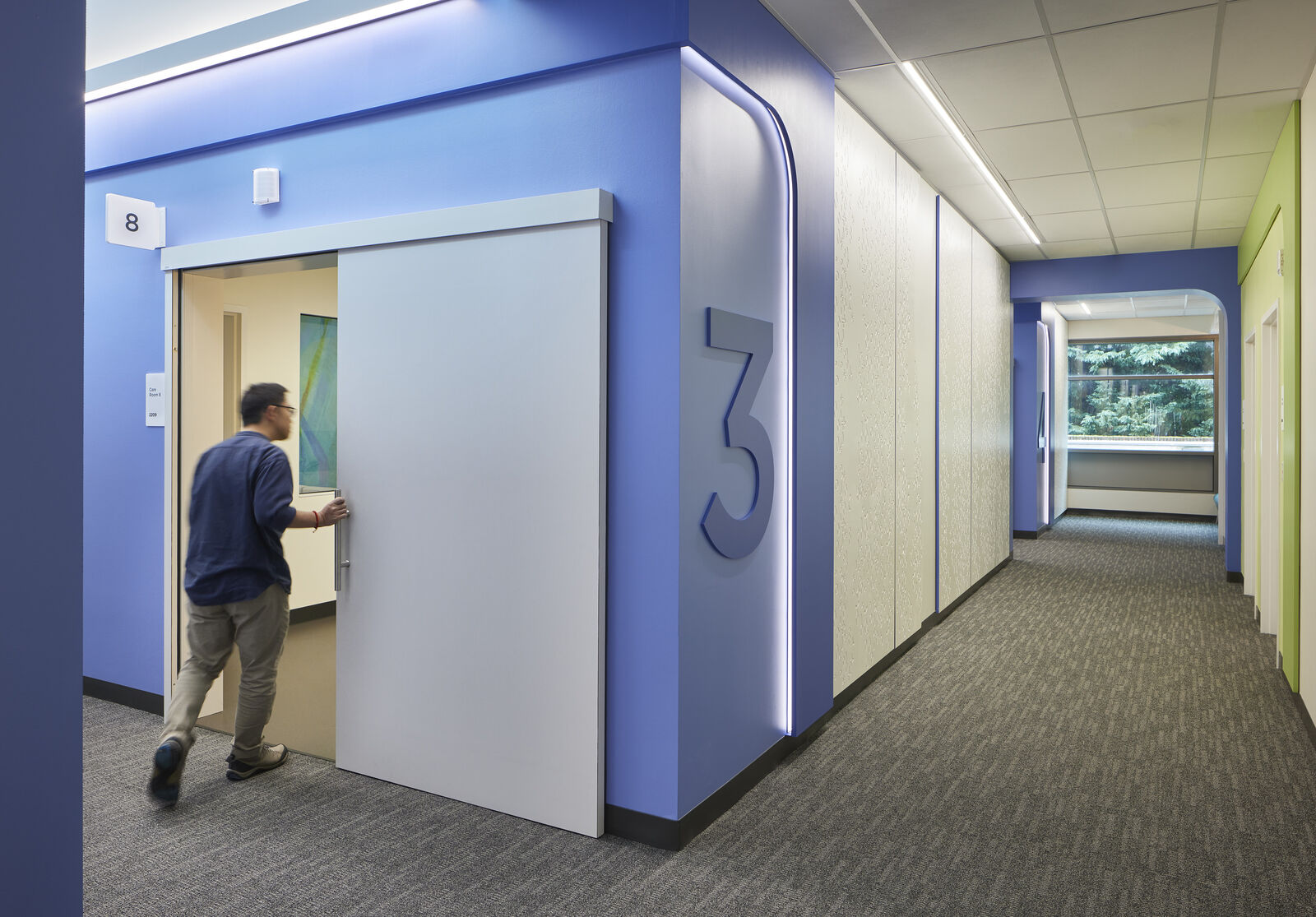
Care team neighborhoods consists of eight pods with four treatment rooms each. Clear, simple wayfinding helps patients find their way. The primary colors, blue and purple, demarcate the care team pods in either end of the clinic. Secondary colors, orange and green, indicate group and family spaces. The use of arches helps patients see where they’re going next in their journey.
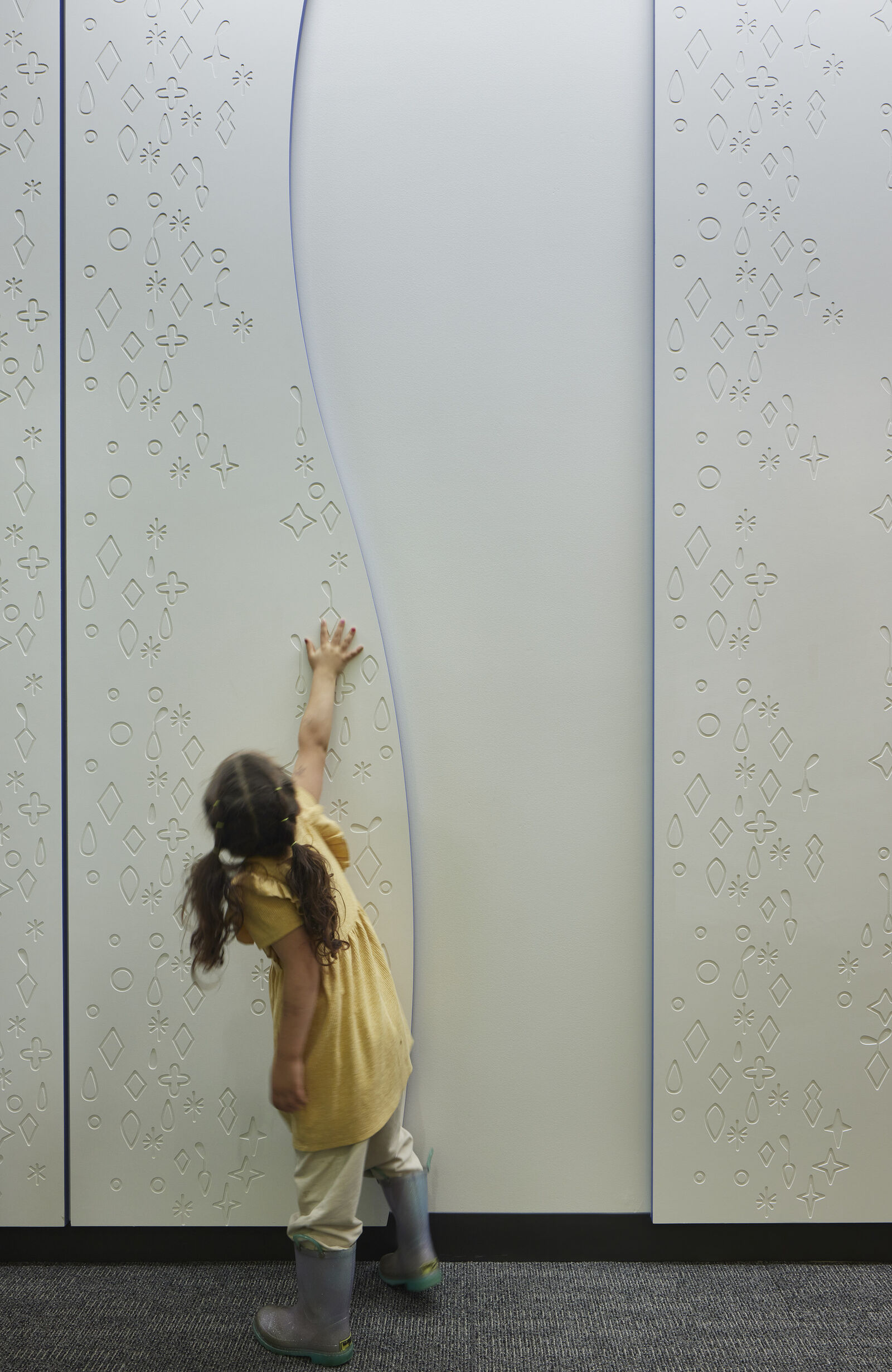
A custom pattern on painted MDF board creates a tactile wall surface to engage the senses.
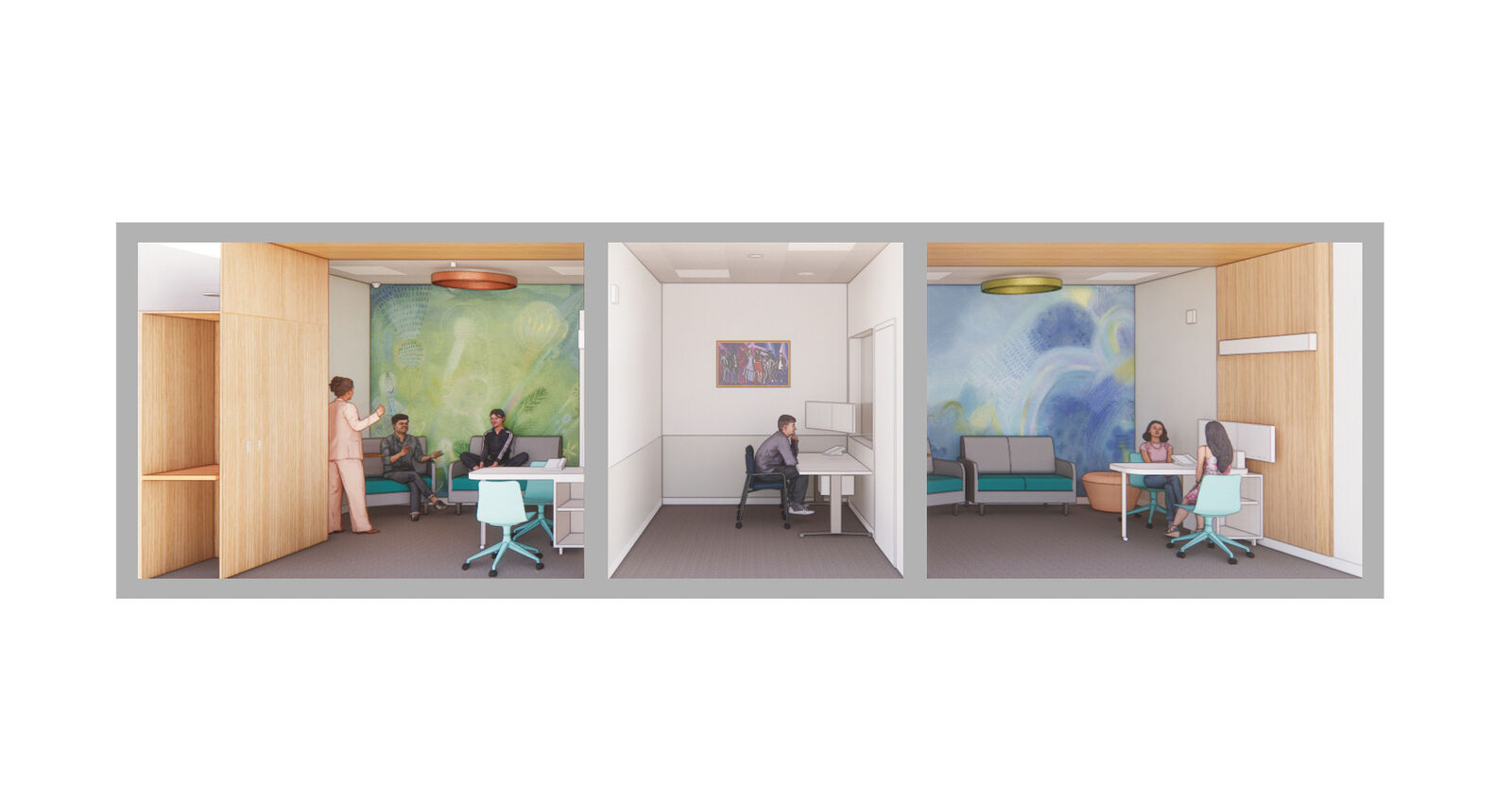
Universal care rooms section
A new model of care
Universal care rooms allow any provider to use them for a wide range of services and treatments. Greater flexibility is intended to boost room utilization, along with a new scheduling system that helps Seattle Children’s see more patients to meet growing demand. The new model of care reflects a larger shift to an activity-based workplace that provides the right kind of space for the work at hand. Rather than having private offices where providers and specialists both work and see patients, they have access to various treatment rooms on the patient side of the clinic and flexible workspaces on the staff side, with clinical support space in the middle.
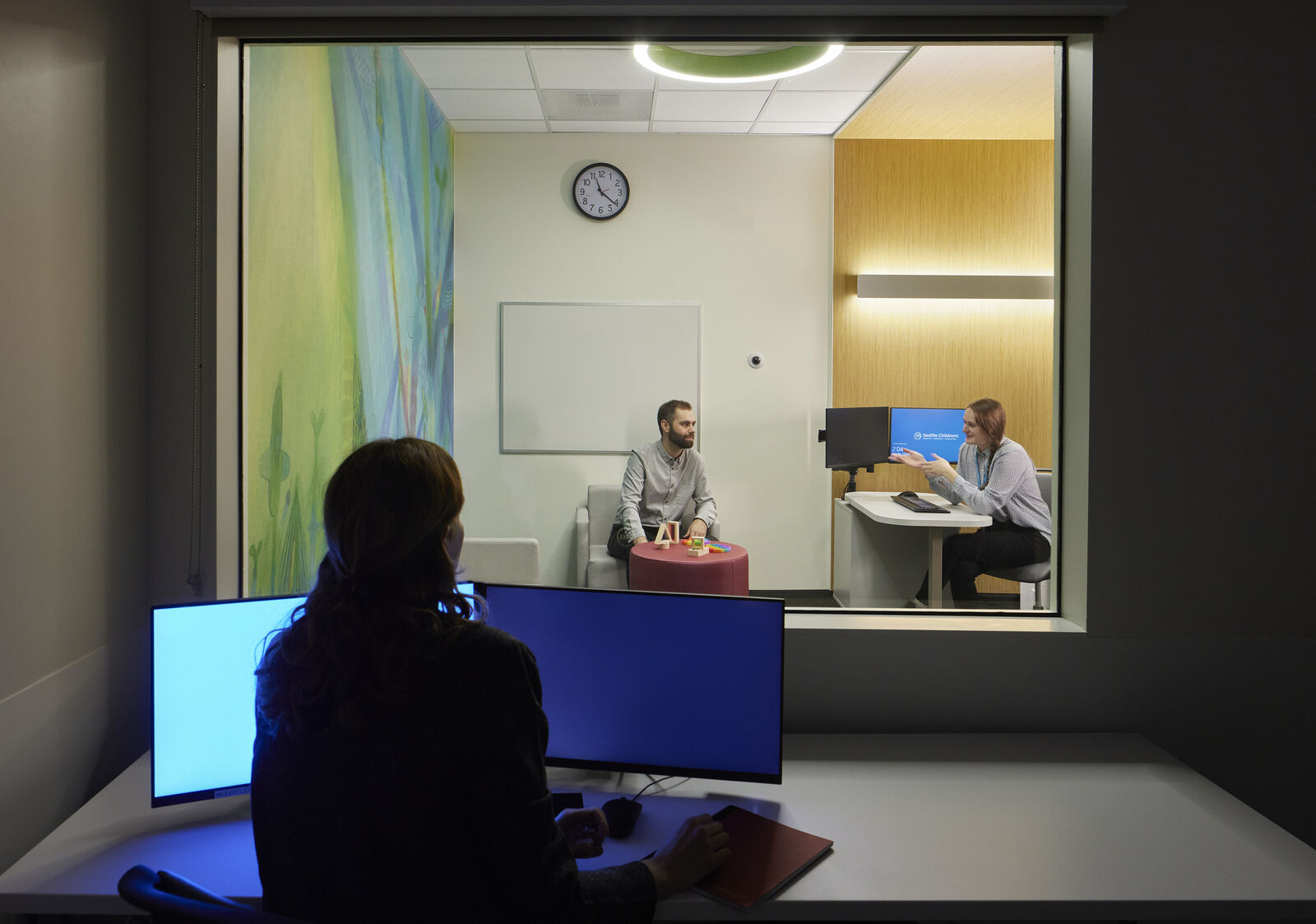
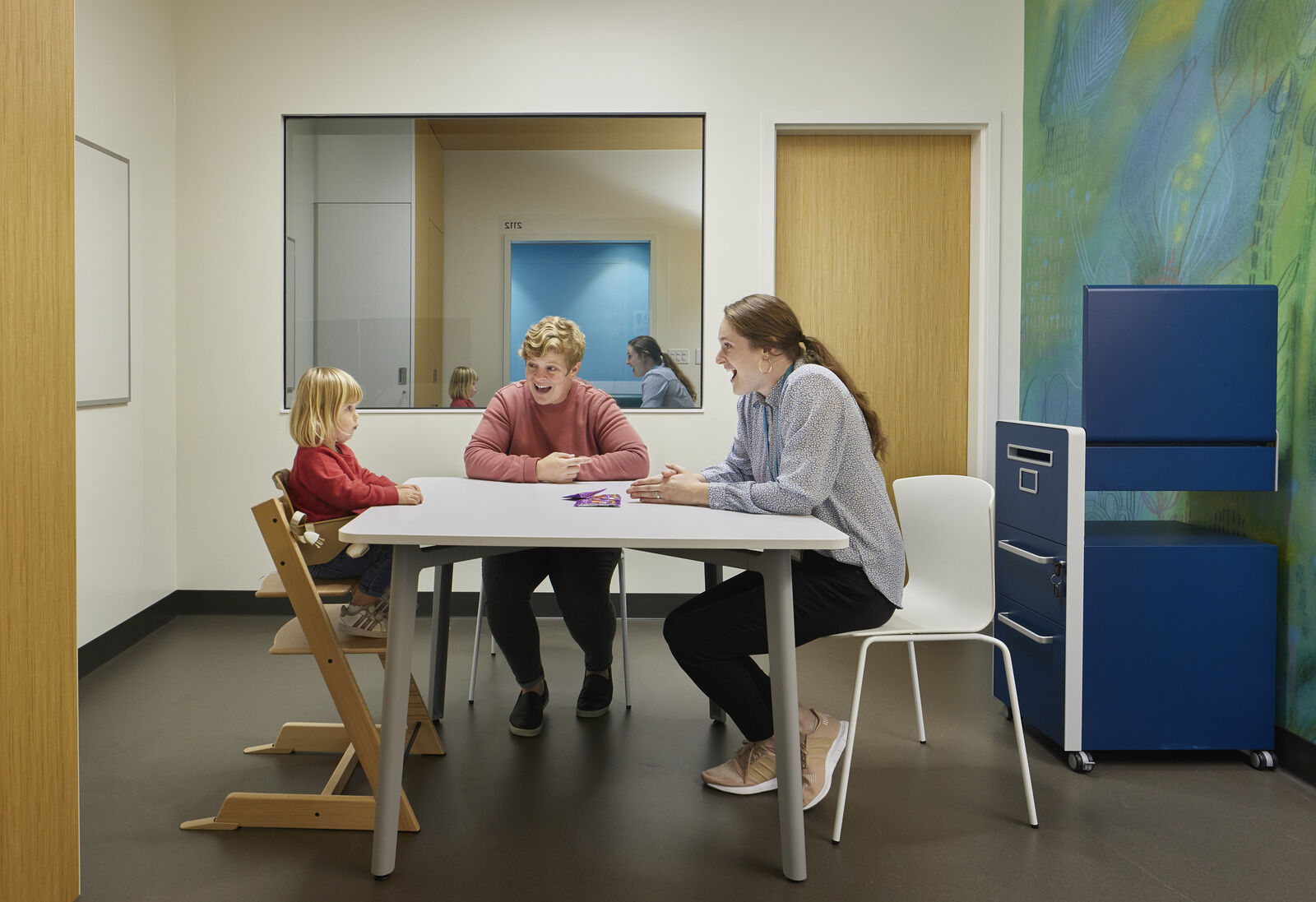
Fifteen care rooms include an attached observation space for teaching and parent visibility.
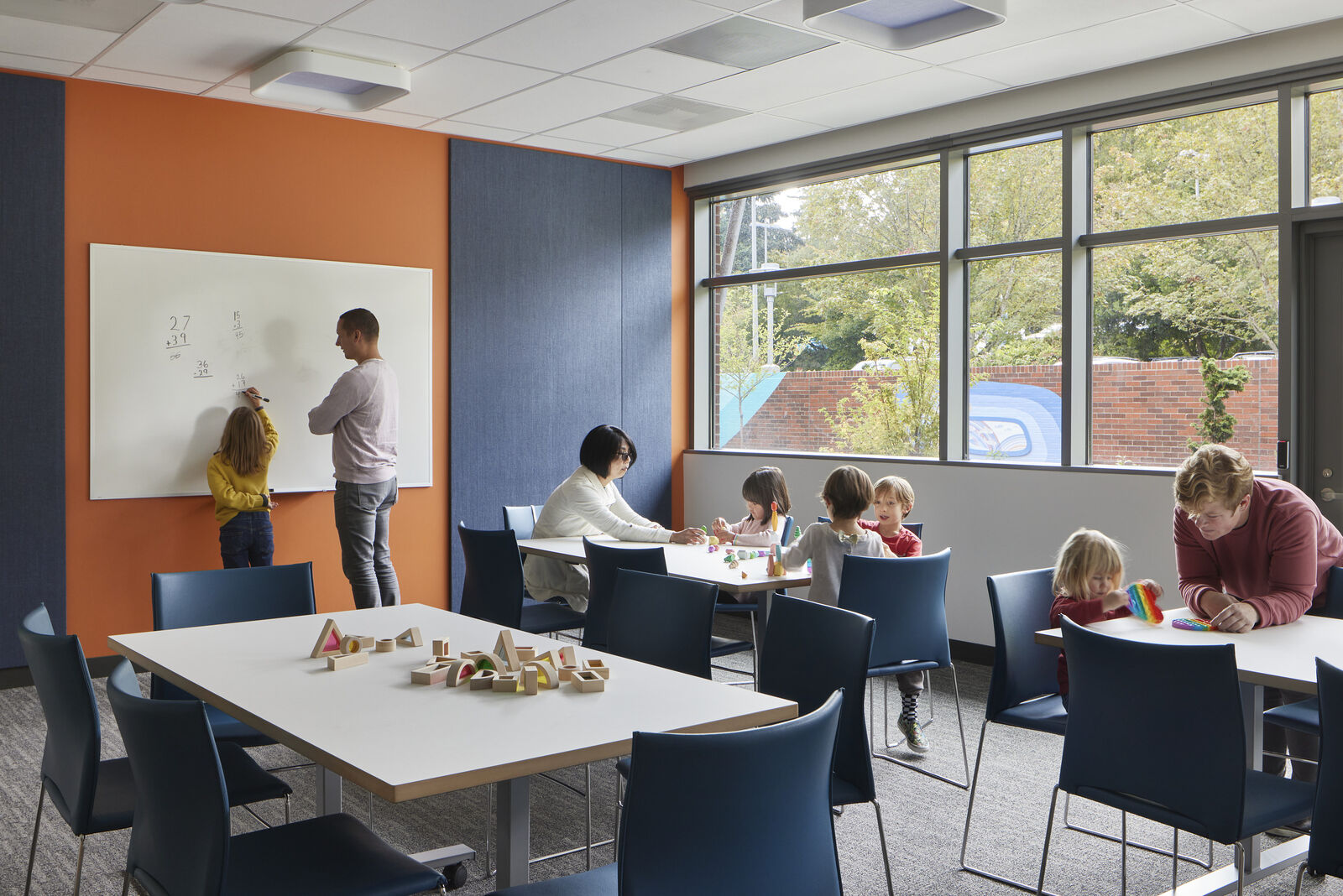
Five large group rooms provide flexible space for therapy, recreation, and family outreach with views to the garden. The design is kept simple to limit distractions.
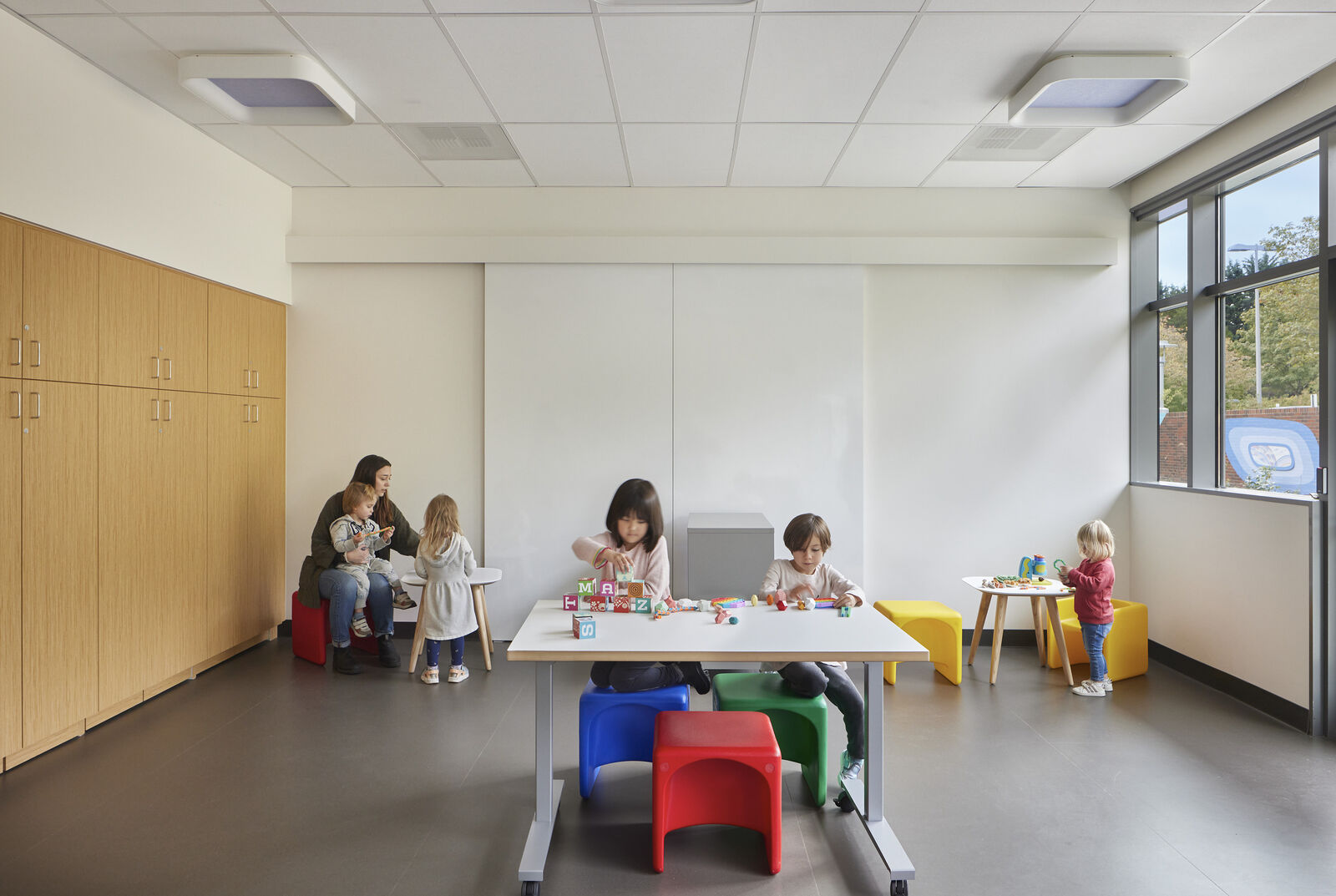
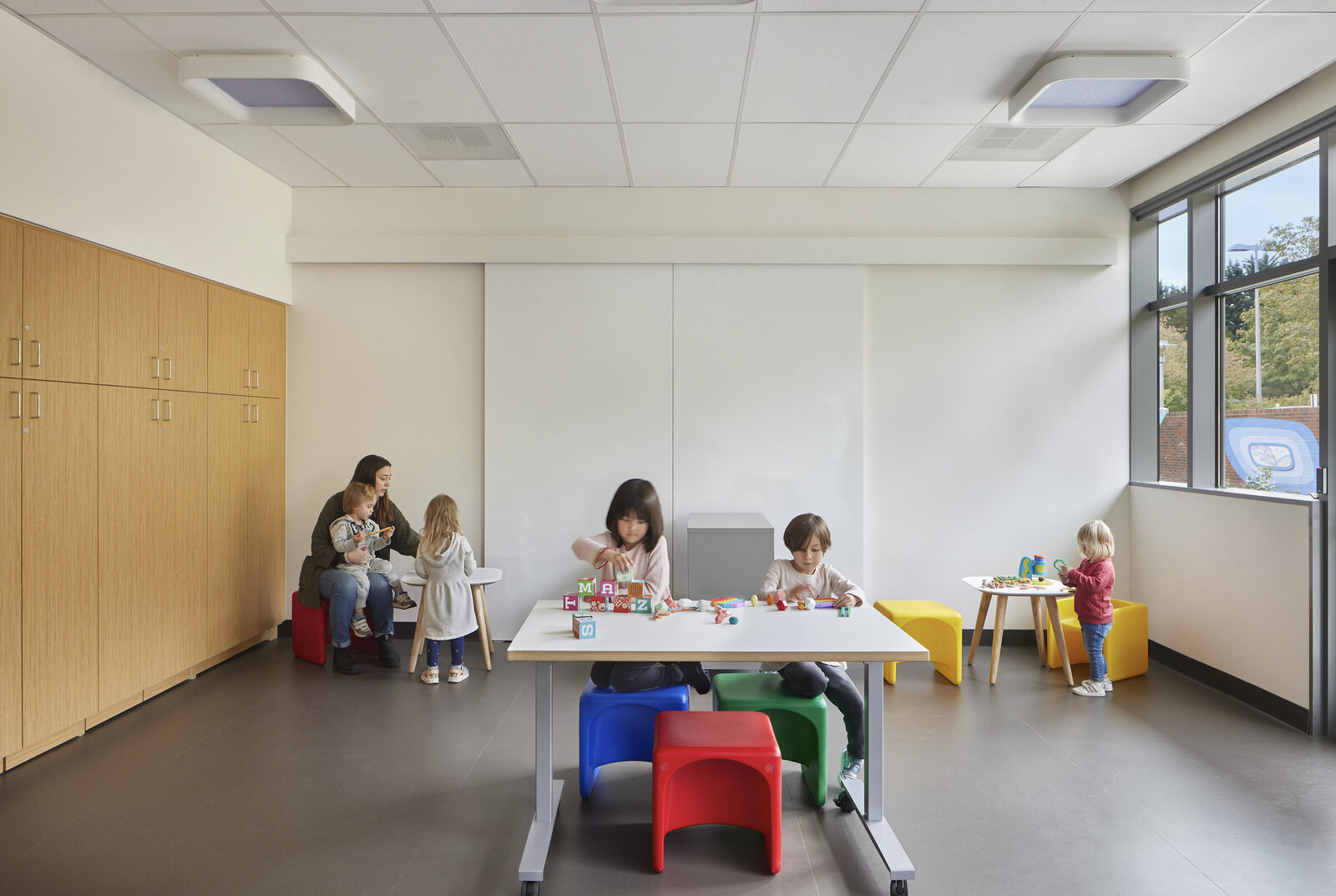
The Early Intervention program allows kids up to age six to learn new skills and positive behaviors through early and intensive therapy. A sliding wall partition opens up to an observation window into the group room next door.
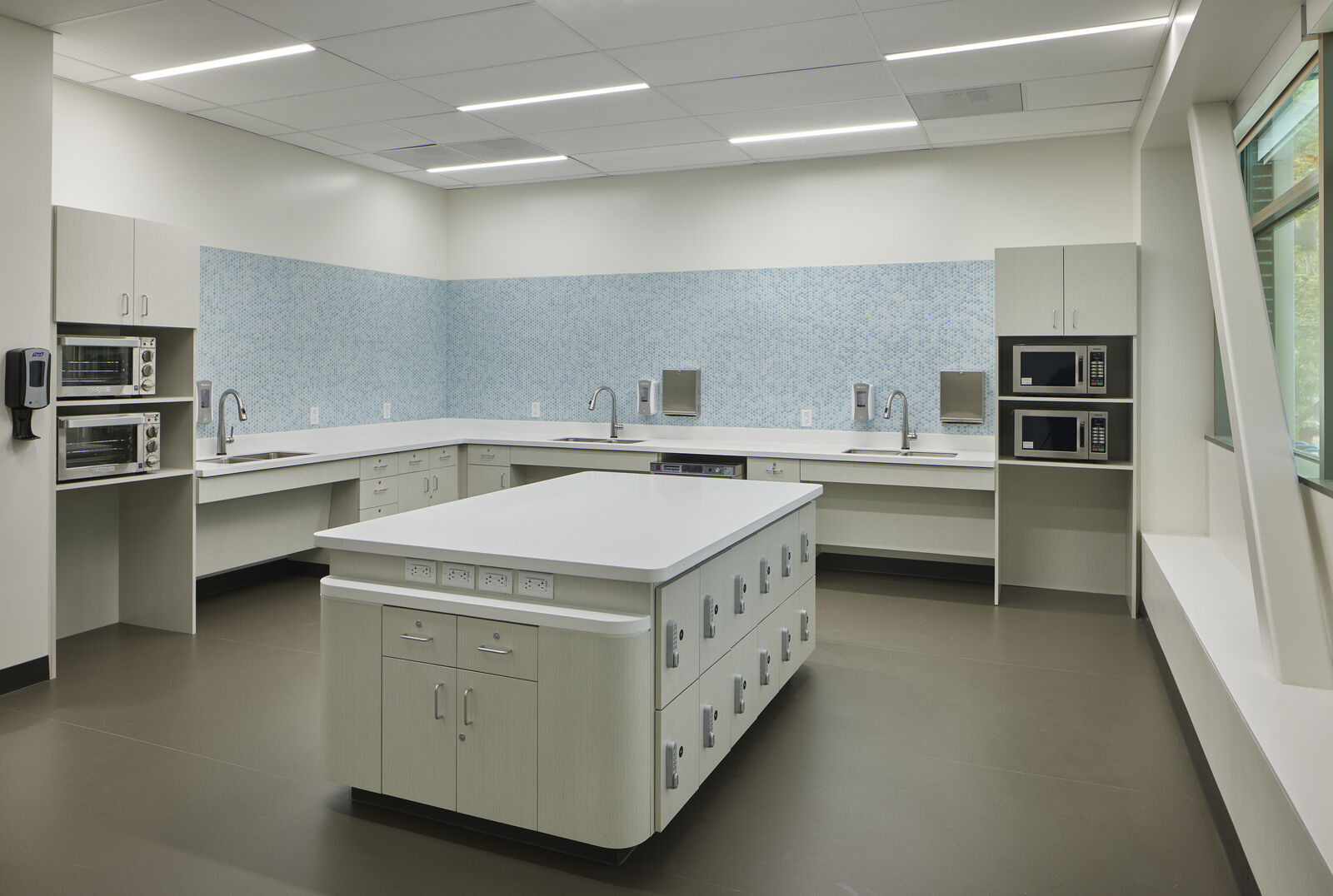
A feeding kitchen with three adjacent care rooms empowers families to learn food preparation techniques as a group and then practice behavioral skills with their child in a private setting.
Creating sparkle moments
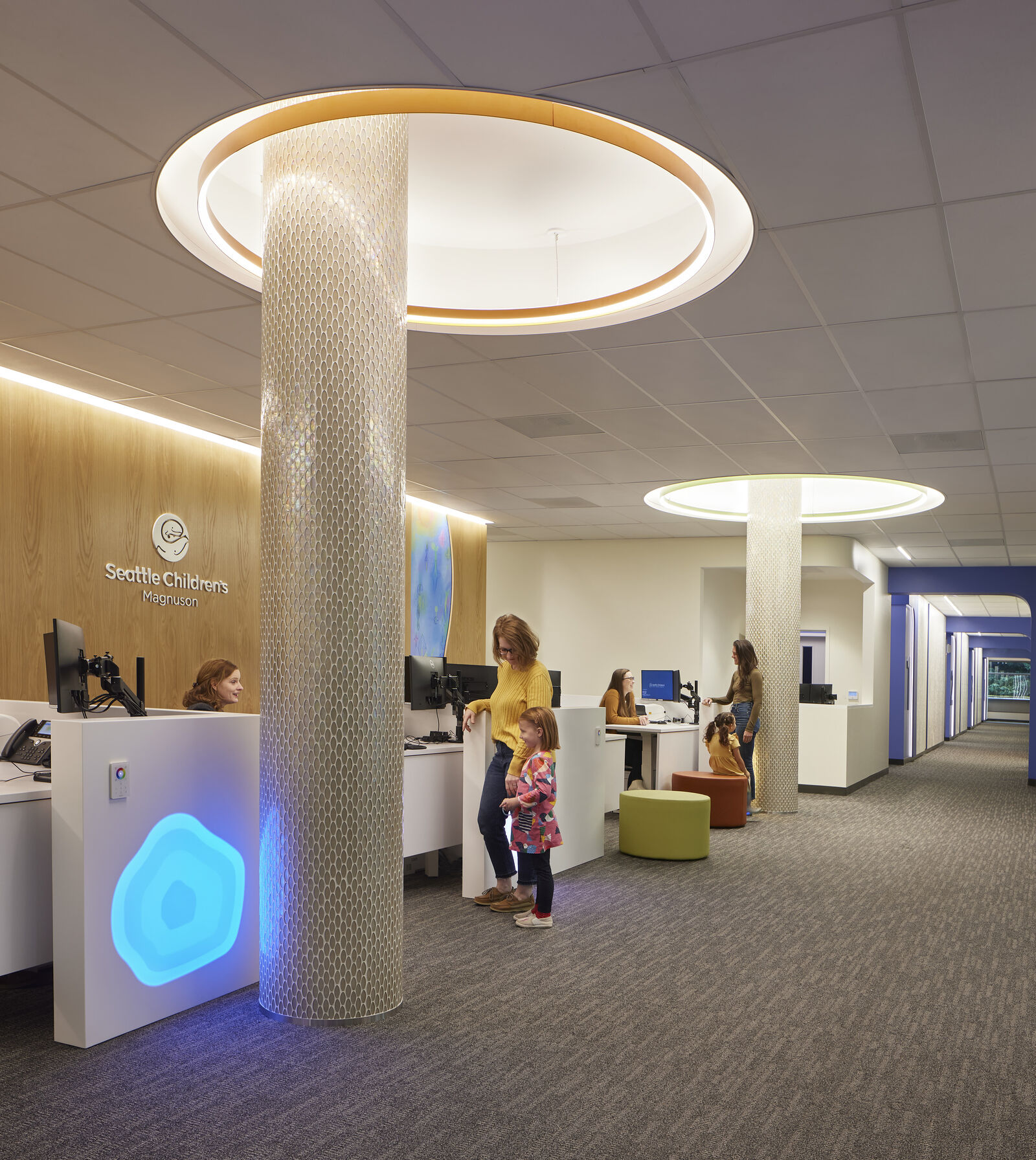
A geode concept inspired the interior planning and design, with the outer layer signifying safety. When opened, it unveils the unique beauty inside—a metaphor for the patient population. The geode is physically represented at the reception desk, where LED lights offer a playful distraction as families check in. It also appears in the layers of colors, textures, and details throughout the clinic. A warm and inviting wood wall feature represents the protective outer layer, while ring lights around the structural columns, adorned in shimmering tile, embody the sparkle within.
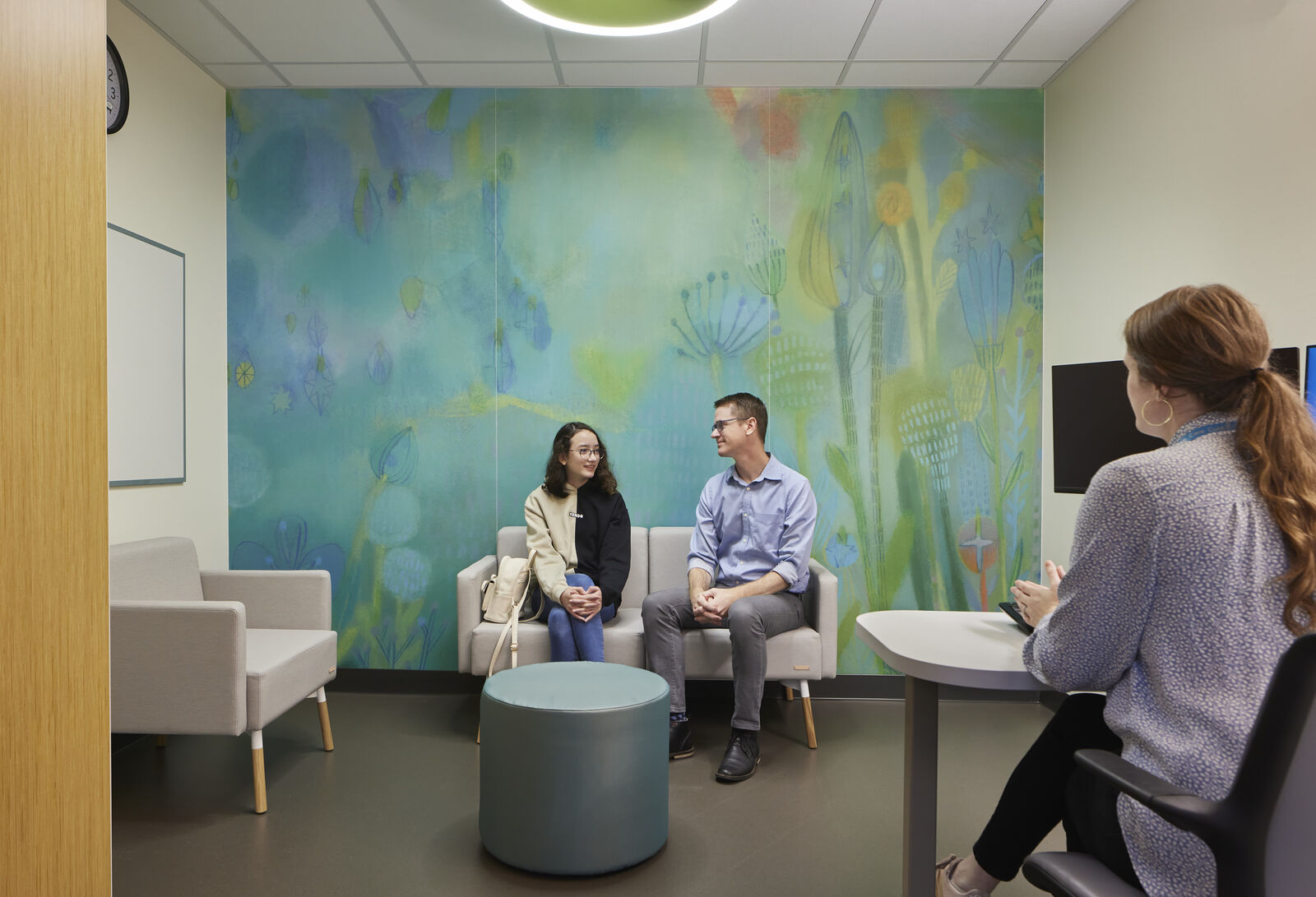
Within the care rooms, wood wall coverings wrap around the outer provider zone, signifying safety and protection. The inner patient zone features calming artwork in soft pastel tones to put families at ease.
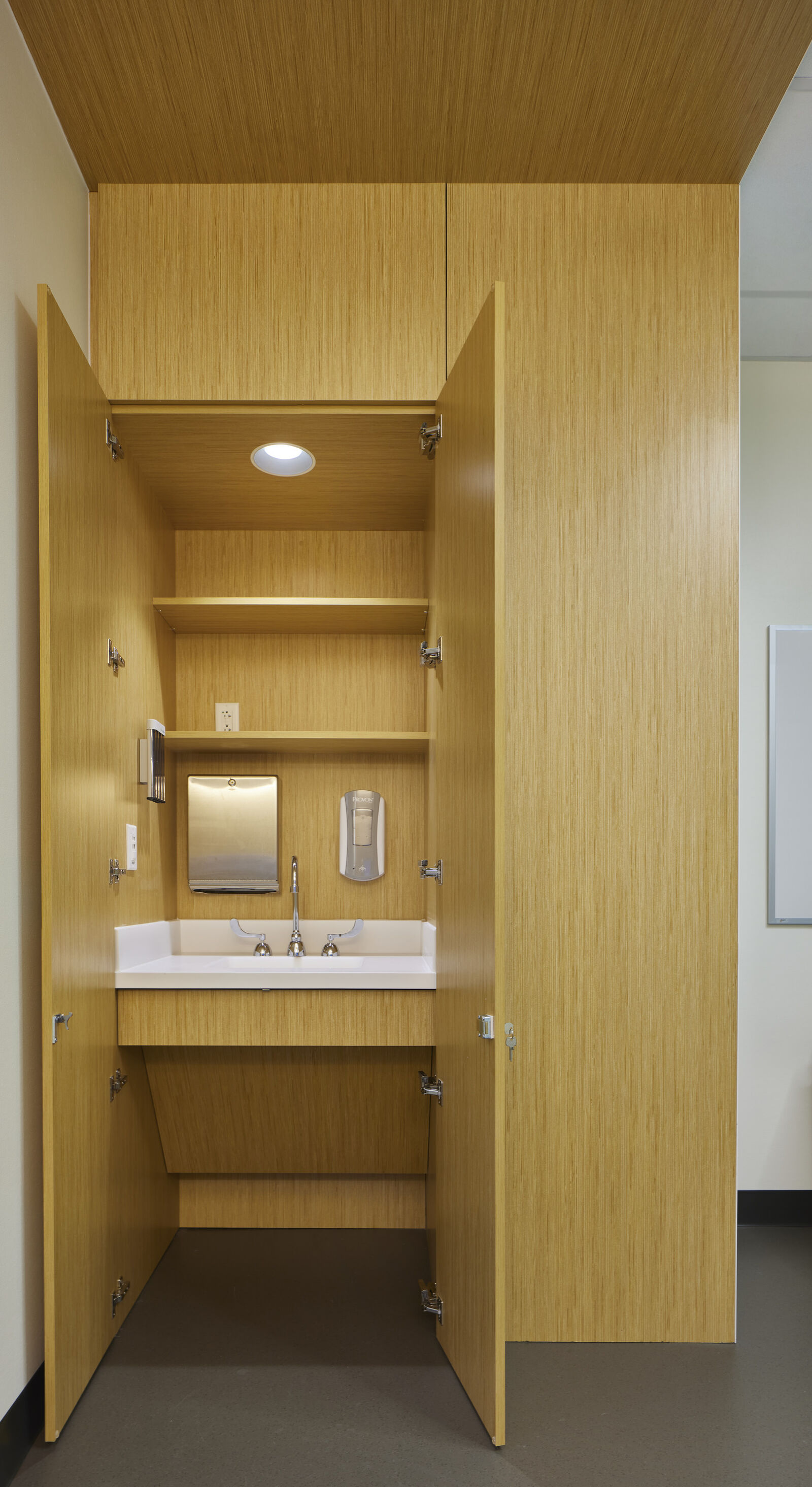
Medical equipment is concealed behind wood casework to minimize the clinical feel.
Meet in the Staff Hub
The staff “hub” serves as a home base for providers, staff, administrators, medical students, and researchers. A variety of activity-based workspaces support different users and uses, including open office workstations, conference and focus rooms of varying sizes, and a new staff lounge. The model is a testbed for future Seattle Children’s projects, demonstrating how clinical, research, and administrative functions can come together in one space for improved care and collaboration.
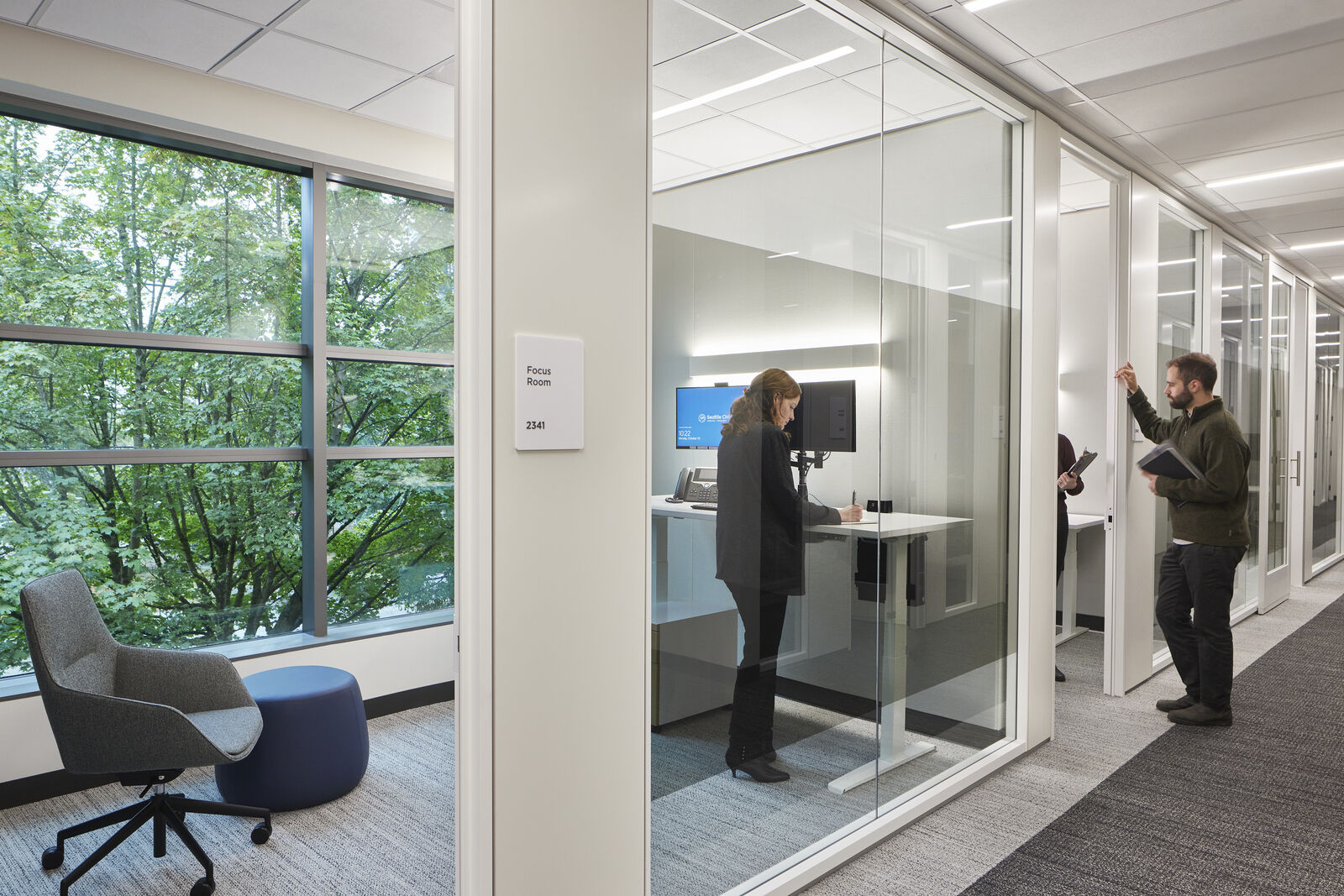
Large and small focus rooms accommodate the rise in telehealth visits.
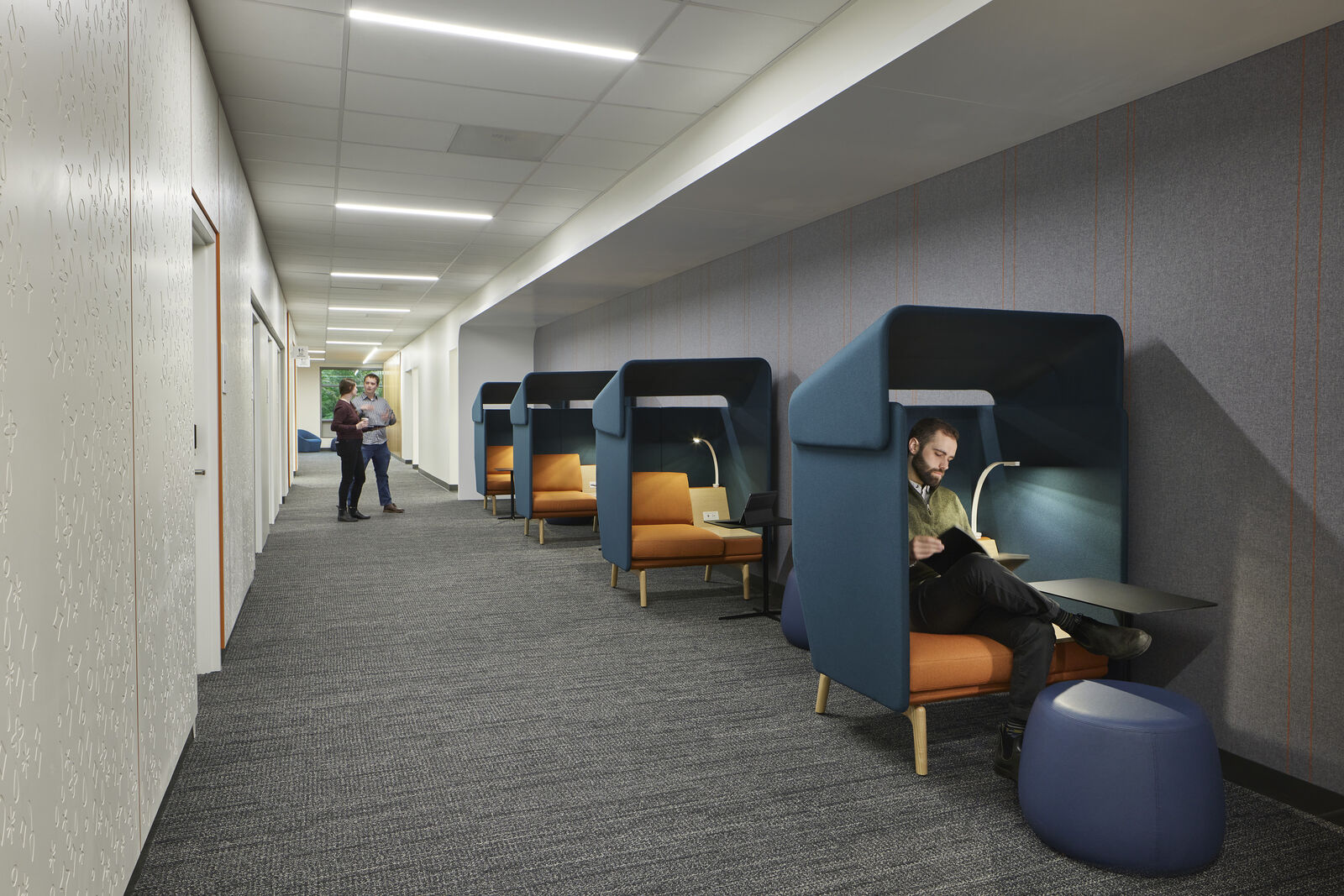
Focus pods offer a semi-private touchdown space for solo work.
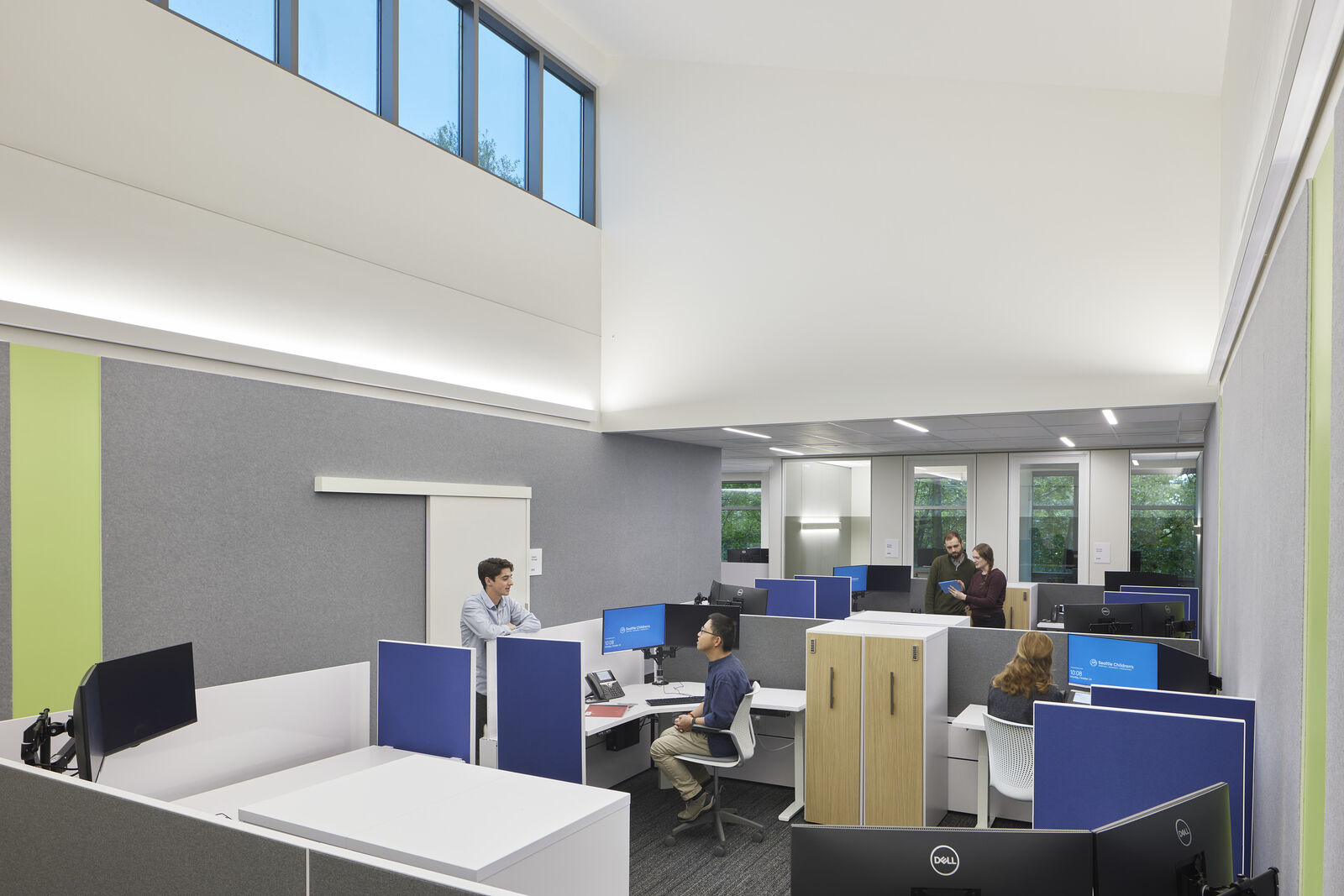
The open office takes advantage of existing skylights and views outside to brighten up the workplace.
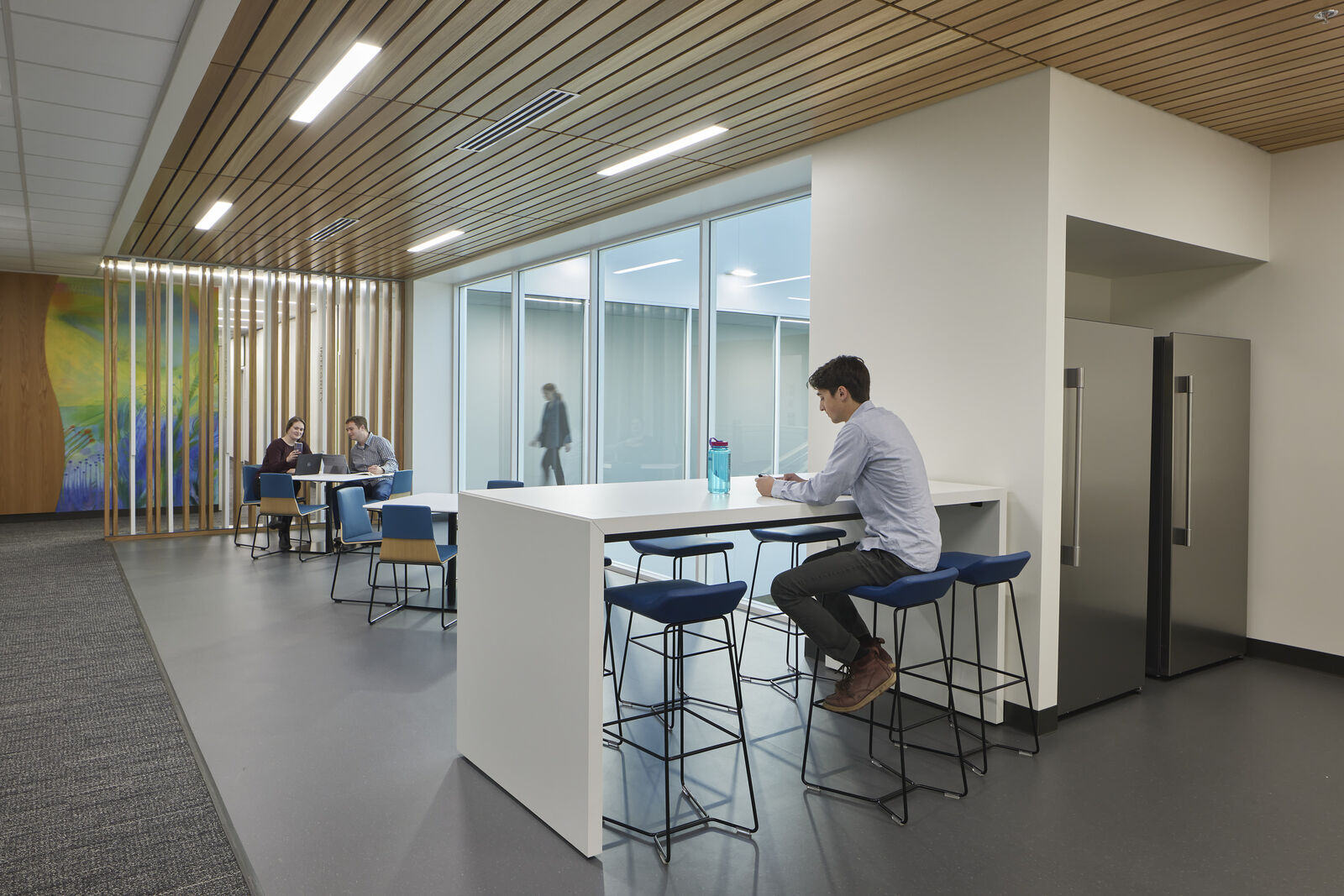
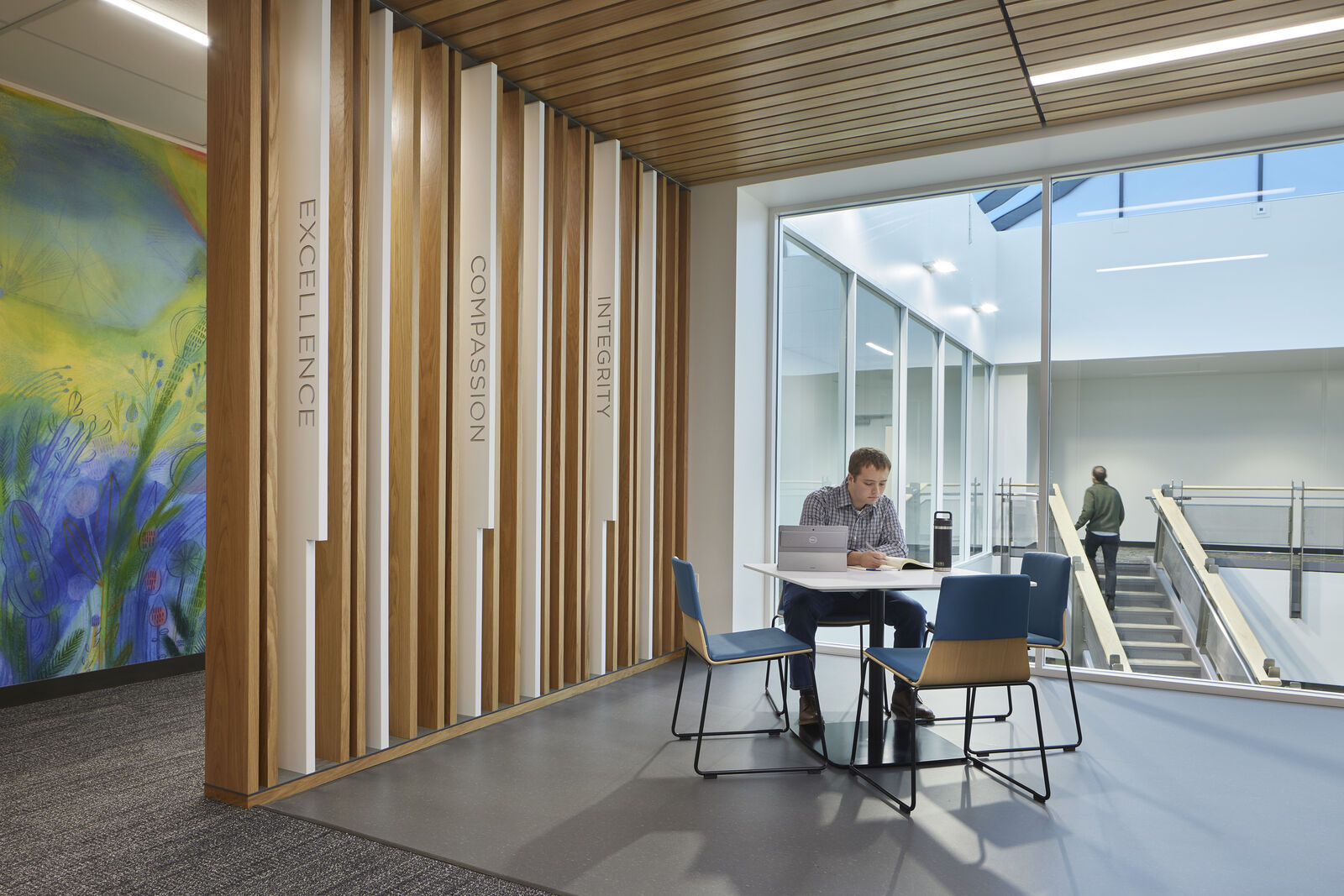
Seattle Children’s values are on full display in the staff lounge to connect employees back to the mission.

Seattle Children’s Hospital, North Clinic
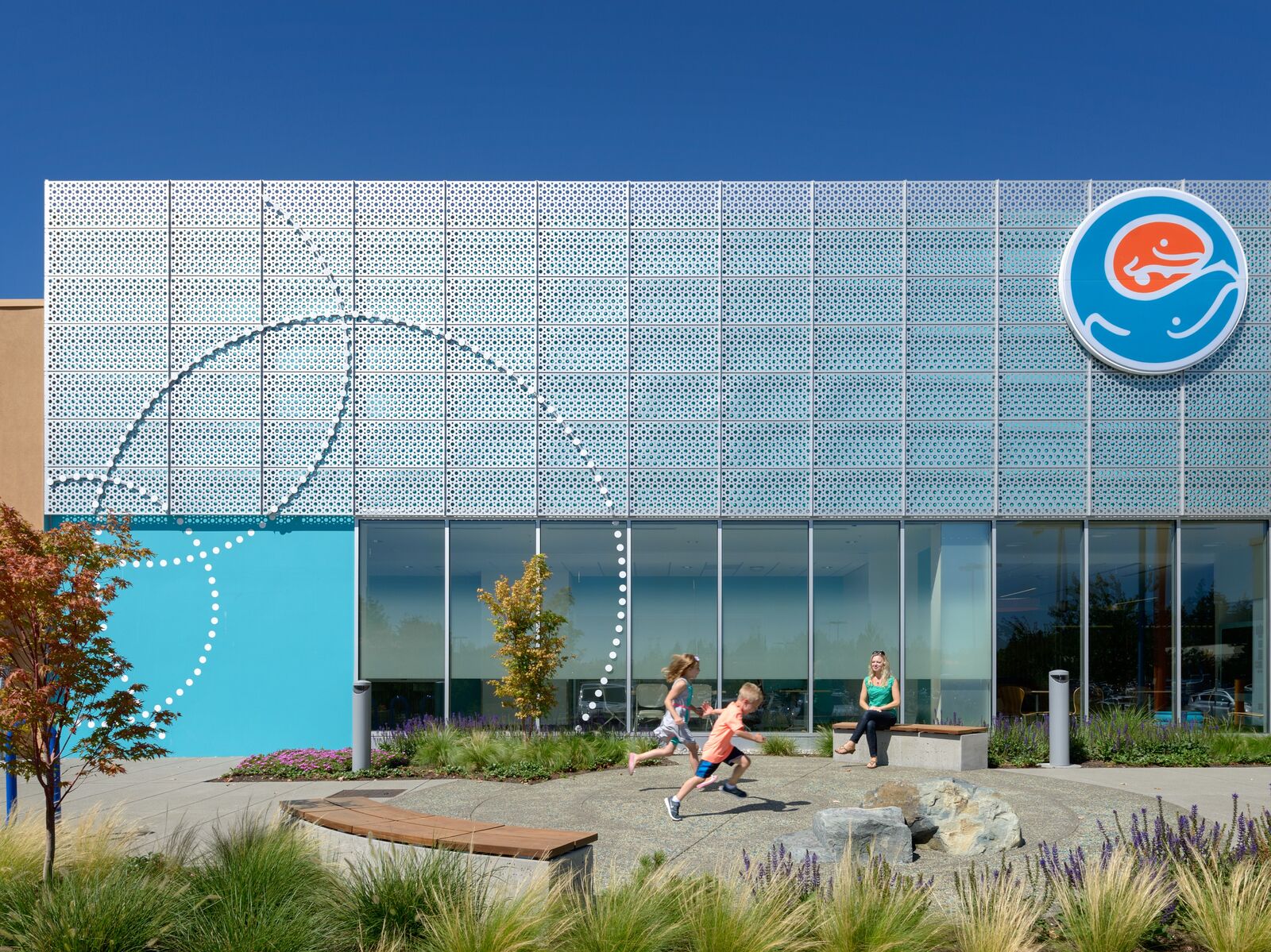
Seattle Children’s Hospital, South Clinic
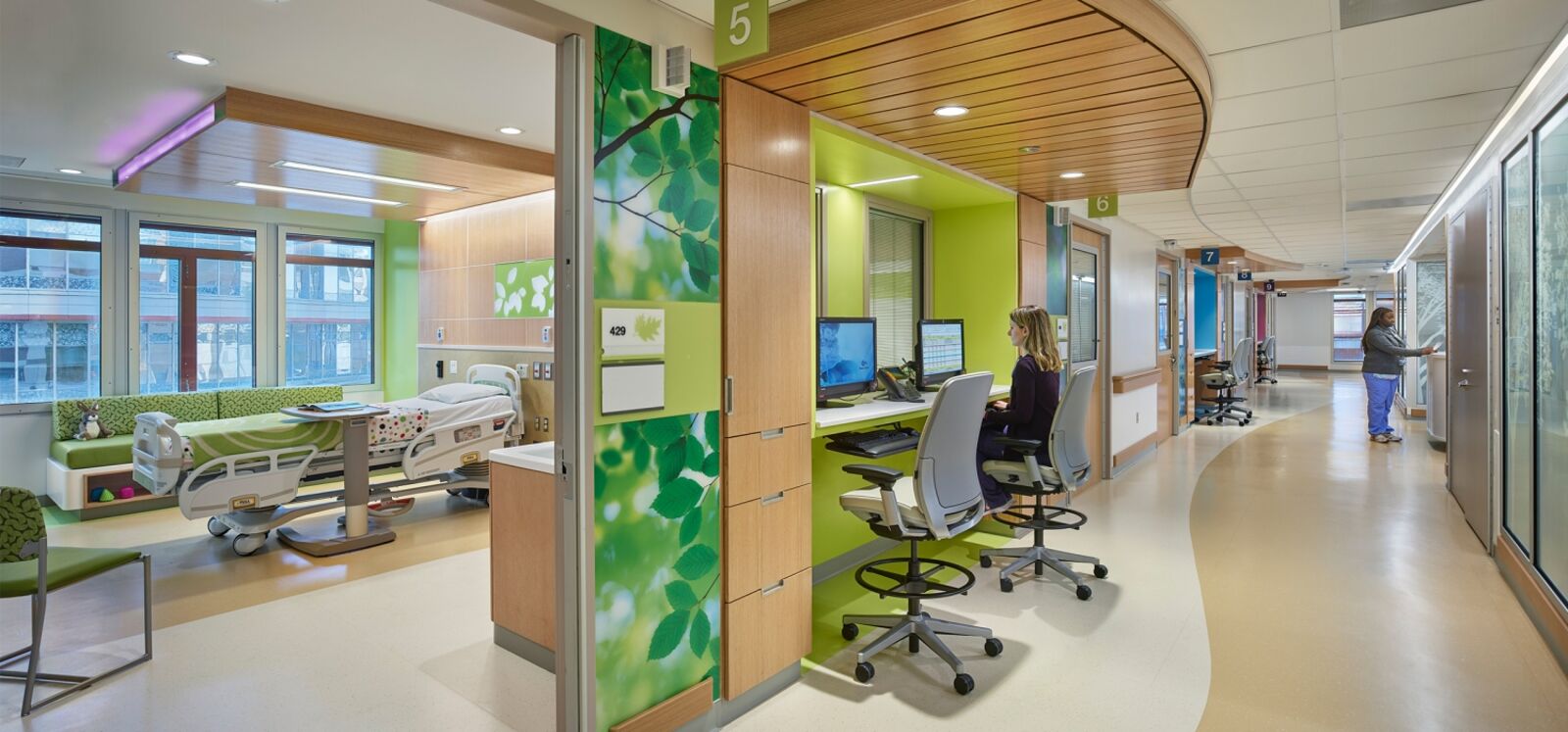
Children’s Hospital of Philadelphia, Medical Behavioral Unit
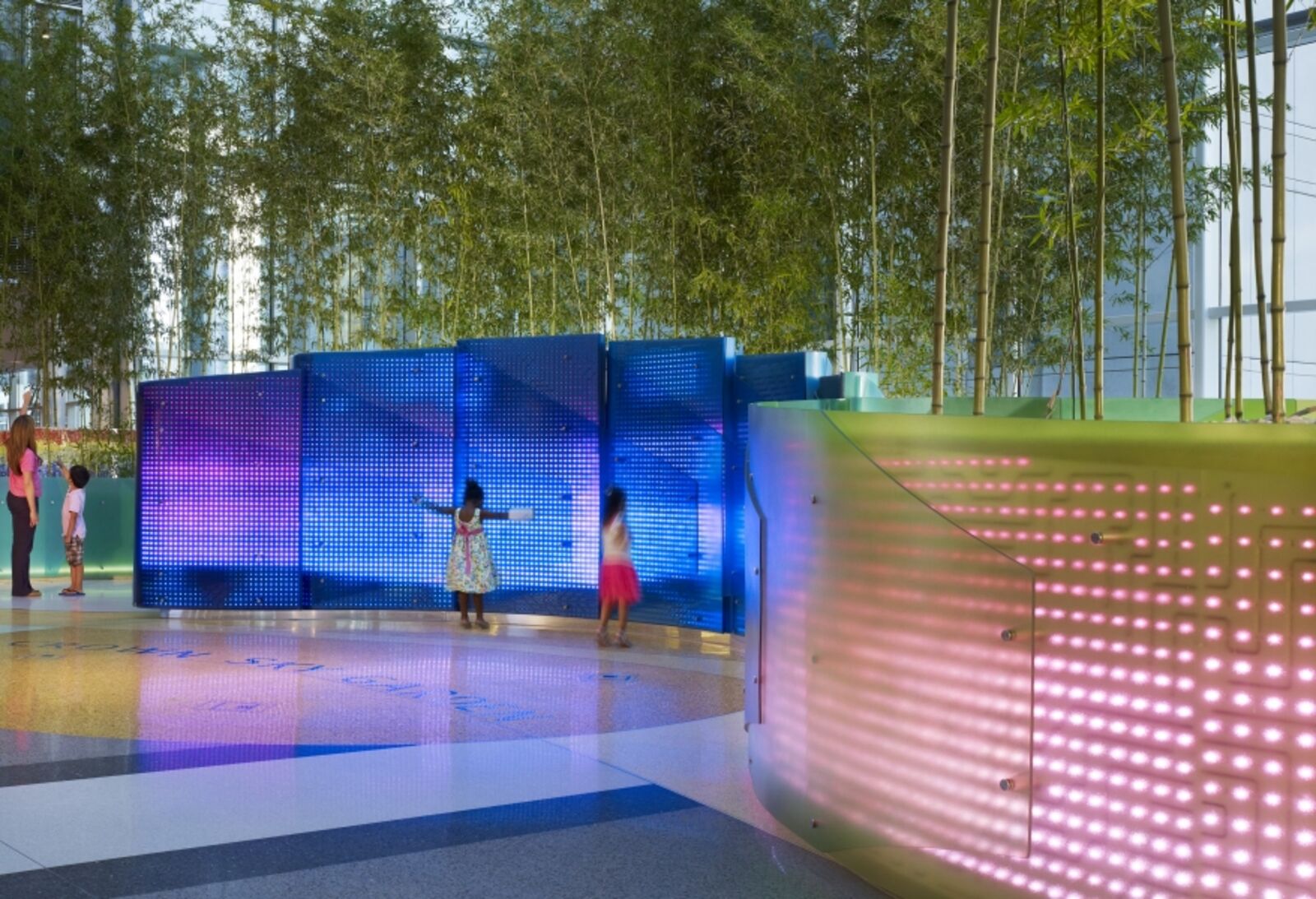
7 Considerations for Designing Diverse Sensory Environments
