

A Beacon for Biomedical Innovation
UMass Chan Medical School, The Paul J. DiMare Center
Laboratories and Research
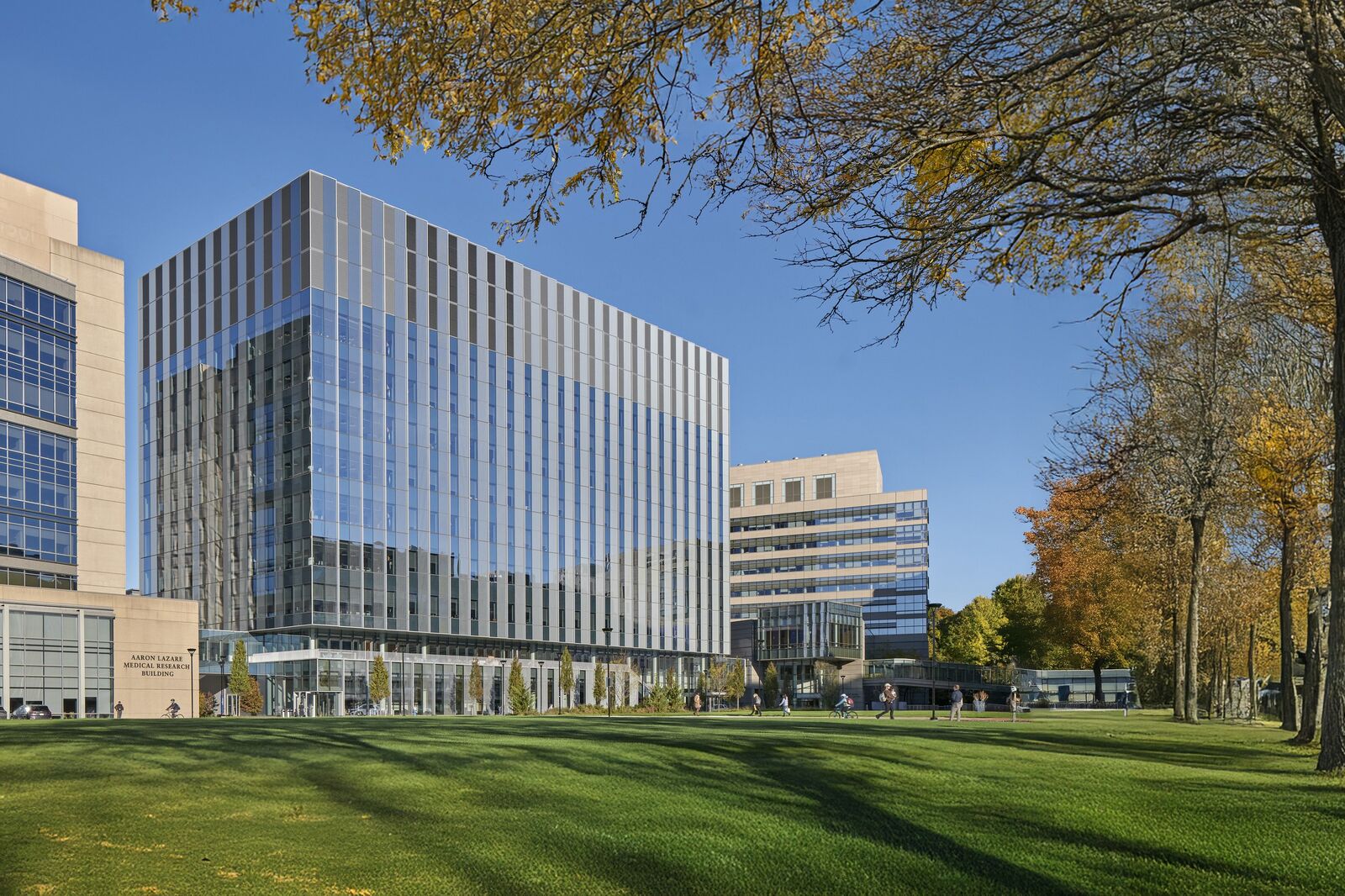
A new state-of-the-art biomedical research building at the UMass Chan Medical School supports the development of therapeutics for some of the world’s most challenging diseases in a high-performance, aggressively sustainable environment. The nine-story Paul J. DiMare Center was programmed and designed by ZGF in association with ARC/Architectural Resources Cambridge. Opened in June 2024, the building responds to demands across the Commonwealth and the nation for more health professionals and life science researchers and will help attract top scientists and students to Worcester.
The Paul J. DiMare Center is the most energy-efficient building on the UMass Chan campus and one of the most energy-efficient research laboratories in all of Massachusetts. The facility is designed to accommodate more than 70 principal investigators with their teams and is the new home for the Horae Gene Therapy Center and the departments of molecular medicine, neurology, neurobiology, neurological surgery, and psychiatry. As the new center of UMass Chan’s Worcester campus, it serves as a new symbol of promise for an institution committed to discovery, learning, and healing.
Location
Worcester, Massachusetts
Square Feet
354,000
Completion date
2024
Project Component
Architecture services
Interior design and space planning
Laboratory planning
Certifications
LEED Gold Certification
"With the Paul J. DiMare Center, we will be able to fulfill our vision of life changing therapies for some of the most intractable diseases we face."
Michael F Collins, Chancellor, UMass Chan Medical School
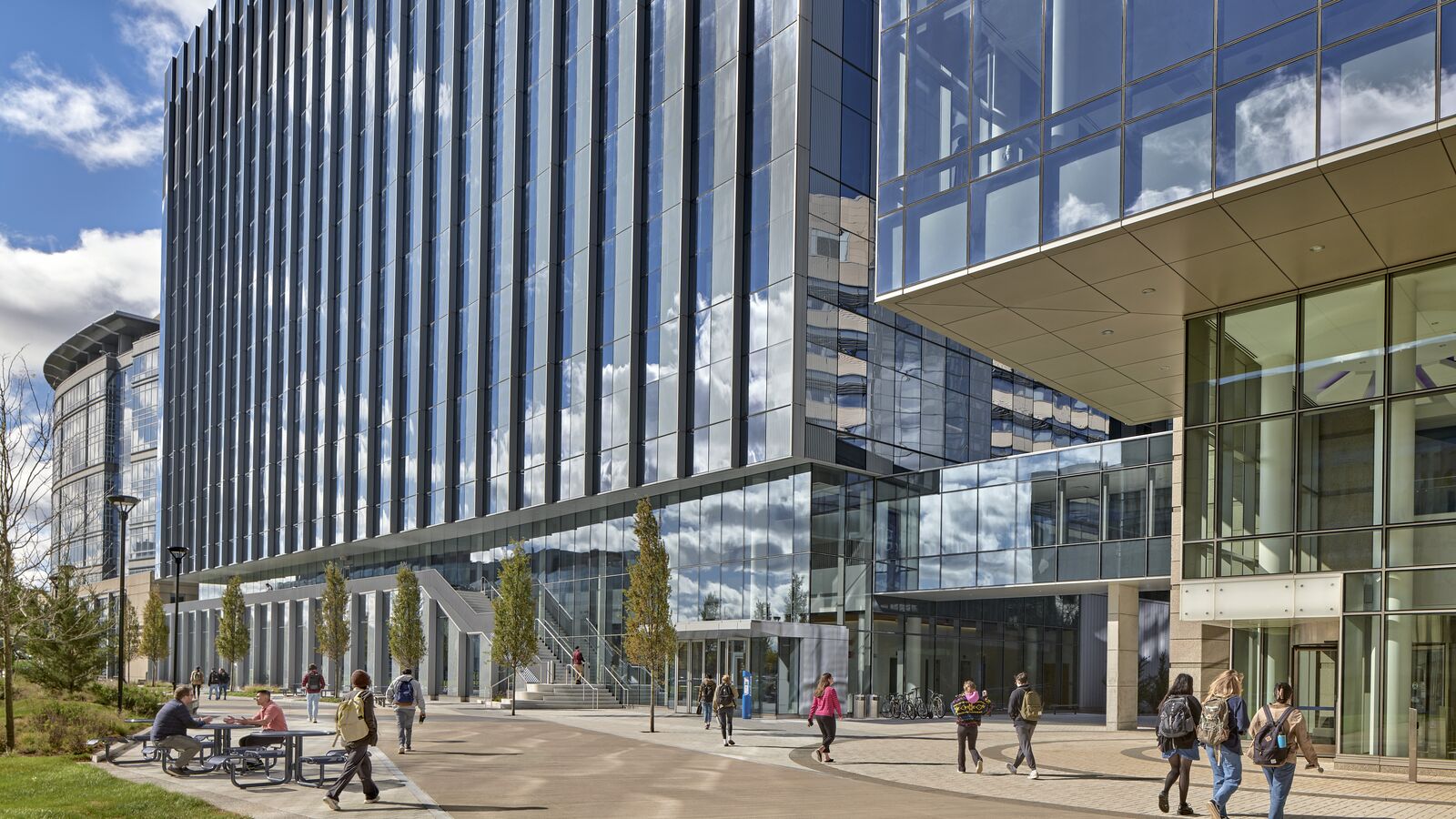
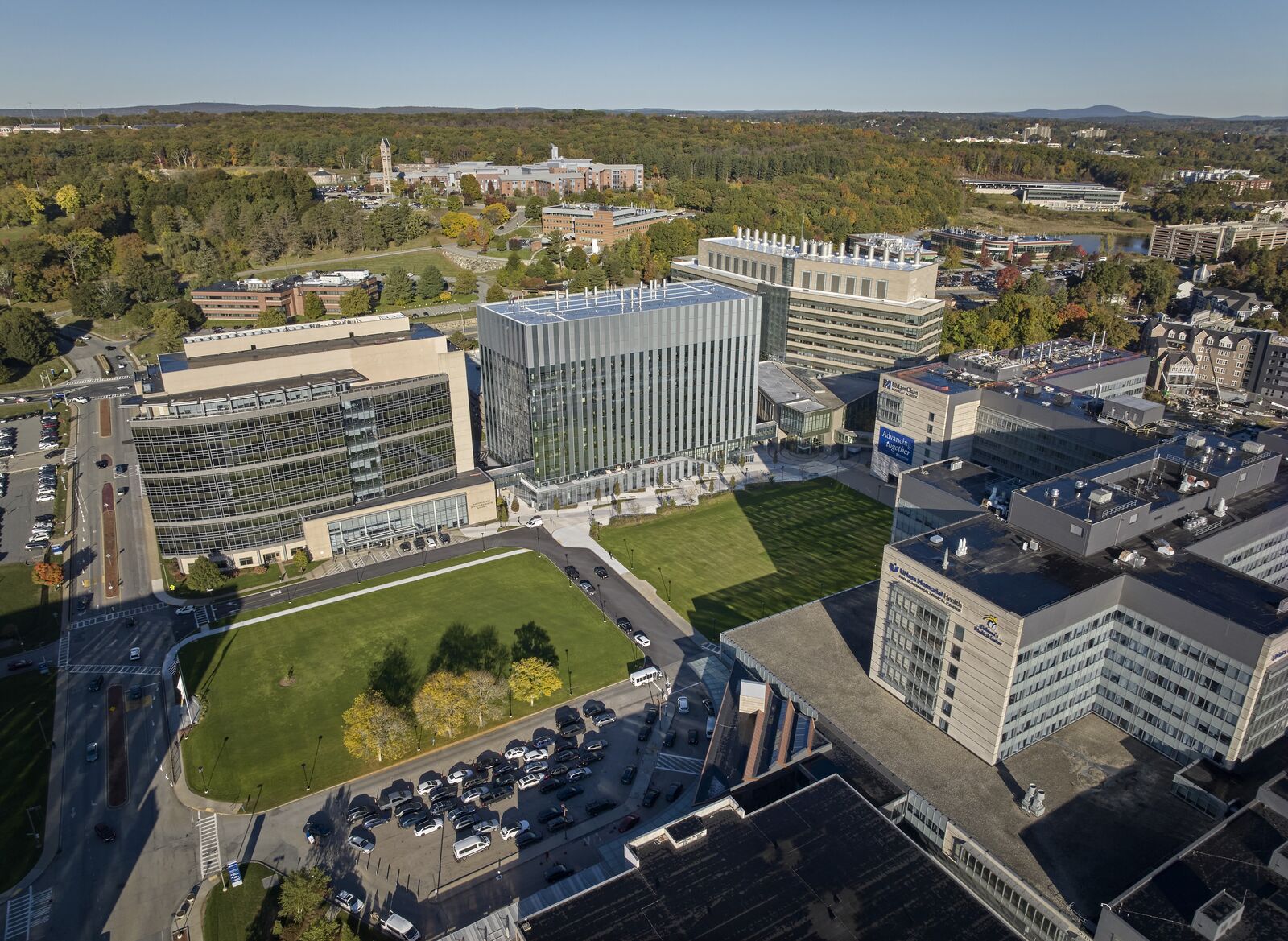
The Paul J. DiMare Center completes a missing link surrounding the campus quad while connecting to adjacent research buildings.
A Unifying Campus Link
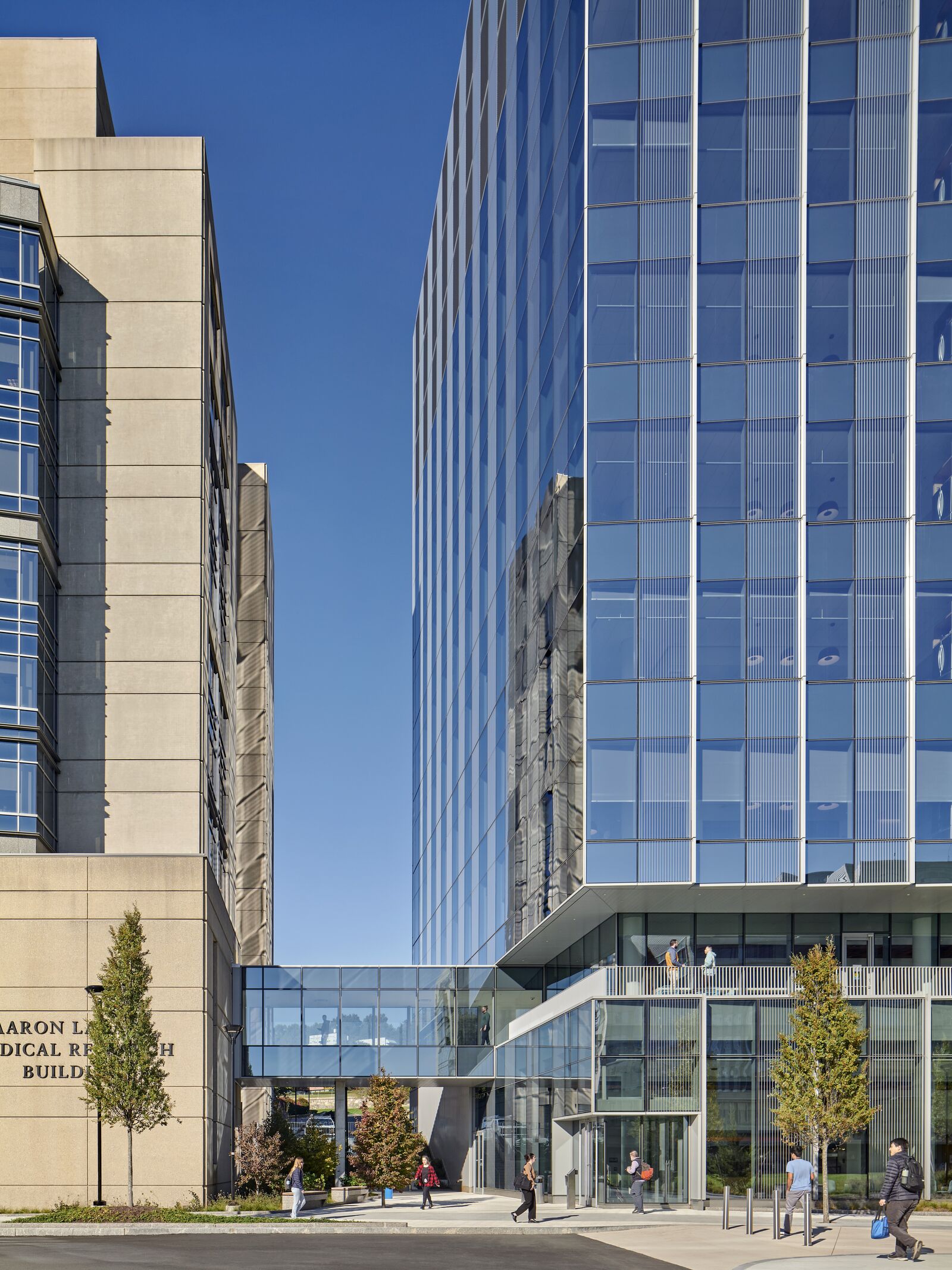
The new campus addition, which replaced an existing parking structure between the Albert Sherman Center and the Lazare Research Building, serves as a unifying link for the structures surrounding the main campus quad. The Paul J. DiMare Center enhances connectivity across all of UMass Chan’s medical school buildings, creating a continuous concourse that links, via new pedestrian bridges at level two, directly to both the Sherman and Lazare buildings.
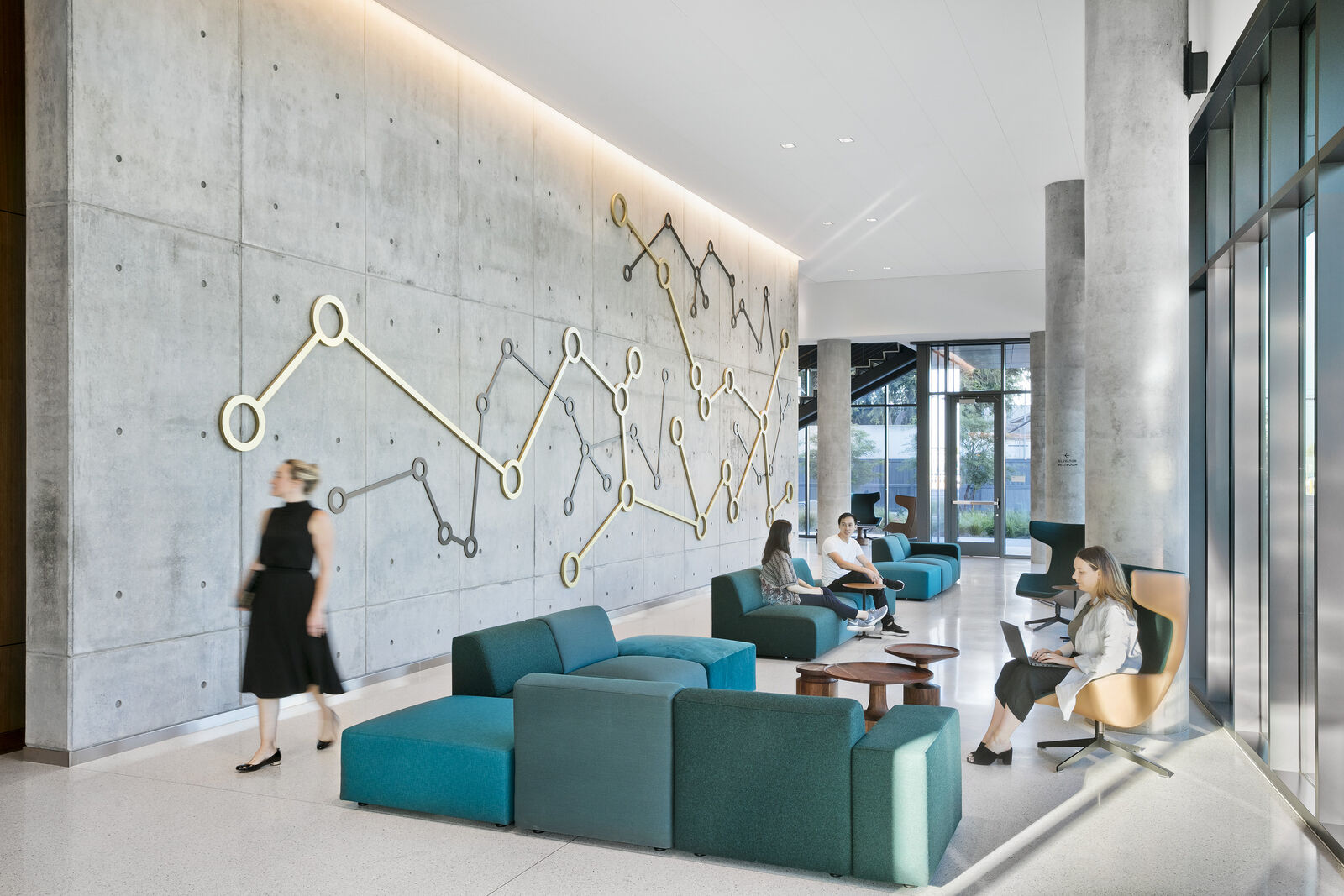
Together, the ground and second levels form a vibrant social hub with casual seating areas, breakout spaces, formal meeting rooms, a multipurpose area, a three-season terrace, and a Dunkin' Donuts kiosk—a Massachusetts must. The lively space not only serves as a focal point for the campus community but also promotes collaboration beyond the classroom and lab. This hub seamlessly flows into an outdoor plaza and the quad beyond, both visually and physically.
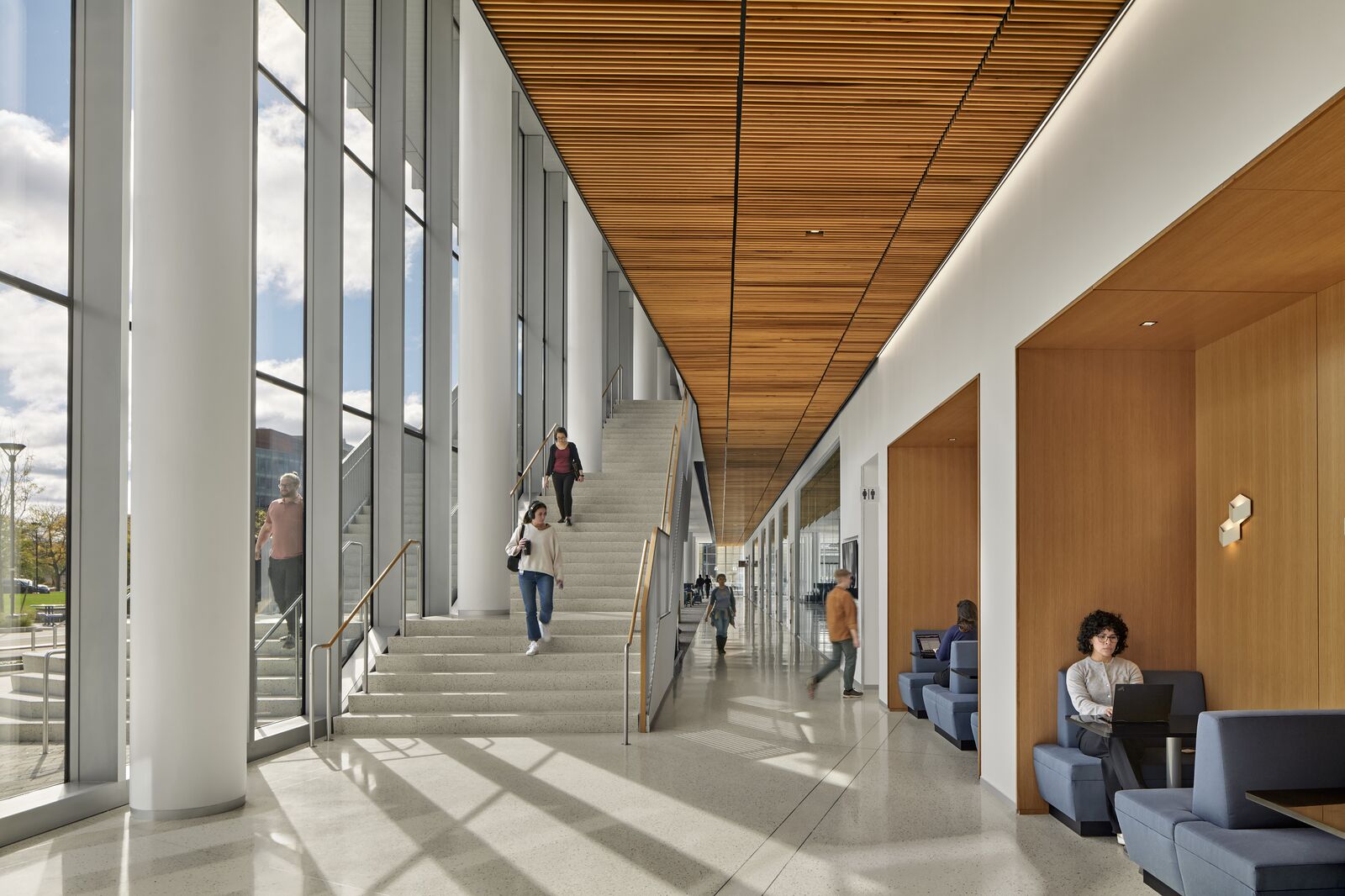
A monumental stair connecting the ground and second levels extends from the interior to the exterior, enhancing the connection between indoor and outdoor spaces and providing convenient access to a three-season terrace.
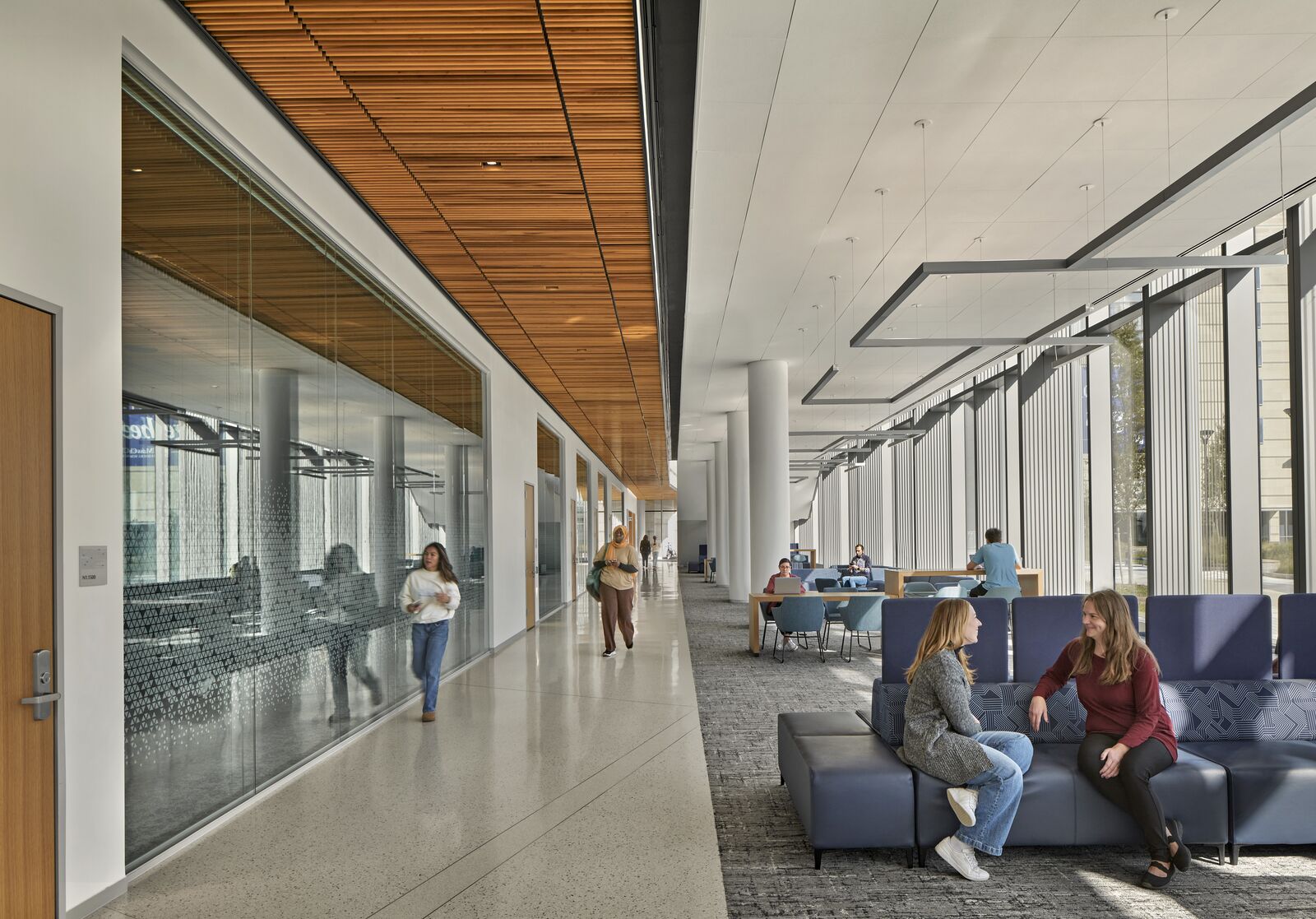
The second-level concourse is studded with informal seating and break-out spaces, providing a vital gathering space for the entire campus.
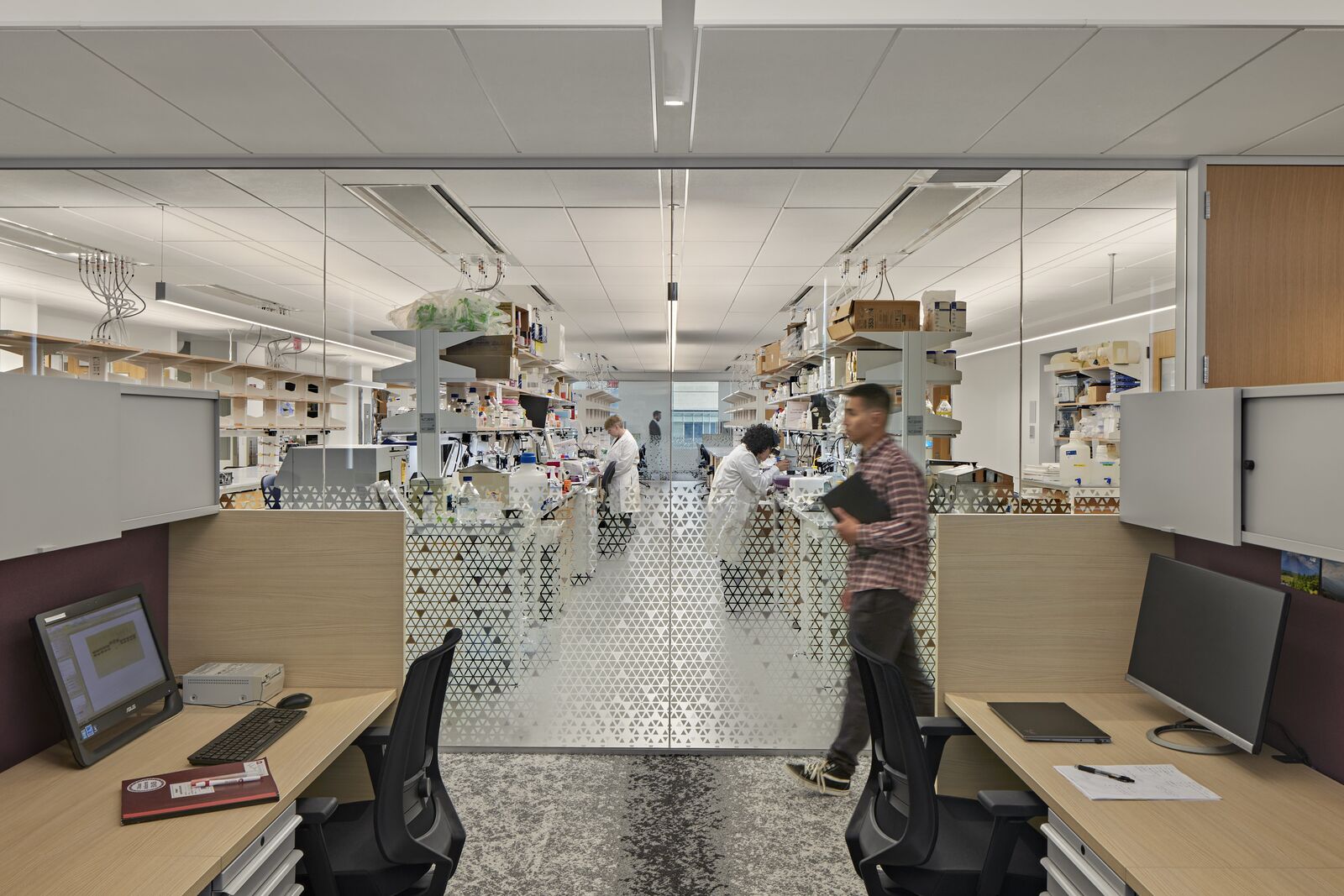
Extensive interior glazing allows light to permeate interior labs while preserving views between wet benches and write-up spaces along the building’s perimeter.
Revolutionizing Research
Scientists in the Paul J. DiMare Center are committed to reshaping the future of disease treatment through the development of transformative therapies. To advance their mission, two key priorities guided the design of the research spaces: efficiency and collaboration. Research floors are optimally organized in a neighborhood layout, featuring a central hub of benches and research bays, complemented by essential support areas. Research teams work in shared environments where lab benches are positioned side by side, promoting interaction both within and across departments. Wet-bench labs are fully visible from adjacent write-up areas, allowing researchers to conveniently document their findings, even during lunch or with a coffee in hand.
State-of-the-art core facilities further enhance basic research, translational studies, and clinical trials for new therapies. The first on campus, an advanced automated biorepository system enables UMass Chan to store hundreds of thousands of tissue samples, including those from clinical trial participants at UMass Memorial Health, where they are readily available for research. The facility significantly boosts the university's ability to engage in multi-site clinical trials, targeting treatments for both rare and common diseases.
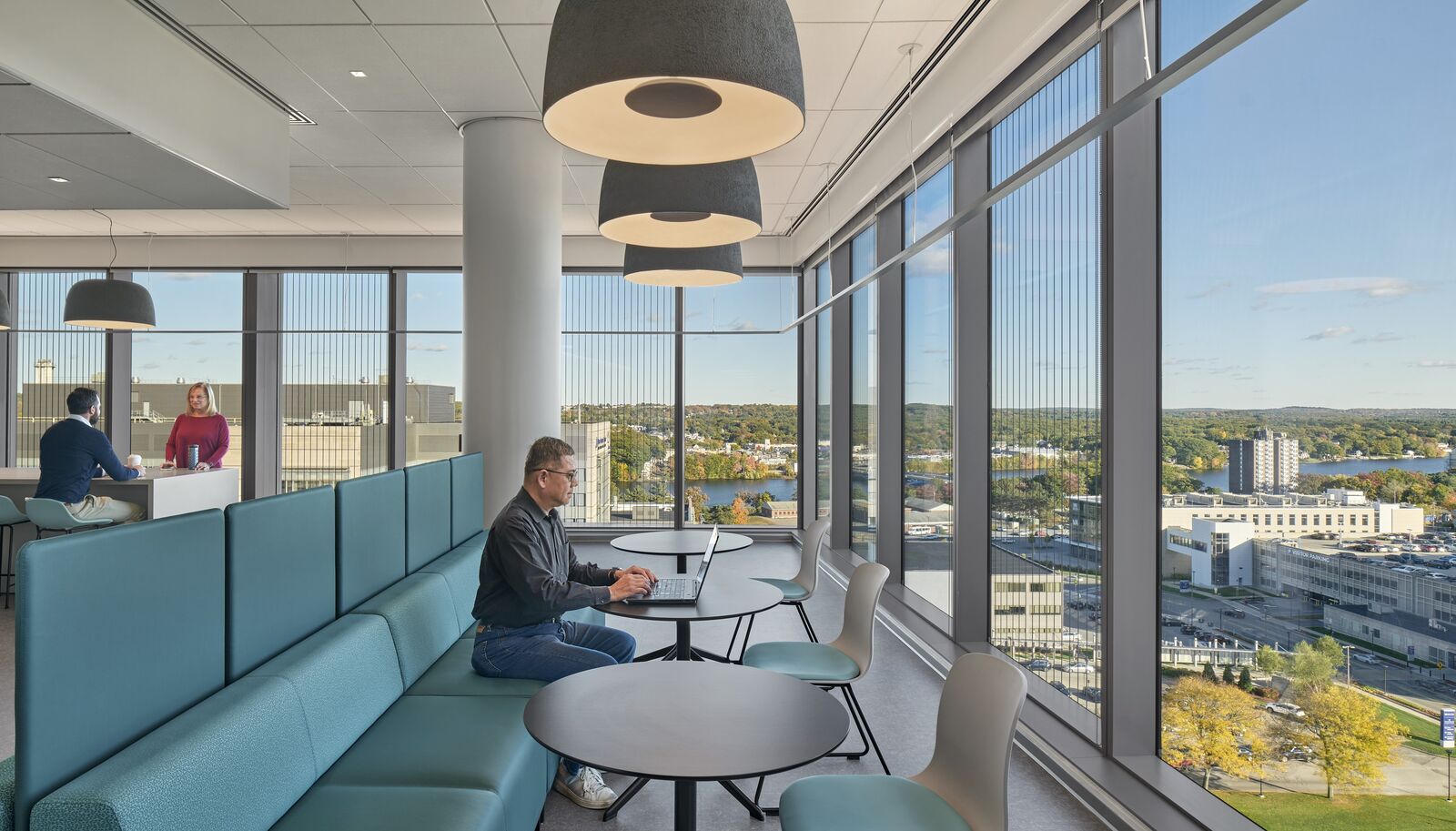
Dedicated gathering spaces across the research floors allow scientists opportunities for respite or serendipitous encounters away from the bench. The southeast corner of each upper-level research floor features a sun-filled "living room," all connected vertically via an irresistible stair promoting active circulation. Gender-neutral restrooms are available throughout the building and dedicated wellness rooms support occupants’ mental, emotional, and physical health.
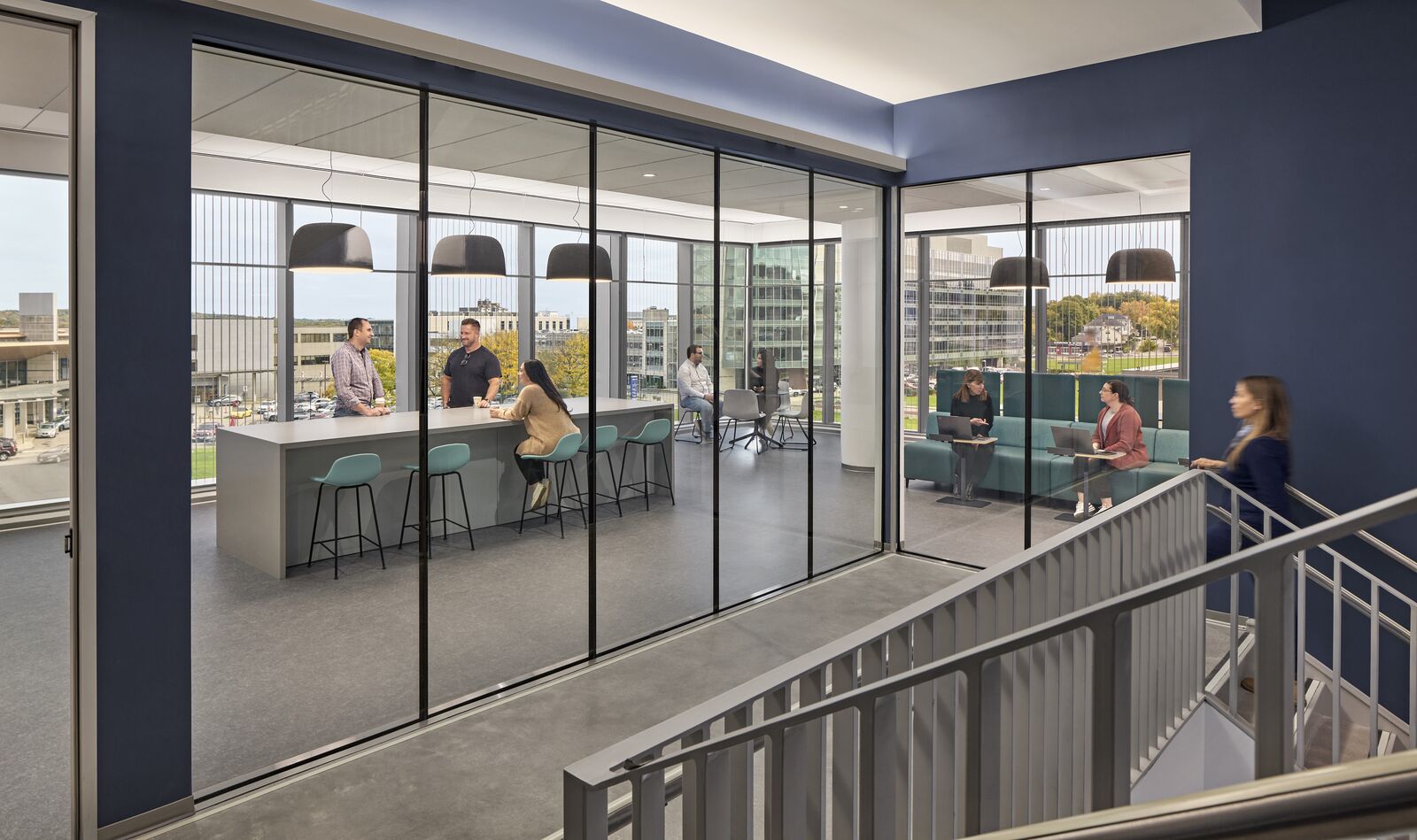
On upper-level research floors, a focus on natural daylighting and transparency, active circulation, and generous social and interaction spaces establishes a productive and healthy environment for discovery and innovation.
High-Performance, High-Impact
Designed to meet ambitious sustainability goals, the project is LEED Gold certified and Net Zero Energy Ready. With a target Energy Use Intensity (EUI) of just 130 kBtu/sf/yr, the Paul J. DiMare Center is the most energy-efficient building on the UMass Chan campus and one of the most energy-efficient research laboratories in all of Massachusetts.
With this project, UMass Chan embraced geothermal energy to reduce the carbon emissions related to heating and cooling the building. Featuring 75 boreholes drilled 500 feet into the bedrock beneath the main quad, a hybrid ground-source modular heat pump circulates water through a three closed-loop setup, extracting thermal heating energy from the ground for heating during winter and transferring rejected cooling energy back into the ground for cooling in summer. Annually, the system will provide 88 percent of the building's heating needs and 50 percent of its cooling requirements with the campus’s existing power plant covering peak demands, as well as electricity. The geothermal system significantly reduces the Paul J. DiMare Center’s greenhouse gas emissions by 42 percent (2,400 tons of emissions per year) compared to if the building were solely reliant on the campus’ central utility (or thermal energy) plant.
In the building's penthouse, sophisticated dual-wheel dedicated outside (DOAS) air handling units efficiently manage the filtration and conditioning of outside air. Energy recovery wheels, each 16-feet in diameter, capture thermal energy before air is exhausted, preventing waste. These wheels recover approximately 80 percent of the energy used to heat, cool, and humidify the above grade portions of the building. Advanced Konvekta run-around heat recovery systems are applied to the dedicated air handling units serving the below grade research spaces.
Triple glazing and an airtight envelope result in an ultra-low load envelope, which exceeds Massachusetts building code for thermal performance by 22 percent and eliminates the need for perimeter heat. The envelope is highly effective at limiting heat loss or gain across seasons while optimizing the amount of natural light allowed into the building.
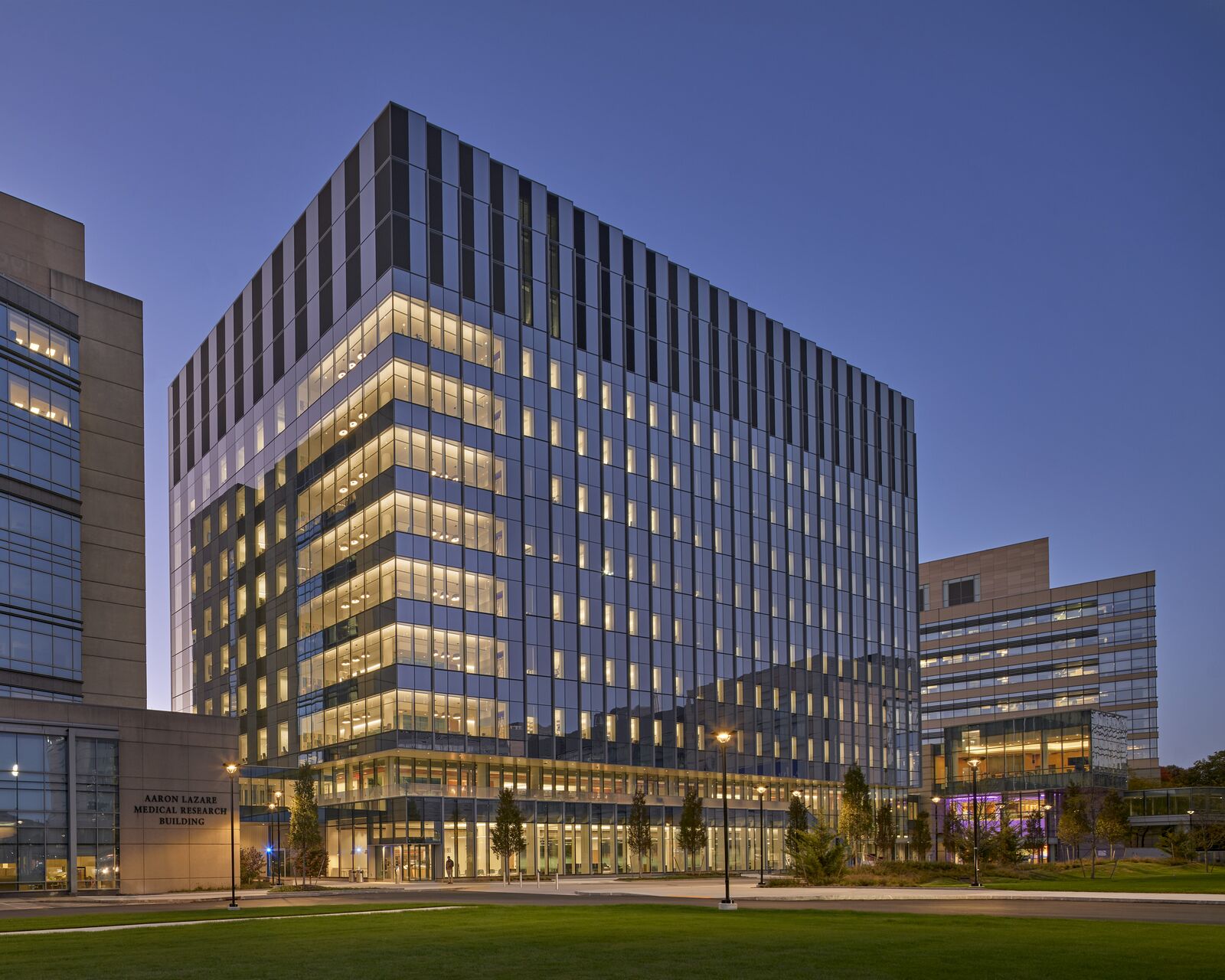
Opened in Summer 2024, the Paul J. DiMare Center illuminates the science within while reflecting the ambitions of the institution it serves.
Design Partner
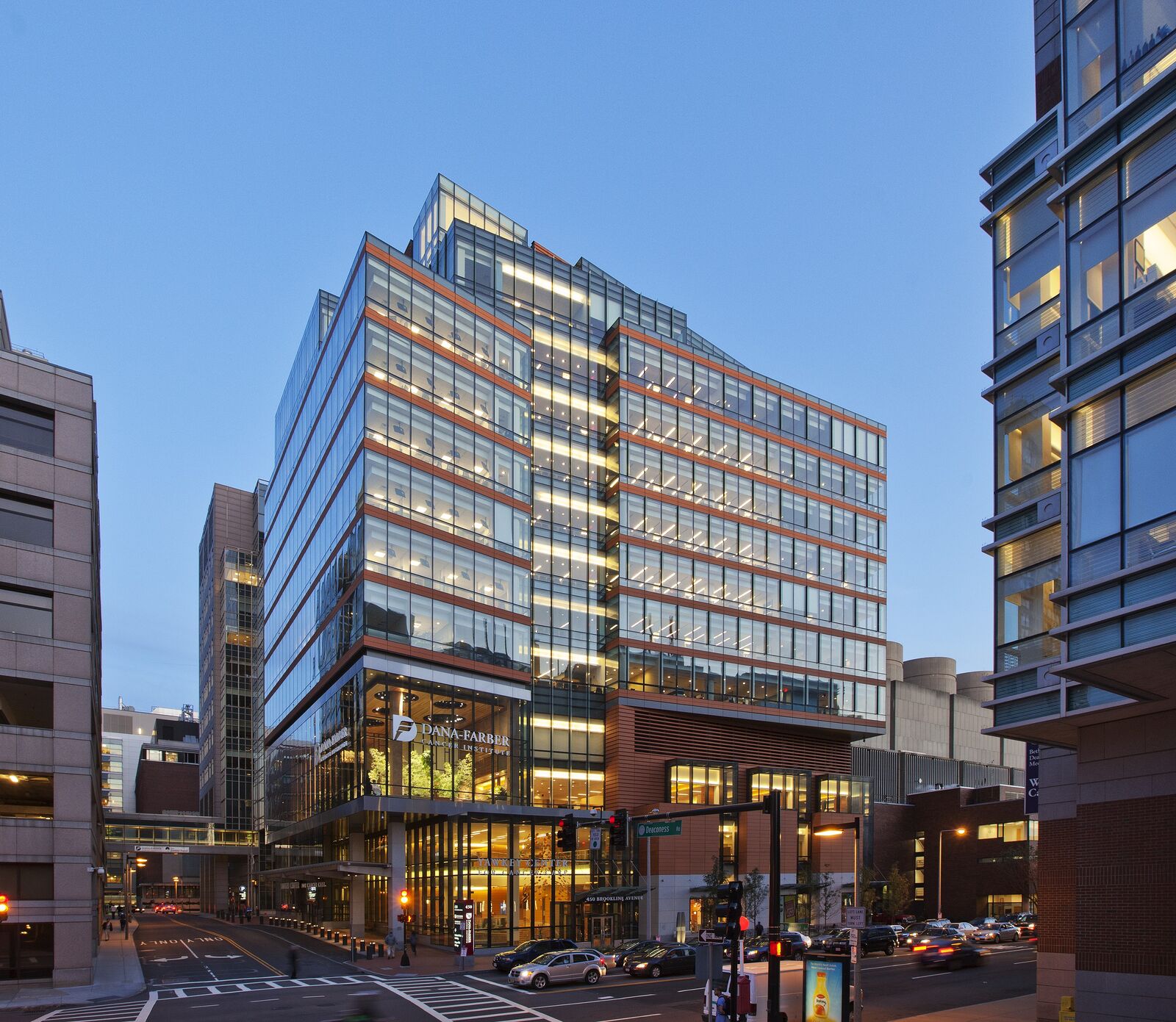
Dana-Farber Cancer Institute, Yawkey Center for Cancer Care
UC San Diego, Altman Clinical and Translational Research Institute
Mercat del Peix Research Center

University of Colorado, Anschutz Health Sciences Building