
Mental Health Care That Uplifts
University of California, San Francisco, Nancy Friend Pritzker Psychiatry Building
Healthcare
Mental health is among the most pressing health issues in the world, and yet barriers to care—chronic underfunding, stigmatization and scarcity of practitioners and facilities—result in nearly half of those in need to forgo treatment.
The new UCSF Nancy Friend Pritzker Psychiatry Building transforms this historically underserved area by providing unprecedented access to mental health services in a beautiful, friendly and welcoming environment. The facility is UCSF’s first integration of pediatric and neurological services within a mental health outpatient facility. The result quadruples market access to mental health services in the Bay area while accelerating scientific discovery of improved treatments and prevention.
Supported by a gift of nearly $60 million from philanthropists John Pritzker and Lisa Stone Pritzker, longtime supporters of UCSF, the new building is named in honor of John’s sister, Nancy Friend Pritzker, who died by suicide. The building is developed by SKS Partners and Prado Group. ZGF is Design Architect in collaboration with Perkins&Will.
Location
San Francisco, CA
Square Feet
173,000
Completion date
2022
Project Component
Architecture services
Interior design and space planning
Environmental graphics
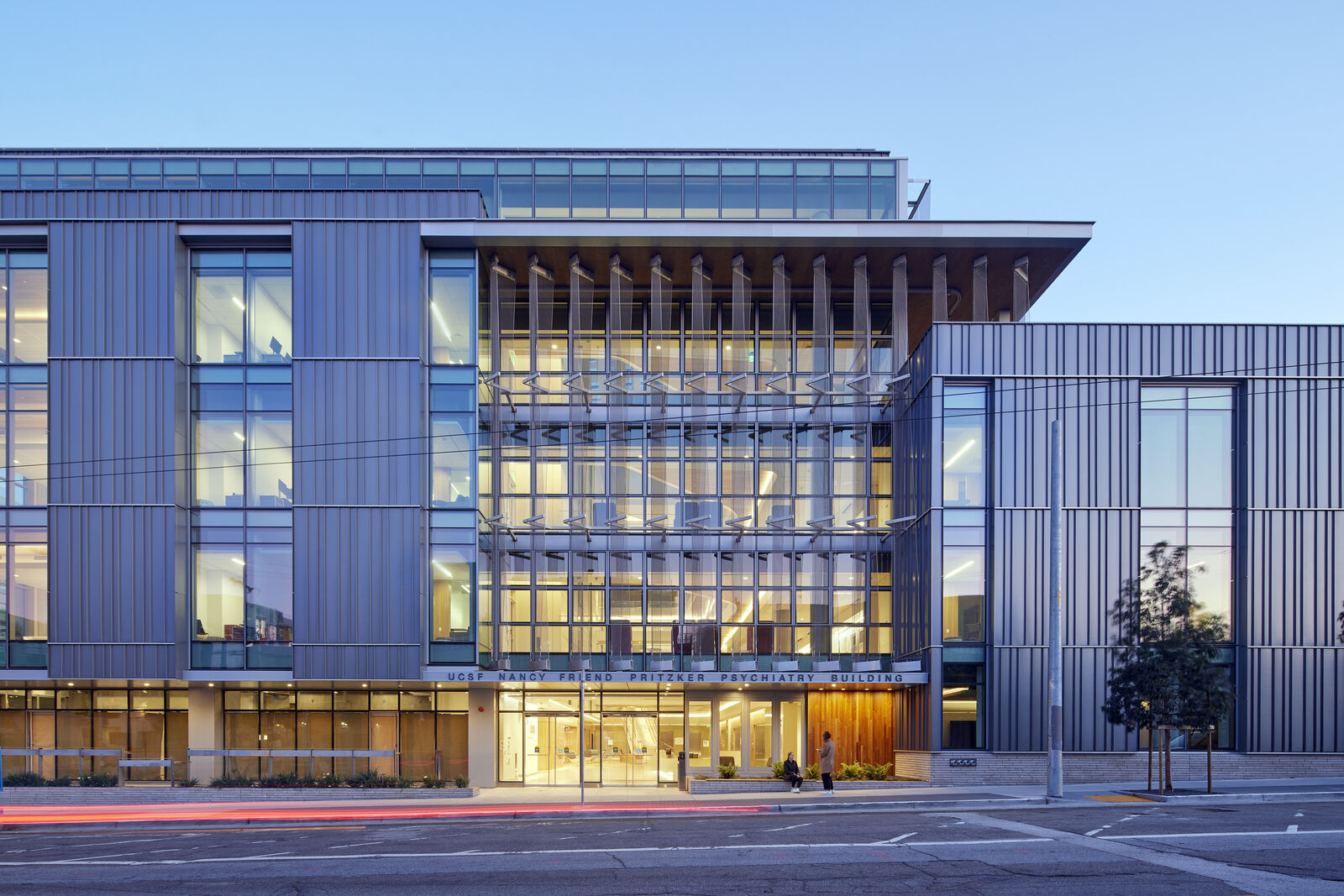
The first-floor main entrance off 18th Street is designed to serve adults. Providing a more articulated facade, here three-story-high screens of metal, wire, and mesh hang above the entrance. Visitors move through a transparent lobby that opens into the atrium, establishing a welcoming threshold for patients seeking care.
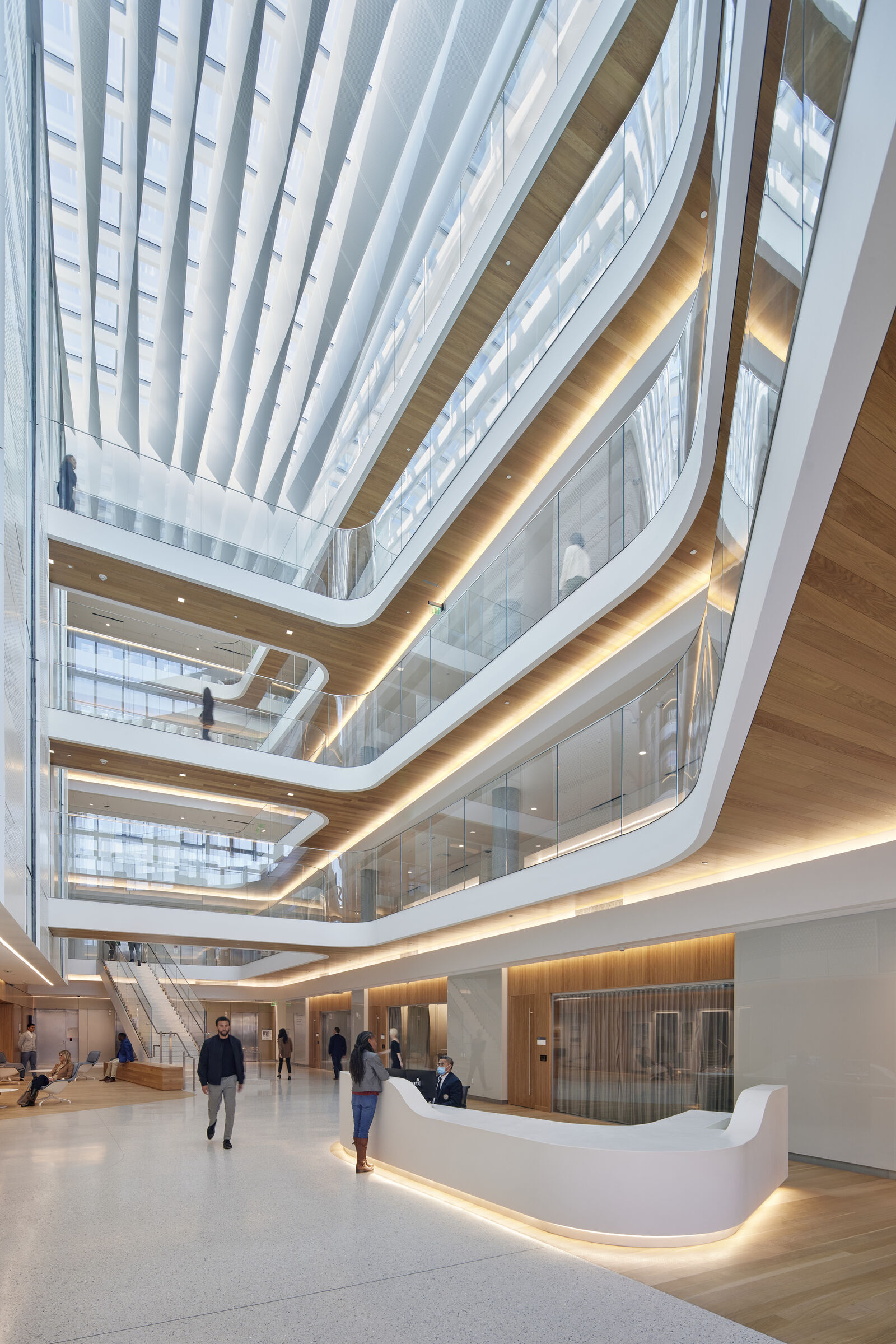
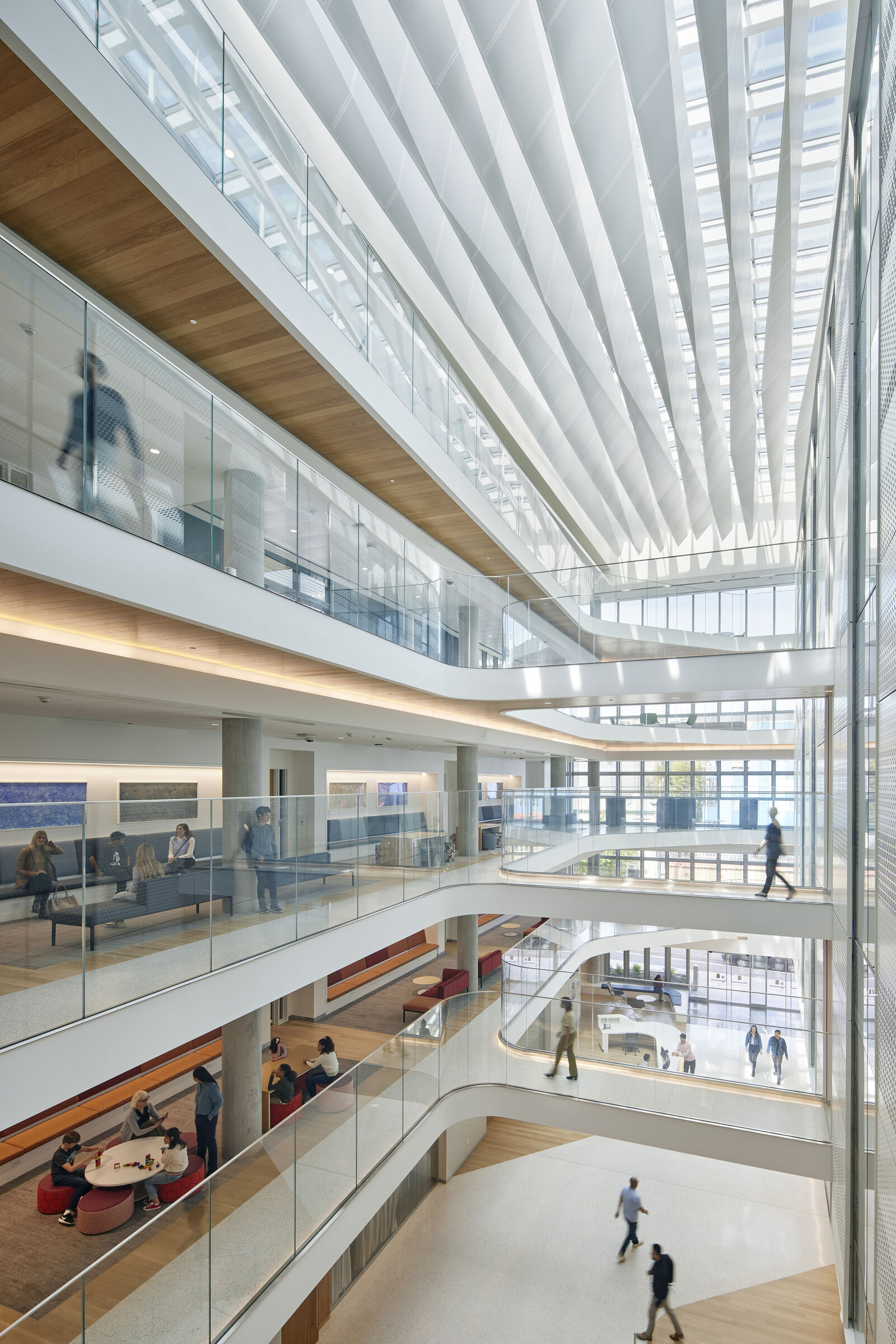
Openness to the community and transparency in how the building will operate was a primary design driver and is emphasized through the soaring, five-story atrium.
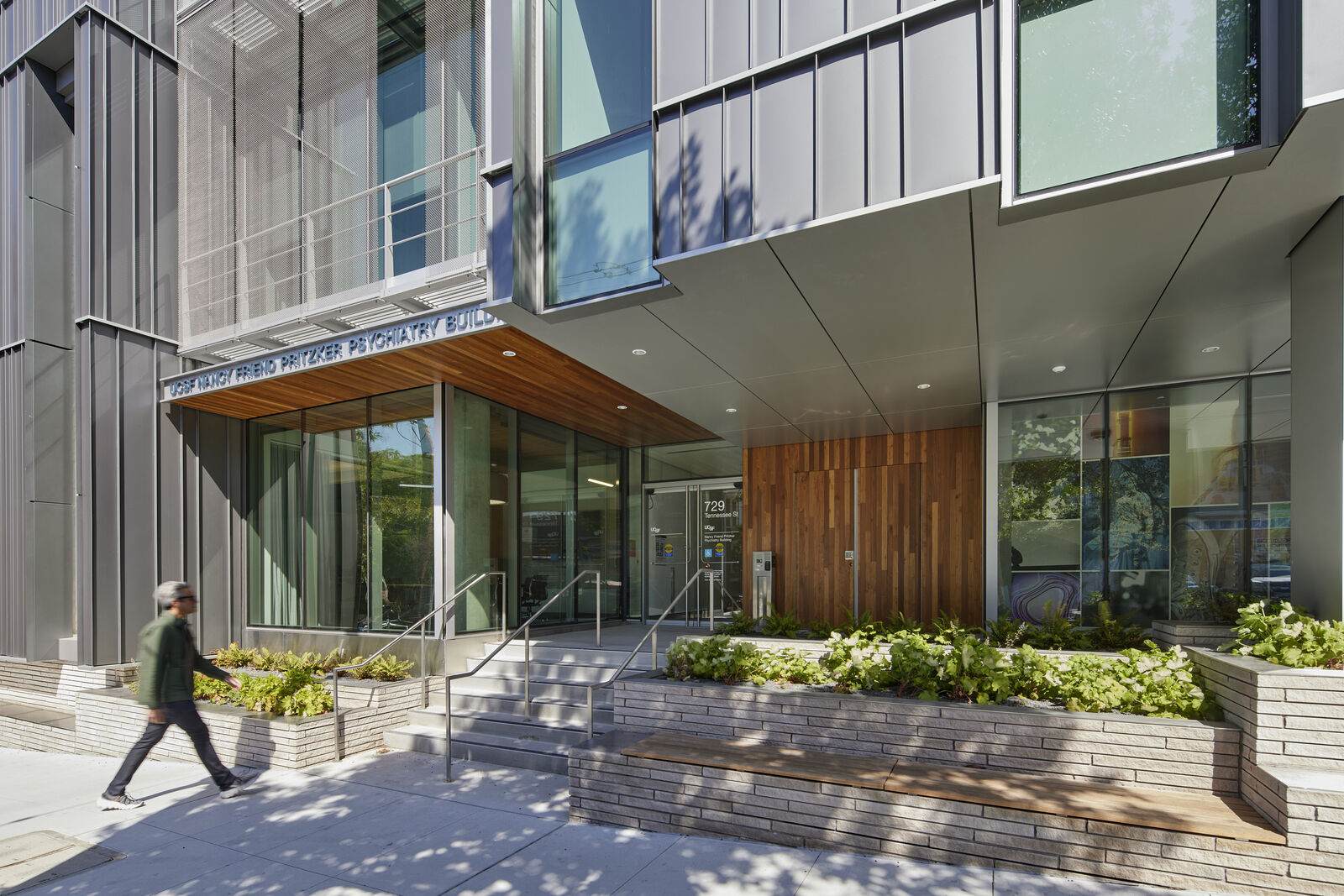
The design team leveraged the building’s orientation on the sloped site to establish a second-story entrance off Tennessee Street that provides a dedicated entryway to Pritzker’s Child, Teen and Family Center. This three-story side of the building is deliberately scaled down to fit its residential context, resulting in a less institutional feel for families and children.
Exterior glass connects inhabitants to the cityscape beyond and substantial glazing encourages visual transparency on the interior, supporting an open and bright patient experience for a population that has been historically relegated to dimly lit and highly controlled behavioral healthcare spaces. A five-story atrium provides full visibility into the heart of the building from the exterior and allows transparency into how the building operates on the interior. Upon arrival, the space lifts the eyes upward and welcomes patients inside with a message: you matter.
The ZGF team sought to curate a theraputic and calming environment, bucking the institutional design and harsh fixtures of traditional behavioral health facilities that can stigmatize the care experience. The building employs integrated graphics and colors, textures and natural materials evoking the Bay Area region. Inspiration for the materials comes in part from San Francisco’s colorful “Painted Ladies” houses and the foggy ocean surroundings.
Warm perimeter lighting, combined with daylighting filtering in through the skylight baffles, permeates the floorplate down to the first floor. Public waiting rooms on all the floors face the atrium interior and give patients and families a sense of connection and belonging.
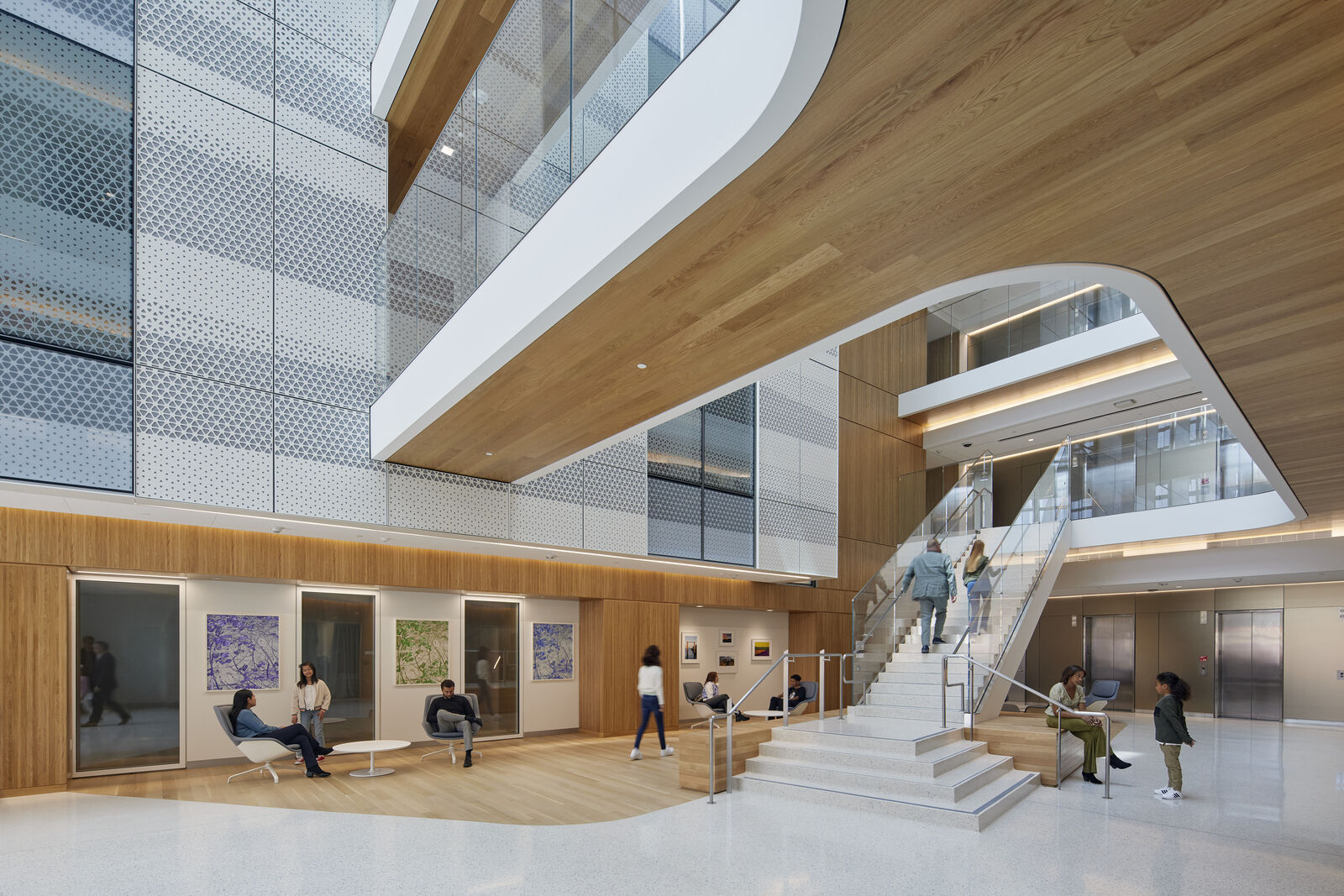
The use of extensive daylighting, integrated graphics, color, texture, and natural materials serve to the normalize the behavioral healthcare environment at UCSF.
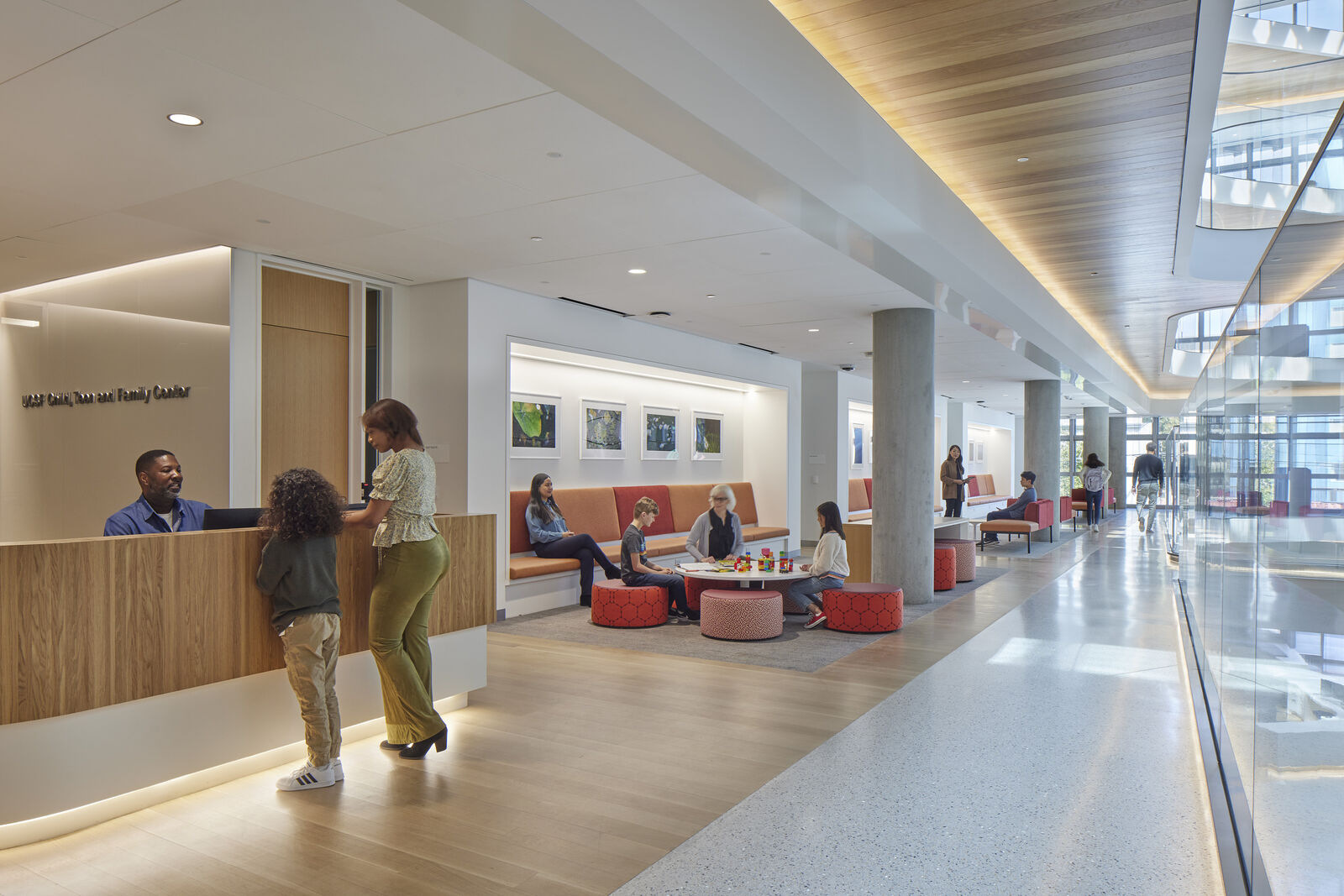
By treating patients across the full age spectrum, the facility has a unique opportunity to evolve or transition care as a patient ages. It helps clinicians and researchers better understand physiological and environmental explanations for behavior across a patient’s lifespan.
Situated adjacent to UCSF’s Mission Bay campus in San Francisco's Dogpatch neighborhood, the Pritzker Building's three facades are scaled to their unique contexts. The design echos materials and textures derived from the existing fabric of the neighborhood, including exterior cladding comprised of metal panels that refer back to older industrial buildings in the area, and horizontal joinery that can be found in the surrounding Victorian homes. The fifth floor of the building is set back in deference to the height of neighboring buildings.
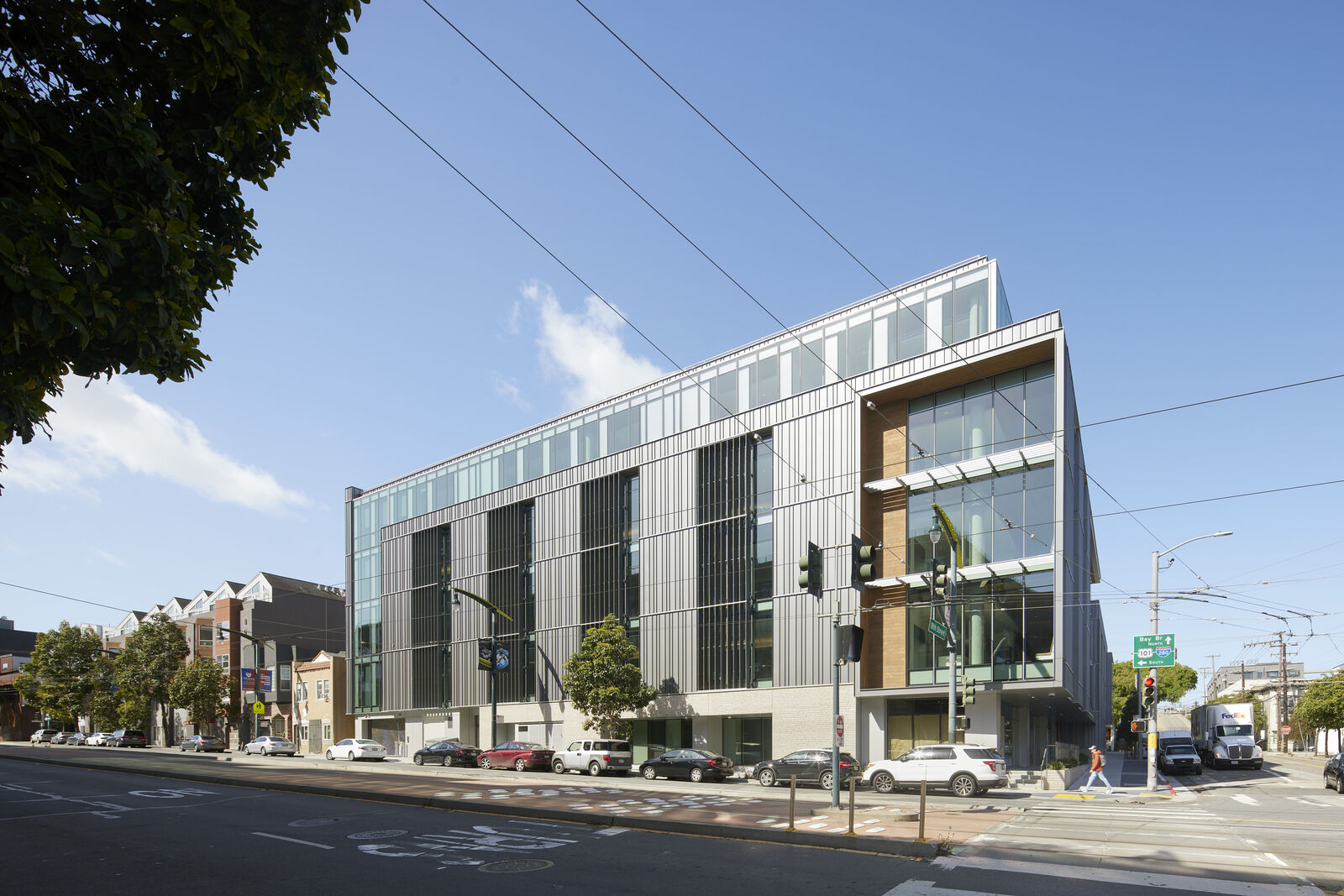
The most monumental side, with entrances to the building’s garage, is on Third Street, which includes a corner café in a nod to Third Street’s commercial zone.
Working with a multidisciplinary team led by renowned child psychiatrist and human geneticist Dr. Matthew State, ZGF identified program priorities and potential synergies through the integration of clinical, training, and research functions in one building. The result is UCSF's first co-location of research and mental healthcare for pediatric and adult patients. The building also brings members of the department of pediatrics, neurology, radiology, neurosurgery, psychiatry, anesthesiology, and obstetrics/gynecology together. To support the various disciplines are spaces that include medical consultation rooms, patient and visitor waiting rooms, and dry labs. A lush rooftop garden is accessible for meetings between staff and patients while enjoying access to fresh air and biophilia. The facility interior is designed to encourage collaboration, providing the setting and resources for advancements in research and patient care. Careful attention was given to strategies that draw researchers and practitioners outside of traditional workplaces and promote interdisciplinary engagement, including open workspaces, collaboration spaces, and staff lounges.
One of UCSF's goals for the uniquely interdisiciplinary building was to go a step further and advance understanding and research beyond the university. To that end, a 180-seat auditorium and associated convening center sits at the base of the atrium. The auditorium and convening center provide space to host meetings and exchange ideas among members of the Department of Psychiatry and Behavioral Sciences, the broader UCSF neuroscience community, the Bay Area community, and numerous national and international partners, learners and collaborators.
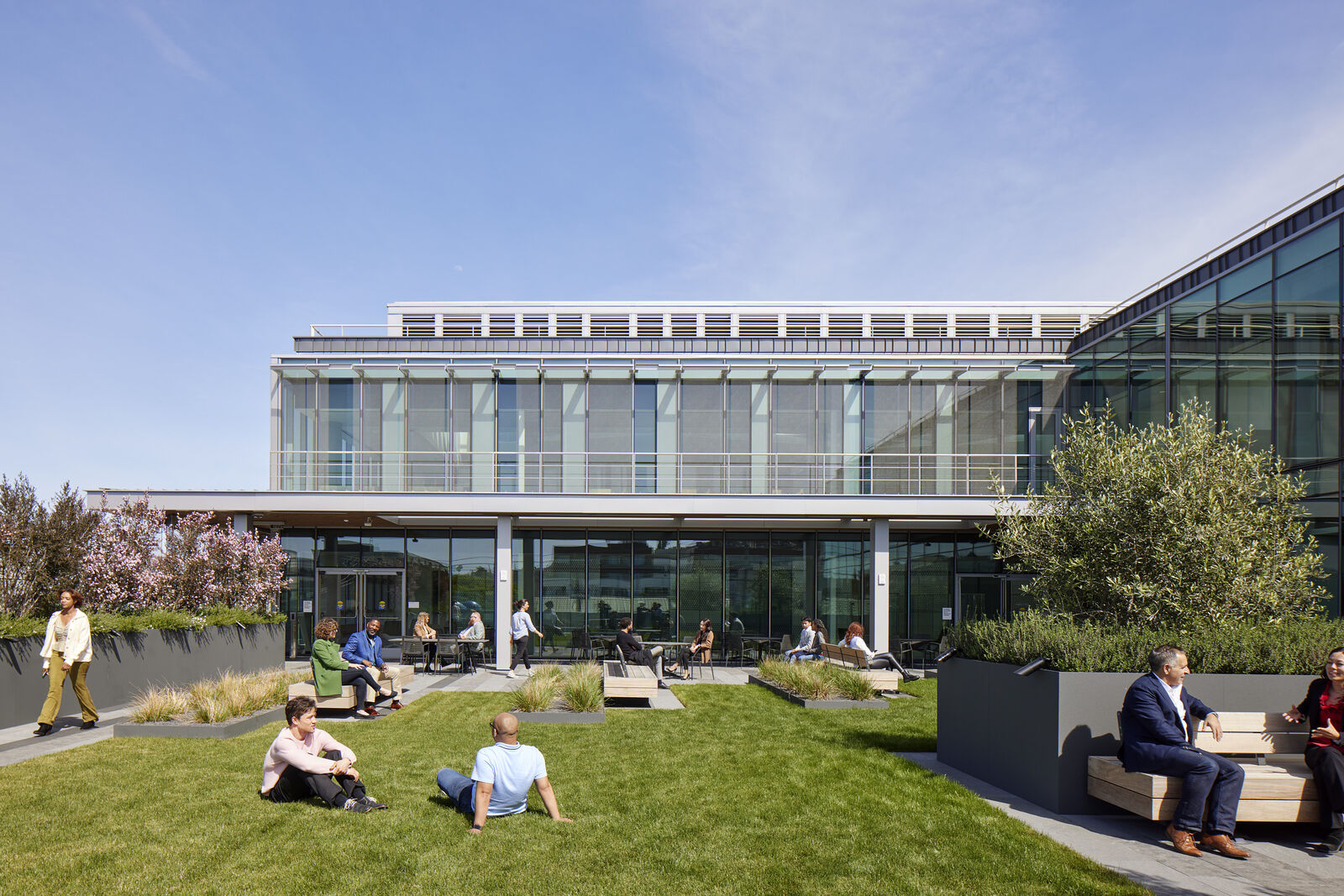
A lush rooftop garden is accessible for staff to host meetings with each other and with patients while enjoying access to fresh air and biophilia.

The wellbeing of staff and patients is prioritized through access to daylight and views, and promoting openness and transparency while simultaneously providing spaces of refuge.
"This is a truly remarkable gift and opportunity. It is rare in academic psychiatry to be handed a ‘blank sheet of paper’ to envision what a state-of-the art facility for brain health research, outpatient care delivery and education should look like."
Dr. Matthew State, chair and Oberndorf Family Distinguished Professor of Psychiatry and Behavioral Sciences at UCSF
The striking new home for University of California, San Francisco’s Department of Psychiatry and Behavioral Sciences will radically transform the clinical setting; enhance patient care, training, and research; and offer a unique and powerful array of mental and physical health services for patients at a time when the nation is confronting unprecedented challenges and ongoing stigma associated with mental health treatment.
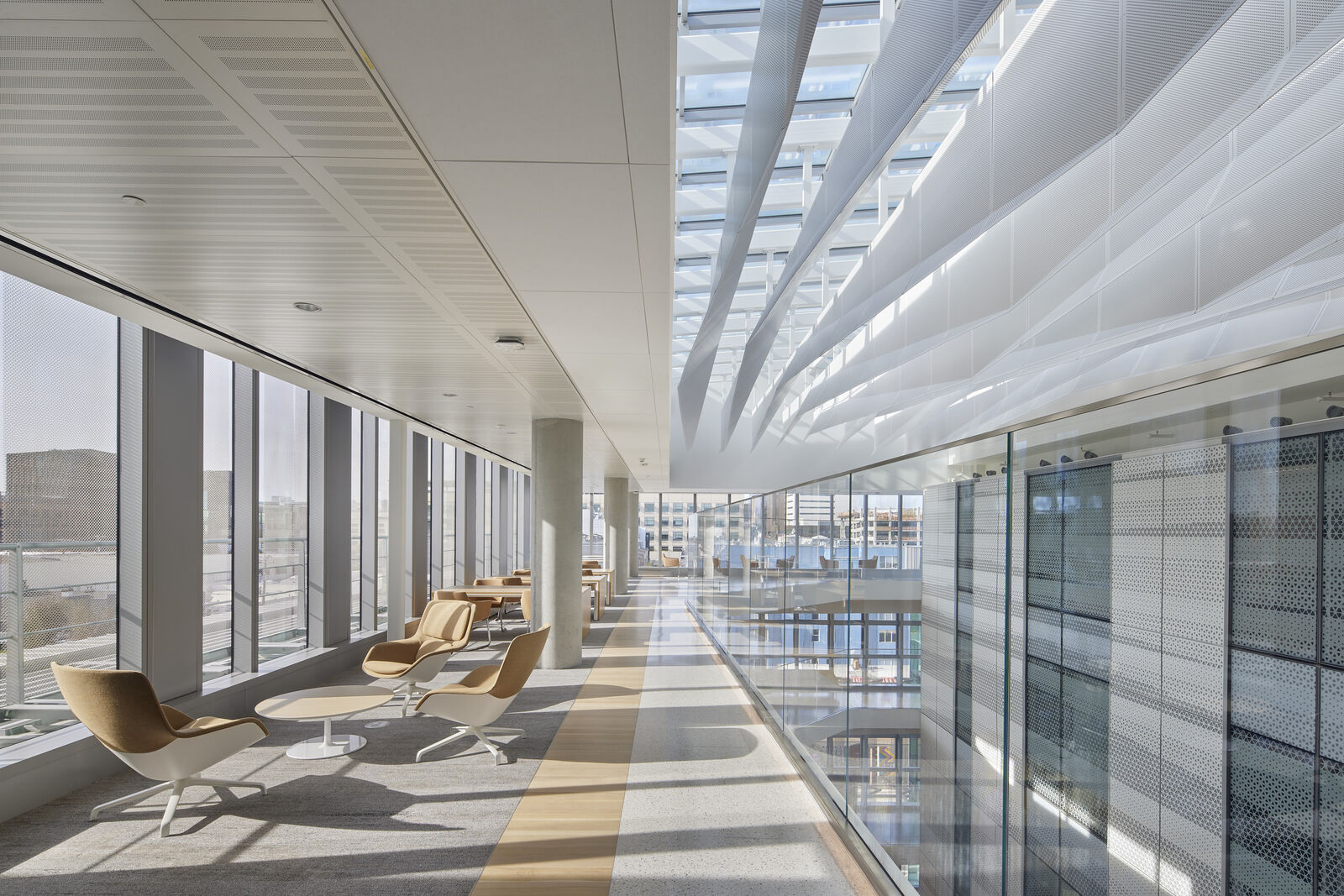
Parametric modeling was used to optimize the performance of the skylight baffles, which allow for natural light to flood the atrium and penetrate down to the ground floor while reducing glare to retain occupant comfort.

Cincinnati Children’s, Critical Care Building Expansion
