

MASS TIMBER IN MONTANA
University of Montana W.A. Franke College of Forestry and Conservation, Science Lab & Teaching Complex
Higher Education
People love Montana for a reason: they feel a deep connection to the land and a respect for its natural resources. With more than 25 million acres of forest and the nation’s most-visited national parks, sustainable forest management plays a critical role in the state’s economy, its fight against climate change, and its determination to preserve the land for future generations.
In Missoula, home to the University of Montana, forestry represents heritage and legacy but also opportunity for innovation. The W.A. Franke College of Forestry and Conservation is a globally recognized leader for its programs in forest management, systems ecology, wildland recreation, and related fields of study. The College has grown exponentially since its founding more than a century ago—nearly doubling in the last decade alone—but enrollment and technological advancements have outpaced its current facilities.
In response, this new state-of-the-art academic and research complex designed by ZGF in association with A&E Design, will revitalize the College’s mission, growth, and outreach while demonstrating its resiliency for the next 100 years. The facility will strengthen the University of Montana’s preeminent position in conservation and sustainability education by co-locating currently disparate academic and research activities under one roof, hosting core courses offered to all students, and creating a destination for the entire Grizzly community. It will also boost recruitment of top talent from across the state, the country, and the world.
Location
Missoula, Montana
Square Feet
56,000
Completion date
In Design
Project Component
Architecture Services
Interior Design & Space Planning
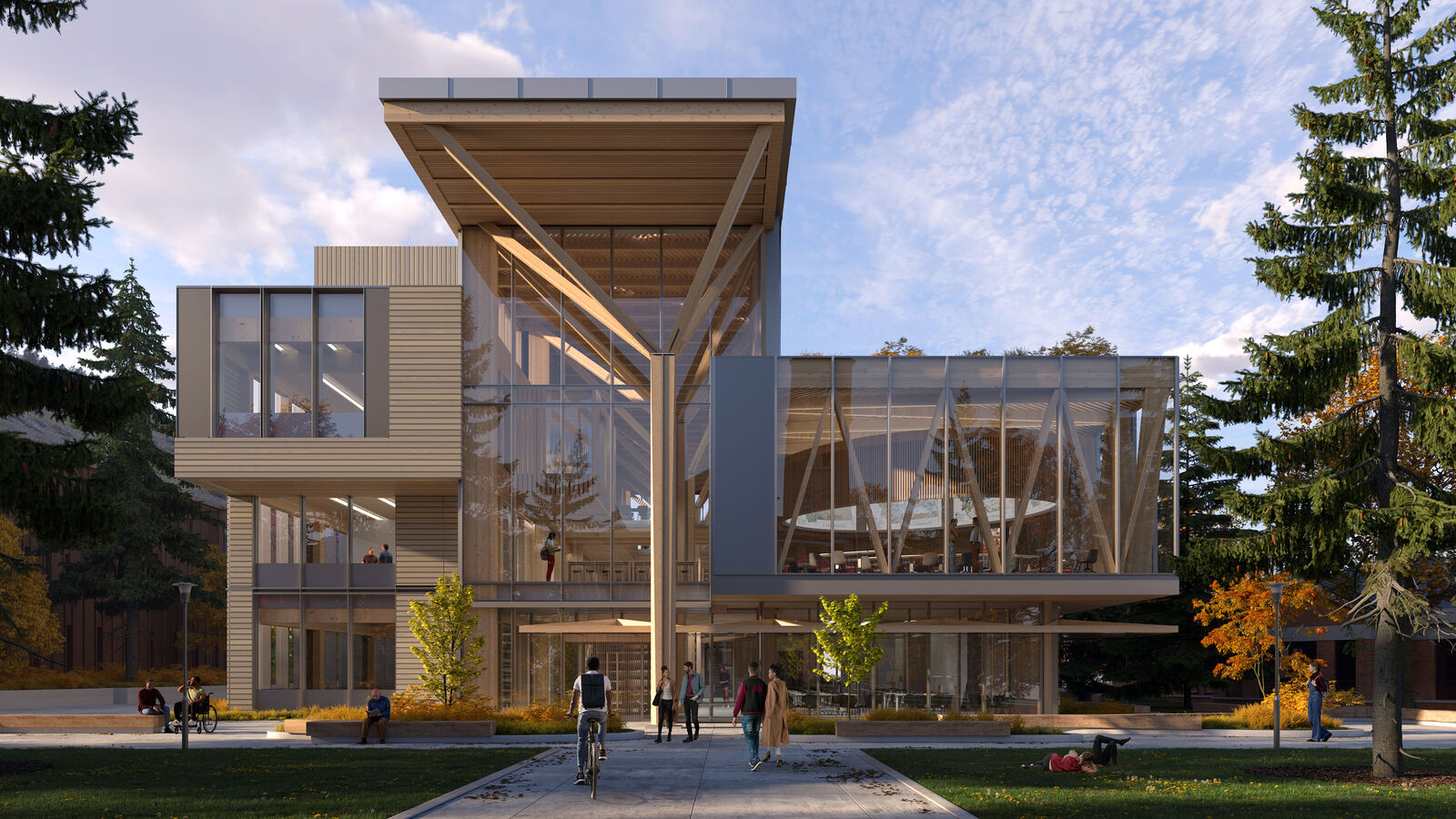
A canopied main entry creates an inviting and accessible front door, open to the entire campus. A spectrum of mass timber façade options and their impacts on carbon were explored—from wood cladding to a façade system comprised entirely of prefabricated mass timber.
A LIVING LEARNING ENVIRONMENT
The design embodies the pedagogical focus of the College—field-based experiential learning and research—by demonstrating the prowess of mass timber. As a key component of the project, showcasing the potential of glulam beam and cross laminated timber (CLT) construction creates a living learning environment that exposes students and visitors to mass timber’s inherent beauty, strength, flexibility, and low carbon footprint.
The project’s size and scale make it an ideal candidate for exploring low carbon design, utilizing as much structural mass timber as possible and optimizing the embodied carbon of any steel, concrete, and other structural materials. The structural system will also be detailed for future disassembly and reuse, safeguarding the mass timber—and all its sequestered carbon—beyond the lifespan of the building.
Sourcing the cross laminated timber regionally and tracing it back to the forests of origin supports and celebrates Montana wood products while teaching students how their work connects to the industry at large. The Franke College hopes this building will attract industry partners to provide hands-on learning opportunities to solve real world problems.
“Imagine a new Forestry and Conservation Building that tells a story: one of our history, of our deep connections to Montana’s wood products industry, and of our path to a sustainable future."
– Dean Alan Townsend, W.A. Franke College of Forestry and Conservation
Experience the proposed building with this rendered fly-through, courtesy of Brick.
– Watch on YouTube

Site Plan
CAMPUS FOCAL POINT
Sited prominently on the Oval—both the formal and spiritual heart of the Missoula campus—the new facility will become a centralized gathering space and focal point for the university.
To the north is University Hall, the campus’ oldest standing building, which fronts the Oval and was completed in 1899 in the Richardsonian Romanesque style. To the complex’s south is the existing Franke College building, one of eight campus buildings the College currently draws upon for space. These are all, however, insufficiently equipped for its current and future pedagogical and research needs. This site will create a prominent front door for the College while creating greater opportunities for collaboration for both students and faculty.
The proposed program includes a mix of state-of-the-art teaching and research labs, computer labs, active learning classrooms, seminar rooms, faculty offices, and a multipurpose room for larger gatherings. The student-driven design represents the University’s investment in the next generation of Montana’s youth, vibrancy, and fresh thinking around forestry and conservation. Collaboration spaces throughout the building will spark student-faculty engagement and cross-pollination of ideas—not only within the Franke College, but across departments and disciplines.
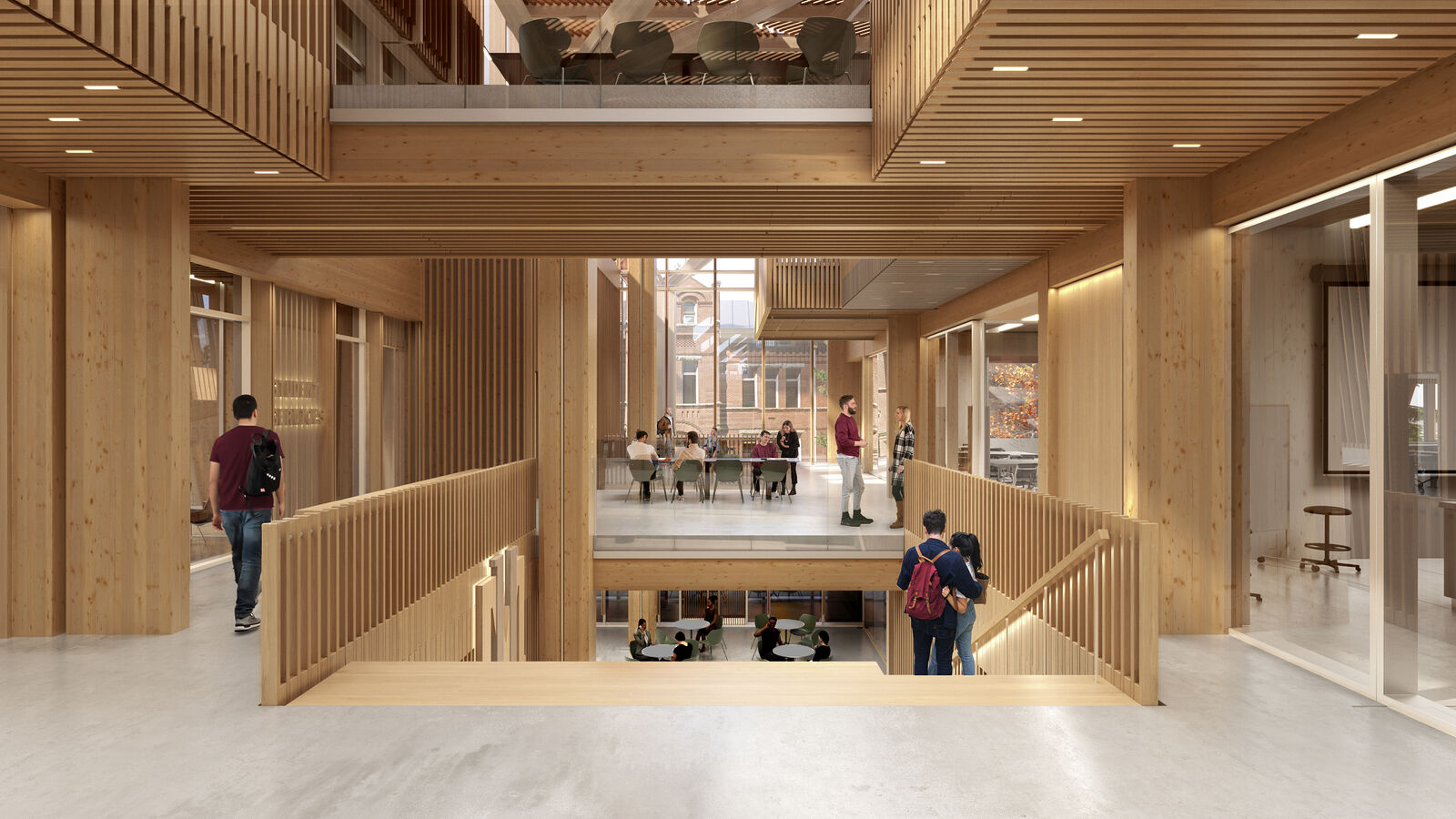
The building will serve as a teaching tool for design process, material application, and supply chain transparency.
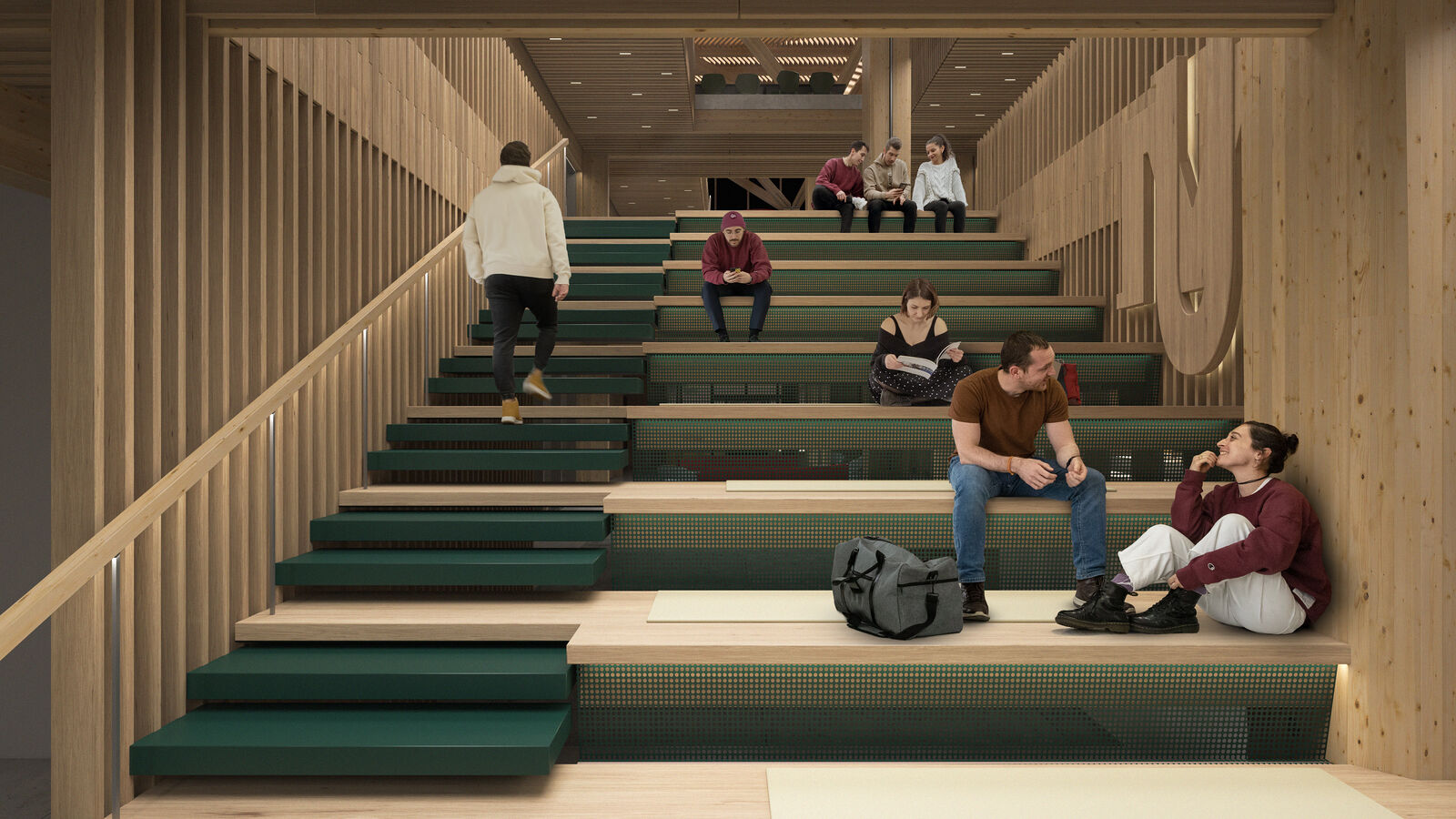
An energized atrium with a central grandstand stair will provide gathering space for events, lectures, and discussions.
In the heart of the building, an activated three-level atrium supported by towering Douglas Fir glulam columns will capture the expansive feeling of being in the forest. Generous interior glazing and transparency promote science on display to highlight new ways of thinking about forest management.
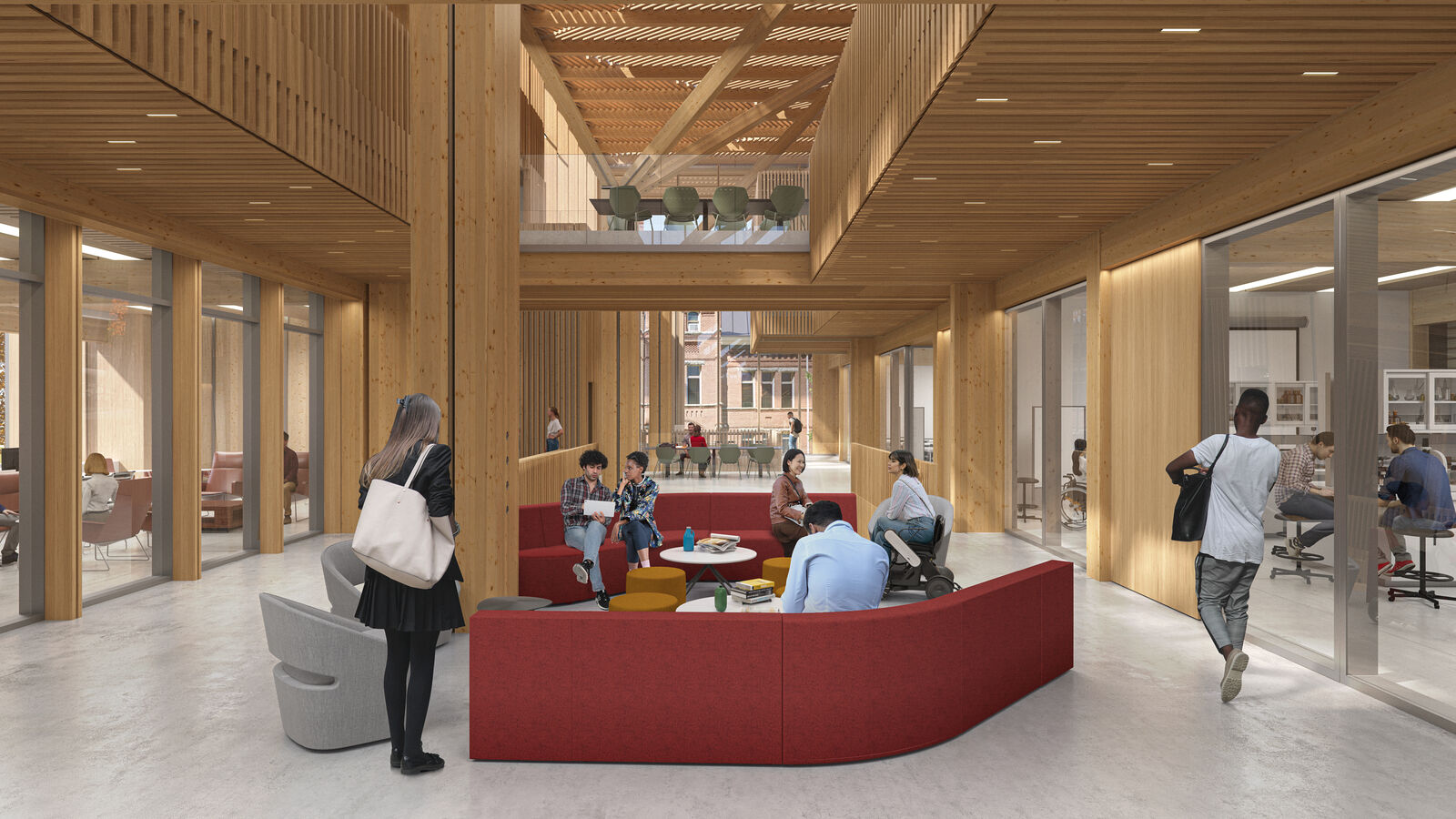
Collaboration spaces flow throughout the building to foster student and faculty interaction.
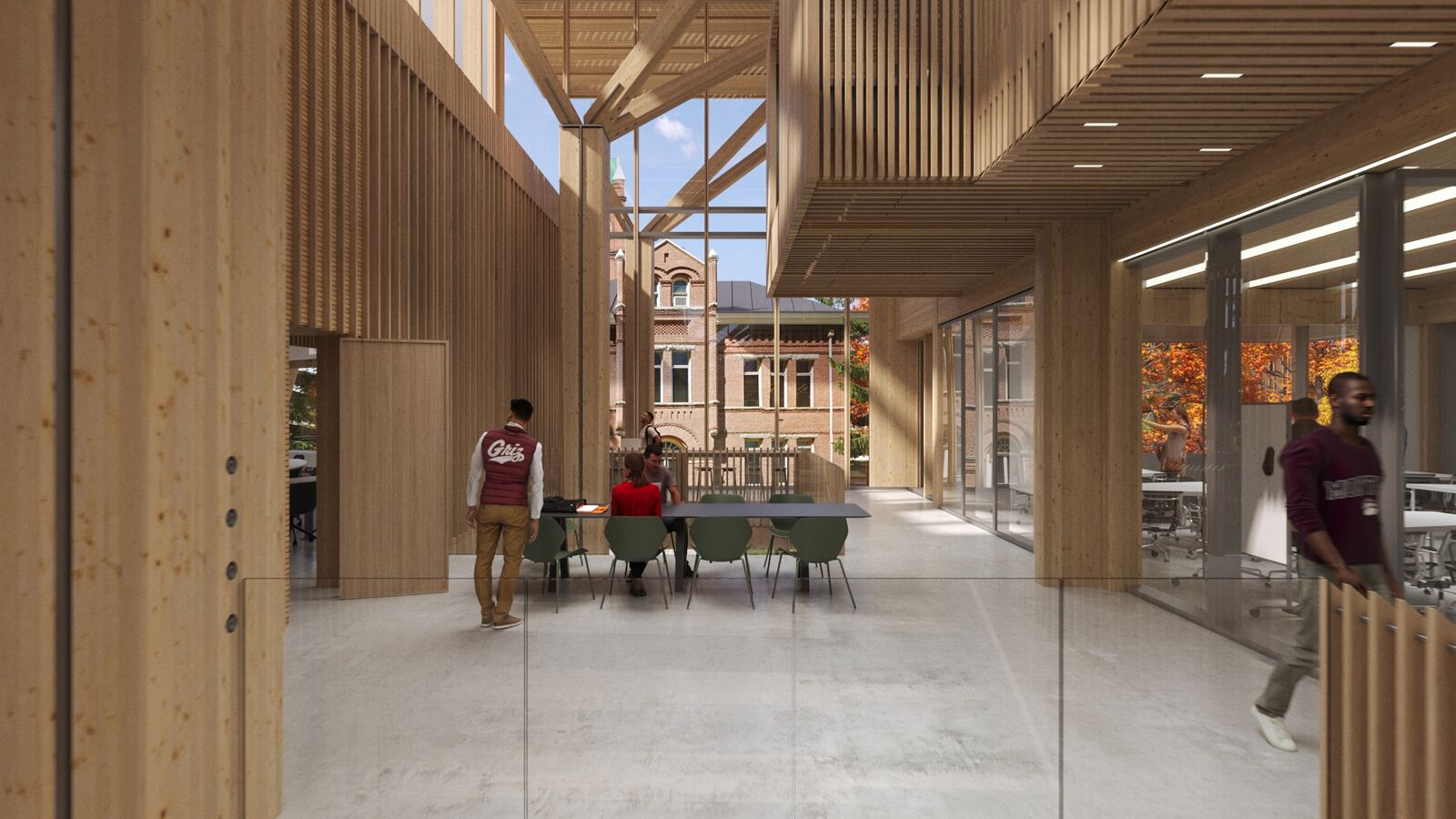
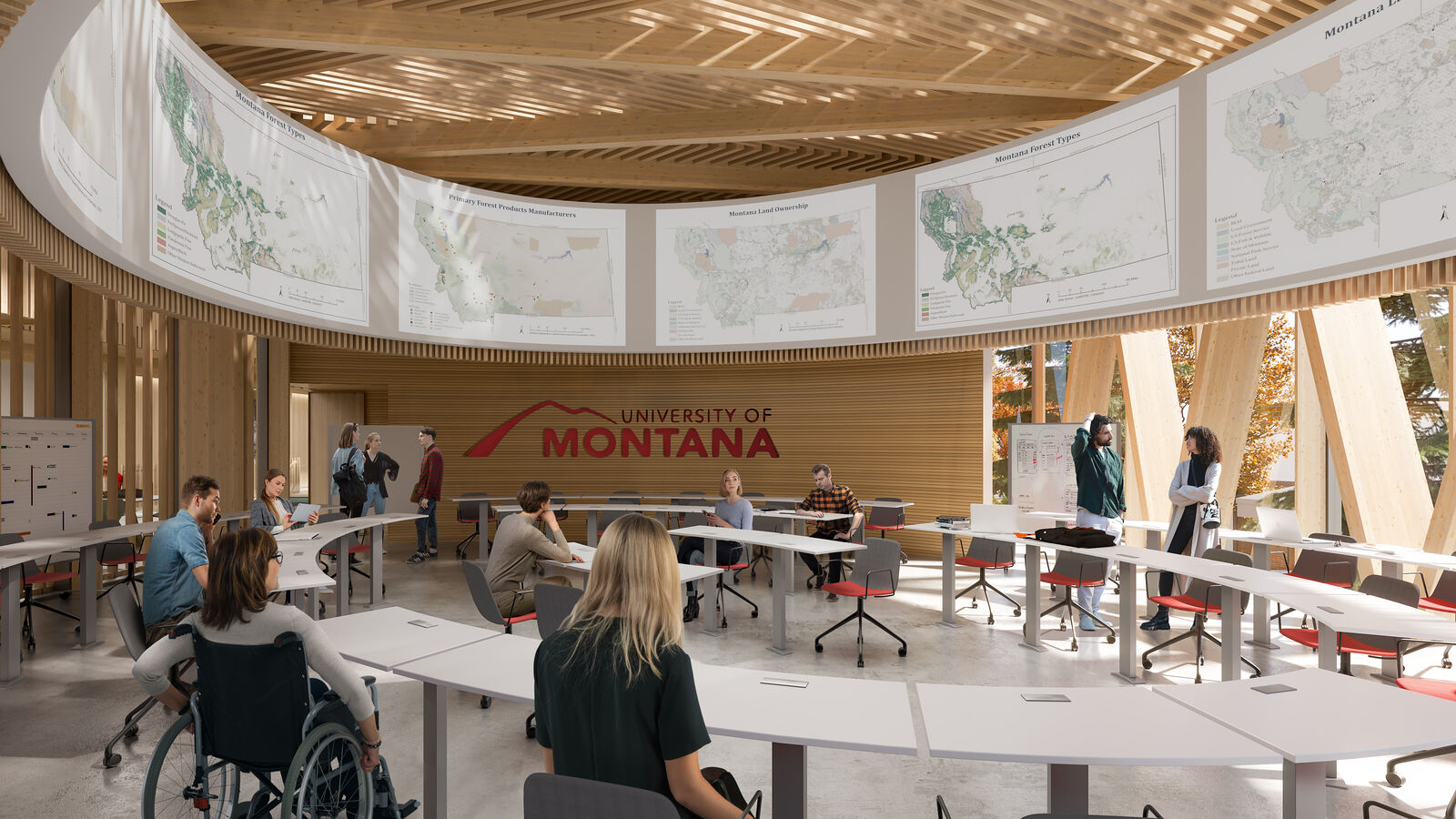
Shared teaching spaces and laboratories break down siloes for greater interdisciplinary learning, research, and training.
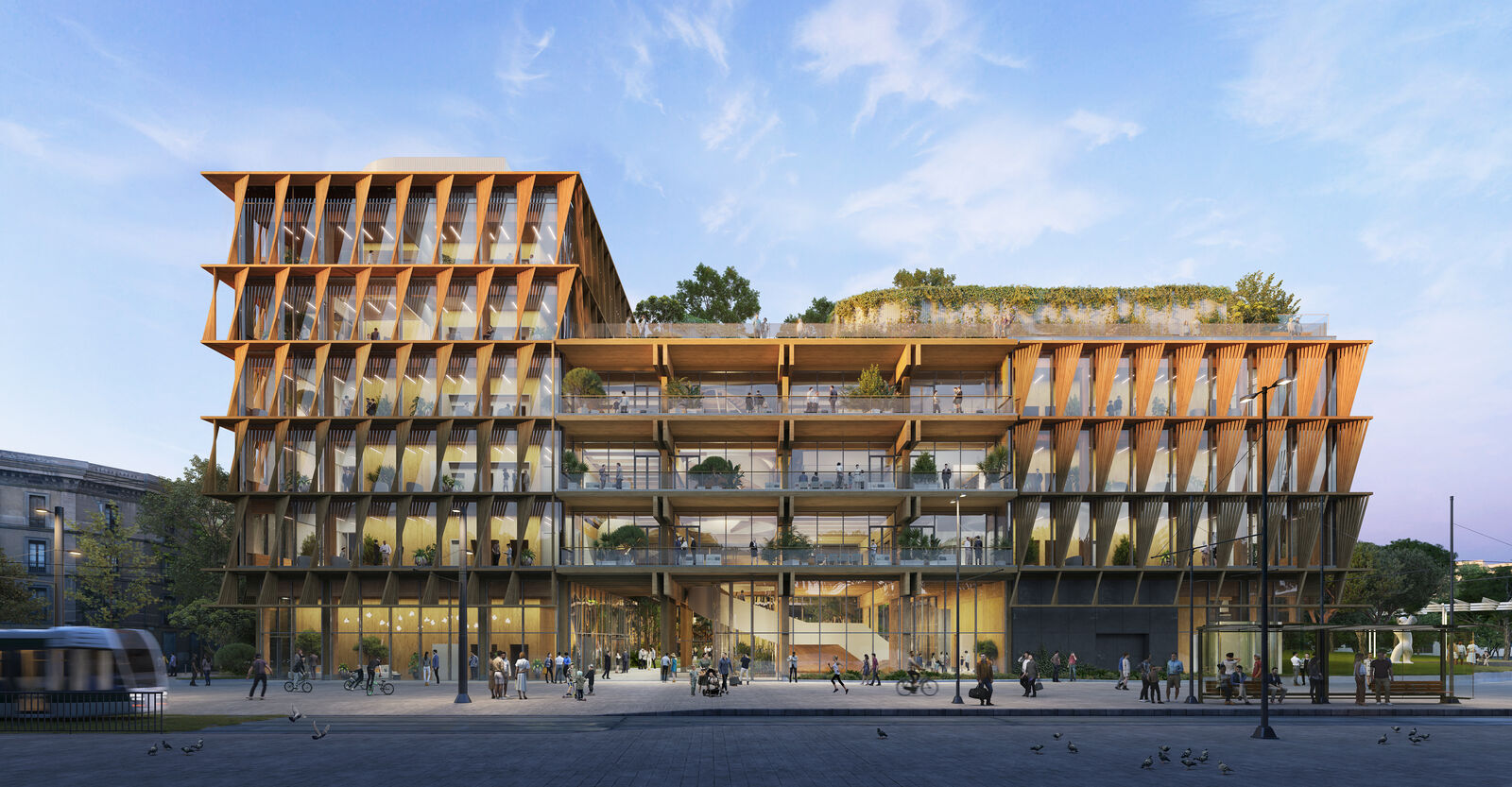
Mercat del Peix Research Center
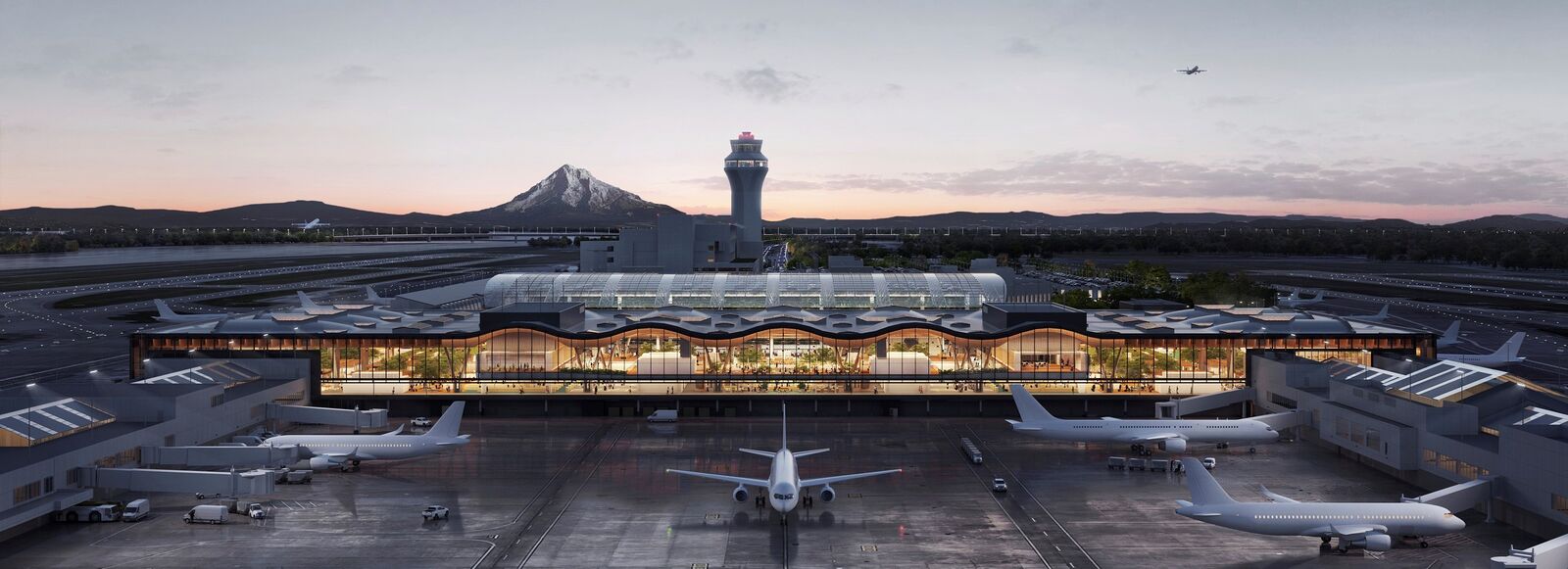
Port of Portland, PDX Airport Main Terminal Expansion
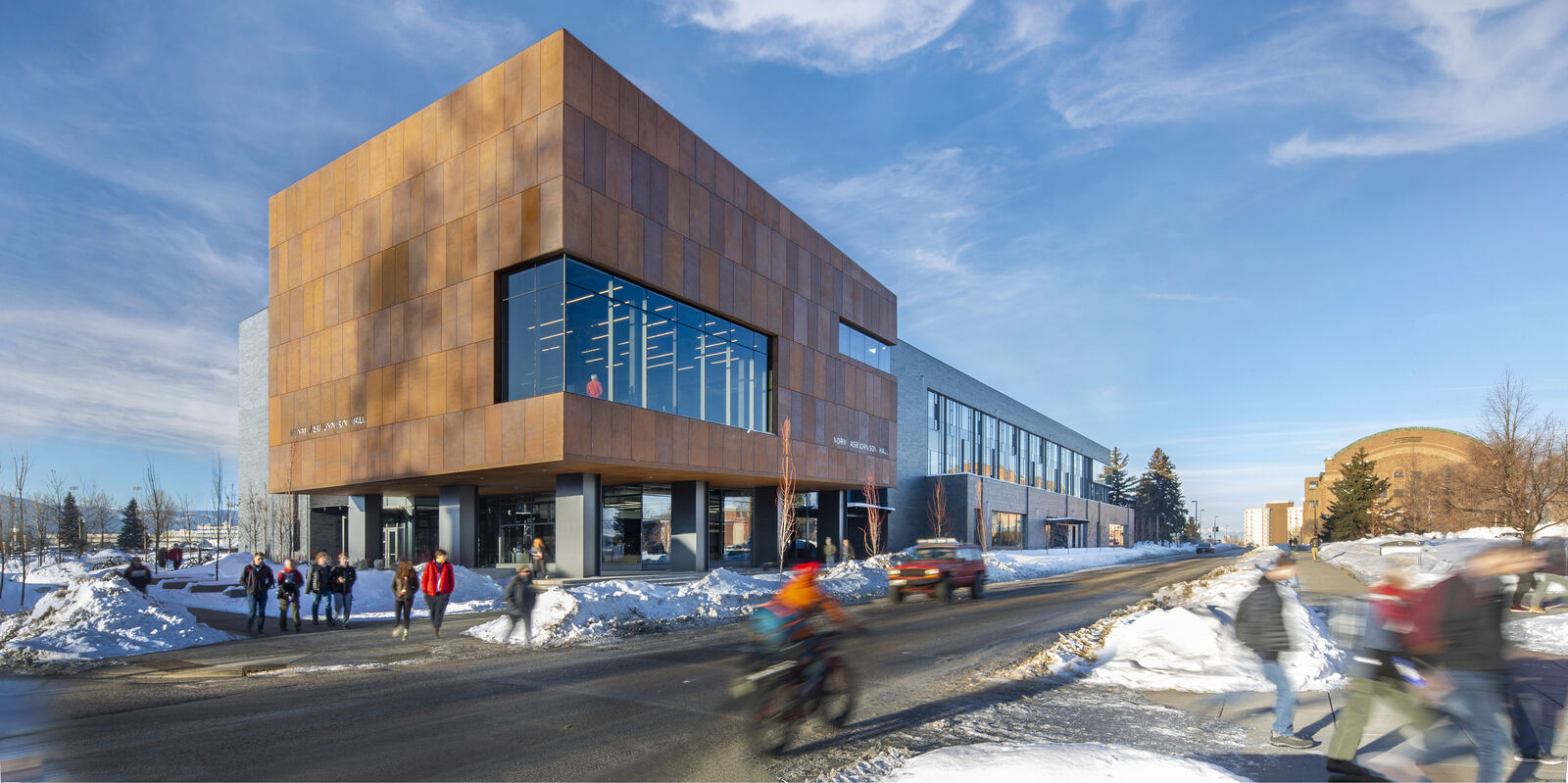
Montana State University, Norm Asbjornson Hall
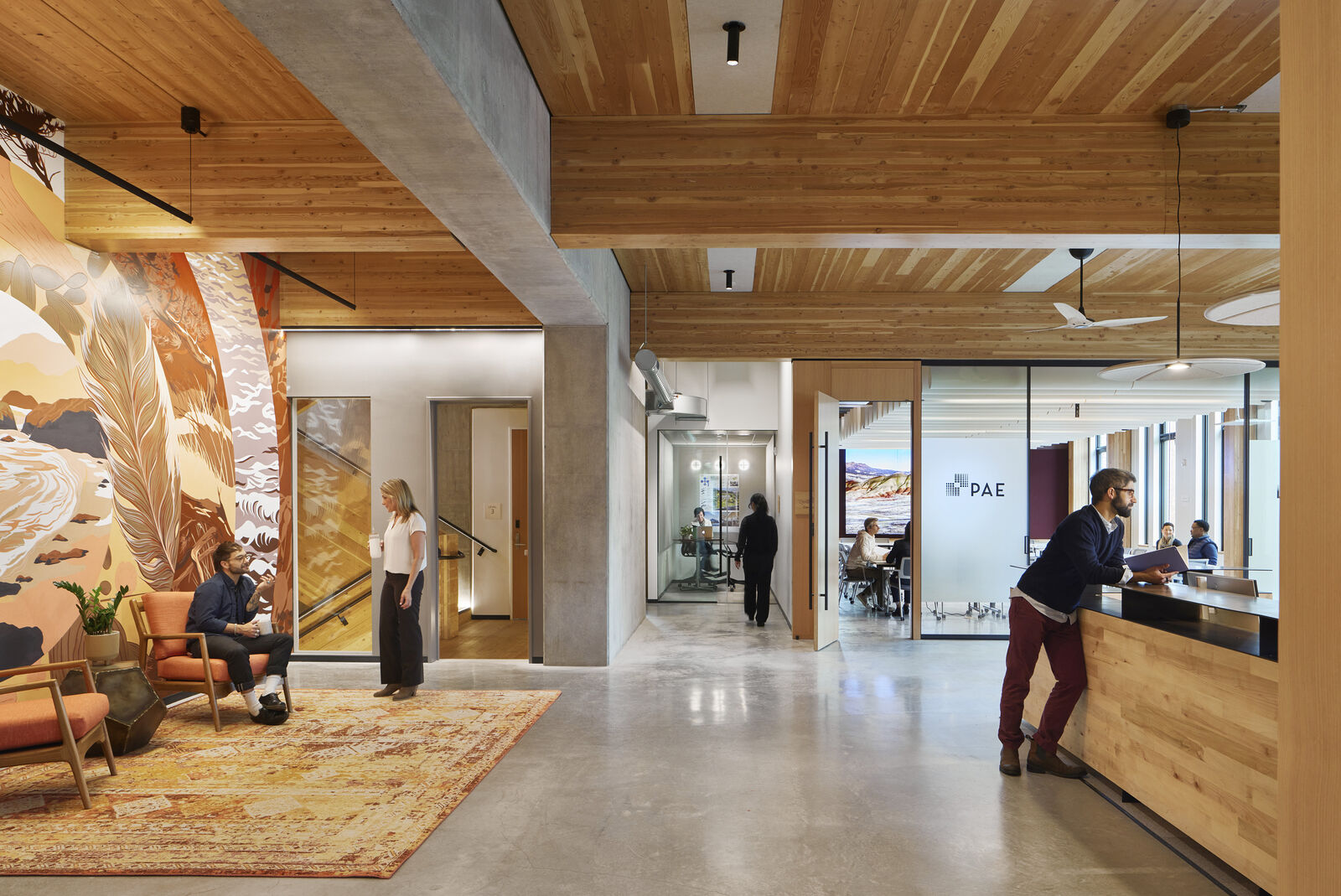
PAE Engineers, The PAE Living Building
