A Landscape for Diplomacy and Community
U.S. DEPARTMENT OF STATE BUREAU OF OVERSEAS BUILDING OPERATIONS, U.S. EMBASSY, ASUNCIÓN, PARAGUAY
Civic and Public
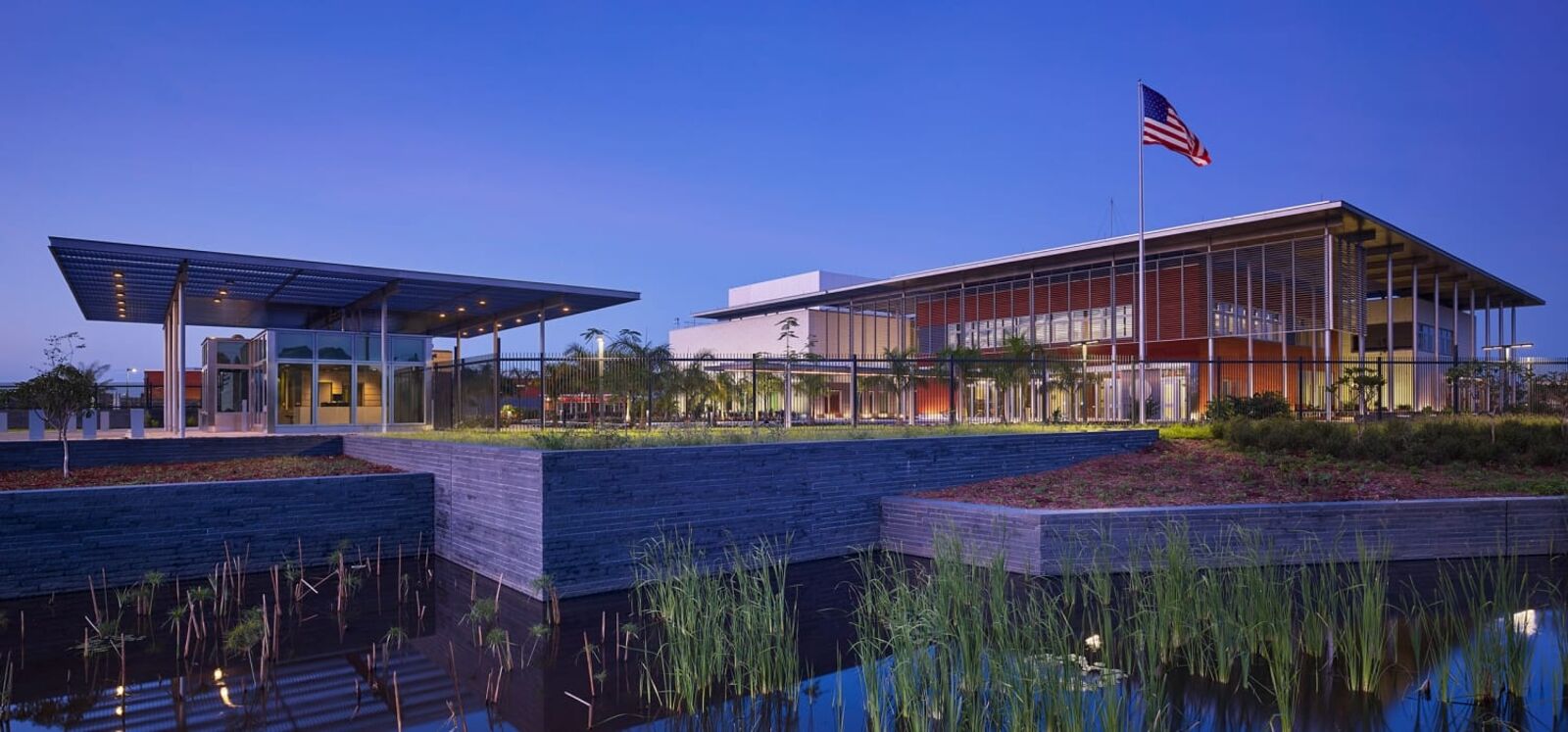
The new embassy in Asunción, Paraguay was designed as a multi-faceted statement of U.S. diplomacy; reflective of Paraguayan culture and a tribute to the lush garden landscape which surrounds it. The embassy embraces the U.S. Department of State's Bureau of Overseas Building Operations' goals for secure, resilient, and sustainable facilities that are beacons of democracy. While architecturally, the buildings reflect simple forms, a connection to the landscape, and a rich articulation of local color, traditions, textiles, and materials.
Set in a subtropical park, mature with native and non-native flora, the site has been home to the U.S. diplomatic mission since the 1950s, giving the trees and plantings decades to establish and grow. The grounds also served as an arboretum and botanical garden open to the citizens of Asunción, before the events of 9/11 changed security protocols at U.S. facilities worldwide. The design of the new embassy preserves the heart of this legacy landscape while weaving a new community of plazas, gardens, buildings, and breezeways into the compound. The design also embodies the spirit of sustainability, featuring an envelope that responds to orientation and the surrounding site, as well as the local climate and vernacular architecture traditions.
Location
Asunción, Paraguay
Square Feet
212,402
Completion date
2023
Project Component
Architecture services
Interior design and space planning
Certifications
LEED Silver
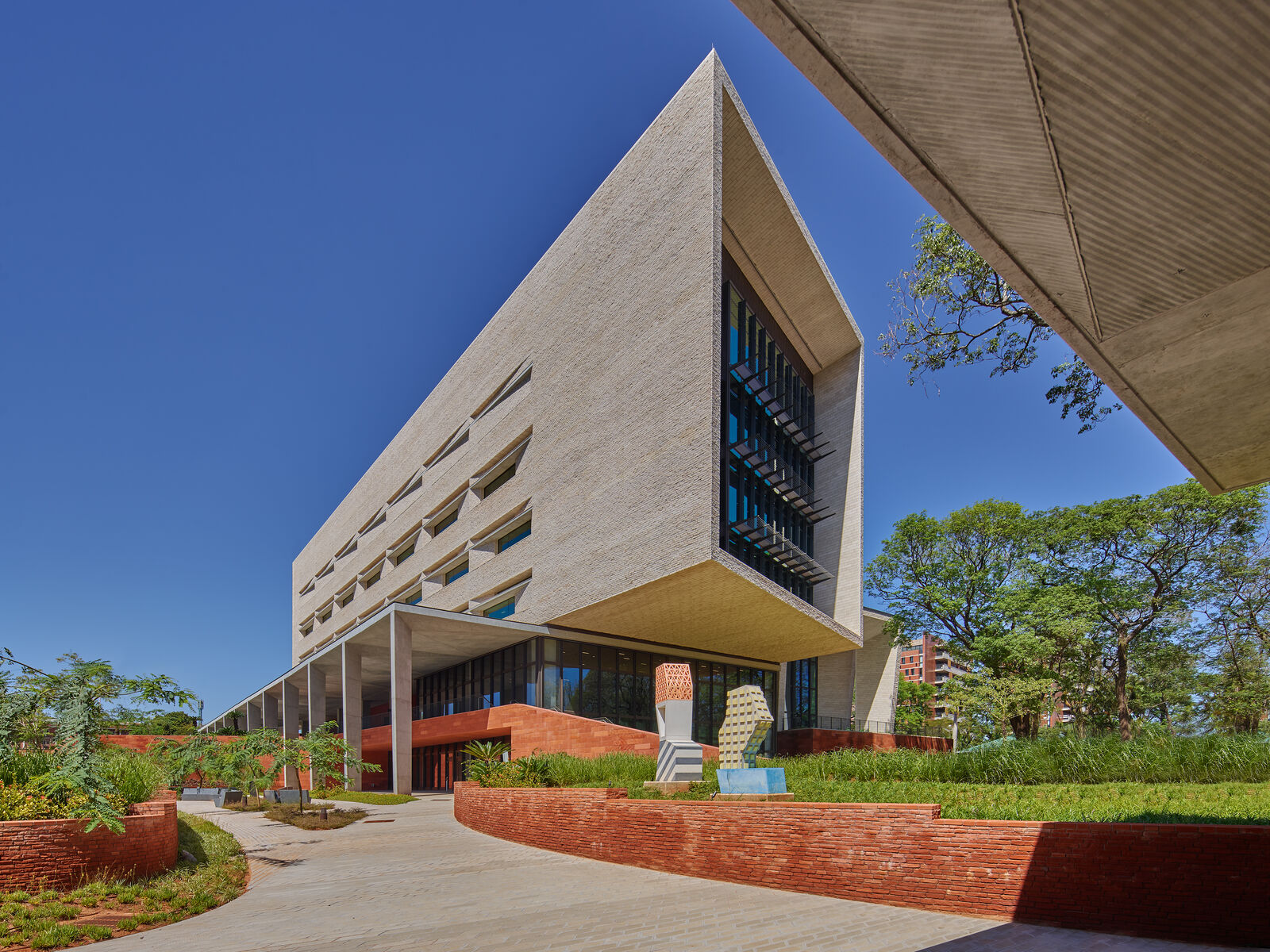
Existing and new terracing mitigates the slope of the site and creates natural zones for different activities. Some terraces provide views across the site, while others are ideal for the placement of landscapes or buildings.
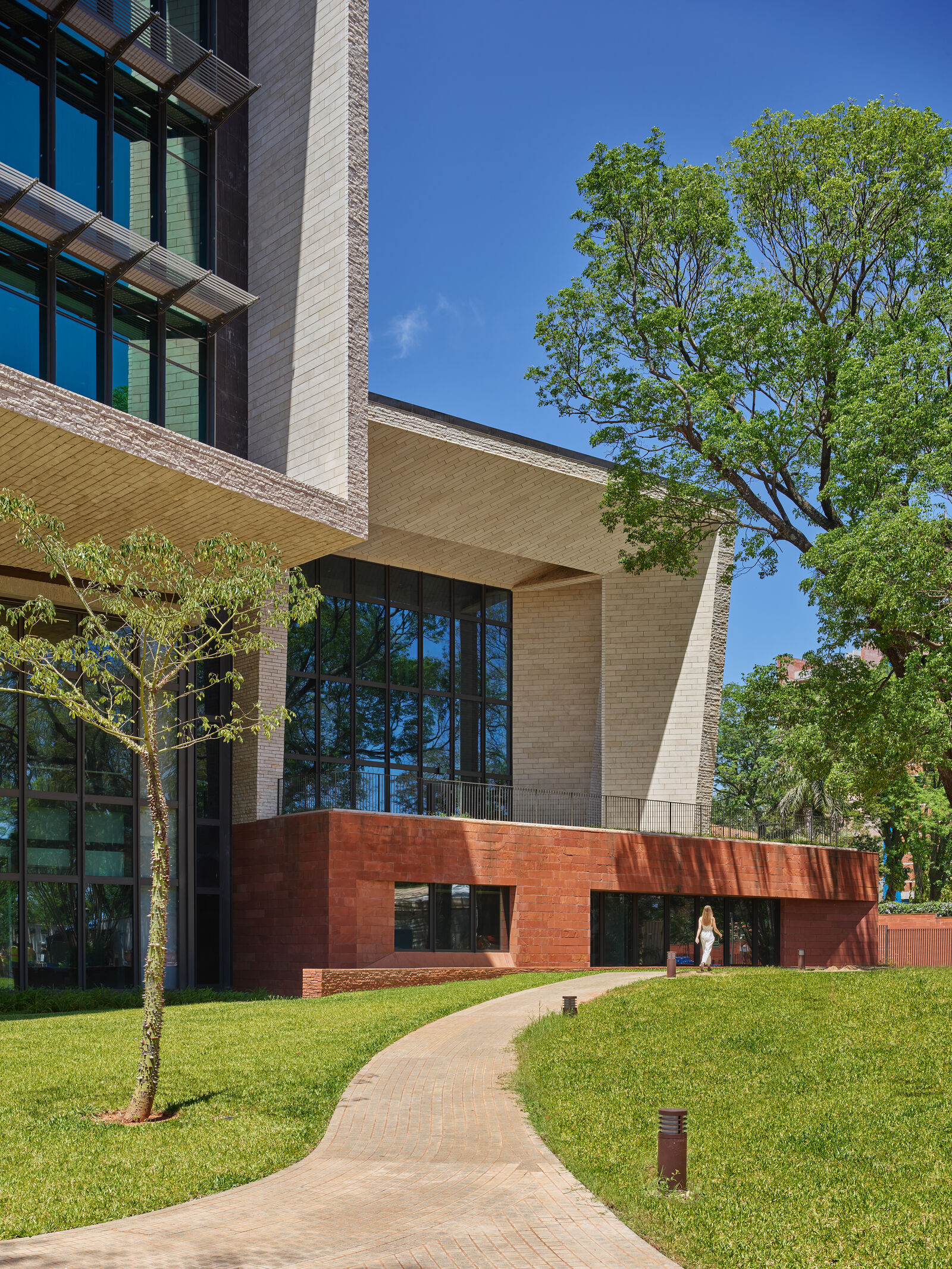
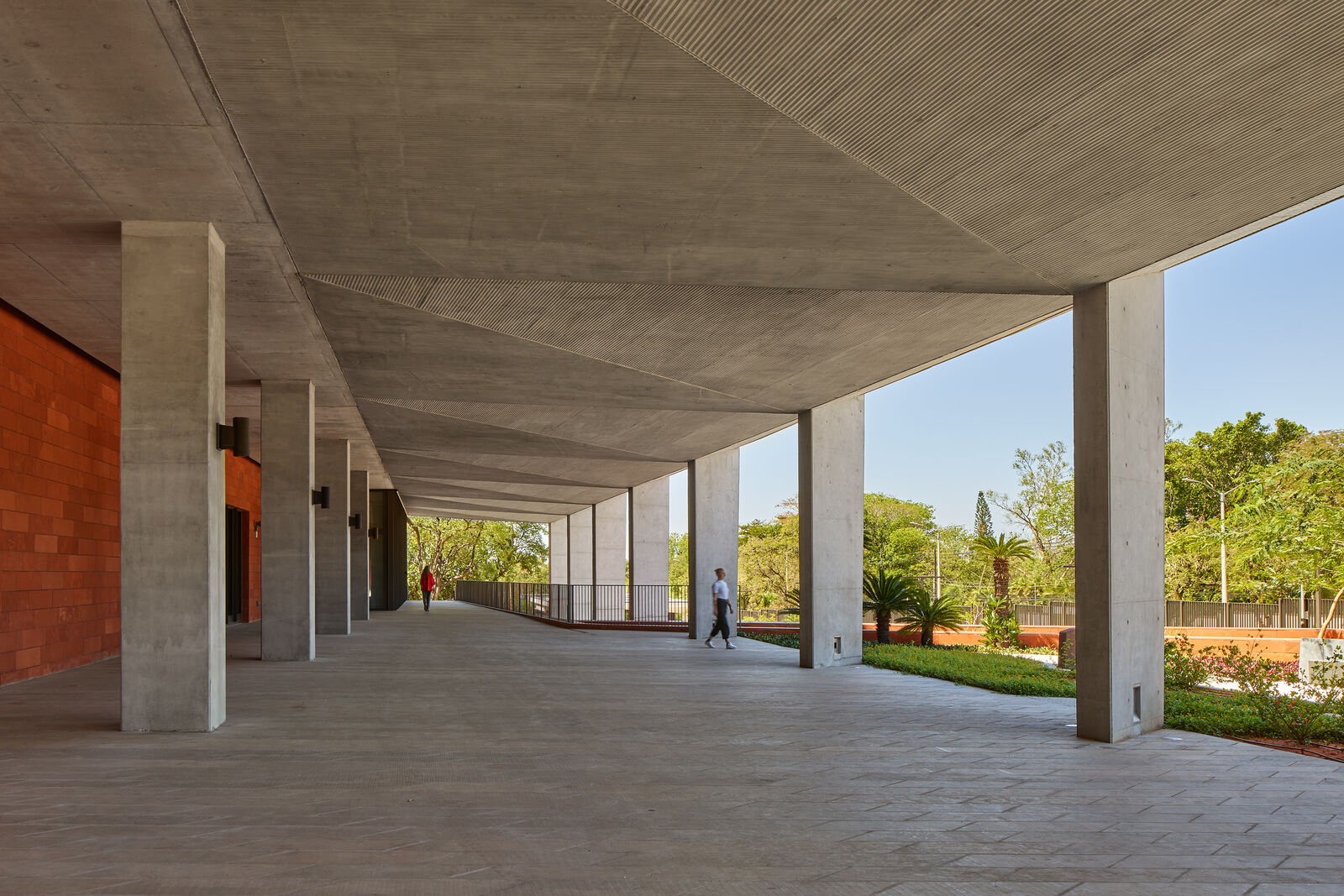
The breezeways, deep overhangs, and porches shade the building façade and protect them from solar heat gain. Canopy structures, articulated in a manner similar to the breezeways, define the main circulation paths while providing shade where people traverse the site.
“This new embassy building in
Asunción represents the U.S.
government’s commitment to the
future of our bilateral relationship. It
is a celebration of our longstanding
ties and an opportunity to further
strengthen the strong and positive
relationship between the United
States and Paraguay.”
MARC OSTFIELD, U.S. AMBASSADOR TO PARAGUAY
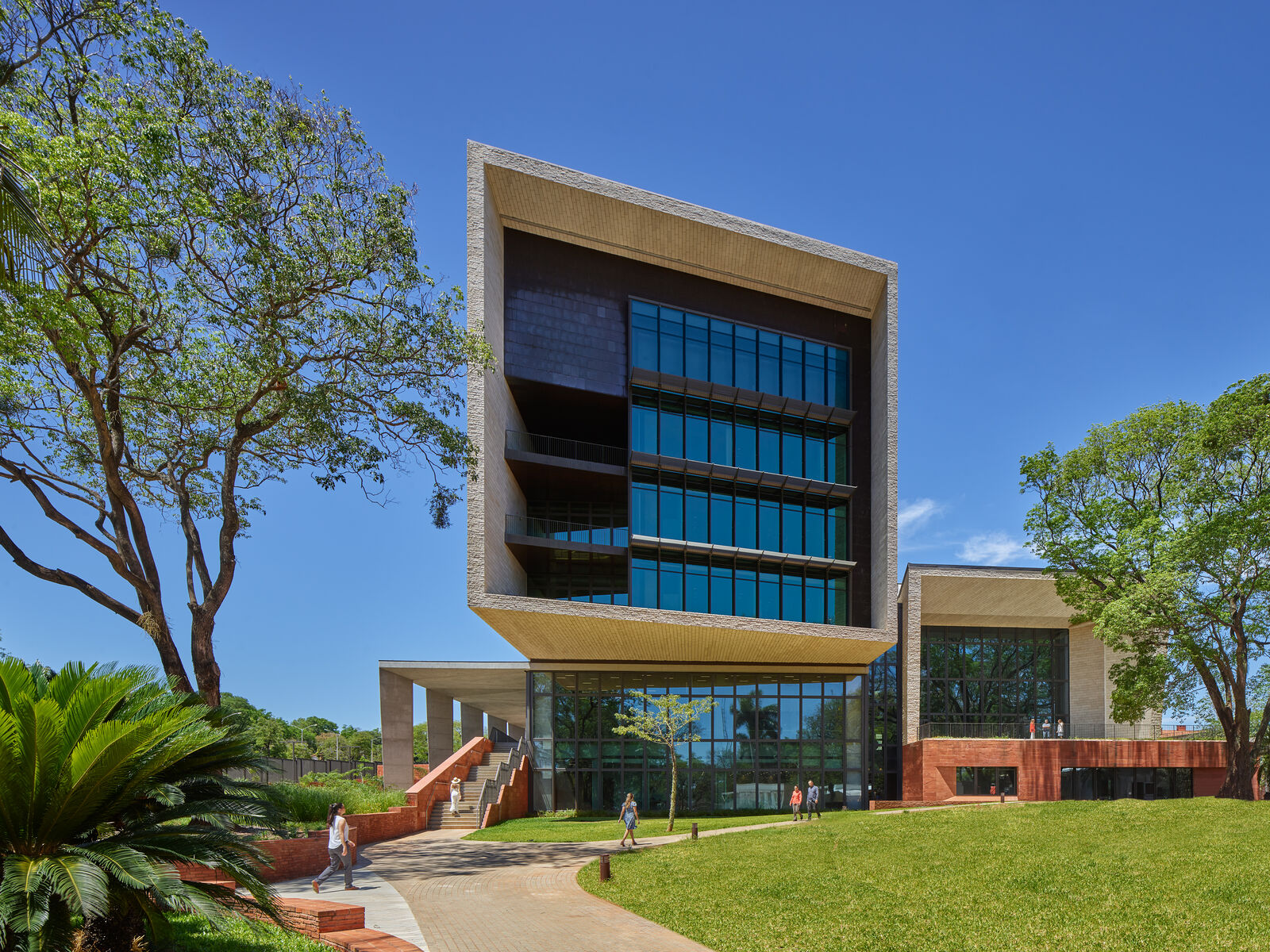
The Chancery is nestles into the legacy landscape, mitigating the site and creating an approachable scale.
The site’s terraced, sloping, and narrowing profile lends itself to a variety of
activity zones, view portals, and opportunities for both the green and built
environment. The original landscape design linked major building entrances
with a dynamically curving roadway passing through an extensive informal
landscape. The overarching design concept for the new site plan repurposes
this with a similar solution that is both informal and inviting—a curving road/
pedestrian linkage between the entrance and arrival court of the new
chancery (on its south side) and that of a future significant building at the north
gate onto Mariscal Lopez Avenue.
The topography of the site offers a unique opportunity for consular visitors
and diplomatic visitors to share an arrival experience. A long concrete canopy
shelters the diplomatic and staff arrival on their procession to the Chancery.
A similar canopy greets consular visitors at the street, offering comfortable
shade before entry to the site. Upon entry, the legacy landscape is in full view
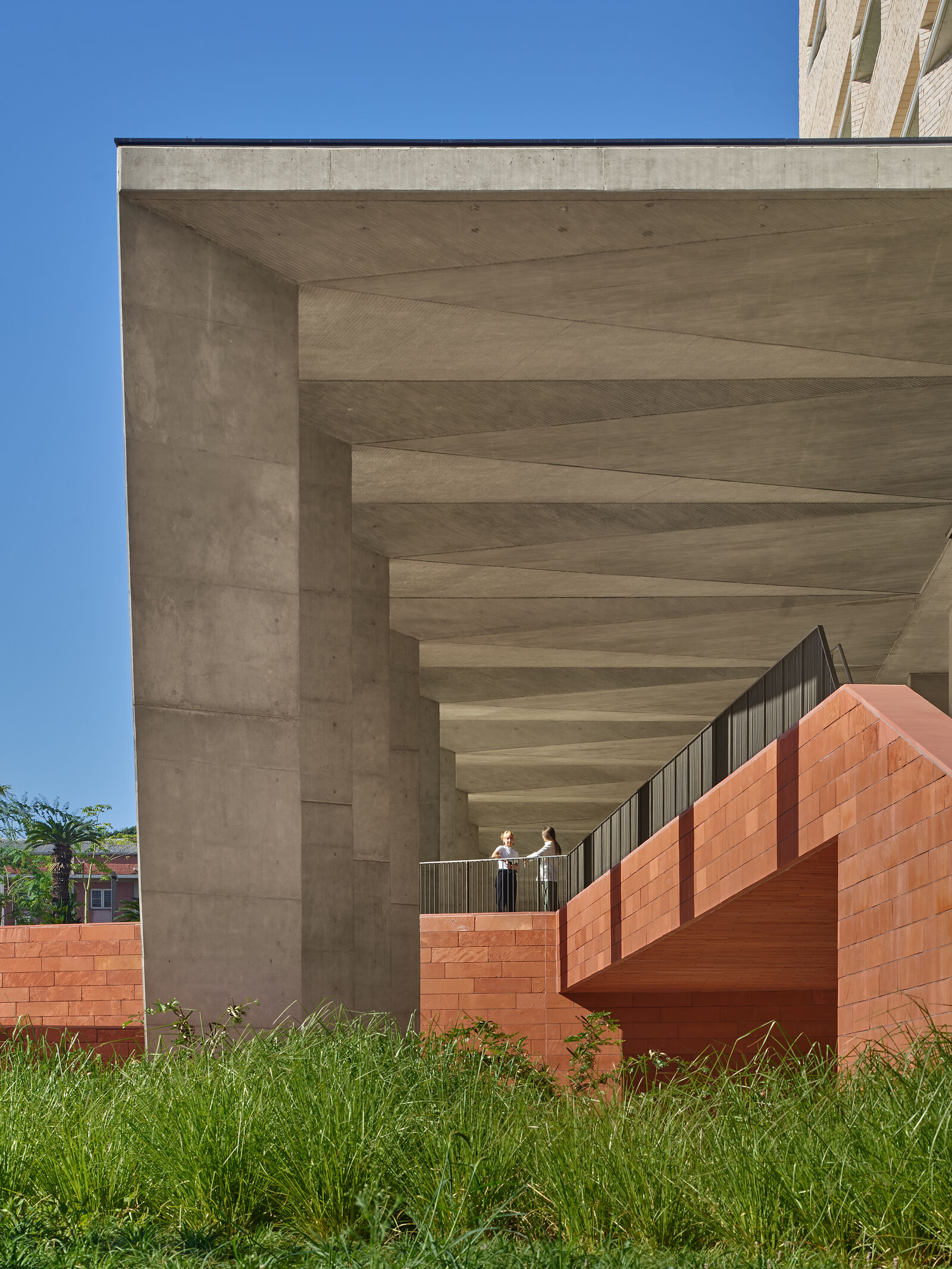
from the consular garden. Both entries share the same double height canopy
that ultimately terminates at a stair leading down into the historic landscape.
Preserving this landscape was critical to maintaining the sense of a community
in a garden setting. The landscape functions as the heart of the narrow
site; this is where 4th of July celebrations occur and embassy staff take
their children to learn how to ride bikes. The original 1950’s design placed the
Ambassador’s residence high on the site overlooking the legacy landscape.
With security and safety concerns requiring the demolition of the residence,
this empty footprint became the front porch of the new chancery, preserving
the landscape and turning over incredible views of the landscape and city to
the staff.
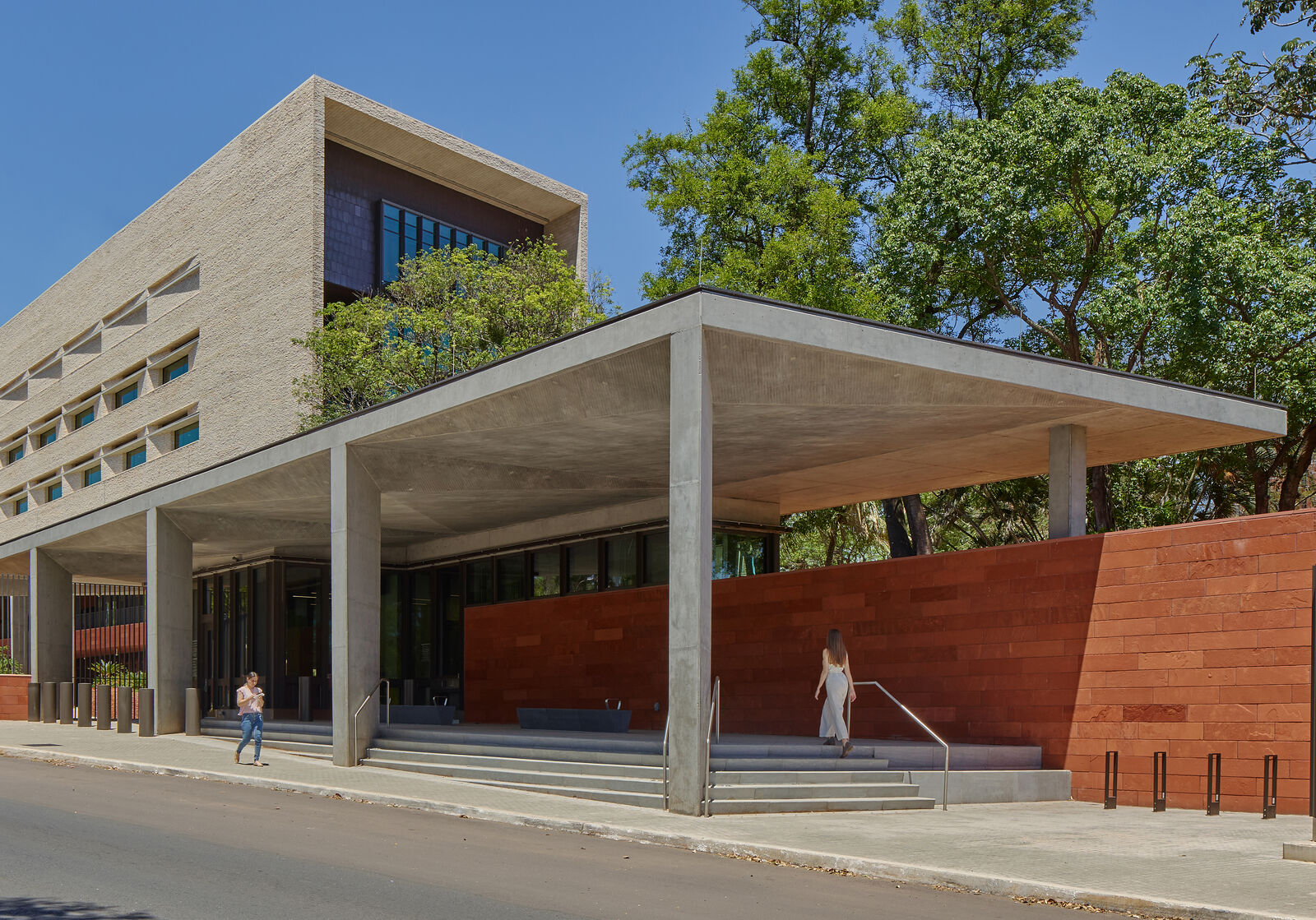
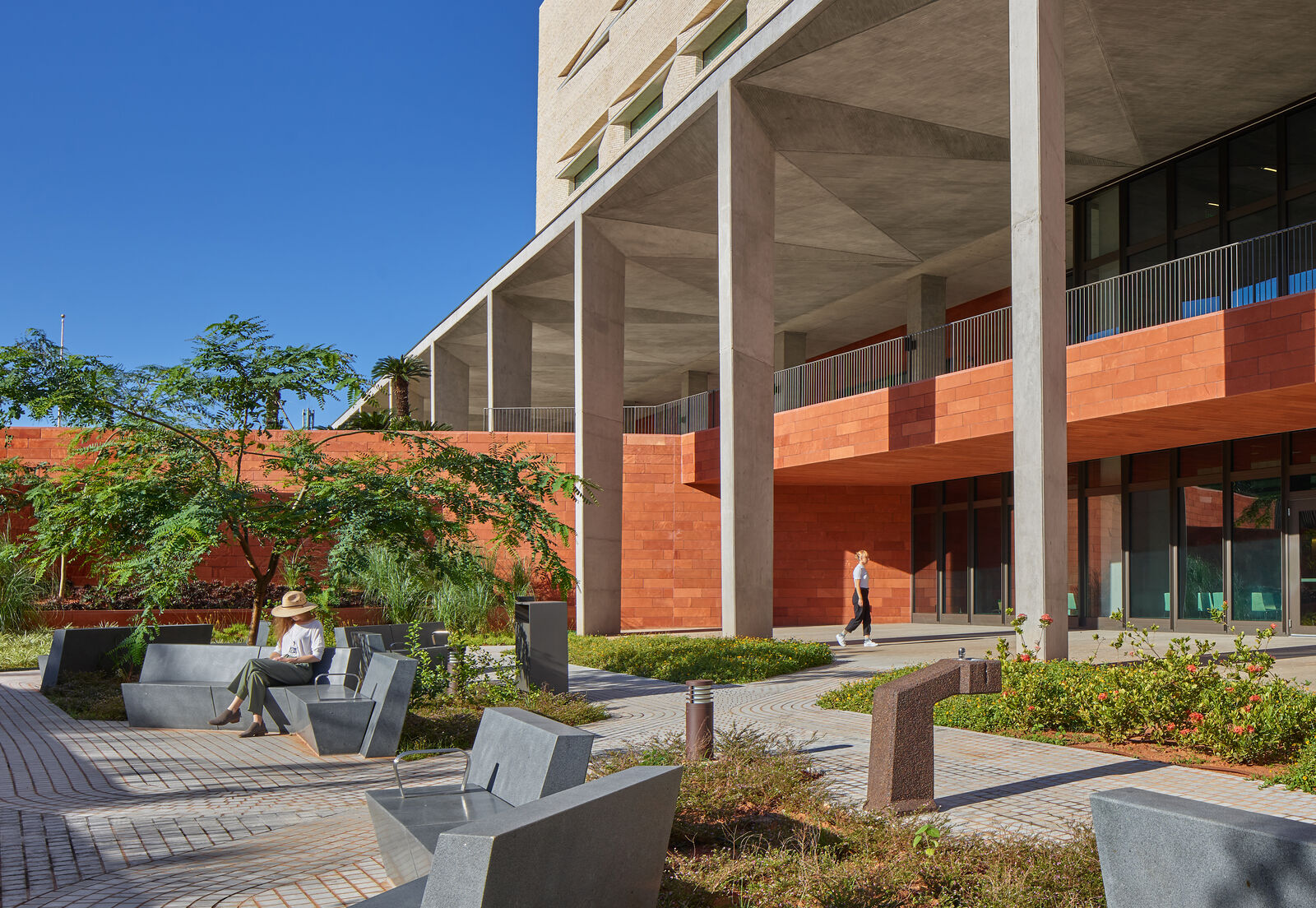
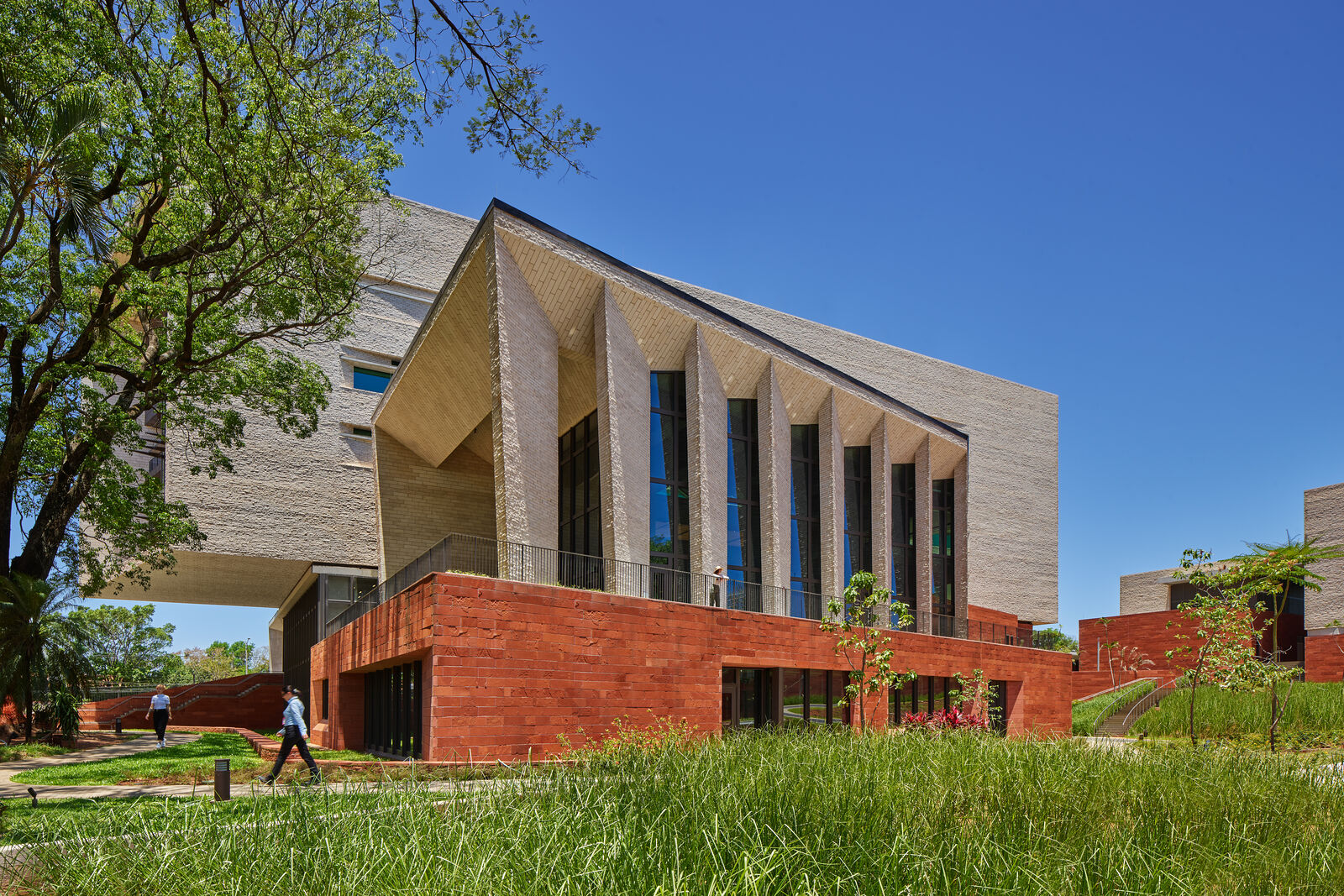
The double height canopy serves as the shared entry point for both diplomatic and consular visitors, with terracotta-colored stone defining the gardens’ edges.
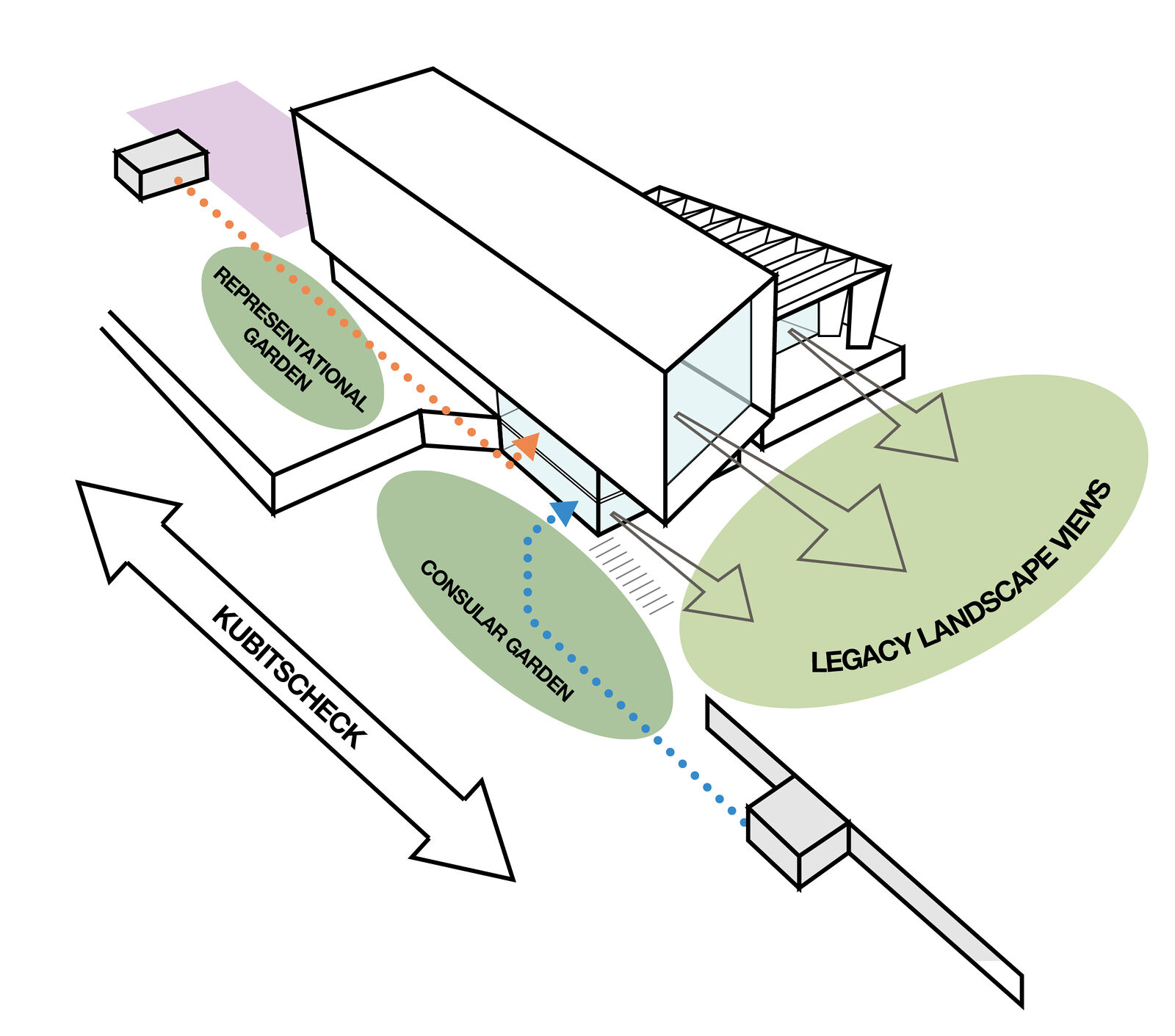
While most embassies have separate entrances for diplomatic and consular visitors, the slope in Asunción provides the opportunity for a shared arrival experience. Everyone entering the campus is greeted by a view of the legacy landscape.
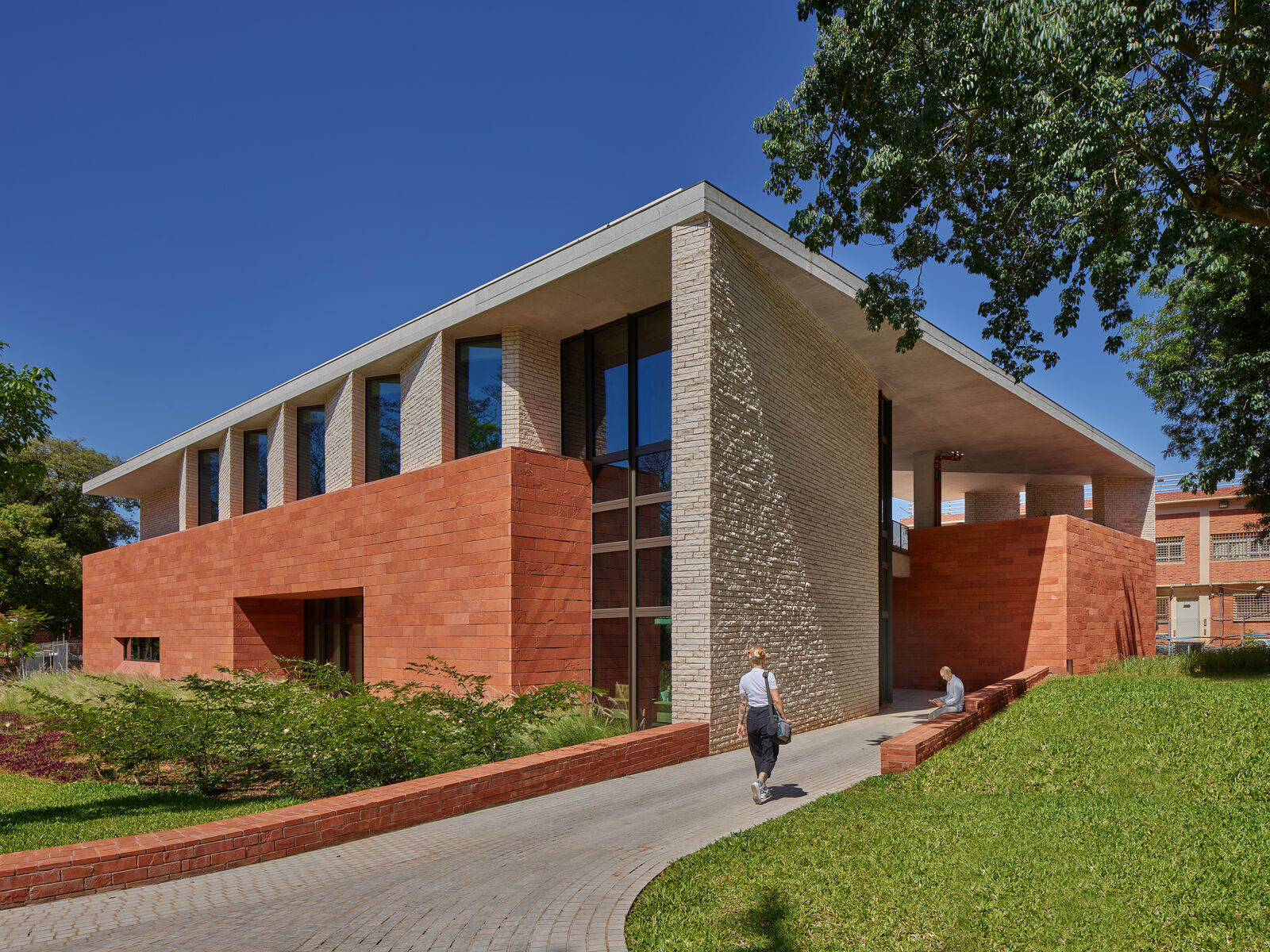
Passive control of sun and glare is a key driver in the massing and expression of the materials.The color, material, and structure are inspired by and reference Paraguayan craft and culture.
At nearly a quarter of a mile long the site is also quite narrow, with curvilinear paths connecting buildings and gardens across this entire length. To preserve this access and community connection cues were taken from the original 1950’s design via breezeways and canopies. Concrete canopies provide shaded yet transparent paths parallel with the length of the site, queuing up breezeways that lead to courtyards. All building façades take advantage of solar orientation with an integrated passive approach to sun shading through cooling breezeways, deep overhangs and porches which also provide a level of rain protection. Architectural canopy structures are articulated, expressive elements of an appropriate scale, integrated into the architecture throughout the site, becoming the main circulation connections.
The most innovative architecture in Paraguay typically utilizes local brick and the craft that has developed inspired the materiality for the project. Mimicking the color of the earth, local brick ranges in color from red orange to light buff, as does the dense sandstone formations that run beyond borders in the region. This local sandstone was able to meet the durability and longevity needs of the project and by using brick, local craftspeople could participate in creating something familiar.
The site's buildings and landscape are tightly integrated, preserving and leveraging the historic tree canopy, while enhancing stormwater and water use on site. Key building performance features include: collection and storage of rainwater on site, meeting OBO’s stormwater detention and retention guidelines while achieving 100% non-potable water for irrigation; preserving existing trees that will continue to function as habitat for migrating birds; and abundant daylight and views from most workplaces, reinforcing an overarching biophilic design approach that emphasizes connection to nature and the surrounding landscape.
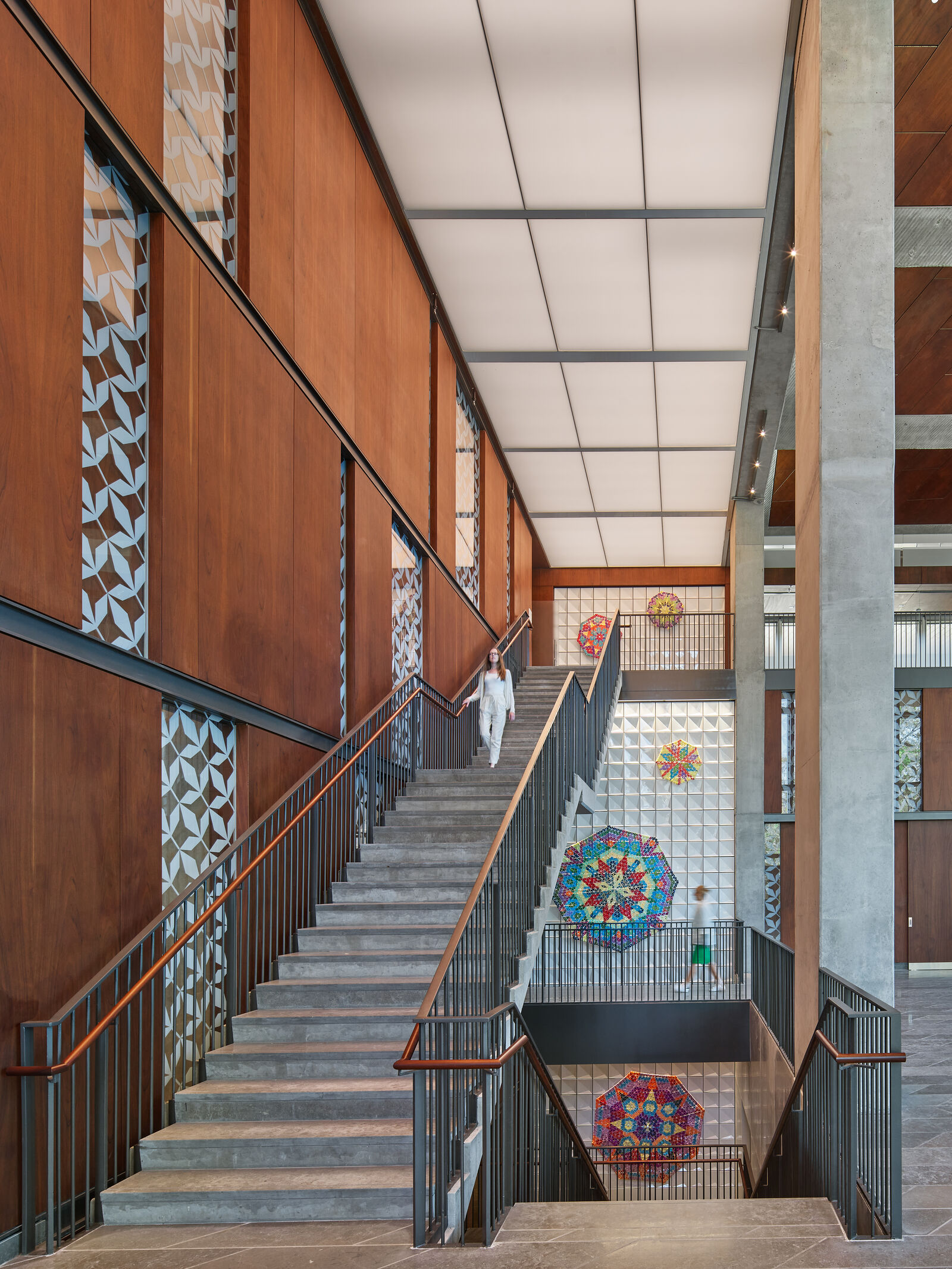
Both interior and exterior expressions were heavily influenced by local craft traditions.
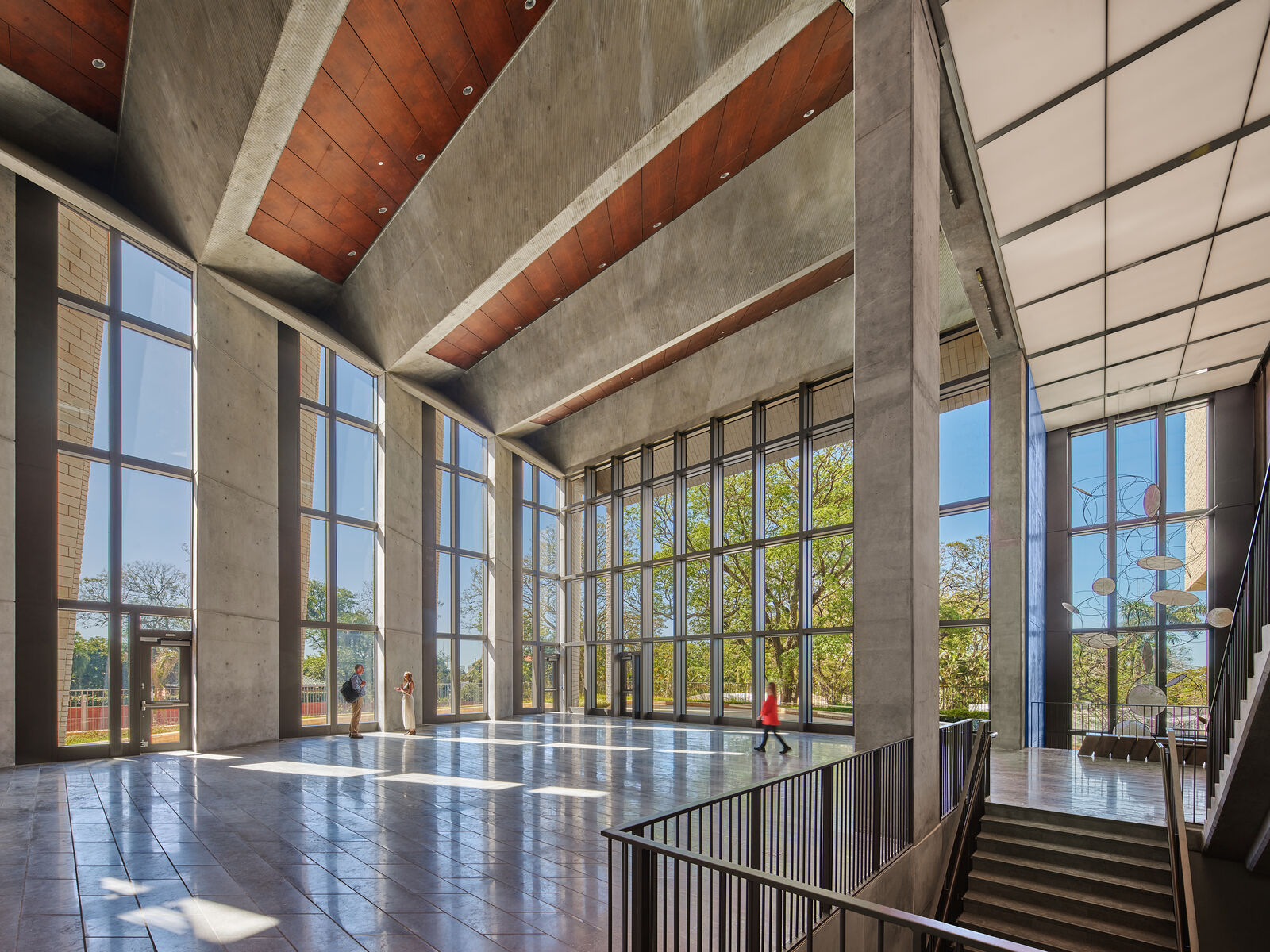
Views to the legacy landscape are celebrated across the campus, connecting embassy personnel and visitors to the surrounding landscape.

U.S. General Services Administration / Department of Homeland Security, CISA Headquarters