Bringing Resiliency to a Critical Access Hospital on the Oregon Coast
Columbia Memorial Hospital
Healthcare
Columbia Memorial Hospital (CMH) is a not-for-profit, critical access hospital. The healthcare facility is designed to integrate into the Northern Oregon Coast and is the only hospital within a 30-minute drive for the isolated, rural community. The facility’s new expansion provides a first-of-its-kind tsunami vertical evacuation shelter integrated into a critical access hospital. The design includes 180,000 square feet of new construction, including a critically needed expansion of the Emergency Department. Other expanded areas include operating rooms, larger patient rooms, imaging services, a new chapel, and dining facilities.
Location
Astoria, Oregon
Square Feet
183,000
Completion date
2027
Project Component
Architectural design services
Interior design services
Medical planning
Certifications
Planetree Gold-Certified
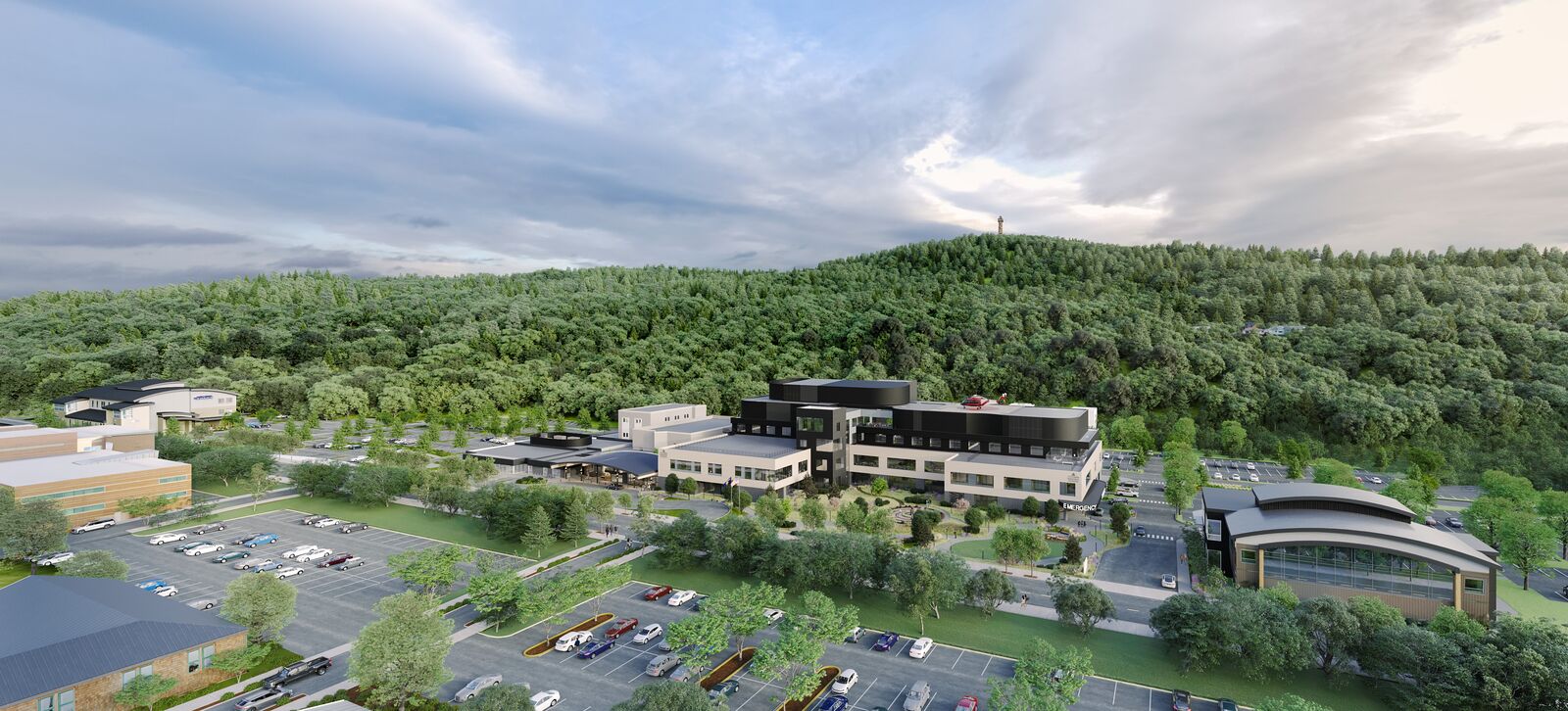
Situated at the mouth of the Columbia River, the region is vulnerable to seismic activity including tsunami. As a critical access hospital, CMH is the only medical facility within a 30 minute drive.
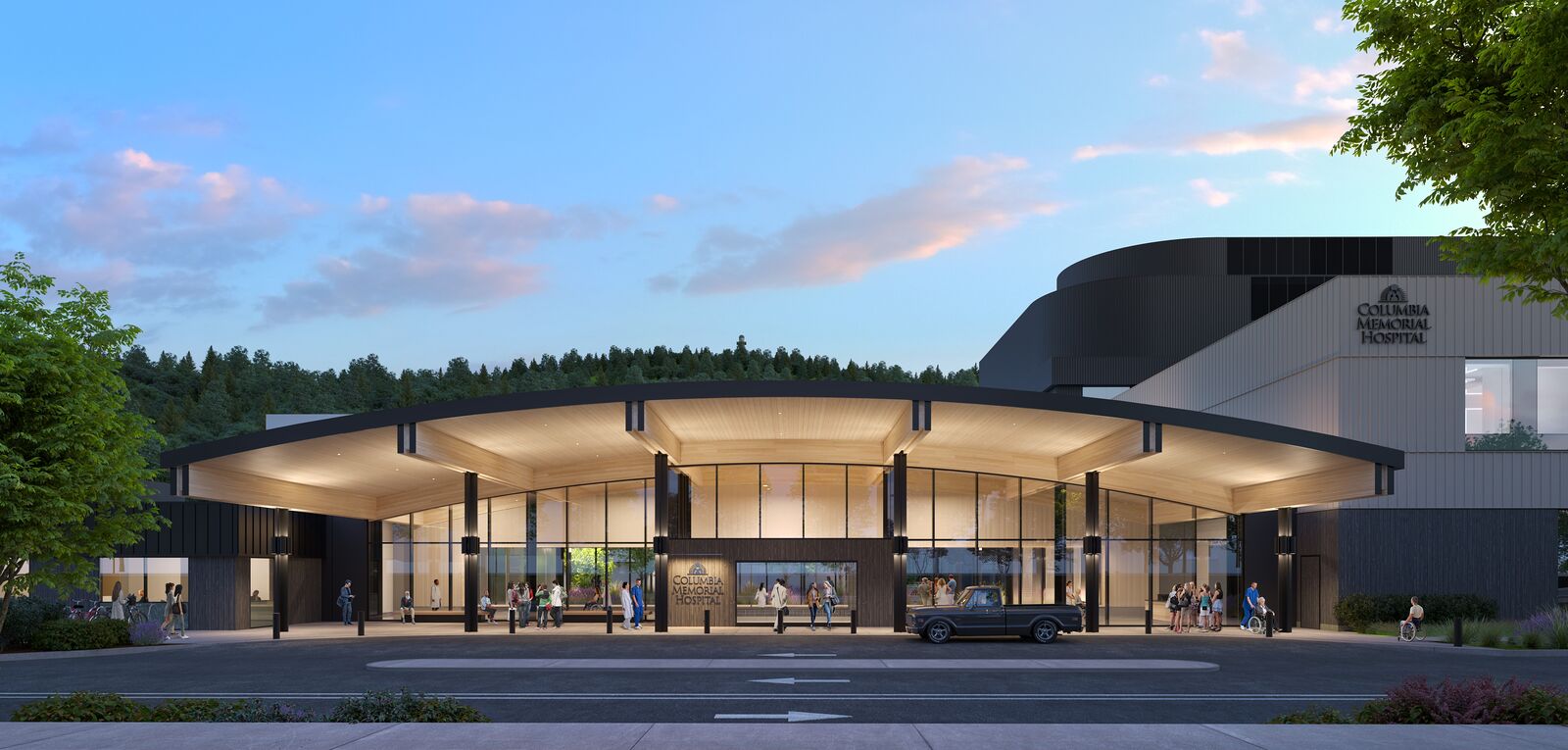
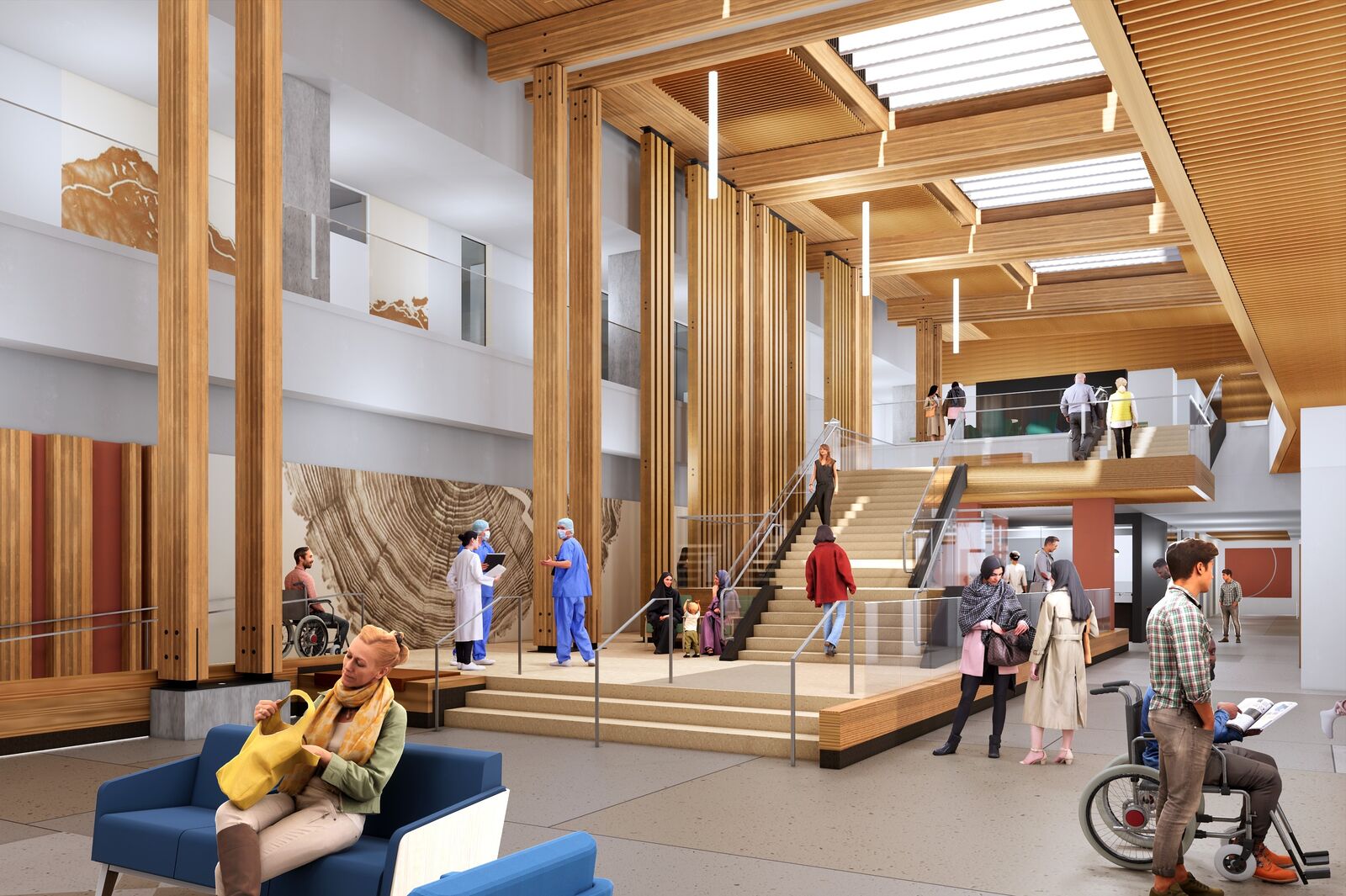
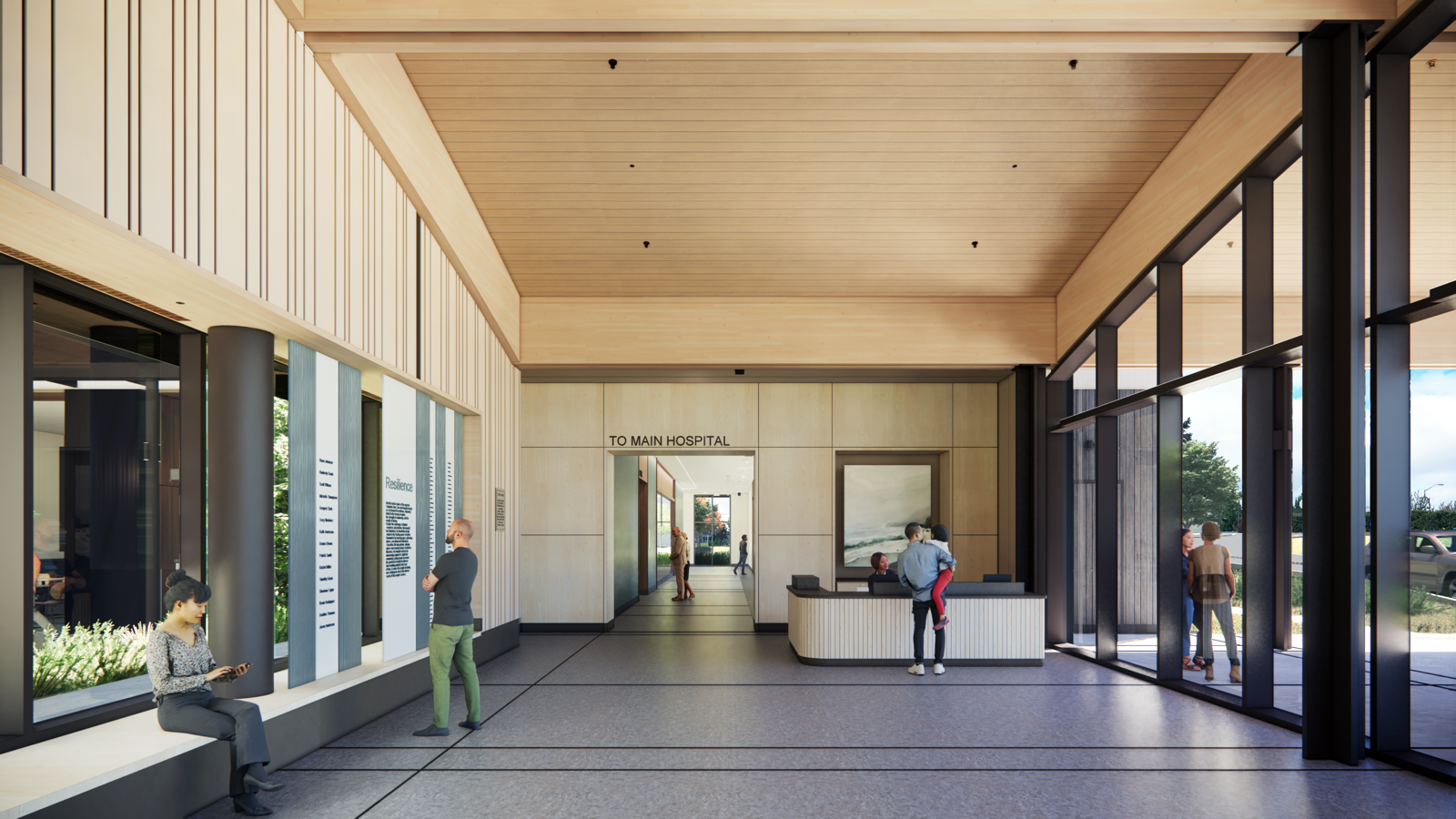
The Entry Pavilion provides a physical link to the existing facility and references the
local forestry industry with its mass timber structure.
Columbia Memorial Hospital serves the North Coast and Lower Columbia Region, located within the Cascadia Subduction Zone XL Tsunami Inundation Area. The design team wanted to meet the community's needs with design elements that created connections to the land and sea of Oregon’s northern coast. The overall design concept is inspired by a strong connection to nature and creating a healing environment that evokes the history and landscape of Astoria. The plan and subsequent building design will pay particular attention to local heritage including logging and fishing industries.
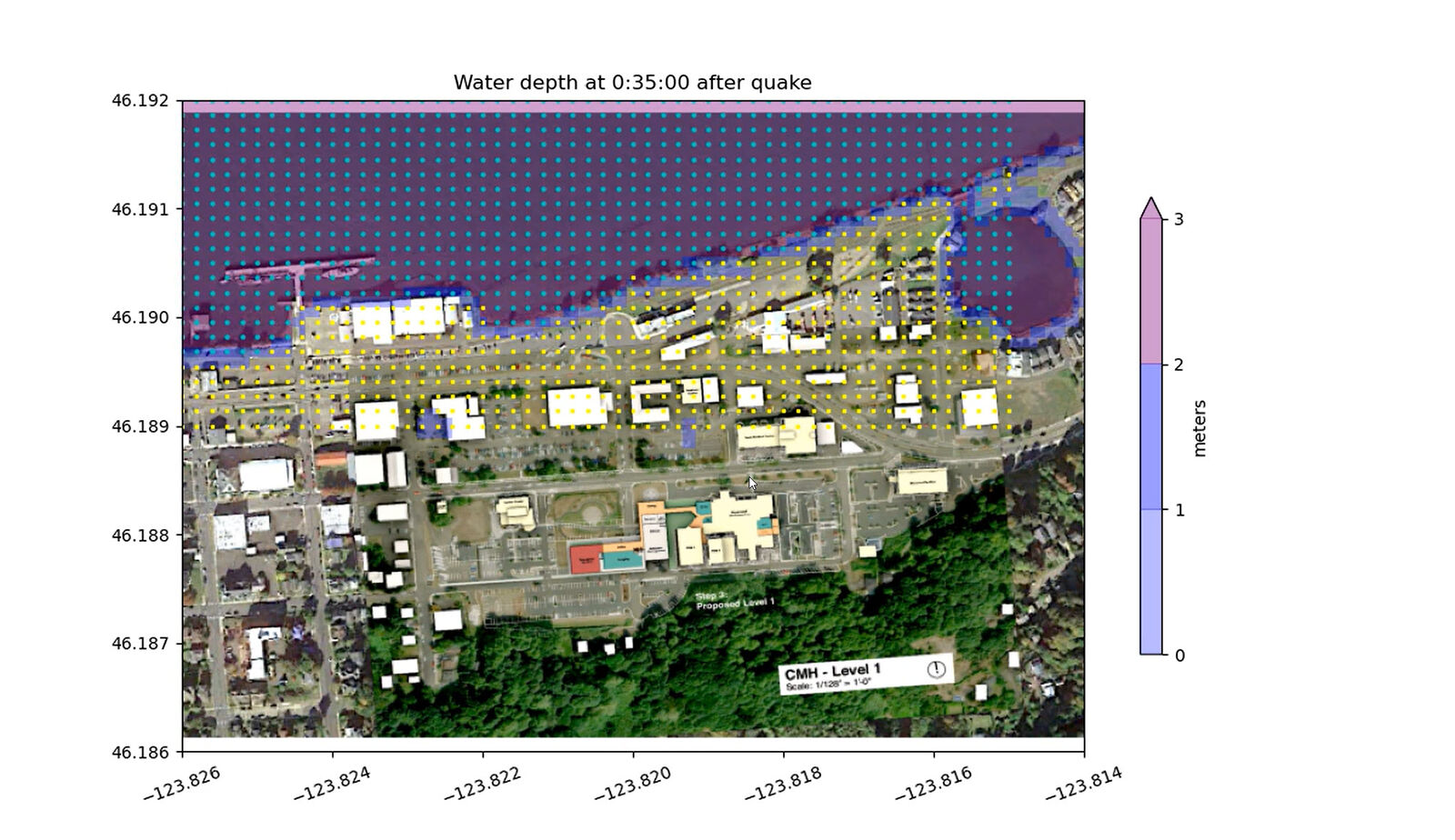
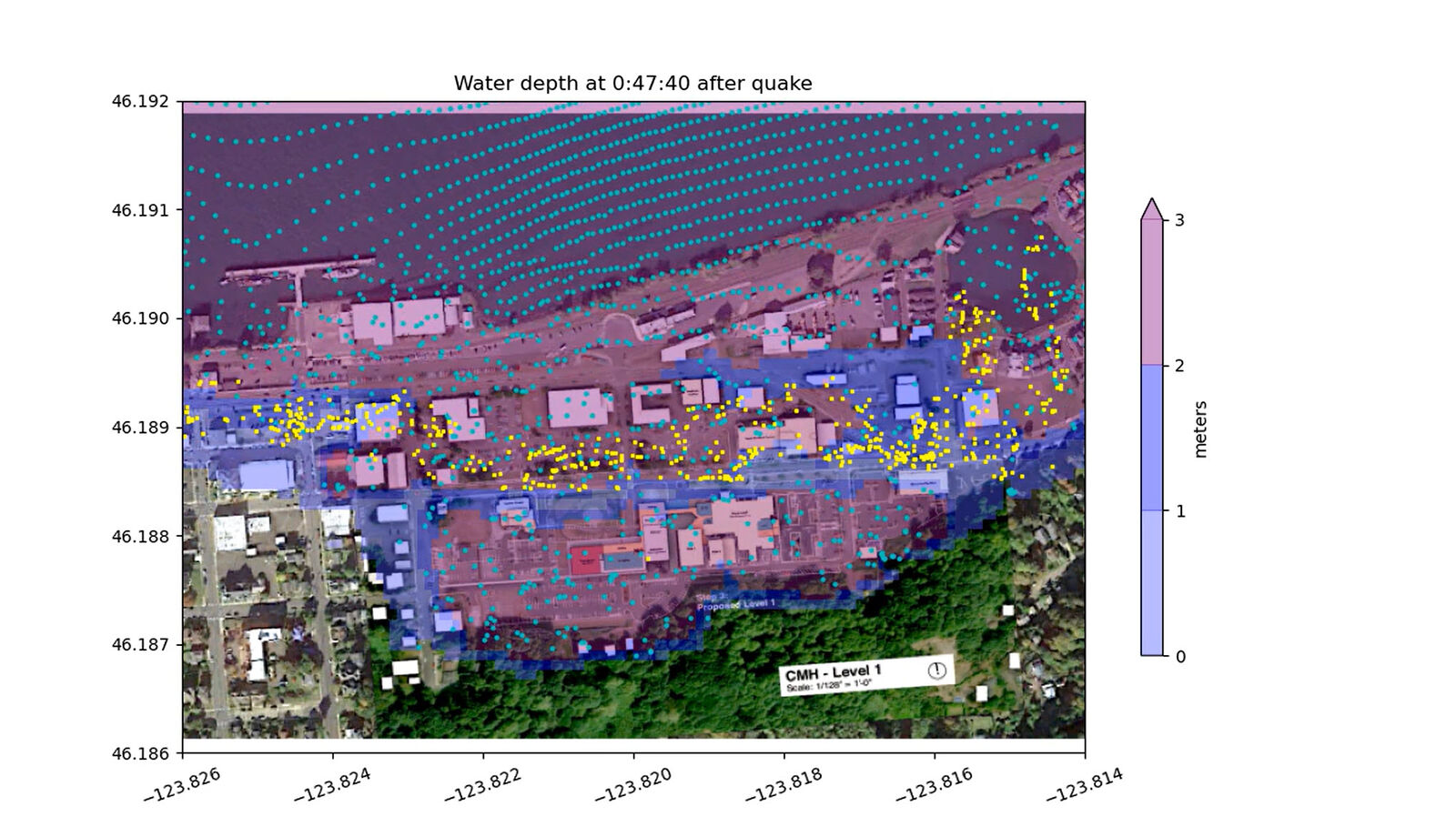
CMH worked with scientists at the University of Washington to perform a detailed analysis of potential tsunami inundation on the site after a Cascadia Seismic Event.
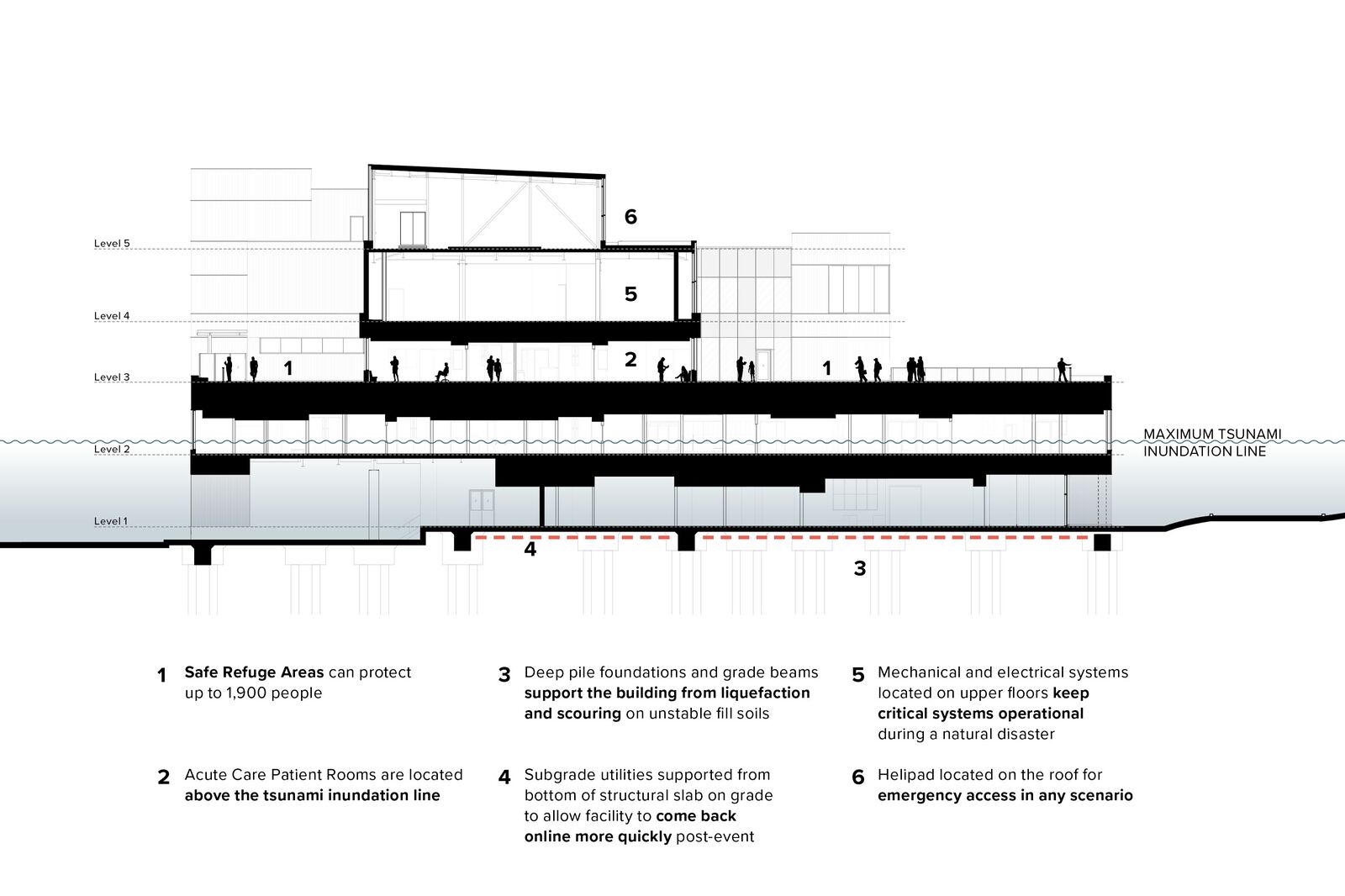
The new facility will be a center for health and wellness while providing a resilient structure that can serve as a safe harbor for the community while accounting for forecasted demographic changes. The project team addressed an array of environmental impacts including earthquakes, tsunamis, and the natural, often harsh, conditions of Astoria’s coastal landscape. Identifying several possible crises such as mass casualty events and pandemic readiness, informed flexible design elements including patient care areas with adaptable functions, secure thresholds, and management of entries. The hospital's infrastructure needs to withstand potential environmental risks over time including climate change, rising sea levels, and its location within the Cascadia subduction zone. These challenges were addressed by placing the building systems and critical service lines on the elevated spaces—allowing the hospital to remain operational and function as an emergency shelter in the event that the first floor of the building is impacted by a natural disaster.
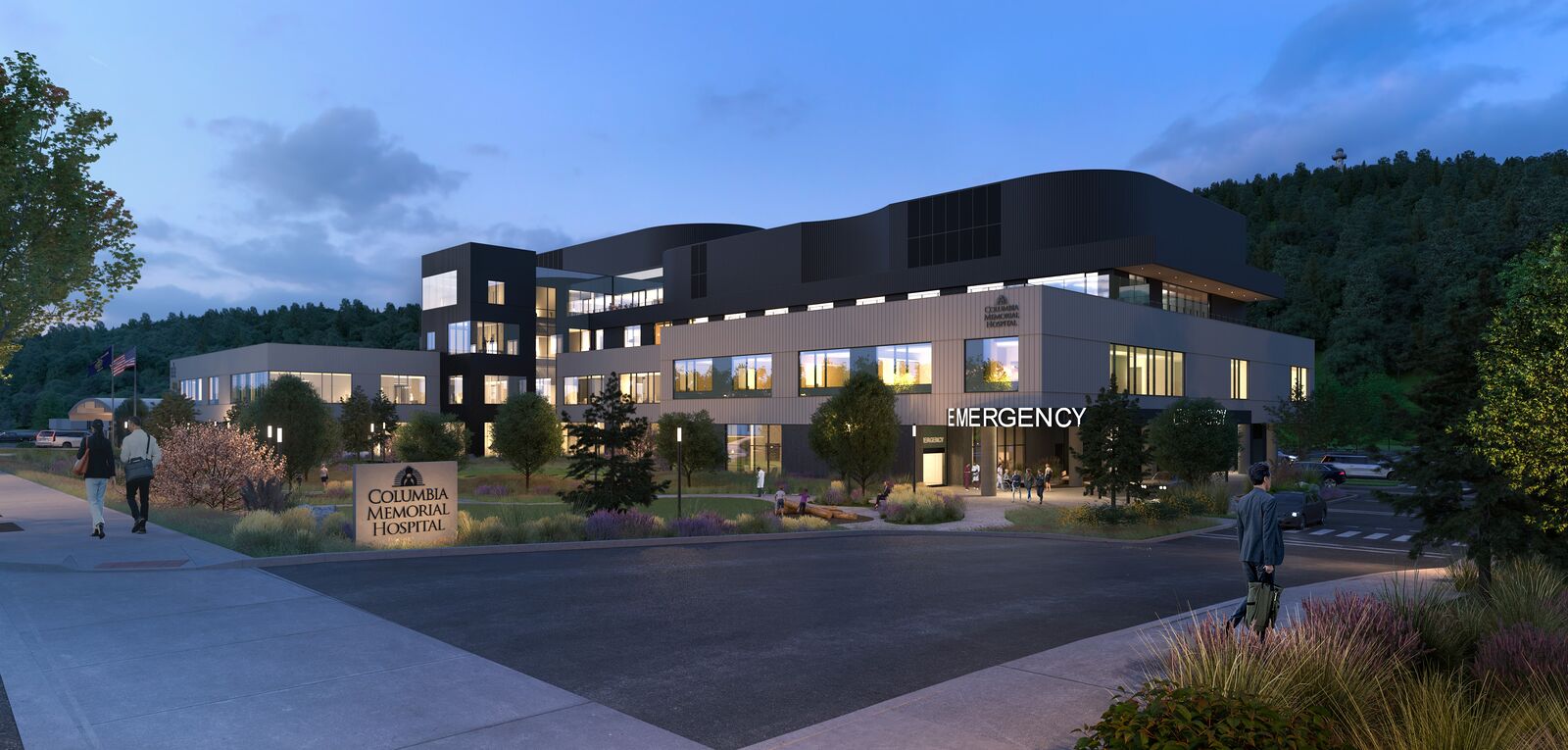
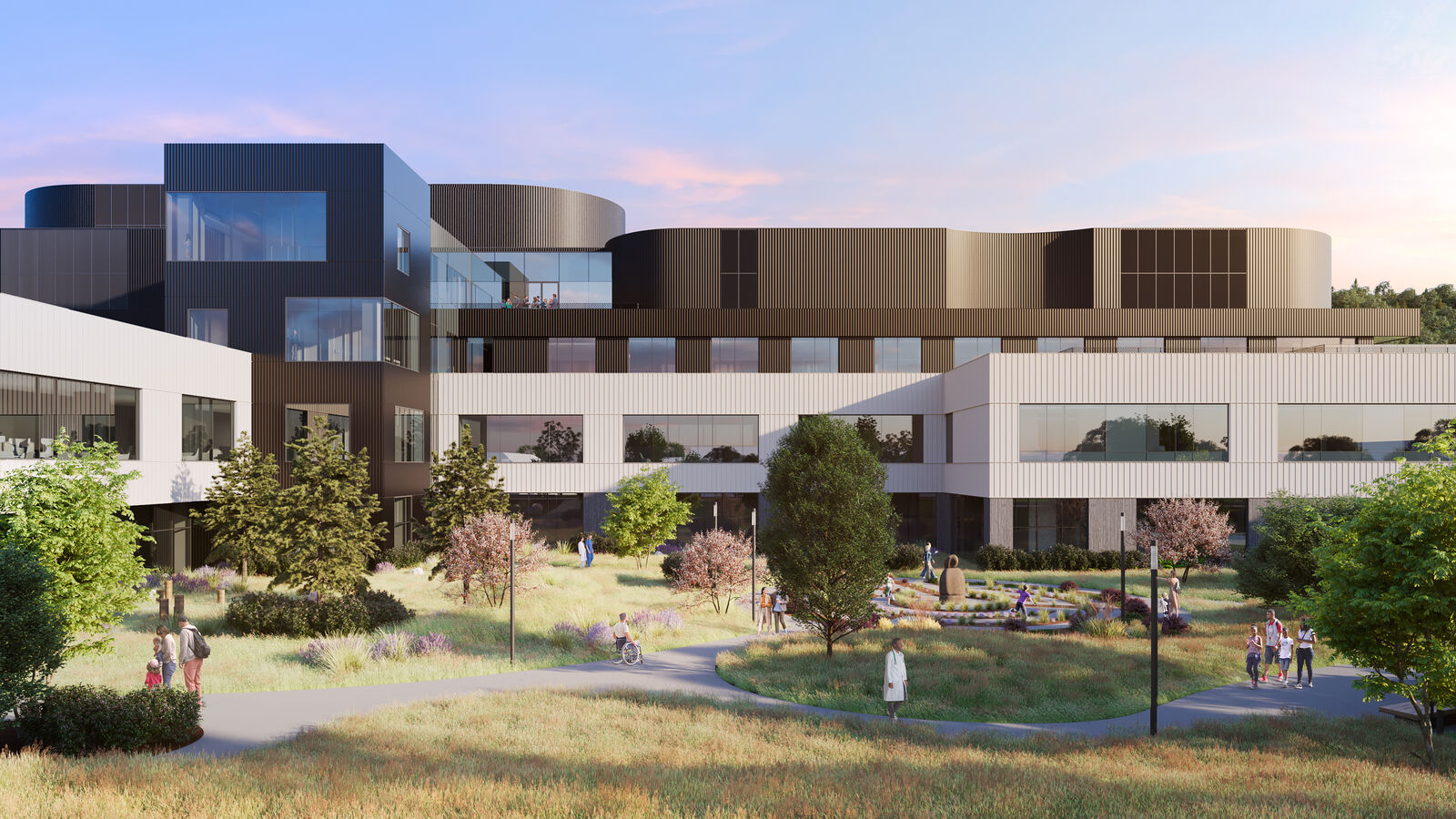
Exterior materials are drawn from the language of nearby historic waterfront buildings, providing a palette that is resilient against the marine environment.
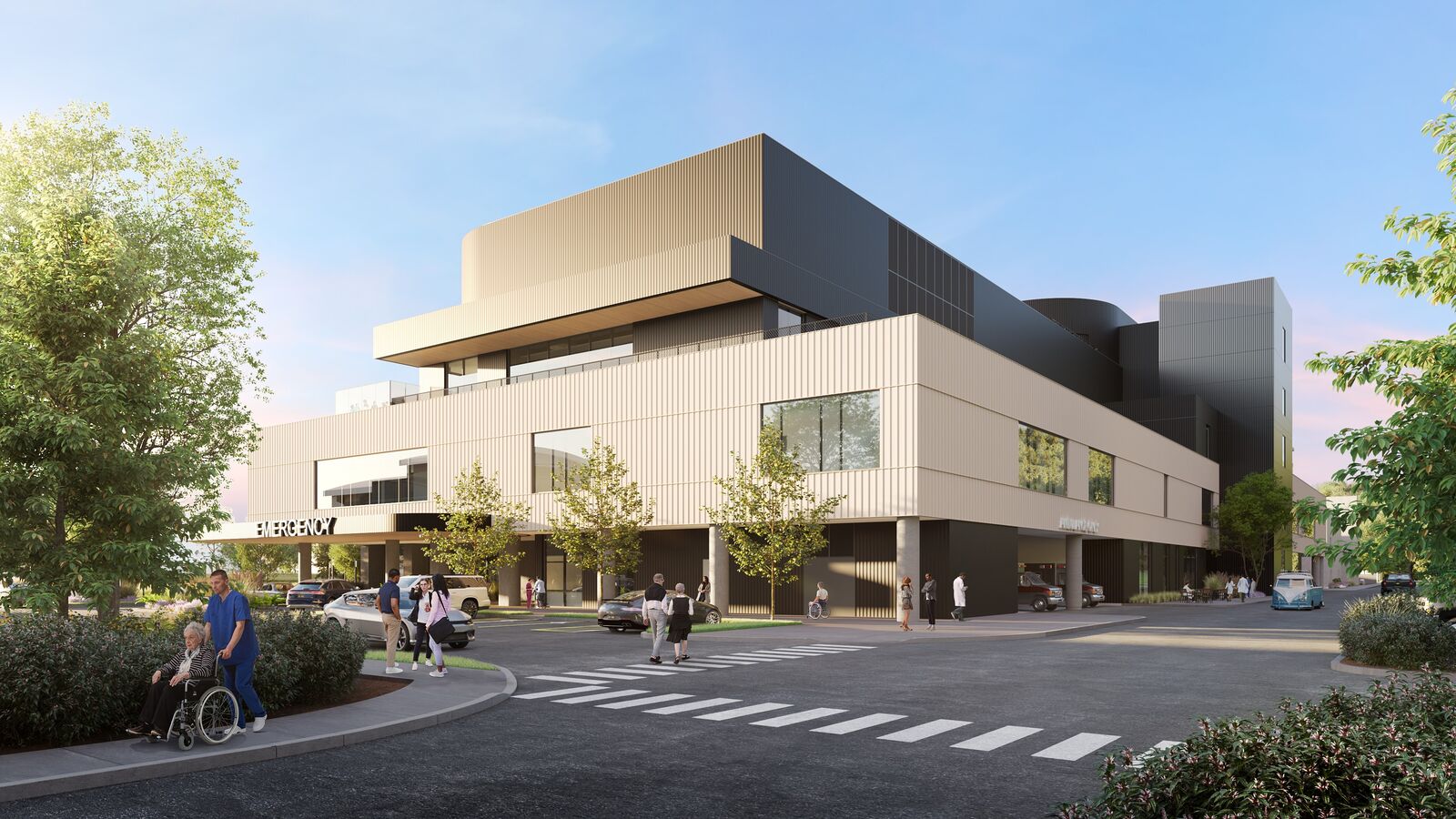
The planning and design process followed the Planetree philosophy, which is a human-centered approach to healthcare that promotes person-centered care. The facility was designed collaboratively with caregivers to meet the unique needs of their community and locale. This entailed an extensive master planning process with a series of discussion sessions that engaged community members. As a result, CMH and the project team set exceptional goals to ensure that the facility can operate as an official evacuation site while providing high-quality holistic, and equitable healthcare to their diverse coastal community. As an evacuation site, the facility provides refuge and supports the health and resilience of the community during a time of need. Extensive due diligence was required in defining the resiliency requirements in a tsunami zone, including detailed tsunami inundation mapping by the University of Washington, Oregon Emergency Management and engagement with local, state, and federal agencies.
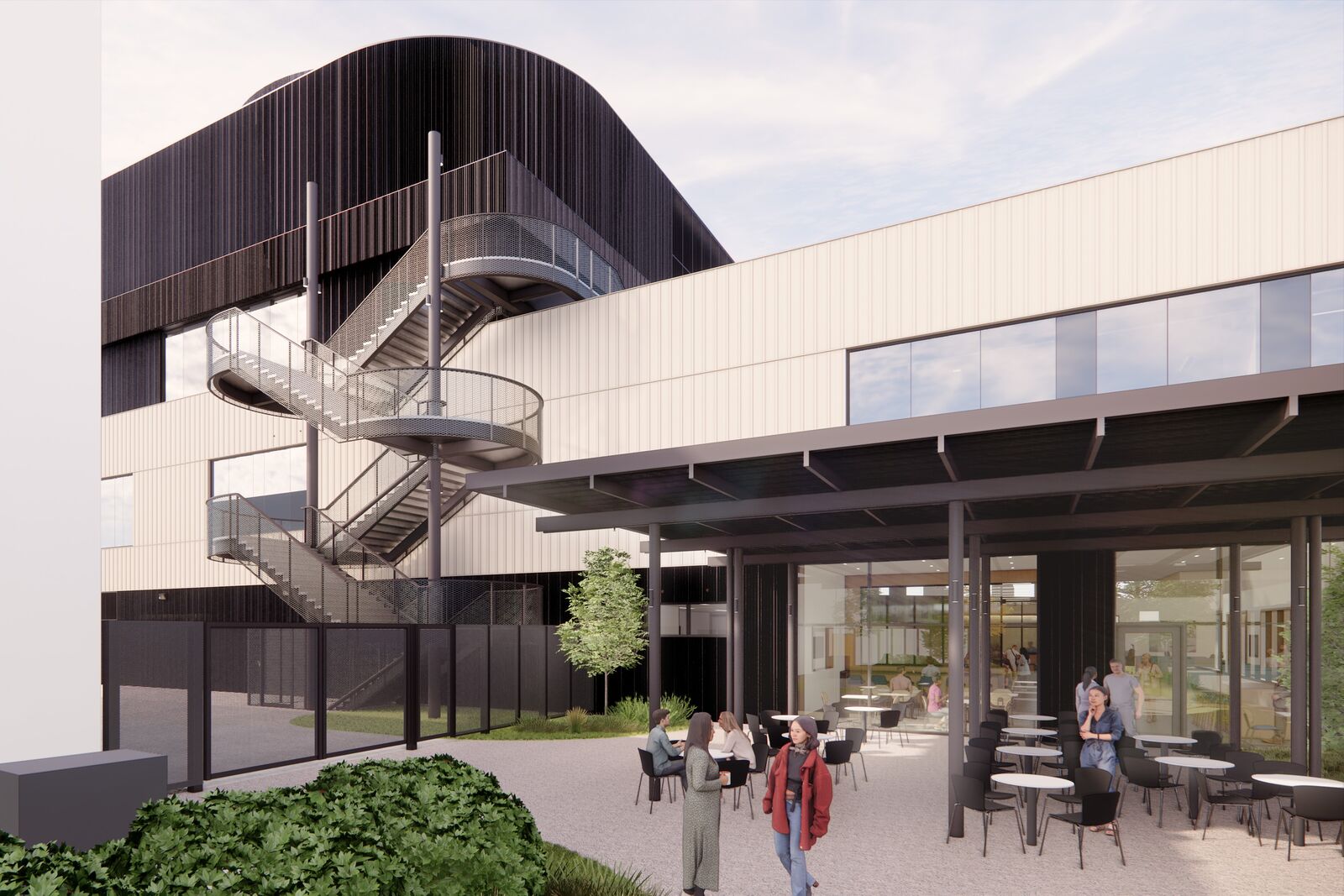
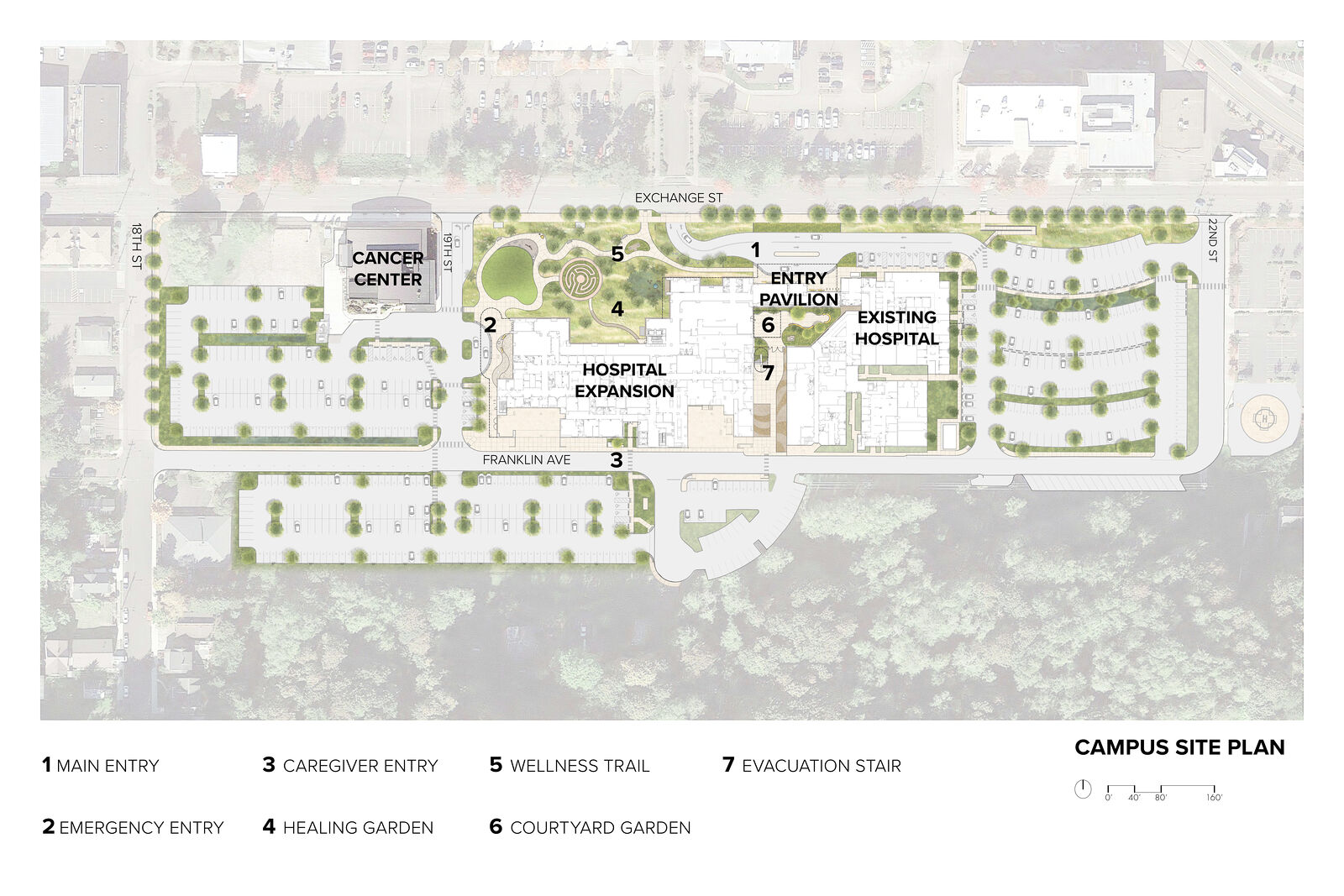
The dedicated tsunami evacuation stair is located adjacent to the community-facing dining program. This aids in familiarity and visibility of the correct safety route and reinforces it as a key component of the hospital's infrastructure plannng.
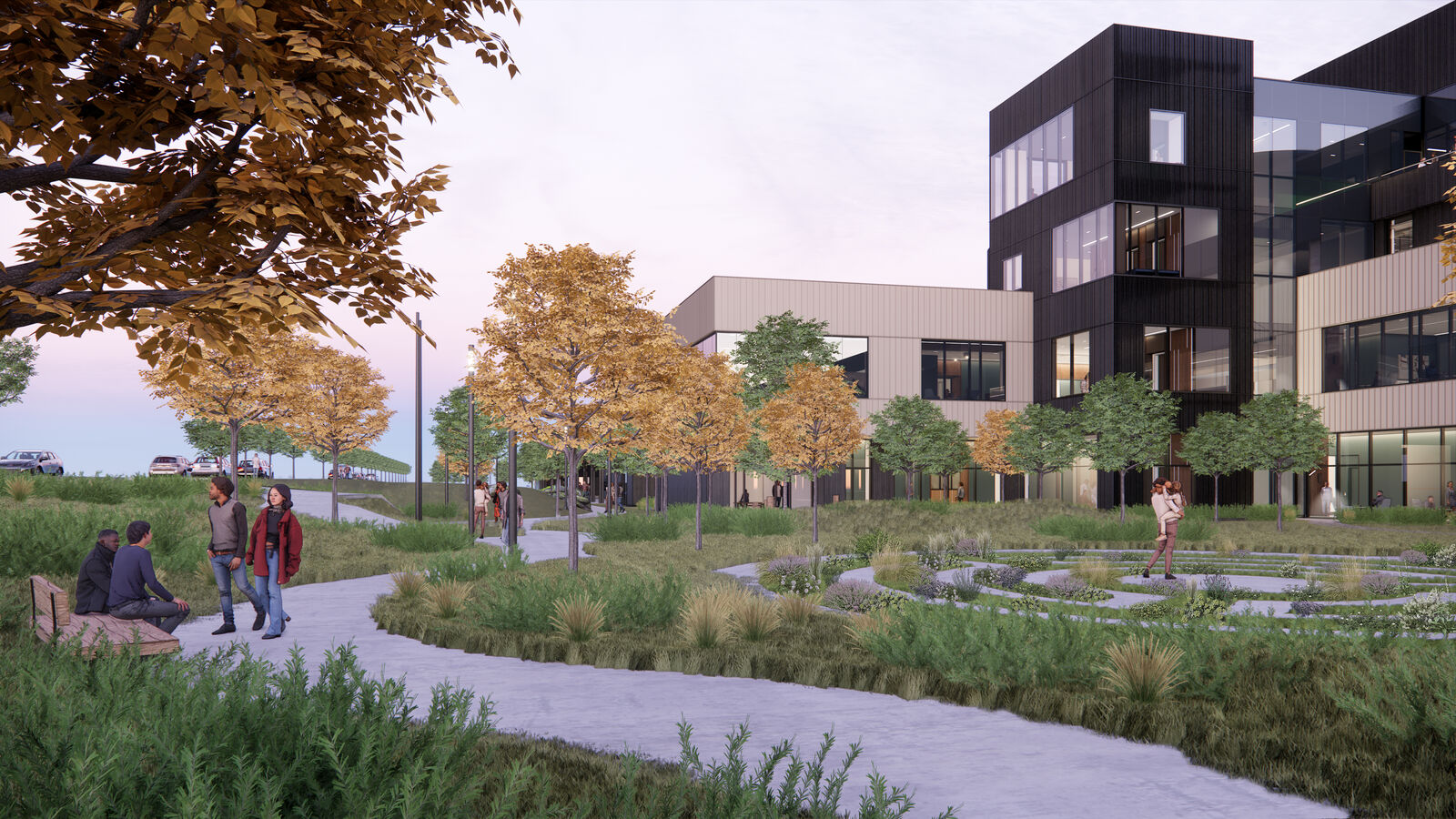
In addition to their overall mission of providing healthcare, the design also prioritizes hospitality and creating a welcoming destination for the community. Public-facing spaces, including an expansion of CMH’s beloved healing garden which connects to a greater network of trails and riverwalks in the city, are open to the community.
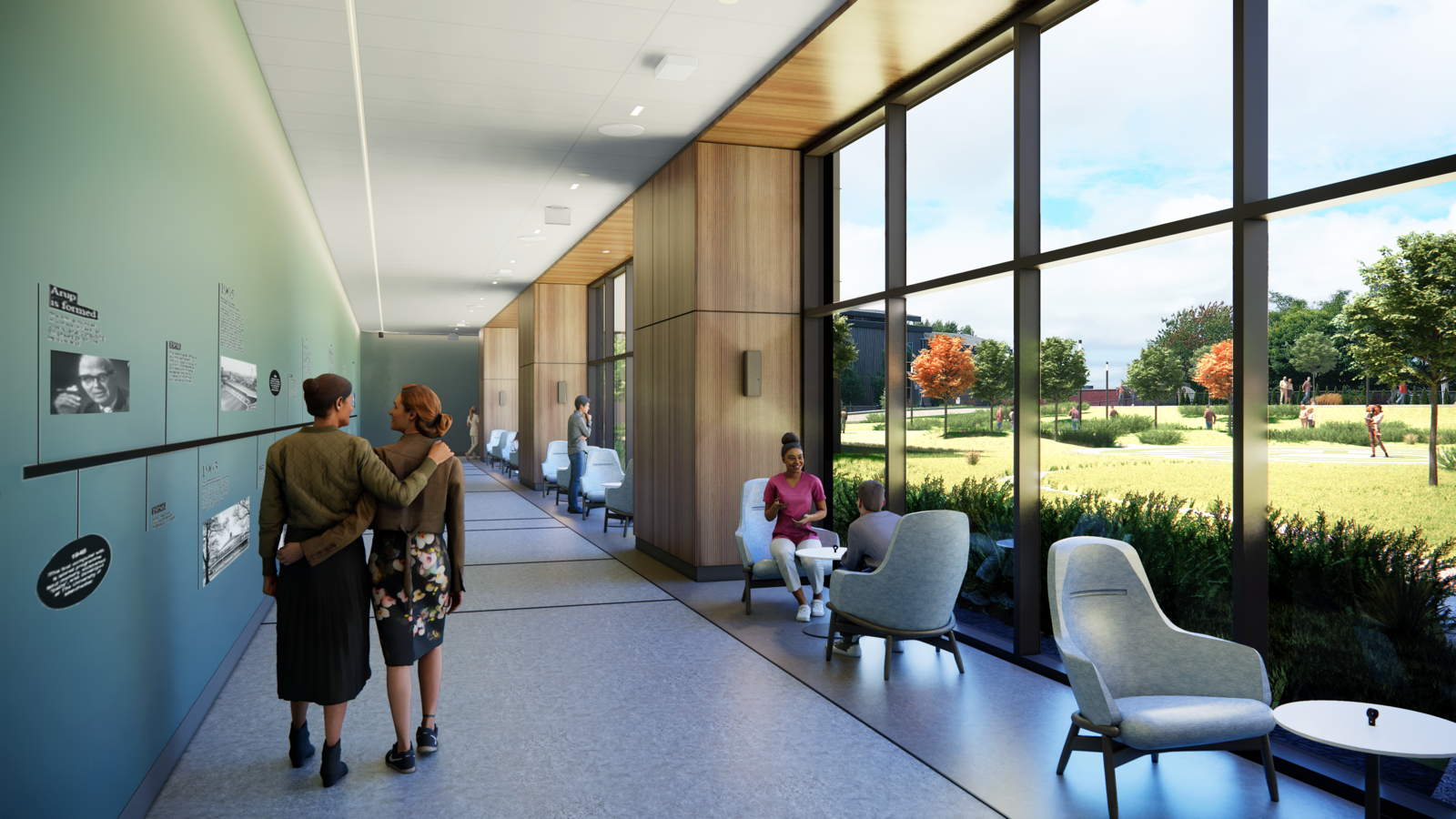
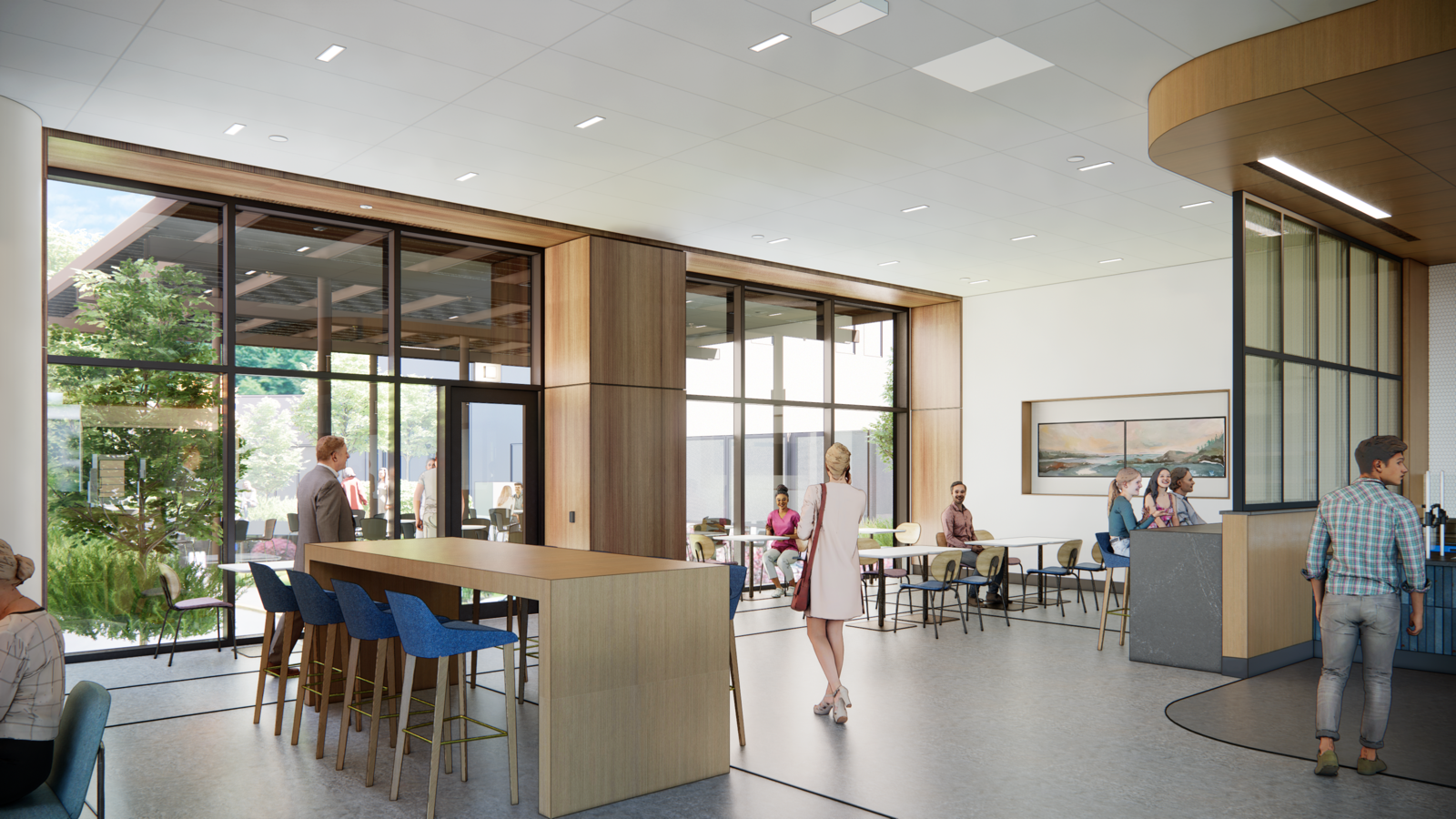
Community engagement is fostered by prominent indoor and outdoor dining options with high-quality food and nutritional education outreach.

University of California, San Francisco, Nancy Friend Pritzker Psychiatry Building
