Healthy Building Design is Timeless: Classic Solutions for the Covid-19 Era and Beyond
By: Avideh Haghighi, AIA, LFA
Many of the design best practices touted throughout the pandemic reflect age-old values that constitute good design in any context—not just during a public health crisis. After all, the classic tenets of good design also align with sustainability solutions conducive to healthy indoor air quality, reduced energy loads, minimized carbon impact, and enhanced user comfort. This ladders up to solutions tailored to carry us through the end of the pandemic into healthier days, while confronting the ever-worsening plight of climate change. Achievable through strategies that have been used to accomplish high-performance goals and integrated wellness in the indoor environment for years prior to COVID-19, these practices should become standard to ensure occupant wellness and reduced environmental impact moving forward.
CROWD CONTROL
Sick building syndrome is not a new phenomenon, but it certainly became a greater cause for concern once COVID-19 began spreading rapidly. Before considering the design solutions to mitigate, designers must consider the effect crowded buildings have on the indoor environment. This requires us to take a close look at the ecosystem created indoors, especially when the building is filled to maximum capacity. Crowds produce a type of socio-climate that fills spaces with new phenomena—odors, heat, atmospheric gases, moisture from respiration and perspiration, and noise. With the average person’s internal temperature running nearly 100 degrees Fahrenheit, the heat given off by each induvial is equivalent to the heat of a 100-watt light bulb. Individually or in small groups, the effect is minimal, but it multiplies quickly when buildings are fully occupied. These considerations are crucial when designing a clean, healthy indoor environment.
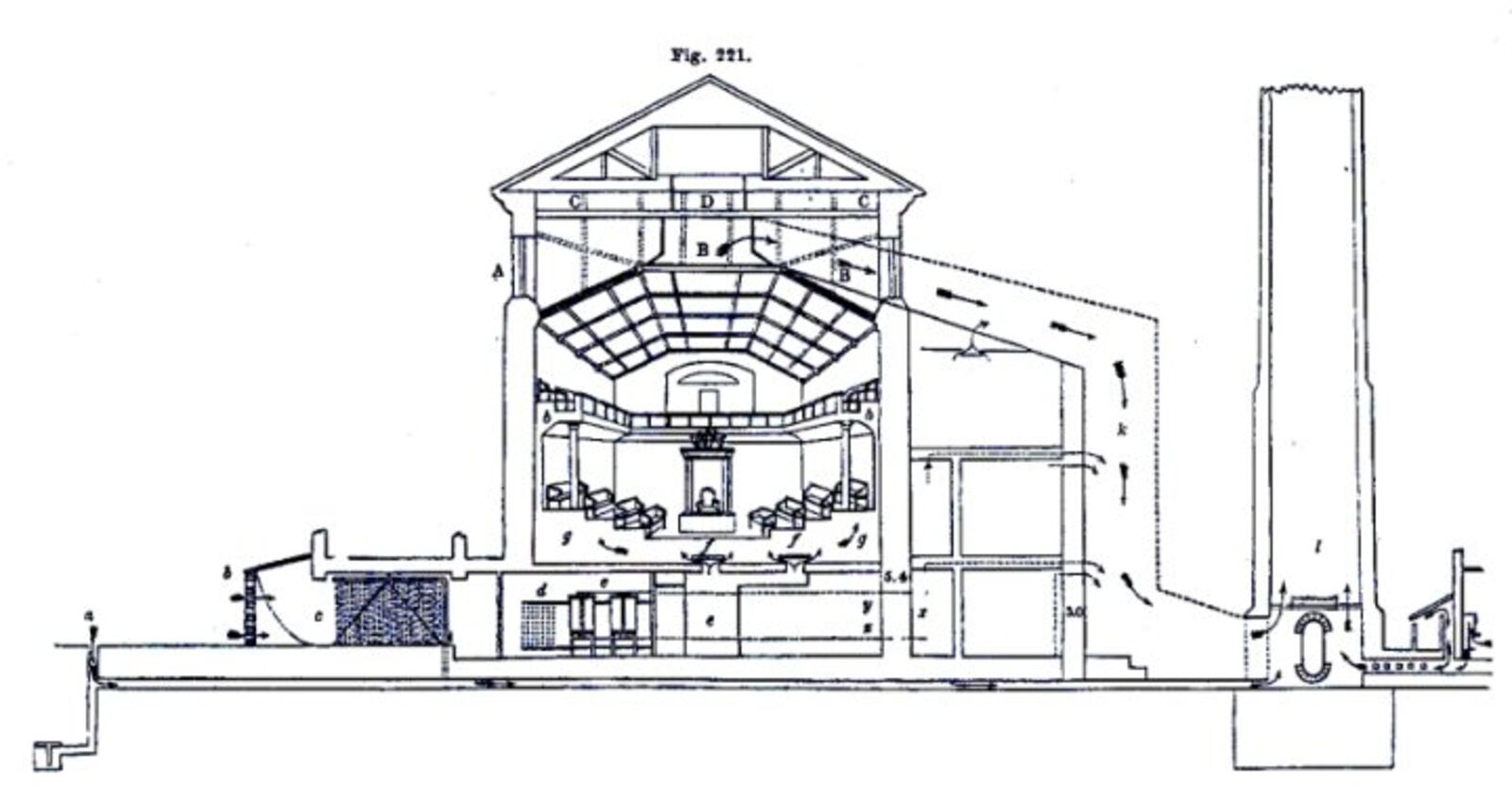
In the mid-1800s, David Boswell Reid explored how to expel the heat of the crowd in his design for the ventilation system at the Houses of Parliament in London. Composed of an enormous ventilation stack using heat, filters, and moisture, the structure evacuated expelled air from the hall, allowing government officials to withstand longer meeting times.
Designing for Healthy Indoor Air
Given the effect of human bodies on the indoor environment, ventilation solutions designed to prevent polluted indoor air while maintaining occupant comfort are key for wellness and productivity in tightly packed commercial spaces. However, simply filtering an abundance of fresh air via HVAC systems is not a sustainable solution for long-term use. Passive strategies, such as operable windows and internal mass and envelope-integrated shading allow for occupant comfort most of the year in mild climates. At PAE Living Building in Portland, Oregon—the largest commercial Living Building to date—passive ventilation plays a role in the cooling and heating systems. Between operable windows and internal mass and envelope-integrated shading, occupant comfort is achieved without HVAC systems.
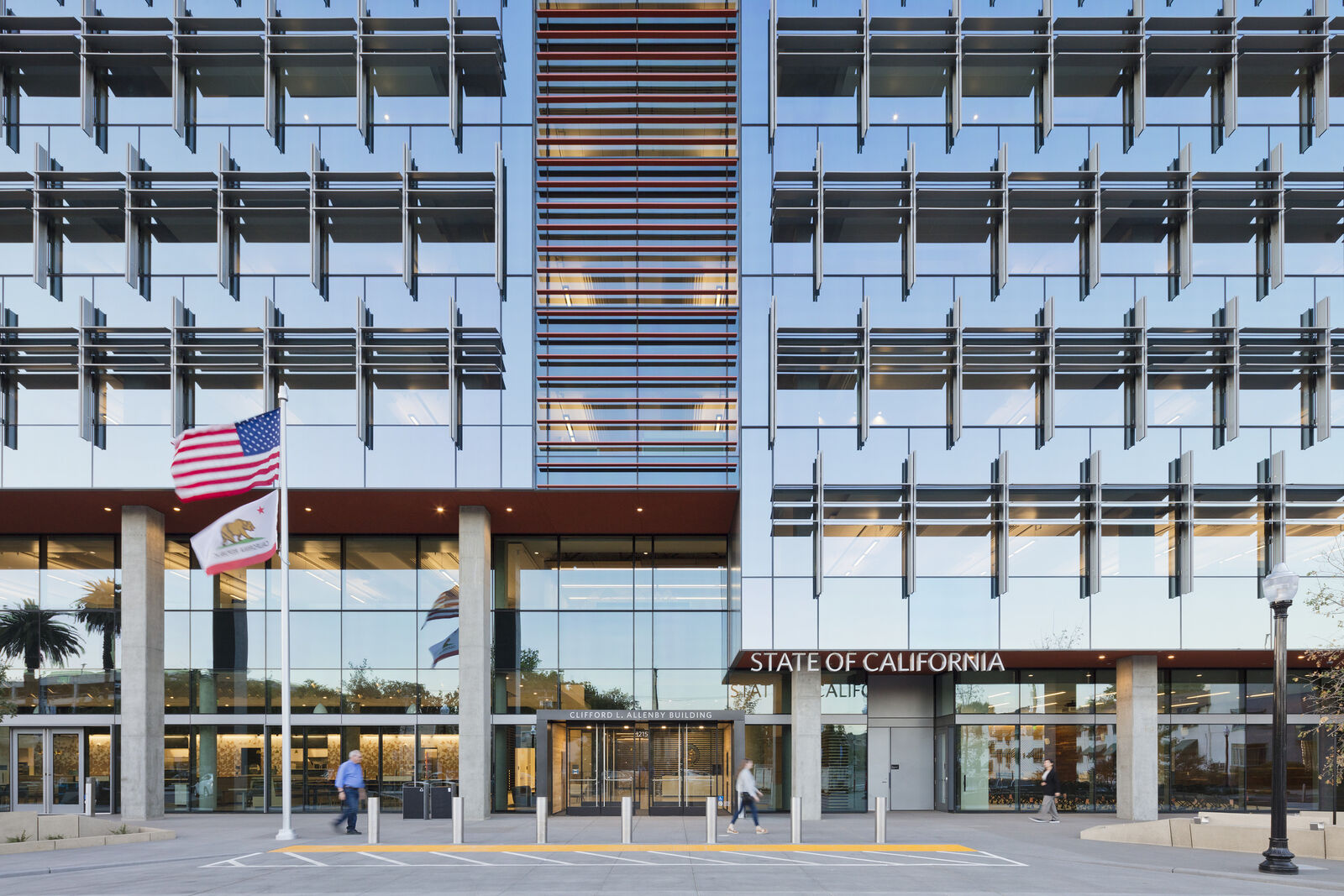
Displacement ventilation, a strategy that uses slow-moving streams of fresh air from the floor to displace recycled air, is also an effective air system solution that provides flexibility, efficiency, and additional air flow. At the newly completed California Department of General Services, Clifford L. Allenby Building, displacement ventilation supports higher air changes in occupied zones with less mixing of fresh and existing air, using 100% outdoor, highly filtered air, and creating an indoor environment with additional fresh air beyond code requirements.
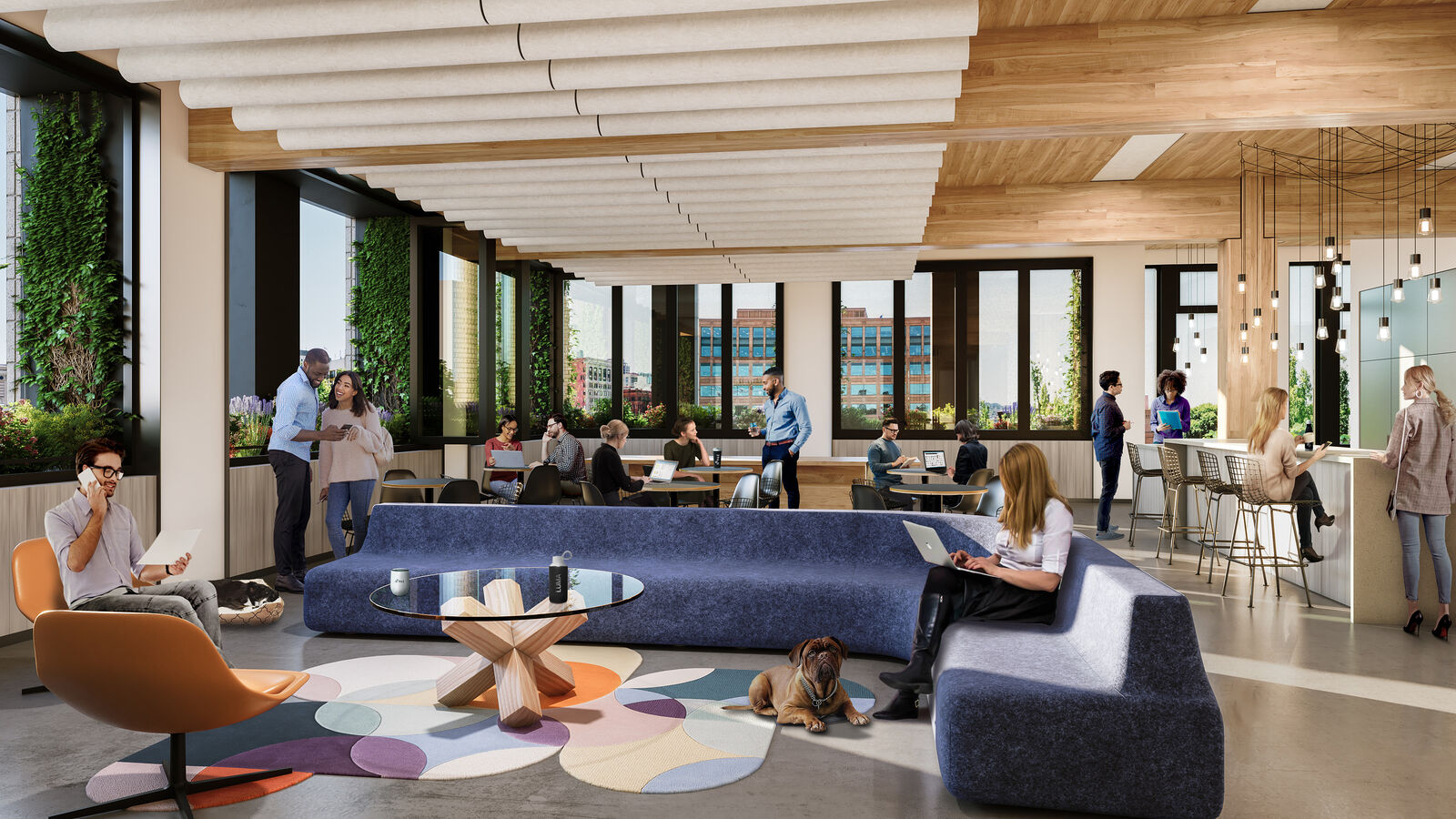
Returning to passive systems originally designed hundreds of years ago, the PAE Living Building in Portland, OR features operable windows throughout. This solution circulates fresh air inside the building, reducing reliance on mechanical ventilation.
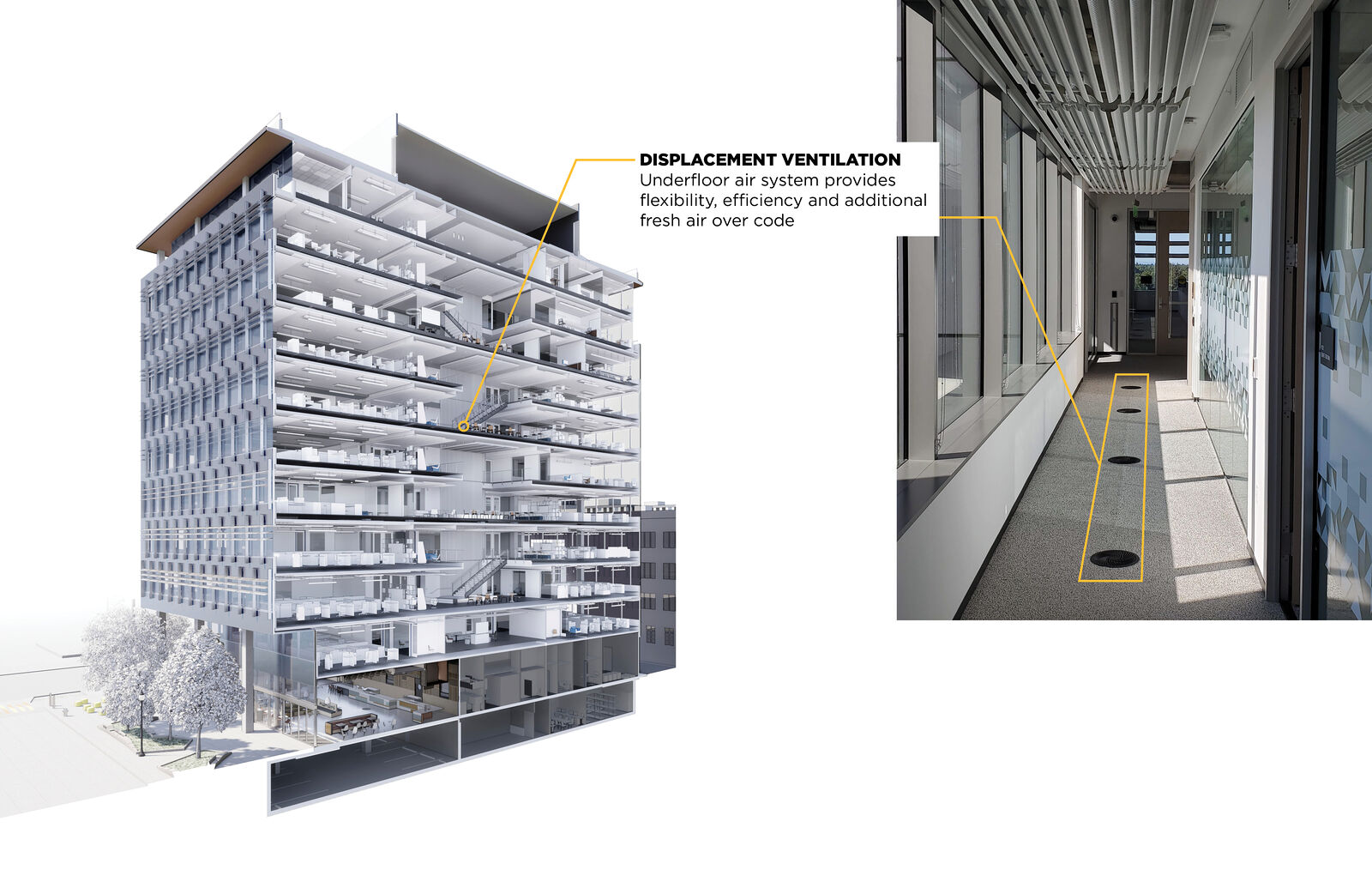
Displacement ventilation at the California Department of General Services, Clifford L. Allenby Building contributes to both high-performance and enhanced indoor air quality.
A third highly-effective ventilation strategy is a passive downdraft system. For the design of the net-zero energy Conrad N. Hilton Foundation Headquarters in Agora Hills, California, an innovative chimney system provides 100% outside air. This contributes to reduced energy loads and enhanced indoor air quality, while maintaining user comfort. Coupled with the high-performance building envelop, this passive solution maintains temperatures between 70-75°F year-round.

Ancient Middle Eastern chimneys were designed to harness the wind and redirect the cool air downwards, effectively cooling interiors up to 10 degrees lower. This classic solution for adapting to desert climates presents inspiration for passive ventilation strategies that uses significantly less energy.
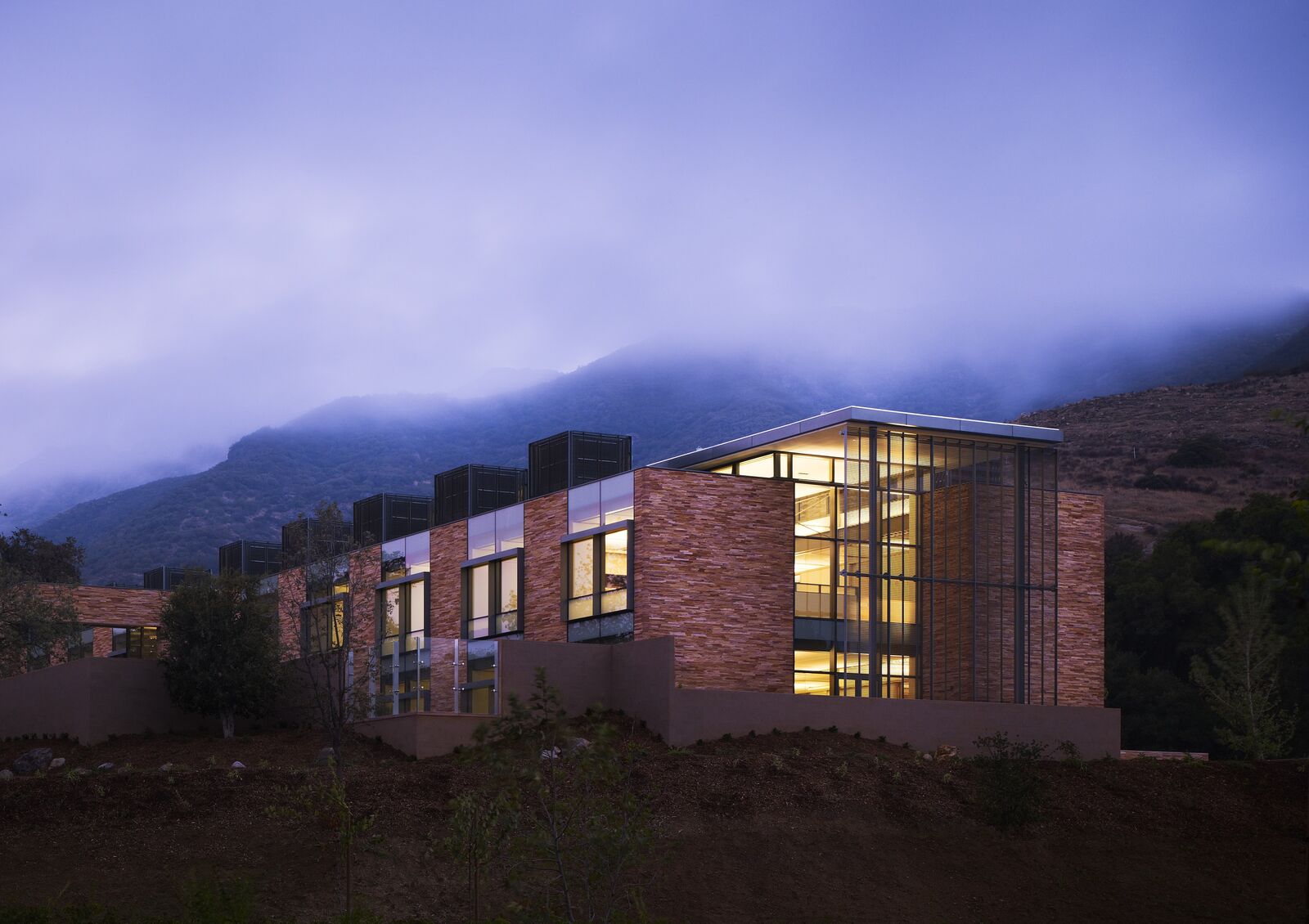
Ancient Middle Eastern chimney design inspired the passive downdraft system at the Conrad N. Hilton Foundation Headquarters. This high-performance solution limits the draft effects of typical air conditioning by supplying air at milder temperatures and lower velocities.
Programming for Wellness
Providing access to outdoor spaces is a hallmark of wellness integration, especially for projects located in regions with mild climates. In designing the Department of General Services, California Air Resources Board’s (CARB) new headquarters in Riverside, CA—the first and largest net-zero energy project of its type in the world—integrating wellness-focused design solutions not only supports CARB’s mission to improve outdoor air quality through the testing and regulation of vehicle emissions, it also contributes to accomplishing the project’s lofty sustainability goals. The building layout and form establishes two principal outdoor spaces: the main courtyard to the east and a more private courtyard to the west. For optimal user comfort, the building is oriented to provide shade along with large trees to create respite spaces.
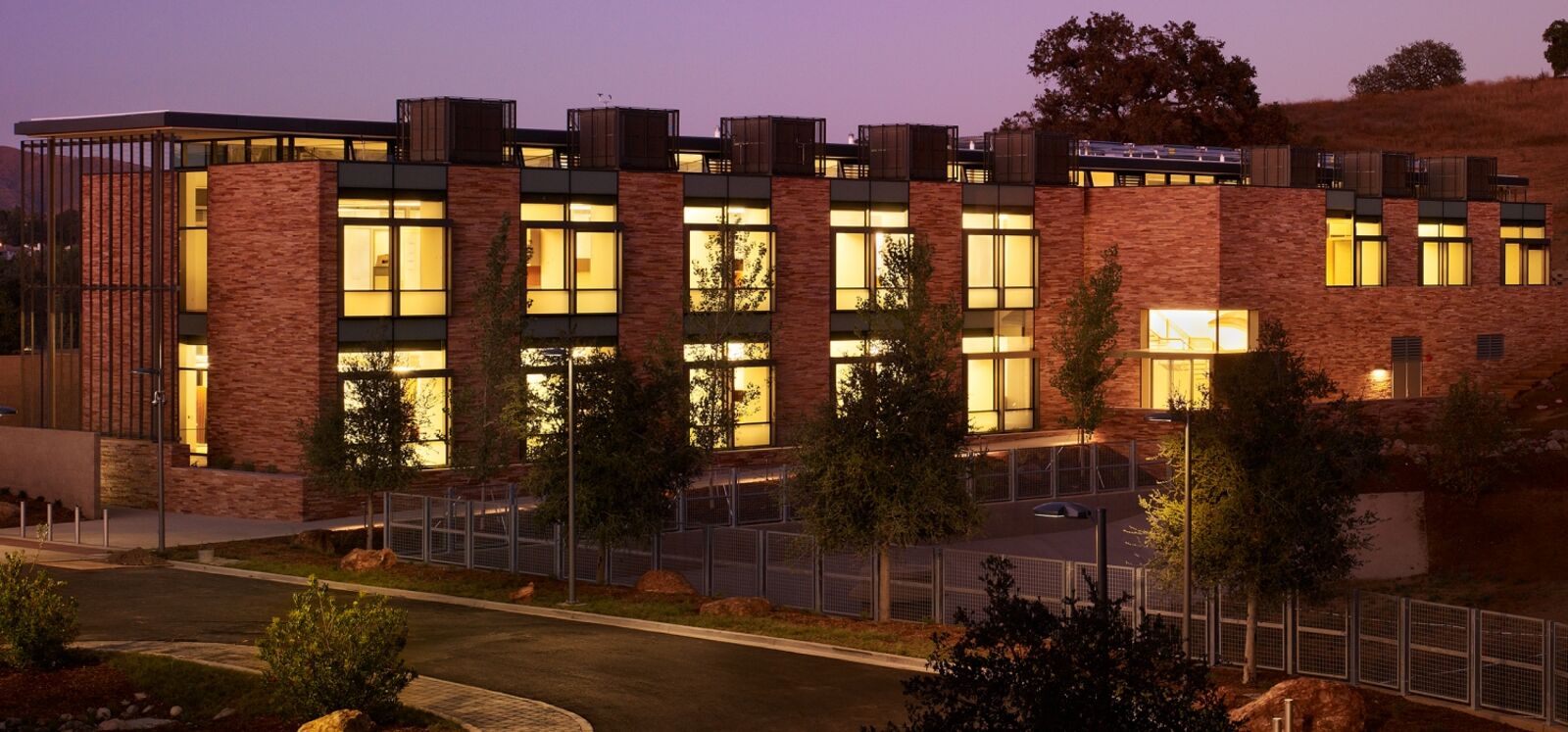
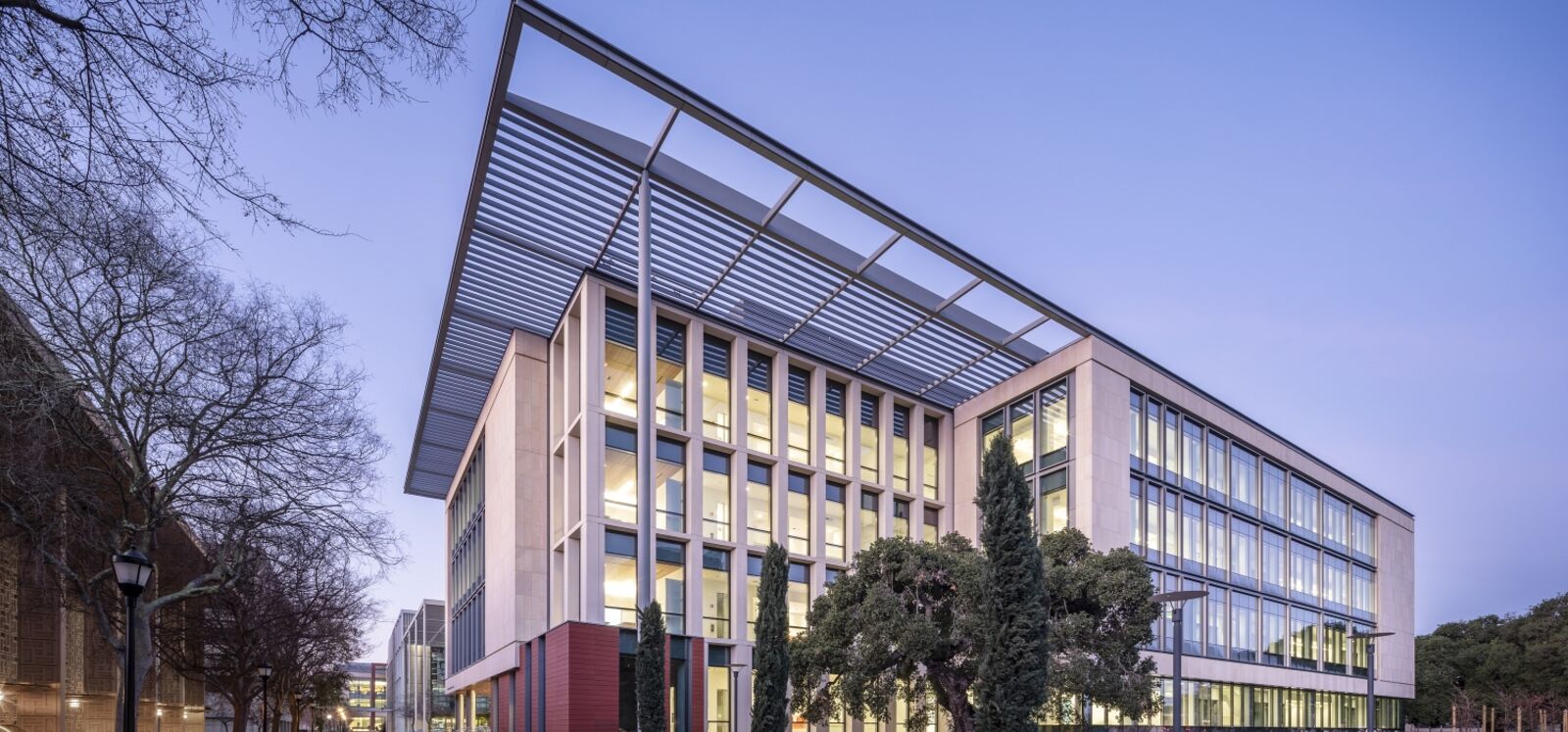
Programmatic elements such as occupant density, space planning, and easily accessible outdoor spaces contribute greatly to occupant wellness when designed strategically. The Stanford University Biomedical Innovations Building for Stanford Medicine presents an effective model for space planning that affords greater density while maintaining occupant comfort. Because researchers spend majority of their time working in or near the lab, four-foot write-up desks are located just outside the labs. While the spacing doesn’t meet the six-foot separation rule, scientists can only be in one space at one time—either in the lab or outside at a write-up desk, effectively making eight-foot workstations without added space.
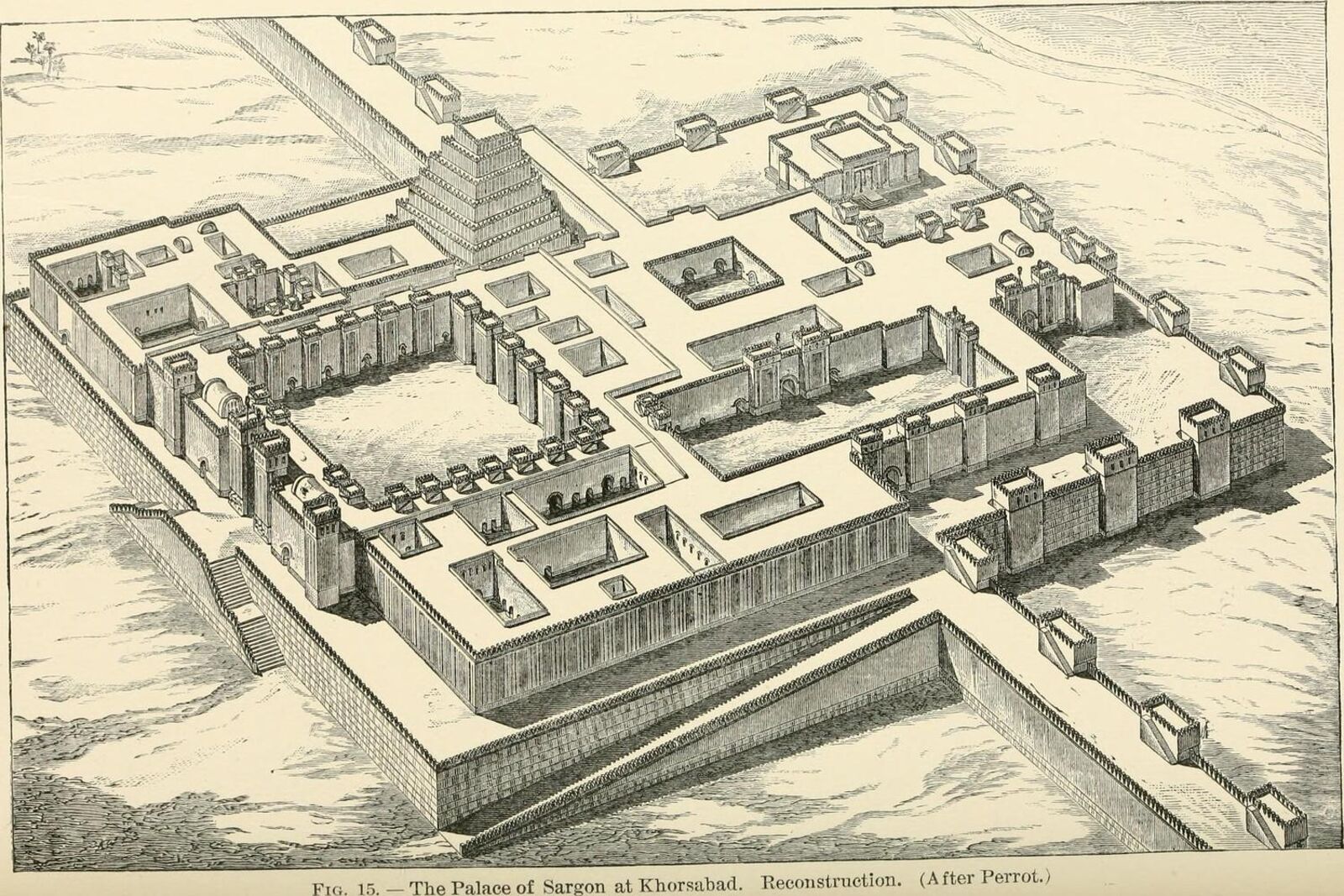
Dating back to 3000 B.C., the ancient Mesopotamians designed courtyards to provide a natural cooling effect in an arid climate.
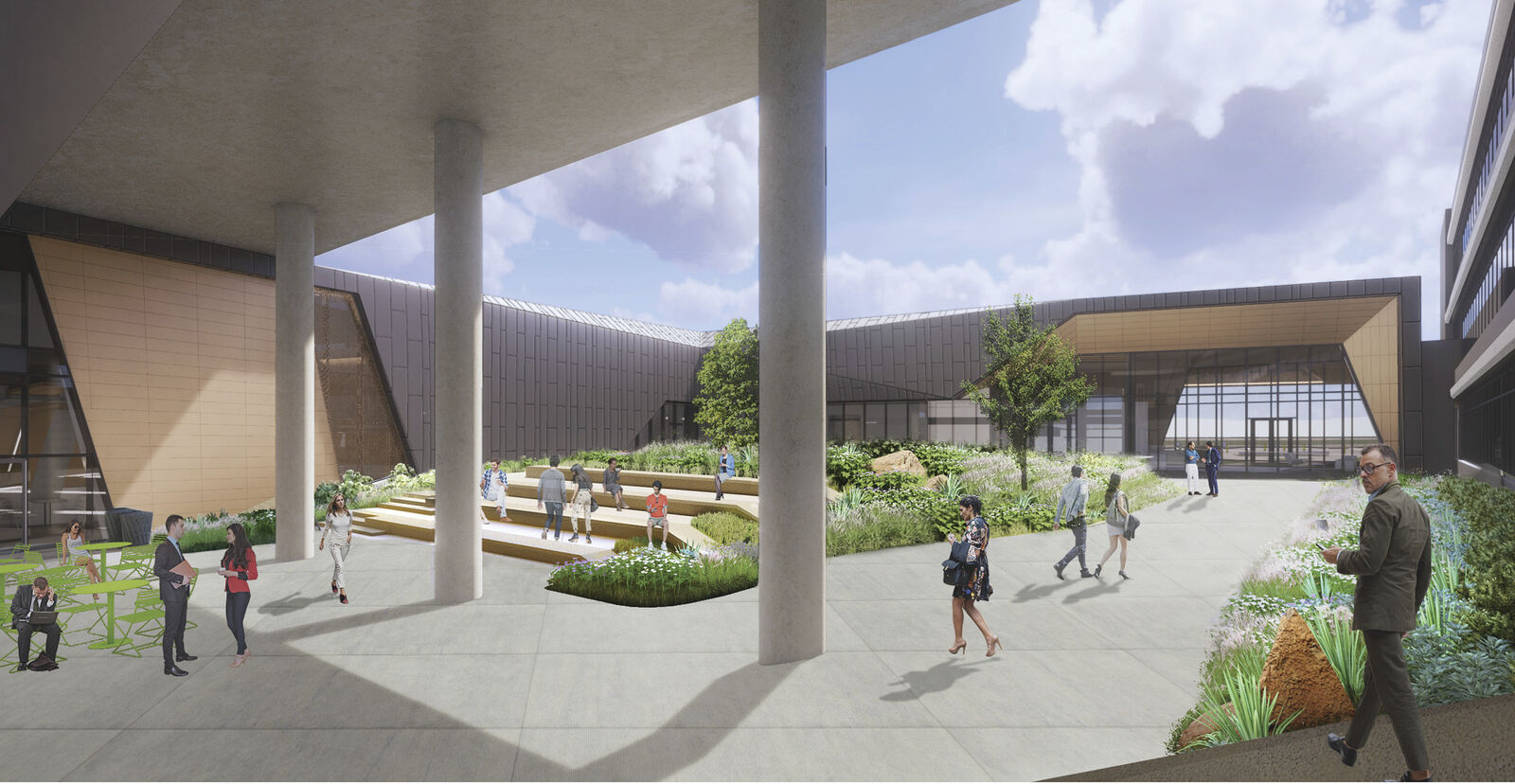
The main courtyard at CARB is established by the architectural form designed to lend itself to easy circulation, views, daylighting, self-shading and features abundant open green spaces that effectively connect employees to the outdoors.
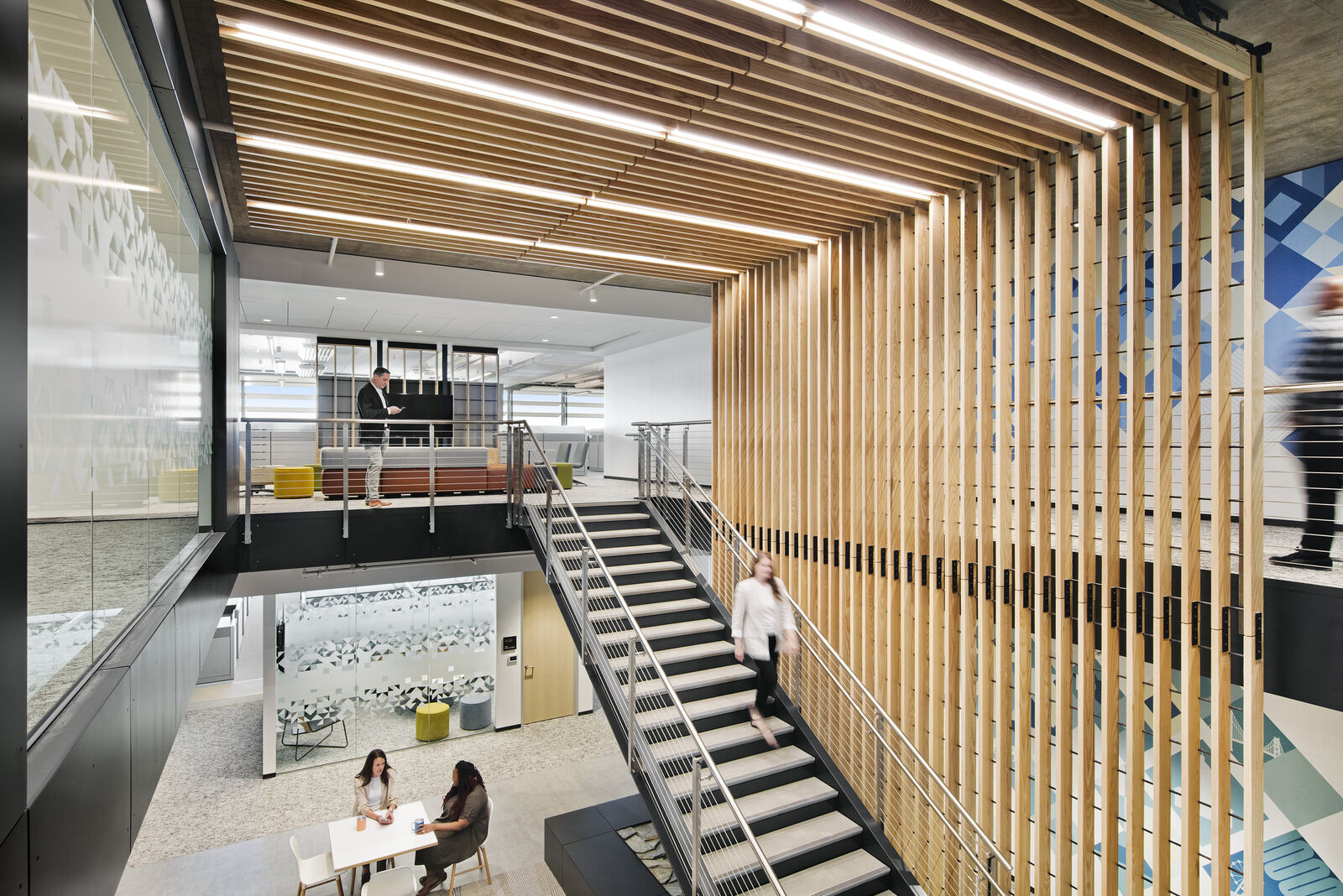
Dynamic circulation strategies and connecting stairs at the California Department of General Services, Clifford L. Allenby Building promotes an active, healthy workplace.
Open Circulation & Reduced Convergence Points
The way people move through a building and where they gather can affect occupant health. An effective strategy for keeping building users well is creating open circulation. For example, an individual taking an open stair is less likely to catch a virus from an infected co-worker than if they were both in close quarters in a crowded elevator.
At the previously mentioned Department of General Services’ new office building in Sacramento, there was a focus on designing for employee wellness, while setting a new benchmark for energy conservation. With that, the design encourages occupants to work in new ways through highly flexible, open-office floor plans that maximize access to daylight and views and promote an active workplace through circulation strategies and active stairs. Two types of accessible stairs--three sets of open stairs connecting two floors and a stair on the west façade that is shaded for solar comfort--allow for office circulation to effectively passes through the stair tower to increase visibility and accessibility.
Touchless Journey
Instead of relying on the limited knowledge we currently have on the human health and environmental impacts of materials designed to ward off illness, we can design spaces that actually limit the amount of human contact with building surfaces needed to navigate through a space. The Phoenix Suns and Mercury’s new training facility was designed with both health and user simplicity in mind to eliminate the need for doors, creating a touchless journey through the locker room. This effectively reduces the frequency in which players and staff are touching the same surfaces, reducing the spread of contagions and providing a powerful solution while safe anti-microbial materials are being researched and developed.
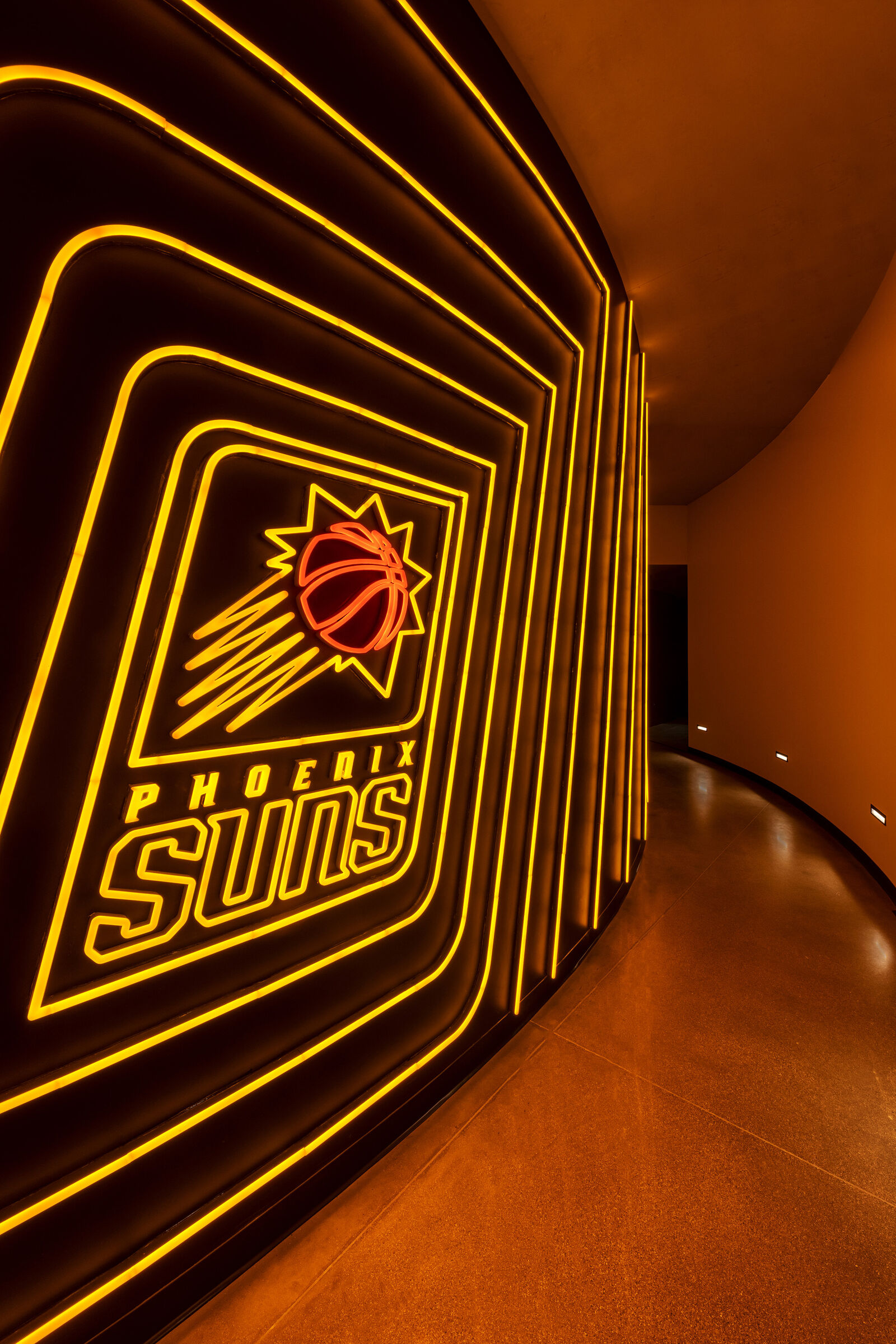
With simplicity and health in mind, the Phoenix Suns' training facility has been designed to offer players and staff a touchless journey through the building—forgoing doors in some areas, with an intentional layering of spaces that afford privacy where needed.
From the benefits to occupant health—which now more than ever could affect tenant retention—to the financial returns building owners gain from investing in carbon-reducing design solutions, designing healthy buildings is simply the only solution for effectively combatting both the public health and climate crises.

Phoenix Suns, Verizon 5G Performance Center
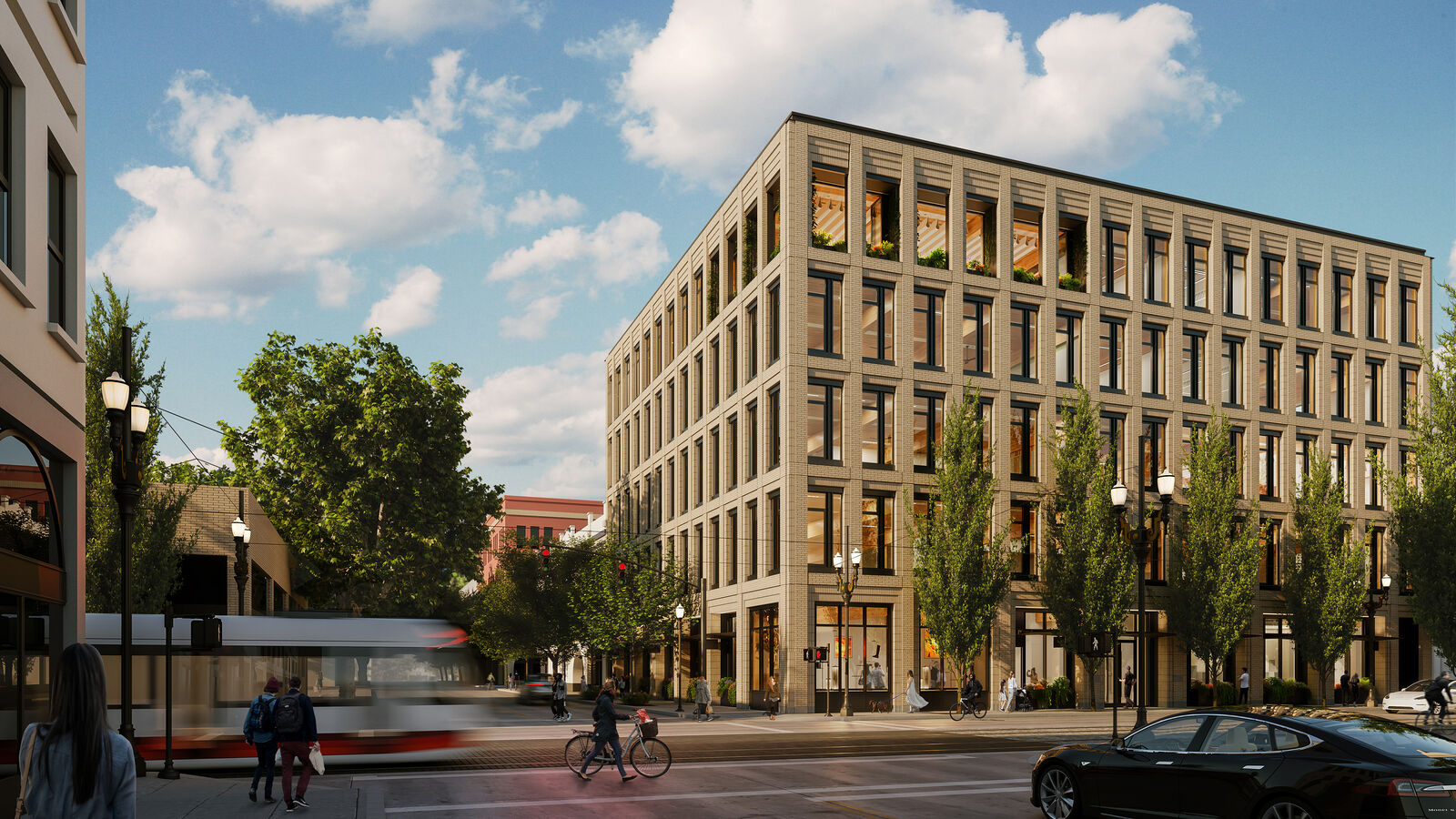
ZGF and PAE Engineers Partner for Portland’s First, and Oregon’s Largest, Living Building
The Facts and Fictions of Post-Pandemic Workplace Predictions
Stanford University, Biomedical Innovations Building for Stanford Medicine