One Craftsman’s Journey from Wooden Boat Construction to Industrial Design
In this latest series of Humans of ZGF interviews, we sat down with the model shop team to learn about their unique career paths into model building and fabrication, the most memorable projects they’ve worked on, and what’s on their bench right now.
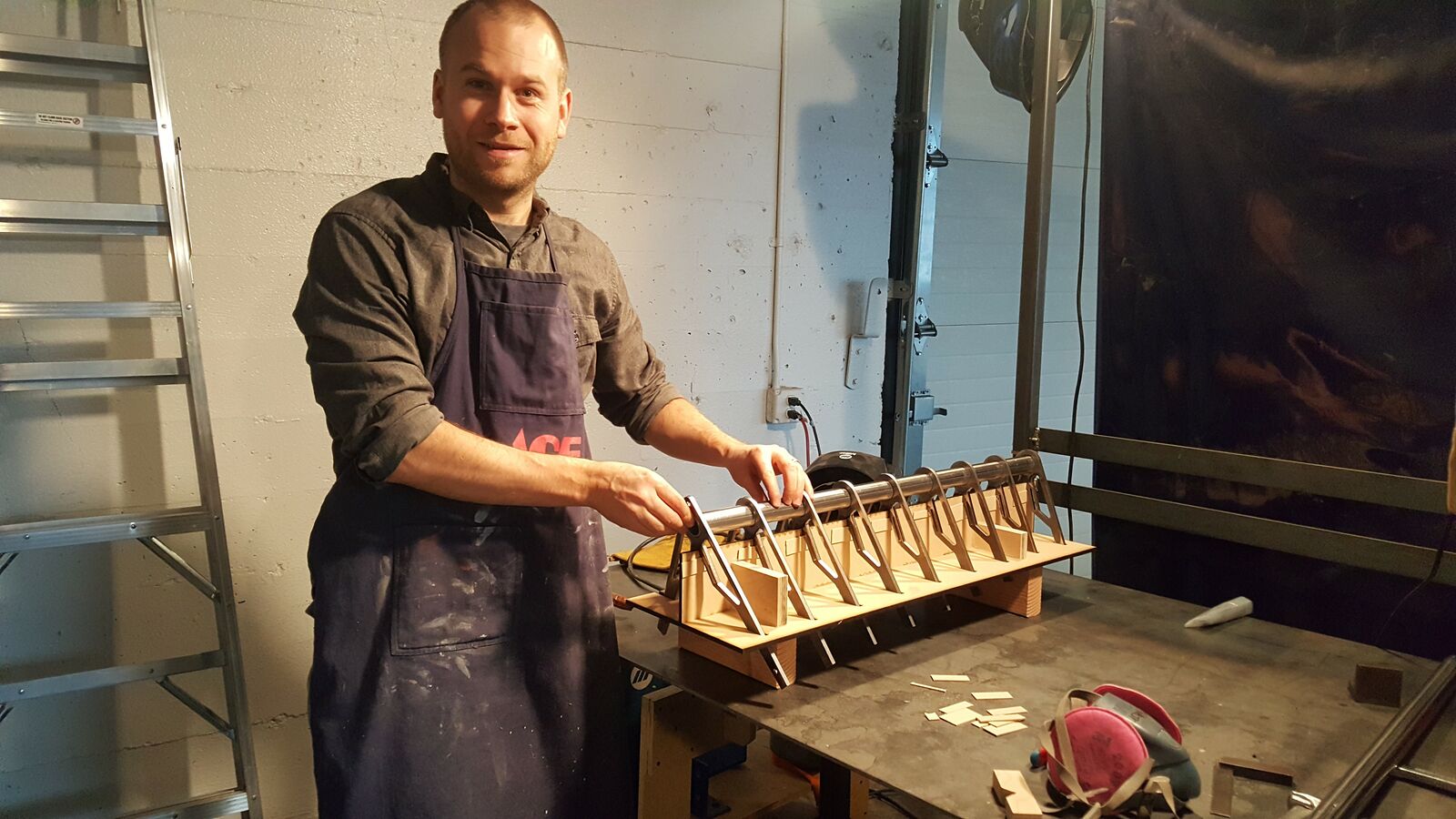
First up, Robin Oglesbee-Venghaus is an associate in our Portland office. Soon after graduating high school, Robin followed a childhood dream and enrolled in the Boatbuilding and Restoration program at the International Yacht Restoration School in Newport, RI. After completing the two-year program, Robin spent the next several years building various all-wood vessels, from 12-foot sailing boats for a summer camp in Maine to a 65-foot wooden ship for the Jamestown Settlement Museum in Virginia. He joined ZGF in 2015 after earning his Bachelor of Industrial Design from Pratt Institute.
At his core, Robin is a problem solver with a deep love and understanding of wood. The model shop benefits from his ability to take a step back and reframe a problem in the most basic terms, often leading to a simple yet elegant solution. Learn more about Robin below.
Why do you love working in architecture and design? For me, it is all about making our daily lives more enjoyable. I love creating physical objects that delight all our senses.
How did you make your way into the model shop at ZGF? Although I am technically part of the model shop group, I am not actually a model builder. I was hired by ZGF to help develop a privacy booth-cum-mobile meeting room as a speculative internal R&D project. We have since licensed the design to a local startup and have received multiple patents. Currently, I am working on pushing the envelope as to what we can build using wood.
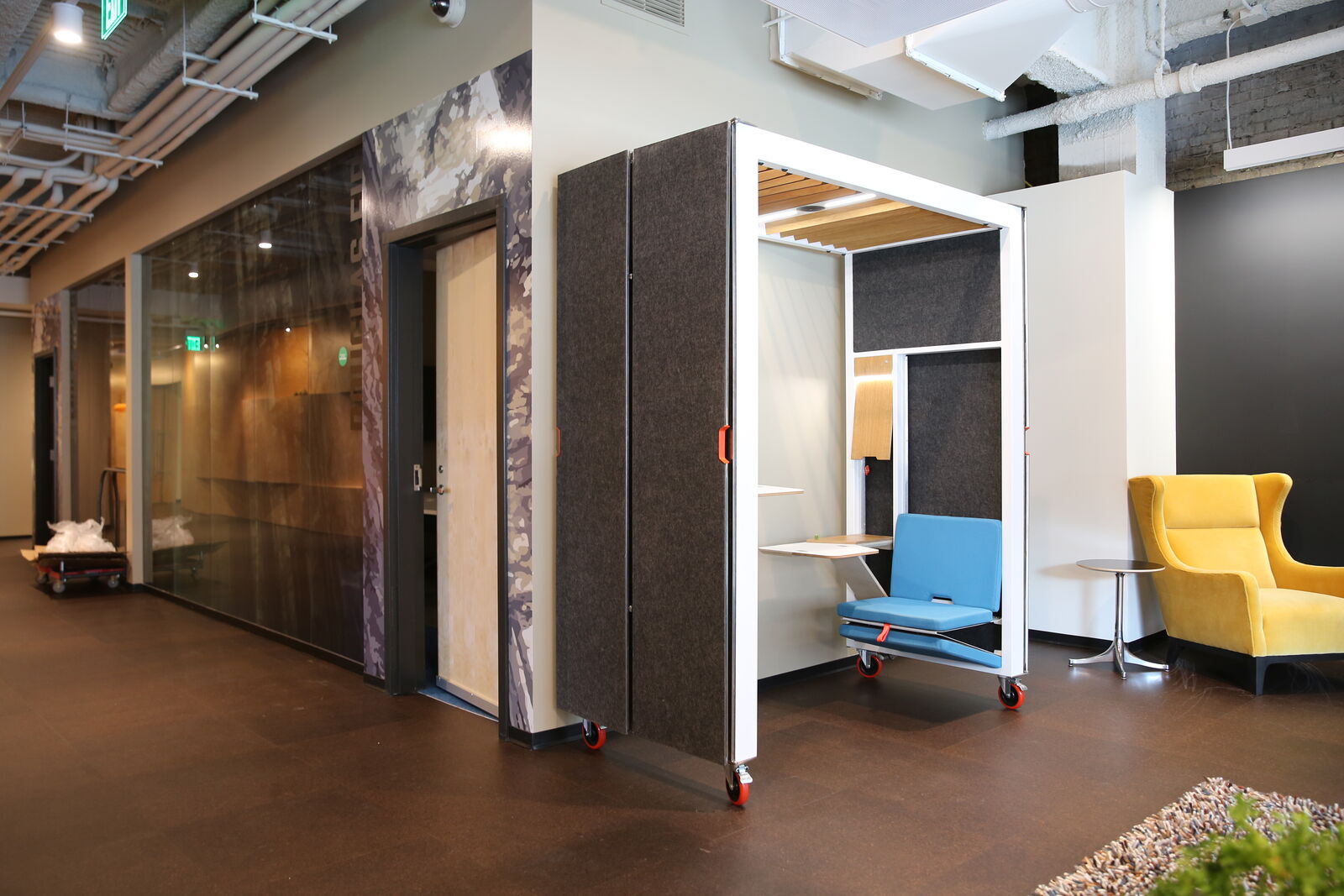
Privacy booth prototype deployed for user testing in a confidential tech client’s Portland office.
What is the most memorable project you’ve worked on? The privacy booth project is the most memorable for me. I was able to collaborate with so many different people inside and outside of ZGF, and the design process utilized my training as an industrial designer. It was also cool to see my name listed as the inventor on a patent! It would be great to find more opportunities to pursue similar R&D efforts within our architectural projects.
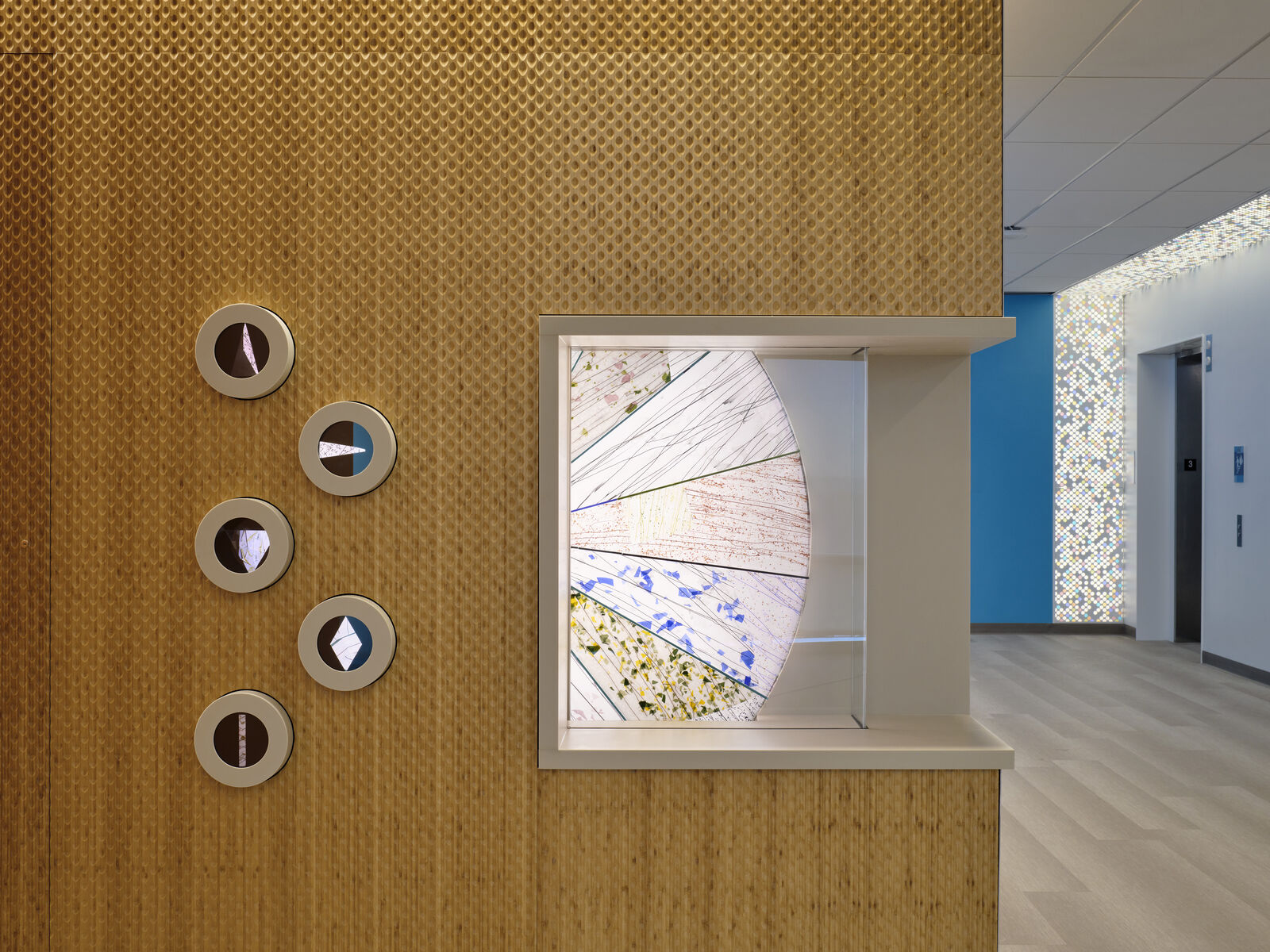
What is the most challenging project you’ve worked on? How did you creatively solve the problem or use it as an opportunity to innovate? I recently worked on a project with a world-renowned kaleidoscope artist. We collaborated on an installation for Cincinnati Children’s Hospital, where we designed and fabricated four large kaleidoscope content wheels, each six feet in diameter, that are viewed through multiple different portholes of varying heights. The content wheels were composed of a mosaic of art glass that needed to be lit from behind. We wanted the content wheels to appear quite thick, but we didn’t have a way to fabricate four-inch thick, six-foot wide fused glass disks. The solution we developed used one-inch acrylic CNC cut to the six-foot diameter shape with a one-inch thick, three-inch tall wall built up on the outer edge. The art glass was then adhered to the acrylic to give the appearance of four-inch thick discs. We made multiple prototypes to test different glues and methods of diffusing the light evenly across the face and edge of the content wheels. Lighting can be a challenge, but we were able to achieve great results through an iterative process.
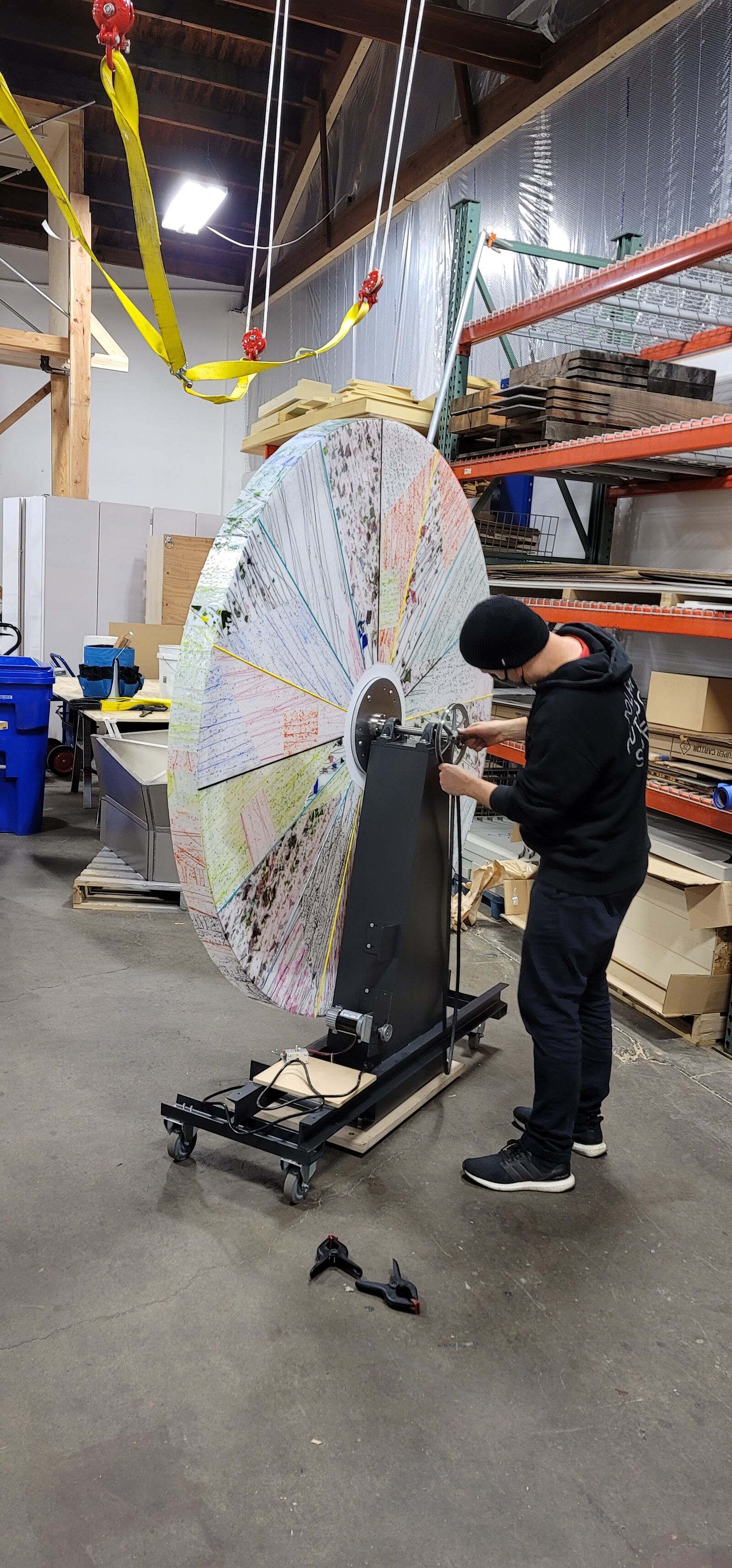
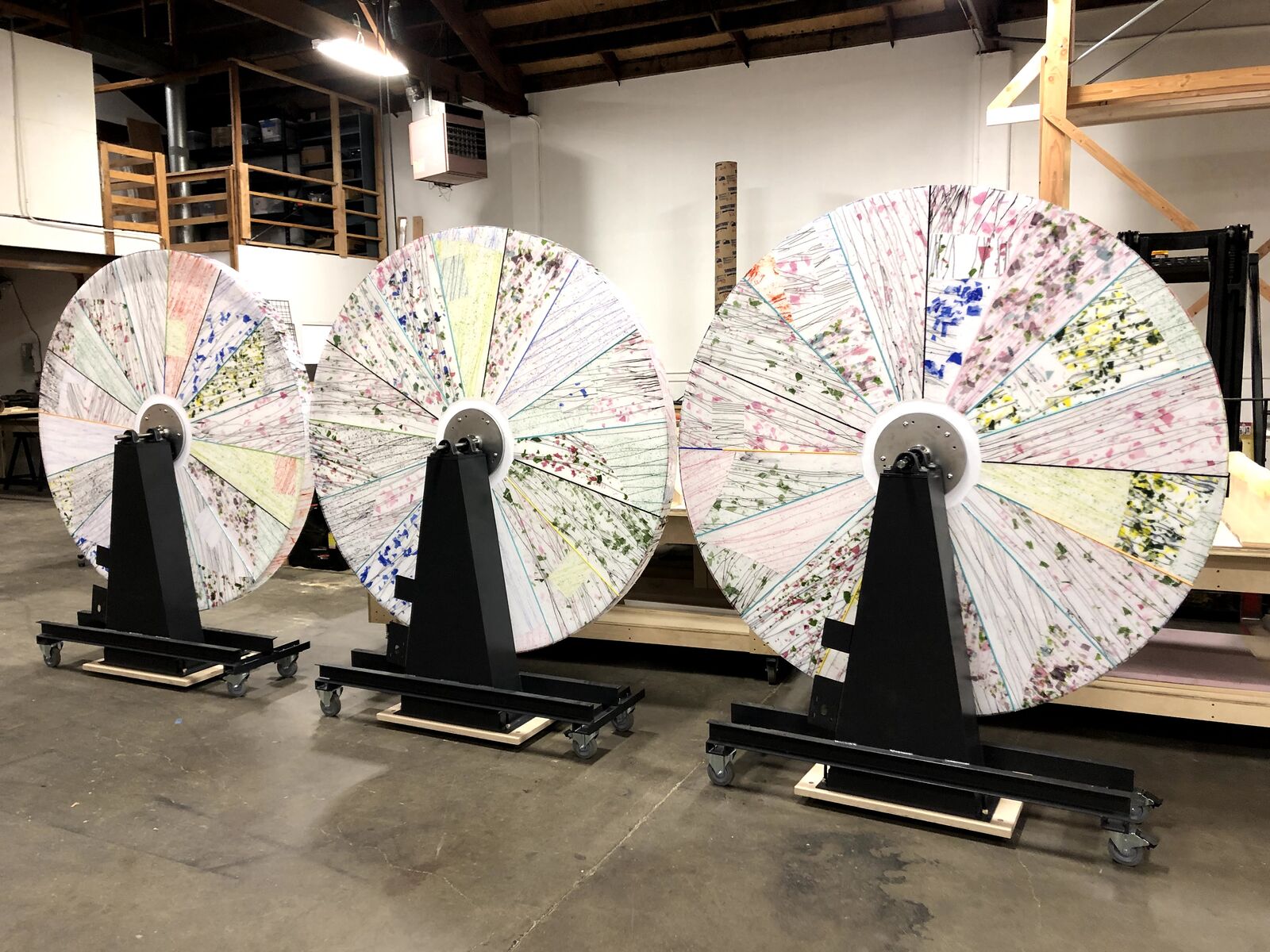
Life-size kaleidoscope content wheels being fabricated in the Portland model shop. The final products were carefully shipped to Cincinnati and installed onsite by our team.
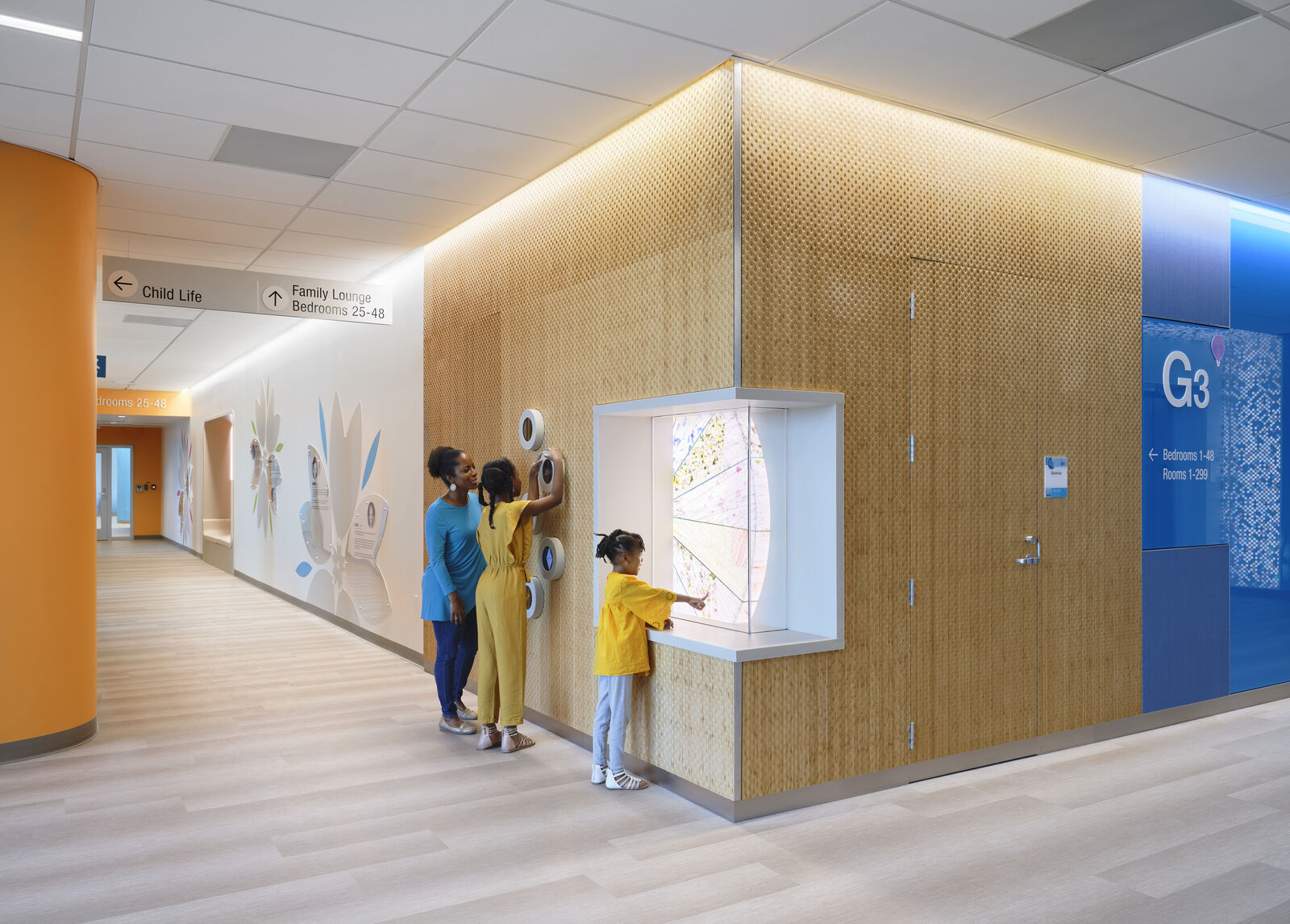
The final result of the kaleidoscope installations, located in the public elevator lobbies of each floor in the new Critical Care Building.
What’s on your bench right now? Right now, I am fabricating a 24” x 35” double curved acrylic dish for part of the Portland International Airport’s Main Terminal Expansion project. We are working with a manufacturer to produce what we are calling an “Integrated Tech Pole,” or ITP for short. The idea behind the ITP is to combine all the various tech components that are usually plastered all over the walls and ceilings of an airport into one elegant solution that resembles a light post. The manufacturer is in the process of fabricating a final mockup of the ITP, but they are unable to find a partner to mockup up the curved acrylic dish that is specified for the top of the pole. We recently acquired a large CNC router at our offsite shop in Portland, so I am using it to create a mold that I will use to thermoform the acrylic dish over. The acrylic dish I fabricate will be used to evaluate the design with the client and then a manufacturer will be found for the final product.
What are your hobbies outside of work? I love working with wood and getting out in nature with my family.
Anything else? I recently traveled to West Palm Beach, Florida to dedicate a sculpture that I designed for the Kravis Center for the Performing Arts, in honor of the center’s top donors. The dedication ceremony was originally planned for April 2020 but was delayed due to the Covid-19 pandemic.
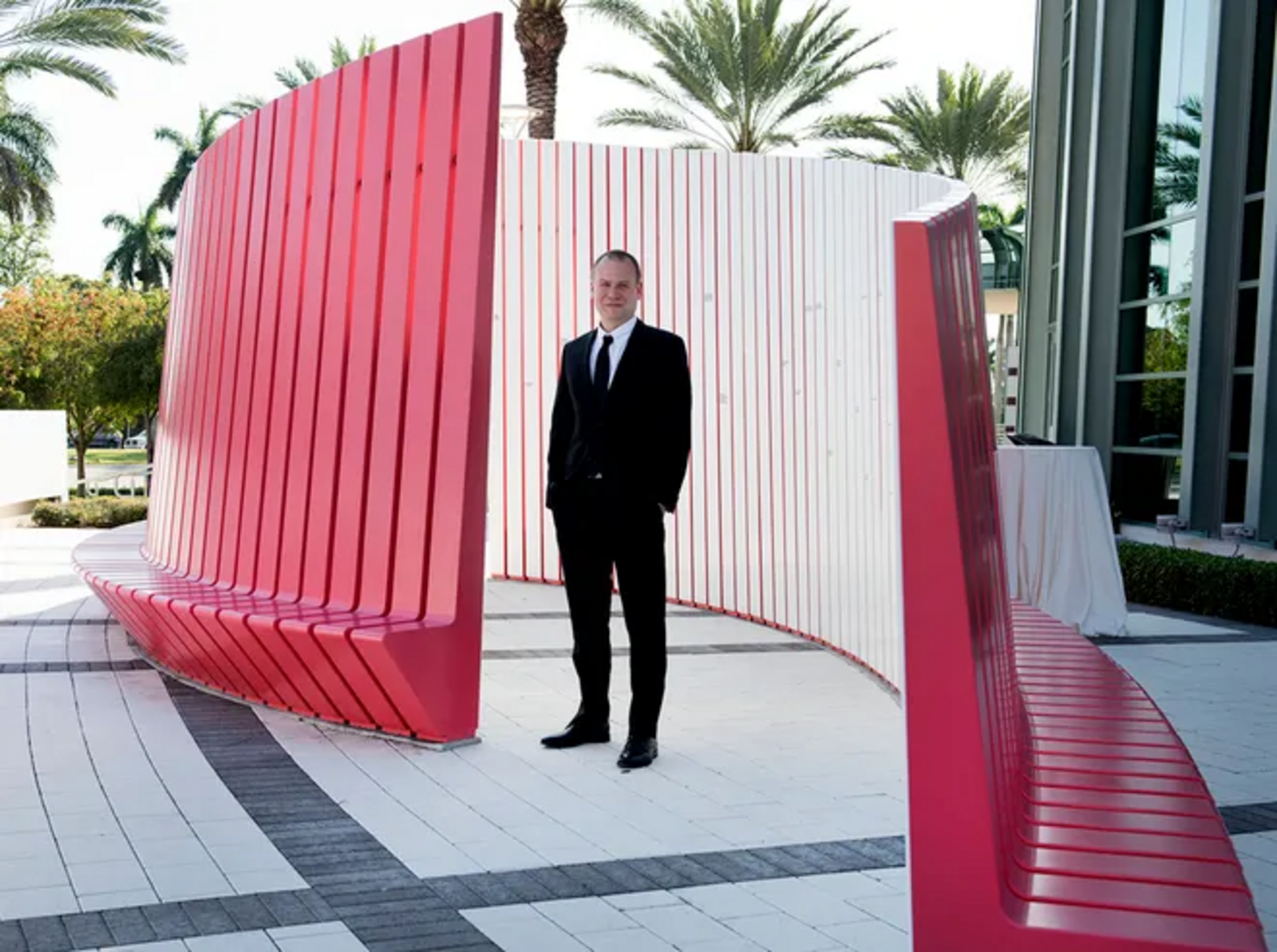
Robin with his sculpture, “Embrace,” at the recent dedication ceremony. (Photo credit: Meghan McCarthy/The Palm Beach Daily News)
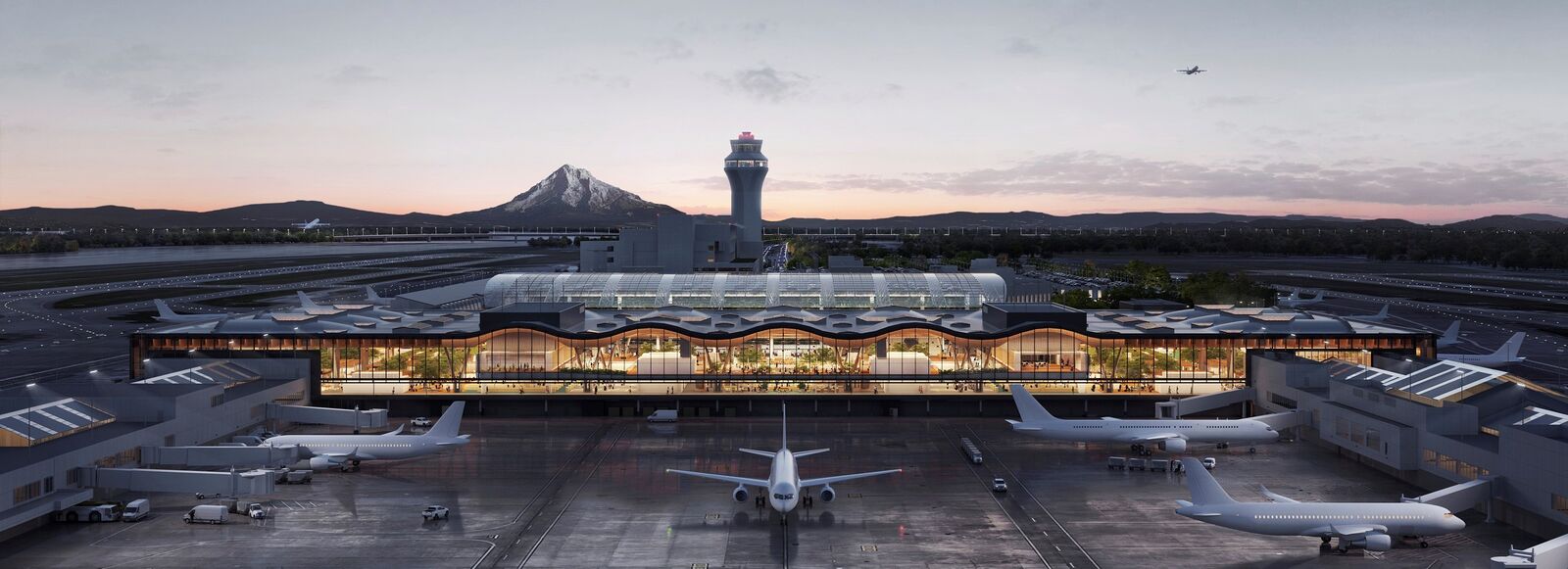
Port of Portland, PDX Airport Main Terminal Expansion
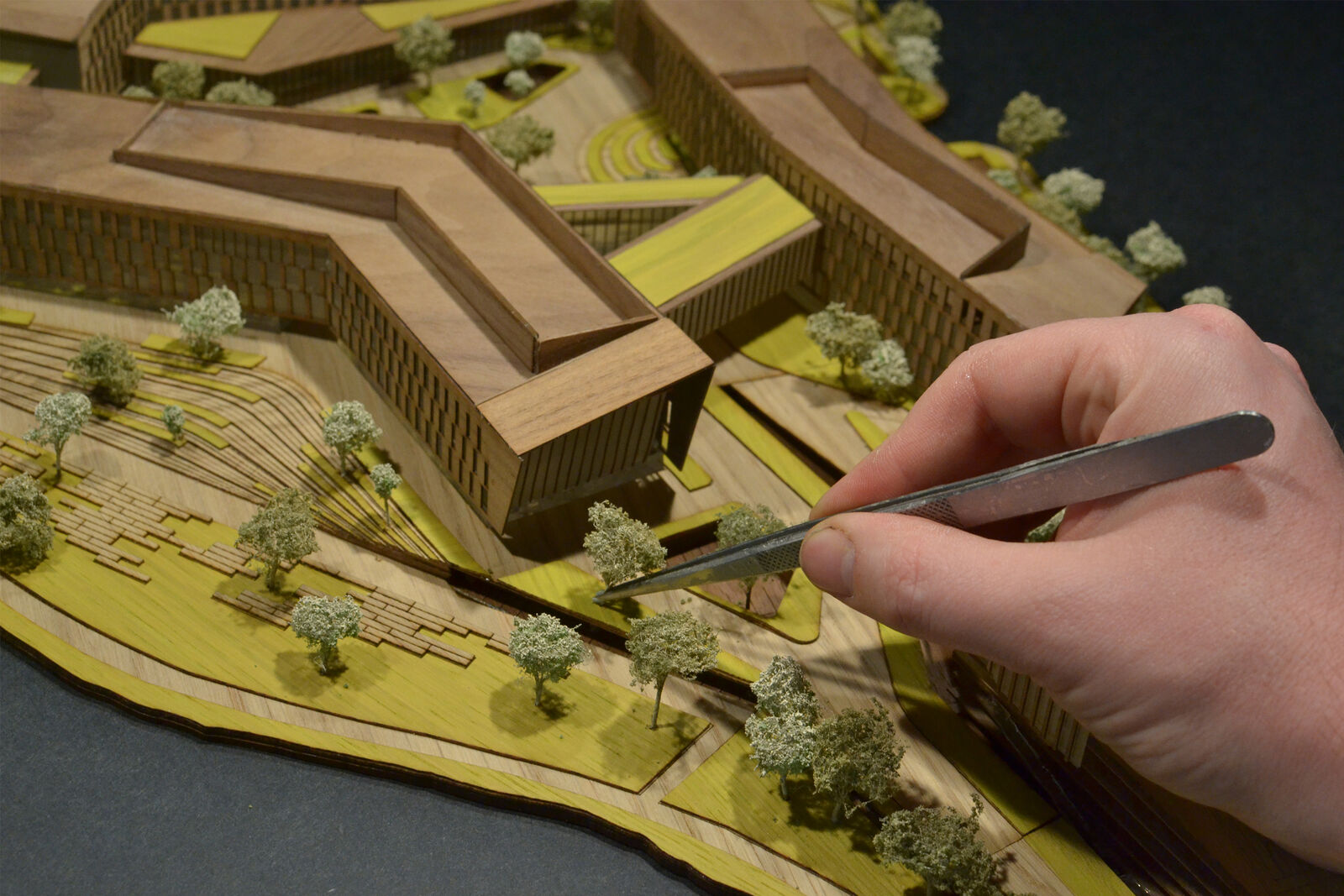
Imagineering New Possibilities in Architectural Model Building
One Model Builder, A Thousand Miniature Cars
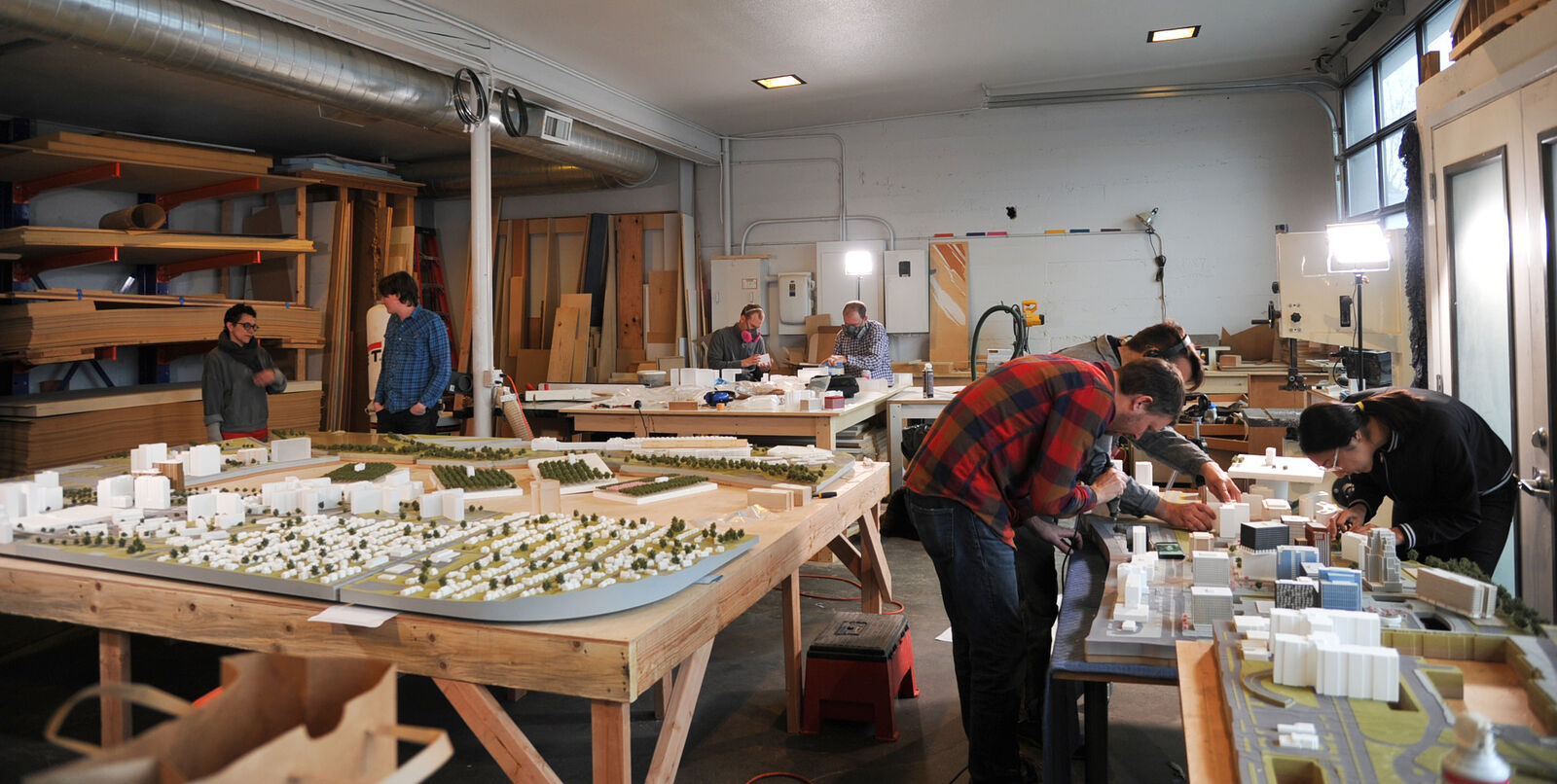
Growing the Maker Community at ZGF