A Model Mastermind Follows in Her Family's Footsteps
In this latest series of Humans of ZGF interviews, we sat down with the model shop team to learn about their unique career paths into model building, the most memorable projects they’ve worked on, and what’s on their bench right now.
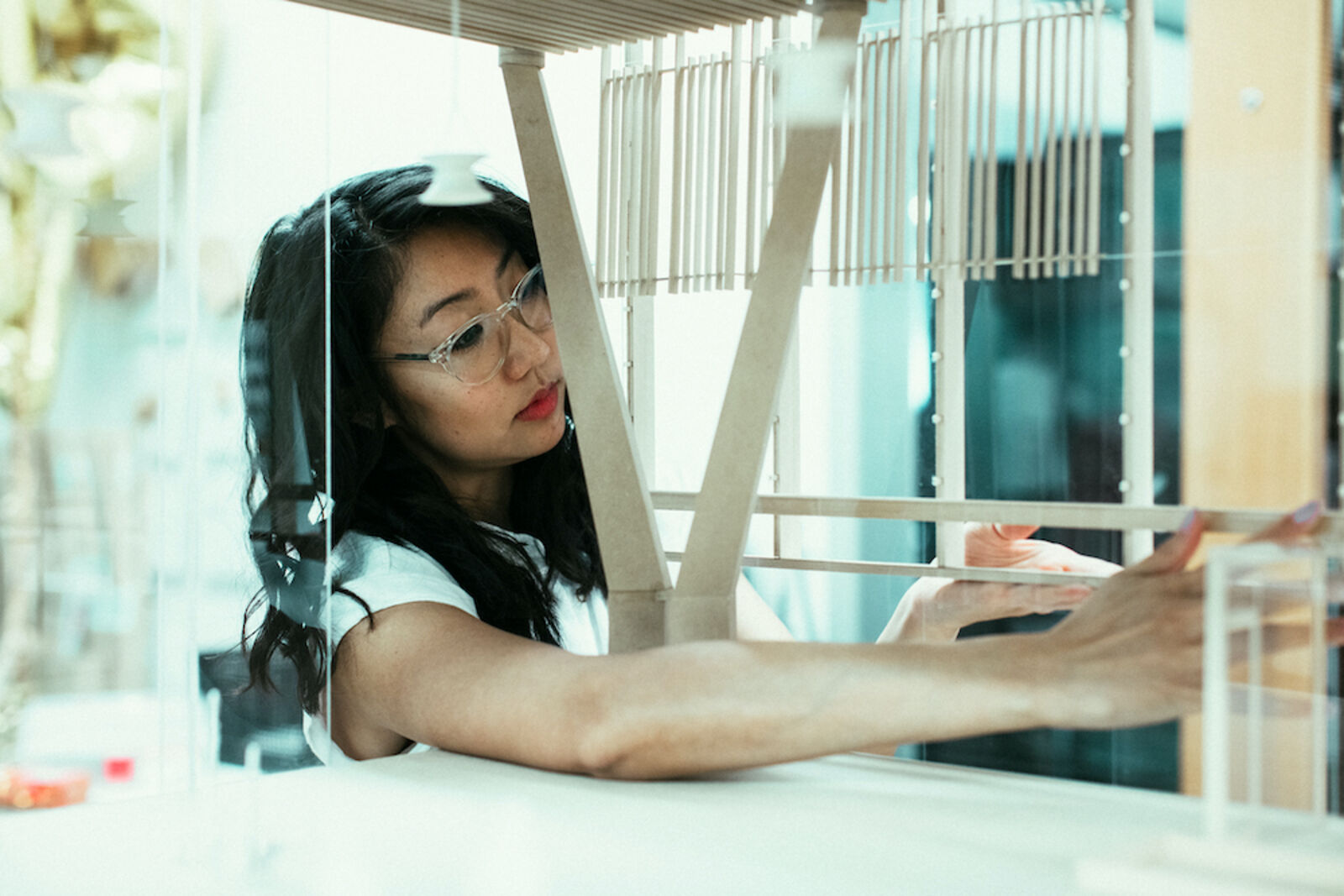
Talisa Shevavesh is an expert at navigating the tangled web of project deadlines, logistics, vendors, and production, and along the way she has developed a love for fabrication down to the 200th of an inch. As a model builder in our Portland office, she has mastered the ability to translate abstract ideas into built objects that are crafted to tell stories and sell concepts. Learn more about Talisa below.
Why do you love working in architecture and design? I love the saying, “good design is invisible,” but the longer I work in the industry, the more I can see how much of an impact design has on our everyday life. Design is like magic in that it translates intangible concepts like health, playfulness, and joy into tangible features like walls, stairs, and finishes. I have such strong appreciation for the built environment now having seen how much work and how many decisions go into making someone feel good without fully realizing why. It’s an honor to be part of the process and to be trusted to make those decisions.
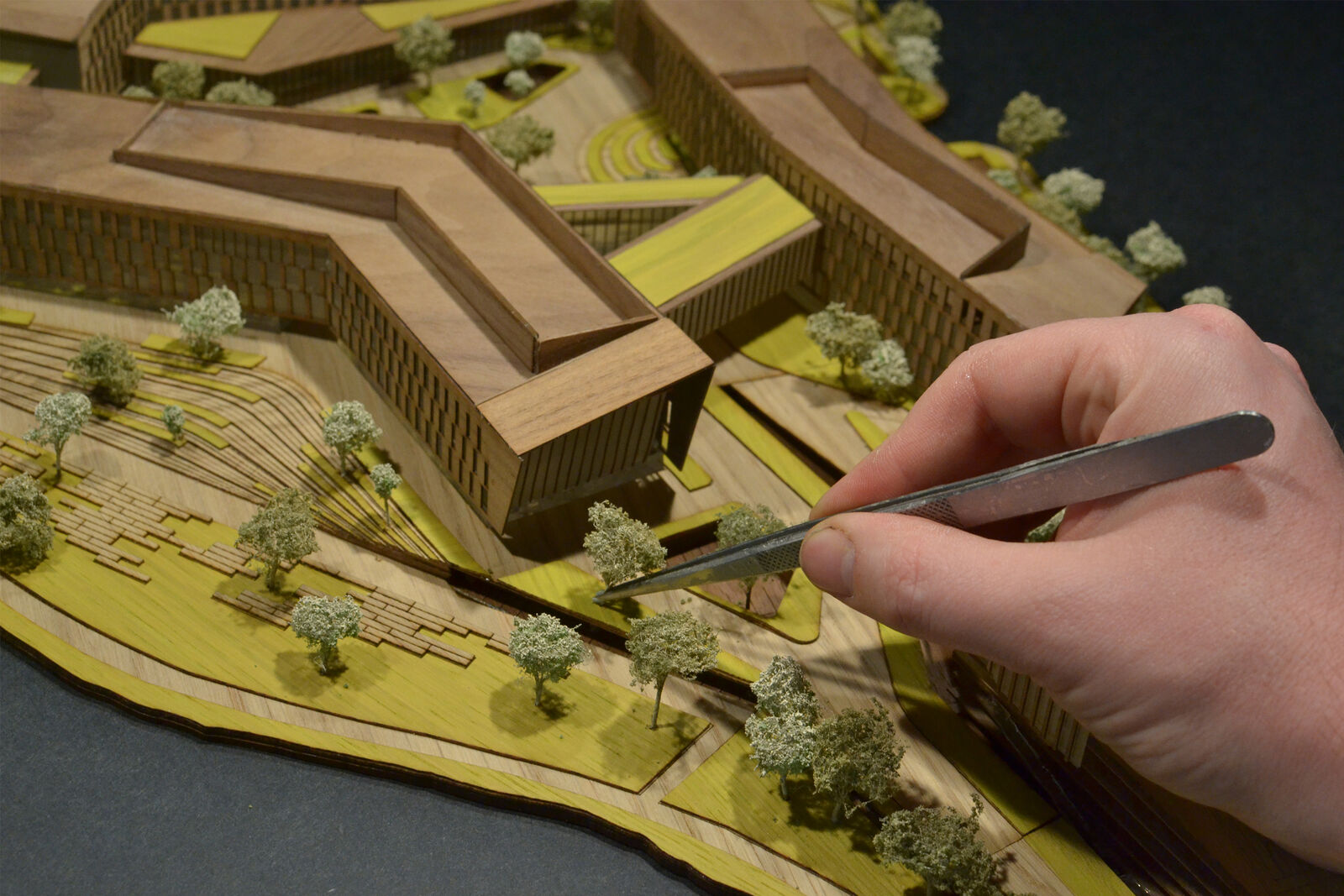
How did you make your way into the model shop at ZGF? Both of my parents are model makers. As a kid, I worked in their shop helping my dad build models while my mom handled the scale landscaping (fun fact: most of the trees used in ZGF models are made by my mom!). I was inspired by them to study architecture and was introduced to ZGF and the model shop during grad school at University of Oregon, where I studied architecture and fabrication. I always loved building things, so I took the opportunity to join as a 30-day temp to help finish a model, and six years later I’m still here!
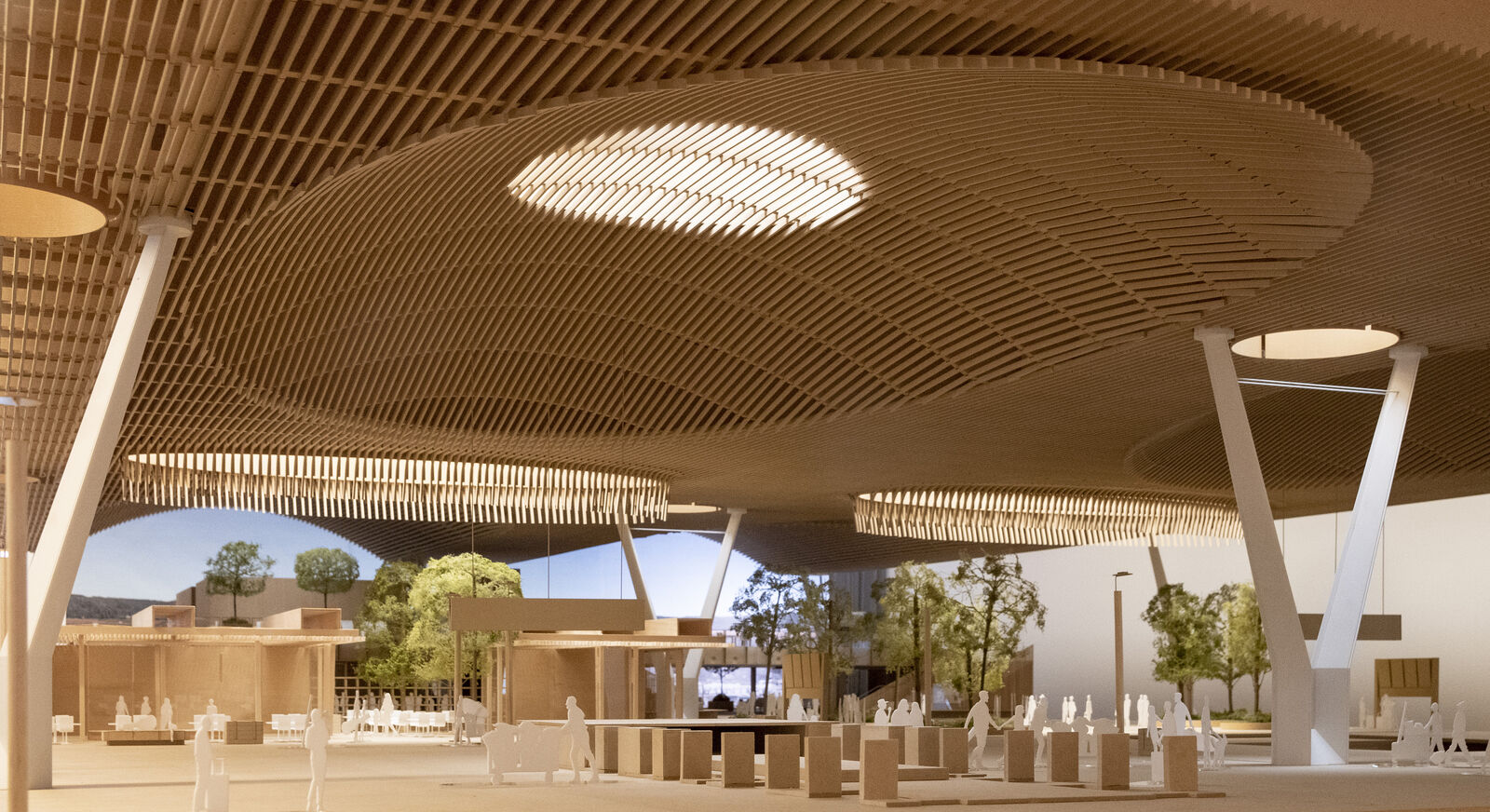
Her largest project to date, the Portland International Airport Main Terminal Expansion model measured an impressive 20 x 30 feet and took months of meticulous work to design and build to-scale. Image Courtesy: Port of Portland.
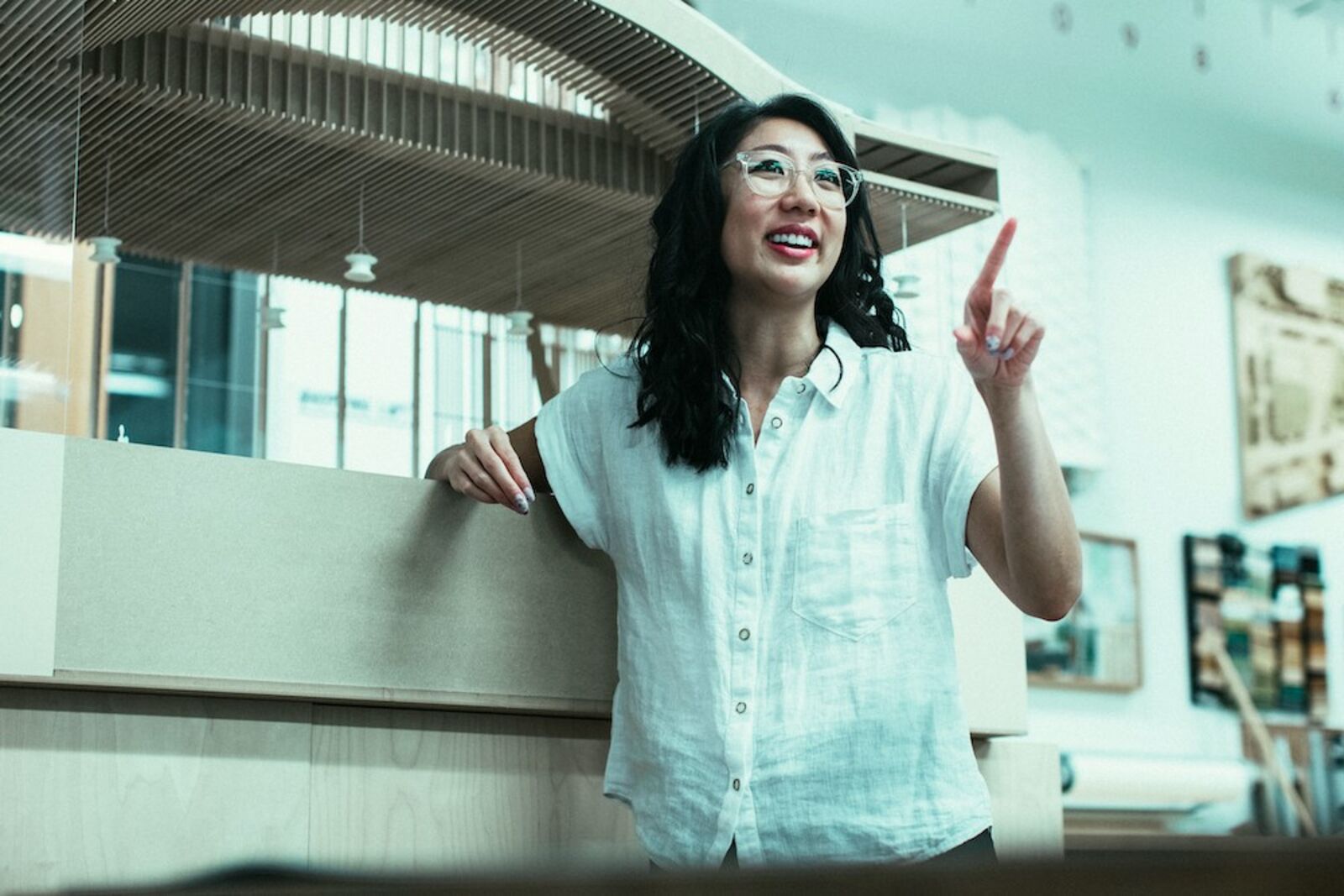
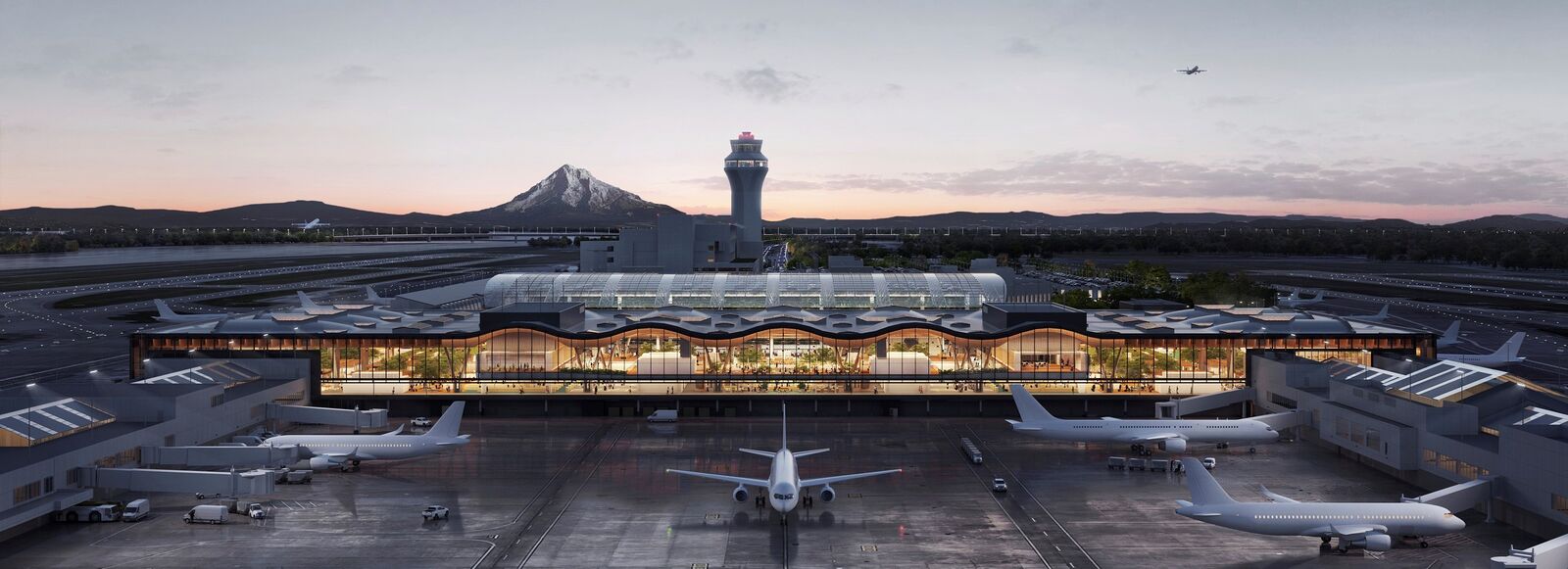
An early iteration of the Portland International Airport New Main Terminal model showcases the relationship between the roof and the facade. Talisa was interviewed for her work along with ZGF Partner Gene Sandoval in a PDXNext.com feature. Image Courtesy: Port of Portland.
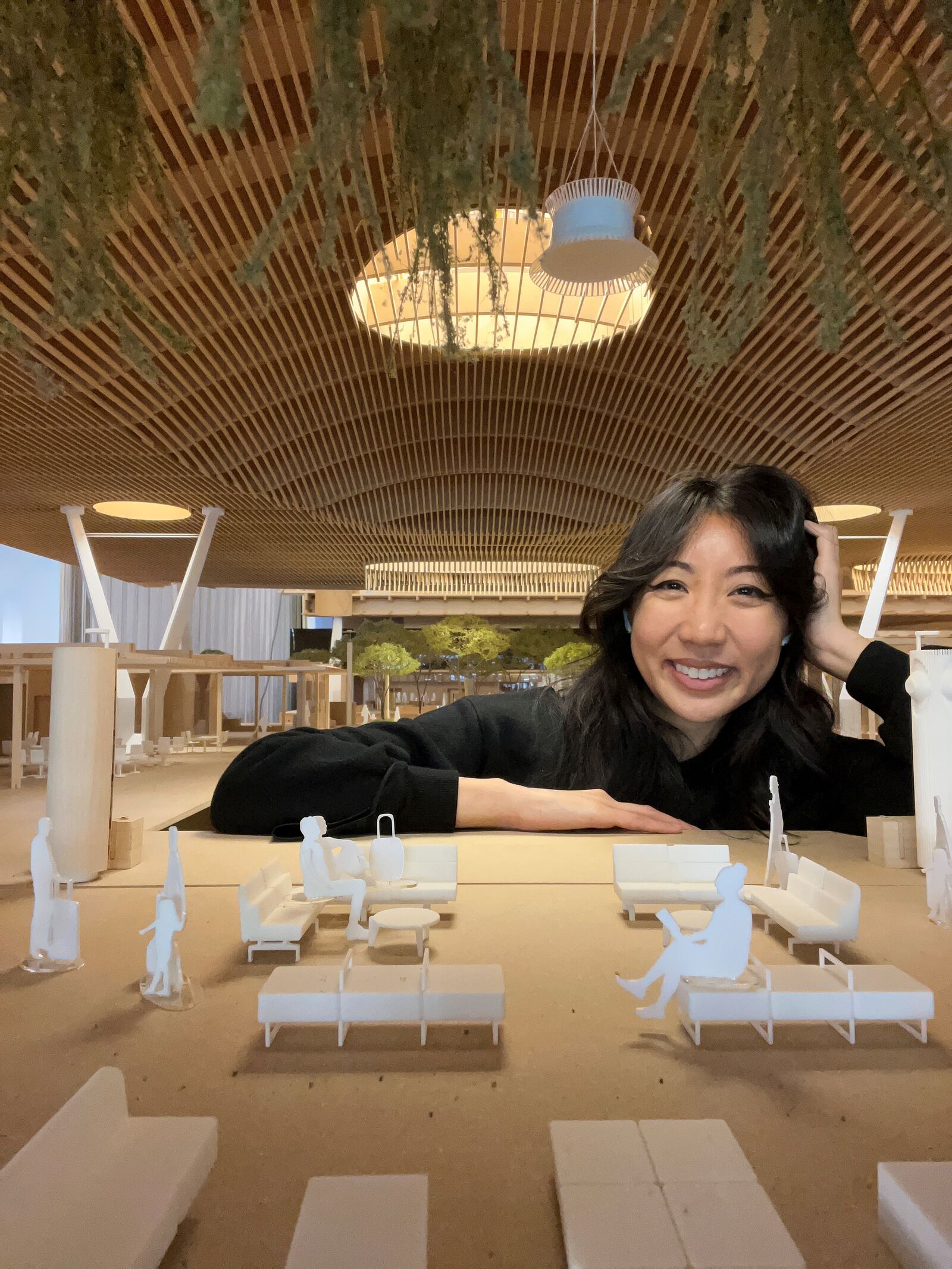
What is the coolest project you’ve worked on? Definitely the Portland International Airport New Main Terminal. Both designers and model builders were given so much freedom to explore design decisions and were encouraged to understand them more holistically. We used models to understand not only how the building would look and how it would be built, but also to understand how it would feel. We took models outside to see how sunlight entered the space, built models big enough to crawl inside of, and laid on the floor to look up at a model’s ceiling. We truly left no stone unturned in terms of what we were able to build and study, and I think the project is richer because of it. From large models of the mass timber roof structure to tiny models of trash cans, it was fun to build different elements of such an expansive space. It cemented my belief that design is better when model building is part of the process and that working with your hands deepens your connection to your spatial understanding. The airport is also such a public and well-loved piece of Portland, having all the insider knowledge of the changes to come has been awesome.
What is the most challenging project you’ve worked on? How did you creatively solve the problem or use it as an opportunity to innovate? Also the Portland International Airport. Building the sheer volume of models of all the different elements in real time, as they were still being designed, was a challenge in and of itself. The opportunity came from how we changed our work strategy to be more collaborative rather than just focused on “finishing” a model. My role was to help the designers understand their own ideas by bringing them into the real world. Sometimes they were fully fleshed out, but more often they were sketches with inspiration images. The longer I worked with the team and the more familiar I became with the project’s details, the more I was able to discuss my discoveries—interesting opportunities, clashes between elements, structural issues, changes made to one element that weren’t updated in another—and be more involved in the design progress. Models are understood and digested differently than renderings, floor plans and elevations, and the opportunity to bring designers into that process really helped them form deeper connections to the work that they do.
What’s on your bench right now? A bag of mixed nuts and a big water bottle. You need fuel to work fast.
Outside the model shop we’ll likely find you… In the kitchen learning how to cook. You’d think the knife skills would transfer, but that hasn’t proven to be the case.
Dog or cat? Dog personality, but cat levels of maintenance.
Favorite TV/movie character? Elle Woods from Legally Blonde.
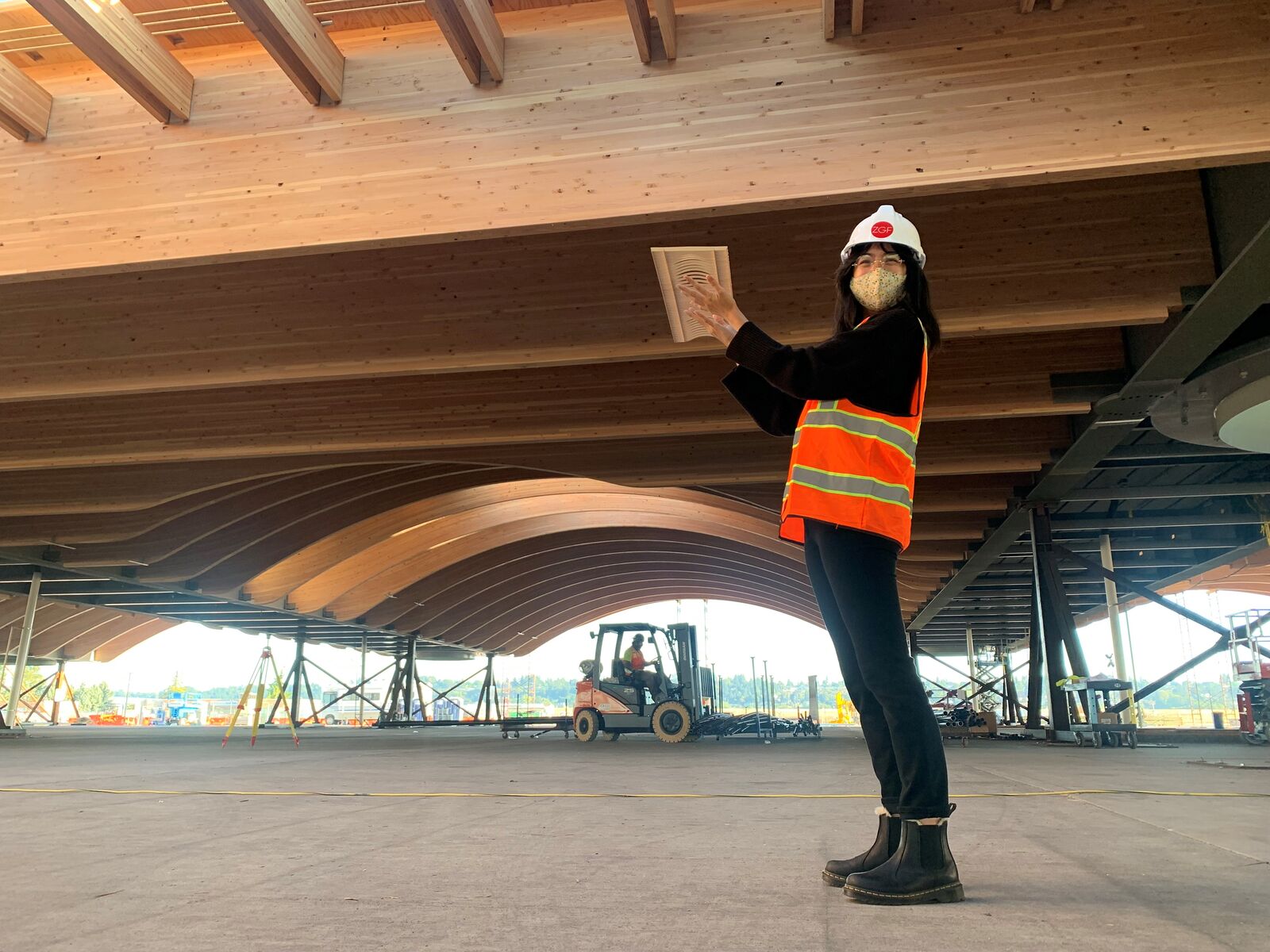
Talisa onsite at the Portland International Airport prefab yard, seeing the expansive mass timber roof being built firsthand, and holding a 1/32” scale model of the roof from years prior.
Imagineering New Possibilities in Architectural Model Building
One Model Builder, A Thousand Miniature Cars
One Craftsman’s Journey from Wooden Boat Construction to Industrial Design
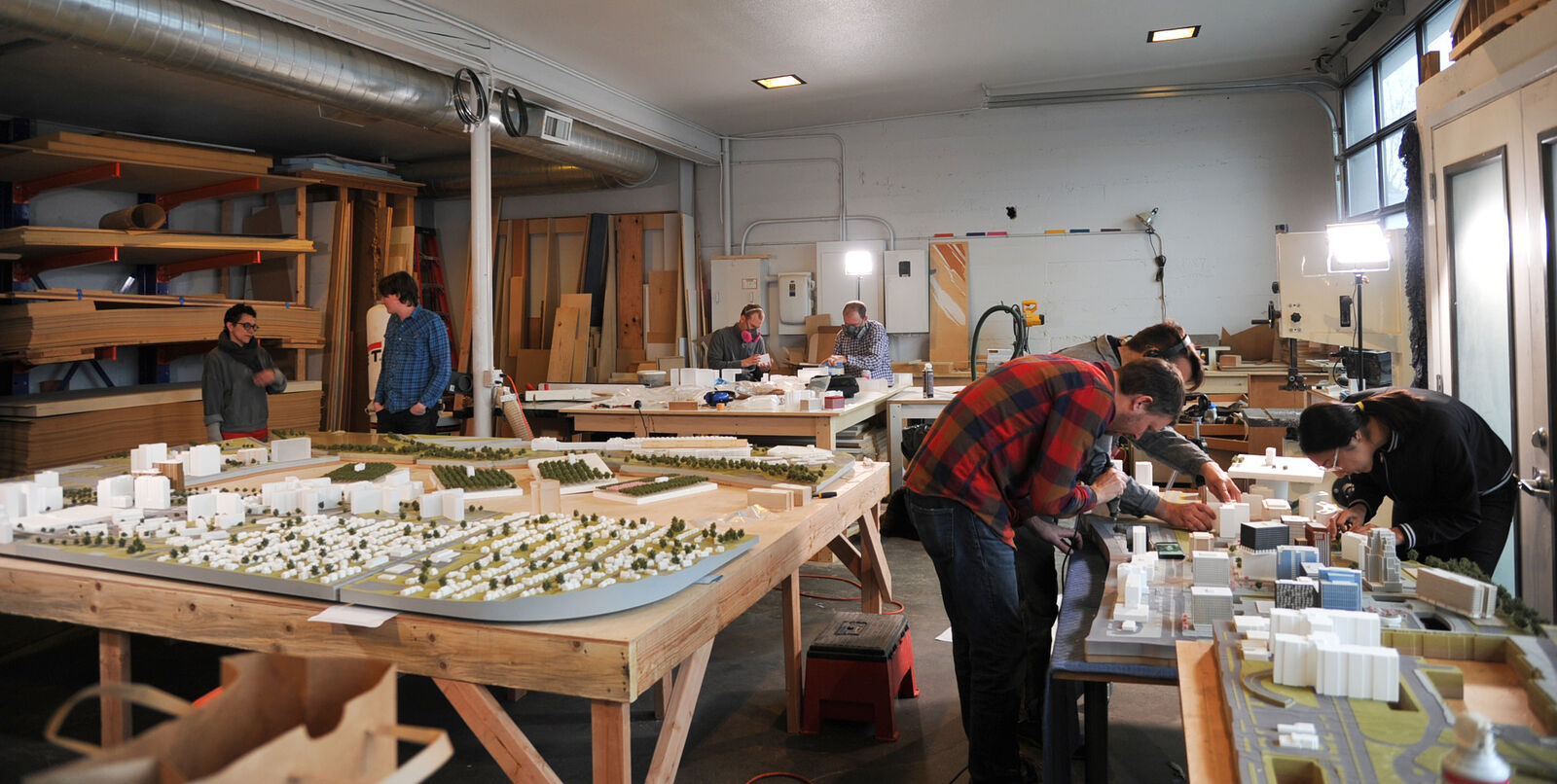
Growing the Maker Community at ZGF