
2024: A Pivotal Year for Climate Innovation
What is the most exciting design solution or sustainable impact area that you’re excited about in 2024?
We asked sustainability leaders across the firm about the solutions and innovations that are inspiring their work. Below they share their excitement and vision about the impactful design interventions that are ushering in a new climate architecture. These ideas, set to shape our buildings and cities in the years and decades ahead, reflect a deep commitment to environmental stewardship and a passion for reimagining the spaces we inhabit.

“I’m most excited about the collaborations that are emerging around holistically responsible materials. One shining example is how leading organizations (AIA, ILFI, IWBI, USGBC, and mM) are joining forces to align around the Common Materials Framework, a data ecosystem with a common language and foundational structure. It’s unprecedented the way that these partners are coming together to support the aligned manufacturer signal that will transform the building products marketplace to a place where sustainable materials are the norm and not the option. In 2024, I’m looking forward to saying “goodbye” to what has been a fragmented and difficult path for owners, designers, manufacturers, and contractors.”
Lona Rerick, Principal, Portland
“One of our areas of research is focused on Biodiversity, exploring how we can meet society's needs without breaching the Earth’s ecological boundaries. My interest in biodiversity is driven by deep curiosity paired with two of our key pledges: the AIA Material Pledge and US Architects Declare. My colleagues and I are pushing to specify ethical materials and explore tools and frameworks that help us quantify what good looks like, all while reminding us why protecting Biodiversity—not just this year but every year— is of vital importance to our shared future.”
Arathi Gowda, Principal, Washington D.C.
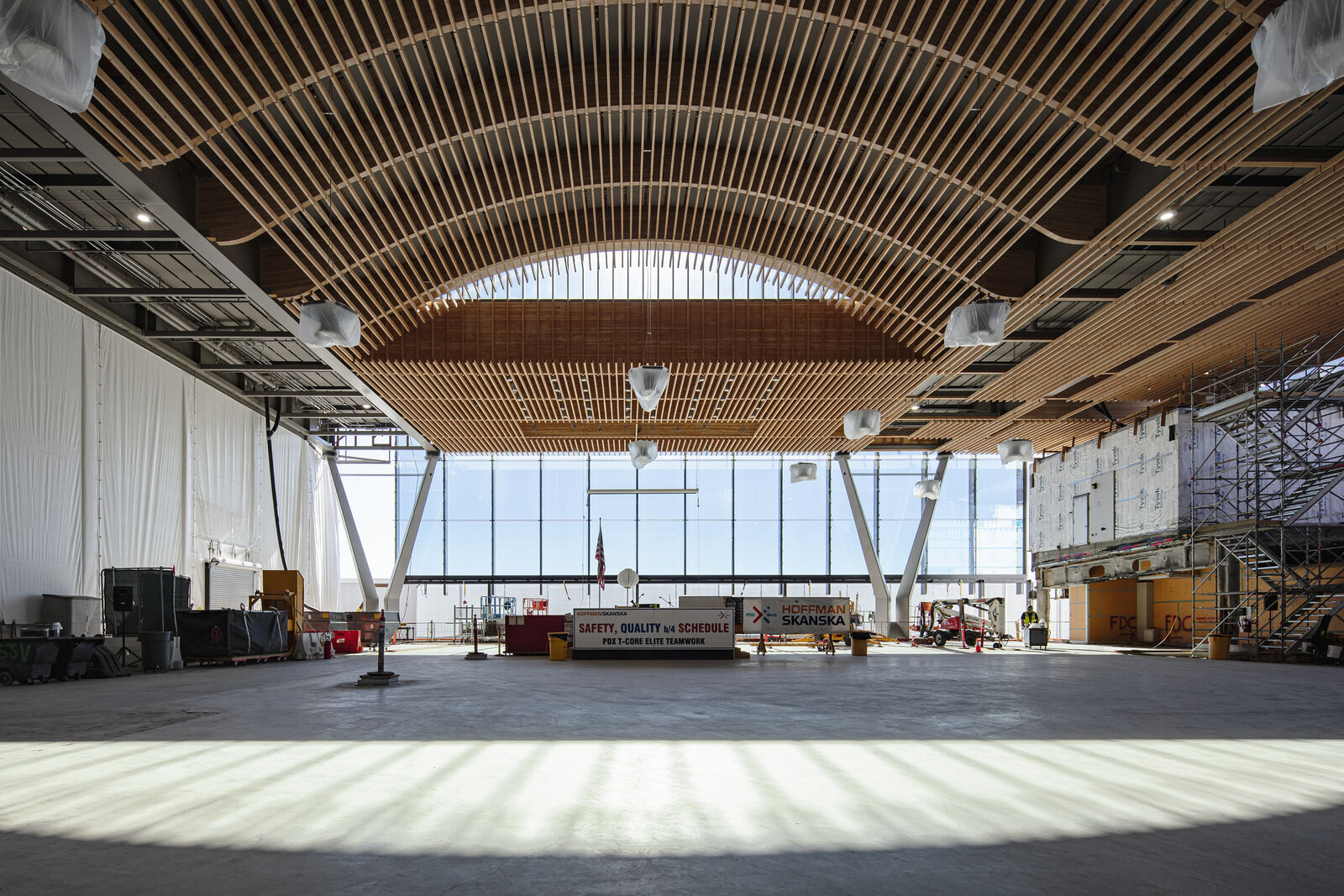
"I’ve spent the past several years doing a deep dive into sustainable timber sourcing for Portland International Airport’s main terminal expansion and its 9-acre wood roof. 2024 will be a big year—when the terminal opens in May, it will serve as an inspirational example of the rootedness that is possible with a regional architecture that embraces the sustainability and equity of its supply chain. From here, I’m excited to continue creating pathways that can be repeated in every future project that wants to answer the question “where does your wood come from?”
Jacob Dunn, Principal, Portland
"The coming months and years will be pivotal for integrating resilient design solutions into the built environment. Our ability to adapt and respond to hazard events—whether natural or man-made—depends on it. With my colleagues, I’m committed to implementing resilient strategies into our projects so that our designs provide strength for our communities now and in the long-term. In 2024, I’m most excited to help develop ZGF’s internal Resilience Plan while continuing to refine and share more tools and resources that our project teams can use to consider a variety of impacts and ensure increased resilience for our clients.”
Isabelle Arnold, Principal, Washington D.C.
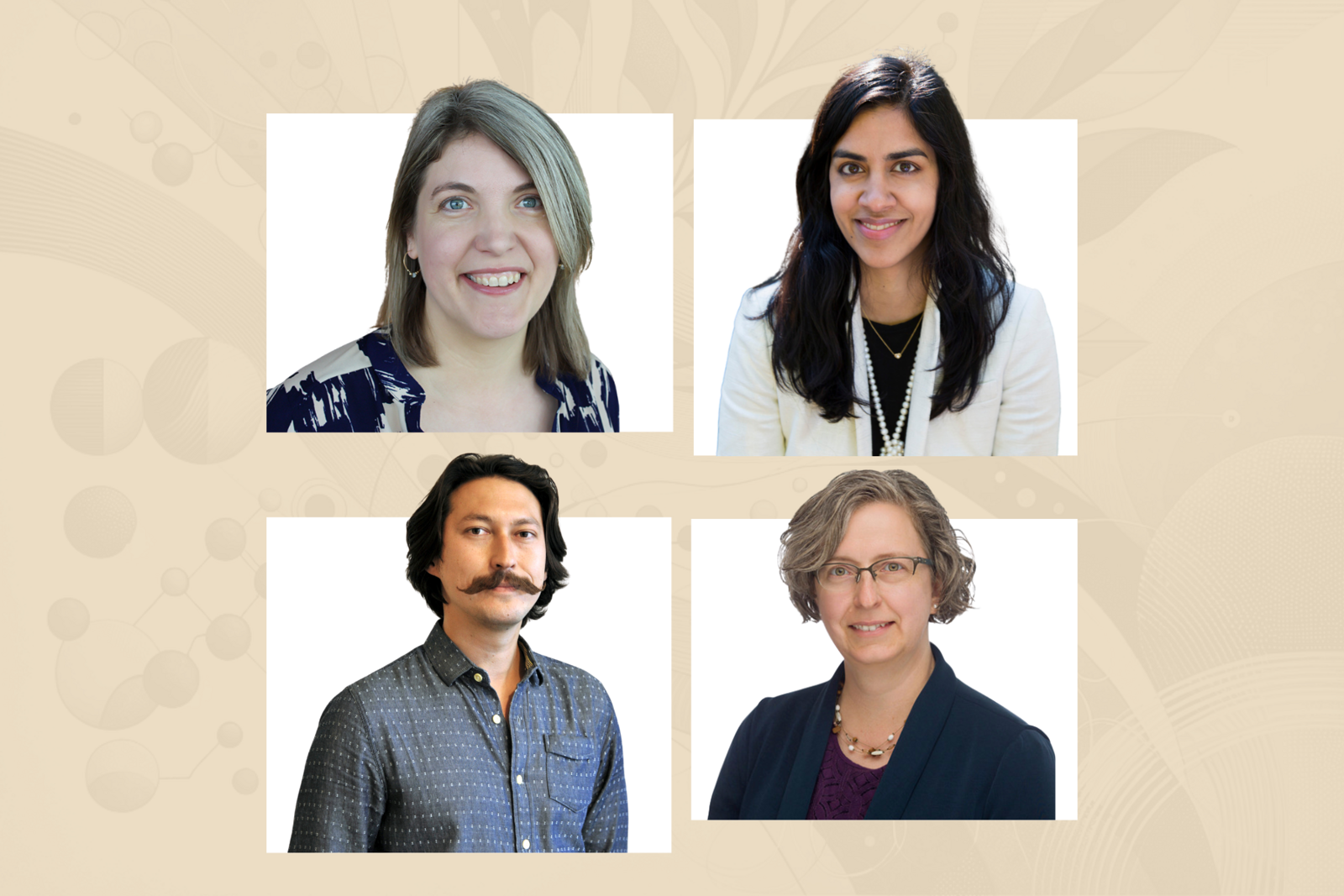
Clockwise: Lona Rerick, Arathi Gowda, Isabelle Arnold, Jacob Dunn
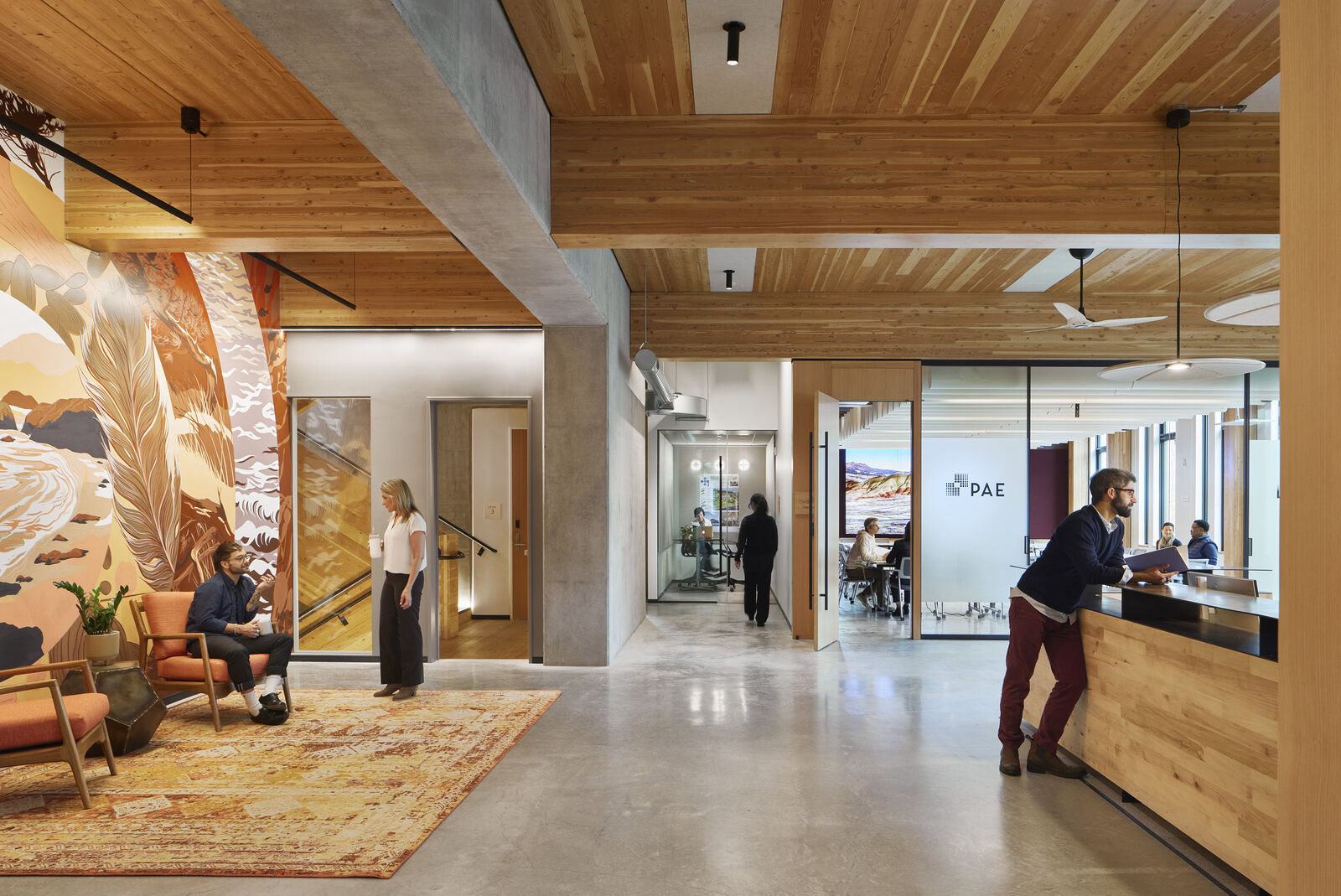
"2023 was a heavy advocacy year for embodied carbon, setting up 2024 to be the year of implementation. California is the first state to require low carbon buildings as a part of the building code and permit process. I’m looking forward to seeing the industry shift and make the needed adjustments to deliver low carbon buildings. There will be a learning curve, and no policy is perfect, but Calgreen—California’s green building standards code—is once again leading the green building movement and setting an example for other states to follow."
Avideh Haghighi, Associate Principal, Los Angeles
"I often find myself thinking about water and its importance—not just in terms of next year but over the coming years and decades. No matter the environment, humans have always prioritized water as a protected resource, and I’m actively thinking about what this means for design and the projects that I contribute to. Architecture’s relationship with water is predominantly defined by overuse, followed by sending it off-site as quickly as possible and dirtier than it came in. As designers, how can we change this paradigm? How can we respect such a valuable resource by using it more responsibly and sending it back into the environment cleaner than it came in? These are the questions I’m excited to keep exploring in 2024 and beyond.”
Iain MacFayden, Principal, Vancouver B.C.
“I’m looking forward to advancing the conversation on carbon. Many of our clients are adopting significant carbon goals that we are integrating into the designs of their buildings, sites, and mechanical systems. But the conversation doesn’t stop there—it extends to electrical utilities and understanding when a grid is clean or dirty, designing buildings that positively interact with those grids, and working with designers and manufacturers to integrate better systems and products that actively sequester carbon. With upcoming projects, I’m excited to continue ramping up our collaboration with clients, consultants, and contractors to move closer to a zero-carbon built environment in 2024.”
Chris Chatto, Principal, Portland
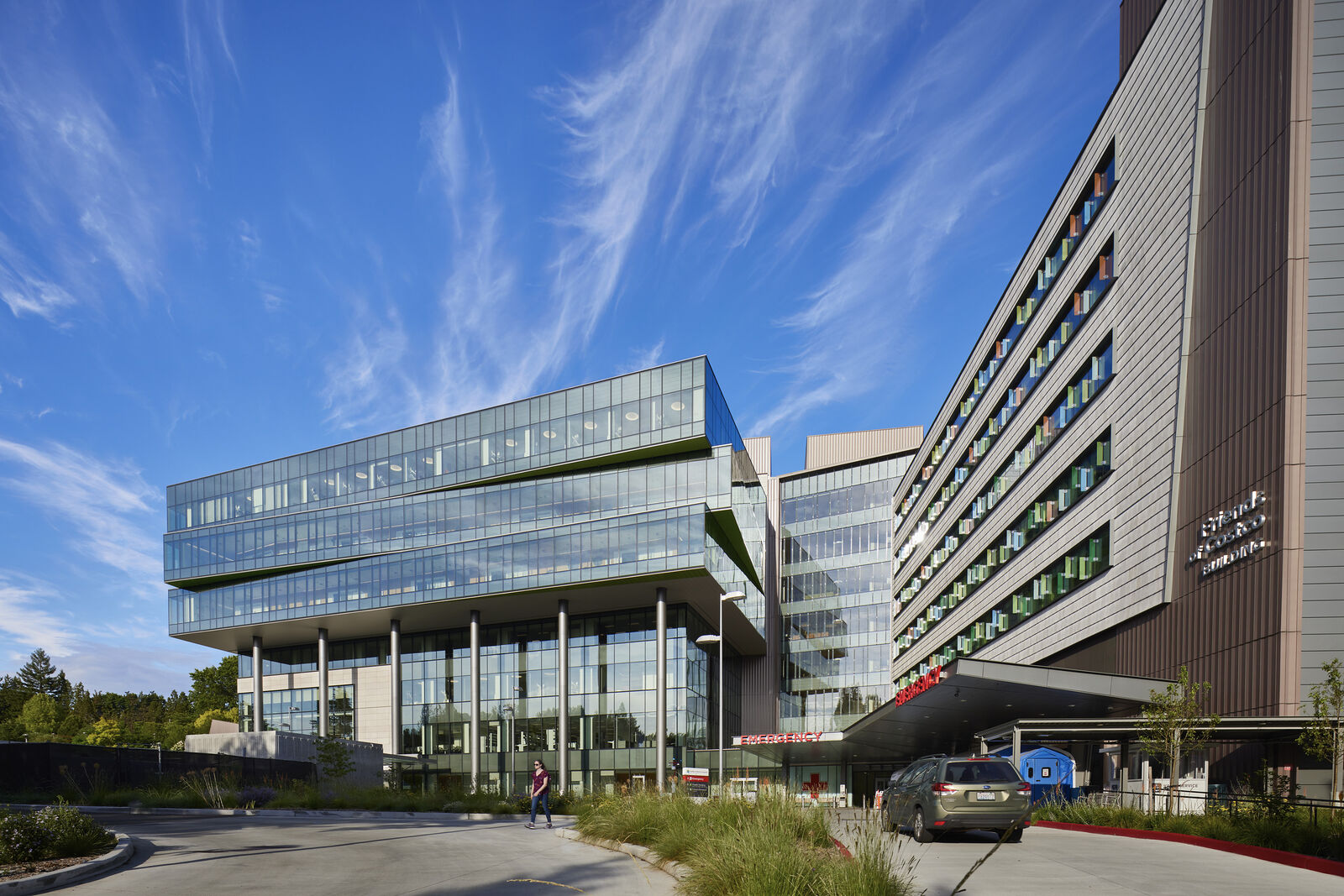
"I’m inspired by health systems taking transformative steps toward decarbonizing their facilities and supply chains. As the first architecture firm to sign-on to the U.S. Department of Health and Human Services Health Sector Climate Pledge, I’m looking forward to walking alongside our clients to support them in reducing waste, carbon emissions, and operational costs while improving health outcomes. It's an honor to work with healthcare leaders across North America, as well as our ZGF project teams, to re-imagine how low-carbon hospitals and clinics will benefit us all."
Marty Brennan, Principal, Seattle

Clockwise: Avideh Haghighi, Chris Chatto, Iain MacFadyen, Marty Brennan

How to Drive Rapid Decarbonization With a Few Easy Tools