4 Ways Design Can Help Reduce Violence in Healthcare Facilities
By: Solvei Neiger, AIA, ACHA, NCARB
You’ve probably seen the headlines: violence in healthcare settings is at an all-time high. More than 80% of nurses said they experienced workplace violence in 2023 according to a recent survey from National Nurses United. Incidents of violence and aggression are even higher in emergency departments—as detailed in this harrowing New York Times op-ed by Dr. Helen Ouyang, an ER physician and associate professor at Columbia University.
Violence comes in many forms, both physical and psychological. For healthcare workers already considering leaving the profession due to burn out, it could be the tipping point. If not addressed urgently, health systems will face even greater recruitment and retention hurdles that directly impact care delivery, and more broadly, pose a risk to public health.
Why the uptick now?
Most violent cases are committed by patients’ family members or friends, followed by patients themselves, according to this 2022 report. Their reasons for aggression vary widely: anger and confusion about their medical conditions and care, grief over the decline of loved ones, frustration amid staffing shortages, delirium, dementia, mental health disorders, drug addiction, political and social issues, and gender and race discrimination.
Though less common, workplace violence by staff against their own colleagues can be a symptom of unmanageable workloads, excessive stress, higher rates of burnout, emotional exhaustion, social uncertainty, and economic pressures. The Covid pandemic only intensified these risk factors.
Simultaneously, we’re witnessing a growing need for behavioral health services. Many violent cases involve behavioral health patients being treated in non-behavioral health spaces because health systems simply don’t have enough safe spaces for the volume of unstable patients they’re seeing. Emergency departments have become a stop gap for people in crisis who have nowhere else to go, resulting in even longer wait times, delayed care, and overcrowded environments, which can in turn trigger violence.
How can design enhance safety?
Safety is a key consideration in the planning and design of medical facilities. As architects and designers, we’re uniquely positioned to help reduce the risk of violence and create safer environments for all users. Here are four things to consider:
1. Clear Sightlines, Starting at the Front Door
Many planning and design strategies that enhance visibility can also help deter violence—through adjacencies, sightlines, flow, lighting, and transparent doors and windows. In an emergency department, for example, staff and security personnel need clear sightlines to the Emergency Department front door and waiting areas so they can observe who is entering the department, including monitoring body language. Registration desks may be enclosed or semi-enclosed with glass, or completely open with “back door” access to a secure area. The enclosed and semi-enclosed design approach provides some safety for the care team while maintaining visibility; however, it creates a different patient and family experience that may be perceived as less friendly.
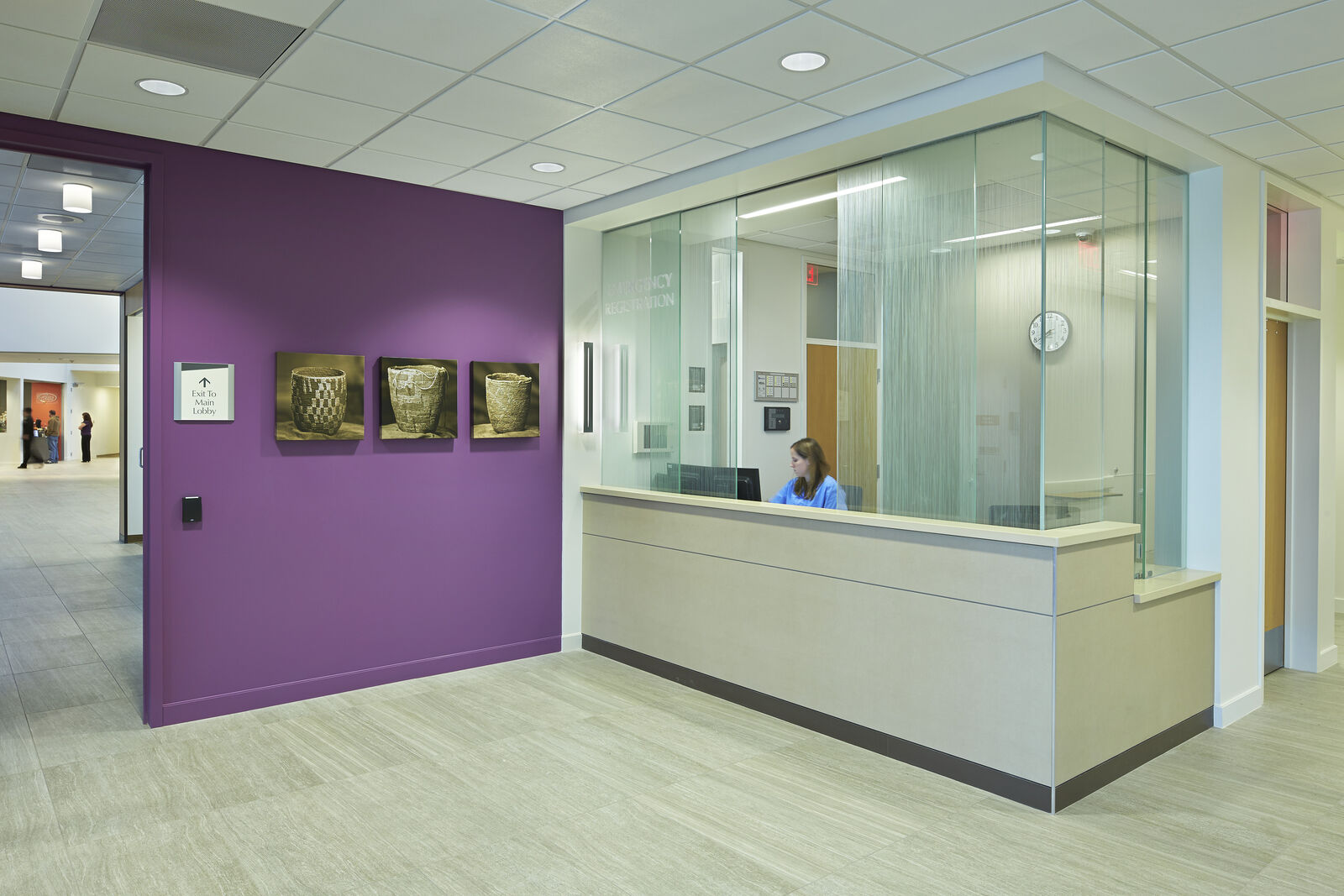
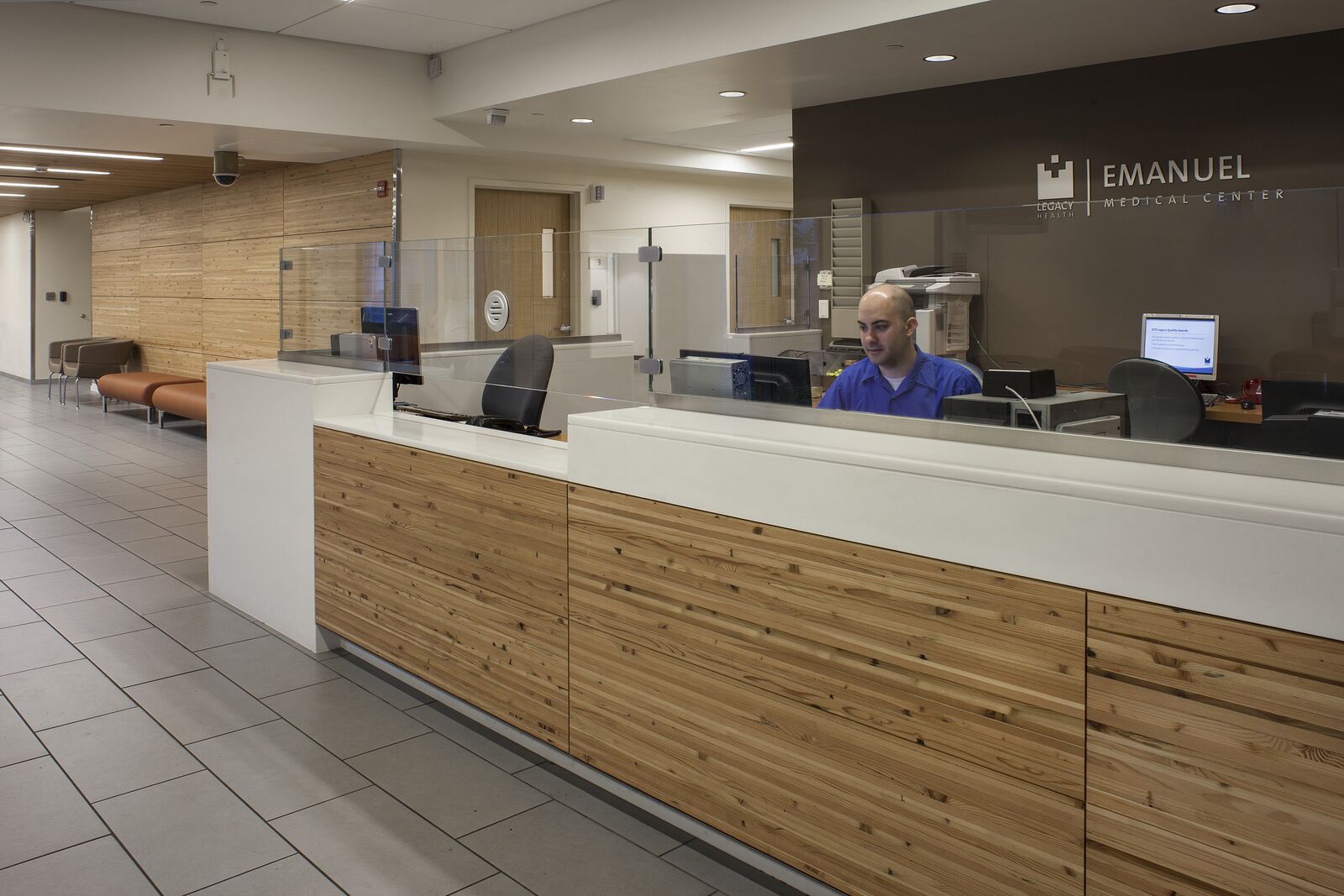
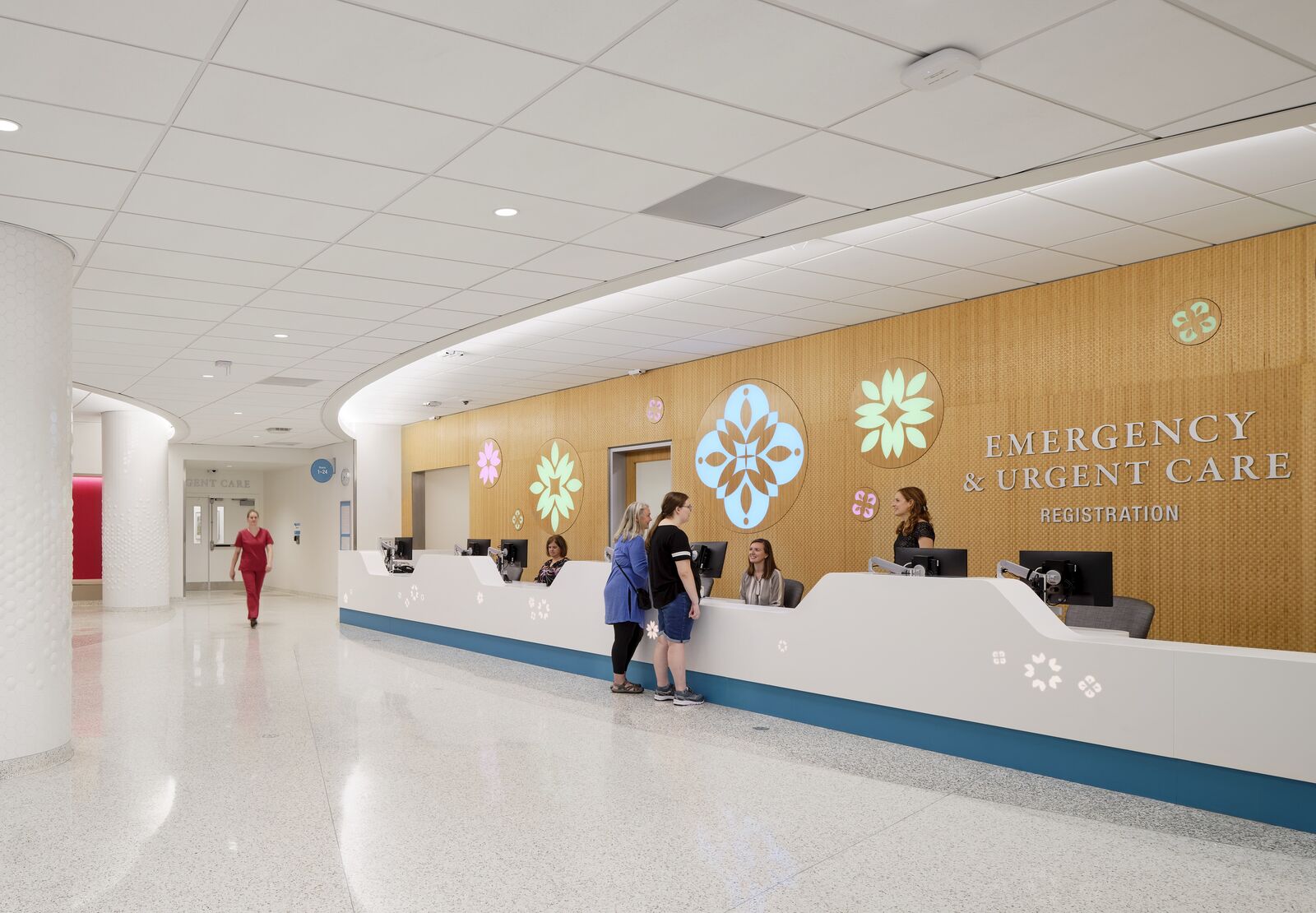
Within clinical departments, the traditional design approach to open care team stations allows for line of sight, social interaction between caregivers, and friendly faces for family members. But there are program types and situations where an enclosed and semi-enclosed care team station is preferred to limit potential violence opportunities, accommodate privacy, and screen collaboration space for the care team.
At the beginning of a project, it’s important to collaborate with the client to identify the vision and goals for all reception and care team station design approaches to understand appropriate level of openness the organization wants to provide and how this impacts the human experience.
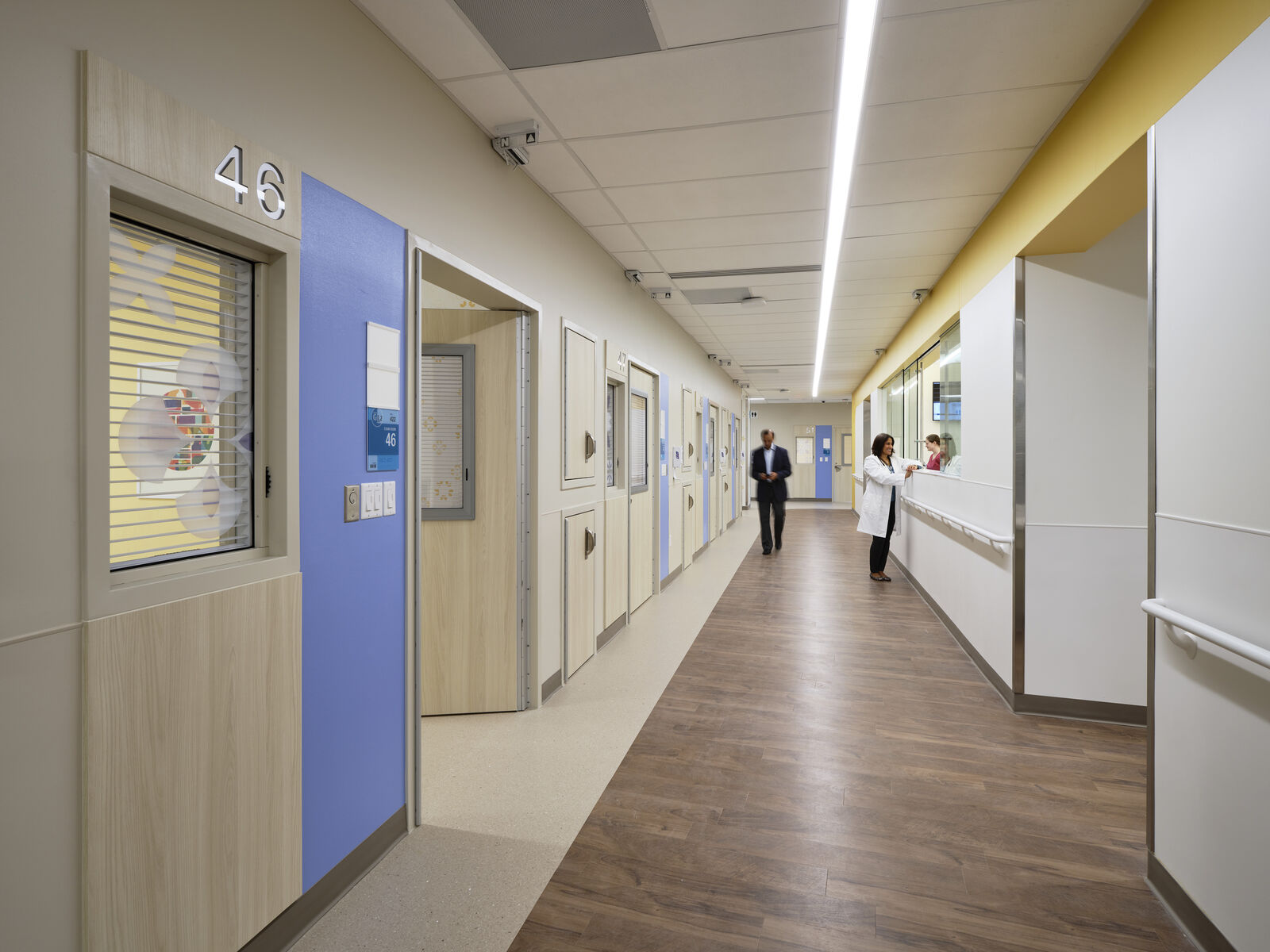
Inside Cincinnati Children’s newly expanded emergency department, the behavioral health treatment area features fully enclosed care team space (left) and open team space in the medical treatment area (right).
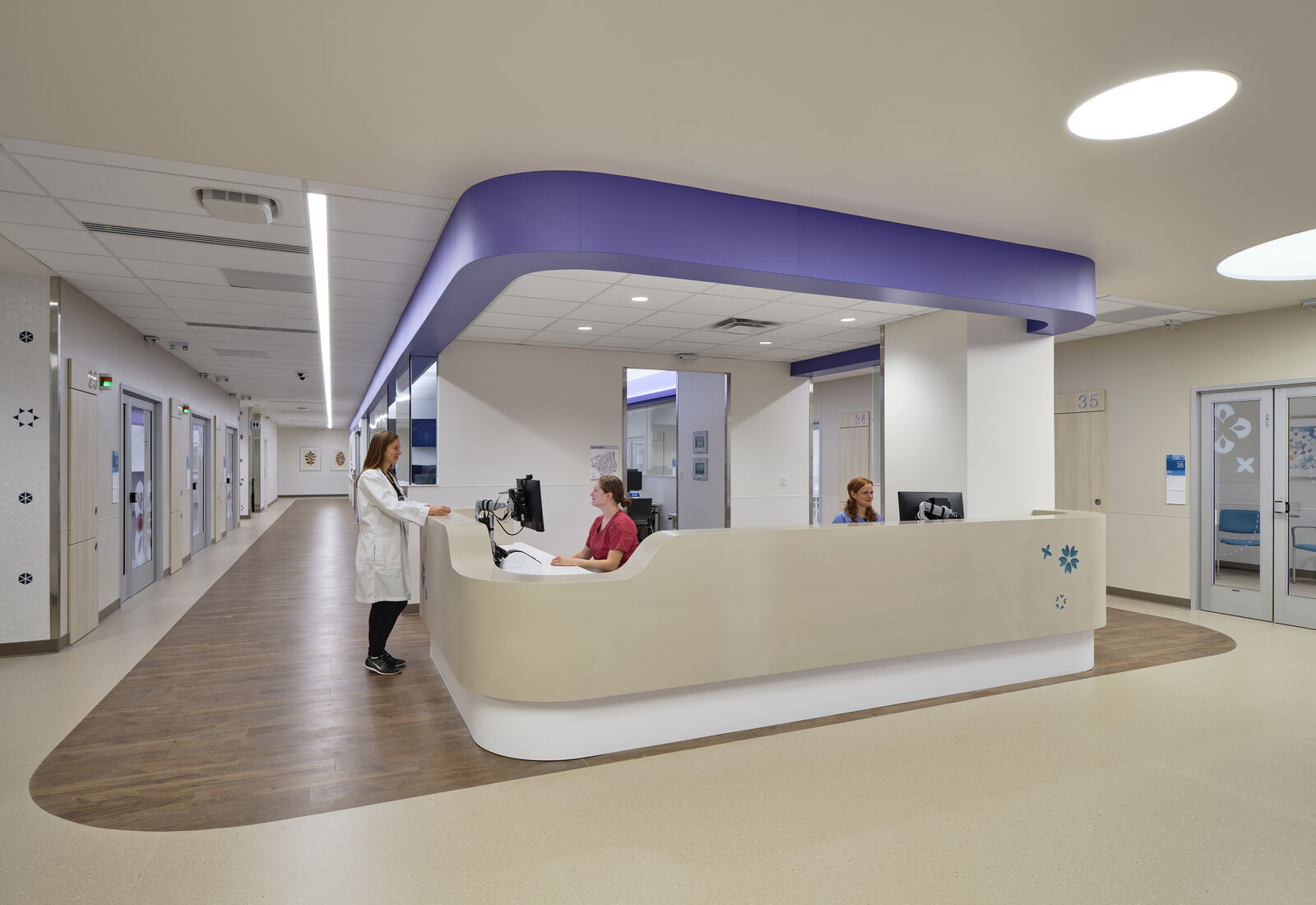
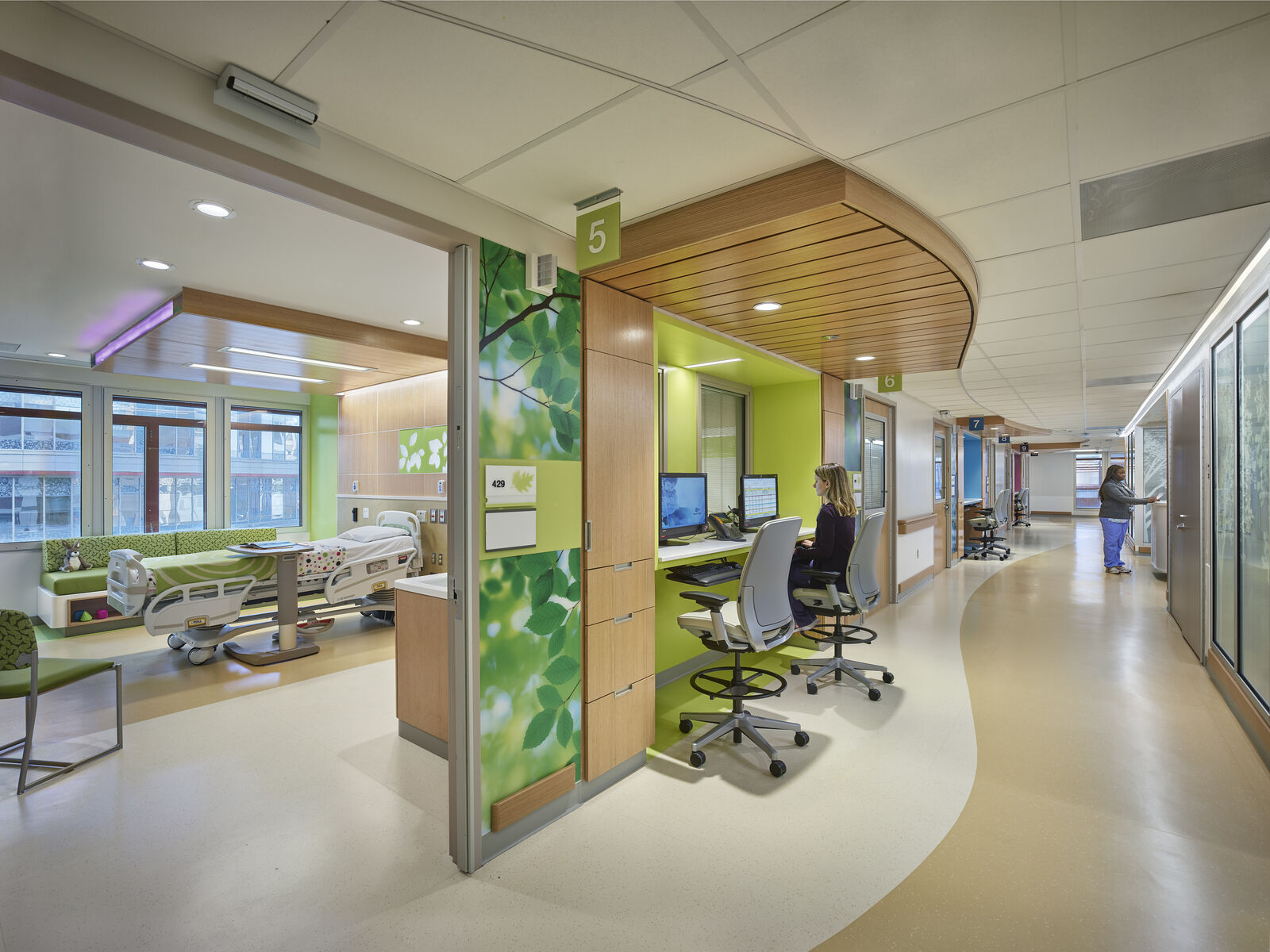
In inpatient units, ensure staff have visibility down corridors and into patient rooms via team spaces and nurse stations.
2. Lay the Groundwork for Security Infrastructure
As we design healthcare campuses, buildings, and departments, we need to consider what security measures are in place along the individual’s journey to and from their destination. This may look different for patients and families versus staff, but the overarching goal is to provide both a safe environment and a welcoming experience. For the new UCSF Nancy Friend Pritzker Psychiatry Building, ZGF conceptualized security like an onion—designing the facility to provide increasing levels of protection as users move through the facility. As patients and families enter the building, they are greeted and badged before being directed or escorted to their destination. All research, faculty, and staff work areas, common spaces, and private spaces are badge-access only.
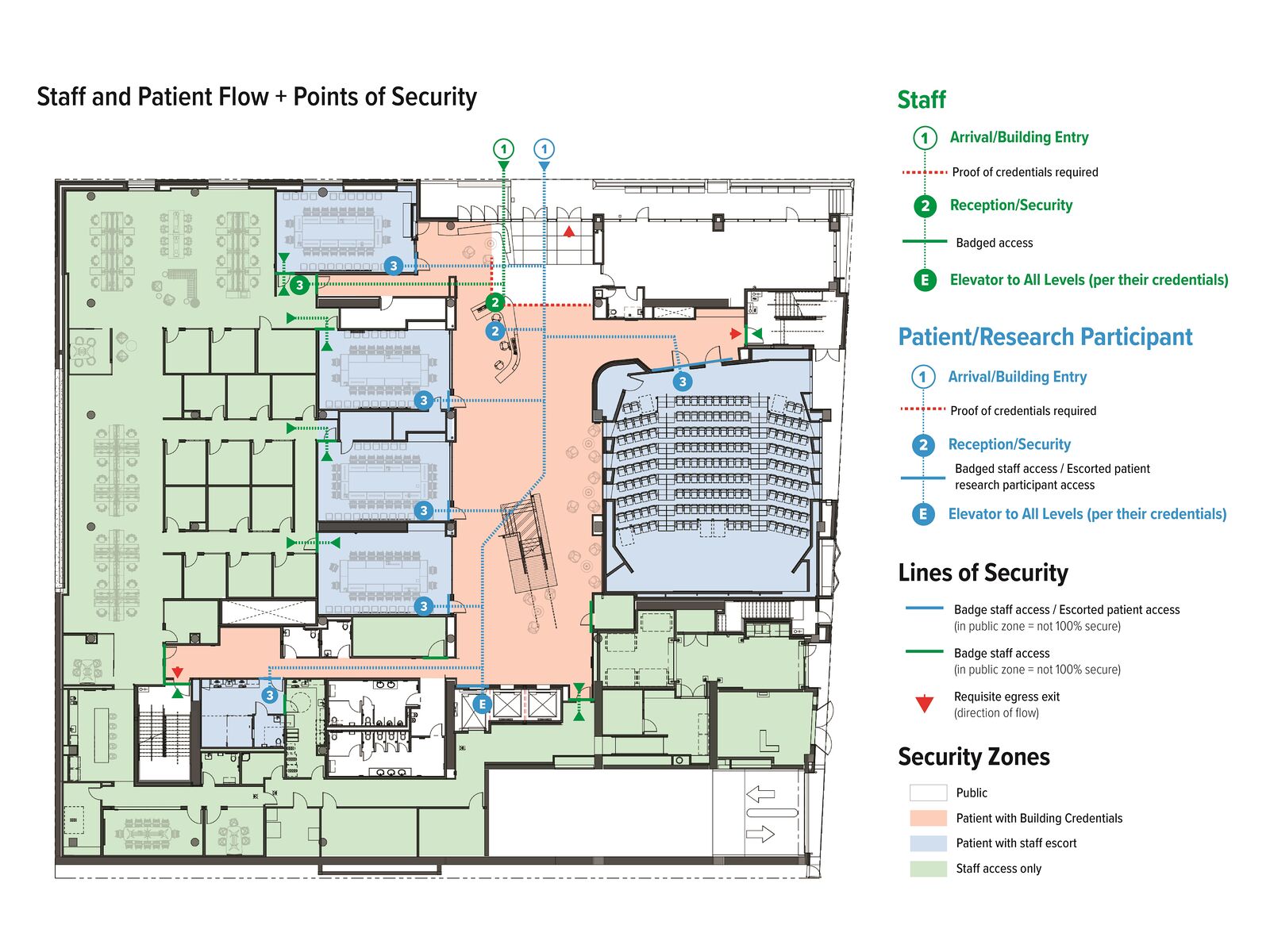
With the overarching goal of destigmatizing mental healthcare, the USCF Nancy Friend Pritzker Psychiatry Building program establishes clear access zones without overt security barriers. The pink and blue patient zones require building credentials or a staff escort, while the green zone is limited to researchers, faculty, and staff only.
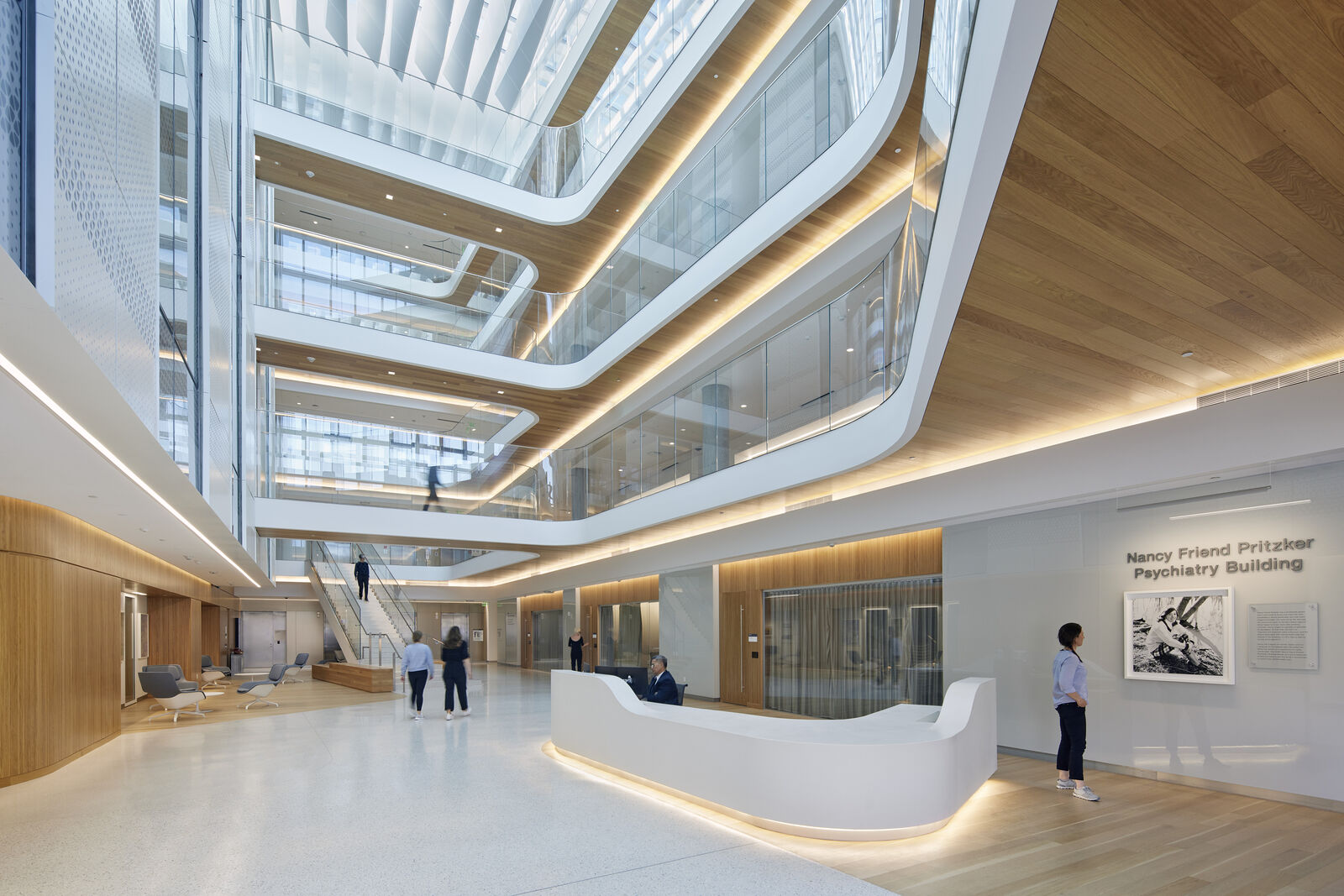
Other security interventions are hidden in plain sight: the front desk doubles as a security station; six-foot-high glass guardrails enhance safety without obscuring views throughout the atrium; soft lighting around the perimeter signals to people when they’re getting too close.
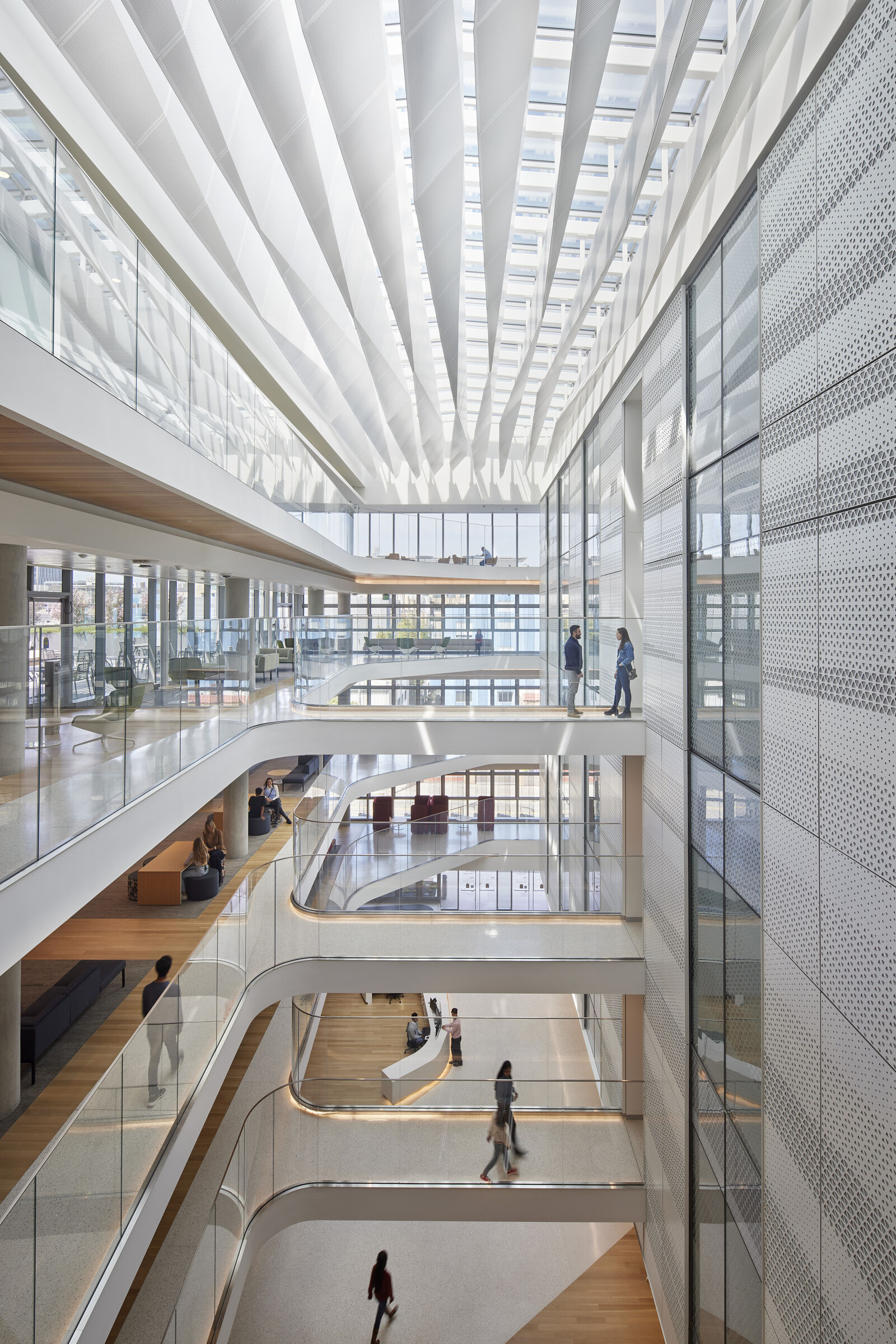
Integrating security technology and equipment solutions into campus and building design can help mitigate violence. Common examples include surveillance systems (cameras), campus emergency phones, access control systems (card readers), metal detectors, turnstiles controls, panic buttons, and duress alarms. Whether operationalized right away or laying the groundwork for future upgrades, architects and designers can help clients determine which holistic security approach makes sense for their facilities. It can also be helpful to conduct a risk assessment to identify potential areas of concern and assess the likelihood of violent incidents. Consider factors such as patient demographics, the nature and acuity of services provided, and the facility location.
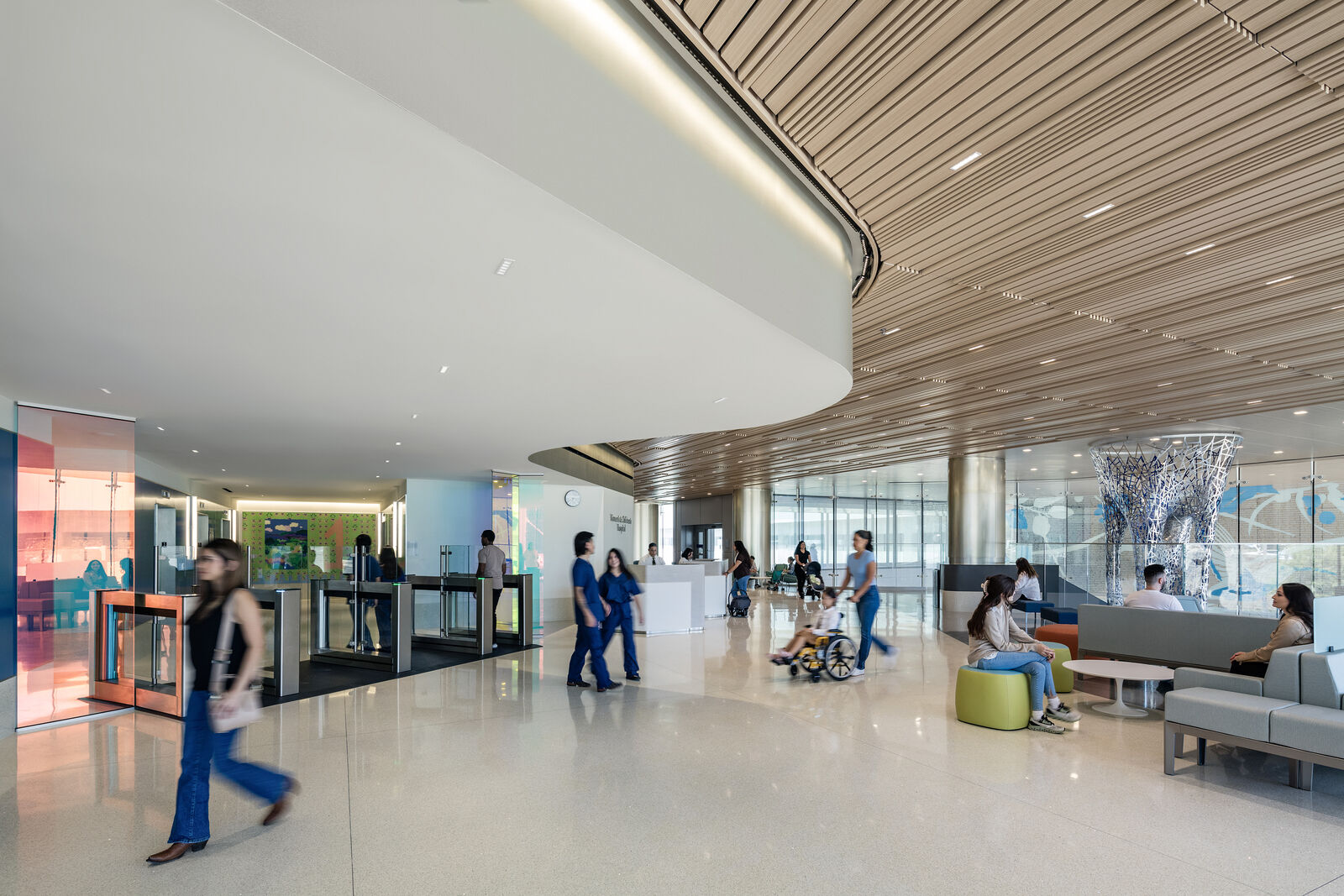
In San Antonio, TX, the new University Health Women’s and Children’s Hospital patient tower lobby features secure entry.
3. Design For Mind, Body, and Spirit
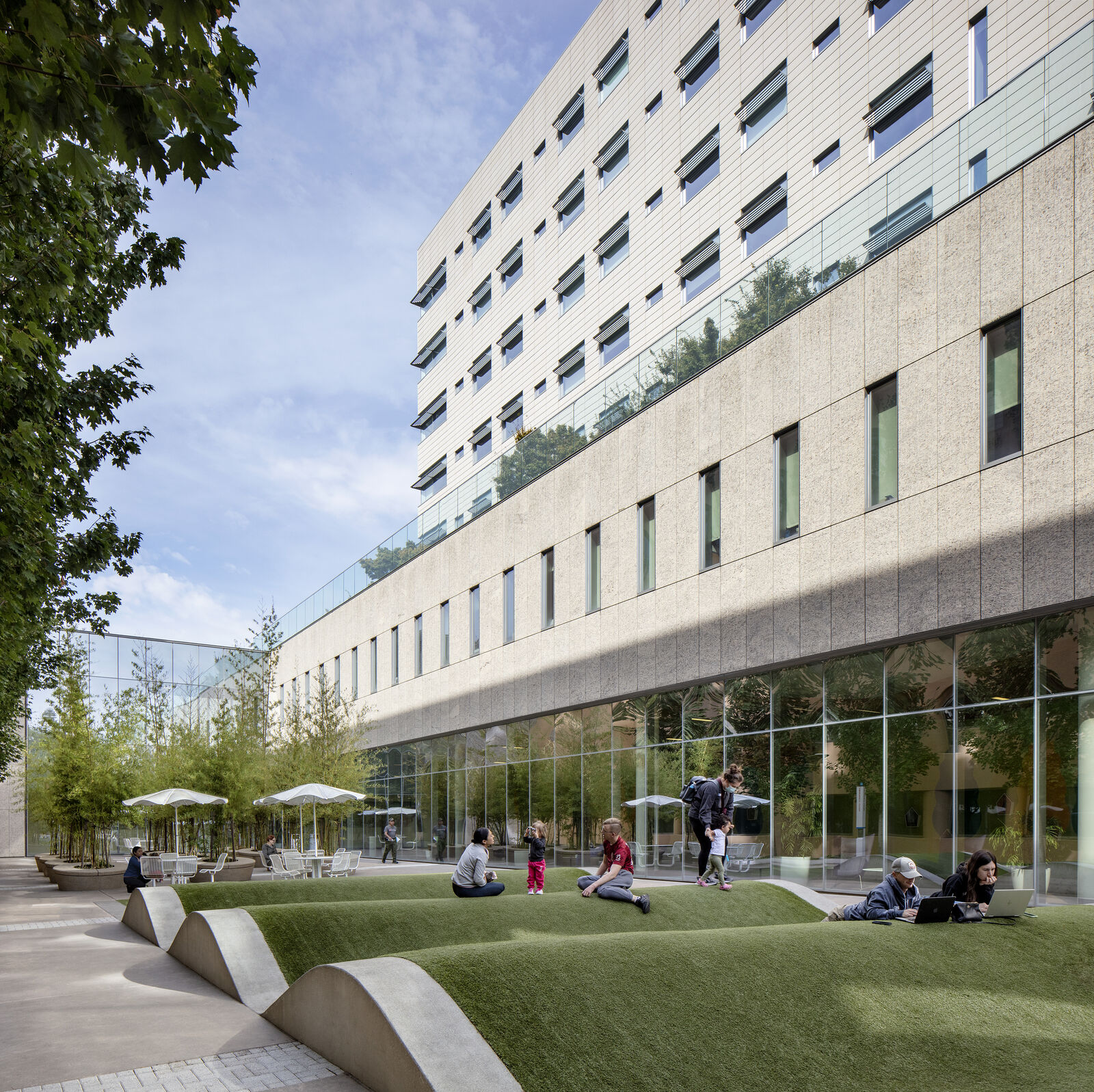
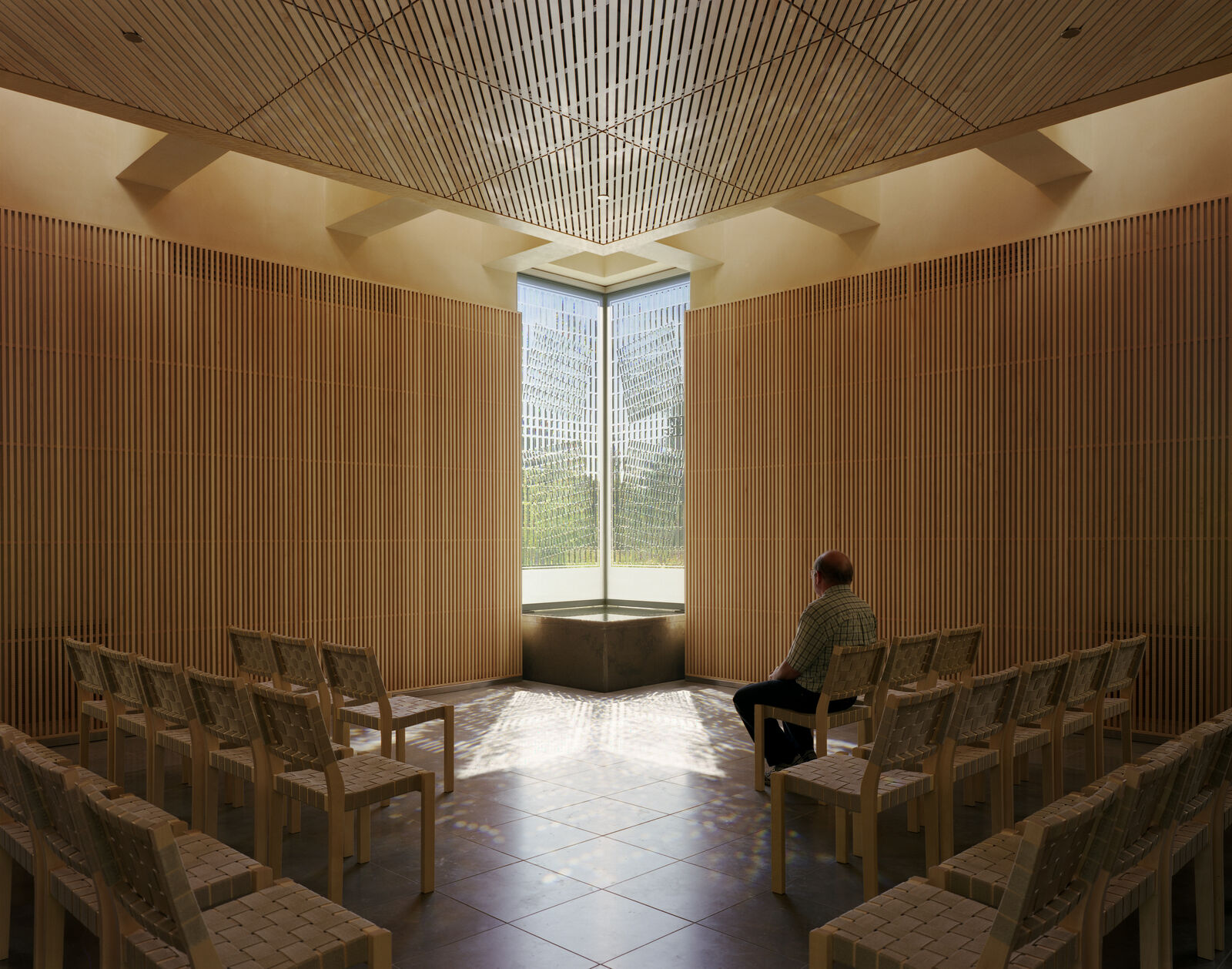
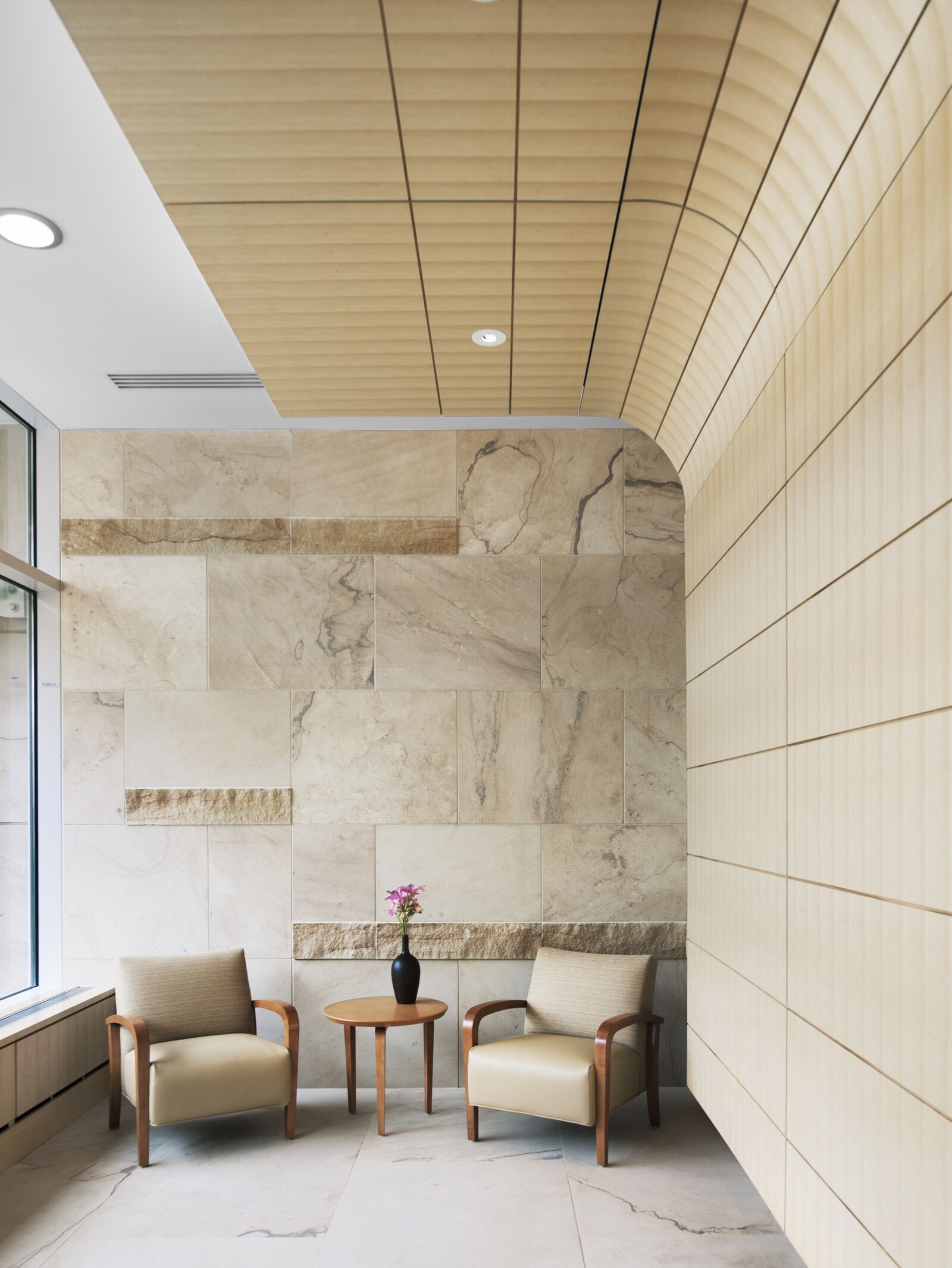
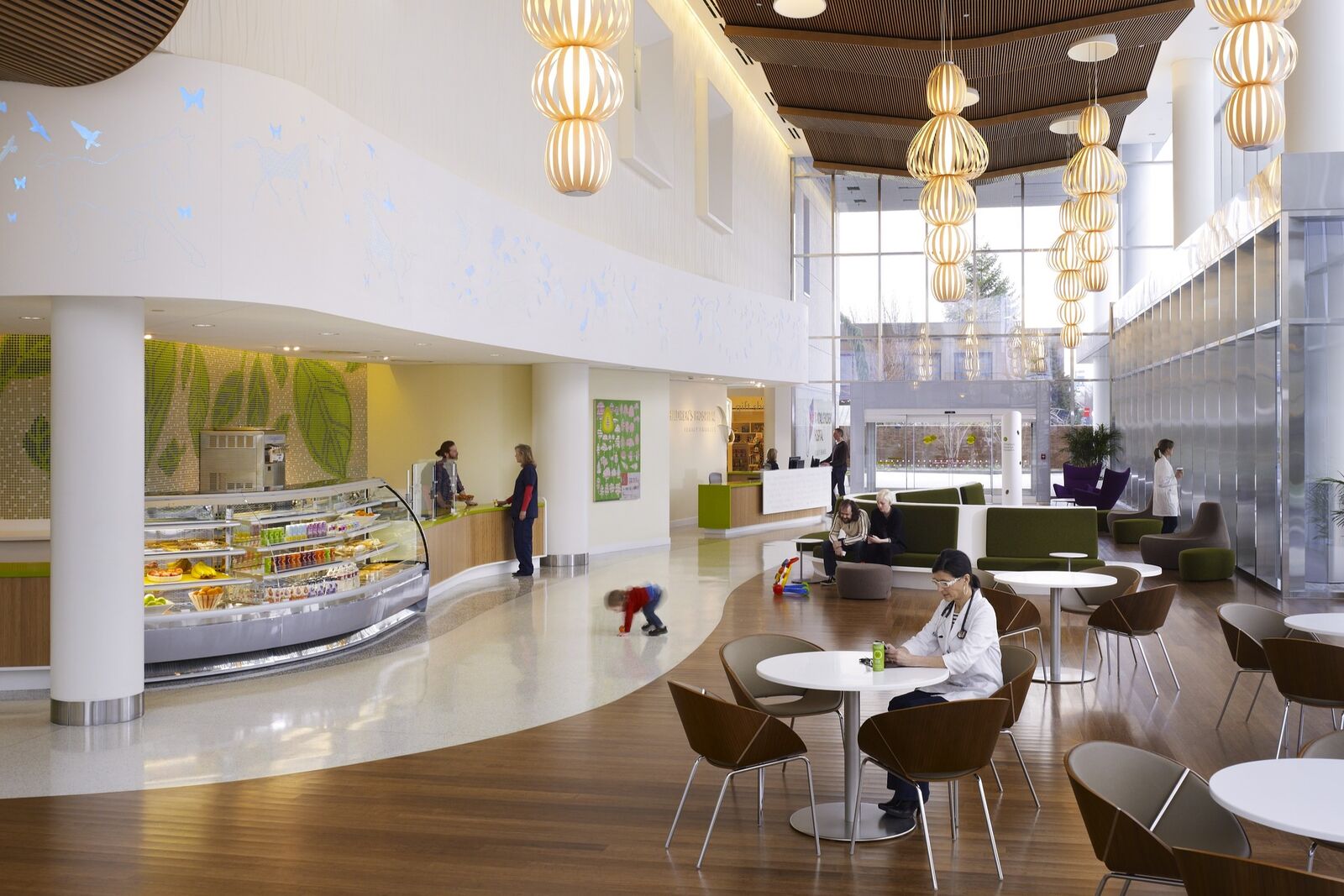
Healthcare facilities are stressful places. It’s no wonder that people feel a wide range of emotions—from joy and relief, to frustration and grief. Our role as designers is to create uplifting, nurturing healing environments that support their journey at every step. It can be as simple as providing windows for daylight and connection to nature; positive distractions through artwork, color, lighting, environmental graphics, and architectural details; and care team respite spaces to decompress and recharge. Basic design principles that we incorporate into every project can help mitigate violence by reducing stress and supporting mental health and wellbeing.
Access to outdoor spaces, food services, spiritual reflection or meditation spaces, and other amenities allow families, visitors, and staff to step outside the clinical environment to care for themselves, eat a meal, take a breath, and regroup. For patients and visitors with post-traumatic stress disorder (PTSD) from trauma, military service, inpatient psychiatric care, or other life events, walking into a warm and welcoming environment can help deter feelings of being threatened or trapped that may trigger violence.

4. Community-Driven Investment in Behavioral Health
As the rate of violence tied to addiction, mental, and behavioral health grows, so does the urgency to invest in new treatment facilities and inpatient beds. This is critical to prevent higher acuity needs downstream and divert patients from the emergency department who don’t need to be there. Various assistance funds and grants are available at the city, county, state, and federal levels to help support and build behavioral health programs and facilities. Architects can help clients evaluate the highest and best use of those funds to meet their most critical needs.
During the design process, organizations can also engage local communities to build trust and positive relationships, proactively addressing concerns that might contribute to violence in healthcare facilities. The City of Cincinnati recently announced a first-of-its-kind antiviolence initiative in partnership with the University of Cincinnati Medical Center and Cincinnati Children's. The hospitals plan to hire violence prevention specialists and the City has created a new role, “Violence Reduction Manager.” While this program doesn’t directly address workplace violence inside of healthcare facilities, it’s an example of the innovative thinking and partnerships needed to solve the violence problem holistically.
Design as a force for good
Architects and designers have always been in the business of creative problem-solving. Violence in healthcare facilities is one of the latest challenges, but I’m optimistic that we can leverage the power of design to reduce violence, promote mental health and wellbeing, and foster a greater sense of safety and belonging in healthcare and beyond.
Solvei Neiger is managing partner of ZGF Portland and leads our firmwide healthcare practice.

Cincinnati Children’s, Critical Care Building Expansion

University Health Women’s & Children’s Hospital

CHI Franciscan Health, St. Anthony Hospital
Legacy Health, Randall Children’s Hospital at Legacy Emanuel