
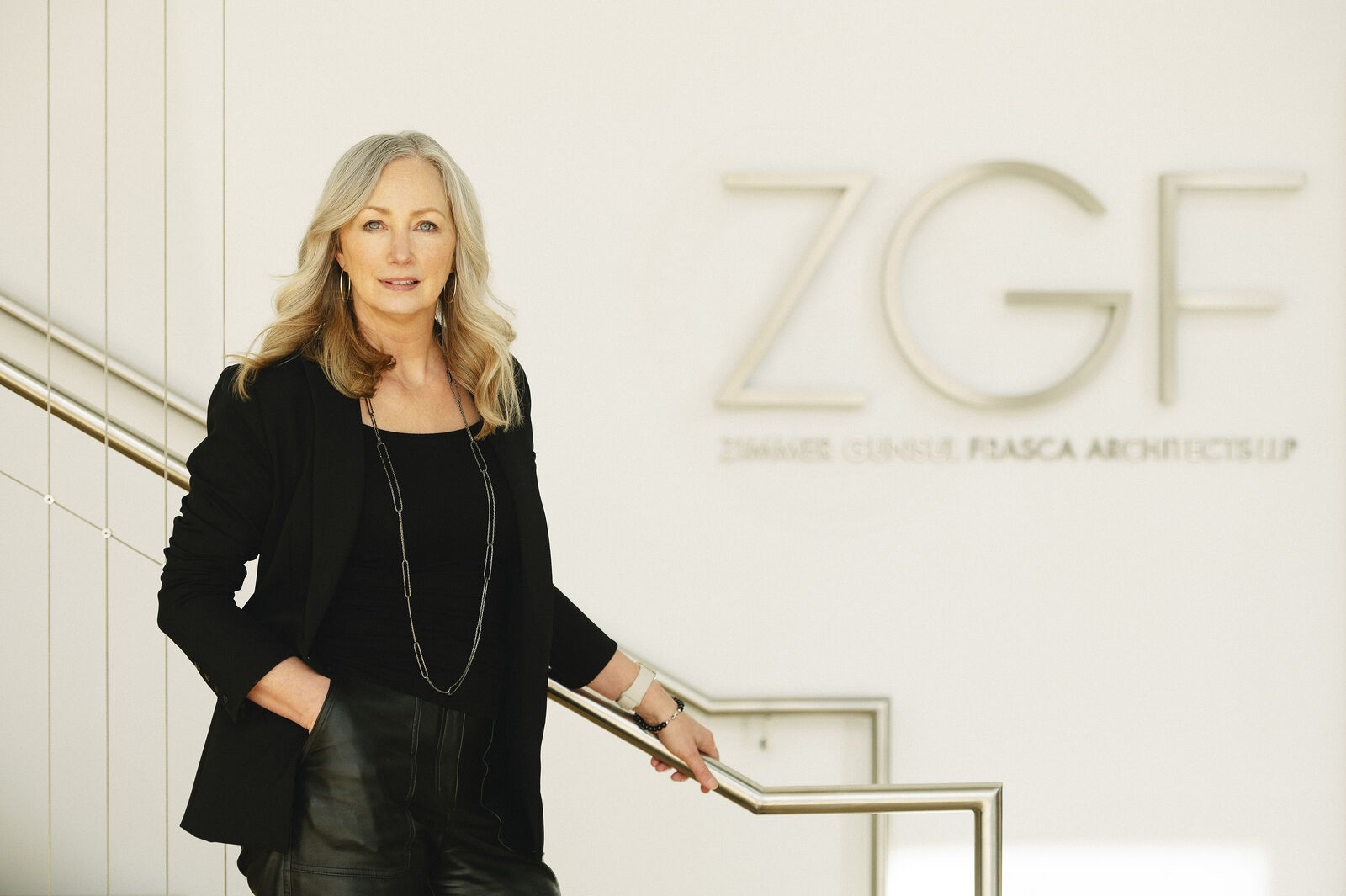
Meet ZGF Managing Partner Sharron van der Meulen
At ZGF, our work is deeply rooted in the belief that design can solve some of the world’s greatest challenges. From reducing the impact of the built environment on the planet, to designing facilities that will help cure diseases, part of what draws us to design is our deep desire to effect positive change.
We sat down with Sharron van der Meulen, who recently took on the role of Managing Partner of ZGF’s seven offices, to discuss her career journey and vision for the firm’s future. Sharron shared her thoughts on the three core principles that drive ZGF’s work: making a difference in people’s lives, fighting climate change, and advancing social justice, and how we’re applying those values to make a positive impact on society.
Sharron, congratulations on your new role as ZGF Managing Partner! Before we talk about your current work, let’s go back in time. What’s inspired you to become an architect?
I was born in Kalamazoo, Michigan, and my family moved to Portland when I was young, so I consider myself a true Oregonian. I decided to attend the University of Oregon architecture school, in part because I loved that there were so many different focuses within the umbrella of design, including interior design, landscape architecture, and art history. This allowed me to find my path—ultimately, I majored in Interior Architecture with a minor in Art History—while getting to experiment with different scales and aspects of design.
Following my freshman year of college, I started interning at the SOM office in Portland and returned every summer and school break over the next four years. At SOM, I was able to touch every aspect of architecture, including working in the model shop and on pursuits and competitions.
SOM was closing shop in Portland when I graduated. I was contemplating a move to New York when I received a call from ZGF. I interviewed with Norm Zimmer, the “Z” in ZGF, and as they say, the rest is history.
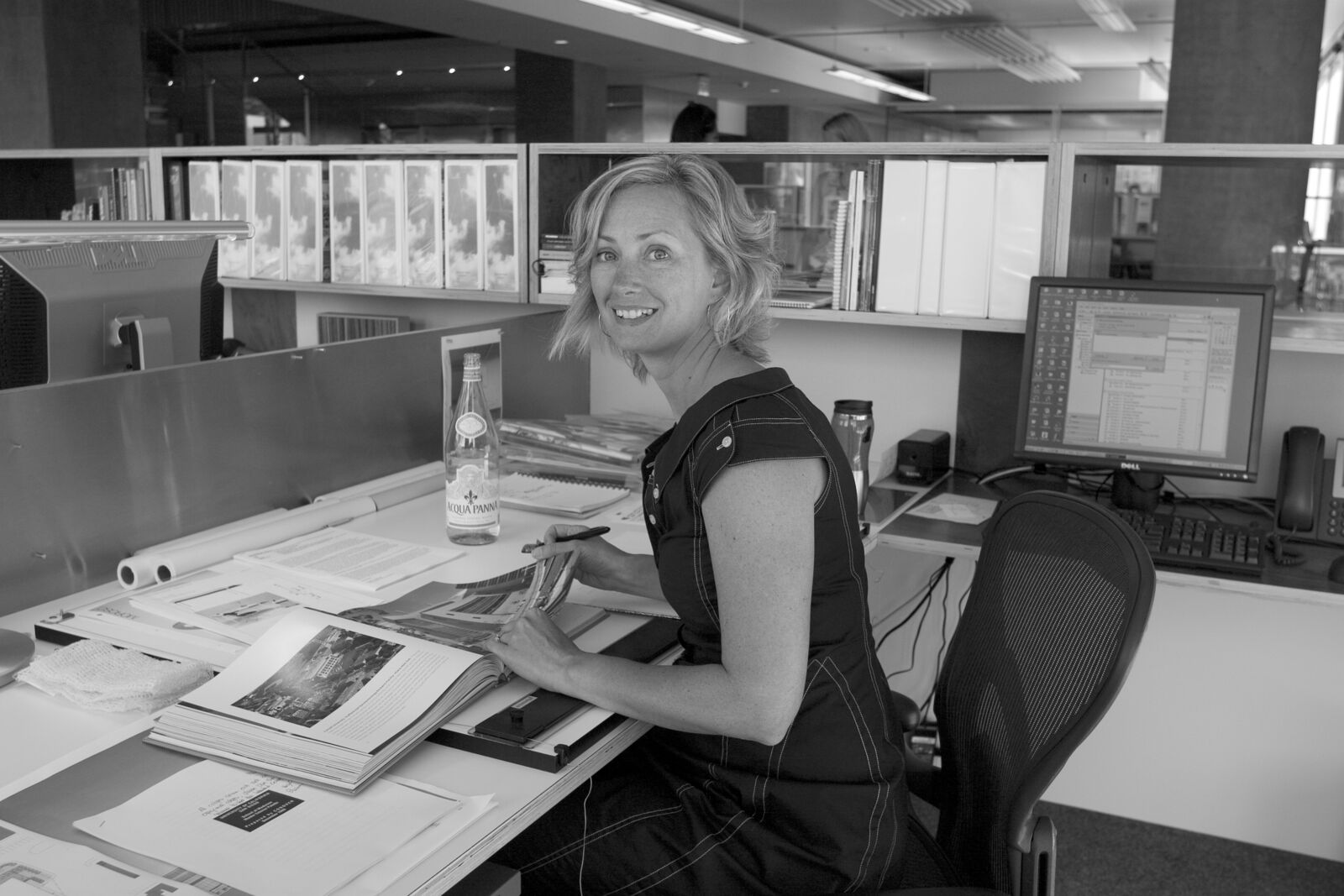
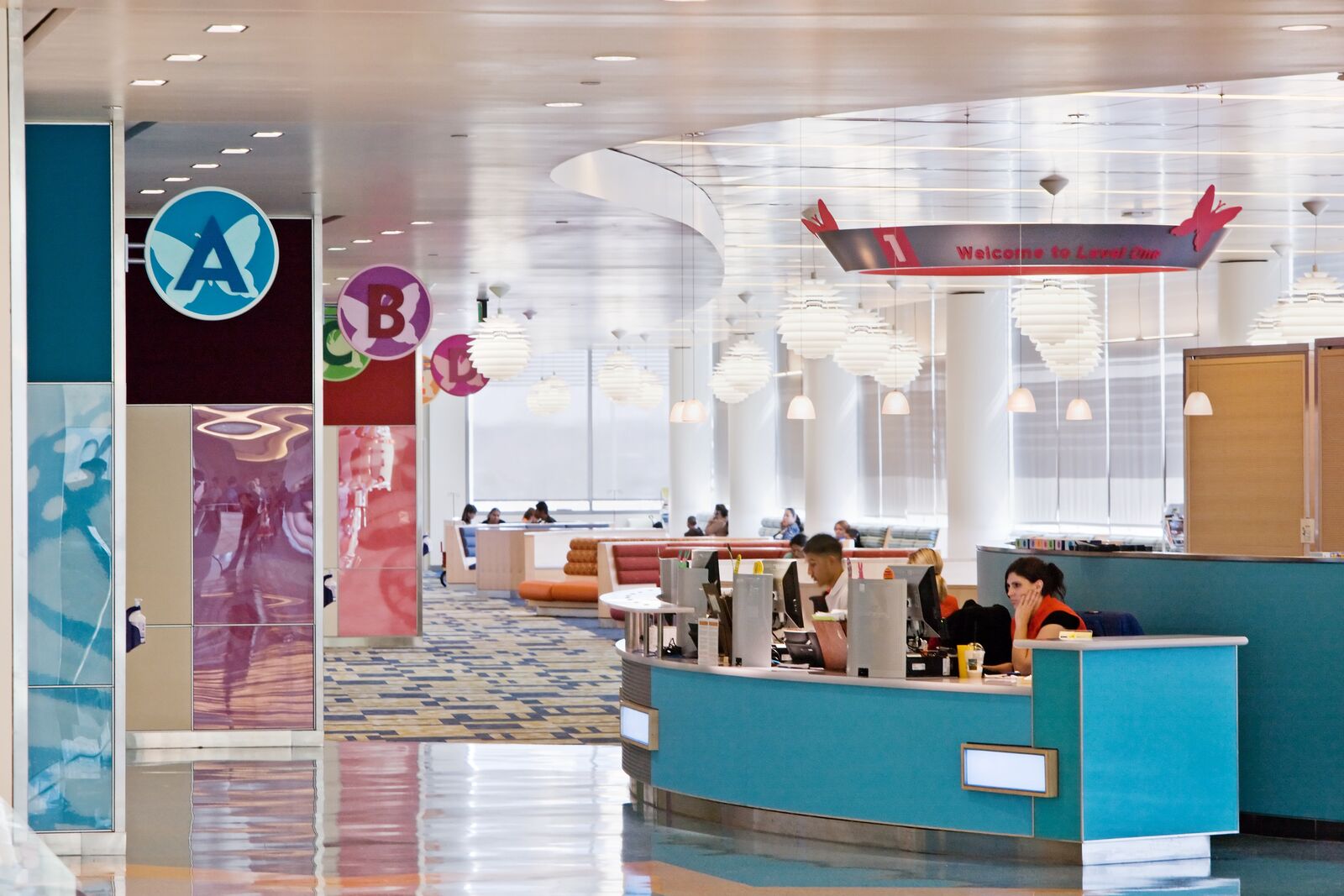
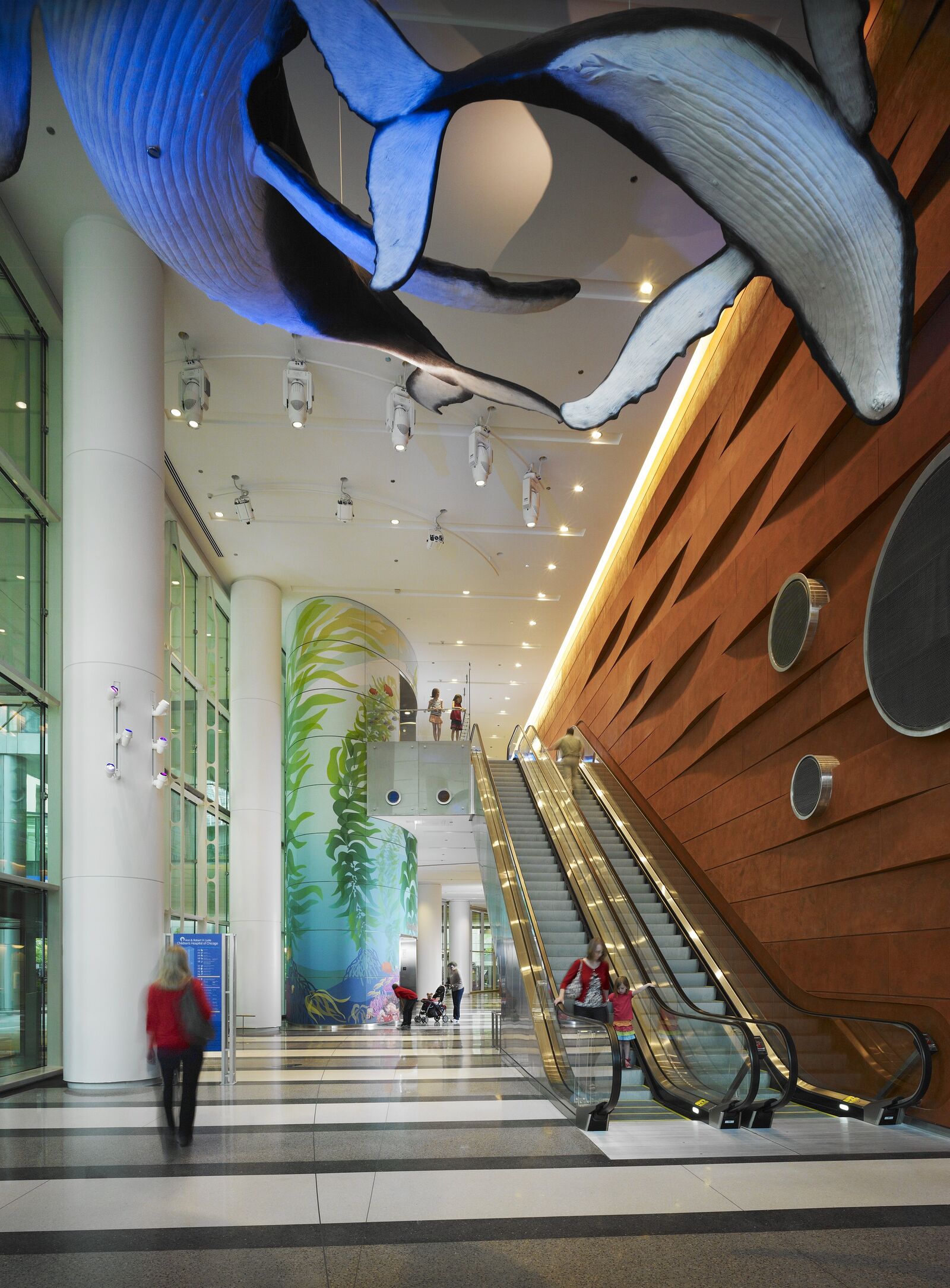
Sharron at her desk in 2008. At this time Sharron was working on Legacy Emanuel Health Children's Hospital in Portland, OR and Lurie Children's Hospital in Chicago, IL.
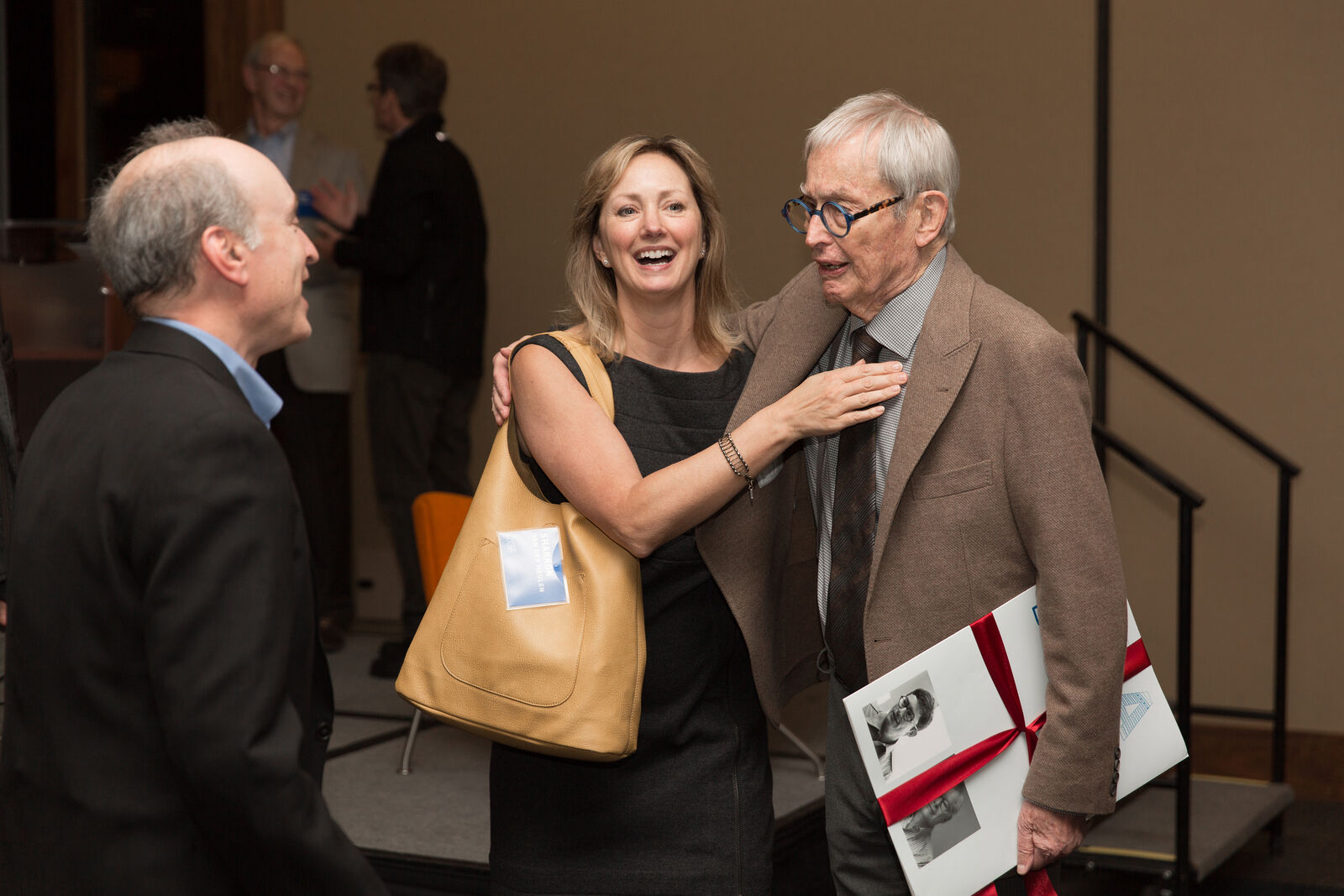
Sharron and one of her early mentors, Bob Frasca, the founding design partner at ZGF. Image taken circa 2017.
What stands out from your first years at ZGF?
One of the things I loved most about ZGF, and that is still true today, is that there is so much cross-pollination between typologies and building types. I was just starting in my career but was able to experience so many different opportunities and projects.
I was also fortunate to have several great mentors. Shortly after I joined the firm, I started working closely with Bob Frasca. Bob was truly a visionary architect, with his attention on full integration of interior and exterior design and his ability to intently listen to clients and understand the problems that needed solving. He also wanted every project to be collaborative, seeking multiple perspectives and feedback. That still stands out to me today. It’s so easy now to work in silos, especially with all the digital tools available to us, but the analog side of design is instrumental in developing and refining ideas.
I also worked closely with Brooks Gunsul, who was our lead technical designer. Brooks encouraged me to explore any idea, no matter how unconventional, he’d just say, “Let’s figure it out!” He was exemplary in combining the technical know-how with a real passion for design.
Brooks was also instrumental in what ZGF coined the “three-legged stool,” which is the concept that every project is based on three elements: business, technical, and design. The three can't work independently; each needs to be at the forefront for a project to be successful. That’s still true of our work today.
Looking back, what have been some of your biggest challenges?
Not hitting it out the park with my client and feeling like I was not doing the job I was hired for.
Disappointment is a very human experience, and it sticks with you. I can remember these occasions so clearly. They were devastating at the time, but also such a learning opportunity. I’ve always found that the most challenging experiences are the ones where you grow the most.
You have to be comfortable with the feeling of being uncomfortable in order to experience growth.
"Our firm is focused on making a difference in people’s lives, fighting climate change, and advancing social justice through design. We’re putting those values at the center of everything we do." - Sharron van der Meulen
Do you have a favorite or most memorable project?
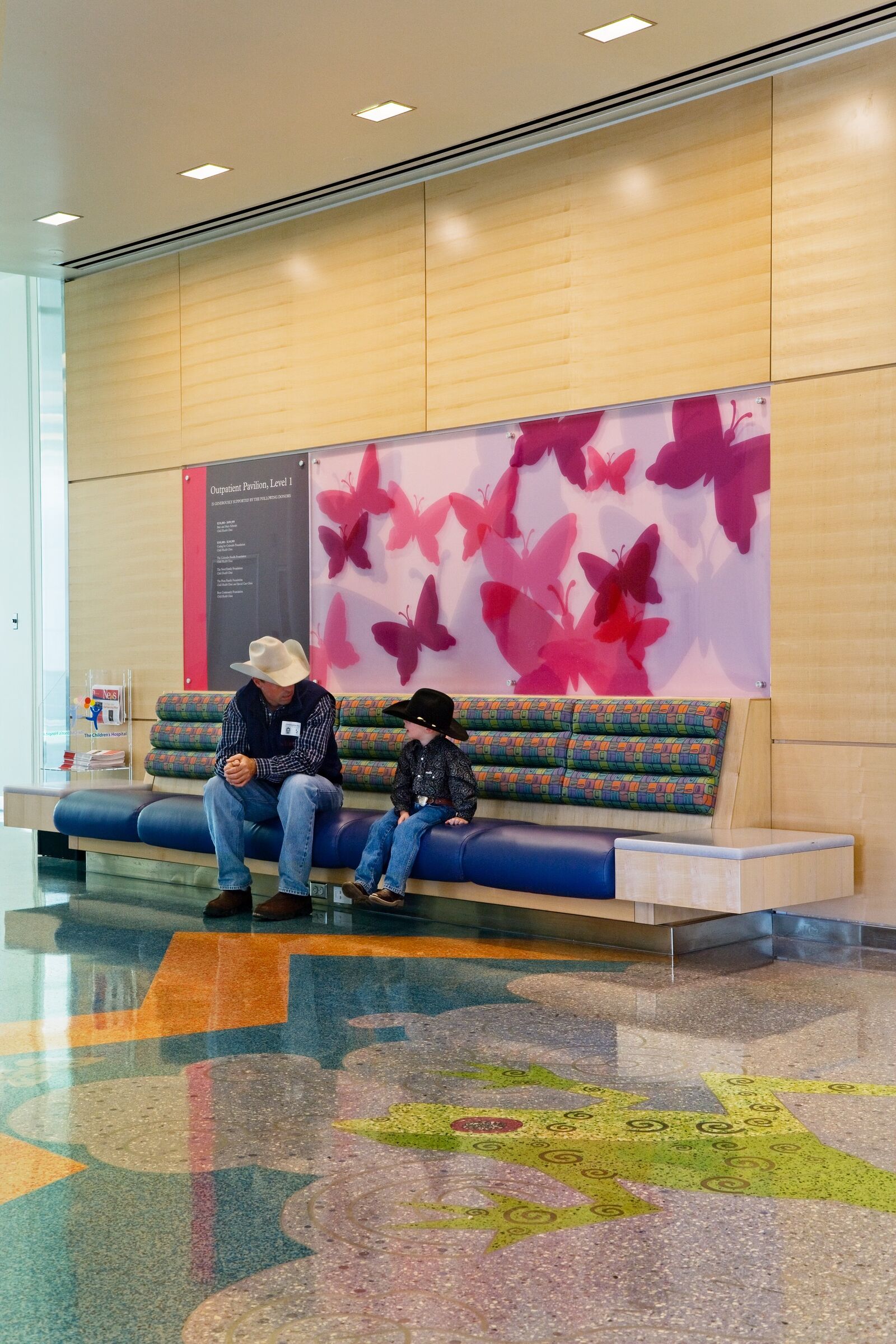
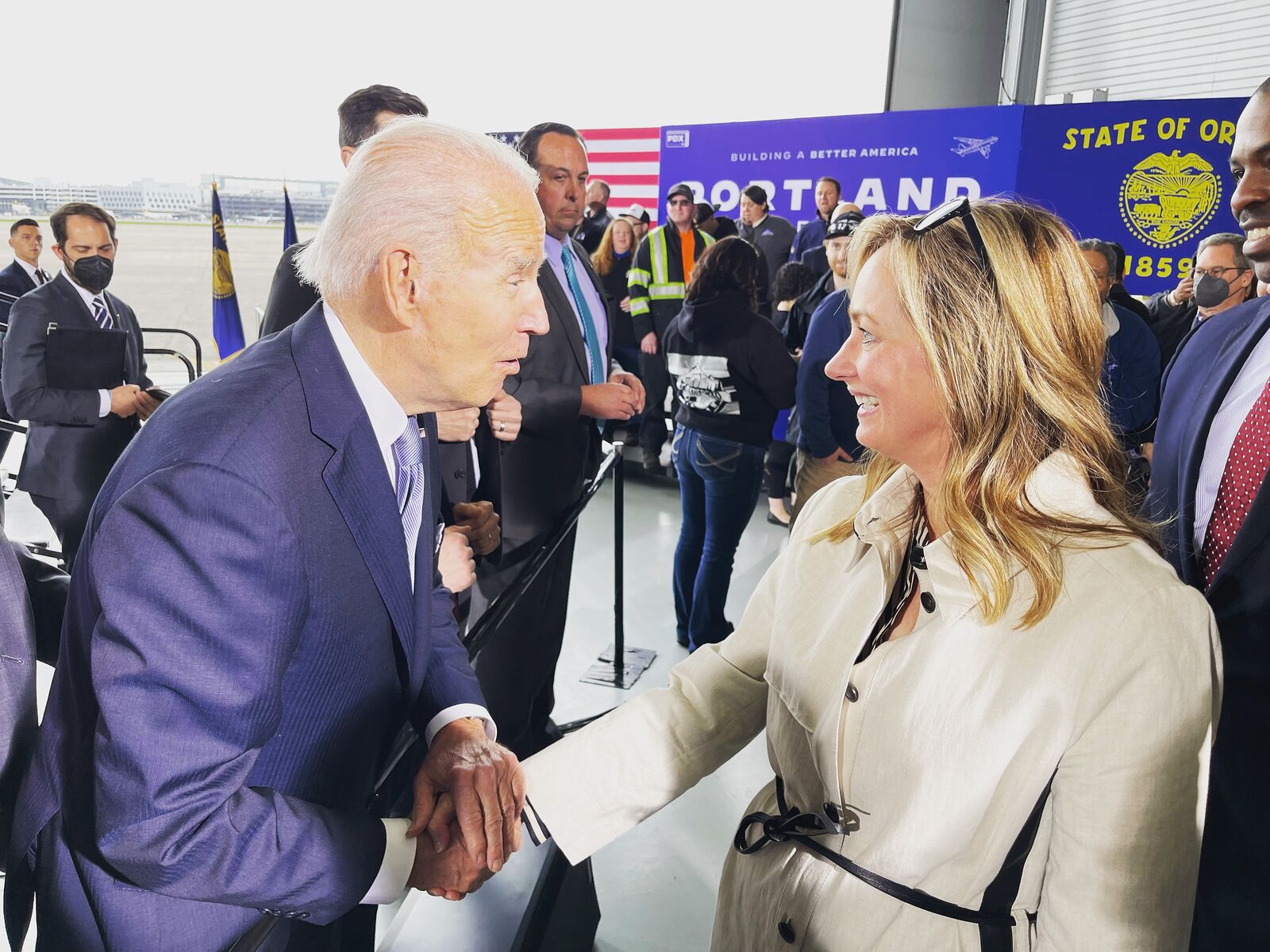
For me, it’s always “the firsts”. The first project of a new size or typology, where you are really learning about a whole new world and deeply ingrained in the work. Many stand out, but to name a few: Colorado Children’s Hospital in Denver, which was my first big healthcare project, and the U.S. Consulate in Istanbul, were both really meaningful. Recently, the Portland International Airport main terminal is at the top of my list! This was my first airport project, and it has been interesting for me to see how my experience working on large healthcare projects has helped me in embracing the scale, complexities and challenges of aviation design.
Tell us about your current role. You’re now leading ZGF’s seven offices across the US and Canada. How do you keep the firm’s 700+ employees connected and aligned?
Honestly, that was one bright spot of the pandemic for ZGF. We needed to find a way to engage with one another- to keep projects progressing and keep people working, regardless of location. The more we grow, the harder we need to work to stay connected—and that’s a responsibility shared across our full leadership team. It’s also why we emphasize opportunities for cross-office project collaboration, enabling everyone to work with their peers from different offices, and to learn from each other.
I’m also looking forward to some initiatives and tools coming out soon, to share information and knowledge about our projects and resources across the firm.
How are applying what you've learned from your mentors to your leadership today? What’s your advice for the next generation of women leaders?
Early in my career, I could have never pictured myself where I am today. I just didn't have that vision for what was possible at the time. I was always very focused on doing the work and that was what fed my soul and creative passion. I think that women now are much better advocates for themselves. My advice for women in design and architecture is to really advocate for yourself. Look at what you’re doing now, whether you’re just graduating or are years into your career, and picture yourself in that leadership role. Visualize your trajectory and the steps you need to take to get there.
Let’s wrap with your outlook for the future. What are you most looking forward to this year? What’s next for ZGF?
We’re at such an interesting time in the history of ZGF and architecture more broadly. The makeup of our firm and our partners look so different than it did even 10 years ago. My partners and I have been thinking a lot about how the firm is evolving and what we stand for. We think a lot about how we can make a lasting impact on the world through design. Ultimately, we’re focused on making a difference in people’s lives, fighting climate change, and advancing social justice through design. We’re putting those values at the center of everything we do.
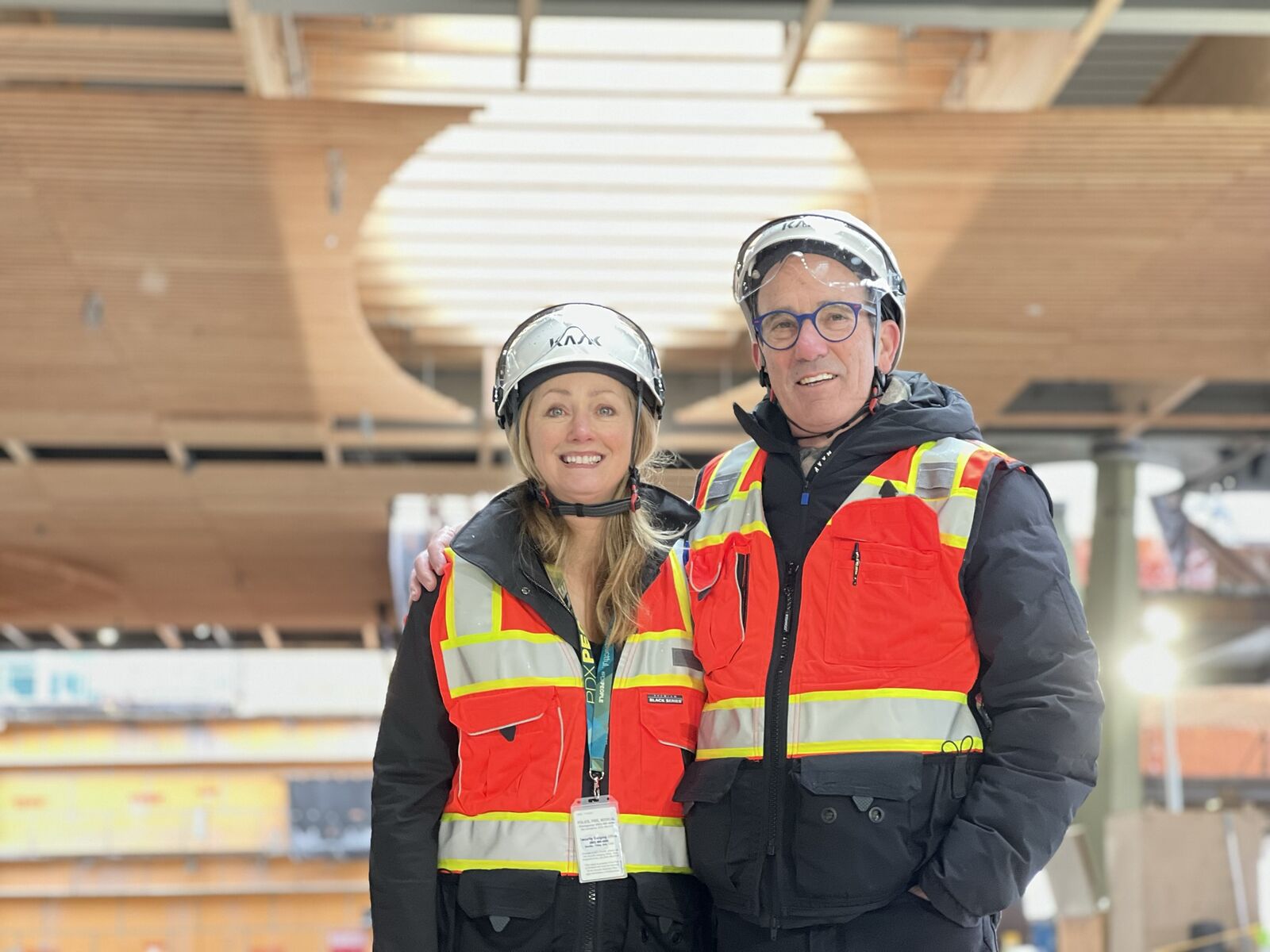

Port of Portland, PDX Next Concourse B
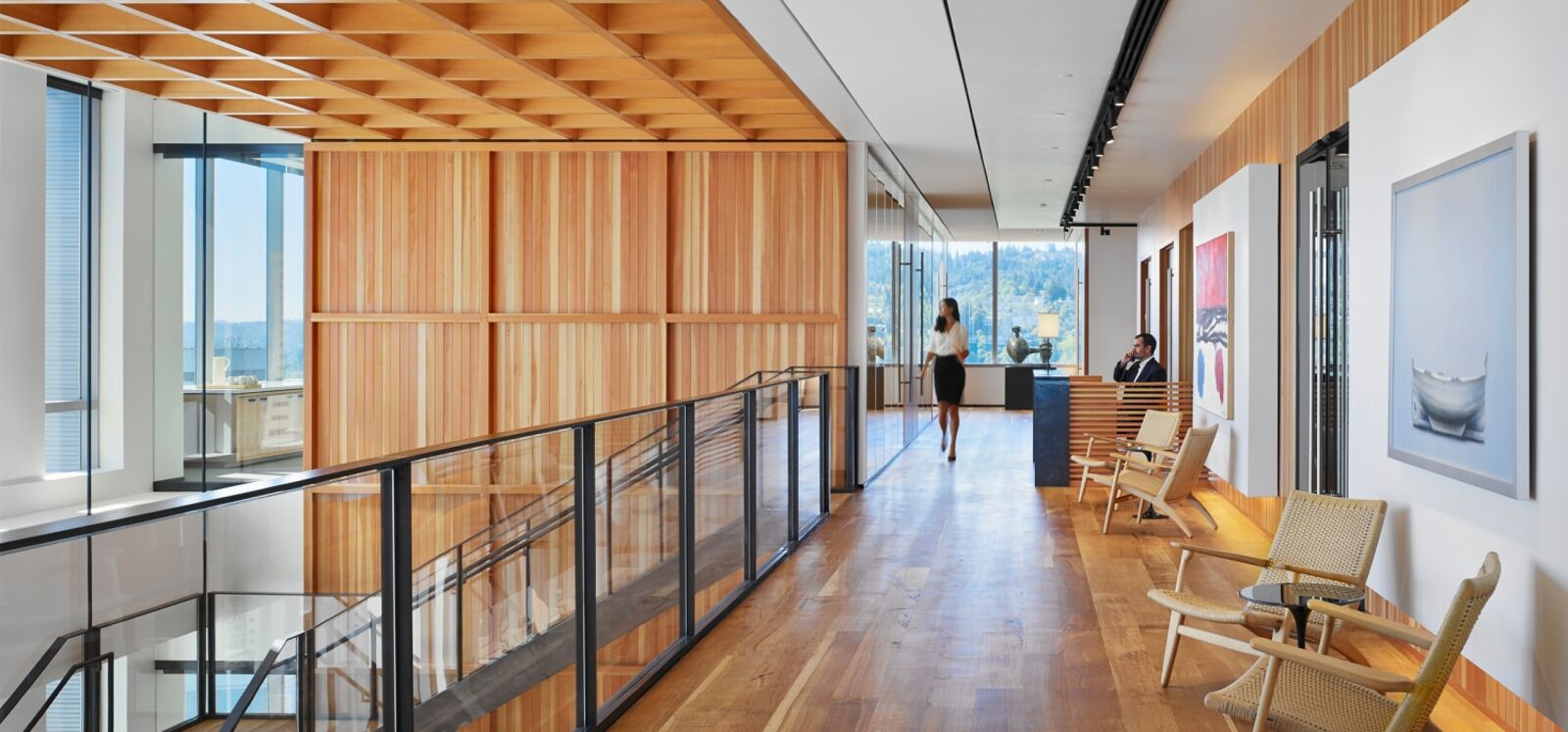
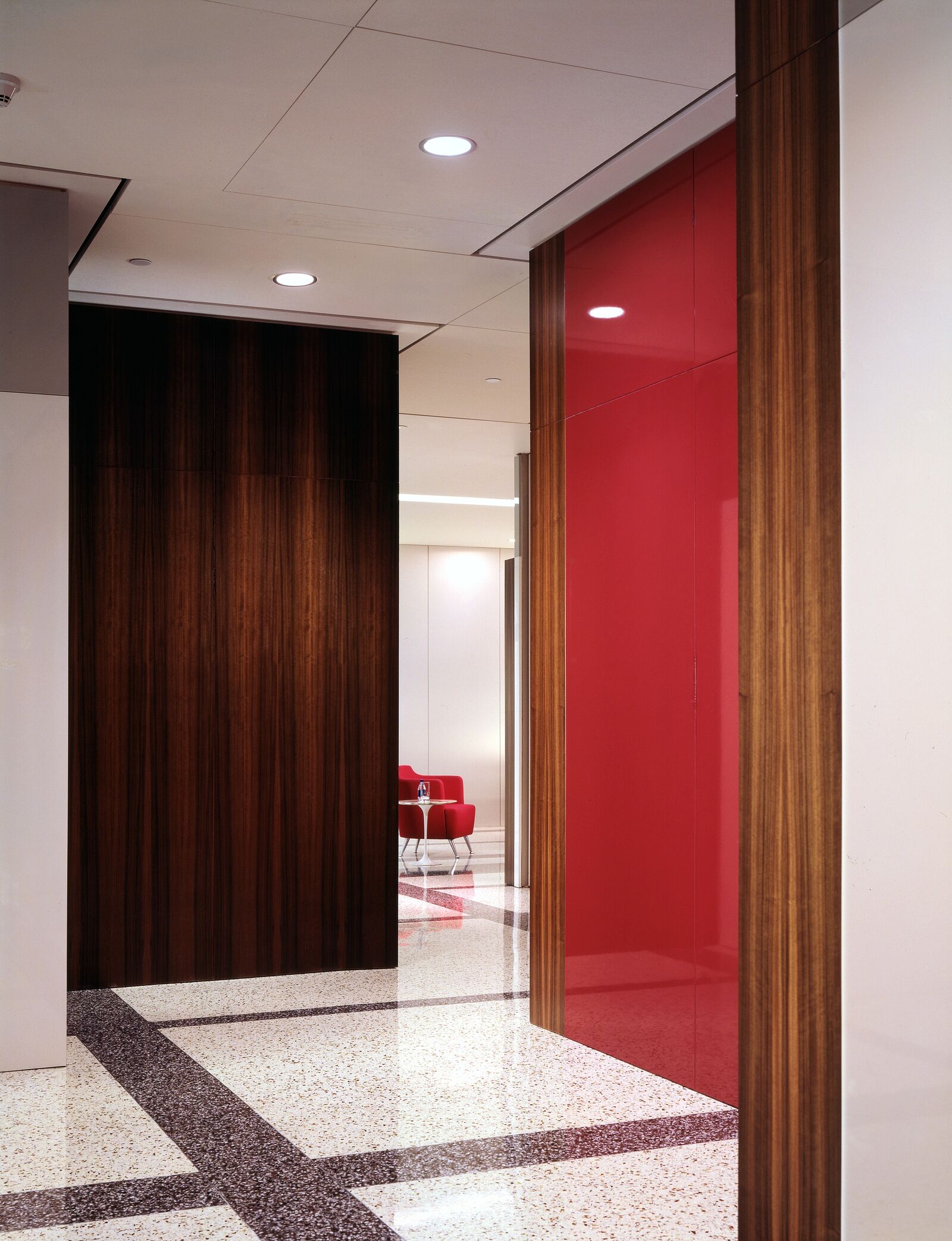
Stoel Rives LLP, Portland HQ
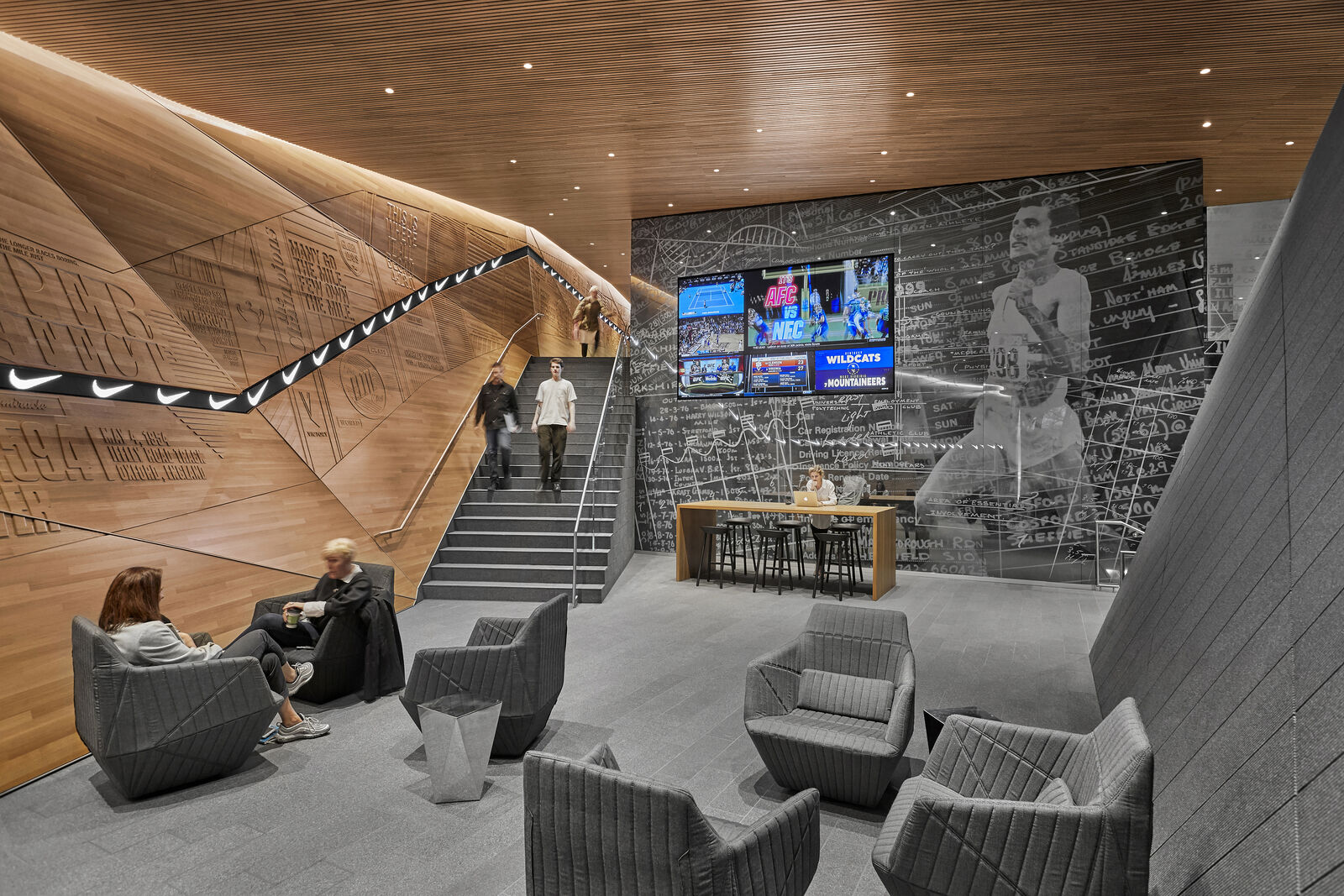
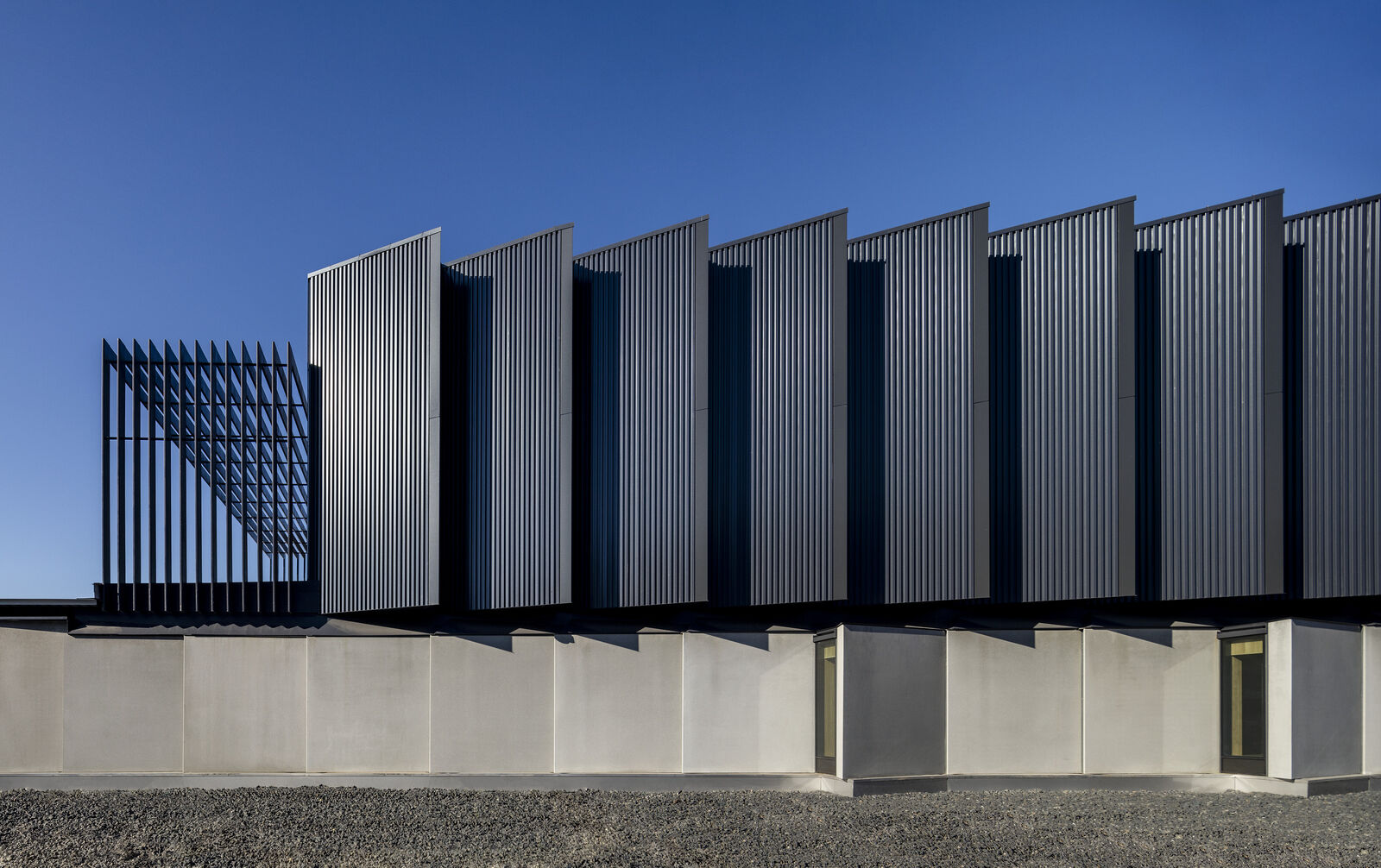
Nike World Headquarters Expansion, Sebastian Coe Building
