Updated Design Solutions to Prefab Mass Timber Construction in Canada
Mass timber is part of a global trend toward prefabricated and offsite construction because of its speed, efficiency, and lower embodied carbon footprint—not to mention its beauty and warmth as a biophilic building material. It also has the potential to support thriving communities by addressing rising housing costs and ongoing labor challenges. As demand for mass timber accelerates and recent Canadian building code changes allow it in taller buildings, more developers are exploring mass timber solutions for high-rise residential projects.
While the material’s low carbon footprint is well documented, it can still be challenging to analyze the cost of a mass timber building in the BC market. In 2021, ZGF partnered with BTY Group, Axiom Builders, and WSP Canada, along with building code and acoustic experts, on a demonstration study, “Making Mass Timber Work for High-Rise Residential in BC,” to compare cost, construction methods, and schedules of a typical concrete high-rise in Vancouver to a theoretical mass timber concept. The study utilizes the University of British Columbia (UBC) Georgia Point project, a 14-storey multifamily residential tower designed by ZGF, as the baseline.
The study paved the way for ZGF’s subsequent contribution to “Design Solutions to Prefab Mass Timber Construction,” a joint endeavour with Simon Fraser University (SFU) Renewable Cities and other AEC-industry stakeholders. This guide addresses barriers and offers design guidance for midrise mass timber projects, following recent BC Building Code revisions allowing 7 to 12-storey buildings.

A newly-released 2024 update provides additional guidance on how municipal land use regulations and design guidelines can better accommodate 7 to 12-storey mass timber buildings in BC. It also outlines considerations for projects up to 18 storeys, which are now acceptable by law as of April 2024. The updated guide is particularly timely as the Vancouver City Council recently approved a series of simple yet meaningful development incentives to drive adoption of taller mass timber projects, boost the local economy, and normalize this building typology across the industry.
Released in March 2024, the updated guidelines provide information and resources to help local governments develop a review process for mass timber project applications in their jurisdiction.
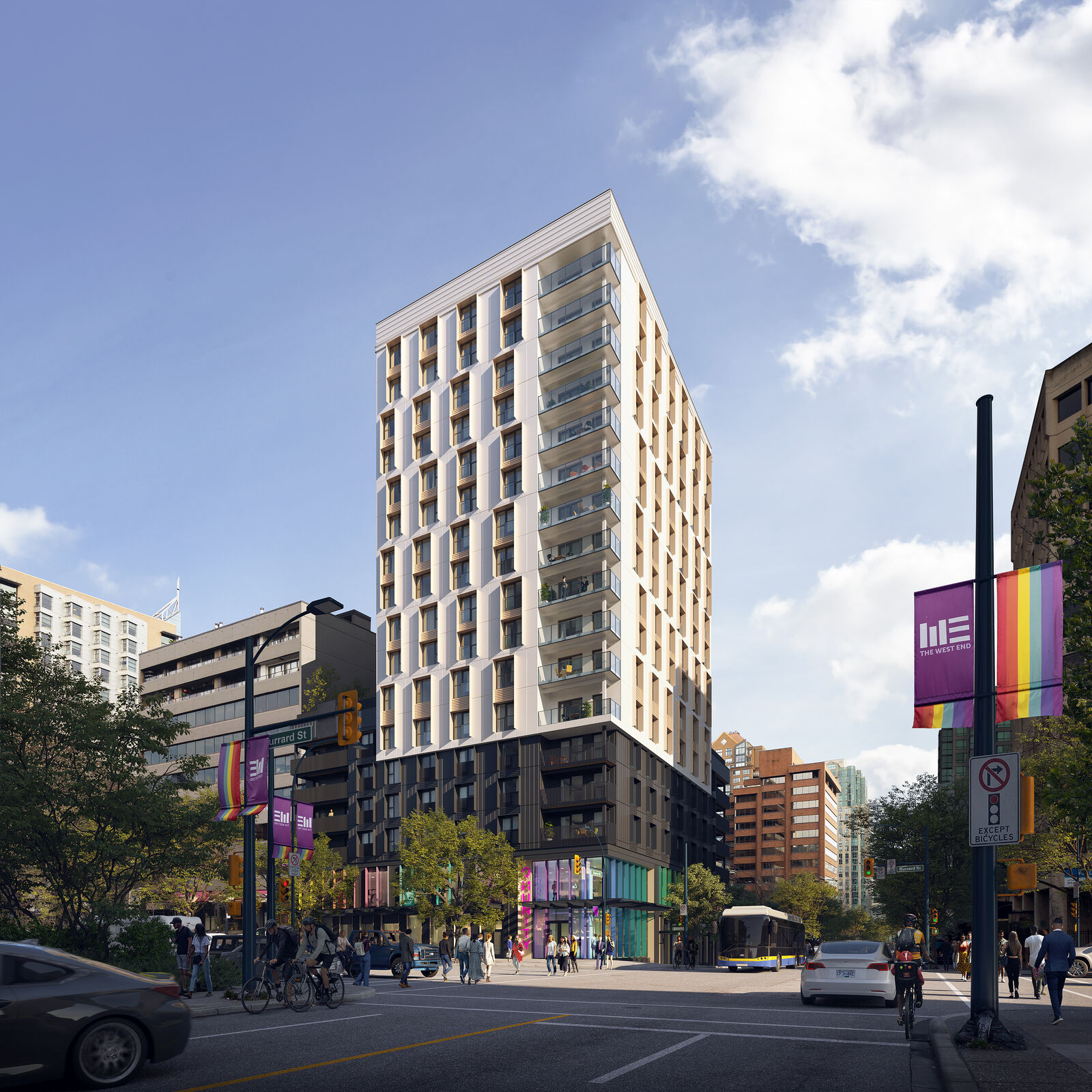
ZGF’s 981 Davie project stands out as one of a handful of tall mass timber projects to successfully make it through permitting and start construction in Vancouver.
Urban Design Opportunities
From an urban design perspective, ZGF provided considerations in the v2.0 guide for creating more dynamic, activated street interfaces with mass timber projects despite the consistent vertical lines and massing required by their structural logic.
For hybrid structural solutions, concrete podia constructed up to level two are likely required as part of transfer structures to below grade structures and foundations. These can serve to modulate an over-bearing massing above by providing relief in the form of canopy projections, overhangs, façade-insets, breaks in pattern, greater transparency, etc., relying on the greater flexibility of concrete structure for these breaks.
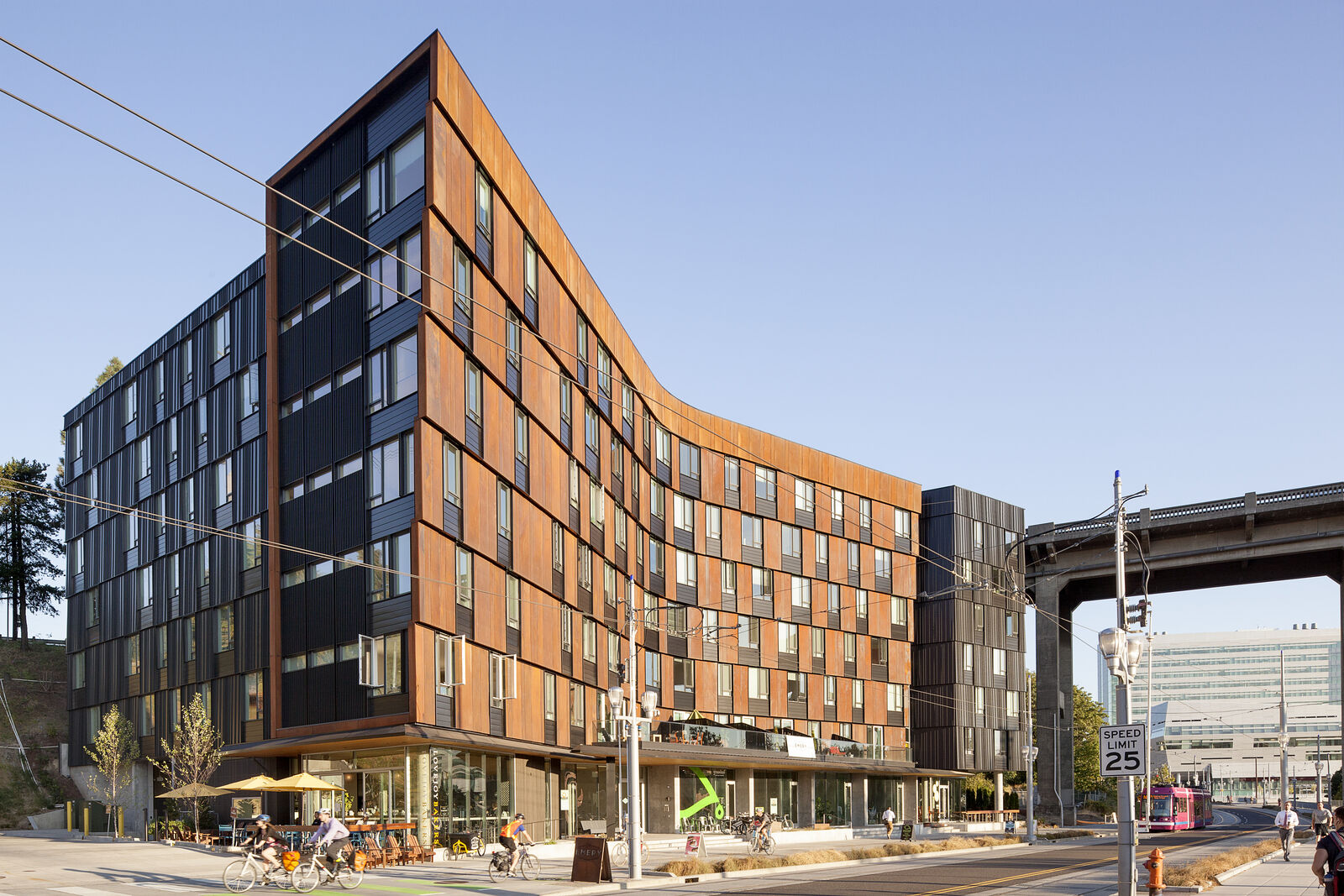
The Emery in Portland, OR, is a 6-storey light-framed wood apartment over a mixed-used concrete base. The building cantilevers an inflected floor plate over a commercial street frontage.
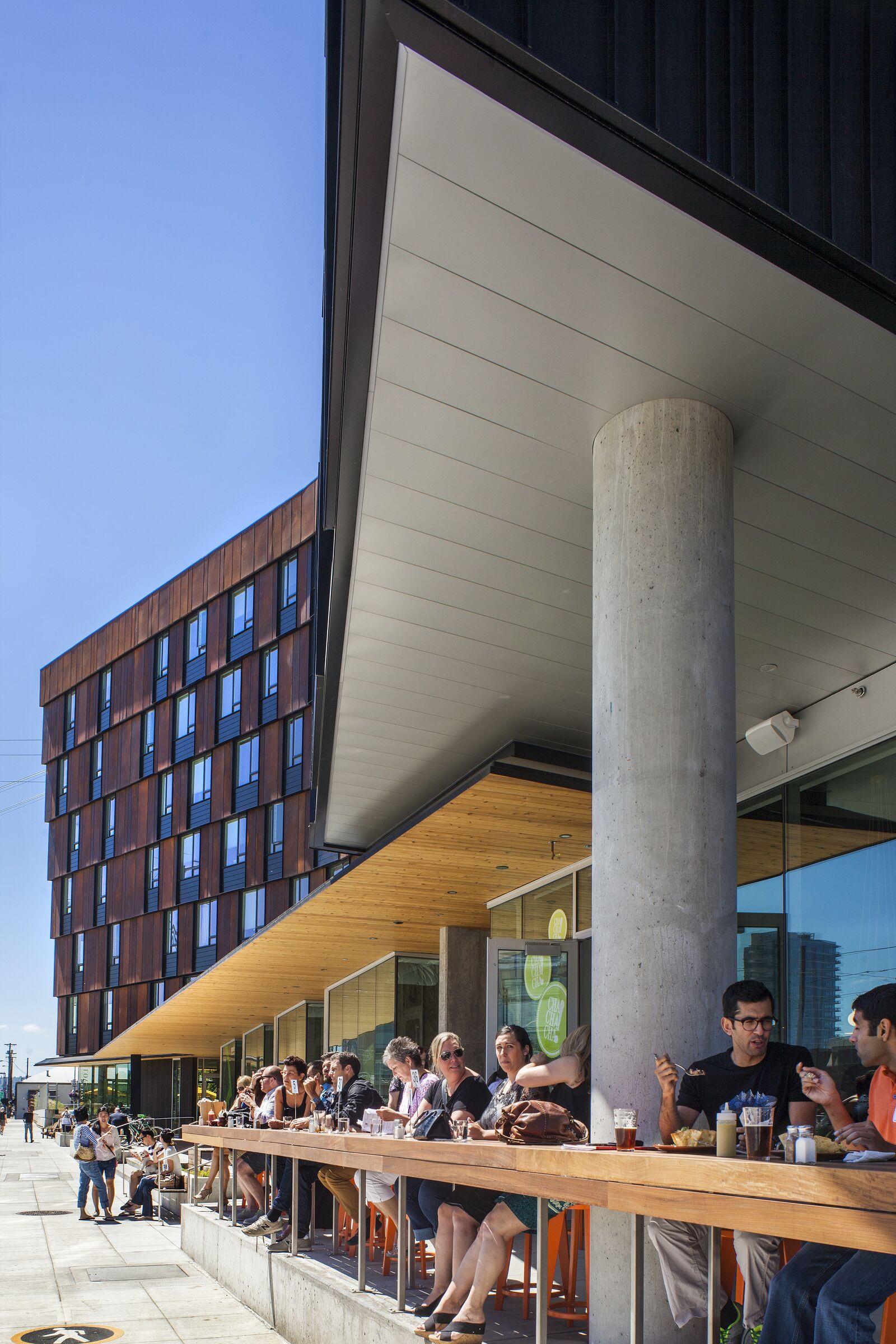
Its successful integration with the street relies on a well-articulated ground level, without complicating the design of the apartments above. Similar principles can be applied to taller mass timber structures.
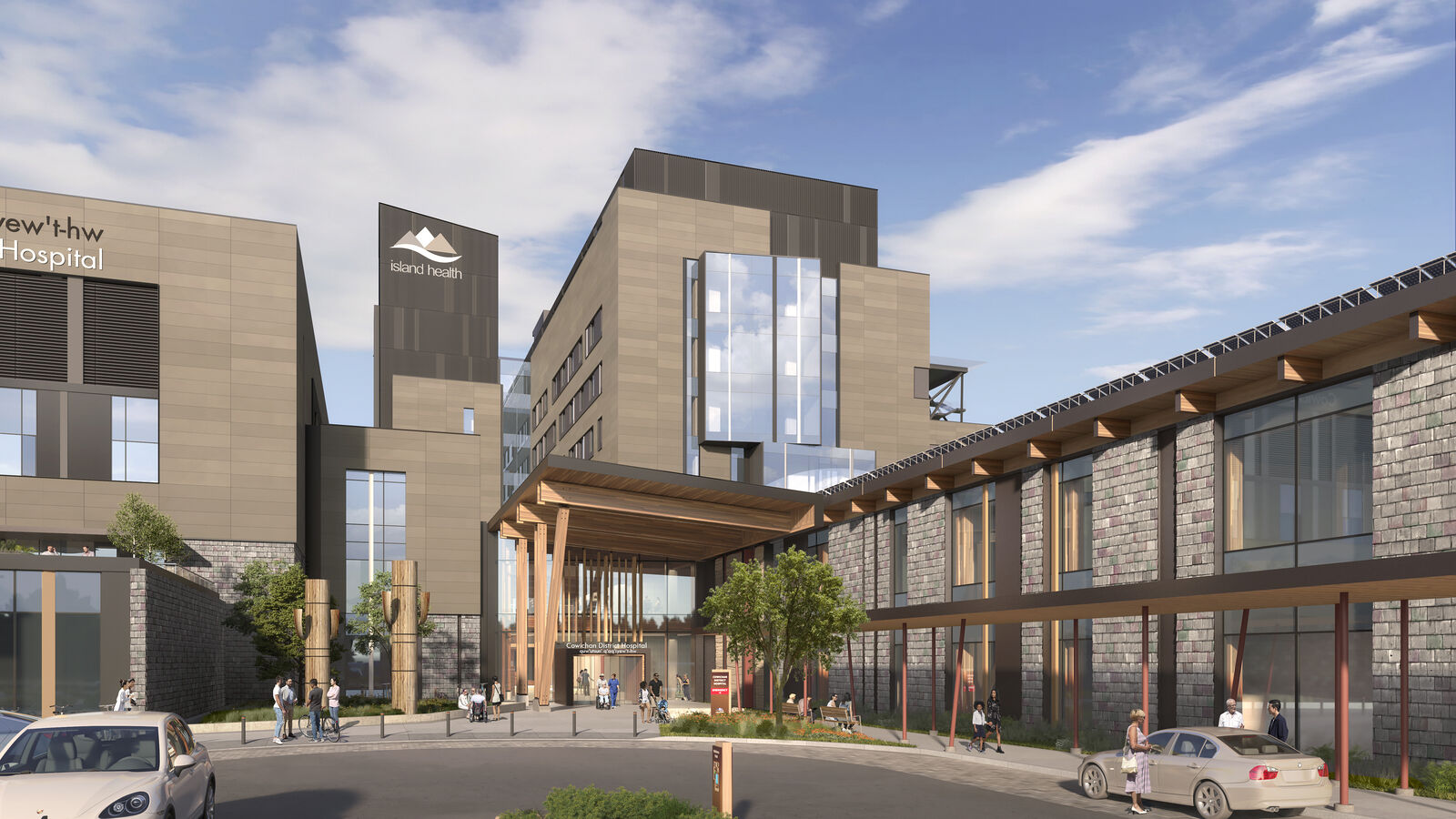
Mass timber elements can also be used to form a distinct interface between the building and the street without the need to inflect the building envelope.
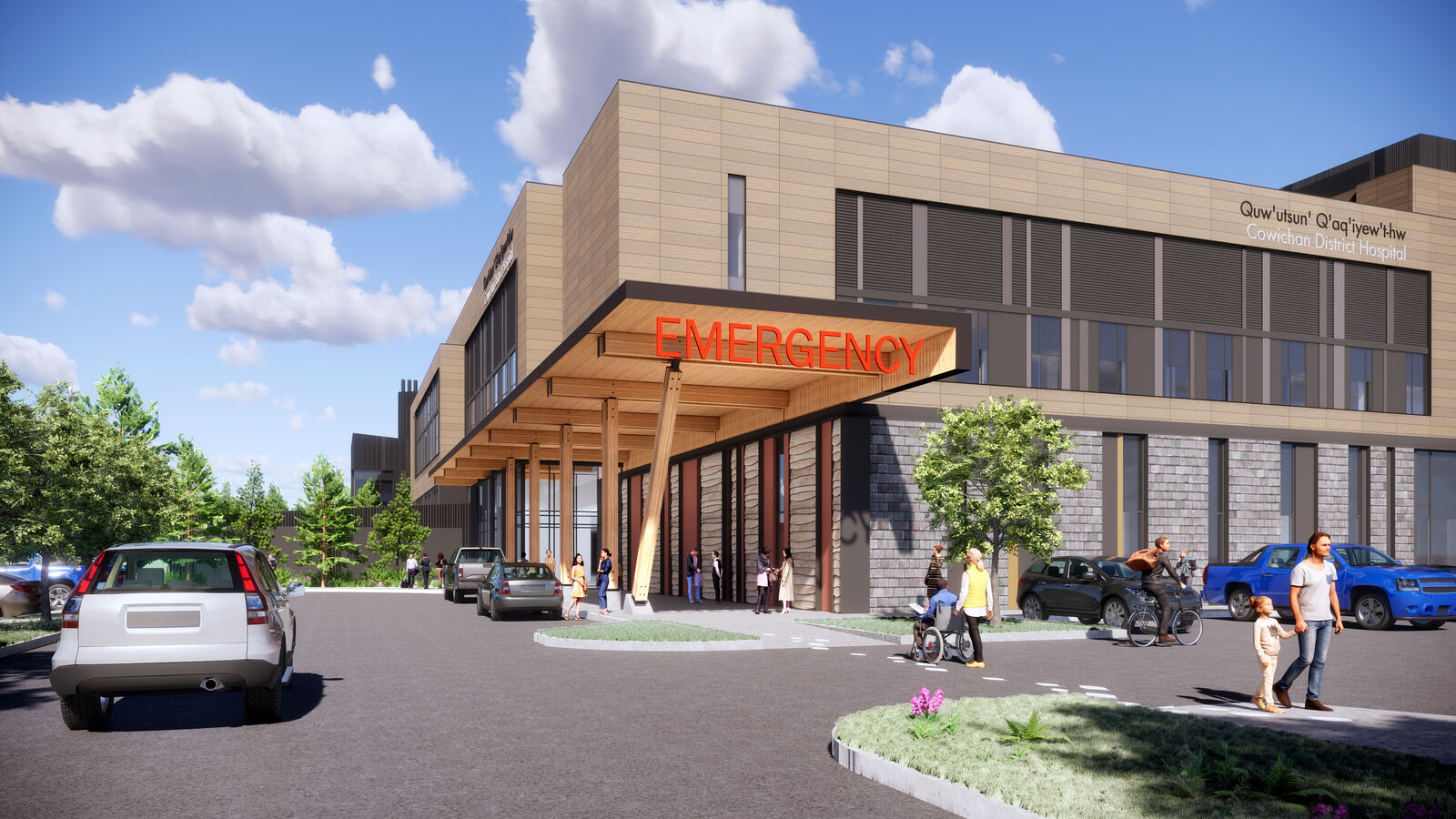
Wood entrance canopies at the future Cowichan District Hospital will protect users from the elements while creating a natural transition from outside to inside.
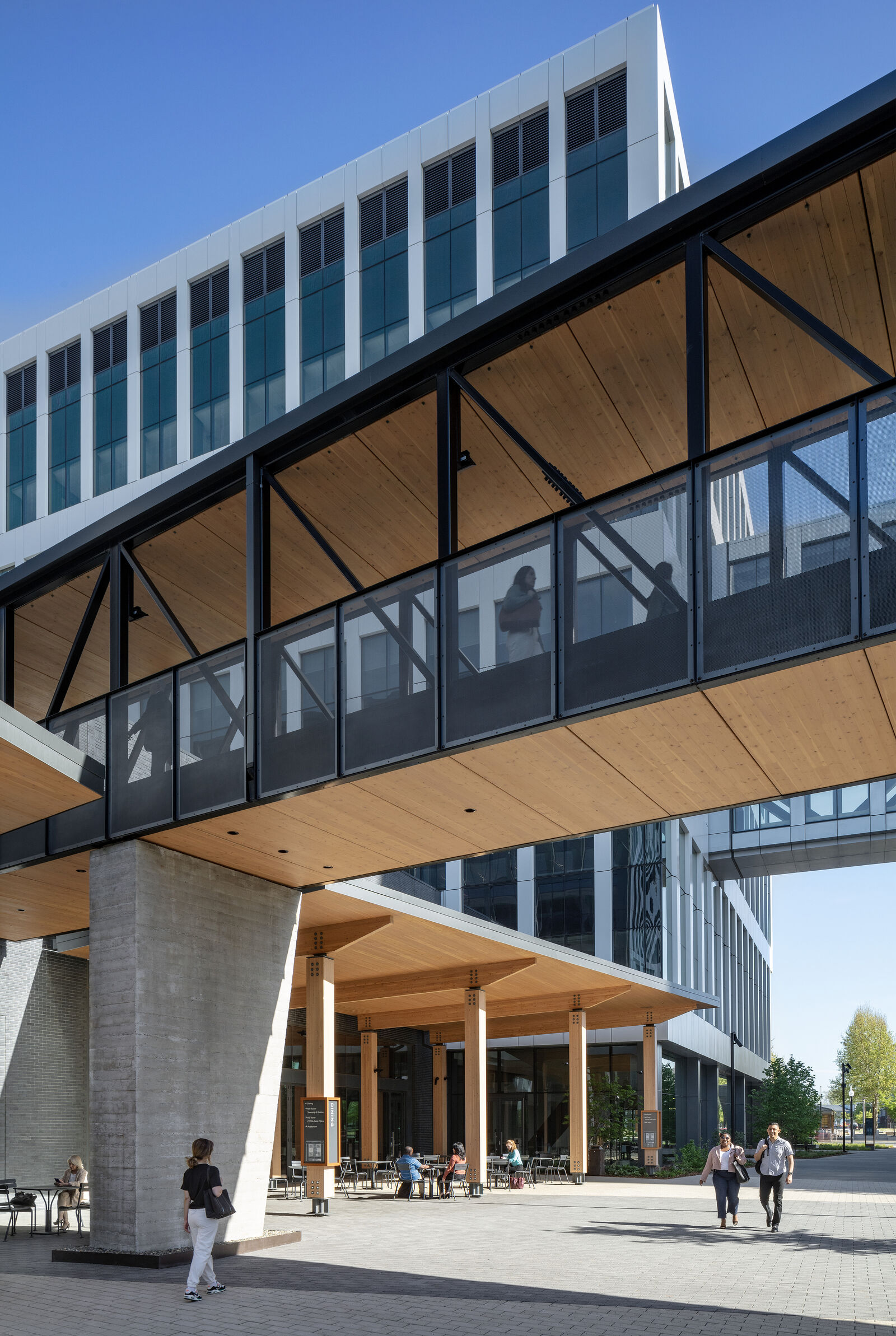
The recently completed May Lee State Office Complex in Sacramento, CA features four prominent mass timber canopies along the edge of the Town Square.
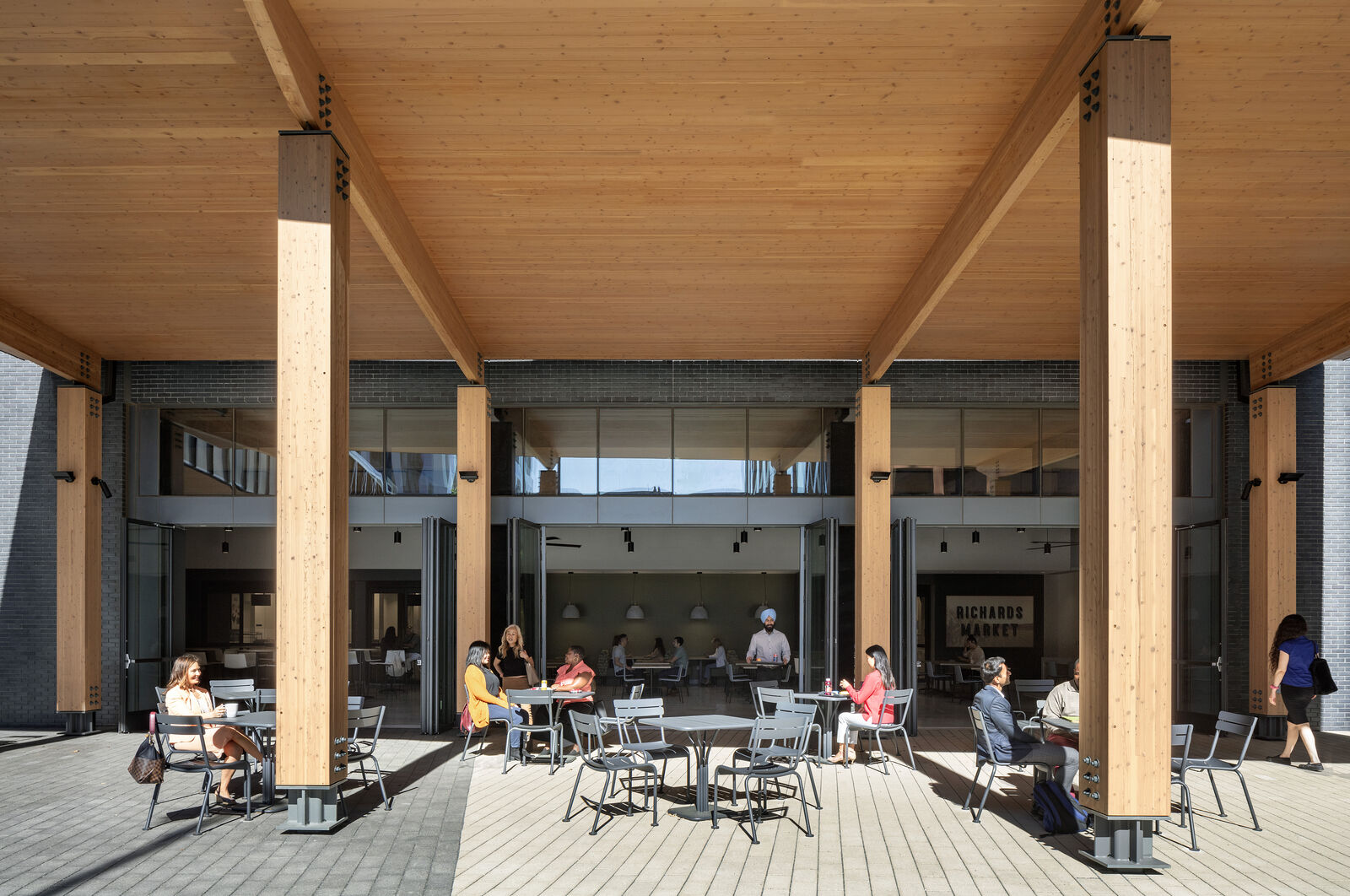
They help break down the scale of large open spaces between office buildings, ensuring the project resonates as a campus, a civic space, and a welcoming neighbor.
For projects that want to continue a timber structure to grade, complex urban interfaces can be achieved by more subtle means, less formally intensive and more material or texturally driven, or by better integrating landscaping elements. Partially exposed timber is intrinsic to a mass timber building, like exposed timber elements at grade for canopy supports or arcades, adding both formal interest and material vibrancy to the urban experience.
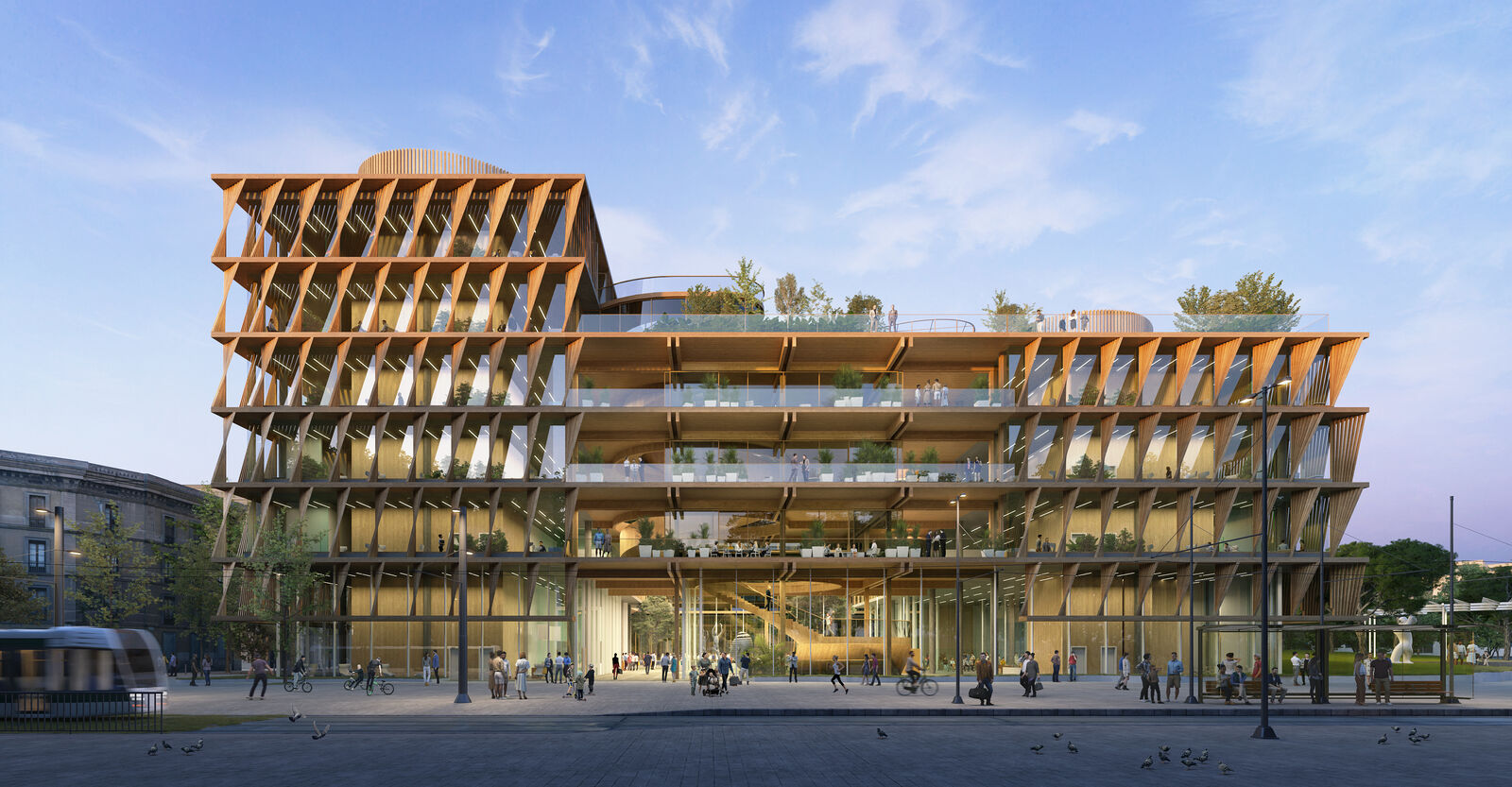
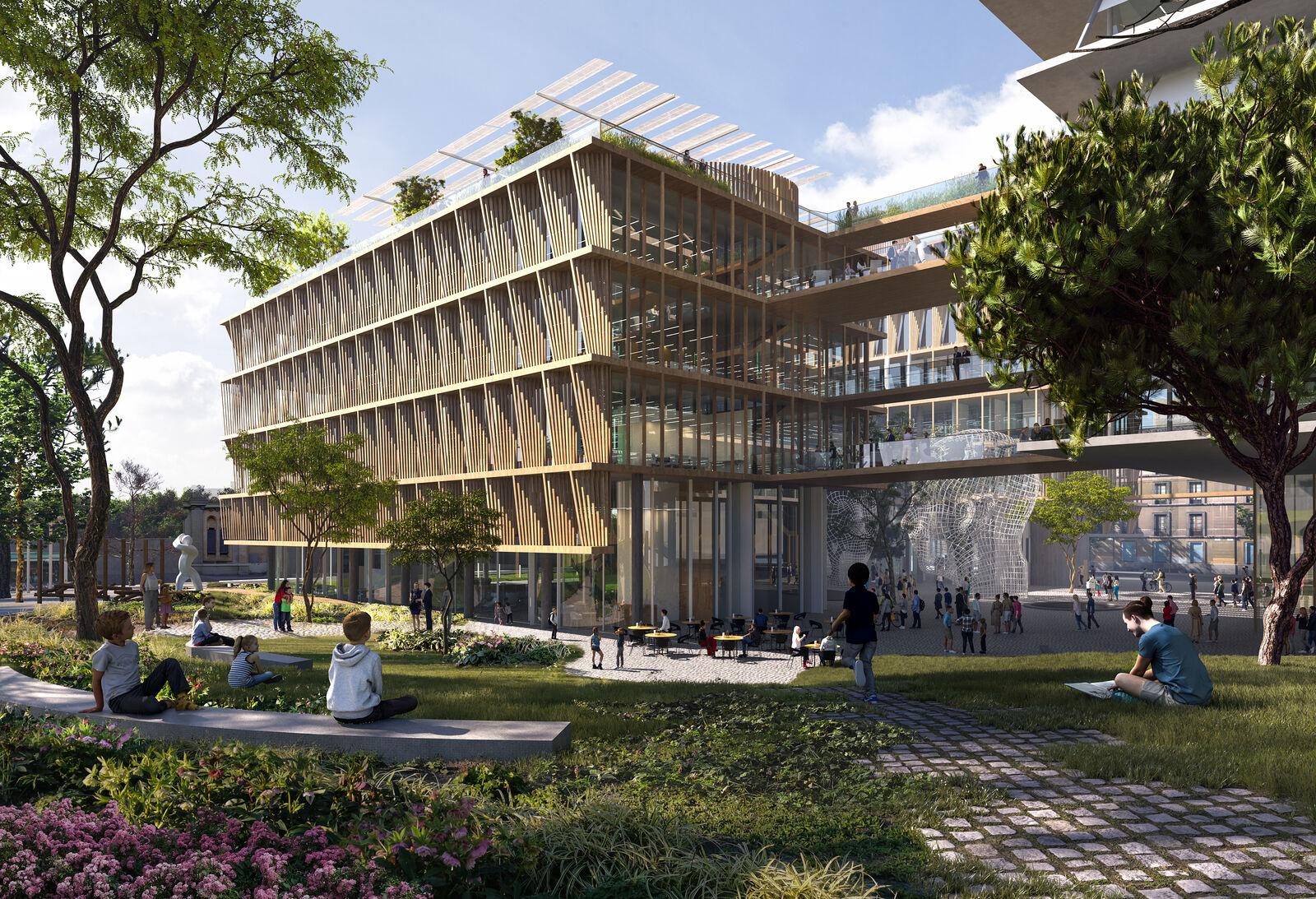
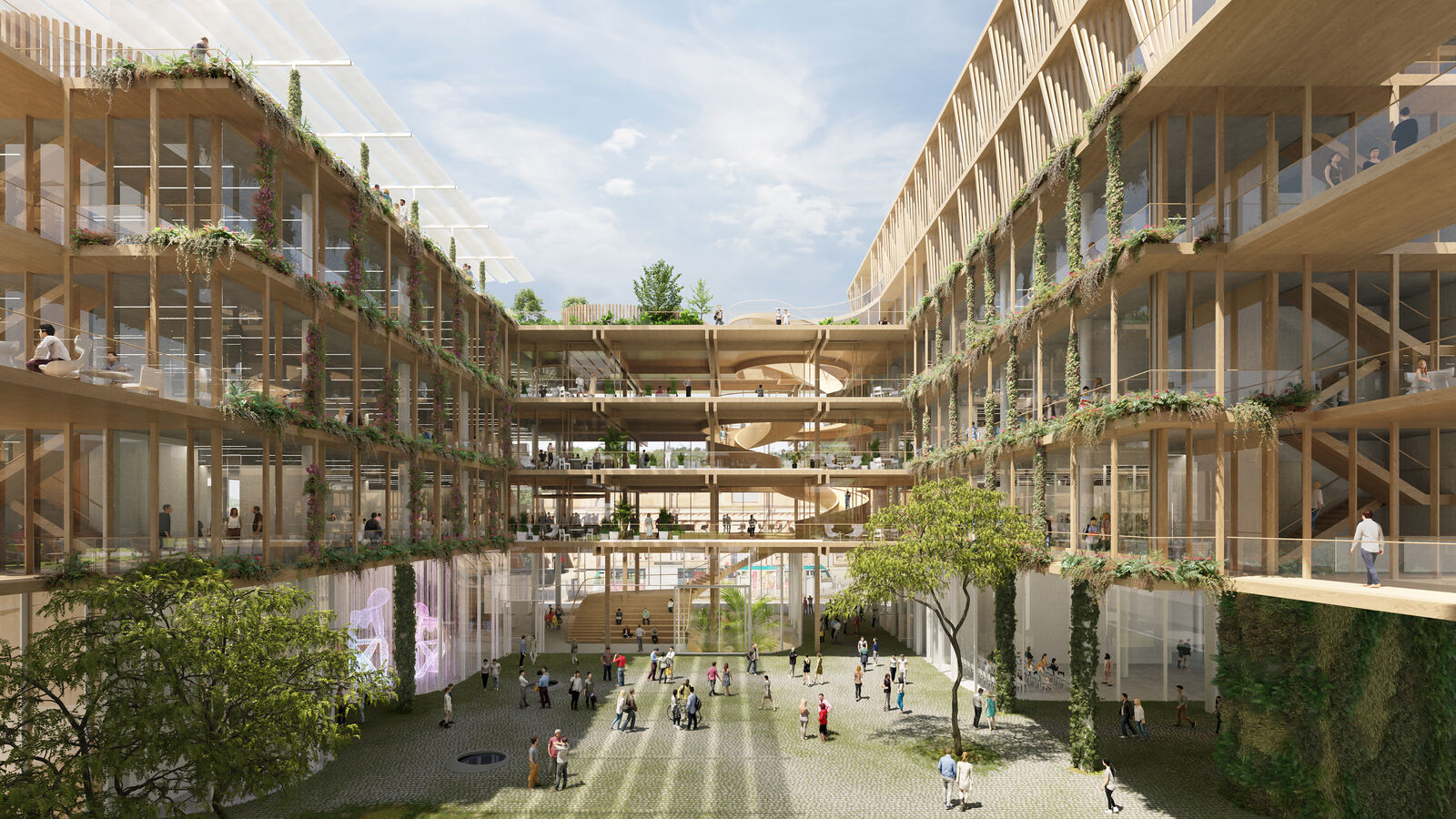
It's important to note that making mass timber construction a competitive and viable solution is only possible through thoughtful design and application of innovative techniques and methods. Forerunner projects in BC, such as 981 Davie, may not be the answer for every project, but they provide valuable lessons and research that benefit the entire AEC industry while crafting a richer urban environment for our communities. ZGF considers mass timber both a viable and beautiful tool in its innovation and sustainability toolbox.
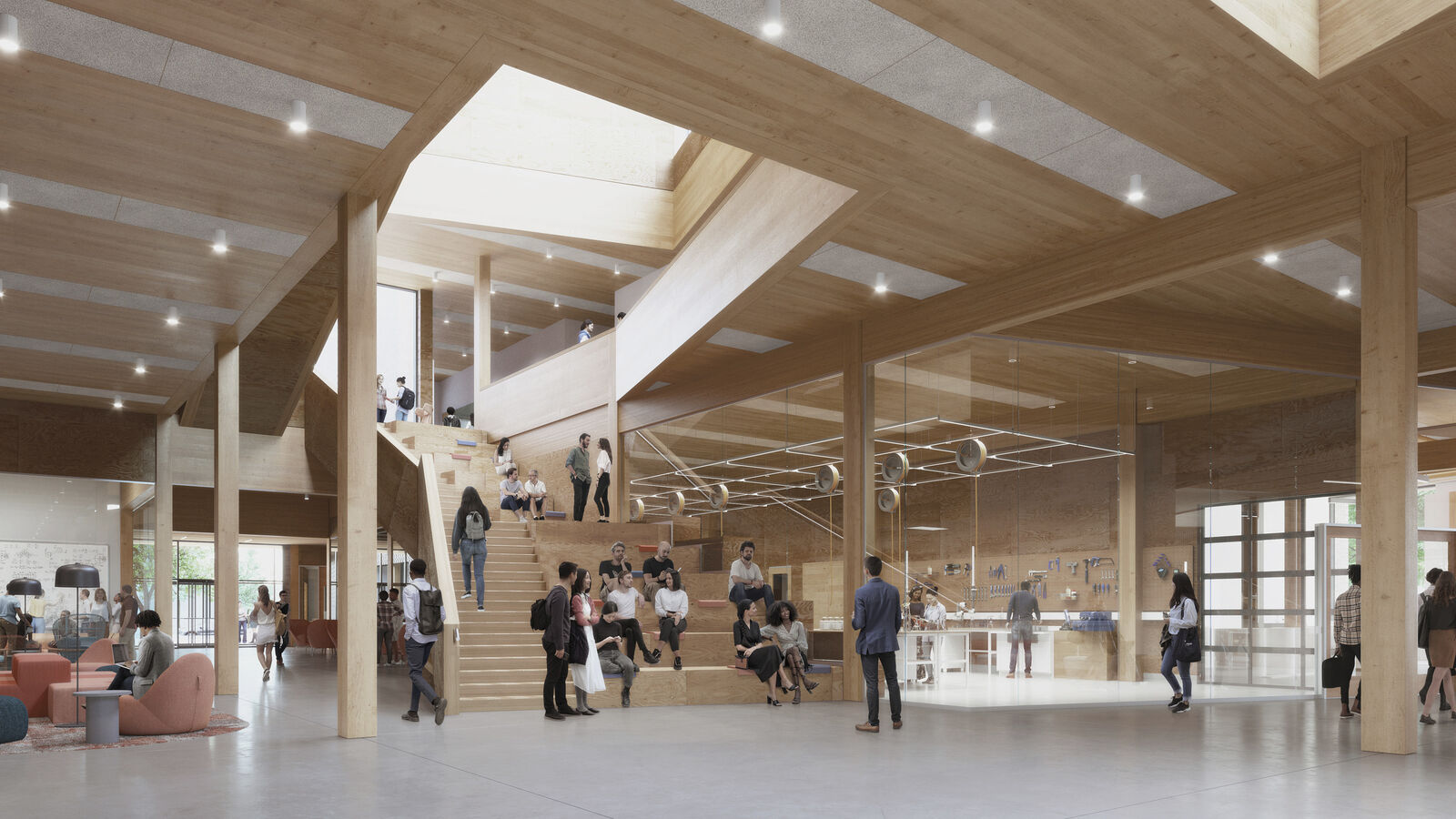
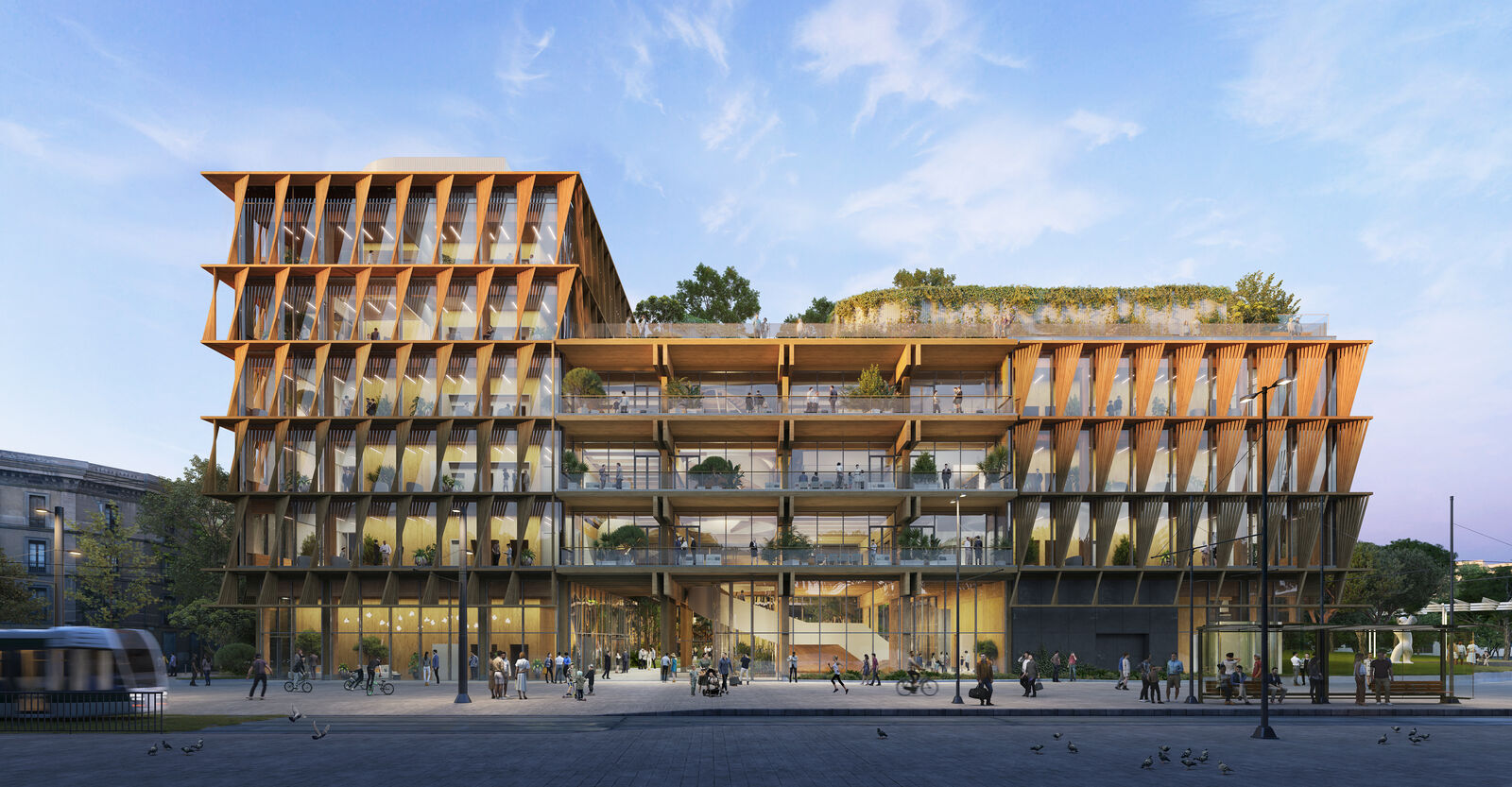
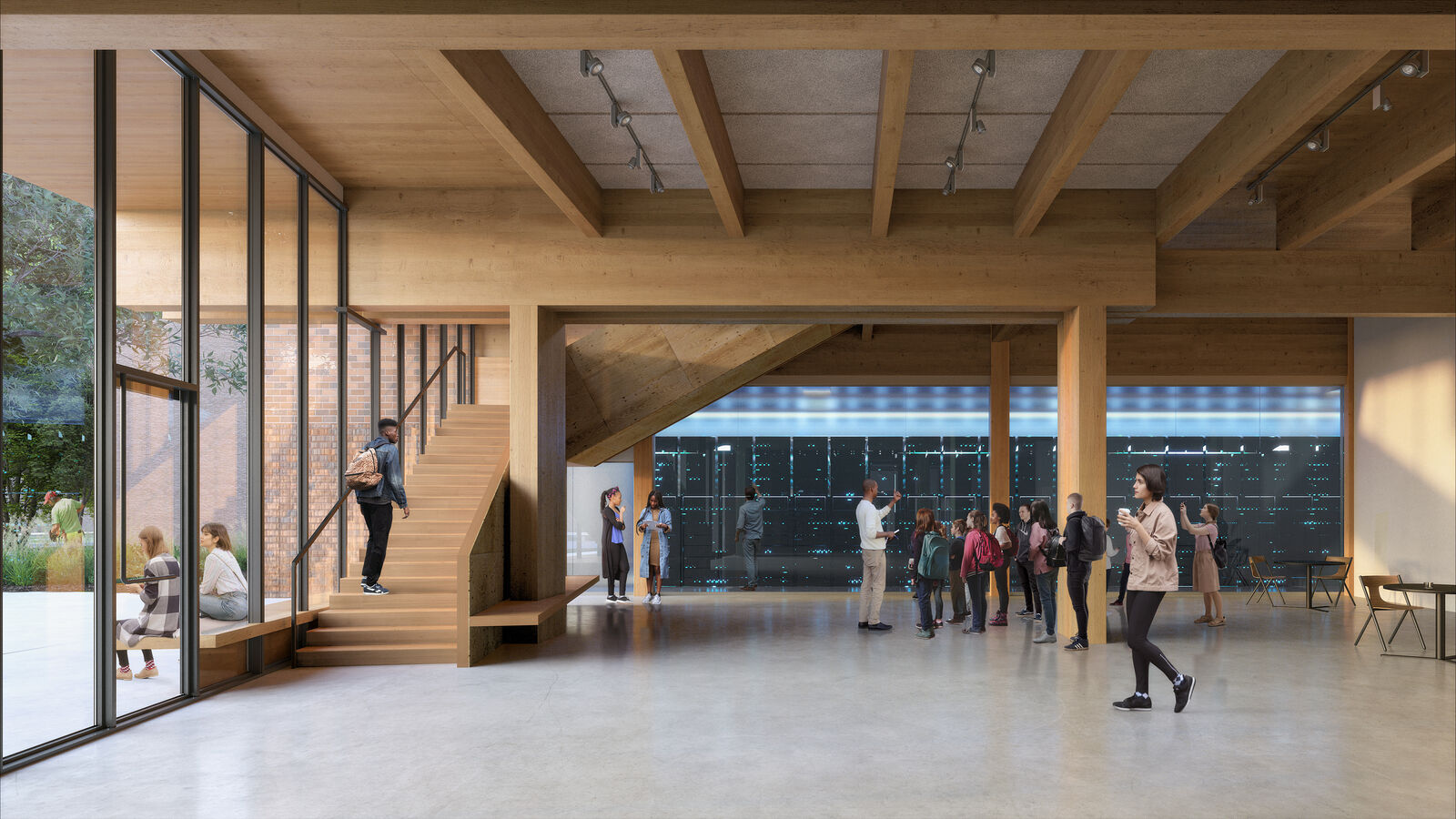
Oregon State University, Jen-Hsun Huang and Lori Mills Huang Collaborative Innovation Complex
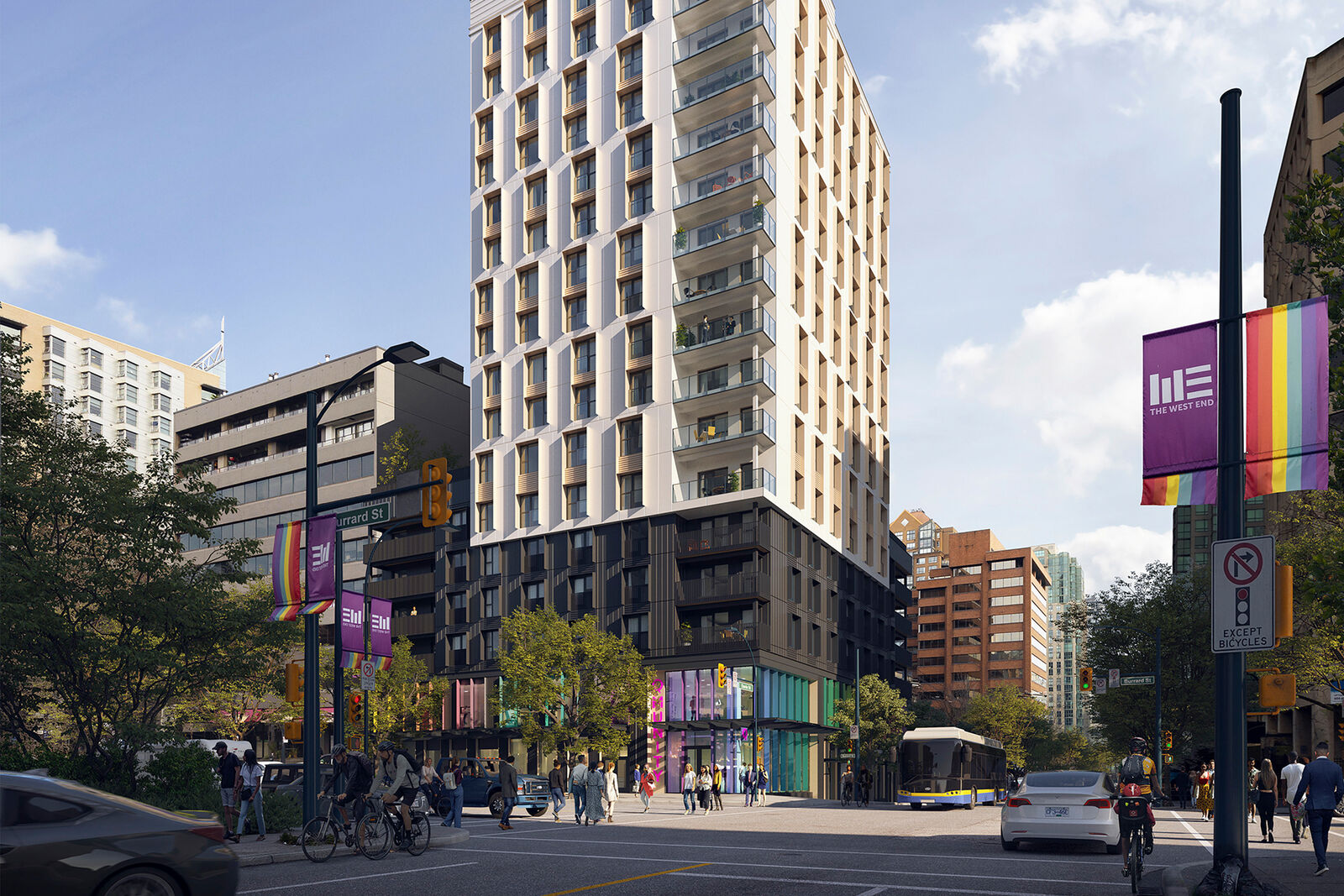
Community Land Trust Foundation of BC, 981 Davie St.
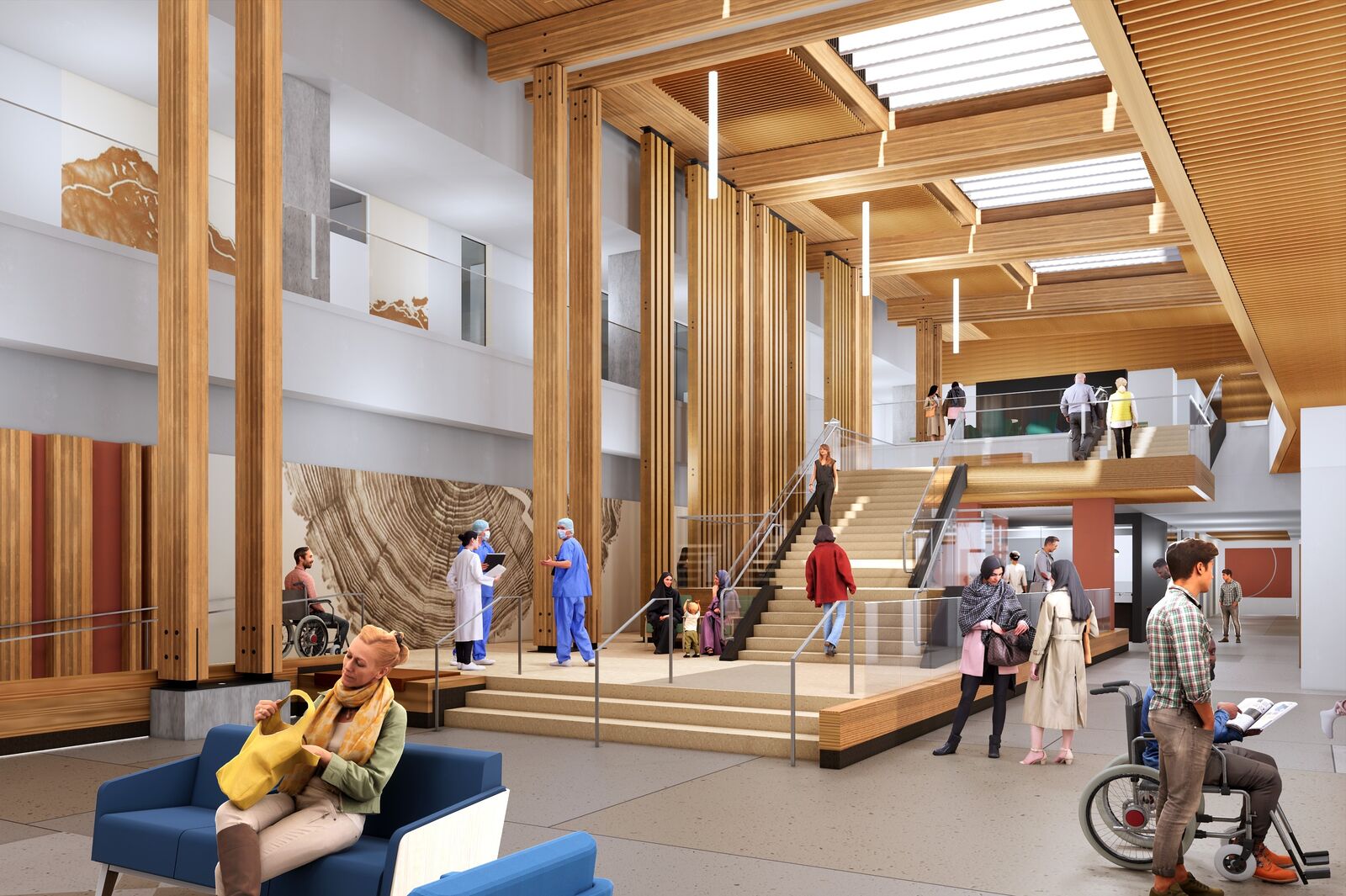
Island Health, Cowichan District Hospital

Fraser Health, New Surrey Hospital and BC Cancer Centre