Equity and Social Justice in the Supply Chain
What do building materials have to do with social justice?
By: Marty Brennan, AIA, WELL AP, Principal, ZGF
It’s widely published that approximately 8.5% of U.S. greenhouse emissions come from the health sector. Many healthcare systems are mobilizing to decarbonize, starting with Scope 1 and 2 emissions by going electric with renewables, deploying low-carbon refrigerants and anesthesia, and transitioning to electric fleets. Scope 3 emissions from their supply chains—everything from food, medical supplies, air travel, and the materials that go into their buildings—are the least understood but they can account for 60-90% of total emissions.
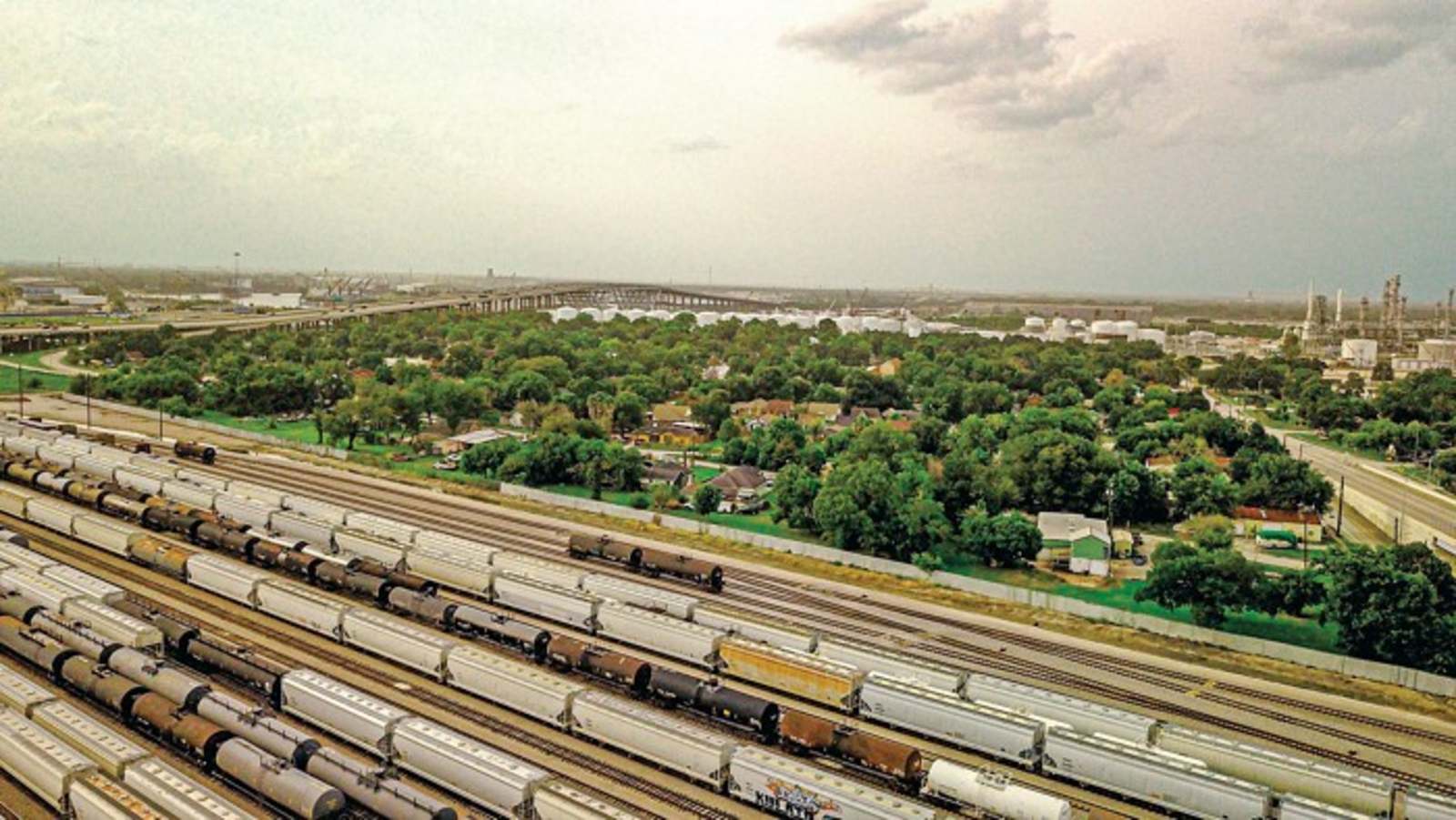
All of these emissions have a disproportionate impact on vulnerable communities, but Scope 3 emissions of materials and products destined for a large hospital, or even a small clinic, can have an outsized impact on upstream and downstream communities across the product life cycle. This is an environmental justice issue as in the case of vinyl, which starts as vinyl chloride manufactured in “Cancer Alley” and causes devastating impacts to human and ecological health from its production, transport, use, and end-of-life.
Health systems are increasingly acknowledging their role in both contributing to the problem and mitigating its effects for patients, staff, and communities, yet many don’t know how to make the business case for decarbonizing Scope 3 emissions or where to start. The design and construction of healthcare facilities represents one of the greatest opportunities to decarbonize at scale with practical, even cost neutral, approaches to procurement that can be applied to other operational green purchasing strategies.
What do building materials have to do with social justice?
Meeting a community need
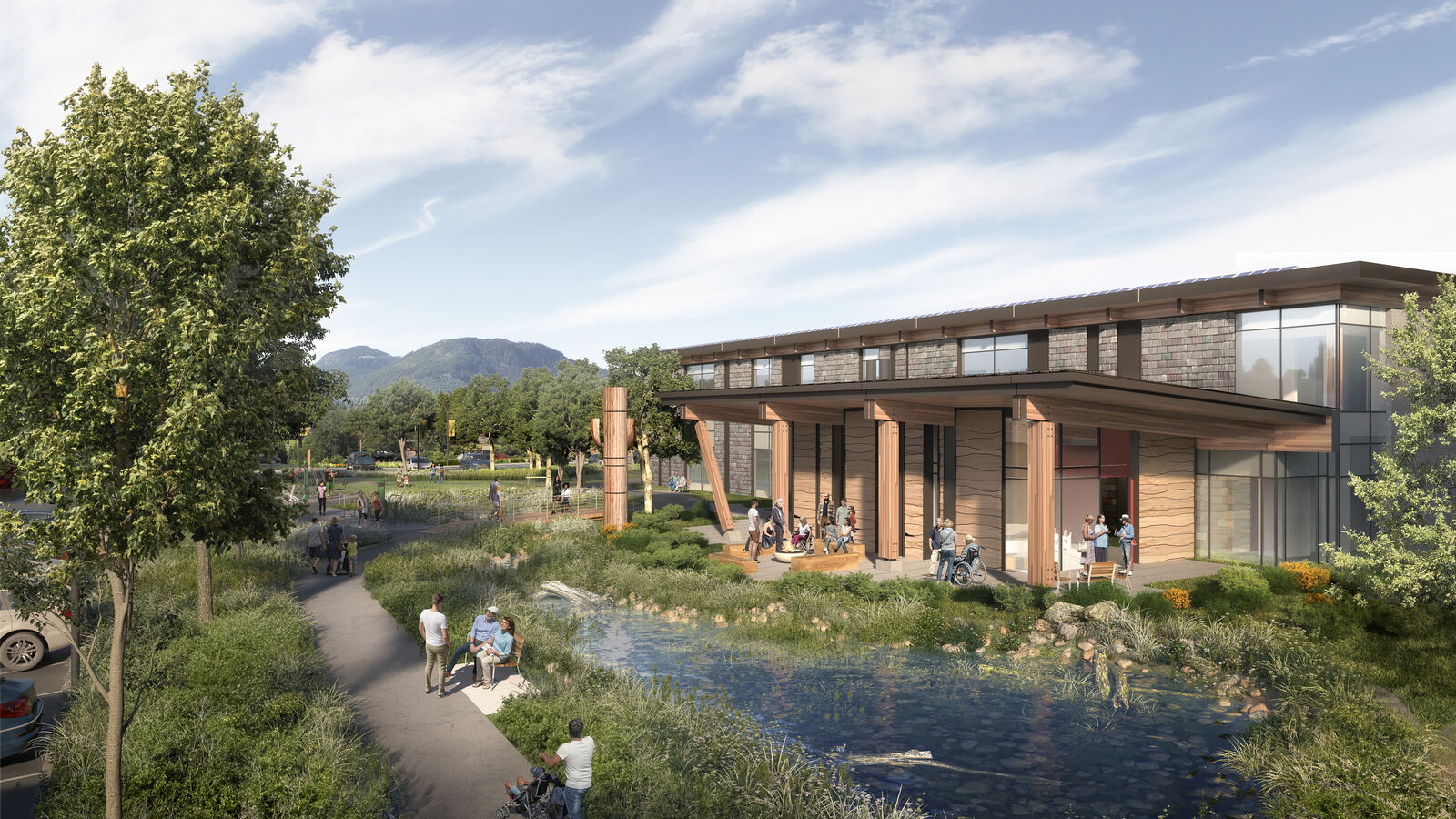
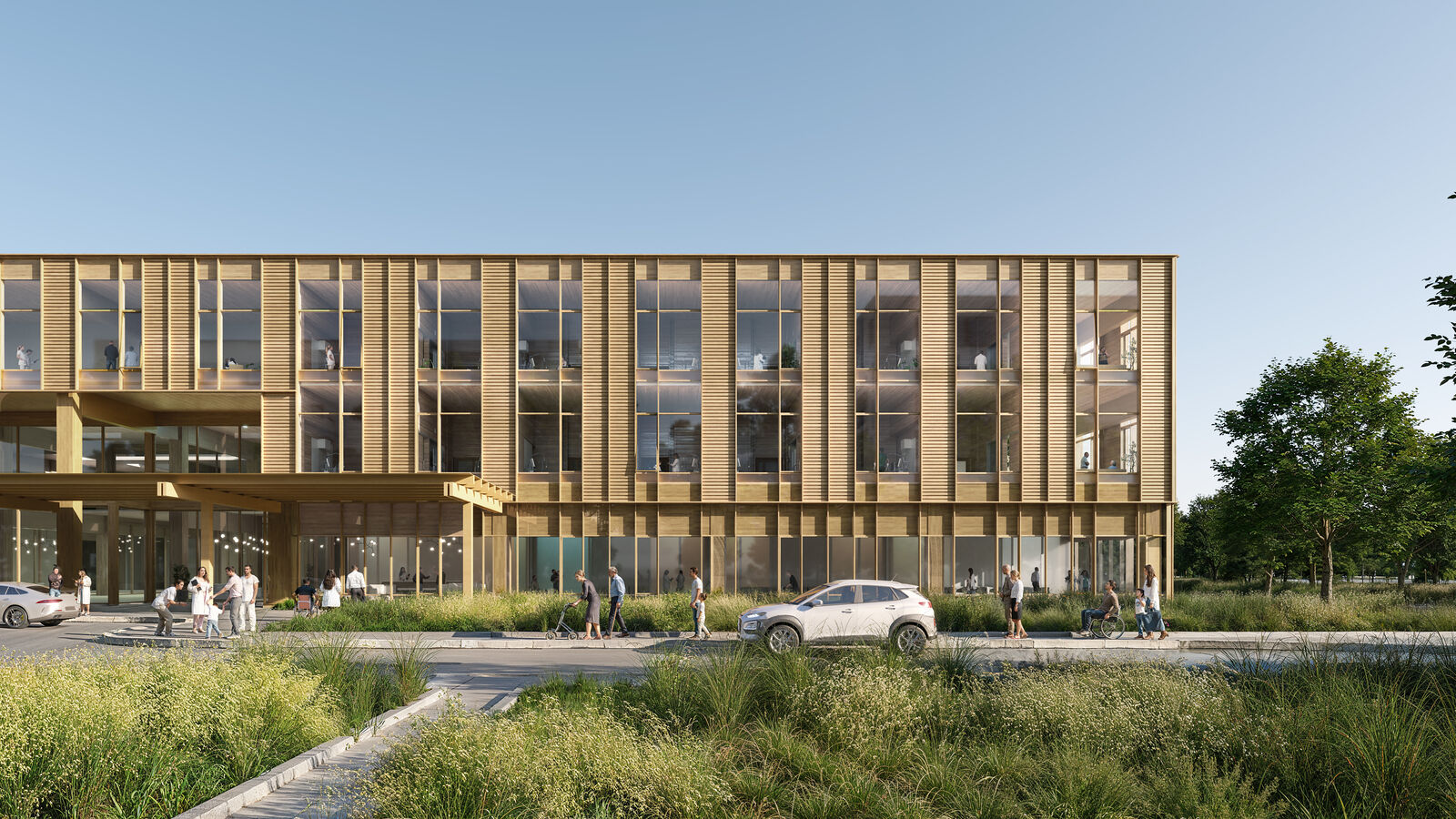
Jefferson Healthcare, the largest critical access hospital in Washington State, is located in a rural community on the Olympic Peninsula. The hospital is undergoing a 56,000 SF modernization and expansion that will not only transform care for patients throughout Jefferson County but also provide a model for sustainability and health equity.
Our design/build team, including ZGF, Abbott Construction, Coughlin Porter Lundeen, and Sazan Group, has thoughtfully integrated healthy, low-carbon strategies in all aspects of design and construction—from mechanical to structural to interiors—without compromising the hospital’s mission to put every dollar toward patient care. Together we have demonstrated it’s possible for a rural health system on a tight budget, located in a state with stringent building codes and climate goals, to exceed its sustainability ambitions at no extra cost.
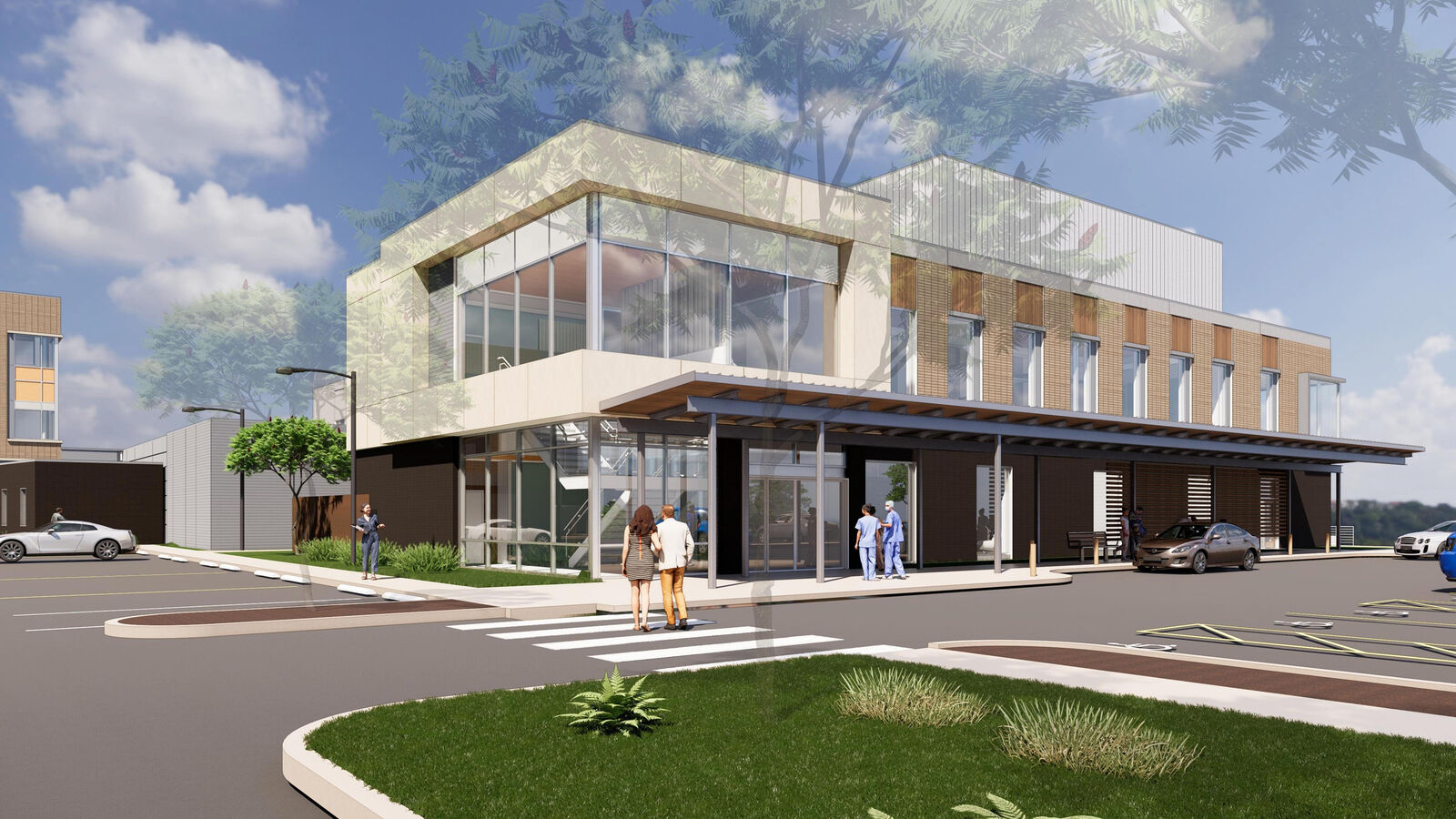
The South Campus Modernization and Expansion Project will add more space for existing services while allowing Jefferson Healthcare to offer a range of new services, including a linear accelerator and radiation oncology to serve cancer patients in Jefferson County.
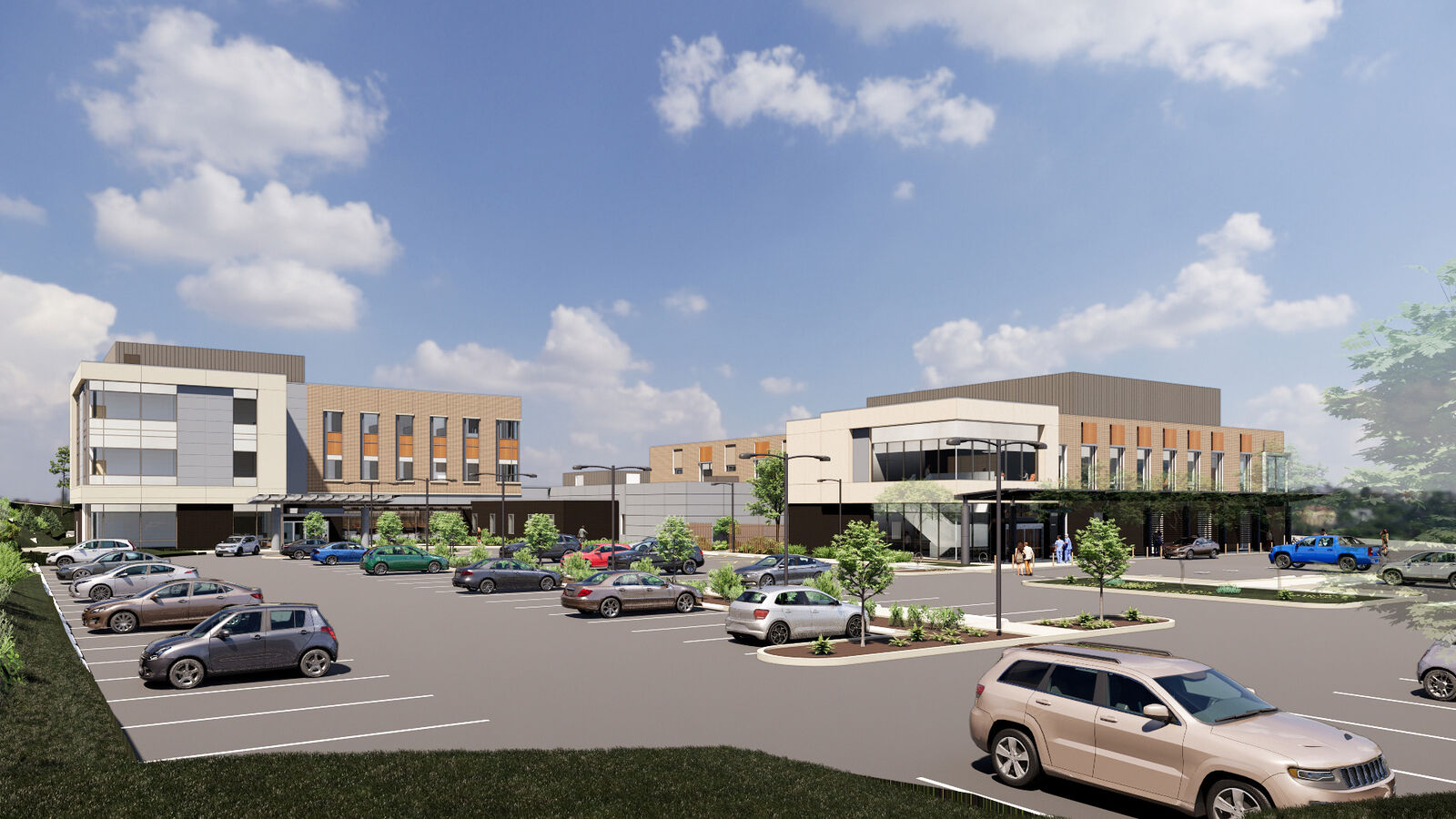
The new building will replace a 1965 building in the heart of campus that was determined to be beyond its useful life.
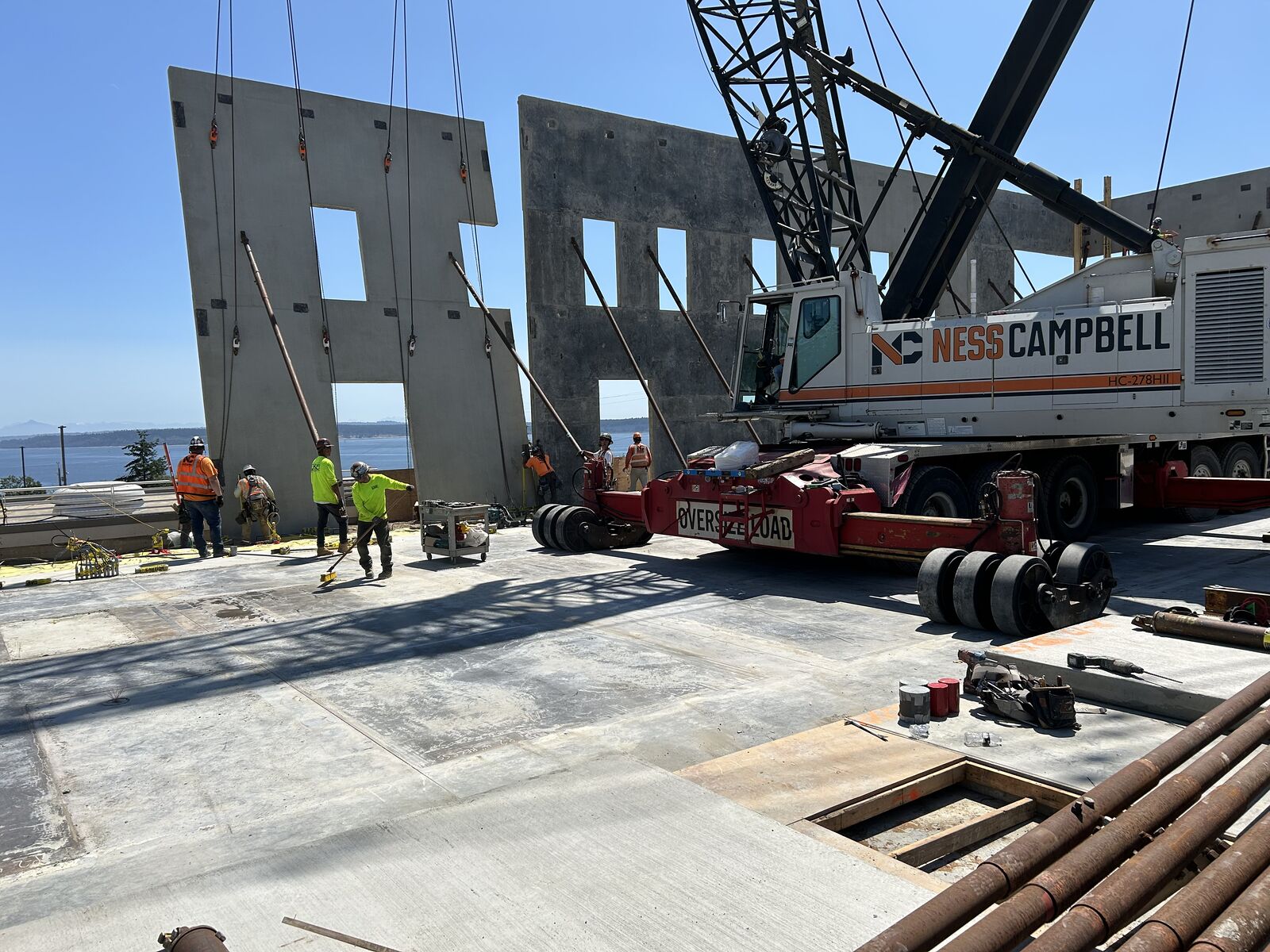
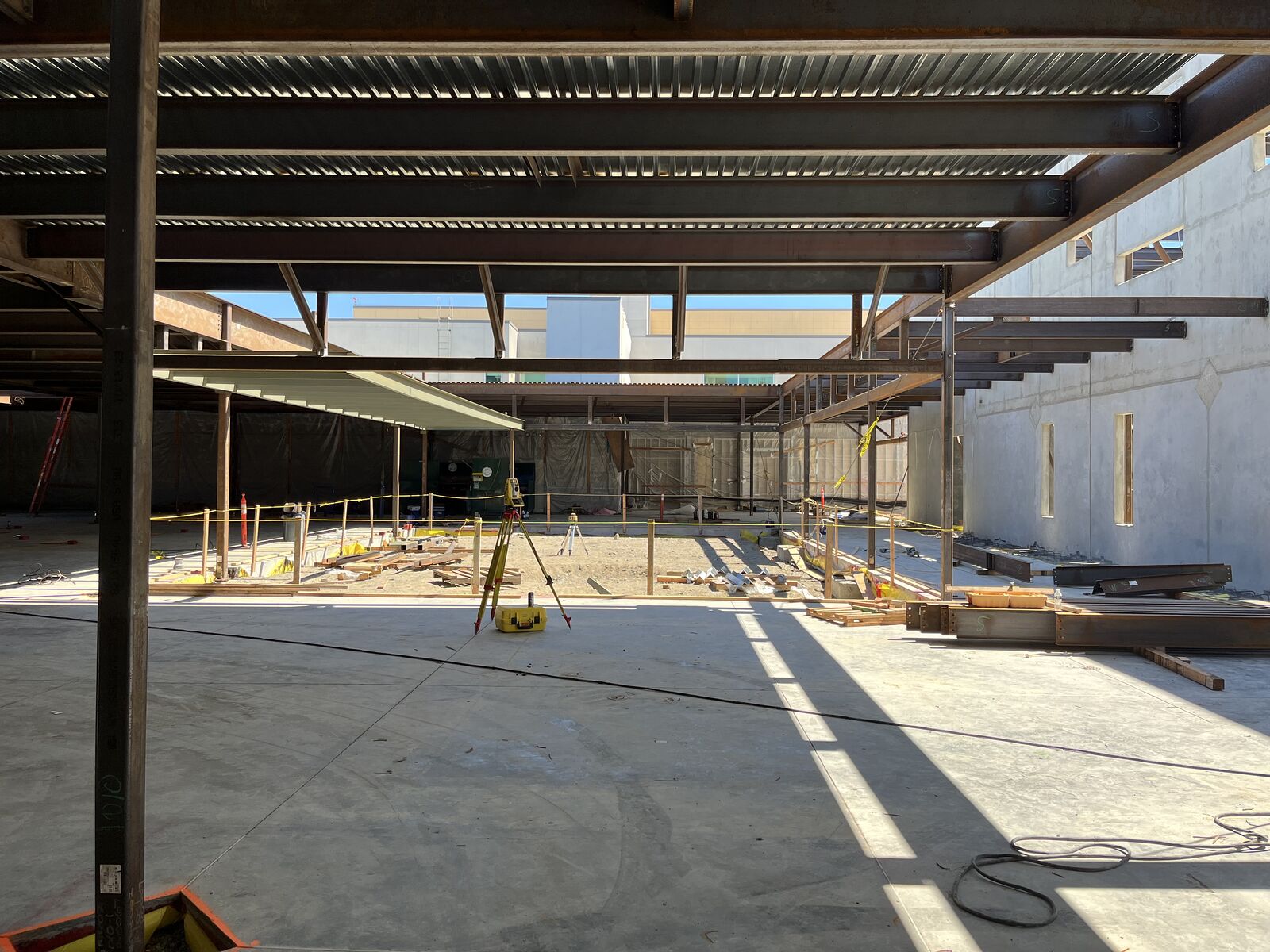
Our integrated design/build team allowed early coordination among the architect, structural engineer, contractor, and concrete supplier to meet cost and carbon goals. Image Courtesy Abbott Construction
Promoting health equity
In addition to a tight budget and schedule, the client had big sustainability ambitions for the project: improve climate health and human health, remove toxic chemicals of concern, promote health equity, and message this back to staff and the community. There were additional challenges to match or maintain existing materials, meet strict performance requirements for maintainability, and comply with the Washington Clean Buildings Act.
The design/build team rose to the challenge with a three-pronged sustainability approach that not only provides a healthier building for Jefferson’s patients and staff but also promotes health equity in the upstream and downstream communities where the building energy and materials come from.
Going electric
Many healthcare campuses across Washington state have been undergoing energy audits to determine an affordable path to decarbonization to comply with the Clean Building Act. The replacement of Jefferson's existing 1965 building with the new, more efficient south campus addition helps this transition. The HVAC design for the new building is all-electric, using a heat pump/chiller and domestic water for heating, with the exception of cooking. The new addition provides state-of-industry indoor environmental quality with fresh ventilation air via a Dedicated Outdoor Air System (DOAS) that includes heat recovery of exhaust air streams. Having no cooling tower reduces gallons of potable water use, which lowers utility costs and carbon footprint.
Jefferson County is fortunate to source 85% of its electricity from local, renewable hydro power, which further reduces upstream impacts like asthma and respiratory illness from not burning fossil fuels. According to the Health Climate Council, “A 30% cut in healthcare electricity’s pollution by 2030 would reduce GHG emissions, preventing an estimated 4,130 premature deaths, 85,000 asthma attacks, 4 million respiratory symptom events, 3,750 hospital visit incidents, and would save about $1.2 billion in medical costs.”
Low-carbon materials
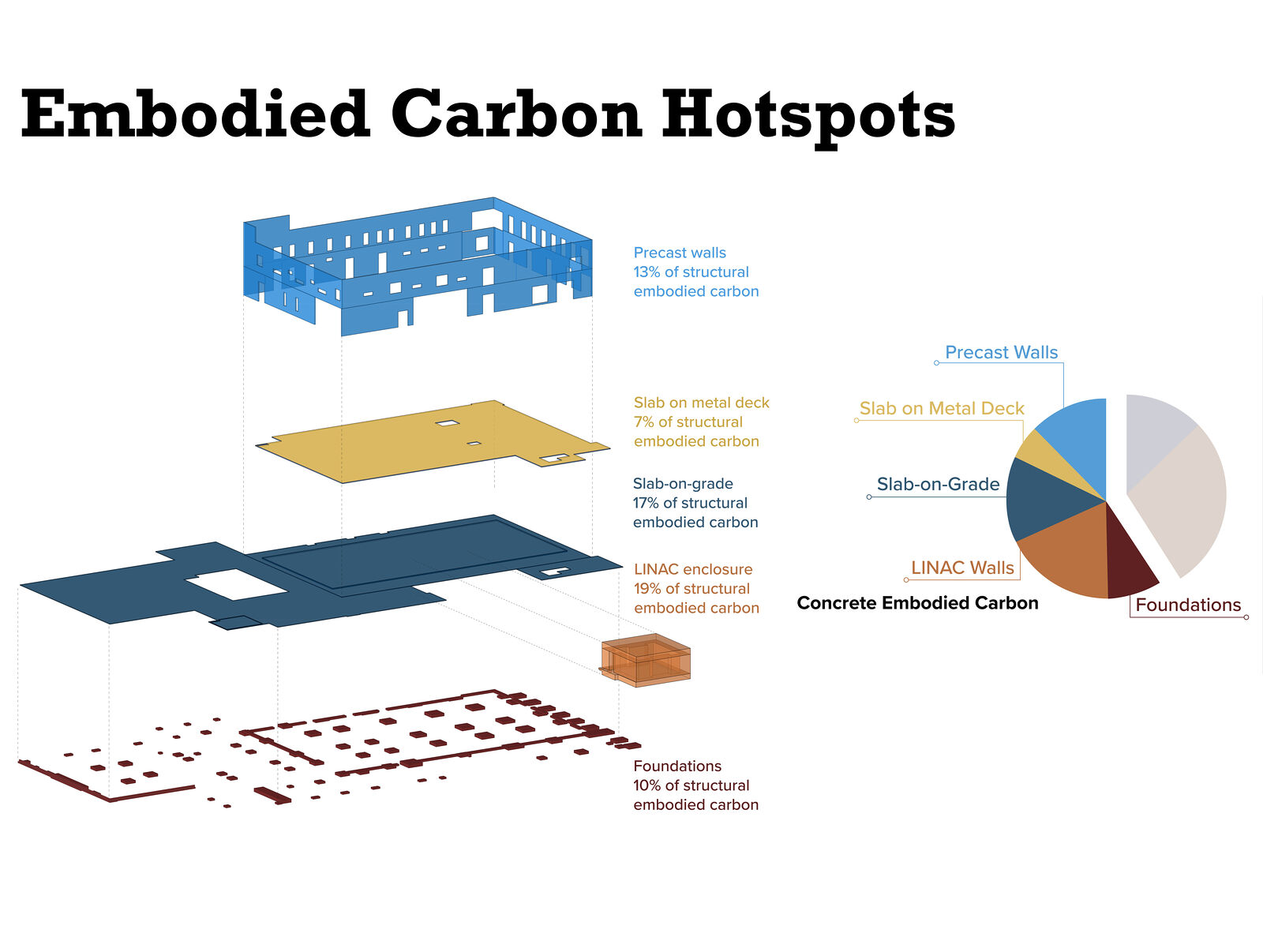
We reduced the project’s embodied carbon emissions by 32% simply by using low-carbon concrete and steel for all structural and civil applications. The client was open to all green specs—as long as they were cost neutral. So the design/build team facilitated a sustainability workshop to set goals and benchmarks, and we used EC3 and TallyCAT to identify carbon hot spots for the concrete and steel components.
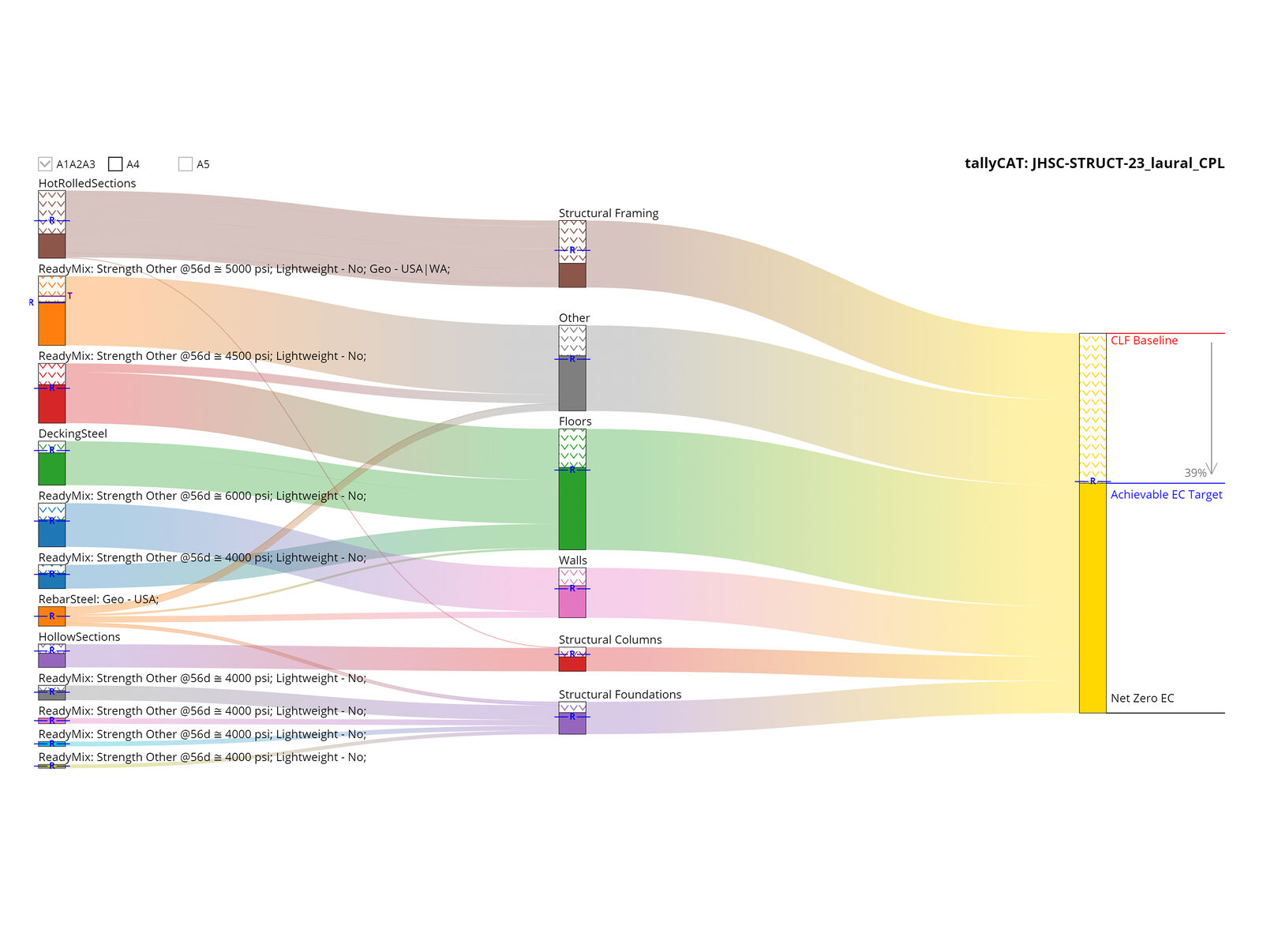
The Sankey diagram shows embodied carbon savings of 39% for structural components. EC3 analysis by Coughlin Porter Lundeen.
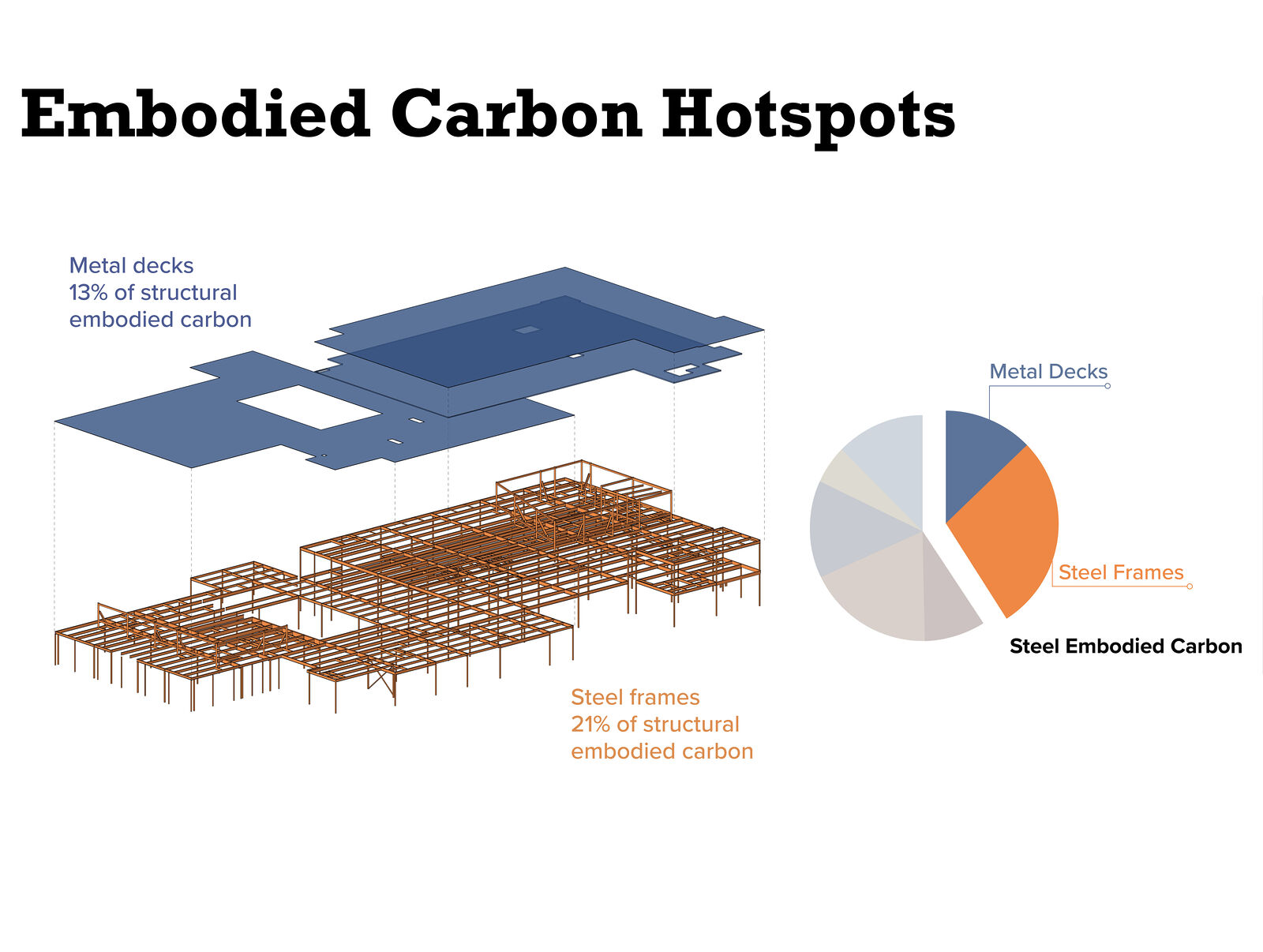
Structural carbon analysis by Coughlin Porter Lundeen
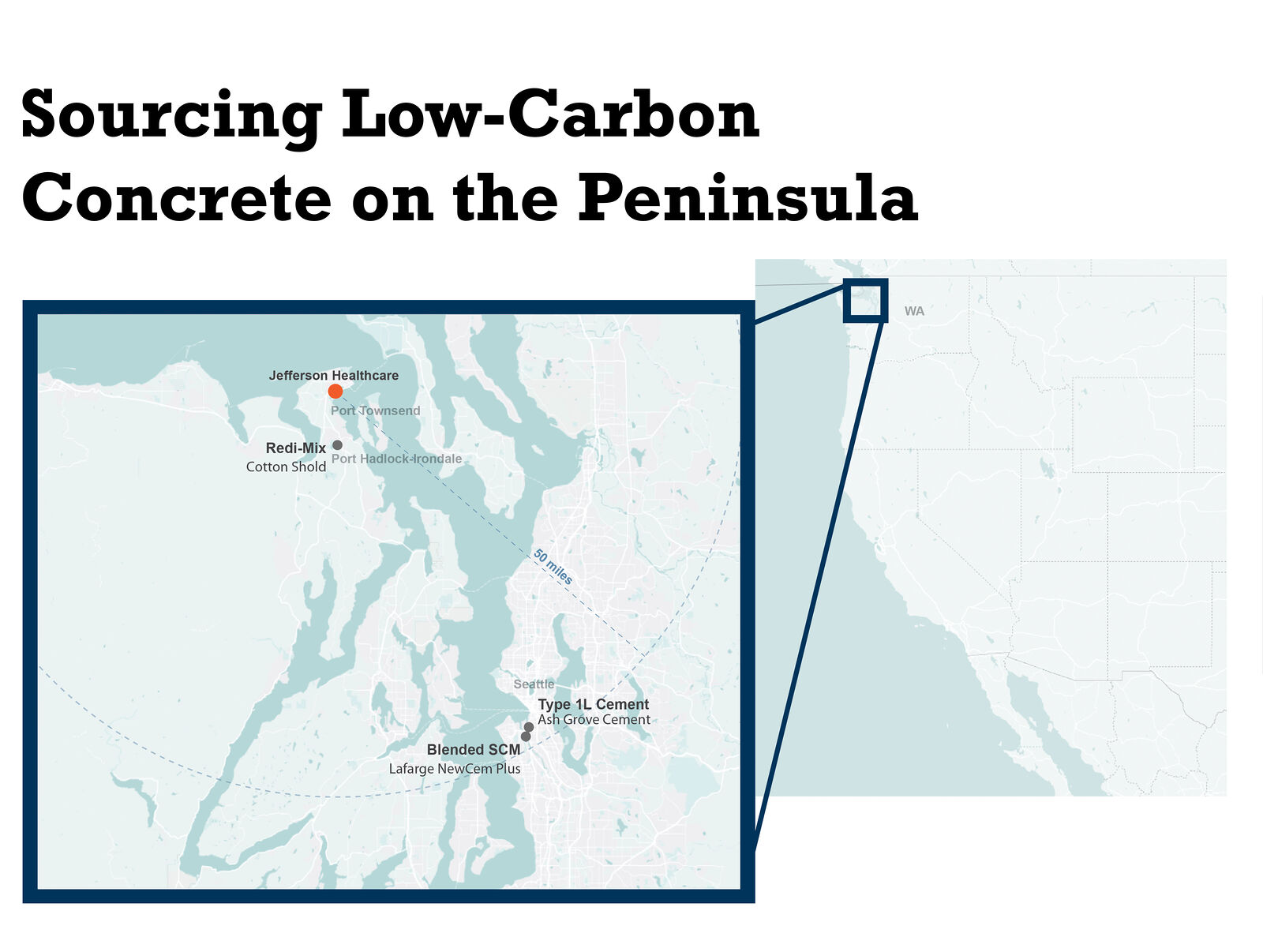
Then we engaged the local concrete subcontractor and supplier for Environmental Product Declarations (EPDs) and refined our specs with global warming potential (GWP) limits. However, these smaller rural companies didn’t have EPDs, so we mobilized to help obtain their first EPDs for all concrete mixes on project, which allowed us to accurately assess the exceptionally low carbon footprint of the concrete. It also empowered the supplier, Cotton Redimix, to continue producing EPDs for future projects.
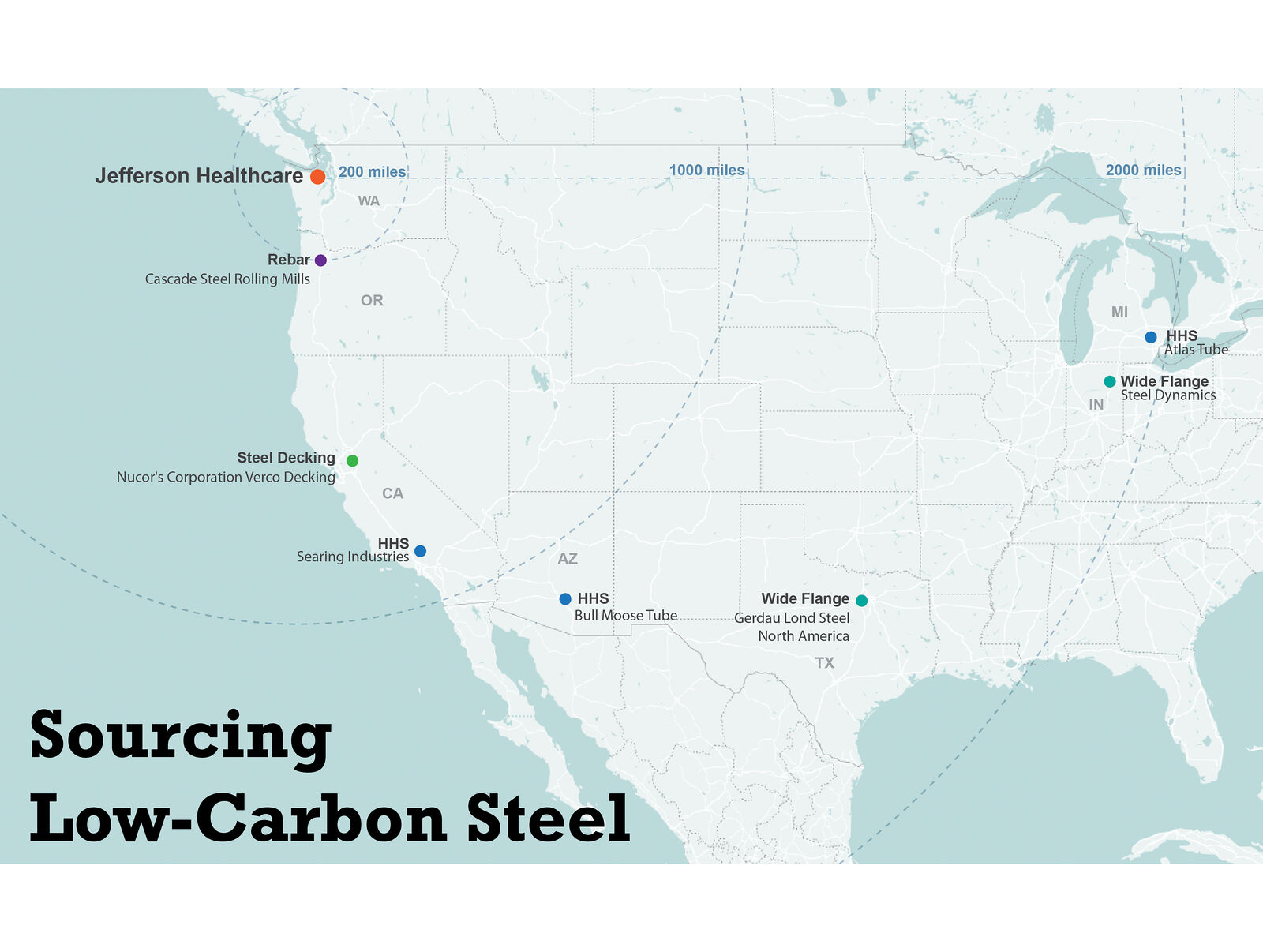
The project also sourced all steel products domestically, which has a lower carbon impact due to electrified arc furnace production and high contents of recycled steel.
Healthy interiors
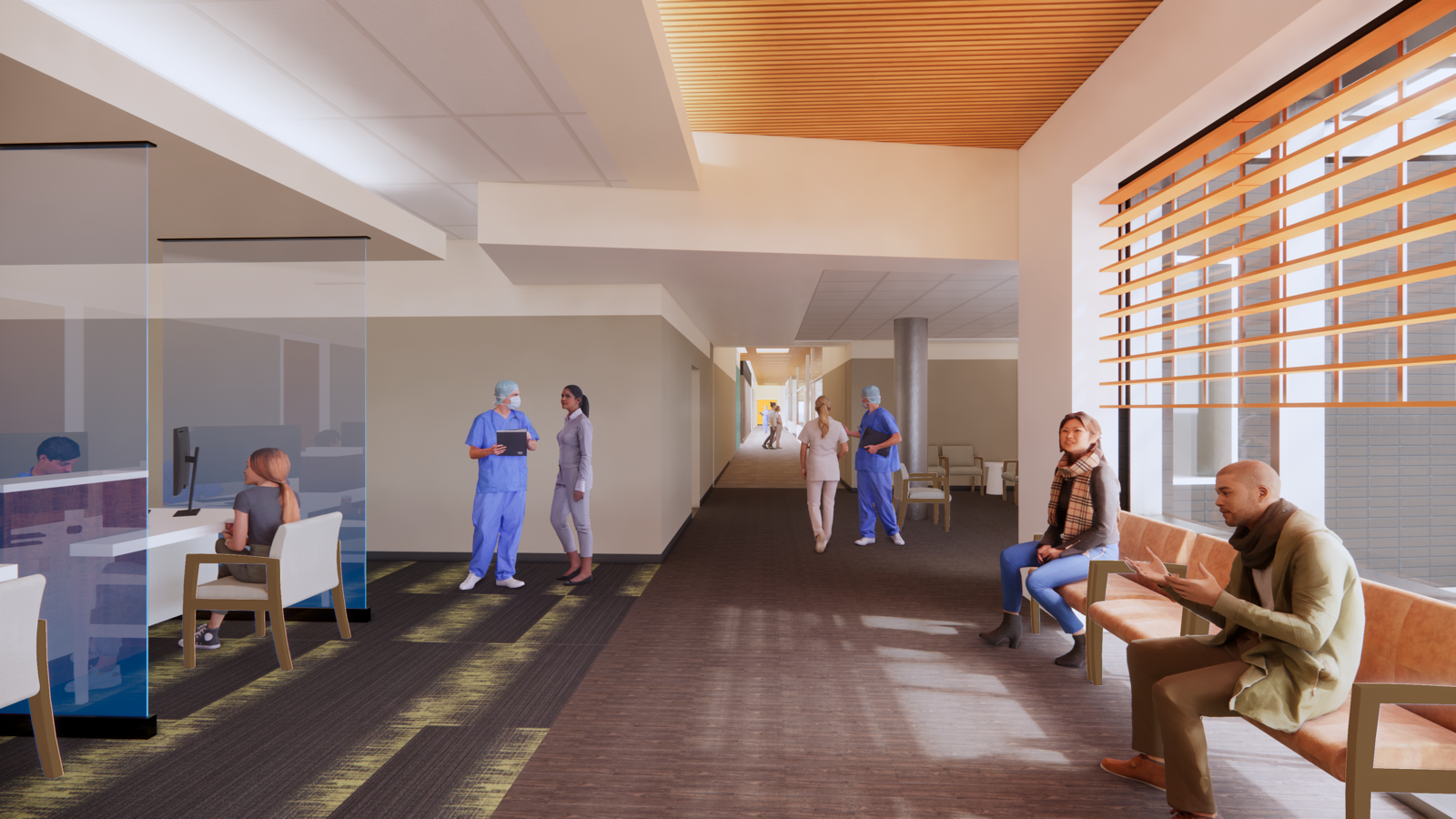
Our interiors team engaged manufacturers and developed specifications to further reduce embodied carbon, eliminate toxic chemicals of concern, and meet low-emitting material requirements. The finish legend evolved to include low-carbon, bio-based, human safe materials, and in many cases, avoid vinyl products without sacrificing performance. Some examples include:
ZGF’s Green Dot program, our internal material vetting system that curates a library of products that are meeting one or more industry standard benchmarks, enabled us to source healthier materials with transparency labels showing they don’t include chemicals of concern. We also used third-party certifications to filter product selection, drive design decisions, and validate during construction administration.
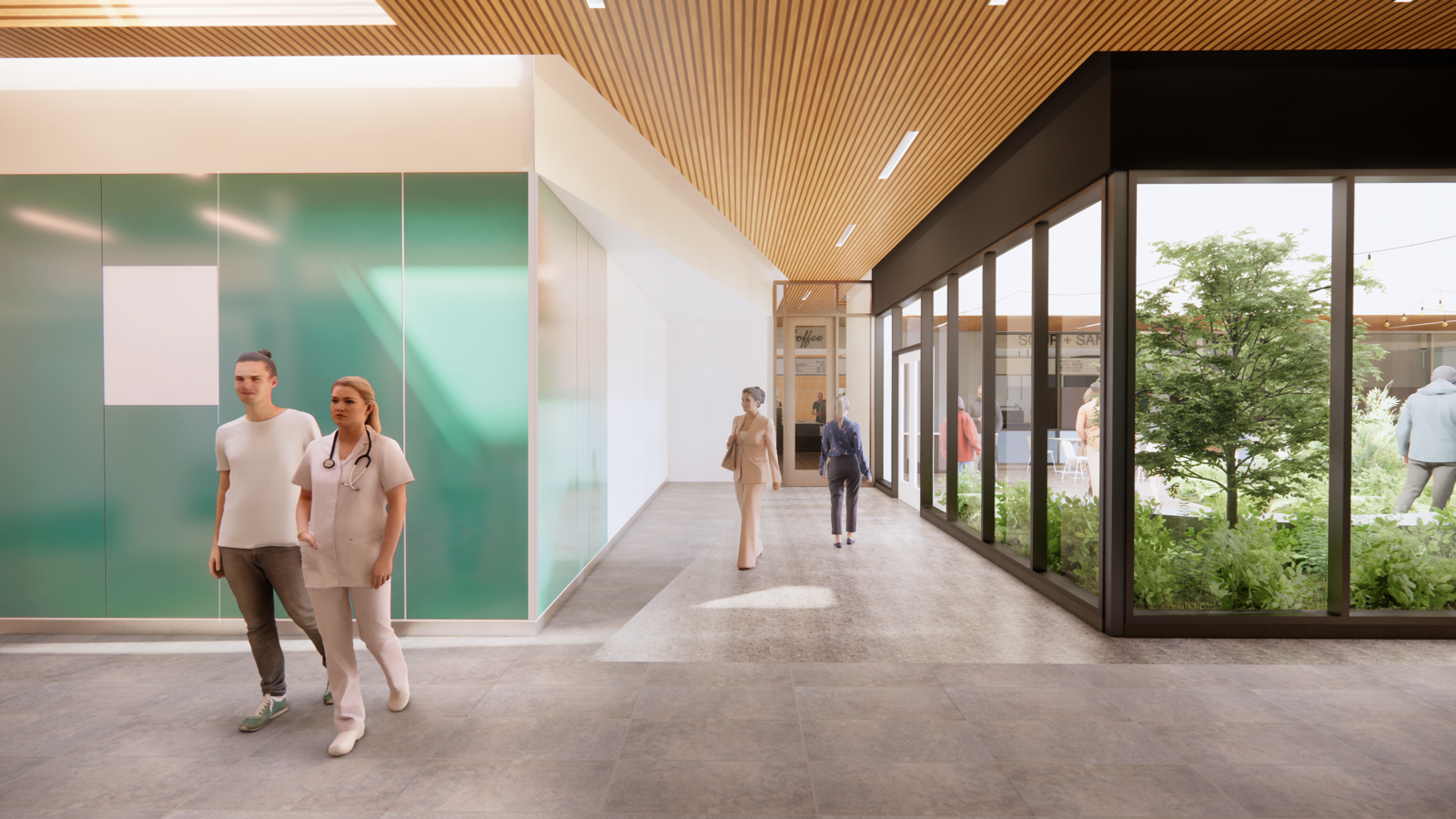
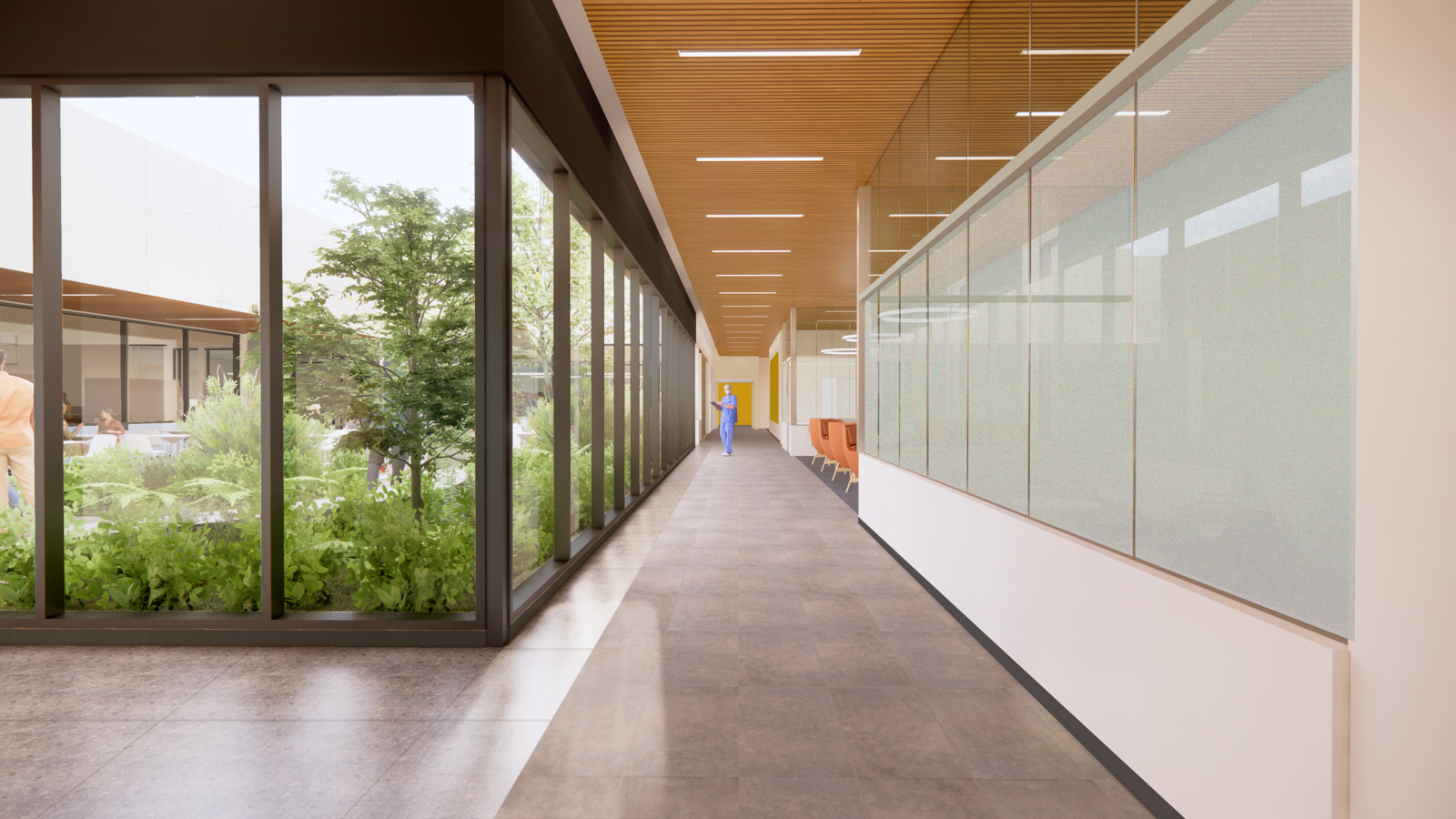
An internal courtyard will serve as a campus oasis and offer patients, visitors, and providers access to daylight, fresh air, and respite.
If we can do it on the Olympic Peninsula, we can do it anywhere
There are several myths that can stop sustainability coordination in its tracks:
The simple answer to all these myths is that it depends—and it revolves around strategic engagement with all project and market stakeholders. A key advantage of the design/build contract was early conversations between the architect, engineers, and contractor, staying flexible in the pursuit of sustainable products that would meet the hospital’s requirements.
It took time engaging suppliers, testing options, running the carbon and cost numbers, and most importantly, building relationships across the design, construction, and ownership team. But at the end of the day, we were able to get ahead of material transparency in the supply chain, celebrate U.S.-made materials, promote health equity in a rural community, and design a more sustainable building at no additional cost.
Broader adoption of electric operations, low-carbon concrete, domestic steel, and healthy interior materials can drive immediate decarbonization on healthcare projects large and small while meeting performance and aesthetic requirements and creating market demand for supply chain transparency and accountability. It’s a win-win for healthcare systems, the communities they serve, and the environment.
Thanks to Joshua Sykes (Abbott Construction), Laura Lindeman (Coughlin Porter Lundeen), Tom Marseille (Sazan Group), Kate Krikorian and the ZGF team for their contributions to this exciting project.