Seattle Children's Hospital, Major Institution Master Plan

ZGF + Seattle Children's: From Campus Vision to Implementation and Impact

Healthcare

Transforming the future of healthcare at an existing hospital campus—particularly one nestled in a residential neighborhood such as Seattle Children’s—requires truly visionary leadership and planning. The long-term value and impact of a good master plan, both for the hospital and the community it serves, cannot be understated. While its implementation may seem like a complex puzzle, with pieces large and small that move around and get added or subtracted over time, at its core the master plan is a roadmap for growth. ZGF specializes in master planning large, complex campuses like Seattle Children’s that need a strategic framework to maximize their space in order to continue delivering state of the art care.

Devising a master plan is more nuanced than simply maxing out the site and deciding which building(s) to develop first. It requires forethought and big-picture thinking, alignment with the hospital's strategic plan, and inherent flexibility to adapt as needs and market conditions change. A master plan can take years, even decades, to implement, and its true impact goes beyond any single project or team member. Part of ZGF’s role as a design partner is to keep the client’s North Star front and center, pointing back to the vision, mission, and goals for the campus, so the master plan can endure organizational and leadership changes.

Location

Seattle, WA

Project Component

Master Planning

Architecture Services

Interior Design & Space Planning

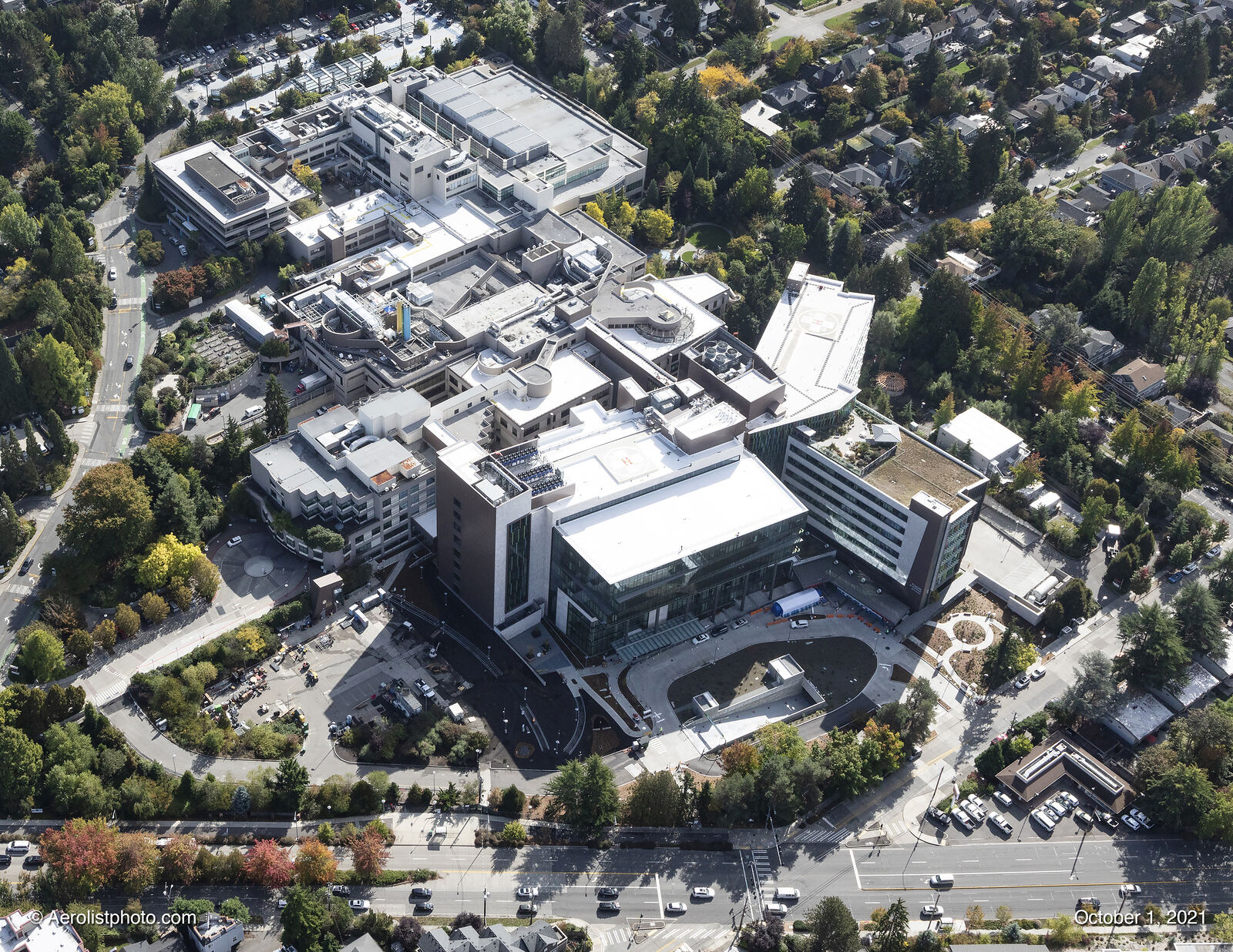
ZGF completed Seattle Children’s 2030 Major Institution Master Plan (MIMP) in 2009, working alongside hospital leaders who shared a singular commitment to realize the full potential of their Laurelhurst campus. We took a “go slow to go fast” approach, which laid a solid foundation for everything that followed. It allowed Seattle Children’s and ZGF to move quicker, more nimbly, and more intentionally on the highest-priority projects because we had a framework with enough flexibility to enable creative design solutions and innovative problem solving within the organizing principles of the master plan—even when plans changed.

Adding and Subtracting at Seattle Children's Hospital

"It took a lot of work to get there, but when all the pieces came together, Seattle Children’s got just what it needed—and it was a lot less than originally anticipated."

Healthcare Design Magazine

Years of Partnership
25+
Projects Completed
340+
Square Feet Added/Renovated
3.6+ million

Seattle Children’s History

Seattle Children’s was founded in 1907 by a group of philanthropic women to care for children regardless of their race, religion, gender, or family’s ability to pay. What started as a seven-bed hospital focused on pediatric orthopedic care has steadily grown to offer 60+ medical specialties and serve the largest geographic region of any U.S. children’s hospital, including Washington, Alaska, Montana, and Idaho. It is perennially considered one of the top pediatric teaching hospitals and research institutes in the country, working closely with the University of Washington (UW) School of Medicine, UW Medical Center, and Fred Hutch Cancer Center.

In addition to its main campus, Seattle Children’s has developed a network of regional outpatient clinics to bring care closer to the communities it serves, as well as groundbreaking research facilities and administrative office space in downtown Seattle. Learn more about Seattle Children's history here.

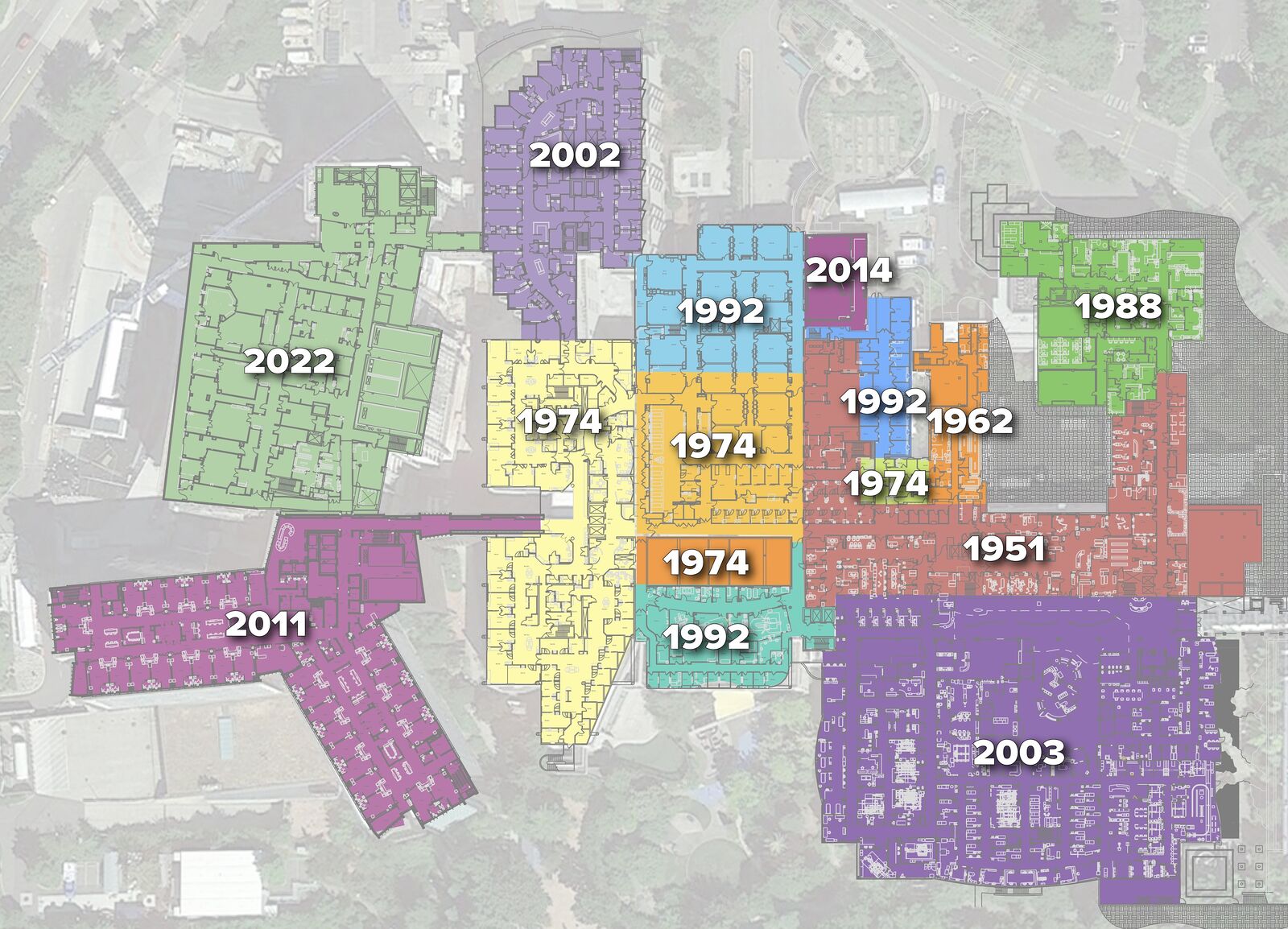
With it's oldest main campus facilities dating back to the 1950's and 60's, Seattle Children's needed a plan to revitalize the hospital for the future.

Laying a Solid Foundation

A century after its founding, Seattle Children’s faced unprecedented historic and anticipated growth. The hospital needed a plan to grow in place within its constrained urban site. ZGF led the hospital through a 15-year Long Range Master Plan and Major Institution Master Plan (MIMP)—a two-year City of Seattle required quasi-judicial process to gain approval to double the hospital’s footprint and expand its main campus by one million square feet. The process involved an extensive public outreach program, a 24-month review process, and detailed documentation for the City’s approval.

During the master planning process, ZGF helped steer hospital leadership to reconsider consequential development decisions they had already arrived upon, and then detour for greater long-term effectiveness and significant cost savings. ZGF remains an advocate and trusted advisor as Seattle Children’s continues to face growing patient volumes and complexity of services provided.

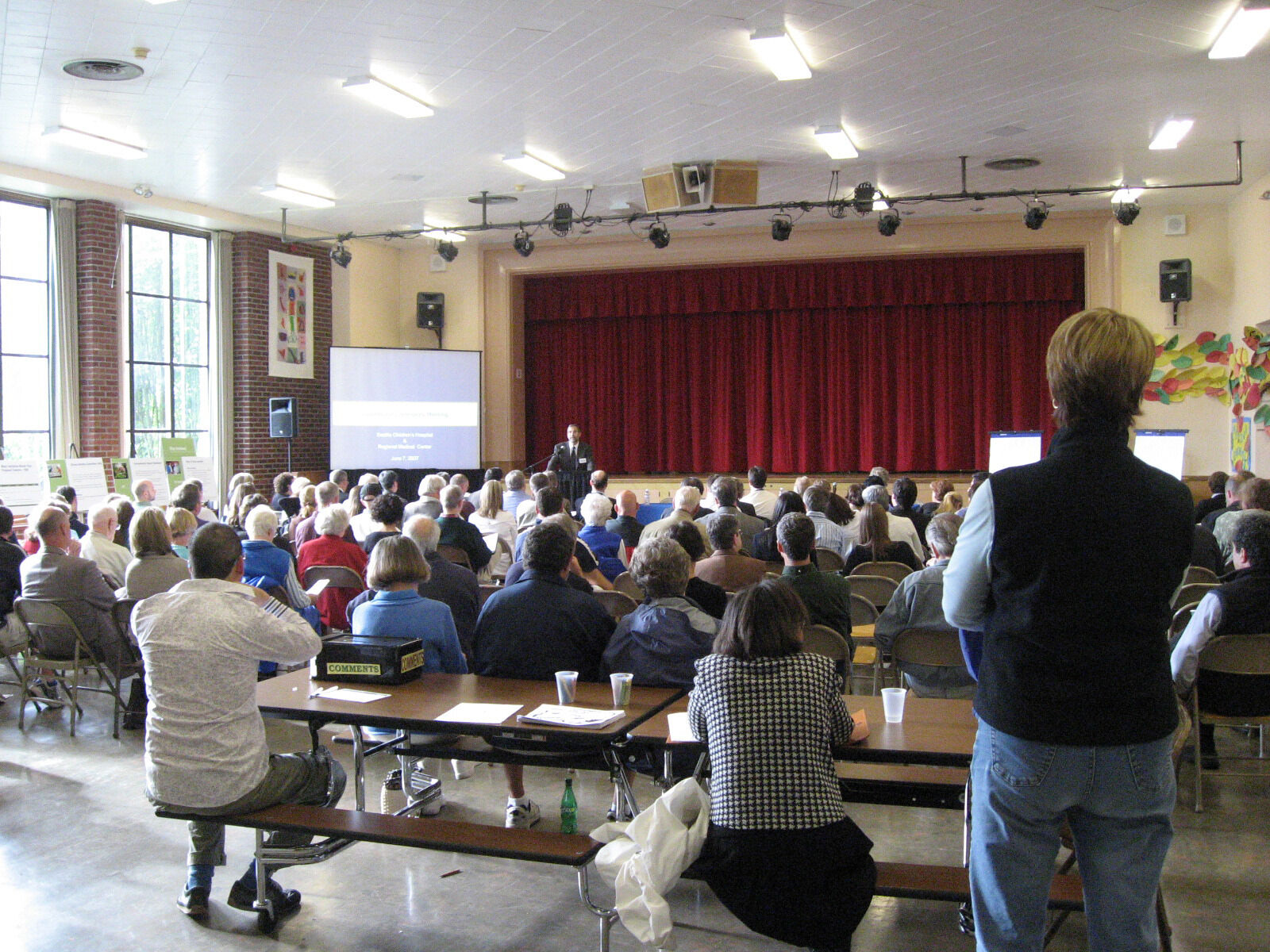
2006 MIMP Community Meeting

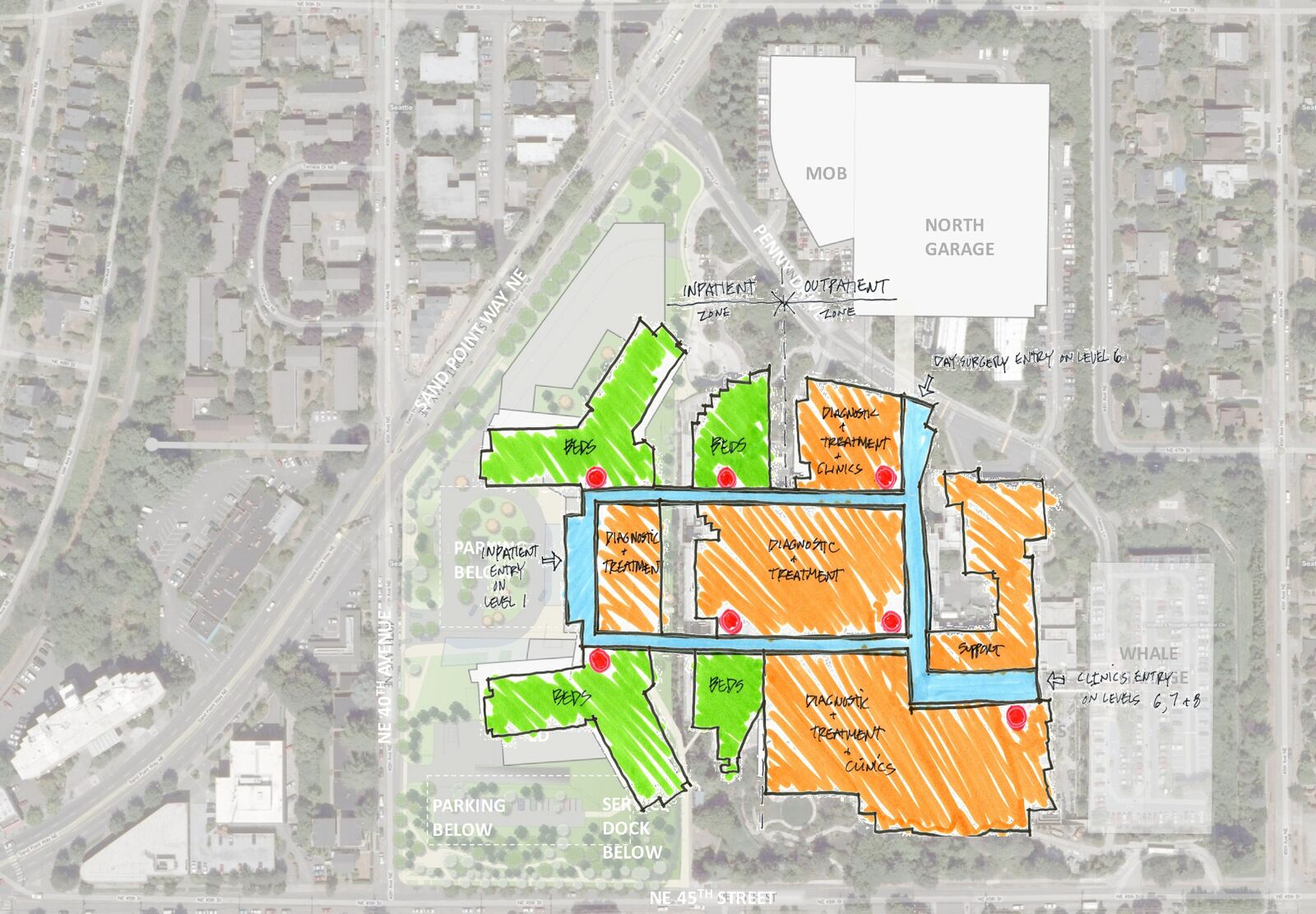
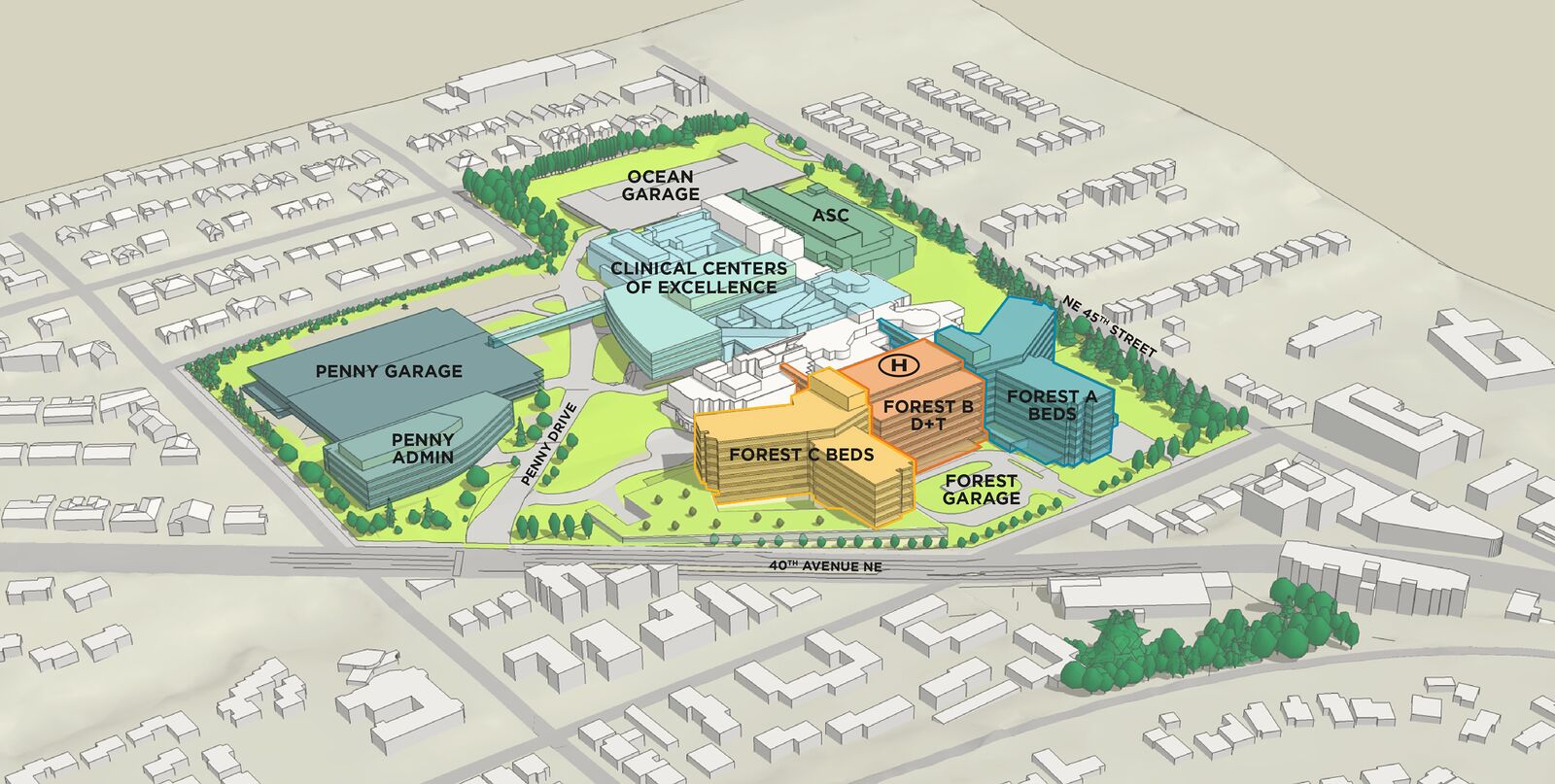
The 2030 Campus Master Plan zoned the campus by function, with inpatient care in the lower campus, ambulatory care in the upper campus, and diagnostic and treatment services bridging the two. 

The campus expansion gradually moved inpatient care down the hill to Forest A (Phase 1) and Forest B (Phase 2), followed by a future Forest C (Phase 3). Currently underway, Phase 4 includes ongoing infill and renovation projects to optimize the space created in upper campus. 

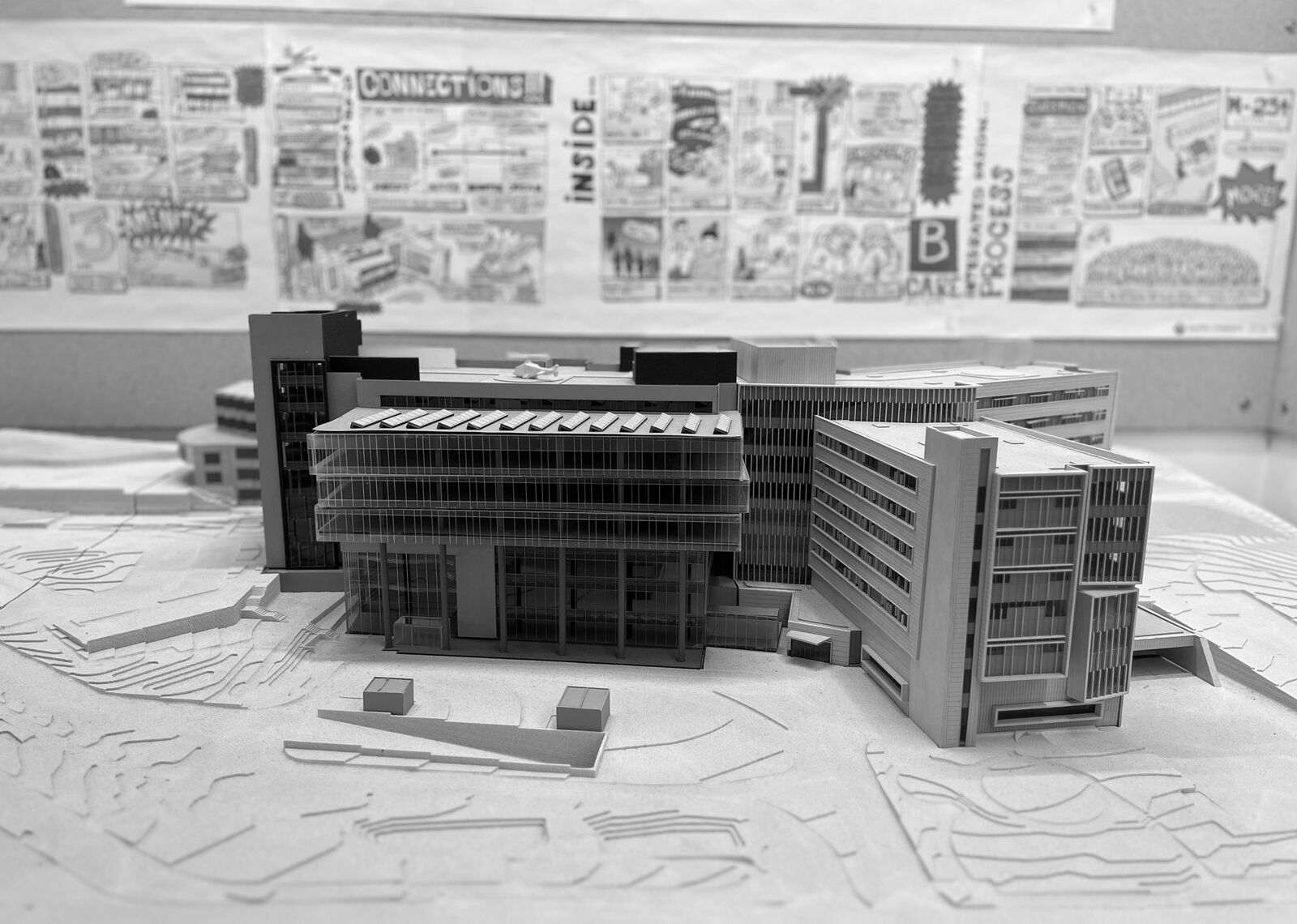
Architectural model of Forest A (right) and Forest B (left)

Since completing the MIMP, which outlined more than $1 billion in development, ZGF has designed nearly all of Seattle Children’s new facilities, renovations, and infill projects along the way. Our collaborative work defining the hospital’s long-term expansion has transformed both organizations and recentered how architecture works in service of care delivery. The results resonate not only in Seattle but at healthcare institutions nationwide that look to the hospital as a leader and role model.

“Seattle Children’s is a rare client that has always been open to trying new things. This empowers our design teams to bring forward the most innovative solutions.”
– Victoria Nichols, Partner, ZGF

Increasing Capacity for High Acuity Care

As Seattle Children’s facilities and scope of care have expanded, so has the acuity of pediatric illnesses treated at the hospital. For instance, disease presentations that affect more than one bodily system and require cross-disciplinary medical specialties to diagnose and treat them. This type of care requires broad and deep collaboration and operational efficiencies to bring critical diagnostic and treatment services closer to high-acuity patients.

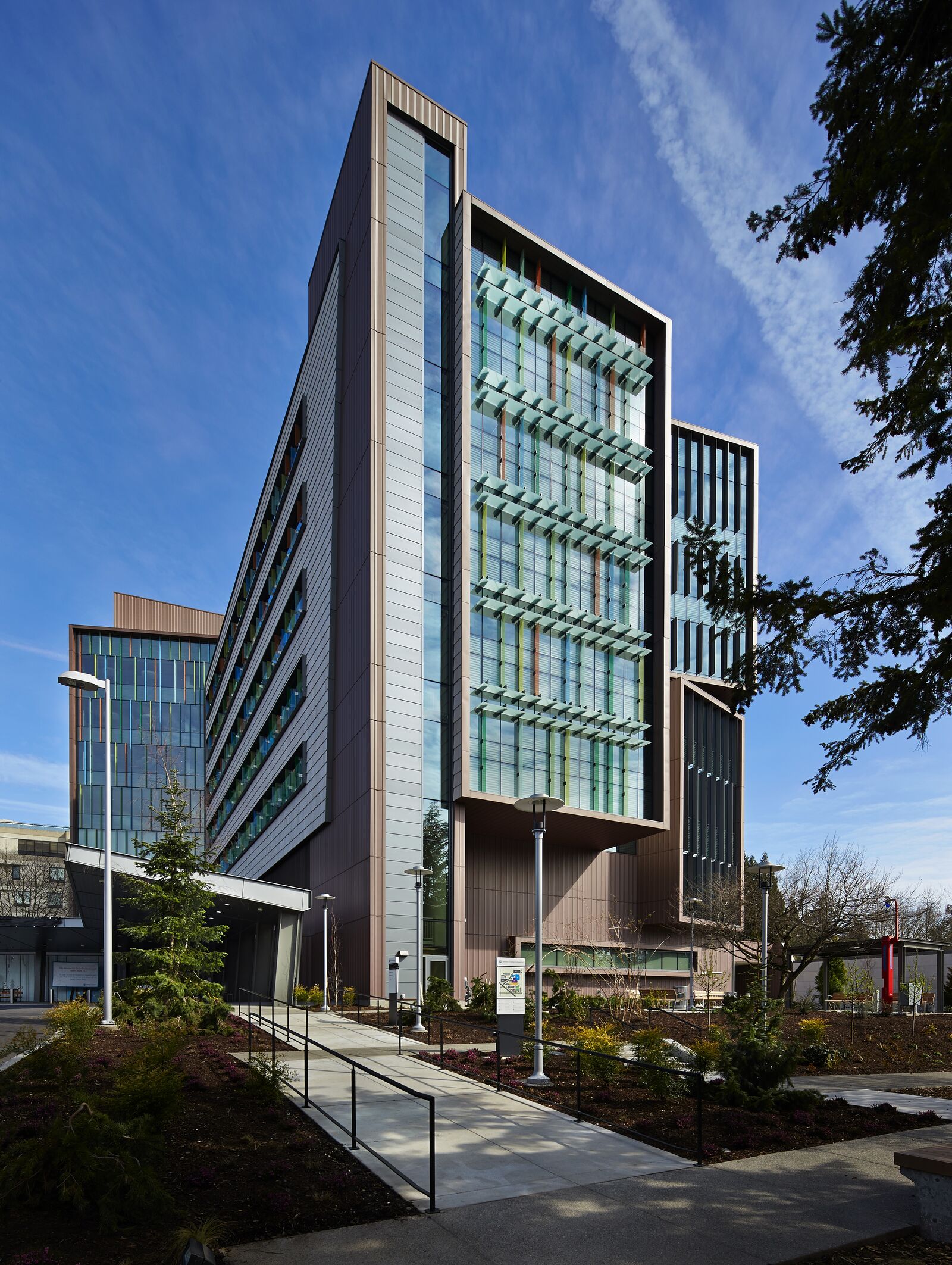
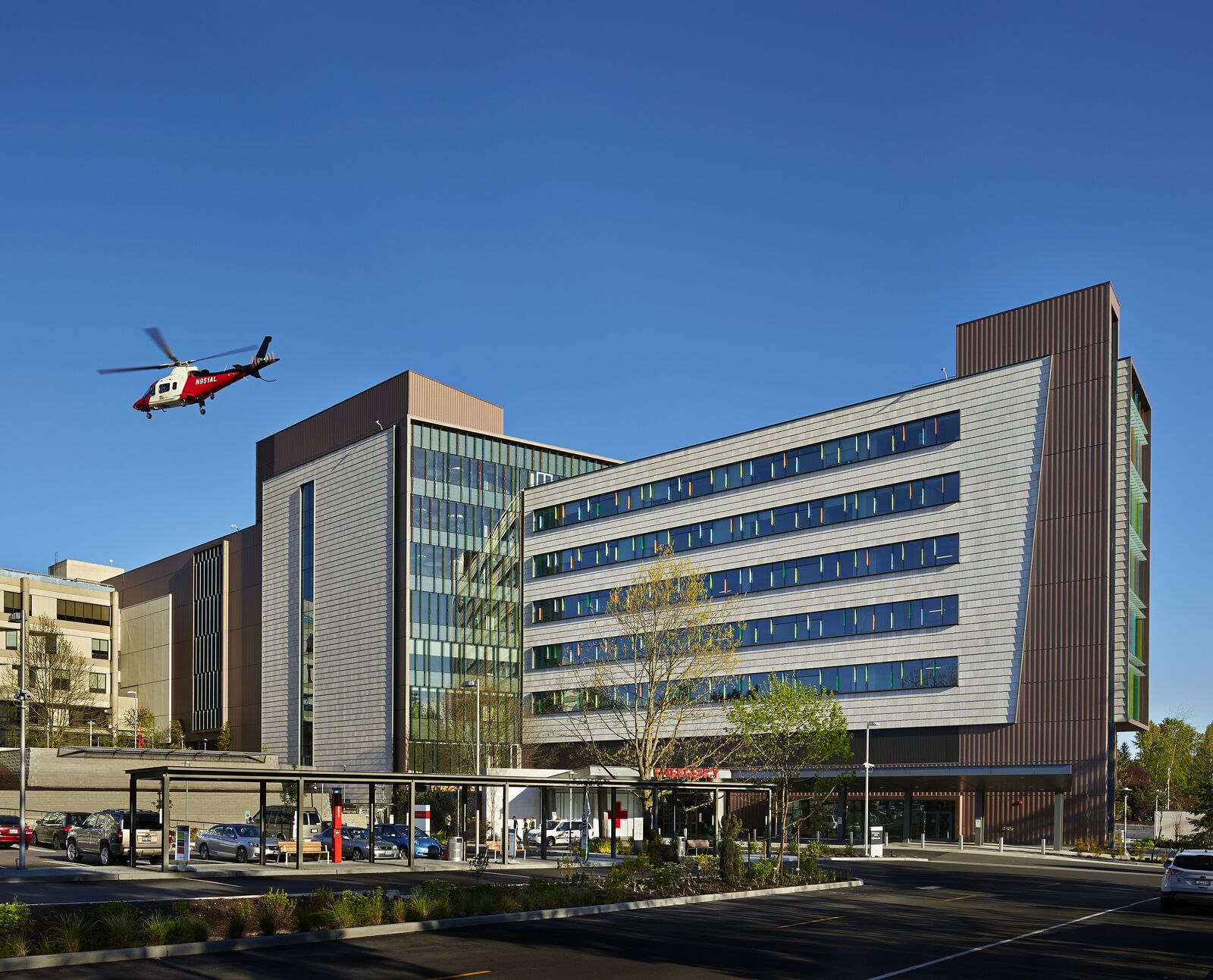
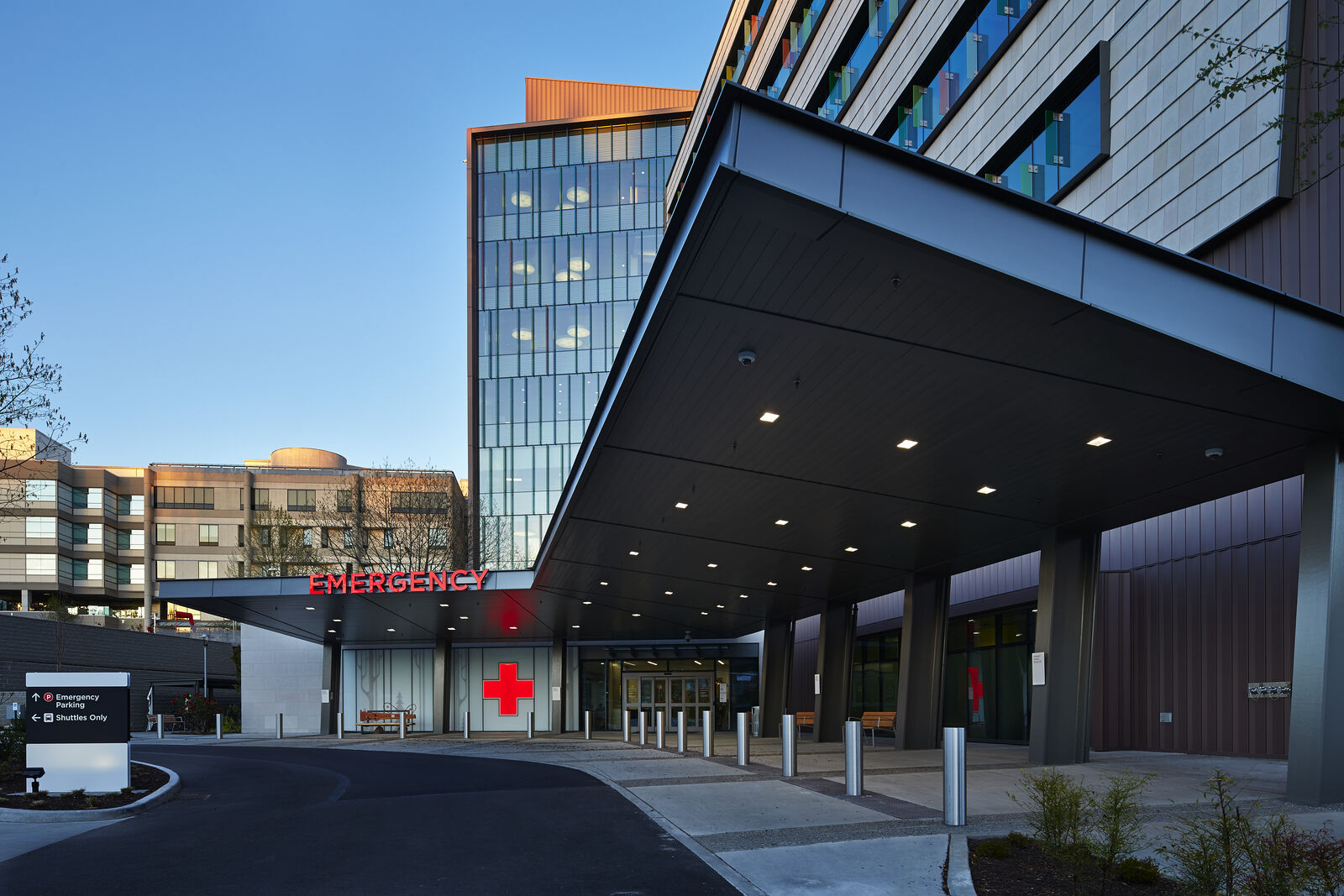
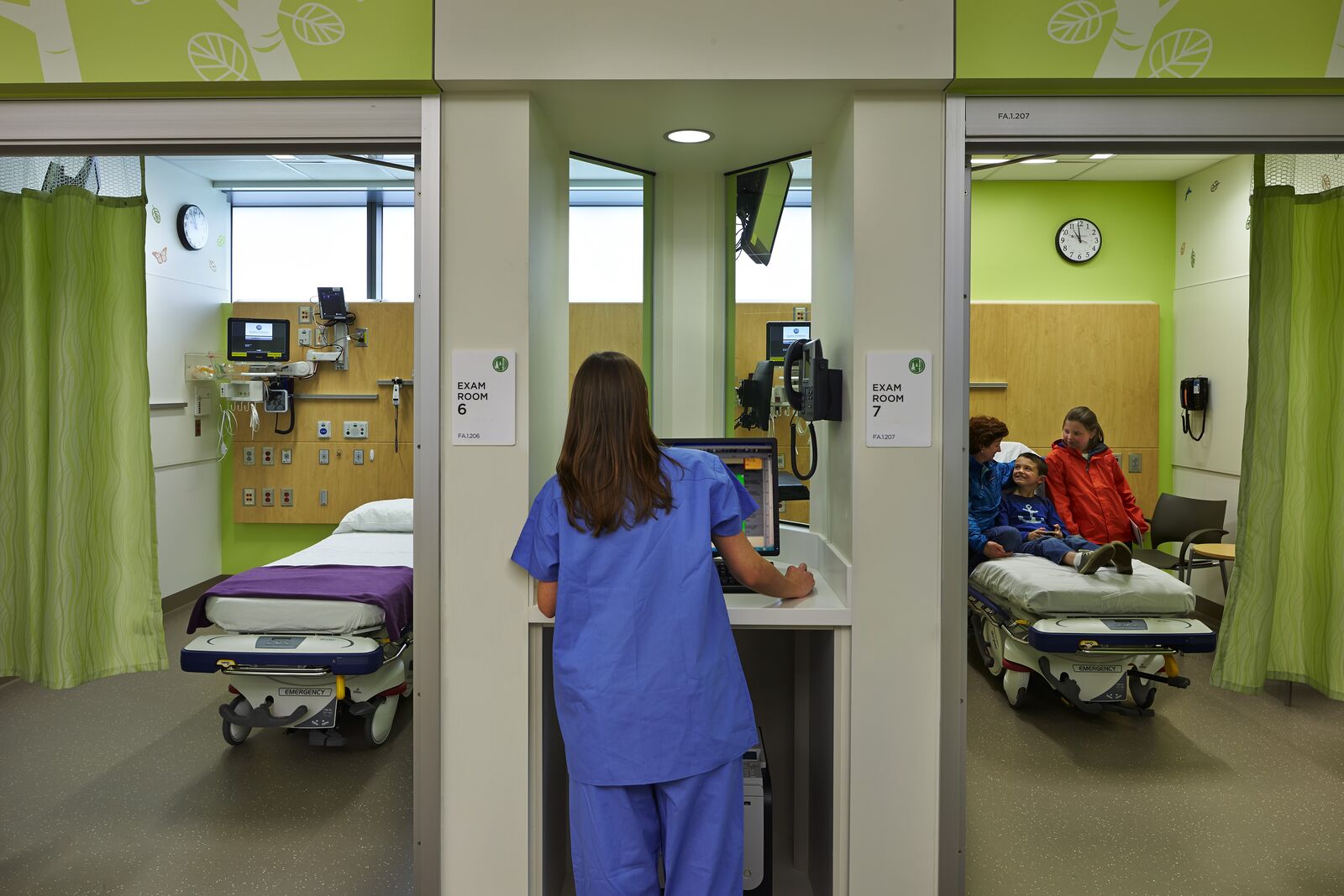
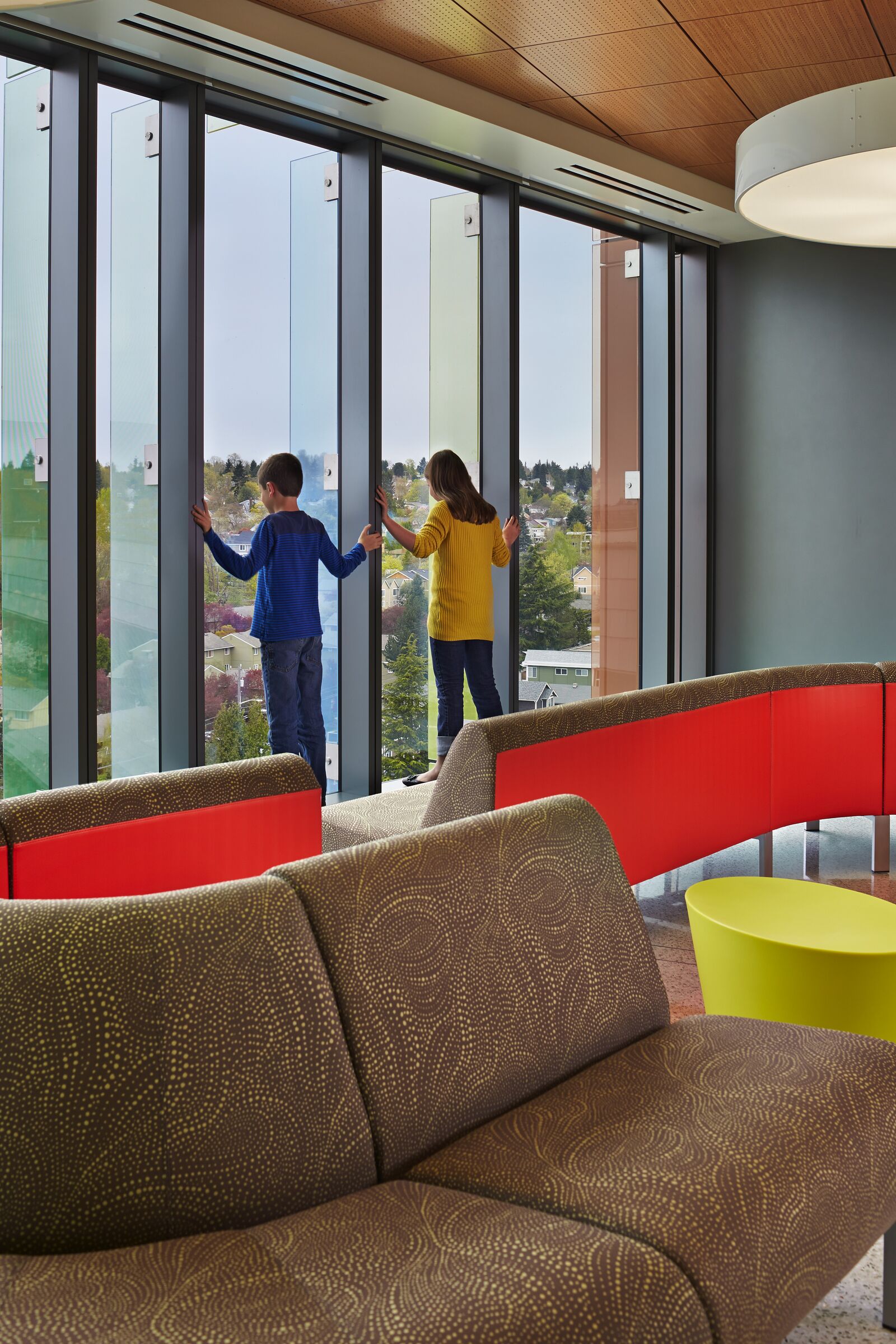
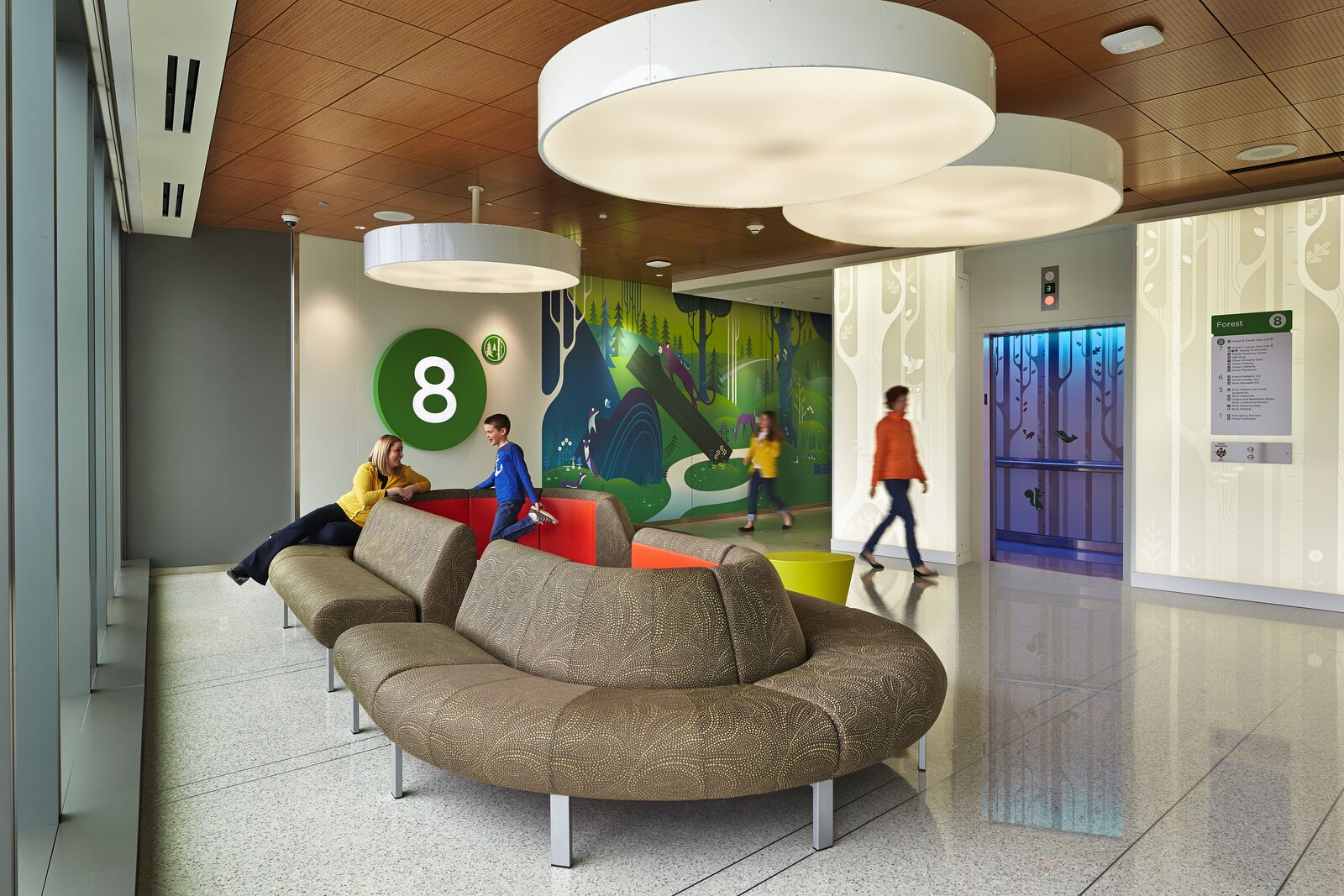
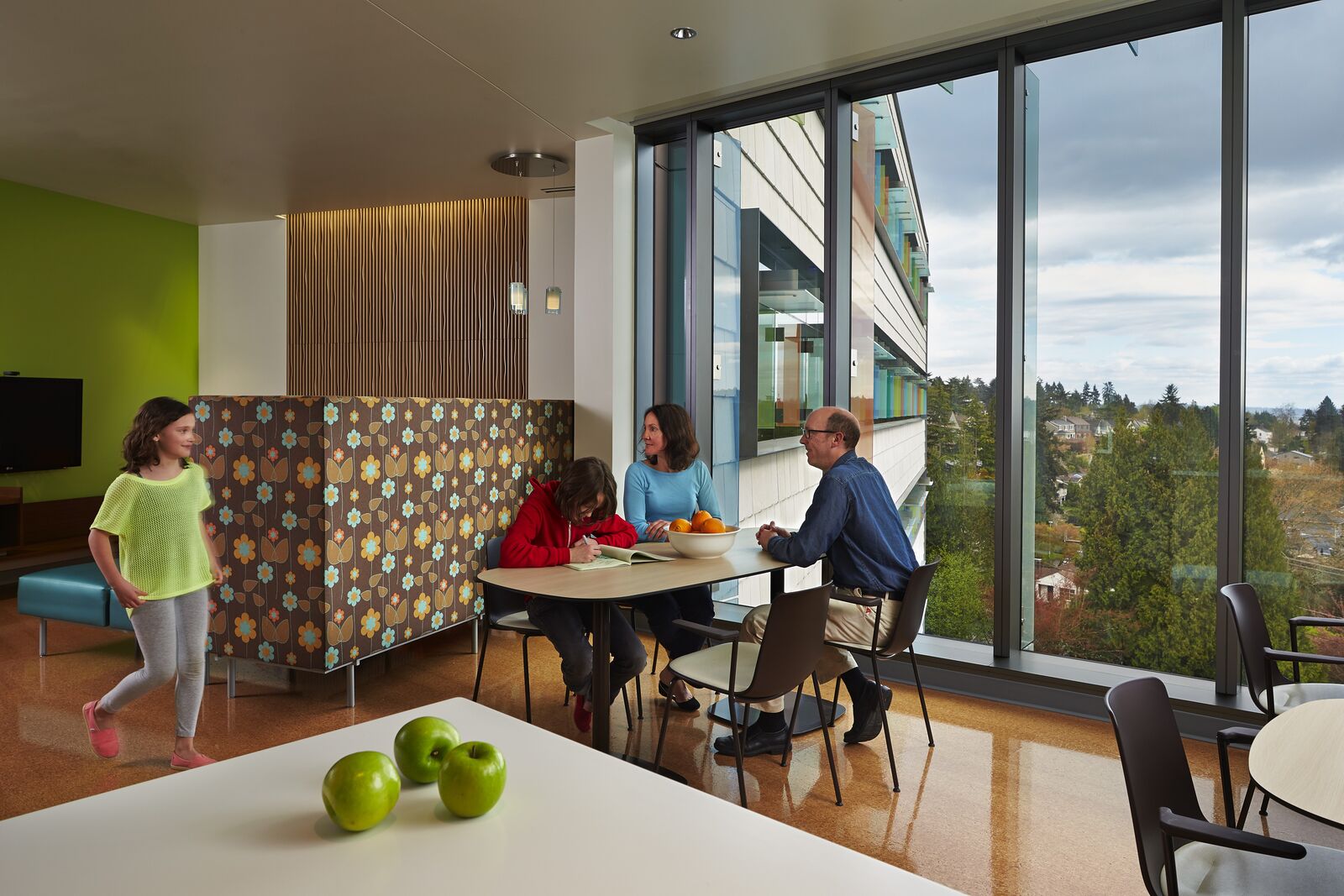
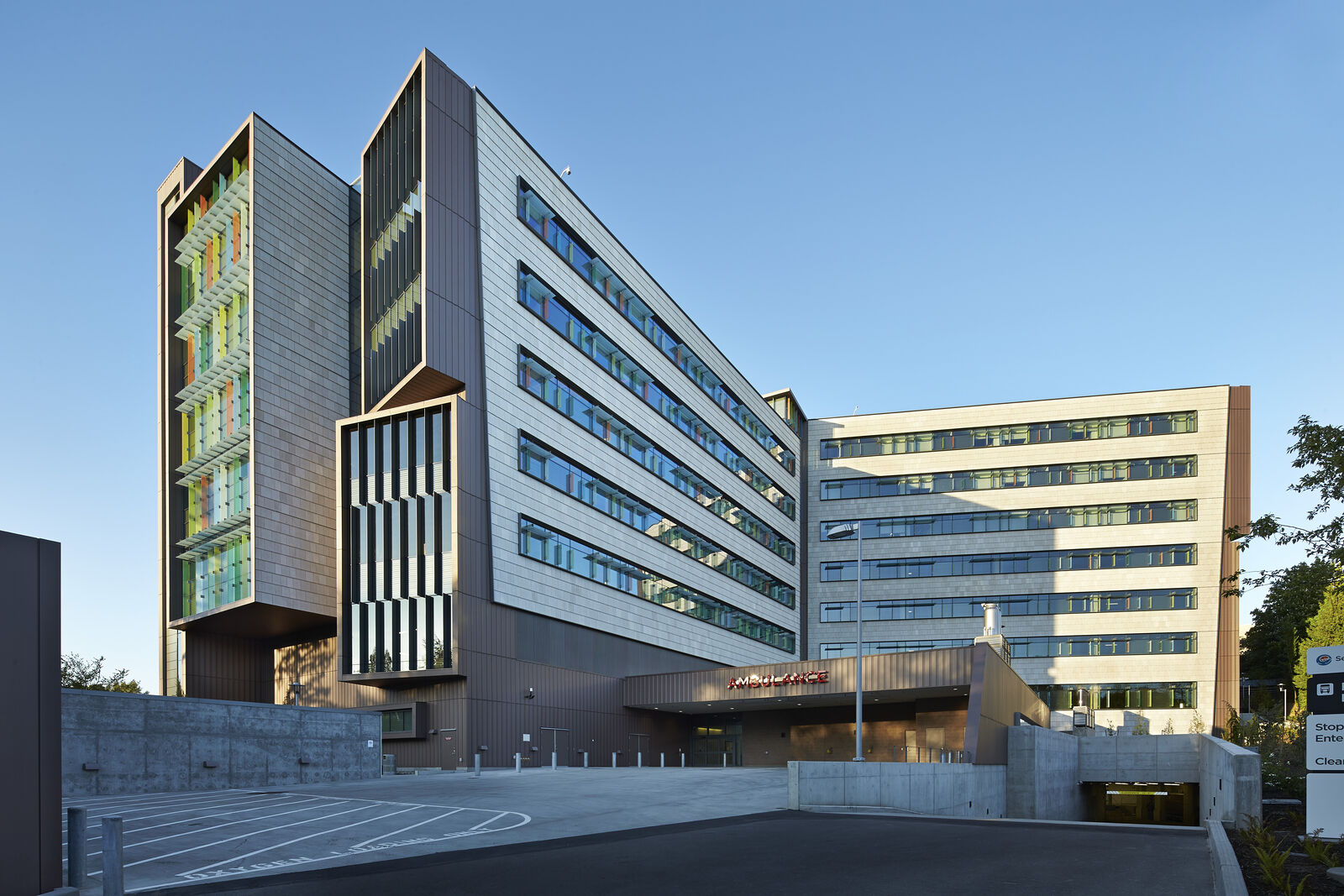
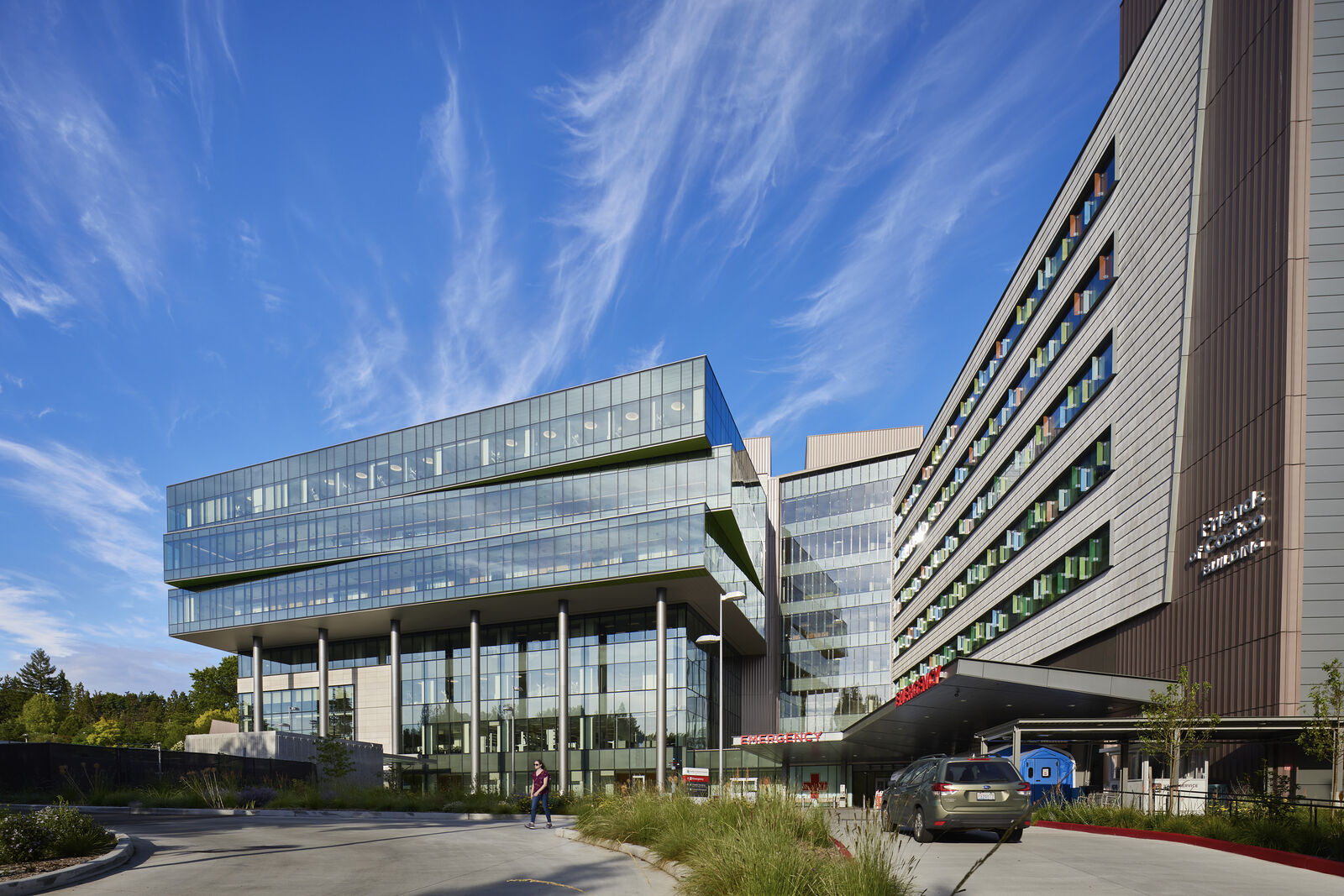
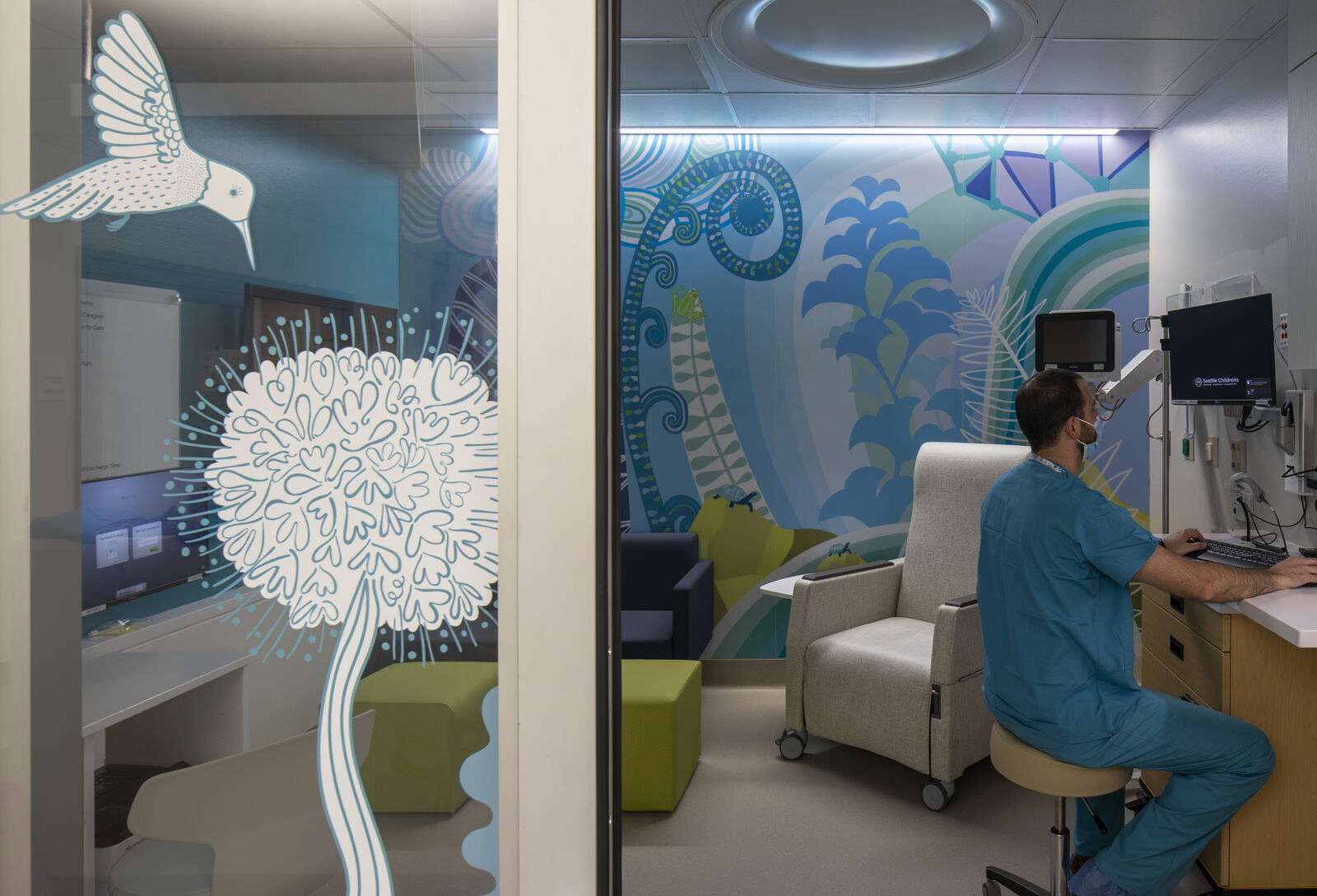
In 2013, ZGF programmed and designed Phase 1 of the MIMP—an eight story, 330,000 SF inpatient and emergency care tower. Building Hope: Cancer and Critical Care Expansion, or Forest A, houses a ground floor emergency department, an intensive care floor, and two cancer care units. Level 8 is home to the country’s first dedicated inpatient cancer care unit for teens and young adults.

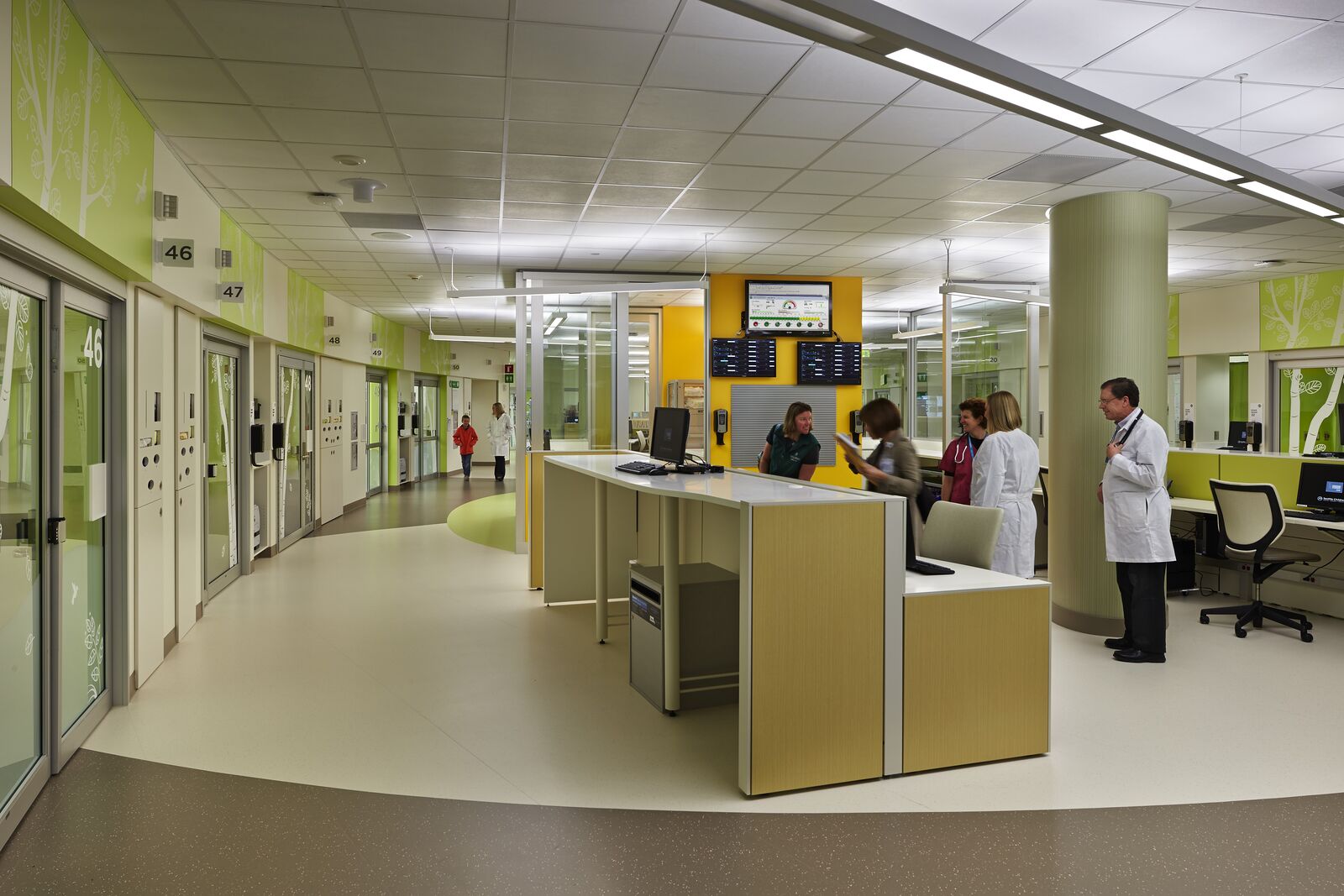
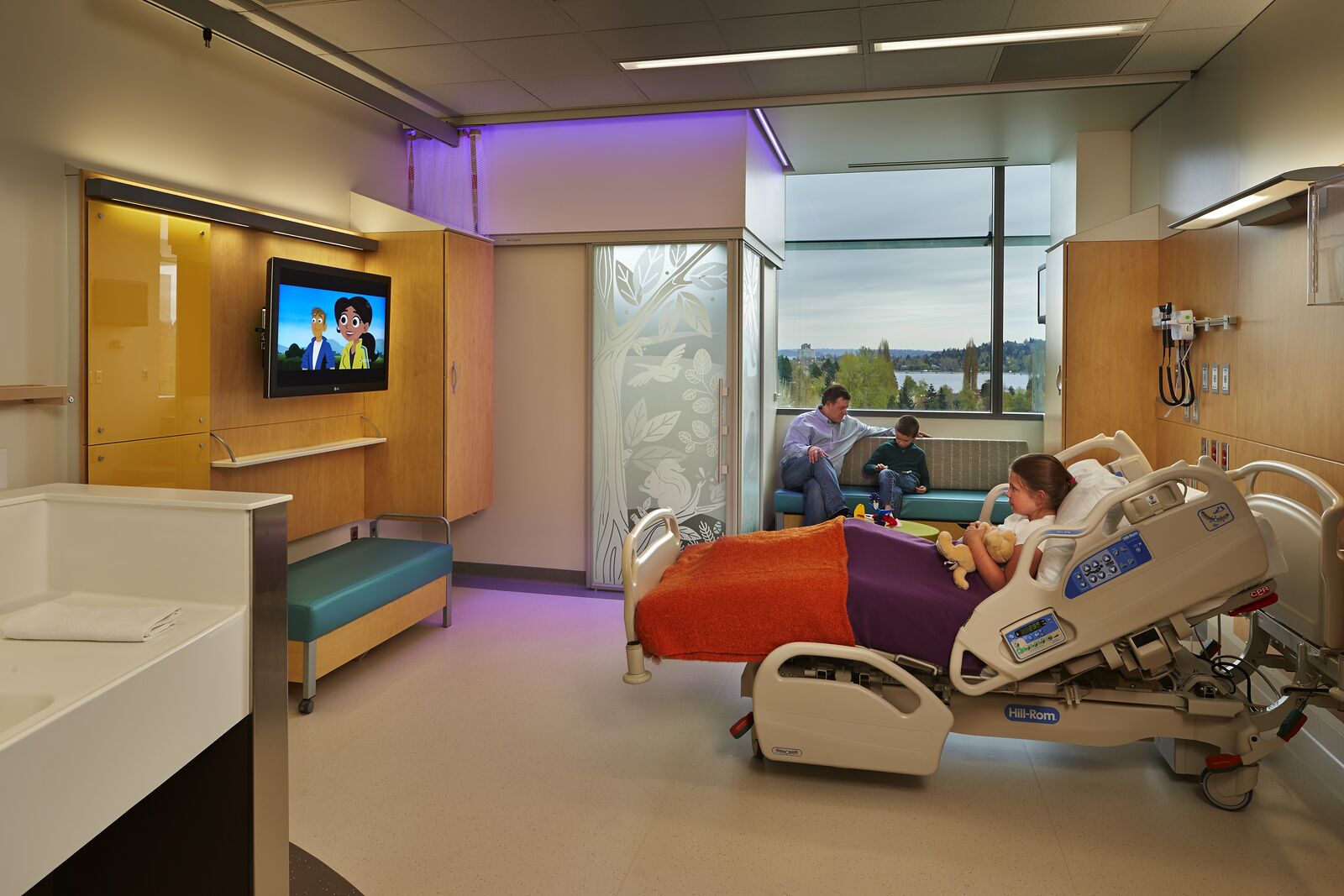
Using a Lean approach to optimize Seattle Children’s existing model of care, ZGF developed a design that tripled the time caregivers provide in-room treatment from 26% to 76%, reduced caregiver travel distances by 80%, and supply search time by 90%. Strategies included just-in-time supply and medication delivery, medication preparation in the patient room, in-room charting, flexible furniture systems, demountable partitions, unobstructed views across the unit to patient rooms, and clear wayfinding. A variety of spaces also accommodate ‘rounding’ of teaching teams at bedside, in circulation nodes and in care team zones.

A standardized unit and patient room layout maximizes flexibility to accommodate a range of acuity levels or changes in services. The project initially included 80 beds, with capacity to accommodate up to 192 beds, which were later built out for an additional acute care floor and critical care floor. Seattle Children’s culture of continuous process improvement, as well as the building’s flexible design, have since allowed other modifications based on evolving models of care and department-specific needs.

“When you go to each individual room, it’s remarkable. Every feature, there’s a story behind why it’s designed that way.”
– Dr. Douglas Hawkins, Chair, Children's Oncology Group

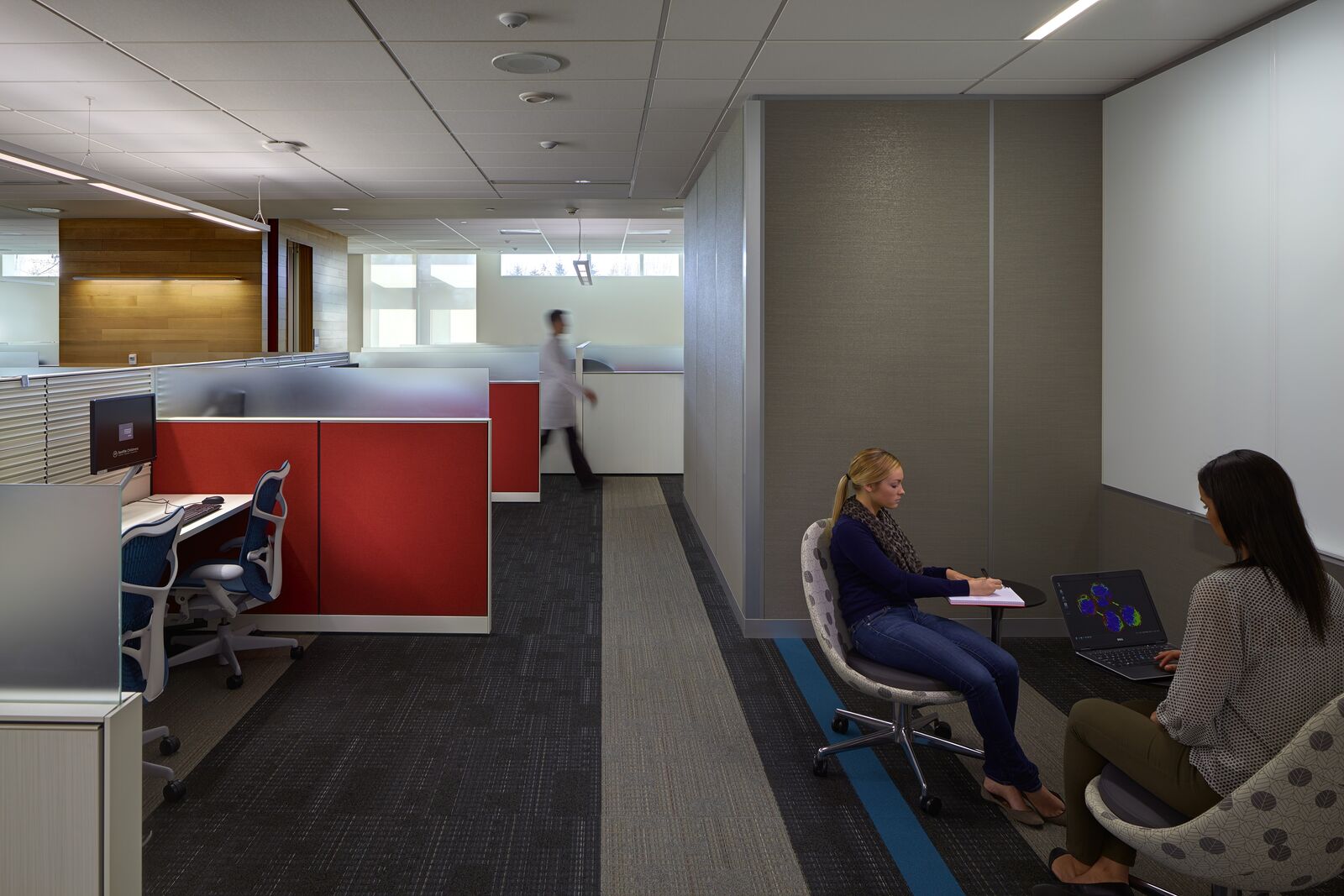
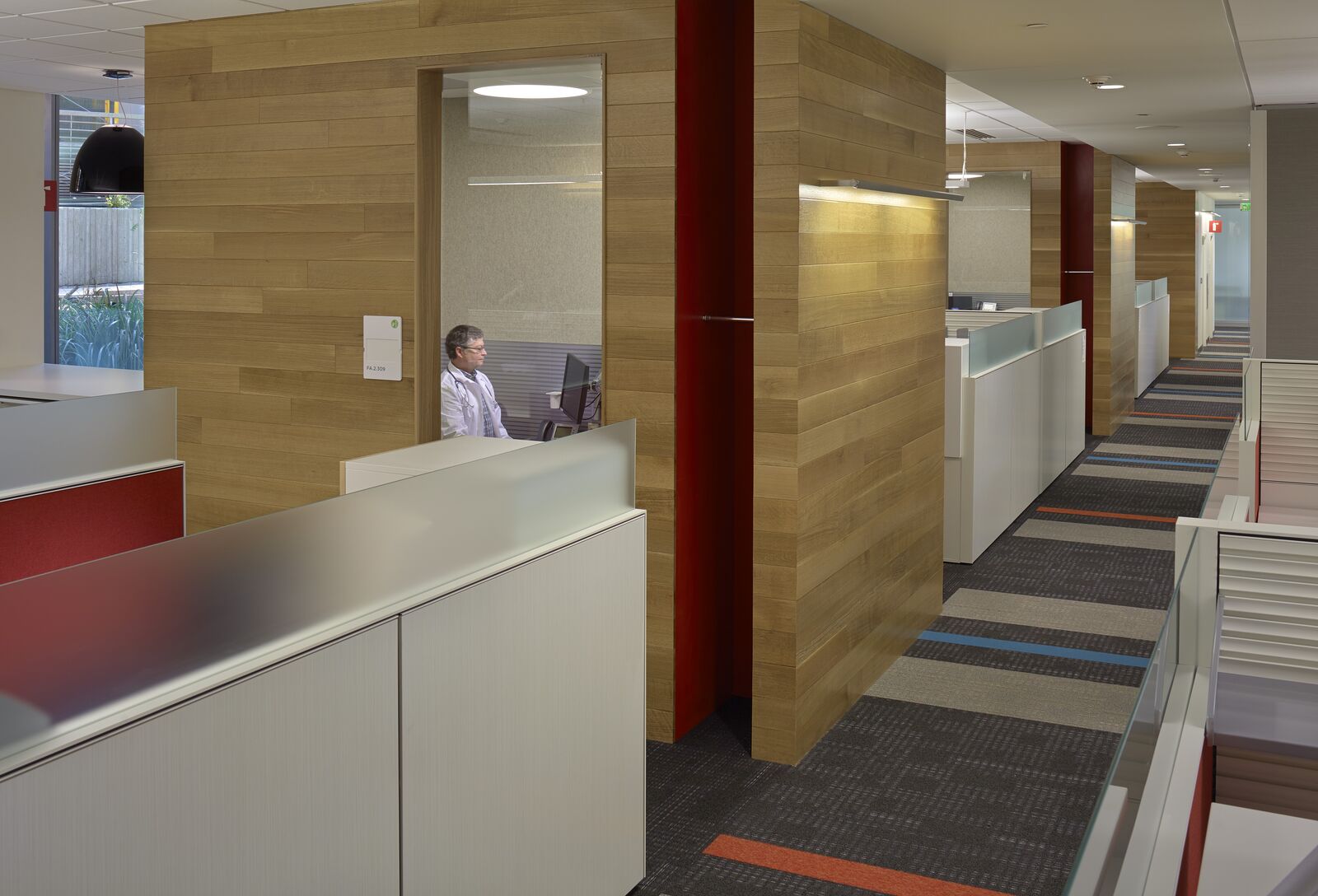
On the heels of Forest A, a redesign of Seattle Children’s Faculty Physician Workplace brought providers closer to patient care by reducing travel distance from their offices to patient units. ZGF transformed 16,000 SF of formerly closed private offices into a highly collaborative open plan environment designed to improve utilization and team-based care.

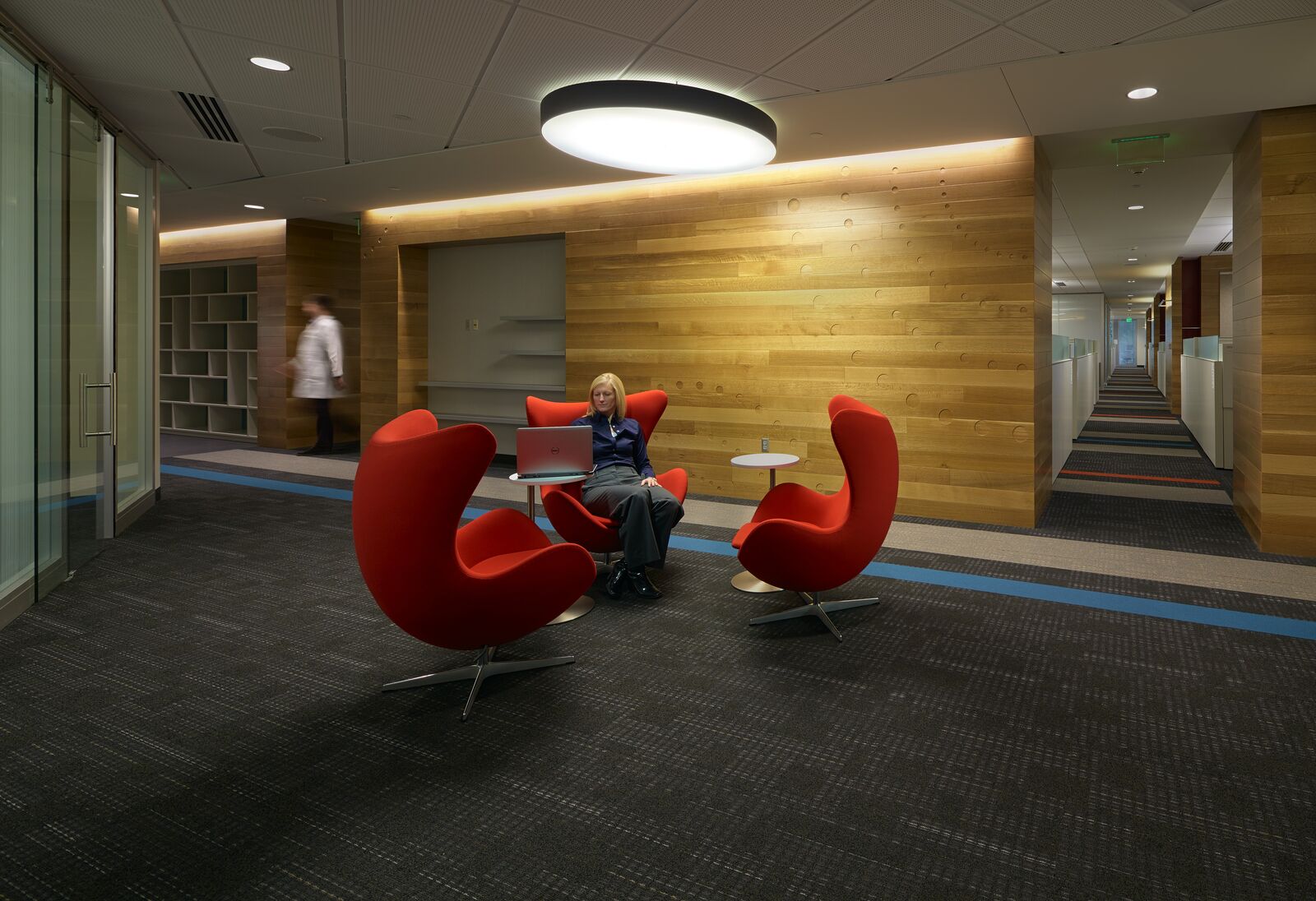
The first-of-its-kind workspace for the hospital required buy-in from an intergenerational physician staff and leadership previously dispersed across the campus. The result was a paradigm shift in how the hospital organizes its workspaces. Based around six-person neighborhoods that balance collaboration with the need for privacy and focus, the project includes a mix of meeting and support spaces in a flexible, technology-rich setting.

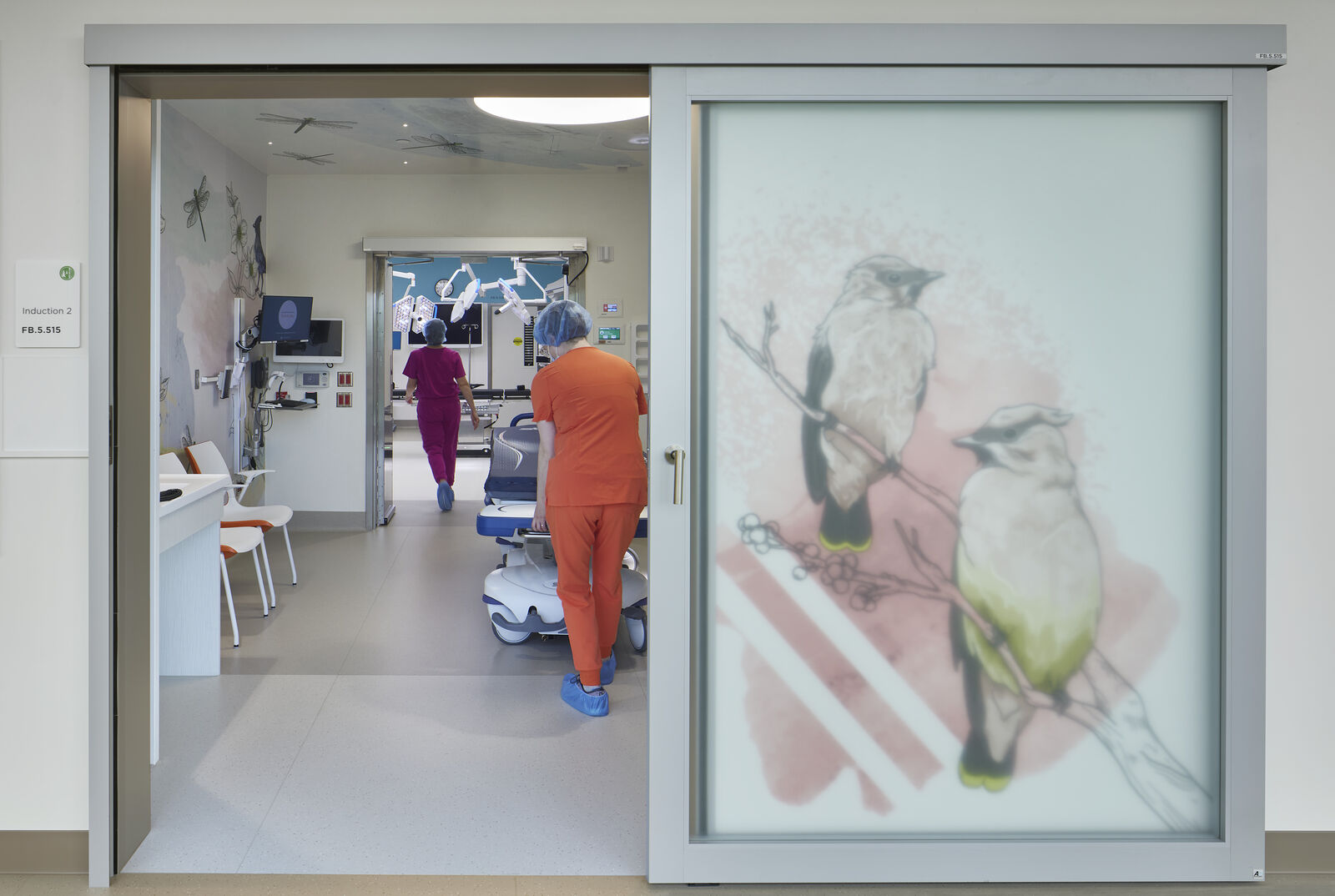
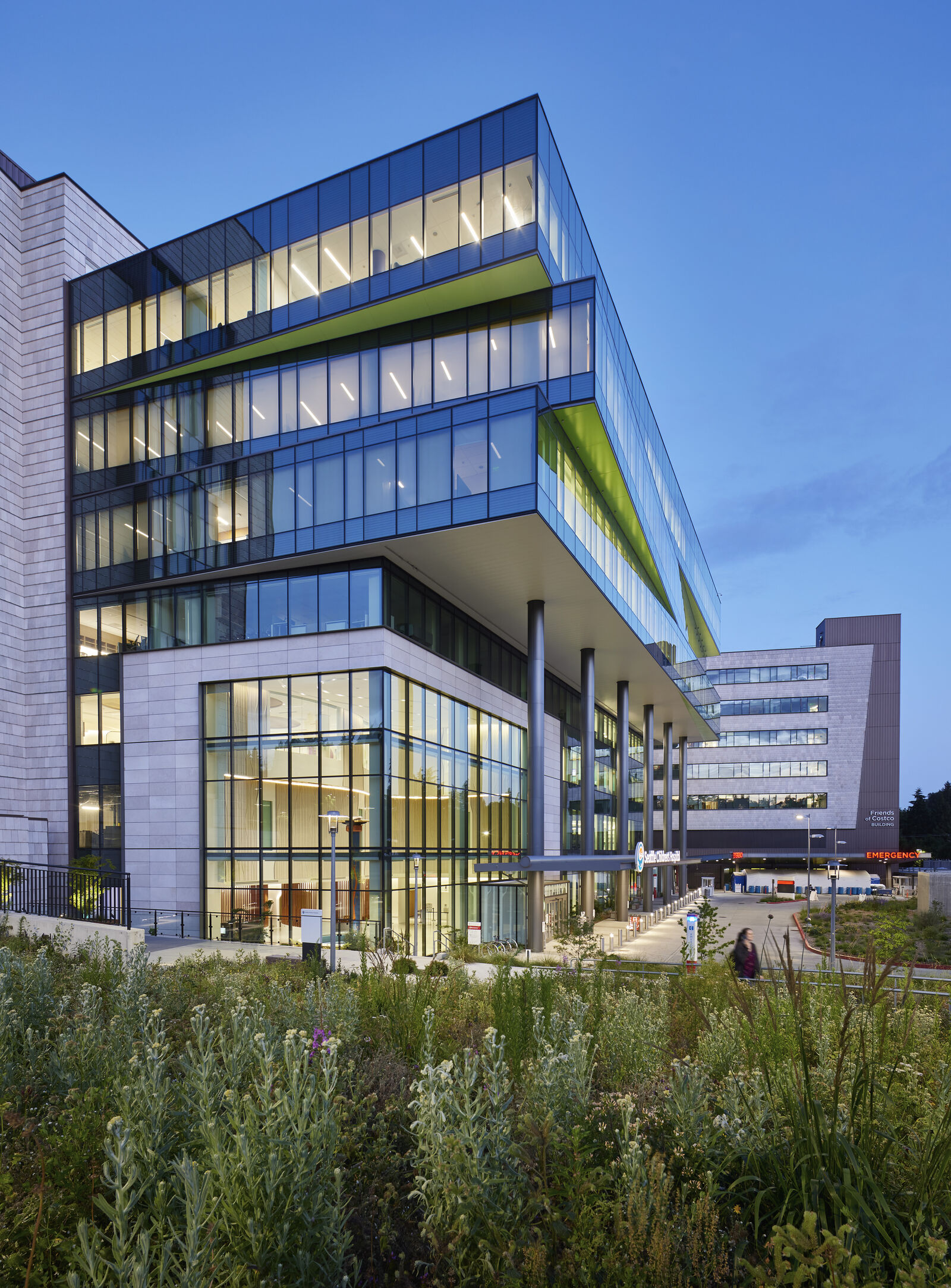
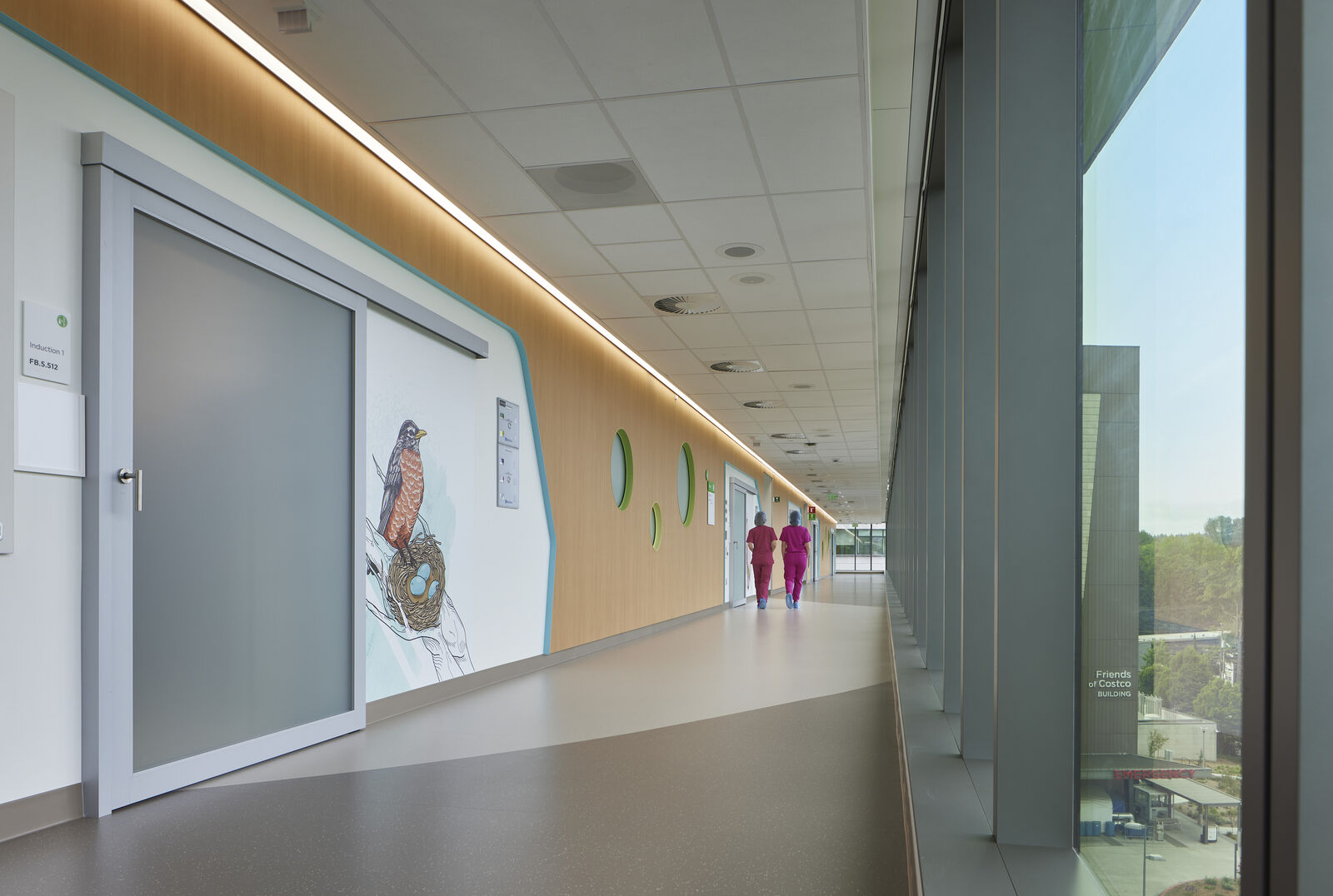
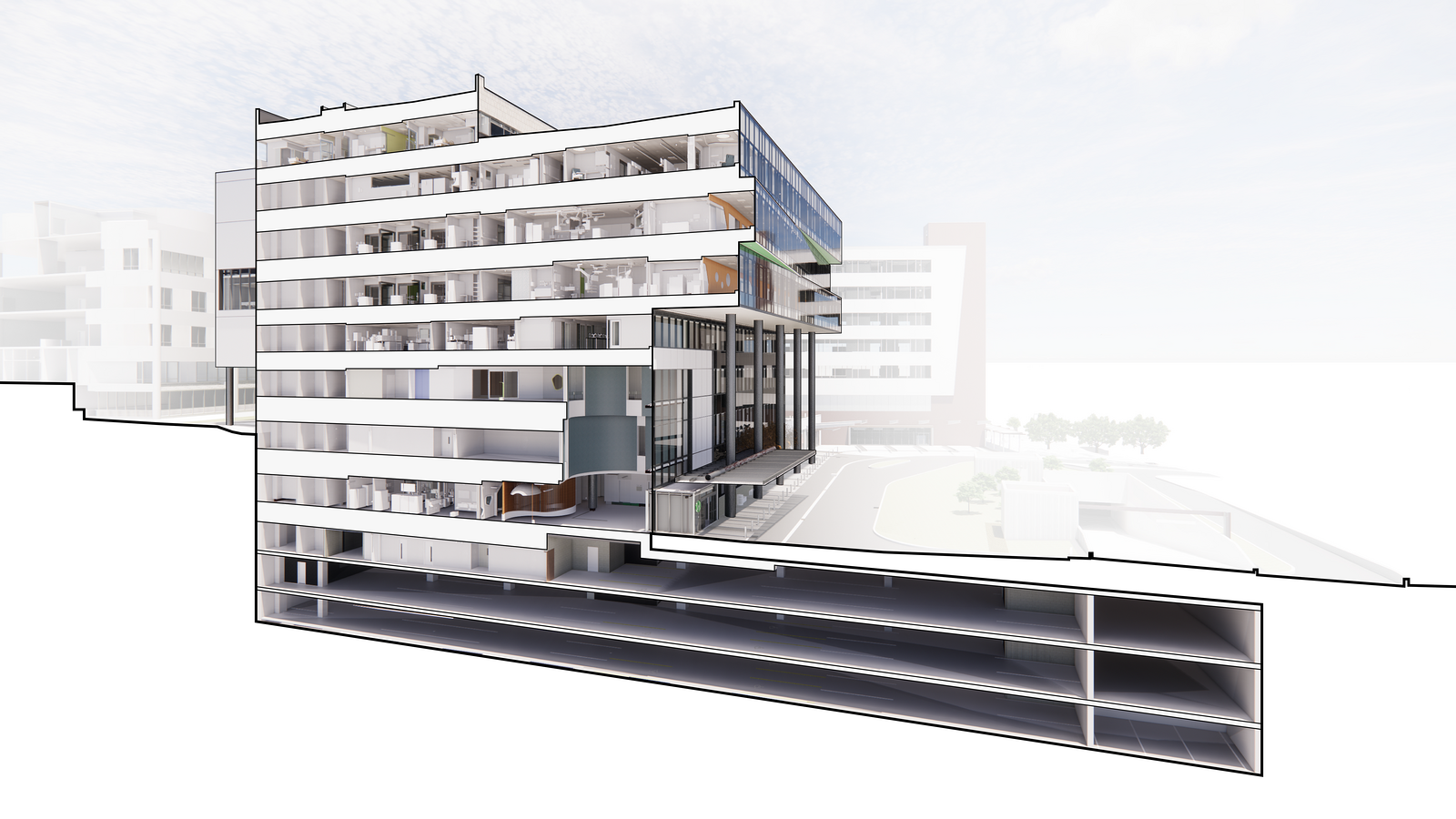
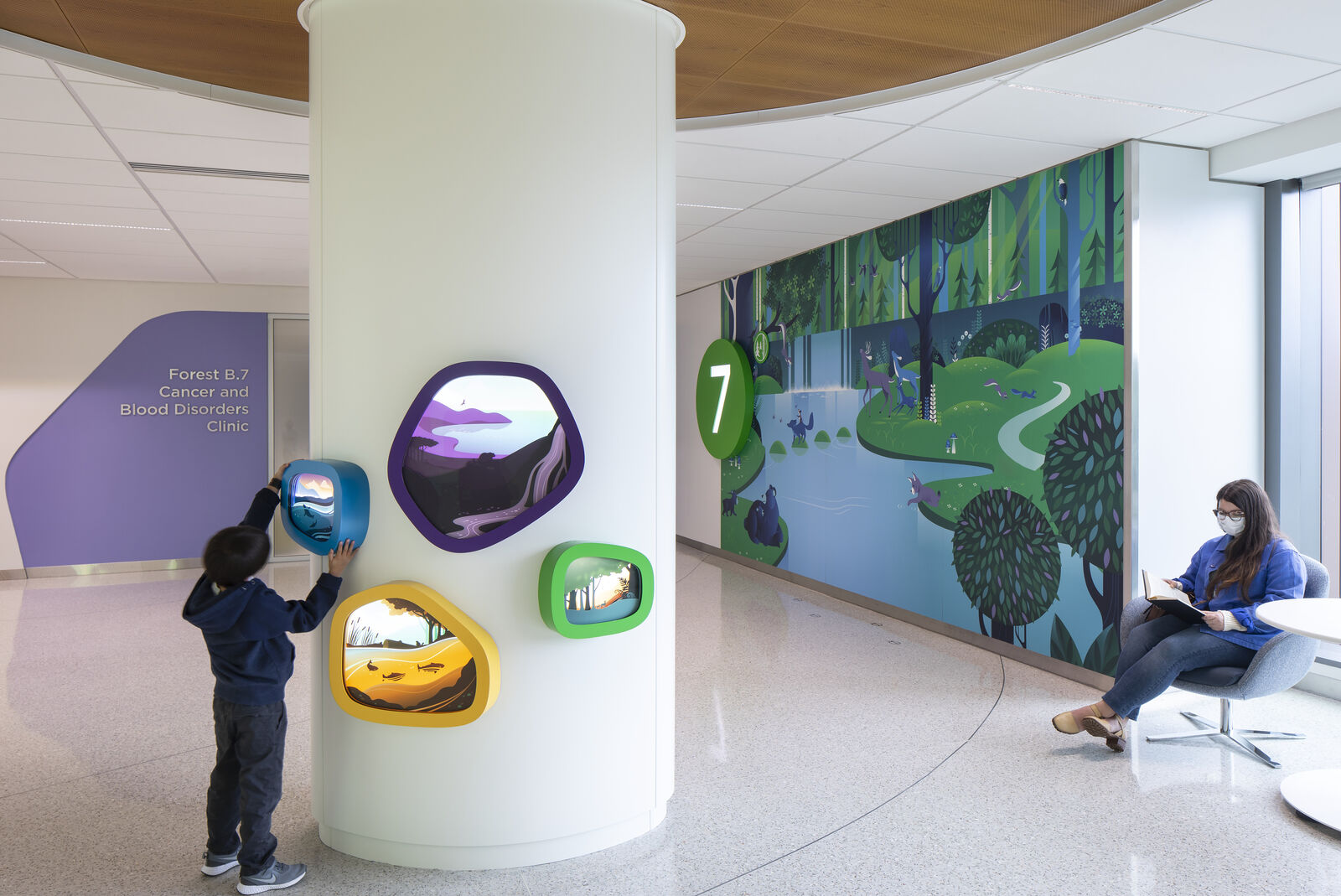
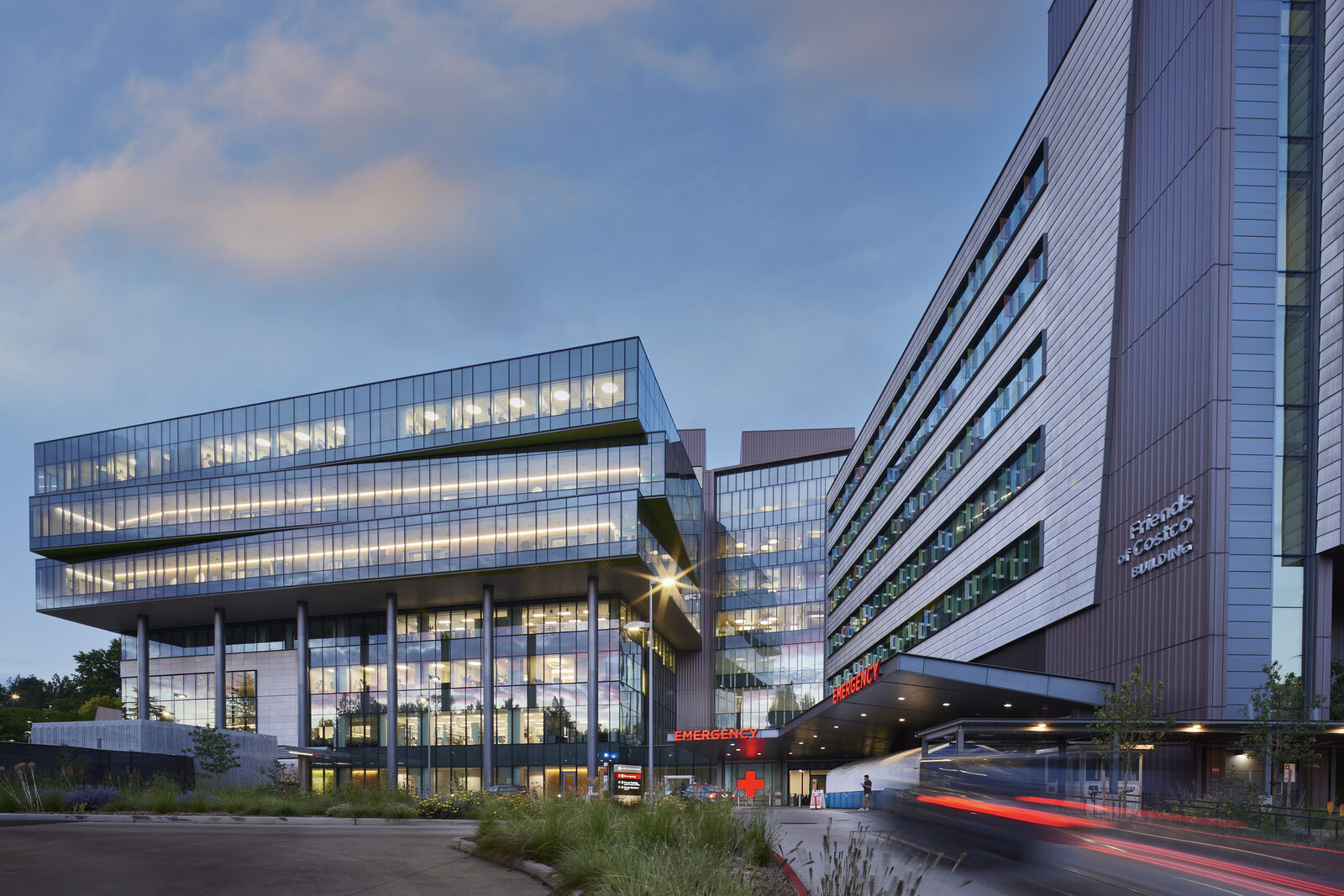
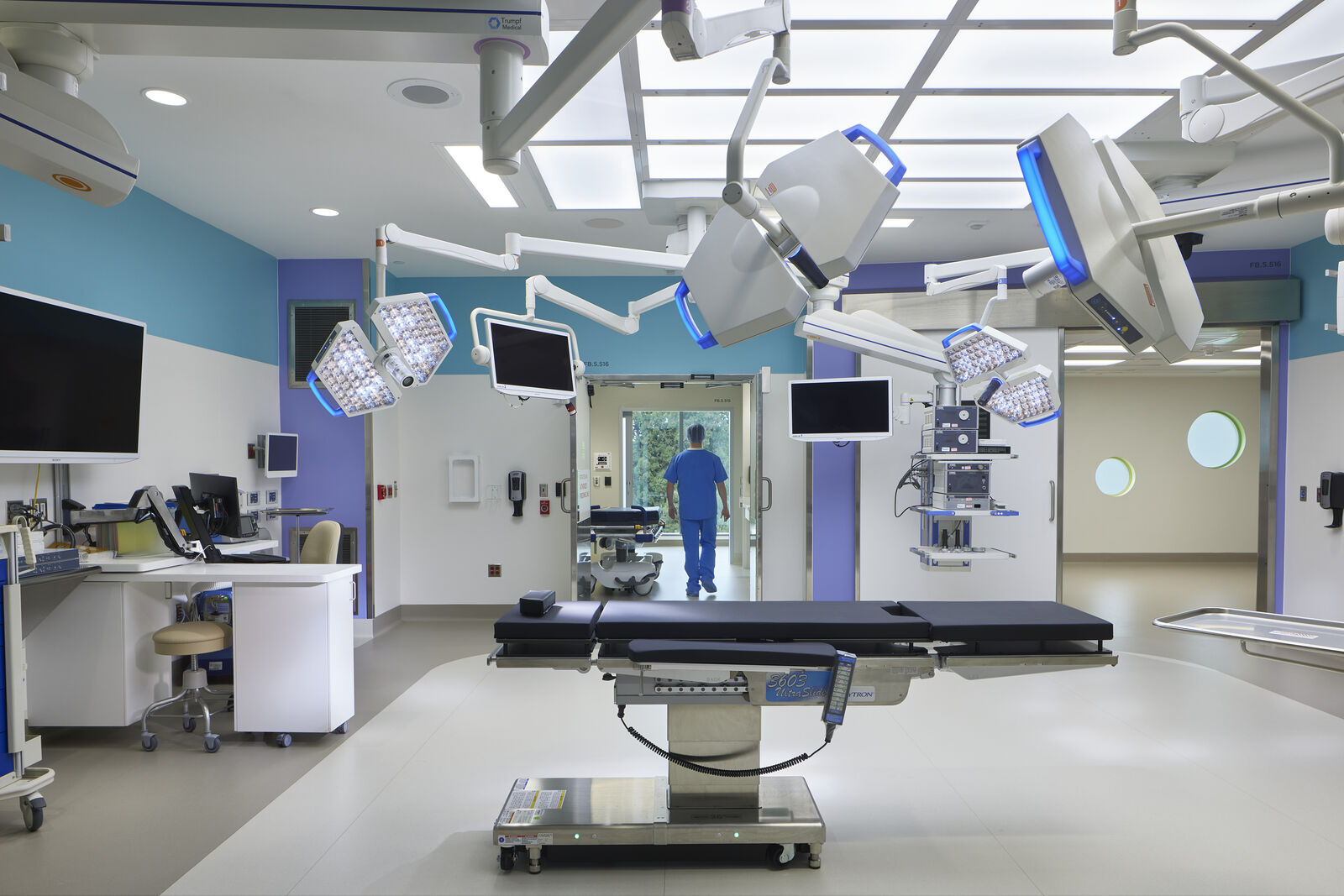
Building Care: Diagnostic and Treatment Facility, or Forest B, delivered Phase 2 of the MIMP, bringing Seattle Children’s one step closer to maximizing development capacity on its Laurelhurst campus. The eight story, 485,500 SF project adds eight new operating suites, two catheterization labs, 20 flexible inpatient rooms, a new outpatient Cancer & Blood Disorders Clinic, infusion center, pharmacy, laboratories, and sterile processing. It connects physically and programmatically to Forest A, and in the future, will be bookended by another planned inpatient tower, Forest C.

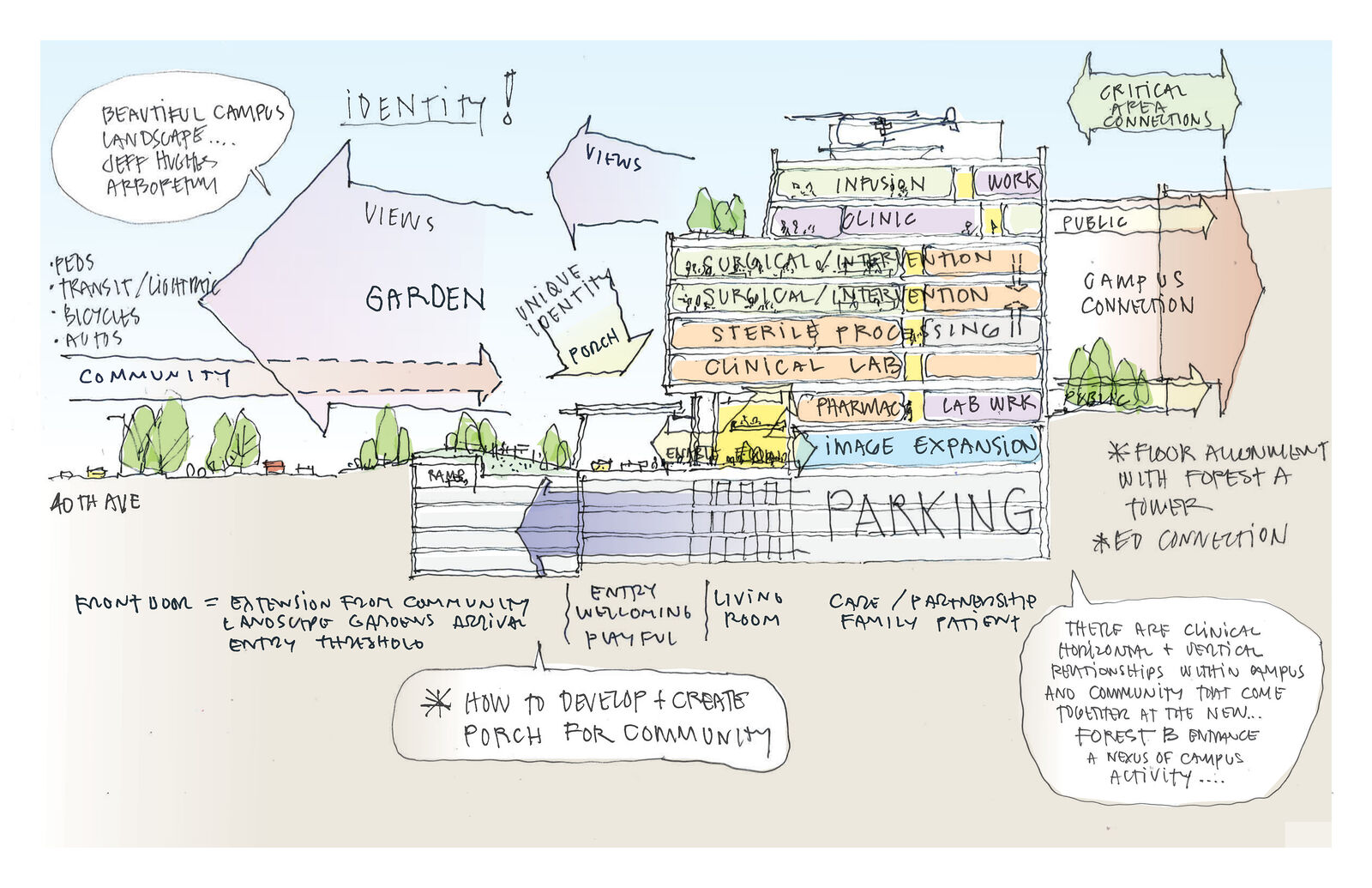
Much like coursing blood through a new bypass, the campus vision planned many years ago came to life with the opening of Forest B. Horizontal flows from Forest A to B, and from lower campus to upper campus, allow medical teams to bring coordinated care directly to high-acuity patients, especially those who require a shift from outpatient or emergency care to inpatient care. Critical diagnostic and treatment spaces are adjacent to inpatient beds, enabling patients to be transported via the shortest distance possible. Universal patient rooms and operating rooms allow multidisciplinary teams to work side by side for improved collaboration.

The significance of this operationally transformative, horizontal strategy breaks the mold of a traditional, vertically stacked hospital campus, which typically involves multiple towers for different programs or specialties. Seattle Children’s model saves families the time, energy, and stress of going from building to building for different services because they’re all connected and flow into one another.

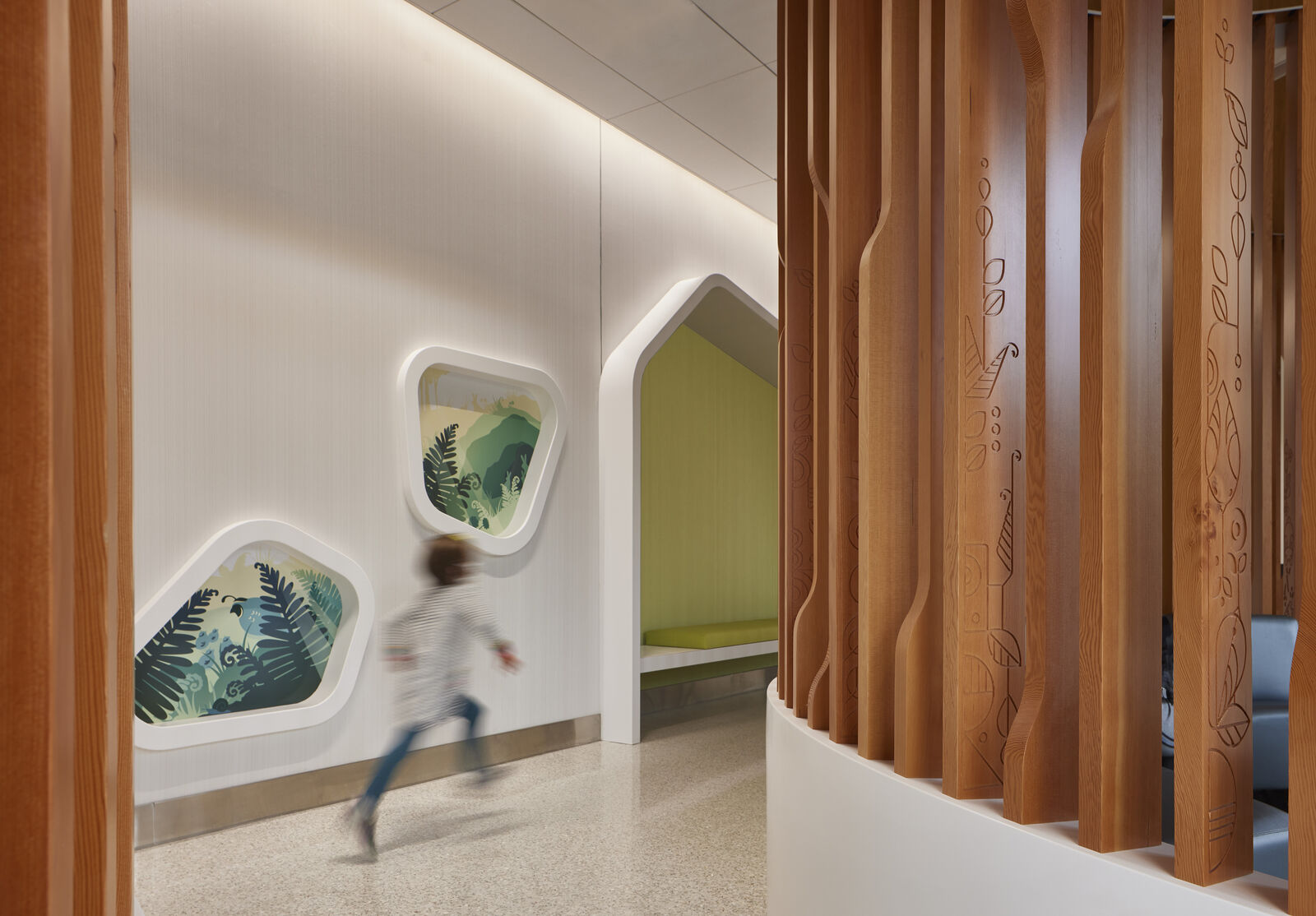
The project represents the voices of hundreds of employees, families, project team partners, and community members who informed the creation of a flexible, high performance, patient centered model of care. The resulting design ensures all users have the right spaces and amenities to support their journey at every step—before, during, and after care.
“Patients will receive all the care they need in the same room. It’s a new paradigm. It shows how Seattle Children’s is at the forefront of improving the patient experience.
- Dr. Mignon Loh, Division Chief, Pediatric Hematology, Oncology, Bone Marrow Transplant and Cellular Therapy

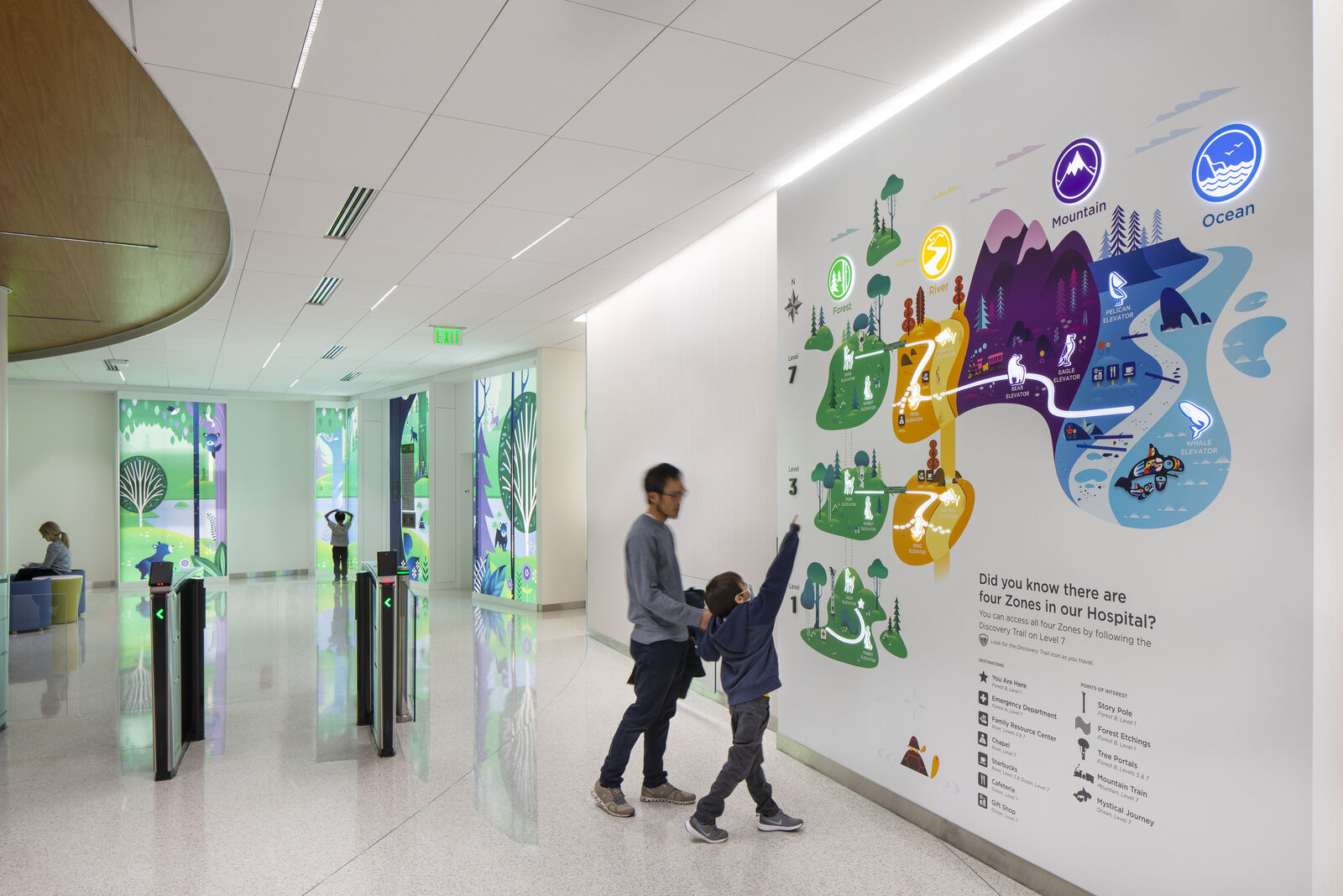
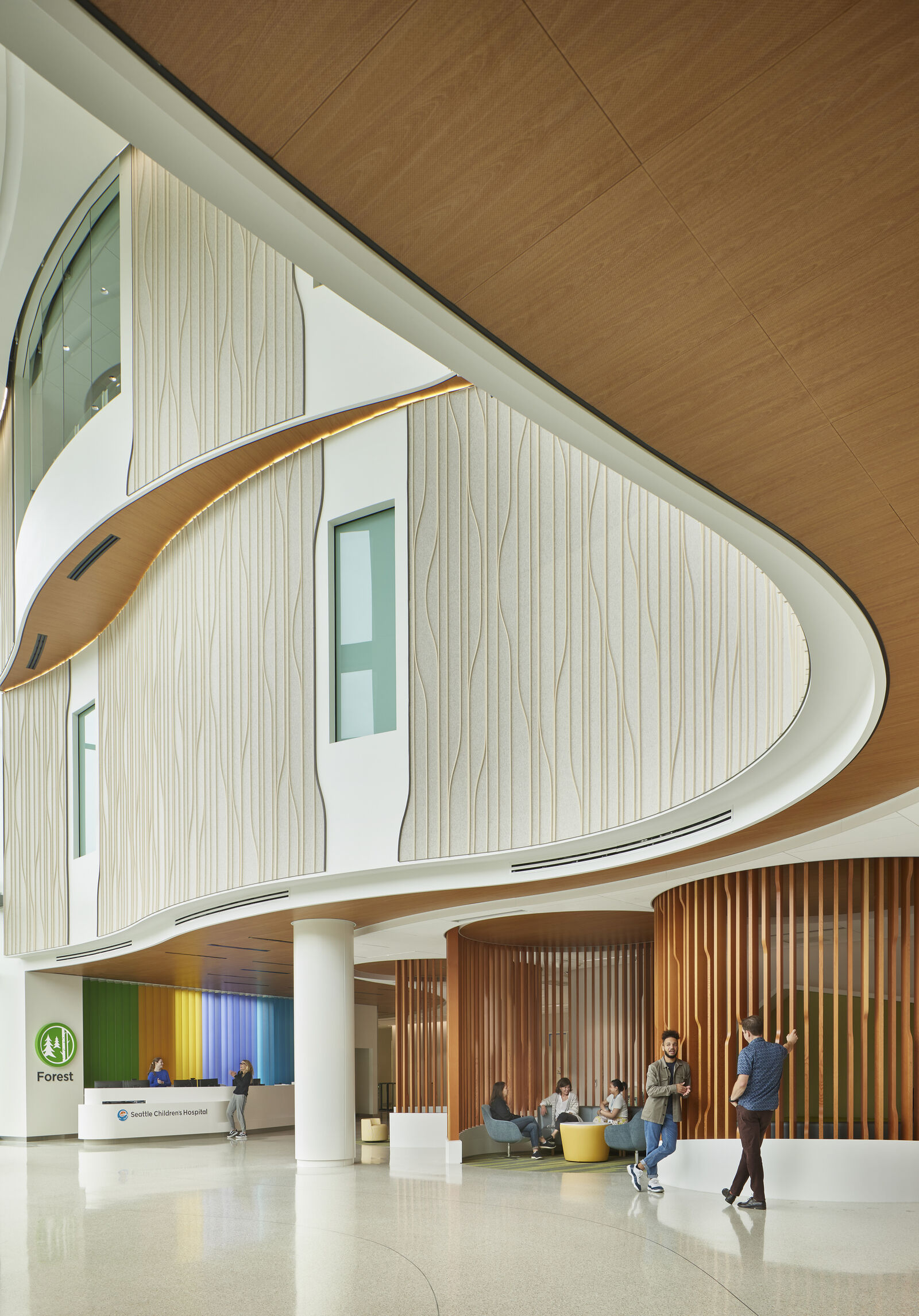
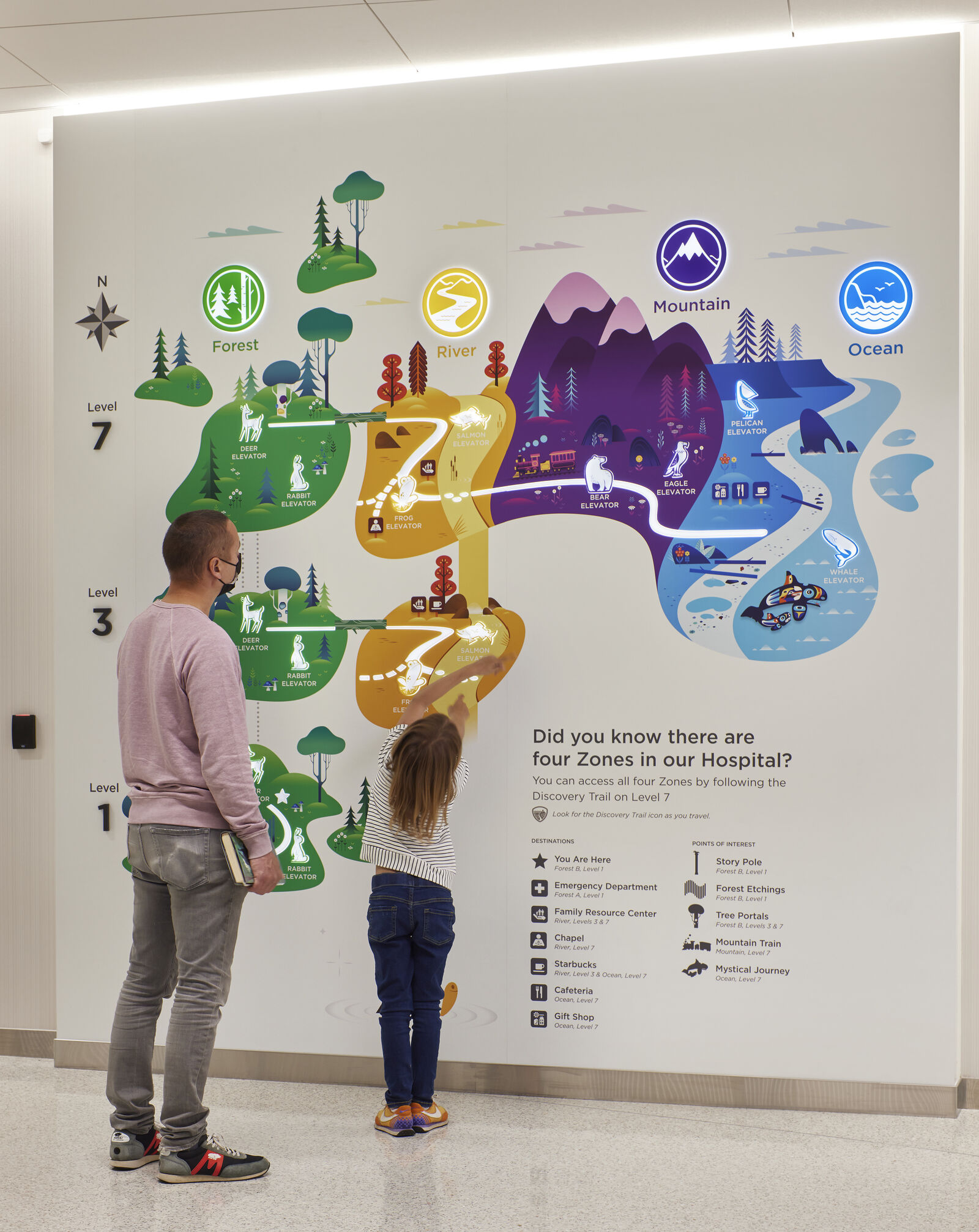
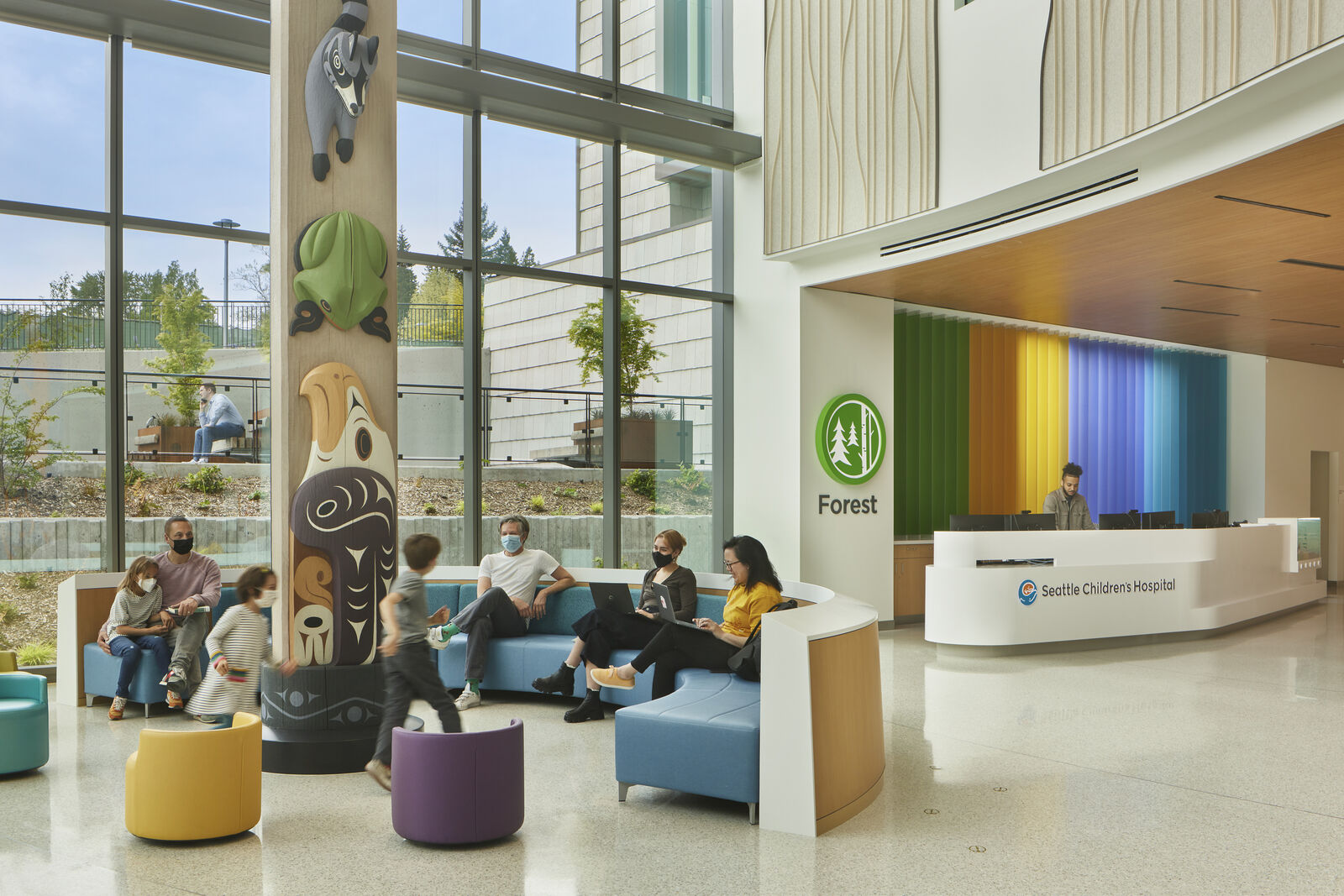
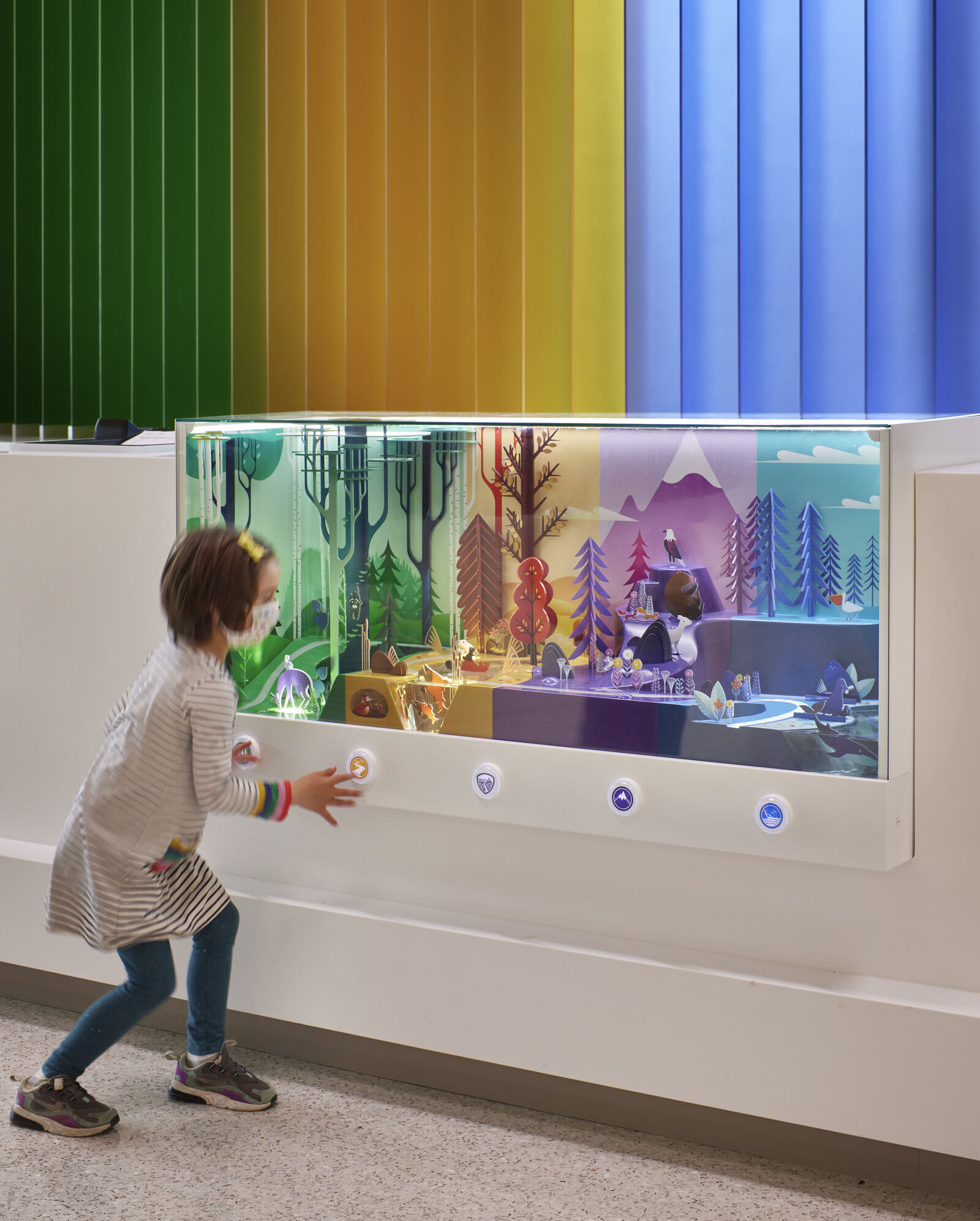
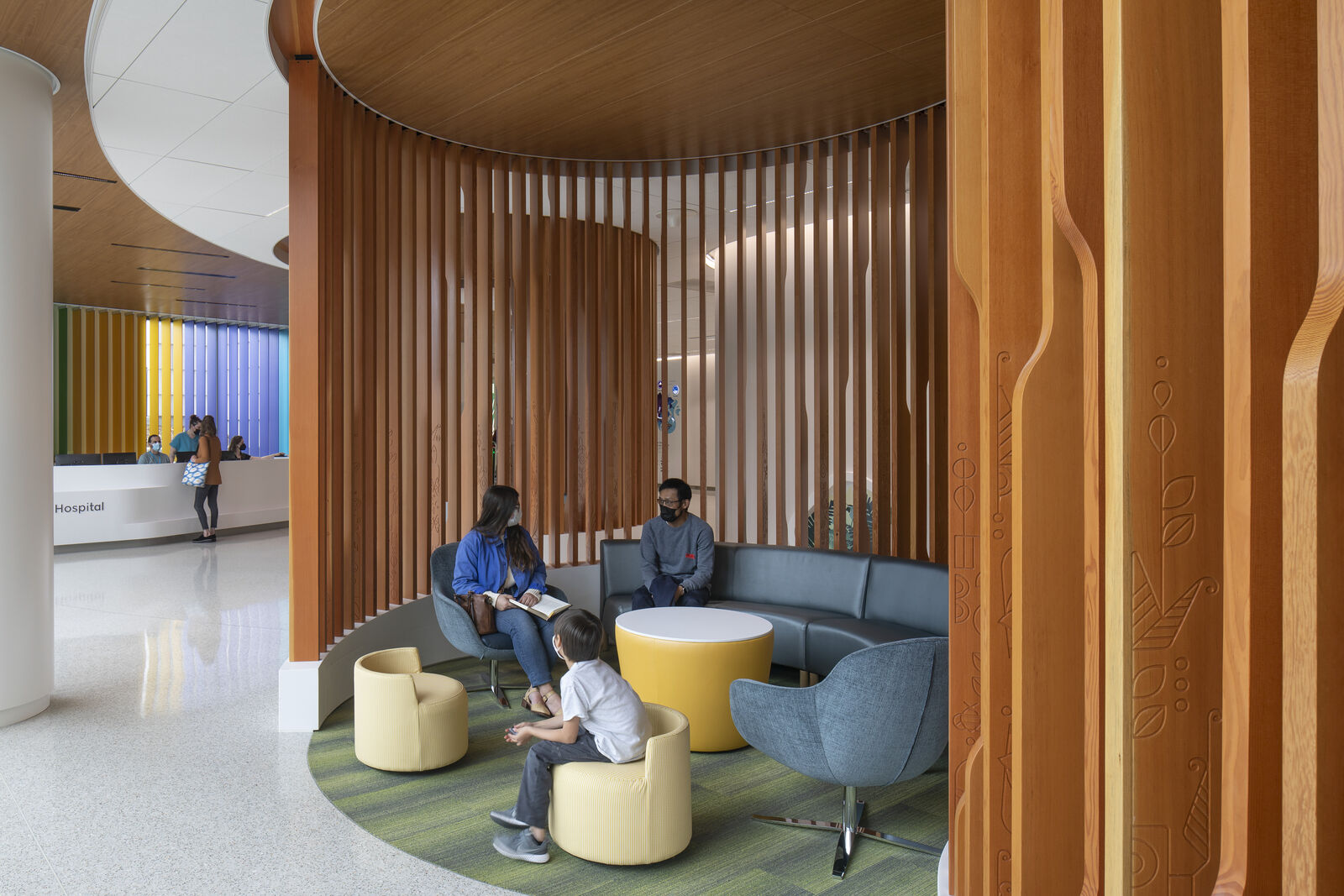
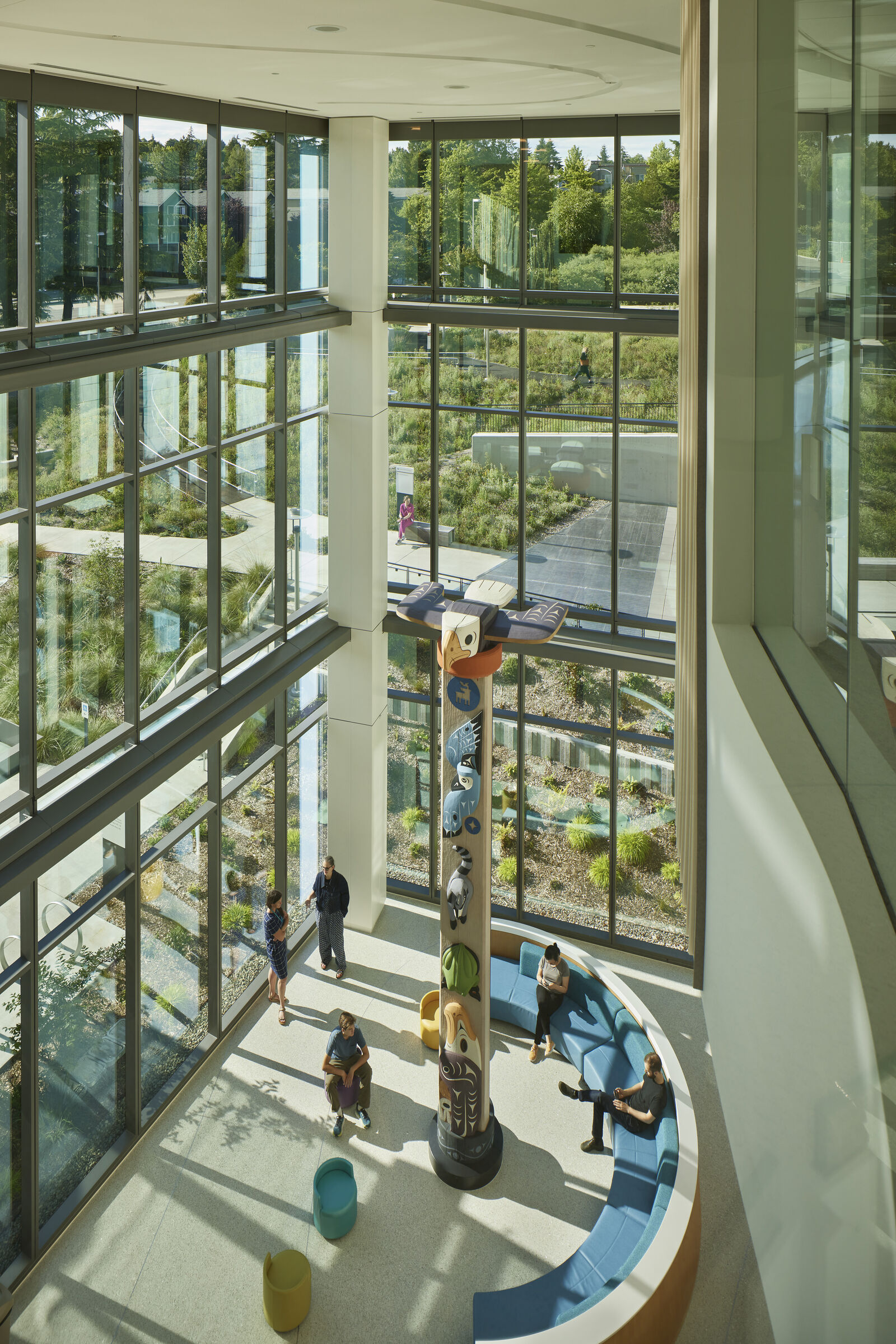
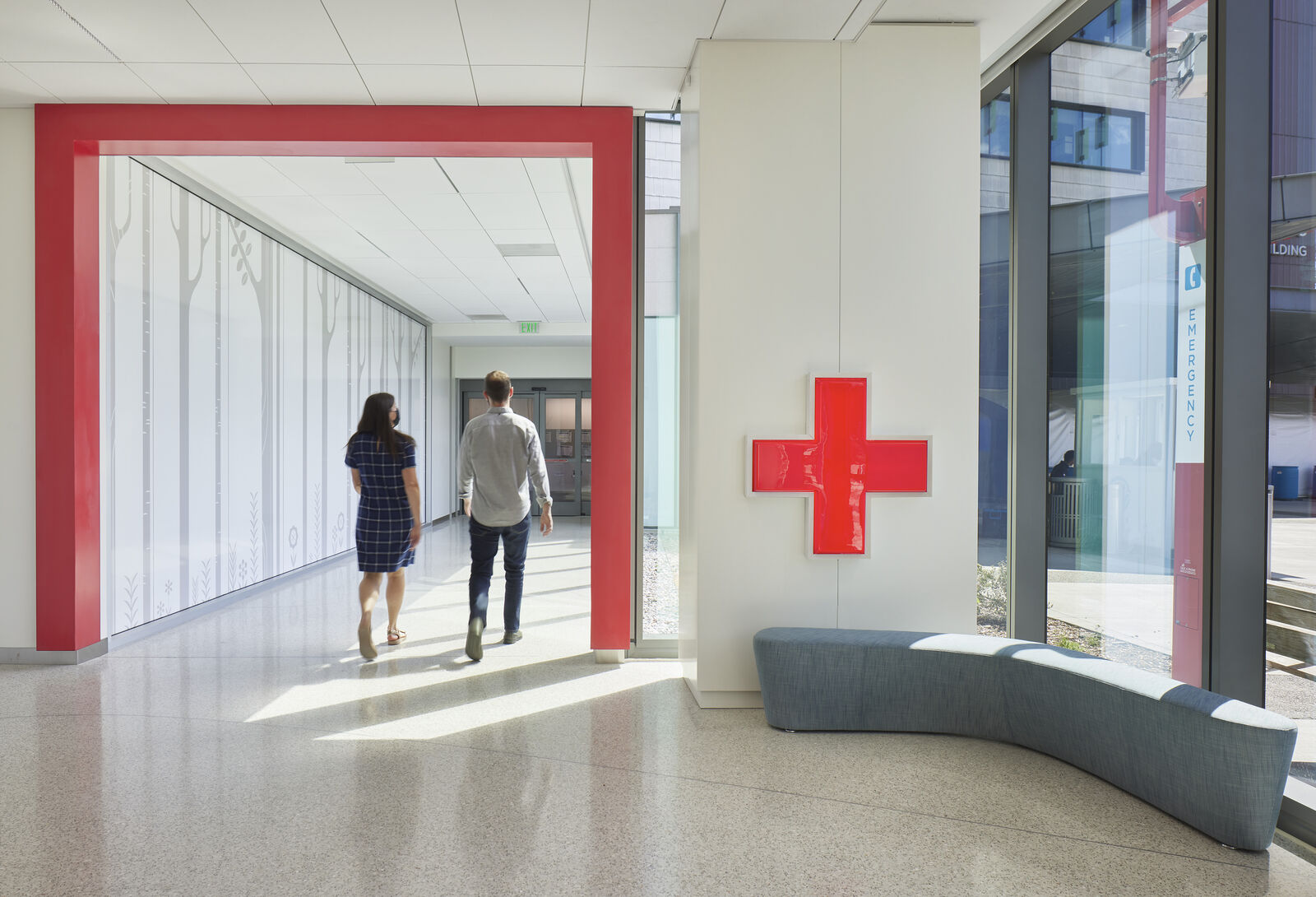
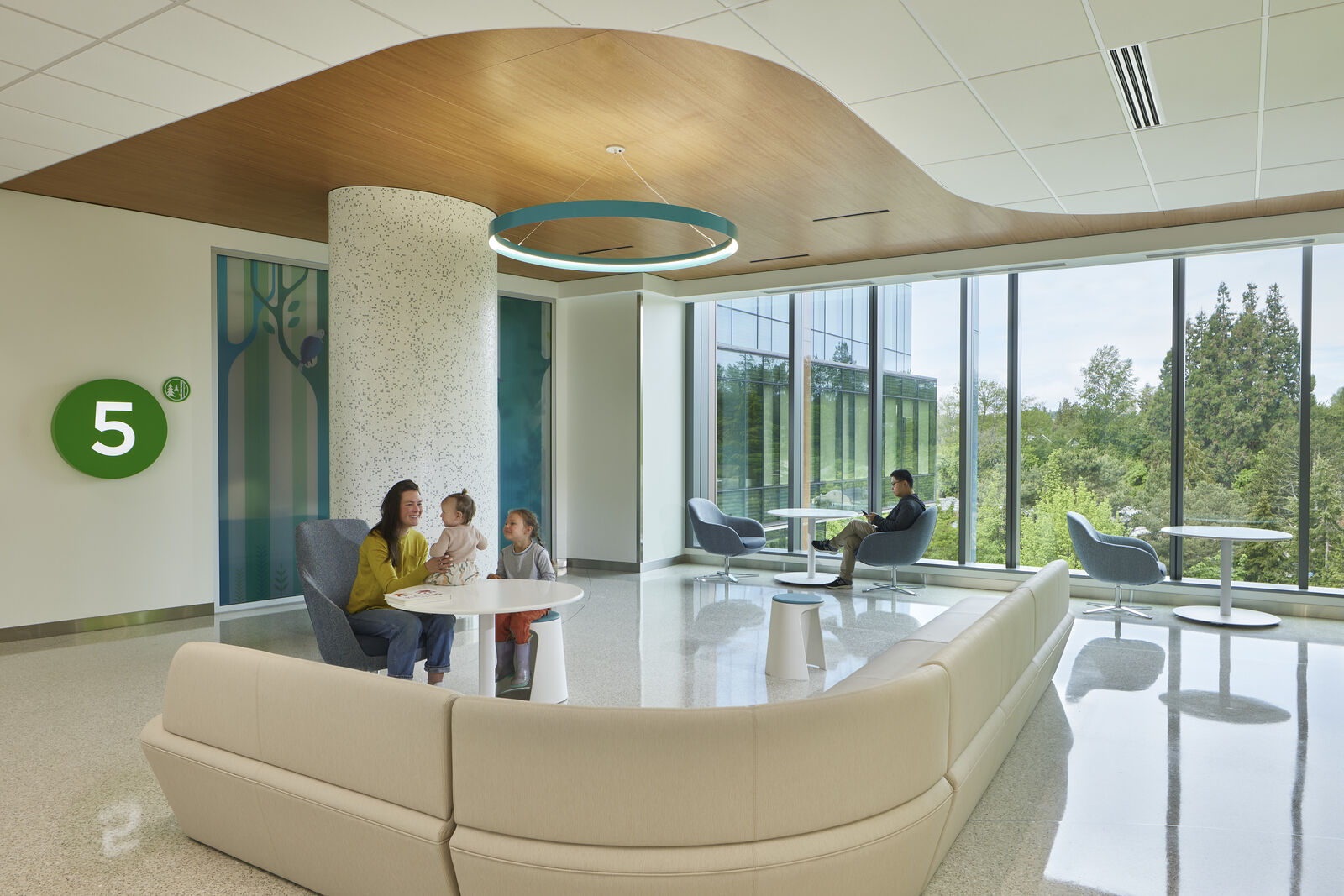
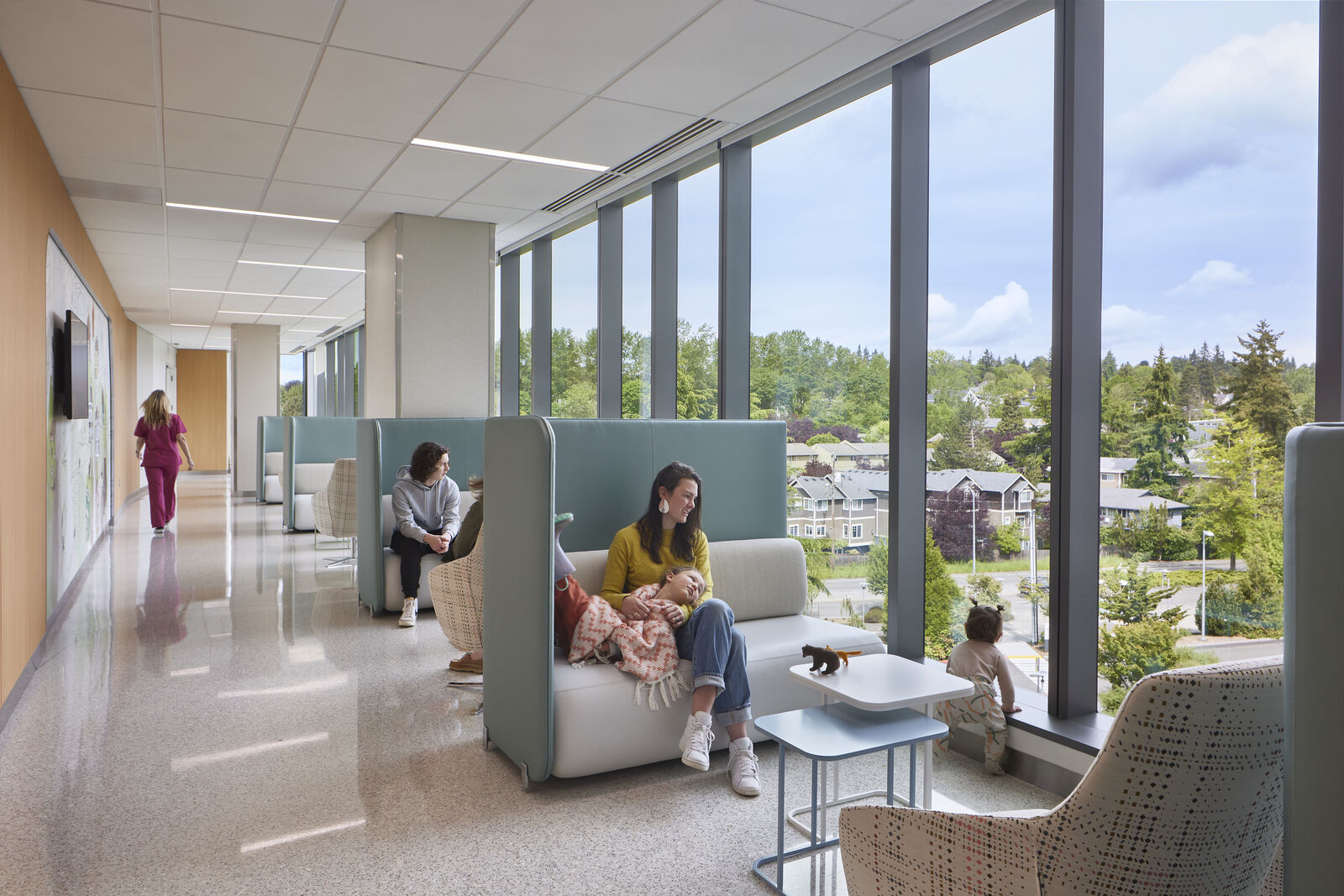
Forest B also creates a new front door to Seattle Children’s because of its location on the most public-facing edge of campus. Geography was critical to its implementation, leveraging a strategy of terracing afforded by the sloped site. From a wayfinding perspective, Forest B marks the beginning of the new Discovery Trail system tying together the four zones of the hospital—Forest, River, Mountain, and Ocean—into one cohesive campus experience. Major horizontal connections, or “trails,” connect Level 3 to the rest of lower campus and Level 7 to the upper campus. A large interactive trail map in the lobby illustrates how the four zones connect and shows families the path to their destination. By designing the building to meet users most basic needs—like navigating where to go—they can focus on the care, not the process.

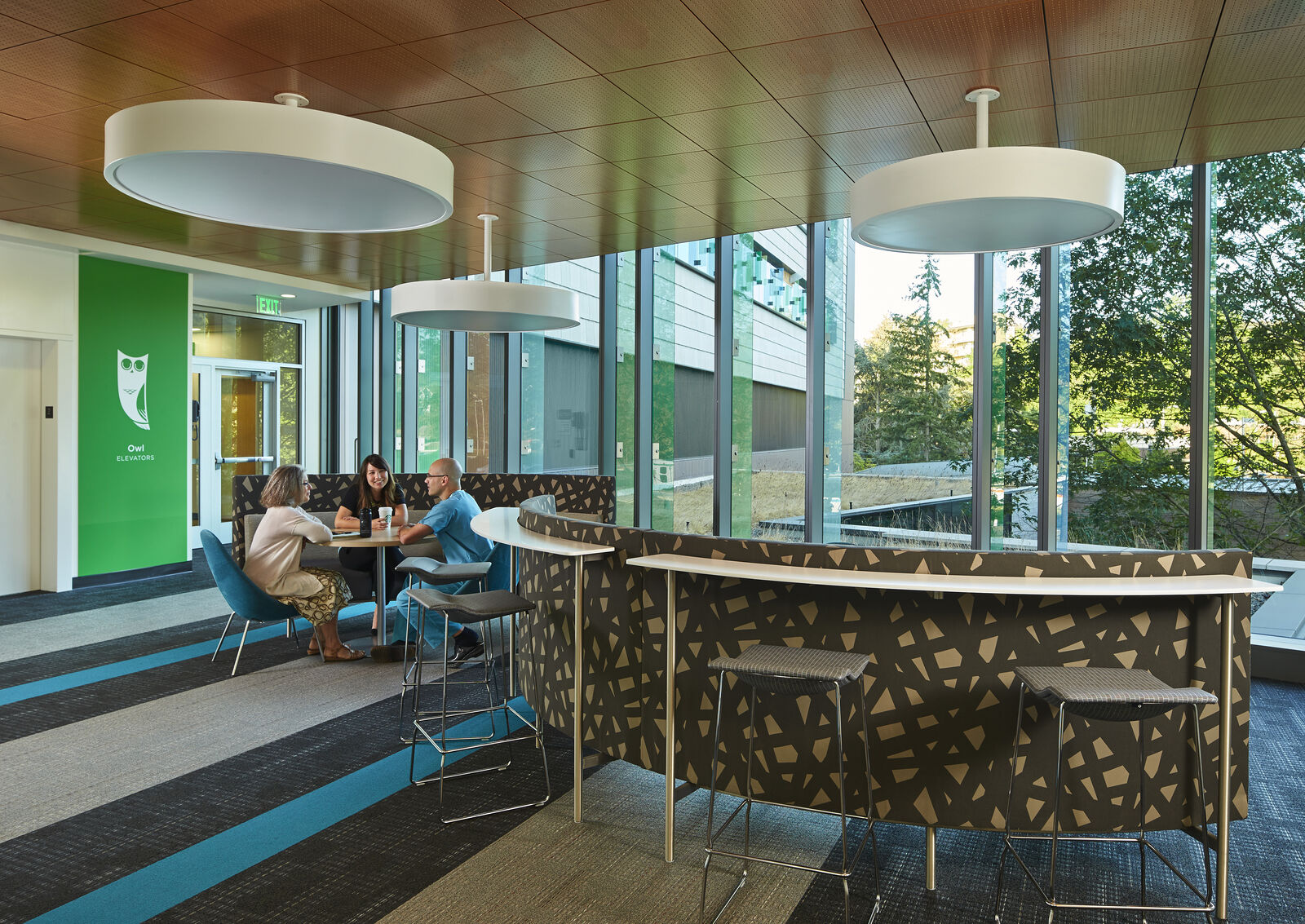
Prior to the Forest expansion, Ocean, one of the older campus buildings predating ZGF’s relationship with Seattle Children’s, served as the main entrance for both patients and staff. With the reimagined campus flow, River now provides a central staff entrance, and Forest provides a public front door for patients, families, and visitors. Separate circulation offers all user groups the grace of a more gradual transition into the hospital, with spaces to pause and regroup along the way.

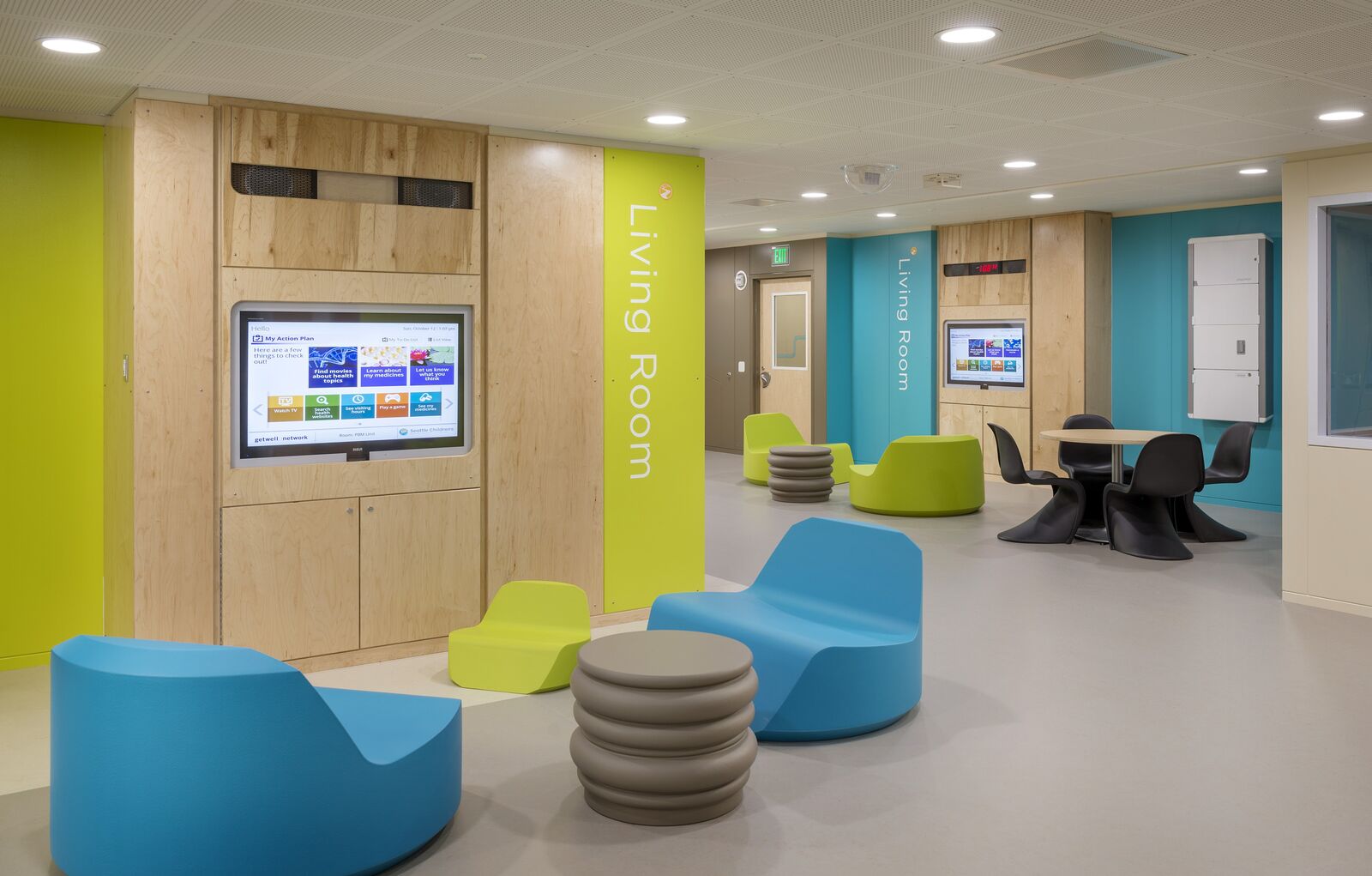
As higher acuity services have moved downhill to Forest A and B, space has opened in River, Mountain, and Ocean for lower acuity care. Over the years ZGF has designed several smaller renovation and infill projects to modernize, right size, and/or expand these spaces.  
Lean Design

To say that Lean design and process improvement has been impactful to ZGF’s work for Seattle Children’s is an understatement. Lean has created significant results at every scale, from operating rooms that yield higher surgery throughput to streamlined workflows that enable staff to spend more time at the patient bedside.

ZGF views Lean as foremost a strategy to improve the patient experience, which in turn drives process improvements for care teams and staff. Instrumental to our approach is the notion of “go slow to go fast.” What problems are we trying to solve so we can design the right solutions? Where are the pain points and inefficiencies so we can make the experience better, not worse? And who’s defining this transformation?

The Lean process engages representatives from every facet of care—patients, families, doctors, nurses, administrators, schedulers, facilities managers, technicians, and hospital leaders—to voice the interests, needs, and experiences in their aspect of care delivery. Through integrated design workshops, surveys, listening sessions, and community meetings, we guide these user groups on a journey from their current state to a better future state they hadn’t imagined was possible.

“The art of listening is critical. As an architect, you always have a desired answer in your head, but you want to elicit an honest response so you can get to a root cause.”
– Allyn Stellmacher, Partner, ZGF
In a nondescript warehouse five miles from Seattle Children's main campus, our team spent months mocking up Forest B floor by floor to get feedback from end users. – Watch on YouTube

Decamping Outpatient Care & Administrative Support

Freeing up space for Seattle Children’s main campus to focus on higher-acuity care meant transitioning as many outpatient services and administrative functions as possible off campus. In the years between Forest A and Forest B, ZGF completed several smaller projects outlined in the MIMP to bring outpatient care closer to where patients live. We also established a two-campus model for Seattle Children’s administrative staff in a downtown office building at 818 Stewart Street.

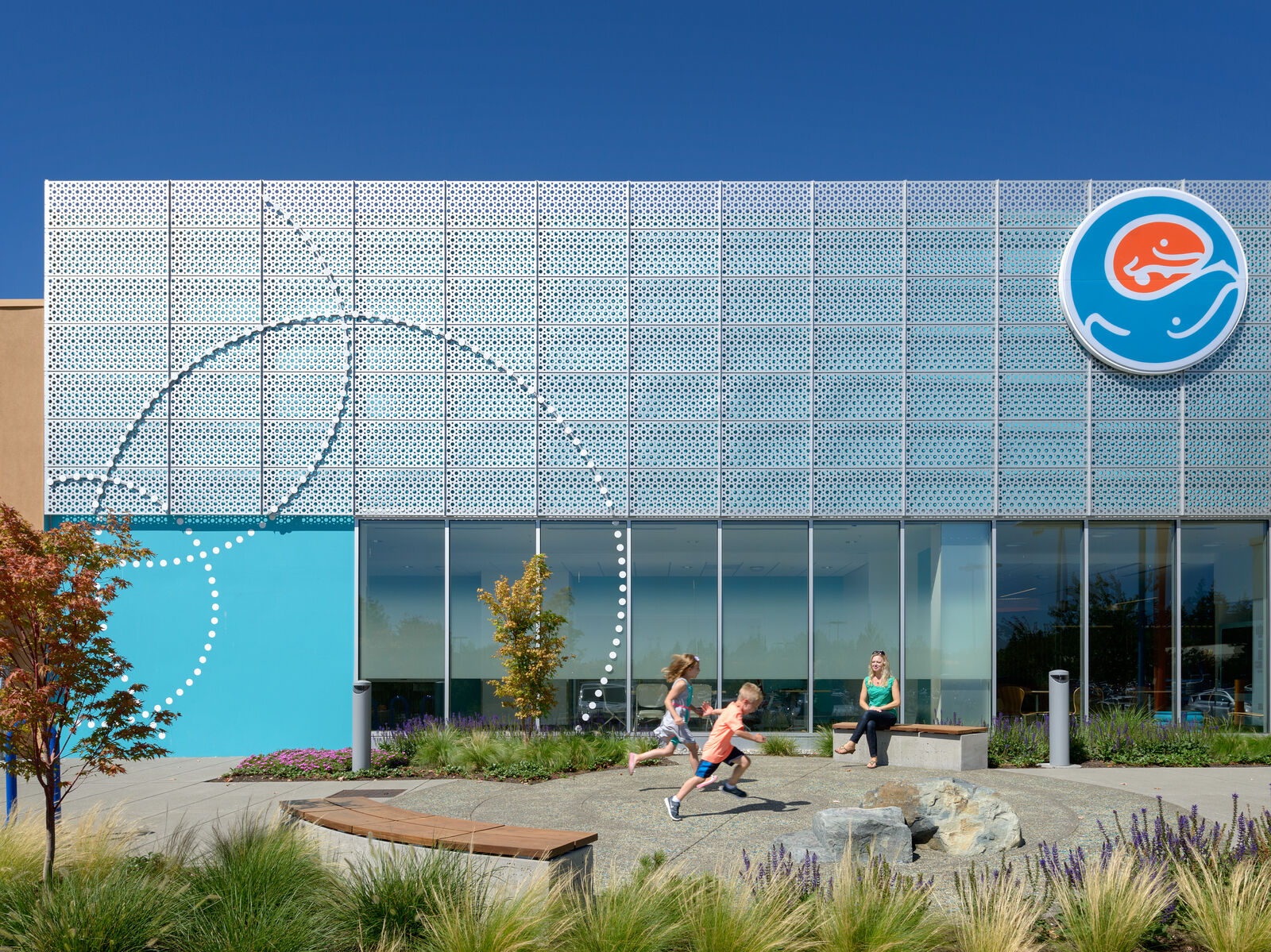
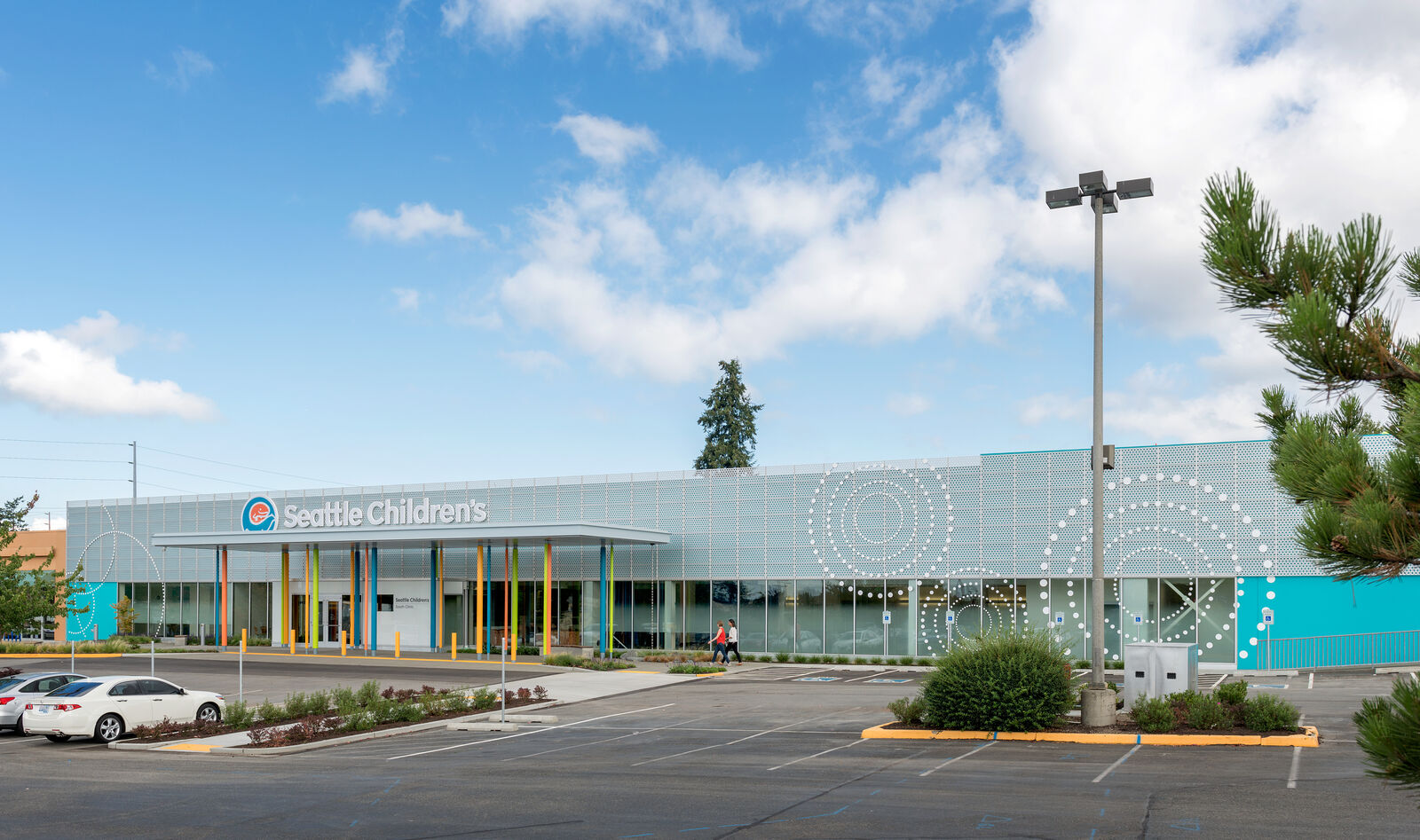
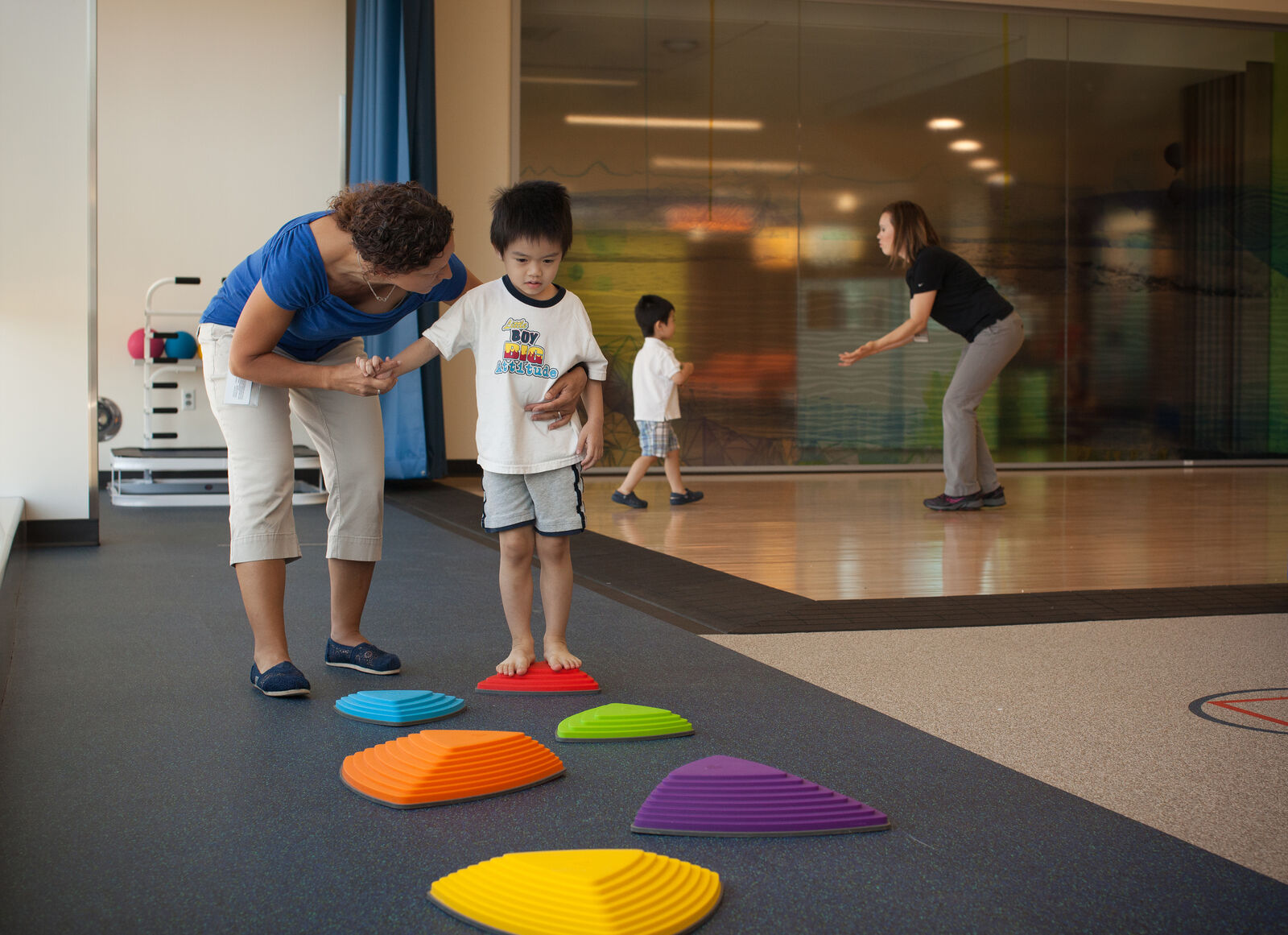
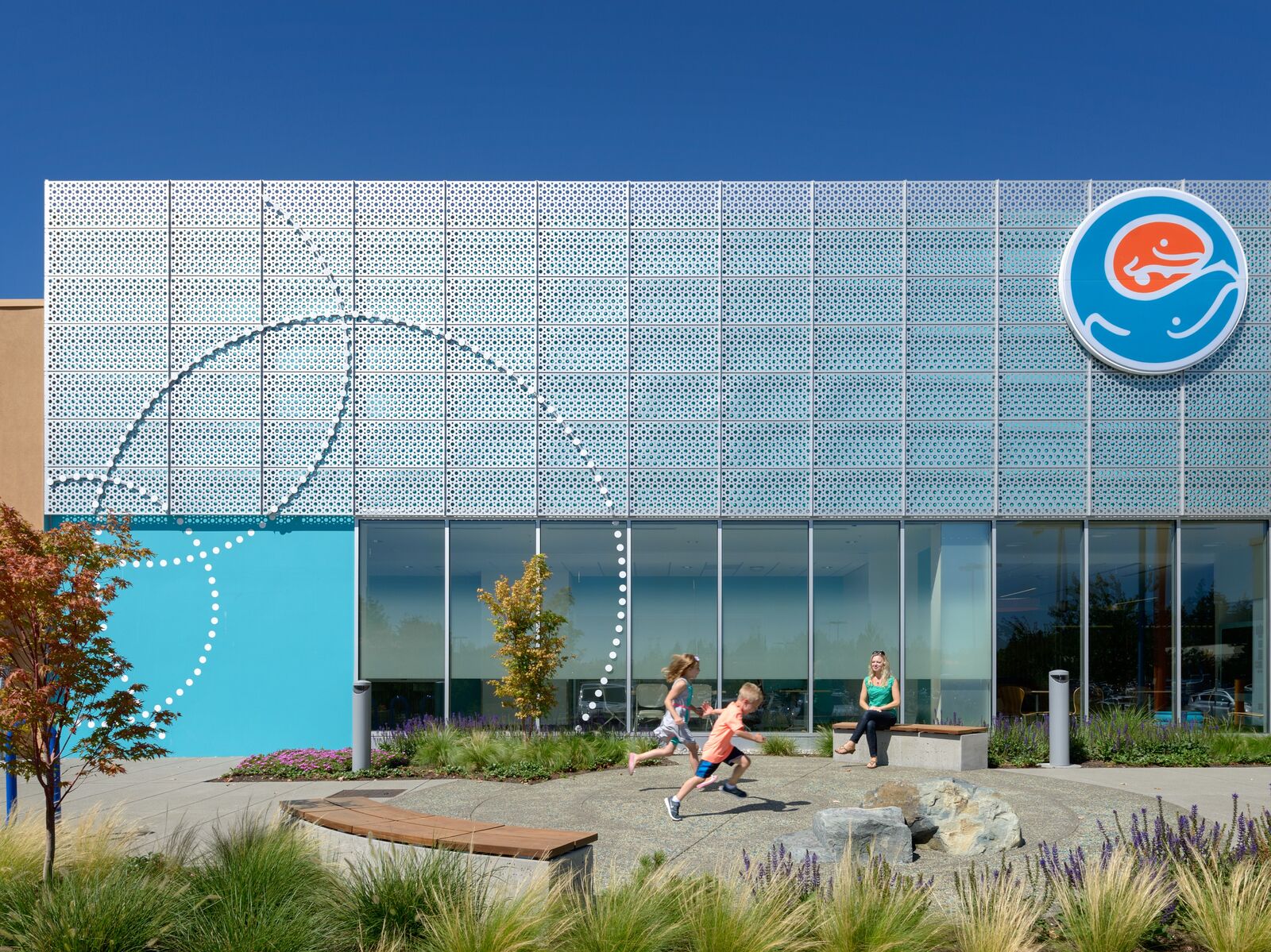
Repurposing a former Circuit City, Seattle Children’s South Clinic houses a range of outpatient services including urgent care, primary care, occupational and physical therapy, and specialty clinics such as ophthalmology, speech therapy, and sports therapy. New for Seattle Children’s at the time, this model brought outpatient services to a convenient community location for South Sound families while allowing the hospital’s main campus to focus on acute care.
The 37,000 SF project was an early case study in the emerging trend of transforming big-box retail stores into healthcare facilities. Because of its location in an existing retail center with plenty of square footage, an already developed site with parking and infrastructure, and its proximity to other businesses that families and staff frequently access, adaptive reuse was far more cost effective than constructing a new building.

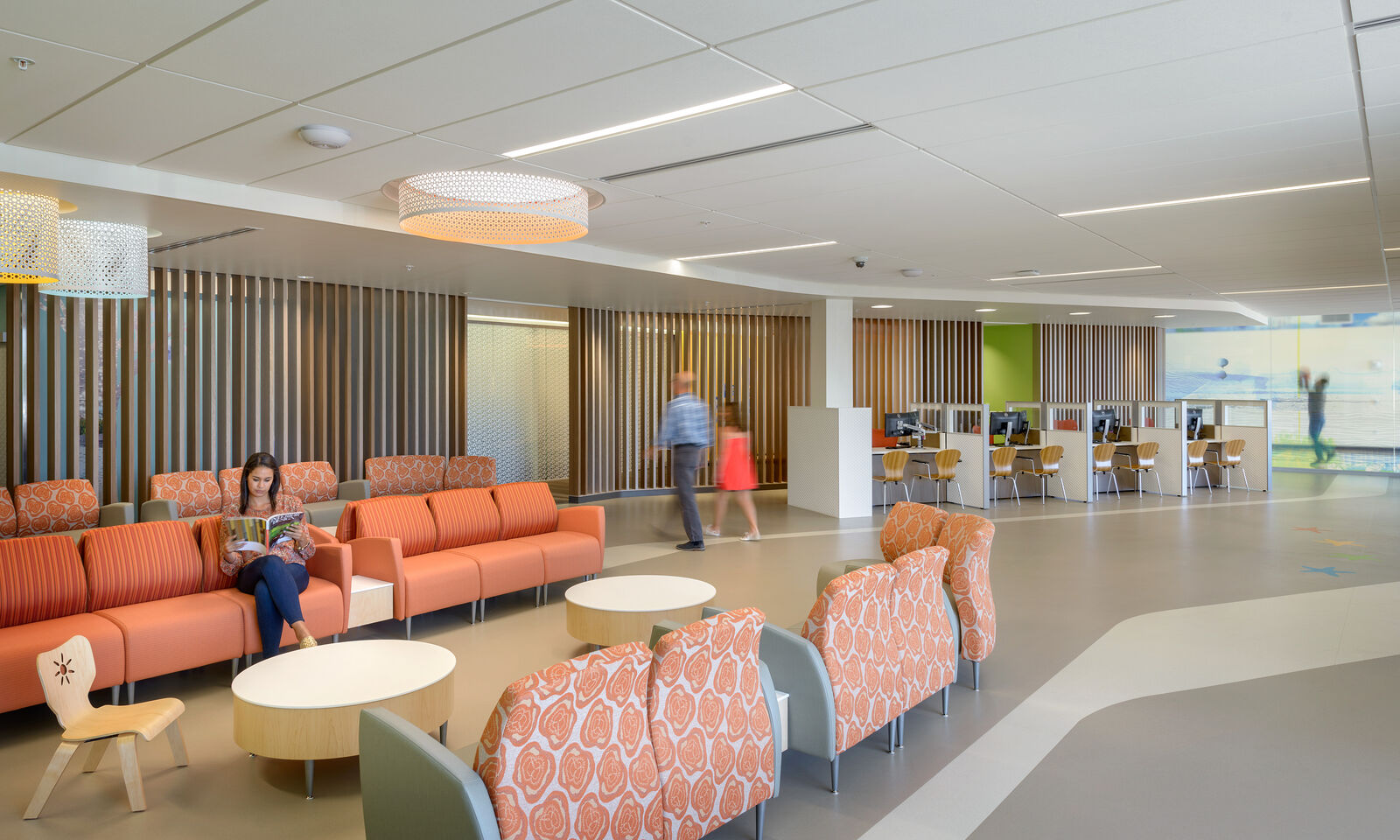
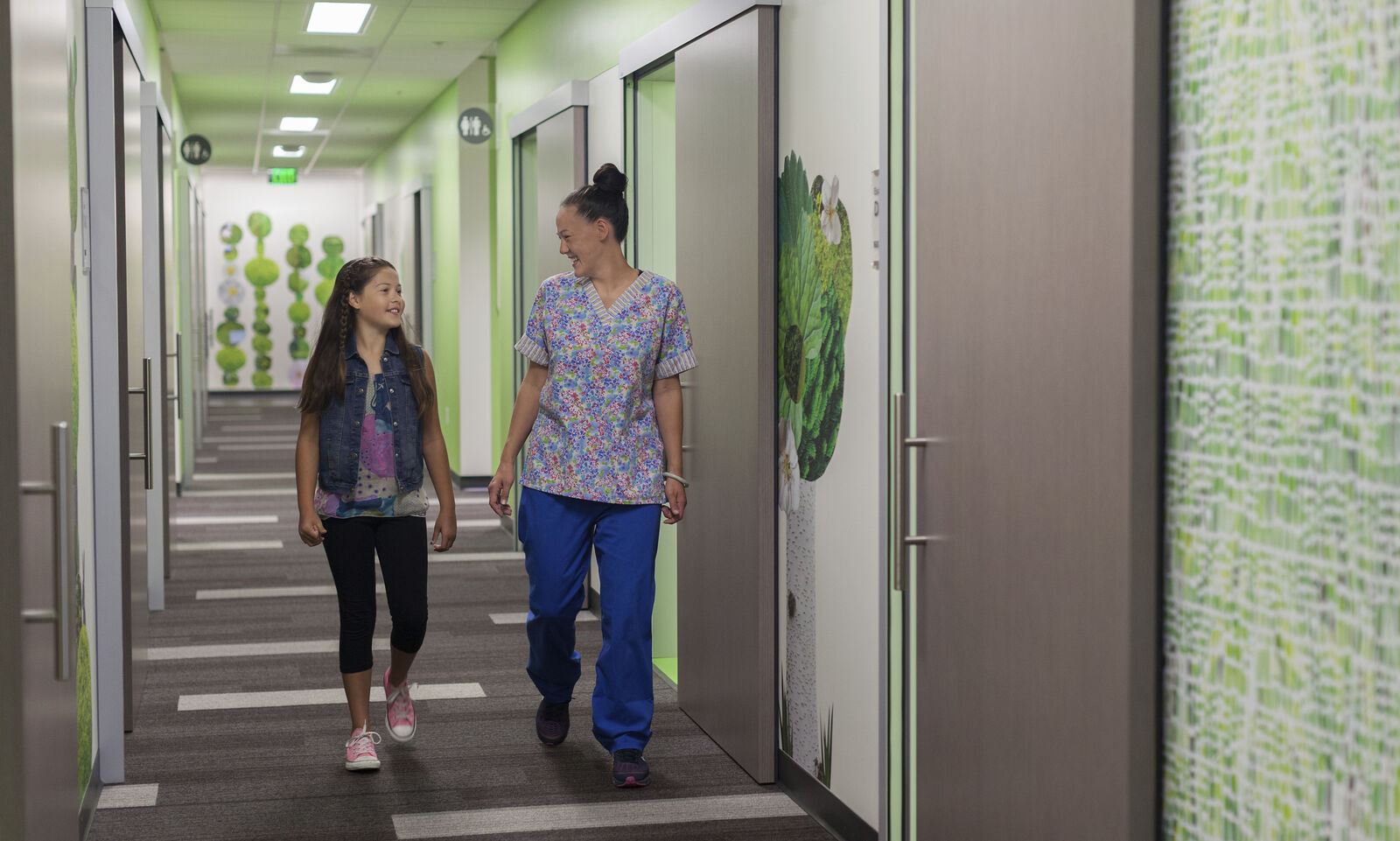
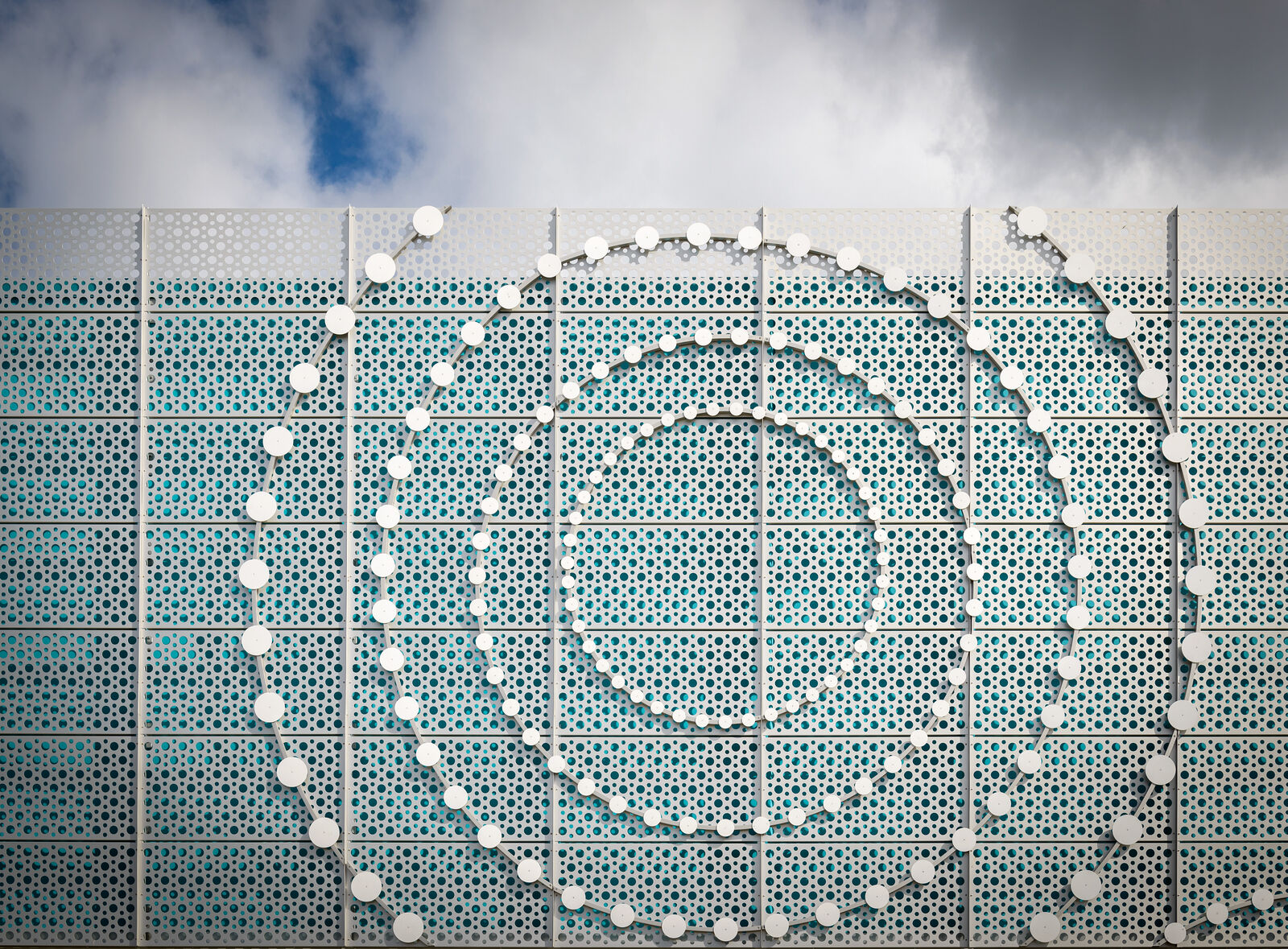
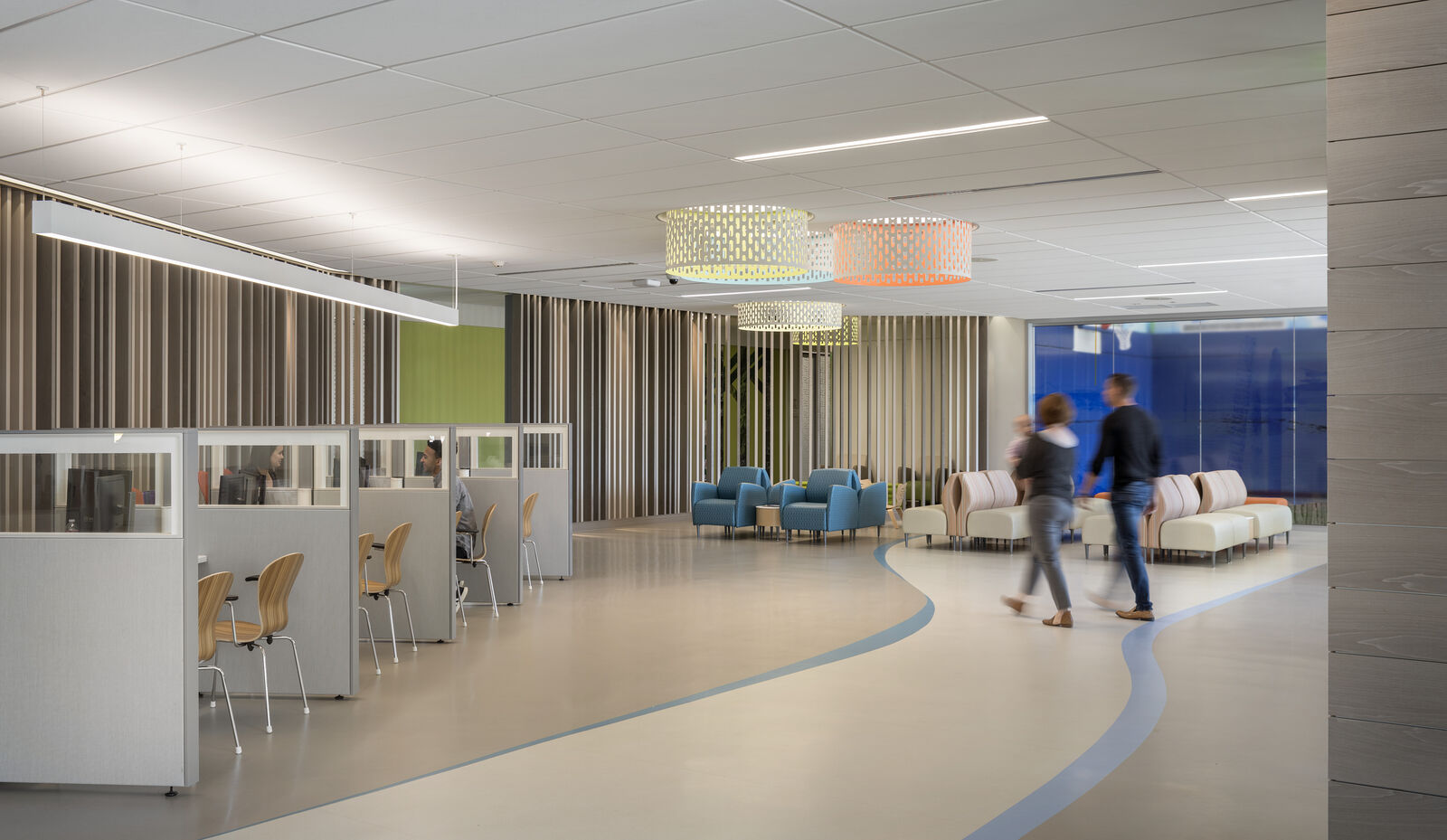
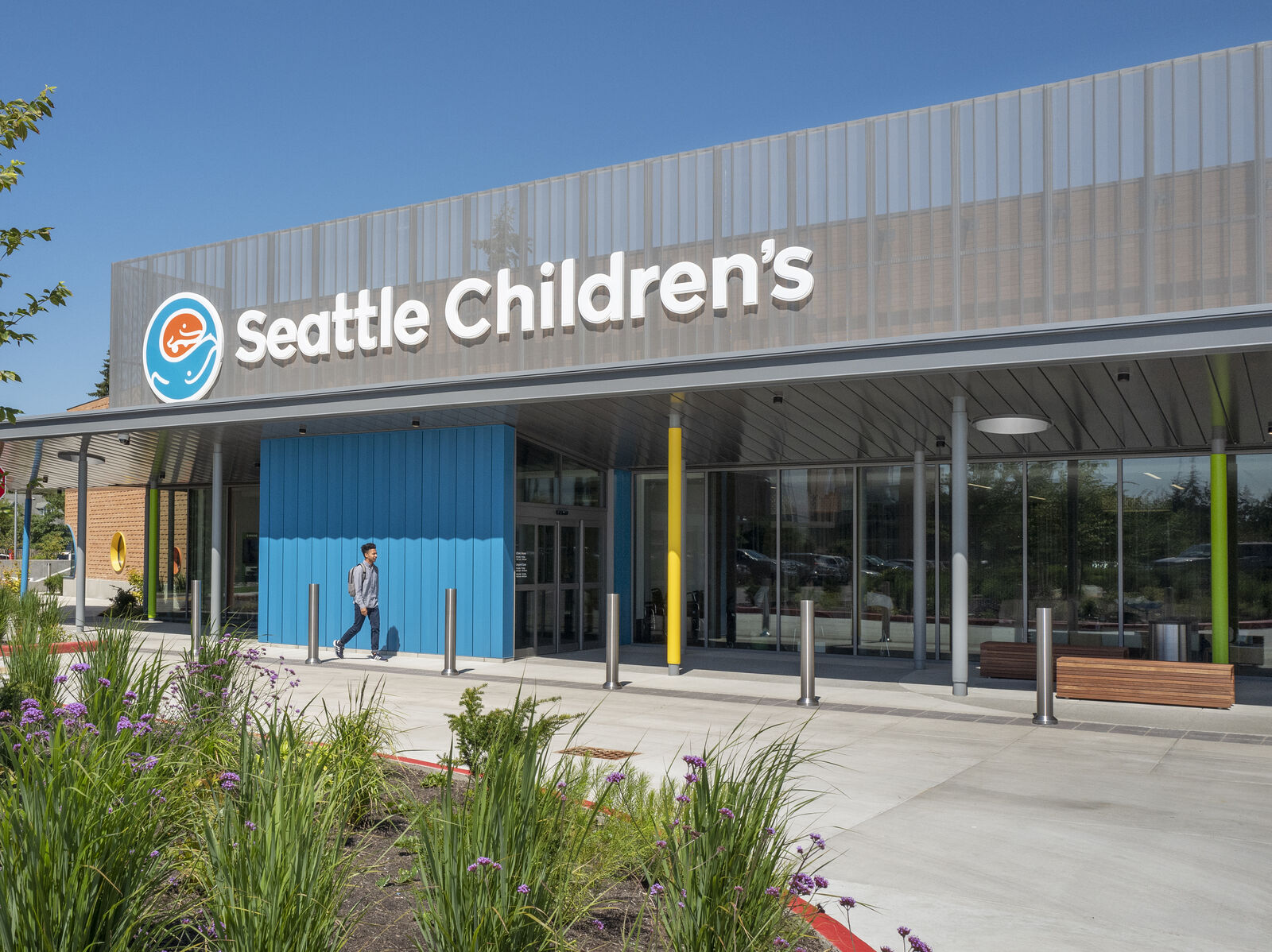
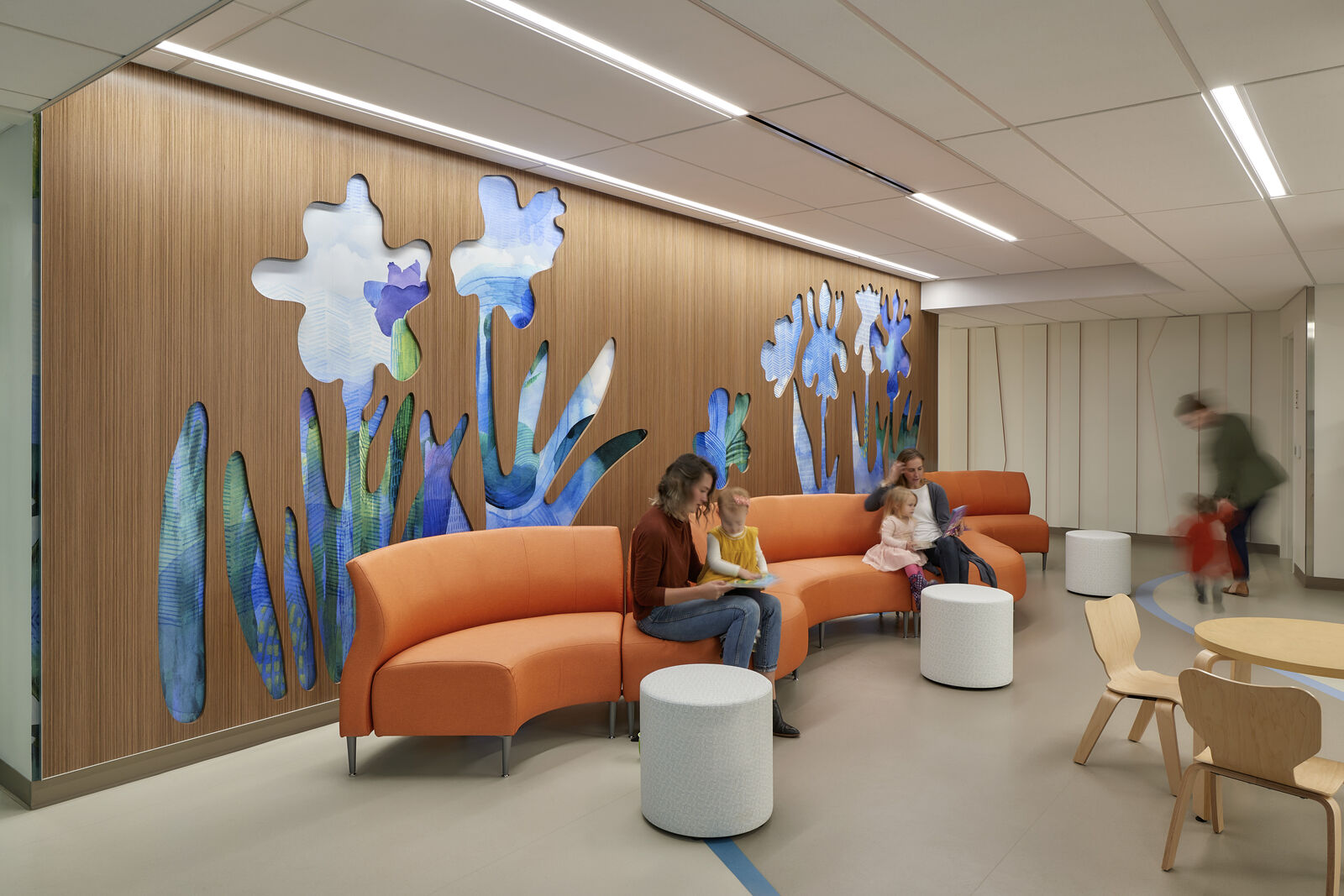
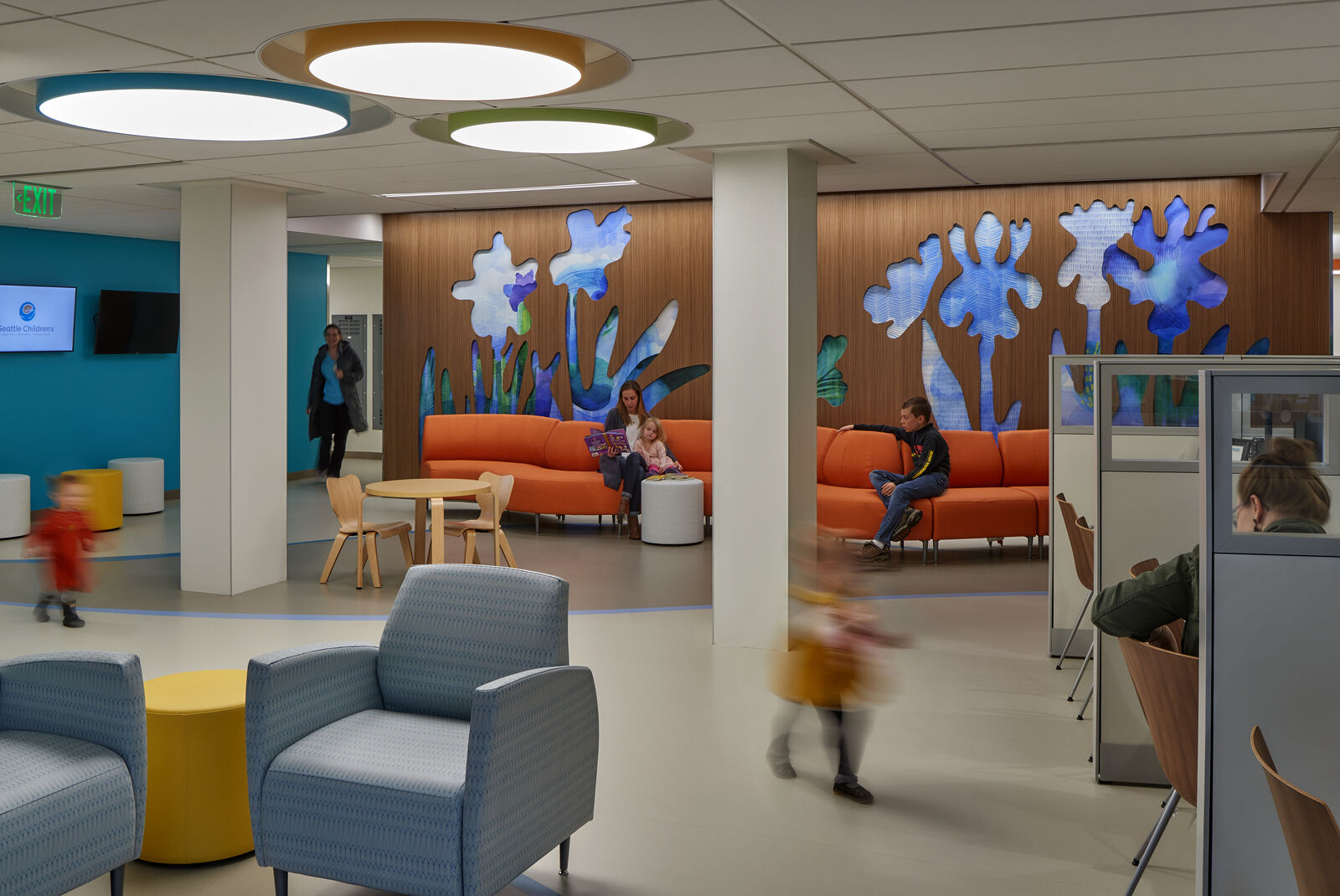
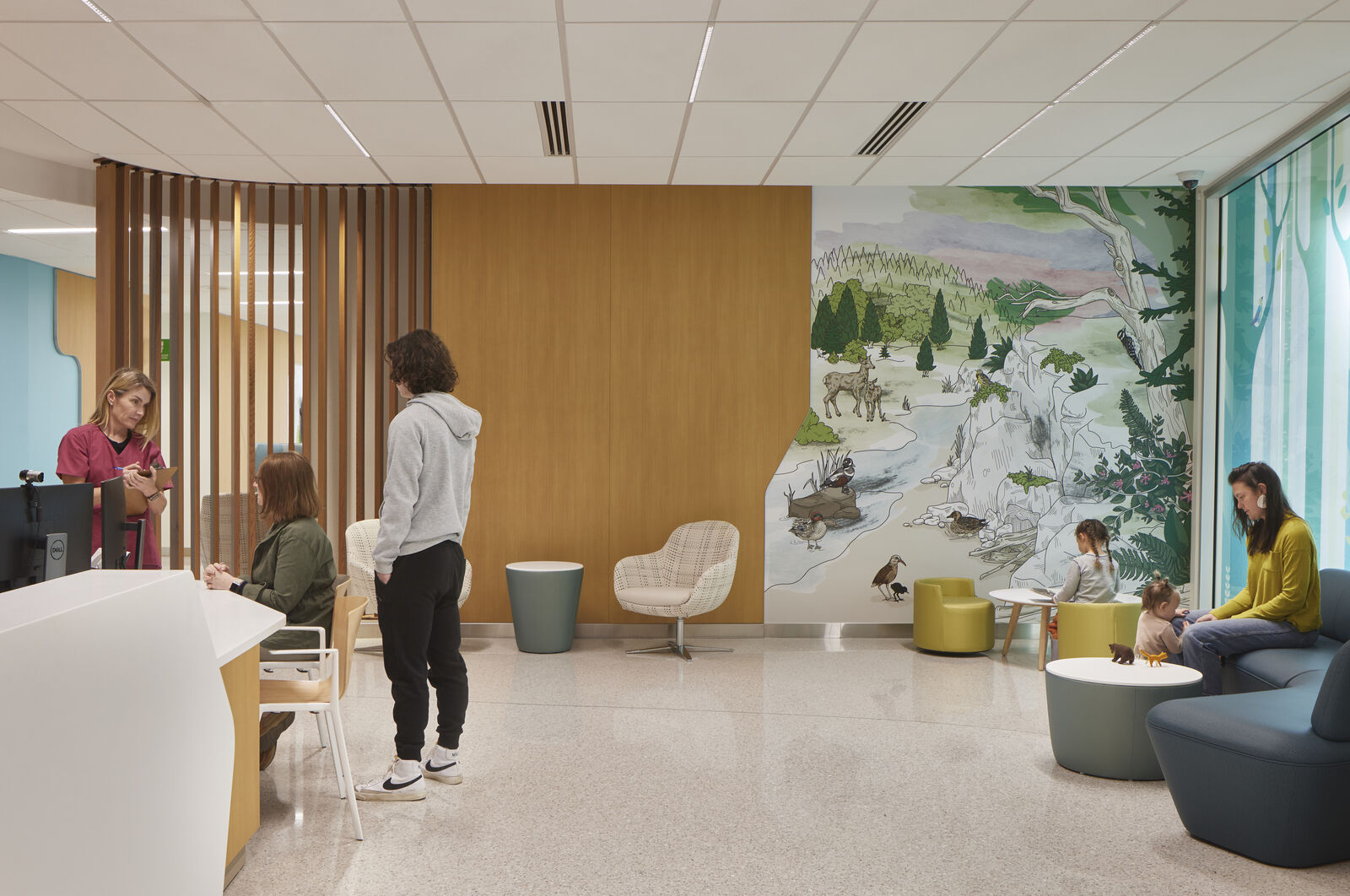
Branded with Seattle Children’s signage and a playful design, the South Clinic creates a strong identity in the retail center that welcomes patients, families, and staff. The new entry façade includes custom, perforated metal panels covering the existing concrete tilt-up structure of the former Circuit City to create texture and allow daylight in. The design also features a new wall of glass to infuse the interior with natural light, restful outdoor areas with benches and drop off service, and a colorful canopy to shield patients from the elements. The interiors take cues from a nearby popular park to infuse the local community and provide connections to nature, with green tones and a custom wood wall to reflect the trees.

“It’s all about the details and the first impression.”
– Craig Rizzo, Principal, ZGF

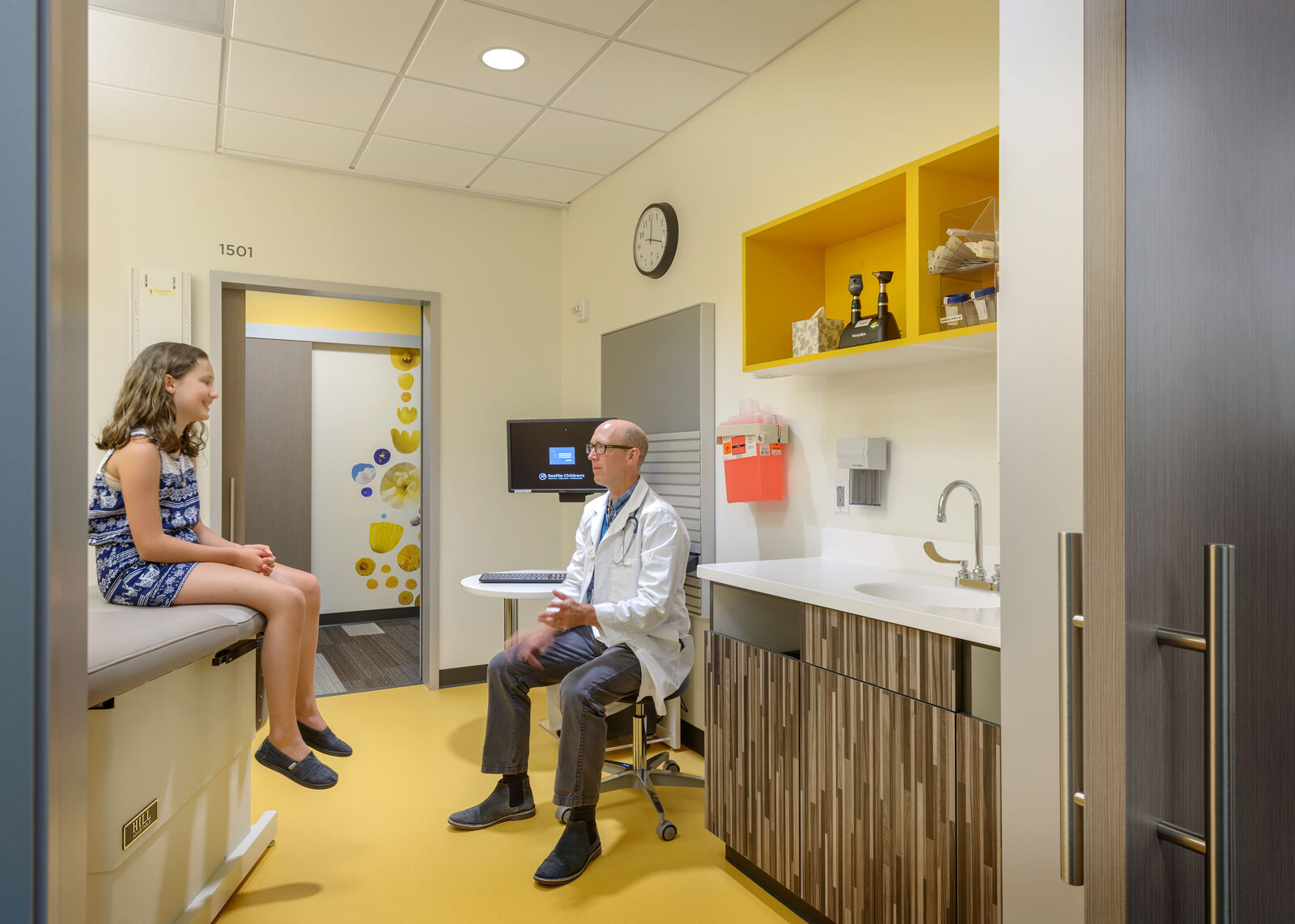
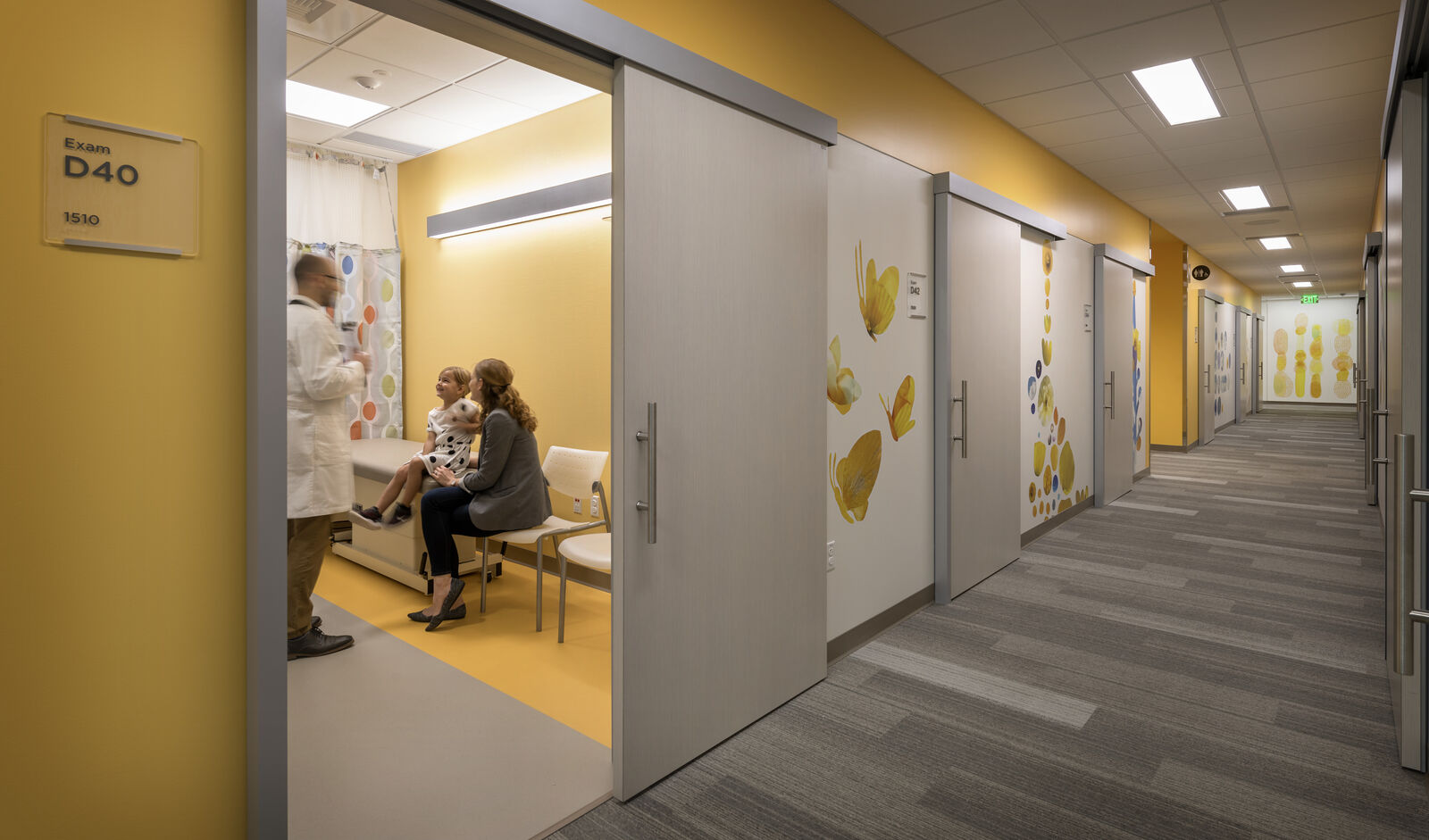
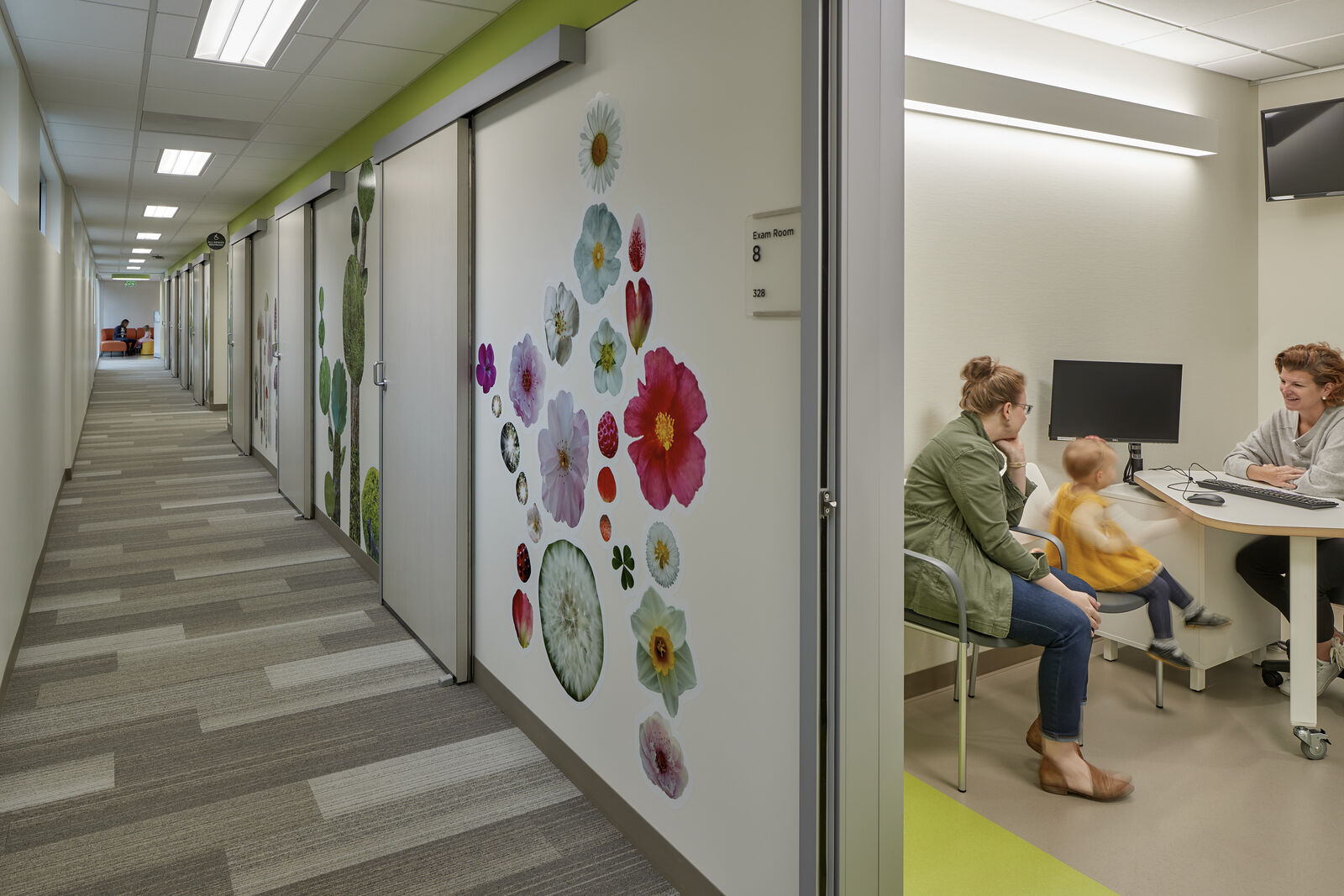
Over the course of 13 integrated design events that engaged diverse stakeholder groups, ZGF developed a program to optimize flow so providers can serve patients quickly and efficiently. The standardized clinic module, consisting of 10 exam rooms and a team room, has since become the model for Seattle Children’s other clinics. The consistency allows providers and staff to seamlessly flex between locations. The design also enhanced access and convenience for patients as they arrive, reduced patient and staff travel distances, reduced storage space, and decreased the required specialty treatment rooms from 20 to 5.

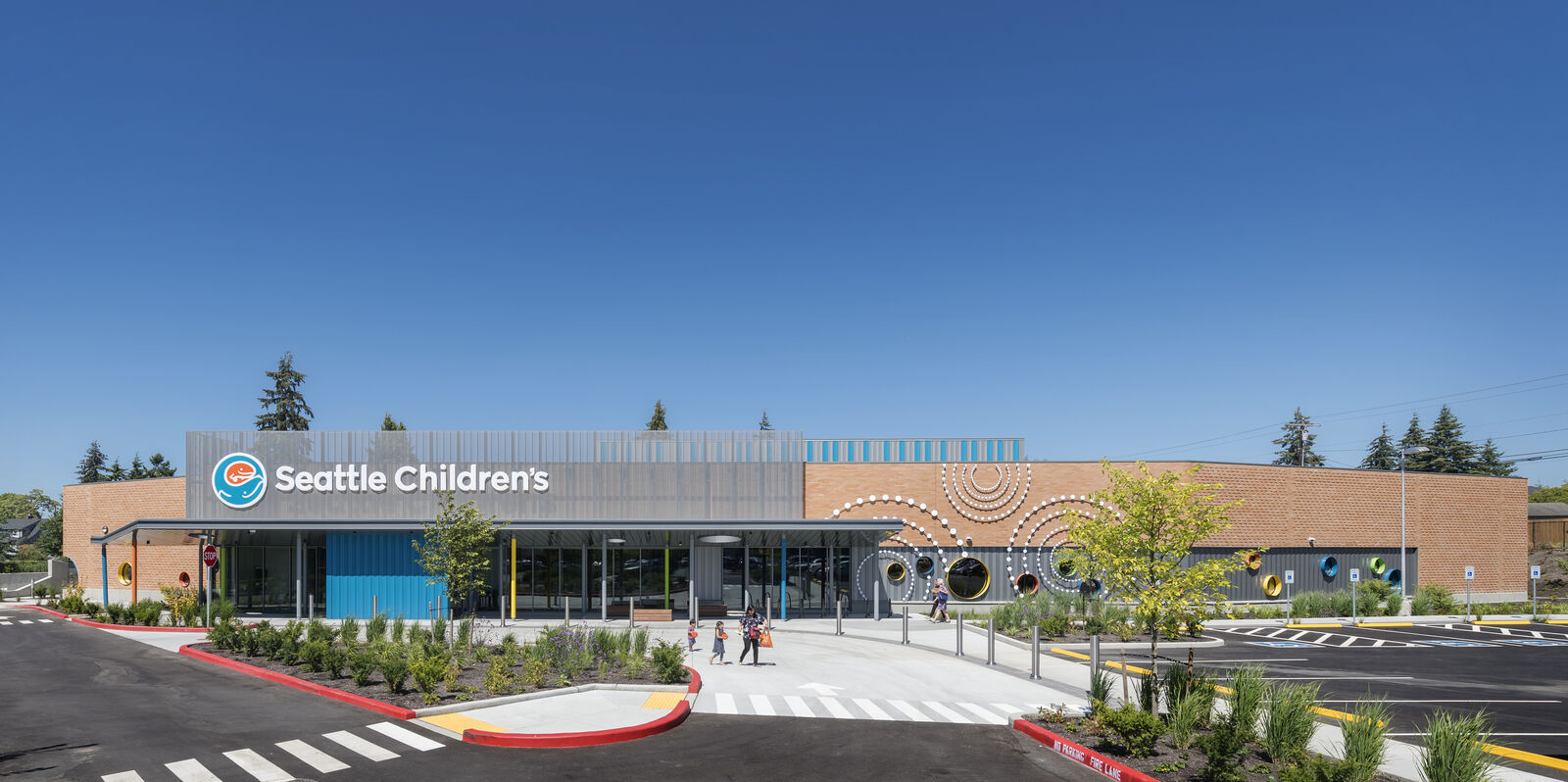
Located at the Providence Regional Medical Center Everett campus, Seattle Children’s North Clinic offers more than 18 pediatric subspecialties including audiology, cardiology, orthopedics, sports medicine, and endocrinology, as well as urgent care. Using South Clinic as a prototype, North clinic includes the same number of exam and specialty treatment rooms and physical therapy spaces and was designed with a focus on patient flow. Open plan caregiver workstations are located between exam rooms for easy access and collaboration among providers.
At the time, Seattle Children’s anticipated they would more than double the number of annual visits from their former, smaller locations in Everett and Mill Creek. ZGF used a Lean approach to plan and design the new clinic, hosting workshops with clinicians and community members to develop a site solution that benefits the bordering residential neighborhood and blends with the existing Providence campus context while expressing Seattle Children’s brand.

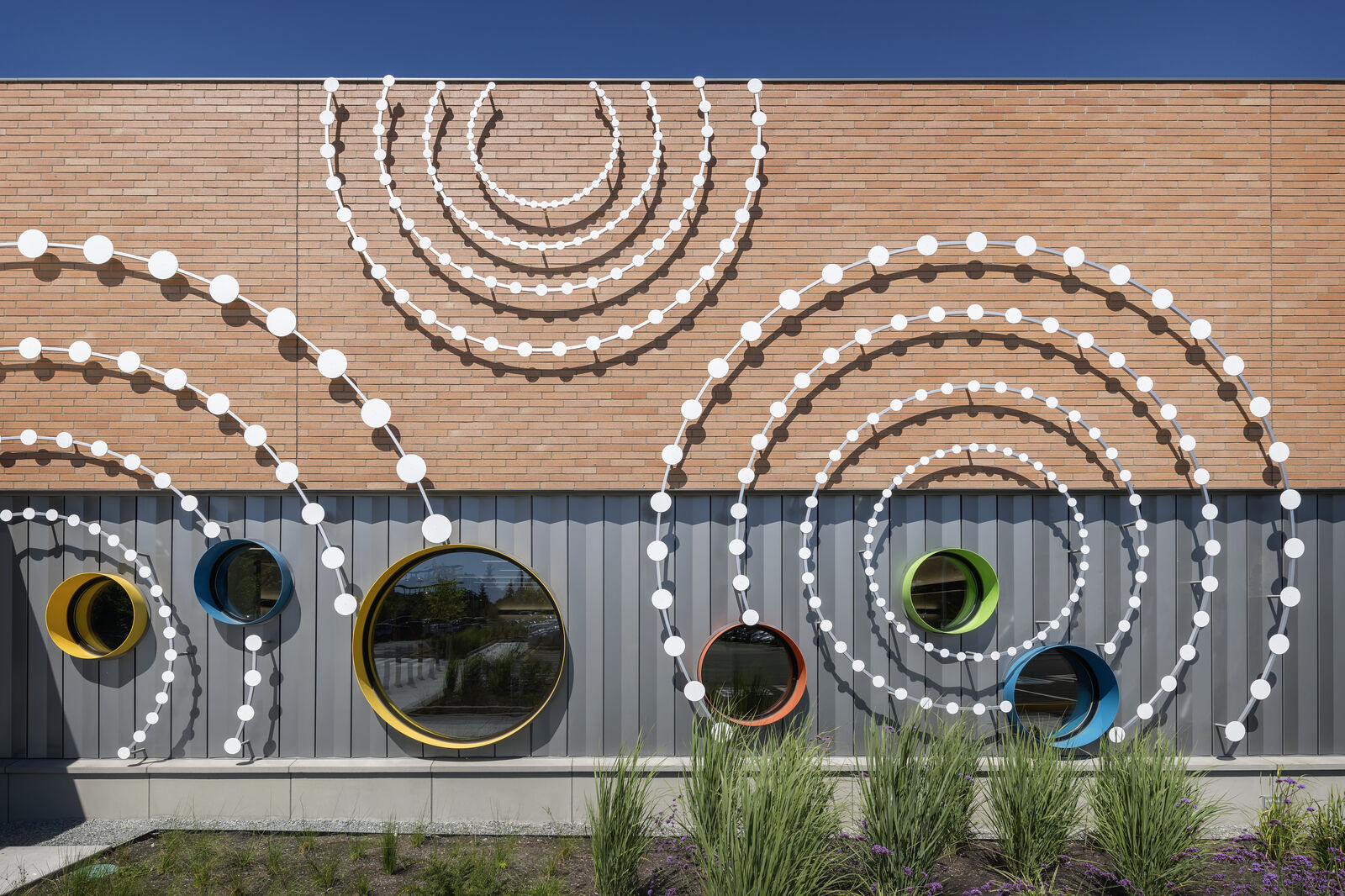
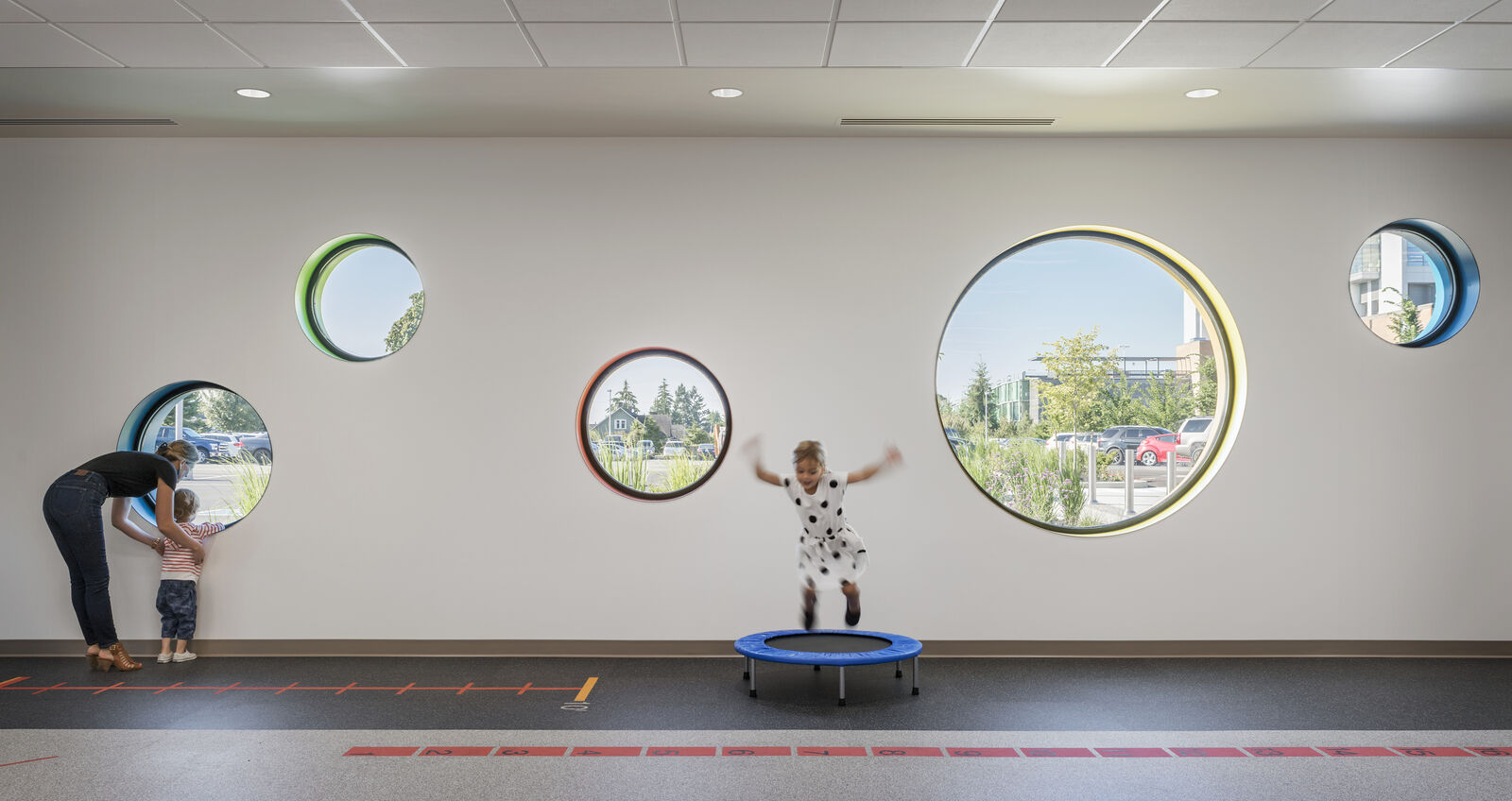
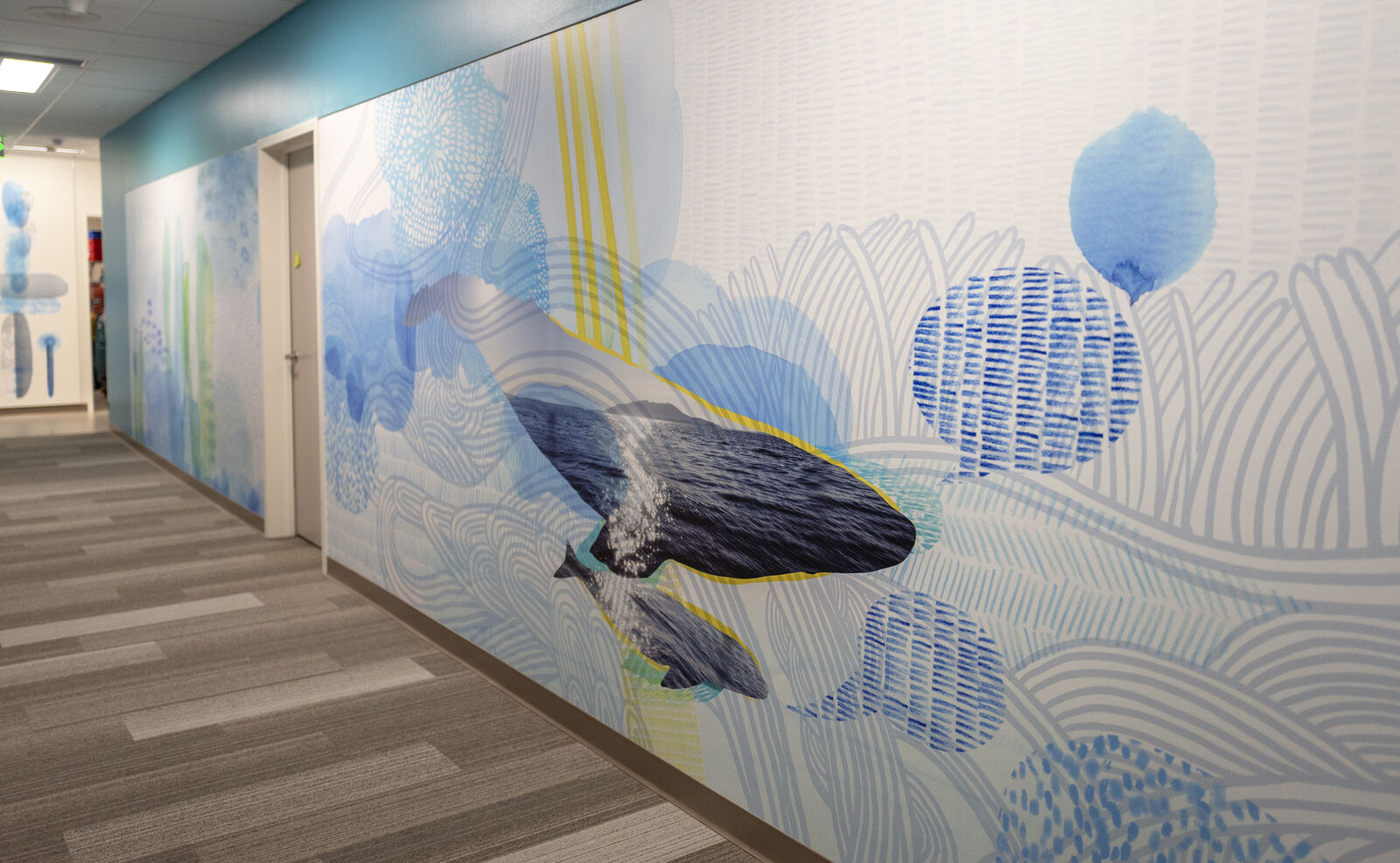
Textured brick complements the façades of adjacent Providence buildings and the central utility plant next door. Perforated metal panels on the front of the building frame a colorful entry canopy that greets patients and families. Seattle Children’s brand colors are expressed playfully in round windows of varying sizes, inspired by droplets of rain. The interior design pays homage to Everett’s maritime legacy through ocean-themed wall graphics and motifs that tie together with Seattle Children’s brand. Each corridor features a different color palette and design elements that aid in wayfinding.

In 2017, ZGF partnered with Seattle Children’s facilities and executive leadership on an Administrative Master Plan (AMP) to address the tremendous growth of its administrative departments. In short, they needed to relocate administrative functions off the main campus to prioritize space for patient care.
The team started by developing a set of guiding principles that responded to Seattle Children’s growth needs, resolved existing disparities between departments, and prioritized the employee experience in the design of space:

  • Attract and retain talented individuals
  • Create an equitable work environment that engages staff in a meaningful way
  • Support Seattle Children’s vision for the workforce of the future
  • Create a flexible growth strategy to accommodate the unexpected

At the heart of these principles was an understanding that cultural change is a necessary part of any growth plan, and that space is a key vector through which cultural change occurs. These guidelines balanced the hospital’s vision with functional requirements for its future facilities. When leadership decided they would leave behind private offices in favor of open neighborhoods for all administrative staff, the guiding principles were the touchstone that animated this progressive approach.

As part of the planning process, ZGF conducted a comprehensive departmental assessment of administrative workspaces both on and off campus, including leased spaces. An organization-wide survey served as a current-state and growth projection census, enabling leadership to see how space was being utilized across departments. It also identified and quantified gaps in departmental equity. For example, workspaces ranged from 45 to 250 SF/person, and some were only 40% utilized while other departments were bursting at the seams.

Identifying a list of “Red Departments,” where growth had outpaced capacity, helped Seattle Children’s prioritize projects based on which departments needed immediate intervention. The master plan also defined “Departmental Move Criteria” to guide the order and timing of specific department moves. These moves were designed to minimize the number of times a department needed to relocate, co-locate them with departments that communicate frequently and have functional similarities, and maximize the space available for projected department growth.

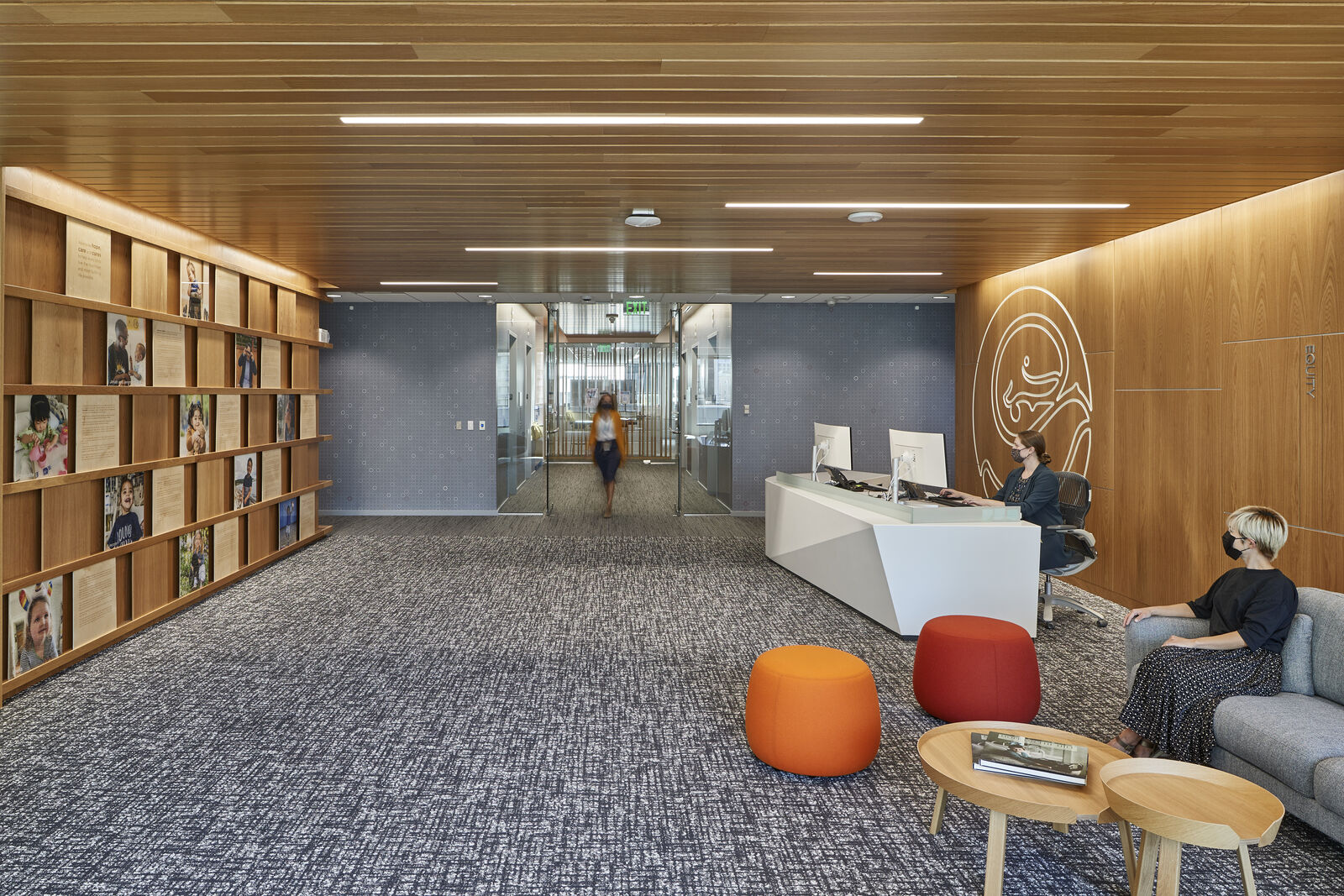
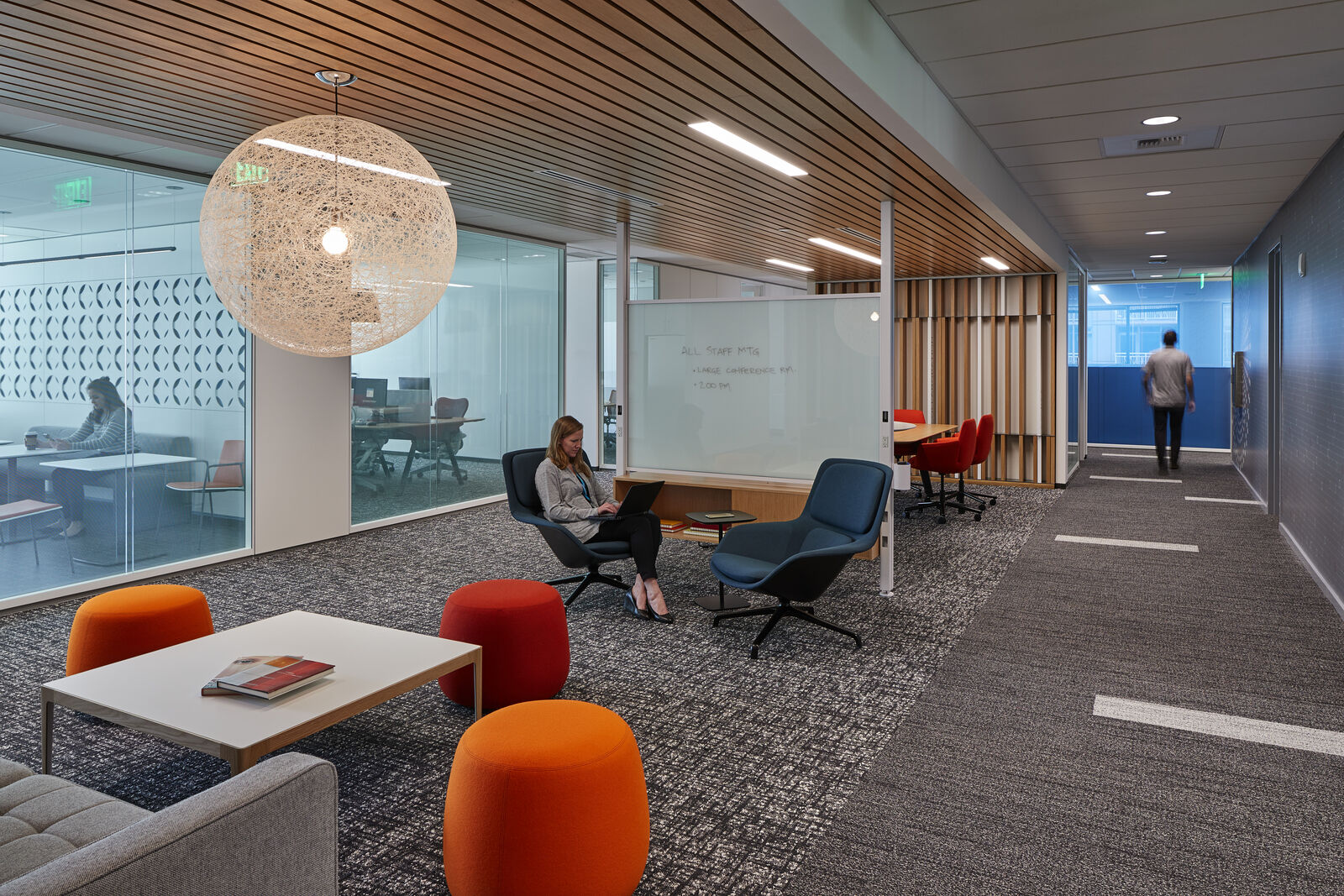
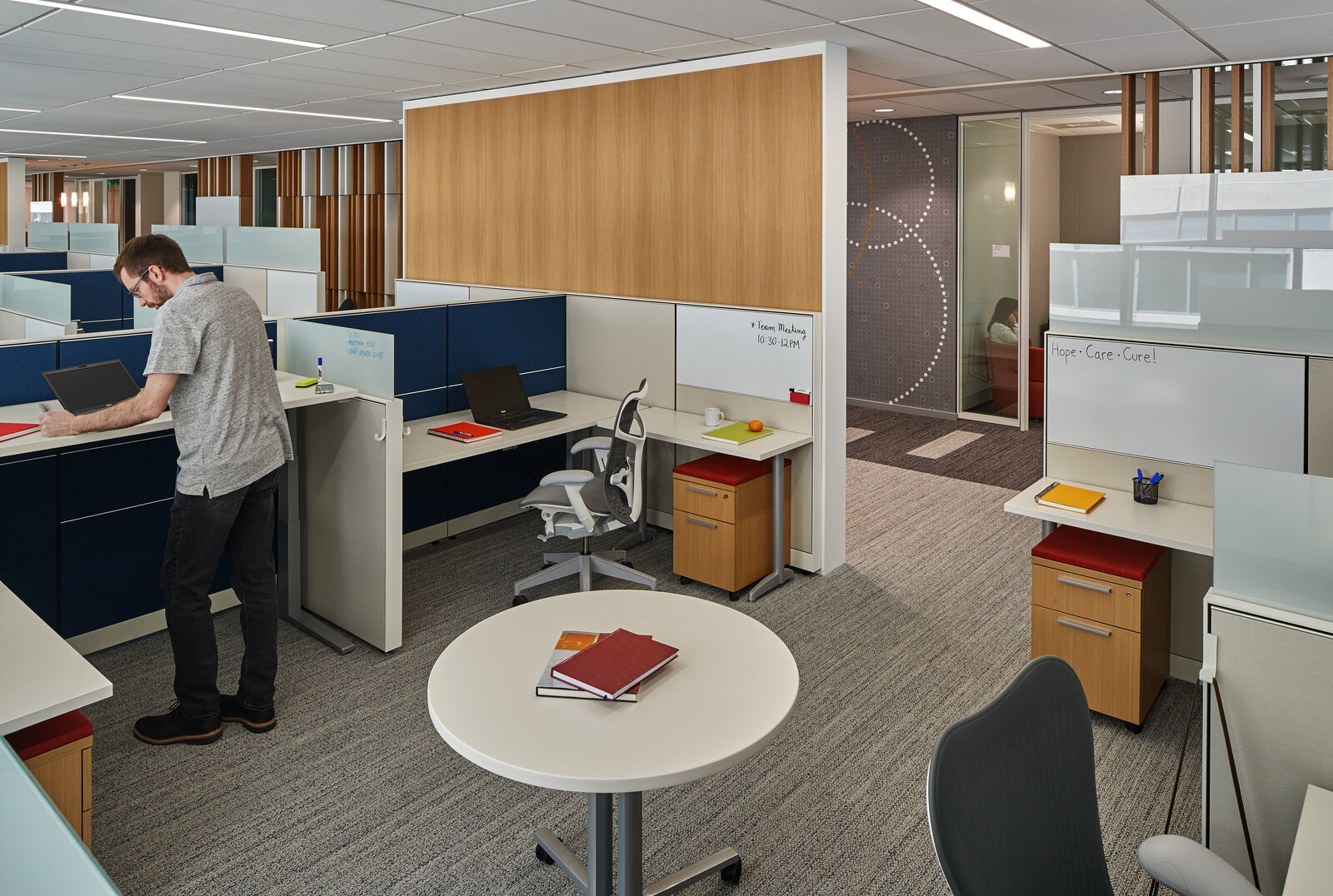
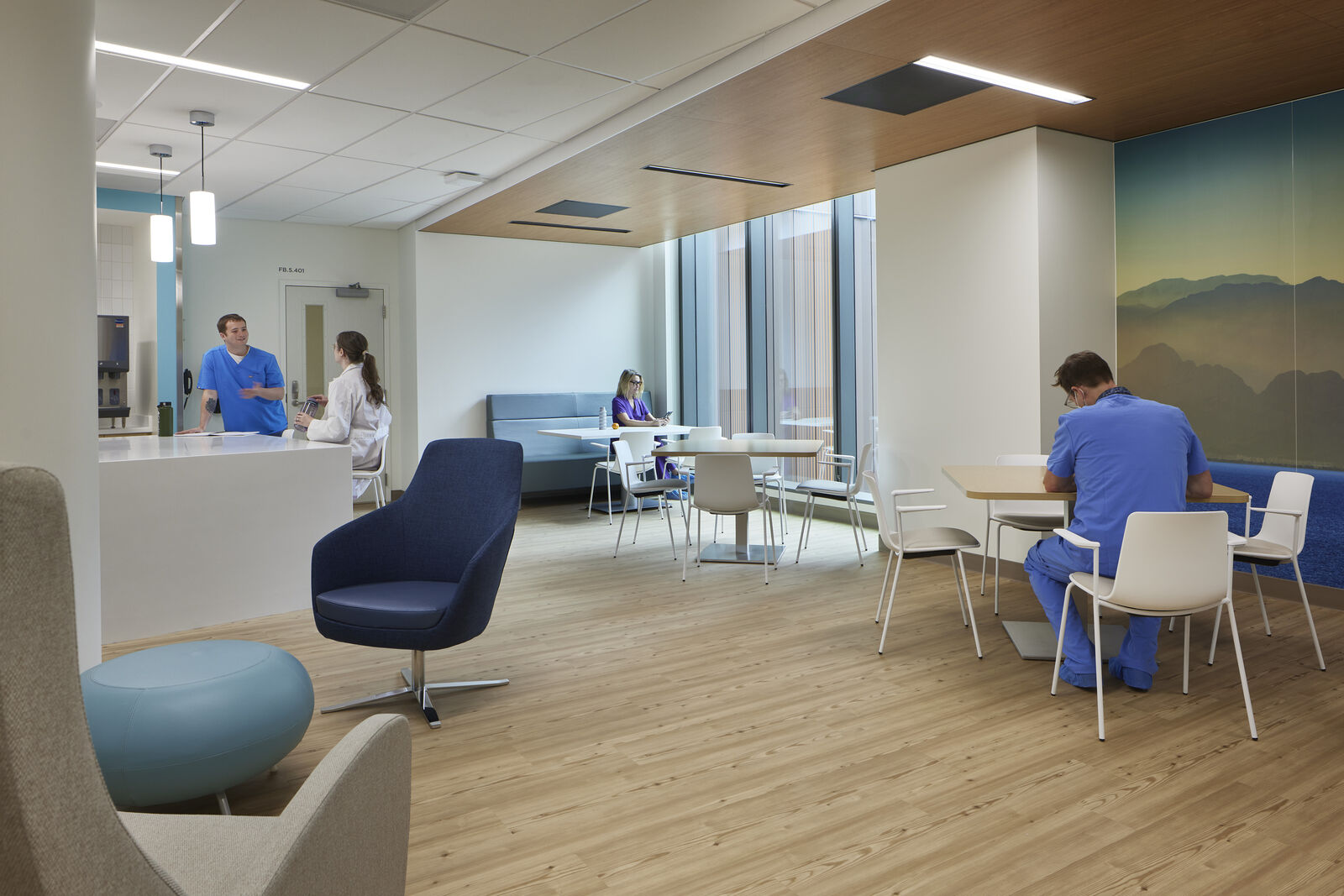
As a result of this effort, 29 departments moved into 105,000 SF across eight floors of the 818 Stewart building in downtown Seattle, where the hospital’s research arm already had a strong presence. The two-campus model provides a modern, flexible, amenity-rich work environment that still connects administrative staff back to Seattle Children’s mission and brand.
“Overall, we love our space. It’s 180 degrees better than our old space. It’s just a new way of working.”
– Seattle Children’s employee

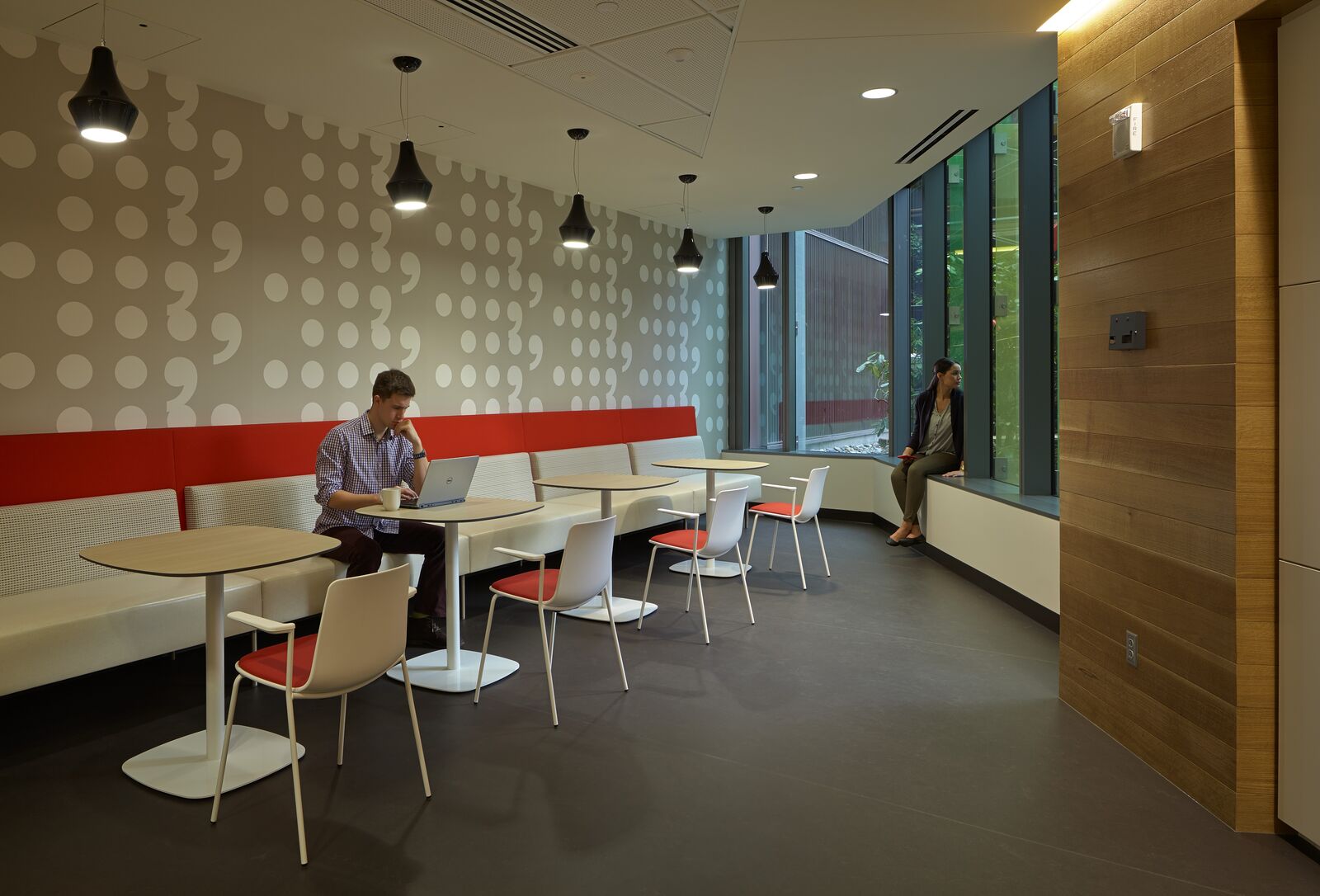
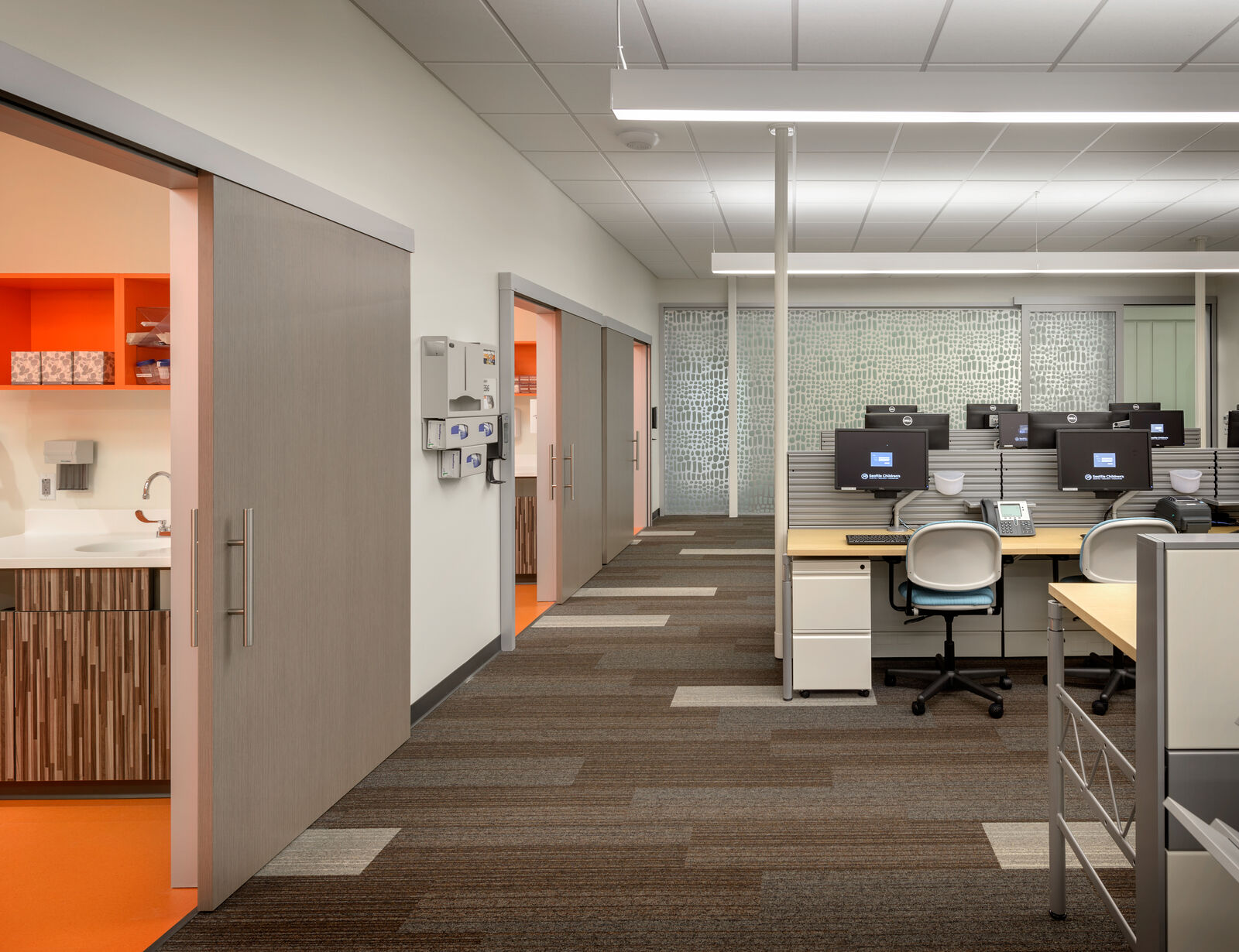
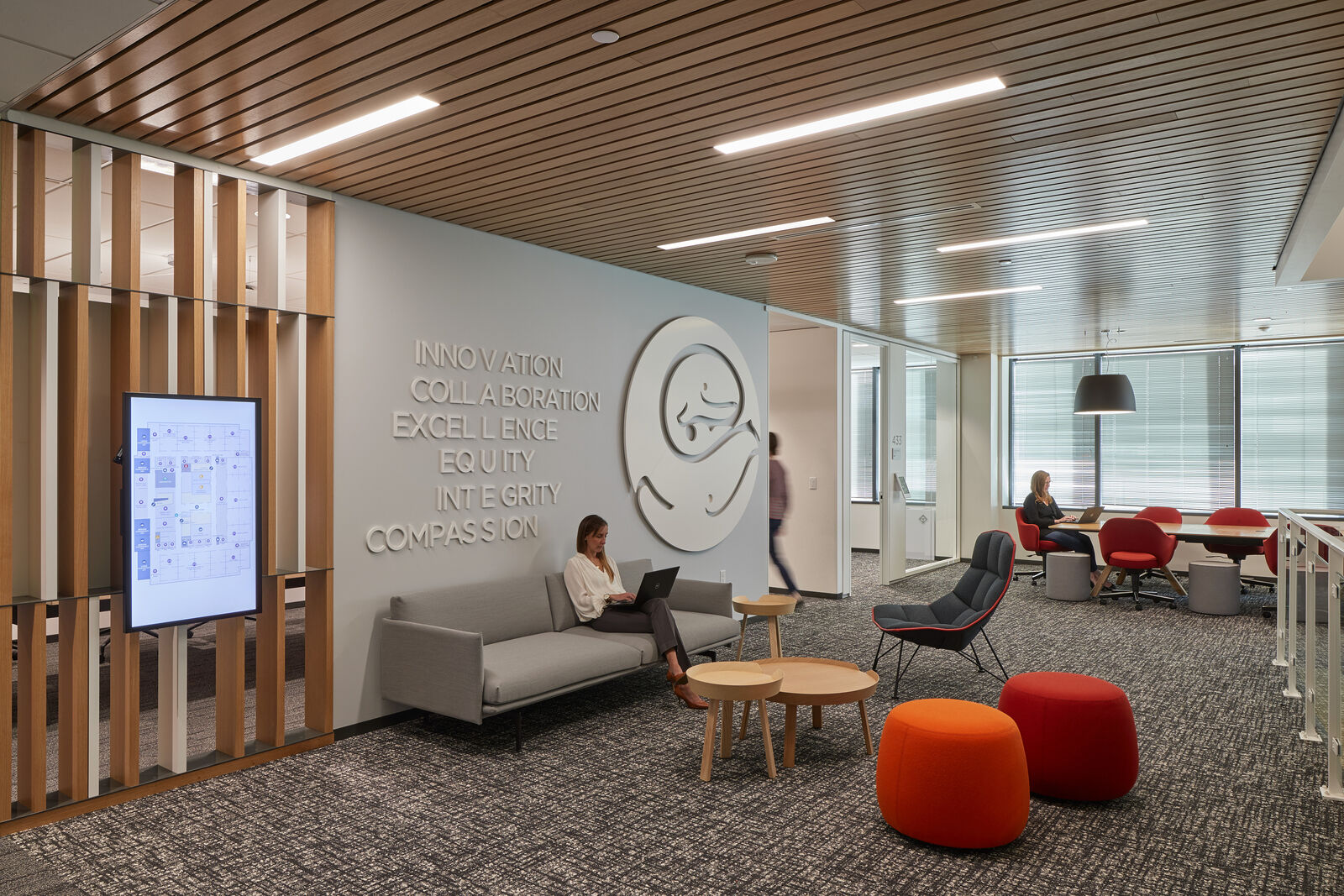
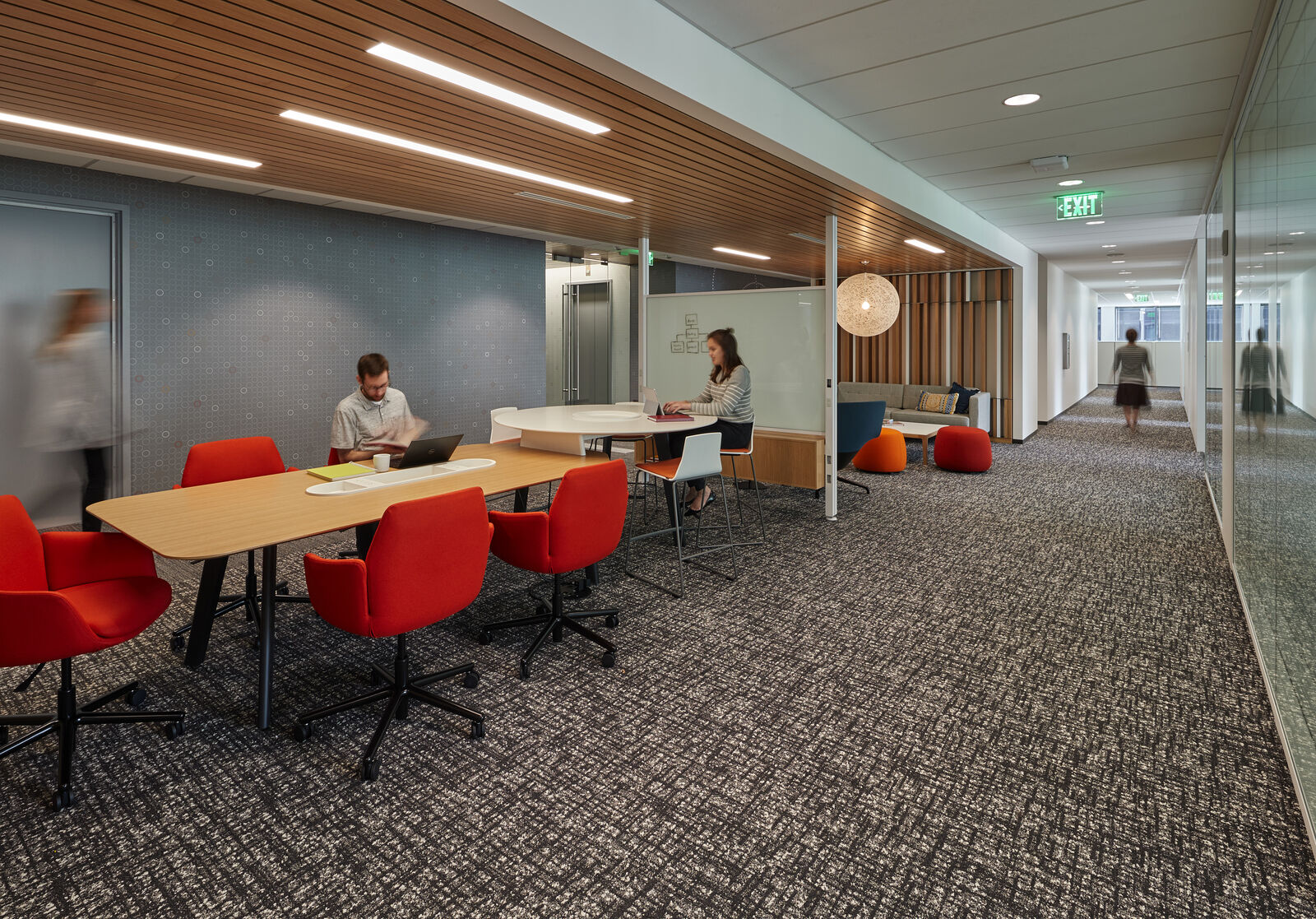
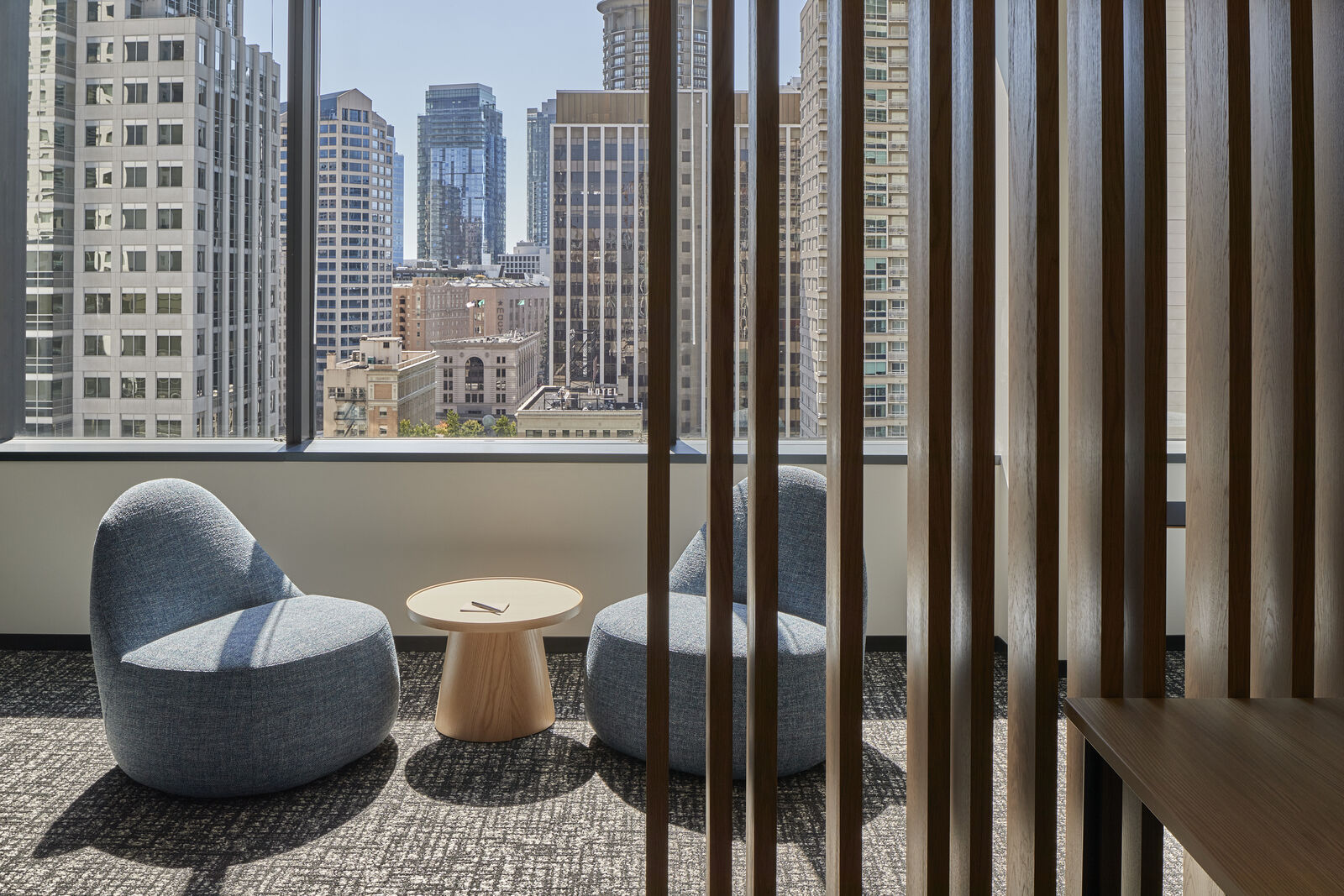
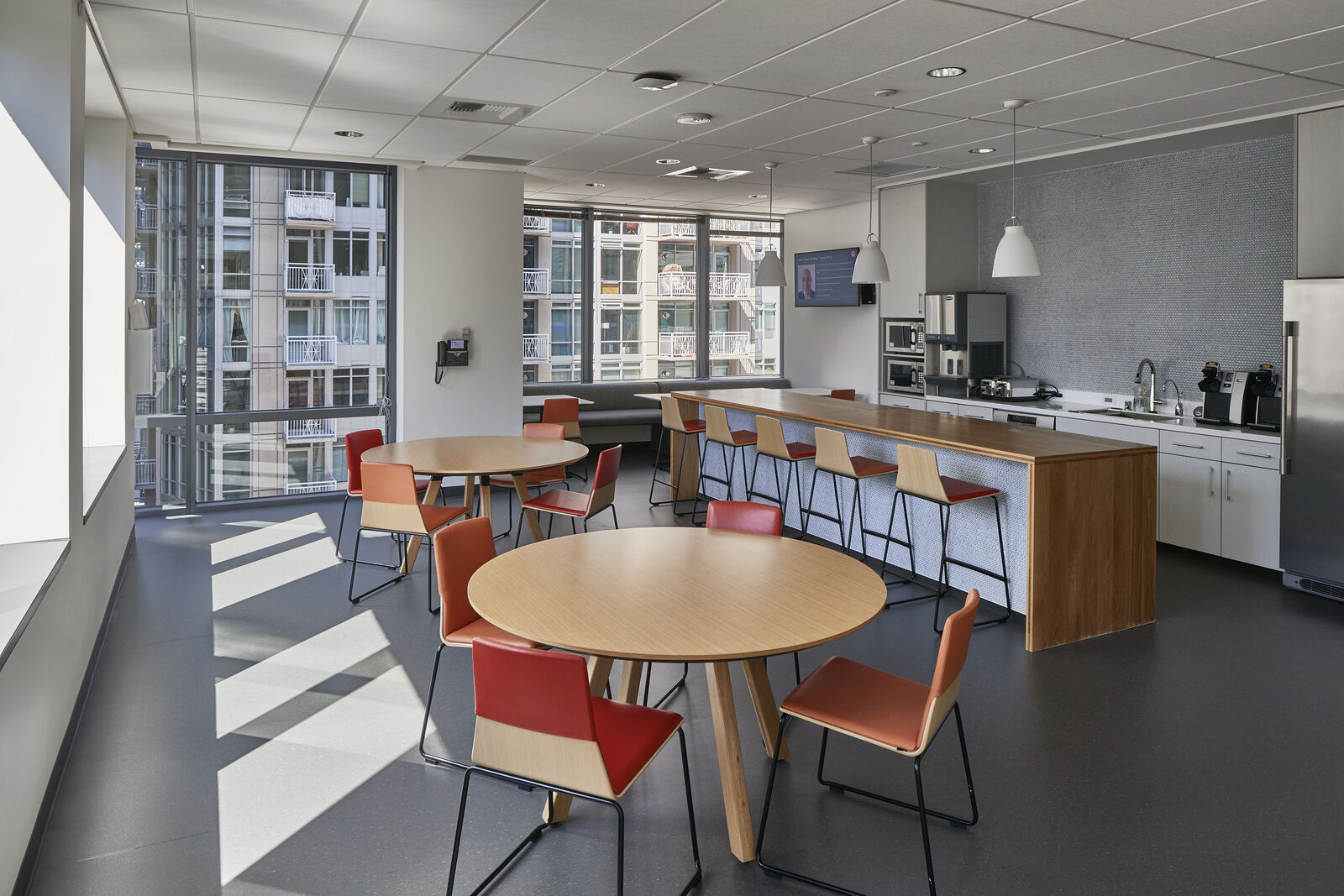
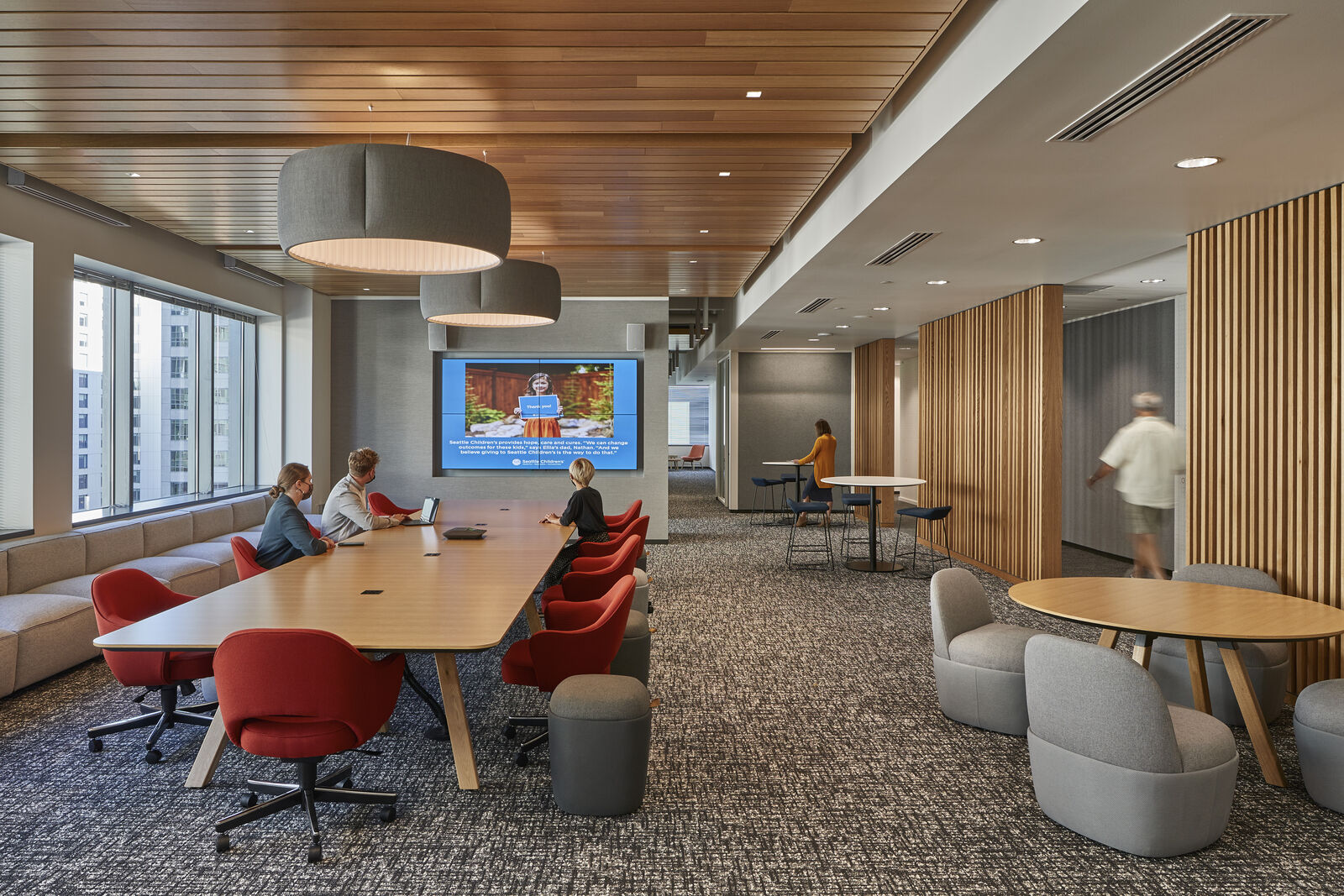
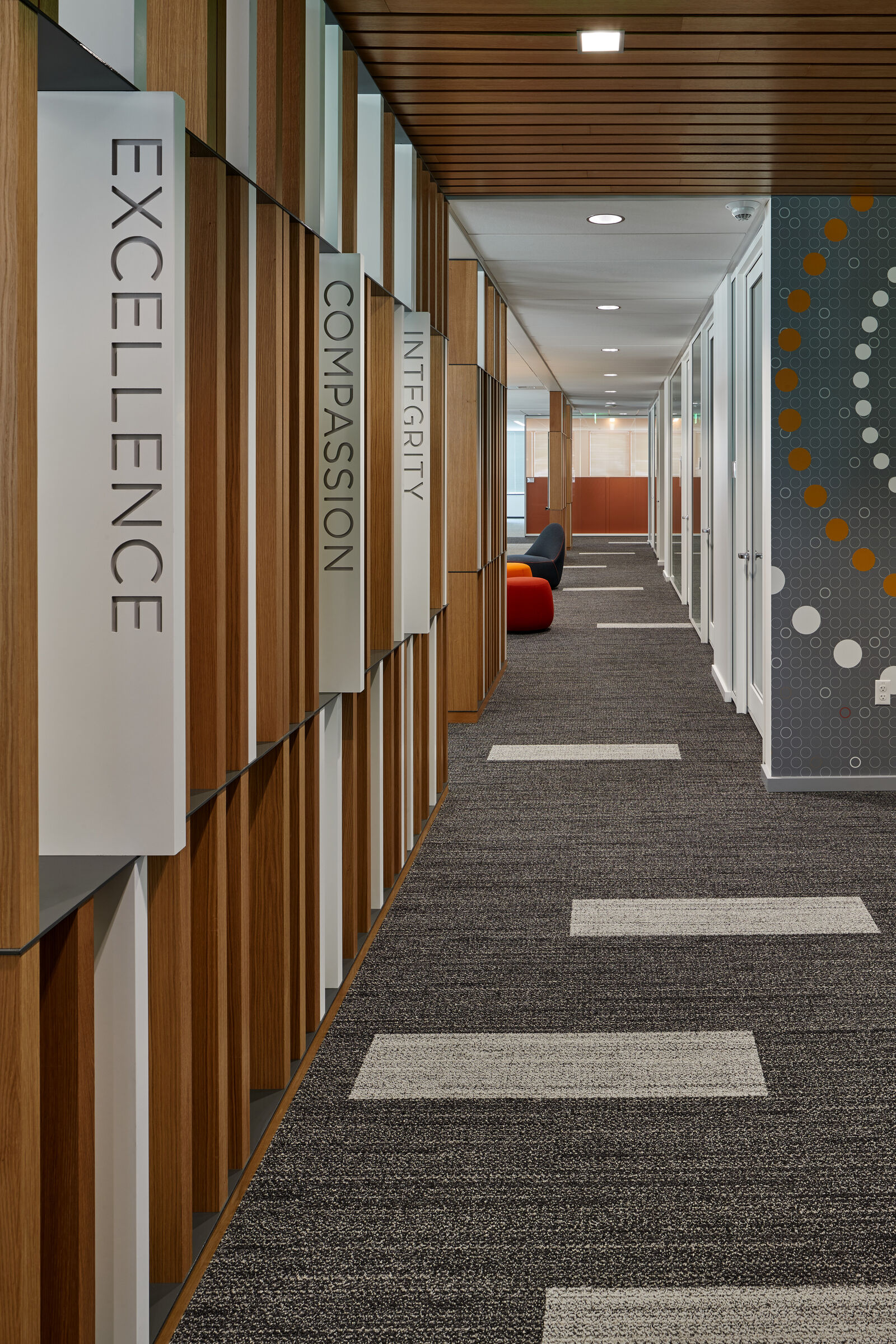
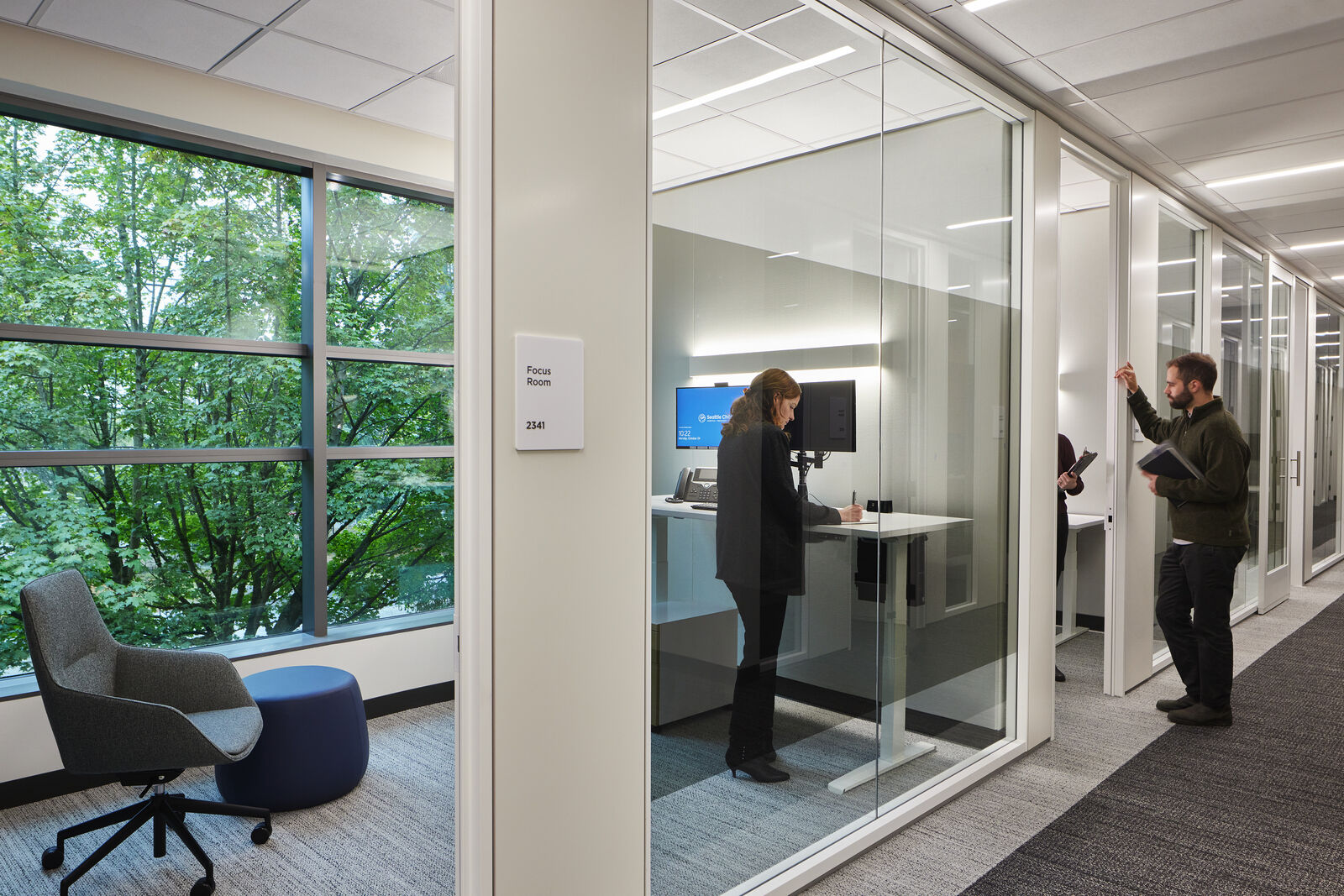
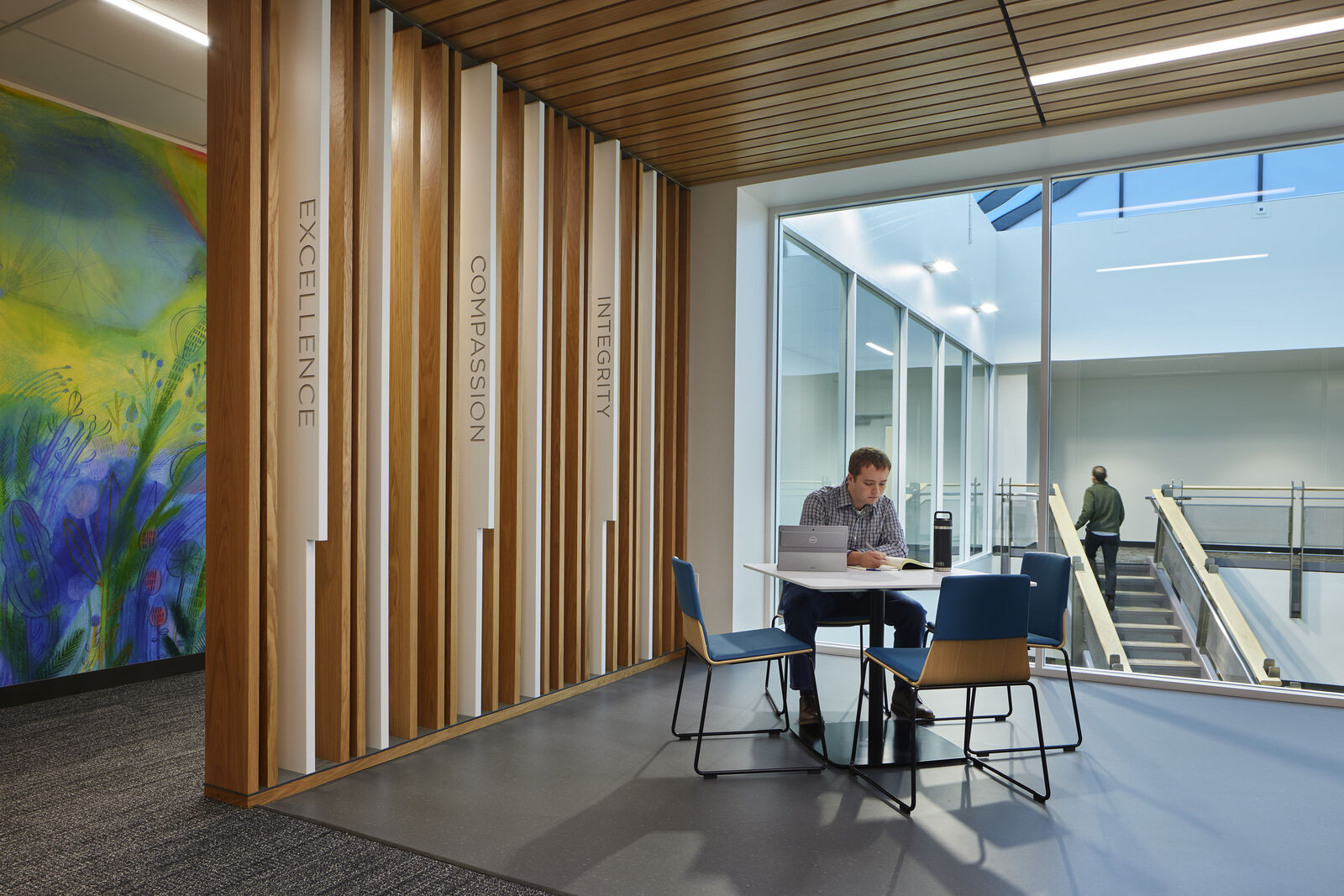
ZGF also developed a standardized design kit-of-parts to ensure equity and consistency across departments. The new “Activity Based Workplace” model provides the right types of spaces for the work at hand (and in the right ratios), with flexibility to adapt as specific team needs change. The design of 818 Stewart features a mix of focus rooms for heads down work, conference and team-based spaces for interactive work and collaboration, and respite and rejuvenation spaces to support employee wellbeing. Transitioning from private offices to an open-plan hoteling model, where desks within departmental neighborhoods are unassigned, also required fewer desks and less square footage per department—allowing Seattle Children’s to accommodate twice as many groups in the space.

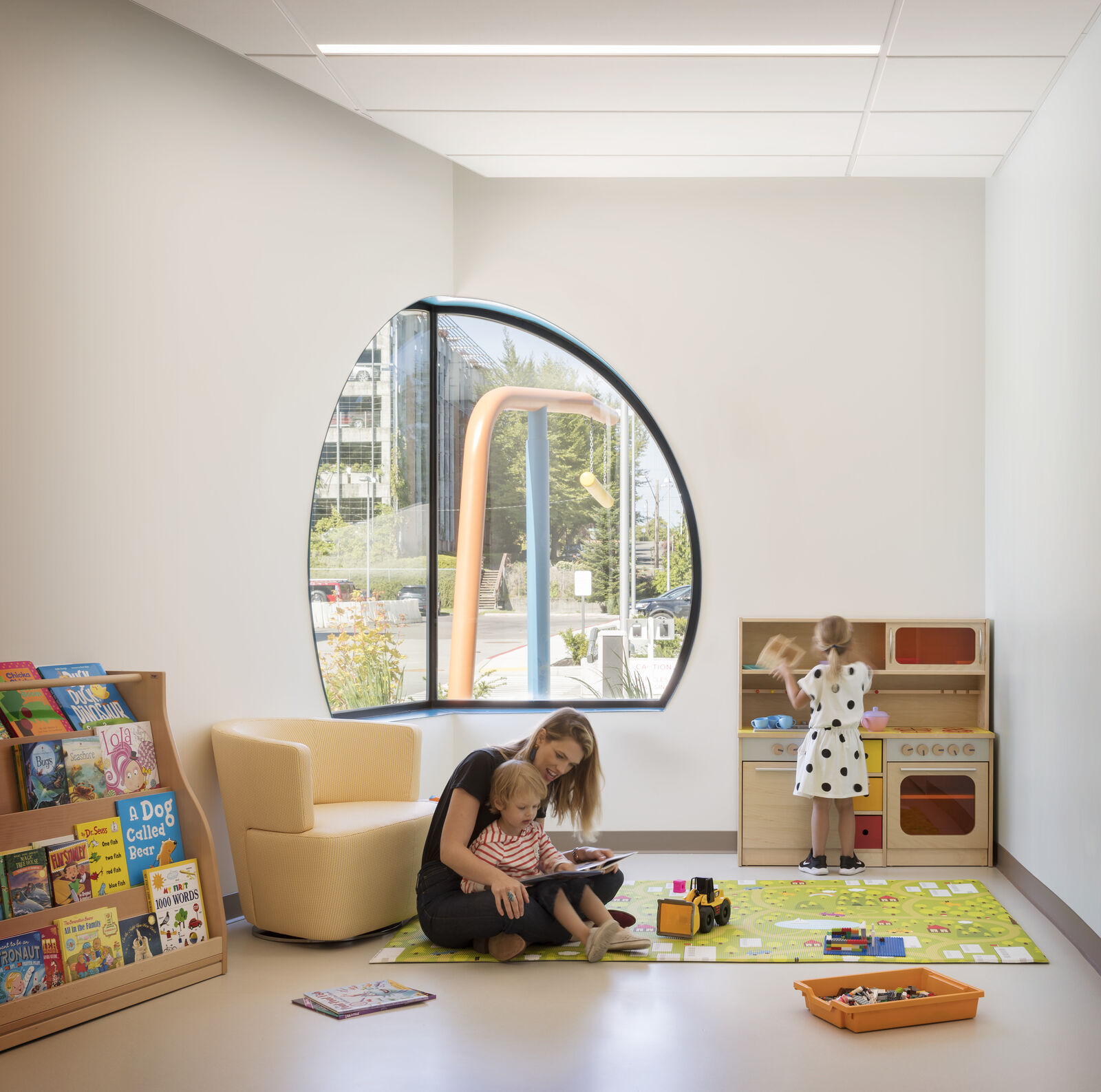
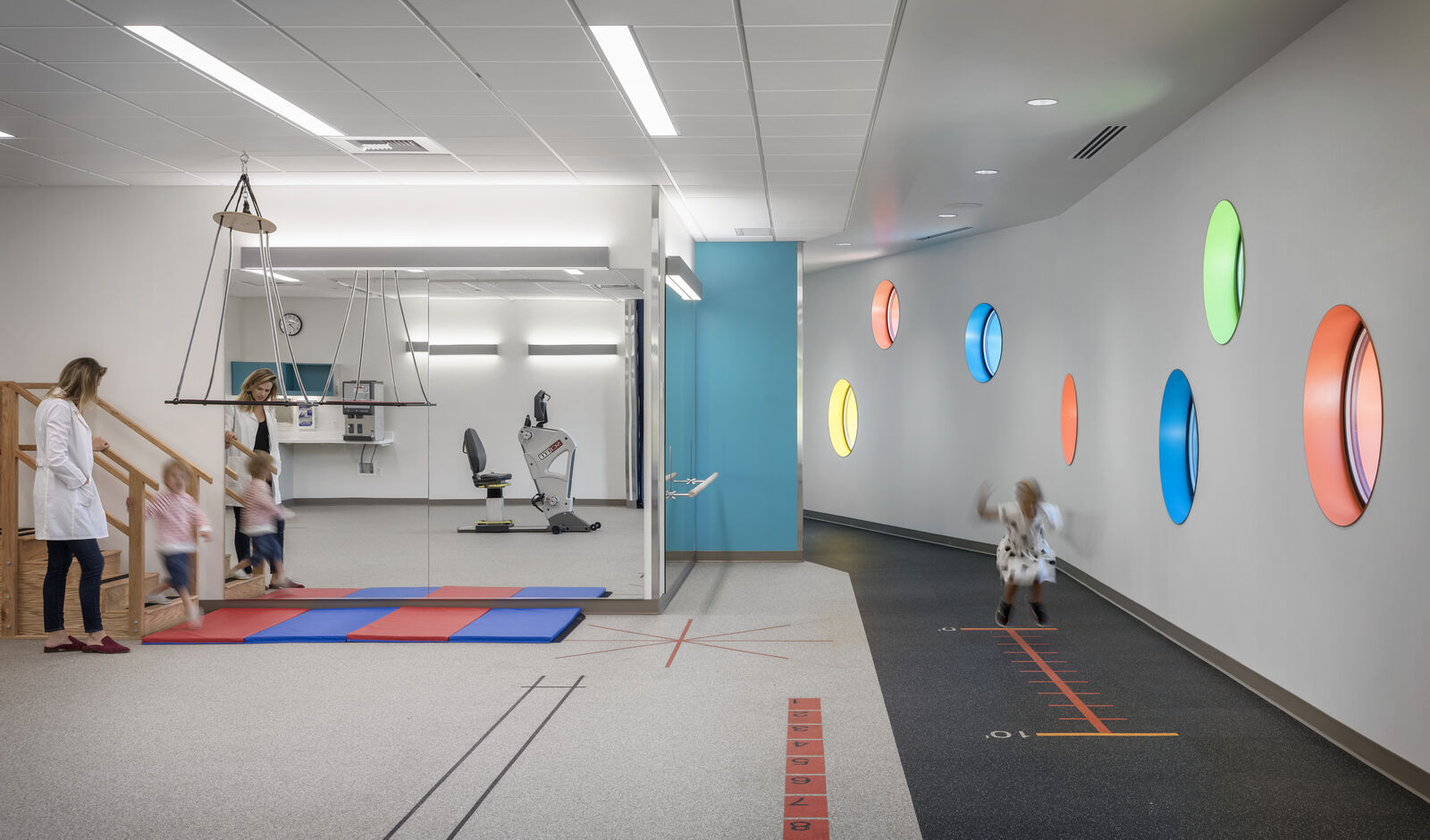
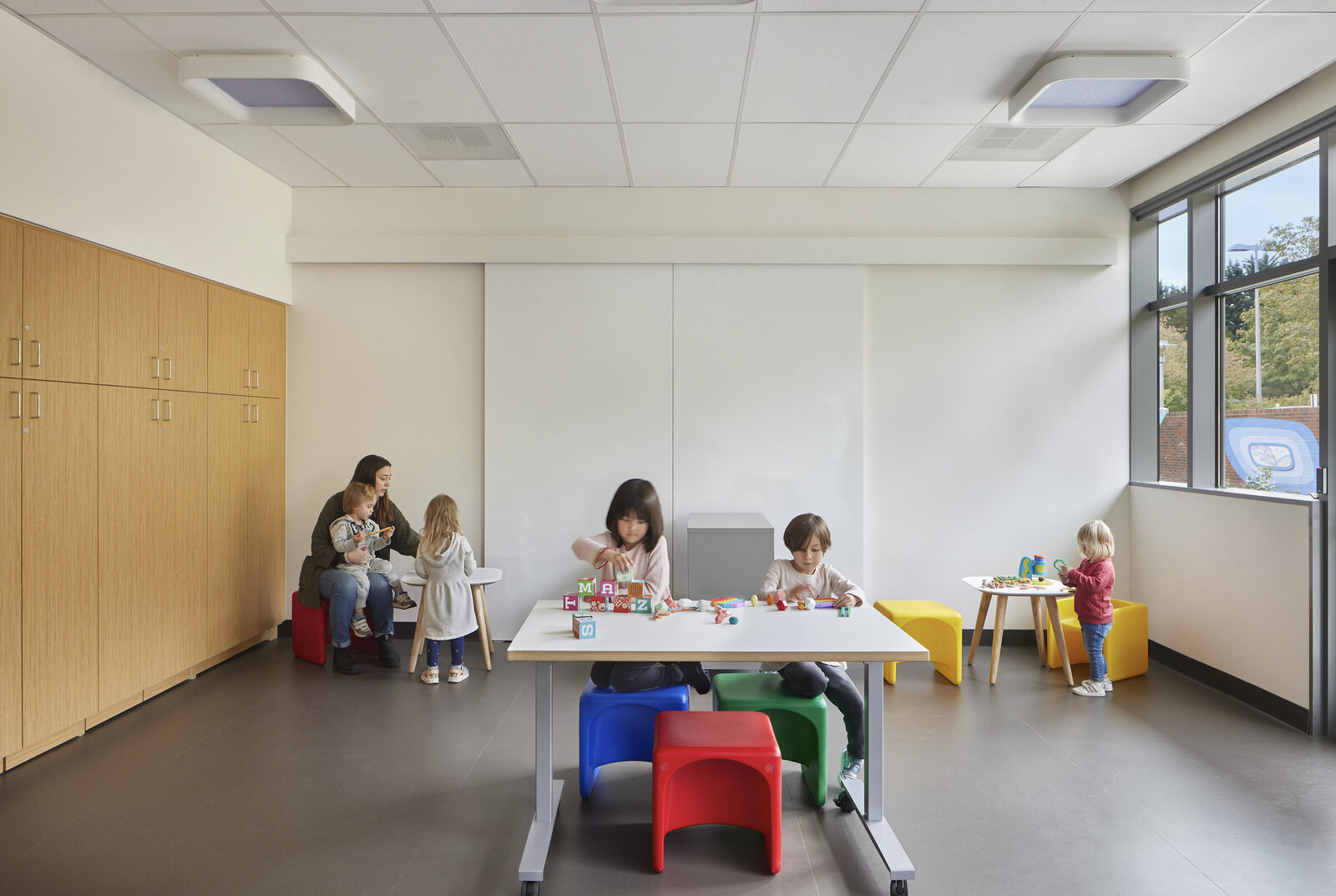
Located within walking distance from Seattle Children’s main campus, the Sand Point Clinic provides outpatient services in pediatric endocrinology/diabetes, orthotics, and prosthetics. The program includes exam rooms, phlebotomy, education spaces, a playroom, family kitchen, staff lounge, and team workspace. It also maintains the existing fabrication space for Orthotics & Prosthetics.

Previously, newly diagnosed patient education for diabetes and endocrine disoders took place in the hospital, taking up an inpatient bed that could be utilized for a more critically ill patient. Relocating these services was part of a broader initiative to ensure patients receive the right care in the right setting. It also allows Seattle Children’s to integrate research and education into the clinic environment. Research for diabetic and endocrine patients is fully integrated with clinical care, both improving awareness of and enrollment in research studies, and minimizing extra travel and crossover flows for research-related visits.

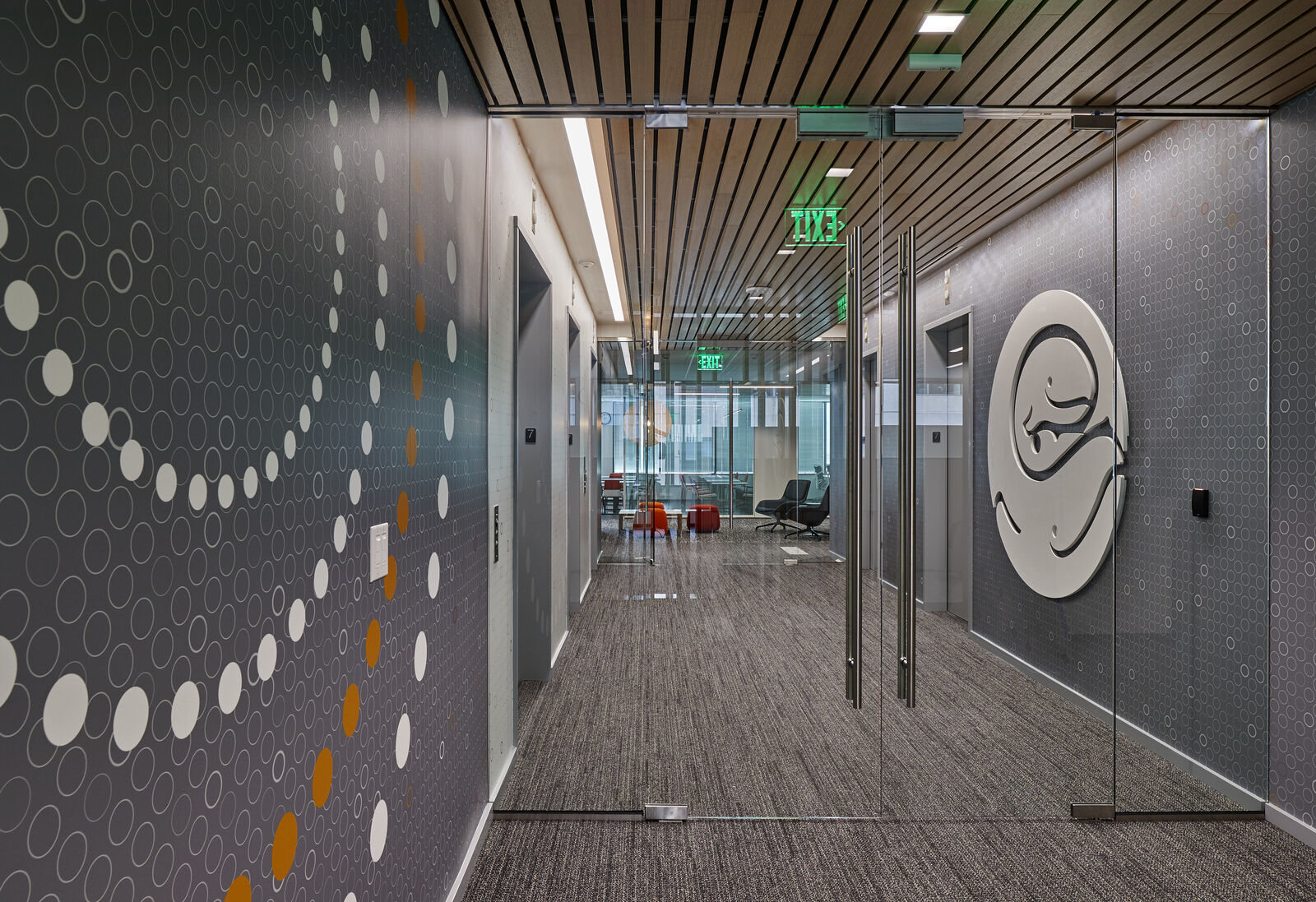
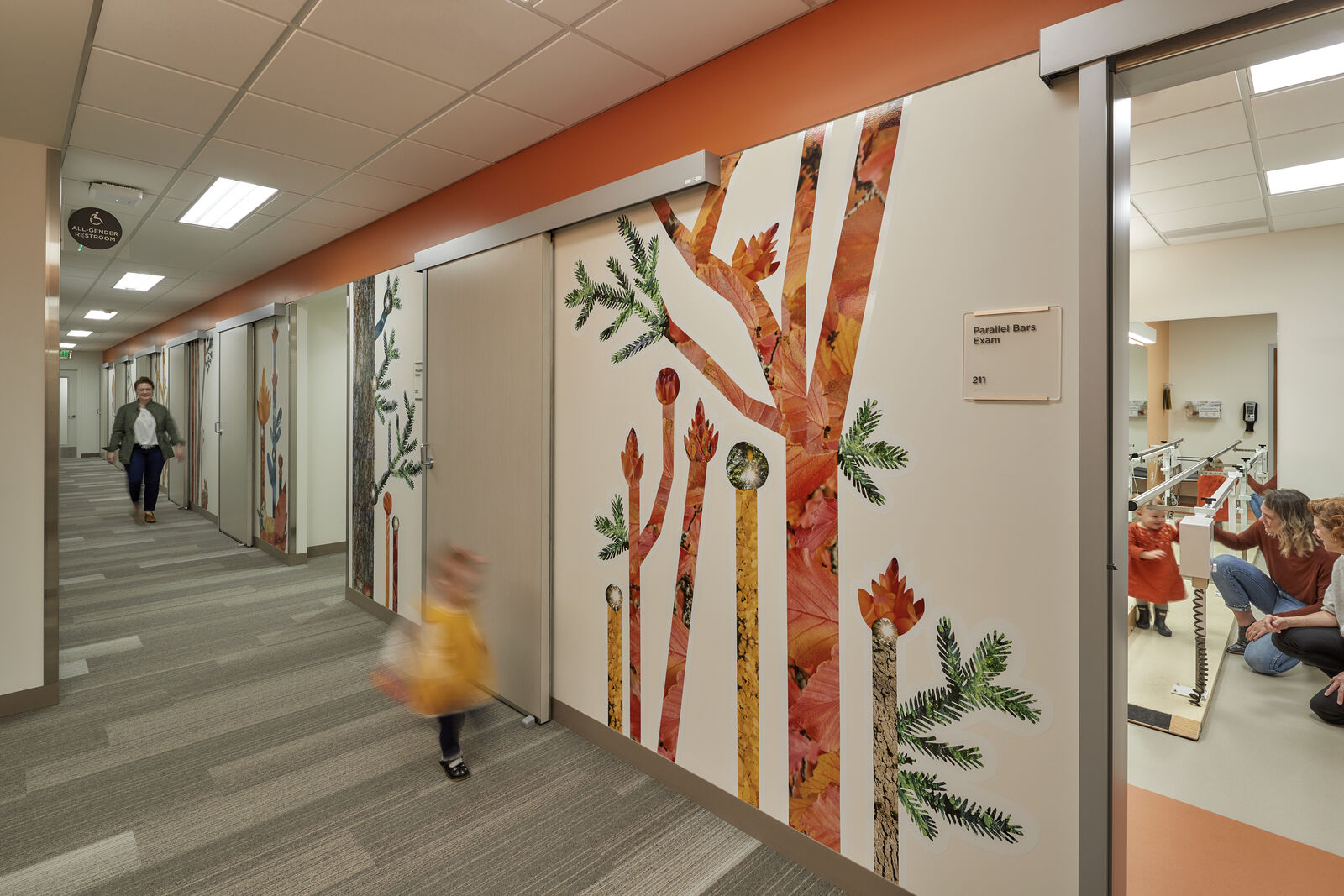
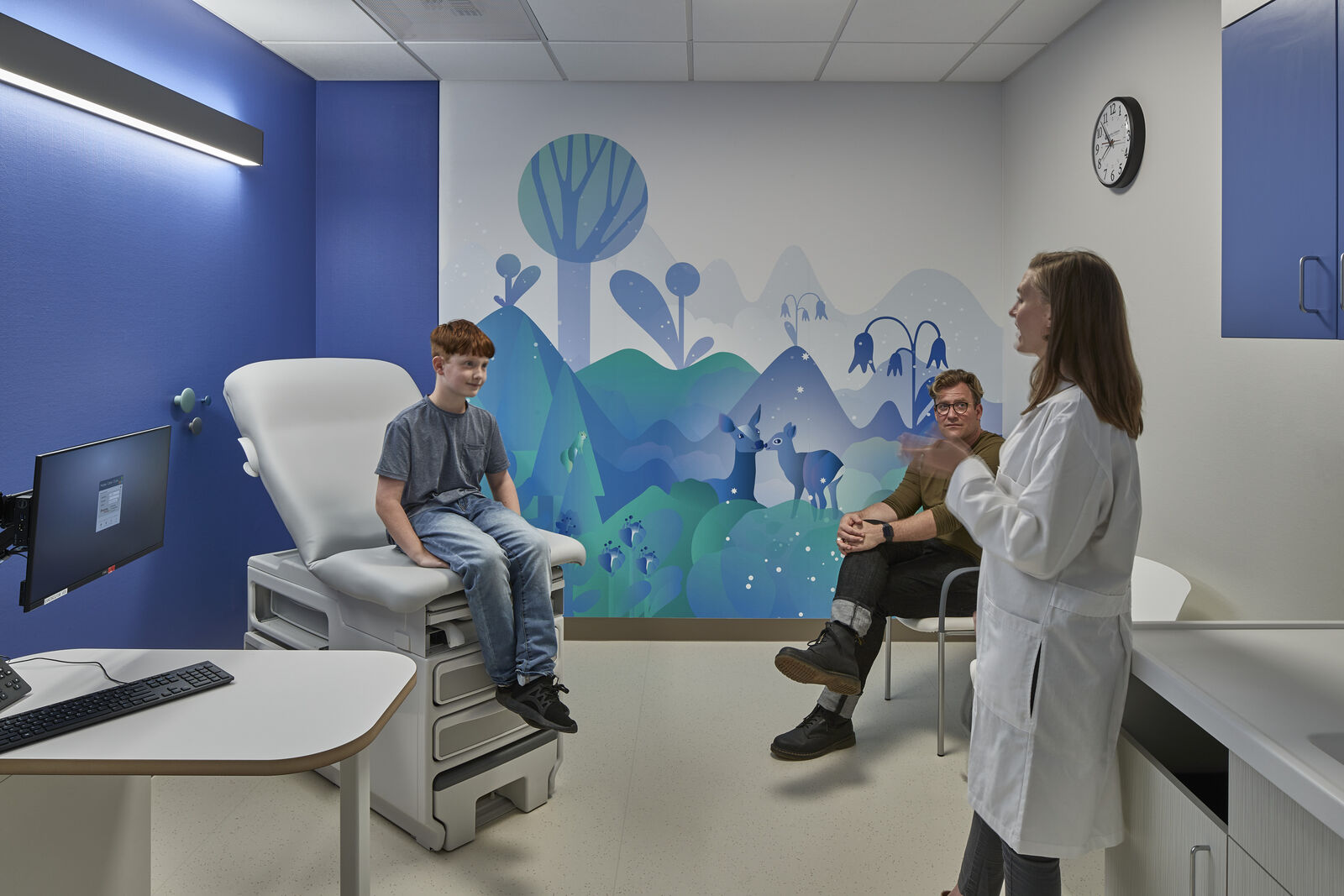
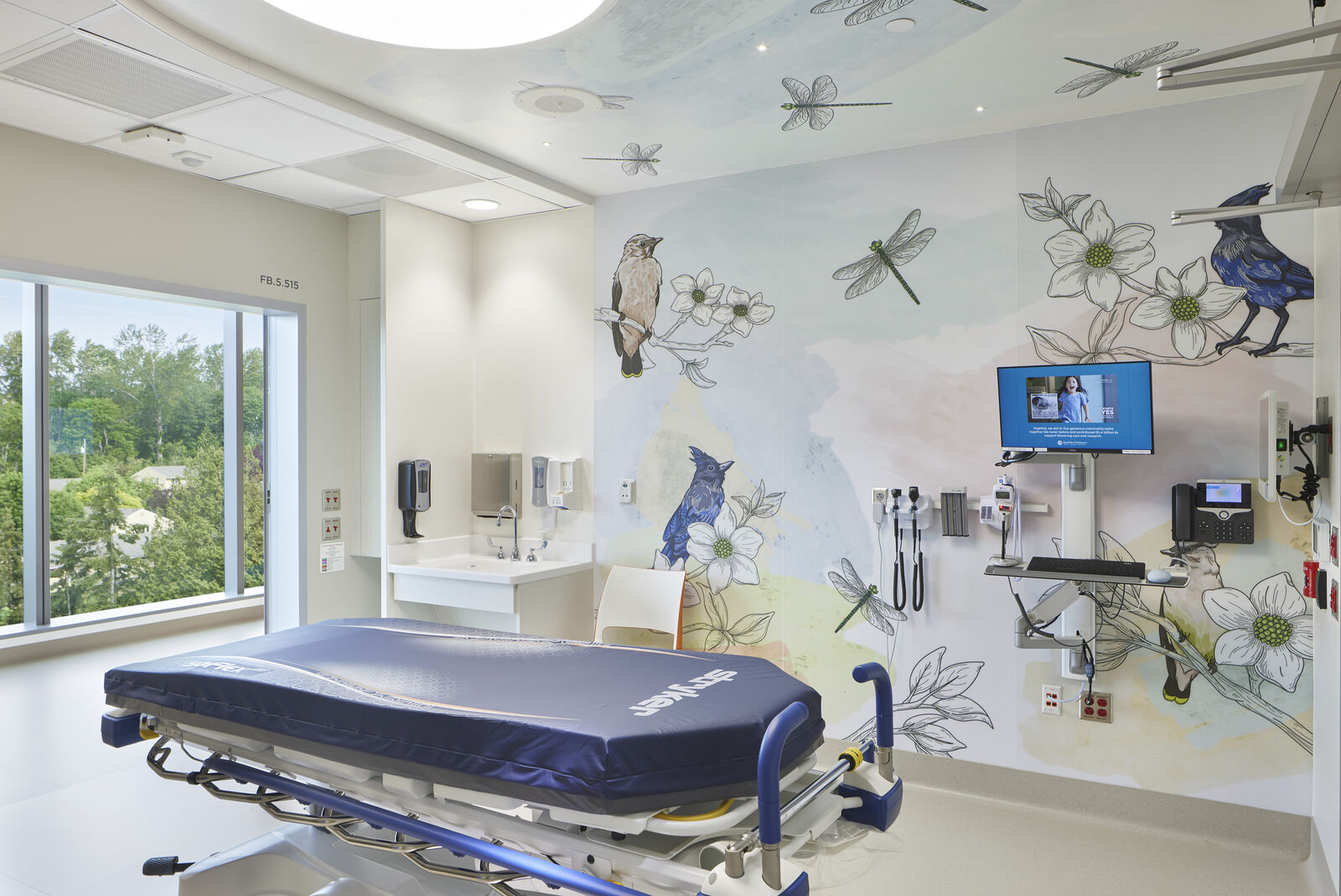
The clinic’s interior planning and design echo North Clinic and South Clinic. Colorful graphics and wayfinding draw inspiration from the wetlands, trails, and wildlife found in nearby Magnuson Park.

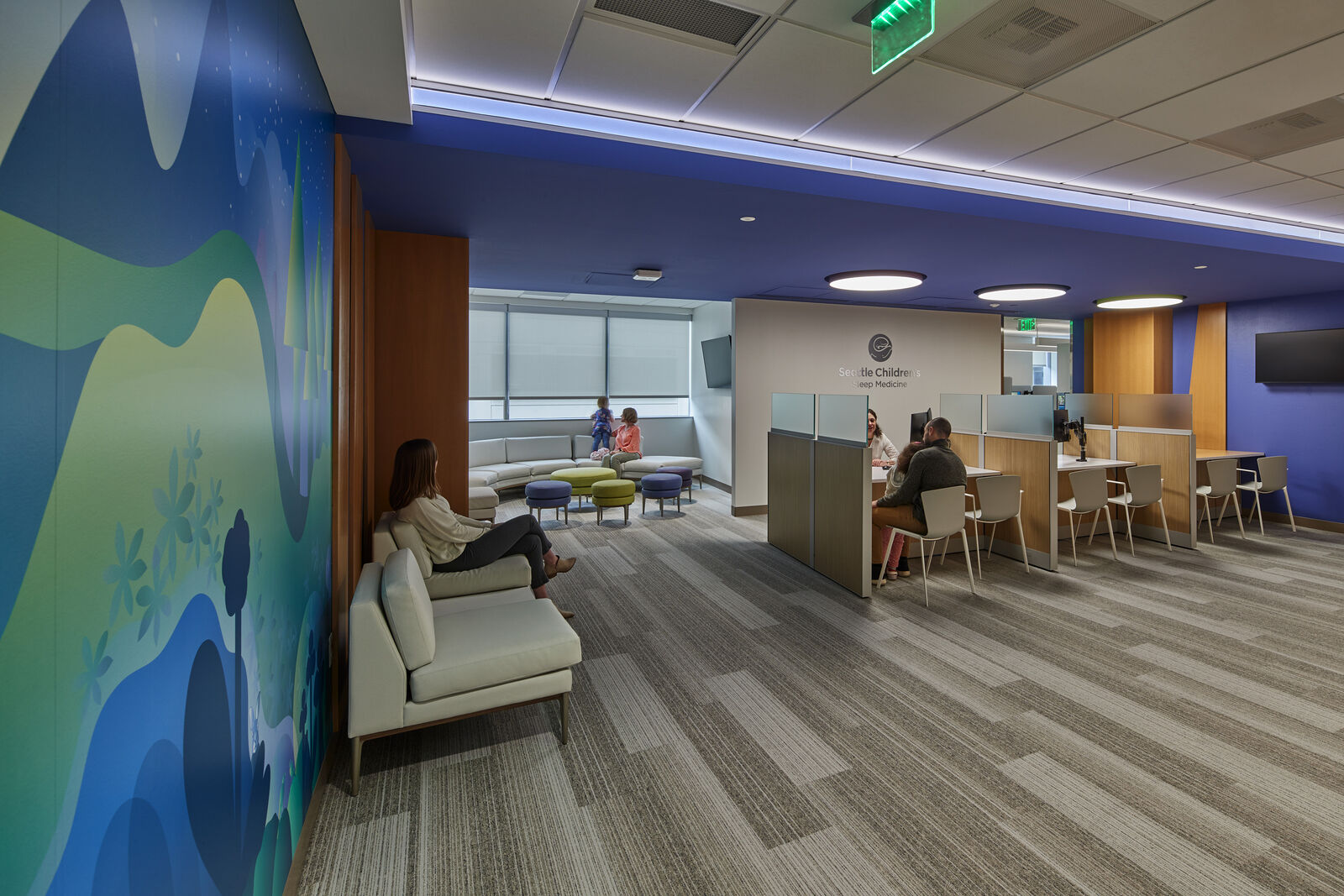
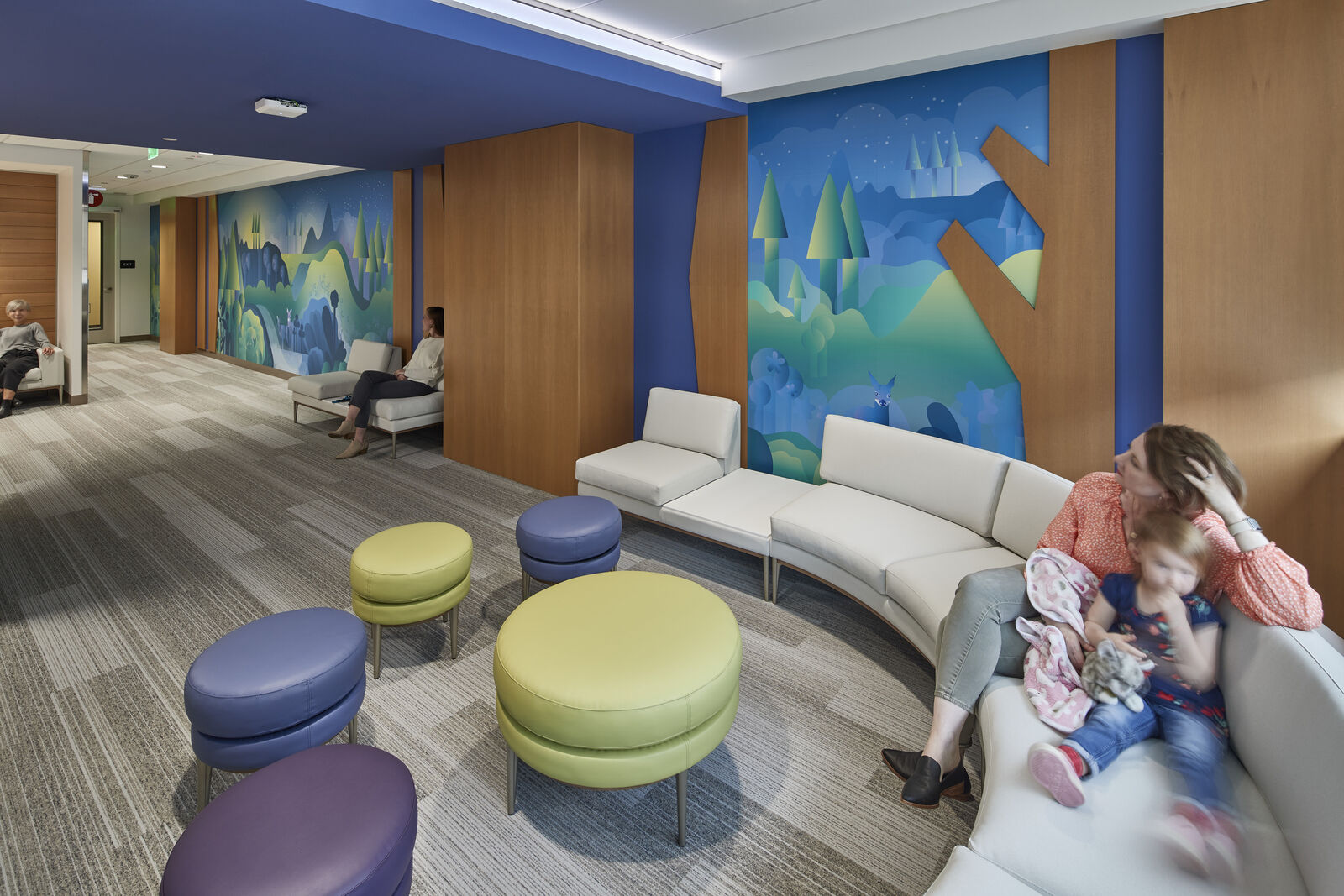
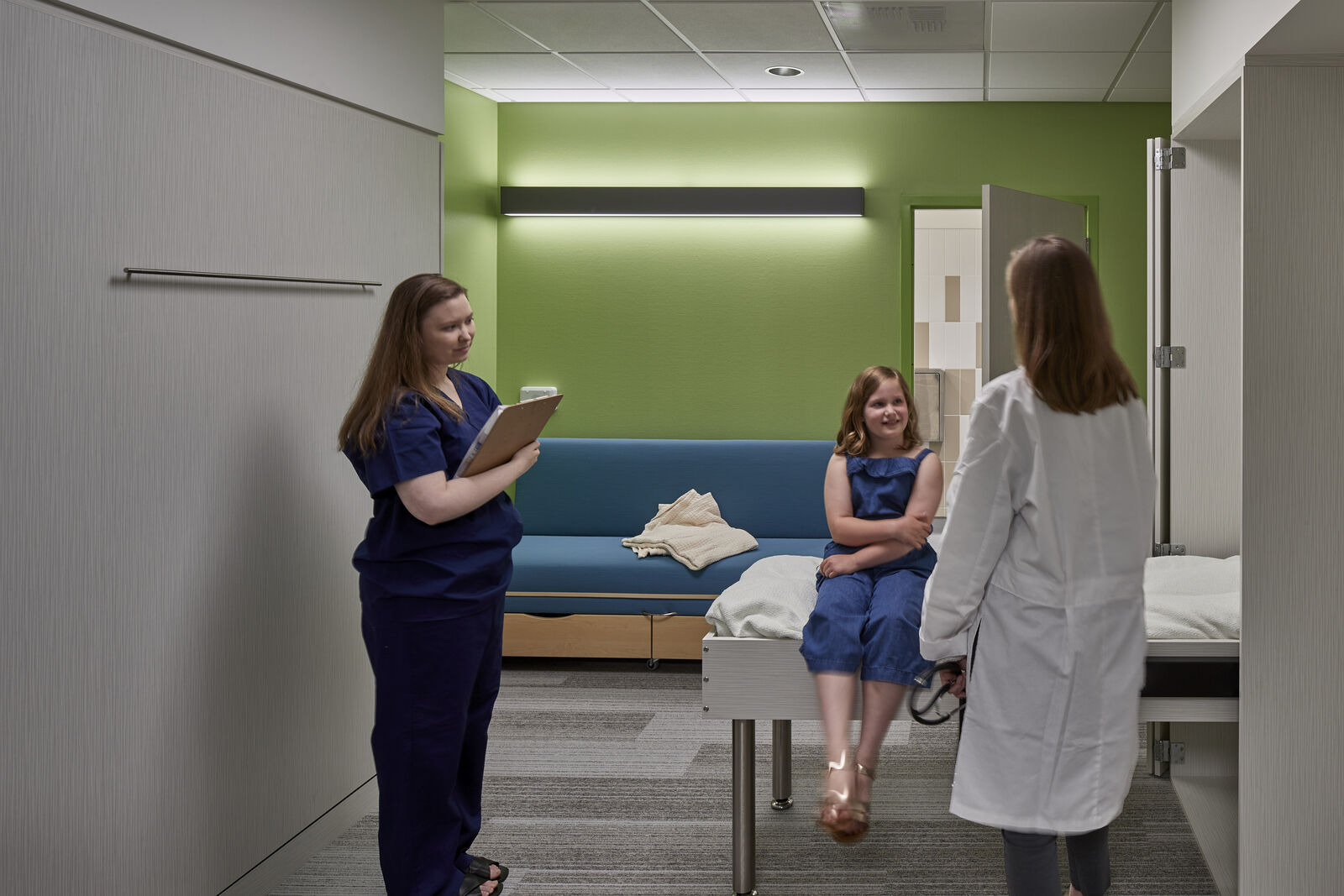
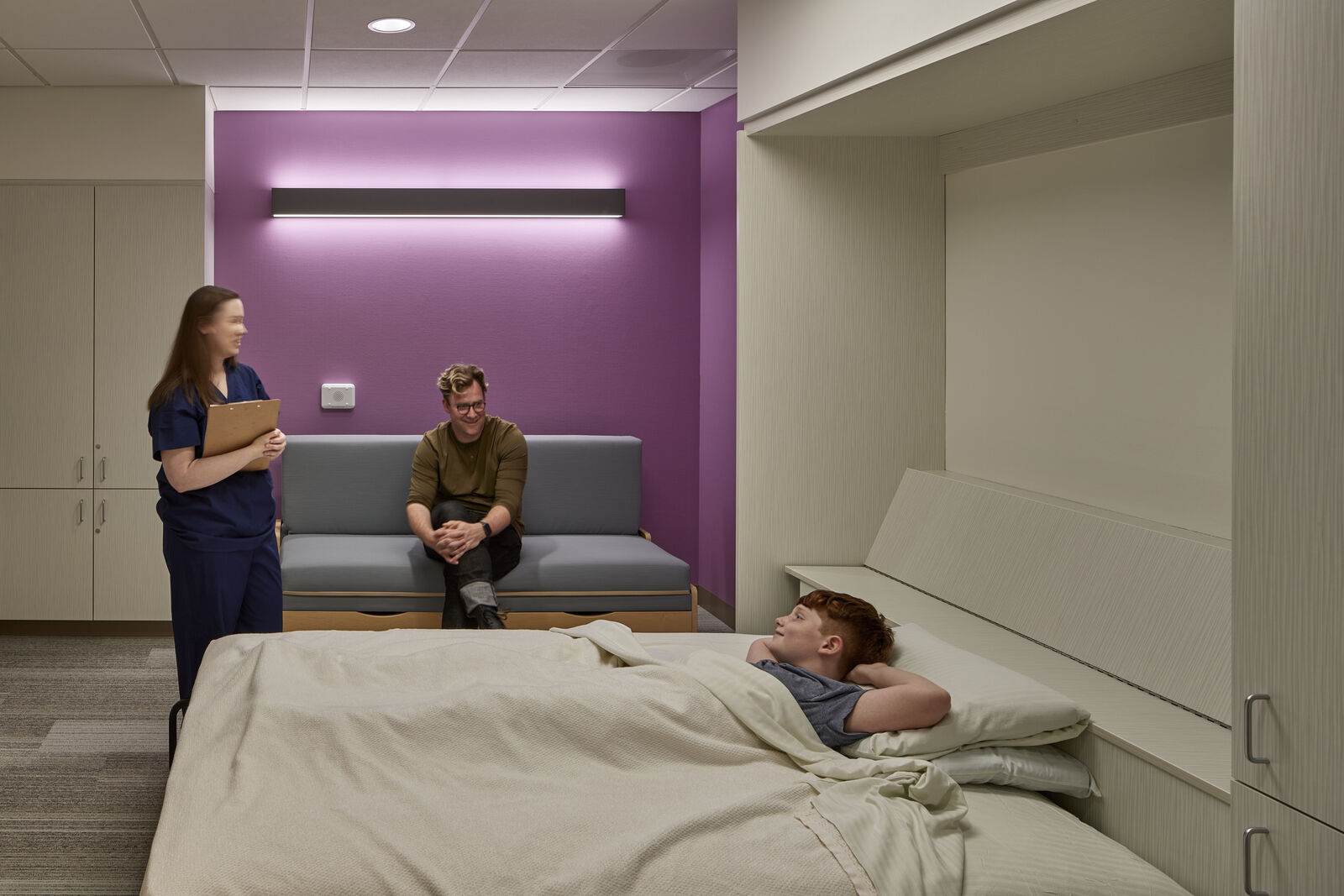
Seattle Children’s Sleep Center, located in the Overlake Medical Office Building in Bellevue, expands capacity for the region’s only clinic designed exclusively for children with sleep disorders. Patients visit the clinic during the day for consultation and diagnosis and then return for an overnight stay to be monitored in one of 12 private sleep study suites. Six of these rooms are multifunctional with a Murphy bed that doubles as an exam table during the day as well as in-room workstations for providers and staff. The clinic also includes outpatient exam rooms, team workspace, and a family lounge.

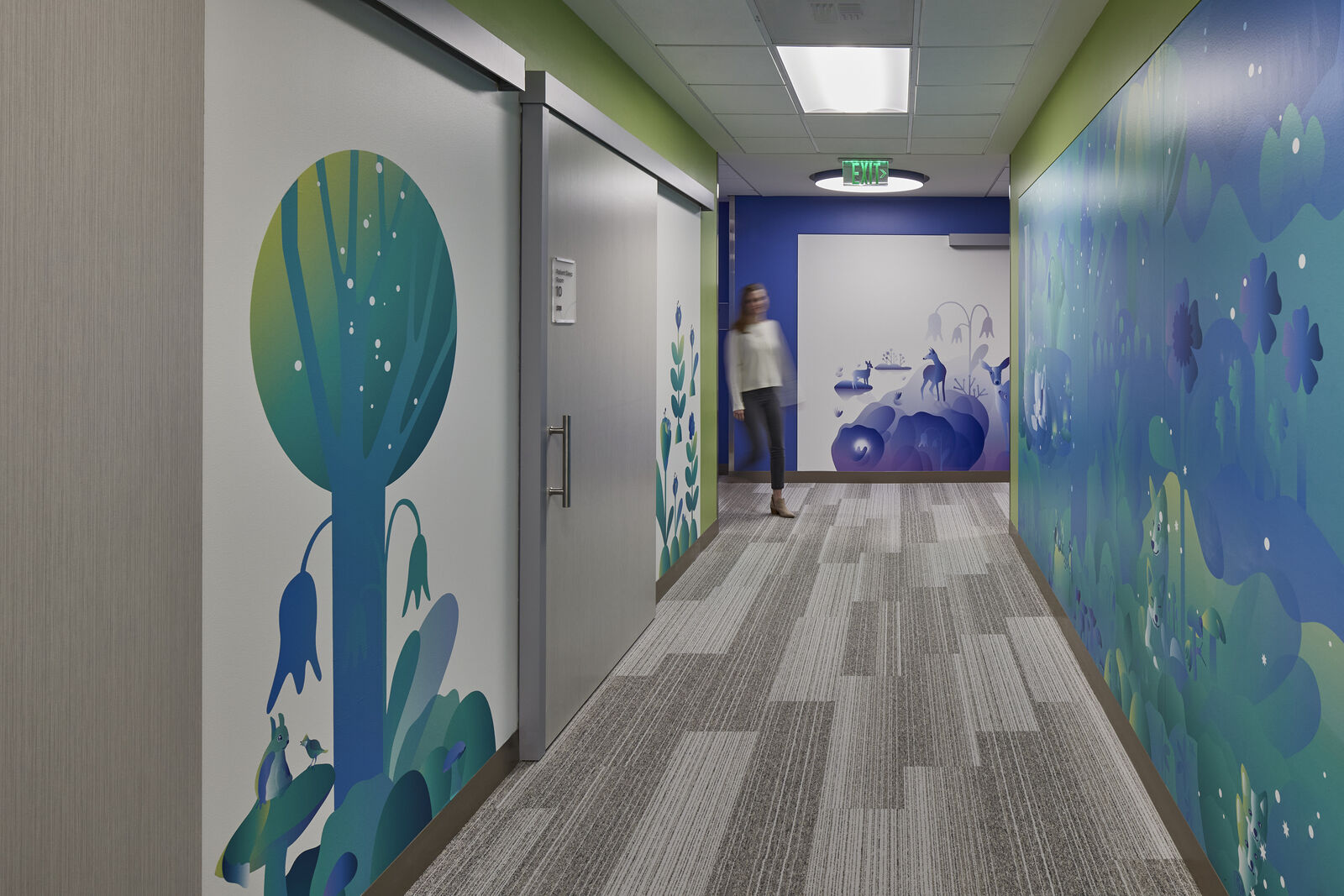
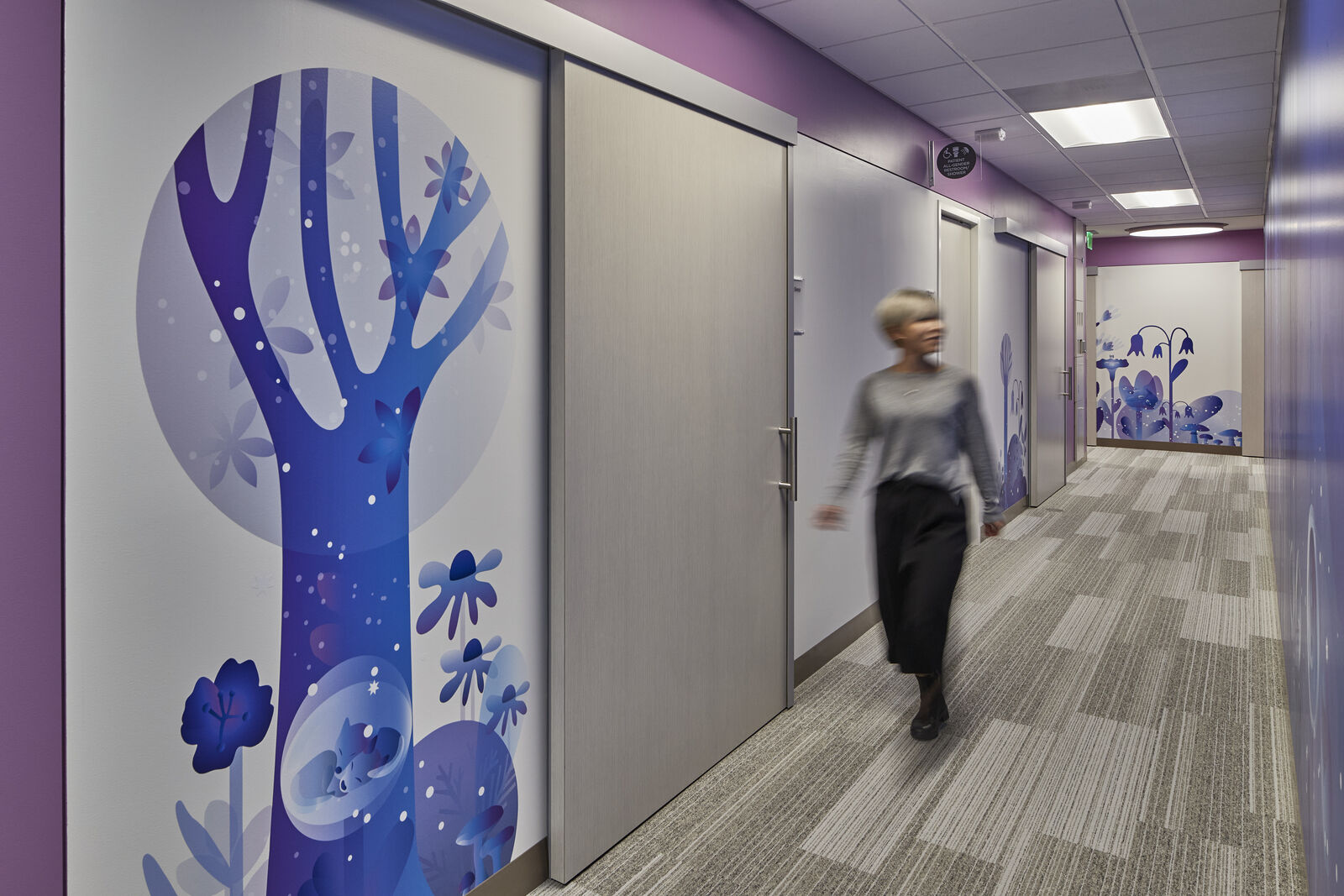
The interior design channels a camping theme inspired by nature to create an upbeat, friendly environment where children aren’t afraid to stay overnight. Bright colors and natural cues mimic daytime in the main entry and reception areas, while the sleep suites resemble an enchanting forest with starry night skies.

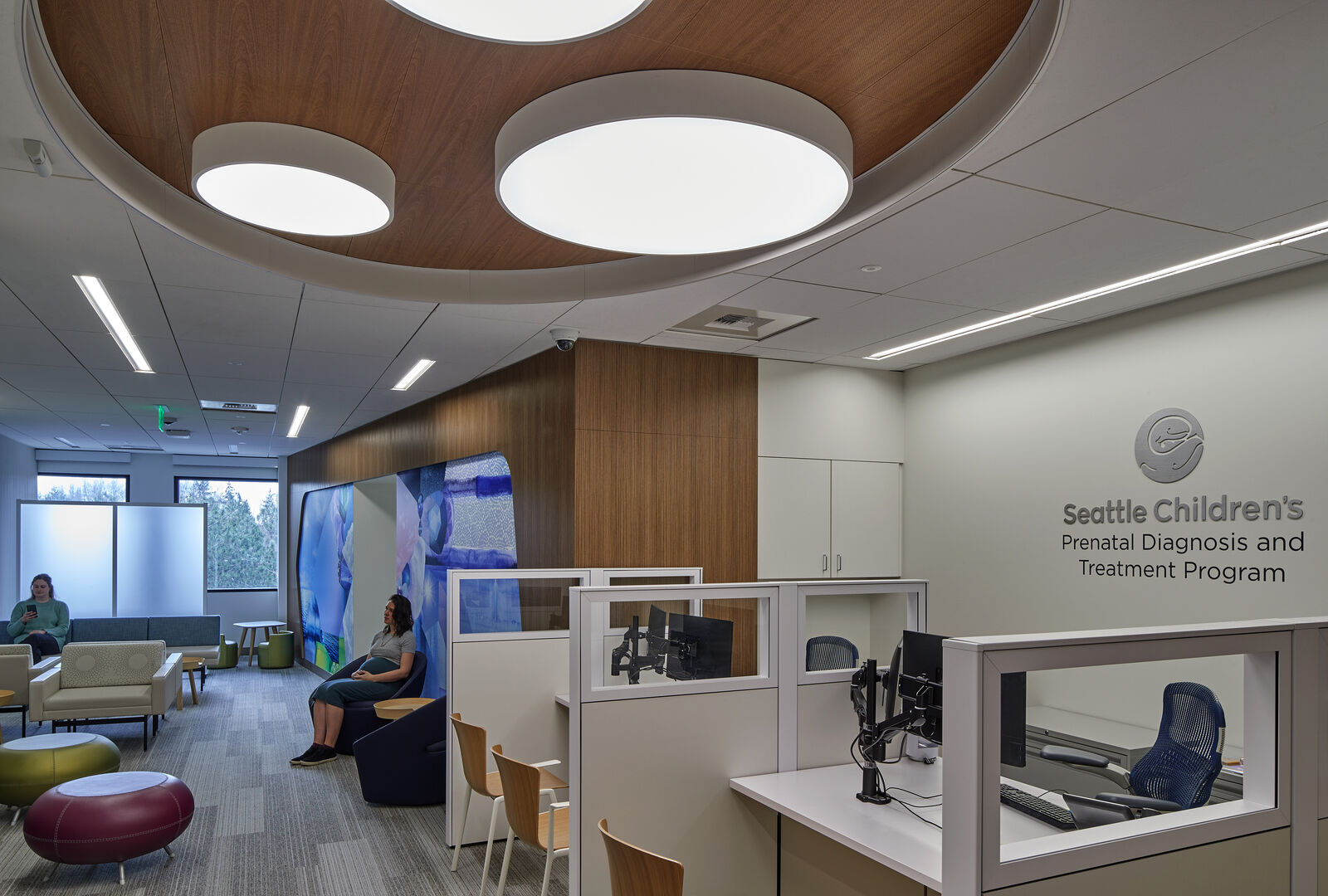
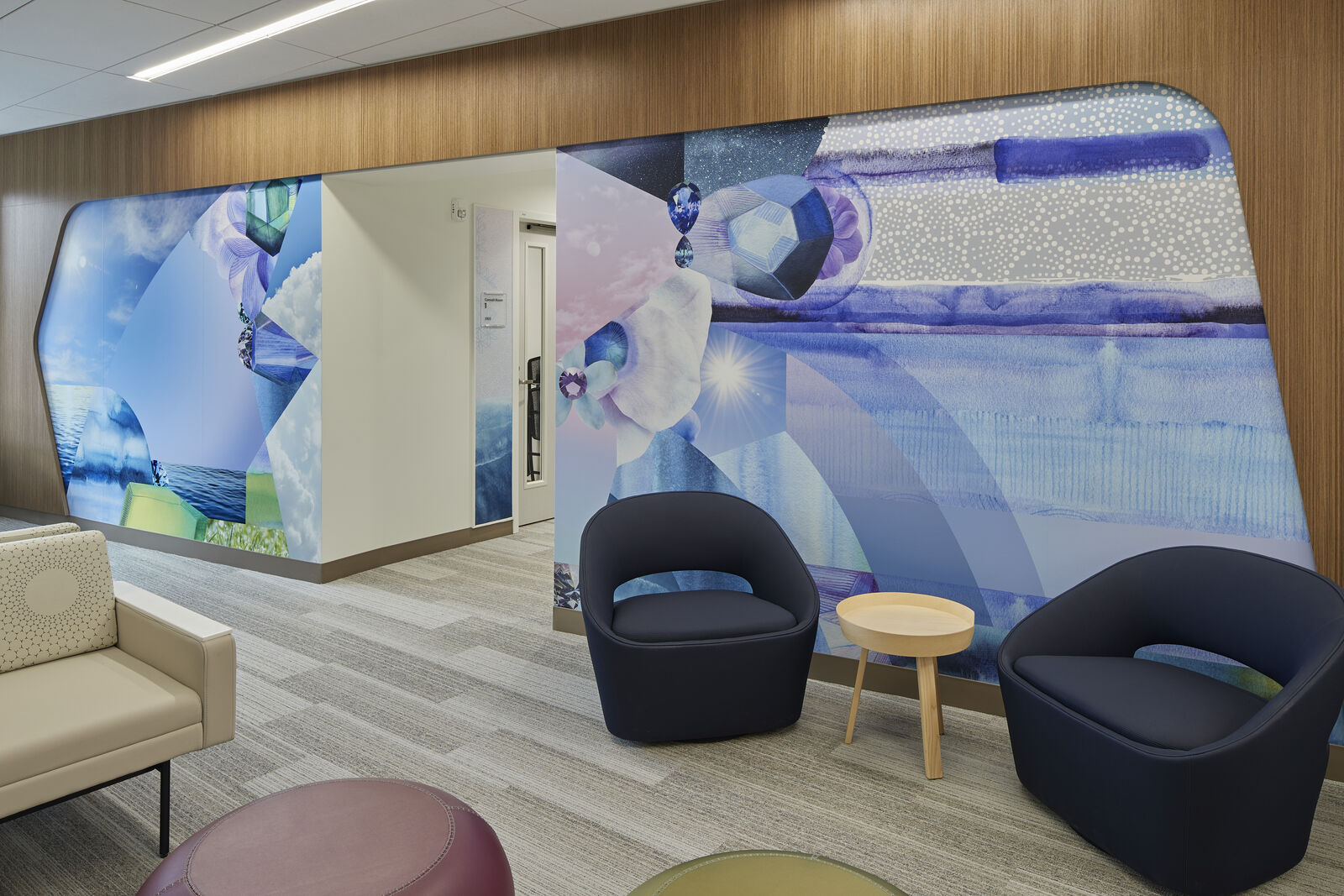
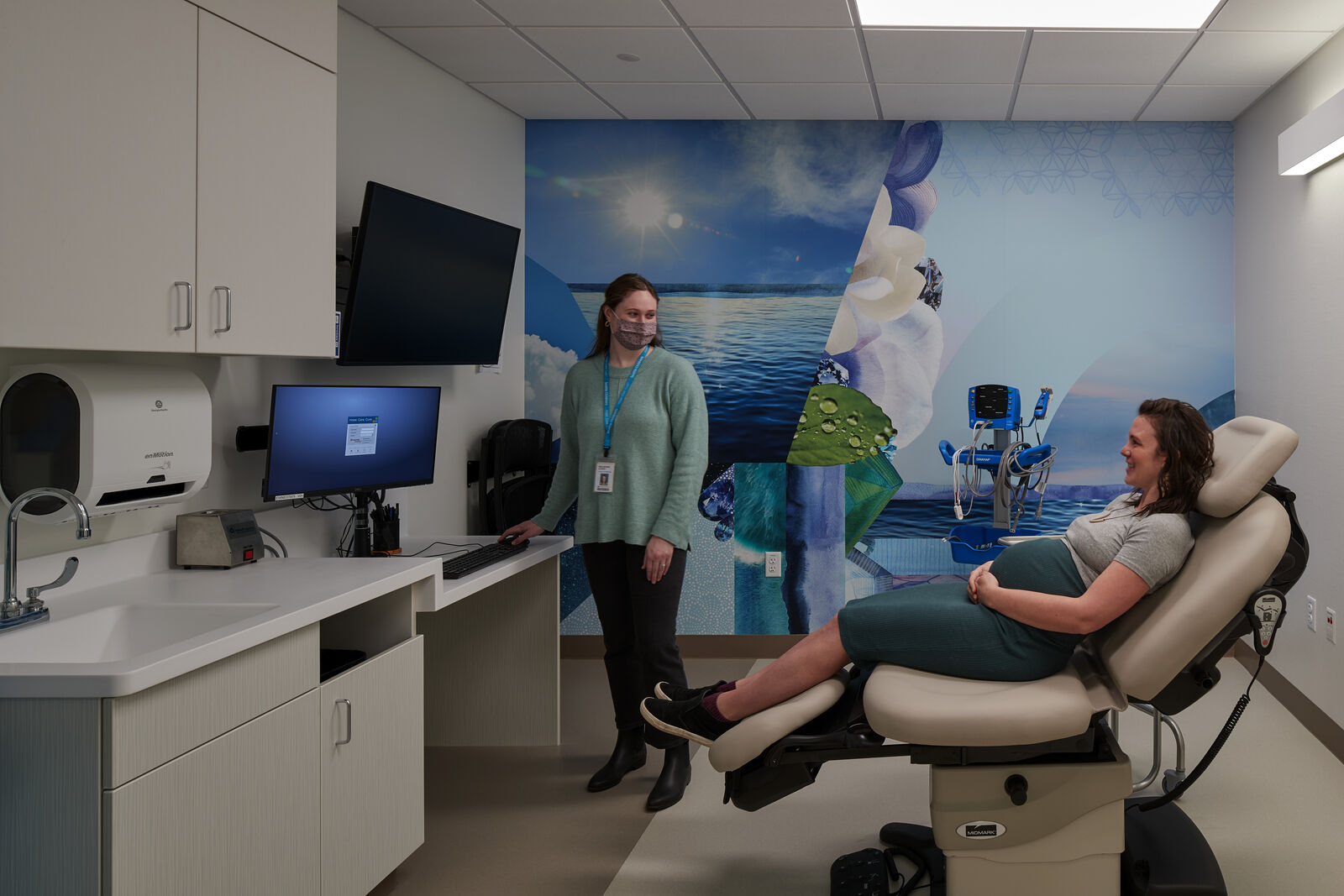
Seattle Children’s Prenatal Diagnosis and Treatment Program expansion, located in the Springbrook Professional Center across from the hospital, provides an additional 5,000 SF to care for expecting mothers whose babies have a diagnosed medical condition during pregnancy. The clinic was thoughtfully designed with adult patients in mind but is cohesive with Seattle Children’s brand and other clinic locations. A more sophisticated material palette and unique environmental graphics that resonate with the users create a calm, comfortable atmosphere to put patients at ease.

ZGF designed the clinic during Covid using virtual workshops, which worked well due to the smaller size of the project and team of nurses and providers. Five phases of construction allowed the existing prenatal clinic to remain operational. Several consult rooms and exam rooms in the expansion were temporarily converted into support areas, including an interim staff lounge, clean supply room, soiled room, and team spaces. The design had to comply with all code requirements to accommodate the interim use of these spaces until they could be converted back to their intended use as exam rooms during the final phase of construction.

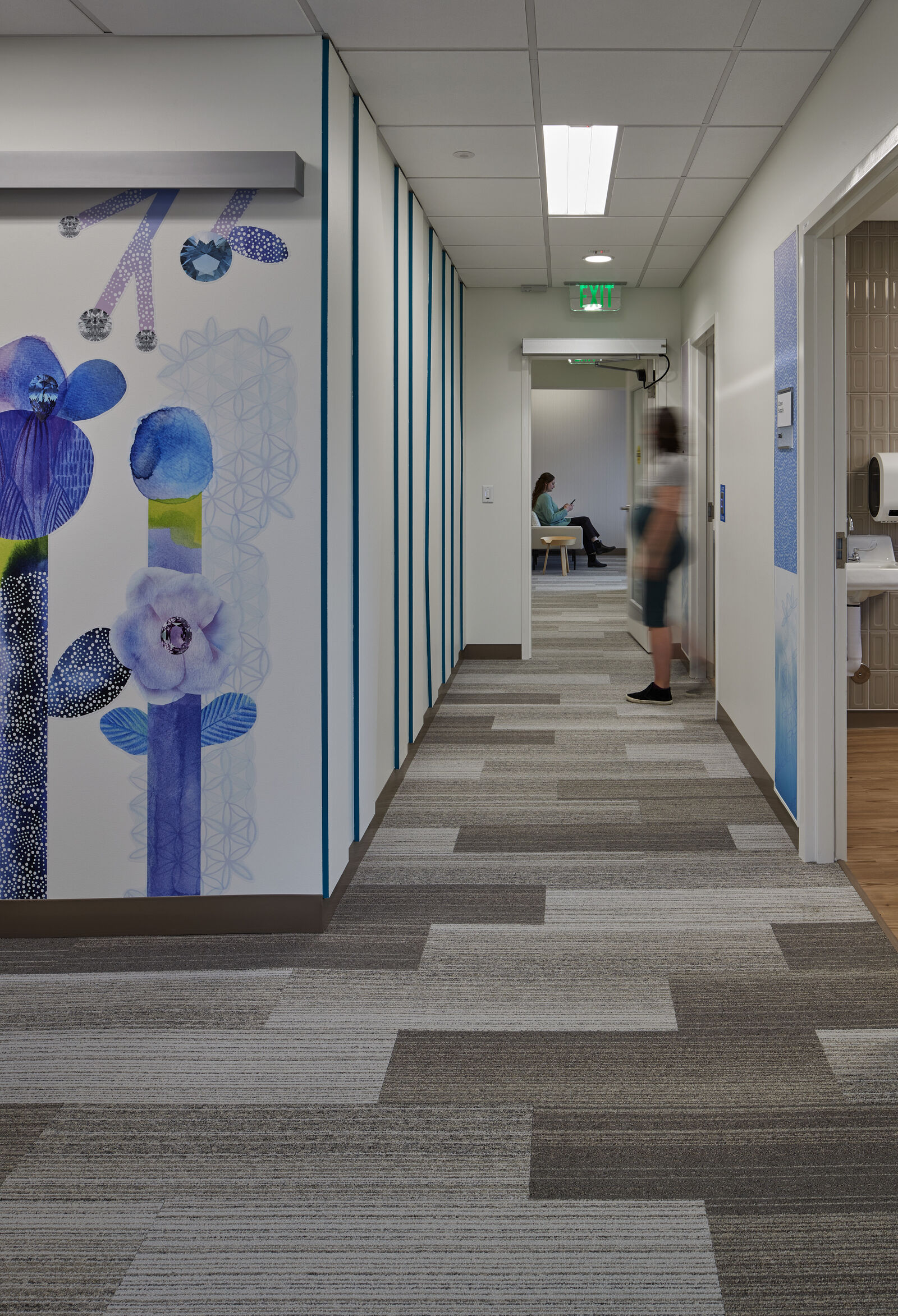
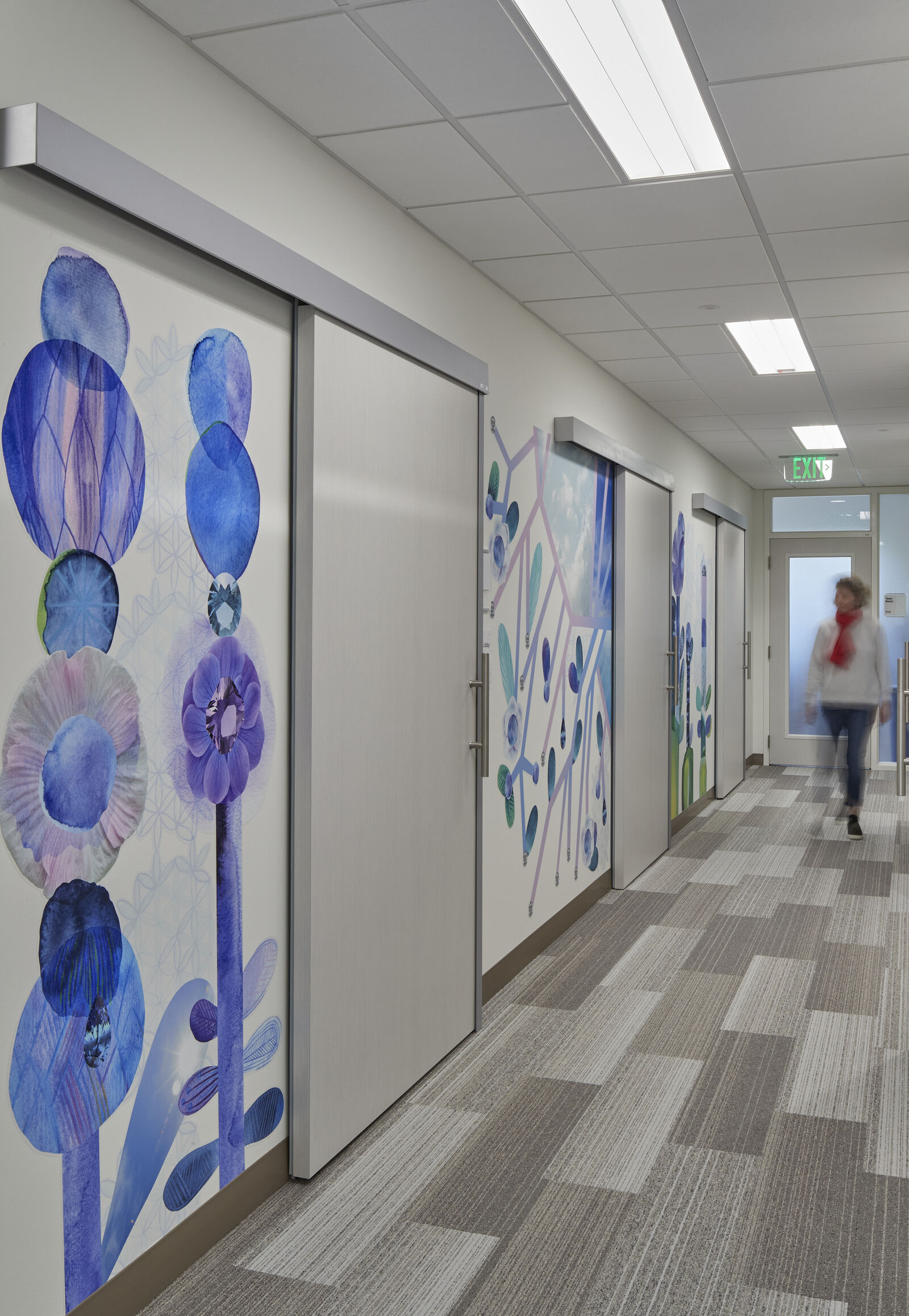
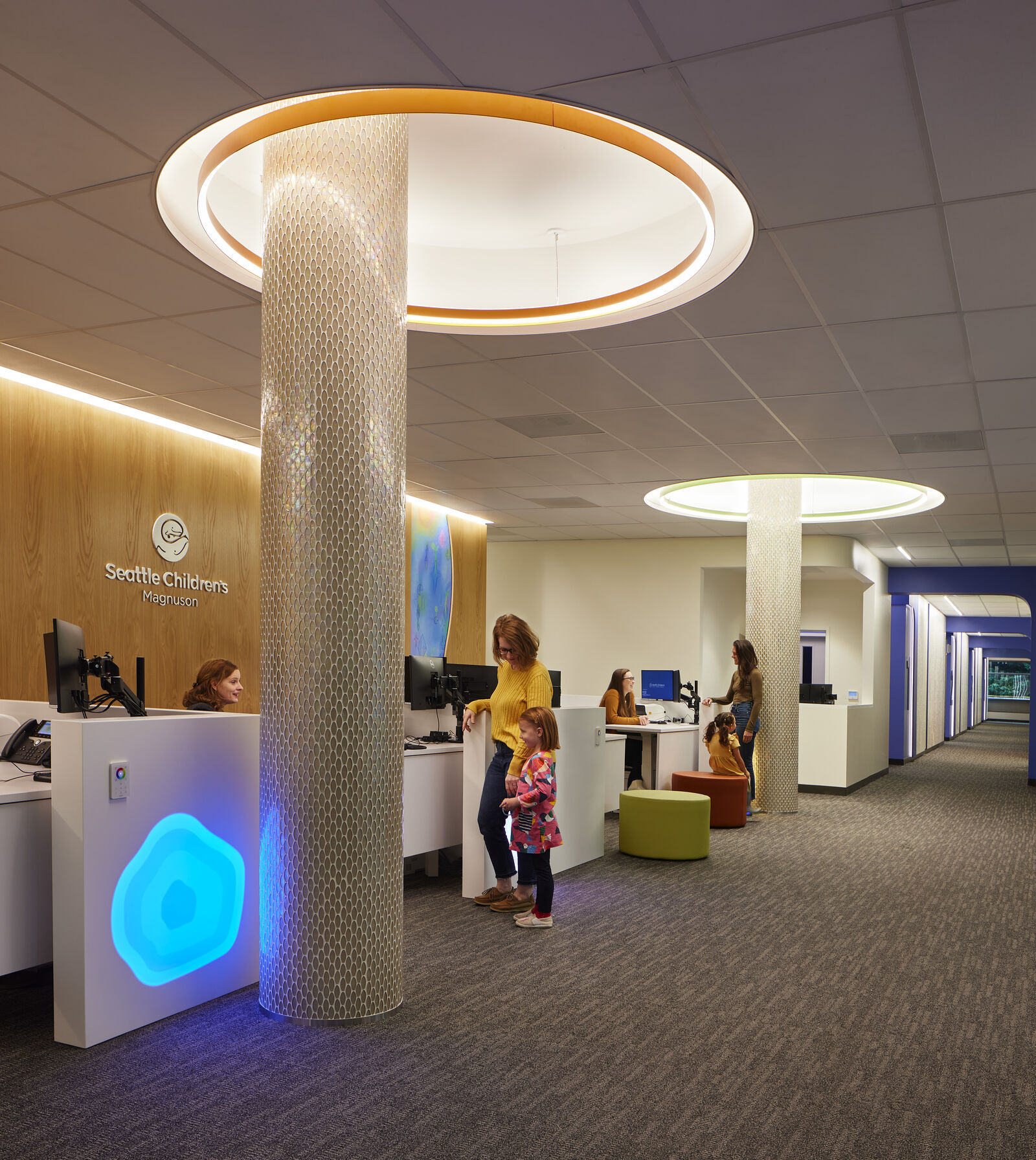
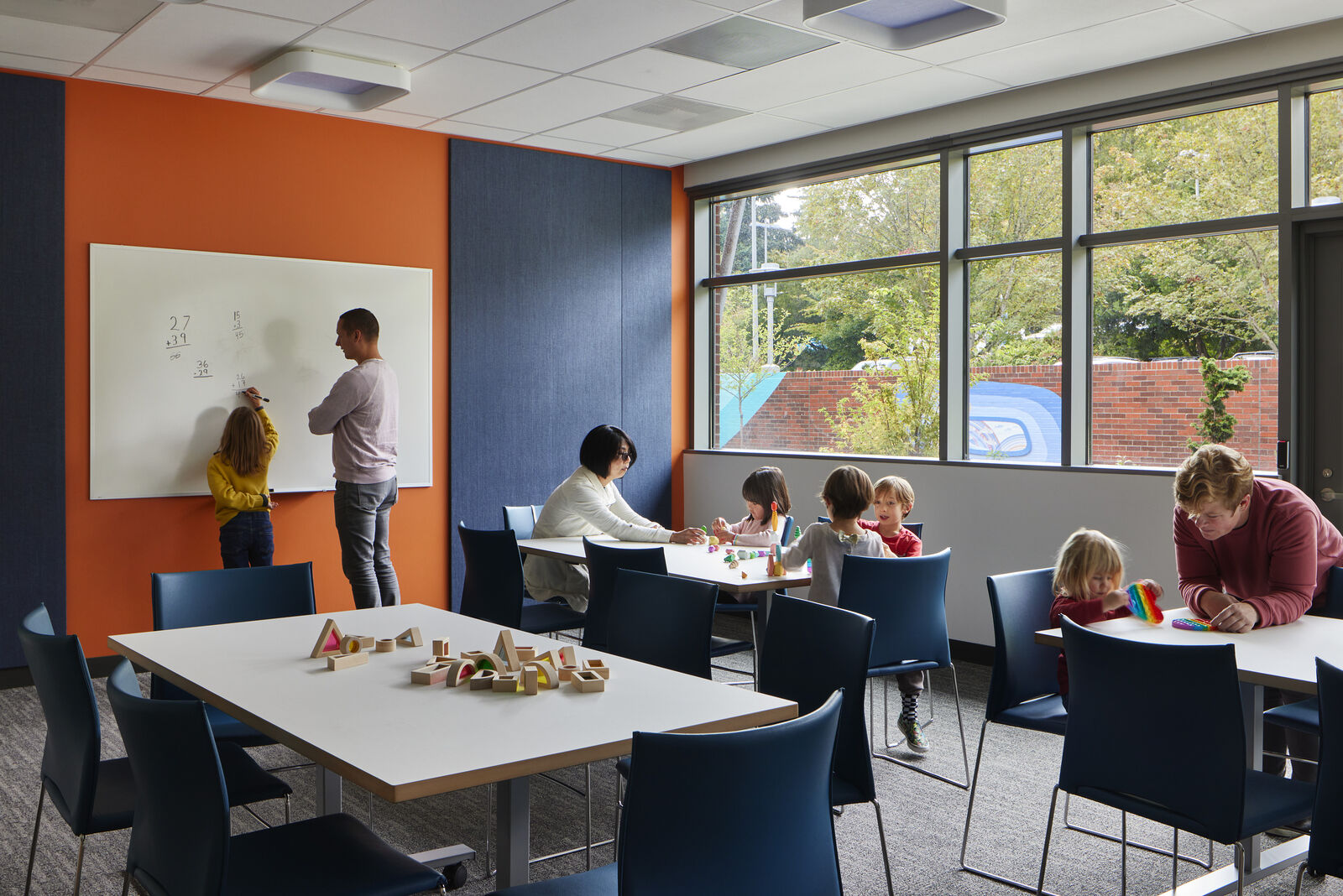
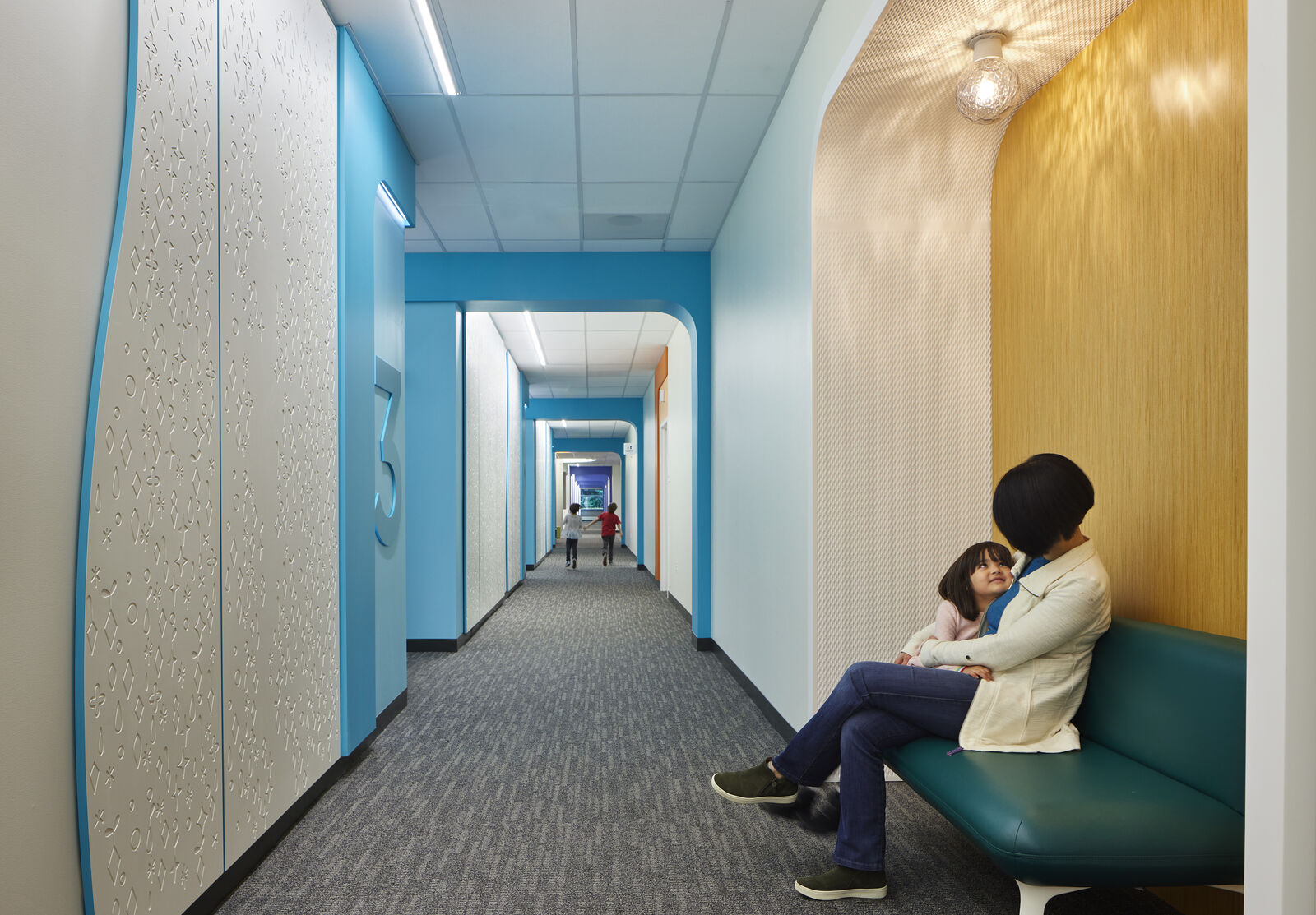
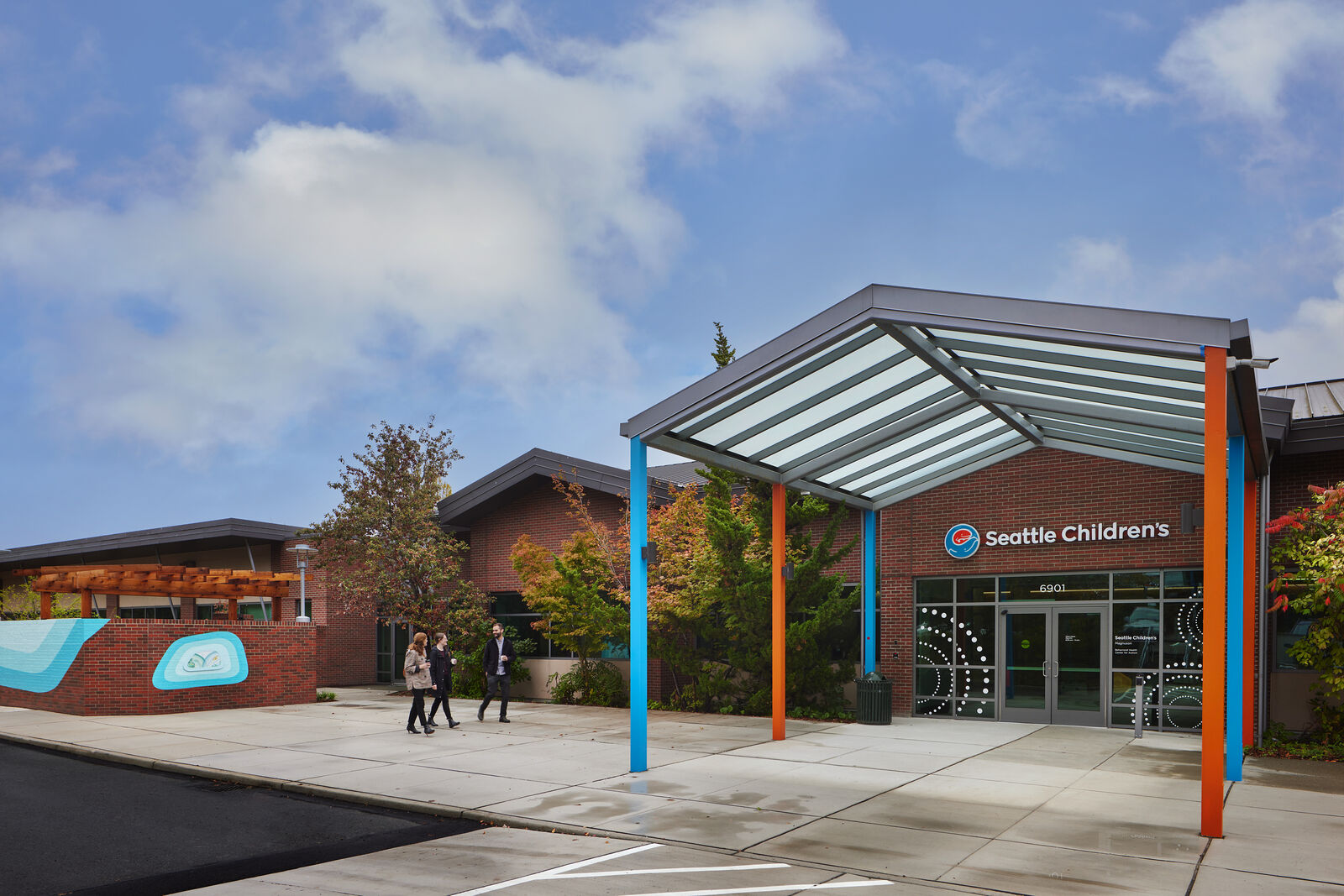
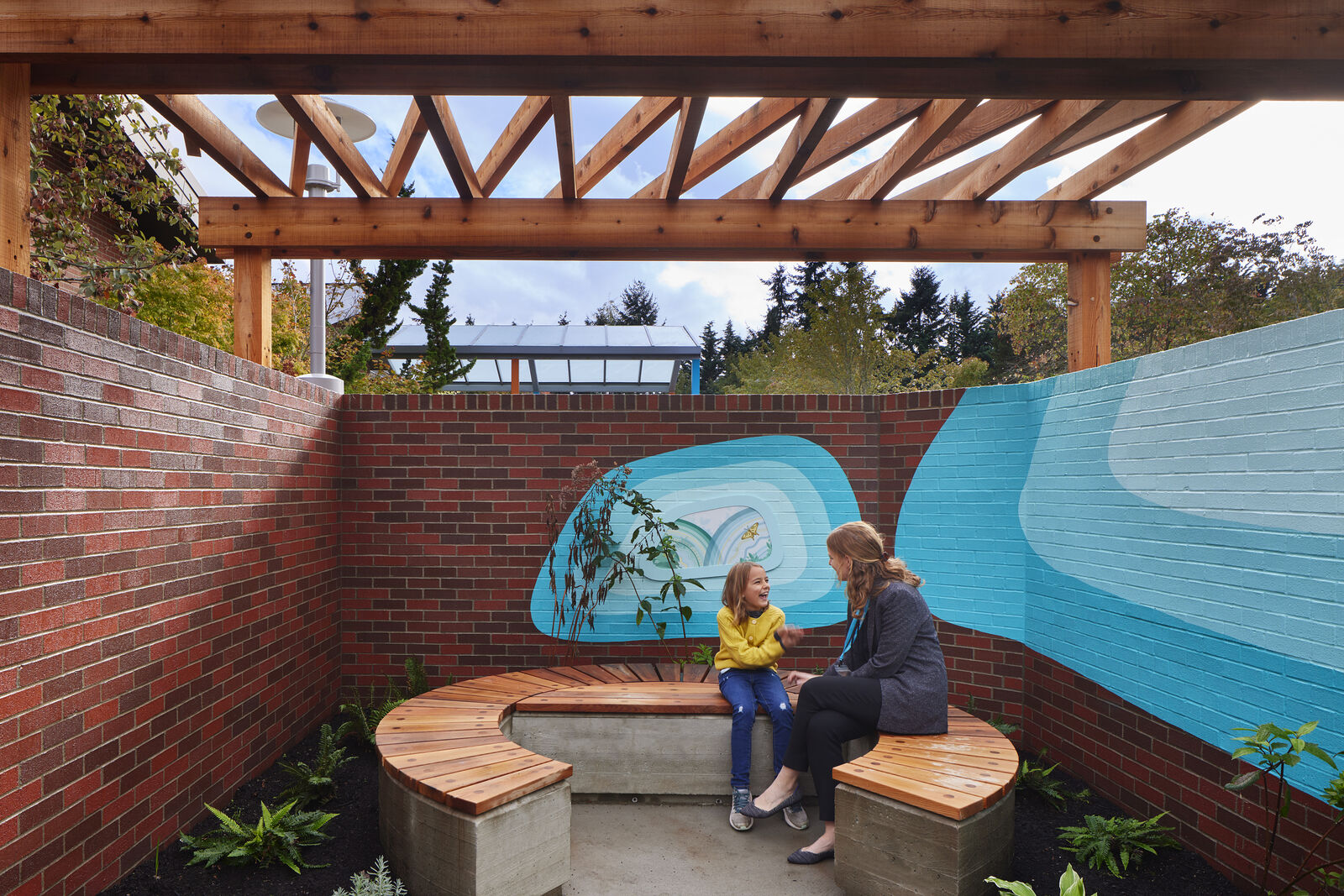
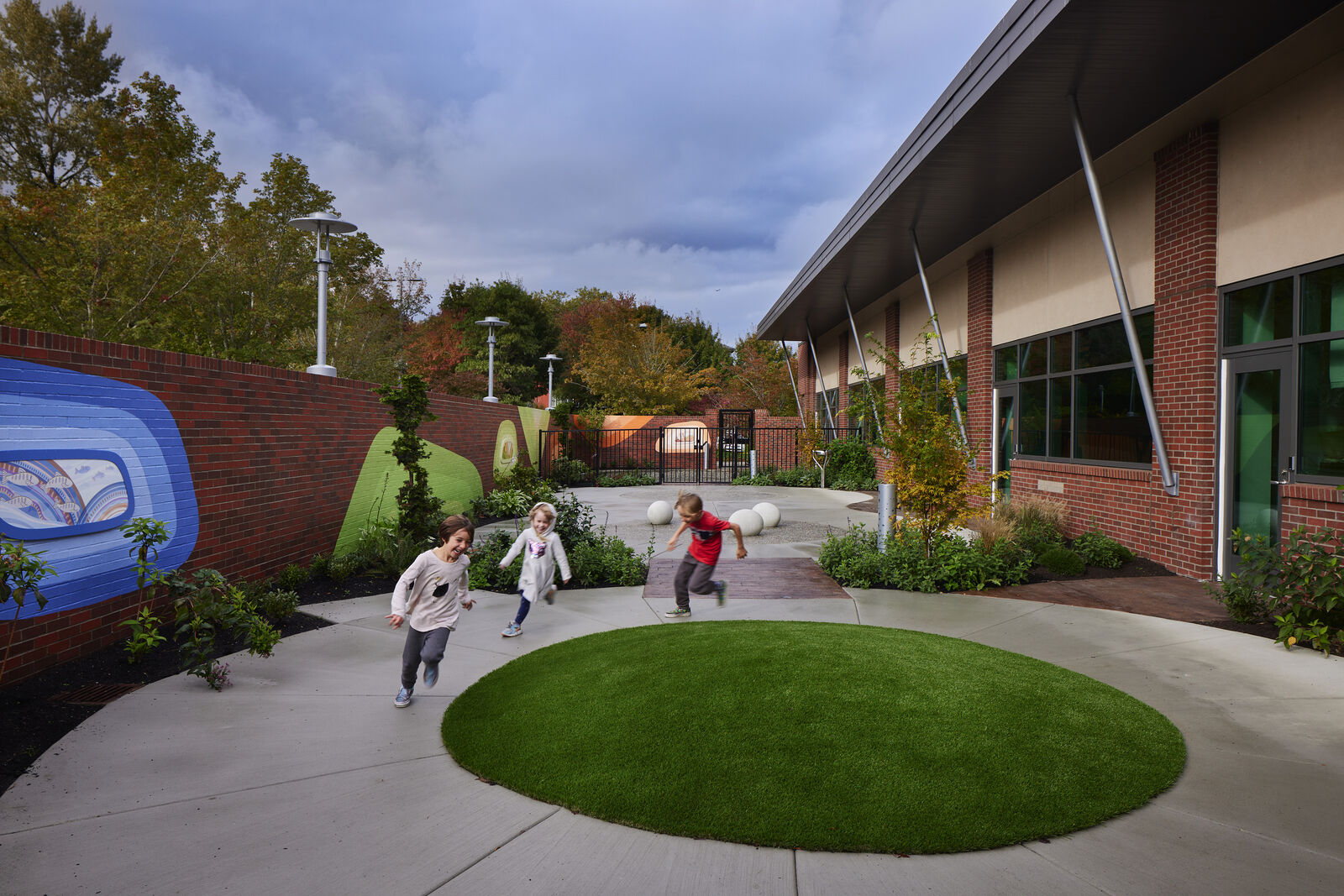
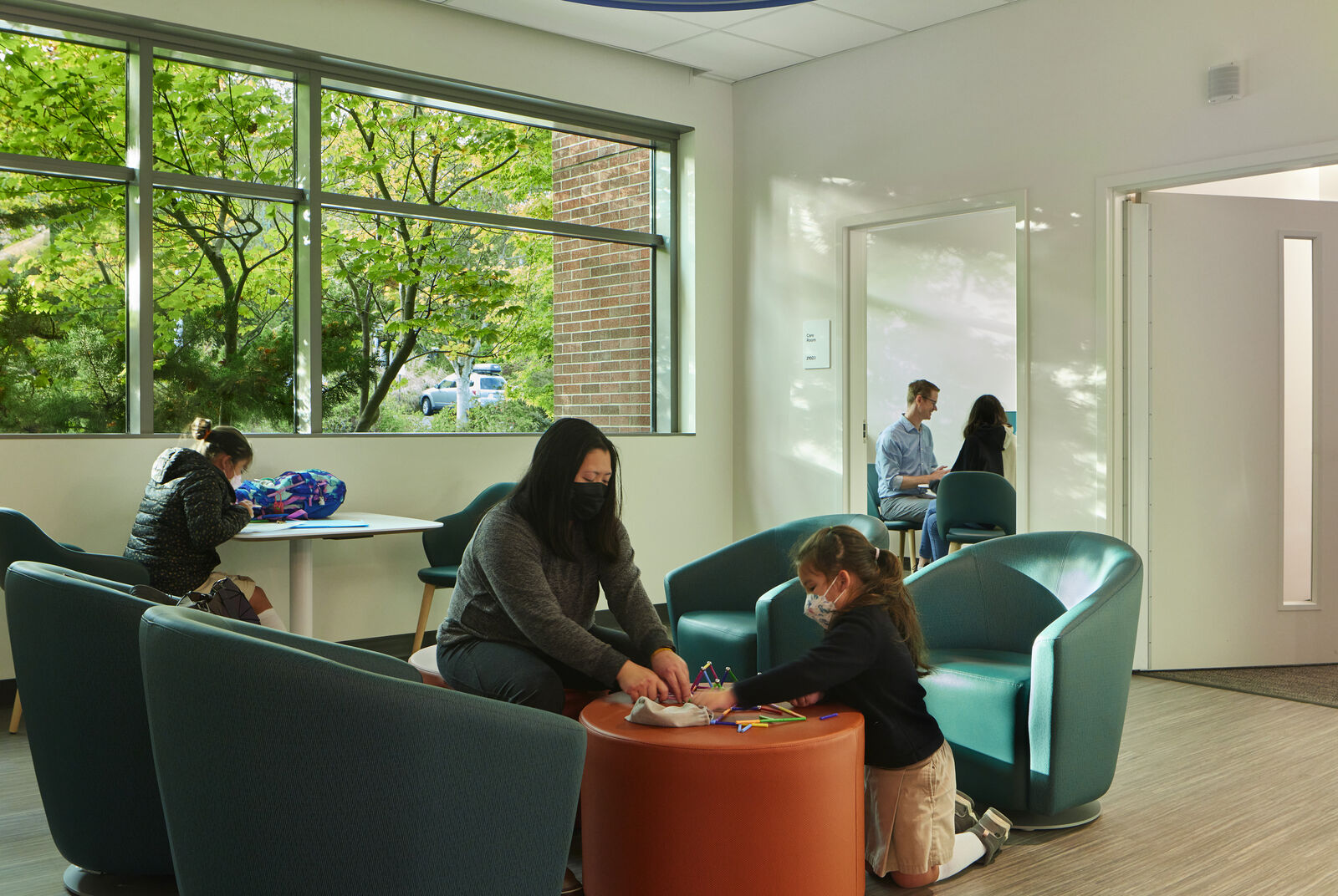
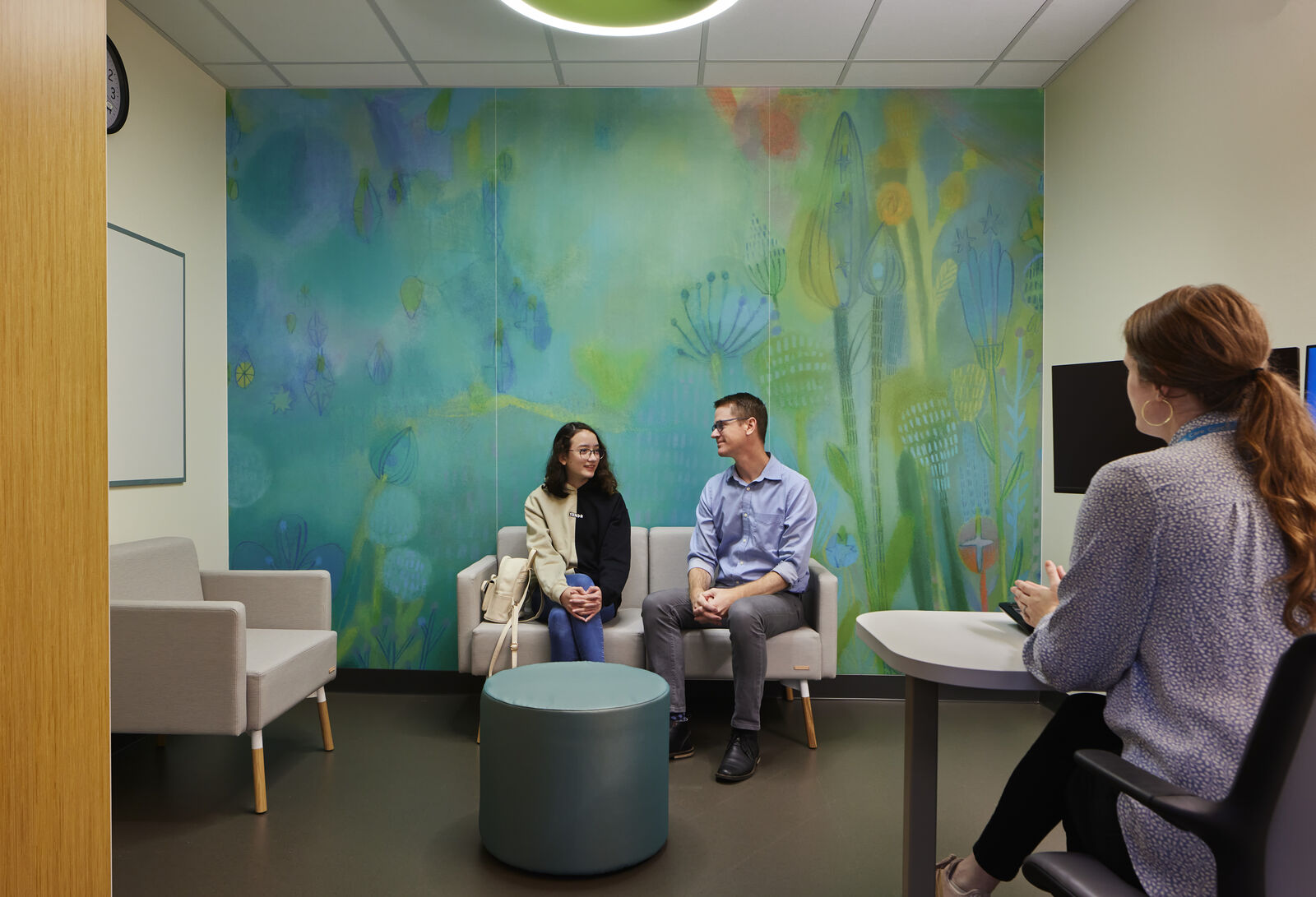
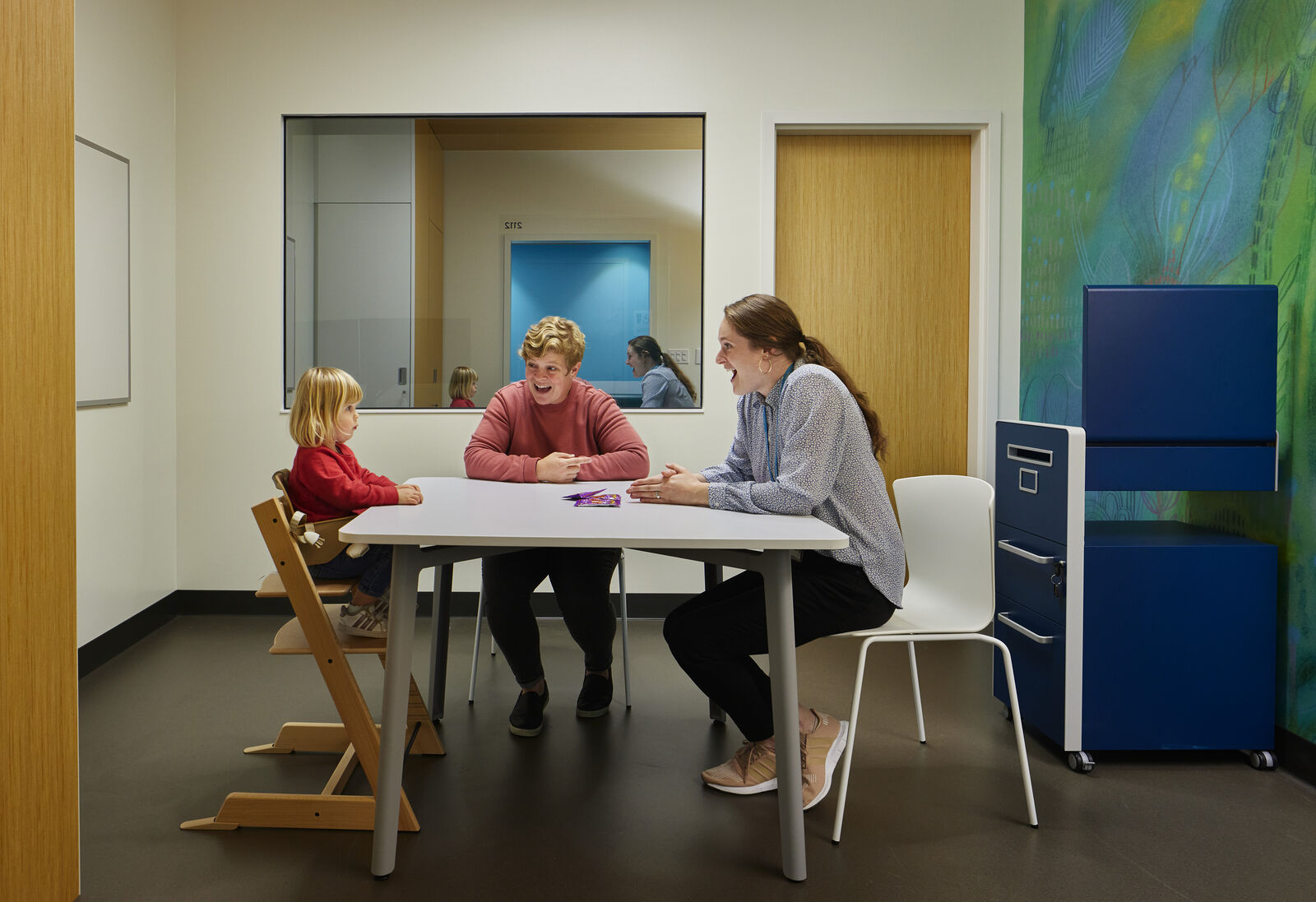
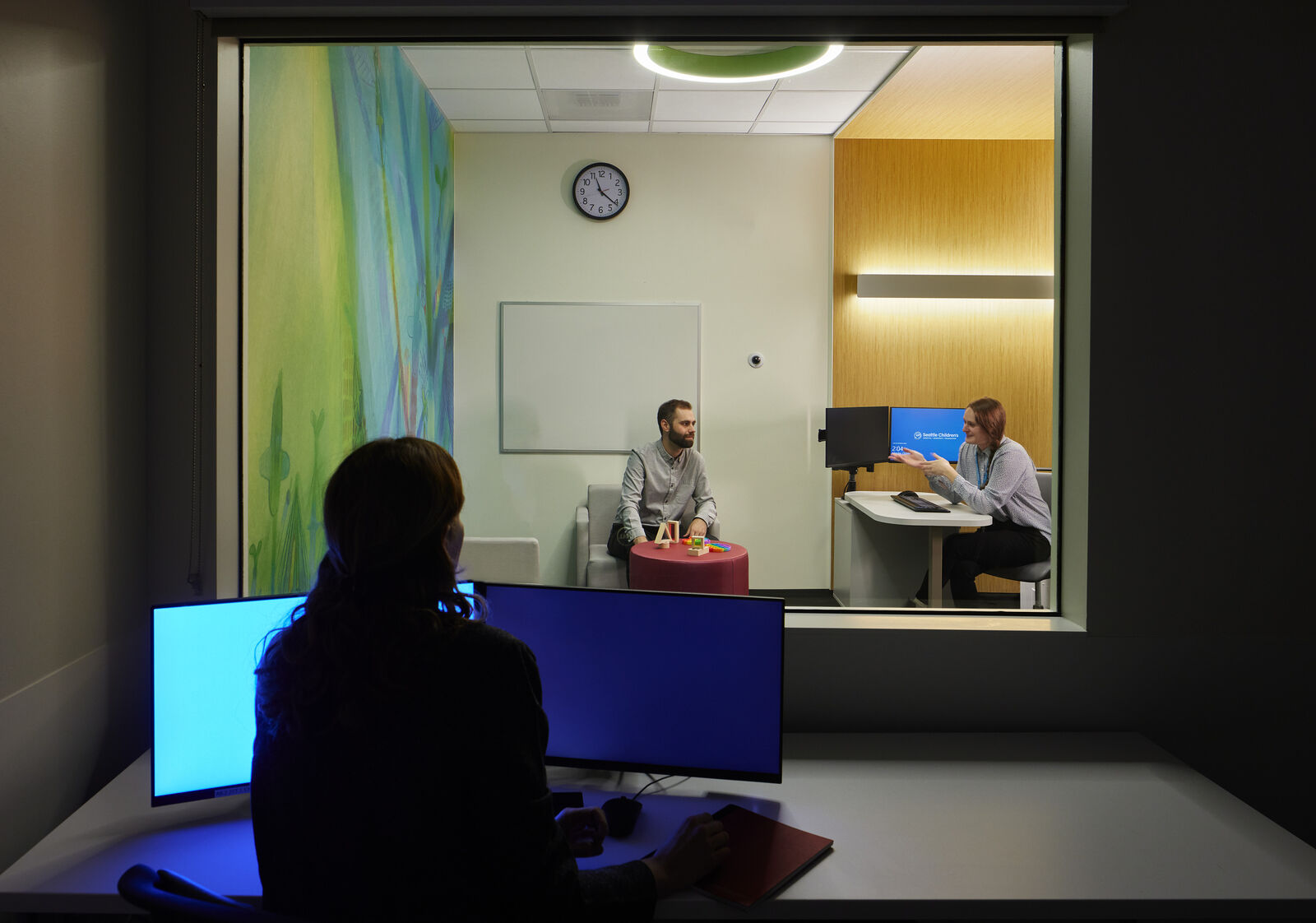
The new Autism & Behavioral Health Clinic brings two highly specialized programs under one roof for the first time, forming a “Center of Excellence” to transform the delivery of care for patients and families. To meet growing demand in the region, where wait times for autism diagnosis can take 18 to 24 months, the project’s goals were to increase access by 20% (as measured by unique patients) and achieve 25% growth in volume of visits.

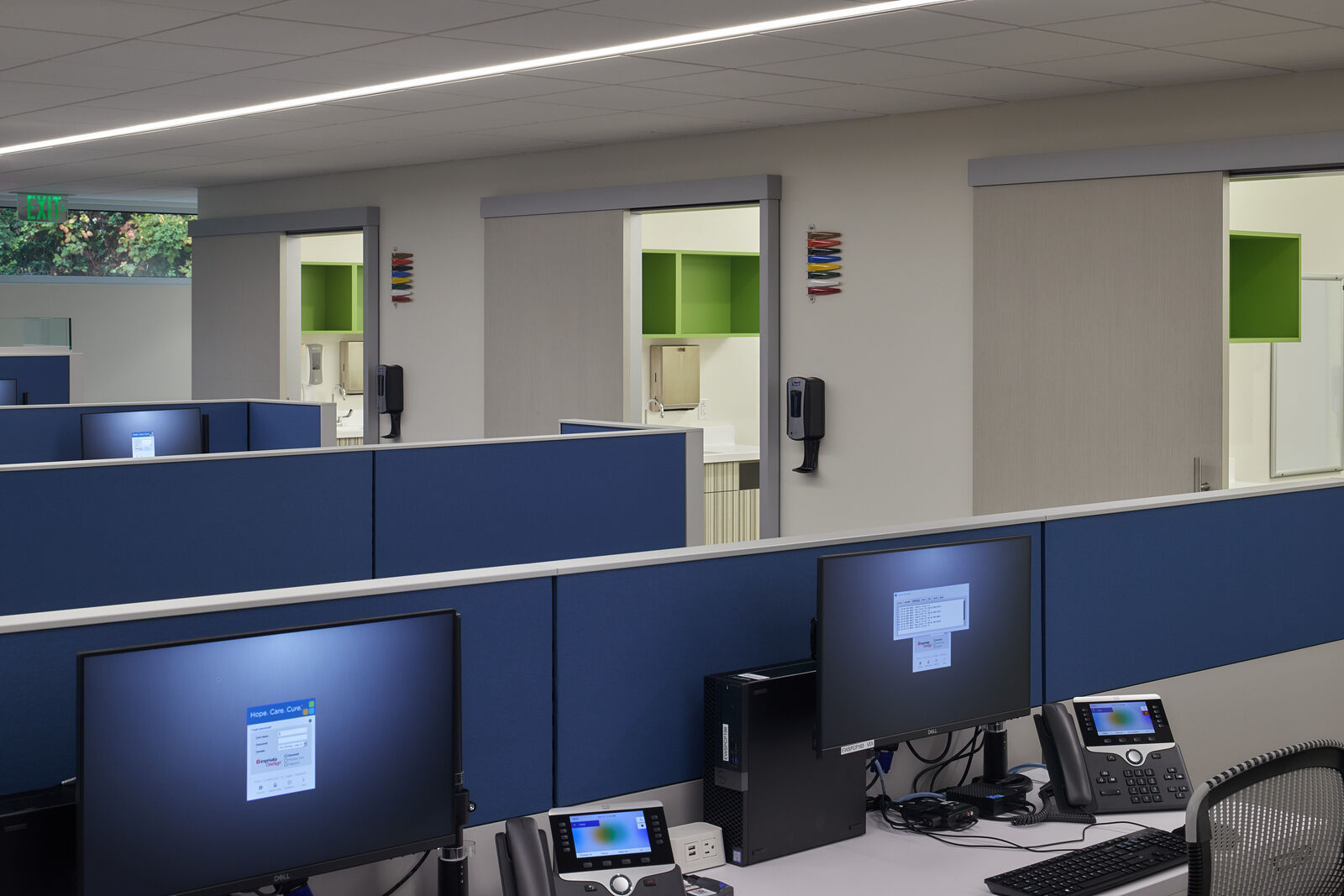
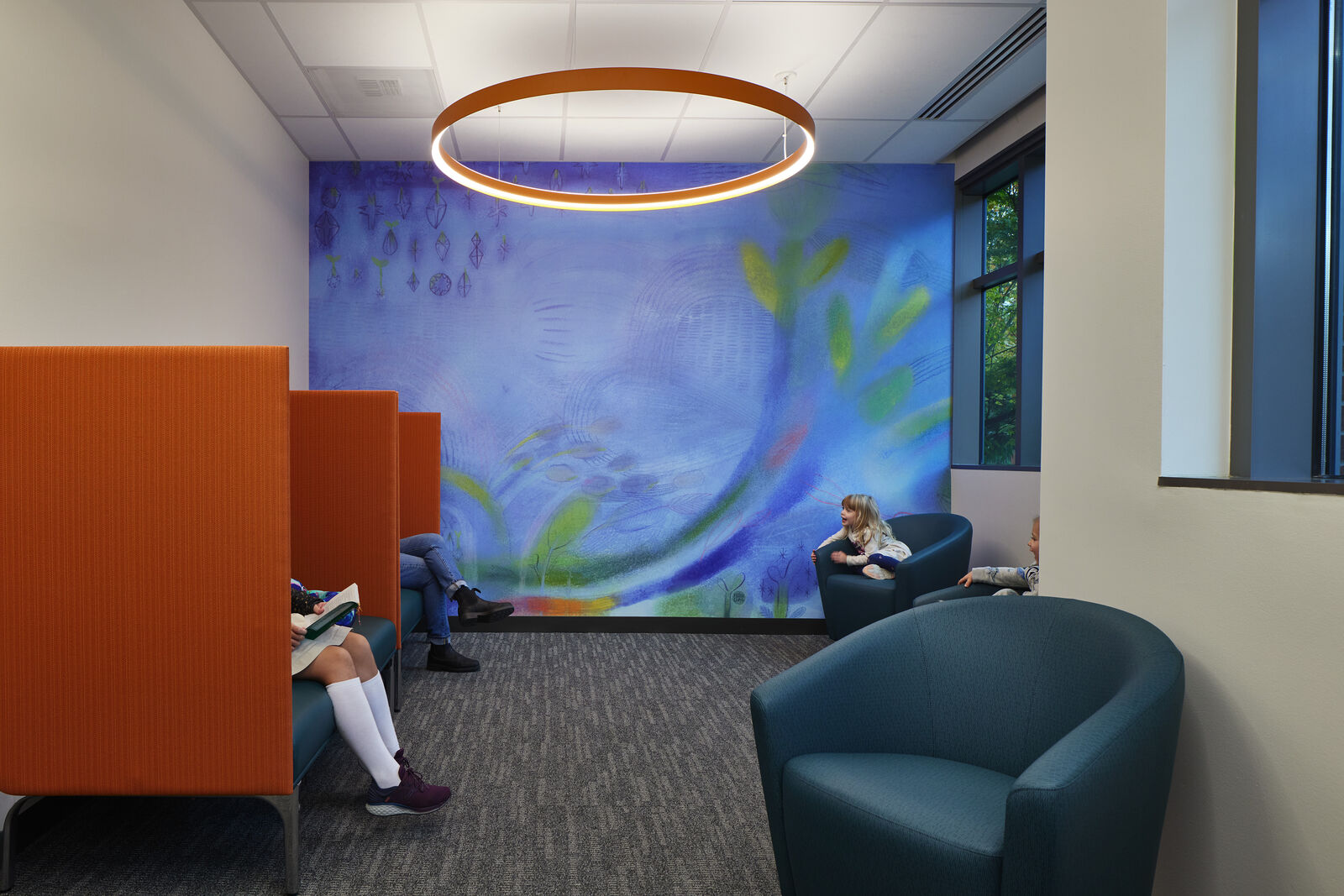
ZGF was tasked with transforming one level of an existing administrative building into an outpatient facility designed to meet the unique needs of patients who often experience social stigmas related to autism and behavioral health challenges. Family voices were highly influential in the design process, resulting in a welcoming and supportive care environment that fosters a sense of belonging, normalcy, and safety. For providers and staff, the project was part of a larger shift to the Activity Based Workplace model outlined in Seattle Children’s Administrative Master Plan (AMP).

Seattle Children’s Targets Neurodiverse Patient Needs in New Clinic Design

“Through its tailored environments and intentional design features, the clinic offers a space where patients and families of children on the autism spectrum can feel that they belong.”

Healthcare Design Magazine

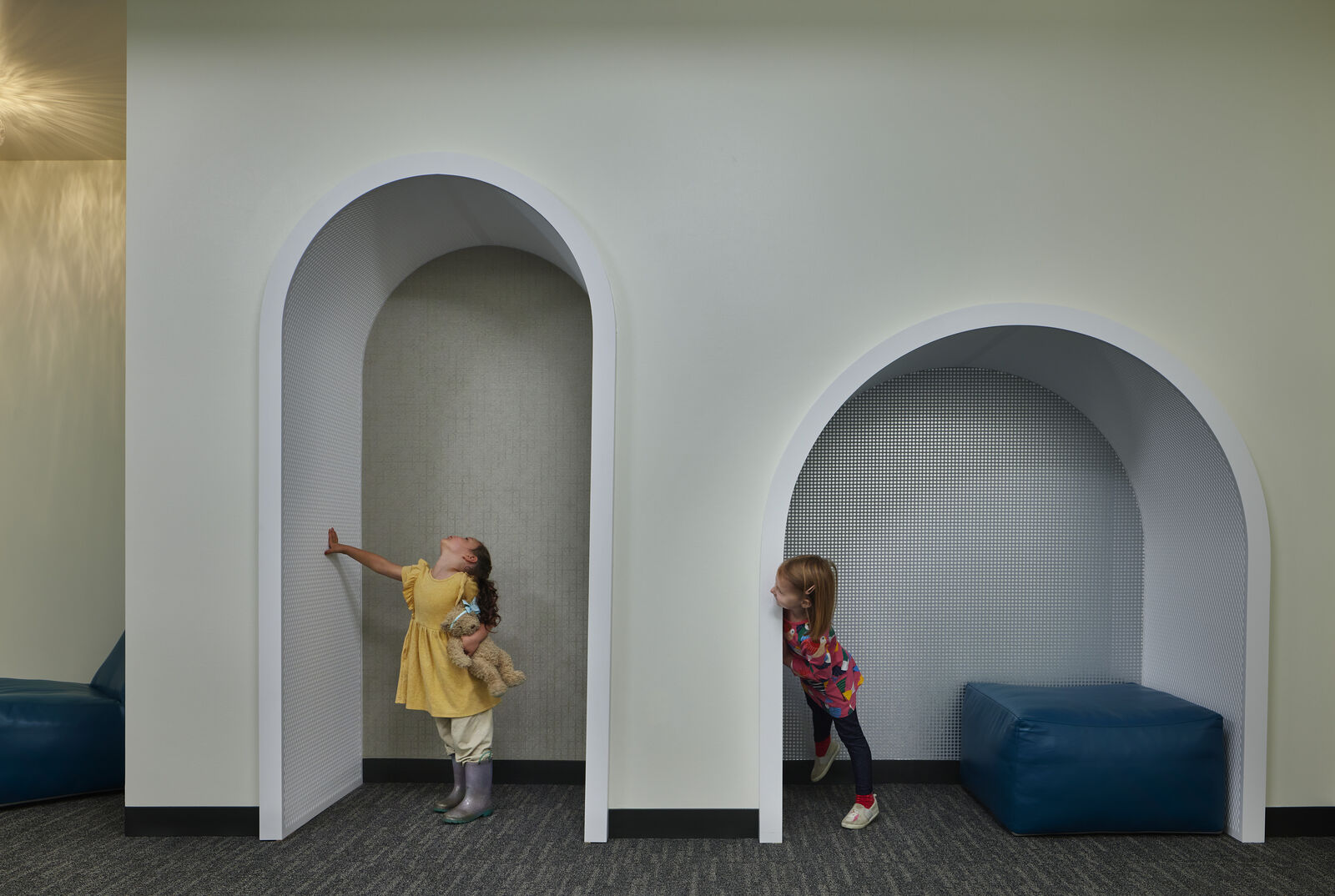
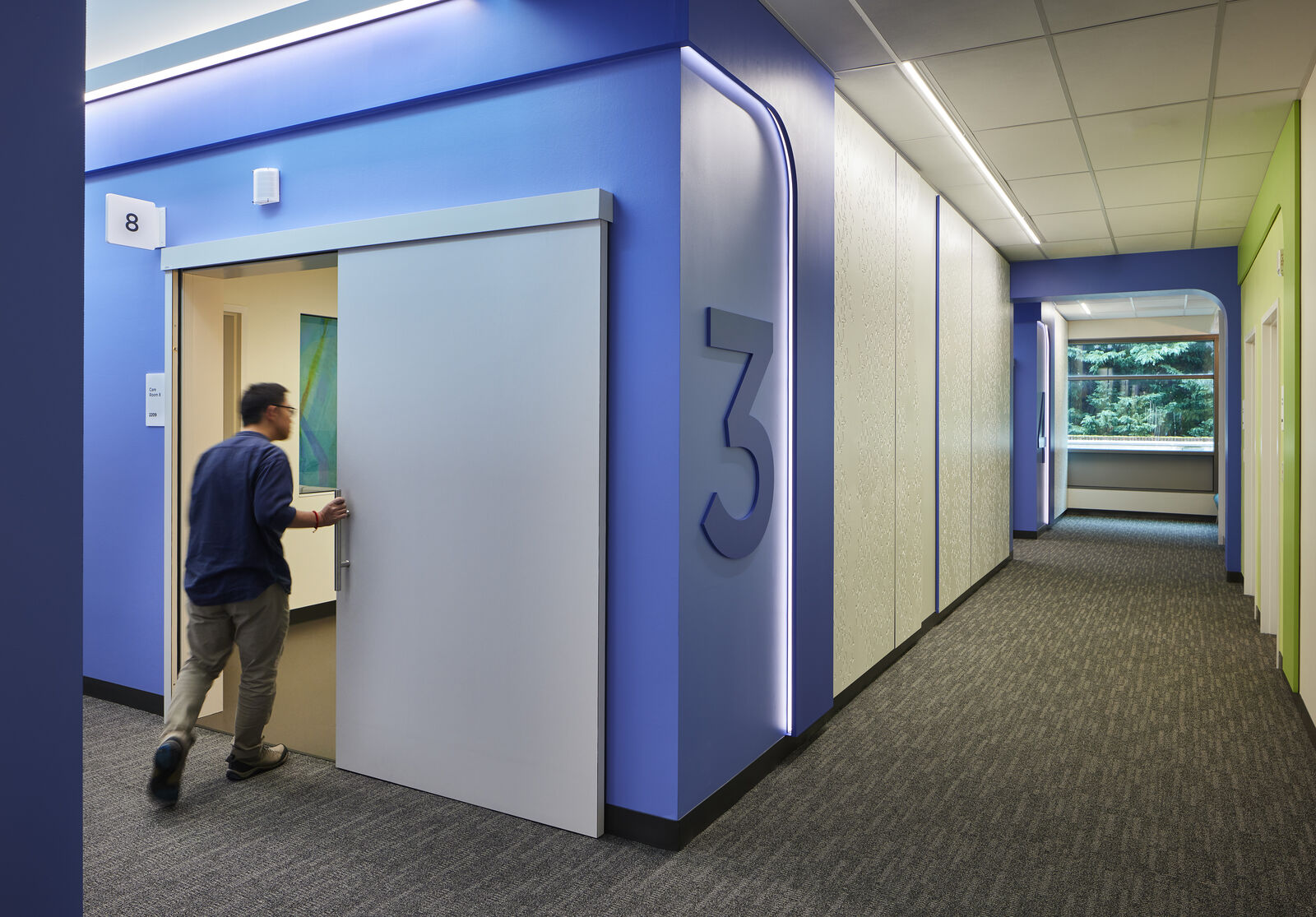
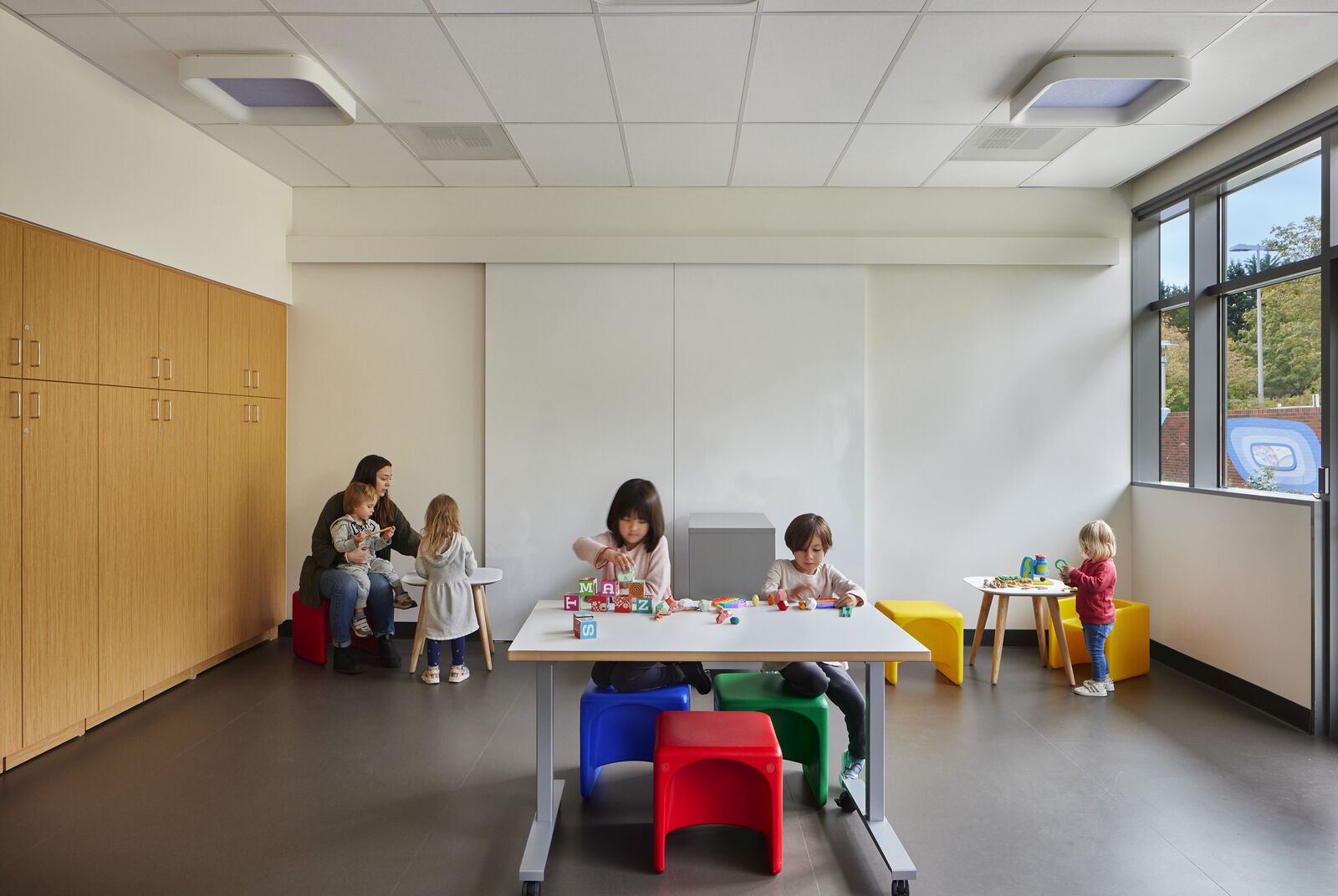
The clinic features a standardized care team neighborhood consisting of eight pods with four treatment rooms each, along with a variety of flexible group treatment spaces. One main corridor runs the entire length of the clinic with clear sightlines from end to end for safety and visibility. Pause areas and tactile elements provide moments of sensory grounding, while simple, intuitive wayfinding helps patients see where they’re going next and transition into treatment spaces.

The staff hub on the other side of the clinic features a variety of activity-based workspaces for providers, administrators, research, and training, including clinical support space, open office workstations, conference rooms, focus rooms that accommodate telemedicine, and a new break area.

Building the Future

The planning and design of Seattle Children’s facilities has been thoughtfully orchestrated over the last two decades with a dual purpose: to increase the quality of time and attention patients receive at every touchpoint of care, and to reduce stress for care teams and families. As a result, the hospital operates not as a cluster of buildings added over time but as a holistic ecosystem. Collectively these facilities transform the healthcare experience in a profound way that both manifests in the design and transcends it.

Sustainability at Seattle Children’s

Building on two decades of working together, ZGF and Seattle Children’s have long been leaders creating in healthy environments for children and families. A lot has changed in that time, but one thing remains true: kids are one of the most vulnerable populations impacted by the complex social and environmental challenges we face as a society. This puts Seattle Children’s at the nexus of demand—to urgently address climate change—and opportunity—to innovate and lead in environmental stewardship. For ZGF, each project is an opportunity to push the hospital on its path to sustainability.

Designing for Sustainability at Seattle Children's

Read story

Forest B Sustainability Diagram

High Performance Glazing

Optimizes thermal comfort and daylighting

Heat Recovery Chiller

Satisfies 90% annual heating and 50% annual cooling

MEP Systems

Provide highest level of safety and resiliency, so if one floor fails, the next floor up or down can support it

EV Charging

Native Landscaping

Drought tolerant, cost-effective, easy to maintain, Salmon Safe certified

Structural Resiliency

Engineered to exceed the most stringent codes in case of a seismic event

Fan Power Reduction

Air systems sized for reduced fan energy use

HEPA Recirculation Units

Save energy while maintaining required filtered room air changes

Low Flow Fixtures

Save 51% water compared to LEED baseline

SPD Wastewater Energy Recovery

Waste heat captured from Sterile Processing equipment

Healthy Interiors

Low emitting, LEED compliant, PVC free materials wherever possible

Three-Level Daylit Atrium

Creates an open and welcoming arrival experience


Clinic & Admin Setbacks

Reduce AC requirements during unoccupied hours

The LEED Gold building employs an all-in approach to energy reduction, resulting in a target Energy Use Intensity (EUI) of 117 kBtu/sf/year. For comparison, the Seattle average for a new hospital is 150-165 and a typical U.S. hospital is around 234 k

Lessons Learned

Over the course of ZGF’s partnership with Seattle Children’s, we’ve learned the keys to success include a strong vision, great design solutions that solve real problems, an openness to innovate and try new things, and a culture of continuous process improvement. Many of our shared successes can be attributed to these qualities in Seattle Children’s leadership, ZGF’s design expertise, and our project collaborators along the way.

Futureproofing: There will always be specific problems we’re solving for, but in many ways, we’re designing for the unknown. When developing the master plan, consider what each approach or project is enabling or precluding—five, 10, 20 years from now. If we can’t do it all now, what provisions do we need to make so the hospital can implement changes in the future? For example, we have converted pediatric beds into NICU beds to address capacity needs, and our universal patient room design enabled a more rapid conversion, saving Seattle Children’s time and money. For projects that allow it, shelling floors from the beginning might be more cost-effective than later renovating fully built-out floors that no longer meet the hospital’s needs. Also consider how cost will change. Investing now in the necessary infrastructure will enable future expansion even as construction costs rise.

The middle is messy: With a solid master plan in place, it’s time to execute. Yet the hospital’s needs, budget, and market conditions will inevitably change. This may result in necessary but sometimes painful interim steps, even if temporary—like shutting down a unit until the next phase comes online—to achieve the long-term vision. For example, locating the new Cancer & Blood Disorders Clinic in Forest B was not in the original master plan, but it provided space on campus for this growing need until Seattle Children’s identifies a longer-term solution. The most important thing is to stay focused on the big picture and ensure every project positively impacts patients, families, and staff.

Growing together: Throughout this journey, ZGF has grown and learned alongside Seattle Children’s. We’ve infused fresh design thinking and innovative solutions with each new project that have helped the hospital realize its long-term vision. There is always more work to be done, but the reward is seeing the transformation of care—in big ways like expanding capacity to treat more critically ill children, and in small ways that make that experience better for one family at a time.

ZGF Design Partners

Victoria Nichols
Allyn Stellmacher
Todd Stine

Project Partners

Sellen

General Contractor

Coughlin Porter Lundeen

Civil Engineer

Mechanical/Plumbing Engineer; Sustainability Consultant
Stantec

Electrical Engineer

SiteWorkshop

Landscape Design

Studio SC

Environmental Graphics/Wayfinding