

A Flexible Framework for Academic Master Planning
Oregon State University, Engineering Next Playbook
Higher Education, Urbanism and Landscapes
Oregon State University’s College of Engineering (COE) is redefining what it means to plan for the future. In partnership with ZGF, the College developed the Engineering Next Playbook. Grounded in reinvestment and the role physical space plays in driving academic excellence, the strategic master plan aims to support cutting edge research and elevate the campus experience while honoring the legacy of one of the Pacific Northwest’s most historic engineering districts.
Faced with aging facilities and a ten-year gap before its next new building, the College asked ZGF to identify low-cost, high-impact interventions that could be implemented in the near term. The core challenge: how to prioritize a long list of needs and opportunities within a limited budget. ZGF was asked to help the College determine where to focus first and create a guide for decision-making moving forward.
The result is a flexible playbook, not a fixed blueprint. Designed as a living framework, it supports phased implementation and responsive decision-making. It identifies ten priority projects that are both scalable and financially viable and organizes more than 200 ideas by impact and feasibility. This built-in adaptability enables continued progress amid economic uncertainty and evolving institutional priorities.
Location
Corvallis, Oregon
Project Component
Master Planning
Environmental Graphic Design
"Engineering Next presents a lighter, strategic, more nimble approach to master planning that's cost-effective and designed to evolve."
David Levo, Principal, ZGF
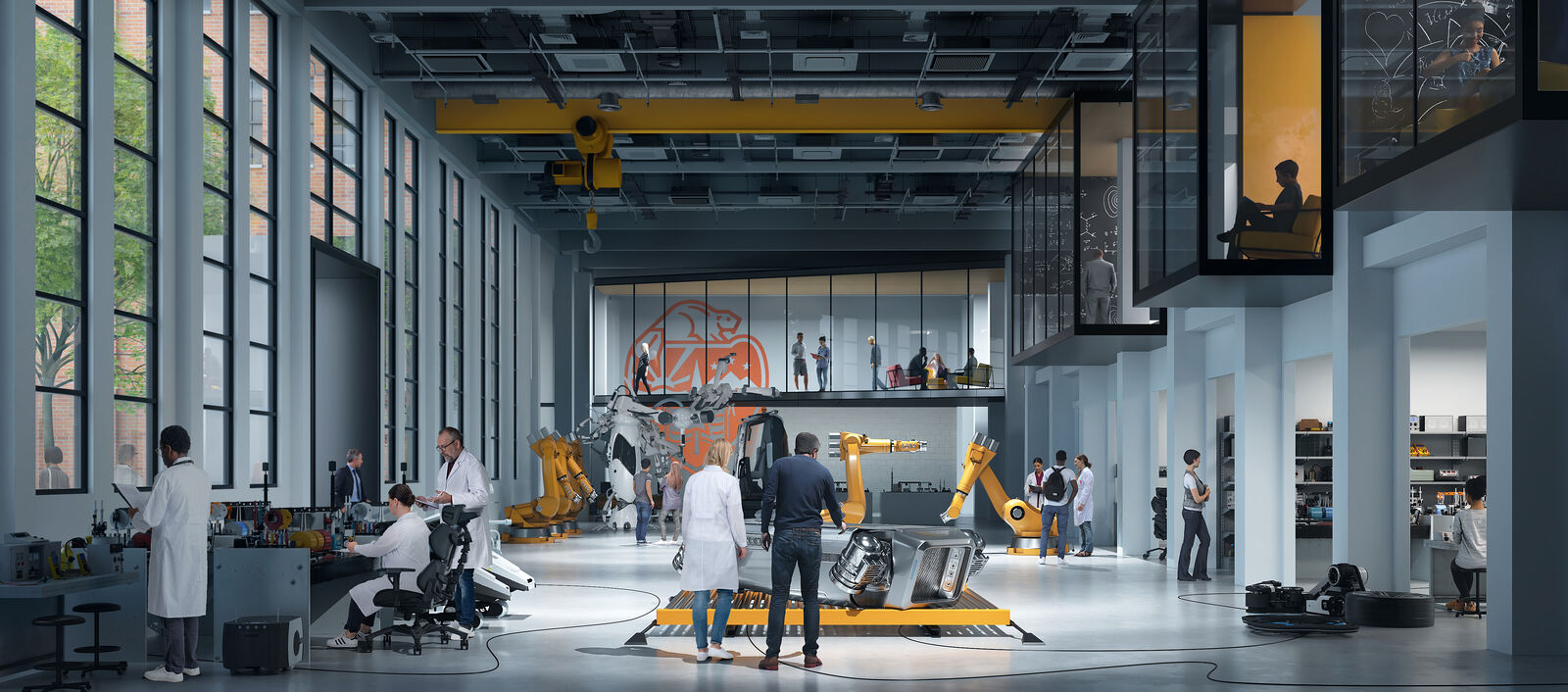
The high-bay space in Dearborn Hall has been reimagined as a "Makers Hall" for student projects.
A Campus that Reflects its Research Mission
The vision for Engineering Next goes beyond physical upgrades. It aligns the campus experience with the College’s identity as an R1 research institution—one of only three in the U.S. with land, sea, sun, and space grant designations.
At the heart of the plan is the Engineering Triangle, a collection of facilities representing 77% of the College’s physical footprint. This district includes academic and research buildings—some more than a century old—that have supported generations of engineers. Today, these buildings remain indispensable, but most are inefficient and inflexible. Instead of replacing these structures, Engineering Next aims to optimize what exists, elevate where possible, and align upgrades with the evolving needs of a rapidly growing institution. The plan outlines how OSU can deliver 25% more high-quality research space in the Engineering Triangle alone—without significant expansion of the campus footprint. Another 25% gain is targeted for the west side of campus.
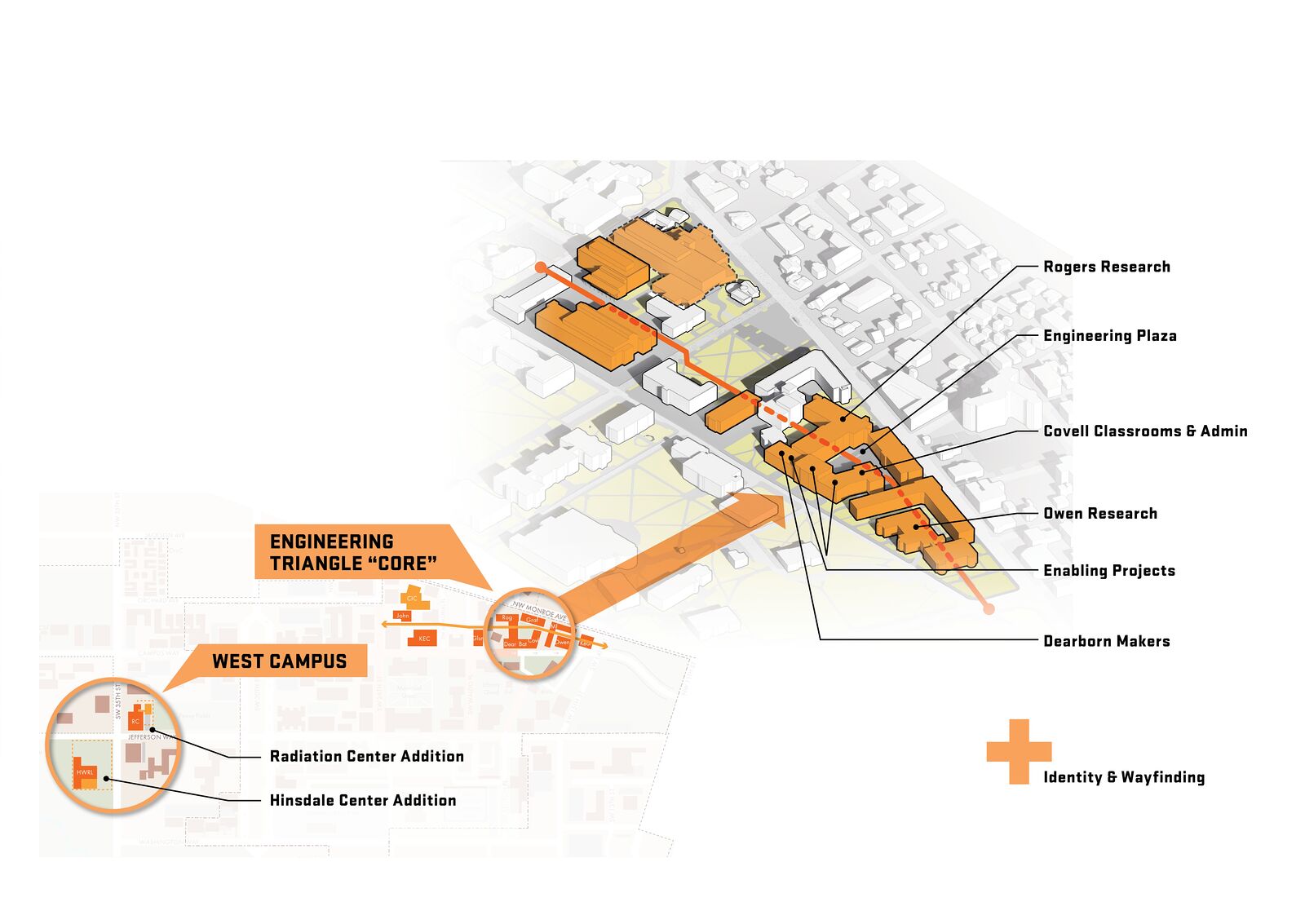
Engineering Next’s priority projects span across the Engineering Triangle, with additional projects on the west side of campus. Together, these interventions maximize resources and position the College of Engineering for its next century of excellence and innovation.
Strategic Interventions, Measurable Impact
The plan’s interventions span from the highly visible to the quietly transformative. This includes:
-
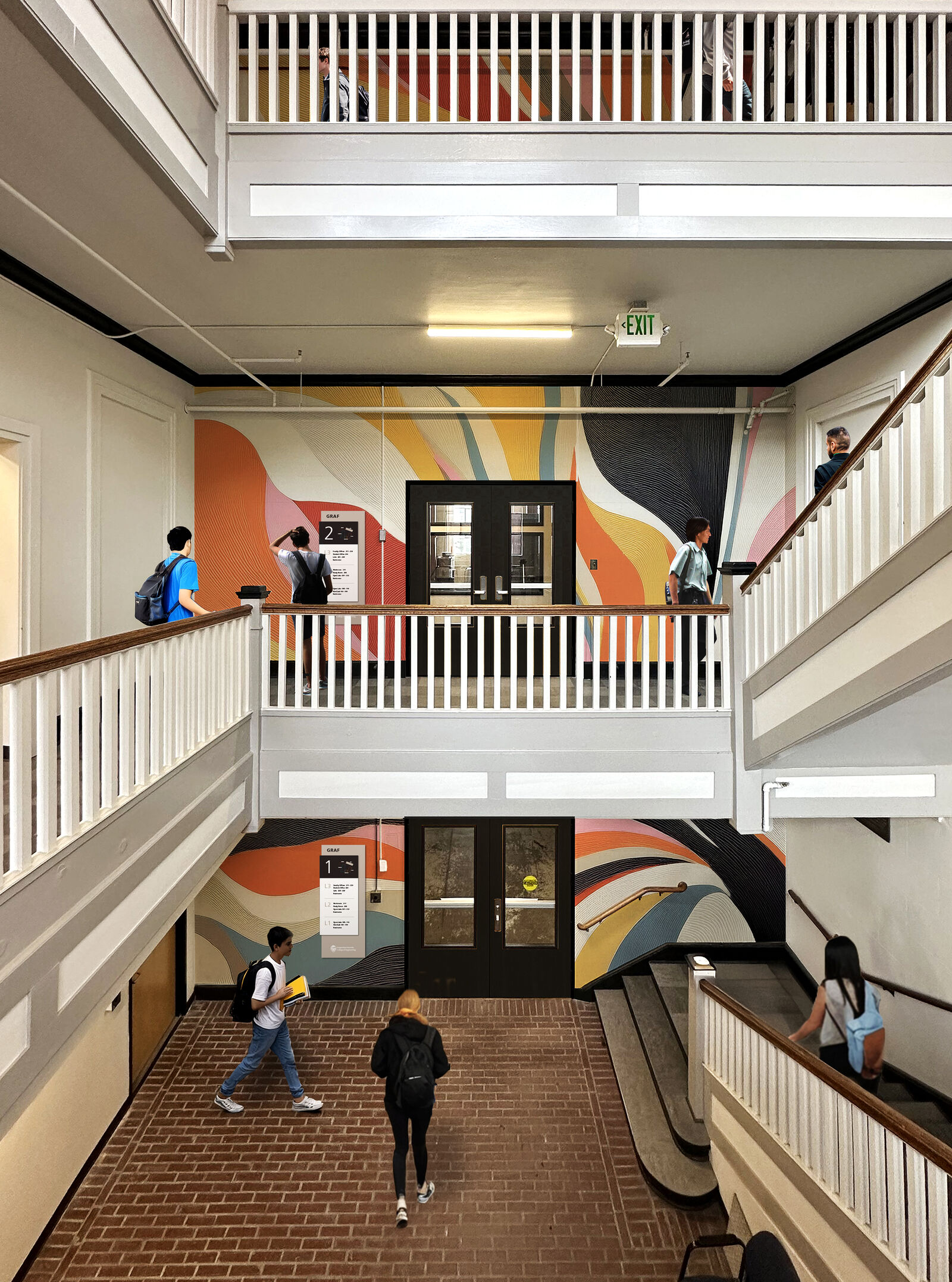
Identity & Wayfinding: College-wide investments to promote College identity, increase a sense of diversity and inclusion through graphic storytelling, re-enforce the “Engineering Walk”, and improve wayfinding inside and out.
-
Early Enabling Projects: Early enabling projects include aligning grad workspace with post-pandemic workflows, permanent surge space in Kelley, and co-locating Nuclear Science Engineering’s offices in Merryfield.
-
Rogers Research: Expands research capacity and decarbonizes building through phased renovation in a relatively modern and flexible building.
-
Owen Research: Enables Rogers Research and expands research capacity in a relatively modern building.
-
Later Enabling Projects: Later enabling projects include relocating, replacing, and refreshing existing general-purpose classrooms in the core of the Engineering Triangle.
-
New COE Admin Suite: Co-locates COE leadership and provides welcoming experience that supports top-tier recruitment and partnerships.
-
Dearborn Makers: Revives historic high-bay space into dynamic “Makers Hall” for student projects, and decarbonizes building.
-
Engineering Plaza: Re-imagines the existing parking lot as a social space by extending Dearborn Makers Hall out into “Makers Yard” and public open space.
-
Radiation Center Addition: Expands research capacity and improve improves site.
-
Hinsdale Center Addition: Co-locates and expands research capacity and improves public appearance.
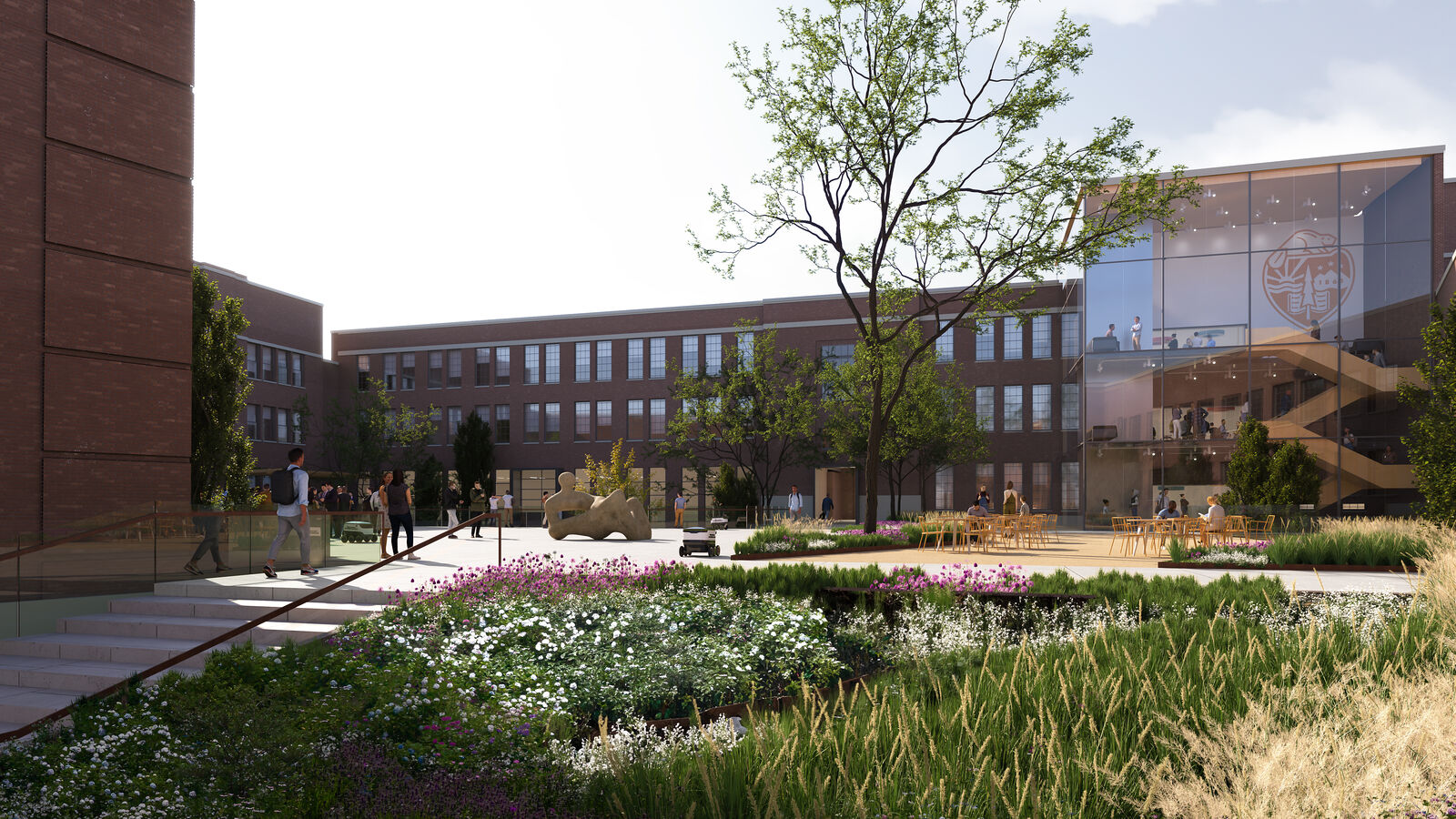
A parking lot at the heart of the Engineering Triangle is reimagined as Engineering Plaza—a placemaking element and central gathering space.
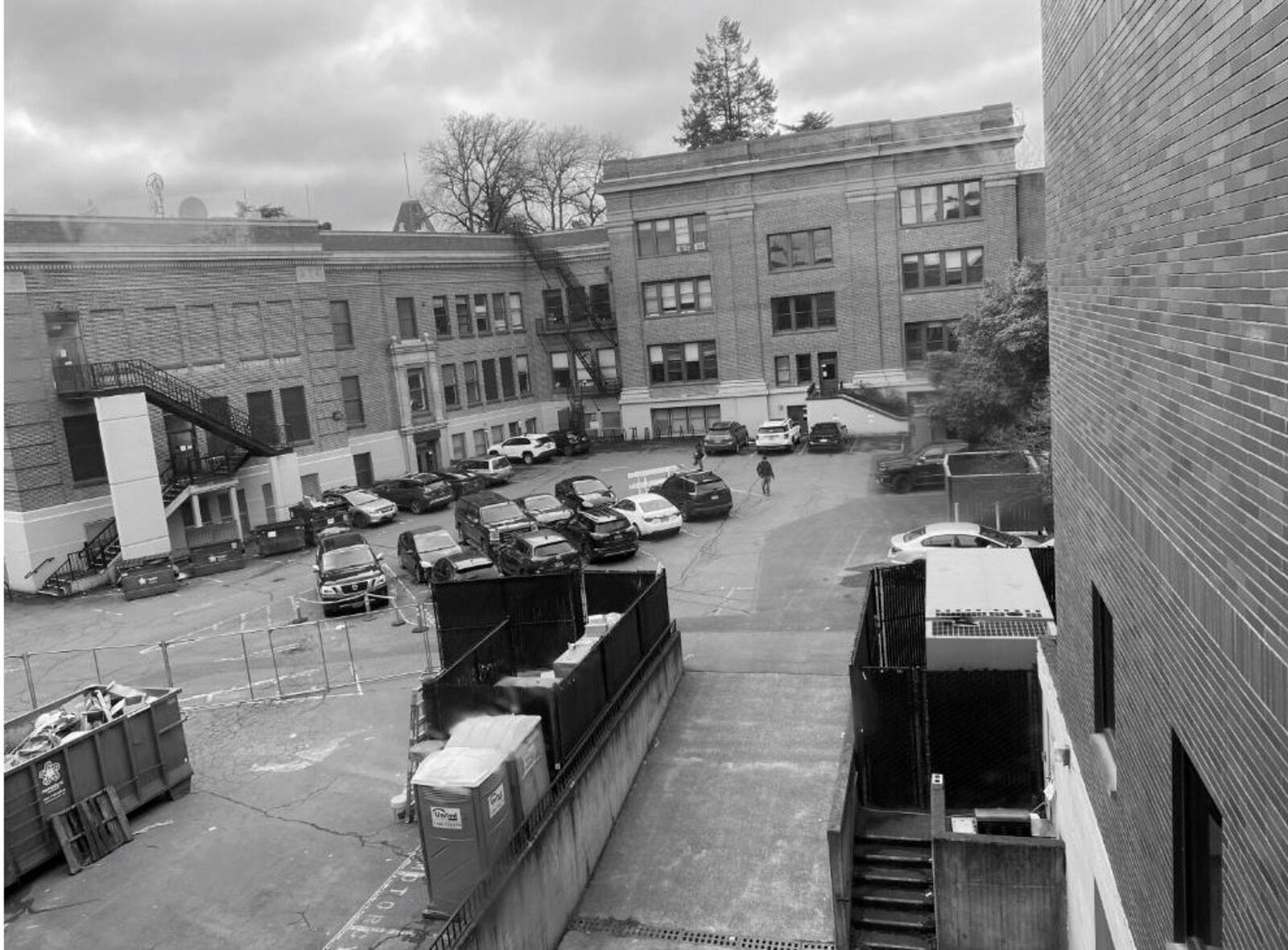
Existing parking lot in Engineering Plaza.
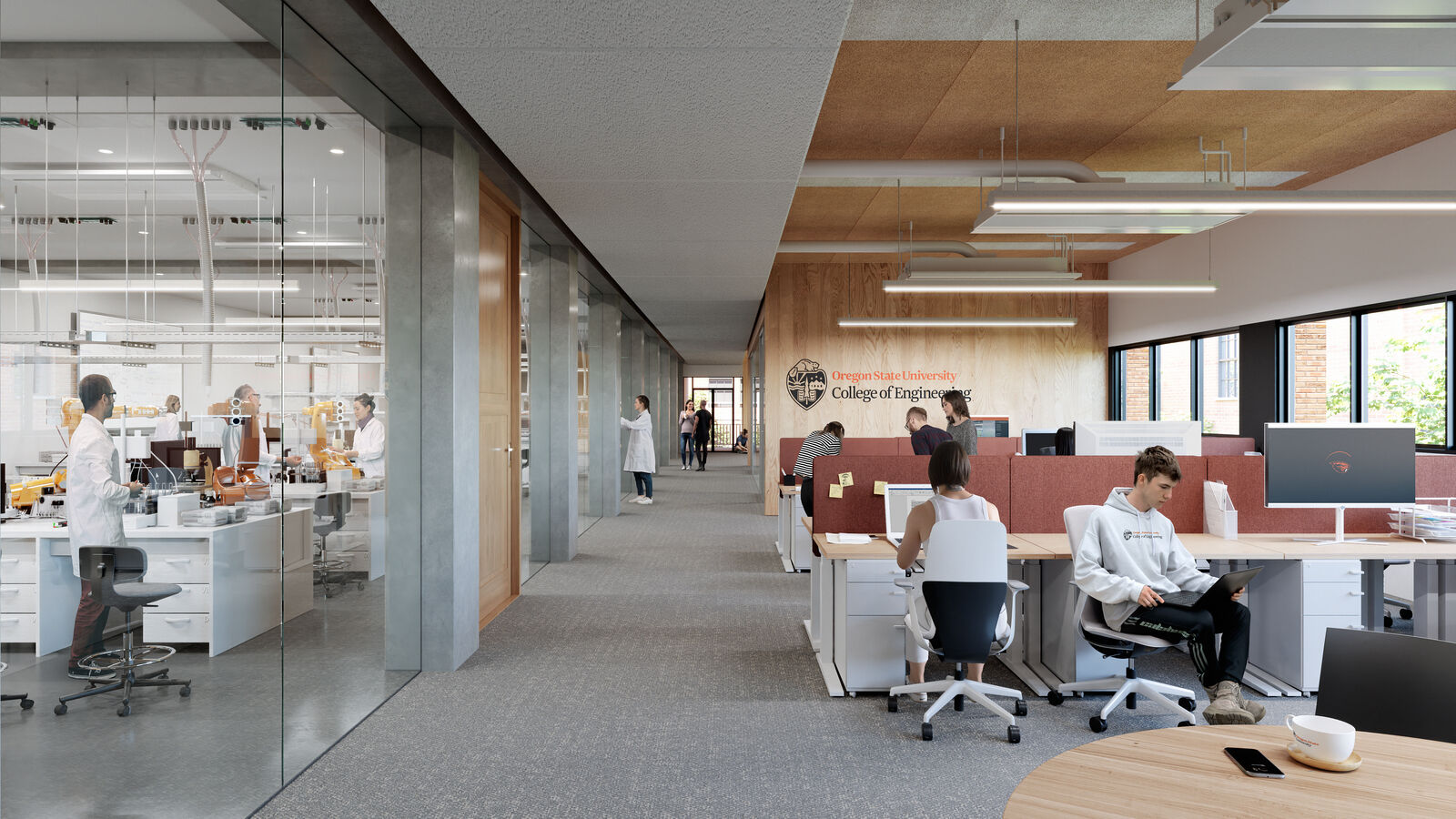
The research space envisioned for Rogers and Owen Hall features natural light and labs conveniently adjacent to write up spaces.
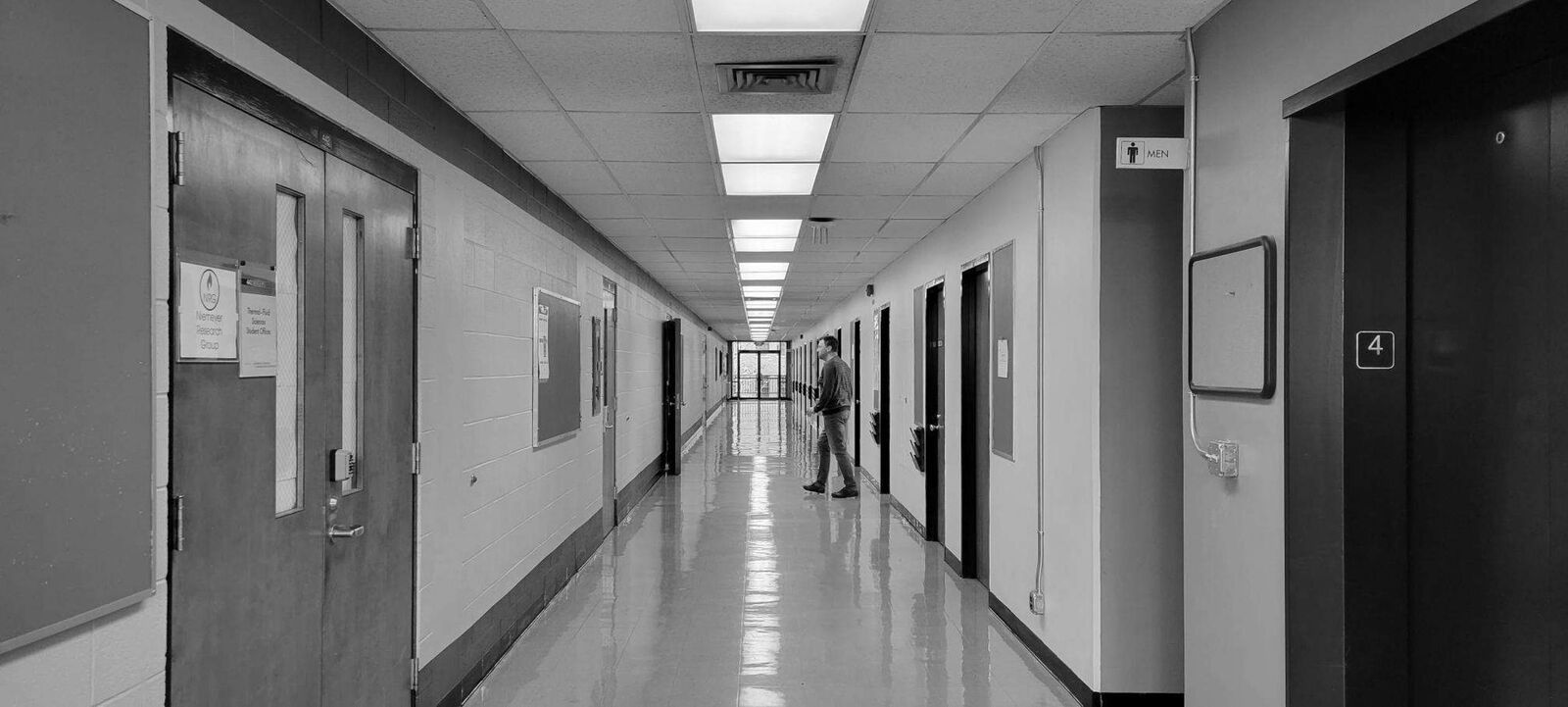
Existing corridor in Rogers Hall with limited visibility into the labs on the left and the offices on the right.
Beyond research, the plan improves education, study, and workplace environments. Campus-wide identity and wayfinding upgrades are designed as quick-start, ongoing initiatives. Some projects are coordinated with the University and include shifting general purpose classrooms and updating graduate workspace. Others, such as relocating the COE administrative suite, consolidates leadership into a space reflective of a top-tier research institution.
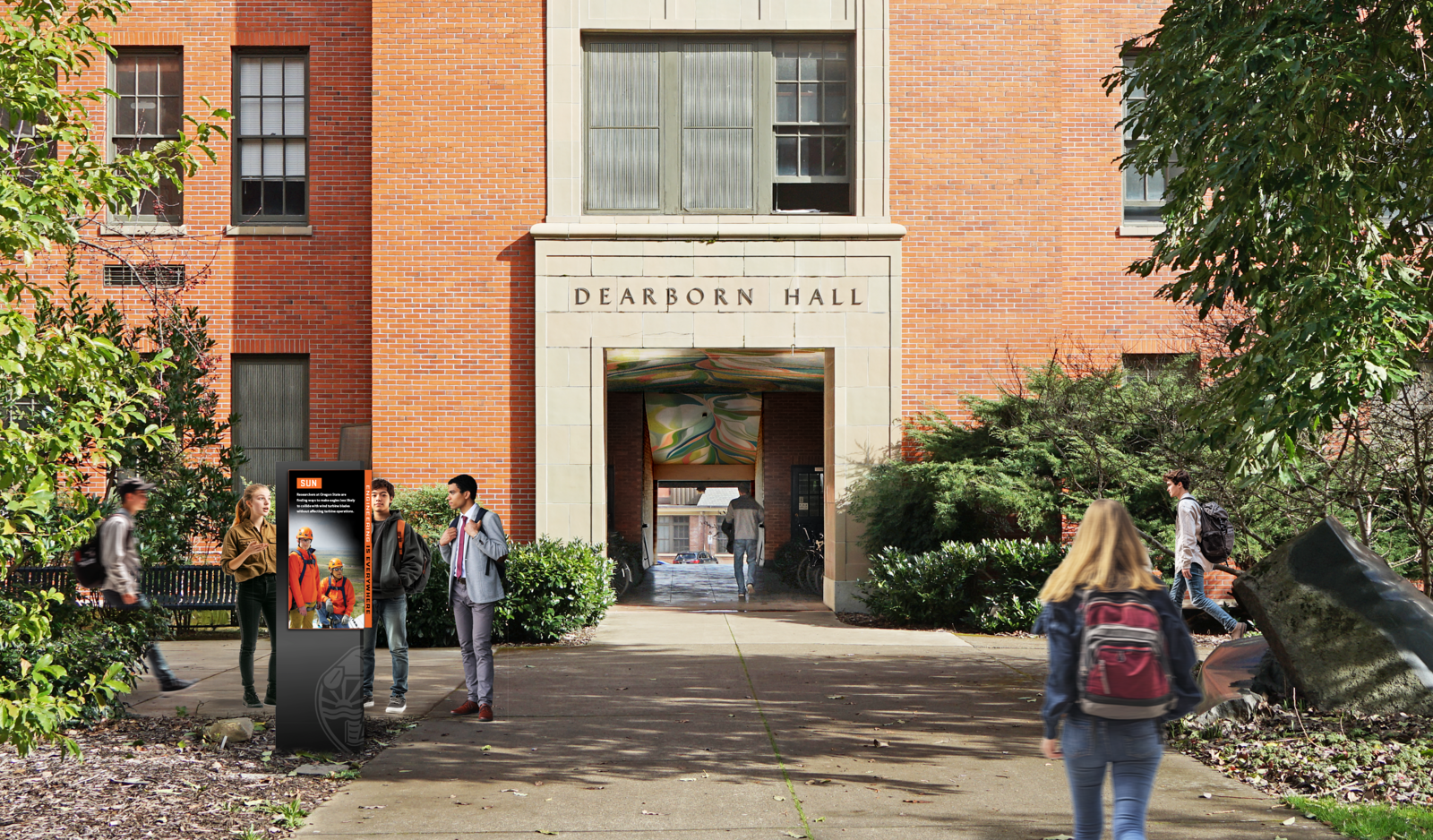
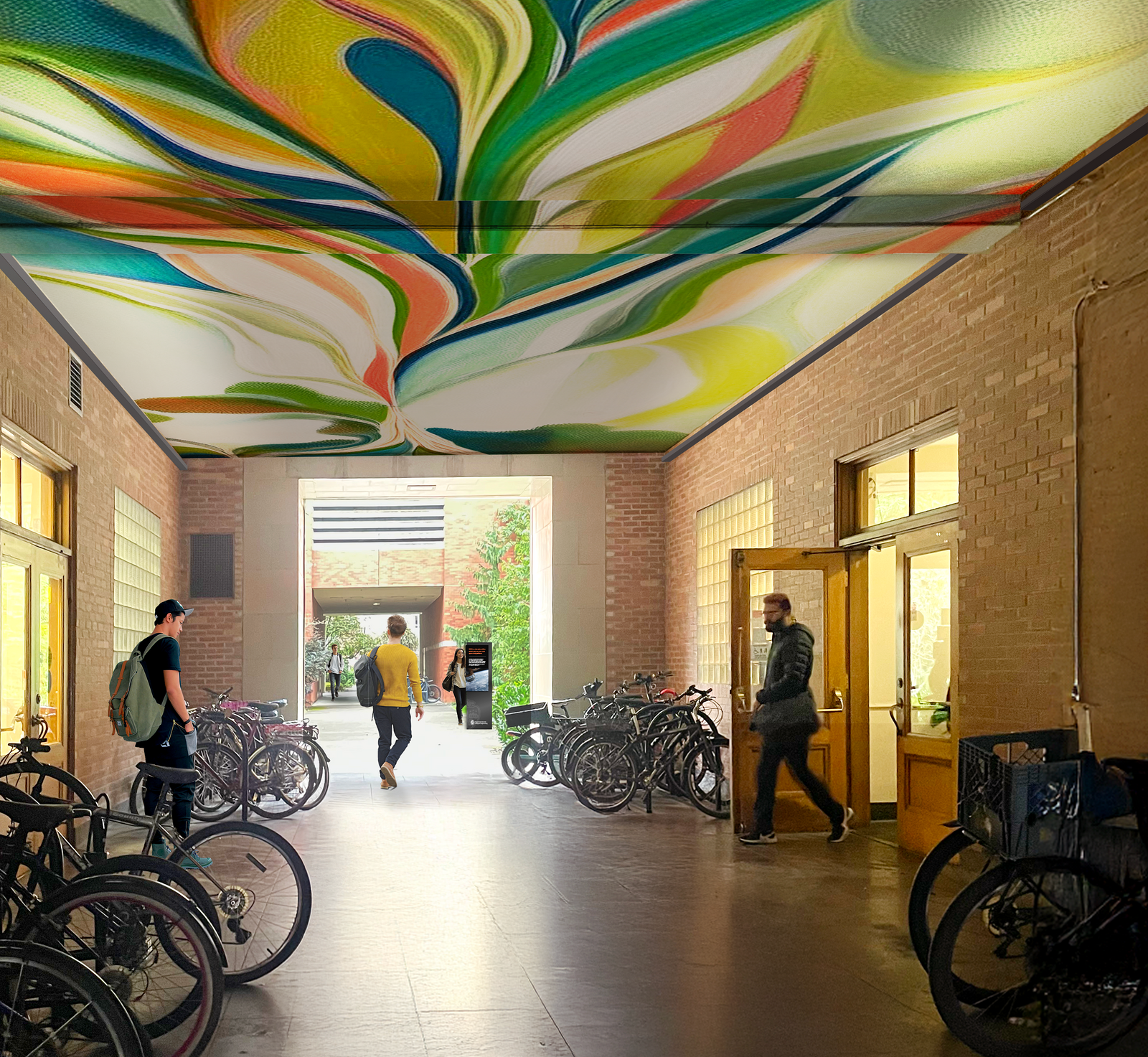
With goals to showcase research and heighten inclusion, the identity and wayfinding package creates a greater sense of clarity, connectivity, and campus culture.
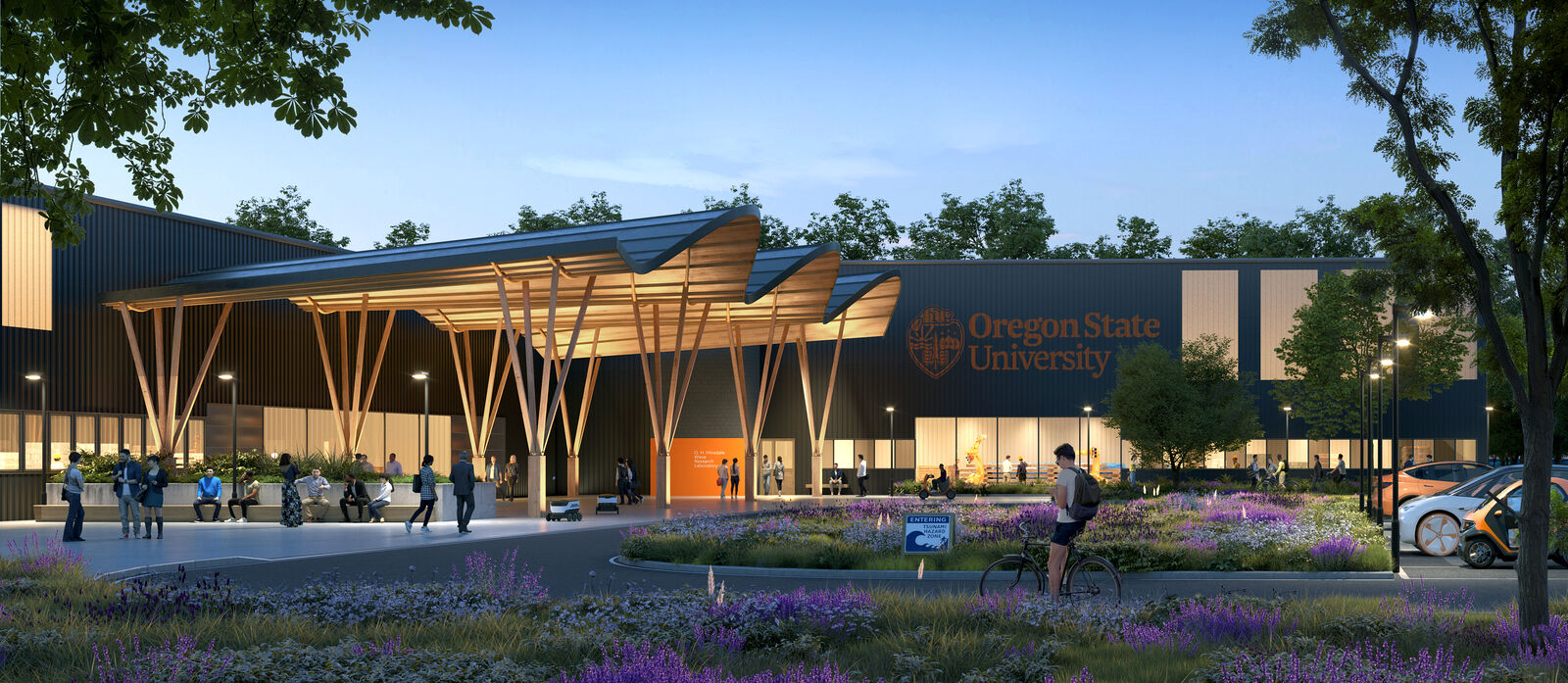
Upgrades to the Hinsdale Wave Research Lab enhance research capabilities and visitor experience while preserving its industrial character—preparing the facility for its 6,000 annual distinguished visitors.
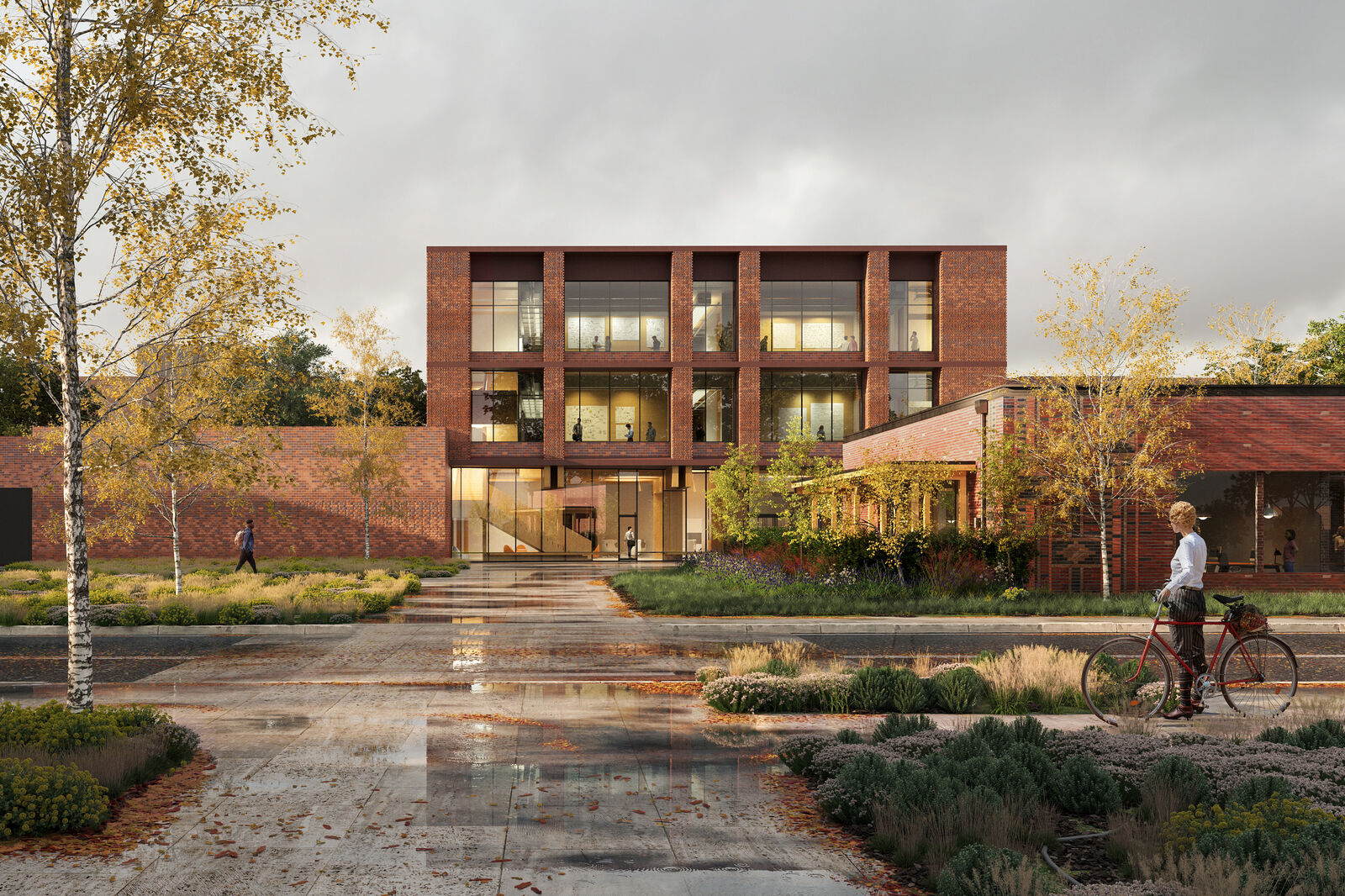
The rising Jen-Hsun Huang and Lori Mills Collaborative Innovation Complex will anchor the western edge of the Engineering Triangle. This is also the last new building COE will build in the foreseeable future.
The Proof is in the Process
From the outset, Engineering Next was built on inclusive, transparent engagement. Over five months, ZGF worked closely with university leadership, faculty, and facilities staff to create a playbook grounded in user needs and aspirations. More than 1,500 contributors participated in the process, including 75% of the College’s faculty—an exceptionally high level of involvement that shaped the plan’s priorities and established lasting buy-in.
Interactive visioning workshops, targeted listening sessions, and campus-wide surveys surfaced both obstacles and opportunities: siloed departments, outdated systems, inaccessible buildings, and underutilized spaces—but also cross-disciplinary potential and a strong appetite for change. These conversations didn’t just guide priorities; they shaped the identity of the plan.
With early wins underway and institutional support firmly in place, Engineering Next is proving to be more than just a planning document. It’s a long-term strategy built to evolve. By integrating campus systems planning, aligning with capital improvement cycles, and prioritizing donor-aligned initiatives, the playbook ensures physical transformation at OSU continues to be meaningful, intentional, and mission-driven. Together, the interventions in this framework maximize resources and position COE for its next century of excellence and innovation.
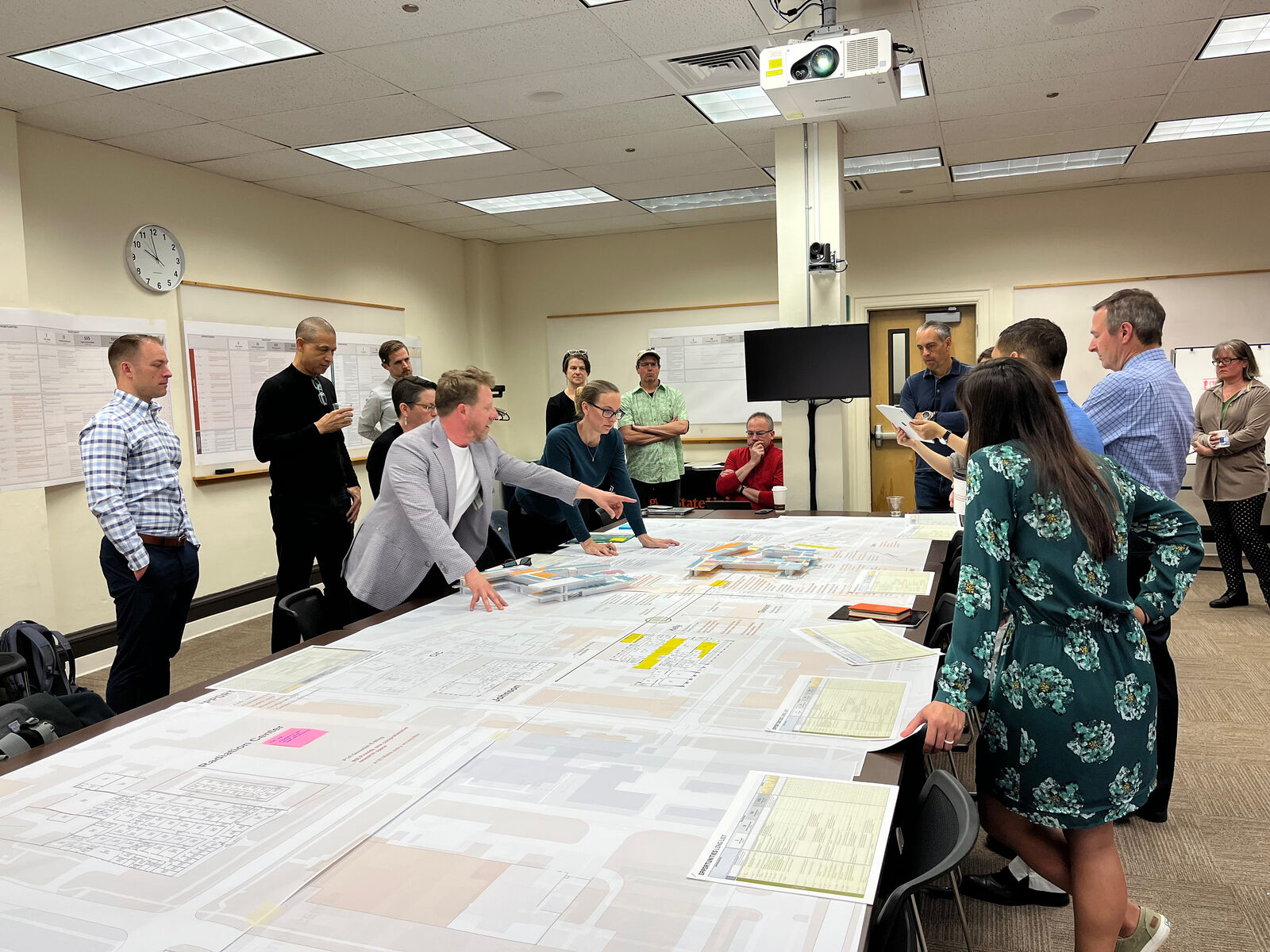
The master plan’s process was organized into three phases of work: discovery, concepts, and implementation. The second phase of work, concepts, included two different on-campus workshops, with the first generating over 200 ideas that were located on what was referred to as the “Big Map”.
“Everyone understands the timelines, and they’re excited. This plan isn’t just about today—it’s shaping the future of engineering at OSU.”
Scott A. Ashford, Ph.D., P.E., Kearney Dean of Engineering, College of Engineering, Oregon State University
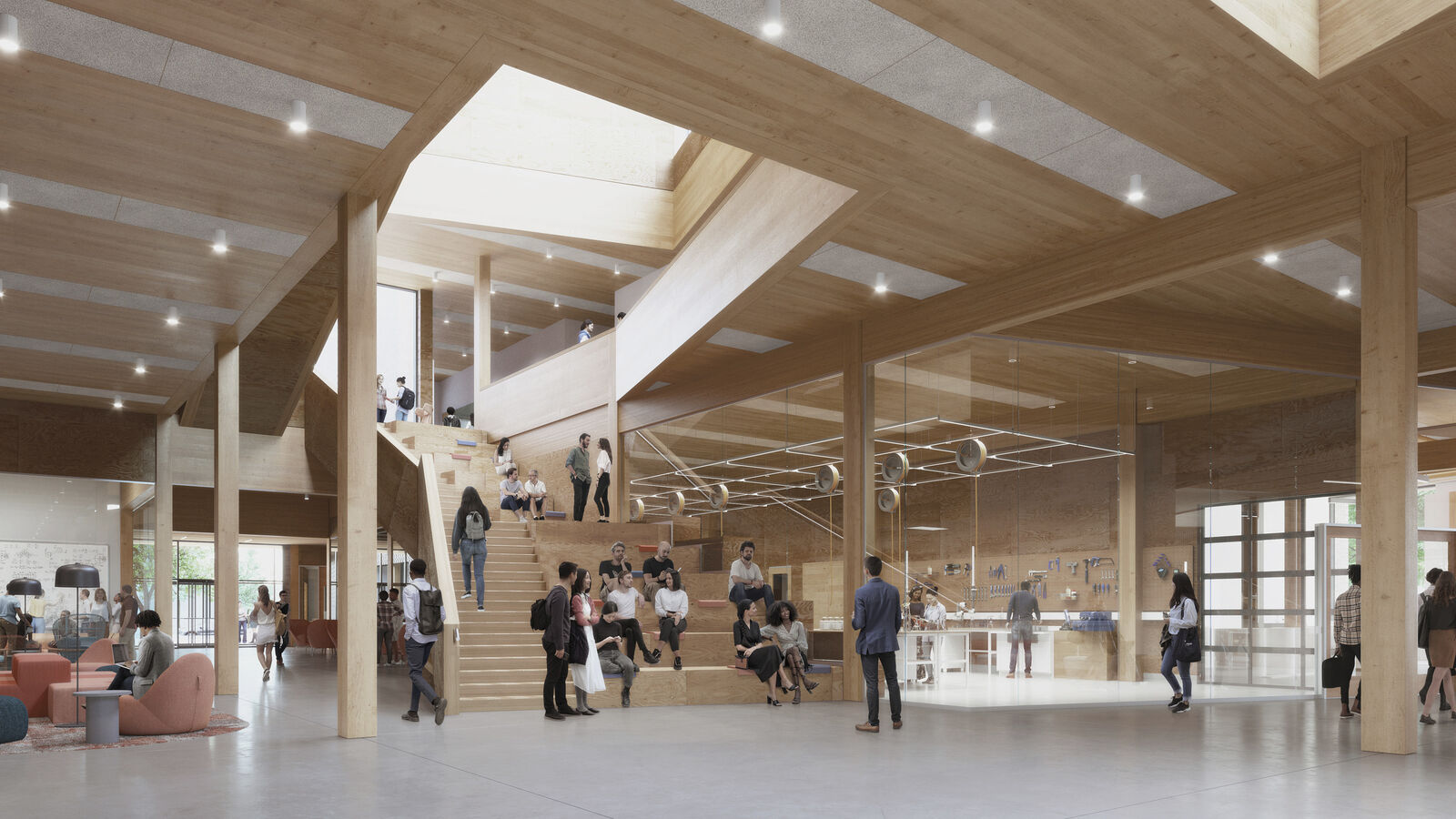
Oregon State University, Jen-Hsun Huang and Lori Mills Huang Collaborative Innovation Complex
