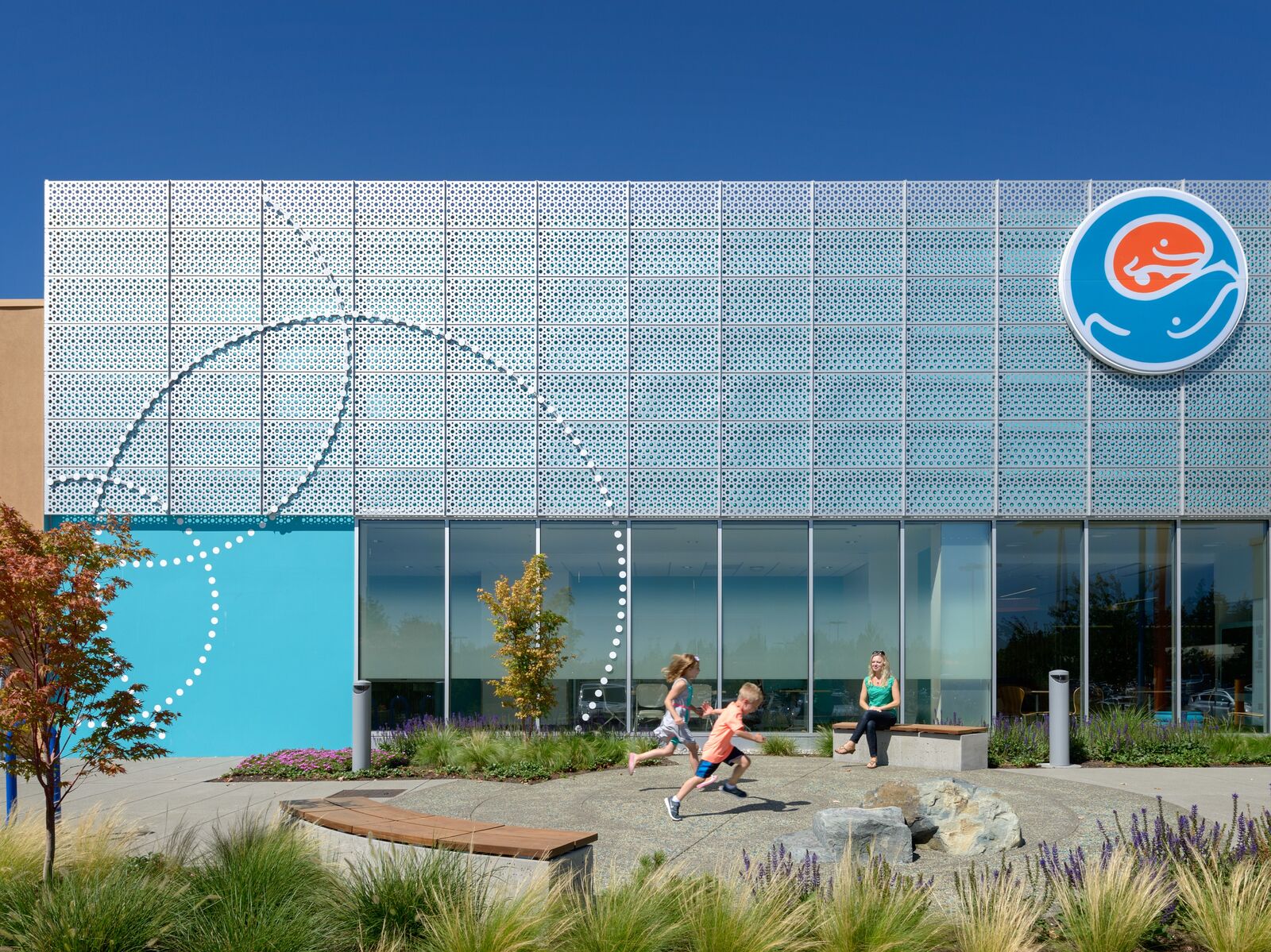
Healthcare Systems Sound the Alarm on Behavioral Health
At ZGF, we have learned a lot about how behavioral health impacts the entire care continuum, from outpatient clinics to inpatient facilities, from urban to rural communities, and everywhere in between. We have also witnessed how rapidly the behavioral health landscape has changed—even before the Covid pandemic—which only exacerbated mental health issues and the enormous hurdles healthcare systems must clear to provide effective care.
These observations capture a moment in time in this evolving landscape, but our ideas and solutions build on decades of experience designing more than 70 million square feet of healthcare facilities across North America, including nearly one million square feet of behavioral health facilities. The challenge ahead goes beyond finding suitable workarounds or attempting to predict how the current surge forces providers to use existing spaces in unintended ways. It means delivering intentional design solutions that have the power to help repair a broken system, inspire hope and healing, and improve health outcomes for all.
Divert Behavioral Healthcare from The Emergency Department
Clients are sounding the alarm as emergency room visits skyrocket among kids in crisis. Behavioral health patients who are deemed a risk to themselves or others are often boarded for days or weeks, waiting for an inpatient bed that doesn’t exist or is occupied by another patient who has completed treatment but has nowhere else to go. The ripple effect is leading to longer stay lengths across the boards and even longer wait times for medical admissions in the ED.
The growing trend of integrating behavioral health treatment space in the ED is a short-term fix to meet surging demand, but it’s not a sustainable long-term solution to the underlying problem. Worse, it can perpetuate the trauma of behavioral health patients who end up there, diminishing their trust in the healthcare system and likelihood of seeking future care.
Health systems are striving to invest in both inpatient and outpatient behavioral health facilities to ensure every child receives the right care, in the right setting—before they end up in the ED. The most expensive care possible is when a patient is in crisis.
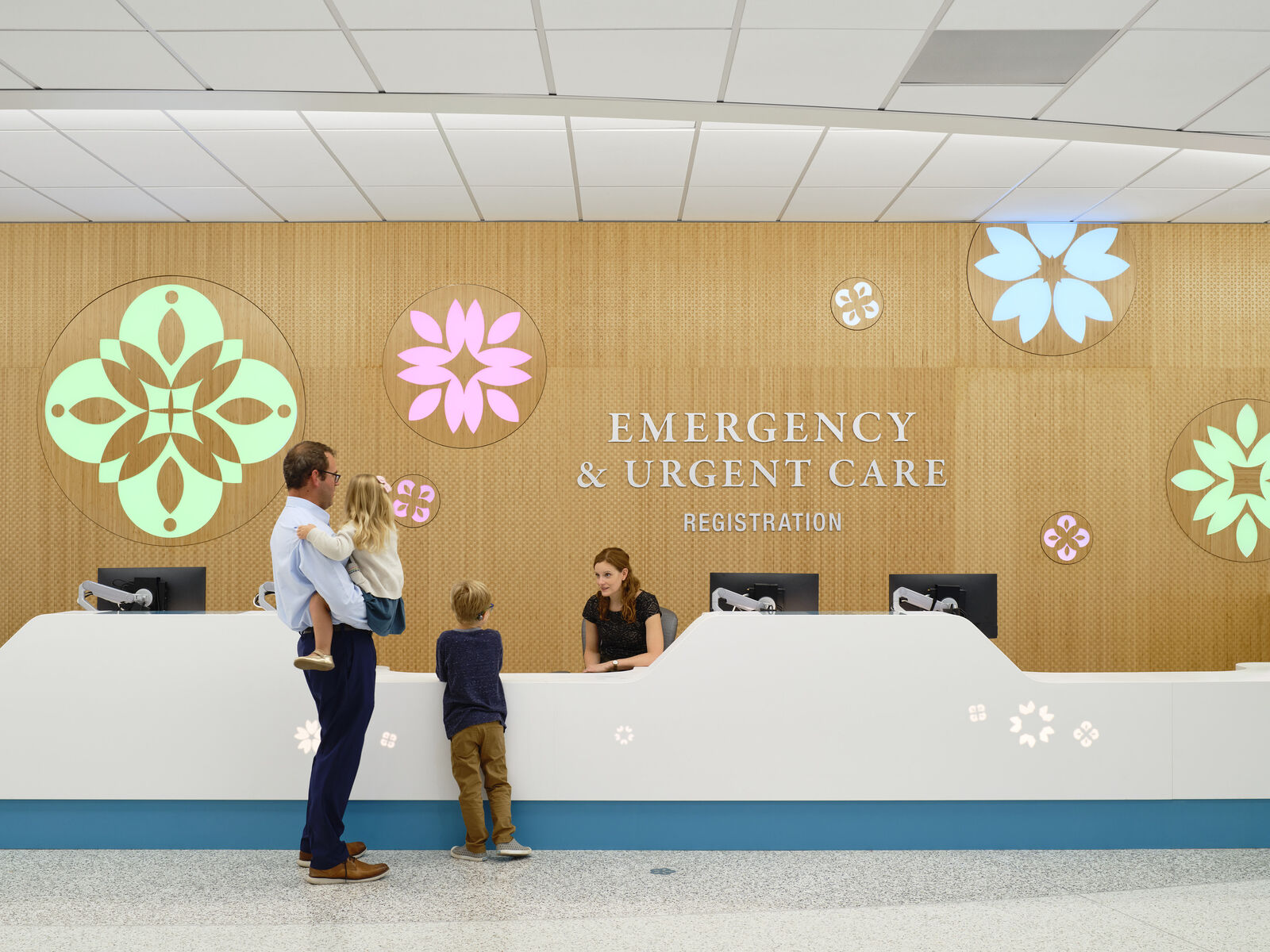
Cincinnati Children’s Critical Care Building includes a flexible behavioral health wing in the newly expanded ED.
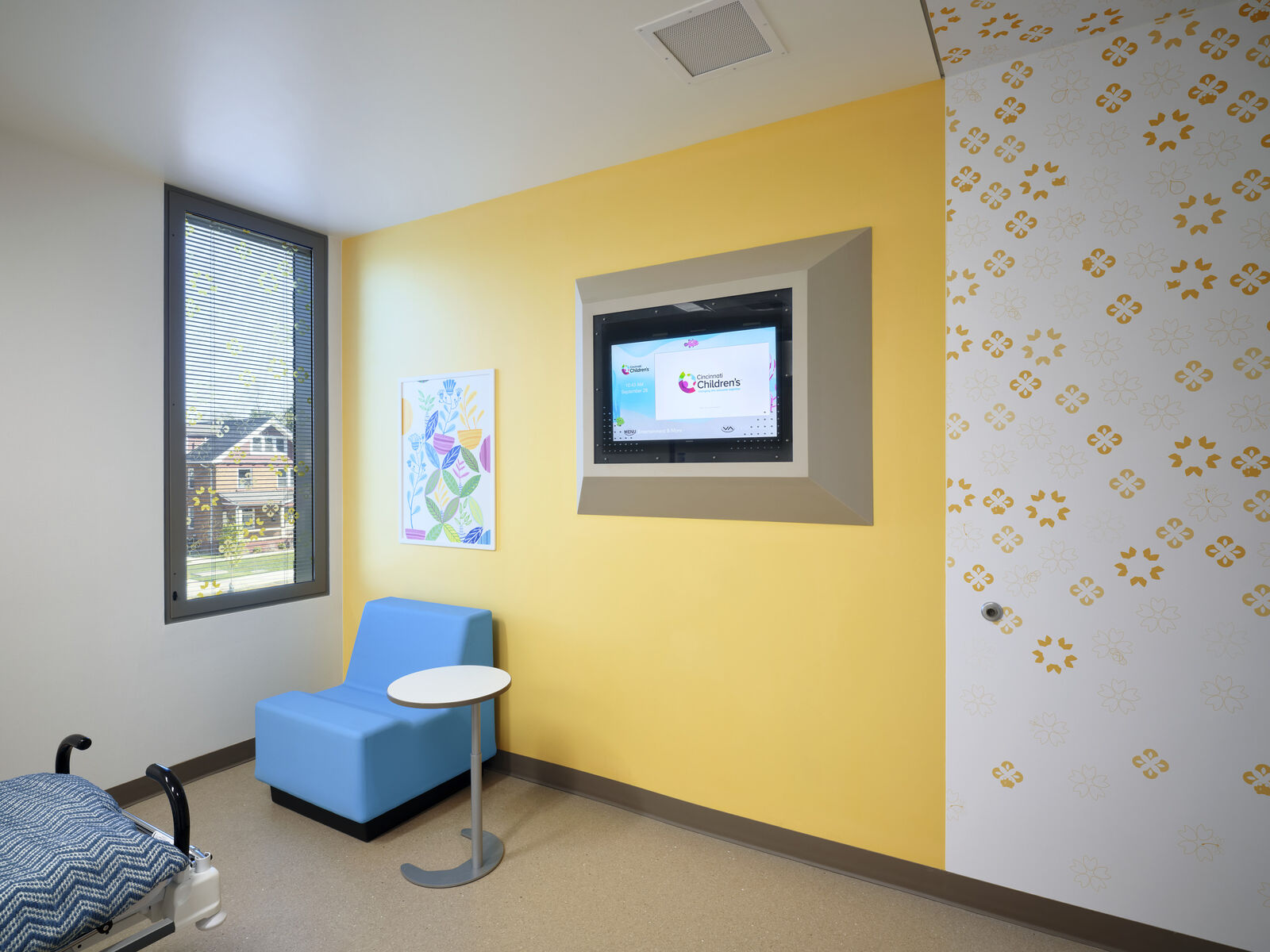
Behavioral health treatment rooms feature the same bright, colorful interiors but with antiligature furniture and finishes.
Increase Access to Community Care
We know from experience that the solutions inside the hospital are complex, but the solutions outside the hospital are quite simple. Designing outpatient behavioral health facilities is not difficult, it just needs to be done right. If health systems can extend outpatient facilities into the communities where patients live, then care is easily accessible when and where they need it.
As architects and designers, we can design the facilities to help families navigate the process, normalize their experience, support everyday life, provide resources and education, and foster a sense of community, dignity, hope, and belonging. But healthcare can’t solve the problem alone. Let’s also build in opportunities for partnerships with primary care providers, schools, and community center programs to approach the problem holistically.
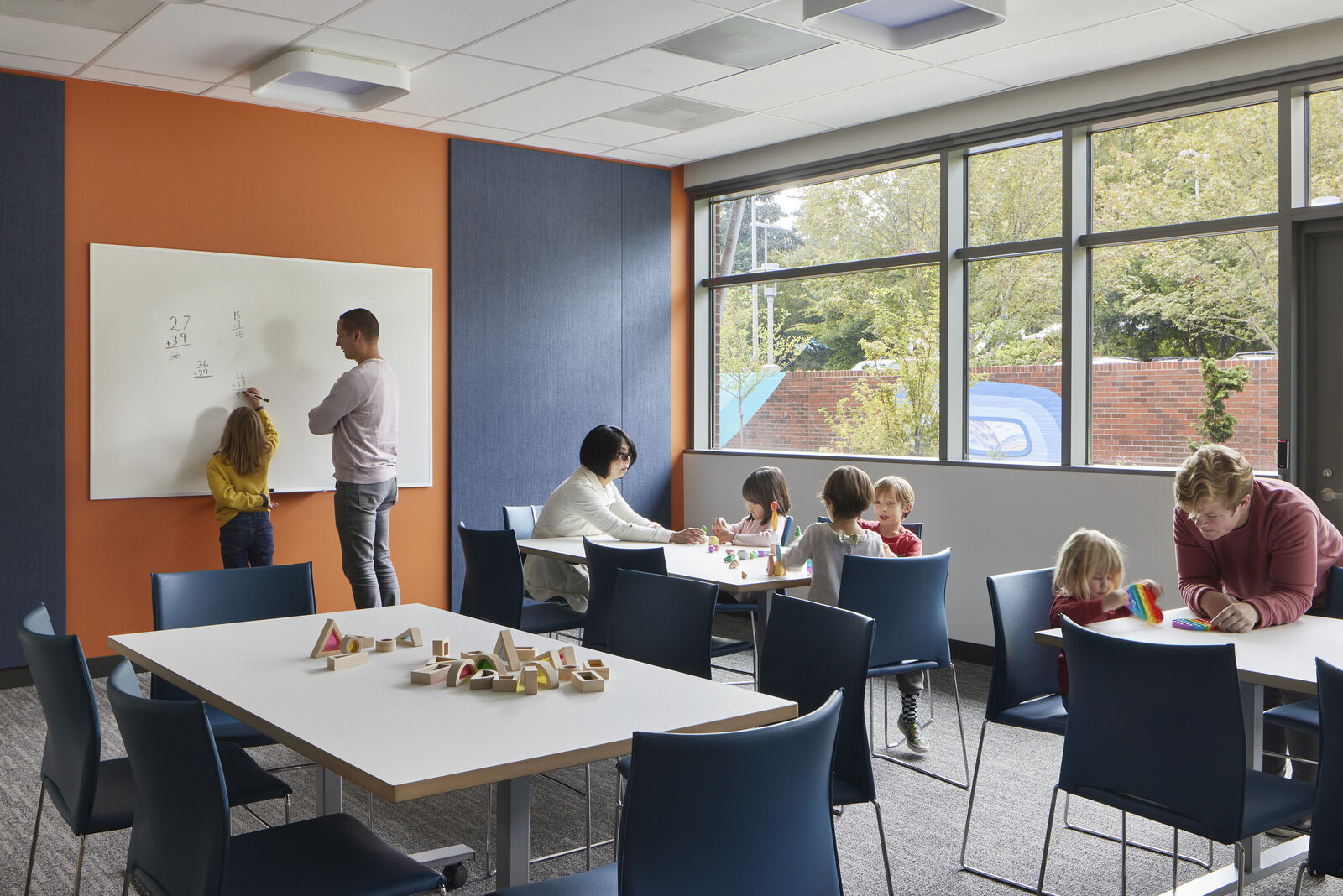
Seattle Children’s Magnuson clinic merges outpatient autism and behavioral healthcare in a first-of-its-kind “Center of Excellence” focused on these two areas. Five large group rooms provide flexible space for therapy, recreation, and family outreach with views to the exterior play garden.
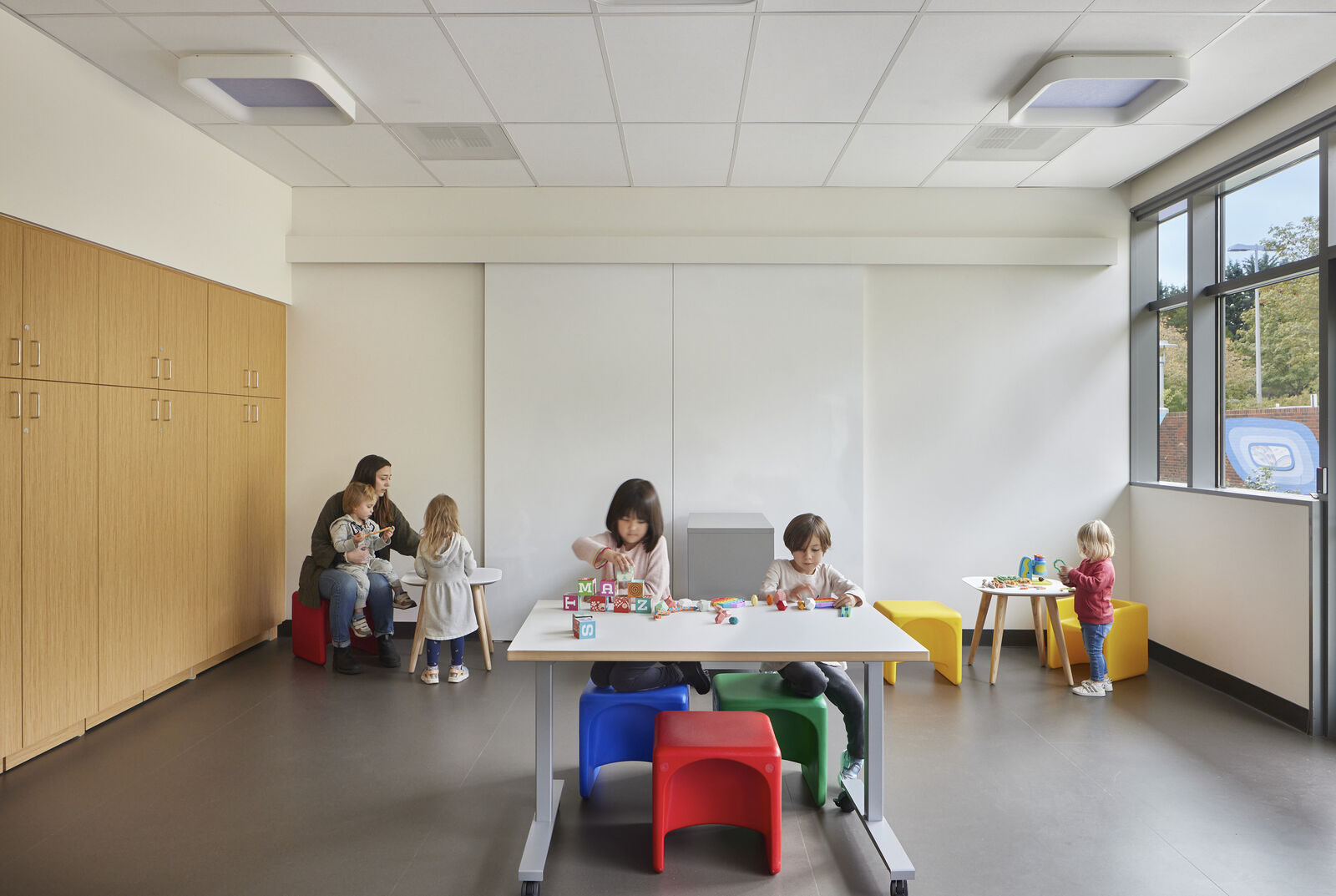
An Early Intervention program allows kids up to age six to learn new skills and positive behaviors through early and intensive therapy.
Bolster the Missing Middle
Many clients are struggling to build or staff facilities in what we call the missing middle:
- Intensive Outpatient/Partial Hospitalization Programs
- Behavioral Health Urgent Care
- 23-Hour Crisis Intervention Centers
Often this is due to state and federal funding that excludes pediatrics, or limited Medicaid reimbursement, or restrictive requirements for bed licensing. But these facilities, whether integrated into expanding EDs or standalone outpatient facilities, are most needed right now to stabilize patients in crisis or on the verge of crisis and to divert them from the ED.
At the same time, clinical care is evolving faster than building codes. This has left a regulatory gap between 23+ Hour Crisis Receiving Centers, which can help divert patients from inpatient care, and residential treatment facilities where patients can transition after inpatient treatment.
Clients are forced to consider the maximum acuity of care they can provide in their outpatient facilities and the best ways to integrate high-acuity behavioral healthcare into their existing inpatient or emergency departments. The challenge is keeping behavioral health programs separate from other service lines and beds that don’t need to serve them. Architects and designers can inform future codes and policies that create new pathways for behavioral health and emerging models of care.
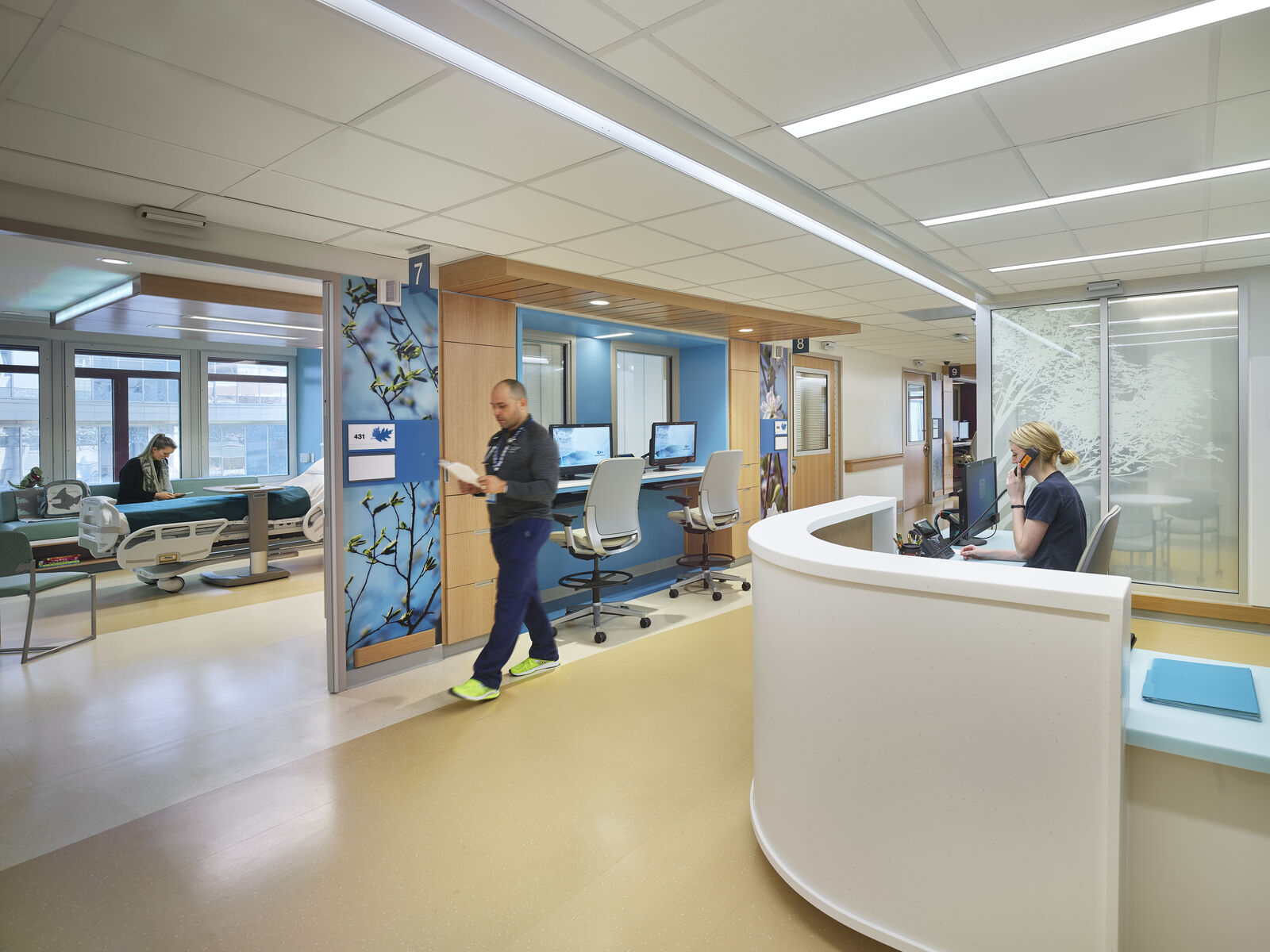
The Children’s Hospital of Philadelphia (CHOP) Medical Behavioral Unit offers a first-of-its-kind acute care unit for medical patients with a comorbid developmental, behavioral, or psychiatric diagnosis who were previously treated in a general medical surgical unit.
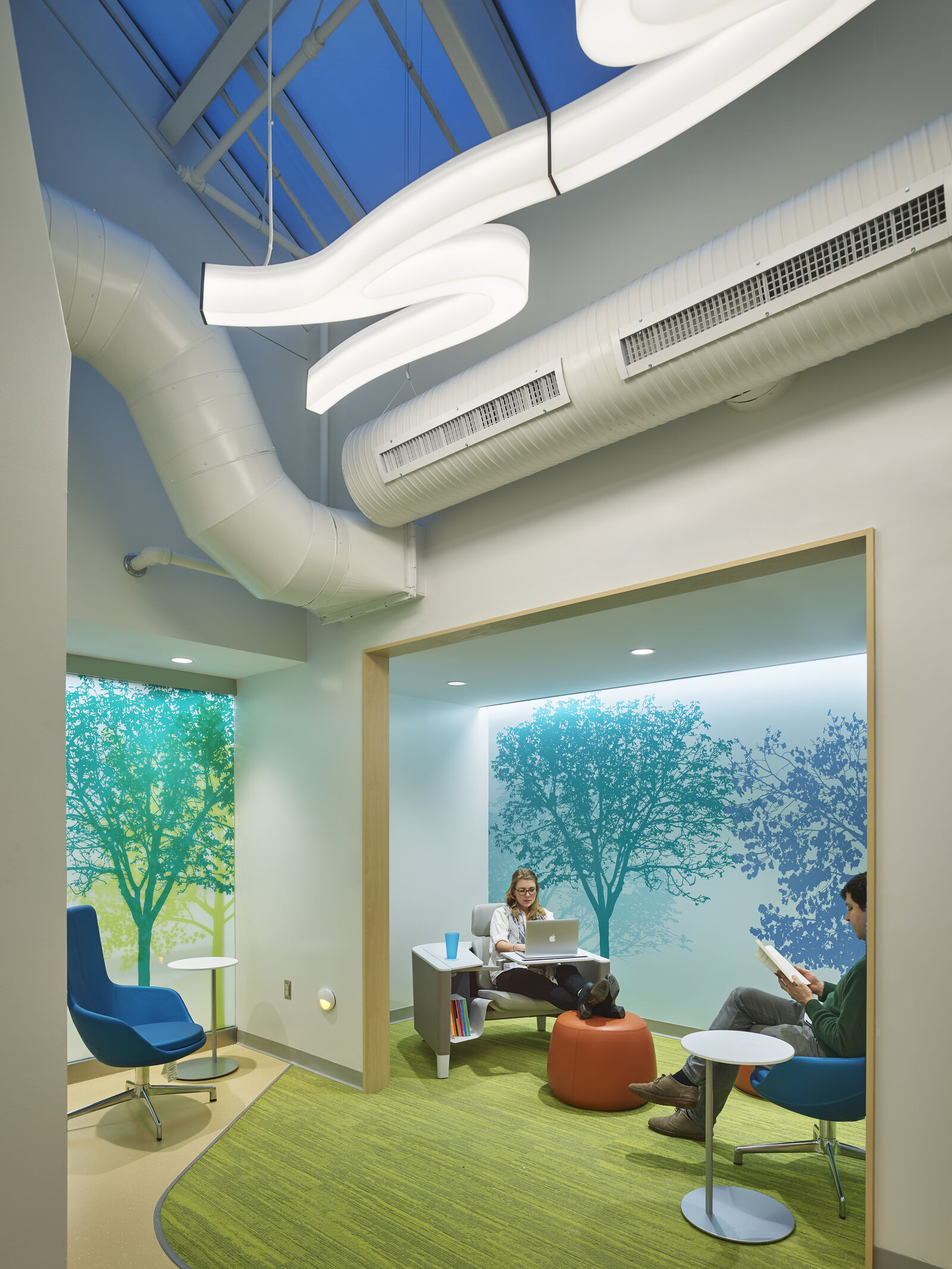
It provides a supportive environment with programmed spaces not typically found in an acute care unit, including spaces for creative activities, relaxation, and meditation.
Build Intentionally
From conference rooms to prep and recovery areas, repurposing existing spaces that are not designed for behavioral healthcare can have unintended consequences. They may not meet the needs of the program or workflows, or they may displace another program with vital needs. Non-clinical spaces may also have physical constraints.
While adaptive reuse is not always ideal, sometimes it’s the only space hospitals have and the need is too great to wait. In that case, let’s design it intentionally for behavioral health patients and providers while allowing for flexibility as needs change. In this context, flexibility is not about accommodating multiple uses—as with the ED, where spaces might serve dual functions for medical and behavioral treatment—but rather multiple acuities along the behavioral healthcare continuum. If all patients are safe in the space, all patients can be treated in the space.
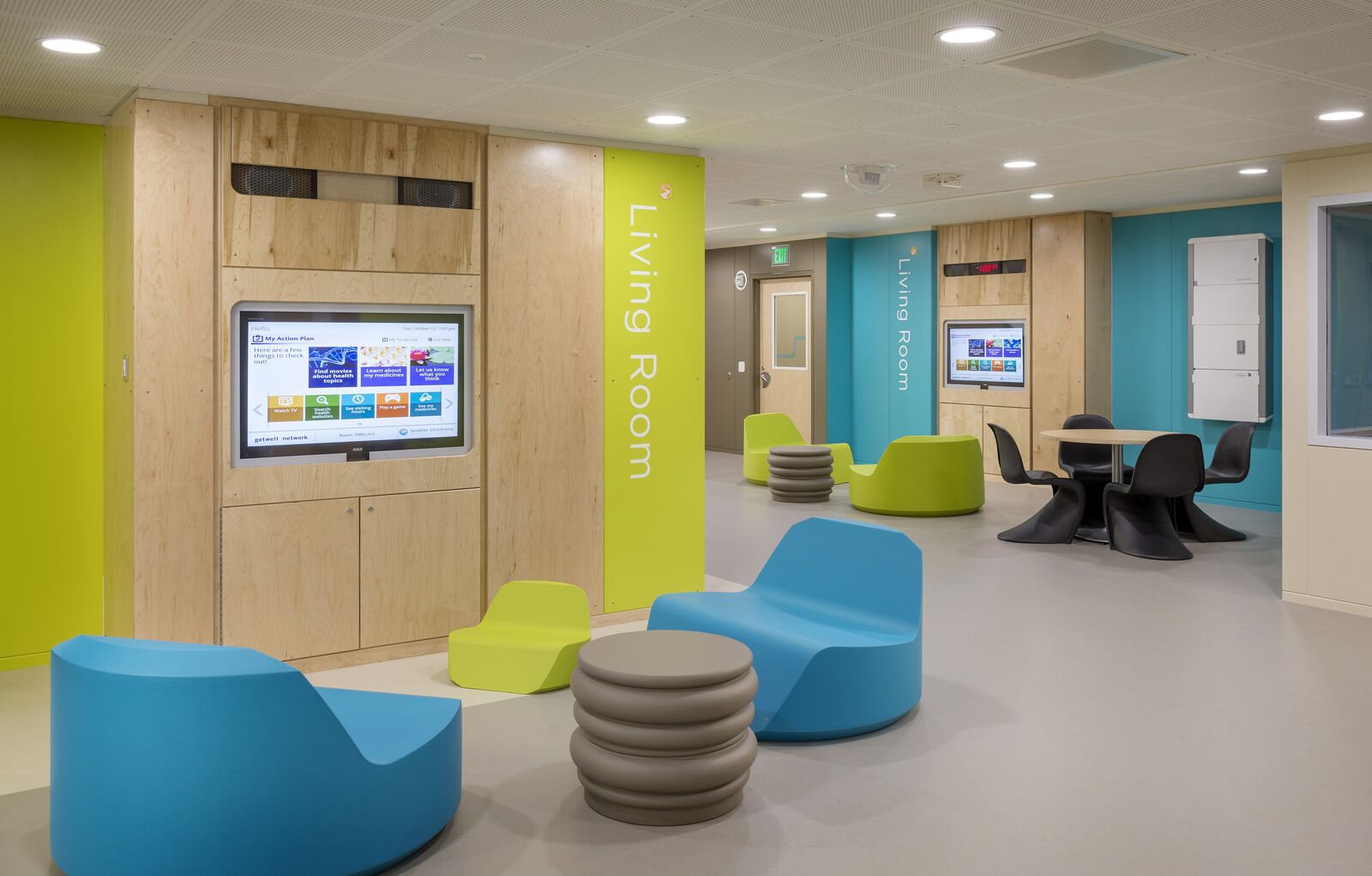
Seattle Children’s Psychiatry & Behavioral Medicine Unit reimagines short-term inpatient care for children with complex mental health needs.
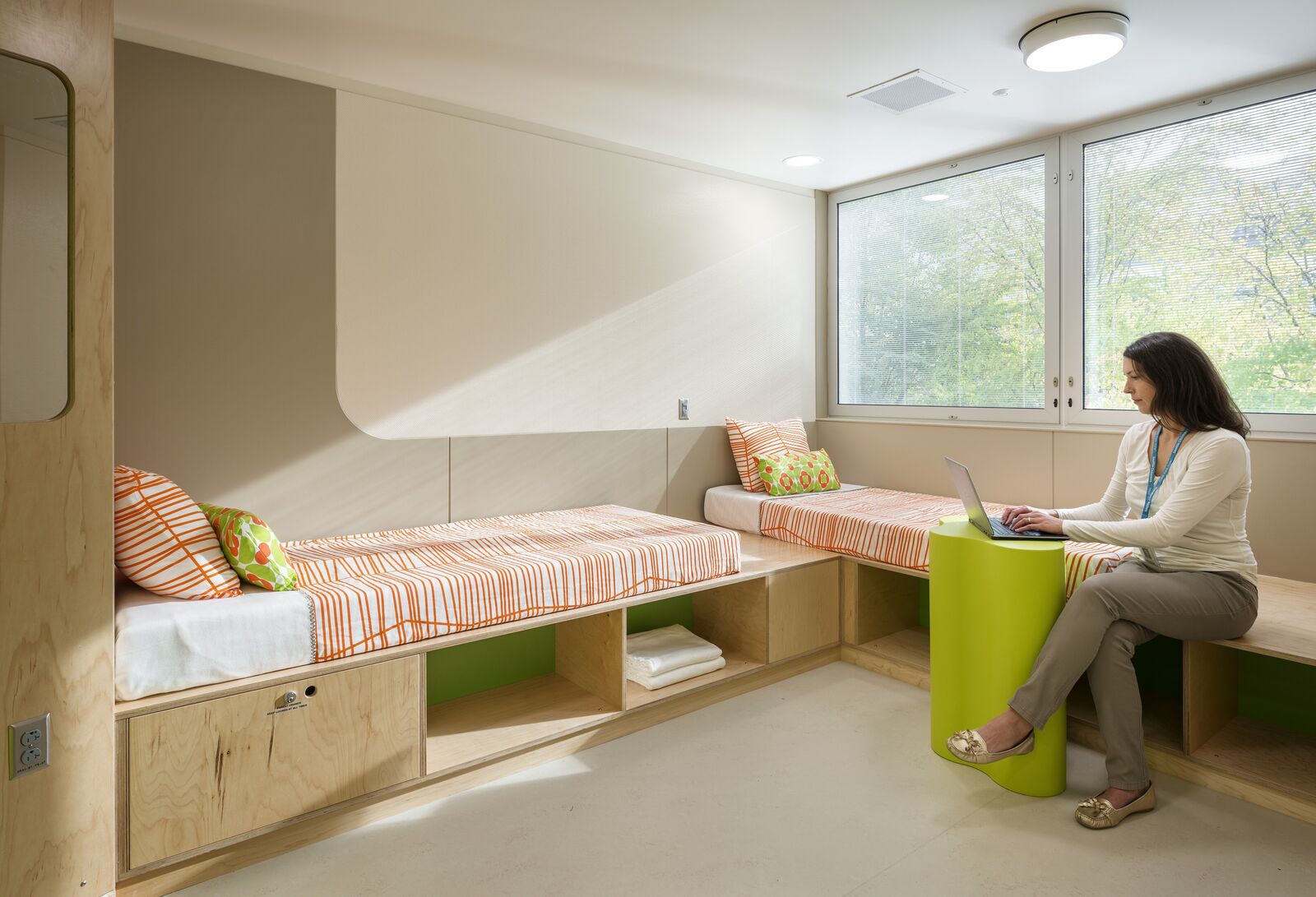
For patients experiencing a mental health crisis, the goal of the PBMU is to stabilize the behaviors that led to hospitalization and teach the patient and family coping skills that can help after they leave the hospital.
Support & Sustain Staff
In any healthcare environment, care teams and staff need the right spaces and amenities to support an emotionally demanding job. Even more so in behavioral health facilities, the building layout itself can help them feel safer with the appropriate flows, visibility, and sightlines. Thoughtful allocation of spaces should support their workflow and acuity setting.
Provide respite spaces on-unit where staff can go after a patient encounter to decompress and care for themselves. When spaces are intentionally designed to set up staff for success, they will be reminded of what brought them to healthcare in the first place: to help people heal.
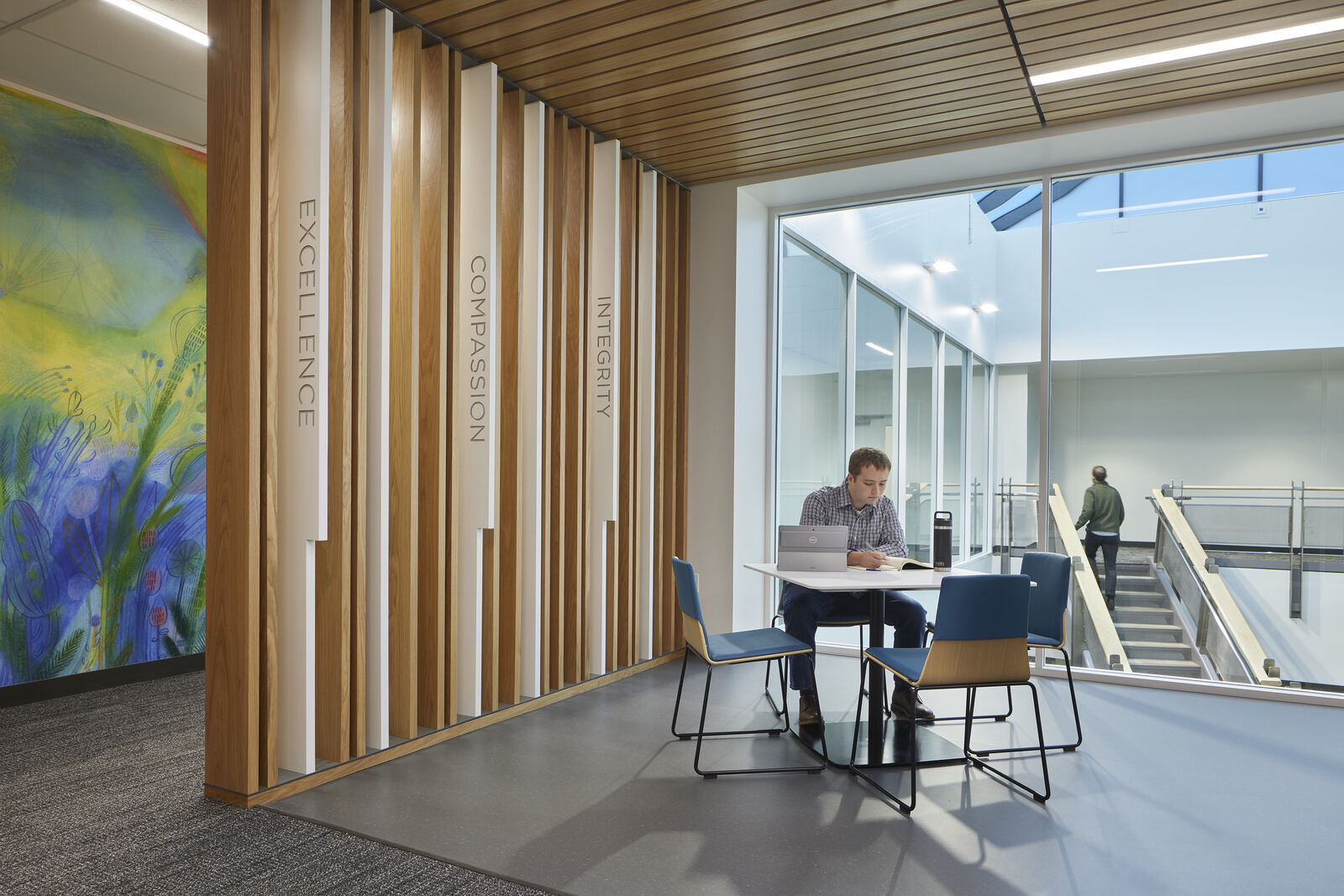
Seattle Children’s values are on full display in the autism and behavioral health clinic staff lounge to connect employees back to the hospital mission.
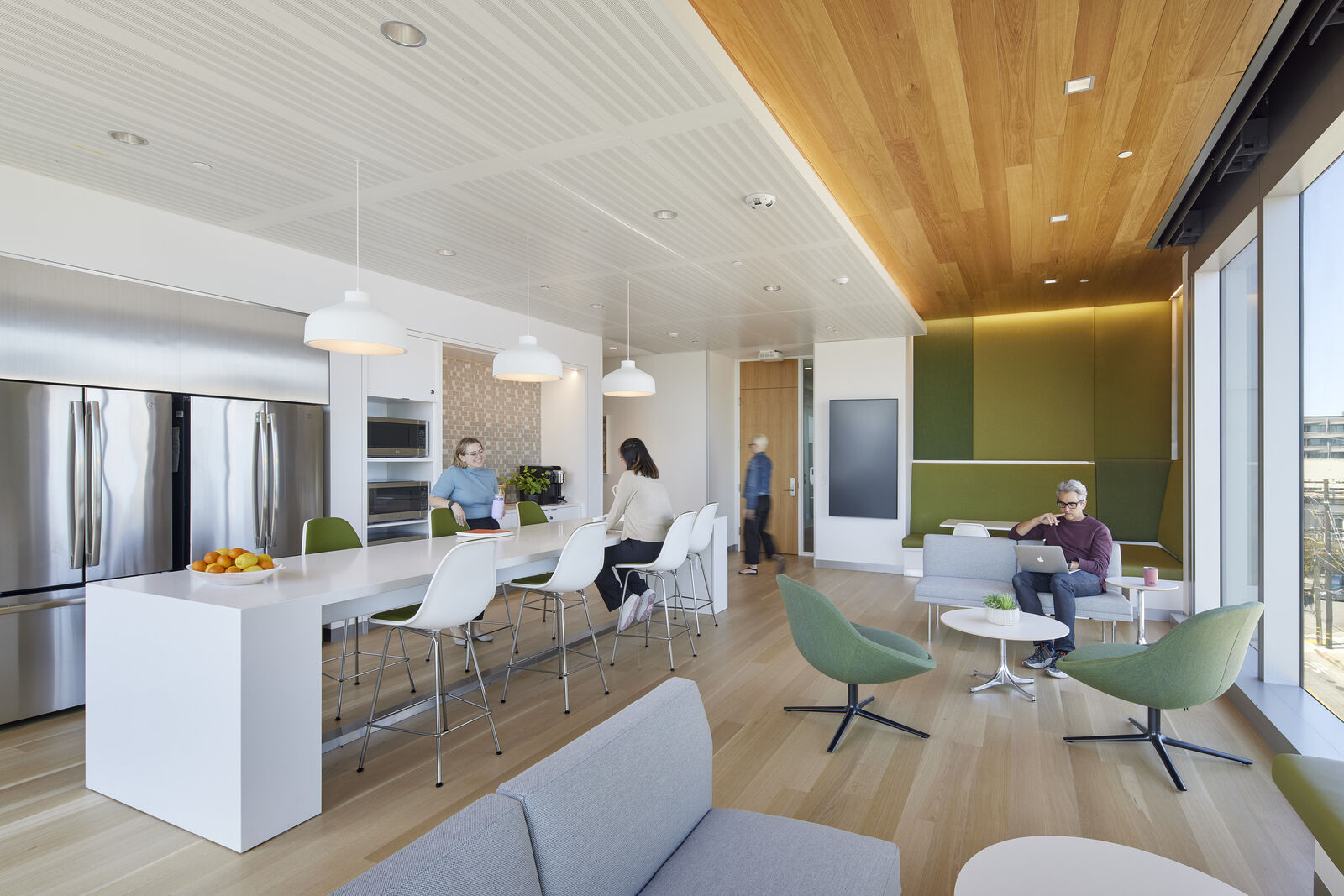
The UCSF Nancy Friend Pritzker Psychiatry Building integrates child, teen, and family mental health services in one location—quadrupling access to care in the Bay Area while accelerating research of improved treatments and prevention. Staff spaces prioritize daylight, views, and opportunities for connection as well as respite and refuge.
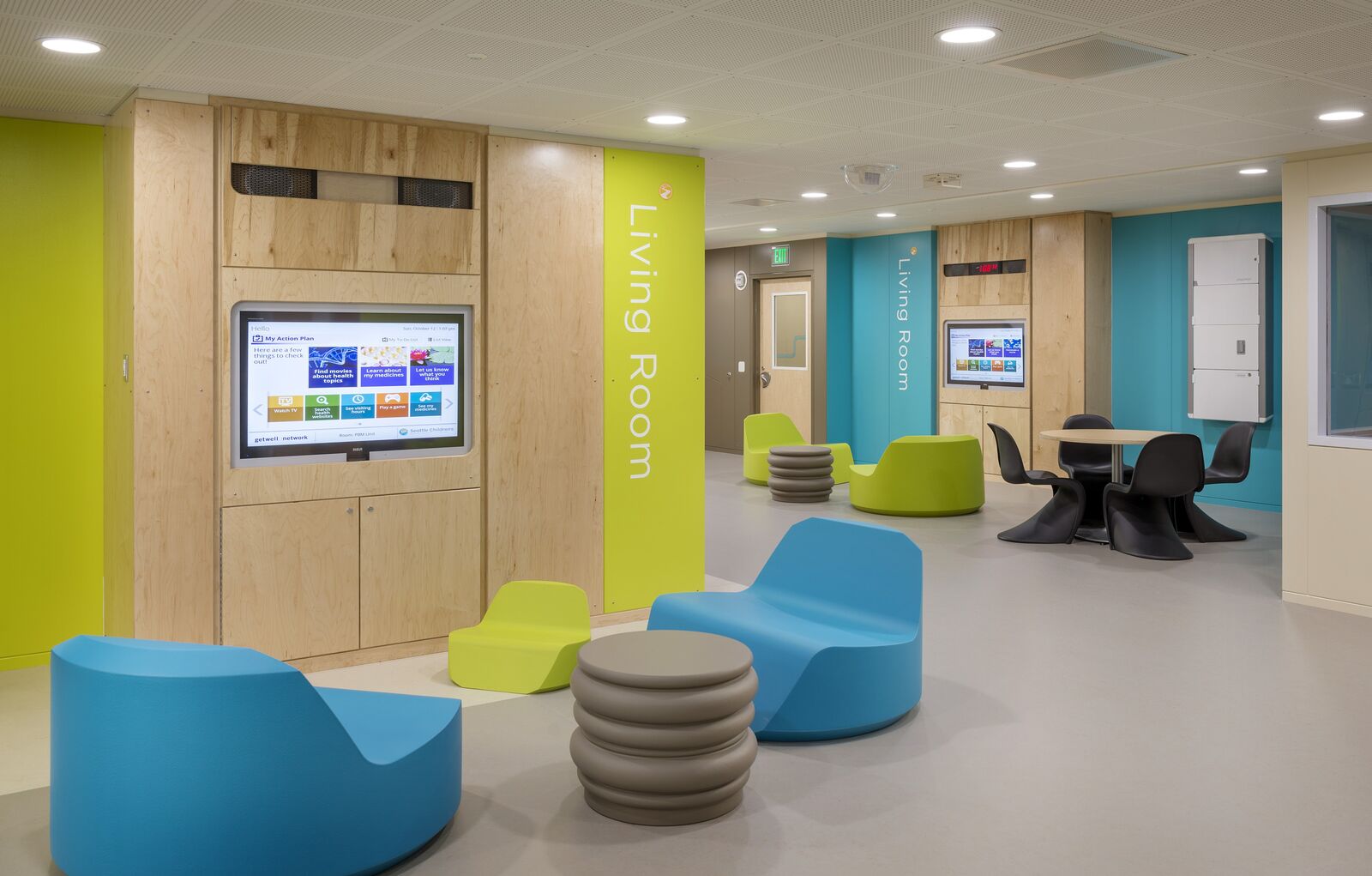
Seattle Children’s, Psychiatry and Behavioral Medicine Unit
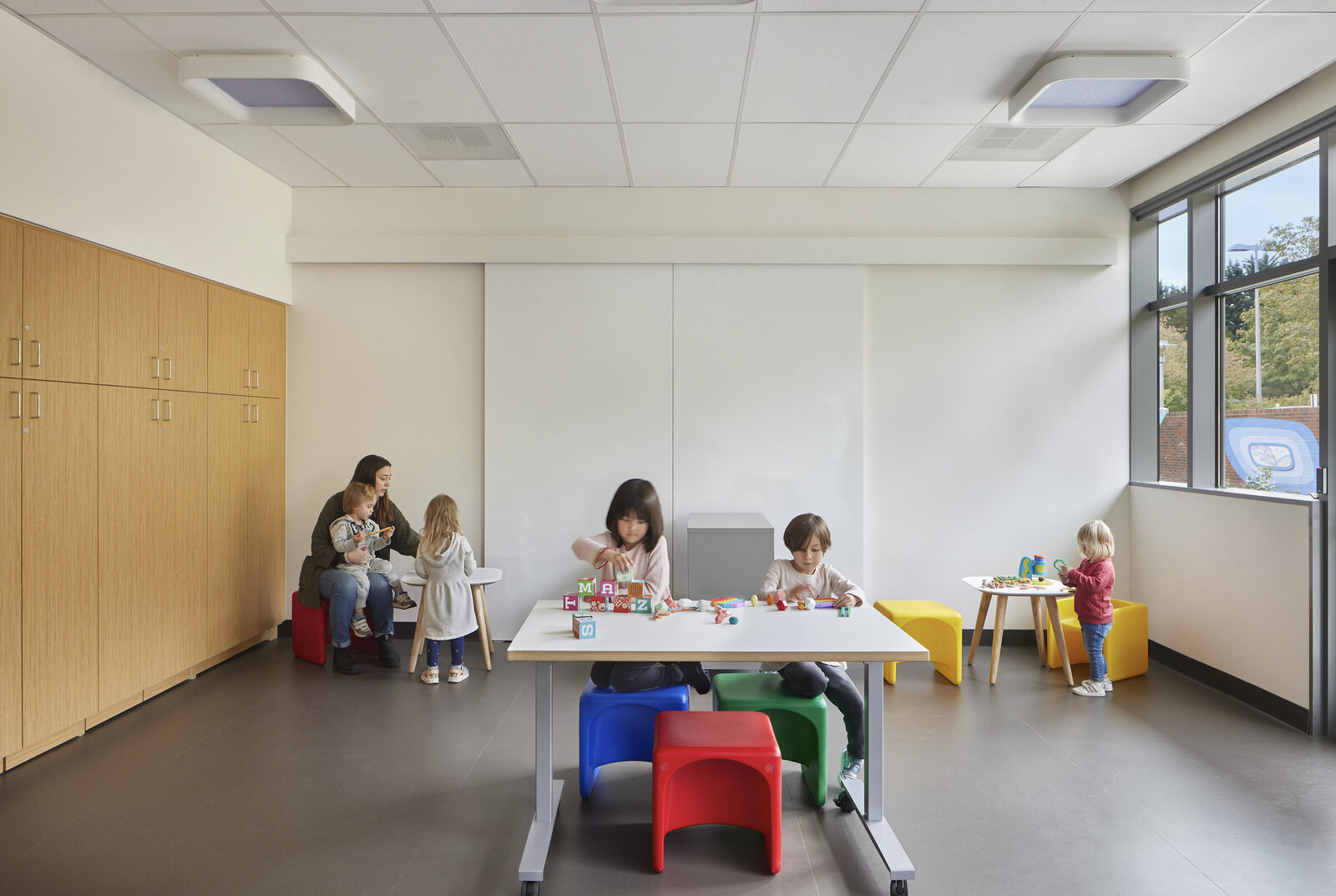
Seattle Children's Autism & Behavioral Health Clinic
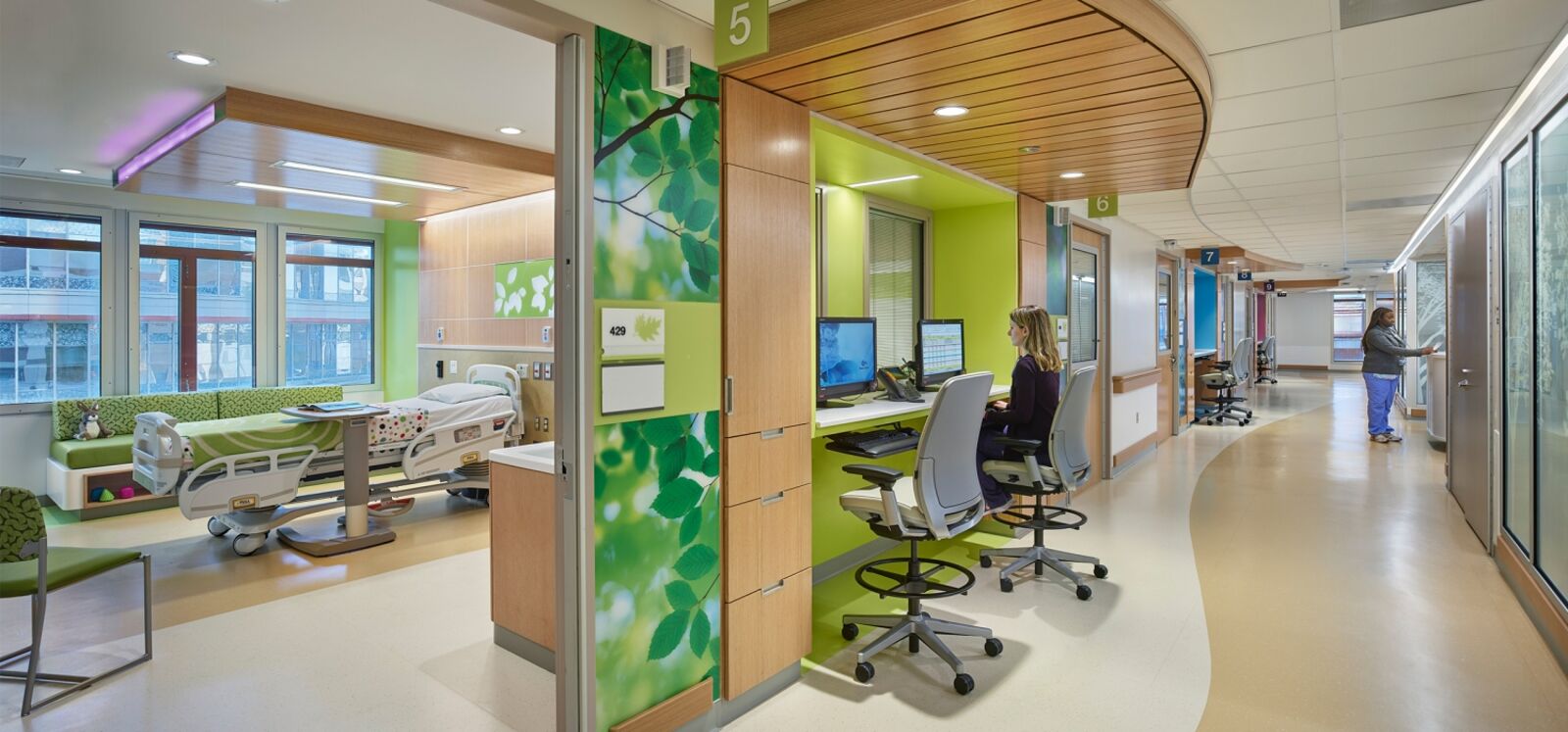
Children’s Hospital of Philadelphia, Medical Behavioral Unit
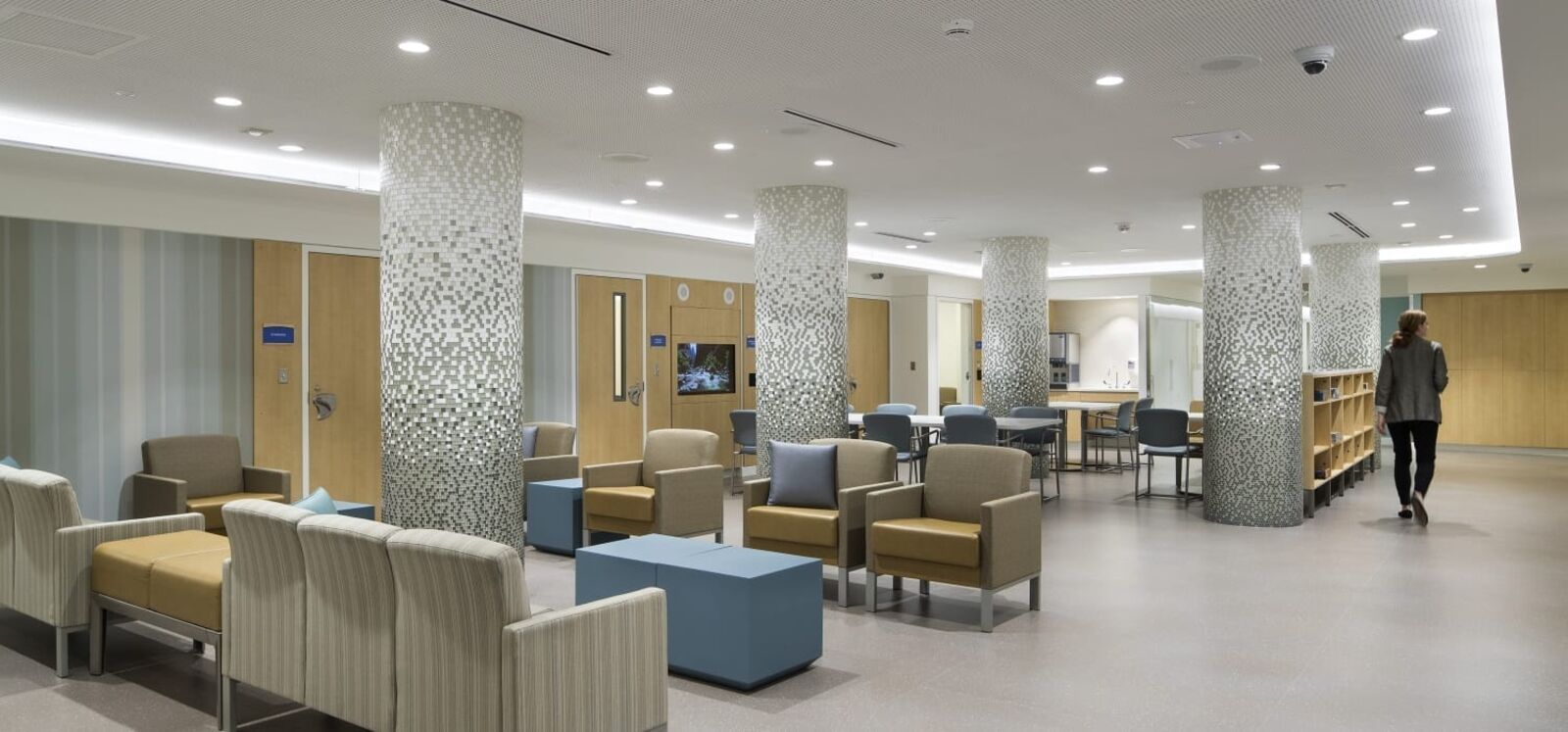
Providence Health & Services, Swedish Medical Center-Ballard, Behavioral Health Unit

Cincinnati Children’s, Critical Care Building Expansion

Seattle Children’s, Friends of Costco Building: Cancer and Critical Care Expansion

Buildings That Serve Everyone Should Include Everyone