How Can Design Address Healthcare Burnout and Staff Retention?
By: Michelle Sanders, AIA, LEED AP BD+C
Assessing the Impacts of Fatigue and Burnout
Concern regarding the shortage of healthcare workers has become more dire since the pandemic. According to the National Library of Medicine[i], the healthcare industry is experiencing a shortage of 5.9 million nurses and 4.3 million doctors. Turnover rates have increased to 18%. The field is also monitoring the aging workforce and expects 17% of all nurses to retire within the next decade. The built environment plays a pivotal role in addressing burnout, yet current research shows it is underutilized in supporting staff wellbeing.
The direct correlation of clinician turnover on patient safety outcomes, including medication errors, excessive patient restraint, infection rates, and patient falls is significant. Work overload comes in many forms including short staffing, high patient acuity, long shifts, interruptions and noise. The turnover rate of nurses and physicians poses substantial financial and non-financial burdens for healthcare organizations.
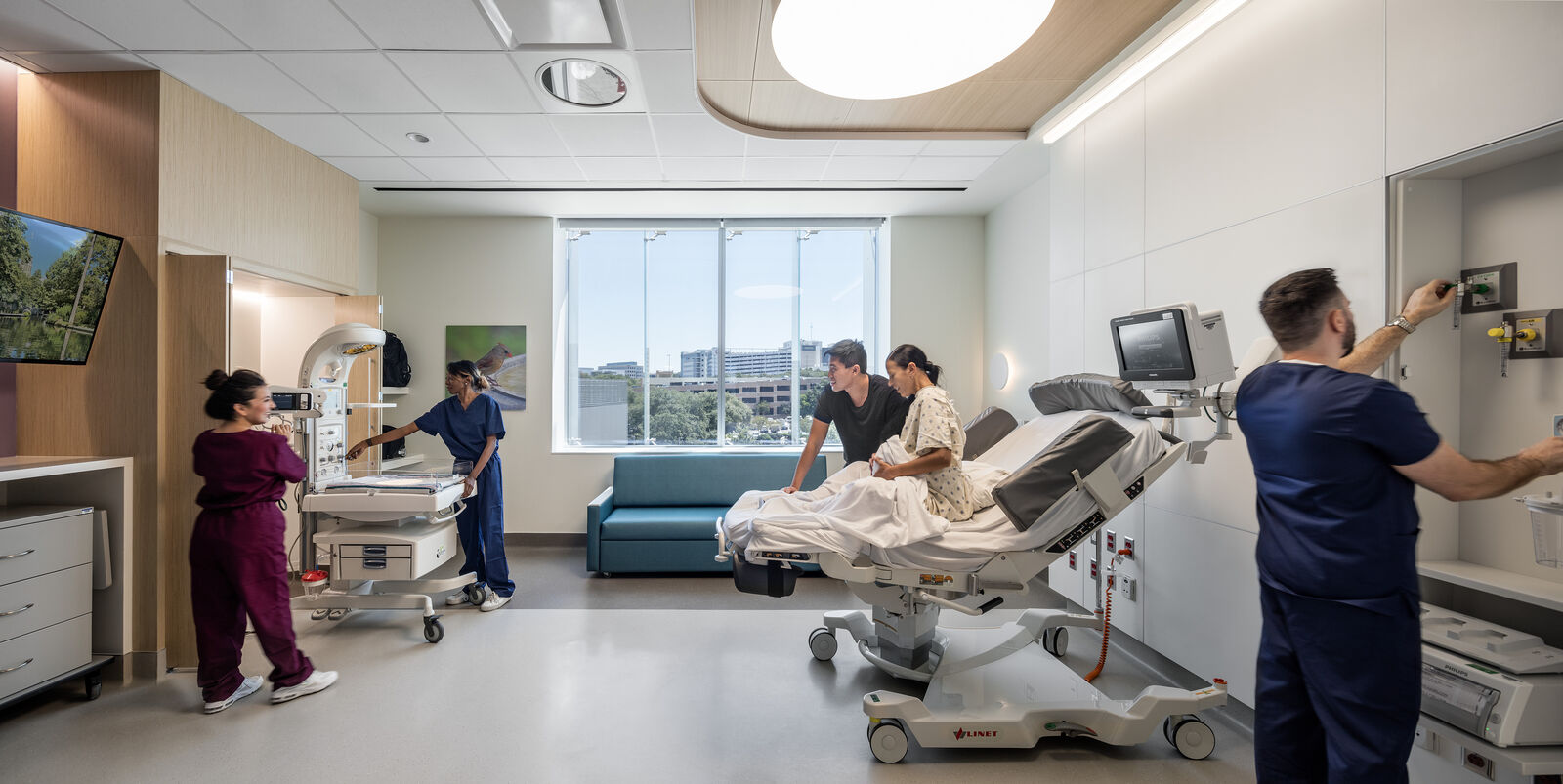
Due to the staffing shortages more hospitals are using traveling or temporary nurses to fill open shifts. When staff nurses are used to fill gaps, they are usually paid overtime, but research suggests that temporary nurses are paid at regular time which saves the hospital money. The purpose of temporary nursing has never been to supplant permanent nurses but to supplement them; the optimum percentage of temporary nurses differs from organization to organization, but it is always a small percentage. Although temporary nurses may receive excellent training, they will not receive the same facility-specific training as permanent nurses. A significant proportion of turnover costs are attributed to temporary replacements, highlighting the importance of nurse retention. The American Psychiatric Association found that nursing units with higher turnover required more temporary coverage from outside nursing staff, resulting in increased client falls and medication errors. This is due to the nurses not being familiar with current hospital standards and protocols. As a result, healthcare organizations incur enormous costs associated with recruiting, hiring, and instructing new personnel. Other research suggests that high turnover impairs work group learning on nursing units, which may be associated with increased errors. Additionally in behavioral health settings, nurse turnover is associated with more incidents of physical restraint of patients and an increased likelihood for the facility to be cited for deficiency. Quality performance as measured by patient satisfaction scores are also affected by inconsistency in clinician care, as physician turnover can affect patient care costs and cause disruption of care.[ii] As designers we can address these challenges with thoughtful design solutions including cultivating a sense of place, strengthening social support and connection, creating comfortable workplaces, increasing access to daylight and natural materials, and integrating innovations for improved workflows.
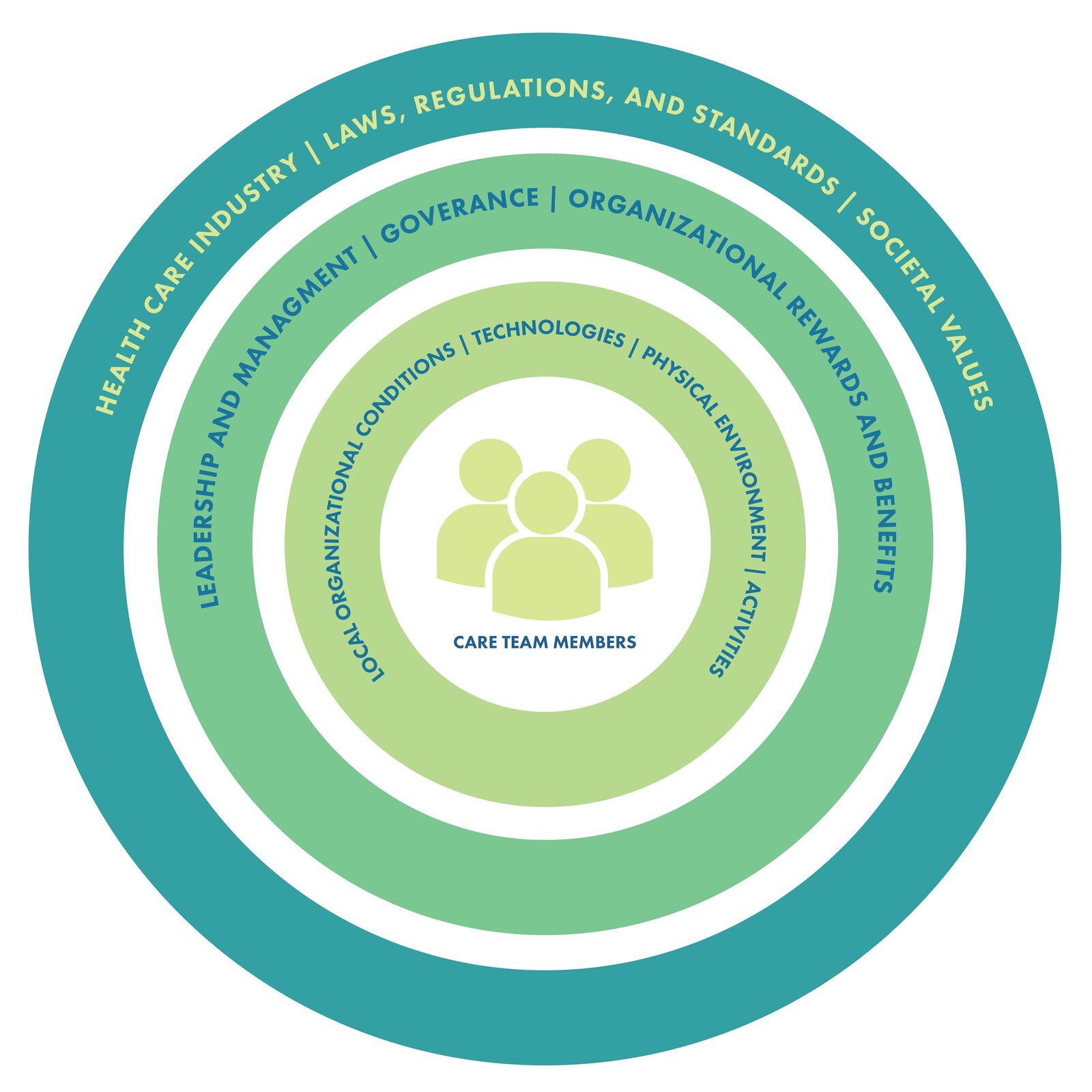
The three dimensions of burnout are emotional exhaustion, depersonalization, and loss of sense of professional efficacy. [iii]
Strengthening Social Support and Connection
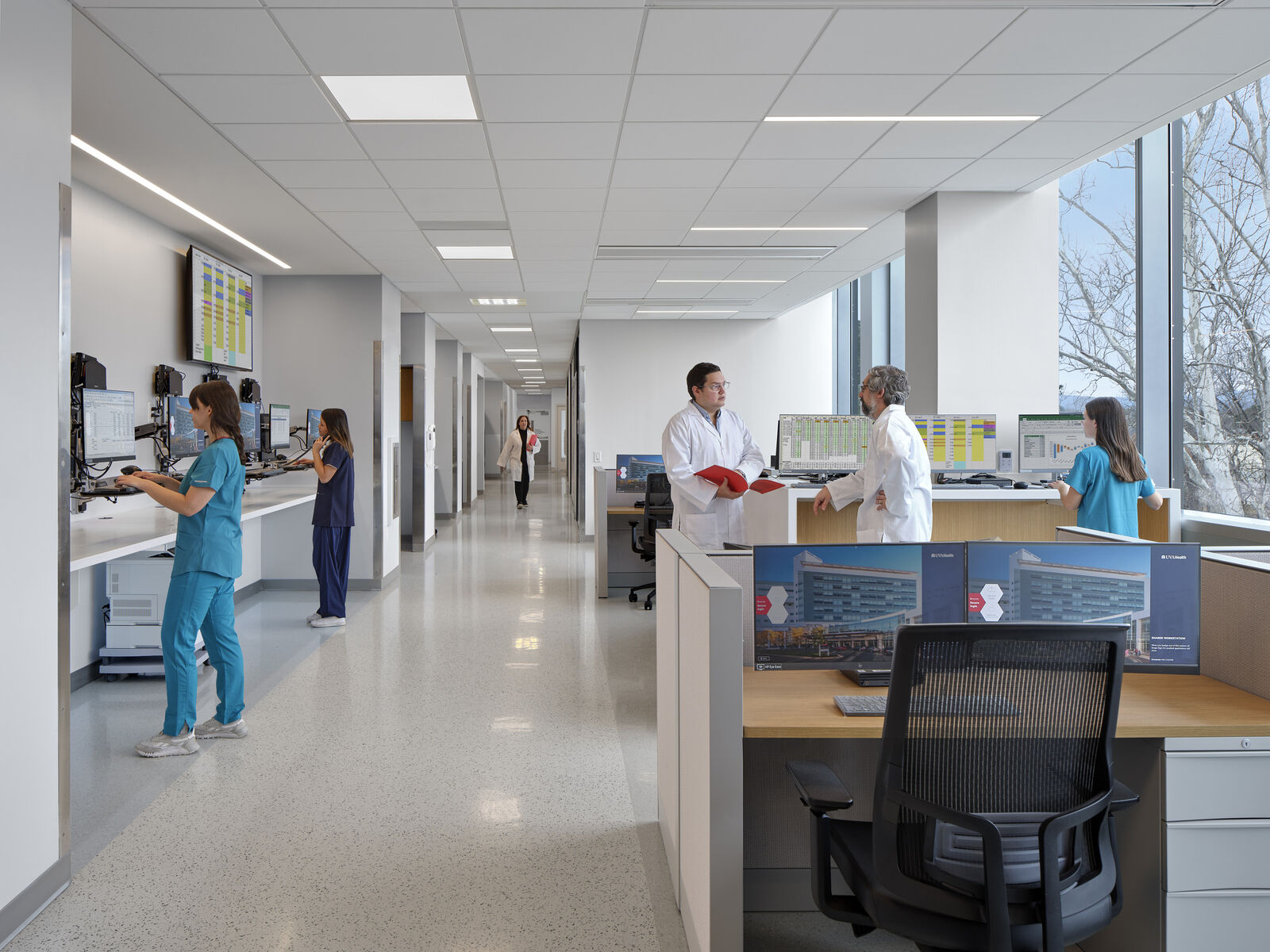
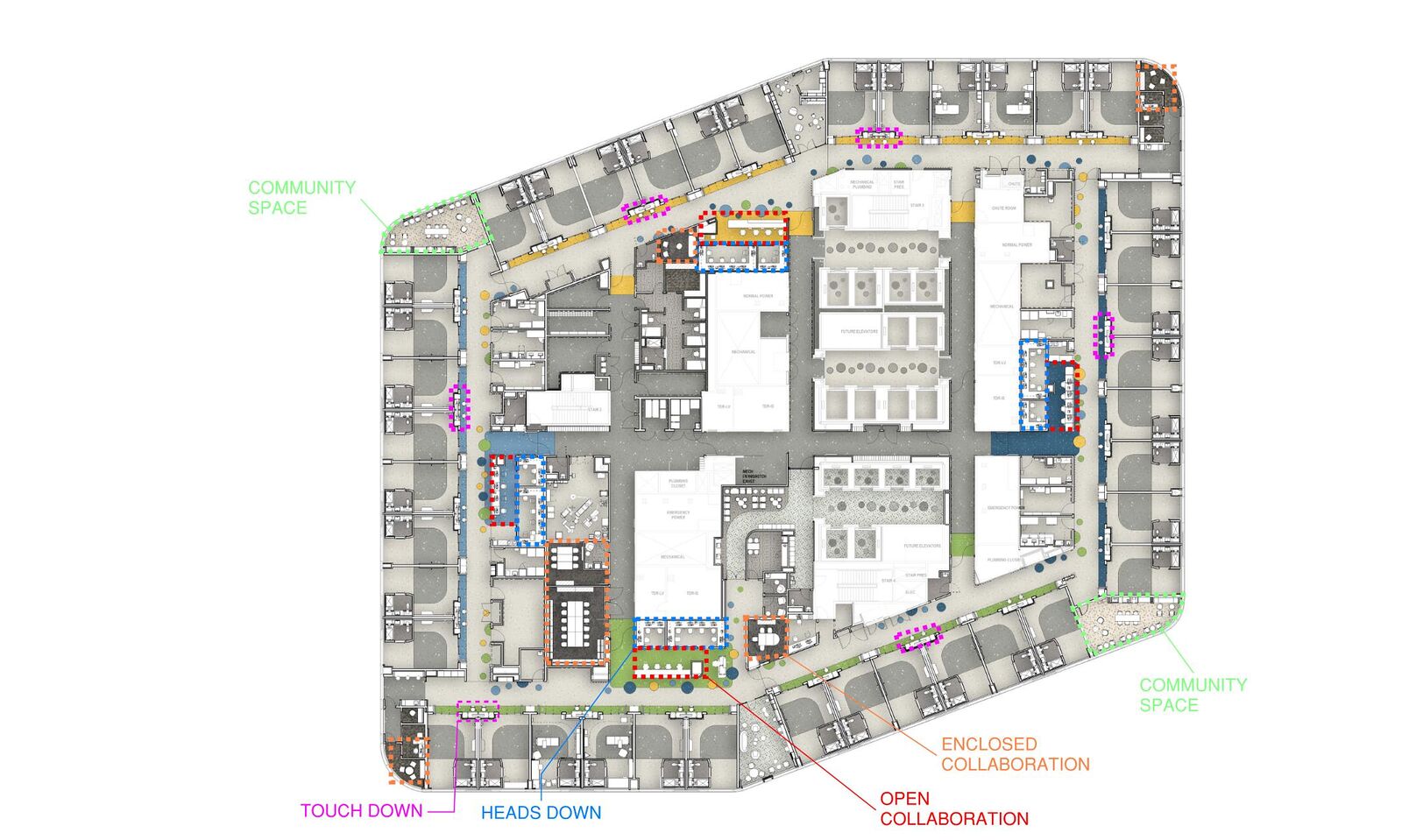
Collaborative team stations solutions implemented at The University of Virginia’s Orthopedic Center at Ivy Road are positioned along the building perimeter, supporting huddles, interpersonal connection, and teaching opportunities while serving as nursing stations. These touch down spaces provide hot-desking opportunities to lessen distractions and enable caregivers to reclaim ‘heads down’ time. Large expanses of windows give staff access to natural daylight and direct views to nature. The material palette integrates natural elements by adding wood, stone, and tones which can improve mood, productivity, and overall wellbeing. [iv]
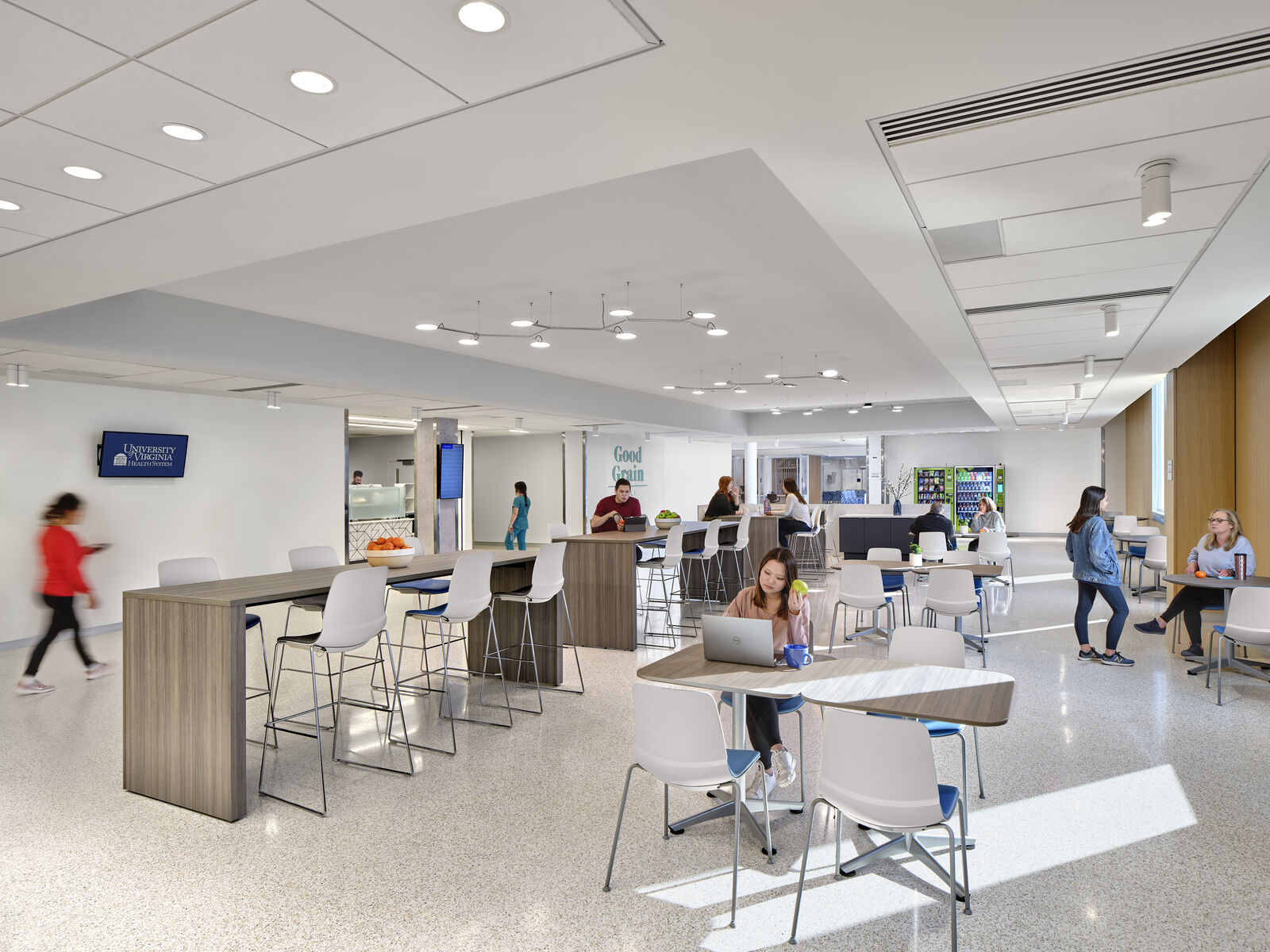
At Children’s Hospital of Philadelphia, Medical Behavioral Unit, ZGF designed the care team workspace to provide both collaboration space and heads down space to work without distractions. Open and enclosed collaboration areas encourage informal meetings, curbside consults, interdisciplinary partnerships, and creative problem solving. Nurse touchdown stations at each patient room provide visibility and proximity to patients, which has been shown to reduce falls by 75% and improve incident response times. This proximity has been shown to strengthen the healing relationship between practitioner and patient.
Nursing models have adapted to take advantage of every-changing technology. Mobile computers and electronic bedside charting, used to capture patient information in real time, are generating “decentralized team nursing” systems. A combination of decentralized stations and central team-support stations (data centers organized around six to eight patient rooms) is emerging as an efficient and flexible nursing model.

Creating A More Comfortable Workplace
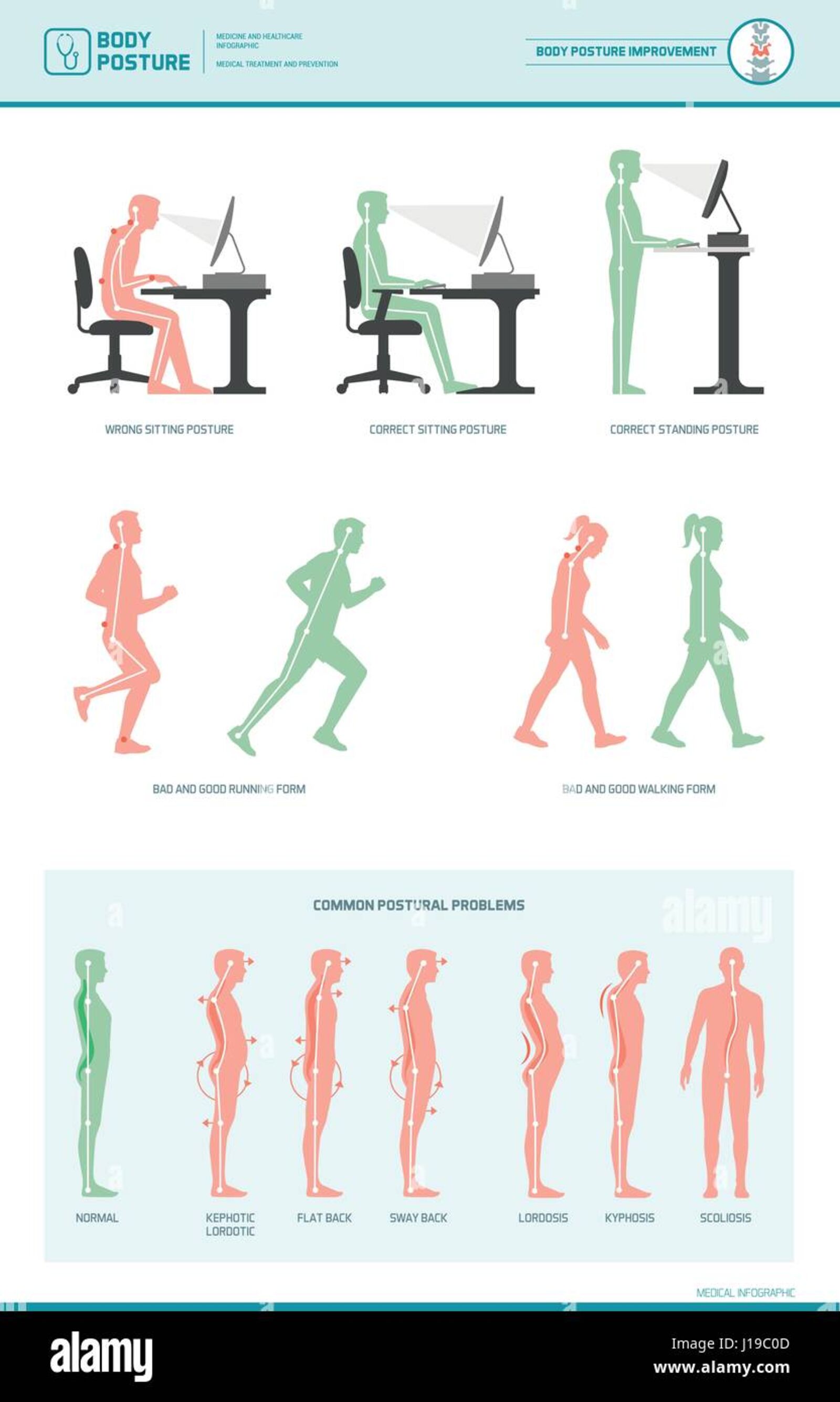
Flooring is one of the most highly scrutinized materials in healthcare settings, making it essential to select materials that not only meet functional and aesthetic goals but are durable, maintainable, ergonomic, and infection resistant. Carefully specified flooring can improve wellbeing and reduce absenteeism by reducing pain, discomfort, and fatigue—especially in workers who are required to stand for long periods of time during their shift.[v] In operating rooms, for example, nurses and doctors must stand for many hours during surgical procedures. Studies show that 8+ hours of standing significantly increased most of the physiological measures and discomfort ratings. Not surprisingly, flooring affected workers’ perception of discomfort, and all floor surfaces rated better than concrete. When looking at the relationship between workers’ subjective measures of discomfort and objective measures of fatigue and discomfort on different mat flooring conditions compared with a hard vinyl floor, materials with increasing elasticity, decreased energy absorption, and increased stiffness were more effective with prolonged standing.[vi]
Access to Daylight and Natural Materials
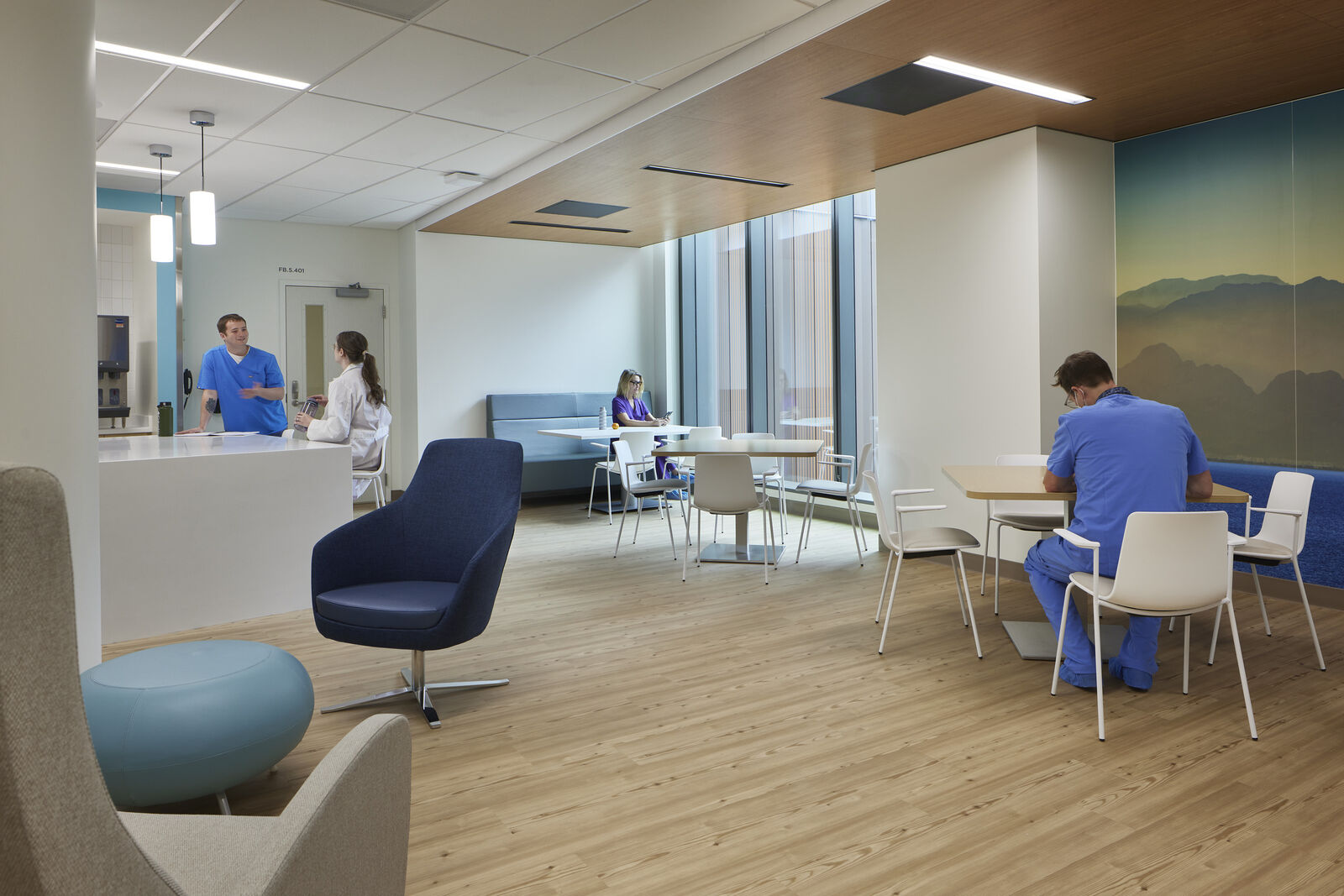
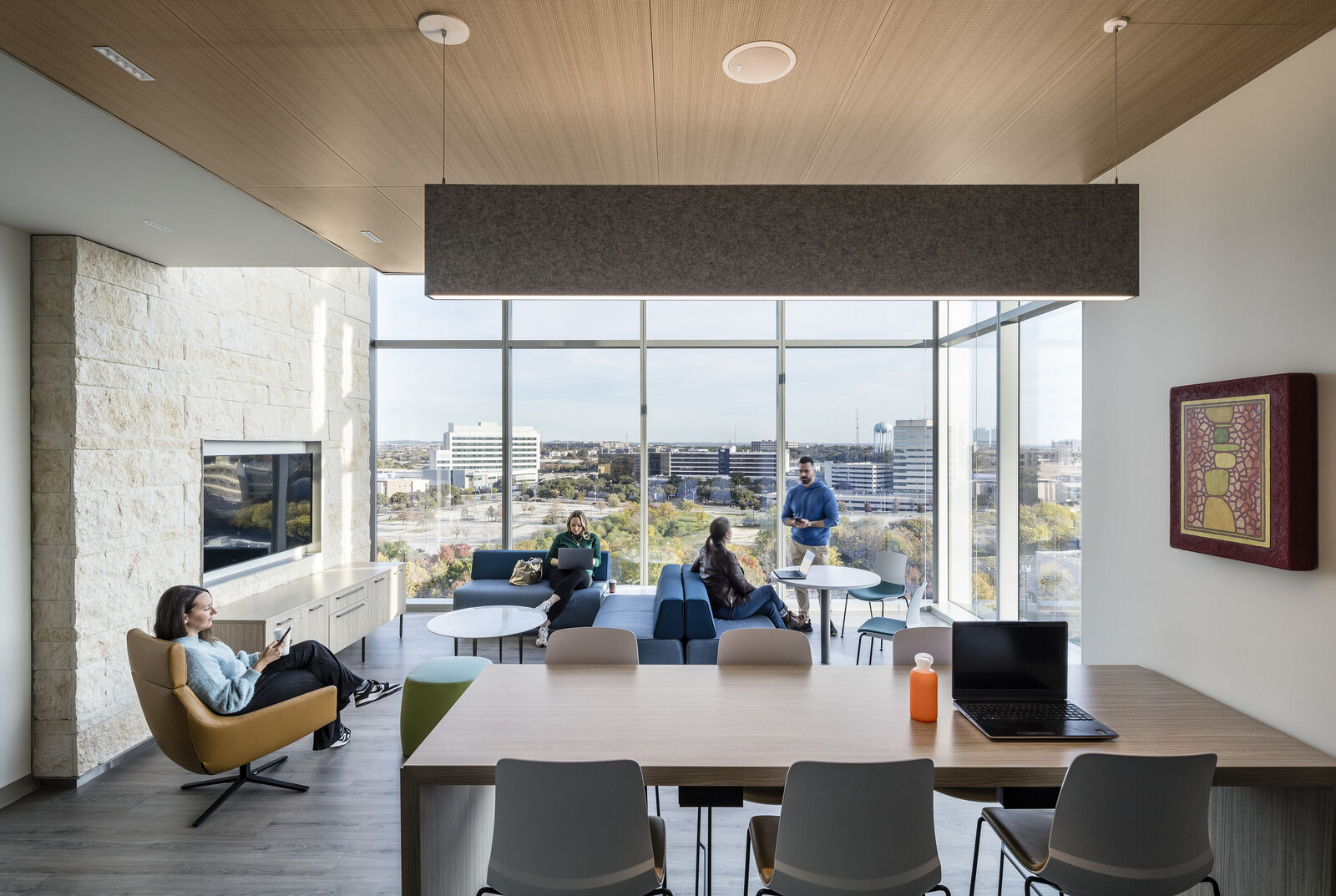
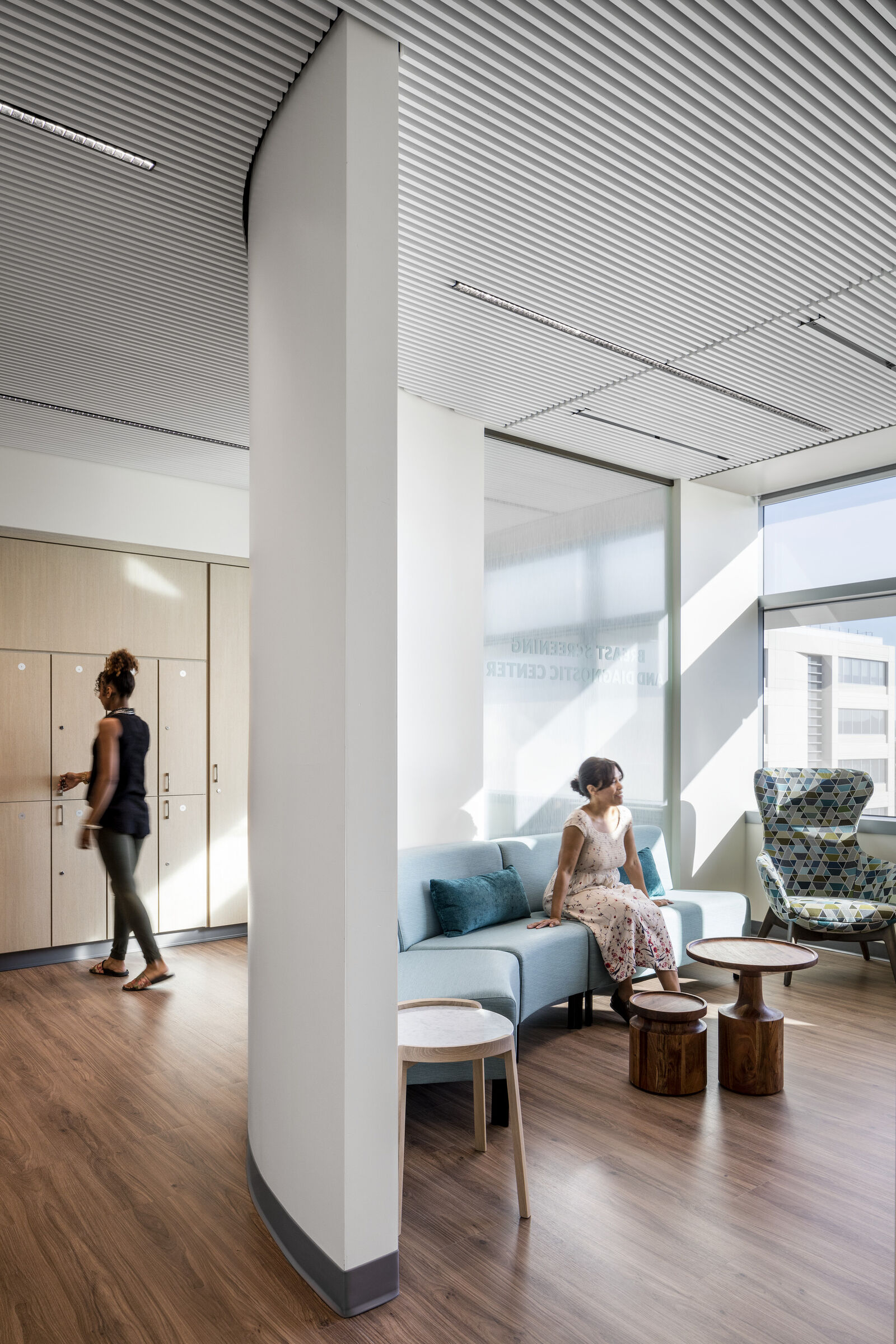
ZGF collaborated closely with the staff at University Health Women’s and Children’s Hospital to place break areas that feature ample daylight and select materials to lower stress. The warm wood ceiling, modern light fixtures, and stone detailing are illuminated by an outpouring of healing daylight that streams in through floor-to-ceiling windows. This respite space was strategically placed to provide employees access to the priority views. One caregiver emphasized, “Staff need access to sunlight, more space to have quiet lunch and recharge, and outdoor space to get fresh air in your lungs. Thank God that we work at a place that truly cares.”
ZGF worked with City of Hope Orange County Lennar Foundation Cancer Center to create a unique and inspiring space for staff through its biophilic design and hospitality-infused finishings. These wellness centered spaces encourage staff engagement, foster a sense of community, and create opportunities for informal conversations. The interaction between nature and workplace amplifies the connection between caregiver and patient that encourages healing.
Integrating Innovations for Improved Workflows
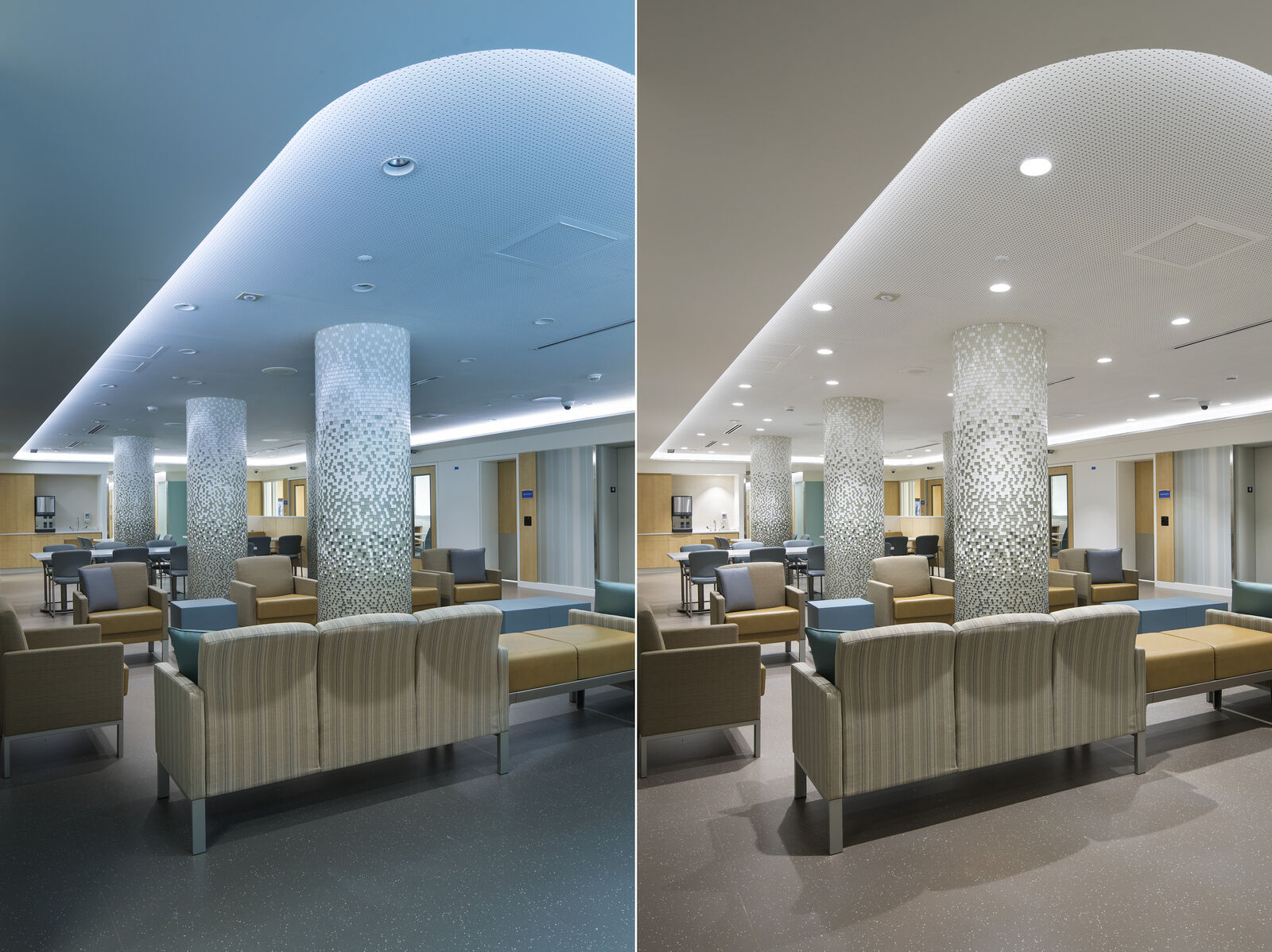
There are ample opportunities to integrate innovation and emerging technologies into healthcare environments. To address the internal spaces lacking daylight at The Behavioral Health Unit at Providence Health and Services’ Swedish Medical Center-Ballard, ZGF developed a unique solution with the client known as a spectral lighting system that changes throughout the course of a day to mimic the color and intensity of the sun’s light to support healthy circadian rhythms for both patients and staff. A Cornell study on daylight and the workplace found that optimized natural light and views resulted in 63% fewer headaches, 56% less drowsiness, and 51% reduced eyestrain. Daylighting helps to regulate circadian cycles of alertness and sleepiness. For patients and staff, it increases employee alertness, happiness, job satisfaction, performance, and commitment to the organization. For patients, it has shown to decrease length of stay, improve sleep quality, enhance mood and reduced risk of ICU delirium.
The rising implementation of radio-frequency identification (RFID) technology, specifically in the healthcare sector, has the potential to save organizations time and money by providing real-time traceability, identification, communication, temperature, and location data for people and resources. RFID tags can track patients as they move through the hospital, allowing staff to monitor their progress and identify bottlenecks in the process. Contrary to barcode scanning, RFID does not require line-of-sight for readers to capture information from tags. This can help hospitals improve workflow and reduce wait times for patients.[vii]
Outcomes of the time motion study performed by Ohasi found that medication administration times were decreased by 61.5% using the RFID medication cart compared to the standard BCMA program.[viii] Blood sampling times were reduced by 67%. The study also found that average surgical time delay rates decreased from 25 to 10 minutes when using their RFID system.[ix] Additionally, the system benefited families in the waiting area, providing real-time information on their family member’s location and improving service quality.
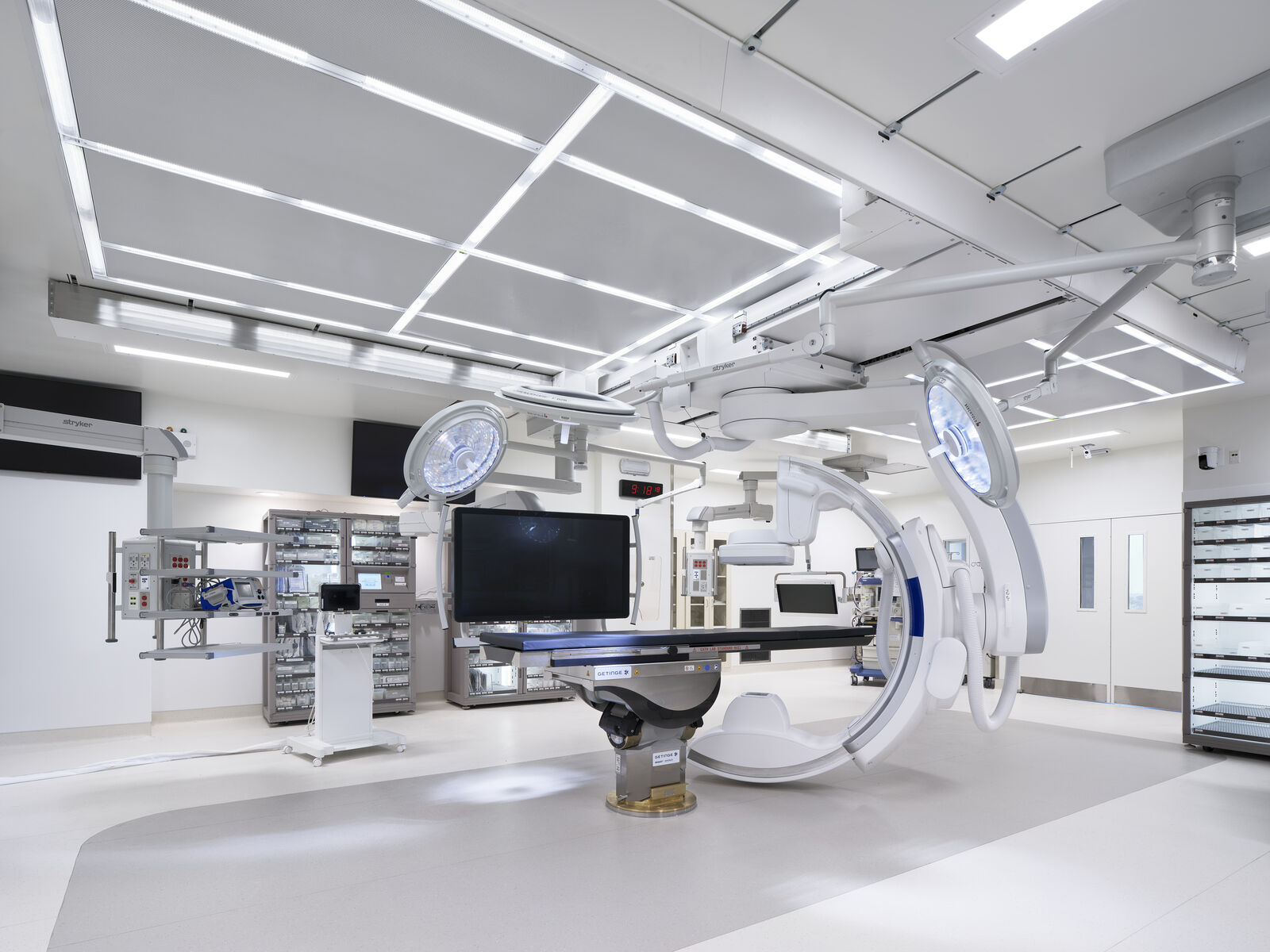
Another area for workflow optimization is the use of robots in the medical field. They are transforming how surgeries are being performed, streamlining supply delivery, disinfecting, and automating repetitive high-volume tasks. All these benefits enable caregivers to spend more time engaging with patients. ZGF has completed numerous projects at the Providence Health & Services, Providence St. Vincent Medical Center. In collaboration with the clinical and surgical staff, ZGF designed an operating room with adjoining control and viewing rooms to integrate new technologies and equipment in one room which allows for future flexibility and a cohesive unit. In addition to the robotic surgery system, a ceiling mounted C-arm was incorporated to allow for real-time imaging during a cardiac surgical procedure. The room also permitted the teams to share information digitally within the operating room as well as broadcast information for collaboration.
Emerging Technologies
Finally, we are also seeing the emergence of artificial intelligence (AI) being used to decrease the cognitive work burden for frontline practitioners. AI-based tools such as natural language processing and image recognition can help clinicians comb through large volumes of information sources and discrete or unstructured data. This can help them to locate or identify more relevant pieces of information as well as missing information. AI can be used to organize and manage datasets to support new clinical workflows or improve existing ones. Clinicians can leverage AI to create patient encounters or other records to simplify billing documentation and reduce documentation burden.
With recent developments in this field, we are just beginning to understand how AI could contribute to the healthcare field. While more research is needed to fully develop and take advantage of its potential, the impact on reducing staff work burden would be a tremendous improvement to the healthcare industry. Architects will play an important role in integrating these new technologies into the design and construction of healthcare facilities.
Room for Improvement
Burnout resulting from chronic workplace stress is not a new phenomenon. Addressing burnout requires an all-hands approach which includes organizational efforts, the built environment and individual consideration. As designers we need to apply human-centered design principles to minimize adverse effects on both clinicians and patients to enhance their wellbeing. Burnout is a multifaceted and complex problem, but we have a significant opportunity to advocate for healthcare professionals through the design of their spaces.
References
[i] National Library of Medicine, Retaining Healthcare Workers: A Systematic Review of Strategies for Sustaining Power in the Workplace. Healthcare (Basel). 2023 Jul; 11(13): 1887. Published online 2023 Jun 29. doi: 10.3390/healthcare11131887
[ii] Duffield C., Roche M., Homer C., Buchan J., Dimitrelis S. A comparative review of nurse turnover rates and costs across countries. J. Adv. Nurs. 2014;70:2703–2712. doi: 10.1111/jan.12483.
[iii] National Academy of Sciences, Engineering, Medicine, Taking Action Against Clinician Burnout: A Systems Approach to Professional Well-Being, Washington DC, The National Academies Press Published 2019.
[iv] The Center for Health Design, The Role of Healthcare Facility Design on the mental health of Healthcare professionals. HERD: Health Environment Research & Design Journal Issue 1 2022.
[v] American Academy of Healthcare Interior Designers, How Flooring Supports the Healthcare Built Environment, Published 2022 by AAHID, Chicago IL. www.aaid.org
[vi] Cham R, Redfern MS. Effect of flooring on standing comfort and fatigue. Human factors. 2001;43(3):381–391. doi: 10.1518/001872001775898205.
[vii] Coustasse, A., Tomblin, S., & Slack, C. (2013). Impact of Radio-Frequency Identification (RFID) Technologies on the Hospital Supply Chain: A Literature Review. Perspectives in Health Information Management.
[viii] Ohashi, K., Ota, S., Ohno-Machado, L., & Tanaka, H. (2010). Smart medical environment at the point of care: Auto-tracking clinical interventions at the bedside using RFID technology. Computers in Biology and Medicine.
[ix] Ku, H., Wang, P., Su, M., Liu, C. C., & Hwang, W. (2011). Application of Radio-frequency Identification in Perioperative Care. AORN Journal,
4 Ways Design Can Help Reduce Violence in Healthcare Facilities
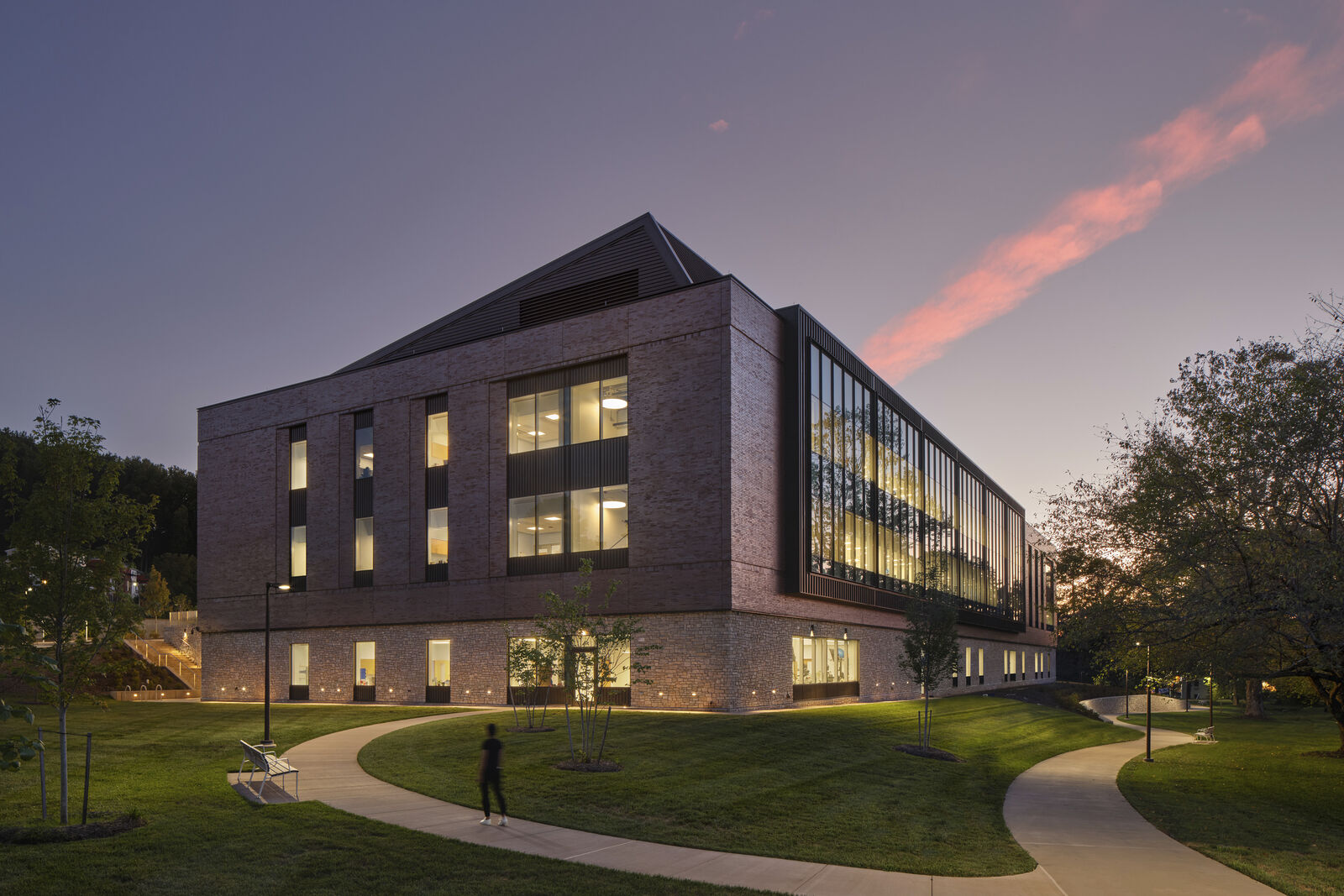
University of Virginia, UVA Orthopedic Center at Ivy Mountain
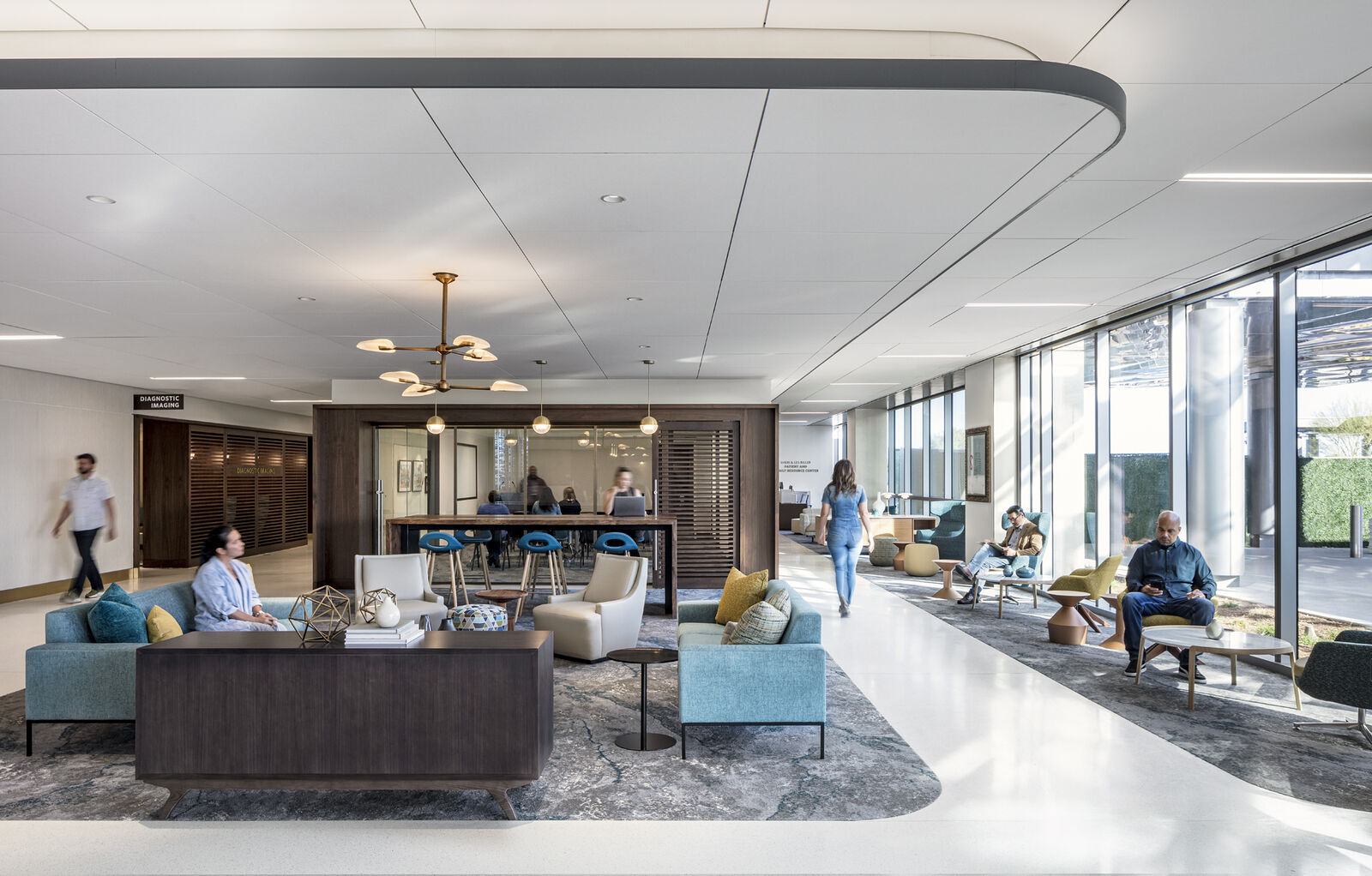
Lennar Foundation Cancer Center

Healthcare Systems Sound the Alarm on Behavioral Health