
Maternal Fetal Medicine Improves Outcomes for Parents & Babies
By Victoria Nichols, Solvei Neiger, Sue Ann Barton, and Kari Thorsen
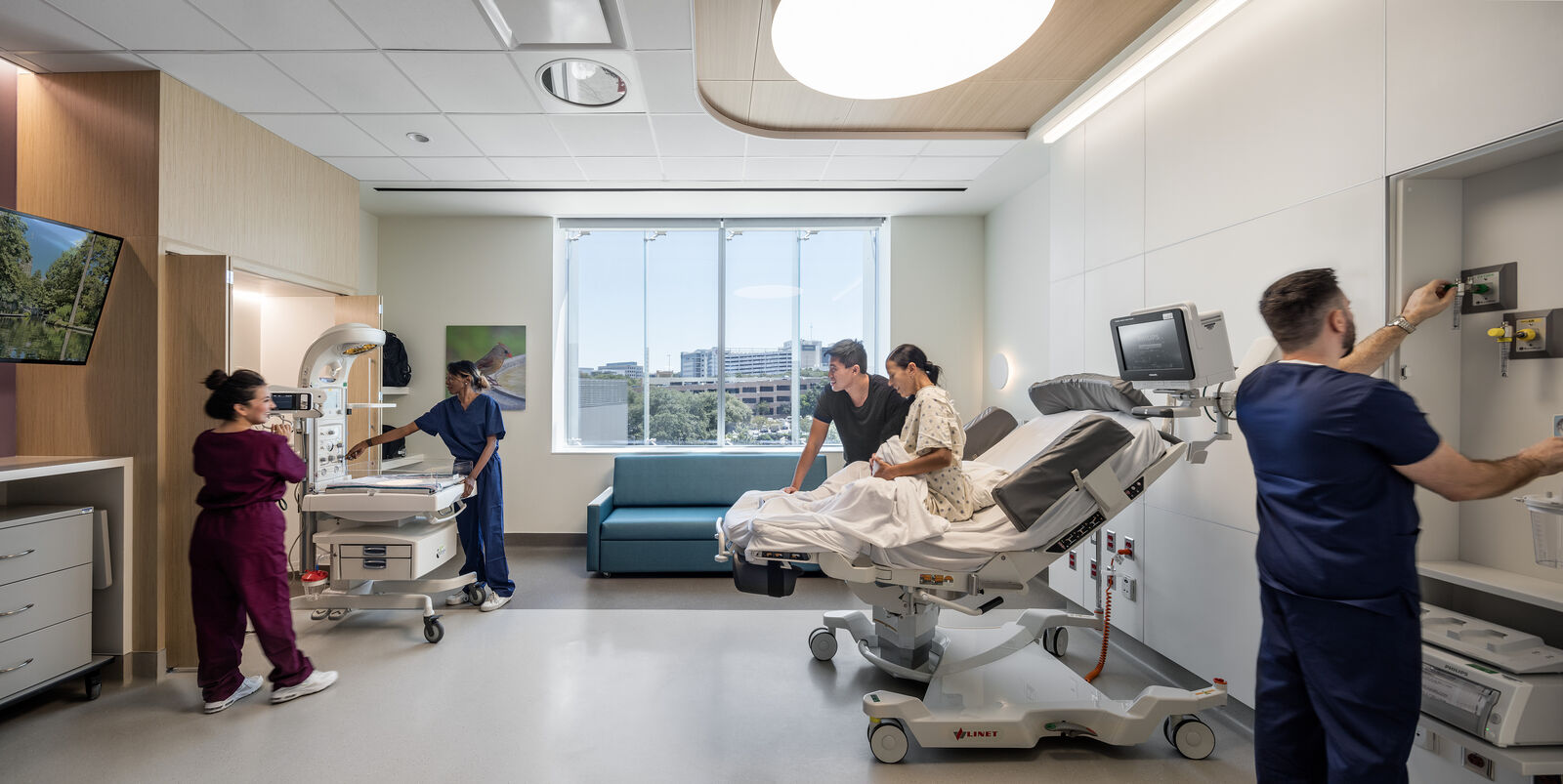
With a growing population of newborns needing access to neonatal intensive care, more health systems are co-locating their maternal fetal programs within children’s hospitals. This highly specialized practice—a differentiator among the few children’s hospitals that offer it—improves outcomes for newborns with complex medical needs and enhances the experience for parents by allowing them to be closer to their baby immediately after birth.
Integrating maternal fetal medicine (MFM) in pediatric facilities is a response to, and a result of, a growing lack of prenatal care that is driving preterm births and the increasing volume of babies needing neontatal care. ZGF has designed several maternal fetal units and neonatal intensive care units (NICUs) within children’s hospitals across North America. These projects have given our healthcare designers a unique perspective on how to thoughtfully integrate adult and pediatric care in one location while meeting the needs of both patient populations.
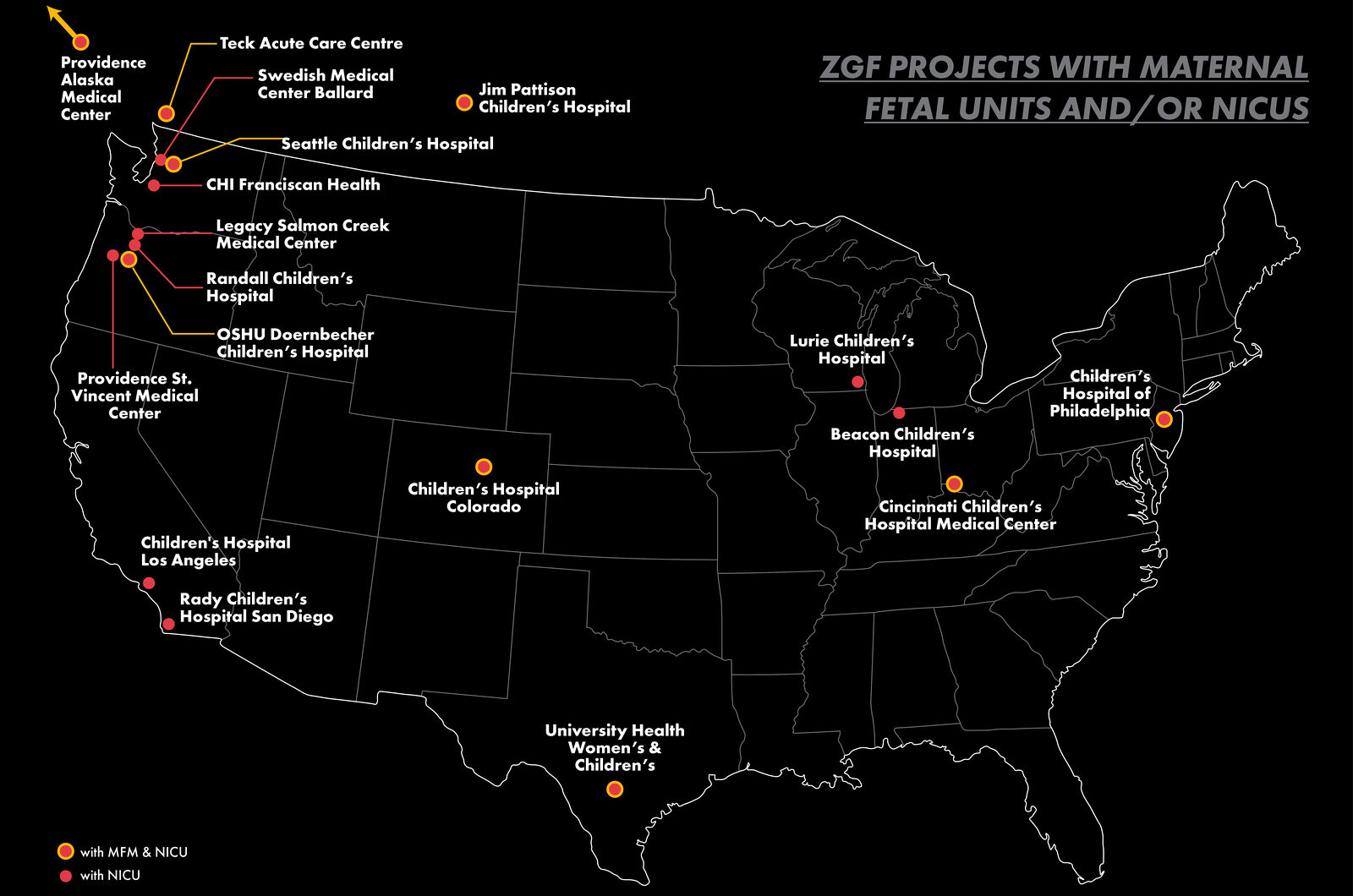
ZGF has designed many maternal fetal units and NICUs in pediatric and adult hospitals across North America.
What is Maternal Fetal Care?
Maternal fetal care includes comprehensive diagnosis, treatment, and multidisciplinary care for unborn babies and birthing parents. Care ranges from genetic testing and counseling, to pregnancy management and prenatal consultation, to fetal imaging, therapy, and treatment including surgical interventions. Maternal fetal programs require a partnership between adult and pediatric care providers—whether the program is in a free-standing facility adjacent to a children’s hospital, fully embedded in a children’s hospital, or embedded in an obstetrical department within an adult hospital.
Programs typically include an outpatient program with exam, diagnostics, procedure, and counseling space; an inpatient program with labor and delivery rooms; fetal and perinatal surgery; antepartum and postpartum rooms; family and staff amenities; and immediate proximity to the NICU. These NICUs range from Level I (lowest acuity) to Level IV (highest acuity) and can be embedded in an adult or children’s hospital.
Both maternal fetal medicine and neonatal medicine are relatively new practices that are continuously evolving with new research and models of care. For example, couplet care enables the birthing parent and baby to stay in a private patient room together in the NICU. Both are cared for by a cross-trained team of NICU and postpartum providers. This model reduces stress for the parent and baby; allows the parent to recover with their infant in the same room and begin kangaroo care (skin-to-skin bonding) right away; and improves clinical and developmental outcomes for babies. Research shows reduced stress in babies in their mother’s arms, including lower cortisol levels in babies getting a needle stick while in their mother’s arms than alone in their warmer.
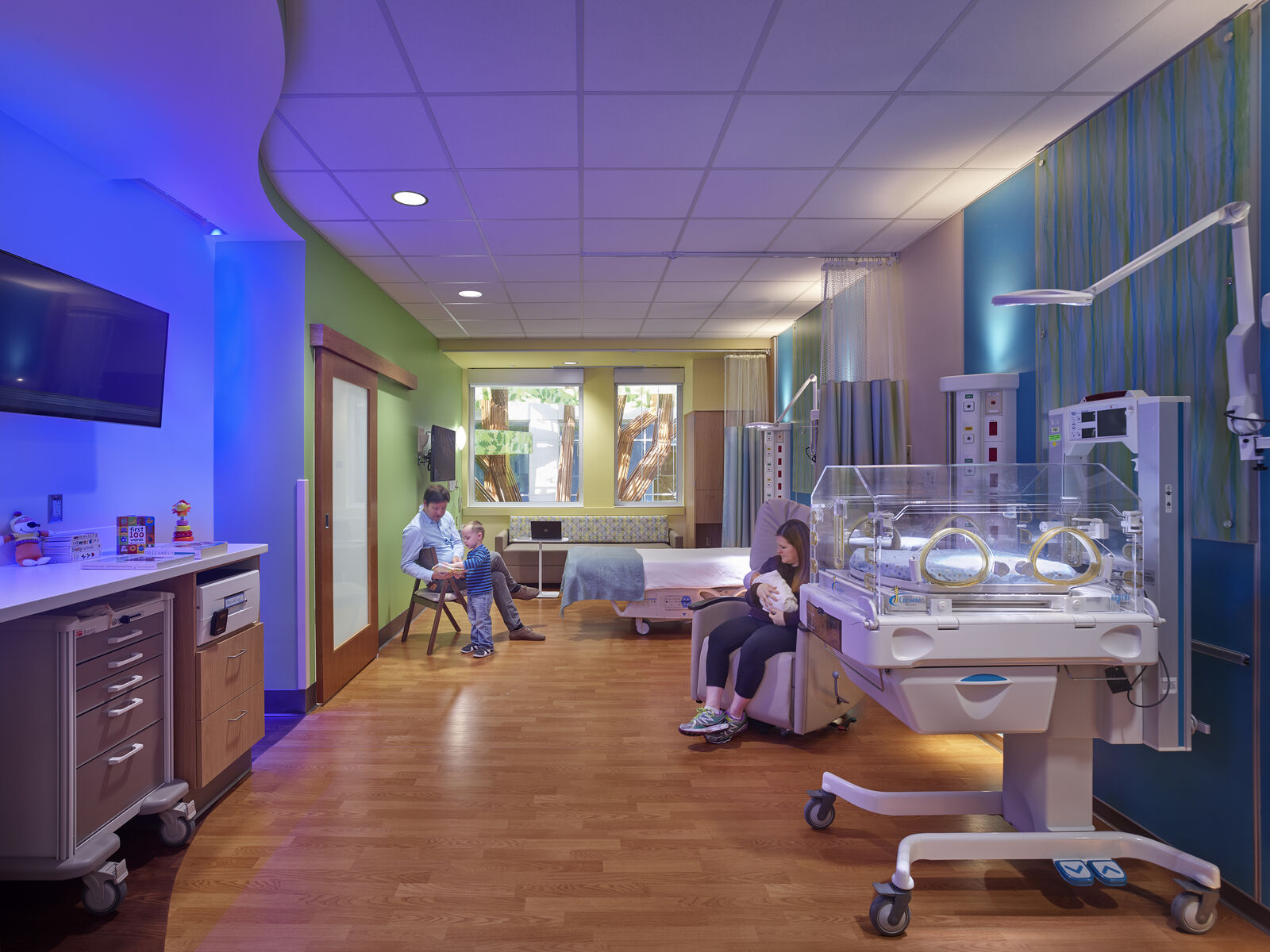
ZGF designed the Couplet Care Room prototype for Beacon Children’s NICU, allowing parents and babies to receive care together in the same private room. Large recliners with arm support allow parents to hold the baby for prolonged periods of time, ideally 8 hours a day.
Parental involvement with their baby in the NICU also reduces parental stress and improves psychological well-being. In typical adult care settings, the birthing parent may be recovering miles away while their partner or support person moves between hospitals if their baby is transferred to a pediatric facility. Co-locating programs allows them to be in the same building or just down the hall from their newborn.
Frequently, maternal fetal centers only treat healthy parents whose babies have a medical condition. Parents with a medical condition are more likely to deliver at an adult hospital or lower acuity birthing center. But changing models of care, and the ability to detect and treat fetal conditions earlier in pregnancy, have resulted in more parents coming to maternal fetal centers. This allows for fetal anomalies to be immediately addressed in a higher acuity setting with access to intensive care, resuscitation, diagnostics, surgery, and recovery spaces in one place.
Phased Growth at Children’s Hospital Colorado
When ZGF designed the replacement hospital for Children’s Hospital Colorado in the early 2000’s, we knew it would be a few years until the East Tower Addition would come online to create new space for the maternal fetal program. Our interim solution was to convert part of the NICU into a small delivery program with labor, delivery, postpartum, and recovery rooms and a C-Section suite to allow the hospital to get its program up and running.
The East Tower Addition opened in 2012, physically connected to the replacement hospital with a dedicated entry, drop-off, and lobby for the Fetal Care Center distinct and separate from the Children’s Hospital. The new building includes a full floor devoted to high-risk deliveries, with a large fetal intervention suite to accommodate interdisciplinary teams, as well as family amenity spaces outside of patient rooms to accommodate longer antepartum stays with direct access to the NICU floor in the Children’s Hospital. The design concept was based on creating a truly healing environment acknowledging that all patients who come here are facing unexpected outcomes and to reduce patients’ stress that is inherent in the care being delivered. Each bathroom has a soaking tub and steam shower for laboring patients, nature inspired glasswork, warm tile, modern fixtures, and ample counter space that evoke a spa-like environment: relaxing, calming, soothing, healing.

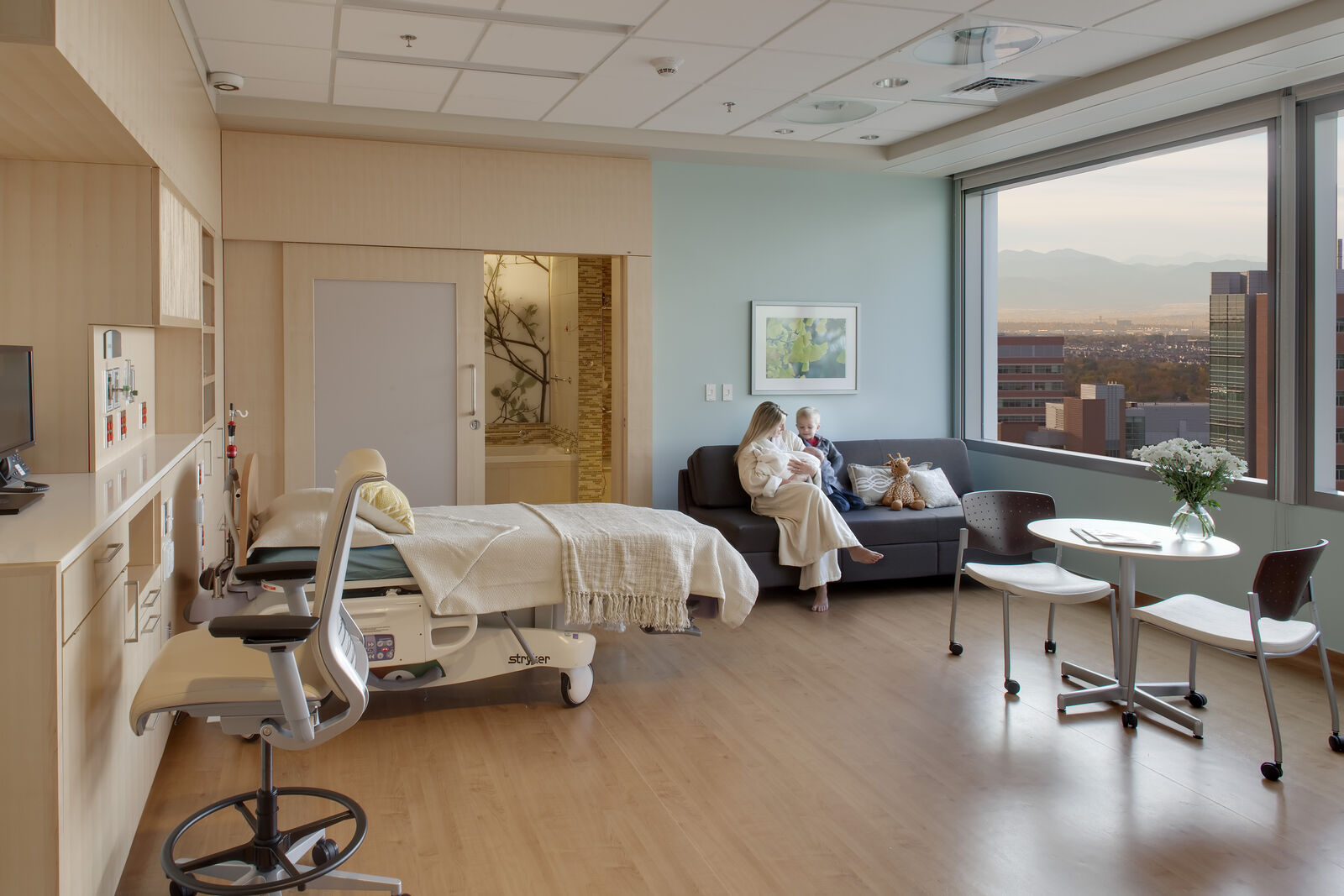
After the East Tower Addition was completed, ZGF then converted the last of the original open bay NICU pods into private patient rooms to achieve the master planned concept for maternal fetal care. We took the learnings from this phased approach in Colorado to our work with Cincinnati Children’s Hospital Medical Center, designing 4 labor and delivery rooms and a fetal operating room (OR) in the existing NICU department prior to the Critical Care Building Expansion being completed in 2021.
A Permanent Home for Cincinnati Children’s Maternal Fetal Program
Following the completion of Cincinnati Children’s Critical Care Building Expansion (Location G), renovation of the existing space within Location B is underway, designed to create a permanent home with expanded capacity for the growing maternal fetal program. The program consists of a maternal fetal outpatient clinic on level 1, an inpatient maternal fetal unit for antepartum patients on level 6, and new labor and delivery rooms on level 4, directly adjacent to the NICU, which spans across both Locations B and G. Providing a permanent home for this adult population within the children’s hospital enables caregivers to provide a more well-rounded system of care for both parents and babies. With its new space, Cincinnati Children's can also hire and train specialists who previously also needed to practice in an adult facility to gain this experience and grow their expertise.
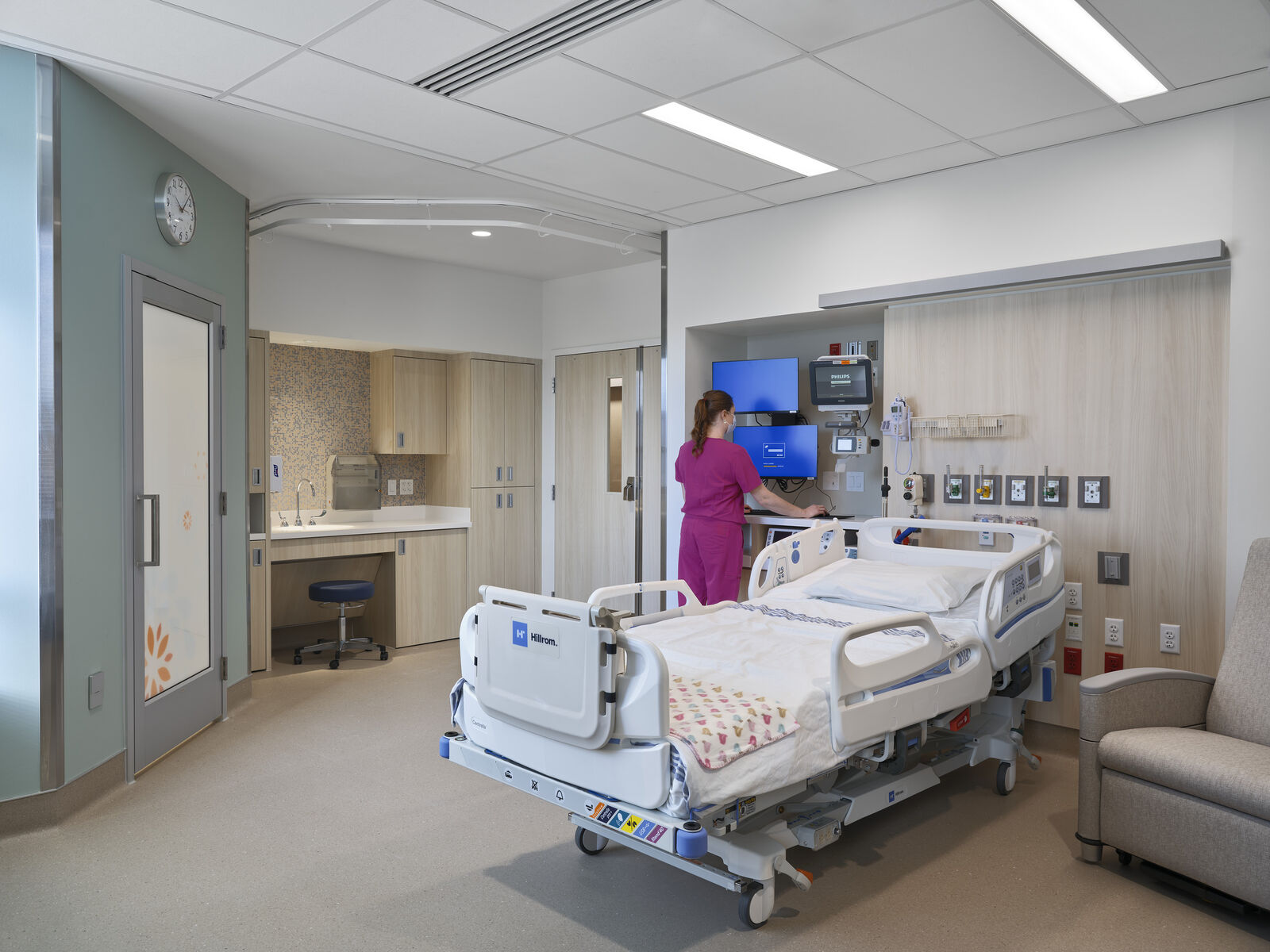
ZGF, in association with GBBN, specially designed the new antepartum unit within Cincinnati Children's Fetal Care Center for a growing population of pregnant women whose babies need complex care before and after birth.
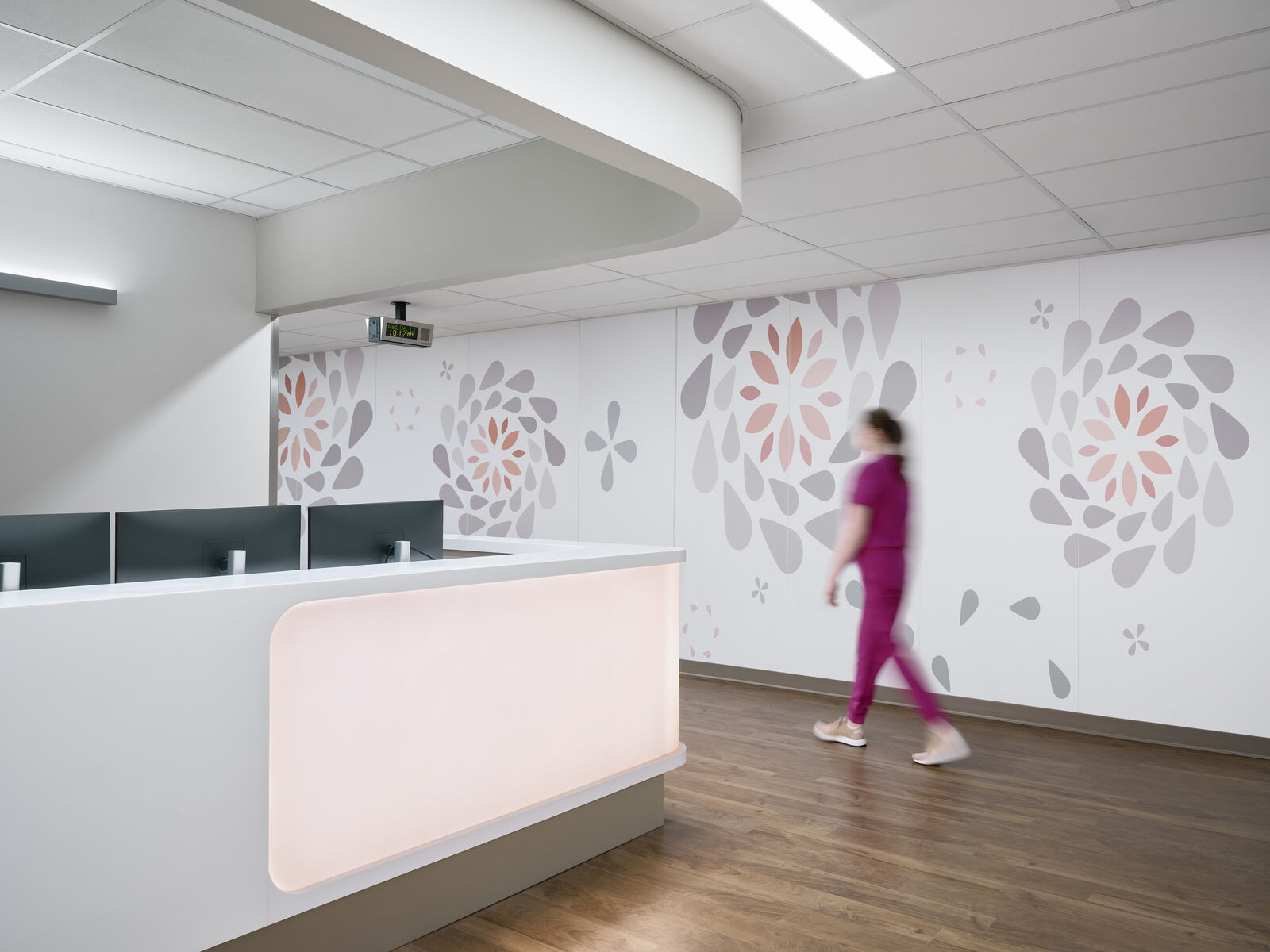
As one of few pediatric hospitals offering this type of inpatient unit, Cincinnati Children’s ensures expecting parents receive unparalleled specialized care from prenatal diagnosis through delivery.
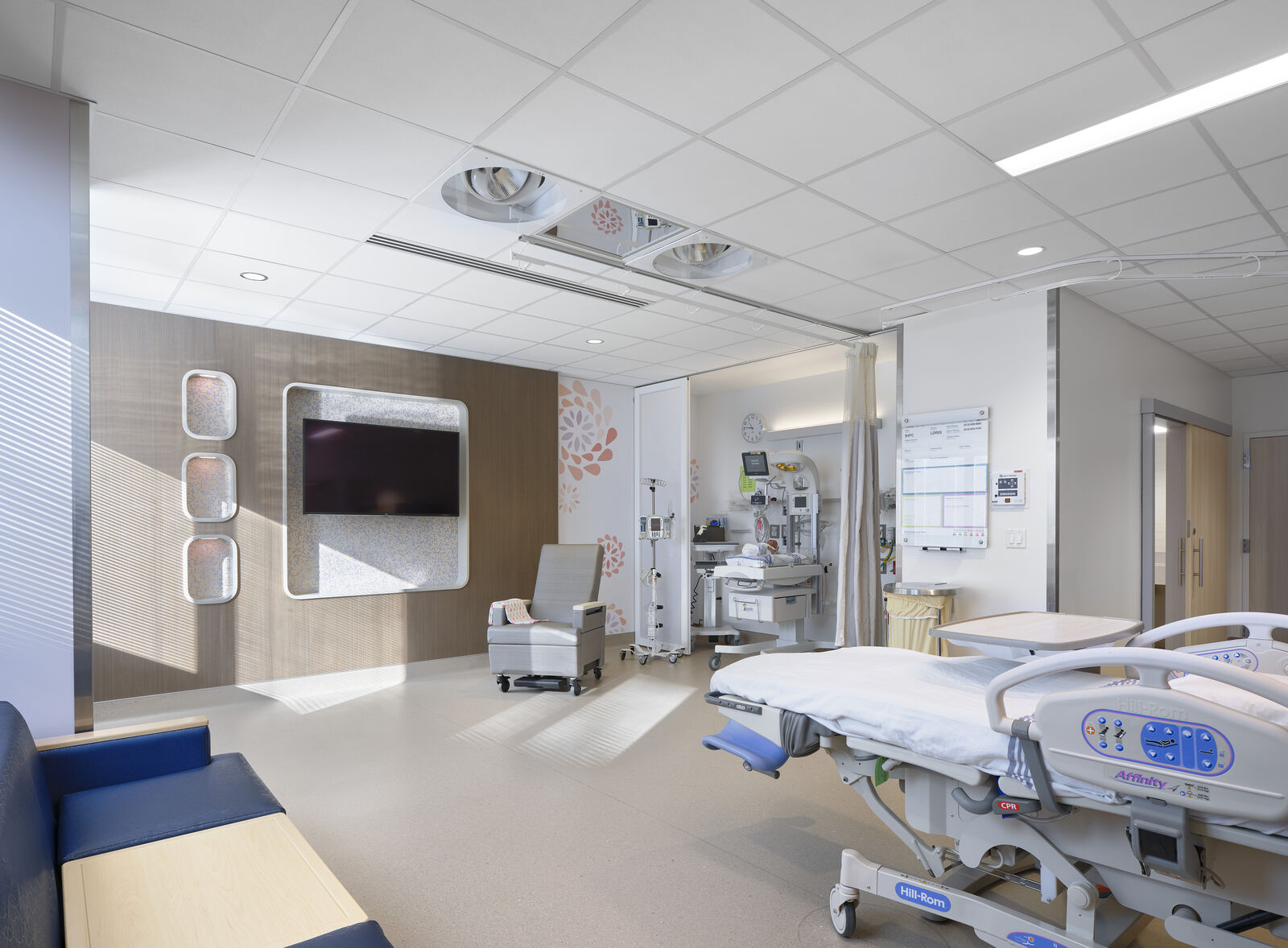
Large, daylit labor and delivery rooms allow parents, babies, and family members to stay together during those critical bonding moments after birth.
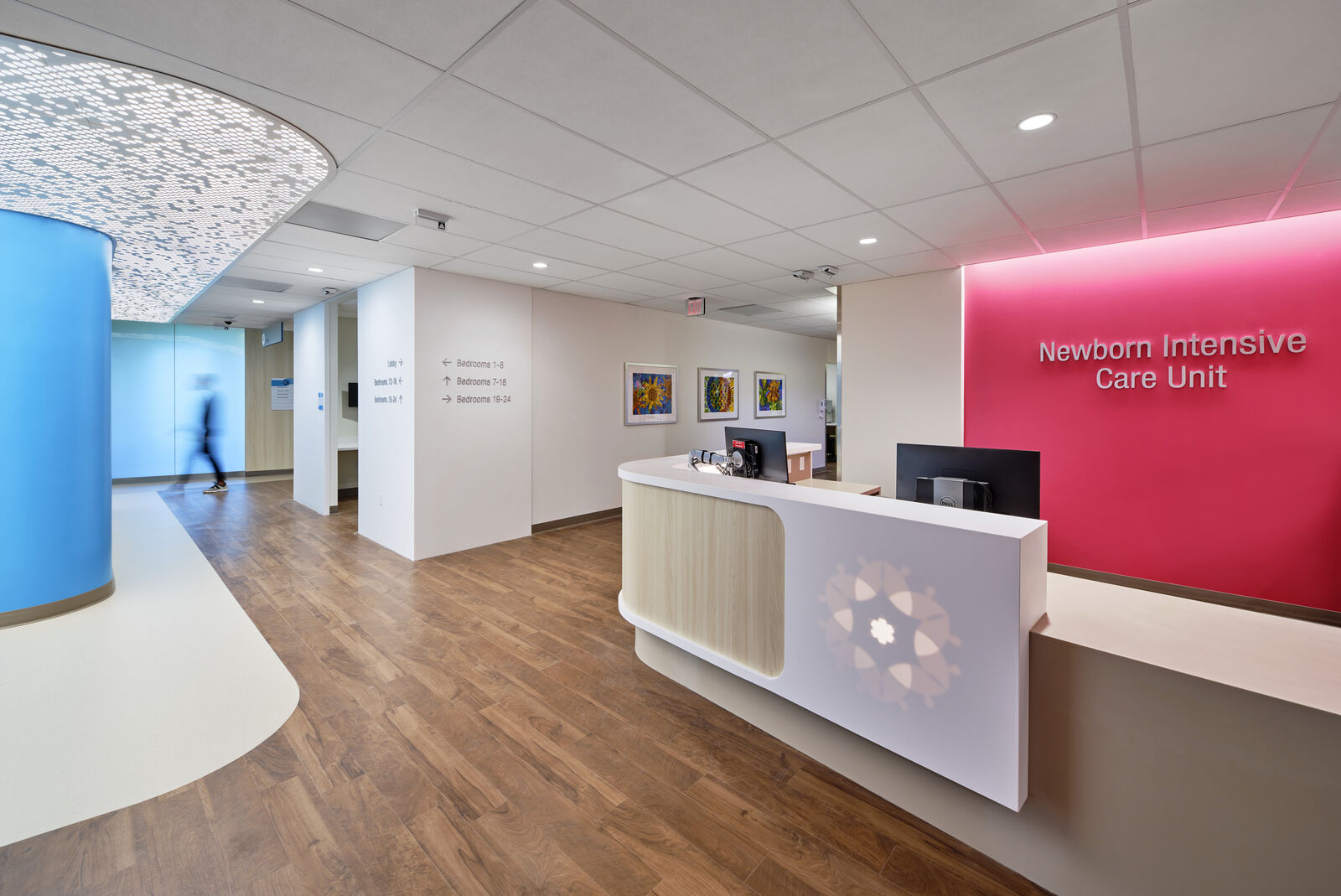
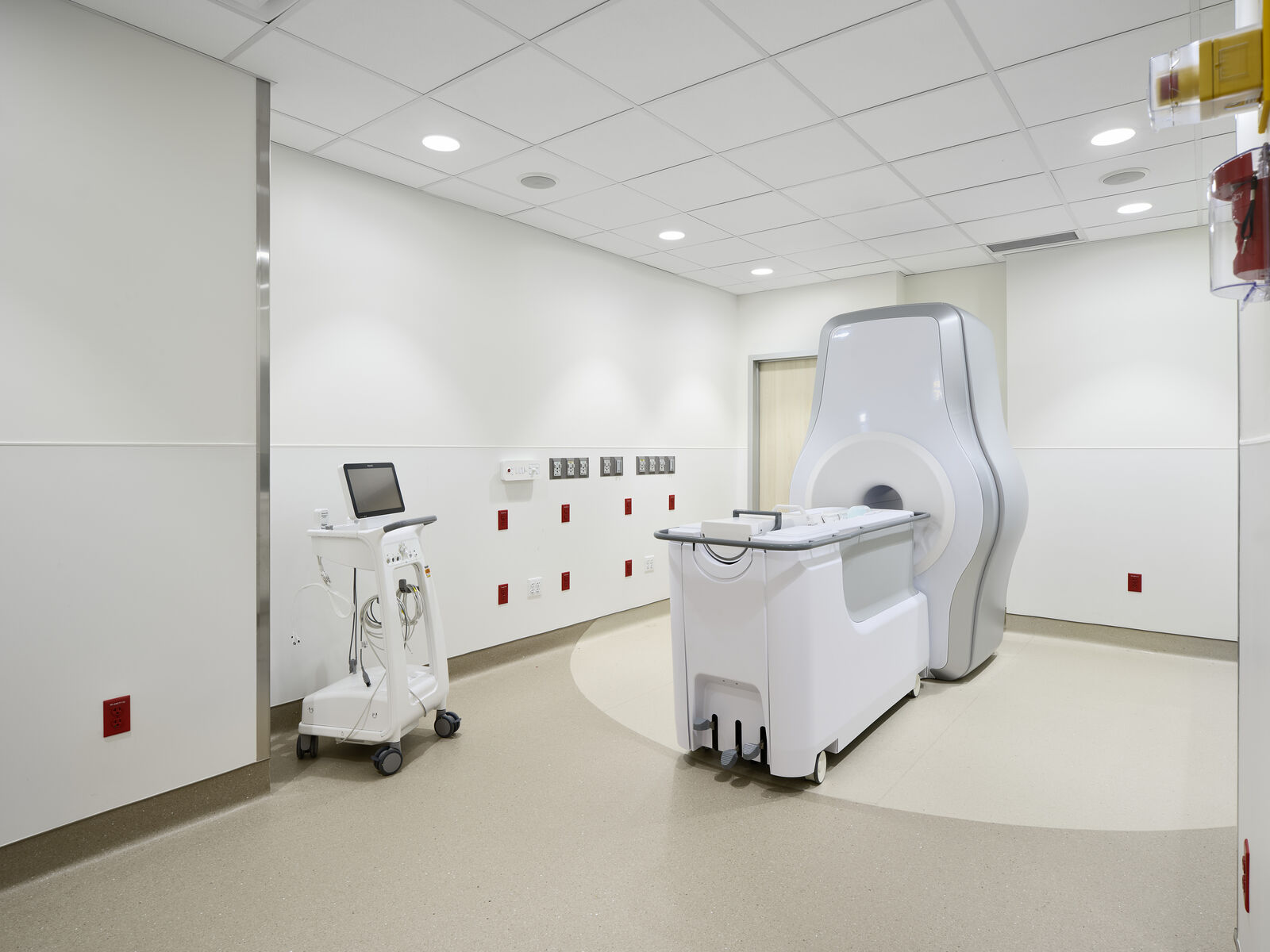
The newly expanded NICU features two firsts: an innovative spectral lighting system in the patient rooms and a first of its kind MRI designed specifically for premature babies to ensure more precise imaging and to support clinical research.
Advancing Perinatal Care at OHSU Doernbecher Children’s
As ZGF’s first children’s hospital, OHSU Doernbecher Children’s engaged ZGF over 20 years ago to consolidate and expand previously dispersed pediatric inpatient, diagnostic, treatment, and public services in a new five-story building connected to the OHSU main hospital and Hatfield Research Center.
Today ZGF is designing a 176,000 SF addition to Doernbecher Children’s that will bring adult and newborn birthing care into one building, enabling expansion of the hospital’s NICU, Antepartum/Postpartum, and Labor & Delivery Departments that are currently located in the OHSU main hospital. The program includes 60 private NICU rooms, a C-section suite with 2 delivery rooms and a fetal OR, a NICU procedure room, 7 antepartum rooms, 12 labor and delivery rooms, and 32 postpartum adult patient rooms. Private patient rooms will accommodate couplet care and allow the hospital to continue growing its maternal fetal program, which is currently in the main hospital, in the future.

Doernbecher Children’s new perinatal tower addition is envisioned as a destination for advancing care in this rapidly changing area of medical specialization.

Addressing Health Disparities in South Texas
As one of only a handful of women’s and children’s hospitals in the U.S. and the first Level IV Maternity Center in South Texas, University Health Women’s and Children’s Hospital represents a leap forward in advancing the care of a historically underserved population. ZGF and Marmon Mok designed the 14-story tower with the goal of creating the hospital of choice for women and children in the region.
The Level IV Maternity Center specializes in high-risk deliveries and pregnancy complications, with support from the Level IV NICU. Labor and delivery rooms accommodate both clinical and midwifery teams as well as adequate space for family members. The NICU is equipped with kangaroo rooms so parents can stay close should their newborn require special care. Large recliners with arm support allow them to hold the baby for prolonged periods of time, ideally 8 hours a day, during their stay in the NICU, which can be weeks or months.
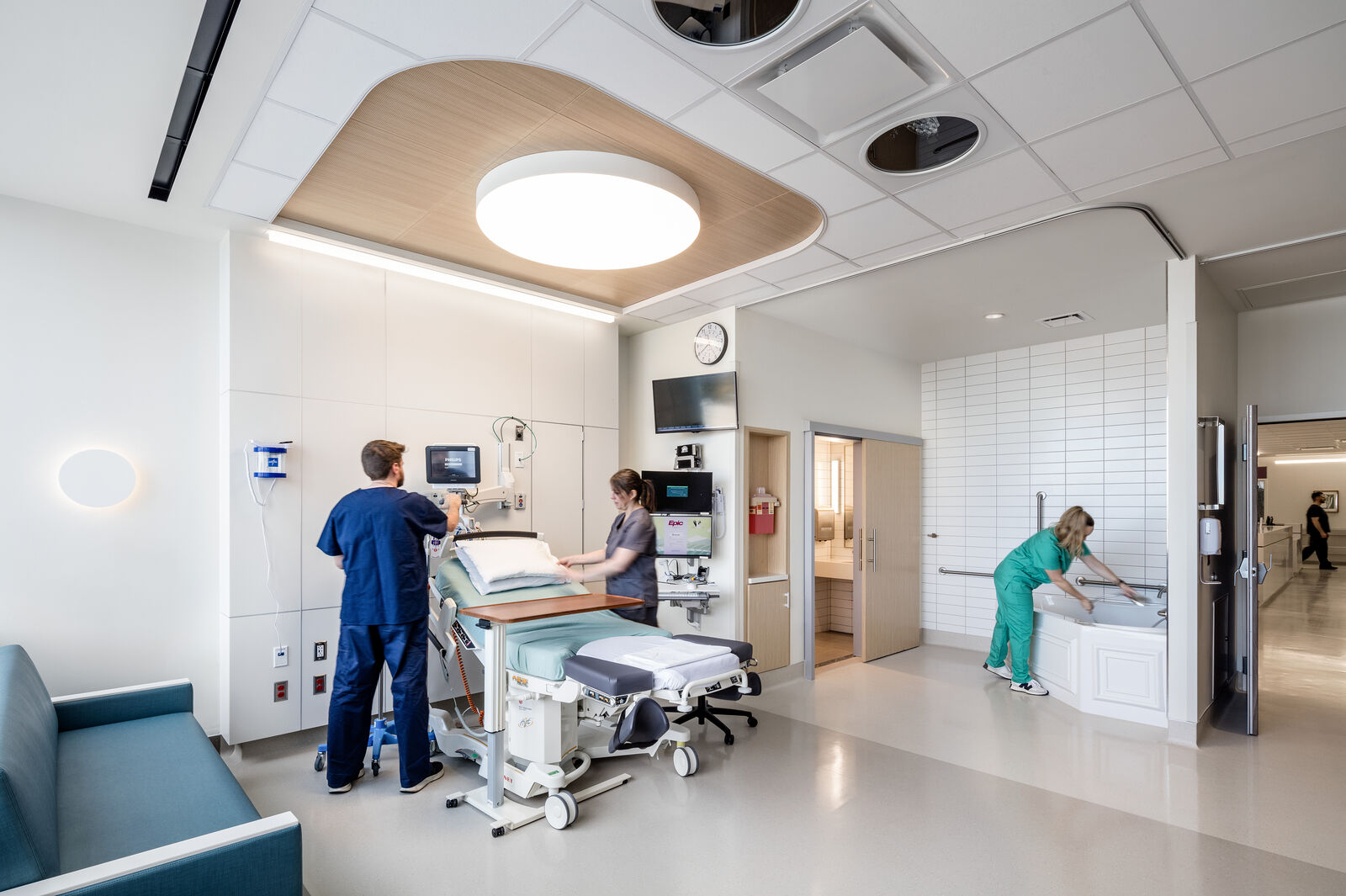
Labor and delivery rooms support the parent’s choice of birth type, as well as the swift transition from one to the other should complications arise.
Expanding Women’s and Children’s Care in Canada
Located on the BC Children’s Hospital & BC Women’s Hospital + Health Centre campus in Vancouver, the Teck Acute Care Centre features a high-risk birthing center and a new NICU in the Children’s Hospital. The program includes 10 labor and delivery rooms, 4 high acuity birthing rooms, 3 delivery ORs, 1 NICU procedure room, and 76 NICU beds (50 on the birthing floor and 26 on the general procedures floor above). A bridge connects this program in the Children’s Hospital directly to the birthing floor of the Women’s Hospital to allow for seamless transition of patients and staff to deliver care in the right setting as needs arise.

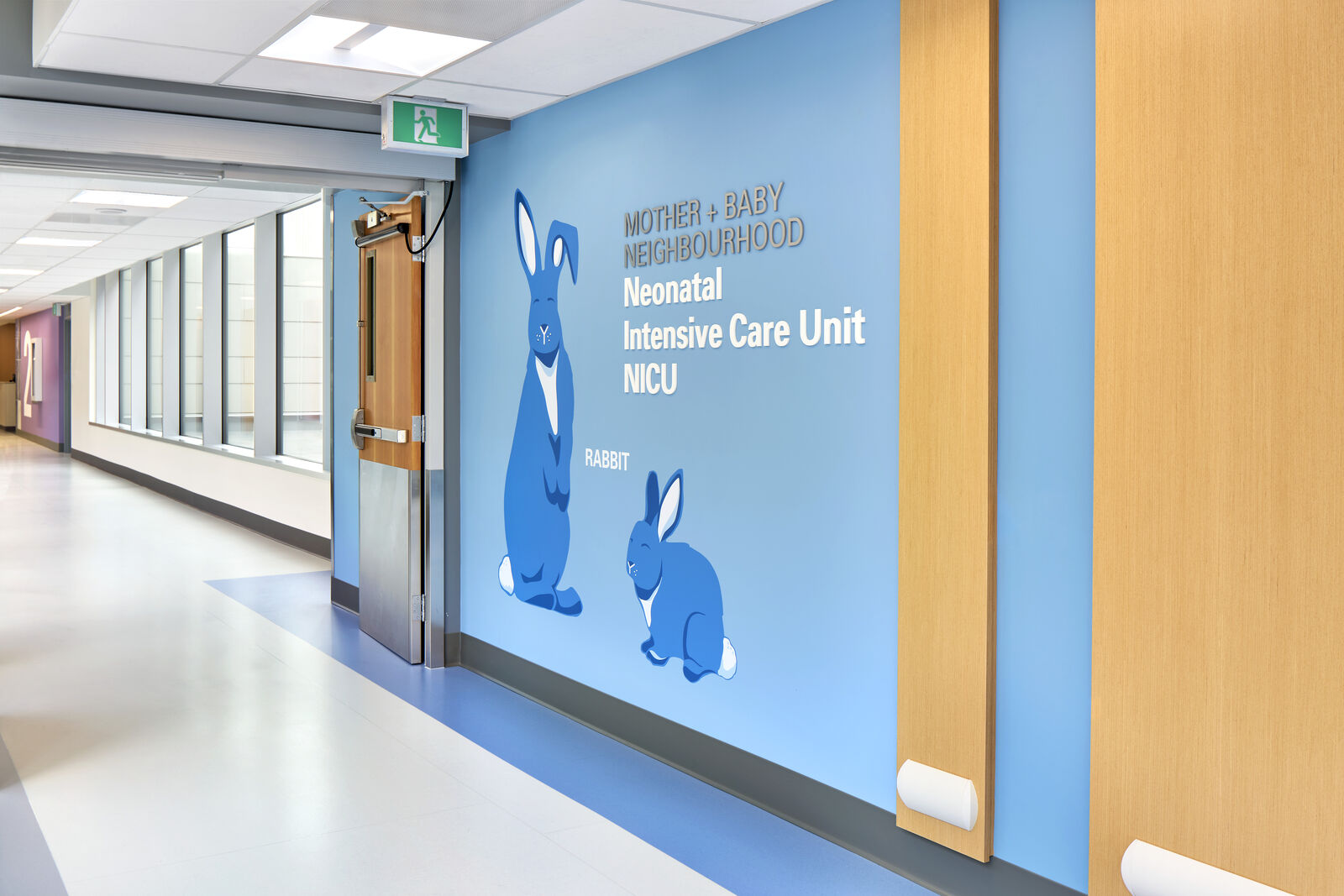
A bridge connects the NICU in BC Children’s Hospital directly to the birthing floor of BC Women’s Hospital to allow for seamless transition of patients and staff.
ZGF’s first foray into Canadian maternal care models occurred at the Jim Pattison Children’s Hospital in Saskatoon, Canada. There we learned the nuances and power of an integrated care model with differing lengths of stay that the Canadian healthcare system provides.
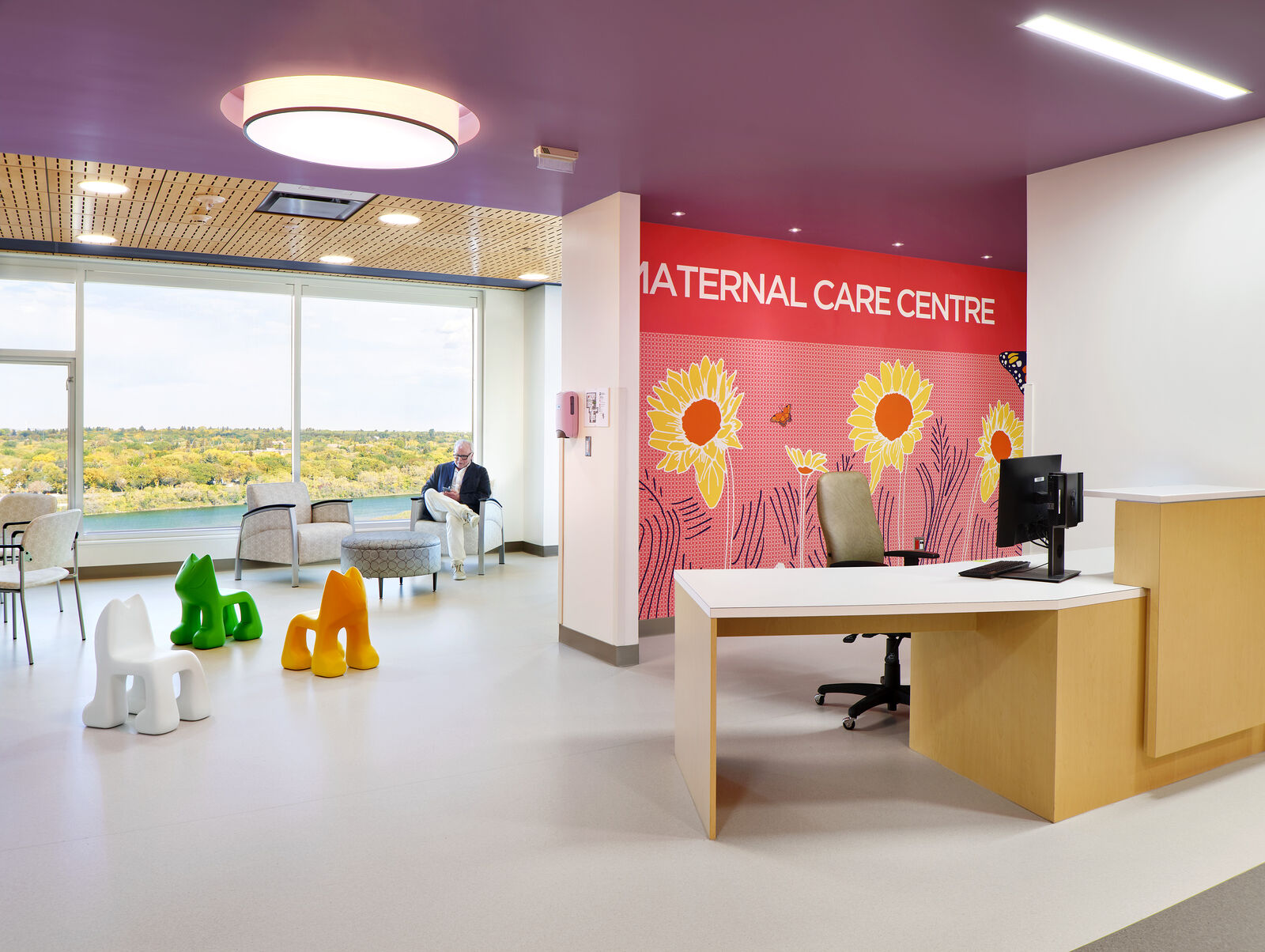
Jim Pattison Children’s Hospital in Saskatoon, Canada includes a Maternal Care Centre on Level 3 and NICU on Level 4.
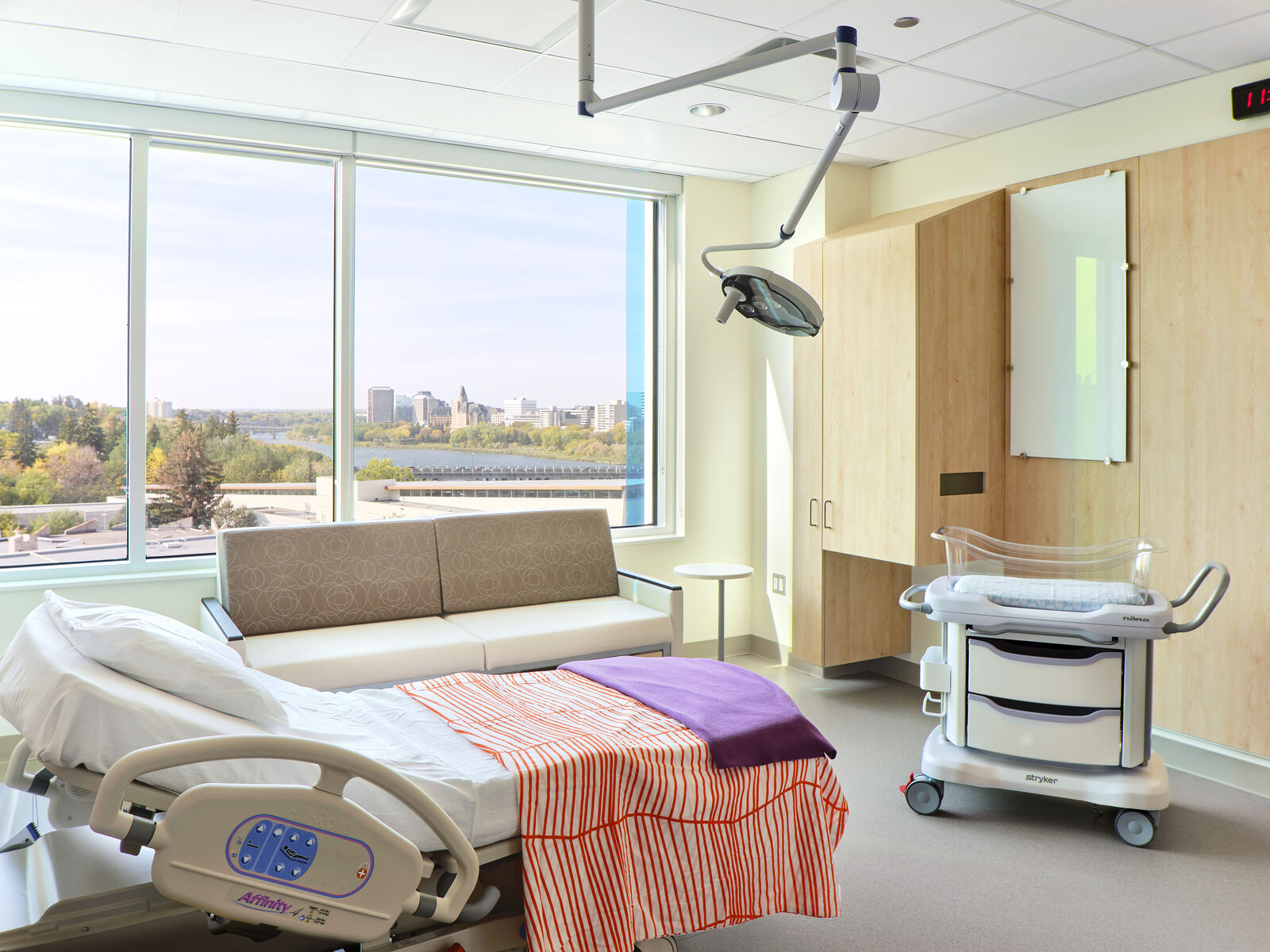
Labor and delivery rooms enjoy expansive views to the South Saskatchewan River.
As we design modern NICUs for leading children’s hospitals across the US and Canada, we are able to give thought to how a maternal fetal program could be integrated into the facility in the future and what provisions can or should be made now to accommodate these distinct flows and patient needs.
Final Thoughts & Design Considerations
- Overall design experience: Thoughtful touches can enhance the overall design experience for adults receiving care in a pediatric setting. At Cincinnati Children’s, ZGF gave the maternal fetal program its own identity through colors, environmental graphics, and finishes that are cohesive with the rest of the children’s hospital but tailored for an adult population.
- Circulation: At University Health Women’s & Children’s, ZGF thoughtfully planned circulation in response to different patient journeys and birthing outcomes for those experiencing loss or trauma. Separate flows allow those patients and families to maintain privacy and eliminate visual and auditory crossover from those experiencing joyful outcomes.
- Private vs. shared spaces: Many families prefer private patient rooms, especially in the NICU, where the hospital room is their baby’s first nursery—and they are becoming more widely available in new hospital facilities. But it’s important to consider patients who don’t have immediate family support or whose family can’t be present during their care. These patients may benefit from additional attention of the care team that comes with shared patient spaces.
- Change management: It takes time for providers, care teams, and staff to get comfortable in new spaces, especially those that serve both adults and babies. Architects can’t expect a client to show up with a fully formed program. Design solutions that allow for gradual integration of maternal fetal programs and adult care into the NICU as the opportunity arises may work best for some organizations, rather than waiting for a mature program and a brand-new facility.
- Health disparities: There is growing awareness that mother and infant mortality rates are disproportionately higher among Black patient populations. Research suggests this starts downstream with inequitable access to primary, obstetrics, and gynecology care, but it persists in pre/postnatal care. The reasons vary: lack of access to a provider who looks like them, lack of trust in the healthcare system, hesitancy to seek care, not being offered the same services, or being treated differently due to race or socioeconomic status. This lack of primary and prenatal care results in a higher likelihood of complications that require maternal fetal medicine interventions or NICU care.
For architects and designers, every project is an opportunity to help address these disparities and break down barriers to care. It starts by engaging diverse and underrepresented patient populations in the design process, designing welcoming and inclusive spaces that foster trust and belonging, and ensuring patients can receive the right care in the right setting, wherever their needs are best met.

University Health Women’s & Children’s Hospital
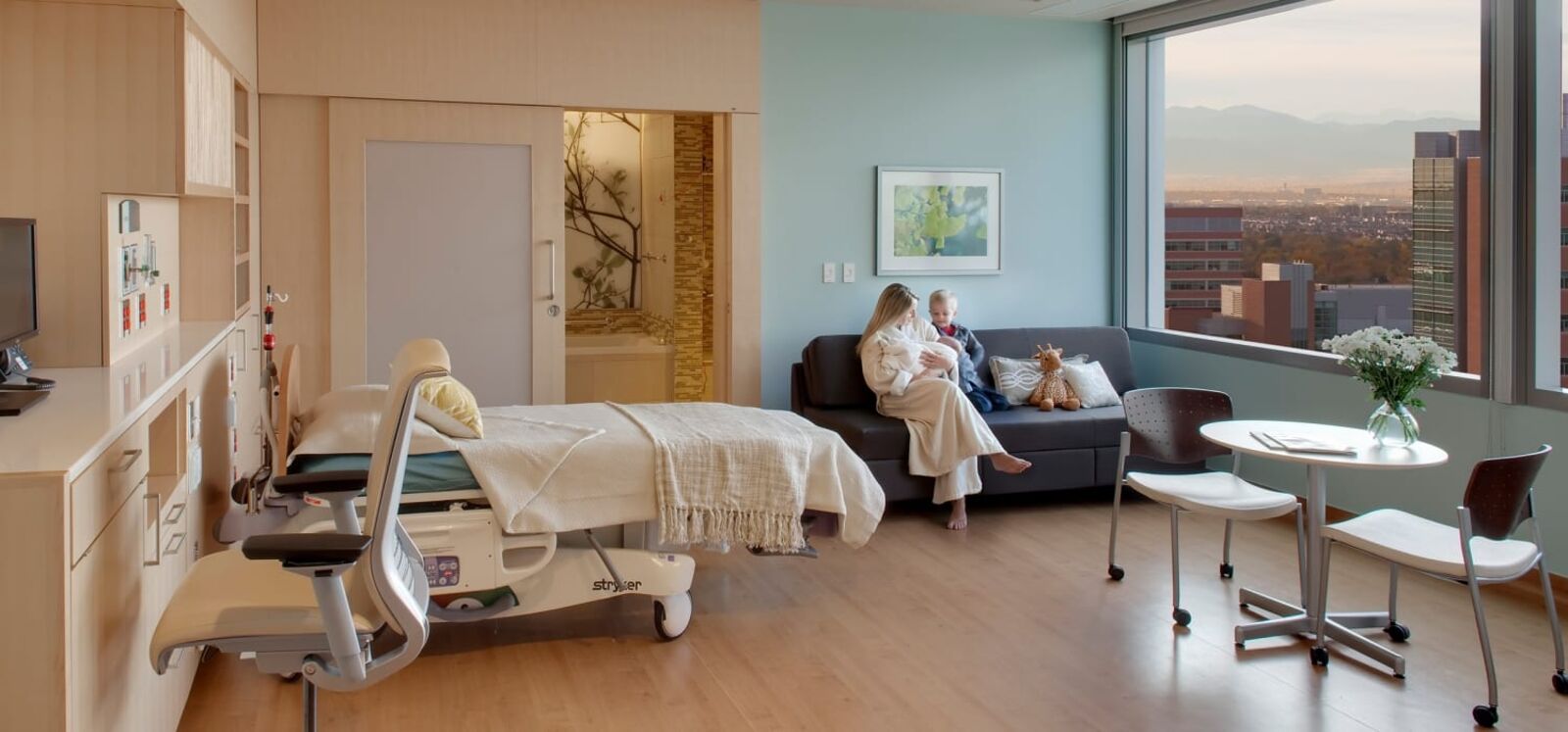
Children’s Hospital Colorado, East Tower Addition

BC Children’s Hospital & BC Women’s Hospital + Health Centre, Teck Acute Care Centre

4 Ways Design Can Help Reduce Violence in Healthcare Facilities
