Delivering a Curated Care Experience
Curated care is a personalized approach to healthcare that focuses on tailoring treatment and services to meet the specific needs of each patient. Instead of expecting patients to conform to a one-size-fits-all model, curated care breaks down barriers and brings individualized services to patients. This tailored approach benefits patients and healthcare providers alike by fostering proactive management, improving patient outcomes, and enhancing clinician coordination.
Holistic and Flexible Treatment Delivery
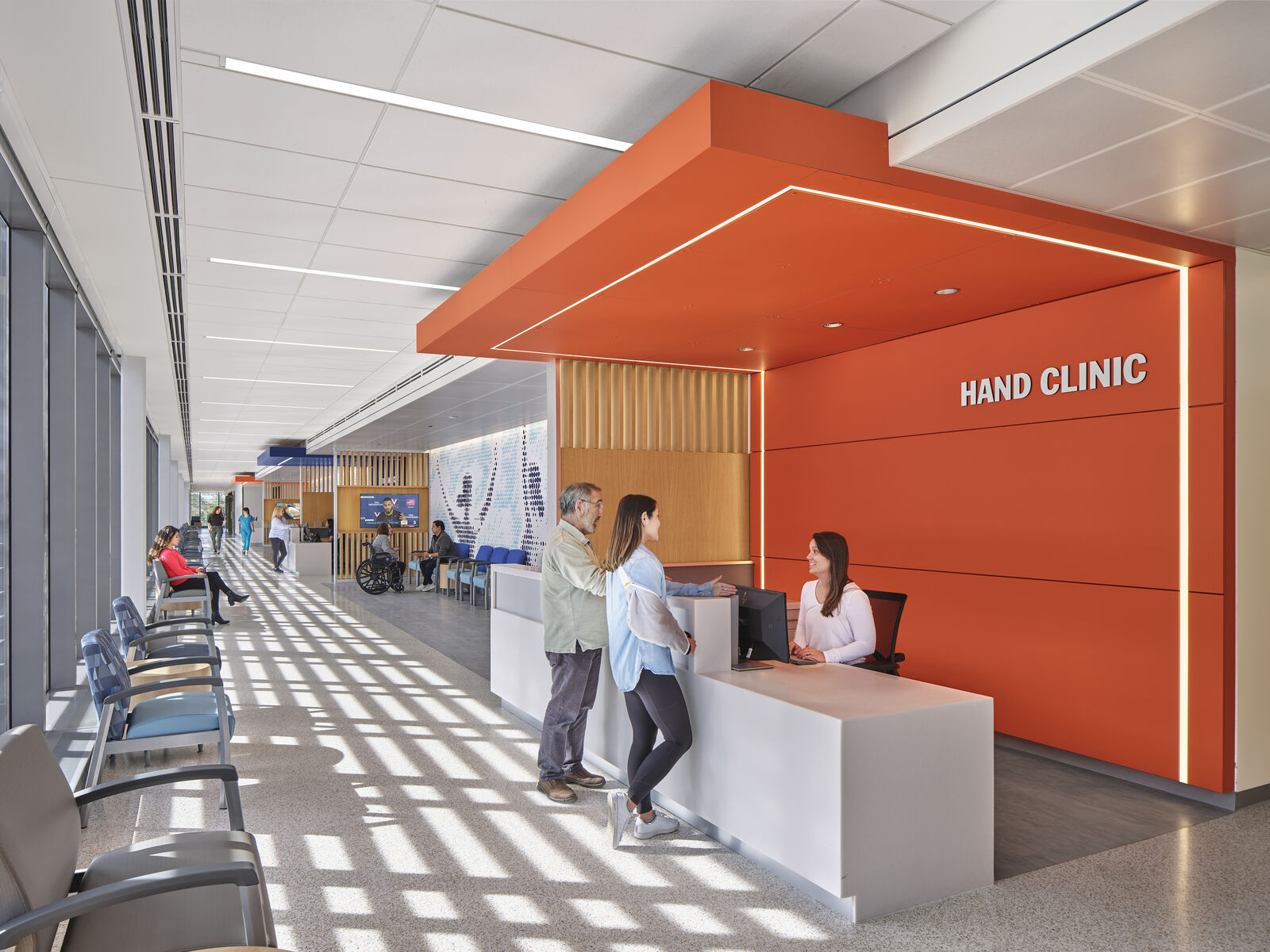
Successfully providing personalized care requires a holistic and adaptable approach. Unlike standardized healthcare models, personalized treatment plans are proactive and evolve over time to stay effective and relevant as patients progress. The personalized care plan understands that each patient has unique circumstances and lifestyles, requiring clinicians to meet patients where they're at. By ingraining flexibility into the delivery process healthcare providers improve patient accessibility and convenience while reducing stress. To support flexible delivery, healthcare spaces must be designed with adaptability and versatility in mind. At Del Pepper Community Resource Center in Alexandria, Virginia, the inclusion of a side entrance allows for extended hours and weekend access, ensuring patients with limited schedules can still receive in-person care. Similarly, at University of Virginia’s Orthopedic Center at Ivy Road, a flexible planning model allows exam rooms to be shared based on day of the week and patient volume, optimizing care for each patient group and reducing wait times.
Clinician and Staff Coordination
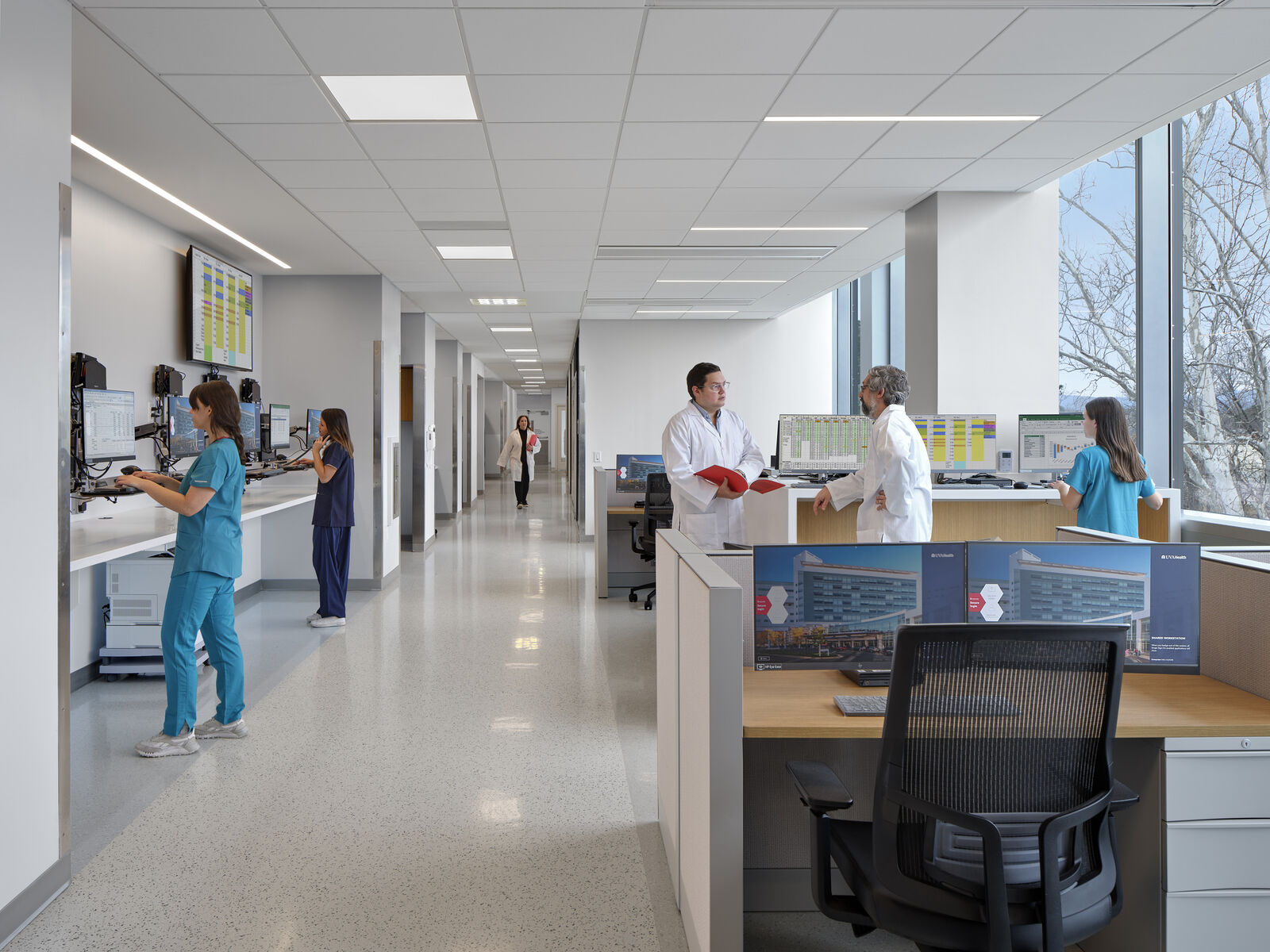
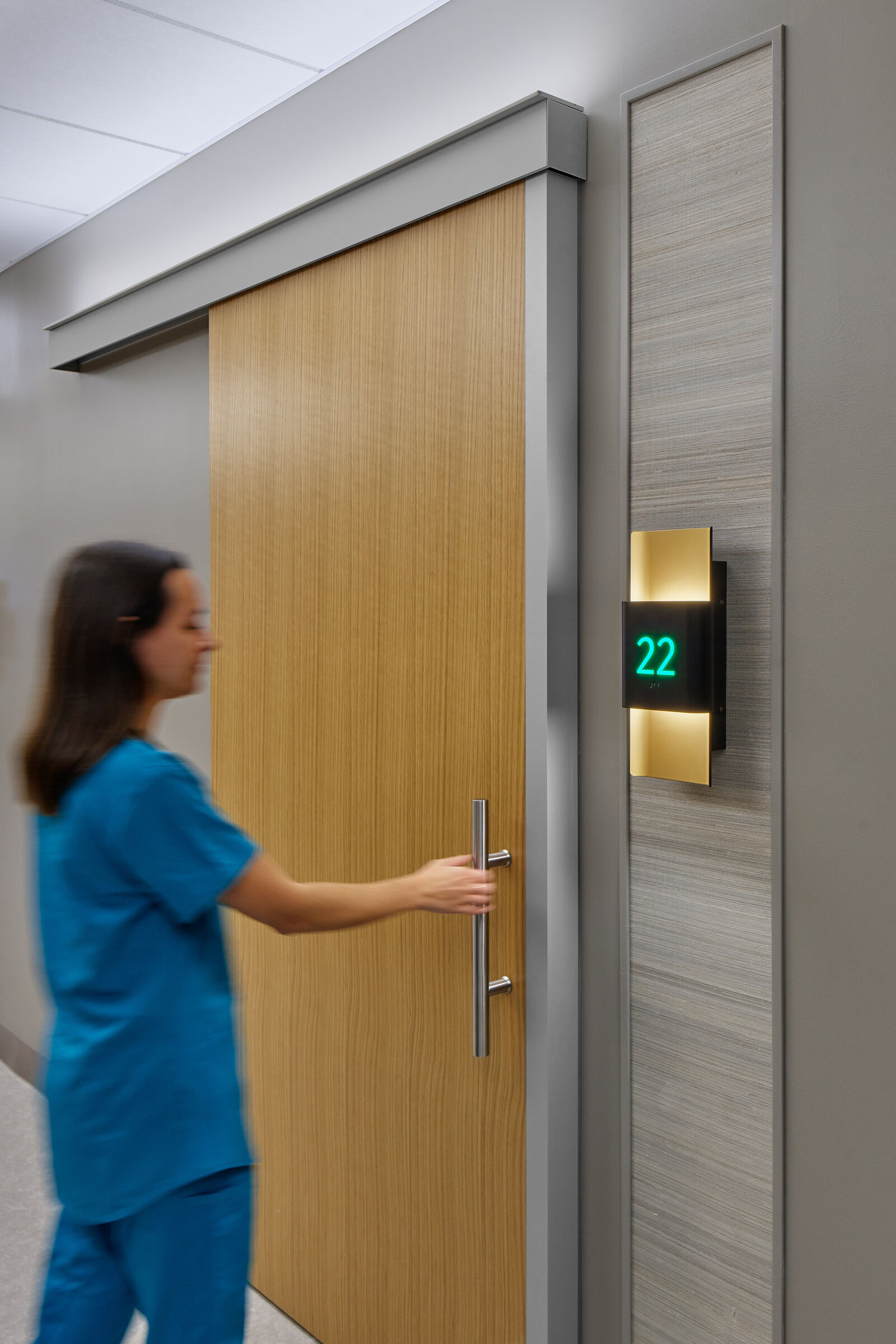
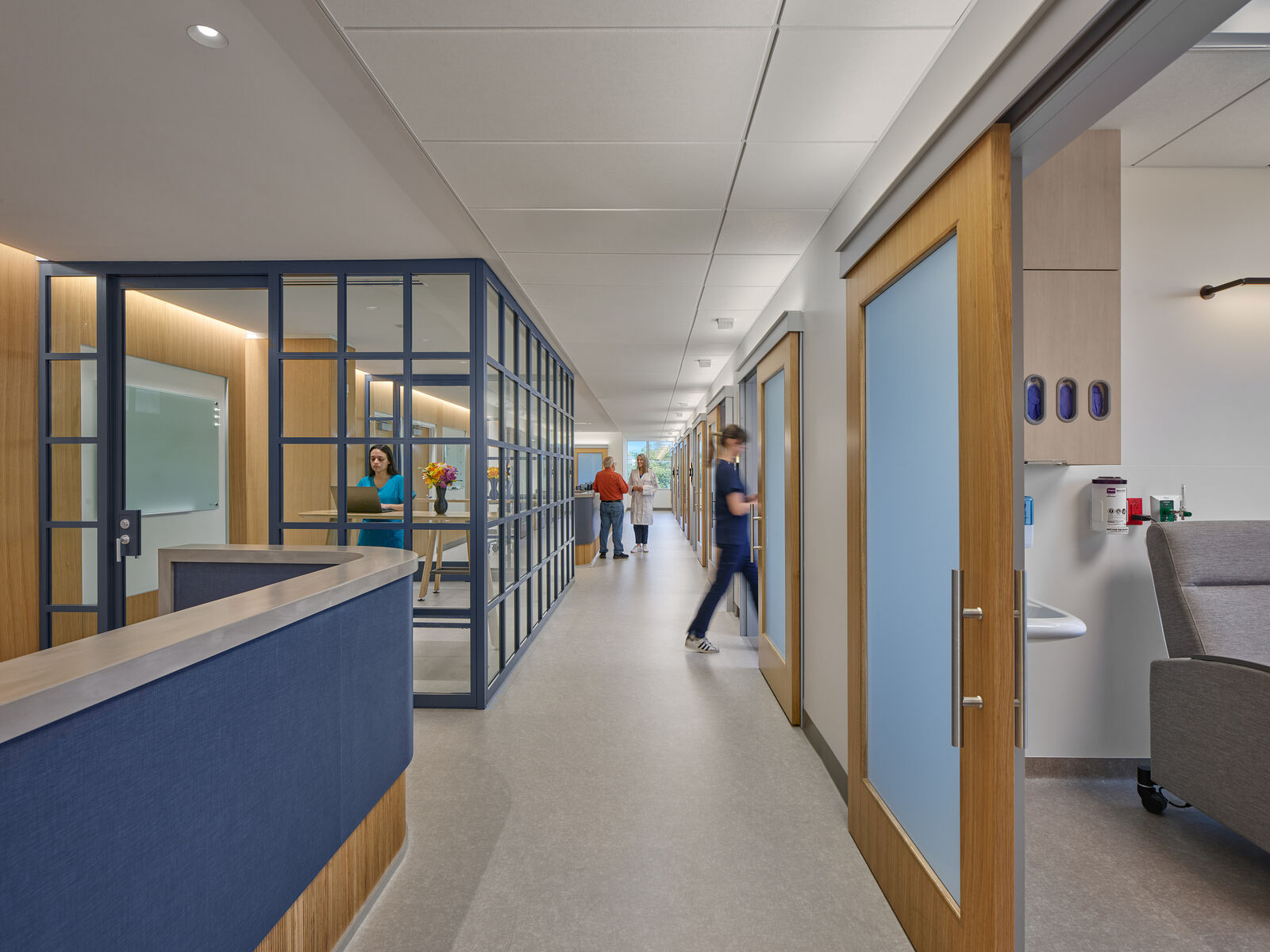
On the clinician side, efficient coordination among staff is paramount to executing the personalized care approach. Ensuring healthcare providers are aligned on a patient's treatment, reduces errors and improves the quality of care. In Paramus, New Jersey, Valley Health System’s Cardiology Center features wall sconces outside each exam room that change color based on the patient’s status. This means doctors and nurses can know immediately what stage of the visit the patient is on and who is needed to attend to them, reducing patient interruptions and clinician confusion. Hand-offs between staff occur in front of the patient to ensure seamless transitions and efficient continuation of care coordination. Team stations with a variety of collocated work areas allow staff to easily communicate with each other while offering appropriate levels of both openness and privacy. At Del Pepper Community Resource Center, combining medical, dental, behavioral, and social service departments under one roof, allows for cross-collaboration among providers and ensures they have the full picture of a patient’s situation before making treatment decisions.
Comprehensive Care Facilities
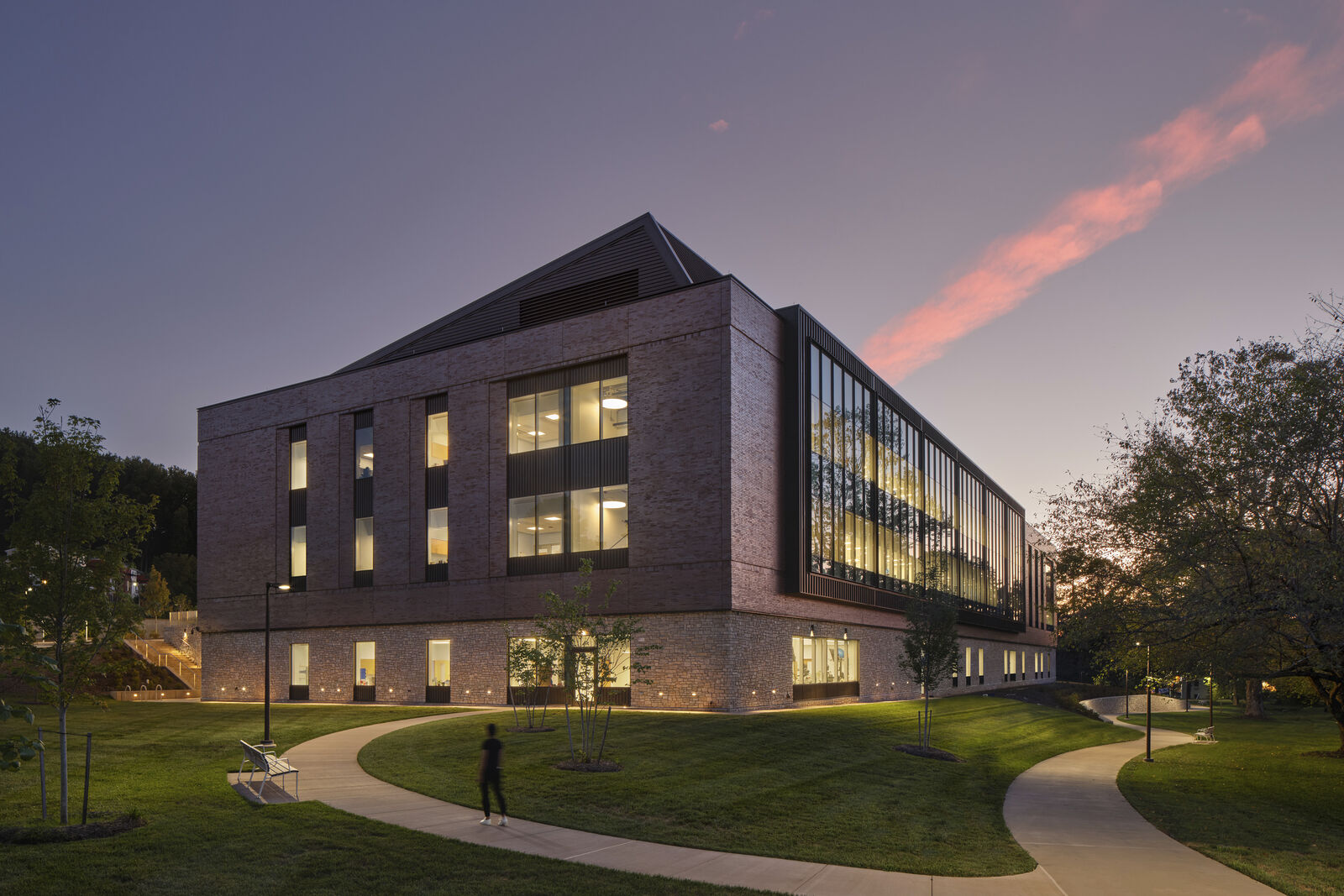
The personalized care model is where the future of healthcare is headed. However, without a space to support it, the model can’t thrive. This is where comprehensive facilities come in. Curating all health services under one roof enables patients to receive holistic treatment, paving the way for the long-term, sustainable recovery personalized care aims for. UVA’s Orthopedic Center at Ivy Road brings start-to-finish orthopedic services to both urban and rural populations across the state. The world-class center collocates diagnosis, imaging, surgery, physical therapy, and rehabilitation with specialty expertise in hand and spine, sports medicine, foot and ankle, orthopedic trauma, sports concussions, and prosthetics and orthotics. These comprehensive offerings allow clinicians to closely monitor patients through each phase of treatment, which can help reduce errors and improve quality of care.
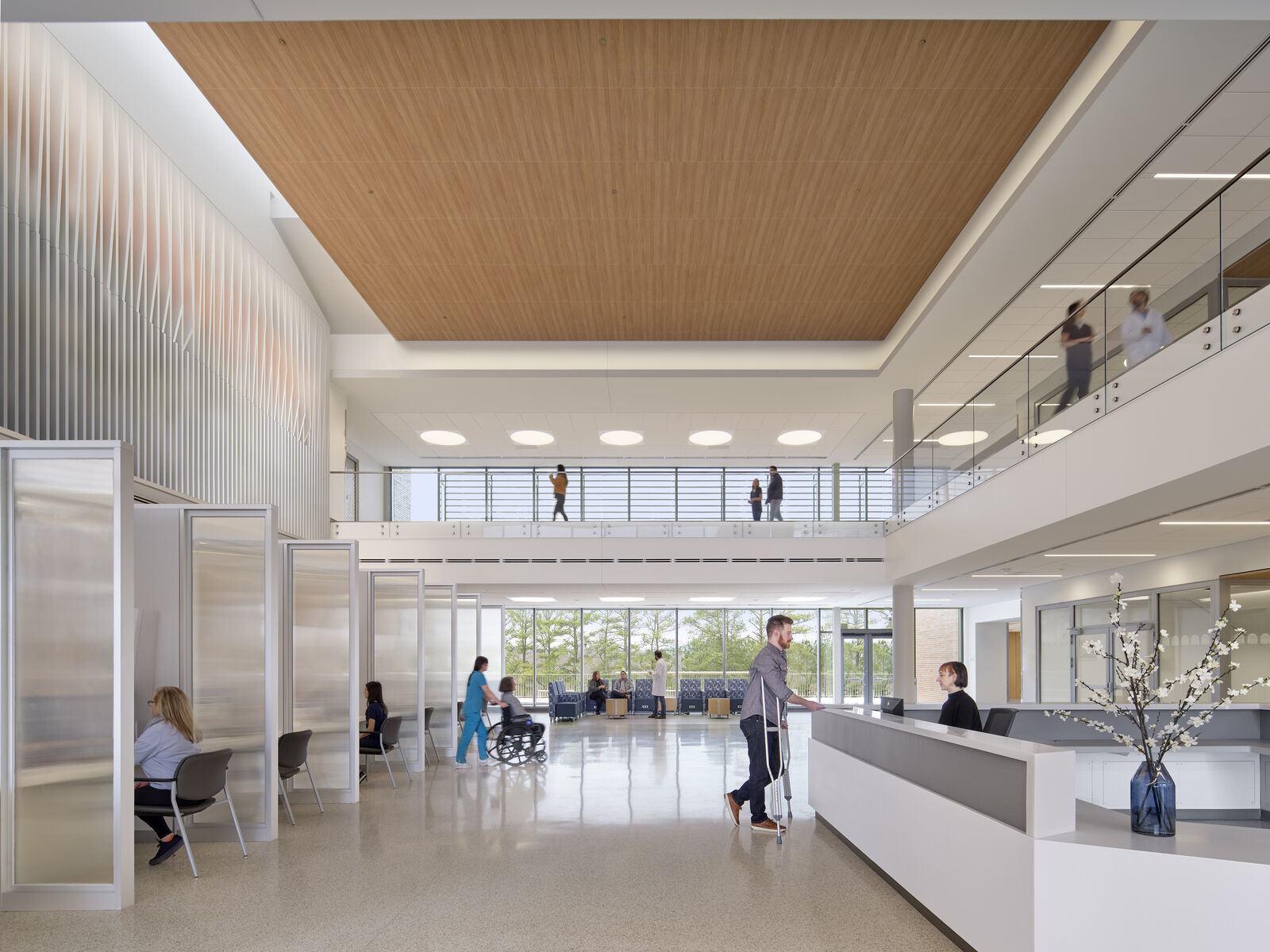
The Del Pepper Community Resource Center is programmed and designed to collocate offices and operations from the Department of Community and Health Services, Neighborhood Health, and the Virginia Department of Health. As a result, this 10-story building includes a behavioral health clinic, a dental clinic, social services, and a child-minding center so parents of young children can focus on their appointments. By addressing the physical, mental, and social aspects of well-being, Del Pepper helps eliminate often-overlooked barriers to care. Rather than traveling to different locations for multiple services, the collocation of offices and operations streamlines patient care, and encourages patients to seek out all necessary services. Research indicates that addressing concurring mental health and physical health issues yields higher recovery rates and lower relapse rates.
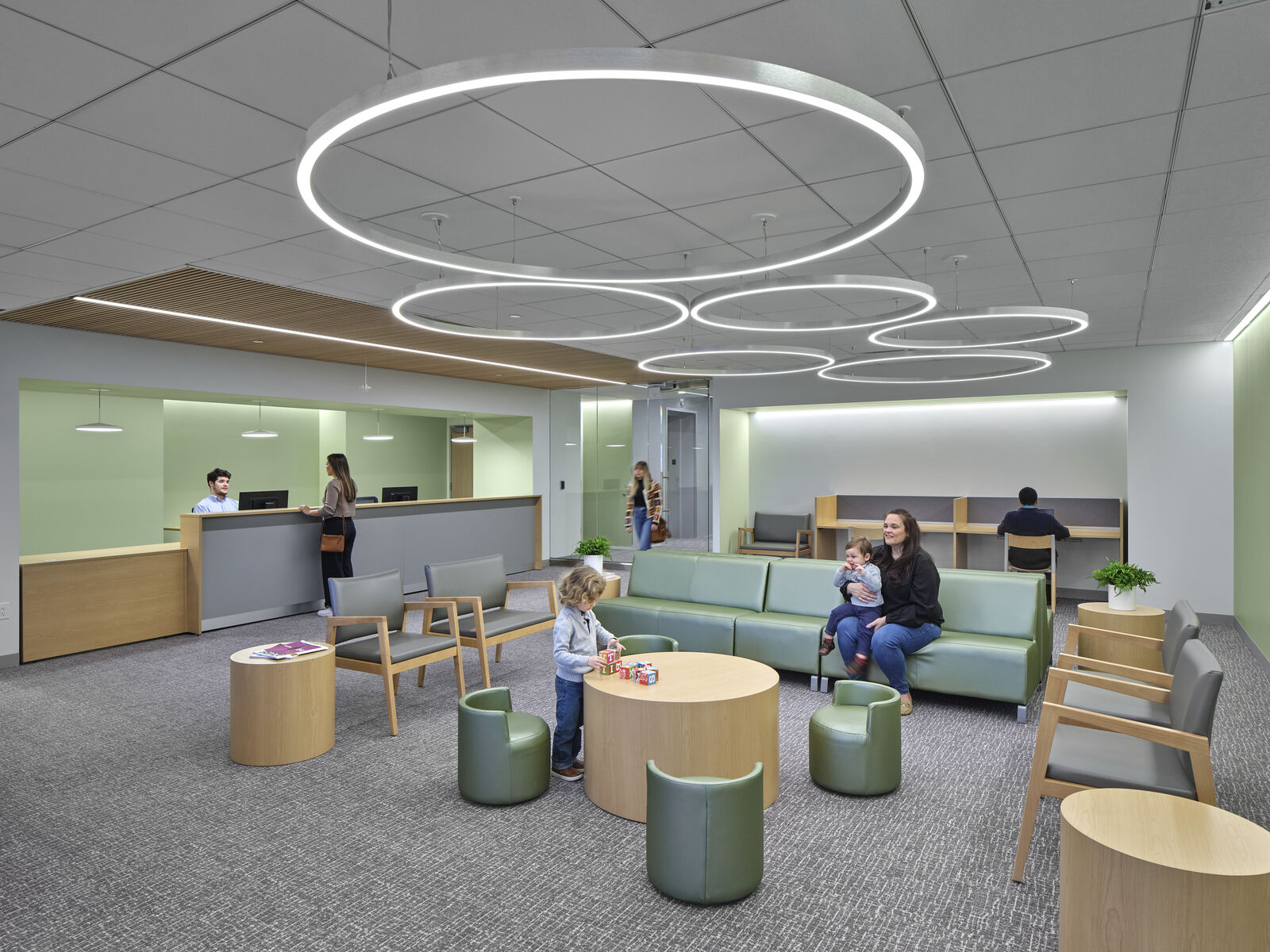
Valley Health System’s Cardiology Center consolidates previously disparate services, bringing together cardiac rehabilitation, infusion, and research and exam clinics to improve operational efficiency and enhance accessibility. This comprehensive programming enables doctors and clinicians to develop individualized treatment plans that focus on exercise, diet, weight management, stress reduction, sleep quality, and medication adherence. This approach empowers patients to take an active role in their own care, resulting in increased satisfaction and improved commitment to their treatment plans.
Improving the patient experience demands a personalized care model. Standard health plans fall short in many aspects, especially when catering to an individual’s needs rather than the needs of the majority. This reduces their effectiveness and can make healthcare not so caring. With personalized medical care, health plans are custom-built to fit each member’s medical history, genetics, lifestyle, and goals. By focusing on flexible delivery, clinician coordination, and comprehensive offerings, healthcare providers can deliver a tailored approach that treats each patient as a unique and whole individual.
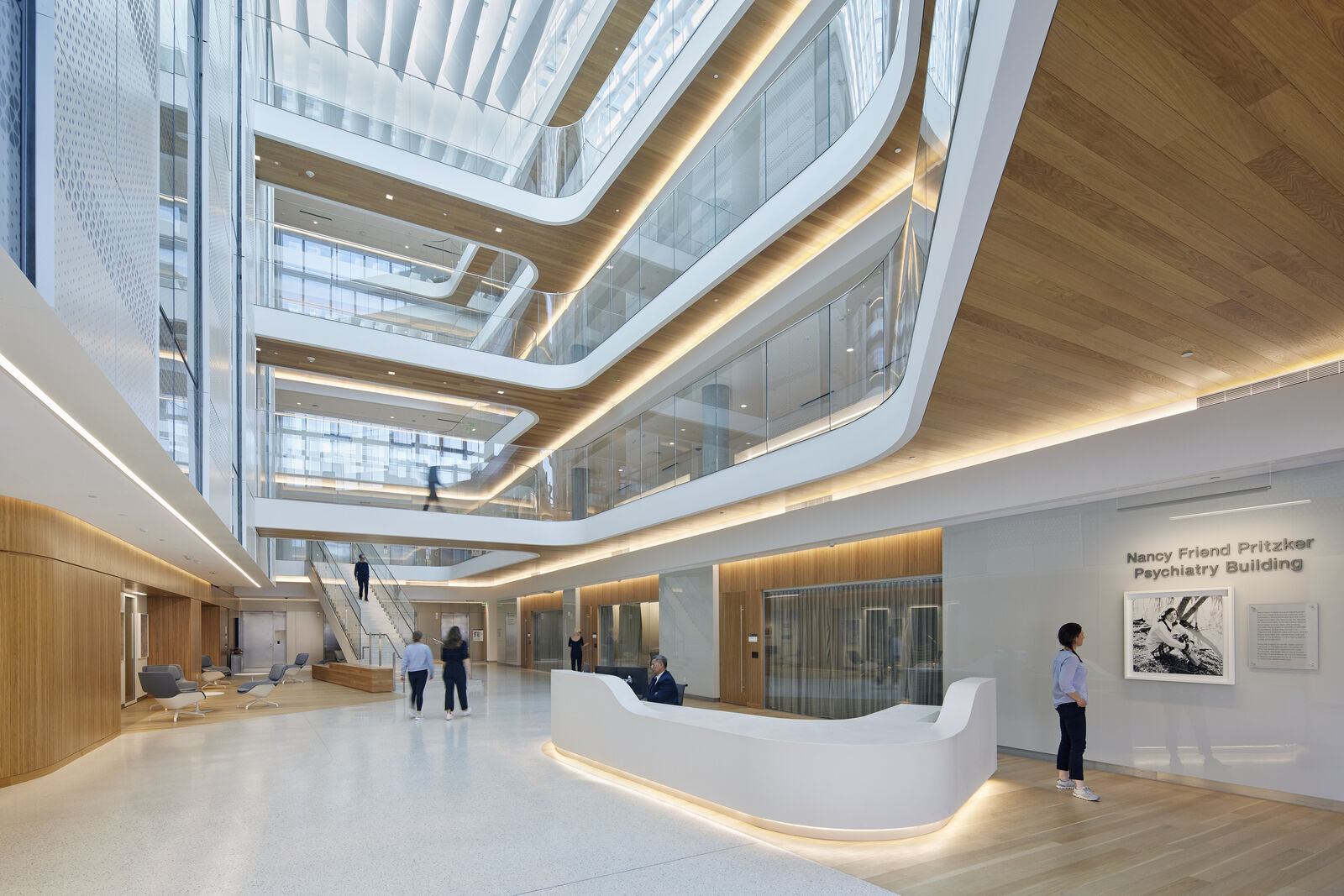
Embracing the Whole Person: Designing a Way Forward for Behavioral Healthcare
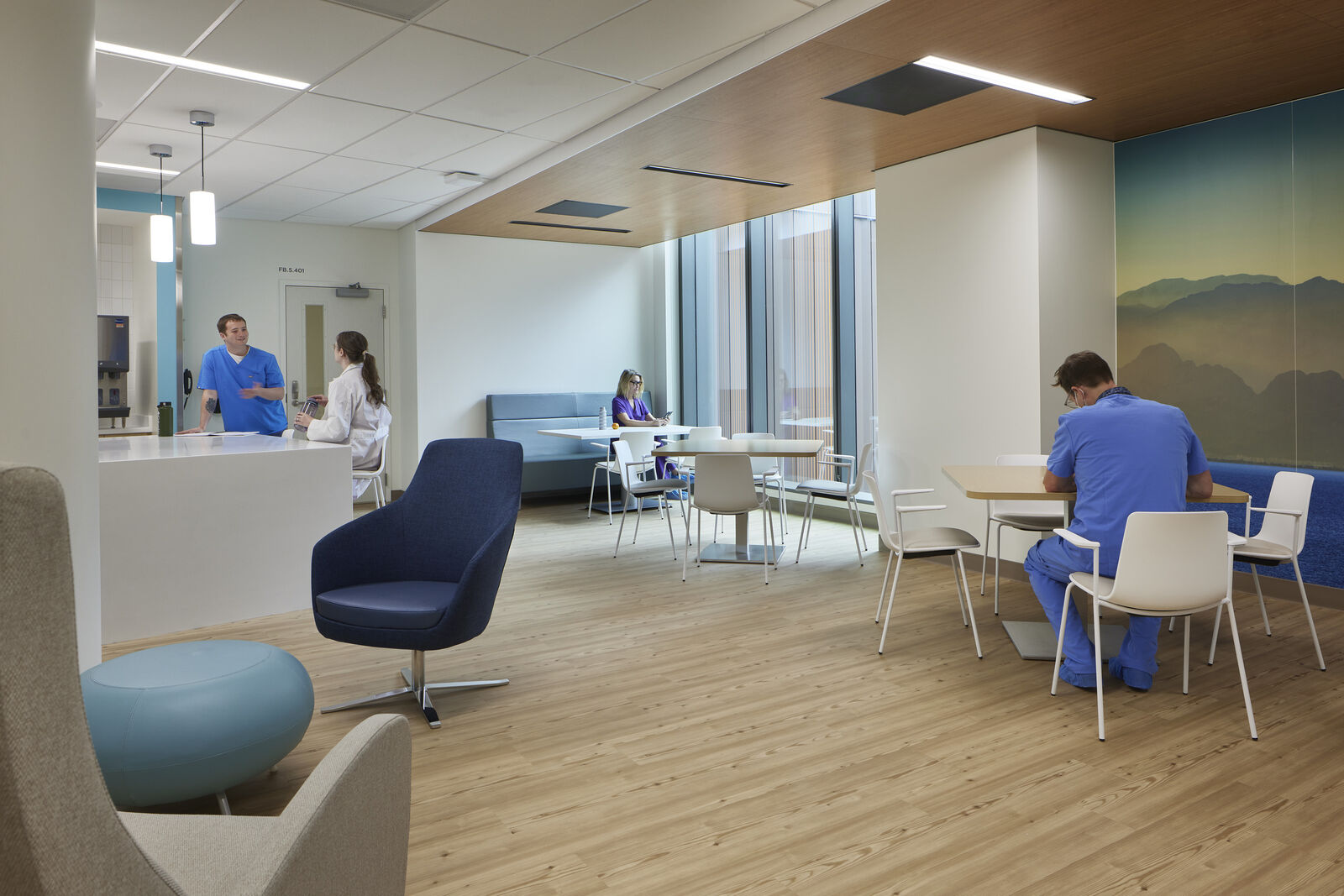
How Can Design Address Healthcare Burnout and Staff Retention?

Decarbonizing Healthcare for Healthier Communities
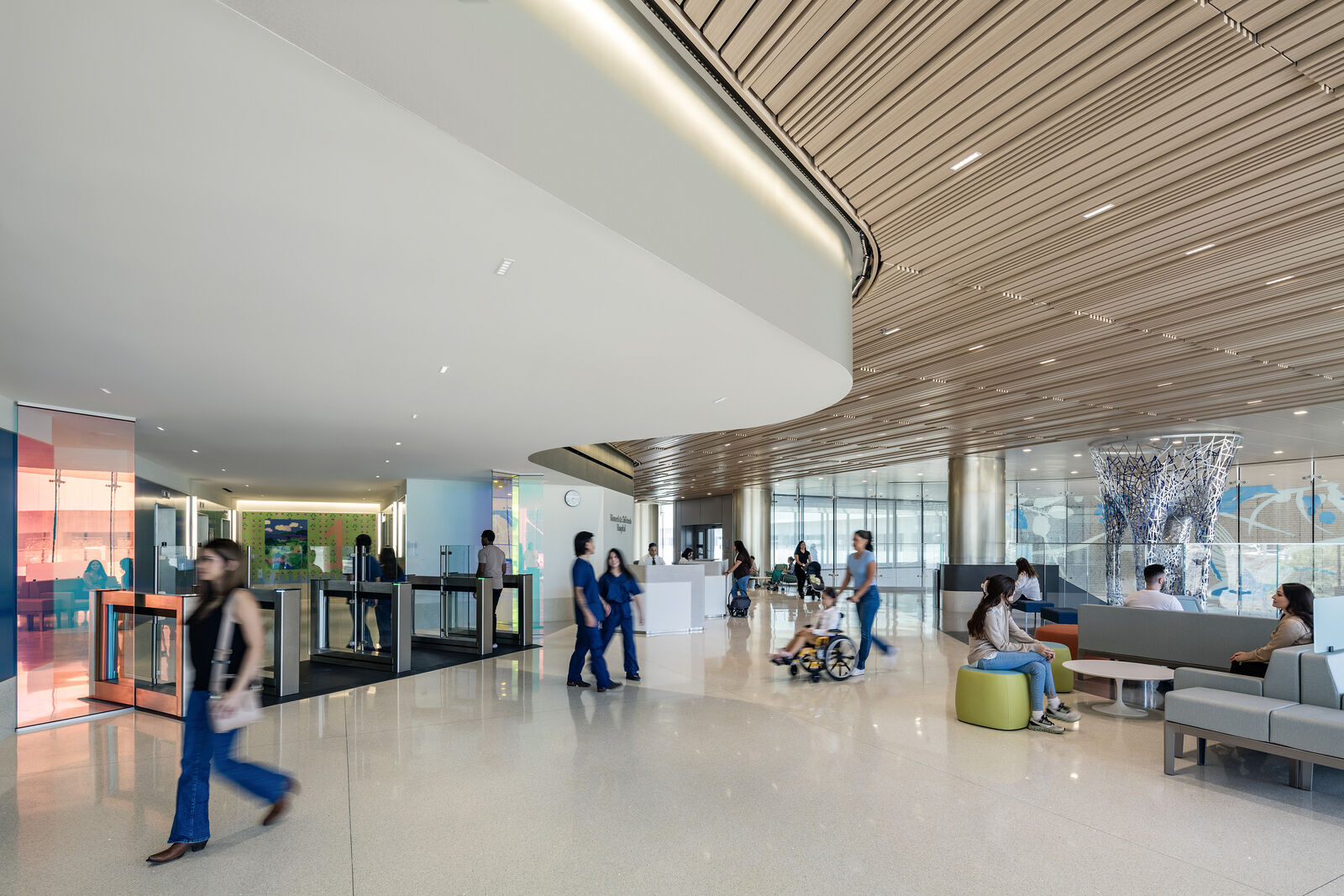
4 Ways Design Can Help Reduce Violence in Healthcare Facilities
