Interview With An Artist: Nekisha Durrett
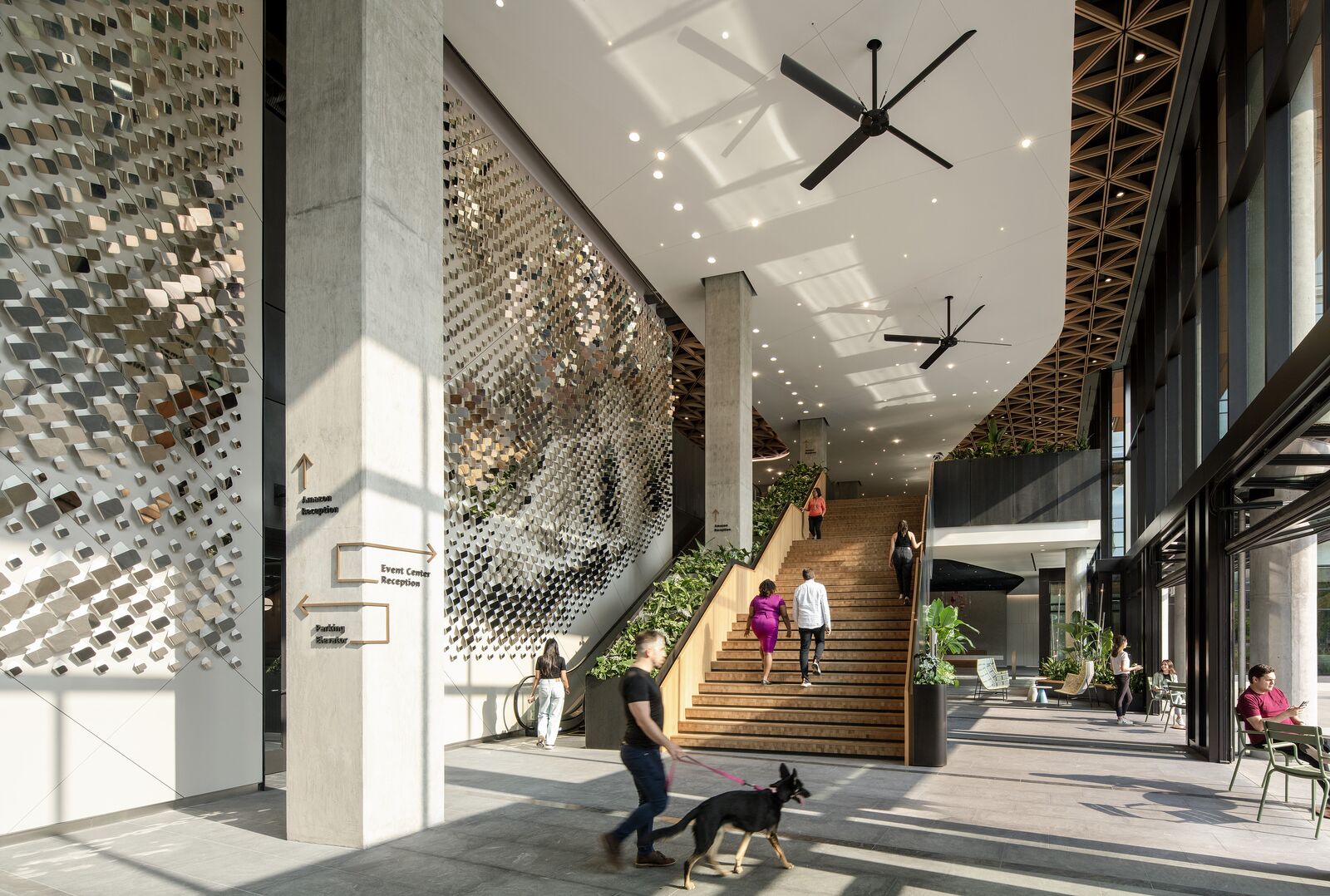
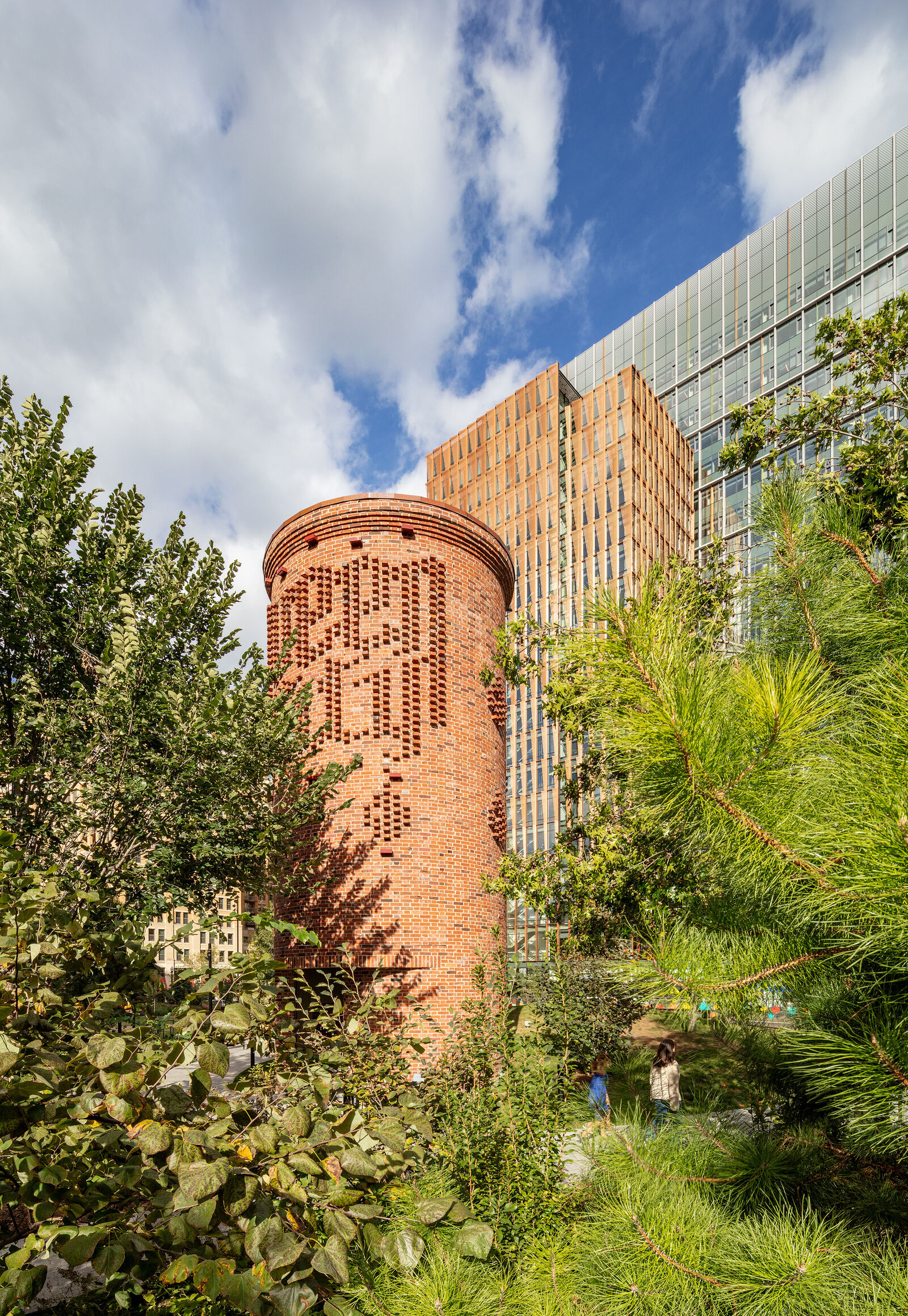
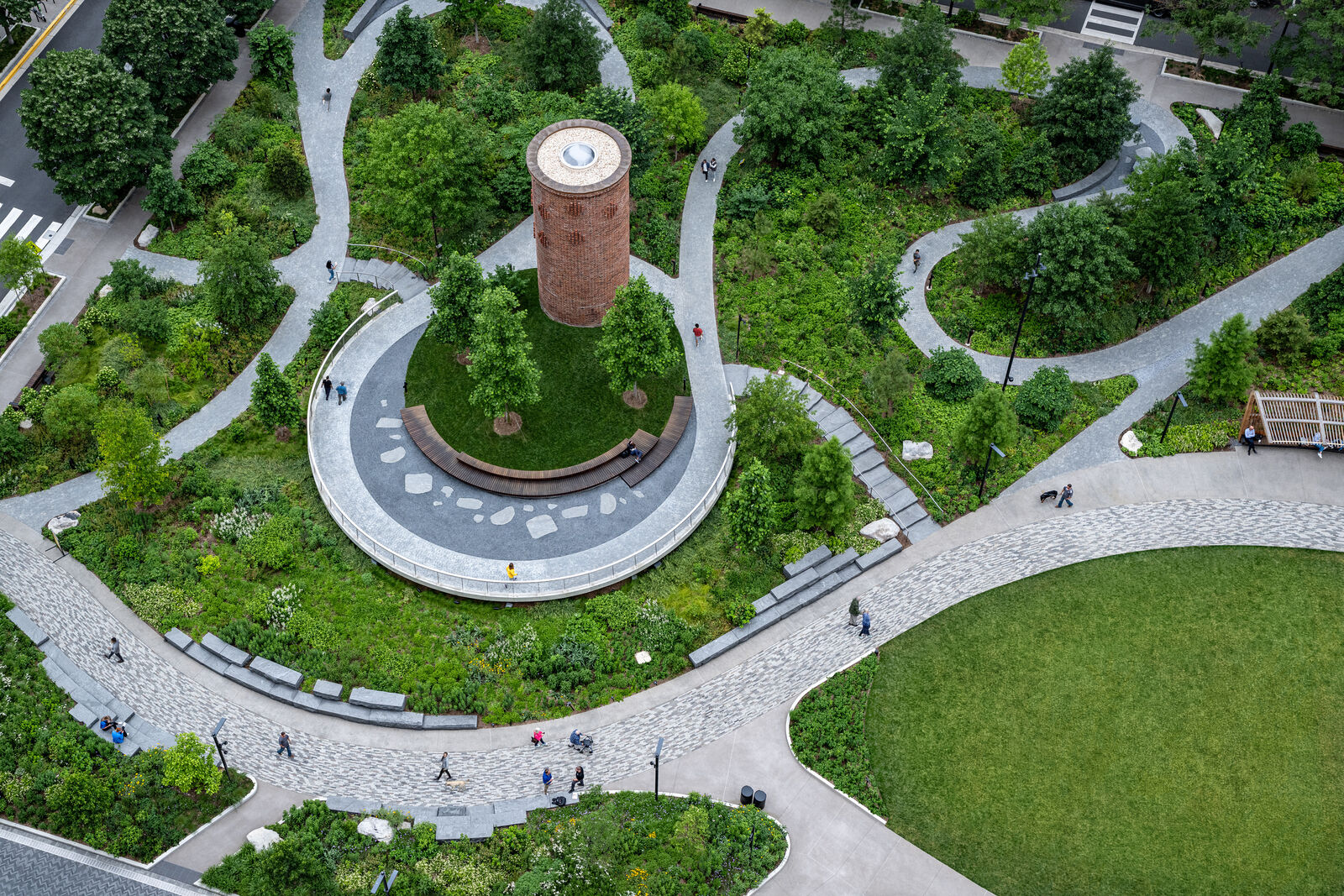
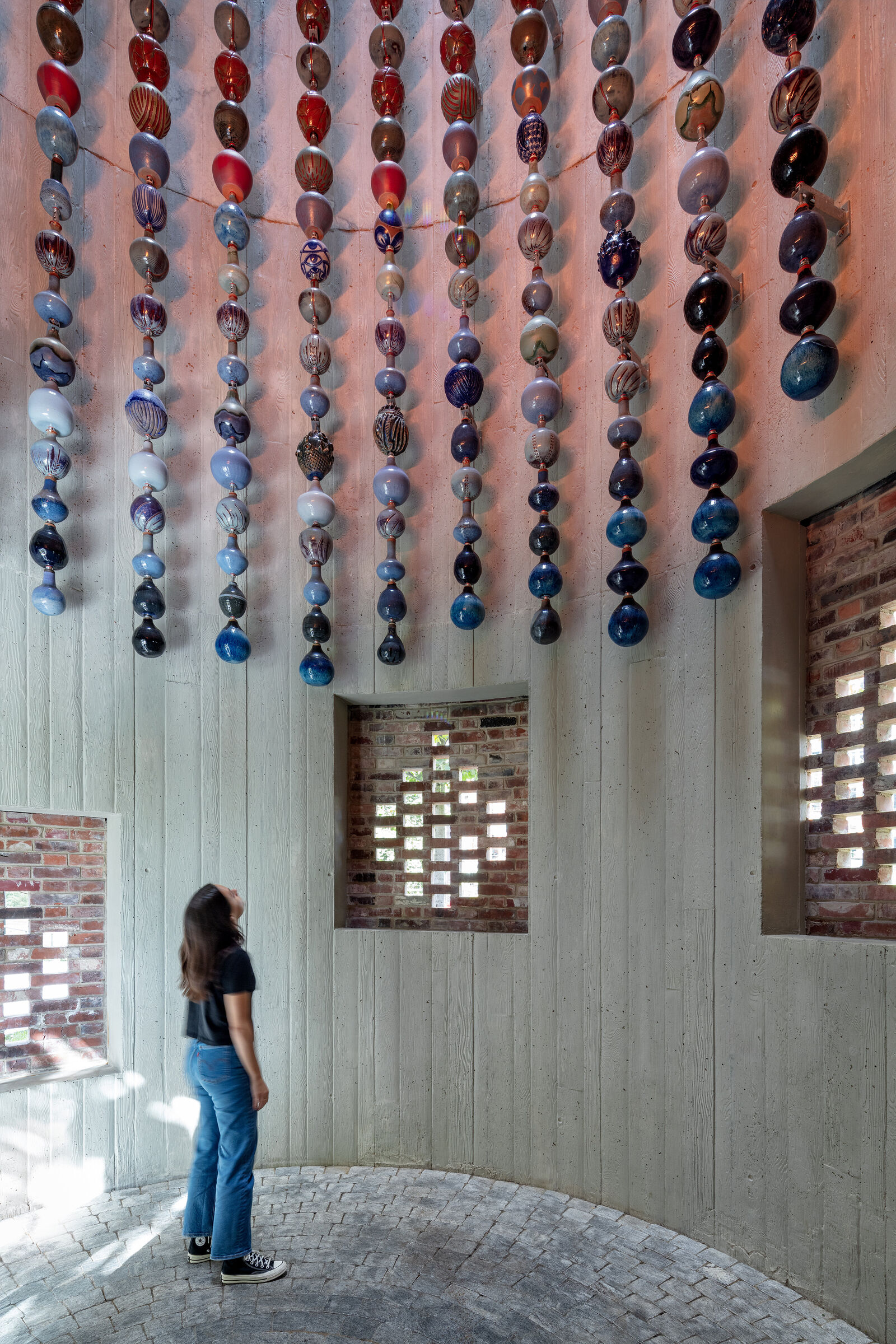
Amazon, famously obsessed with its customers, is a master in curating the user experience. That mentality influenced the design of its HQ2 at Metropolitan Park in Arlington, VA, where a rich public art program engages the senses and sparks the curiosity of Amazonians and passersby alike. Hidden art pieces and grand installations permeate the site, creating moments of discovery and delight at every turn. Located in the 2.5 acre park, a towering brick structure designed by Nekisha Durrett stands as a tribute to the forgotten history of Arlington’s Black community, Queen City. ZGF sat down with Nekisha to explore the making of “Queen City.”
What inspired you to become an Artist?
I guess you could say I've kind of always been an artist. Like most young people, paper and pen were always readily available to me. I was constantly drawing and doodling and excelling in the little macaroni projects that we'd have in school. But I was always trying to push things a little further than the other kids. From there I just never stopped. Eventually, there came a point where I had to decide if this was something I was going to take seriously. So, I applied to art schools and moved to New York, and I guess that's where things started to get really serious.
How would you describe your art in 3 words?
The first is unassuming. One of the things that I aim for with my art is that it looks like it's always been there. Like it’s an artifact of some old infrastructure.
The second is monumental. It’s really important for me that my work take up space.
And last is elegiac. The work that I'm bringing forward is often about a person or a place that has been lost to time. They're erased or buried stories that I’m honoring with the work.
What was the inspiration behind “Queen City”?
The client wanted the work to be specific to the site. So, the first thing I did was a search about the history of Arlington, Virginia. I discovered a story about a small, thriving Black community in East Arlington. This close-knit community, known as Queen City, sustained themselves for 40 years, even building their own homes and supplying their own water, until they were displaced to make way for the Pentagon in 1941. I thought maybe it was just me who didn’t know this information, but the more I asked around, everyone said they knew nothing about Queen City. That’s when I knew this had to be the focal point of my piece.
How are you telling the story of Queen City through the piece?
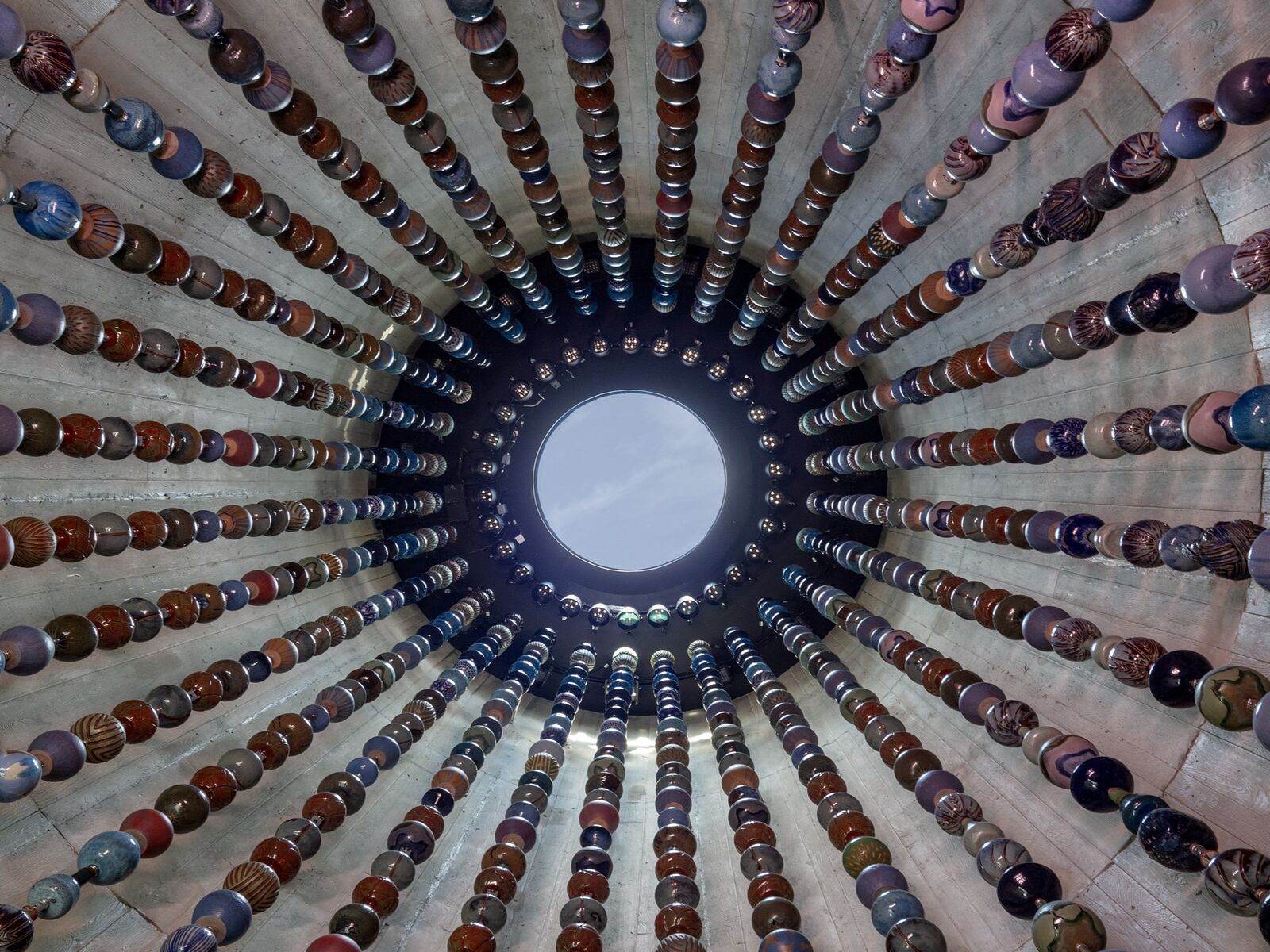
One of the things I learned about the area, and Arlington in general, was that it was, at one time, a huge brickyard and that many of the men of Queen City worked at these brickyards. That’s where the idea of using brick in the piece comes from. The structure itself is meant to resemble an above-ground well. I learned there was no running water or electricity in this community, so it was the responsibility of the children to fetch water from a natural spring with buckets and bring it back. When you enter the piece and you look above, you’re surrounded by 903 ceramic vessels. Each one represents one of the residents of Queen City and are meant to emulate water droplets coming down a well.
What was the collaboration process like for this structure?
I was inspired by the power of the collective. I commissioned 17 Black ceramicists to make the vessels and gave them the prompt to design a vessel with the color and shape of a drop of water. It was a loose enough prompt that resulted in a range of designs and colors. What was really cool was that all these ceramists had varying degrees of experience, so they came together to share their process and tips and tricks with each other. I just think there's so much beauty and strength that comes from collaboration. It reminded me of the resilience and creativity of the residents of Queen City.
I also knew that the story I wanted to tell demanded a physical space be built, so I was so thrilled when ZGF wanted to be involved. It really streamlined everything, and they ensured that the sculpture fit seamlessly within the fabric of the park. All in all, it was three years of designing the concept, getting all the structural drawings together, selecting a team, and finding a contractor to build the work. When it came to the execution, bringing all these different skillsets to the table only added to the richness of the piece.
What do you feel when you step inside “Queen City”?
When you walk into the space, I think you feel all the different voices in the work. Sometimes I feel a little sadness for what it represents, but I also feel this elation and reverence for all the individuals honored there.
See more of Nekisha’s work here: https://www.nekishadurrett.com/
Learn more about Amazon's HQ2 at Metropolitan Park here: https://www.zgf.com/work/1847-amazon-jbg-smith-hq2-at-met-park
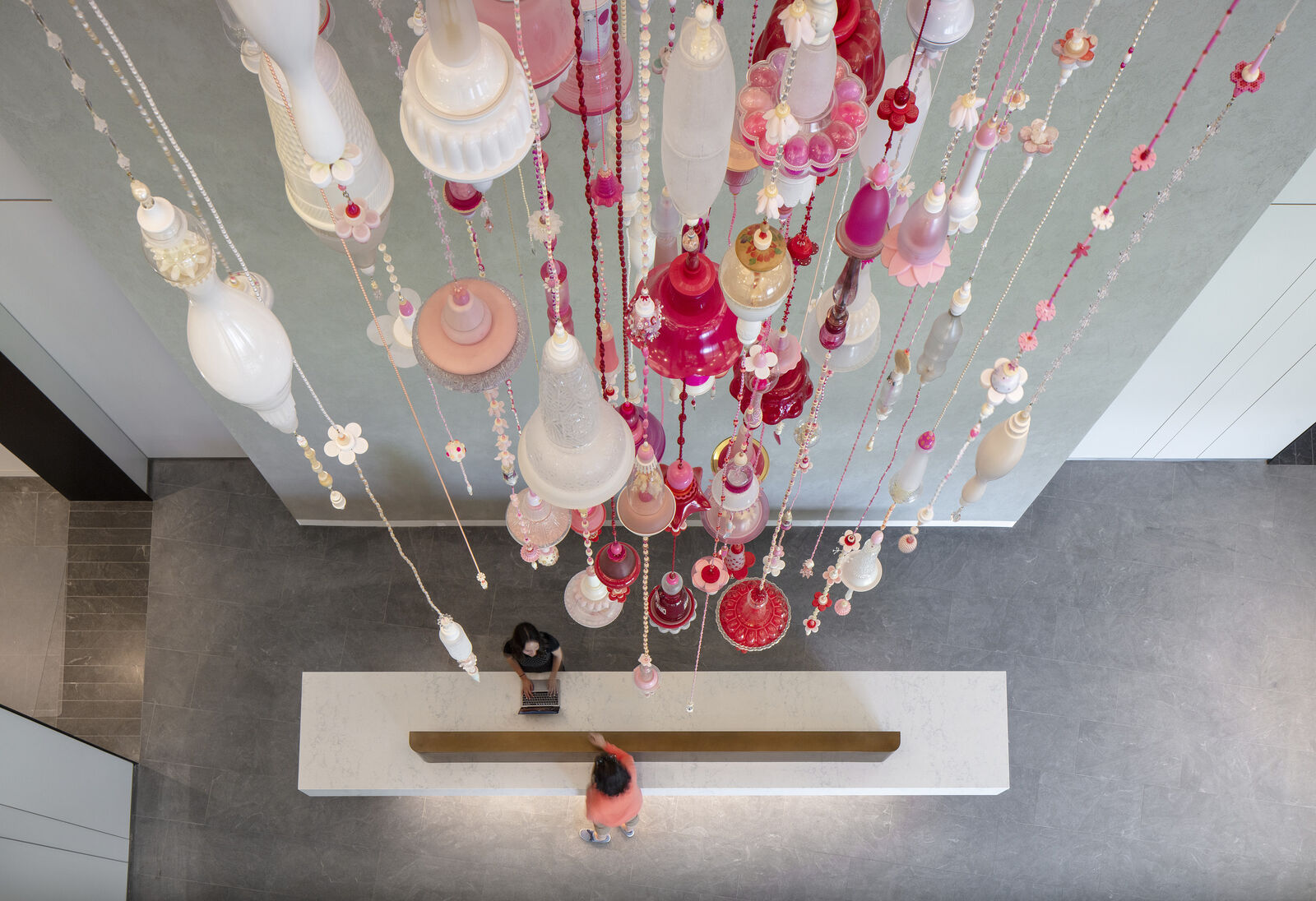
Interview with an Artist: Kirsten Hassenfeld
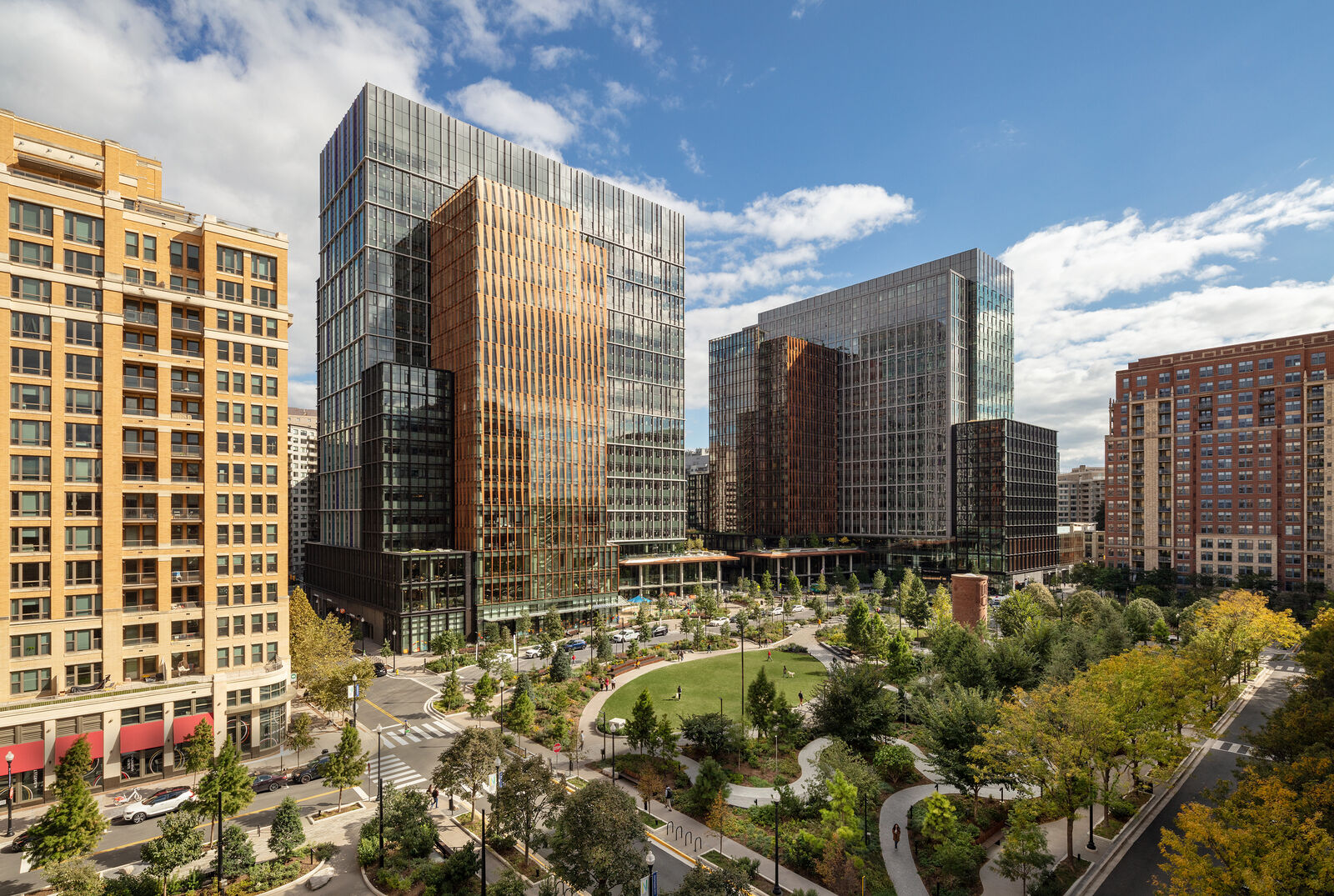
Amazon / JBG Smith, HQ2 at Met Park
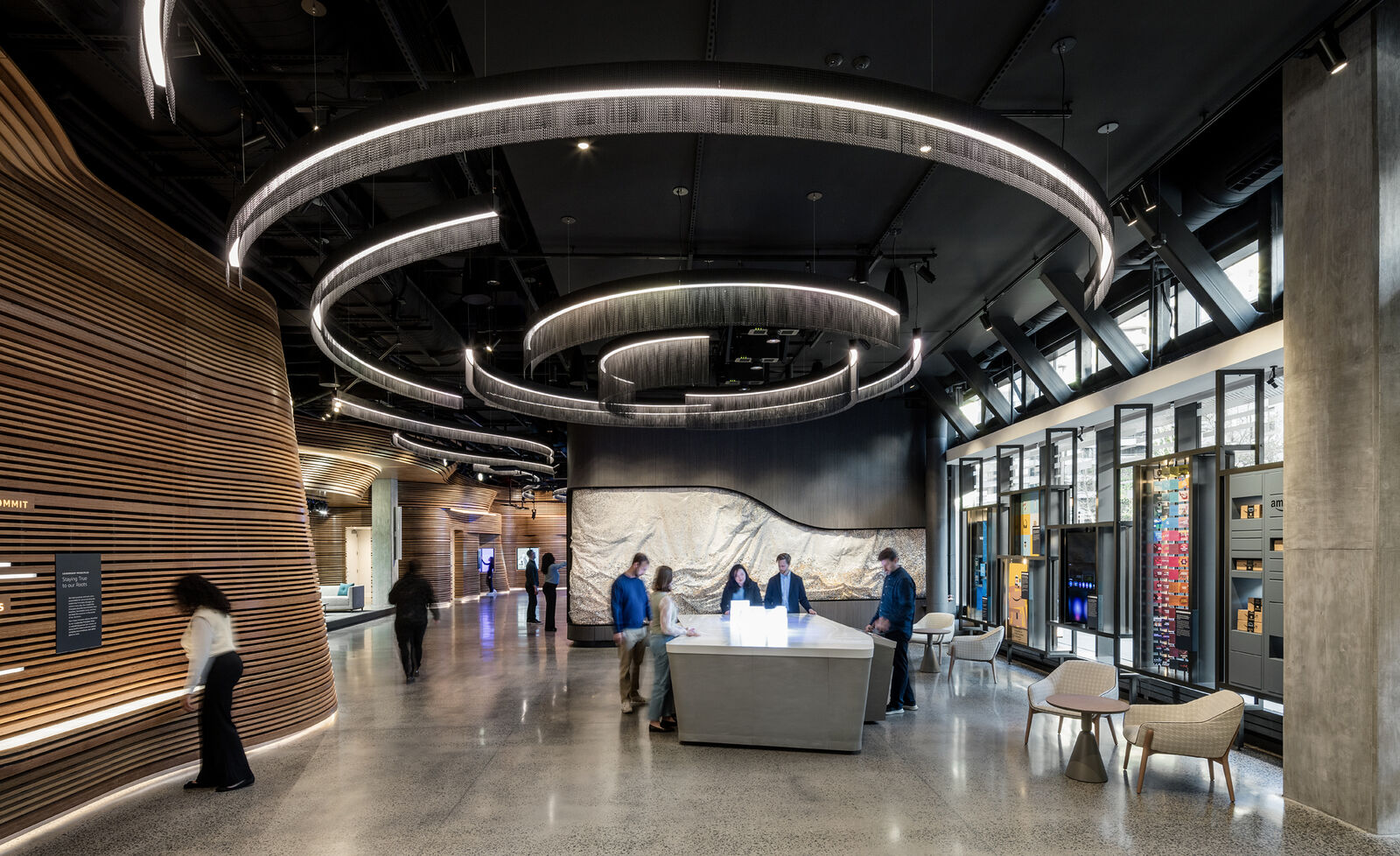
Amazon / Seneca Group, Amazon Visitor Landing
Designing Engaging Brand Experiences
