Blending into the Landscape
Roche Ventana Medical Campus
Workplace
In 2017, Roche, the multinational biotechnology company, invited ZGF to design a new building devoted to conference, meeting, and wellness spaces for employees at its campus near Tucson. Located in the high desert of Oro Valley, Arizona, along the edge of the Santa Catalina Mountains, this building expands and consolidates gathering space for the regional headquarters of Roche Tissue Diagnostics, a division of the Swiss biotech and pharmaceutical leader.
Roche Tissue Diagnostics, which develops tests and instruments to more quickly and precisely diagnose cancer, is the world’s foremost supplier of cancer diagnostic systems to pathologists. This facility, a Roche Forum Building, complements the laboratories at Oro Valley with a destination for its campus’ employees and their industry guests.
Opened in 2022, the Forum at Roche Tissue Diagnostics is the first building developed as part of a new master plan for its Oro Valley campus, and, similar to other Roche Forum buildings worldwide, it serves as a hub for meeting and the exchange of ideas.The facility provides a number of campus-wide services, including dining, conference, wellness, and a welcoming area for visitors.
Location
Tucson, Arizona
Square Feet
45,000
Completion date
2022
Project Component
Architecture services

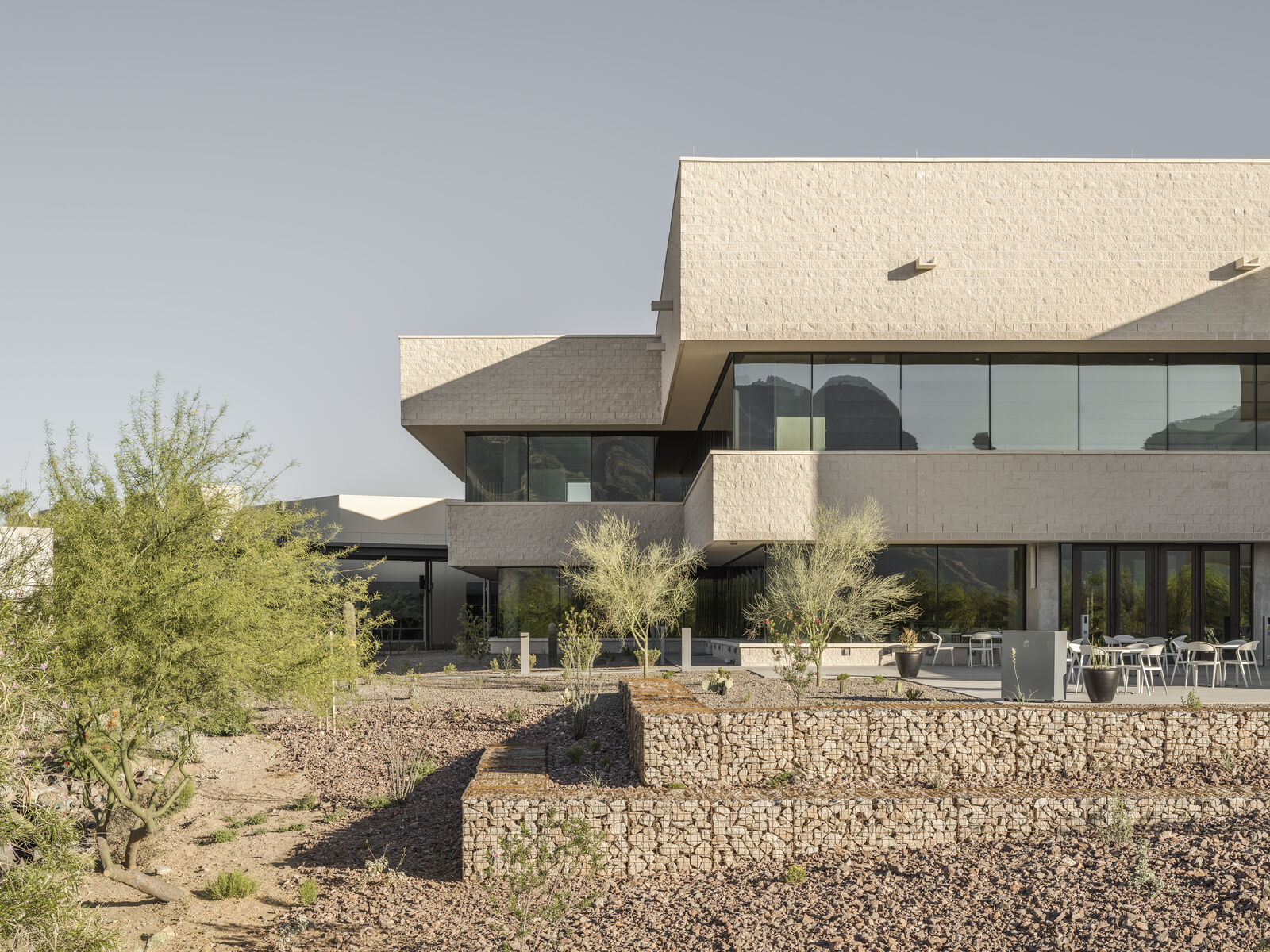
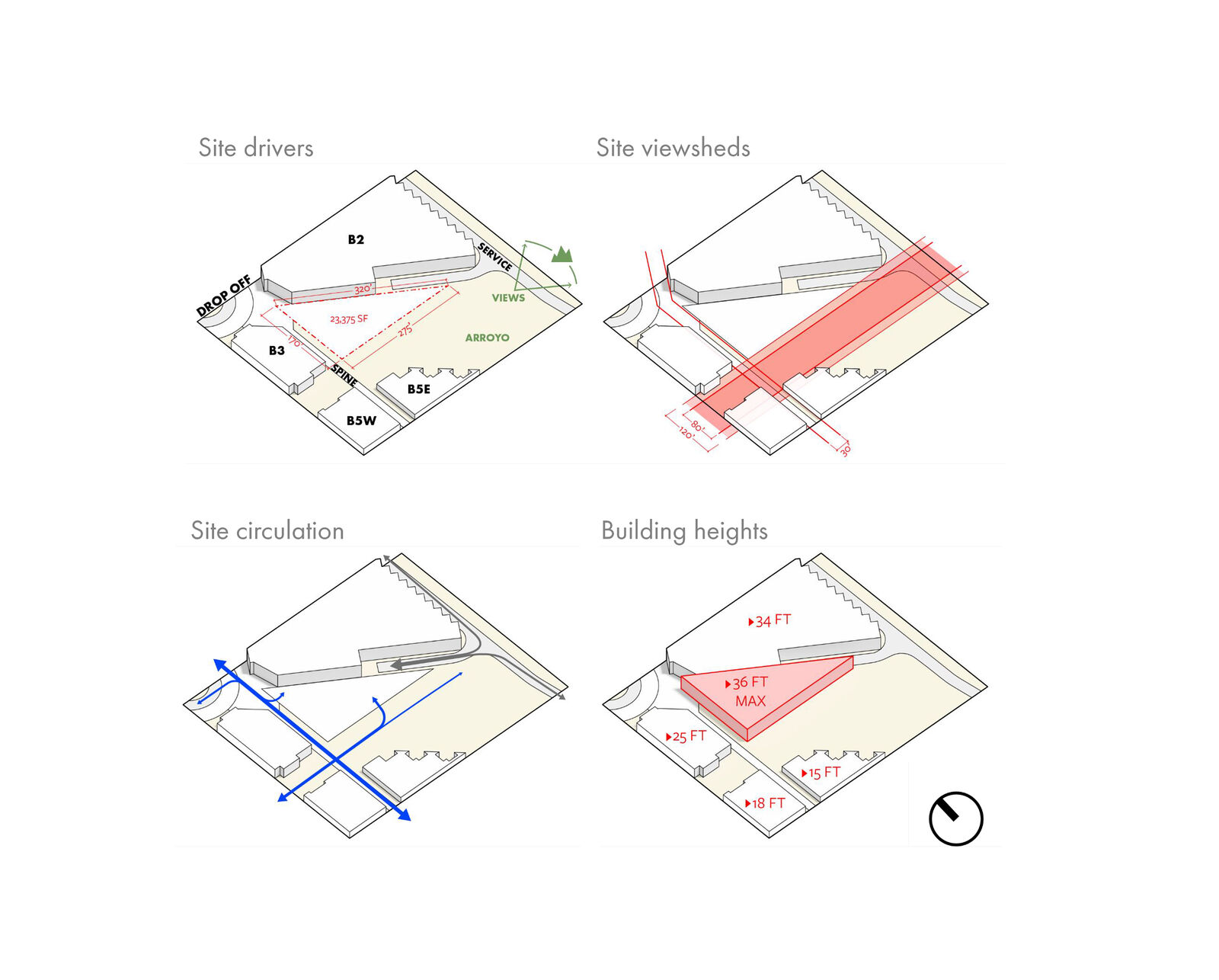
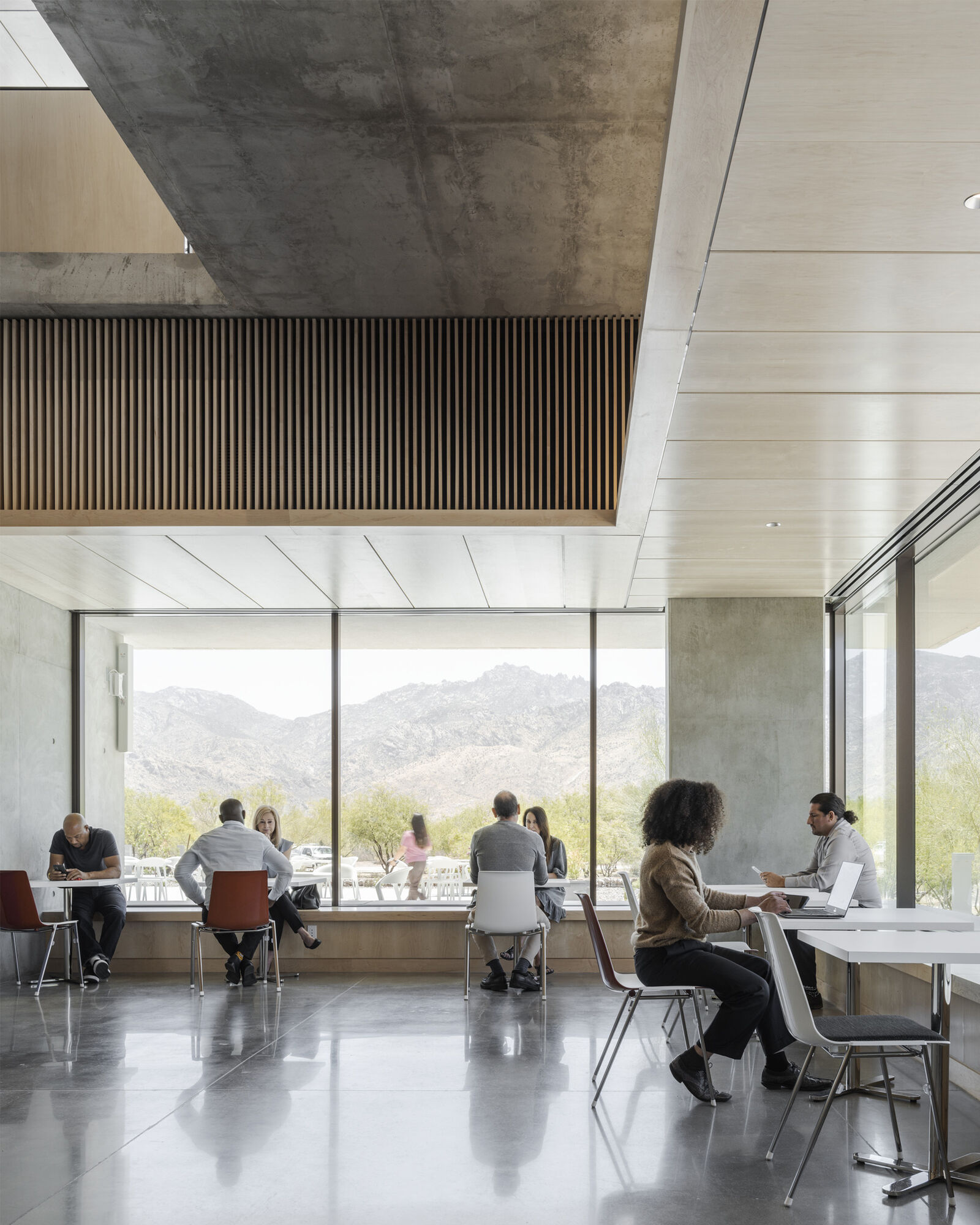
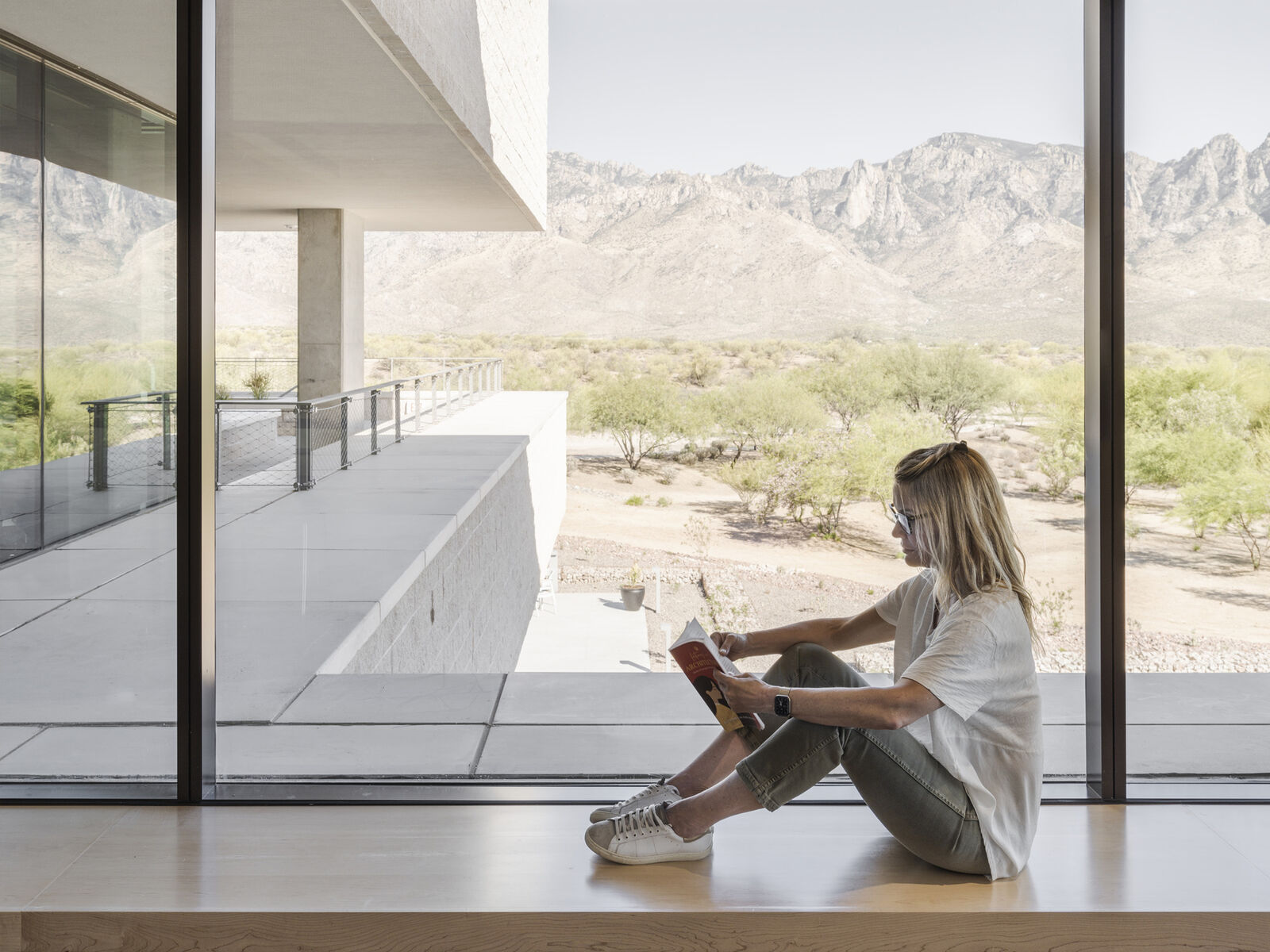
The building is designed to capture the views of Catalina Mountains.
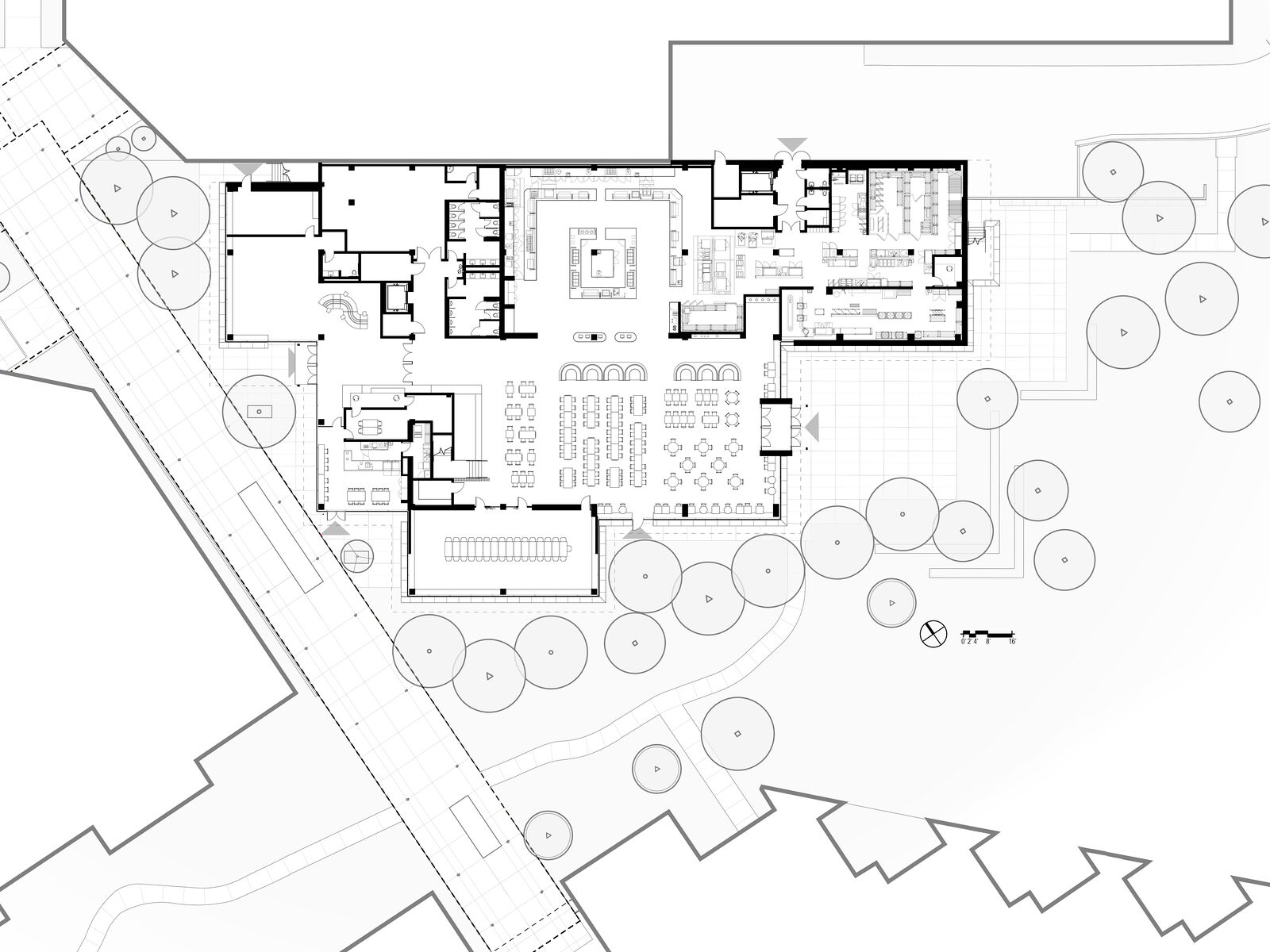
Building massing responds to its programmatic requirements and site constraints.
Roche, established in 1896 in Basel, Switzerland, was among the first industrial manufacturers of branded medicines. Roche has since cultivated over the course of more than a century a sophisticated yet simple design language based on the principles of architectural Modernism, exemplified in buildings designed by Swiss architect Otto Rudolf Salvisberg in the 1930s for Roche’s main campus in Basel.
This architectural language includes the use of natural materials and geometries that clearly demonstrate the function of spaces. Roche also champions transparency and openness, as well as design to a human scale and attention to simple, elegant detailing. Overall, the company seeks architecture that advances employee performance and innovation with design that embraces current and advancing technologies; upholds rigorous sustainable benchmarks; and acknowledges local contexts.
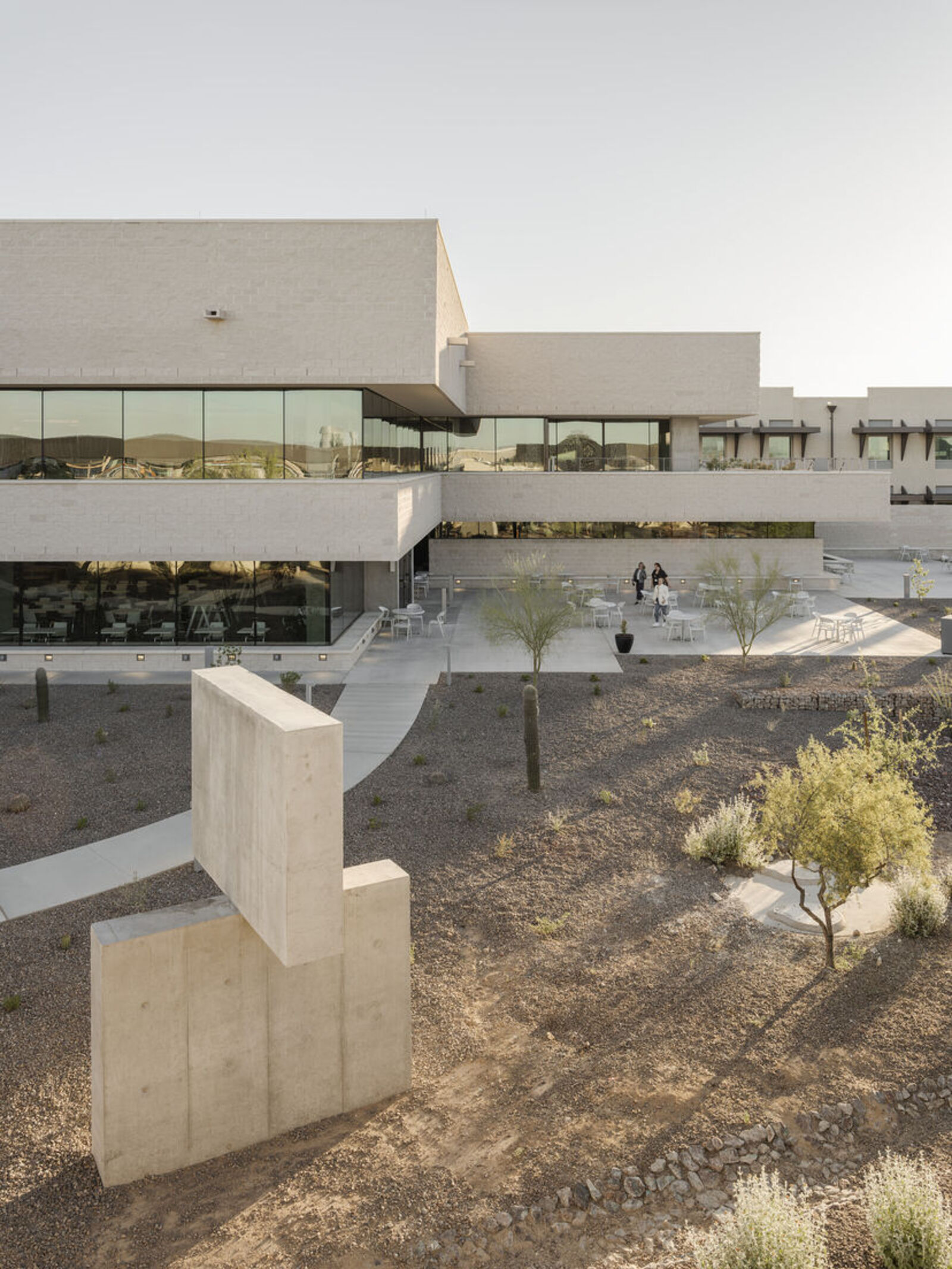
The on-site art installation by Swiss sculptor Olivier Mosset titled Diagnostic.
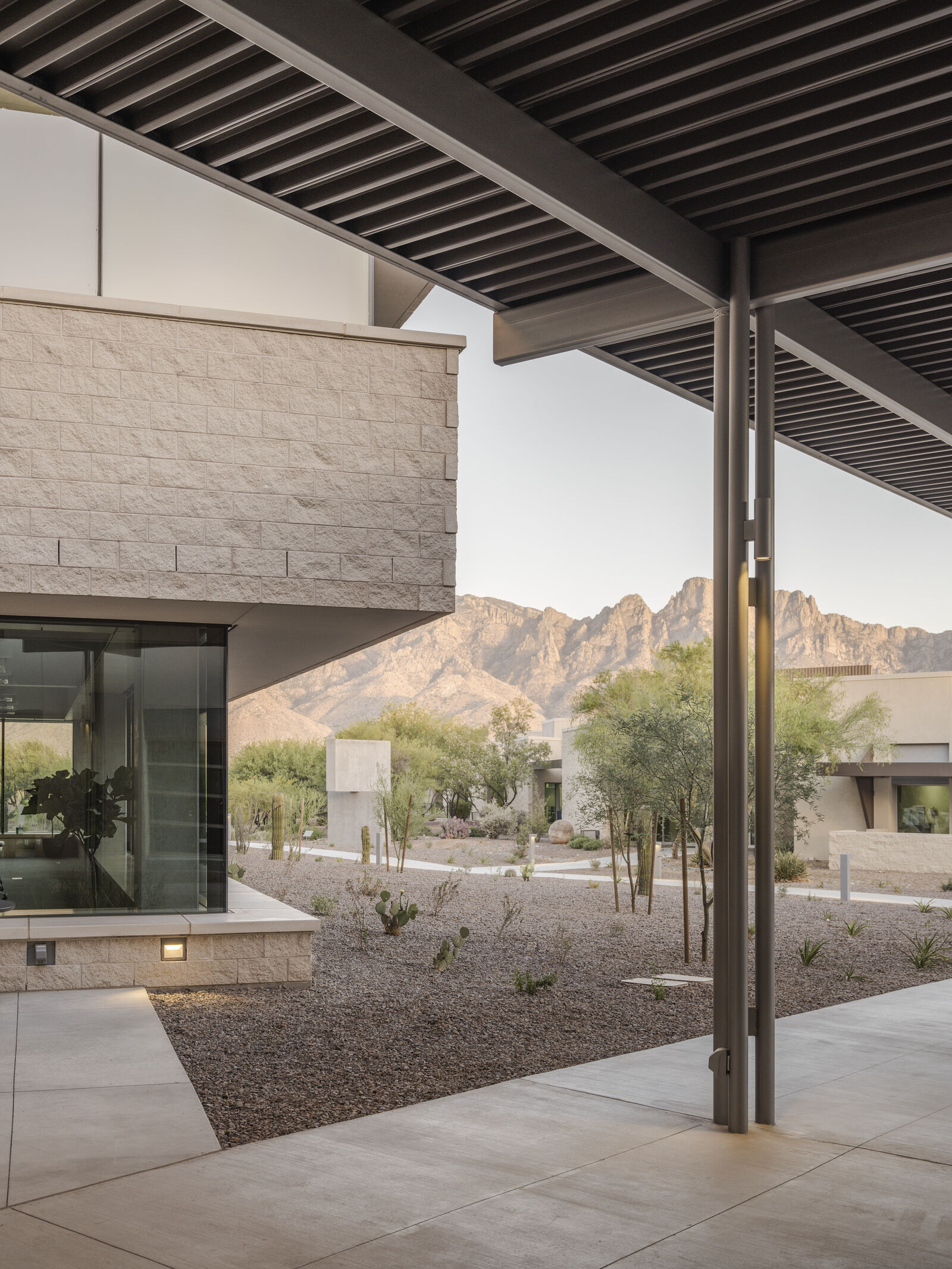
ZGF translated these values to adapt to the harsh conditions of the Sonoran Desert. The building’s form, siting, massing, fenestration with deep eaves, and canopied walkways mitigate the heat gain and glare while providing unobstructed views of the landscape. The entire building can be described as a viewing aperture for experiencing the surrounding Catalina mountains, choreographed in a spatial experience in which views of these mountains unfold and change cinematically as someone moves through various spaces within the building.
The building’s envelope wraps its three block volumes in continuous ribbons of textured Arizona masonry block and high-performance glazing. The serrated edge of the façade facing the site’s arroyo expresses the interior spaces while providing a rhythm to the building’s massing that correlates to the natural forms of the Catalinas, beyond. Deep overhangs shadow and cool dining areas while canopied walkways connect the building to other areas of the campus.
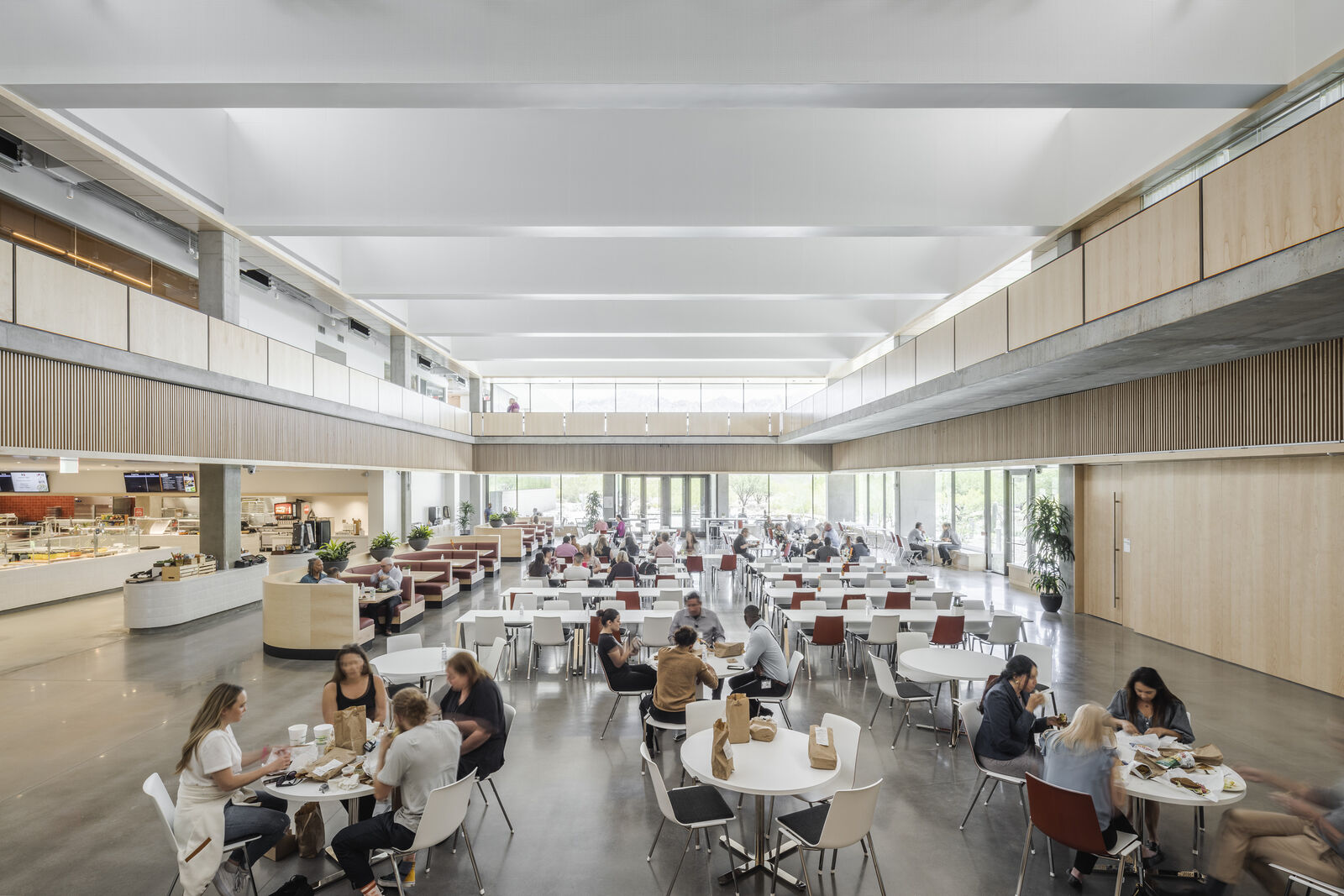
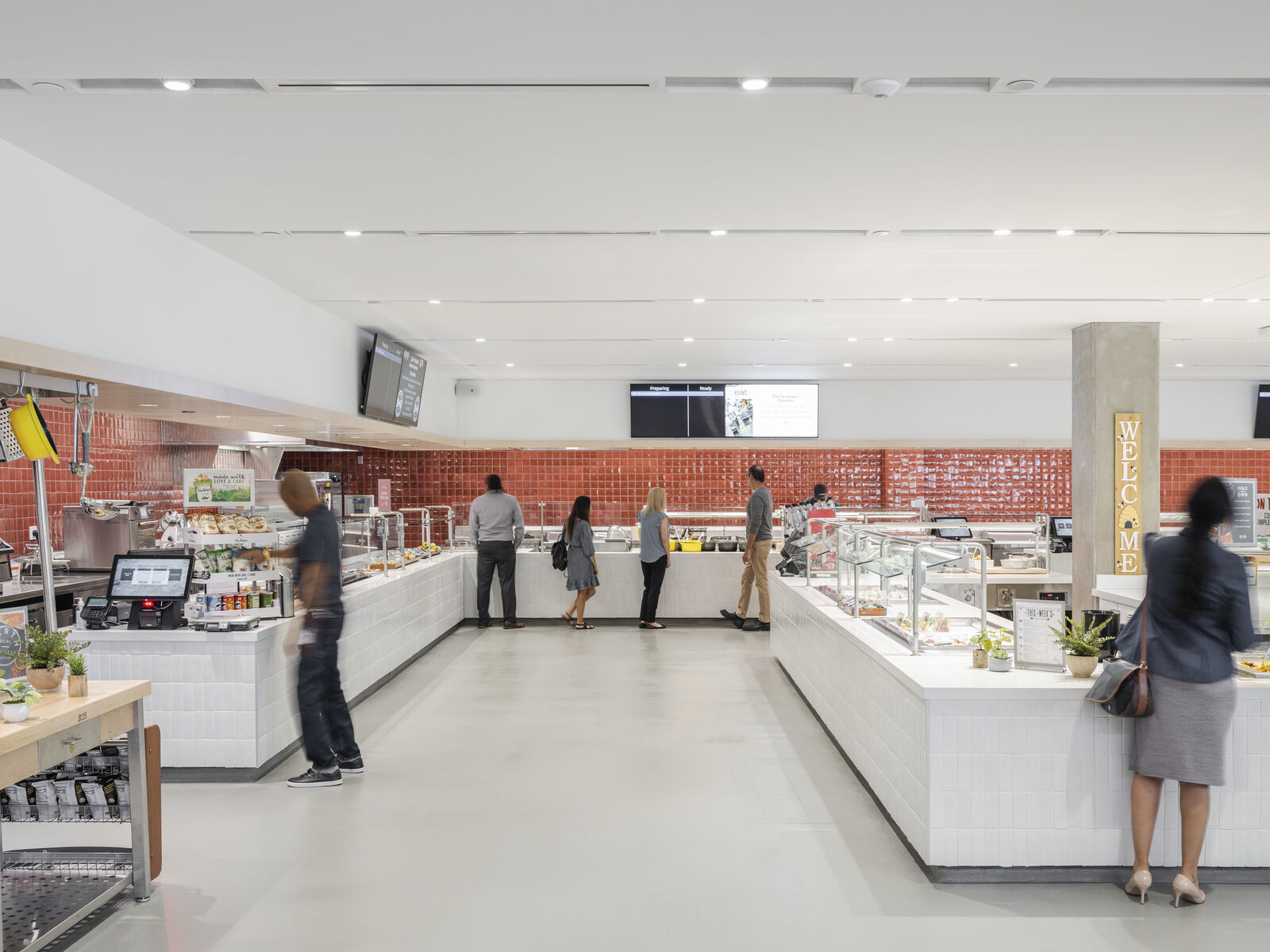
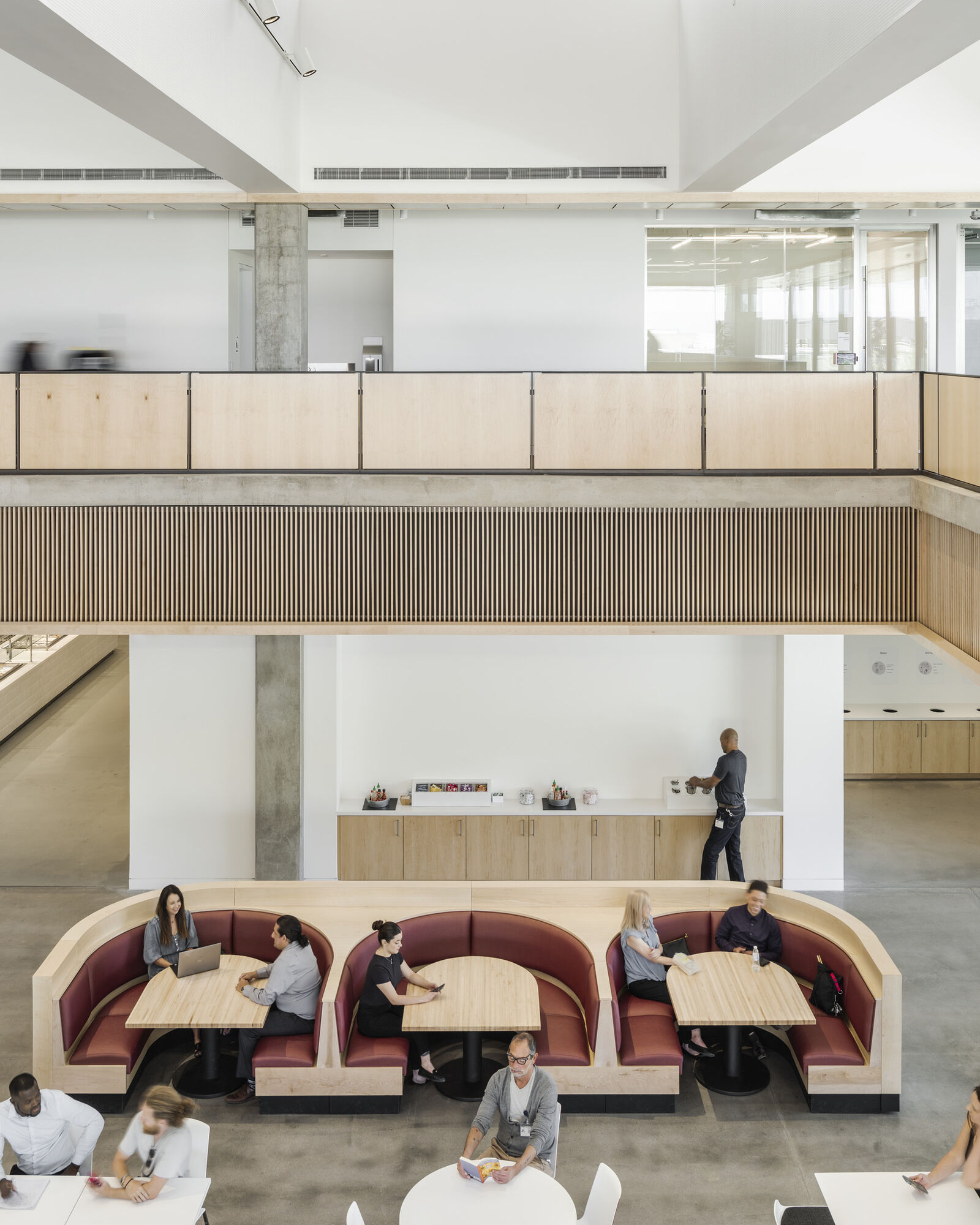
The largest volume includes the dining hall with a double-height space.
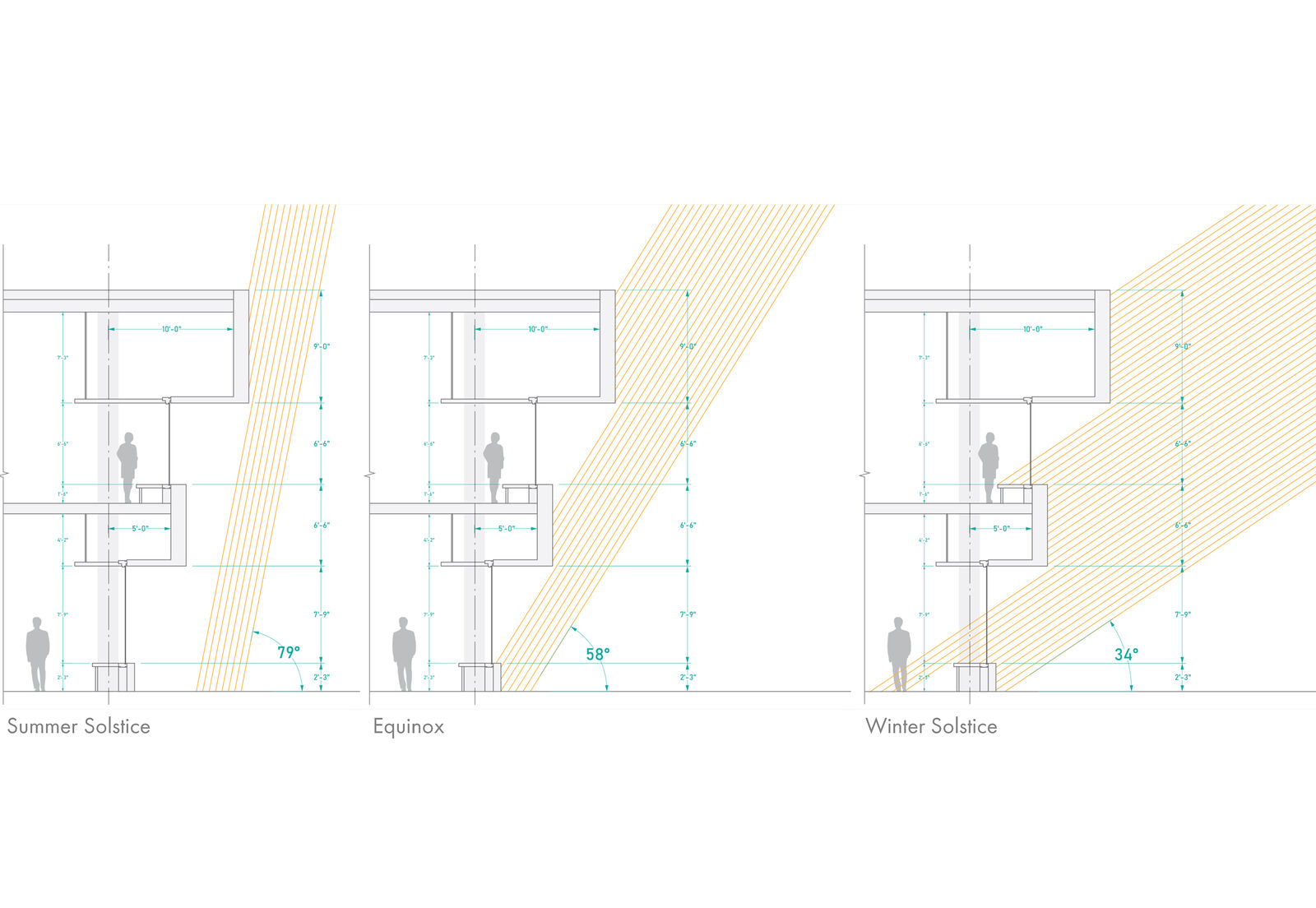
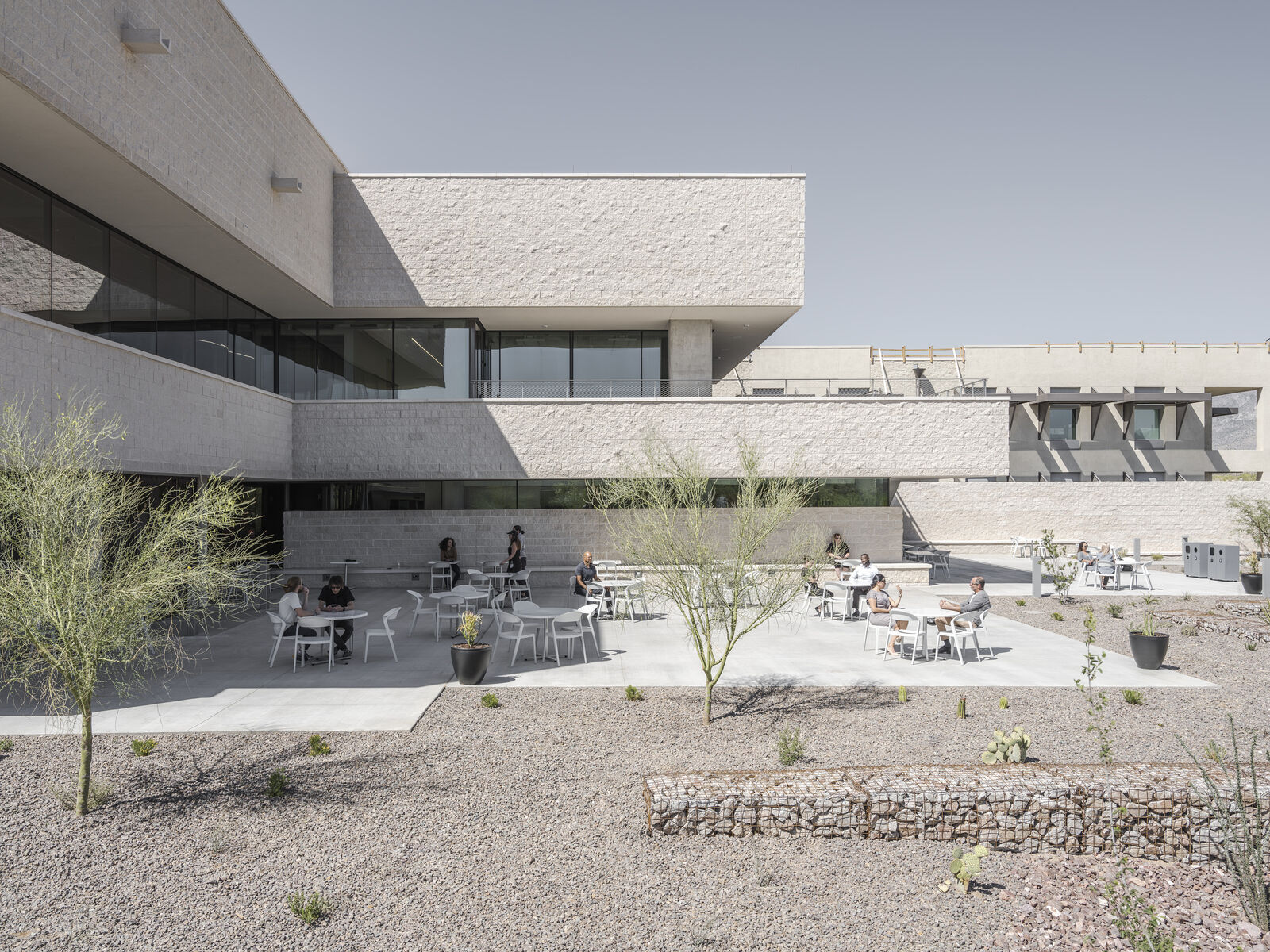
Generous overhangs shade the windows to minimize solar heat gain and glare.
The building is the first to be produced as part of a master plan, and marks a new chapter for Roche Tissue Diagnostics’ 36-acre campus. The campus is formerly that of Ventana Medical Systems, which Roche acquired in 2008, and now, with the Forum, comprises eight buildings, which include laboratories and a central utility plant that supports the entire campus.
Several sustainable strategies shape the design of the Forum at Oro Valley, and support Roche’s own long-held dedication to corporate governance around sustainability and environmental advocacy. Globally, Roche has pledged to reduce greenhouse gas emissions that result from its operations by 75% by 2029 and to eliminate them by 2050. Also, akin to its architectural guidelines, Roche requires that its own set of strict, global criteria for the performance of its buildings be met, too; The Roche Energy Efficiency Standards define protocols to ensure safety, security, health, and environmental protection.

Besides meeting these standards, three primary factors drove several sustainable strategies and design solutions at Oro Valley: mitigating heat gain caused by intense daylight, designing a ventilation system to keep dust from interior spaces, and selecting local materials.
For example, to optimize harvested daylight and views while minimizing solar heat gain, ZGF analyzed several ratios of window glazing to solid exterior wall while designing the building facades. Deep masonry eaves, which shade the ribbons of glazing, work in concert with these ratio studies. Also, after conducting an overall daylighting analysis, the design team incorporated clerestory windows within the building’s main gathering space to reduce lighting power density, or the amount of wattage per square foot required to illuminate the space.
Two, because of the degree of dust inherent to this sandy, desert climate, natural building ventilation at Oro Valley was not possible. However, designers created a heating and cooling system referred to as a low energy airside economizer to establish comfortable and energy efficient interior environments. This system involves a DOAS, or dedicated outdoor air system, and energy recovery units to filter and then distribute outside air. This system works in concert with three other strategies to sensibly and efficiently cool the building: One, simple, small fans in the building’s atrium increase air mixing. Two, the facility incorporates highly efficient chilled beams in lieu of traditional fan coil units, and, three, a radiant heating/cooling topping slab works to provide a comfortable temperature range closest to the end user.
Locally sourced materials for the building and its site include the textured masonry block of the façades and rock for the gabion walls within the landscaping.
Programmatically, the building’s first floor includes the lobby, cafeteria, kitchen, and two large conference rooms; pre-function areas serving those conference rooms open to a double-height dining hall. Upstairs, more conference rooms, a wellness center, and fitness center occupy the second floor.
An on-site art installation, Diagnostic, by Olivier Mosset, a Swiss sculptor based in Arizona, features two planes of concrete, one posited perpendicularly upon another. Each presents the changing texture and color of concrete as the sun moves across its volumes, both fixed and yet dynamic. Mosset’s piece extends a Roche tradition of commissioning superlative pieces for its buildings, including sculptures from artists such as Henry Moore, Eduardo Chillida, Ödon Koch, and Bernhard Luginbuhl.

Port of Portland, PDX Airport Main Terminal Expansion

California Air Resources Board Southern California Headquarters, Mary D. Nichols Campus

University of California, San Francisco, Nancy Friend Pritzker Psychiatry Building
