
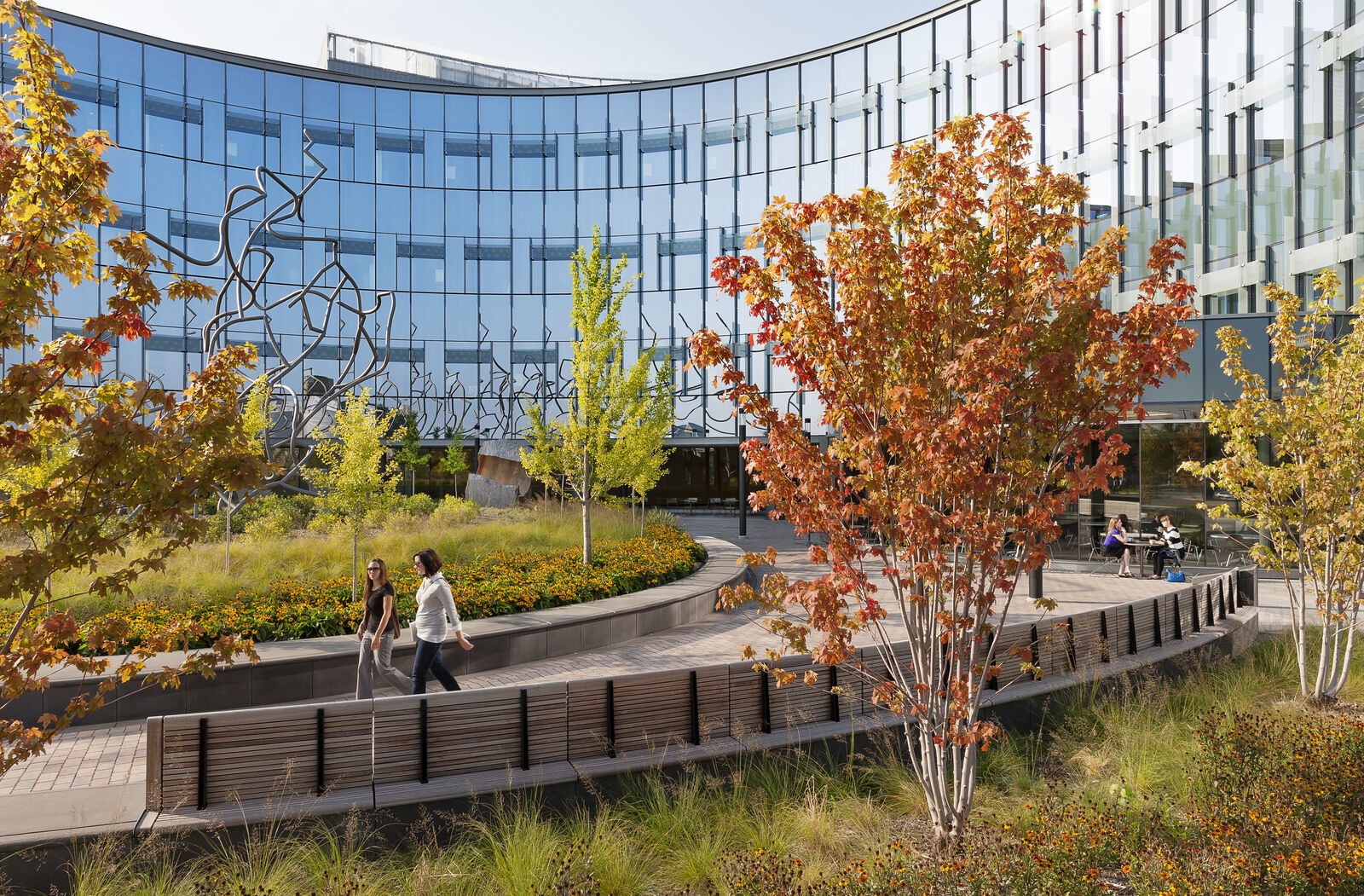
University of Minnesota, Cancer and Cardiovascular Research Building
Higher Education, Laboratories and Research
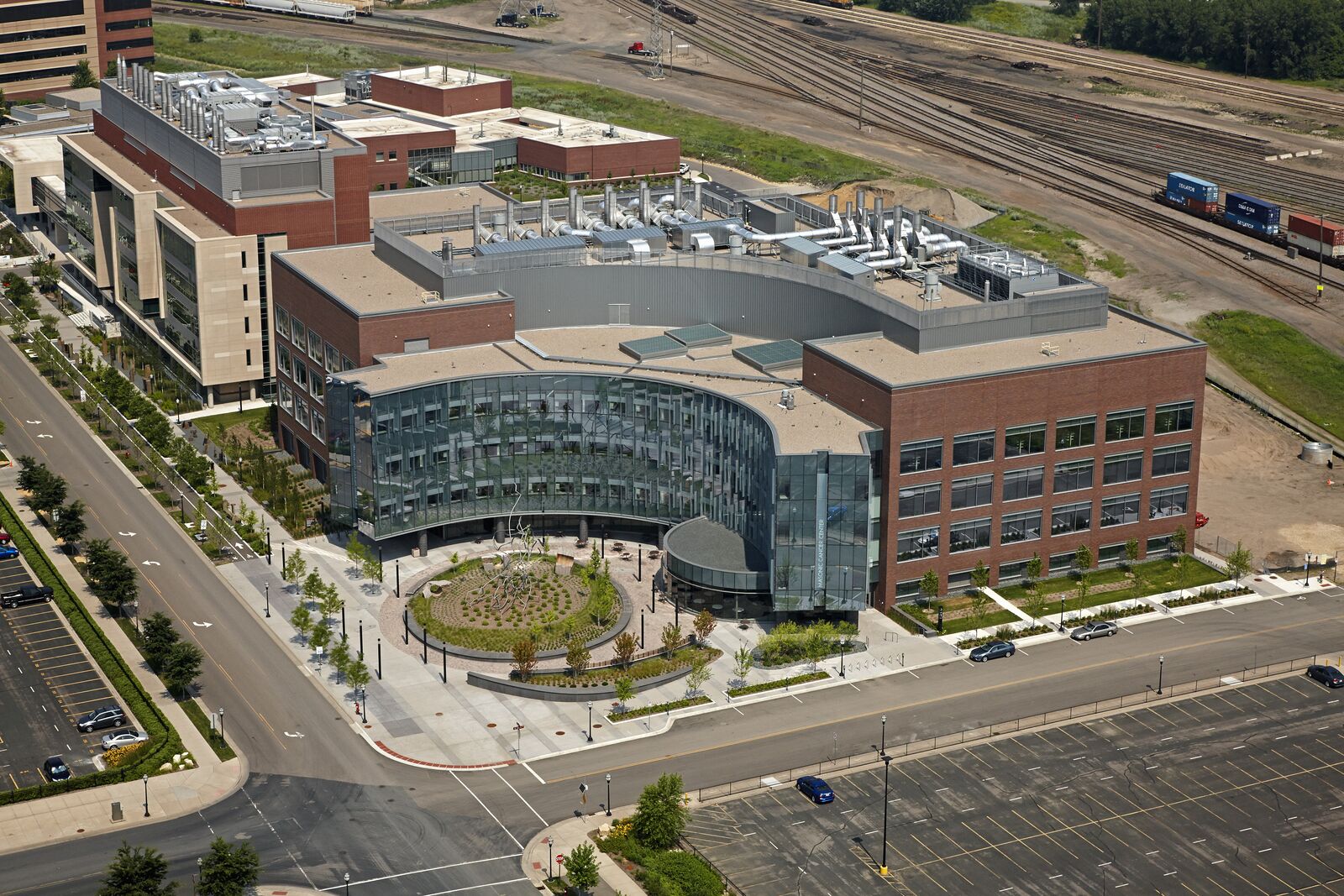
ZGF, in association with local architect Alliiance, programmed and designed the Cancer and Cardiovascular Research Building (CCRB), a signature building marking the gateway to a new medical research precinct at the University of Minnesota called the Biomedical Discovery District. The CCRB is the iconic front door and forms the core of the district’s research functions and public amenities, while establishing a central point for future district expansion.
Location
Minneapolis, MN
Square Feet
282,000
Completion date
2013
Certifications
LEED Silver
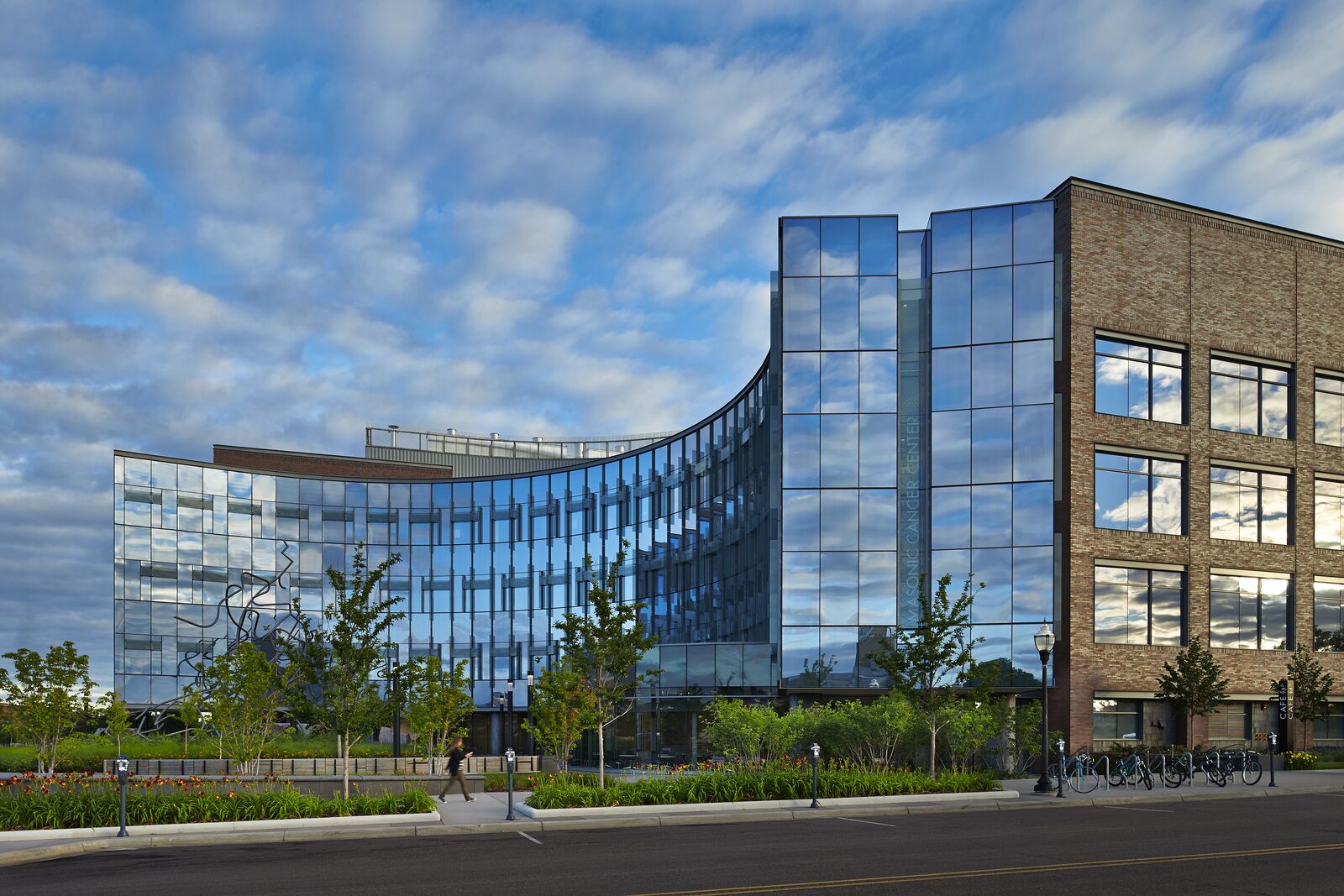
The project provides 282,000 SF of flexible, state-of-the-art laboratories for research in today’s most significant health challenges including diabetes, cancer, heart disease, emerging infectious diseases, and neurological conditions.
The building is composed as a large, curved-glass curtainwall which houses research offices for computational studies, bounded by two highly efficient orthogonal building wings that provide flexible modular laboratory research space on all three levels. This arrangement not only provides highly efficient mechanical zoning for distinct research and office functions but also ensures access to daylight for both laboratories and offices, and it gives office spaces a view toward both the exterior courtyard and internal research common spaces.
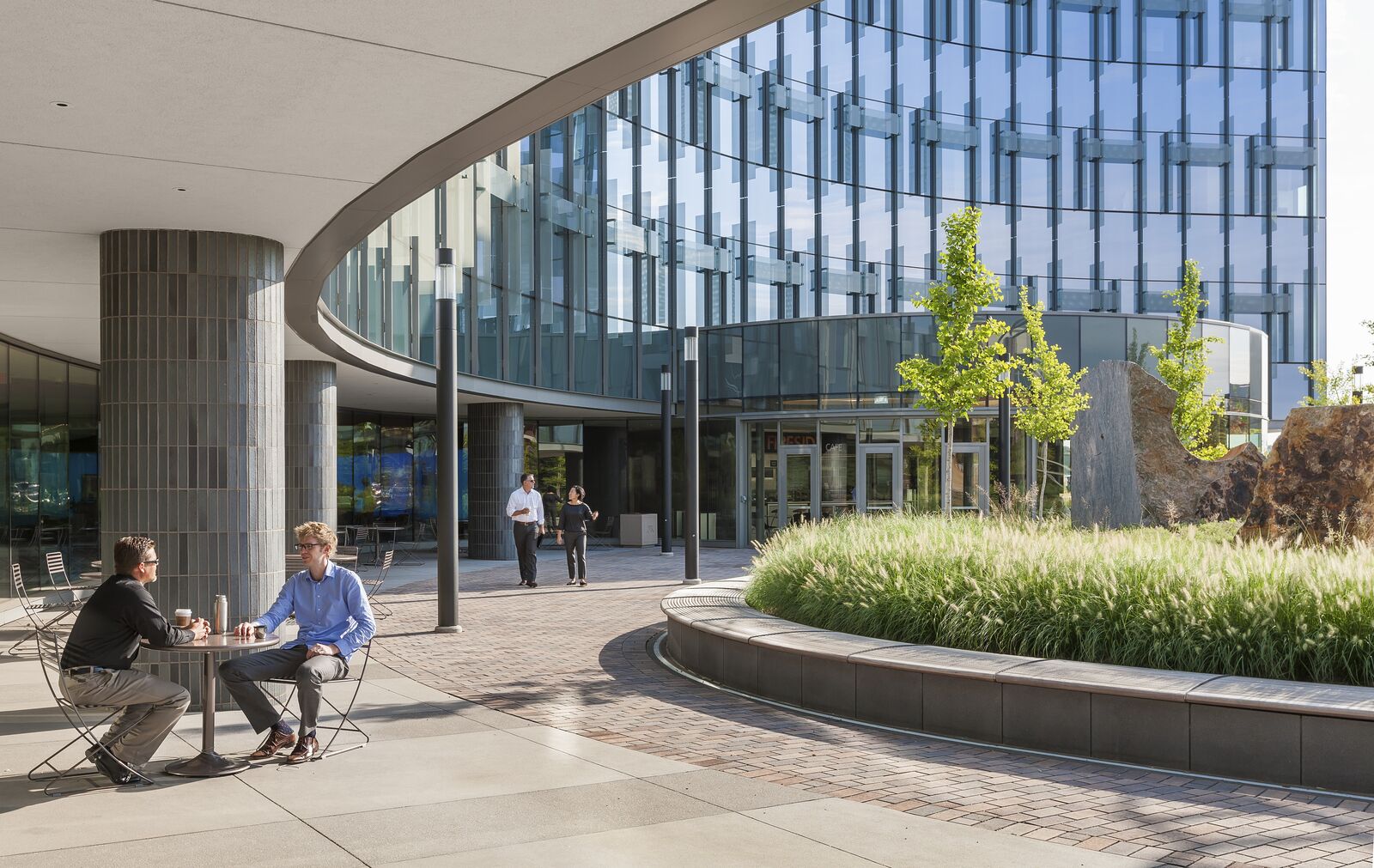
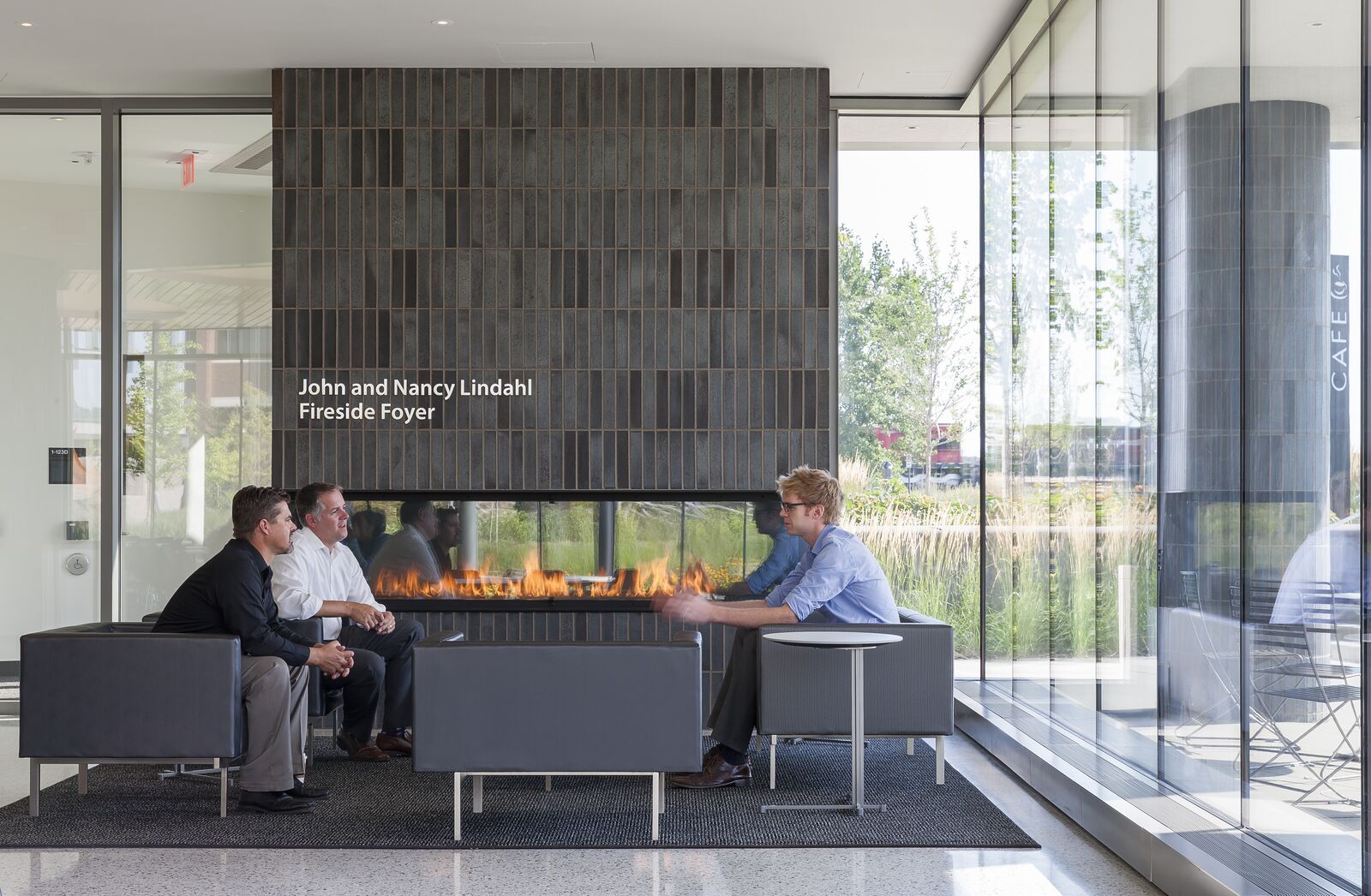
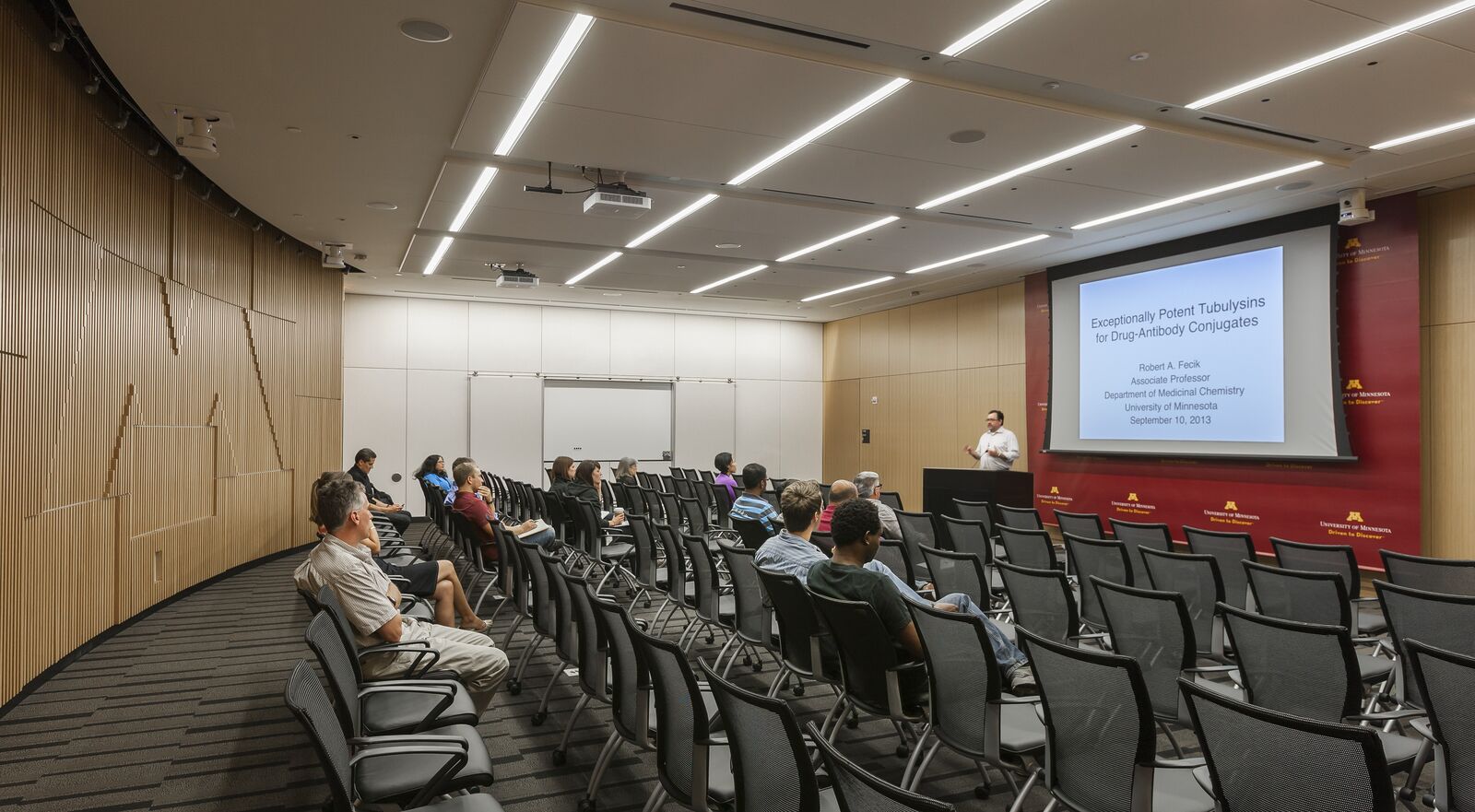
The building co-locates faculty and staff associated with the expanding cancer and cardiovascular research programs on campus with a shared research commons, lab space, offices, café, and seminar room. The facility supports partnerships between the University and surrounding biomedical institutions like the Lillehei Heart Institute and the Department of Integrative Biology and Physiology, which maintain a collaborative presence in the CCRB through their research specializing in cardiac regeneration, cardiac development, muscular dystrophy, congenital heart medicine and genomics. The Masonic Cancer Center, also housed in the building, creates a collaborative research environment focused on the causes, prevention, detection, and treatment of cancer and the application of that knowledge to the improvement of the quality of life of patients and survivors.
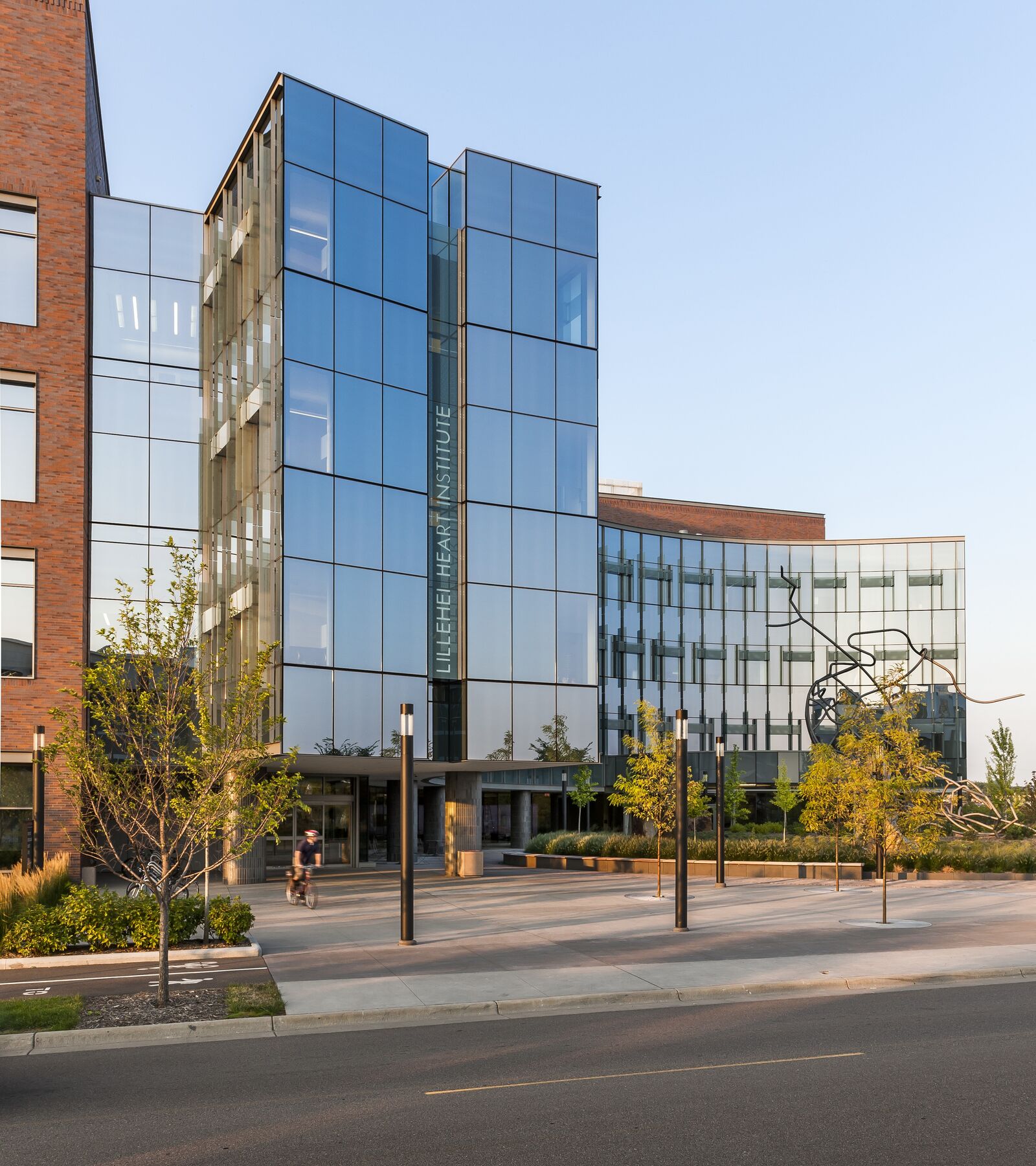
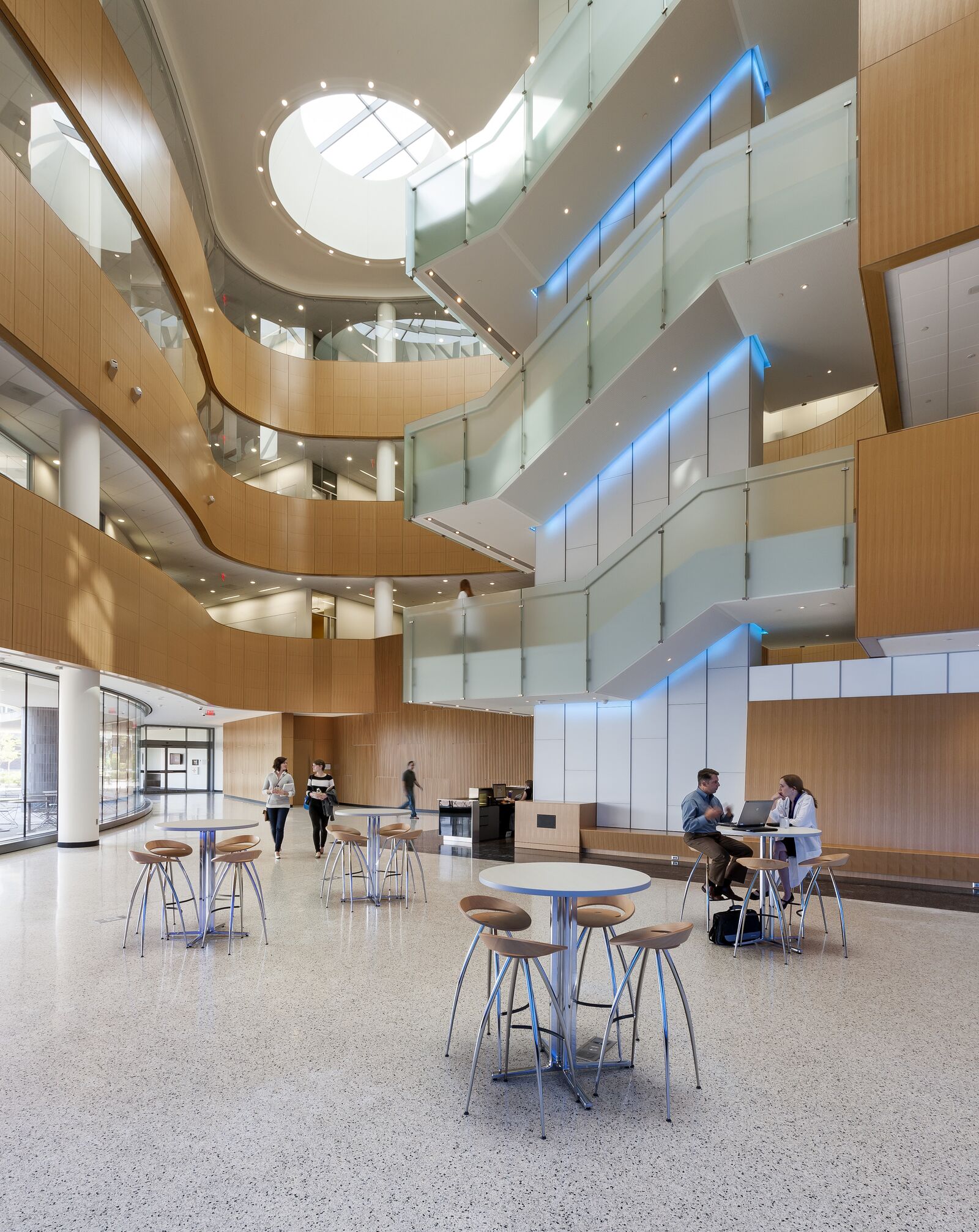
Biology and chemistry laboratories flank a 10,000 SF daylit central commons, which serves as the social heart of the building.
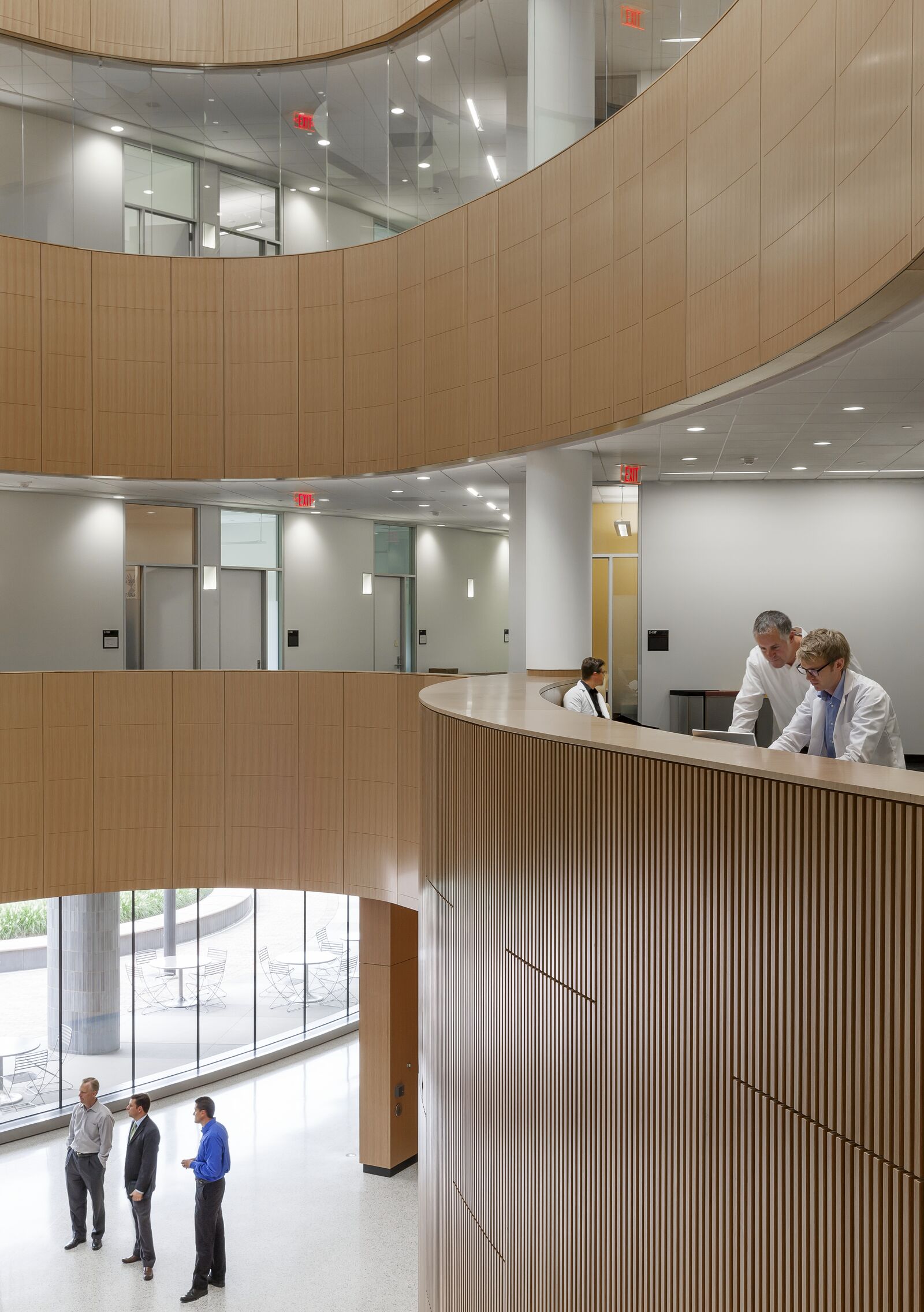
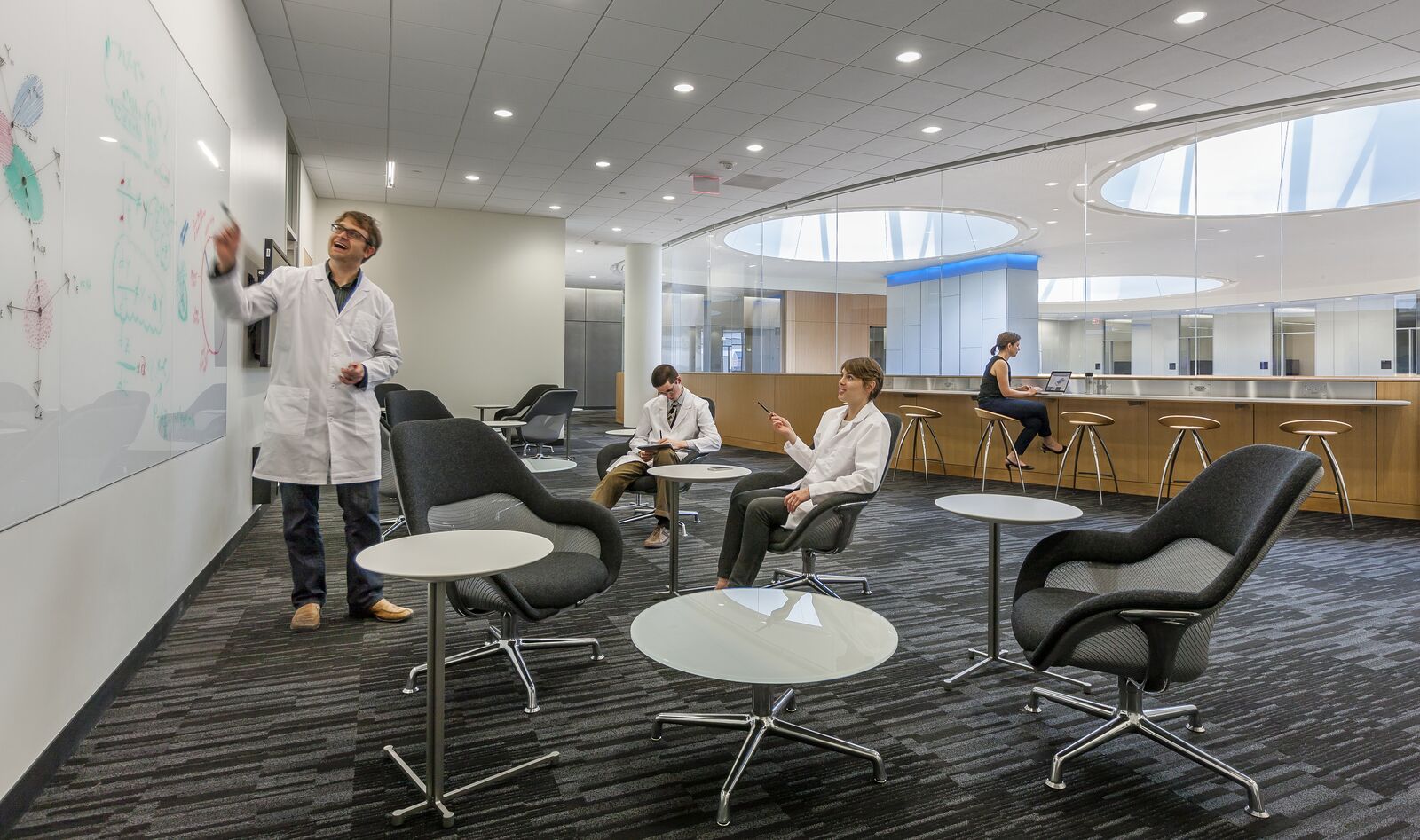
Laboratories are open, transparent, and daylit with modular bench layouts that encourage visual and physical connectivity between researchers and enable planning flexibility. The biology labs occupy the top two floors of the building, while chemistry labs are located on the second floor to maximize allowable chemical storage per building code. The research commons incorporate shared instrumentation spaces which minimize duplication, provide cost savings, and optimize interdisciplinary collaboration.
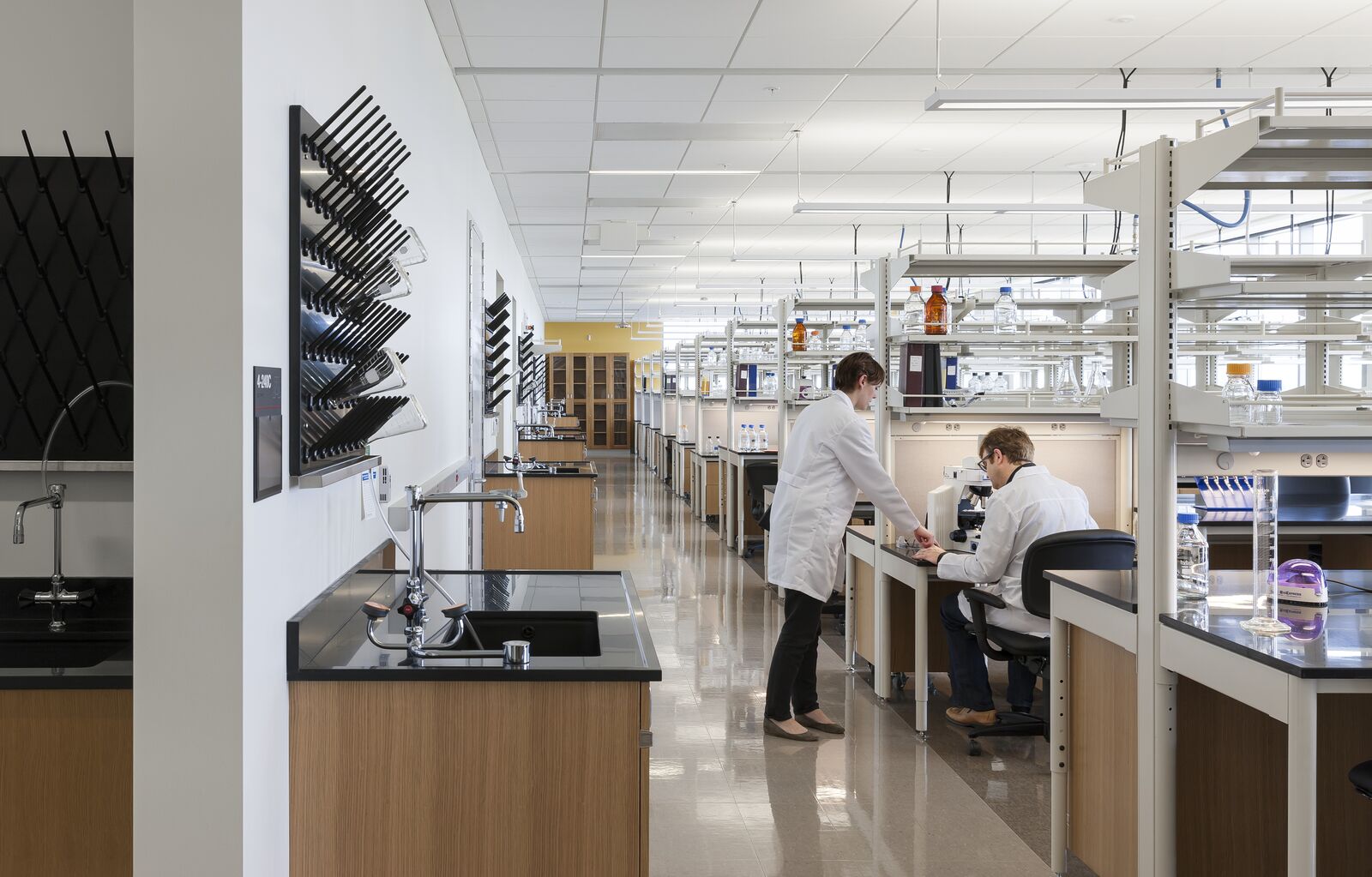
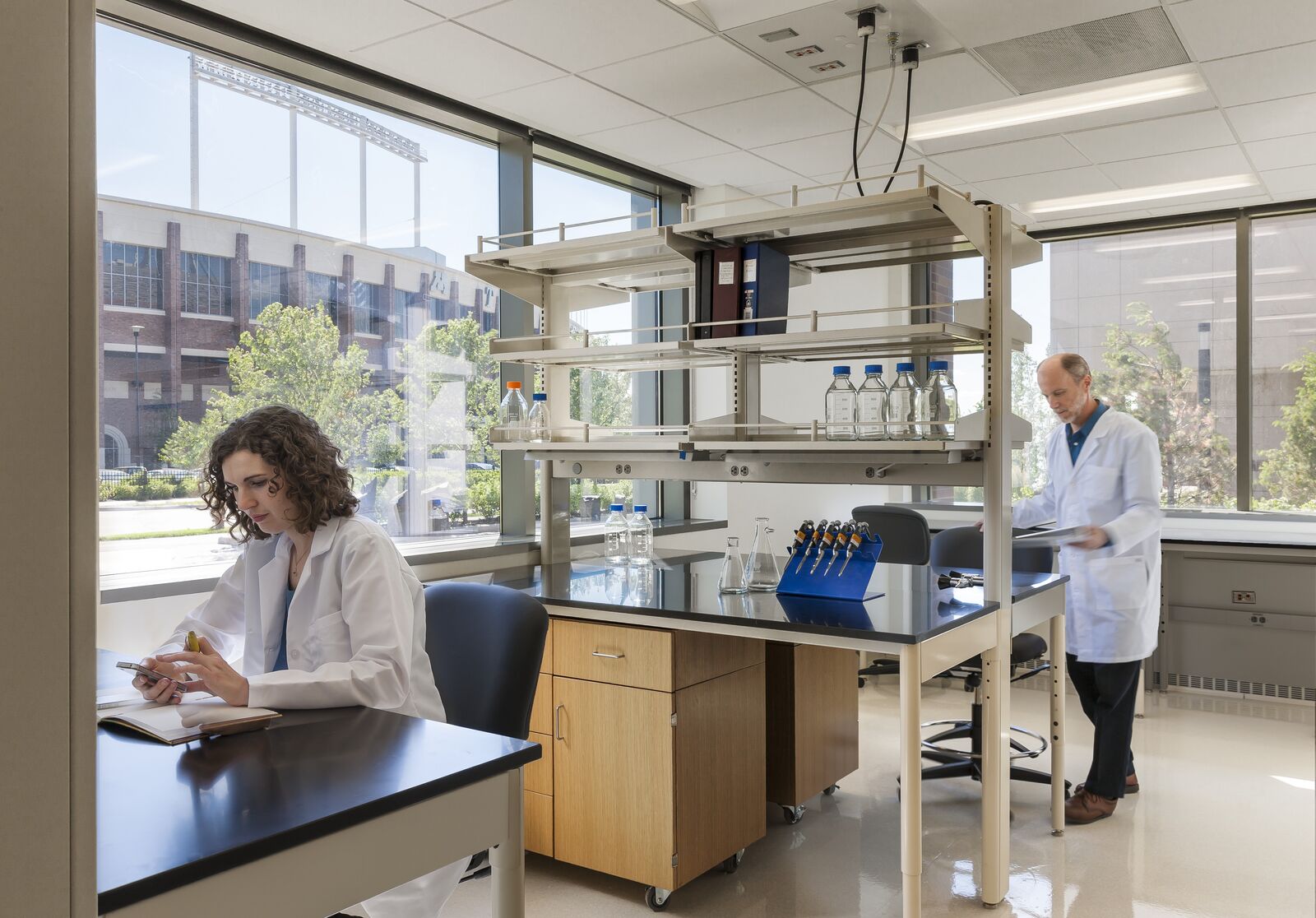
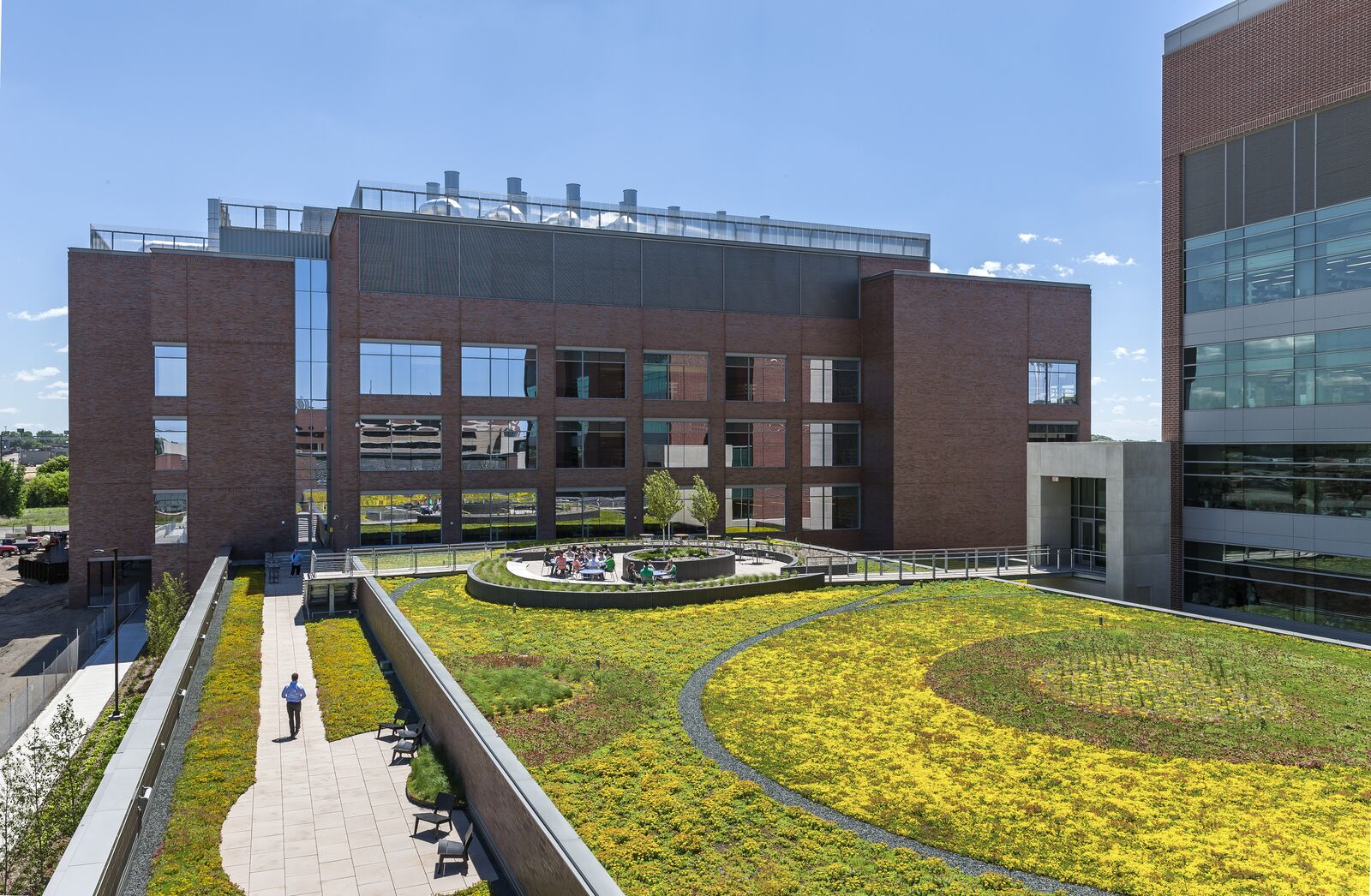
The building is LEED Silver® and meets the 2030 Challenge, using 60% less energy than typical laboratories. It also features an accessible green roof.
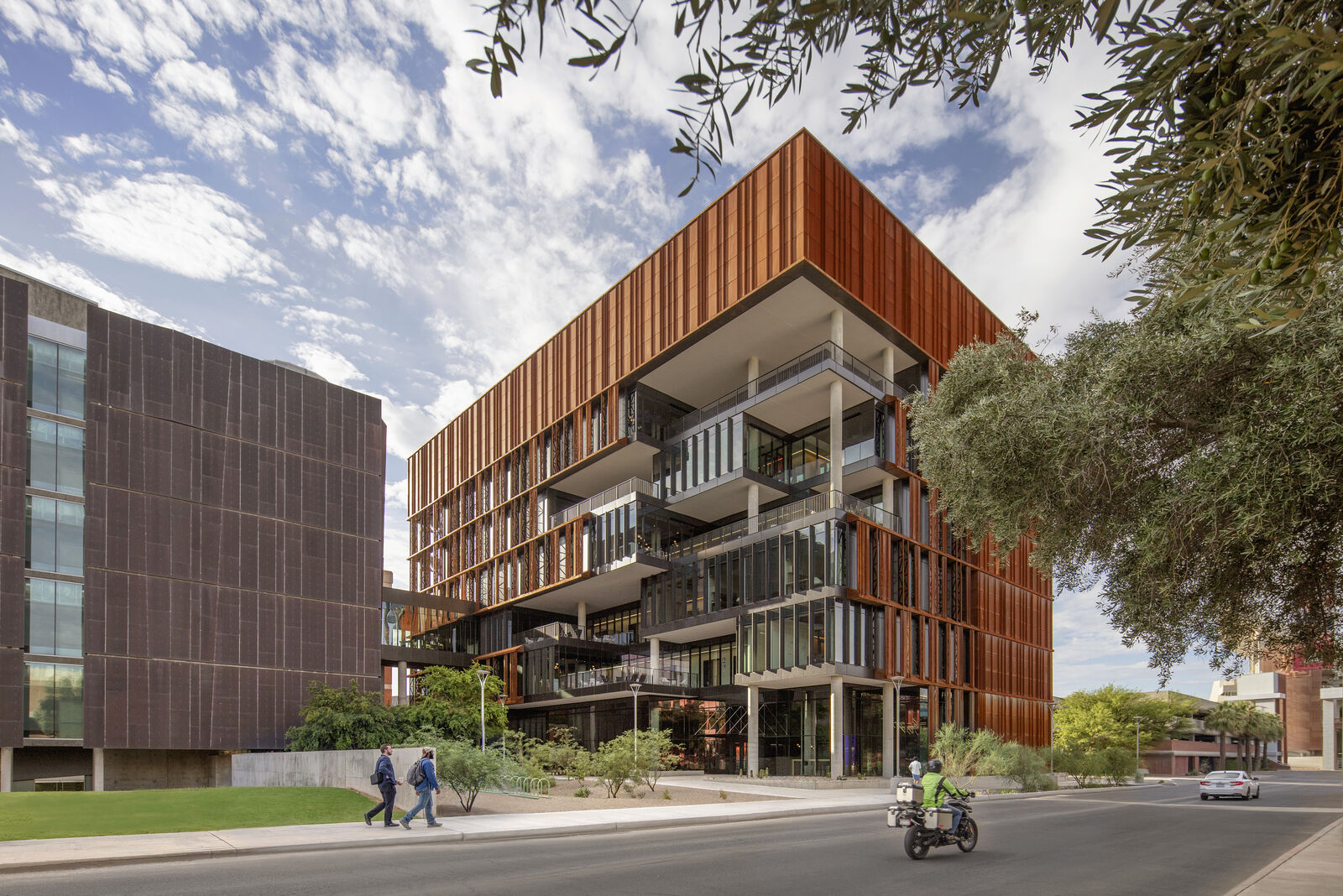
The University of Arizona, Grand Challenges Research Building
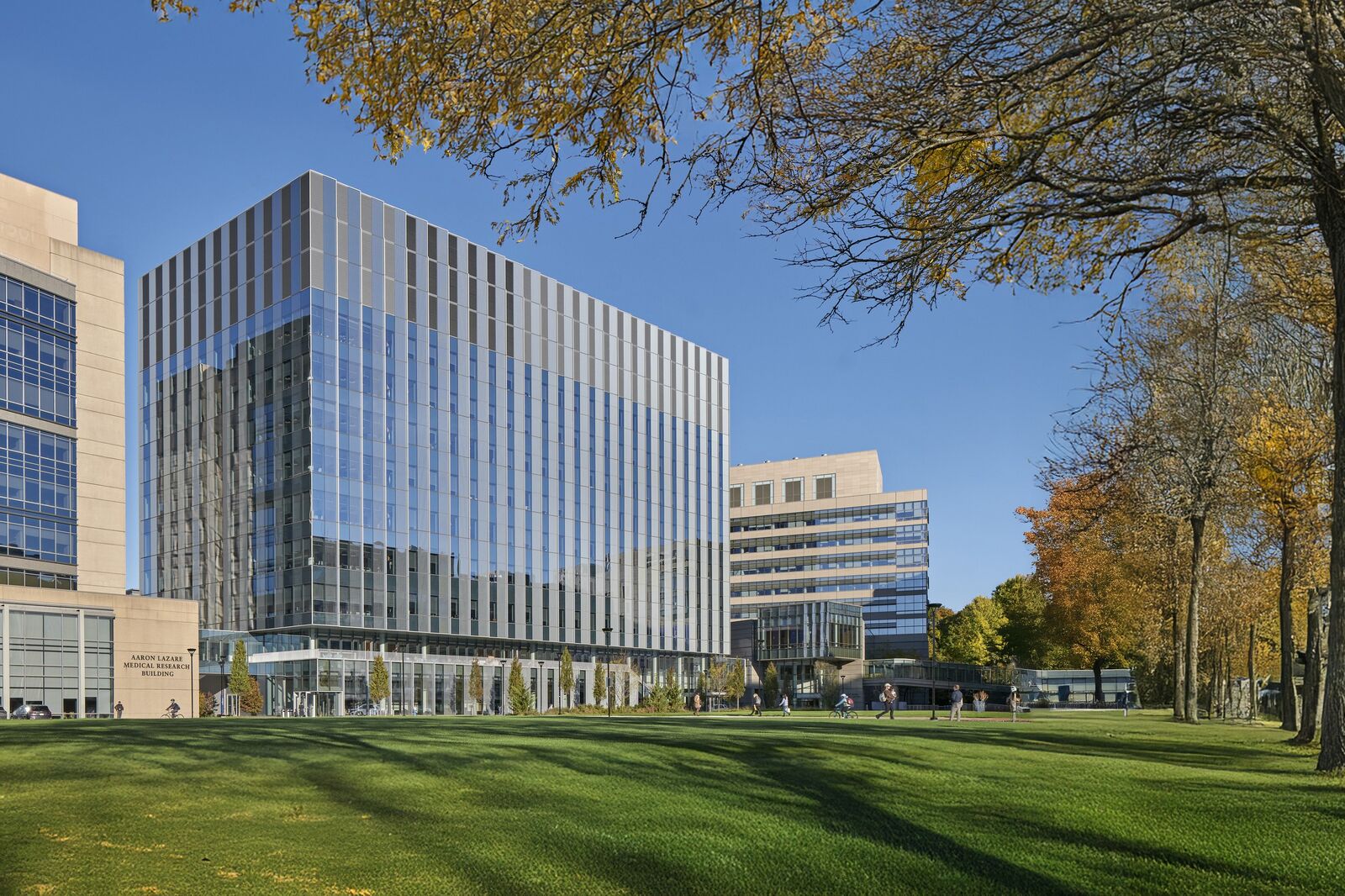
UMass Chan Medical School, The Paul J. DiMare Center
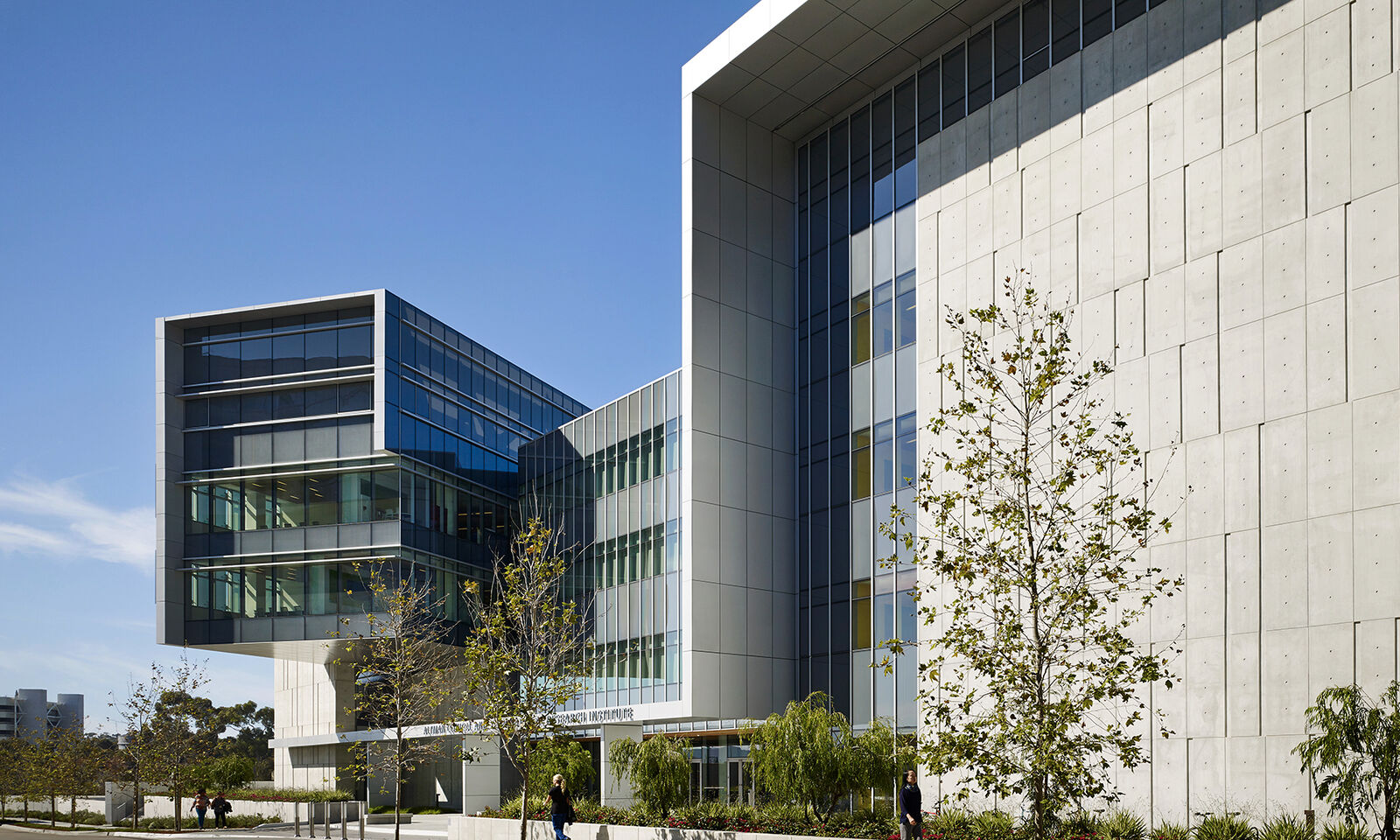
UC San Diego, Altman Clinical and Translational Research Institute
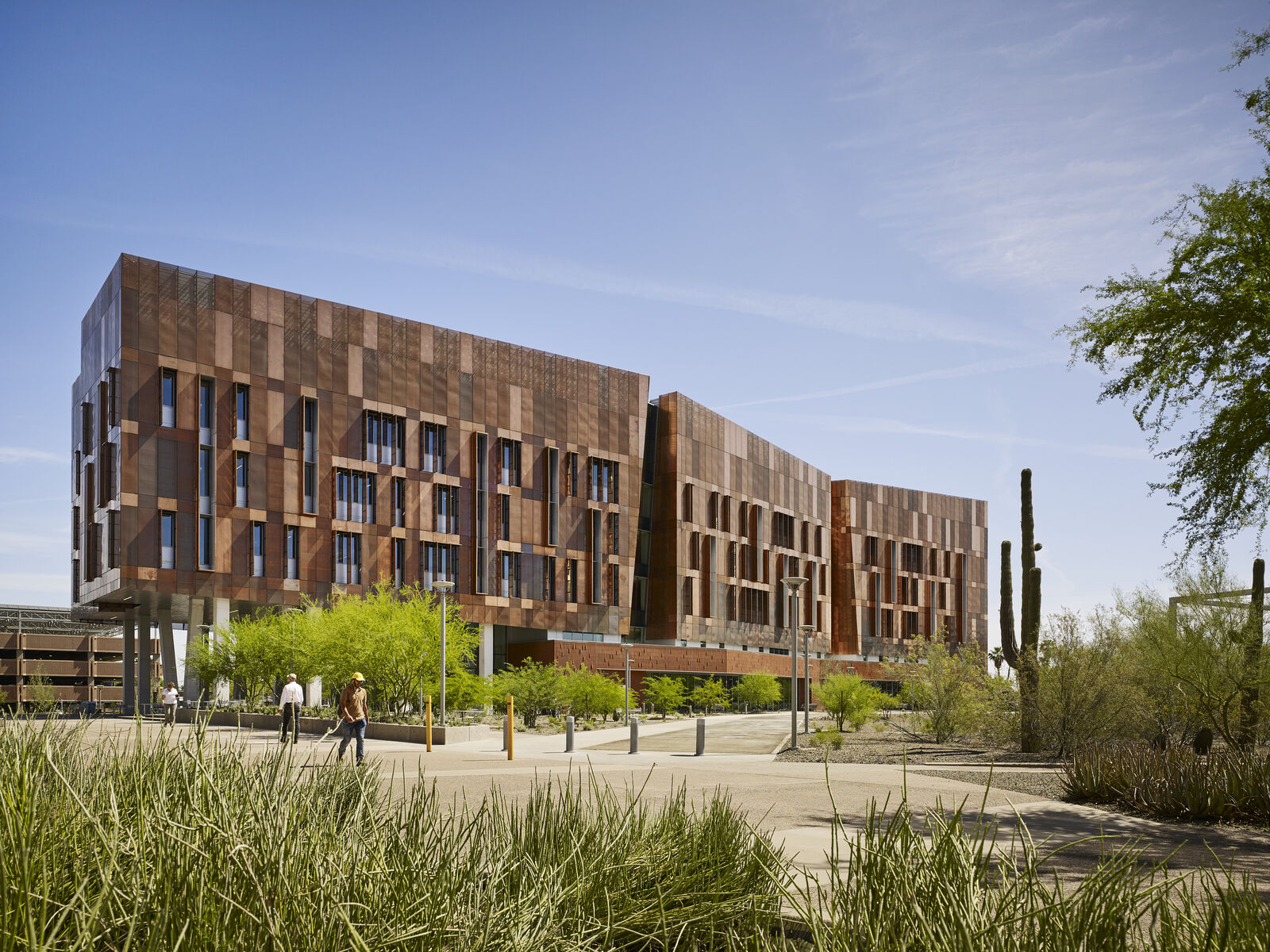
Arizona State University, Biodesign Institute C
