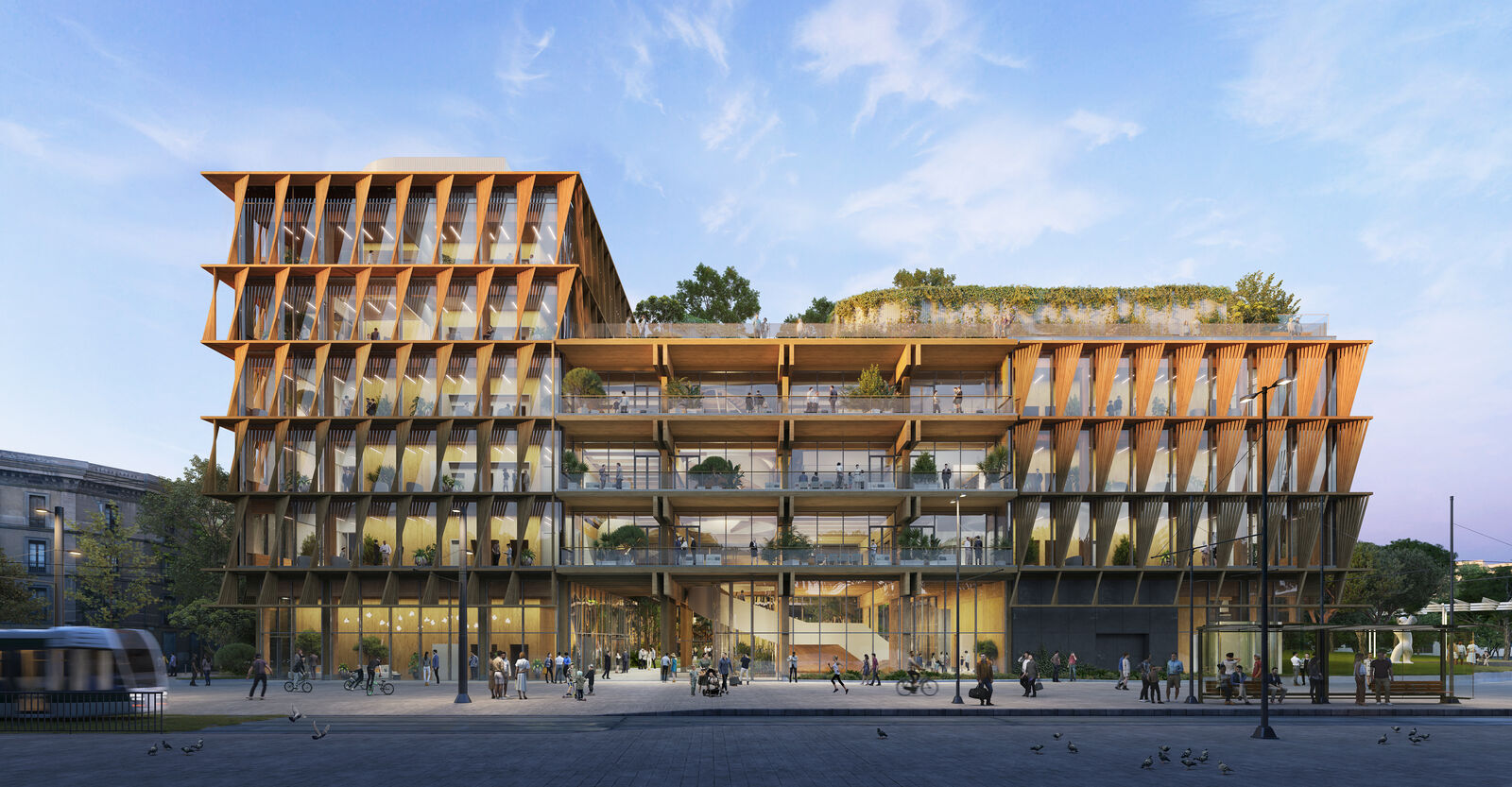

Bringing Mass Timber to New York City
Mass Timber Concept for Harlem Community Healthcare Center
Healthcare
What could mass timber design and construction look like in America’s most diverse and densely populated city? ZGF was recently invited by New York Magazine to assess the opportunities for mass timber design and construction in New York City.
Leveraging our extensive healthcare design portfolio and decades of mass timber experience, from airports to labs to office buildings, and a recent mass timber hospital white paper, in collaboration with Thornton Tomasetti Structural Engineering, we developed an approach for a community healthcare center that leverages the benefits of wood for wellness.
The ZGF concept for a Harlem Community Healthcare Center seeks to minimize healthcare disparities through a mass timber design emphasizing community health and wellness. Inspired by places of support and healing, the design prioritizes a warm and welcoming environment that showcases the potential of mass timber, minimizing the institutional feel often associated with healthcare settings.
Location
New York City, New York
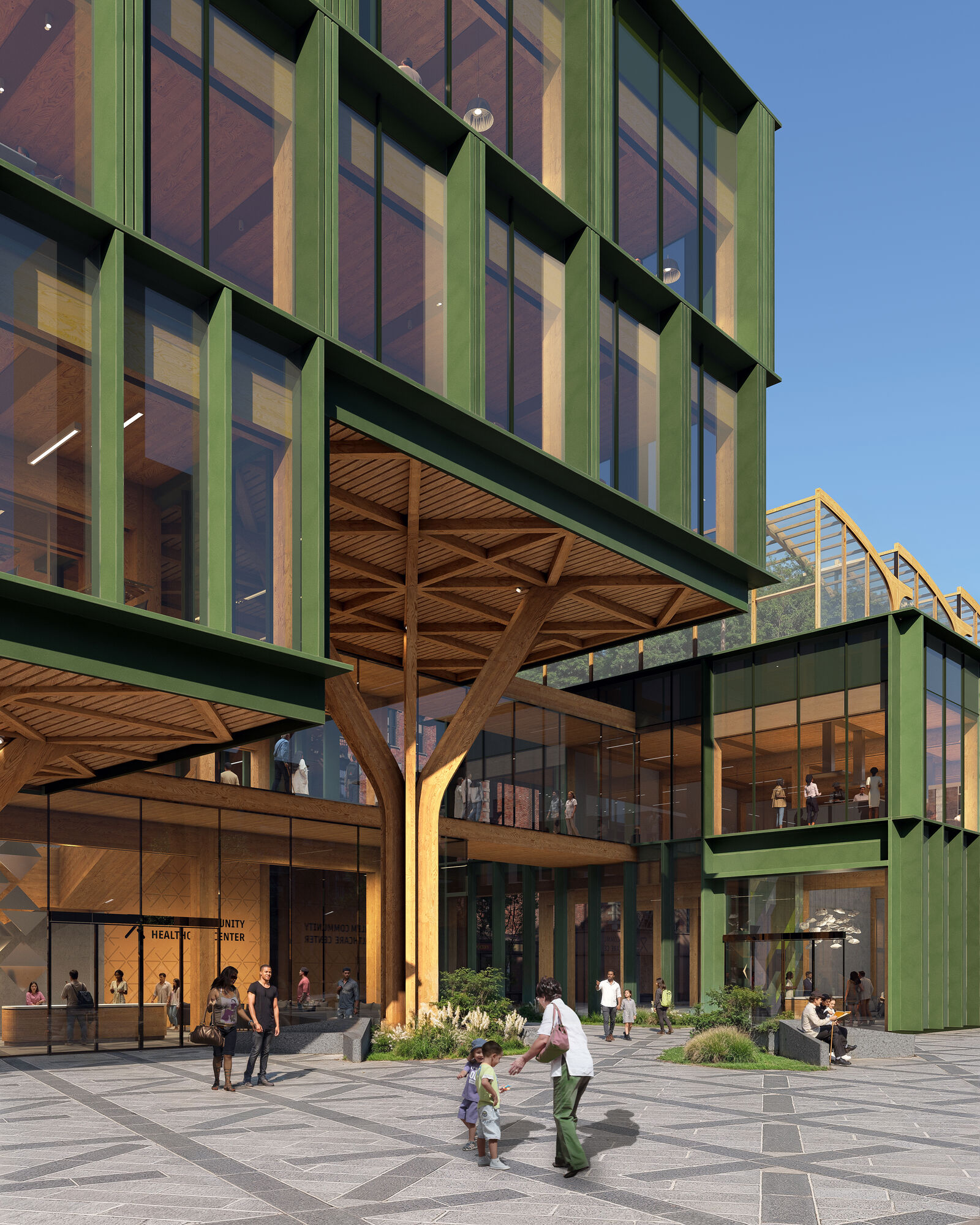
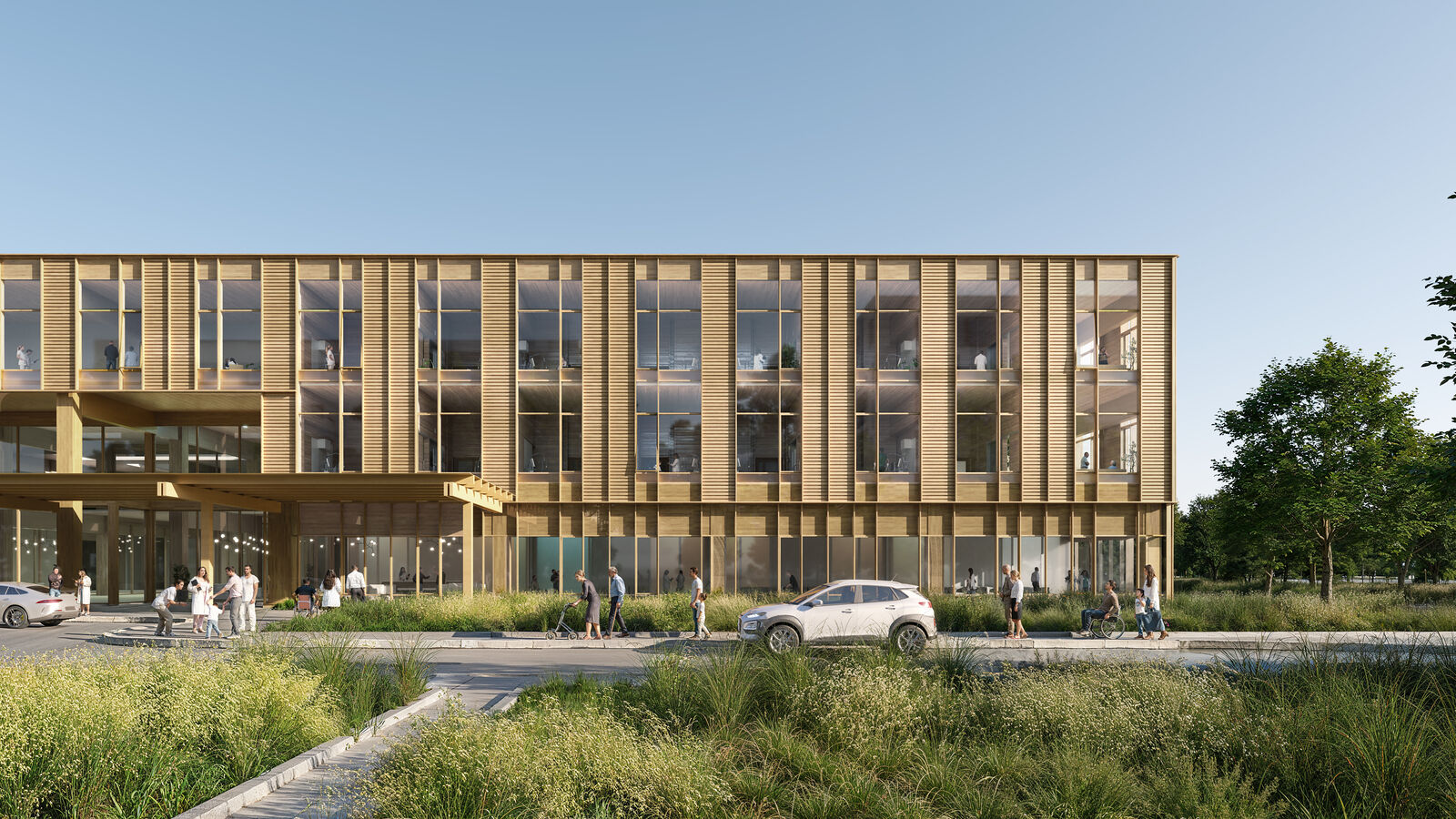
The exterior is clad in a low-carbon and durable terra cotta tile, which is both low-maintenance and complements the biophilic design strategy.
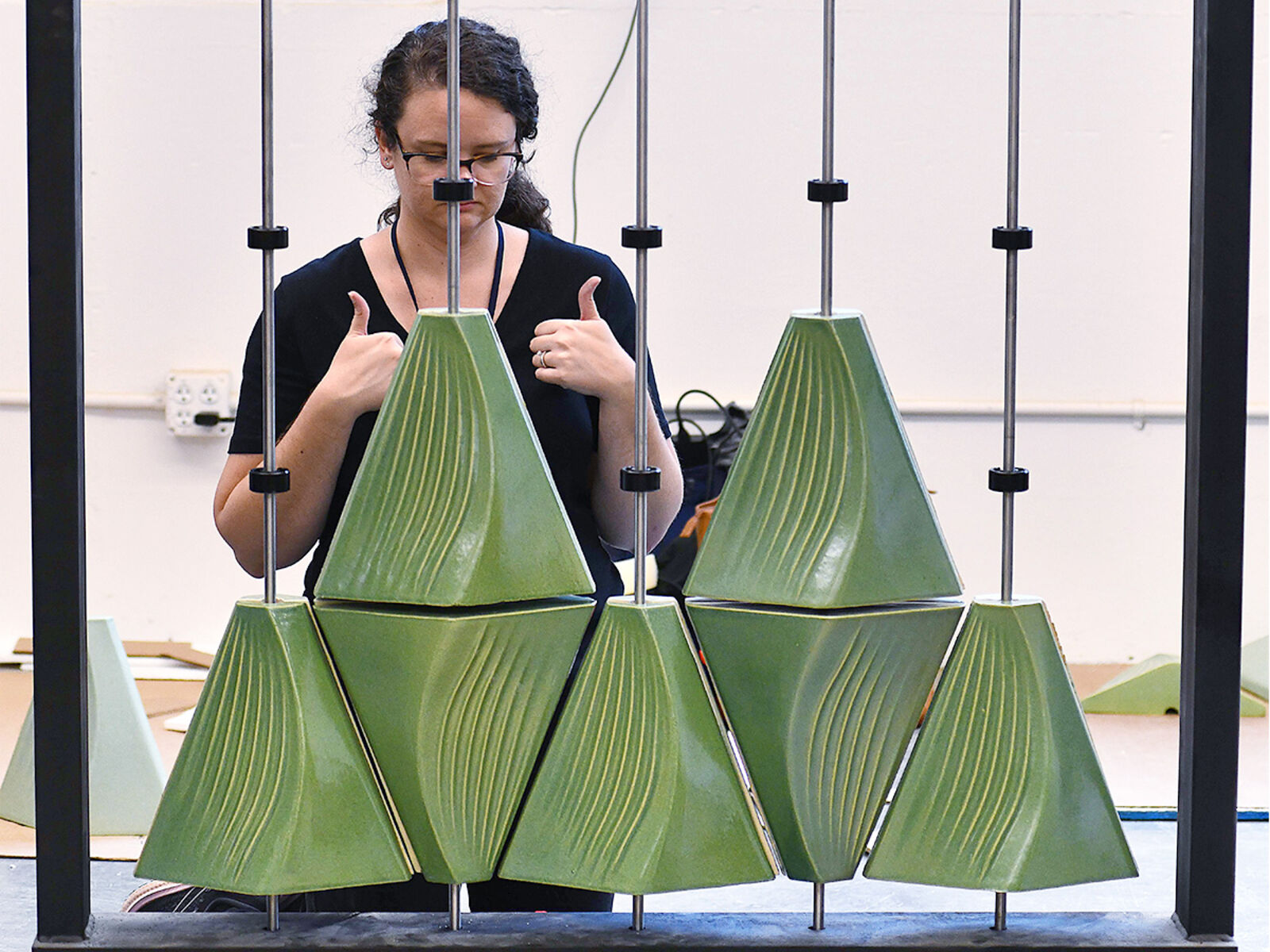
At the 2023 Architectural Ceramics Assemblies Workshop, ZGF and structural engineering consultants LERA, developed a modular terra-cotta facade system with pieces that are fully re-configurable.
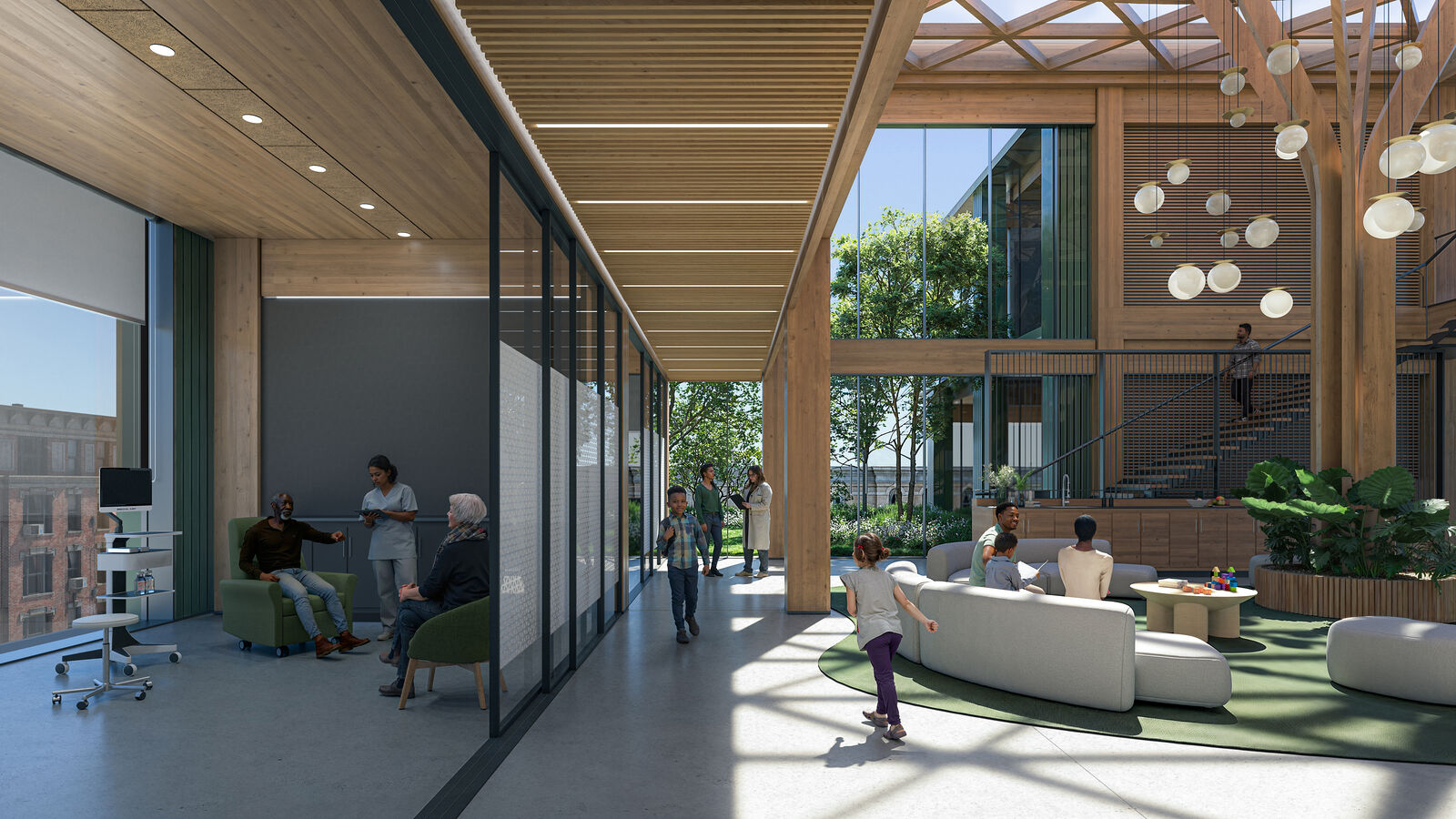
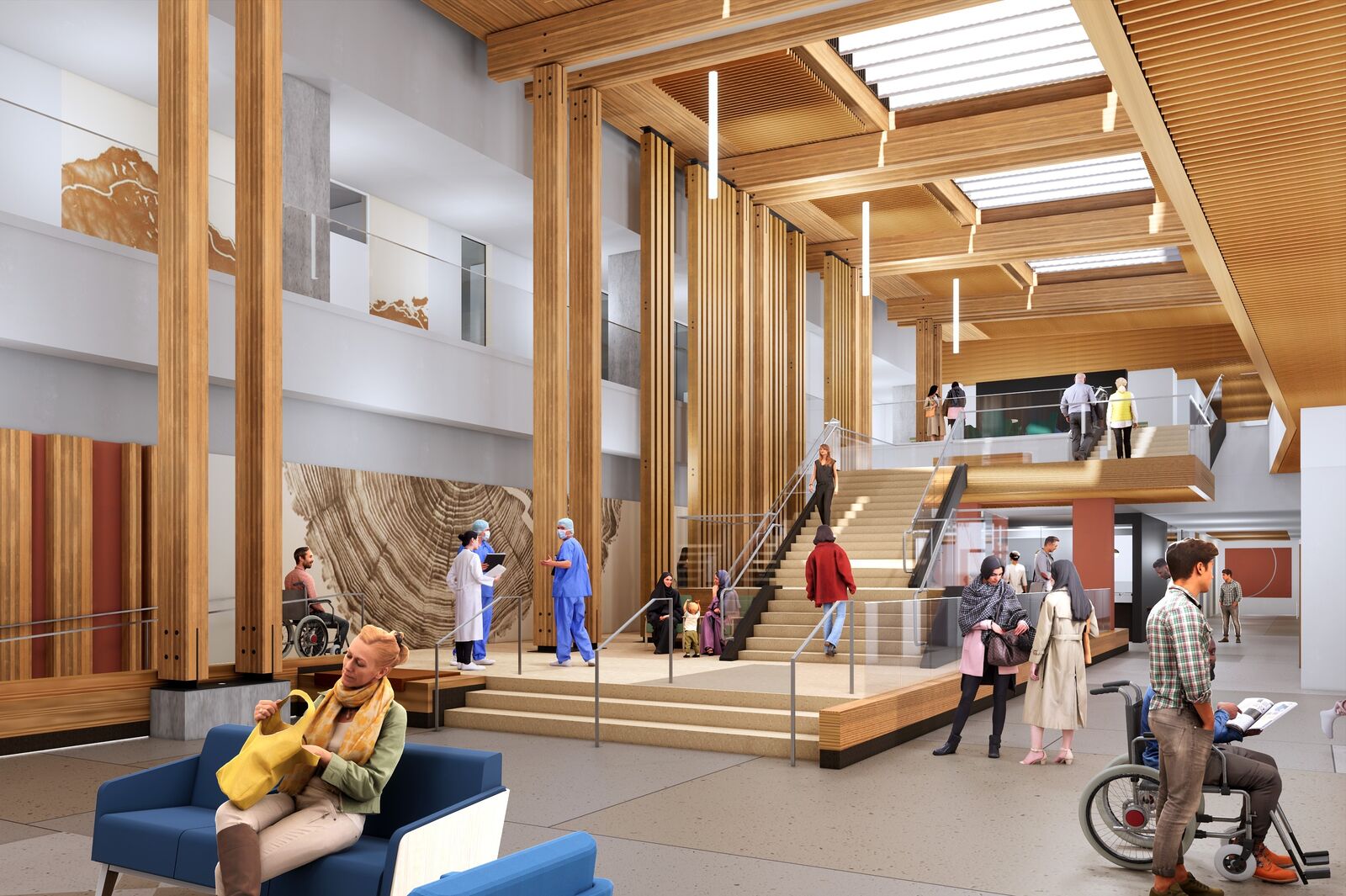
The design leverages the benefits of wood for wellness, including creating warm and welcoming clinical spaces. Families and patients could receive support in a naturally biophilic environment with access to ample natural daylight, which can reduce stress and improve patient outcomes.
A Community Based Approach
The site, at the intersection of West 145th St and Amsterdam Ave in Harlem, currently houses a community health center slated for demolition. The neighborhood has some of the highest healthcare disparities in the City, with lack of access to preventative care and testing, high rates of childhood asthma and cancer, and poor nutrition.
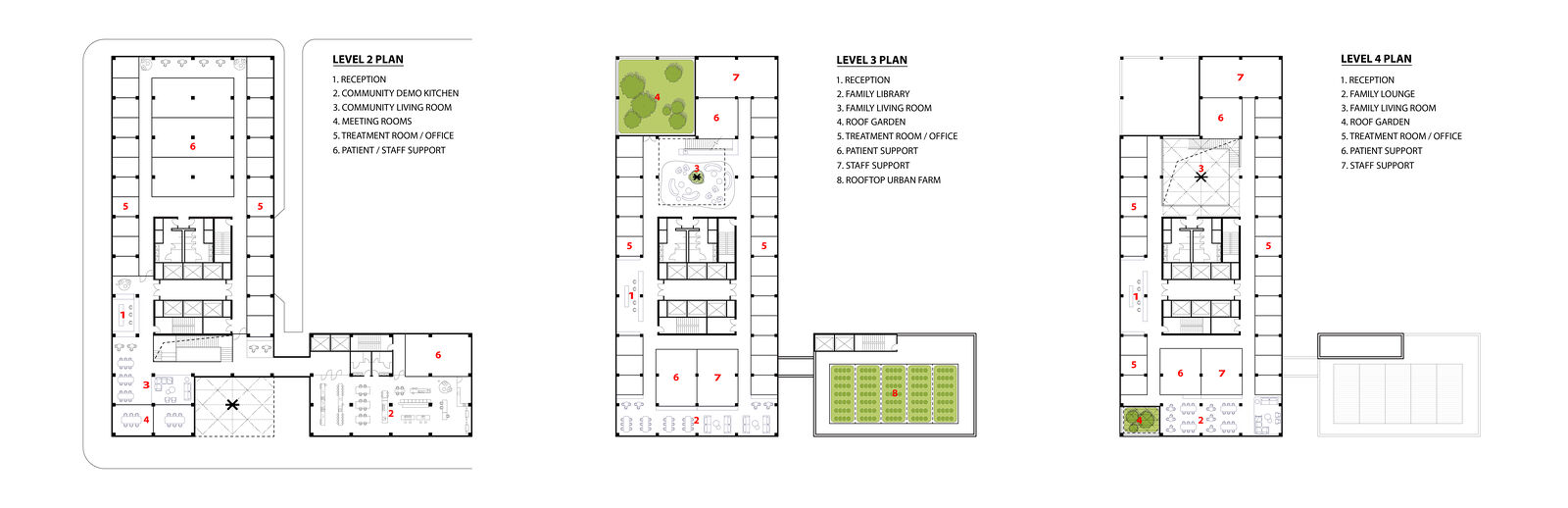
ZGF explored what this facility could become if re-imagined in mass timber and focused on addressing access and removing barriers to care by creating a destination that would support the neighborhood community both in times of health and illness. The concept features an expanded program that includes a variety of healthcare services from screening to treatment, and food and nutrition education, including a community space anchored by a demonstration kitchen and supplied by a rooftop urban farm. A plaza expands the public realm and provides the opportunity for formal and informal gatherings, including a farmer’s market which could provide fresh produce to the community and support local small business opportunities.
The design emphasizes the potential of mass timber, along with biophilia and daylight, to create a place of wellness in an underrepresented community. Recognizing the role biophilia plays in healing, the team translated the organic form of a tree into a wood column and canopy structure at key public areas, including the public plaza, entry, and an internal “living room.” Utilizing CNC mass-plywood construction techniques, these elaborate elements are easily transported and assembled.
Mass Timber Systems
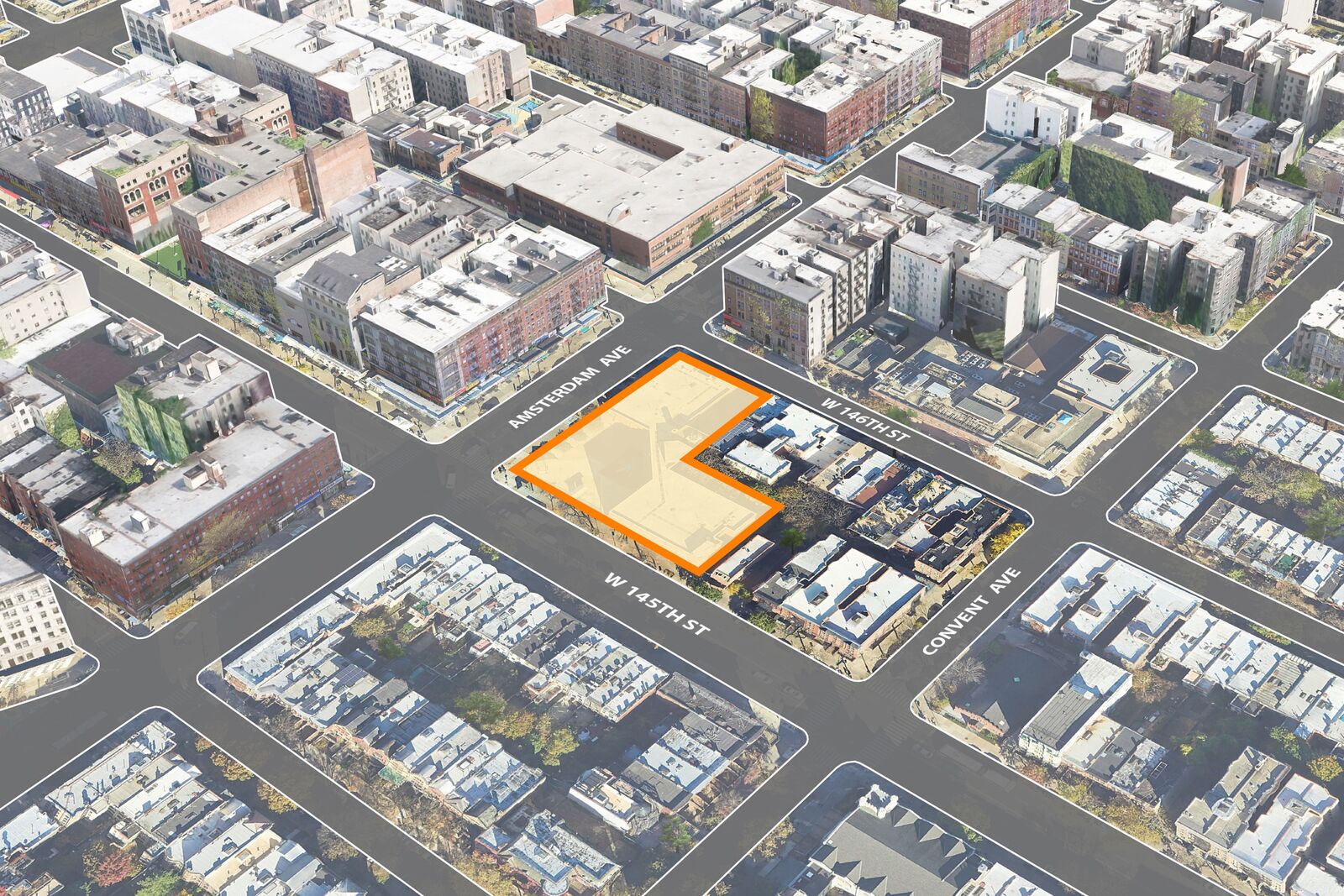
The body of the building uses a modular wood post and beam system with an innovative cassette floor system, which serves as both structure and finish while providing concealed routing of utilities. The prefabricated system allows for more efficient and safer assembly onsite, condensing the construction timeline while lowering costs.
Mass Timber for Healthcare
Mass timber offers exciting promise in healthcare settings for its reduced construction schedule, carbon benefits, and in creating a welcoming care environment for patients and staff. When accounting for the unique considerations of New York City, wood offers several advantages settings:
- Cost Savings and Reduced Neighborhood Impact: Mass timber lends itself to a “kit of parts” approach, so buildings can be assembled faster than concrete or steel. Quicker construction schedules reduce costs, especially on urban sites with complex logistics. A shorter construction timeline also leads to fewer truck trips through city streets, and creates safer and quieter construction sites, reducing impact on the neighborhood.
- Efficient Materials and Constuction: Exposed mass timber can serve as both structure and finish, eliminating redundant materials that contribute to poor indoor air quality and saving costs. Wood structures are lighter, reducing foundation sizes and the amount of concrete required.
- Improved Patient and Staff Outcomes: Recent studies show how natural materials like wood have positive psychological effects on occupants, including reduced stress, anxiety, and improved mental health, supporting both patient and staff well-being.
- Lower Carbon Footprint: Timber manufacturing has significantly lower carbon emissions than traditional materials like concrete and steel, saving over 50% of the embodied carbon footprint of a project when factoring in the carbon stored in the wood itself. This would contribute towards a myriad of goals, including helping to meet NYC's carbon neutrality pledge by 2050 or the NYC Carbon Challenge, of which 9 major health care providers have signed onto, in addition to allowing health systems to meet their organizational embodied carbon goals.
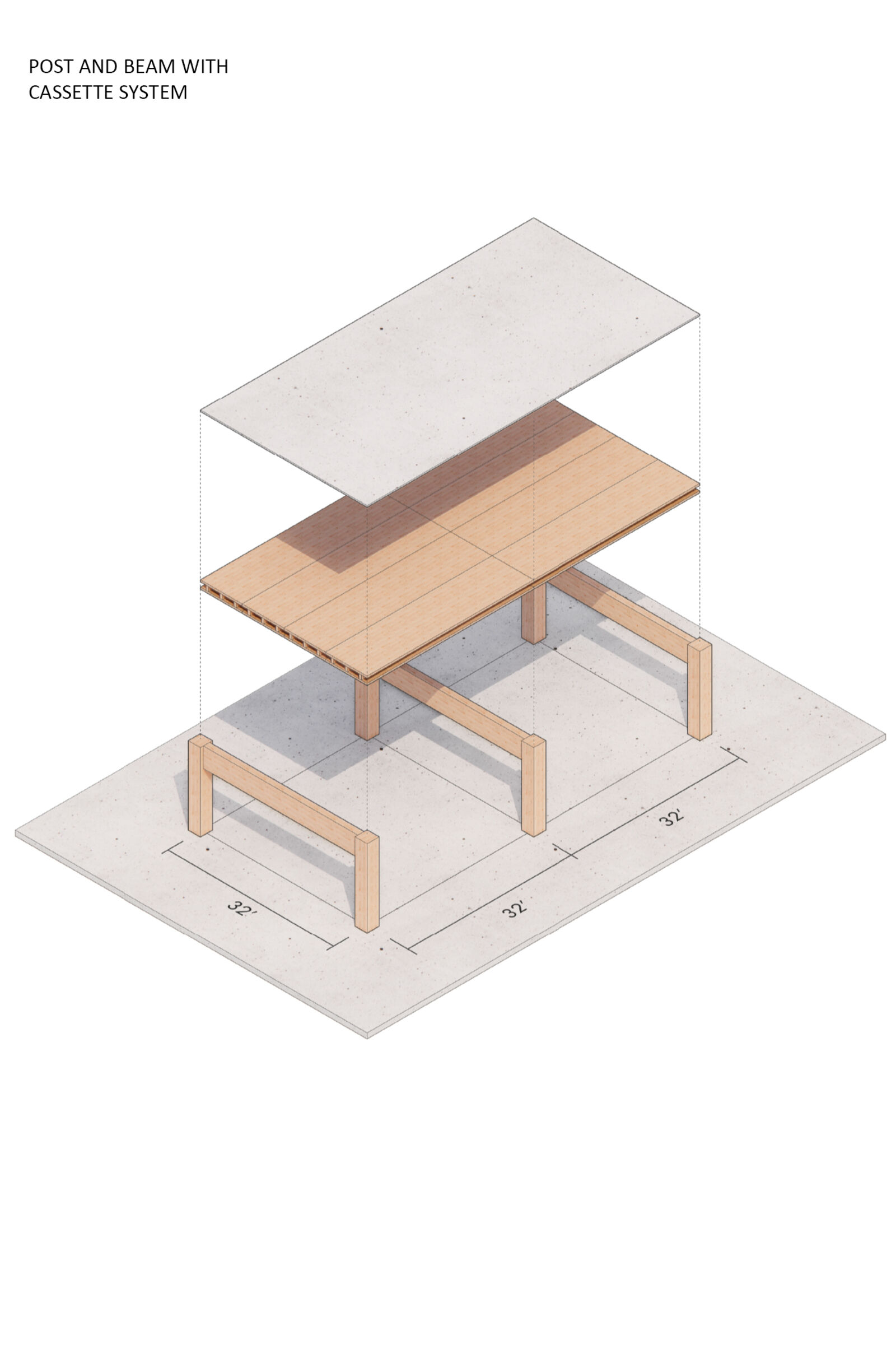
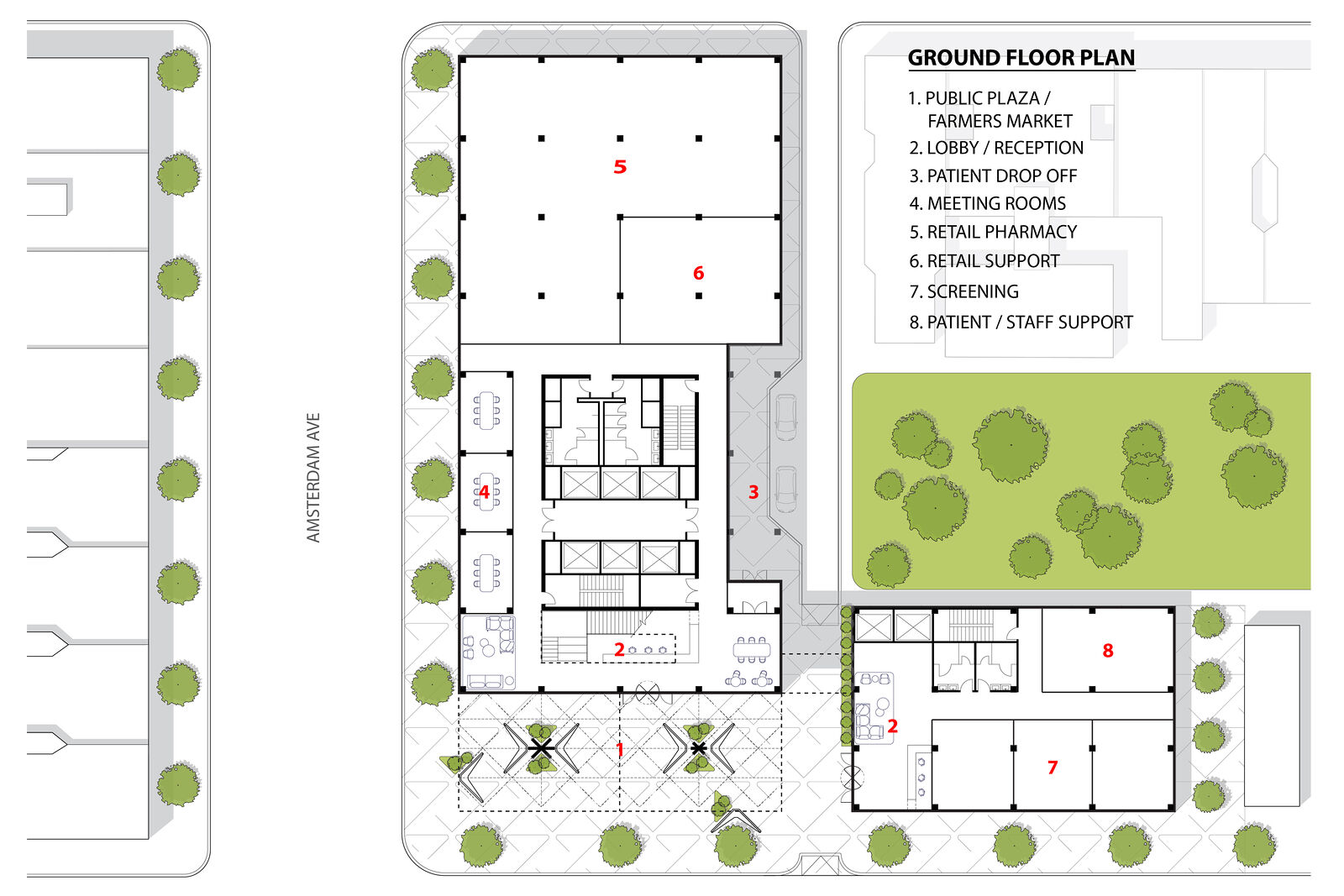
The site, at the intersection of West 145th St and Amsterdam Ave in Harlem, currently houses a community health center slated for demolition. The ground floor of the community healthcare concept includes a plaza to expand the public realm and provide the opportunity for community gatherings.
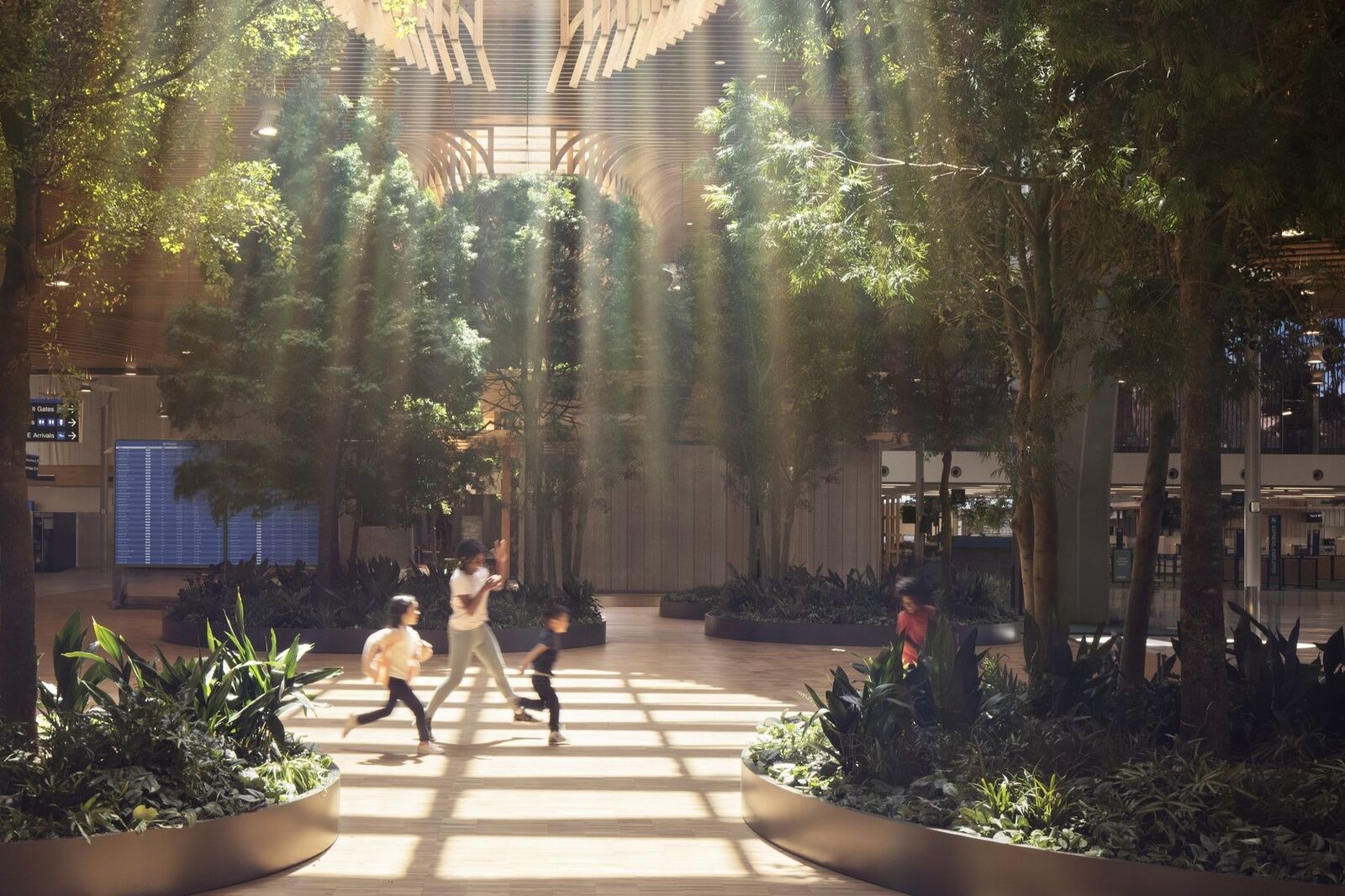
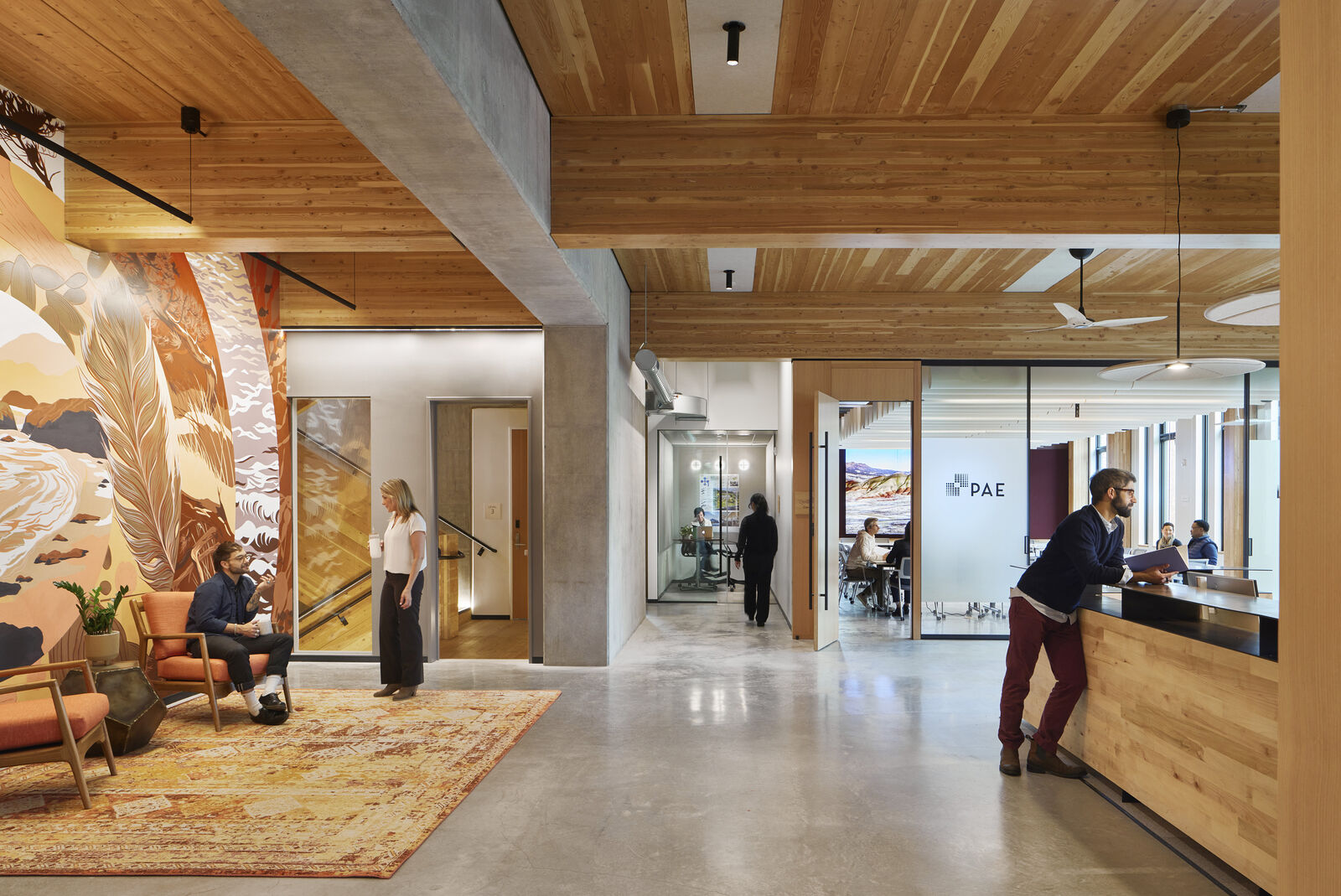
The 9-acre mass timber roof for the main terminal expansion at PDX Airport utilized a prefab/modular approach which significantly reduced the overall duration of construction, optimized efficiencies, and reduced cost. The wood overstory punctuated with skylights provides passengers with access to natural materials and daylight to reduce the stress of travel.
Supporting the Next Generation of Community Infrastructure
It is an exciting time for mass timber adoption in New York City, with initiatives like the Mass Timber Accelerator program starting its second year and the possibility of larger scale mass timber projects on the horizon. As the city upgrades to the 2024 International Building Code, design teams and critical community infrastructure, like hospitals, will have the opportunity to utilize hybrid construction. Projects like the Harlem Community Healthcare Center are poised to help the city, working together to share lessons learned in service of creating safer and heathier mass timber strutures.
For more on mass timber in healthcare environments, read our recent “Mass Timber Hospital: The Future of Healthcare” study which explored strategies and solutions for increasing the uptake of mass timber acute care settings, including a proof of concept for a 40-bed mass timber hospital.
Is the Hospital of the Future Made of Mass Timber?
Island Health, Cowichan District Hospital
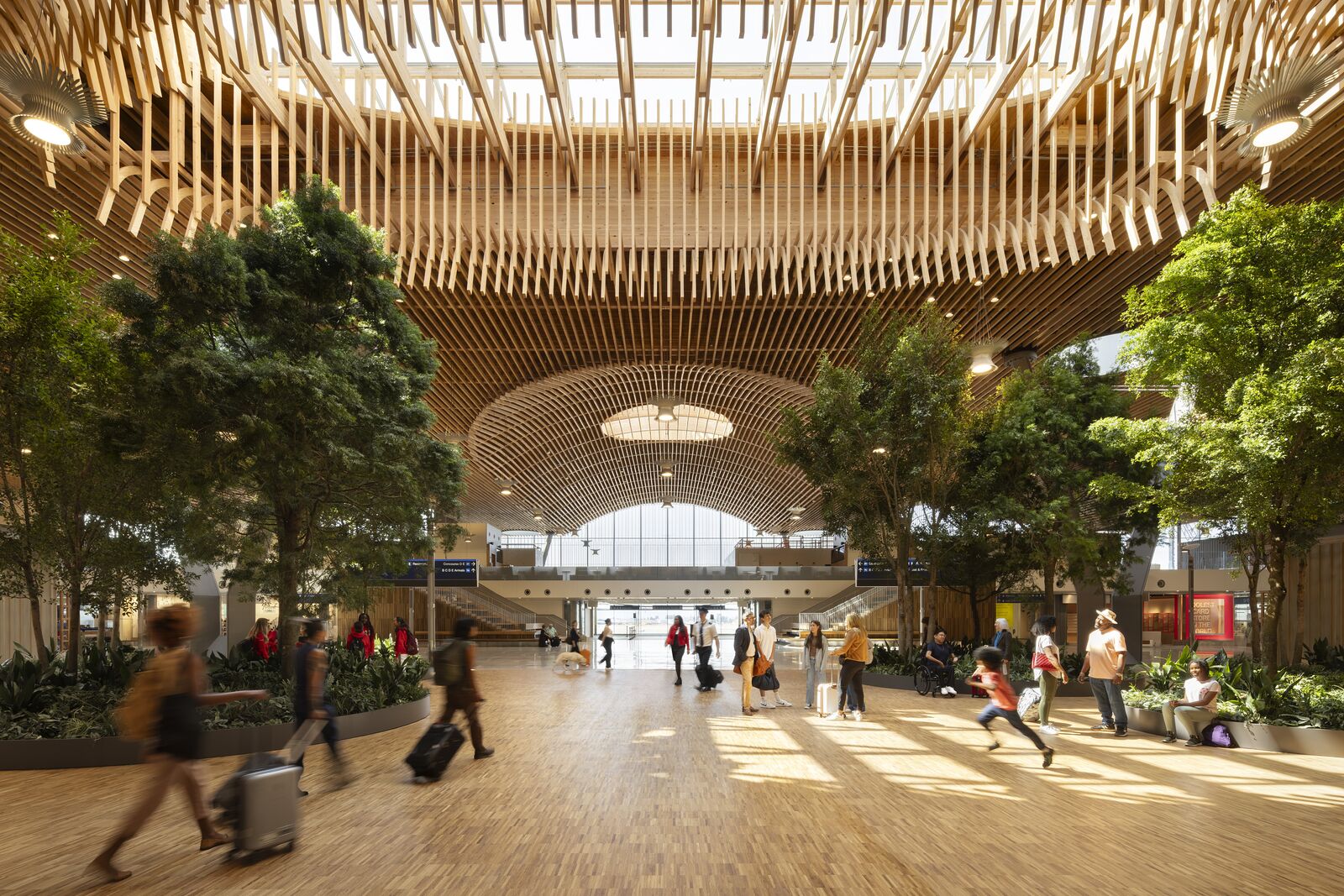
Port of Portland, PDX Airport Main Terminal Expansion
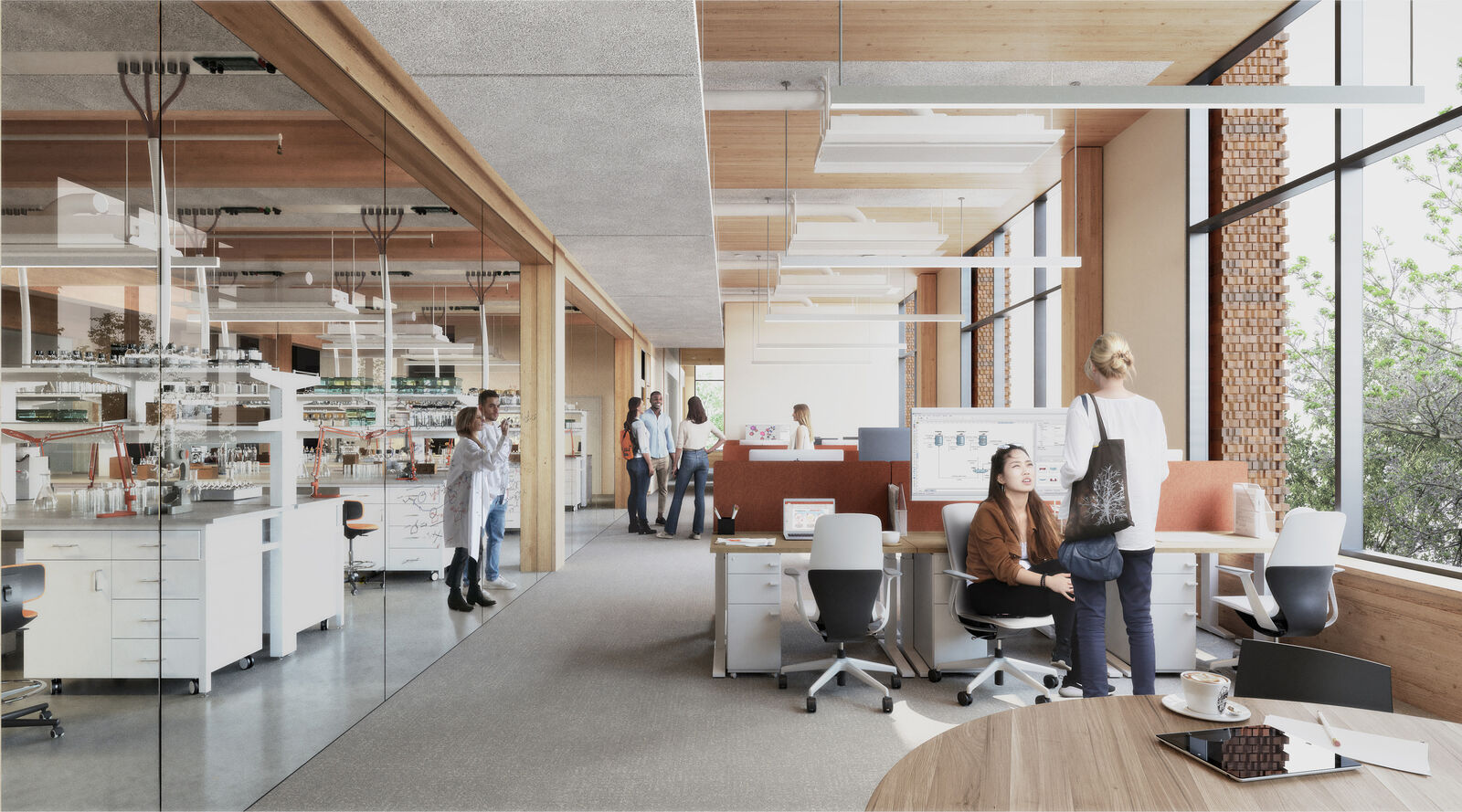
The Future of Labs is Mass Timber