Lessons Learned in Prefabrication at PDX Airport
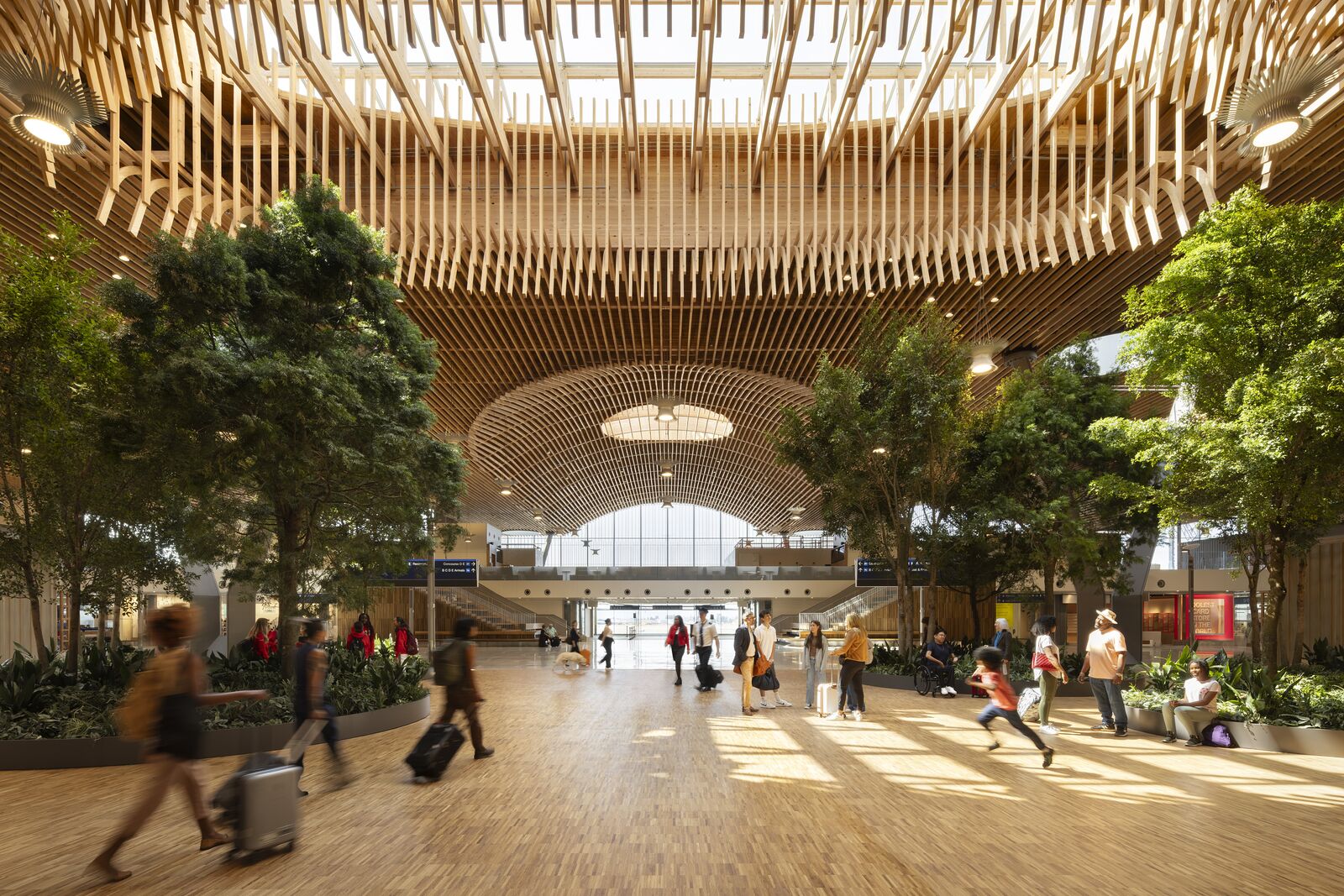
The main terminal expansion at Portland International Airport (PDX) is a case study in effective prefabrication and modular construction strategies.
Aviation and Transportation, Civic and Public
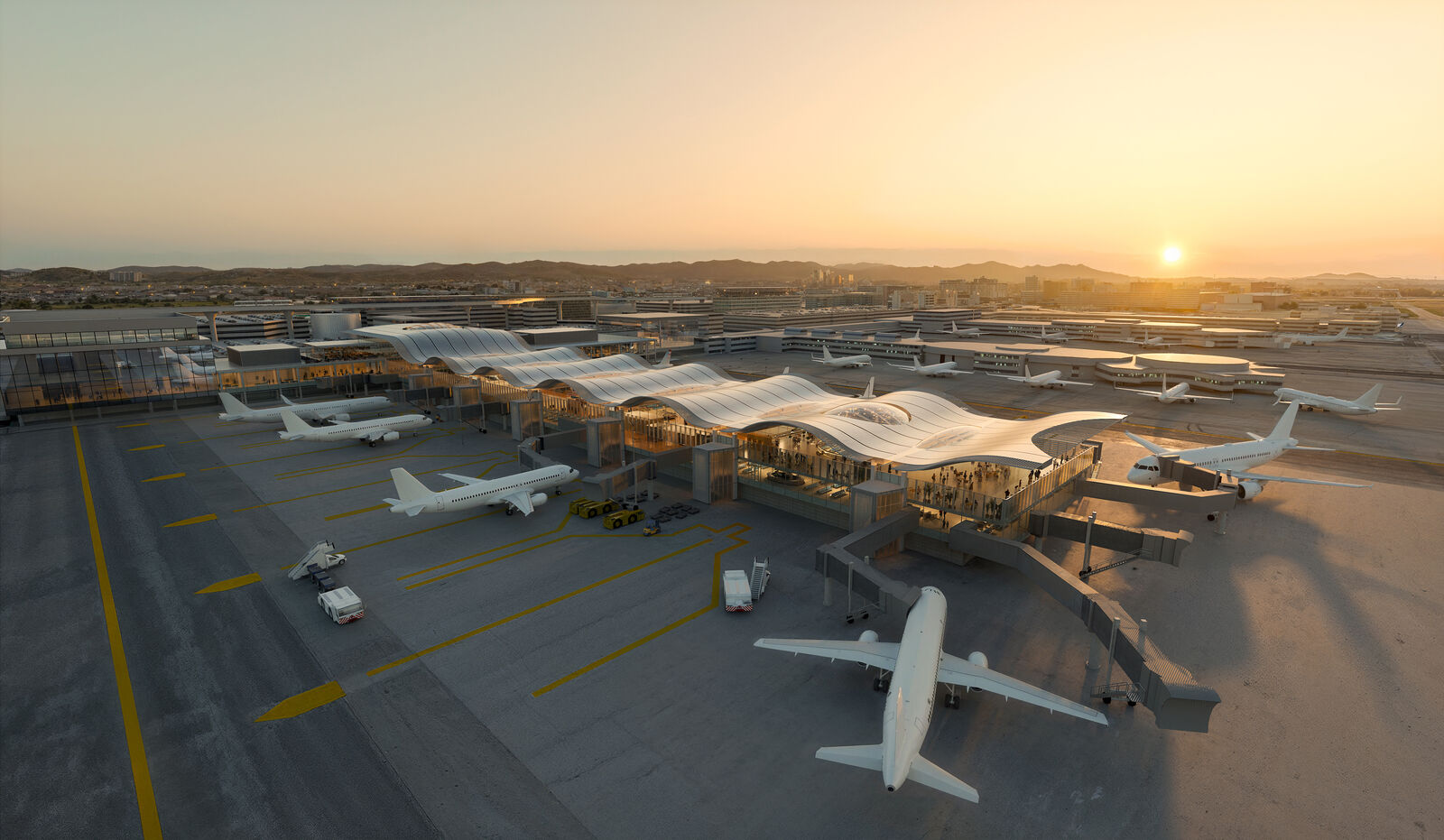
Responding to a design competition hosted by a confidential airport authority looking for solutions to renovate and reconstruct almost 600,000 square-feet of terminal ahead of a major event, ZGF proposed a modern, prefabricated, and resilient terminal capable of being delivered at unprecedented speed.
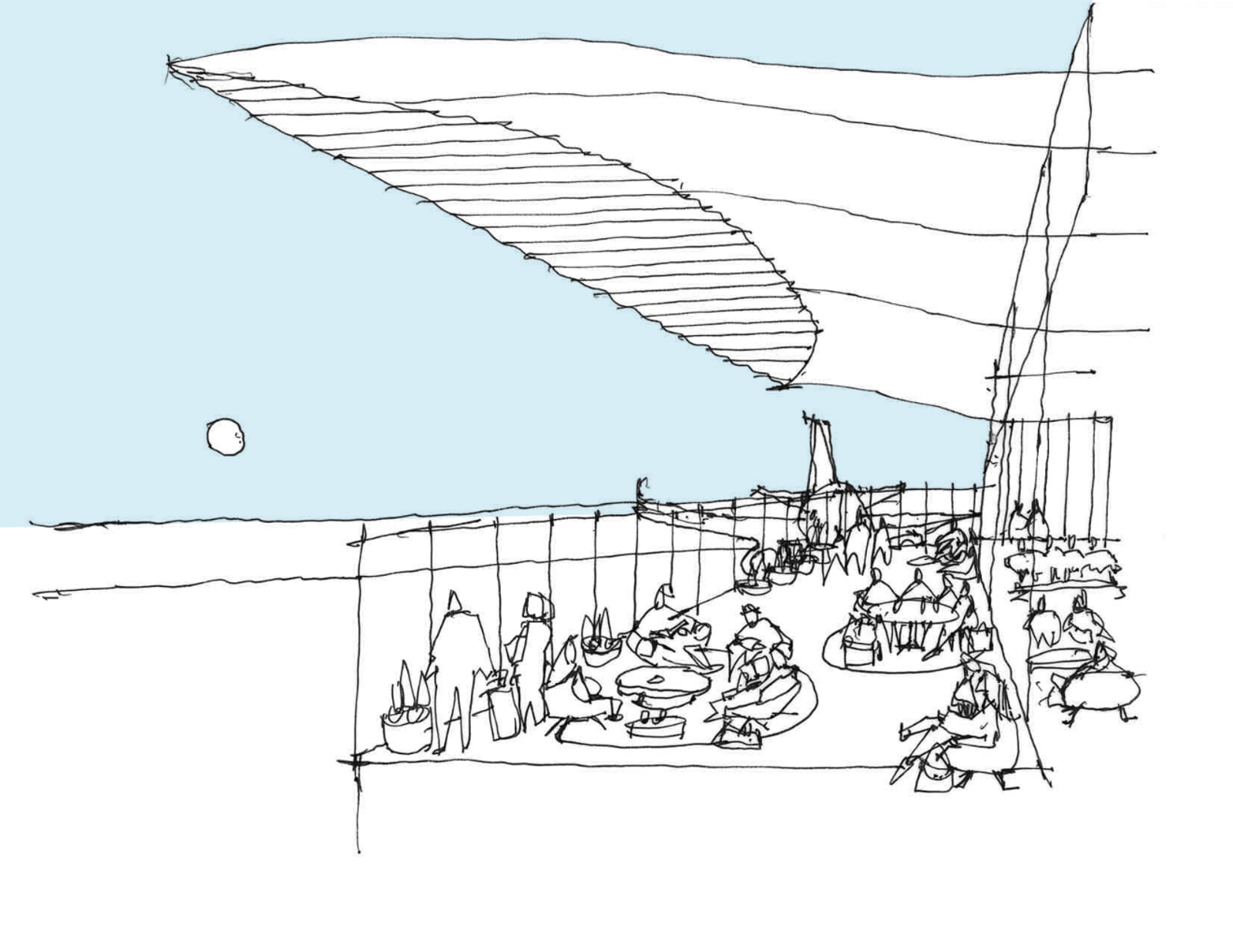
ZGF's design "starts with sky" to reimagine the airport as a clear, intuitive journey from curb to cabin and back again. Wayfinding is embedded in the architecture, supported by abundant natural light, views to the sky, and a sense of openness that reduces friction and stress. The terminal plan promises a welcoming gateway and new civic icon for one of the world’s largest and most diverse cities - all in under 36 months.
Confidential
570,000
Architecture Services
Interior Design & Space Planning
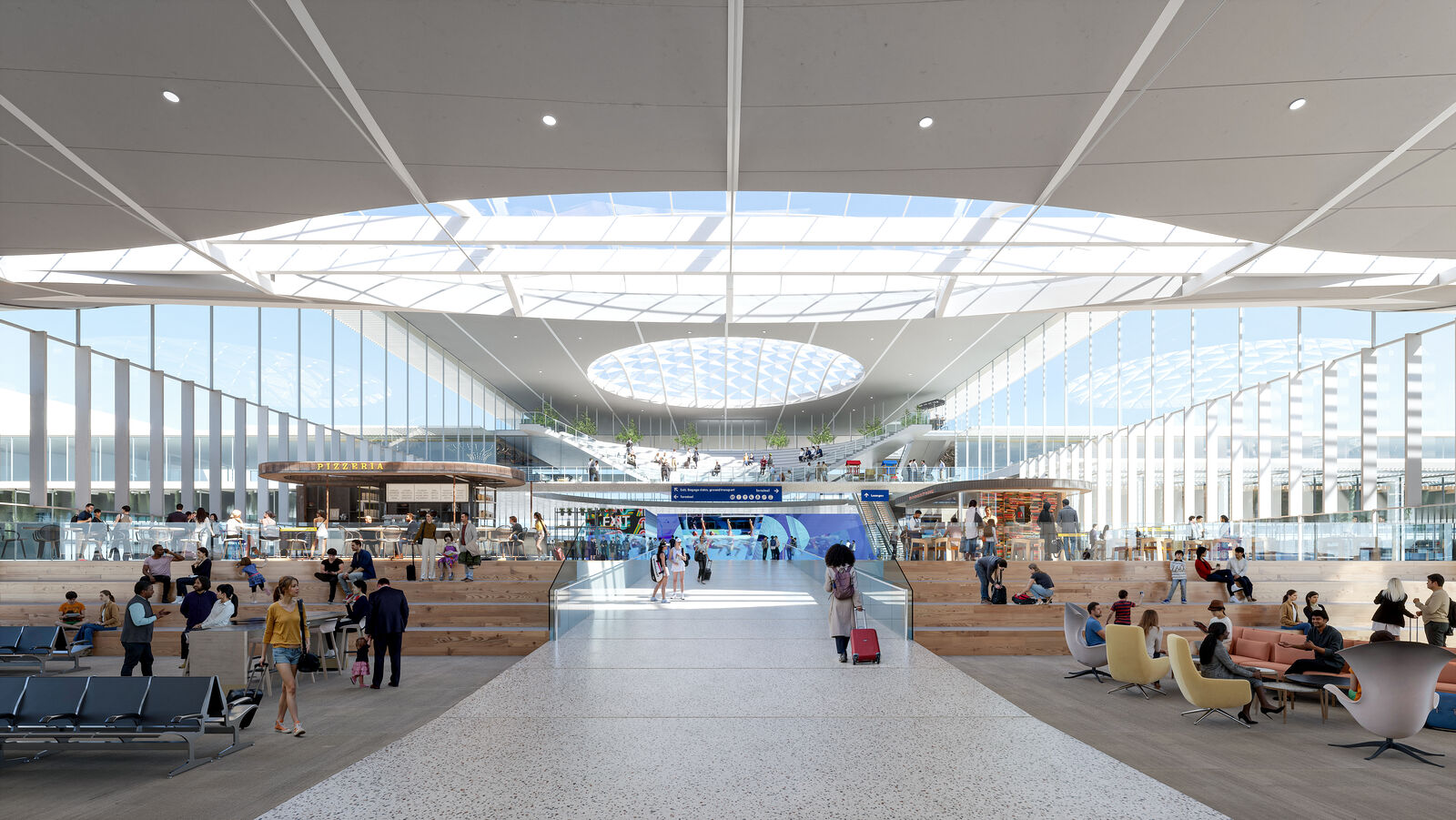
The proposed terminal organizes passenger movement with clarity, drawing inspiration from some of America’s great boulevards and cultivating moments of discovery and cultural expression as stops along the way.
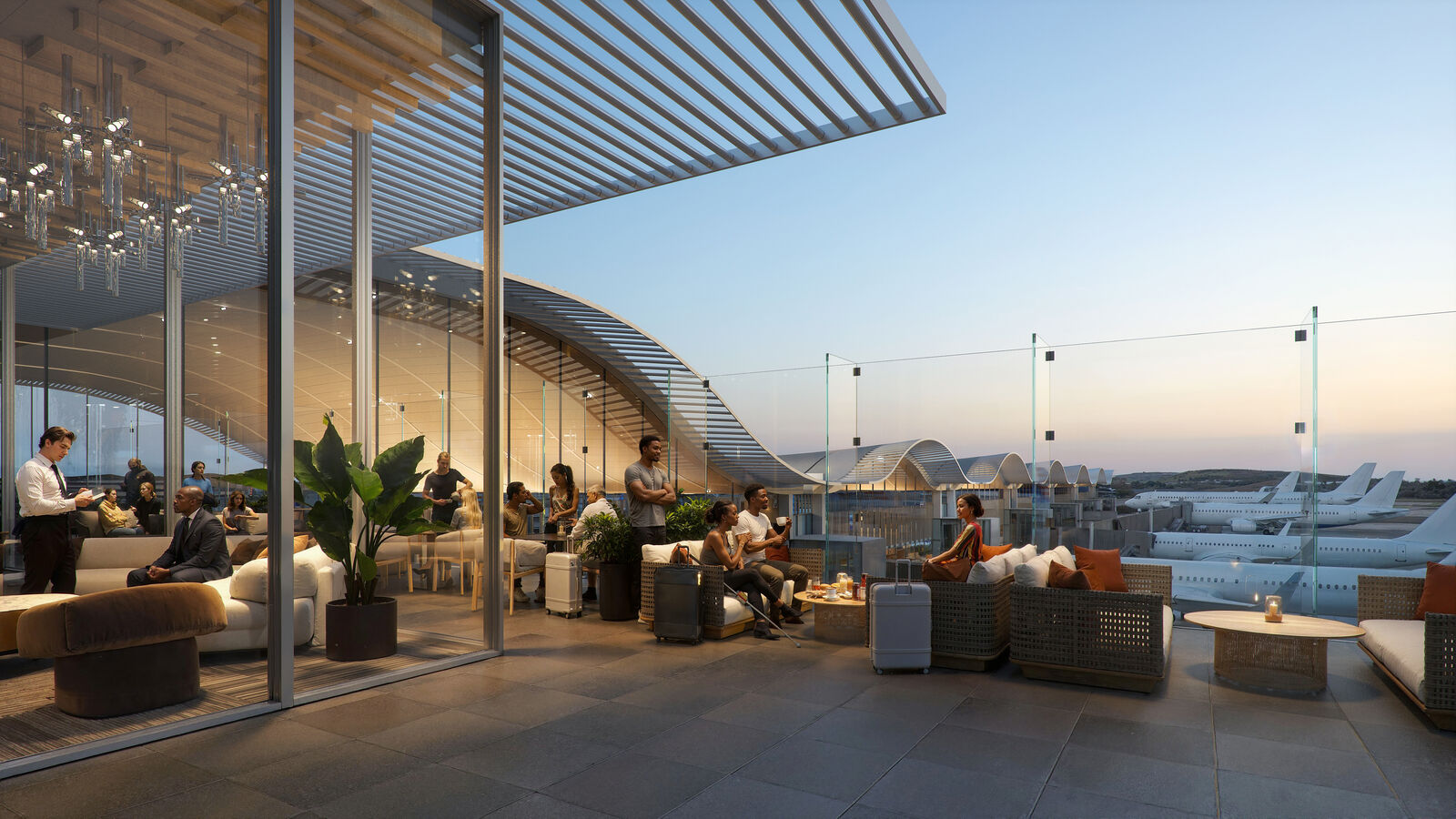
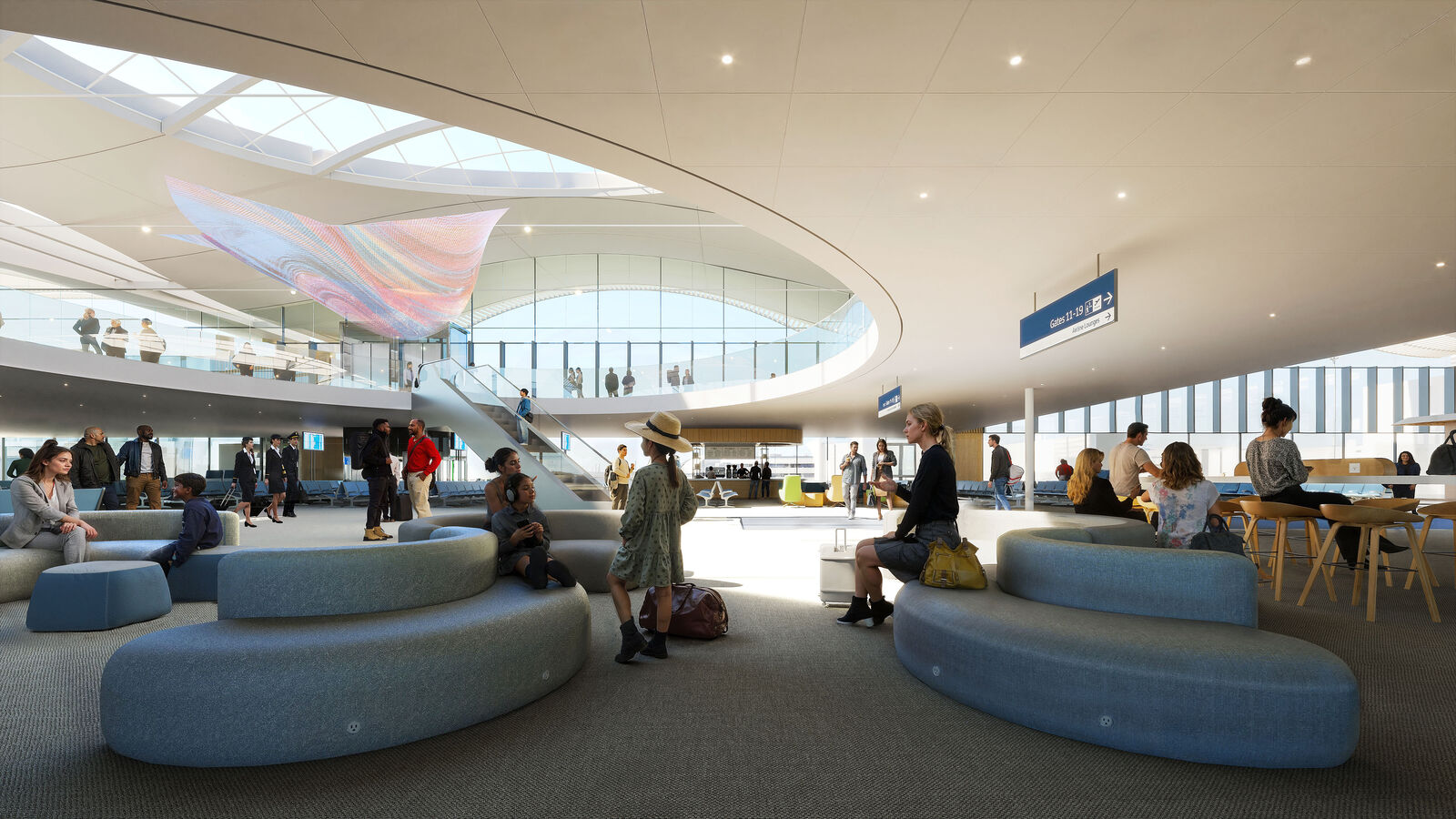
Framed views of the airfield and ocean, curated art, interactive installations, and local concessions bring the flavor of the region directly into the concourse.
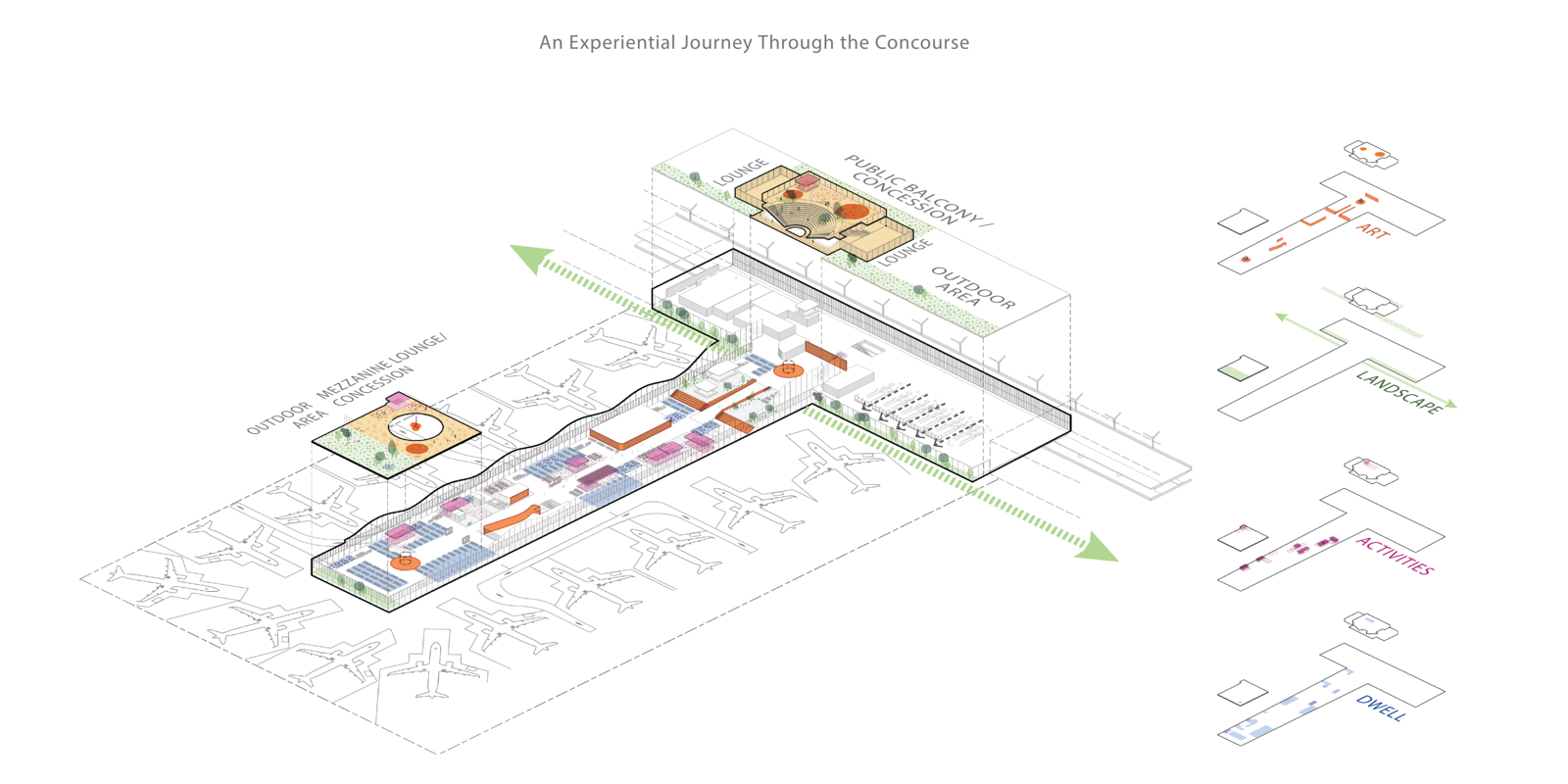
A column-free floorplate serves multiple purposes, providing an open concourse that is flexible for future modification while opening the concourse to daylight, echoing the optimism and possibility of the locale.
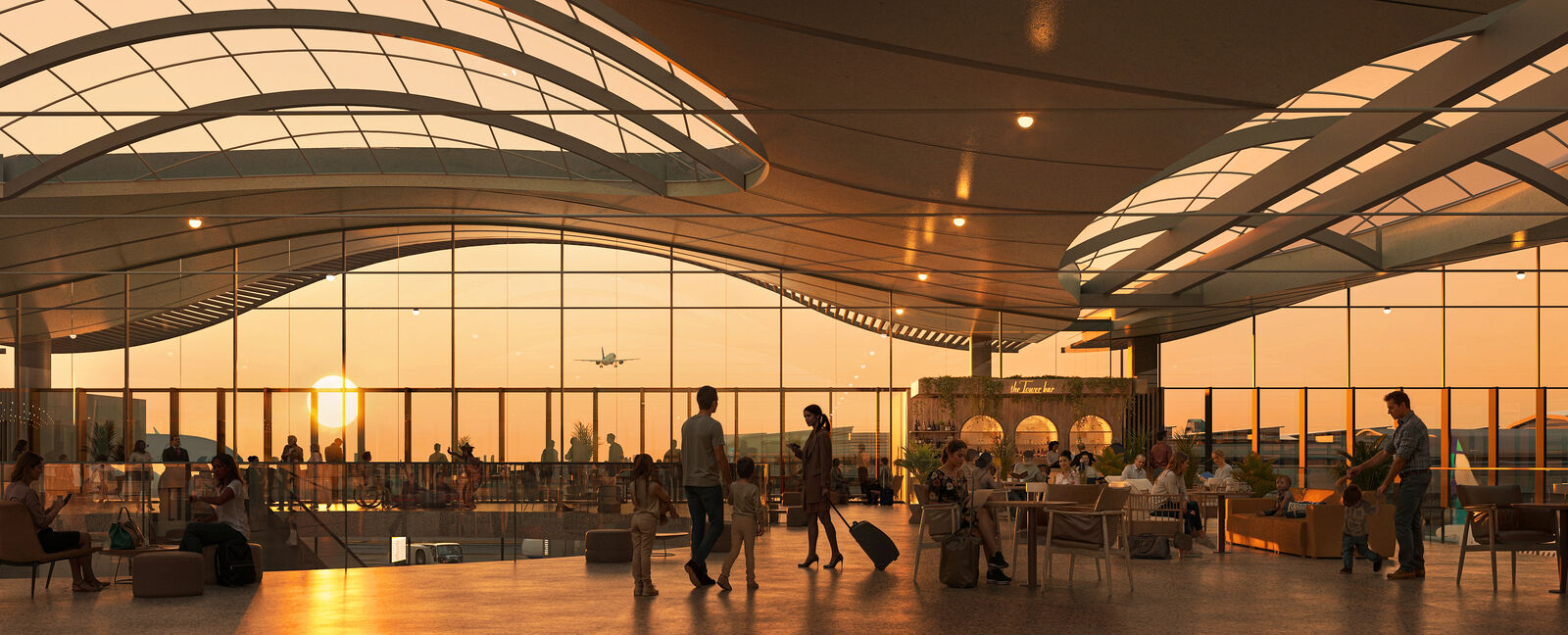

The directive for the progressive design-build project was to deliver a one-to-one replacement terminal in the middle of one of the country’s busiest airports which would accommodate 15 gates and transform the existing 70-year-old facility to serve the next generation of travelers.
Leveraging an integrated team focused on design excellence and constructability, ZGF and partner PCL sought a prefabricated and modular solution based on one big idea: build in place. Structural elements would be manufactured off-site and assembled at a remote portion of the airport for quick erection at night.
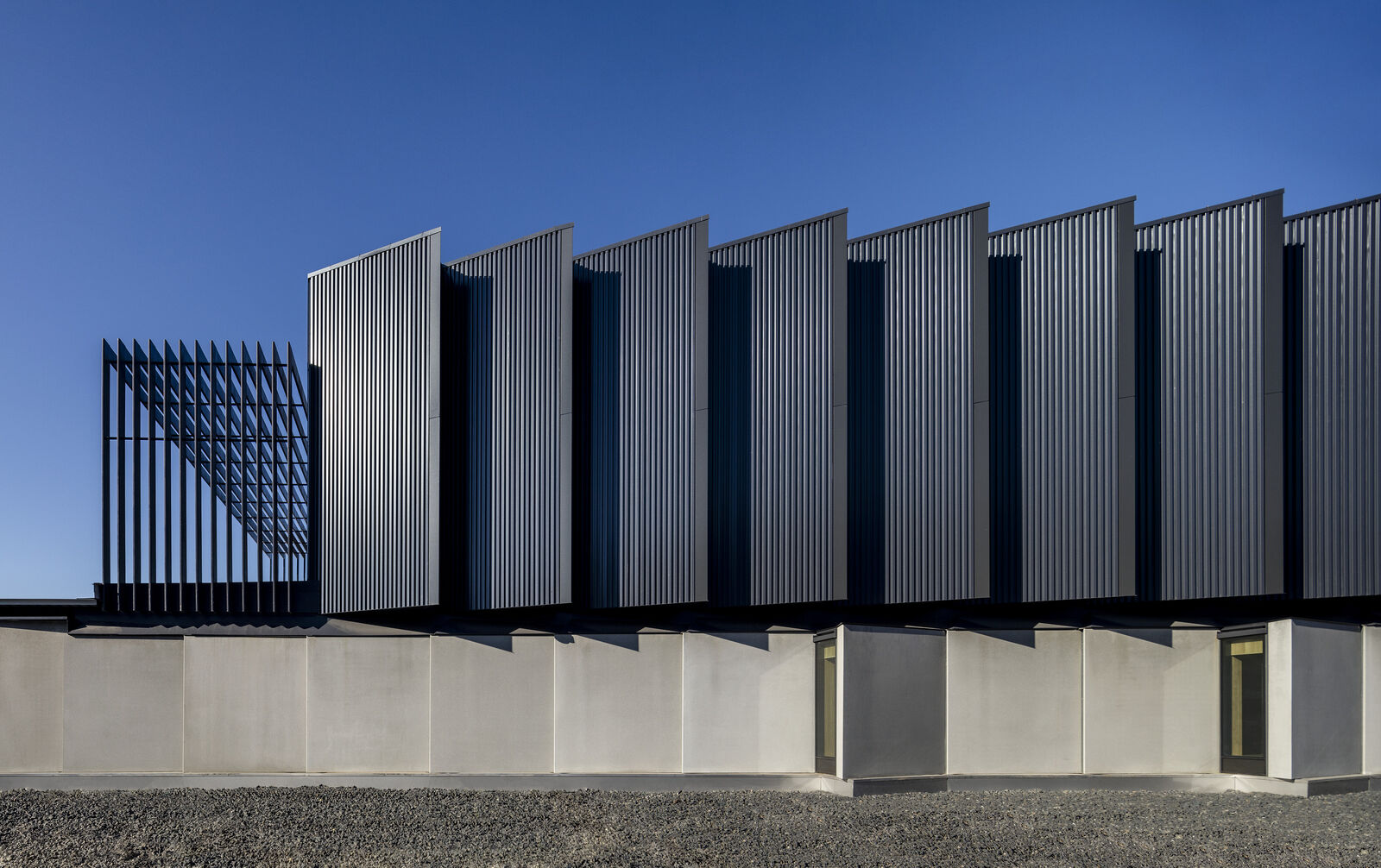
The team's design concept included modularized construction at all scales: façade and curtainwall systems, skylights and roof cassettes, MEP assemblies, as well as interior “kit-of-parts” components. Repeatable elements, such as signage, concession, retail pods - even finishes such as terrazzo - can be prefabricated, enabling overlapping construction activities, accelerating delivery, and improving job safety.
Approaching the design with the futureproofing in mind, the team sought a long span structure with systems decoupled from infrastructure at high-touch passenger spaces, which would provide the flexibility to adapt over time.
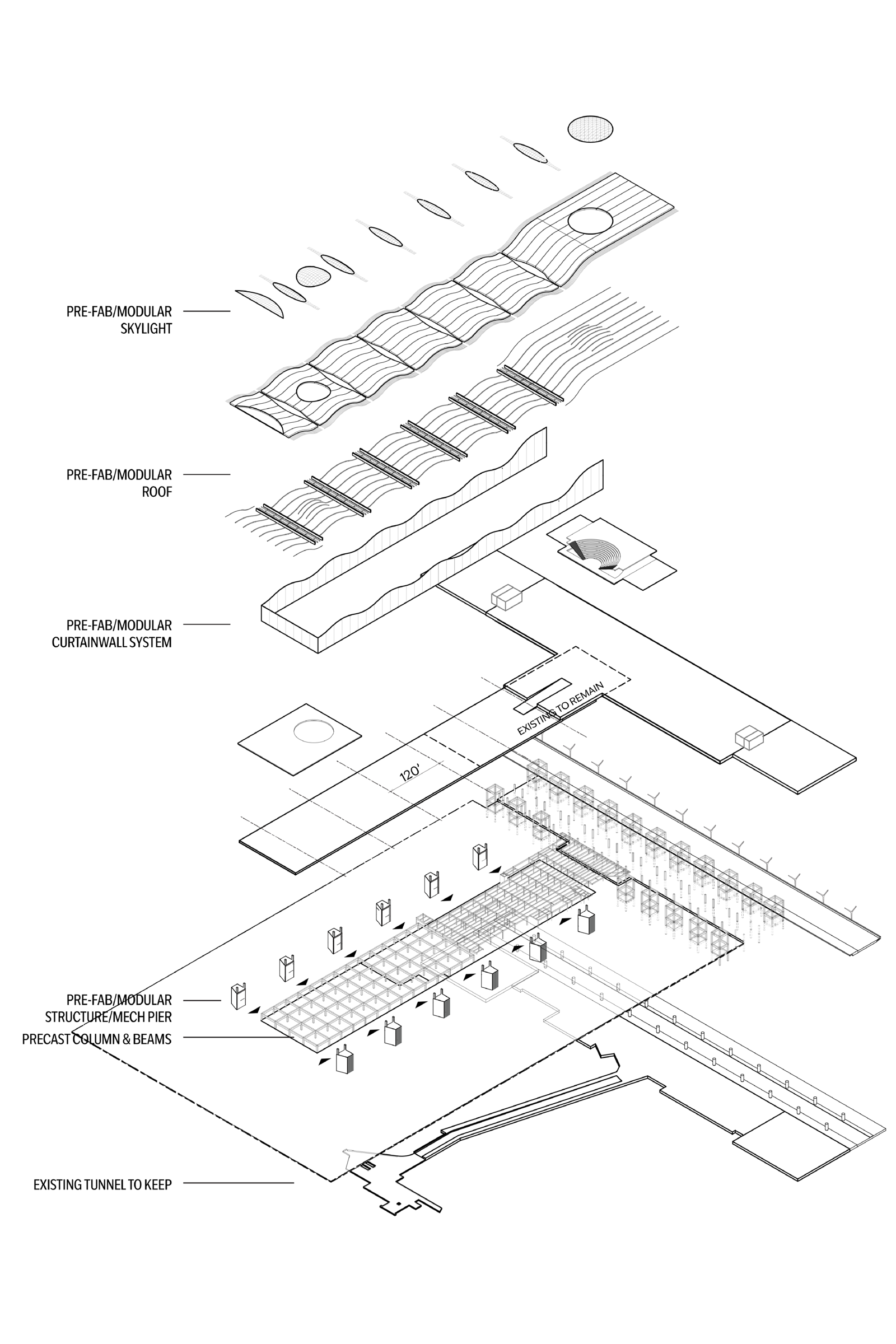

The main terminal expansion at Portland International Airport (PDX) is a case study in effective prefabrication and modular construction strategies.
ZGF’s concept for the new terminal was rooted in the airport’s role as a civic landmark. While the team aimed to deliver something that would reflect the community it serves, the challenge was to design an iconic destination for one of the most diverse cities in the world.
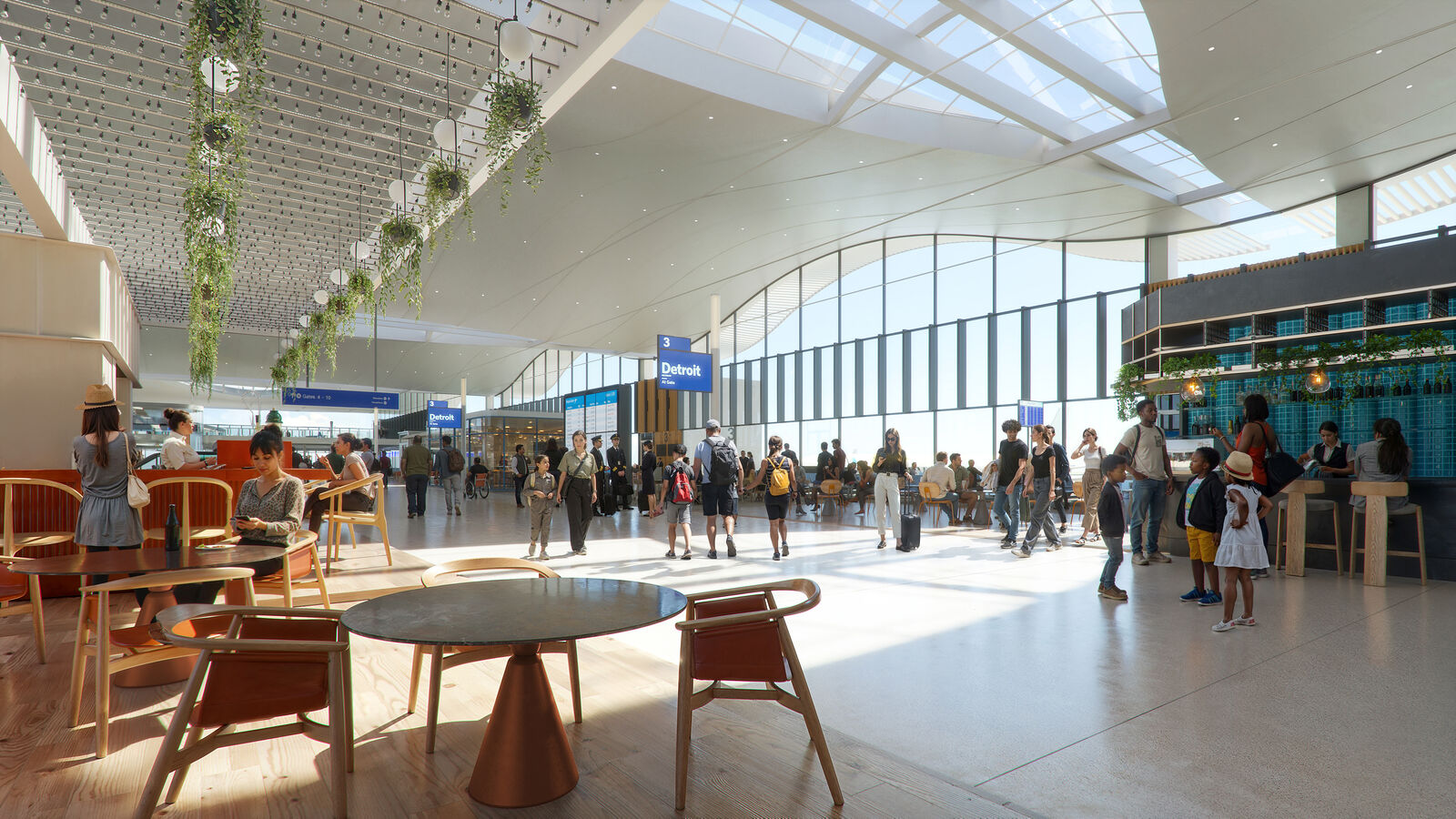
The team's use of modularity and prefabrication provides an opportunity to involve a wider range of workers, suppliers, and new and local small businesses. This integration of varied perspectives allows the terminal to embody the dynamic essence of the city it serves.
ZGF Design Partners
Industry Partners