
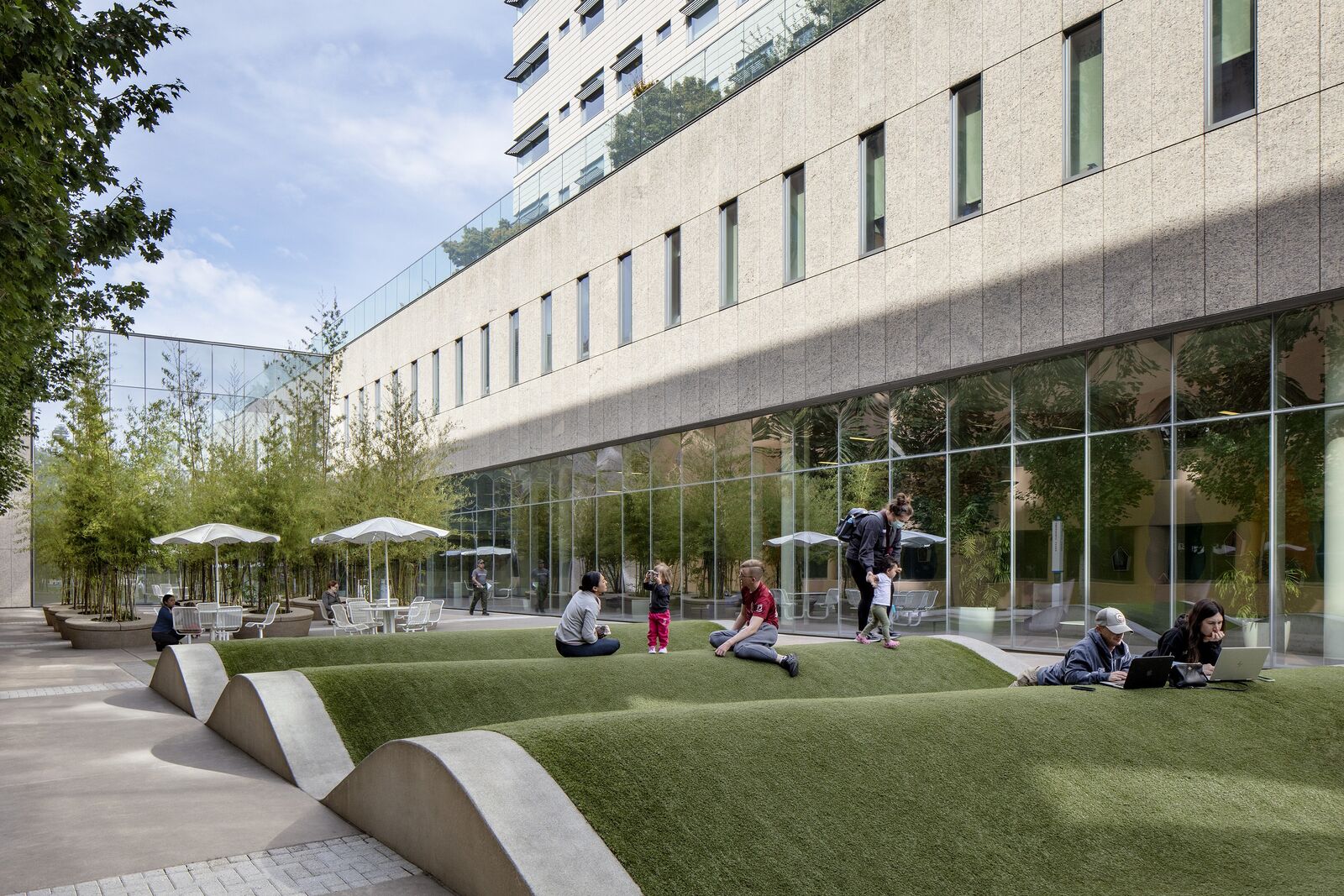
Children's Hospitals as Unique as the Patients They Serve
ZGF is known for designing beautiful children’s hospitals. Working with several of the top children’s hospitals on the U.S. News & World Report’s Honor Roll, we understand the unique challenges facing pediatric academic medical centers delivering life-saving care at the highest acuity with ever decreasing sources of funding and a workforce that is stretched in unimaginable ways. These insights fuel us to design facilities that enable health systems to deliver the best pediatric care while allowing kids to still be kids—even while they’re in the hospital.
It is a privilege to craft these highly specialized healing environments, many of them pediatric inpatient towers, to serve the sickest children in the world. Their complex programs and designs look different than any adult hospital because they must meet the unique needs of infants to 18-year-olds and beyond. For many young patients, healthcare environments are more than treatment spaces; they are where they are born, where they return throughout childhood, and where they grow up. Their families, care teams, and staff have different needs throughout the process, too. While these facilities are often large in scale, little details can have the greatest impact on their experience.
From multiyear, long range campus planning efforts to imaginative details waiting to be discovered, here is a roundup of ZGF-designed children’s hospitals that represent the most innovative thinking of their time. Each project presents a bespoke collaboration between the client, patients, staff, and families that resulted in the innovations, tailored to meet their particular needs based on location, patient population, and areas of expertise.
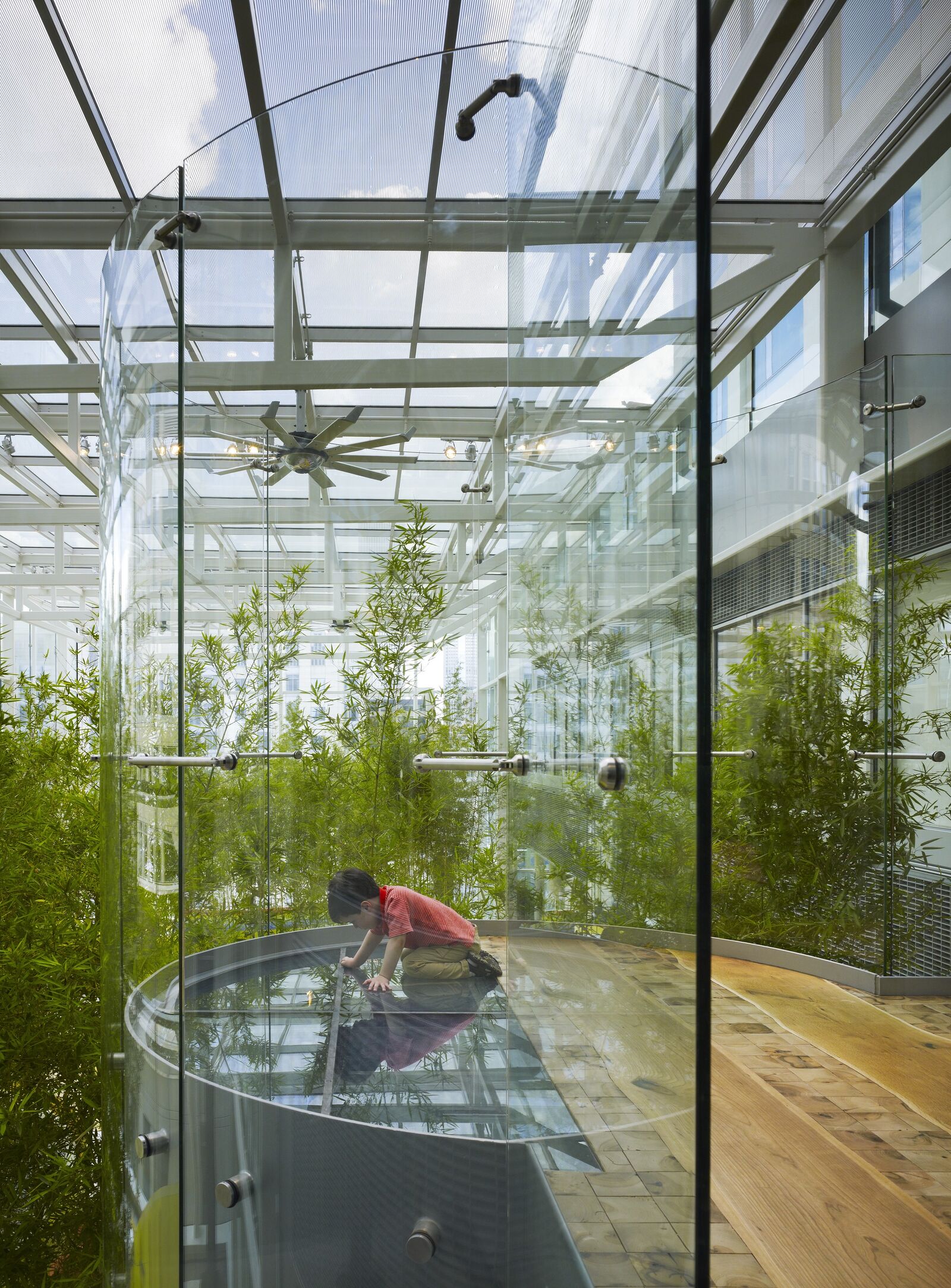
Rady Children’s Hospital – San Diego
ZGF completed Rady Children’s Campus Master Plan to modernize and expand the San Diego campus in phases, integrating the hospital’s existing buildings with new and reconfigured facilities to support the evolving needs of patients and families. Phase one, slated for completion in 2028, includes a new seven-story ICU and Emergency Services Pavilion and central utility plant. Designed during Covid, the project comes at a critical time as Rady Children’s experiences unprecedented patient volumes and operational challenges exacerbated by the pandemic. In a case of designing for the extreme during the extreme, ZGF was tasked with developing a building that meets the hospital where it is today and serves it well into the future. The team used highly coordinated and collaborative Zoom meetings to ensure the voices of patients, staff, and families were not lost due to the fully remote platform.
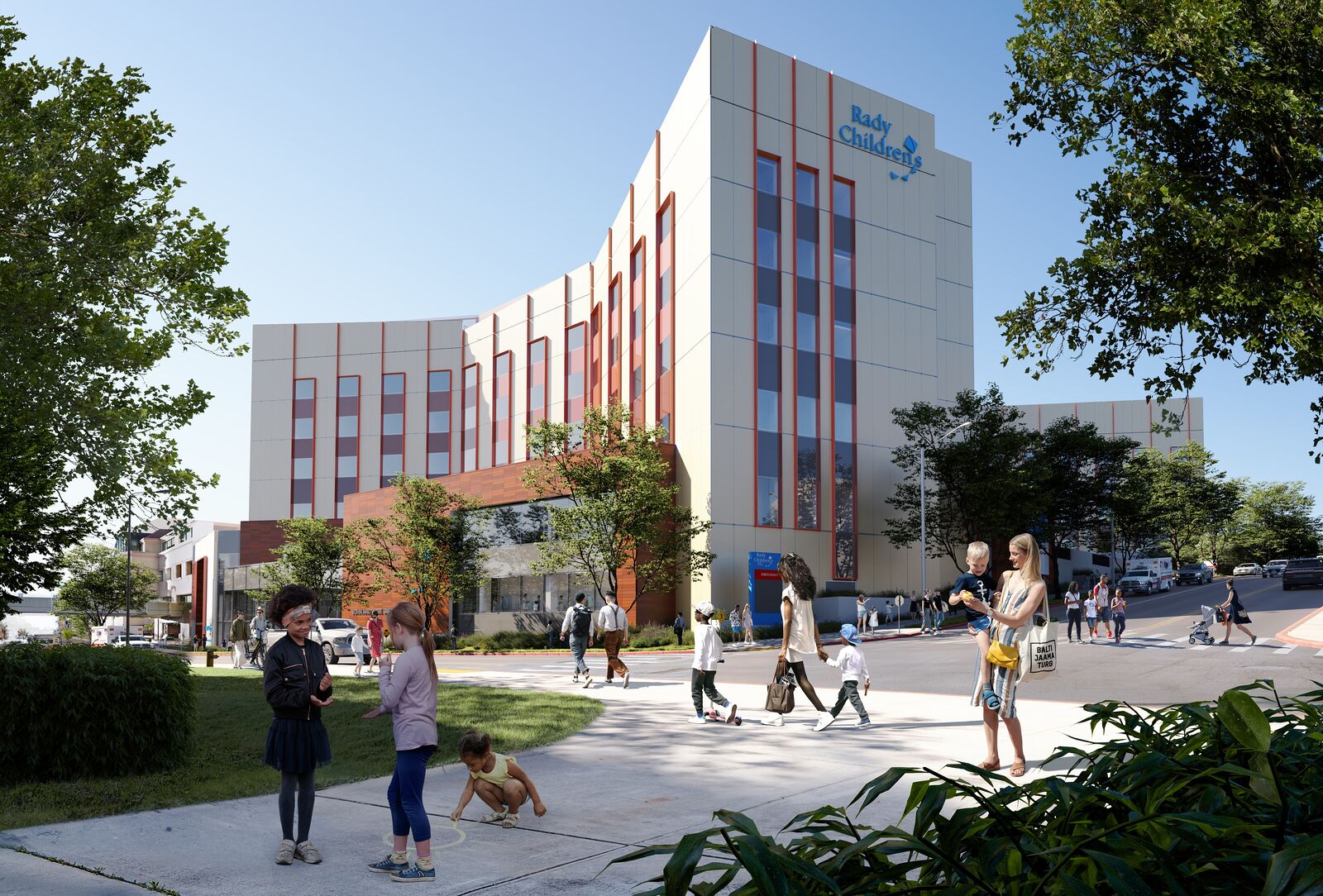
As the largest construction project in Rady Children’s 70-year history, the tower will provide 140 new ICU beds, a significantly expanded ED with purpose-built behavioral health treatment space, and urgent care to address gaps in the San Diego area. Universal bed floor footprints will enable more rapid operational responses to changing patient types over time.
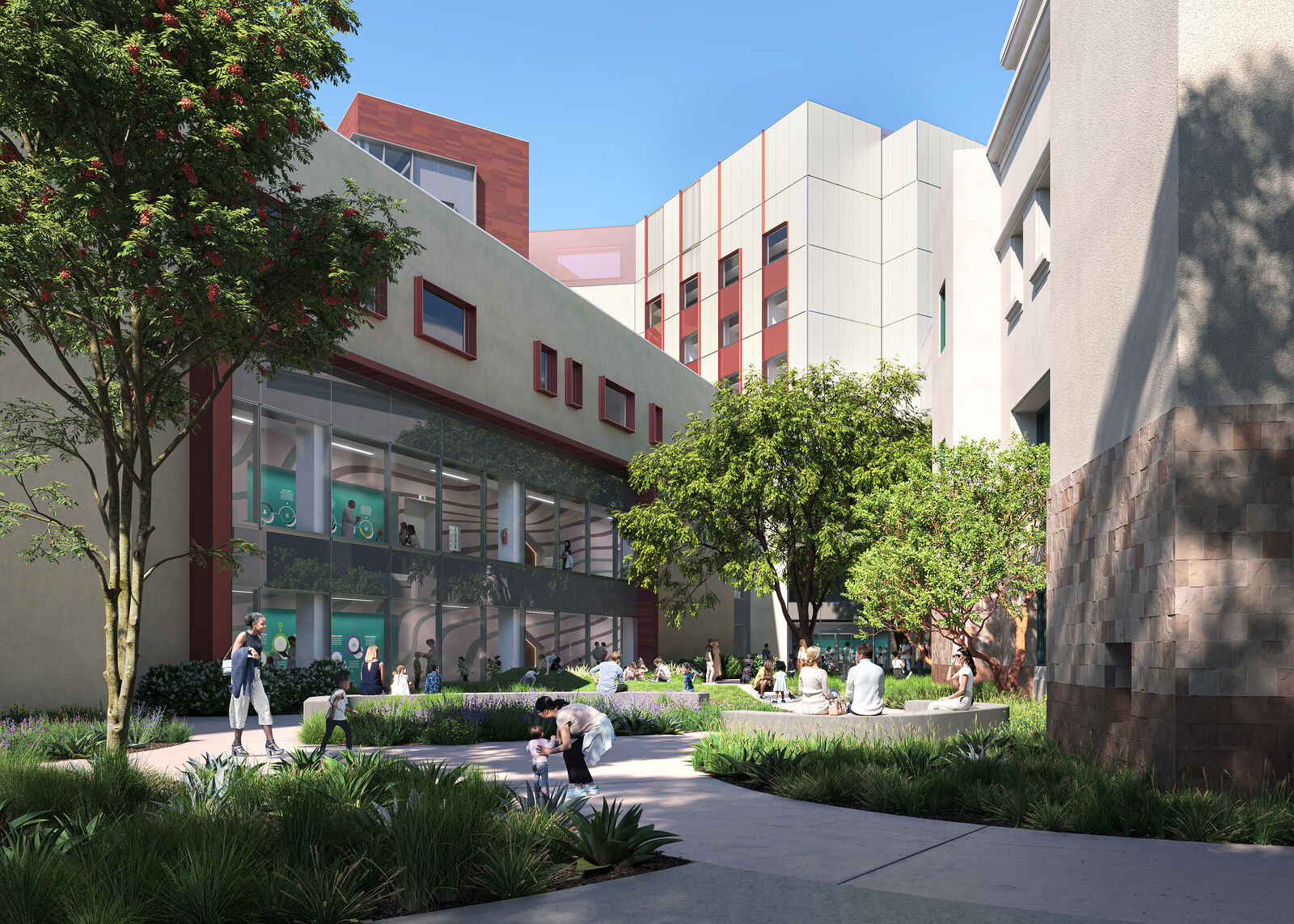
A three-level connector building will link the ICU Pavilion to the existing campus and create a signature outdoor space where the two meet.
University Health Women’s & Children’s Hospital – San Antonio
As the first hospital in South Texas dedicated to women and children—one of only 20 such medical centers in the U.S.—the new University Health Women’s & Children’s Hospital in San Antonio improves access to care for a historically underserved population. With the goal of designing the hospital of choice for families in South Texas, the building features large private patient rooms, spacious family lounges and amenities on each floor, a communal dining hall, and a robust art program to support the healing journey. This earned the project an IIDA Healthcare Design Award. The tower also serves as an academic teaching hospital in partnership with the University of Texas at San Antonio Medical Center, the largest research institution in South Texas.

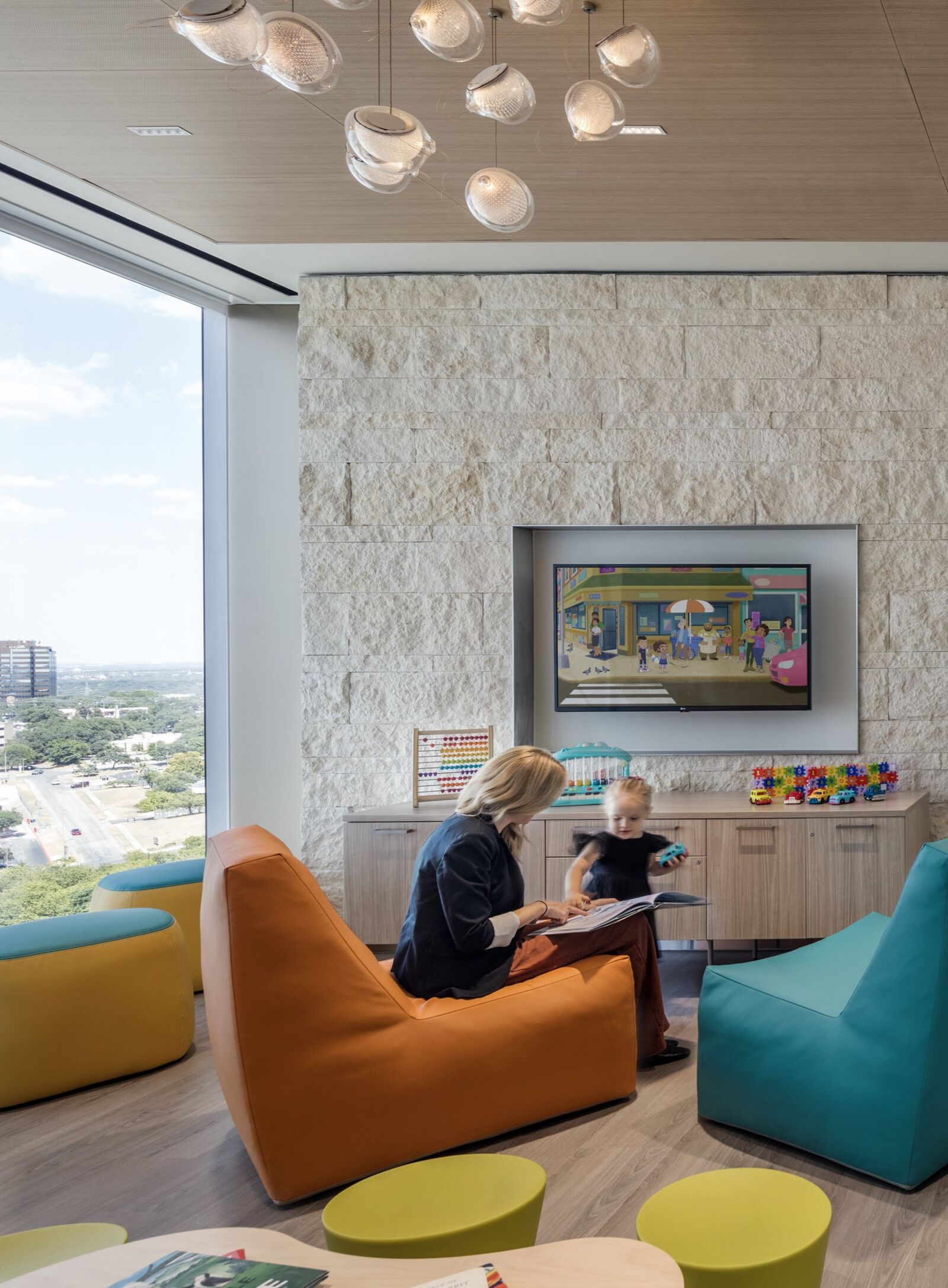
The new integrated care model combines purpose-built pediatric spaces that were previously located in disparate areas of the hospital and women’s services that had outgrown their space in the oldest building on campus.
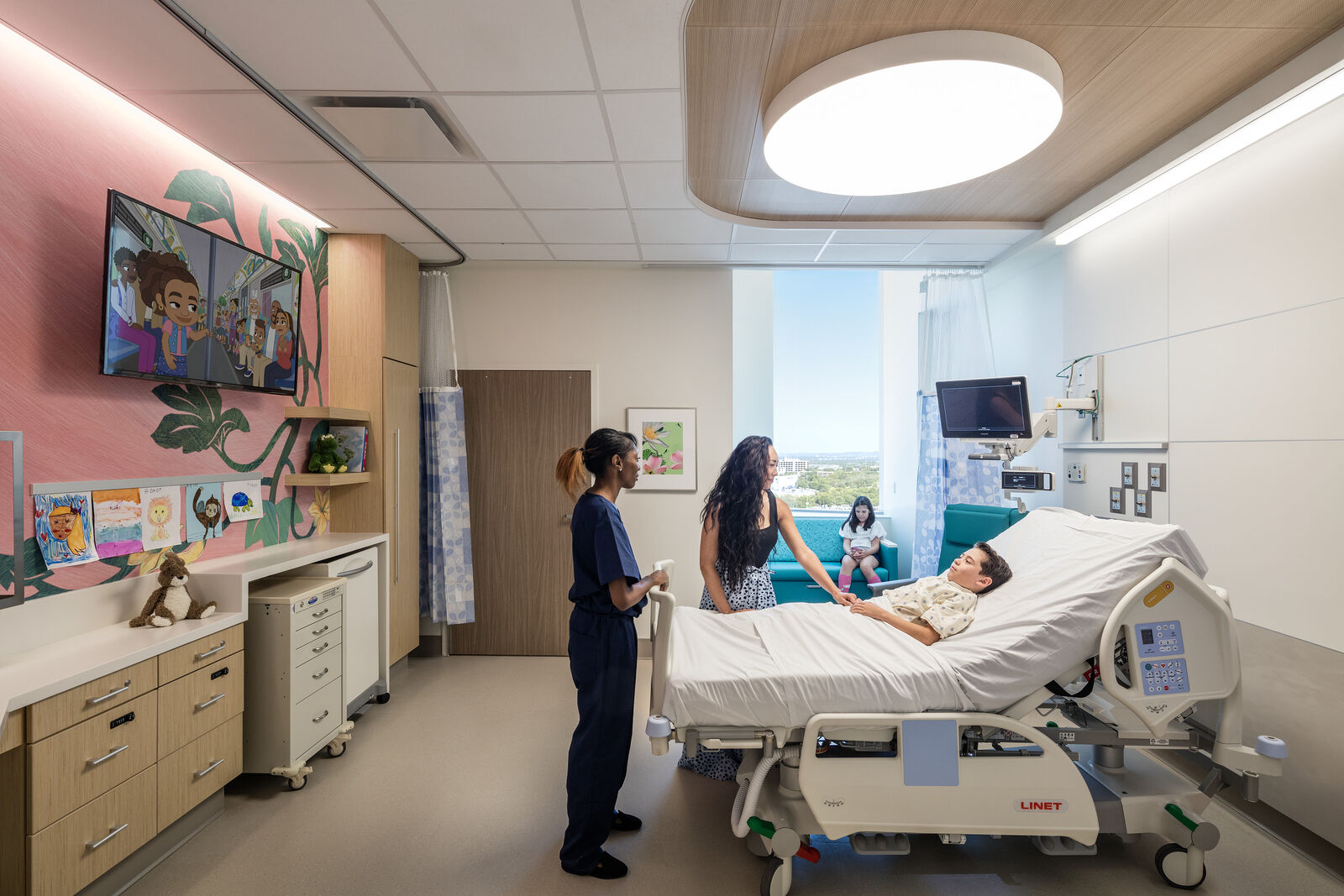
Universal patient rooms allow the bed units to flex between antepartum, postpartum, NICU, PICU, PCCU, and PACU.
As the new front door to Seattle Children’s, Building Care is designed to help families start and complete their hospital journey with ease, addressing wayfinding challenges inherent in a large academic medical center. The LEED Gold, eight-story facility is phase two of a one-million-square-foot campus expansion that completes the horizontal value stream alignment between diagnostic and treatment in Building Care and the bed units in Building Hope, phase one.
Building Care streamlines surgical care with universal OR suites that allow any surgeon to operate in any room and induction rooms that allow parents to stay with their child as long as possible before entering the connected OR. The new Cancer and Blood Disorders Clinic features universal patient rooms where coordinated care is brought directly to the patient in one space—saving families the time and energy it takes to move around campus for different services. The project garnered national recognition with an AIA/AAH Healthcare Design Award, AIA Seattle Honor Award, IIDA Healthcare Design Award, and Interior Design Best of Year citation.
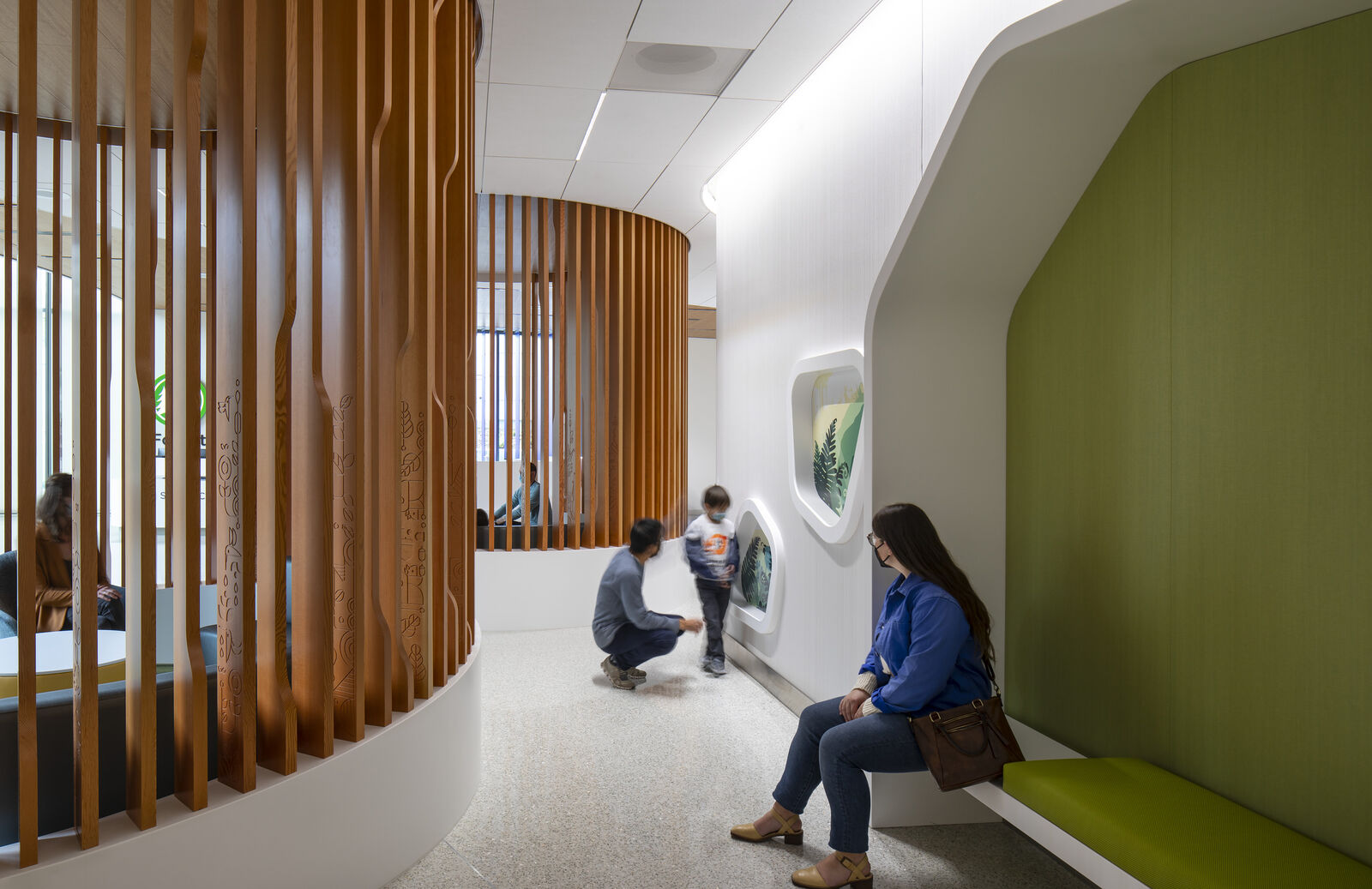
Protective seating areas were designed to offer a quieter, more sheltered space for patients and families seeking respite from the busy, high-stimulation lobby environment.
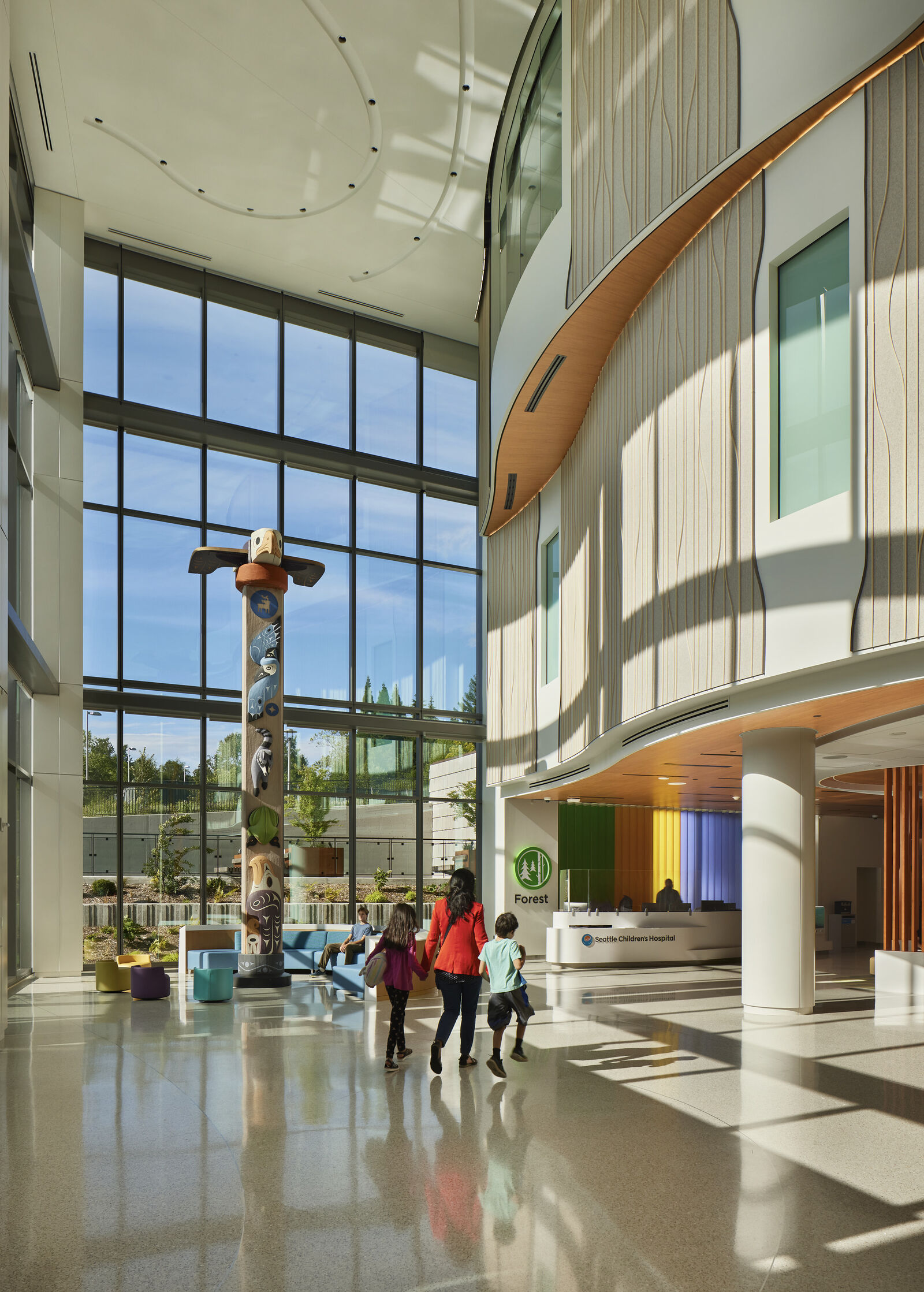
The Story Pole in the new lobby marks the beginning of a comprehensive wayfinding journey along the “Discovery Trail,” which connects Building Care to the rest of campus.

Seattle Children's Hospital is thoughtfully nestled within a beautiful Pacific Northwest landscape, offering stunning views that connect patients to nature.
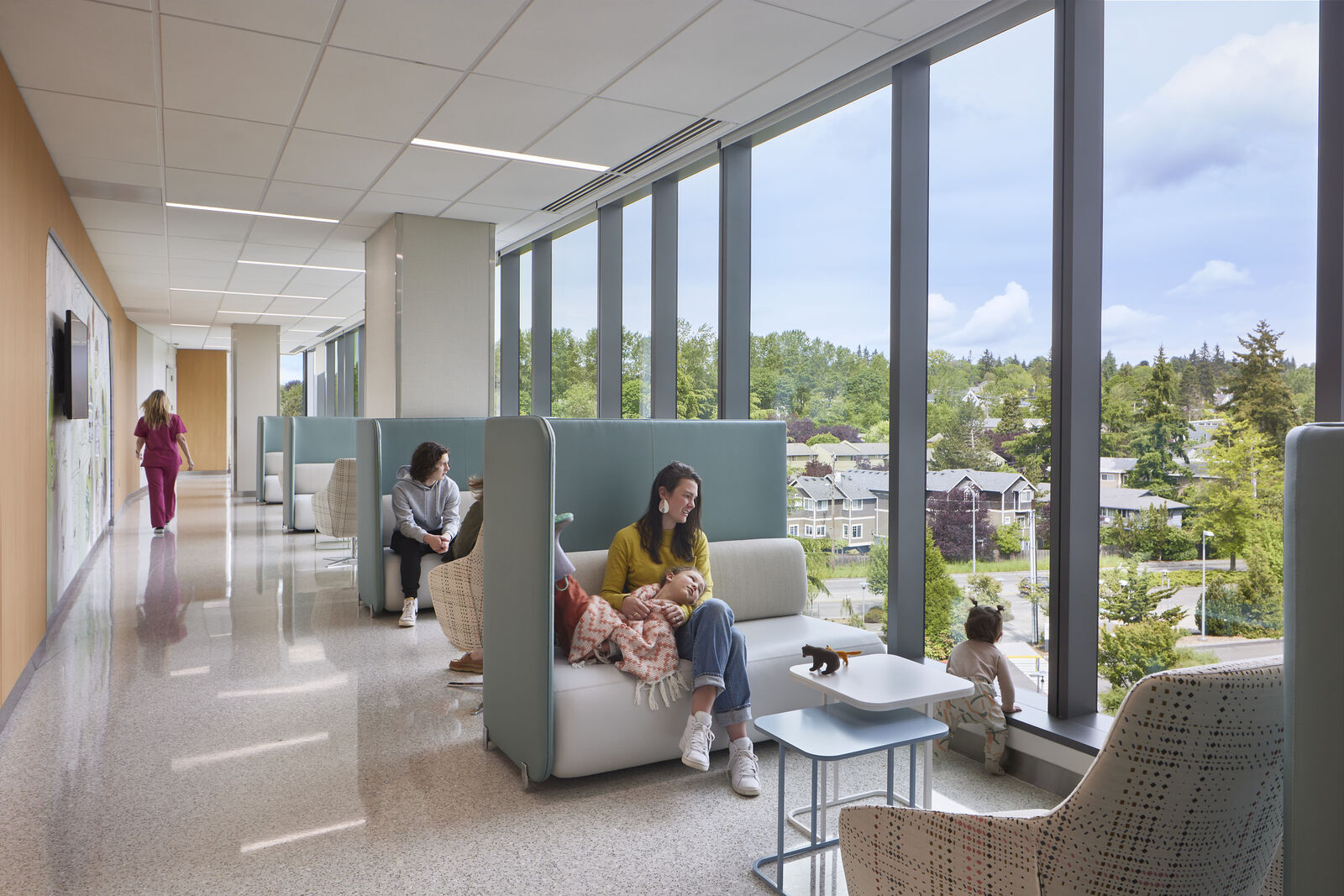
Access to daylight and expansive views is not just aesthetic—it plays a vital role in the health, healing, and emotional well-being of children, supporting a more restorative healthcare experience.
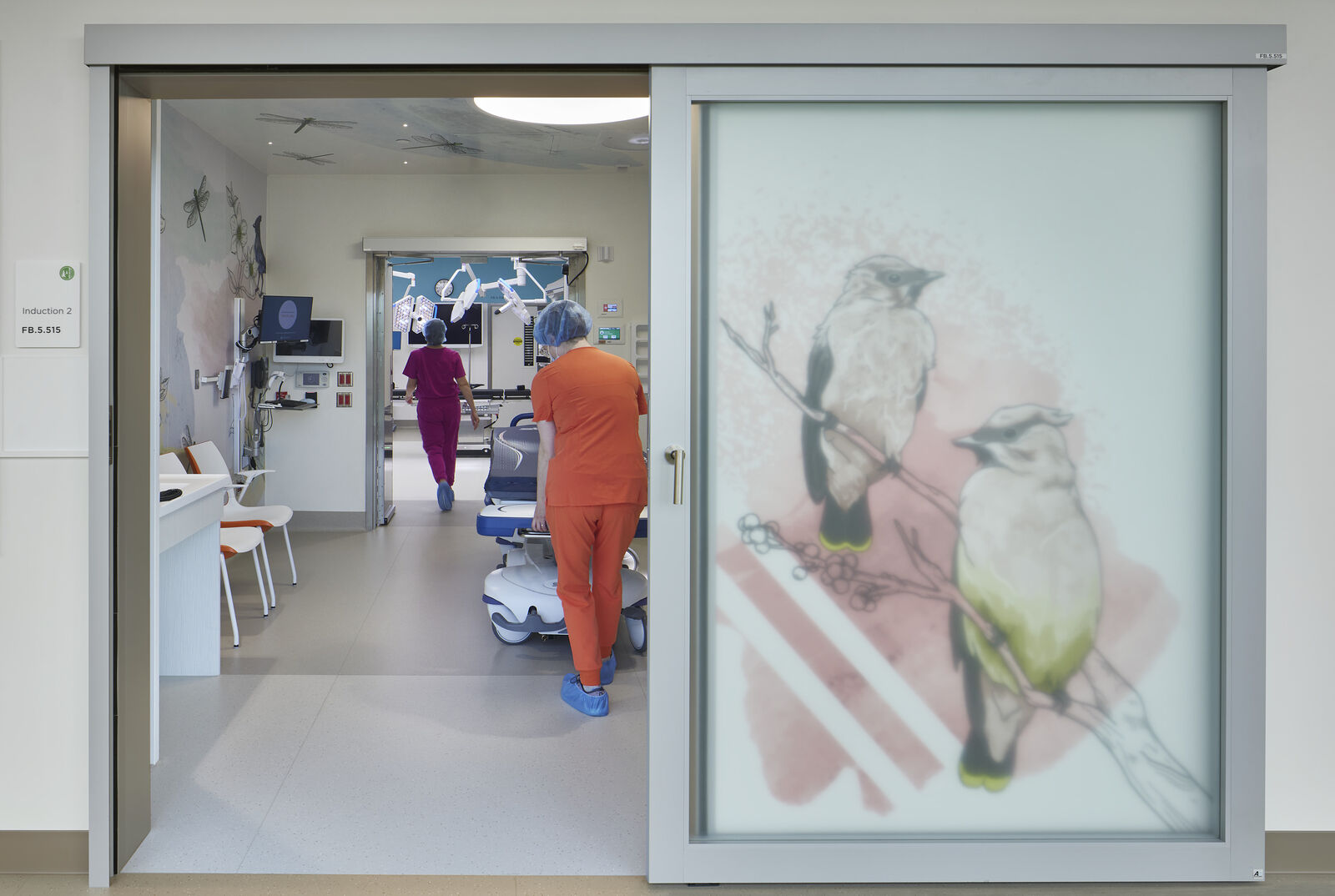
Induction rooms, which allow family members to stay with the patient while they are sedated, has been proven through evidence-based design research and successfully implemented to reduce stress and improve outcomes. Children also don’t have to experience the inside of the OR.
“The interiors are playful but not childish, which is difficult to pull off in such an emotionally demanding environment.”
- 2023 AIA/AAH Healthcare Design Awards Jury
Cincinnati Children’s Hospital Medical Center
ZGF and GBBN completed Cincinnati Children’s Critical Care Building expansion in 2021, adding 225 highly flexible, modern patient rooms to deliver ICU-level care across a range of care models including NICU, PICU, CICU, and BMT, with on-unit procedural spaces to reduce patient transports and deliver truly integrated care to the most fragile patients. Now we are completing multiyear-phased renovations of existing spaces to integrate care models across NICU/Fetal, Cancer and Blood Disorders, Cardiac, as well as new food services and requisite expansions of lab, pharmacy, sterile processing, and materials management services. More than a much-needed expansion of space, this work represents a 10-year partnership with Cincinnati Children’s to transform the way the hospital delivers care.
The project also features technical innovations like the cutting-edge spectral lighting system in the NICU that builds upon recent research about how light affects human development—bridging the gap between design, medicine, and biology. ZGF, Pivotal Lighting, and Cincinnati Children’s published a white paper and have presented the lighting system at multiple conferences to educate and inspire other institutions. The project received an IES Illumination Award of Merit.
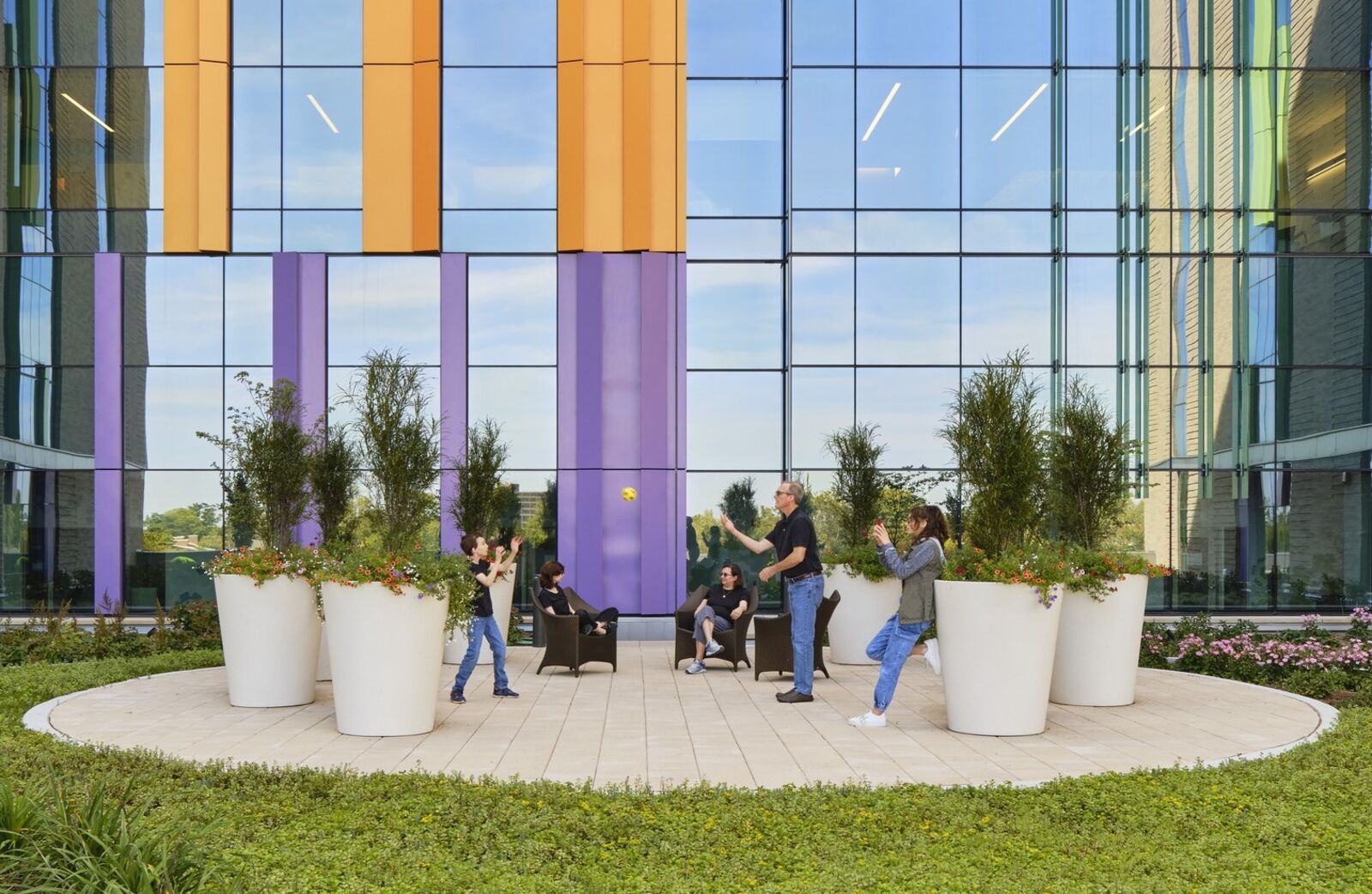
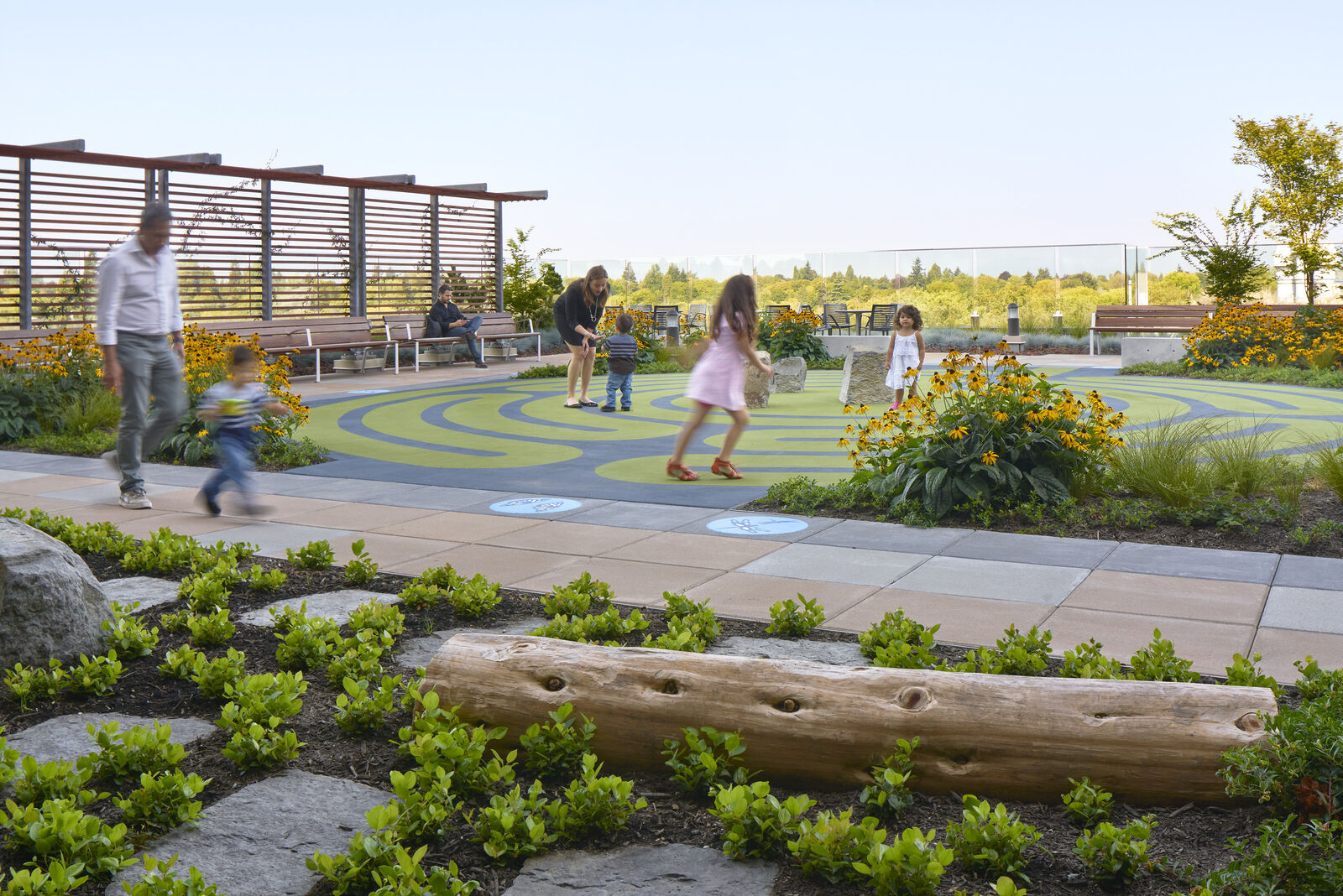
Outdoor garden spaces were added for patients, families, and staff for moments of respite.
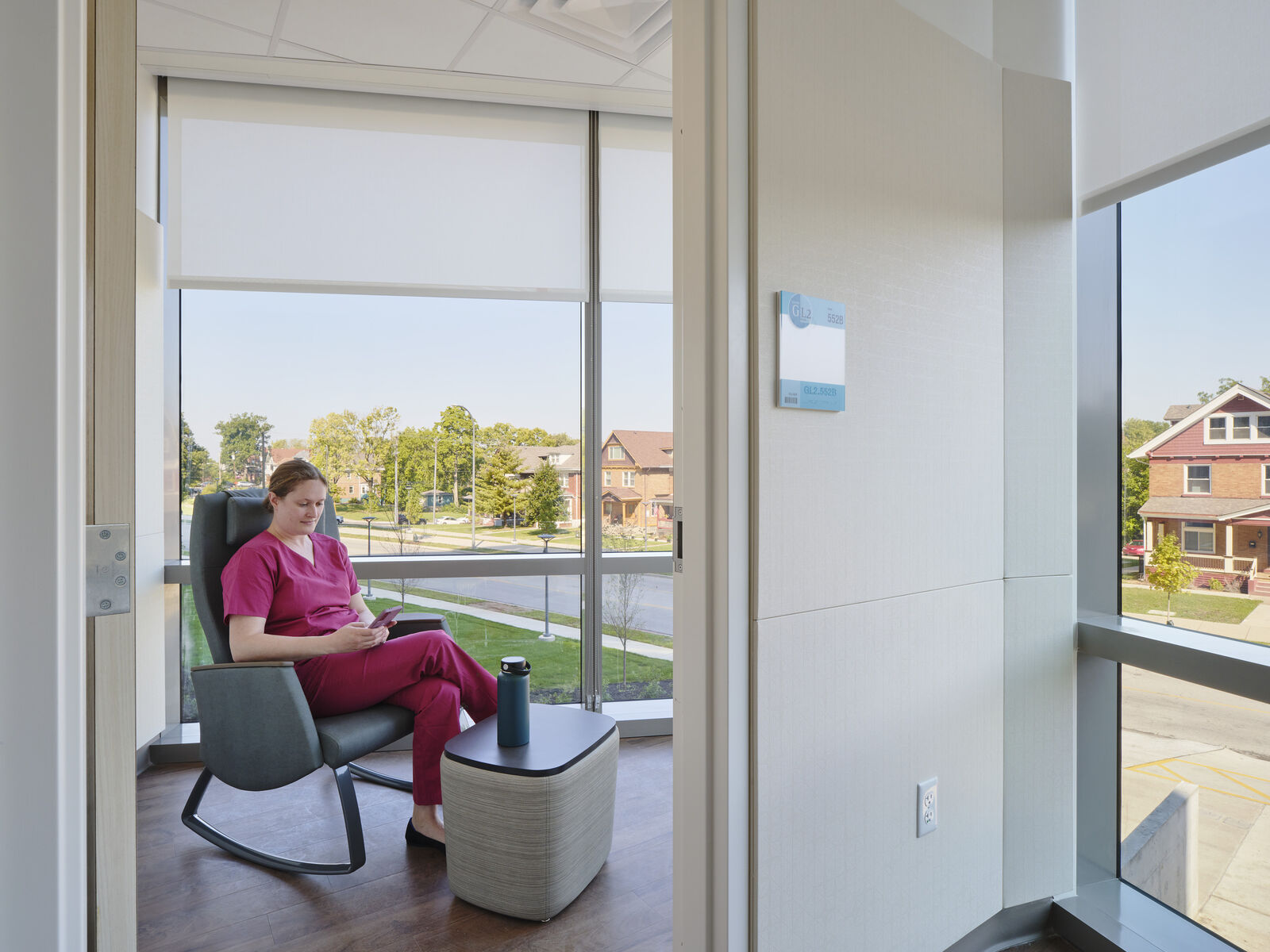
Quiet spaces for staff to have a few moments to themselves on-unit provides an opportunity to recharge.
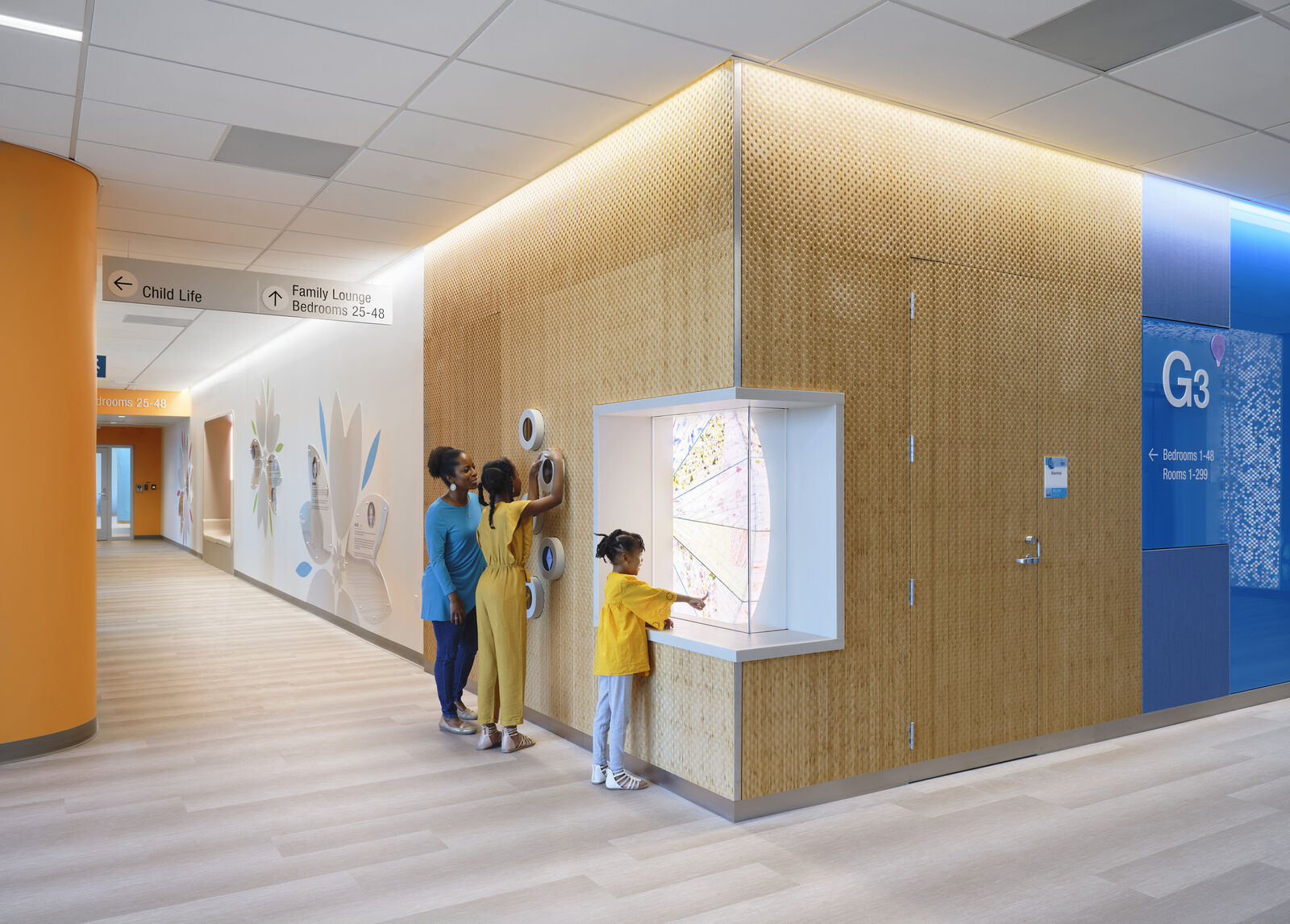
The Critical Care Building’s kaleidoscope theme appears throughout the design in artwork, lighting, and wayfinding. ZGF partnered with an artist to develop a physical manifestation of the hospital’s “Better together” tagline that has become the theme of annual fundraising events and name of public spaces like the Kaleidoscope Café.
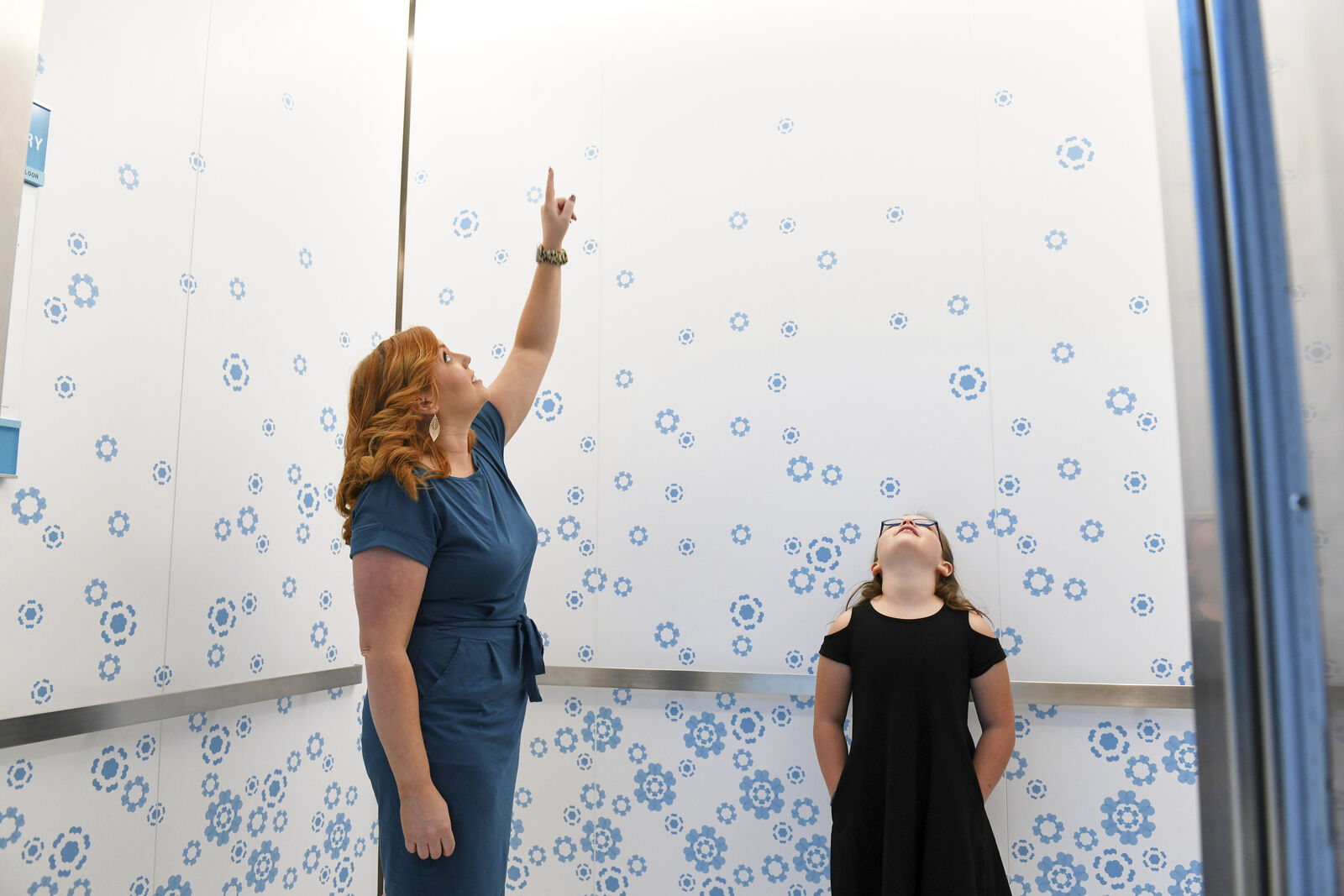
Moments of discovery along a patient's entire journey, including the elevator, help alleviate stress and offer a positive engagement opportunity.
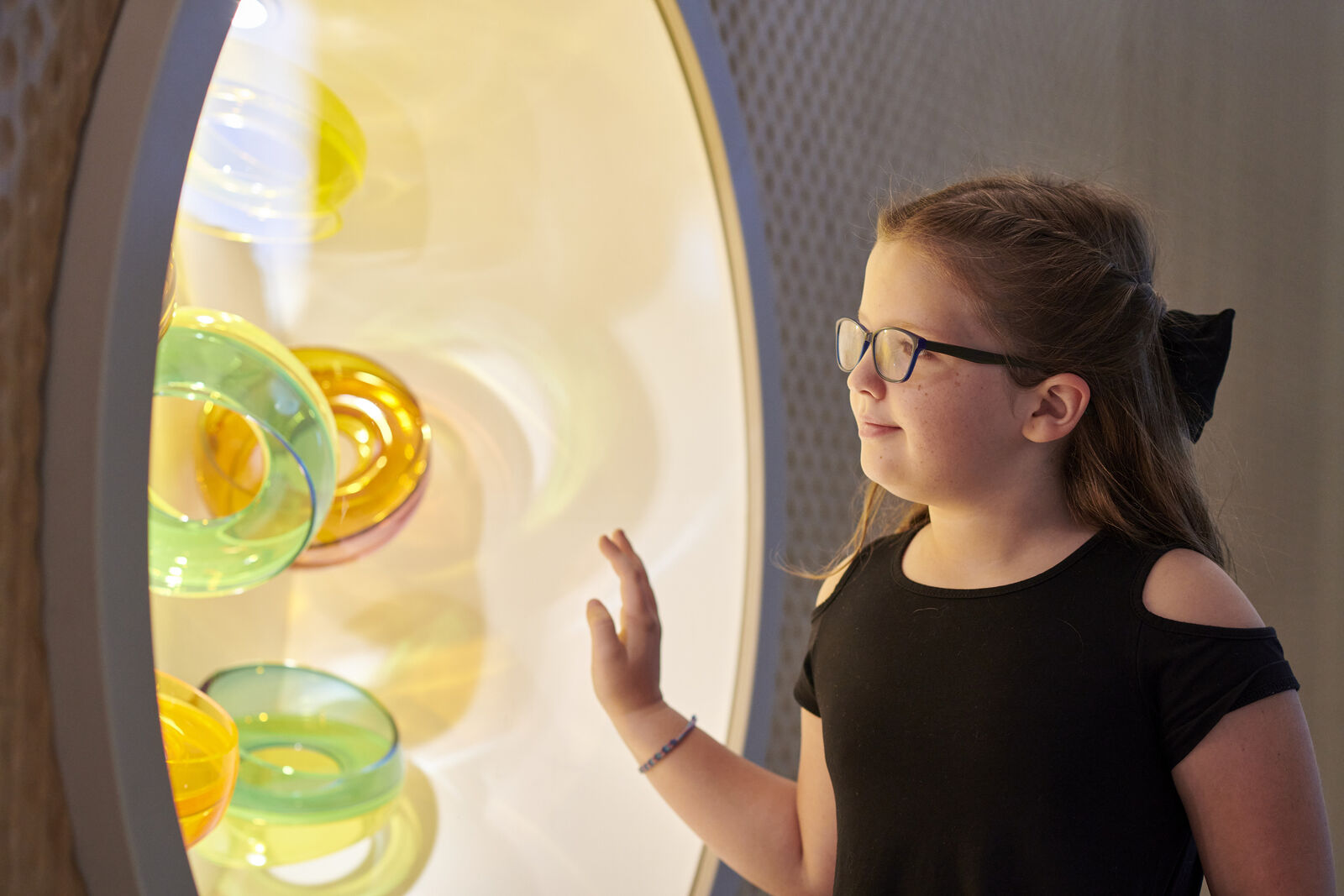
Jim Pattison Children’s Hospital
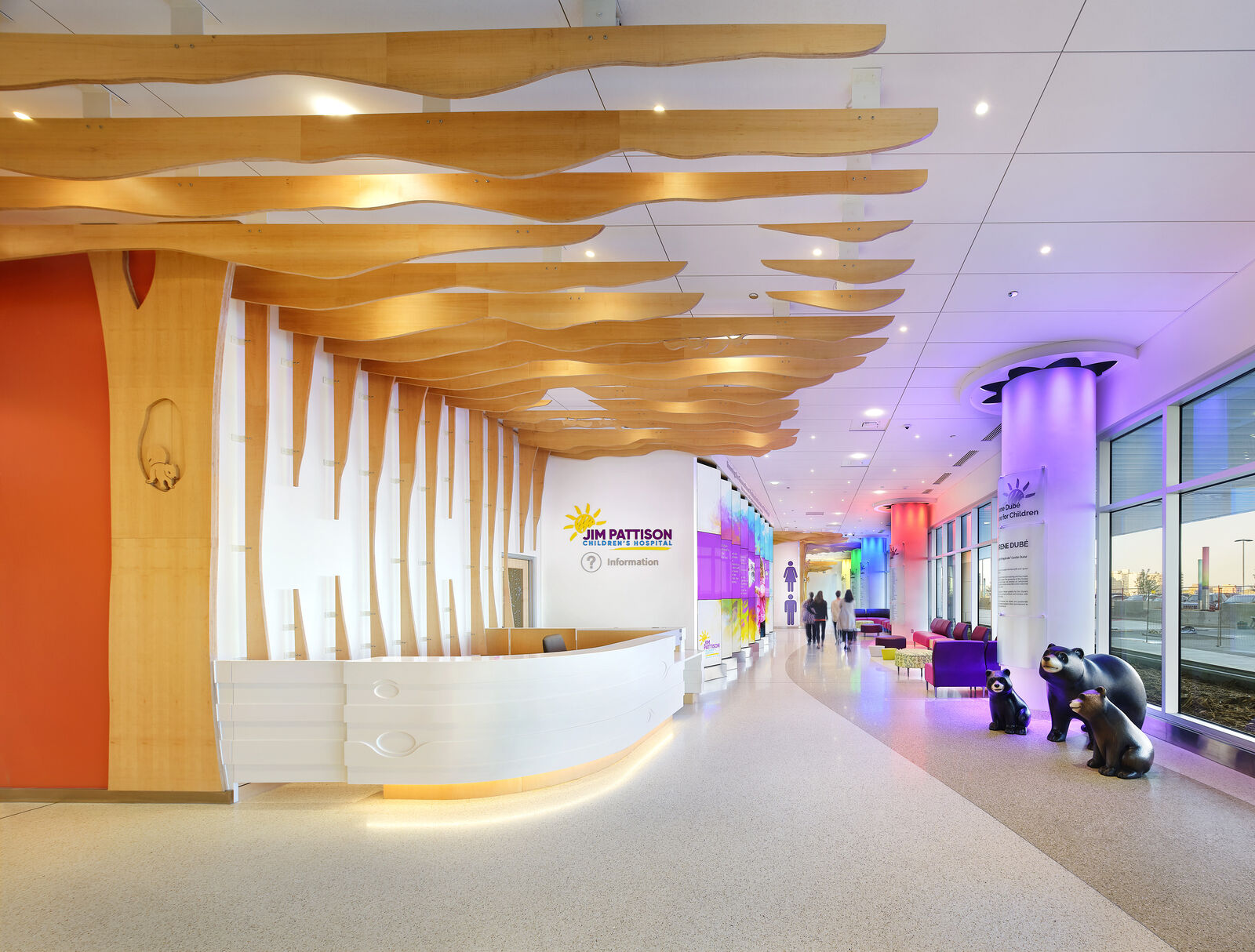
Prior to the construction of Jim Pattison Children’s Hospital, Saskatchewan was one of only two Canadian provinces without a dedicated pediatric hospital. Families had to travel out of the province or to the adjacent Royal University Hospital, which had aging infrastructure and a decades-long shortage of beds for pediatric care. The new children’s hospital achieved unprecedented community involvement that drove the building’s design, including ample space for families traveling long distances. ZGF engaged over 1,600 community members and children—some from remote villages almost as far north as the Arctic Circle—to hear directly from families as to what they need in a new facility. The project received an honorable mention from the Design Council of Saskatchewan’s Awards of Excellence.
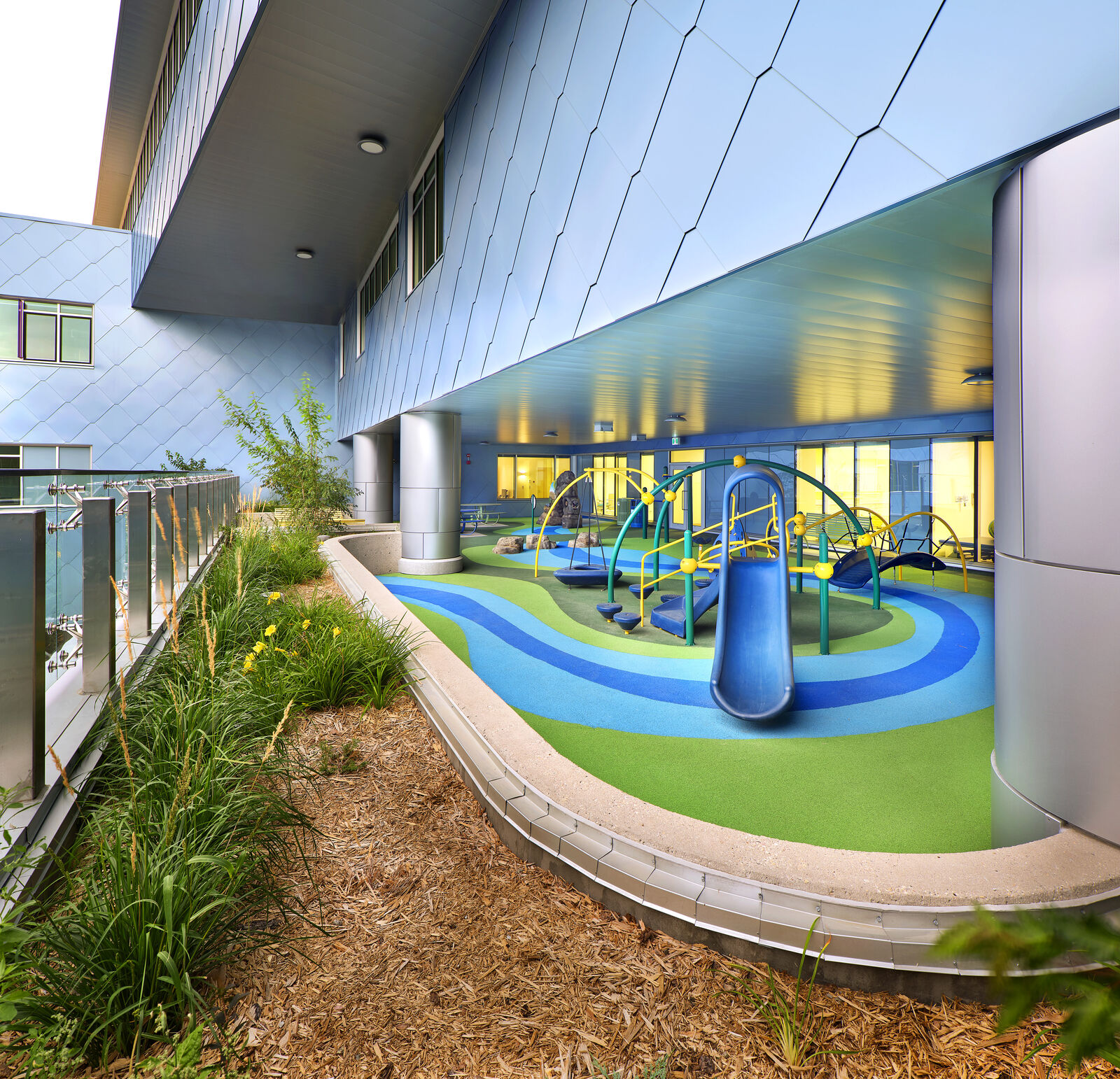
Recognizing siblings as part of the healthcare journey is essential. Giving them places to play and moments to connect with their parents helps nurture the well-being of the whole family.
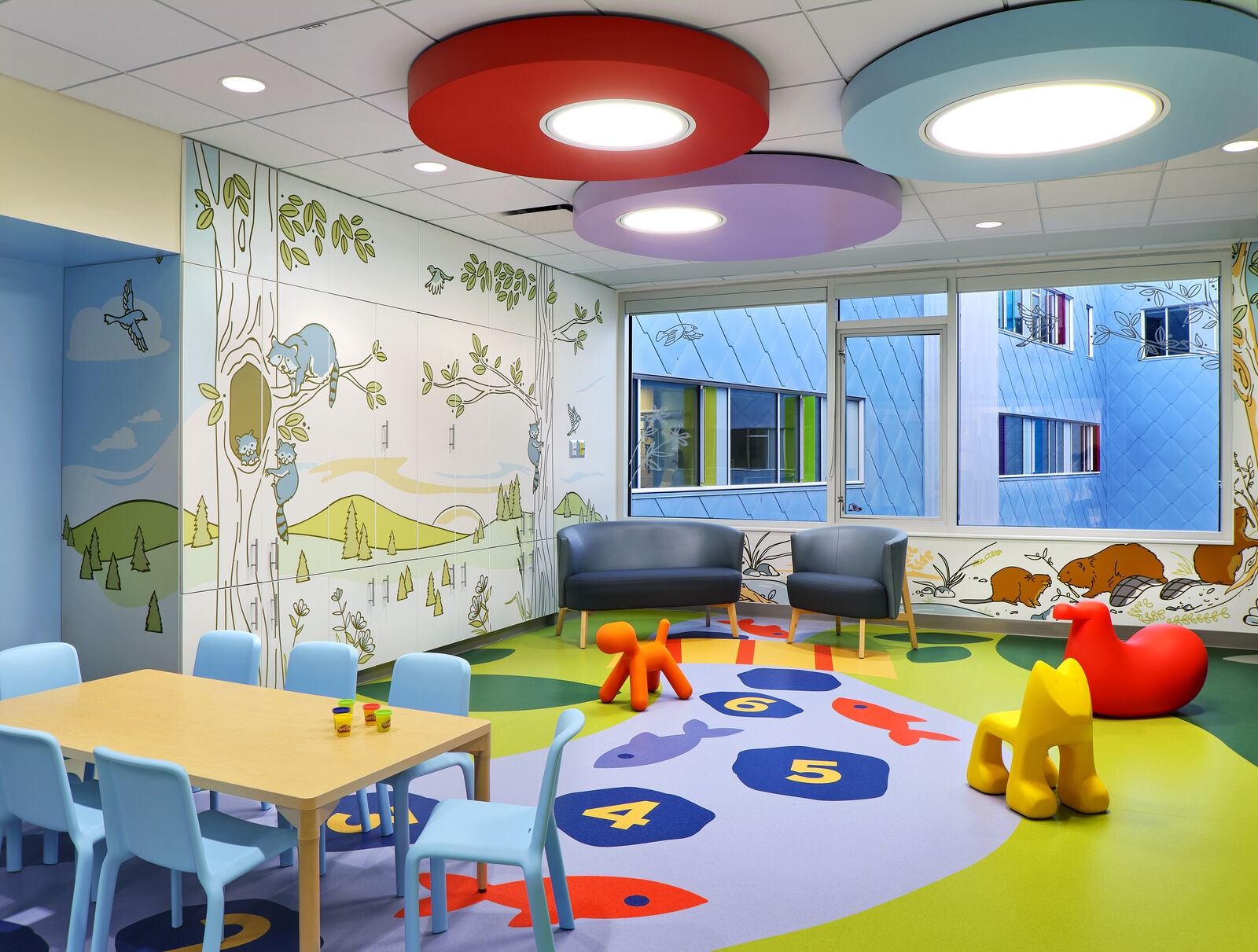
Even during illness, children need the chance to be kids. Safe play spaces, educational areas, and opportunities to gather are essential for their health, healing, and well-being.
“Children’s voices could finally be heard, and those became anchor points for our design.”
– Allyn Stellmacher, Partner, ZGF
Children’s Hospital of Philadelphia
With no known precedent at the time, Children’s Hospital of Philadelphia (CHOP) developed a first-of-its-kind pediatric care unit that meets the requirements and licensure of an acute care unit for patients with a comorbid developmental, behavioral, or psychiatric diagnosis. ZGF led a multidisciplinary team to envision, plan, and design an environment that would support a new model of care for this unique patient population that was previously treated in a general medical surgical unit. The Medical Behavioral Unit includes spaces not typically found in an acute care unit, including places for creative activities, relaxation, and meditation rooms where patients can self-soothe. This earned the project a IIDA Healthcare Design Award.
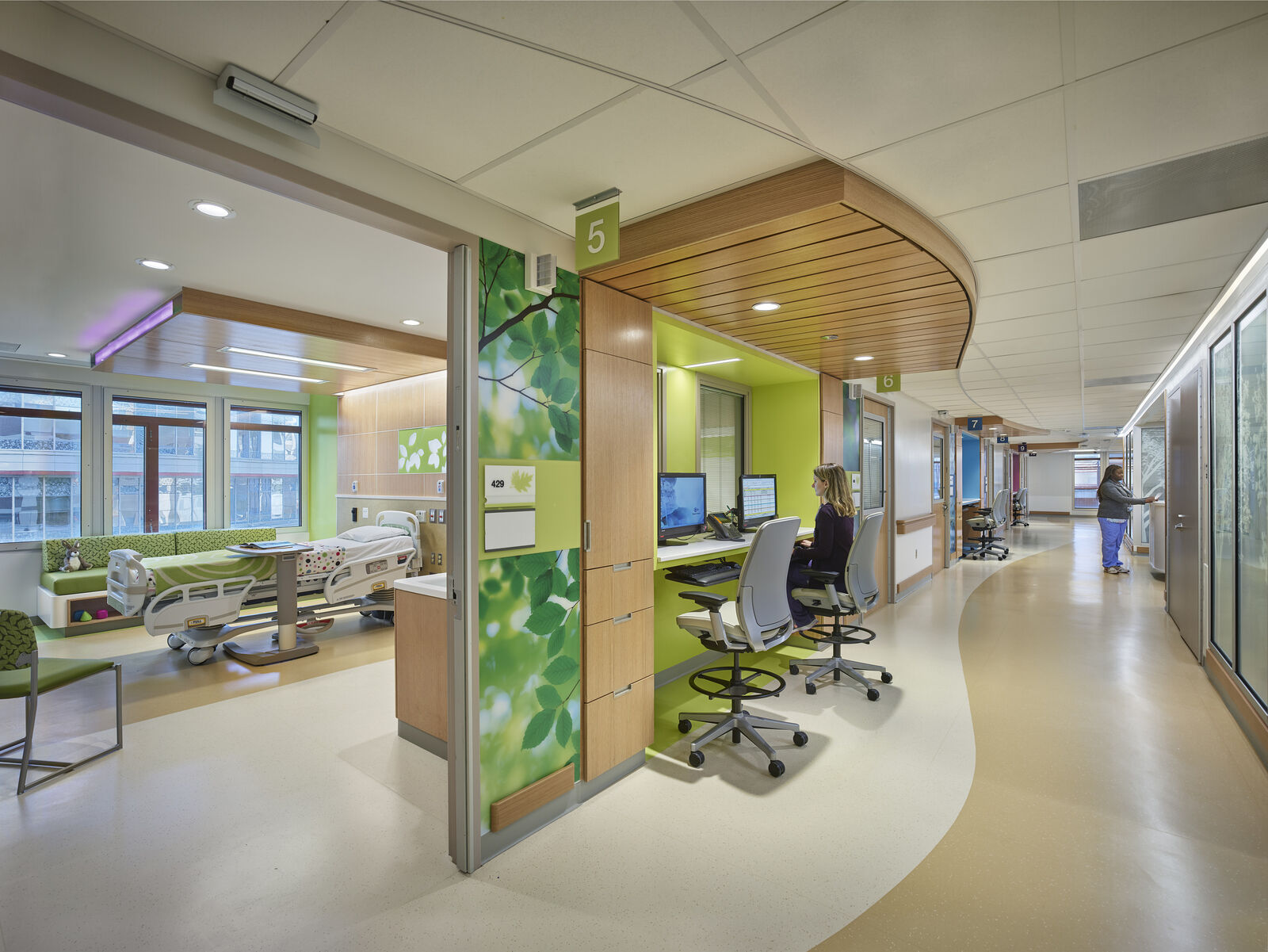
Circadian lighting was implemented in all patient and staff areas, including the corridors, to support the body’s natural 24-hour day and night cycle.
Teck Acute Care Centre at BC Women’s & Children’s Hospital
Nearly a decade after its opening, the BC Women’s & Children’s Teck Acute Care Centre continues to serve as a case study in resilient design. The LEED Gold project replaced aging infrastructure and provided much-needed space for larger care teams and new technologies, with heavy emphasis on disaster preparedness. In addition to improving day-to-day care delivery, adaptable spaces provide built-in resiliency for the future, including double headwalls in most patient rooms for surge capacity, an ambulance canopy that doubles as a mass decontamination shower, patient wings that can easily convert to infection control zones, and nonclinical spaces that can serve as an emergency operations center. The project received an AIA Canada Society Design Award of Merit and an honorable mention in the Healthcare Environment Awards.
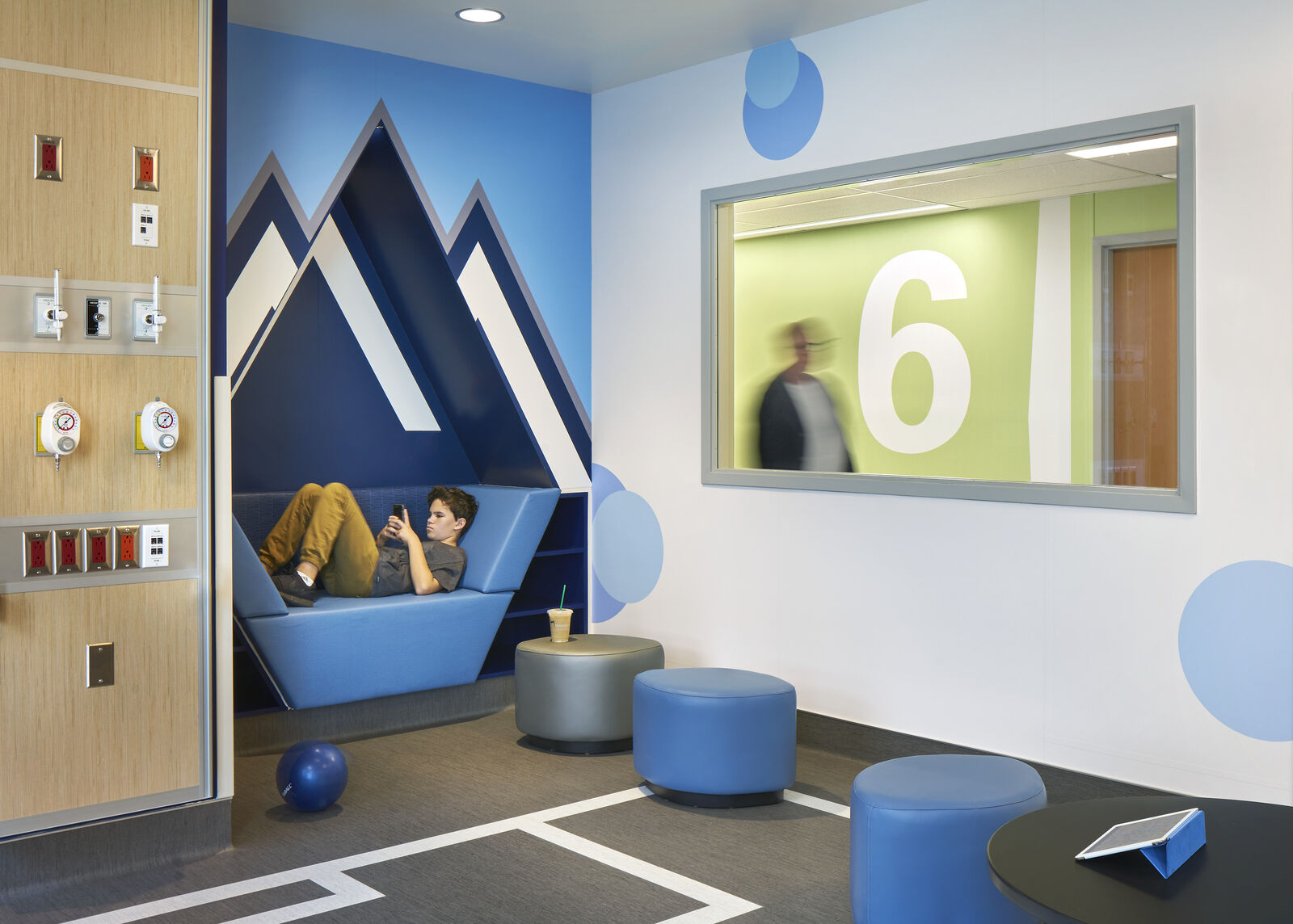
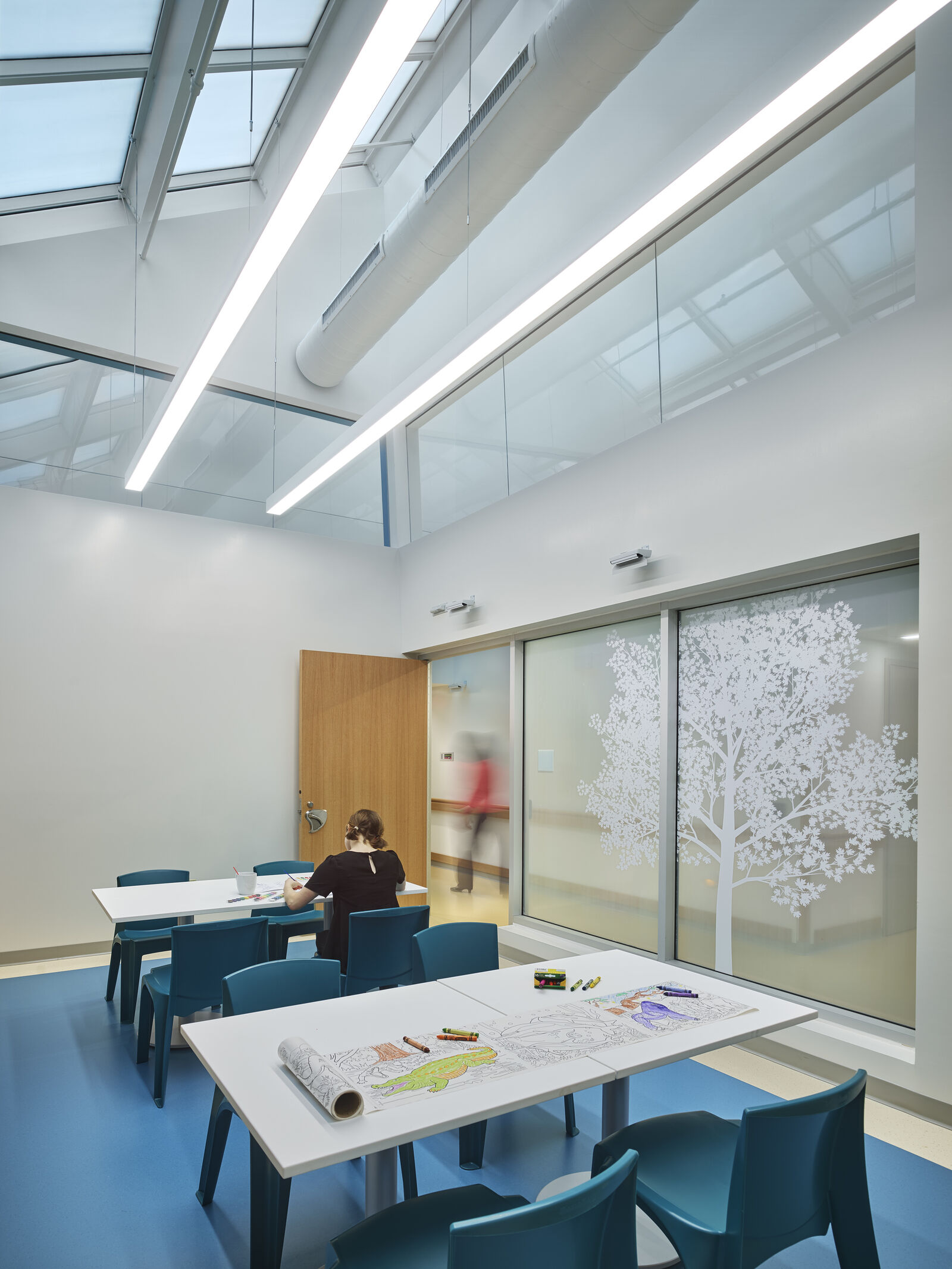
Tweens and teens benefit from having a dedicated space of their own, where they can feel a sense of ownership and autonomy. Providing opportunities for passive observation—allowing them to observe activities or interactions before actively participating—can be key to building trust, comfort, and engagement in healthcare environments.
Randall Children’s at Legacy Emanuel
As one of this project’s guiding principles, the role of art was central to creating an animated environment that inspires healing through joy at Randall Children’s Hospital. Building on an already strong art program that could grow over time, art was intended to be a catalyst for providing positive distractions, creating destinations, and enlivening spaces throughout the new children’s hospital. From the frieze in the lobby and trees and birdhouses in the gallery, to the animals and environmental graphics in corridors and patient rooms, whimsical art installations surprise and delight families with color, pattern, and connections to the natural world.
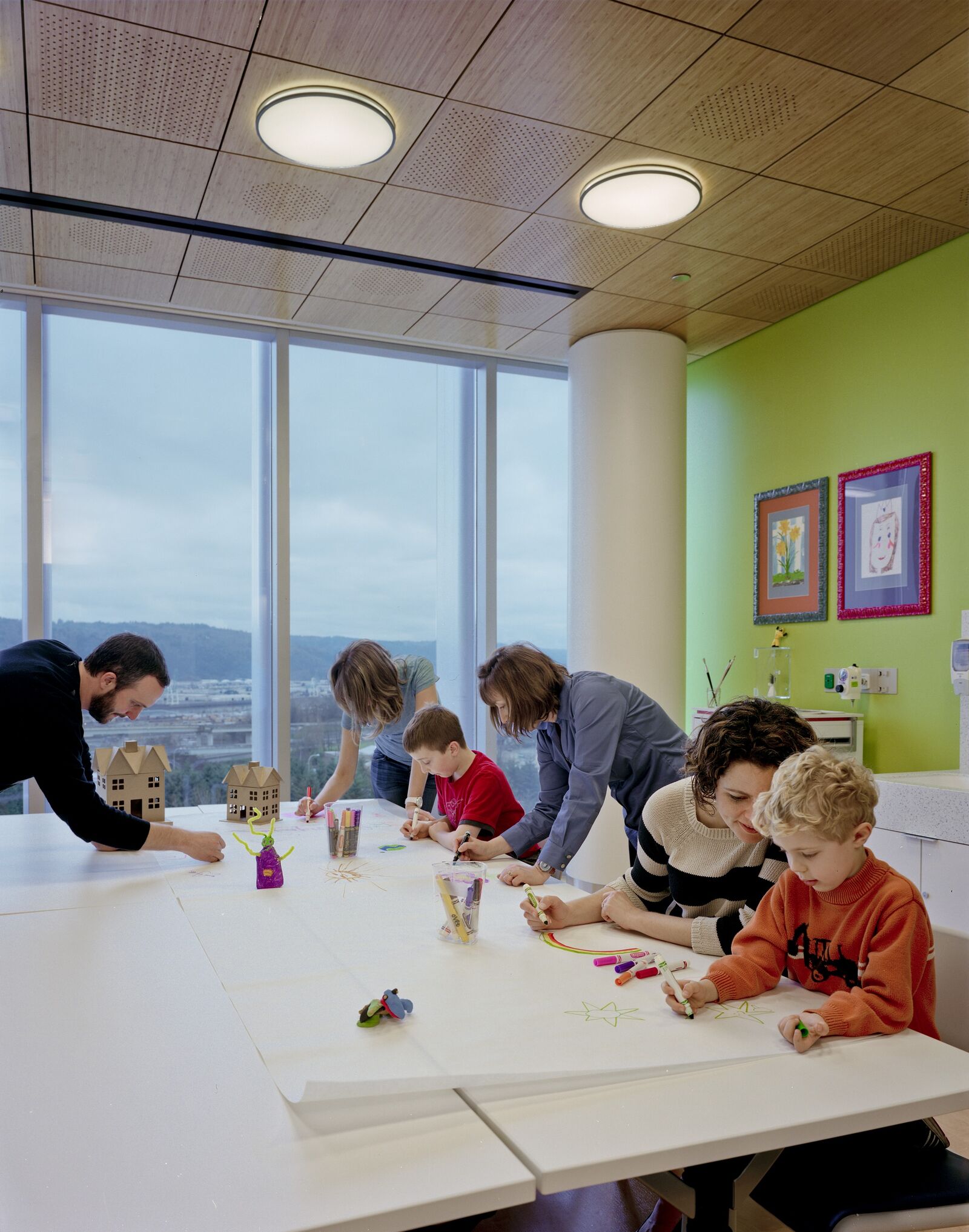
Art therapy helps children in hospitals express emotions, reduce stress, and cope with illness. Having these spaces close to the care environment provides a sense of control, improves mood, and makes the care environment feel safer and more supportive.
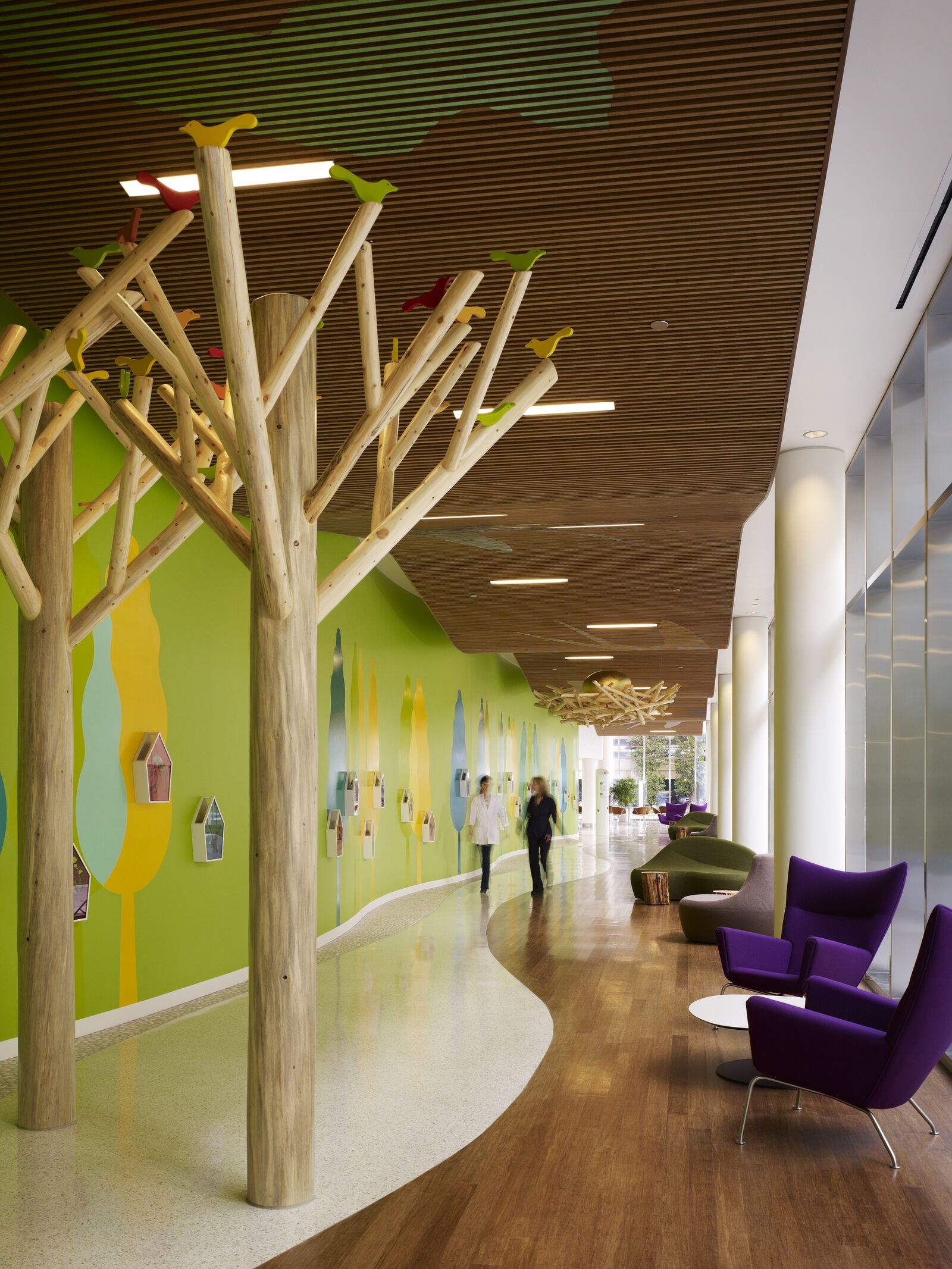
A key design objective was to integrate soft curving forms throughout the interior design of the hospital.

Ann & Robert H. Lurie Children’s Hospital of Chicago
At 23 stories, the Ann & Robert H. Lurie Children’s Hospital is one of the tallest children’s hospitals in the world. The Comprehensive Cardiac Unit features acuity adaptable rooms that eliminate the need to transfer cardiac patients to another unit when their condition changes. The rooms, which meet requirements of a PICU room while providing the amenities and atmosphere of an acute care room, improved patient safety through reduced handoffs, medication errors, and risk of complications during intra-hospital transport. The model also increased bed utilization and patient, family, and staff satisfaction. We know that staff enjoy caring for patients throughout the continuum of their care and this model allows them to do so when patients remain in the same room throughout that continuum.

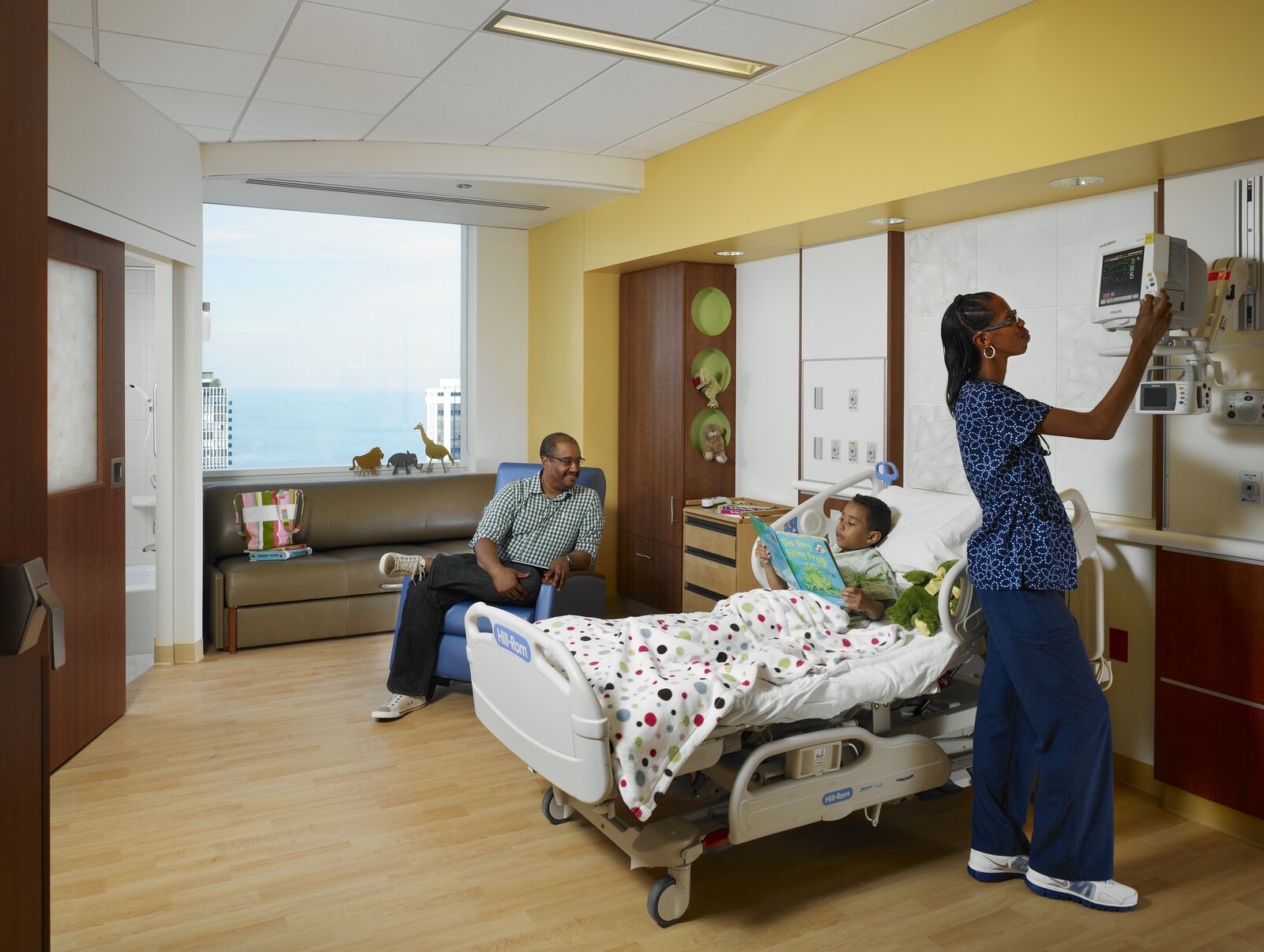
Personalizing a space helps patients feel more comfortable, reducing anxiety and promoting a sense of control. For children and teens, familiar or customizable elements can ease stress and support emotional well-being during care.
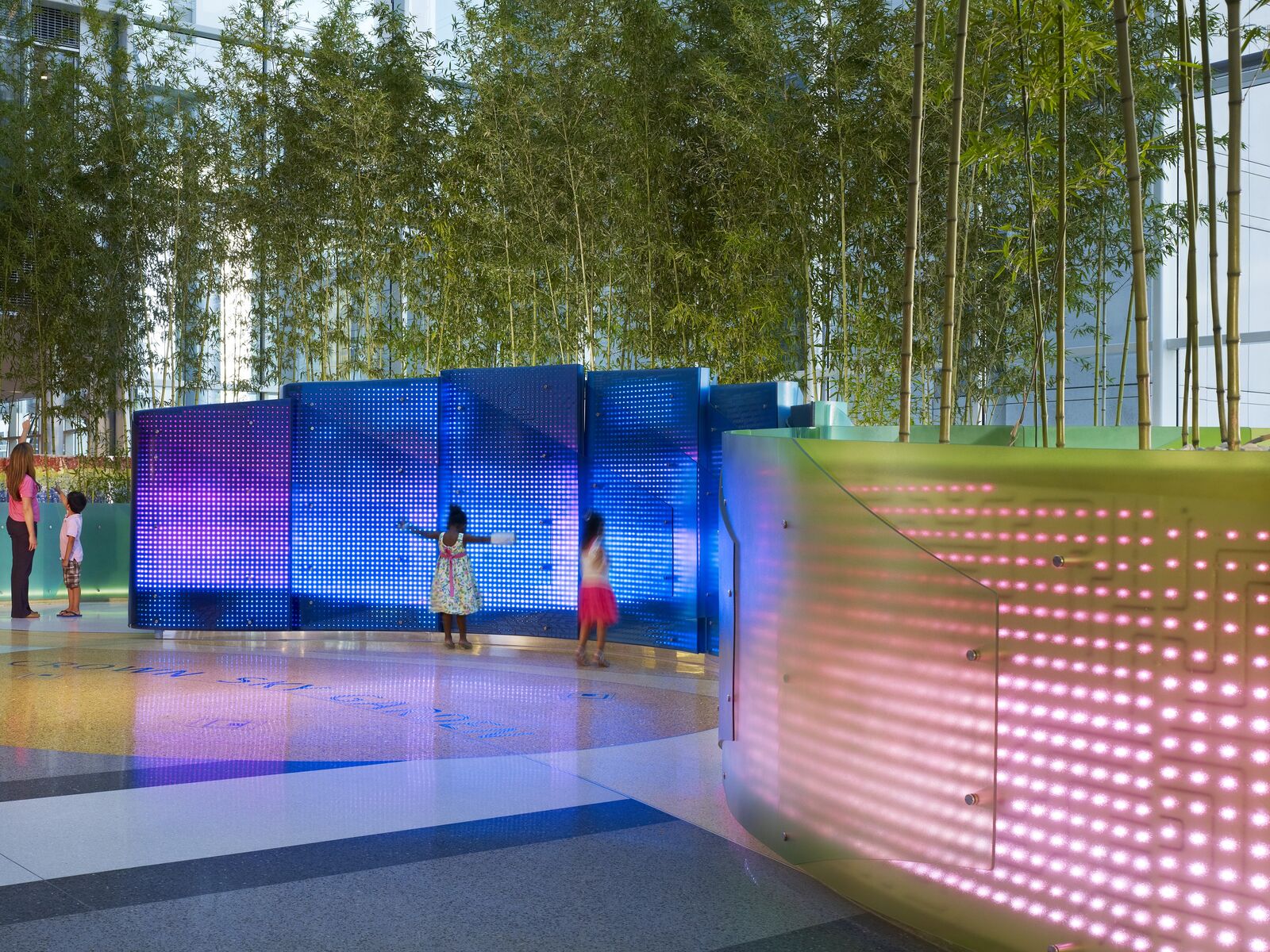
Lurie Children’s received numerous awards and citations for its innovative design from the Society of Critical Care Medicine/American Association of Critical-Care Nurses/AIA AAH, Modern Healthcare, Chicago Building Congress, Illuminating Engineering Society, and Healthcare Facilities Symposium, among others.
With a growing population of newborns needing neonatal intensive care, more health systems are co-locating maternal fetal programs within children’s hospitals. This highly specialized practice—a differentiator among the few children’s hospitals that offer it—improves outcomes for babies with complex medical needs and allows mothers to receive multidisciplinary care before, during, and after high-risk pregnancies. Children’s Hospital Colorado was one of the first to integrate maternal fetal medicine in its East Tower Addition, following the completion of the main children’s hospital. This dedicated floor features a large fetal intervention suite to hold interdisciplinary teams, additional family amenities outside of patient rooms for longer antepartum stays, and direct access to the NICU floor of the children’s hospital.
The design process was complex given the sheer number of multidisciplinary team members involved in the high-risk surgeries—often 20-30 individuals in the OR at one time. ZGF facilitated a series of workshops with stakeholders from multiple institutions to define the future state for maternal and fetal health programs, resulting in a clear functional program that informed a detailed space program and design. The project won an IIDA Oregon Honor Award.
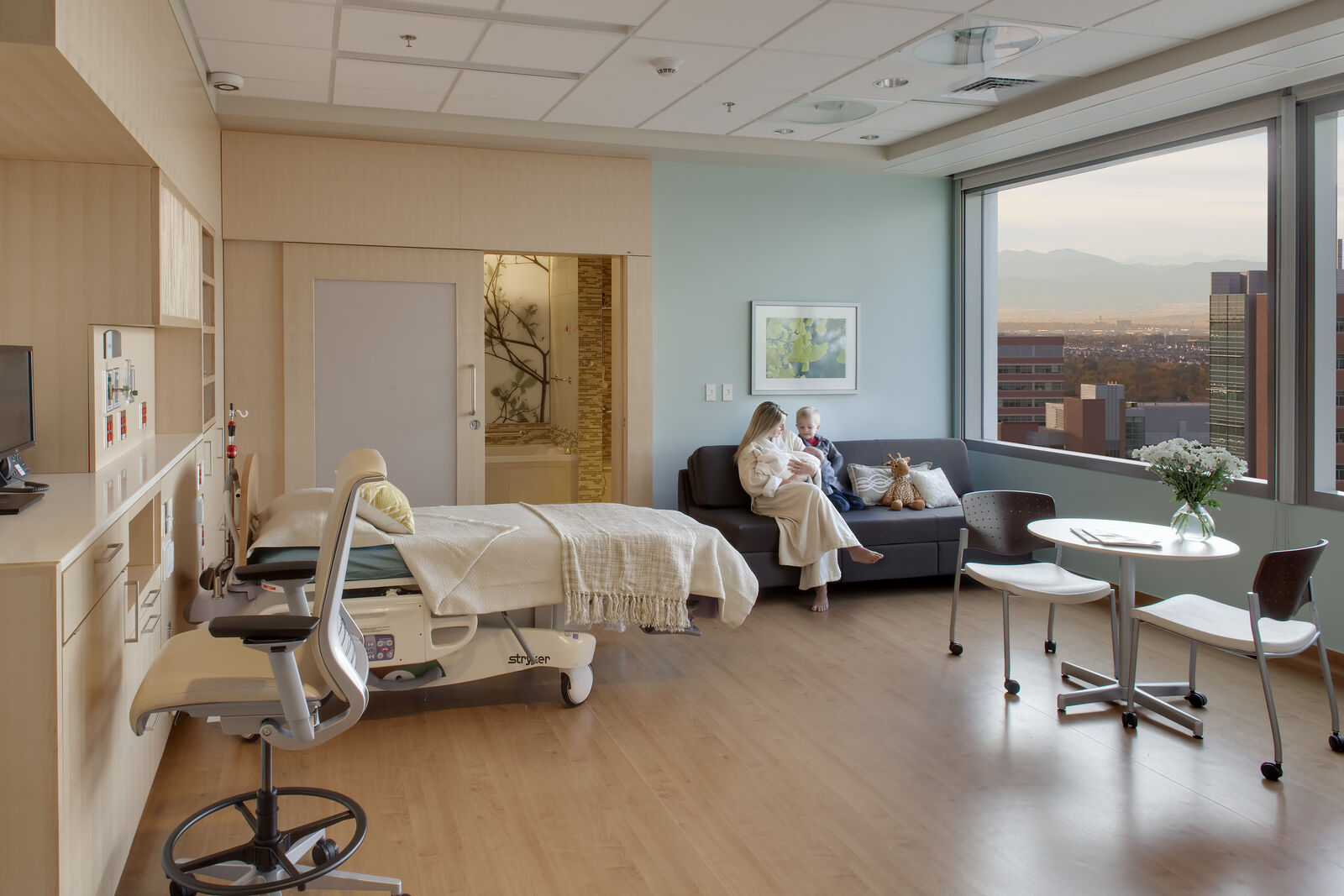

University Health Women’s & Children’s Hospital

Seattle Children's, Building Care: Diagnostic and Treatment Facility

Ann & Robert H. Lurie Children’s Hospital of Chicago
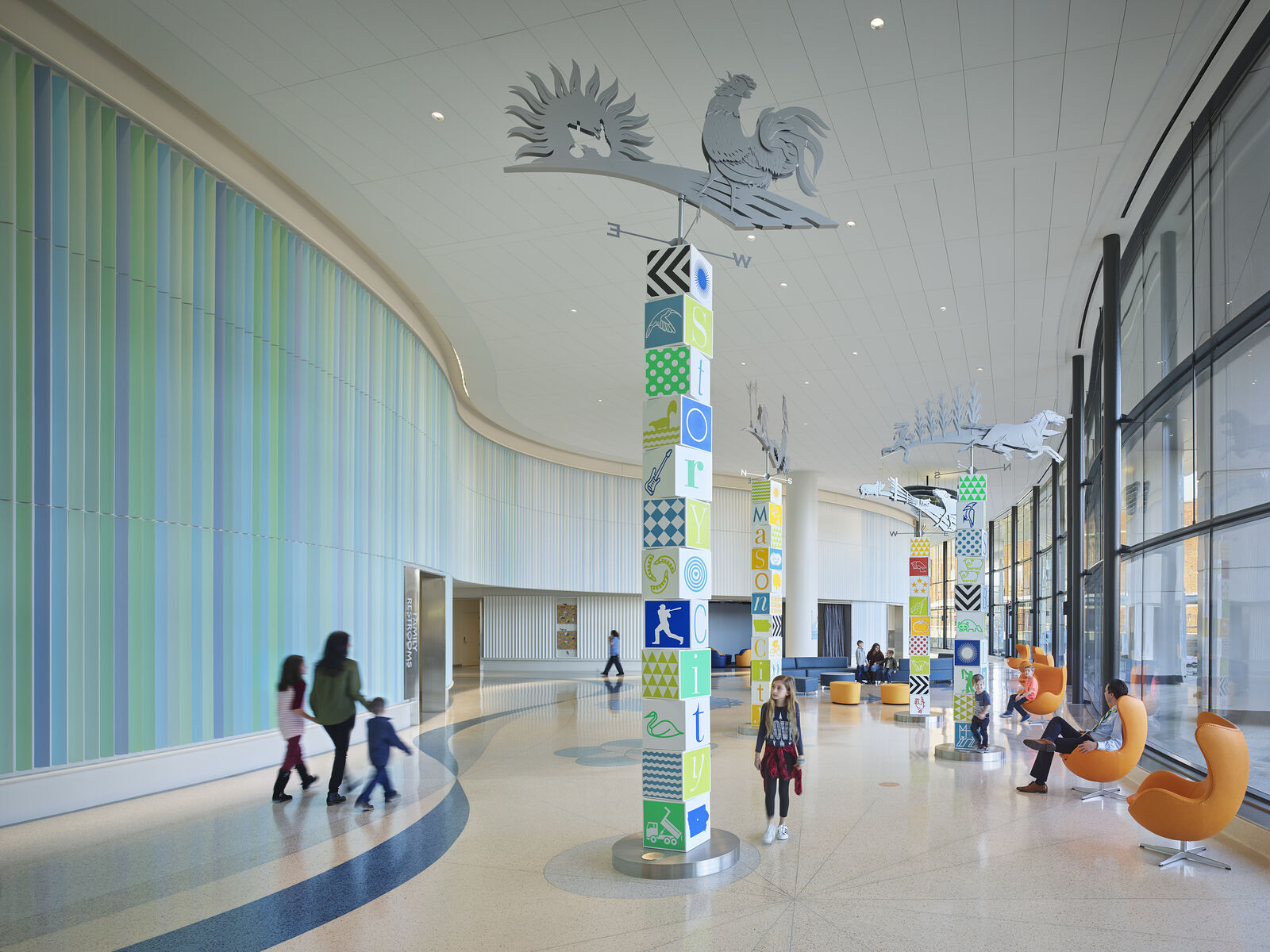
University of Iowa Hospitals and Clinics, Stead Family Children's Hospital
